-Small Game, Wild Turkey, Boars, Bears, Deer and more
-November is Key Month
By Forrest Fisher
If you’re packing your snowbird bags already and are planning ahead to hunt in Florida this year, November in Florida is an awesome month to head for the woods. You have the option to hunt small game, wild turkey, boars, bears, deer and more. Regulations are not complicated, but it’s a good idea to download the syllabus for the sector area you plan to visit.
Hunting opportunities require a hunting license to participate in Florida. The Florida resident license fee is $17, nonresidents have a choice based on length of term with the 10-day license cost of $46.50 or the year-long license for $151.50.
If you want to hunt on a WMA, you also must purchase a management area permit for $26.50. And don’t forget to obtain the brochure on
To hunt on wildlife management areas (WMAs), you must possess a management area permit ($26.50) and a hunting license, (and often other permits depending on species and season), unless exempt. Limited entry/quota permits are required on WMAs during certain time periods. They can only be applied for during the scheduled application periods. The worksheets with the hunt choices and hunt dates are usually posted about two weeks before the permit application period opens. For each WMA, the dates, bag limits and rules differ greatly for each area.
I noticed that there’s an alligator season too, for those looking for a bit more excitement that the quiet woods.
All necessary licenses and permits are available at any tax collector’s office, retail outlets that sell hunting and fishing gear, by calling toll-free 888-HUNT-FLORIDA or by going online at GoOutdoorsFlorida.com.
Doe-In-Estrus scent is the “hot scent” during the annual Whitetail Deer rut cycle.
-Super Moon Last Night: Rut Happens in 6-10 days
-Use an Effective Scent
-Keep a Grunt Call and Bleat Call Handy
Doe-In-Estrus scent is the “hot scent” during the annual Whitetail Deer rut cycle.
By Forrest Fisher
All year long, hunters talk with each other about their great experiences in the woods, especially with observing whitetail deer. During the peak of the rut, observing deer is the most fun, as deer ignore almost everything else except the opposite sex.
Bucks will fight each other for does that have come into estrus, bucks will follow does step-for-step all day long, bucks will usually ignore anything else going on in the woods – or on the roadways – at this time.
For hunters, some of the best outdoor experiences occur during the rutting period, the hot deer hunting time that is set to begin this week in the northeast, or about a week after the super-moon that occurred last night (11/13/2016).
The bucks have been ready to mate for several weeks, but biologists tell us that the majority of female deer (does) are usually not ready to mate until 6 to 10 days after the full moon in November. That puts prime time rutting activity to begin this coming weekend and it should last for about a two weeks. Get ready for action!!
Hunters can help themselves at this time by using attraction scents, since deer have a very keen sense of smell. If you’re new to the scent for deer world, note that deer can detect human presence very easily too. That is one reason why it is not a good idea to use scented fragrance soap for your morning shower on the days you go hunting. Use scent-free soap, there are plenty of brands in the outdoor stores.
To enhance the potential for attracting deer to your stand location, add a scent bottle placed at eye level to a tree near your stand. There are various scent wick dispersant containers on the market, whatever type you choose, fill it with a scent that is likely to attract a lovesick buck. For this next week or so, that “hot” scent will be “Doe-In-Heat” or “Doe-In-Estrus” fragrance. There are dozens of manufacturers, I have used Kishel’s, Tink’s 69, Code Blue and many others. Kishel’s works well for me (http://store.kishelscents.com/products/deer-urine-plus/doe-in-estrus-plus-deer-urine/).
Ideally, your pre-season scouting trips should have helped you locate a ground scrape where mister big buck is announcing his daily presence to a following harem of does. If your stand is nearby, the scent wick container should be in a position that will allow wind drift to spread the desired smell over the area. That will convince any passing bucks also checking the scrape that a hot doe is nearby and your hunting adventure could be about to begin.
Many hunters also drag a scent rag for their trips into and out of the woods, and right across an active deer trail. This is a very simple piece of braided string about six-feet long with a small rag tied to one end and flavored with – you guessed it – “Doe-in-Heat” scent. The other end is looped around your boot.
The Quaker Boy Brawler Call offers big buck or small buck call tones and is durable. Quaker Boy Photo
If you are in a tree stand, you will be able to see much more than from a ground location. Use care if you are well above the forest floor. I have watched deer with their nose to the ground walk right to my tree stand and never look up, thanks to the drag rag. It’s not always that easy, but it has happened exactly that way more than once. A drag rag adds to good hunting strategy, but don’t apply too much scent. Just lightly wet the rag. When you reach your stand, remove the rag 20 feet from your stand and hang it in a small tree or bush.
The doe-in-heat scent will help attract bucks that are in a search for a hot doe. It is a great experience to see. When you see the big guy and it appears he will not come your way by his own nature, use a grunt call and bleat call to lure him closer to your position. I like the Quaker Boy Brawler call (https://www.quakerboy.com/product/brawler-buck-call/) first, it has a deep tone and is adjustable, wait 3-4 seconds and then flip over the Quaker Boy Bleat.
Remain as motionless as possible. Big bucks seem to notice everything, even hunters in trees. Use a face cover, as many hunters agree it is the hunters face with blinking eyes and breathe vapor trail on cold mornings that can spook a buck.
When all the sounds and scents worked for you in the manner intended, that’s where a well placed stand and good shooter accuracy now comes in handy. As that big buck enters your range, your heart may seem to beat like a drum and if you didn’t know better, you might think the deer can hear it. If possible, talk yourself into a state of calm, it is easier to shoot more accurately that way. Experience helps with this, but even veteran hunters have to wrestle with their emotions, the shakes and cold sweats too, when a big buck approaches. Especially during archery season.
The rest of the adventure and the storytelling that will remain in your mind for all time begins at that moment.
Get out there this season and enjoy our free America and the great outdoors we support with our hunting license fees. Effective wildlife conservation in the outdoors begins with hunting. Thanks for understanding that and for continuing to be an effective member of the hunter participation audience.
– Monster Salmon, Steelhead and Trout all year long
– Hang on to your Hat!
Photo by Jack Savoy
By Forrest Fisher
If you have ever had the “itch to fish” a world class fishery in a hotspot fishing adventure wonderland, you gotta try dropping a line in the Lower Niagara River at Devil’s Hole from a boat.
The sheer sound of the gurgling water flowing past will bring a pleasant surprise to your hearing senses. It is so relaxing at first, but only until you hook into a monster salmon or steelhead or brown trout or lake trout, or maybe even a sturgeon, and your drag begins to sing a song that you’ve never heard before. You know, that pleasing, whining, sound of a continuous rip-off of your fishing line with a fish that you have not seen yet, but you know that fish is heading off somewhere into the horizon. You want him! Anglers scream when this happens, some holler, some cheer, some find a new combination of letters that describe a brand new word. Yes, it’s mystifying and these are among the ultimate moments that sportsmen can call “Incredible Fun!”
The best part? You can fish the Lower Niagara River all year long – summer and winter, as the flowing water changes level and never freezes due to reservoir fill and release cycles from the electric power generation plants located on both shores of the river. There is one in New York, USA, and one in Ontario, Canada.
Photo by Jack Lavoy
Different fish species become available at different times of the year, but there are always fish to be caught in the lower river. One of my favorite fishing charter captain friends is Captain Jeff Draper. He says, “Starting in September, giant King Salmon that get in the 30 lb range move up river to spawn. This great fishery lasts until the end of October. Then in November, some of the finest steelhead angling in North America begins with fish that average 8-10 lbs and get up to 20 lbs. The Steelhead are followed by Lake Trout and Brown Trout that can get even bigger, 20 lb Lake Trout are not uncommon. Many of these fish stack up at the mouth of the river and Lake Ontario in an area called the Niagara Bar. This season peaks in spring, in April, with Coho Salmon, Lakers and Browns everywhere feeding on bait. We drift for all these fish with light tackle using eggs, minnows and lures for bait.”
To say this kind of big fish fishing is simply fun would be a simple understatement. It is an unforgettable adventure! The rushing water, the power plants, the boat ride itself is exciting and fun, but the fish straining the rod and line is the best part that will forever etch a location in your memory for all time.
Watch this video and see for yourself, how a 4-hour fishing trip on the Lower Niagara River with Captain Jeff Draper unfolds from start to finish, in this excellent and informative video provided to created by Jack Lavoy: https://vimeo.com/188567458.
Most of all, it is hard to believe how all this fishing is so affordable. Check it out: http://niagaraguides.com/index.html. A whole day on the water for less than the cost of an overnight stay in a nice hotel. Not sure how Captain Jeff can do it, but you’ll need to call ahead for reservations as his schedule is usually very well booked.
Beverly Ruhland of Wales, New York, enjoys hunting with her brand new crossbow, and she has enjoyed several big deer experiences during the last two weeks of early archery season – that’s when crossbow season opens in New York. Forrest Fisher Photo
By Forrest Fisher
It took 30 years of haggling with legislators and blocked laws in a confused legal system that New York is famous for, not to mention high taxes, but the good usually does win over time, and so it is in New York today. Crossbow hunting is legal.
The New York State crossbow season (last two weeks of early archery season: Nov. 5 – 18, 2016) has brought many happy elderly hunters back to the woods and started new interest in hunting for many young others. I recently received a note from a hunter in Wales, Beverly Ruhland, who shared the excitement of her first day with her new Barnett crossbow in the woods last weekend.
Watch Your Fingers
Ruhland says, “I went hunting today and it was so exciting! I was literally face to face with a big buck that had to be least an 8- or 10-pointer. I was too scared to count his points, but he was so big! I was walking the woods and saw him a short distance away.”
Continuing, Ruhland said, “I did take a shot with my new crossbow, but being so excited I didn’t pay much attention to the proper placement of my left hand. I pulled the trigger and the exiting string caught my thumb, sending the bolt awry. That stung my thumb! The big buck looked at me as I stood still and actually walked right toward me. I couldn’t believe it. He stopped about 5 yards away, stayed about 60 seconds staring right at me. I closed my eyes and thought maybe he was going to spear me with his antlers. Then, thank God, I opened my eyes and he turned to slowly walk away. I was scared and shaking so bad!”
Being a brave hunter, Ruhland admits, “My thumb was throbbing and still is. I really thought the deer was going to attack me. My husband, Bob, a retired Lake Ontario charter captain and avid deer hunter, is still laughing at my story. Even though I missed, I saw 11 different deer that day while sitting in my ground blind. There was another smaller buck, but not close enough to get a shot at him or at any of the others.”
Ruhland is a daily church goer and says, “I’m hoping I can go out again tomorrow after morning mass. Maybe I’ll do better then.” By the way, Bob Ruhland used his crossbow to harvest a big-body buck a few days before Beverly’s sore-thumb, big-deer encounter.
Strong Hunter Groups in New York
The New York deer and bear populations are a great recreational wildlife resource, economic resource too, for Empire State hunters. The nearly 700,000 strong hunter group suggests that big game hunting is an important part of the American outdoor heritage for many folks. The general population is thankful to hunters who provide a valuable public service by maintaining wildlife populations at levels that are compatible with public interest and natural resources, providing for safer travel on our roadways.
While hunting camps in New York State southern tier areas were only alive during the opening day of firearm season, coming in two weeks, now archery hunting with long bows, compound bows and crossbows has enticed hunters to camp weeks ahead of the historical gun season schedule. Hunters now check their stands and assure safe shooting lanes in late summer, how times have changed, all for the good too.
Hunting Camp – Excitement is Ordinary
With every week-ending Friday night, there is extra excitement in the air. Young archers and newcomers to the sport usually do not sleep well on the nights before the hunt, there are dreams of a deer opportunity after daylight. Wind-up alarm clocks begin to sound off around 5 a.m. as lights turn on across hilltops.
Hunters hop out of toasty sleeping bags, scurry across chilly cabin floors to a welcome pot of old-fashioned, percolated coffee – real coffee. Light switches are flicked on and gas lanterns brighten. Flashlights and candles too, offer pre-dawn light, depending on your hunting camp situation.
The grumbling low-frequency voice tones of elderly hunters sort of sound like those of a buck grunting his way through the morning woods in search of a doe. This is the week predicted week of pre-rut in New York. The recurring “thump” heard across the cabin usually means a new log has just been tossed into the wood stove. The sounds of “camp flavor” are welcome and special, because somehow you feel assured that all is well here among your hunting family.
The wood stove and the extra dry air, the sound of humble morning chatter between coffee sipping, cabin laughter and jokes, side bets for biggest deer and the same bull-tales that smelly old men retell every year about this time, are all somehow a special deal for the many who have been there and will never miss an opportunity for a day at deer camp. Deer camp offers those kinds of special times. Hunting and deer camp is an unforgettable experience!
Toilet Tissue Advice
One thing to remember is that most folks usually eat too well when in deer camp, so when you head into the hunting forest, wood-side restrooms are easy to find, but comfortable dry leaves are not. Take a small roll of tissue or toilet paper with you in a re-sealable plastic bag. It’s good to be prepared! I keep my gutting knife in the same bag, that way all is dry too and I can’t forget the really important stuff!
Deer camp fun is still alive even 80-year-old hunters that seem to turn into youngsters. Getting dressed often looks like a group wrestling match, with all hands on deck at once. Everyone is working to reach their hunting stand by a half-hour before sunrise – in the dark, not everyone will make it there in time, but 30 minutes after sunrise works too.
Even during the firearm season, if you are hunting in close quarters to heavy brush and timber, the crossbow is a great way to consider hunting. Crossbows during gun season, something to think about.
Chris Kempf landed this 46.25” musky while trolling Lake Erie aboard Mostly Musky Charters with Captain Larry Jones of Buffalo, New York.
-Niagara Musky Association – Catch & Release
-Musky Lures, Secret Musky Logic
-One Musky Champion: Captain Larry Jones
By Forrest Fisher
Chris Kempf landed this 46.25” musky while trolling Lake Erie aboard Mostly Musky Charters with Captain Larry Jones of Buffalo, New York.
When I was just a little boy in the 1950’s, I would read the Breem’s Forrest outdoor column in the Buffalo Courier Express (New York), noting that “musky fishermen from Chet Bowman’s livery at the foot of Sheridan Drive would score on big muskies off Strawberry Island.” I was always fascinated by the size of the fish shown in the newspaper pictures – some 50 pounders, so these big fish have always had my personal attention (and fear).
In those days, anglers would brag about the great taste of musky – which was really not all that good, but they were actually bragging more about their big fish catch. It’s a guy thing, especially post-era WWII, success was hard to find at times.
Anglers did eat many of the musky’s caught back then, many of those anglers were elderly post-depression era fisherman and they knew what it meant to have zero food. They would not waste anything, especially a big fish that might provide many meals. It was a different time.
Today, modern-era anglers are educated and know much more about conservation, they understand the fishery for giant fish is limited to preserving and maintaining the smaller fish. One organization, the Niagara Musky Association (NMA), has many dedicated members and is passing on the master plan of catch and release to everyone when it comes to musky.
As a result, members of this fishing and conservation organization have proven with catch data and record keeping that their view of catch and release is working. They catch a musky monster, handle it carefully, take a photo if possible and release the fish back to nature. Wall mounts today only need a length, birth and picture to recreate your catch and allow life in the musky world to flourish.
With this program in effect for many years now, decades, big musky are caught all year long, but musky are especially on the mega-feed as we enter November. Upper Niagara River and Buffalo Harbor currents attract baitfish in large schools as fall weather turns toward winter months and the muskies know it. The savvy anglers know it too, anglers like Captain Larry Jones, who is literally booked for every day from October through the end of November. Why? Because Jones catches fish and he catches them all the time. He knows the strategy of baitfish location change and that means big fish for his clients.
Just yesterday, Captain Larry Jones was fishing some of his secret water trolling areas with a client, Chris Kempf from Cheektowaga, New York, and the musky were cooperating despite the 34 degree air temperature. Kempf reeled in two musky over the few hours of night preceding sunrise, one of them measuring nearly 47 inches.
Jones set up his client trolling a Legend Plow crankbait, a modified $100 lure, with the lure running feet down over 41 feet of water out in lower Lake Erie in front of Buffalo. Jones says, “We were marking schools of emerald shiners 25 feet down, lots of walleye hooks and a couple bigger muskie hooks. Using lead core line to acquire extra depth, we set our crankbaits at 25 feet and trolled through the baitfish from different directions of approach. On the 4th pass at 5:30 am we got a hook up and after a short fight into the net went an extra fat 46.25” muskie. We managed to catch a 2nd fish too, a 38″ muskie closer to the Buffalo Harbor South Gap in 34 feet of water.”
Catching two fish normally defined by anglers as “the fish of a thousand casts” in less than two hours is an incredible feat in itself, but Captain Jones does this all the time largely because he understands the fishery.
Jones adds, “Yes, a lot of the conditions that allow you to catch big muskies before the water temperature drops cool enough to bring in bait fish from deeper waters of Lake Erie are short lived. The wind-induced water temperature changes with wind direction change and everything is either there or gone just like that.”
While late fall is the best time to hook a real giant, Jones says, “The only other chance you have before the water temp in Buffalo Harbor gets warmer then the deep waters of Lake Erie is strong winds with big waves turning Lake Erie silty grey and water behind the walls is green tint, everything moves to cleaner water, baitfish and predators. Get a North or NW winds and it blows up the Harbor behind the walls replacing warm water with equal lake temperature water and everything disappears again. So timing to conditions is everything.” Jones is sharing his secret tactics with words from the wisdom of experience.
I will personally admit to the joy and surprise of landing 12 or 13 of these monsters while fishing for walleye and bass over the years. Each time I have noticed the eyes of the hooked musky are actually focused and turning to observe the angler with the rod or the net in the boat. As the fish moves around the boat during the landing process, the eyeballs and pupils of the fish turn with every fish change of movement.
Yes, it is fascinating, but a bit spooky too, especially on Halloween night! Exciting to be sure! We have always carefully released them because we value our fingers and because they are such a magnificent, handsome, fish! They are freshwater sharks, lots of teeth!
Captain Larry Jones has been trophy musky hunting the Niagara River and Lake Erie for nearly three decades and catches many fish near the 50 pound mark on frequent occasions. He also fished the Upper Niagara River and Chautauqua Lake. In 1996, Jones caught and released 112 muskies of his own to win the Muskies Inc. – Masters Division Championship. Add that his clients that year caught another 79 muskies from his boat. Wow, this guy is spooky good at musky fishing!
Captain Larry holds a U.S. Coast Guard Masters License and his boat rig is U.S. Coast Guard inspected each year, he is fully insured and well equipped. His contact info is (716) 833-6739, or on the web, visit: http://www.visitbuffaloniagara.com/businesses/mostly-muskies-charters/.
Respect these magnificent fish if you hook one, release them quickly, and be careful not to damage their gills or fins.
Share life with others, make new friends in the outdoors, lead by example.
The eyes of every good hunter are optimistic with a conscious perception of nature and an uncanny calmness that can understand the daily dialogue of the woods and whitetail deer. Photo by Bella Gulino
-Early Season Deer Hunting
-Scent and Scrape Control
-Understanding Moon Phase
The eyes of every good hunter are optimistic with a conscious perception of nature and an uncanny calmness that can understand the daily dialogue of the woods and whitetail deer. Photo by Bella Gulino
By Forrest Fisher
At this time of year, sportsmen that live to hunt deer with a bow crave the sweet dreams of active outdoor weekends. For archery hunters, every weekend is a hopeful time for finding the deer in their reproductive rut and in full disregard for hunters and hunter mistakes. If only it could be!
In the archery woods, the deer-watching action is at full throttle way ahead of the season or the rut. In New York, the early archery season opens for six weeks starting October 1st, this year that’s 6-7 weeks ahead of the predicted fall rut cycle.
While the bucks always seem ready to mate, experts teach us that the doe’s need the recipe of shorter daylight hours, the changing low angle of the sun and the full moon plus seven to 10 days (after), to allow their hormone system to reach fertile. After that, they become more commonly know as “hot doe’s” or the deer that bucks are looking for.
From opening day until about one week after the full rutting moon, the deer often appear unaware that their survival-oriented mating season is coming up.
The deer meet in local open field food plots, oak tree groves and apple orchards each afternoon just before sunset and seem to have a sacred conversation of sorts. It is their habitual social ritual and they are perhaps discussing the sweet delight of sugary apples. It’s fun to watch them, it’s a time that hunters often learn quickly that too much calling will usually cause the deer to flee. The deer gather like that in groups until they break up just before the full rut.
“The Grim Reaper broadheads did the job for me this year,” says Alessio Gulino of Clarence, New York, who downed this heavy mature buck with a perfect 30 yard arrow shot.
The formula for when the full rut should happen is complicated, but most folks that hunt with arrows believe in the Alsheimer theory and this year, that means the rut will peak after the full moon in November, so the full rut will occur in the middle of November. False rut occurs in the moon prior to the rutting moon when bucks think they should be mating, but the doe’s are not ready. Scrapes, rubs, lots of deer action can occur in the woods and it’s a good time to get out there if you can.
Peak rut is the time when rutting bucks chase doe’s that are actually ready to mate, with some doe’s literally screaming for their buck to find them using their high-pitched bleat call. Indeed, their gesture to signify immediate need to mate.
During this October, a month before peak rut this year, the bucks can become frustrated, providing vulnerability for the deer and adding to hunter advantage with the proper use of downwind location and use of scent attractants. It’s a hot time to be in the hunting woods if you can accurately place an arrow on the mark of your aim. That’s what young hunter, Alessio Gulino, 23 years old from Clarence, New York, did last weekend.
Using a Grim Reaper broadhead and Diamond compound bow set up for a 65-pound draw, Gulino dropped the buck at 30 yards with a clean heart shot. Gulino says, “The deer did not even take one step, he simply crashed on the spot.”
Gulino adds, “Since October 14th, I have seen signs of false rut. I have had a few smaller bucks come around my food plot leaving their scent behind. Making rubs and scrapes, it been a joy watching the little ones. On the day I got my buck, I switched to a stand in a more wooded area. When this buck came out his behavior was different. More of a strut as he walked, neck was swollen and nose to the ground. That was my false rut experience, I have also been monitoring the moon phases, as well as the weather. To me, the biggest things that matter about the rut, false or full rut, are moon phase and temperature.”
Many experts will say, “Yes, very true.”
Mid-day scouting and a quiet walk around your hunting terrain in search of tree rubs and ground scrapes can help identify active buck locales. The bucks that made those rubs and scrapes are not far away and they usually return to check for tell-tale signs of a hot doe at least twice a day, just before sunset and again in the morning sunrise hours just before they head to their bedding area for a daytime snooze.
Once an active buck zone is located with the rubs and scrapes, there are a number of things to take advantage of the location. Savvy hunters set up in a tree stand downwind and wait for the buck to check his area, though in the meantime, you may have to willingly pass on multiple doe’s traveling the area because of scrape and rub marks, and the smell scent left by the buck.
This is where use of scent lines can offer honest advantage to bring the deer right to the hunter. There are two ways to think about using scent, one is to attract a buck by use of hot doe scent, also known as “doe-in-heat” or “doe-in-estrus” scent, and the other is to upset the buck and trigger him into a more aggressive mode with the use of “buck scent”.
The use of buck scent is working when you see the buck come back to his scrape and then start a violent surge of attacking the ground all around his scrape. He is upset. When that happens, you know this buck is upset and considers this area “his area” and thinks he is the dominant buck there. On the other hand, if he knows he is not the dominant buck, the buck scent may cause him to bolt away and never return, so you gotta be careful with buck scent if you are willing to settle for an ordinary six-point buck.
Alessio Gulino was “thumbs up” after realizing that his arrow placement and shot distance estimate were right on.
With “doe-in-heat” scent, you will attract whatever buck is making the scrape and by dragging a scent line from the scrape to your stand location, can win the prize of a possible perfect shot at a range of your choosing. Sounds easy right?
It can be at the right time of year, like now, when bucks are in heavy search for estrus doe’s and not finding many. It’s a nice time to drag a scent line tied from to your boot from the scrape area to your stand area, with the scent line loaded up with “doe-in-heat” liquid lure. Use a small piece of rag tied to a 6-foot string line for the scent line (drag line).
So which “doe-in-heat” scent lure to use? Some hunters will say they are all good, that may be true. In Western New York we have at least one source of natural “doe-in-heat” lure that is bottled from local deer herd stock specifically for hunters at Pines & Tines Whitetail Farm. This is a deer farm with over 60 live deer animals located at 7852 Lewis Road in Colden, about six miles south of East Aurora.
While commercial store versions of “doe-in-heat” are sold in one or two ounce bottles at $12-$14, most of these are chemical equivalents of the real thing. Pines & Tines sells an eight-ounce bottle for $10. Yes, that is a buy. This real nature local product has worked for me and many hunting friends for the last several years and we just never told anyone where we bought our hunting attractant scent. Well now the secret is out! Call Eric and Cheryl Lafferty at 716-655-5007, or stop in, there is a sign on the door that will direct you to the refrigerator stock of “doe-in-heat” and “buck lure”. Use this stuff sparingly to help you set the stage for deer hunting success.
One of the other well-proven local scent formulas made in East Aurora, New York, is Kishel Scents. Their mock scrape kit is among the most effective ever made. Born from the experience of a young boy as a trapper, several of my close friends have used the Kishel Mock Scrape Kit to harvest trophy deer in the past few years. There are other companies that make similar products, but for some secret reason, the Kishel Product Kit lasts for weeks and deer keep coming back.
Not saying other products are ineffective, we have all tried many of them – they do not all work, but this local Kishel Mock Scrape Product Kit is quite amazing. To visually see how a mock scrape is made, go visit this link on You-Tube: https://www.youtube.com/watch?v=h8irLbm7kCs. Without the kit, get out there, find a scrape line, set up your fixed or climbing tree stand down-wind and drag the scent line from the scrape area to your preferred tree stand location.
Gulino was hunting on his own land and using a safe, metal, fixed ladder stand with a full body harness for fall protection and safety. He put on his patience hat, sat down and relaxed until the deer of his choice showed up, took his time and made a very clean kill shot.
Prime time is at sunrise and sunset, most hunters know that. Don’t forget your full body harness to stay safe when you go vertical, anything less than a full body harness is asking for trouble. The most exciting fun of the year is between Friday’s and Mondays if you can settle your honey-do chores before hitting the outdoors.
Gulino’s 10-Point buck was the victim of good hunting by a good hunter who set up his stand in the travel corridor between the bedding area and the feeding area.
Good luck to everyone on the water or in the woods!
The eyes of every good hunter are optimistic with a conscious perception of nature and an uncanny calmness that can understand the daily dialogue of the woods and whitetail deer. Photo by Bella Gulino
-Early Season Deer Hunting
-Scent and Scrape Control
-Understanding Moon Phase
The eyes of every good hunter are optimistic with a conscious perception of nature and an uncanny calmness that can understand the daily dialogue of the woods and whitetail deer. Photo by Bella Gulino
By Forrest Fisher
At this time of year, sportsmen that live to hunt deer with a bow crave the sweet dreams of active outdoor weekends. For archery hunters, every weekend is a hopeful time for finding the deer in their reproductive rut and in full disregard for hunters and hunter mistakes. If only it could be!
In the archery woods, the deer-watching action is at full throttle way ahead of the season or the rut. In New York, the early archery season opens for six weeks starting October 1st, this year that’s 6-7 weeks ahead of the predicted fall rut cycle.
While the bucks always seem ready to mate, experts teach us that the doe’s need the recipe of shorter daylight hours, the changing low angle of the sun and the full moon plus seven to 10 days (after), to allow their hormone system to reach fertile. After that, they become more commonly know as “hot doe’s” or the deer that bucks are looking for.
From opening day until about one week after the full rutting moon, the deer often appear unaware that their survival-oriented mating season is coming up.
The deer meet in local open field food plots, oak tree groves and apple orchards each afternoon just before sunset and seem to have a sacred conversation of sorts. It is their habitual social ritual and they are perhaps discussing the sweet delight of sugary apples. It’s fun to watch them, it’s a time that hunters often learn quickly that too much calling will usually cause the deer to flee. The deer gather like that in groups until they break up just before the full rut.
“The Grim Reaper broadheads did the job for me this year,” says Alessio Gulino of Clarence, New York, who downed this heavy mature buck with a perfect 30 yard arrow shot.
The formula for when the full rut should happen is complicated, but most folks that hunt with arrows believe in the Alsheimer theory and this year, that means the rut will peak after the full moon in November, so the full rut will occur in the middle of November. False rut occurs in the moon prior to the rutting moon when bucks think they should be mating, but the doe’s are not ready. Scrapes, rubs, lots of deer action can occur in the woods and it’s a good time to get out there if you can.
Peak rut is the time when rutting bucks chase doe’s that are actually ready to mate, with some doe’s literally screaming for their buck to find them using their high-pitched bleat call. Indeed, their gesture to signify immediate need to mate.
During this October, a month before peak rut this year, the bucks can become frustrated, providing vulnerability for the deer and adding to hunter advantage with the proper use of downwind location and use of scent attractants. It’s a hot time to be in the hunting woods if you can accurately place an arrow on the mark of your aim. That’s what young hunter, Alessio Gulino, 23 years old from Clarence, New York, did last weekend.
Using a Grim Reaper broadhead and Diamond compound bow set up for a 65-pound draw, Gulino dropped the buck at 30 yards with a clean heart shot. Gulino says, “The deer did not even take one step, he simply crashed on the spot.”
Gulino adds, “Since October 14th, I have seen signs of false rut. I have had a few smaller bucks come around my food plot leaving their scent behind. Making rubs and scrapes, it been a joy watching the little ones. On the day I got my buck, I switched to a stand in a more wooded area. When this buck came out his behavior was different. More of a strut as he walked, neck was swollen and nose to the ground. That was my false rut experience, I have also been monitoring the moon phases, as well as the weather. To me, the biggest things that matter about the rut, false or full rut, are moon phase and temperature.”
Many experts will say, “Yes, very true.”
Mid-day scouting and a quiet walk around your hunting terrain in search of tree rubs and ground scrapes can help identify active buck locales. The bucks that made those rubs and scrapes are not far away and they usually return to check for tell-tale signs of a hot doe at least twice a day, just before sunset and again in the morning sunrise hours just before they head to their bedding area for a daytime snooze.
Once an active buck zone is located with the rubs and scrapes, there are a number of things to take advantage of the location. Savvy hunters set up in a tree stand downwind and wait for the buck to check his area, though in the meantime, you may have to willingly pass on multiple doe’s traveling the area because of scrape and rub marks, and the smell scent left by the buck.
This is where use of scent lines can offer honest advantage to bring the deer right to the hunter. There are two ways to think about using scent, one is to attract a buck by use of hot doe scent, also known as “doe-in-heat” or “doe-in-estrus” scent, and the other is to upset the buck and trigger him into a more aggressive mode with the use of “buck scent”.
The use of buck scent is working when you see the buck come back to his scrape and then start a violent surge of attacking the ground all around his scrape. He is upset. When that happens, you know this buck is upset and considers this area “his area” and thinks he is the dominant buck there. On the other hand, if he knows he is not the dominant buck, the buck scent may cause him to bolt away and never return, so you gotta be careful with buck scent if you are willing to settle for an ordinary six-point buck.
Alessio Gulino was “thumbs up” after realizing that his arrow placement and shot distance estimate were right on.
With “doe-in-heat” scent, you will attract whatever buck is making the scrape and by dragging a scent line from the scrape to your stand location, can win the prize of a possible perfect shot at a range of your choosing. Sounds easy right?
It can be at the right time of year, like now, when bucks are in heavy search for estrus doe’s and not finding many. It’s a nice time to drag a scent line tied from to your boot from the scrape area to your stand area, with the scent line loaded up with “doe-in-heat” liquid lure. Use a small piece of rag tied to a 6-foot string line for the scent line (drag line).
So which “doe-in-heat” scent lure to use? Some hunters will say they are all good, that may be true. In Western New York we have at least one source of natural “doe-in-heat” lure that is bottled from local deer herd stock specifically for hunters at Pines & Tines Whitetail Farm. This is a deer farm with over 60 live deer animals located at 7852 Lewis Road in Colden, about six miles south of East Aurora.
While commercial store versions of “doe-in-heat” are sold in one or two ounce bottles at $12-$14, most of these are chemical equivalents of the real thing. Pines & Tines sells an eight-ounce bottle for $10. Yes, that is a buy. This real nature local product has worked for me and many hunting friends for the last several years and we just never told anyone where we bought our hunting attractant scent. Well now the secret is out! Call Eric and Cheryl Lafferty at 716-655-5007, or stop in, there is a sign on the door that will direct you to the refrigerator stock of “doe-in-heat” and “buck lure”. Use this stuff sparingly to help you set the stage for deer hunting success.
One of the other well-proven local scent formulas made in East Aurora, New York, is Kishel Scents. Their mock scrape kit is among the most effective ever made. Born from the experience of a young boy as a trapper, several of my close friends have used the Kishel Mock Scrape Kit to harvest trophy deer in the past few years. There are other companies that make similar products, but for some secret reason, the Kishel Product Kit lasts for weeks and deer keep coming back.
Not saying other products are ineffective, we have all tried many of them – they do not all work, but this local Kishel Mock Scrape Product Kit is quite amazing. To visually see how a mock scrape is made, go visit this link on You-Tube: https://www.youtube.com/watch?v=h8irLbm7kCs. Without the kit, get out there, find a scrape line, set up your fixed or climbing tree stand down-wind and drag the scent line from the scrape area to your preferred tree stand location.
Gulino was hunting on his own land and using a safe, metal, fixed ladder stand with a full body harness for fall protection and safety. He put on his patience hat, sat down and relaxed until the deer of his choice showed up, took his time and made a very clean kill shot.
Prime time is at sunrise and sunset, most hunters know that. Don’t forget your full body harness to stay safe when you go vertical, anything less than a full body harness is asking for trouble. The most exciting fun of the year is between Friday’s and Mondays if you can settle your honey-do chores before hitting the outdoors.
Gulino’s 10-Point buck was the victim of good hunting by a good hunter who set up his stand in the travel corridor between the bedding area and the feeding area.
Good luck to everyone on the water or in the woods!
Learn tips, where and when to hunt, selecting a firearm or bow, scouting deer, looking for sign, predicting deer behavior, understanding deer biology, choosing stand sites, processing your venison, preparing venison meals, learn the science and the skills with this new QDMA book.
-Learn Science and Skills to Hunt
-New 267 Page e-Book
-Written by QDMA Field Experts
By Forrest Fisher
Learn tips, where and when to hunt, selecting a firearm or bow, scouting deer, looking for sign, predicting deer behavior, understanding deer biology, choosing stand sites, processing your venison, preparing venison meals, learn the science and the skills with this new QDMA book.
There may not be an organization in the outdoors that has done more to allow hunter folks to learn about how they behave and what to do about becoming a more effective hunter than the Quality Deer Management Association (QDMA). They have recently provided to the public a well-written learning guide in their newest book, QDMA’s Guide to Successful Deer Hunting. It is available as an e-book for purchase or as a free graduation gift to all who complete their hunting safety course at Hunter-Ed.com, providers of Internet hunting safety courses for more than 45 states.
“Many of the students from Hunter-Ed.com were asking for more information on how to hunt deer, and we were asked to contribute materials that could help them,” said QDMA Director of Communications Lindsay Thomas Jr. “Our staff responded by producing an entirely new and complete guide to deer hunting that will be provided free to all Hunter-Ed.com graduates across the country. They’re certified safe hunters now, and our e-book is designed to help get them into the woods and on a path toward a lifetime of successful deer hunting.”
“When it comes to the ‘what’s next’ beyond basic hunter education, Kalkomey relies heavily on partners such as QDMA,” said Mitch Strobl, Vice President of Business Development for Kalkomey, the parent company of Hunter-Ed.com. “We want our students to have access to the best resources out there, and this new e-book is a prime example of just that. Through strategic partnerships, we’re able to help our students along from initial interest to total participation, thus helping achieve our recruitment, retention and reactivation (R3) goals.”
QDMA’s Guide to Successful Deer Hunting is 267 pages long and includes 15 chapters written by eight different contributors, all QDMA staff members. Major subjects are expanded upon in 18 embedded videos produced exclusively for the project by Primos Hunting. Dozens of full color photos also help illustrate the chapters, and links to external resources and articles allow readers to explore every topic in greater depth as desired.
“Will Primos and his team produced a fantastic series of supporting videos for the e-book,” said Hank Forester, QDMA’s Hunting Heritage Programs Manager. “The videos cover some of the more complex subjects, like choosing a rifle or using deer calls, and they really round out the usefulness and interactivity of the project. For those readers who don’t have someone to teach them how to hunt or take them to the woods, our e-book will be a terrific help.”
QDMA’s Guide to Successful Deer Hunting is also available for purchase on Amazon, and you can download and read it on any device using the free Kindle app. Gifting the e-book to new or aspiring hunters is easy through Amazon. All you need is the e-mail address of the gift recipient.
QDMA’s Guide to Successful Deer Hunting is the first e-book in QDMA’s library. Previously, QDMA published Deer Cameras: The Science of Scouting and also Quality Food Plots, the highest selling book on wildlife food plots ever published, in addition to other educational booklets, maps and posters. Visit QDMA’s online store for more information on these other titles.
The CLAM 1660 Mag Tent Screen is big, safe, light, portable, inexpensive and it provide SPF-50 sun protection and UV protection too.
By Forrest Fisher
Ever noticed that it seems to take an outdoorsman or an outdoor group to come up with the best of the best ideas for outdoor use? It’s so true.
That’s why one of the Screen Tents (Quick-Set Escape Shelters) by CLAM seems to hit the nail on the head for protection from flying bug critters all year long. No matter where you live, there are pesky insects of some kind. With winter coming up and the snow birds heading south to Florida, there is an especially useful place to share one of these shelters, ON THE BEACH. Florida beaches in winter are famous for the “no see-ums,” those tiny bugs that bite, and one of these units is great for protection from the bugs and the sun on either watery sunshine coast in Florida.
There are convenient grommet locations for stake hold downs with the CLAM 1660 Mag Tent Screen.
My wife and I spread out two nice cozy (big) blankets on the sand and then pop up our 1660 Mag Tent Screen right on top of them. We’re finished in under a minute, literally, and both of us are pushing 70 years of totem pole marking. It’s that easy and maybe the best thing when you have grandkids and family along, these units are big and they’re tall too. Room and protection for everyone.
Our unit is 12 feet by 12 feet wide and is 7-1/2 feet high! It has the no-see-um screen windows all the way around and the roof and fabric are SPF-50 for sun protection. The side and roof panels also provide UV protection, something many of us have become more aware of these days. With the 6 stakes and tie-down ropes that come with the unit, you will enjoy a wonderful day in the sun free from bugs and flying sand.
The whole thing comes in a convenient carry bag that is light (34 pounds). We use a 2-wheel carry cart to move our shelter, chairs and our carefully stocked Yeti cooler to the beach and back from the vehicle. The same vehicle we use to beat the snow back during the memory of our brutal New York winters.
Hence, we drive down to Florida and love our stay there during the winter time, you can too, with one of these Mag Tent Screen units from CLAM. Fun times, no bugs, no sand, no sunburn, and also important – no snow! Love those Florida beaches in winter!
– Innovative Idea for Simplicity
– Ruger Mark IV Offers Enhanced Safety
My wife loves her Ruger .22 caliber rimfire handgun, she was excited to hear about the new Mark IV improvements becaue she has a Ruger Mark III right now. She says, “The Mark Series of Ruger handguns are real firearms. Made from solid metal, my Ruger is durable, it shoots where you aim and it is not costly to have hours of fun at the practice range.”
Just a few weeks ago, Sturm, Ruger & Company, Inc. (NYSE-RGR) announced the latest development in the Mark Series line of pistols – the Ruger® Mark IV™. Ruger has long set the standard for reliable, affordable and accurate .22 LR handguns, beginning with the introduction of the Standard Pistol in 1949. Since then, the Standard Pistol has undergone a series of enhancements with the development of the Mark I, Mark II™ and then the Mark III™ in 2005.
While the heavily redesigned Mark IV maintains the same classic outward appearance as the Mark III, it incorporates a significant improvement customers will love – a simple, one-button take-down for quick and easy field-stripping. A recessed button in the back of the frame allows the upper receiver to tilt up and off of the grip frame without the use of tools. The bolt simply slides out of the receiver and the barrel can be properly cleaned from chamber to muzzle.
“We are thrilled to be introducing what we consider to be a monumental improvement to this iconic pistol that has been with Ruger from the start,” said Ruger President and COO Chris Killoy. “This one-button takedown alleviates the headache that our Mark III owners are all too familiar with and we anticipate the Mark IV pistols being some of the cleanest rimfire’s at the range,” Killoy concluded.
Other significant improvements include a one-piece grip frame that is precision CNC-machined from a solid piece of stainless steel or aluminum; an ambidextrous manual safety and a redesigned bolt stop for more ergonomic operation. The magazine drops free on release for faster reloads and a redesigned magazine disconnect safety prevents discharge when the magazine has been removed. Internal improvements include changes to the hammer, sear, bolt and firing pin for smoother, more reliable feeding.
Specific features vary by model, but the legendary, one-piece barreled receiver and internal cylindrical bolt construction remain the same. The robust design ensures permanent sight-to-barrel alignment and higher accuracy potential than conventional moving-slide designs. The Mark IV is compatible with a variety of Mark III aftermarket accessories including sights, scope bases and magazines.
The American-made Mark IV pistol ships with two 10-round magazines.
For more information on the Ruger Mark IV or to learn more about the extensive line of award-winning Ruger firearms, visit Ruger.com or Facebook.com/Ruger. To find accessories for the Ruger Mark IV, visit ShopRuger.com or your local independent retailer of Ruger firearms.
2-Hook Rigs
4-Anglers Help Keep Active Fish Under the Boat
Master angler and Western New York fishing legend from Blasdell, New York, Herb Schultz, is usually catching 12-14 inch perch not far from Sturgeon Point marina. Shultz says, “The fish are usually biting at mid-morning!” Forrest Fisher Photo
While many in the outdoor world right now are chasing King Salmon, archery hunting for deer and bear, or hunting for various forms waterfowl, a good number of outdoor folks are looking to fill their freezer with some of the best tasting fish fillets in the world. These can be found in the eastern Lake Erie deep – Yellow Perch fillets.
The Lake Erie perch bite was delayed this year due to the extended hot summer weather, but the last few mornings of 30-degree weather have convinced the fish that winter is right around the corner and it’s time to start their annual binge feed!
Emerald shiners are the hot minnow bait, with ample supplies of these in frozen/salted minnow form and limited supplies of live minnows at local bait shops. Both work well. Some anglers are dipping their own at the foot of West Ferry Street in Buffalo, New York, but minnows have been in and out on days there.
From Buffalo, anglers accessing the lake at Buffalo Small Boat Harbor State Park start their search for perch off the windmills (southeast) near the old steel plant in 45 feet of water with 2-hook rigs fished right on the bottom. Similar rigs work at Sturgeon Point in 45 to 50 feet right straight out from the boat launch in 51 to 60 feet, three to four miles west of the launch. Likewise off the mouth of Cattaraugus Creek 35 miles south, where anglers fish off Evangola State Park in 56 to 72 feet of water.
The hotspots are easy to find. Look for a tell-tale circle of boats to find the huge moving schools of these tasty perch, but try not to crowd anglers already on site. Boat noise from above can spook an entire school of fish to move to another area. You’ll know if you get too close, as it is common for a friendly verbal greeting to accompany such a neophyte boat movement error. Of course, the greeting might not be as friendly as you might imagine.
Schultz may be fishing with perch leaders made from 50-pound test, but his perch rods and reels are ultra-sensitive models – he is a rod builder too! Note the rod-balance rigs – one of many Herb Schultz perch catching secrets.
During these fall perch fishing trips, I have occasionally been privileged to enjoy a fun trip to Sturgeon Point waters at the invitation of master perch angler, Herb Shultz. We generally fish together with friends and it makes for a day filled with laughs and great conversation on all the outdoor issues you might imagine. Johnny Held (“Chugger”) and Lenny Ingoldsby (“Gunner”) are among usual participants with Schultz, though I’m not sure if the day-long conversation about the upcoming hunting season, the Lake Erie water quality, 2nd Amendment, the upcoming Presidential election or the great fishing was more fun.
On one trip while fishing only ¾ mile out from the boat launch in 48 feet of water, we were alone for the first 30 minutes or so. As other anglers saw Schultz’s high-profile 22-foot Starcraft fishing boat as they left the marina, not many passed and he seemed to draw a crowd. In fact, in less than an hour, there were at least 20 boats within rock-throwing distance, sparking some occasional boat-to-boat angler greetings, as active fish down below turned right off for our group of expert minnow dunkers.
The water was slightly stained from a combination of strong west winds and cooler air temperatures that provided the contributing momentum for lake physics to initiate the annual cool-weather lake turnover, which causes the bottom and top water layers to mix and turn stained or cloudy green.
While this phenomenon occurs three or four times before winter gets here, when it happens, the fish usually become disinterested in chow, but recent fish-catching activity shows this is not so with the yellow perch in our eastern end of Lake Erie for right now.
Shultz asked regular fishing partner, Len Ingoldsby, to weigh anchor in the big boat rig and this process is something to see and is another reason why, if you are in another boat – you really do not want to get too close to others, especially Schultz, before dropping your anchor.
Using a large, 15-inch orange ball float attached to a 3-foot long slip line and sliding hook rig, Shultz starts up and moves the boat forward in a 100 yard wide circle around the dropped anchor as the floating ball works its way down the anchor line to effortlessly dislodge the anchor and float it upward toward surface to allow for an easy anchor pull into the boat.
Shultz learned this trick from professional Alaska anglers when he visited his daughter in military service while she was stationed there about a decade or so ago. Schultz says, “I am always careful about not disturbing other anglers, but if they anchor too close to me, I can’t get my anchor out using this special “old man” anchor rig. I hope I don’t upset too many of them as we leave one area to head in or try another spot.” He was serious, but had a sort of grin. His usual facial profile.
We moved about two miles west to 50 feet of water where no other boaters were anchored and using his dash-mounted 4-inch Lowrance color screen sonar, Schultz grinned and said, “the fish are here guys, let’s drop anchor”. Ingoldsby quietly slid the anchor into the water and using the special bow-slip knot arrangement, was able to anchor off the bow without leaving the back of the boat. I constantly learn “new things” when my 60-years of fishing experience is in the midst of these savvy veteran Lake Erie anglers!
A few minutes later we all had our lines in the water and the fish seemed to have a case of lockjaw. “Chugger” switched to a Ted Malota 2-spinner perch rig with minnows, “Gunner” switched to a custom in-line spinner, a two-hook crappie-style rig with colorful beads, and “Unc” switched to an all-monofilament 2-hook dropper loop rig. Over the next 30 minutes, only Schultz with his all mono-rig was catching any fish and the rest of us were solidly eyeing up the details of his “hot rig” quite closely, especially with every fish he pulled up, which occurred every minute or two.
Being the gentleman that he is, Schultz offered each of us a custom rig like his from a well-stocked perch fishing box and only minutes later, we were all catching perch that had been spooked by wire rigs and spinner blades. “One more thing”, Schultz added, “I am tail hooking the minnows in one place, not two, like we usually do when fishing for perch”. This was an amazing discovery for some of us, that the fish would turn on and off with such a rig and minnow hook-up change, but that was the case.
Fishing with Herb Schultz is a seminar onto itself and can put you into a successful good-memory state of mind. Herb’s special advice? “You gotta keep it simple”. Herb says, “For perch, don’t get crazy with really light line and fancy rigs, you’ll just break them off and spook other fish, like you guys did.” He said that with a grin and there were teeth showing. That’s a big grin. He added, “Perch are fish that feed when they are hungry. They don’t care about anything else except where that minnow is coming from, just get it down there!” “Remember that!”
On the right day, angler hotspots and secret rigs that work can be shared at the marina.
To prove his point, Schultz told us he uses 50-pound leaders to make the rigs, then 20-pound test to tie the hook leaders on because he says, “I don’t like to lose multiple big perch when my line snaps off as I hoist them into the boat. It doesn’t happen anymore with the heavier leader line!” Schultz uses gold-plated Mustad hooks on a two-hook rig he ties himself with a sliding-loop bottom hook.
If you wanna know more about that trick “slider bottom hook”, look Schultz up at the next Southtowns Walleye meeting every third Thursday of the month at 7:00 p.m., 5895 Southwestern Boulevard in Hamburg.
We all cleaned our fish for about an hour apiece later that day and the winter freezer is looking good. Get out there and follow some of Herb’s simple advice and keep your hooks sharp.
Autumn walleye anglers throughout the Northeast and Midwest are tuned into the moon phase at this time of year, especially when it is nearly full and bright. It’s feeding time for walleye and other predator fishes. Night clouds can affect the moonbeam light intensity and fish-frenzy feeding rate, but under a bright moon, the walleye are usually unmistakable about their devouring behavior and timely habits to gorge feed on available forage. For them, it time to survive and prosper.
Walleye fishing will take center-stage for many sportsmen over the next few weeks, as predominant mature walleye key in on unsuspecting and vulnerable forage. In the eastern basin of Lake Erie near Buffalo, the angler catch logbooks will show that the feeding fish average three to six pounds, with an occasional lunker brought aboard.
Savvy night trollers need to have confidence in their boating equipment and their tackle in the dark of night. To catch fish right now, I asked an old friend from the East Aurora Fish and Game Club, John Murray, how he is so successful, so often, catching walleye during the fall months. His answer, “I fish with friends that know what they’re doing!” Yes, he is a funny guy. His friends, like Lou Budick, do know how to catch ‘em and the best thing is, they share what they know and help others learn as they go.
One night last weekend, Lou Budick positioned his perfectly rigged Lund boat in an area of slightly flowing current at the head of the Niagara River, but still in the outer Buffalo Harbor. There are upwelling residual and eddy current areas there that are forage-attracting locations and are, for anglers, good walleye catching hotspots.
As wind levels permit access for anglers to fish in fall, such hotspots are where schools of autumn walleye gather to enjoy an evening smorgasbord of emerald shiners, smelt fry and young of the year perch. With water temperatures descending to the low-60’s this week, the metabolism of the fish has entered the “let’s feed now – winter is coming” phase.
According to the humble Murray, “We were not challenged by the fall of darkness, but we still worked hard to make perfect presentations and the fish appeared to enjoy our gourmet of Rapala’s as we hooked up with walleye 16 times in less than three hours of fishing time.” Fishing with Lou Budick and one other friend – three in the boat, that’s not a bad measure of how to have fun in nearly no-time.
The Rapala Husky Jerk is a unique lure invention that is perfect for fall walleye fishing, as the lure runs straight and true right out of the box, it is a suspending (neutral buoyancy) lure, and has premium VMC® Black Nickel treble hooks.
The Rapala Husky Jerk is a unique lure invention that is perfect for fall walleye fishing, as the lure runs straight and true right out of the box, it is a suspending (neutral buoyancy) lure, and has premium VMC® Black Nickel treble hooks.
Multiple fish catches and occasional limit catches for savvy anglers have been the order of the day for intent night anglers off Buffalo Harbor. Especially true for anglers with the know-how to work nighttime planer boards and slip-troll in areas at the start of the Niagara River current. With the colorful laser lights of the Peace Bridge in easy view, the trio landed fish, nearly one after another, keenly aware that the food chain relationship was working for them at the moment. These fish were definitely on the feed.
Other hot fishing areas include the Buffalo water intake, North Gap, South Gap, West Breakwater, the hump behind the windmills near the old steel plant and Donnelly’s Wall. The lures of choice? Floating Rapala stickbaits, F11 and F13 sizes and #11 Rapala Husky Jerks in fire-tiger color. For a copy of a printed map that identifies these areas, visit http://www2.erie.gov/hotspot/index.php?q=buffalo-harbor-amp-seneca-shoal.
At this time of year, the tiny areas that would hold the most fish in spring and brought scores of boats together for interesting conversations, still hold feeding schools of fish, but the boats are not present in any numbers. Many folks are deer hunting and getting ready for those lake effect snowstorms we know are not that far away.
The method is not difficult. Trolling, short lines, 60 feet or less to a 6-foot fluorocarbon leader with ball-bearing swivels and snap attachment hardware for the lure. Add lure-action inducing slow speed, deploy the boards, wait for a hook-up. Consider adding a Halloween style, neon glow-stick to the board for best viewing above the potential intimidation of darkness over the distance to the boards, then hang on.
Keep quiet in the boat, keep a big net handy and accept that it is possible to easily spook the light-shy walleye with a big bright light beam, as the good fishing can end in a hurry that way.
The delayed onset of fall has the fish and fishermen a little confused too. The sun angle calendar is telling them to feed now and so they are moving to shallows at night to gorge. The delay will likely hold true for a few more weeks and it seems we have plenty of walleye here to support angler demand.
For walleye anglers on Lake Erie, it’s time to enjoy some great fall fishing right now. Get out there soon!! If you want to learn additional details about these fall walleye fishing tricks on Lake Erie near Buffalo Harbor, consider stopping in to see John Murray at Murray Brothers Nurseries in Orchard Park, New York (http://www.murray-bros.com/). He might even share a few suggestions for your garden fertilizer!
Thanks to the many conservation programs of Ducks Unlimited chapters across this great nation, waterfowl and other species too, are able to survive and thrive. Joe Forma photo
By Forrest Fisher
Ducks Unlimited is a dedicated group that may be underappreciated by all the rest of us outdoor folks. The work that this group performs for others will provide fundamental and ecological improvements for many waterfowl species. Their work will help waterfowl and other species overcome unforgiving vulnerabilities due to loss of habitat and will add to the dynamic transformation of the natural world to remain reciprocal and productive.
The Ducks Unlimited conservation programs have always had a strong biological foundation. Science and research tradition continues today with hundreds of studies to address the habitat needs of waterfowl. Although a great deal of work has been done and many important questions answered, there is still much to learn about how the birds respond to landscape, habitat and environmental changes.
DU has embraced an approach of constant monitoring and evaluation which allows for continual refinement of its habitat programs. In the end, such an approach ensures that each and every dollar invested in conservation programs is used as effectively and efficiently as possible.
Below is a summary of the methods DU uses to conserve wetlands and valuable habitat in priority areas for North American waterfowl.
How DU Conserves:
Restoring grasslands
Replanting forests
Restoring watersheds
Working with landowners
Working with partners
Acquiring land
Conservation easements
Management agreements
Geographic Information Systems
Restoring Grasslands
Ducks such as mallards, pintails and teal build nests in dense, grassy areas near wetlands. Grassland cover helps hens conceal their nests and increases their chances of successfully hatching a clutch. Once hatched, the hen leads the ducklings over land to a nearby wetland, where they grow into adults. DU and its partners help to secure and restore these grasslands to reduce predation rates and improve nest success.
Replanting Forests
Forests that flood regularly due to overflowing riverbanks, such as the bottomland hardwood forests in the Mississippi Alluvial Valley (MAV), make for ideal wintering habitat for ducks, and provide essential breeding and foraging habitat for other wildlife species. However, 80 percent of these forests have been cleared for agriculture and other purposes, and rivers have been tamed with dams and levees. To date, DU has reforested more than 178,000 acres in the MAV and worked to restore backwater to these forests to mimic historical flooding.
Restoring Watersheds
A watershed is the area surrounding a wetland, and therefore has a great effect on the water quality and general health of a wetland. When watersheds are disturbed, silt, nutrients and contaminants can be washed into downstream wetlands, impacting the flora and fauna that inhabit these systems. For example, in the Chesapeake Bay, most of the aquatic vegetation has been lost and fisheries have been contaminated due to degradation of the watershed. DU restores drained wetlands, protects stream corridors and establishes buffer strips that filter nutrients and silt.
Working With Landowners
Nearly three-fourths of America’s remaining wetlands are on private lands. All over North America, DU works with farmers, ranchers and other landowners to improve the agricultural and recreational value of their land, making it more wildlife-friendly. Additionally, a new market is developing where landowners can become suppliers of environmental credits that can be sold in a voluntary trading market by adopting certain types of conservation practices on their land.
Working With Partners
No single group could perform the work necessary to meet the goals of the North American Waterfowl Management Plan and DU’s International Conservation Plan. Virtually all of DU’s projects are done in cooperation with a number of partners, including state and federal agencies, private corporations and foundations, and individuals.
Acquiring Land
In special cases, DU will purchase property then restore it to improve its value to wildlife. Once the habitat work is complete, DU will then sell or donate the property, usually to a government agency that will manage it for wildlife.
Conservation Easements
Some of the most valuable wildlife habitat is threatened by development. DU’s Conservation Easement Program is designed to protect habitats forever through agreements with landowners.
Management Agreements
DU offers financial incentives to landowners that manage their land for waterfowl and other wetland wildlife. The landowner receives a number of benefits under this type of agreement, and hundreds of wildlife species are insured quality habitat.
Geographic Information Systems
Geographic Information Systems (GIS) technology enables DU to determine where our habitat work will be most effective as well as monitor the results of our work. Combining satellite images with other information, such as wetland inventories, land-use practices, soil type, wildlife use and more; DU’s GIS specialists produce models that help identify the best places to restore or protect habitat on the landscape.
For more detailed information about waterfowl habitat conservation in an area near you, please visit our Priority Areas.
Get Involved
Do yourself a favor and opt to learn more about all this goodness! Visit the DU link and read on about the details of DU conservation efforts: http://www.ducks.org/.
Dieter Voss says “Hunting heavy cover on small tract private lands or on state forest public lands can yield big deer harvest results, patience and waiting it out thru the cold is the key.” Forrest Fisher Photo
-Real-Life Close Encounters
-Tradition and Wisdom = Proven Advice
-Building Steady Nerves
Dieter Voss says “Hunting heavy cover on small tract private lands or on state forest public lands can yield big deer harvest results, patience and waiting it out thru the cold is the key.” Forrest Fisher Photo
By Forrest Fisher
Big bucks and big doe’s too, are at home in thick mature forests. On very windy days where gusts are creeping up to 35-40 mph and more, look for sunken creek beds in gorged out valleys to find the larger whitetail deer, even groups of larger deer, which many of us are looking for.
It only took me 50 years to find that out on my own, but then I have not been able to afford to hunt on game farms and fenced private hunting camps with massive food plots. Of course, I honestly respect those who can do that, but for many the truth is – besides not being part of their budget, they simply say, “That’s just not real hunting.” Game farm hunting is more a test of your shooting skill for bragging rights, many say. You know the deer are there, you know you will get a shot at some point, the only question you have is simple, ”Is a 4-1/2 year old buck old enough to harvest?”
That’s not really a question for me and the tens of thousands of hunters like me who rarely even see a two or three year-old deer with all the hunting pressure we have in New York State. In the end, while I have passed on many two-year olds, I take the deer of my choice when I feel that the time for hunting season is running out and I need some venison in the freezer.
In my family, venison is the only essential red meat subsistence we eat. Venison is healthy, nearly fat free, high in protein and high in organic electrolytes and staples from the vegetarian diet without fertilizer and pest control products that deer consume as found in the natural wild. That’s the kind of meat we seek. So eventually, even if the deer is not a four-year old, I need to take one or two.
For most ordinary hunter guys (like me), hunting is usually done on small private tracts of 50-100 acres or less, and on public lands in New York State known as state forests. There are many state forests in New York, some as large as 5,000 acres and many in rugged and unforgiving terrain locations where only the “very fit” might consider the possibility for access and hunting. Many other state forest tracts are common with hills and grasslands, mixed with conifers and deciduous tree variations, good for young hunters and slow-moving oldsters alike.
Hunting camps on private land tracts of 50-100 acres or less is more common than hunting on game farms, and hunters like Jeff Liebler say, “It is a character builder.” Forrest Fisher Photo
For folks with little time for hunting and an adequate supply of funding, game farms are one way to go. For other folks with little time and a limited supply of funding, welcome to my world.
Pre-season weekends are used for exploring new hunting lands and setting trail cameras. We use the Wildgame Innovations CLOAK™ 6 LightsOut™ cameras that capture 6-megapixel images and daytime or nighttime videos, these have a stealthy 36-unit high-intensity black LED infrared flash that is invisible – all for well under $100. My budget can afford these.
I use the trail cam’s where I can see visible sign, but no deer, then try to identify what deer and how much deer herd activity is in that neighborhood before and during the season. It helps my hunting family to better manage where we focus our hunting efforts.
Wherever we go, we do know that we will likely have to work hard to succeed. There are fewer farmers with corn fields, an increasing supply of housing developments and fewer areas to hunt than ever before, but the bottom line is that we know we will enjoy the preparation for the hunt, researching the new brands of archery gear, firearms, optics and accessories, and we will enjoy the adventure of the hunt because we hunt together as a family and a team. On certain days, we may spend hours in quiet conversation with the great wind from the north, but that is just part of the nature community and our non-game farm hunting community. It is the reality of the natural world.
We work together to improve our hunting trip efficiency – staying safe as possible, but we know we always can be better.
Dinner in hunting camp is very special when someone else does the cooking! Rick Stephens serves up the home cooked viddles near Friendship, New York. Forrest Fisher Photo.
We work toward fulfillment at the next level – seeing more deer and harvesting bigger deer. Hunting with our hunting family is a win-win for everyone across the board. Hunting season dates and plans are exciting times because while we never talk about it, we know that the bonds we form with nature and each other are powerful, satisfying and timeless.
We share our thoughts and questions often. We sense too, there is that magical link to our ancestral past – hunting is sacred to us in that sense. For hunters everywhere, many of us are irrepressibly drawn to the woods to ponder the challenge and vulnerability of the whitetail deer we seek. Without spoken words, there is love and affection for the species, and there is dilemma there too – all at the same time. Simultaneous satisfaction of this sort seems hard to define, yet it is real.
Entering the woods together, it is easy to affiliate with the spirit of the hunt as we develop a renewed sense of kinship and reverence with all the life we find in the deer woods. Hunting in the wilds of a non-fenced natural area is an extraordinary experience in these modern times and it will become even more extraordinary as time goes on.
Share life with others, make new friends in the outdoors, lead by example.
Thanks to the many conservation programs of Ducks Unlimited chapters across this great nation, waterfowl and other species too, are able to survive and thrive. Joe Forma photo
By Forrest Fisher
Ducks Unlimited is a dedicated group that may be underappreciated by all the rest of us outdoor folks. The work that this group performs for others will provide fundamental and ecological improvements for many waterfowl species. Their work will help waterfowl and other species overcome unforgiving vulnerabilities due to loss of habitat and will add to the dynamic transformation of the natural world to remain reciprocal and productive.
The Ducks Unlimited conservation programs have always had a strong biological foundation. Science and research tradition continues today with hundreds of studies to address the habitat needs of waterfowl. Although a great deal of work has been done and many important questions answered, there is still much to learn about how the birds respond to landscape, habitat and environmental changes.
DU has embraced an approach of constant monitoring and evaluation which allows for continual refinement of its habitat programs. In the end, such an approach ensures that each and every dollar invested in conservation programs is used as effectively and efficiently as possible.
Below is a summary of the methods DU uses to conserve wetlands and valuable habitat in priority areas for North American waterfowl.
How DU Conserves:
Restoring grasslands
Replanting forests
Restoring watersheds
Working with landowners
Working with partners
Acquiring land
Conservation easements
Management agreements
Geographic Information Systems
Restoring Grasslands
Ducks such as mallards, pintails and teal build nests in dense, grassy areas near wetlands. Grassland cover helps hens conceal their nests and increases their chances of successfully hatching a clutch. Once hatched, the hen leads the ducklings over land to a nearby wetland, where they grow into adults. DU and its partners help to secure and restore these grasslands to reduce predation rates and improve nest success.
Replanting Forests
Forests that flood regularly due to overflowing riverbanks, such as the bottomland hardwood forests in the Mississippi Alluvial Valley (MAV), make for ideal wintering habitat for ducks, and provide essential breeding and foraging habitat for other wildlife species. However, 80 percent of these forests have been cleared for agriculture and other purposes, and rivers have been tamed with dams and levees. To date, DU has reforested more than 178,000 acres in the MAV and worked to restore backwater to these forests to mimic historical flooding.
Restoring Watersheds
A watershed is the area surrounding a wetland, and therefore has a great effect on the water quality and general health of a wetland. When watersheds are disturbed, silt, nutrients and contaminants can be washed into downstream wetlands, impacting the flora and fauna that inhabit these systems. For example, in the Chesapeake Bay, most of the aquatic vegetation has been lost and fisheries have been contaminated due to degradation of the watershed. DU restores drained wetlands, protects stream corridors and establishes buffer strips that filter nutrients and silt.
Working With Landowners
Nearly three-fourths of America’s remaining wetlands are on private lands. All over North America, DU works with farmers, ranchers and other landowners to improve the agricultural and recreational value of their land, making it more wildlife-friendly. Additionally, a new market is developing where landowners can become suppliers of environmental credits that can be sold in a voluntary trading market by adopting certain types of conservation practices on their land.
Working With Partners
No single group could perform the work necessary to meet the goals of the North American Waterfowl Management Plan and DU’s International Conservation Plan. Virtually all of DU’s projects are done in cooperation with a number of partners, including state and federal agencies, private corporations and foundations, and individuals.
Acquiring Land
In special cases, DU will purchase property then restore it to improve its value to wildlife. Once the habitat work is complete, DU will then sell or donate the property, usually to a government agency that will manage it for wildlife.
Conservation Easements
Some of the most valuable wildlife habitat is threatened by development. DU’s Conservation Easement Program is designed to protect habitats forever through agreements with landowners.
Management Agreements
DU offers financial incentives to landowners that manage their land for waterfowl and other wetland wildlife. The landowner receives a number of benefits under this type of agreement, and hundreds of wildlife species are insured quality habitat.
Geographic Information Systems
Geographic Information Systems (GIS) technology enables DU to determine where our habitat work will be most effective as well as monitor the results of our work. Combining satellite images with other information, such as wetland inventories, land-use practices, soil type, wildlife use and more; DU’s GIS specialists produce models that help identify the best places to restore or protect habitat on the landscape.
For more detailed information about waterfowl habitat conservation in an area near you, please visit our Priority Areas.
Get Involved
Do yourself a favor and opt to learn more about all this goodness! Visit the DU link and read on about the details of DU conservation efforts: http://www.ducks.org/.
Lake Ontario King Salmon fishing has been great from Oak Orchard Creek to the Niagara Bar this year. Photo by Wet Net Charters
Lake Ontario, Lake Alice, Erie Canal
Lake Ontario King Salmon fishing has been great from Oak Orchard Creek to the Niagara Bar this year. Photo by Wet Net Charters
Today is Wednesday, October 19, 2016.
I thought that this was supposed to be fall, but with the temperatures in the 70’s, I guess Mother Nature is up to one of her tricks again. The rain that we received last night wasn’t enough to make any big change to the water flows within the tributaries within Orleans County.
Cooler temperatures and more precipitation are in the forecast for later this week, but how much rain is yet to be seen. Right now improved water flow would go a long way to greatly improve the fishing on all of the waters of Orleans County.
The good news is that there are Chinook, Coho and Atlantic salmon scattered throughout all of our tributaries as well as Brown trout and Steelhead. The problem is that they are not there yet in the numbers due to the warm water conditions. Hopefully this will change with the next cool down which should occur later this week.
Today is the start of the St. Mary’s Archer’s Club Catch and Release Derby. For all of you who missed out on the opportunity to sign up, there is always next year to join the fun, and have great fishing, food, friends and prizes.
On Lake Alice they are still catching Bluegills off the Waterport Bridge but fewer than last week. Bass are still fairly active throughout the lake especially in the upstream areas.
Perch fishing is starting to become more active on the lower stretches of the “Oak,” but there are a lot of smaller ones in the mix, which is a good sign for future populations.
From Point Breeze on Lake Ontario, the World Fishing Network’s Ultimate Fishing Town USA and the rest of Orleans County. We try to make everyday a great fishing day in Orleans County.
-Paddling with Legs: Good for Healthy Body Circulation
-Perfect for the Weekend Fisherman or Recreational Boater
By Forrest Fisher
My first introduction to Hobie Kayak’s was five years ago and resulted in just one simple word of expression – that word was “WOW!” In our first use, my granddaughter and I could reach more than 10 miles per hour in a kayak! That was without trying very hard, we were both thrilled and feeling “strong.”
Of course, with a little effort and a little wax, I think a much higher speed can be attained, but kayak paddling is not about speed. It is more about joining nature on the waterways, communicating with fishable water where no other types of boats might be able to go, it is about developing unimaginable capacity understanding nature, about exploring, finding new adventure and all the while, keeping safe on board a very durable watercraft. Safe, even when lakes and rivers and seas can turn voraciously mean!
The paddling with your legs idea is distinctly innovative. I like the whole idea because it is easier than paddling with a hand-held paddle. The Hobie Kayak units have steering too. Since I’m a fisherman, this allows me to waste less time getting there and it also means getting there with more energy than other kayakers in other brand kayak craft. Of course, the Hobie Kayaks are still provided with a conventional paddle too, so if you are a workout buff, you can have the best of both worlds.
The one issue I had when I initially propelled a Hobie was position control. If I was in a southern creek or river, a big fish might pull me under an overhanging tree or two – a place where I did not want to go.
Me and cottonmouth friends have distinctly different viewpoints on symbiotic embrace. With a reverse gear now, we can back out under MirageDrive reverse propulsion using feet for power and hands on the rod and net for landing the fish without any potential greeting from an overhanging contradiction to my simple fun of catching fish.
The Hobie bio-engineered MirageDrive propulsion system for kayaks was revolutionary when first introduced in 1997
and the company has been evolving improvements ever since. Now comes the biggest evolution – so far, the patent-pending Hobie MirageDrive 180 forward-reverse propulsion system that will be integrated into all 2017 model year Mirage kayaks. All Hobie users are excited about this.
Weighing in at under eight pounds, the MirageDrive 180 produces full power in both directions and offers unprecedented maneuverability. The user can pull one of two shift cables to direct propulsion 180 degrees almost instantly from forward to reverse and back again.
Imagine the possibilities: backing fish out of cover; safely fishing closer to obstructions; or fishing downstream while holding in current. Hands-free propulsion in any direction means better control to cast, present baits and to concentrate on landing bigger fish. And then pictures can be snapped or cold beverage enjoyed on the way back in without ever stopping.
There are two shifters, one marked in green for forward and a longer one in red for reverse, making them easy to identify. Pulling the appropriate cable pivots both MirageDrive fins 180 degrees, reversing the direction of the power output.
Although the forward-reverse capability is the most noticeable improvement to this new generation of the time-tested MirageDrive, it’s not the only significant advancement. The new fins are even more durable, with high strength nylon on the leading and trailing edges. Adjusting fin resistance has also been improved via an easy-access knob. The fin shape, altered to allow the fins to rotate from forward to reverse, provides the same efficient power as past models of ST Fins and ST Turbo fins respectively.
Can the MirageDrive 180 go shallow? Absolutely. Use partial pedal strokes to “flutter” the fins or push one crank arm forward so that both fins automatically fold up flat against the bottom of the hull. This same wing-like action excels for dodging obstacles, shedding weeds and gliding through the water with minimal resistance. It also facilitates landing on the beach or at the boat ramp. The MirageDrive 180 installs in seconds thanks to the Click and Go Mounting System, which also makes removing a snap.
The MirageDrive 180’s cranks adjust to comfortably fit the user’s height, from tall to child-size. Cleaning and maintenance is simple. A quick rinse at the end of the day and an occasional spray with Hobie Multi-Lube is all it takes.
I recently fished with Hobie Fishing Product Manager, Morgan Promnitz, and can add that this hard worker is more than just a factory fixture, he knows how to catch big fish wherever he goes, and he goes to many places educating users and store owners, insuring the outreach efforts of Hobie are best utilized around the world.
Promnitz took the MirageDrive 180 to the remotely located, an area of dangerous ocean currents and demanding kayak skills near Cedros Island in Baja, Mexico. He managed a crew that performed intensive testing on the new drive. “The shifters really shine. I found myself using them constantly,” Promnitz says.
Promnitz fished nose-in to a breakwall for powerful grouper. Every time he hooked up, he’d throw the MirageDrive 180 into reverse and back the fish out of the rocks. He also used the shifters while taking photos of friends connected with big fish, to get just close enough, backing away if the fish ran. Another functional new use for anglers was trolling in reverse with live bait in front of him, where he could watch every potential deflection of his rod tip.
“A bonito school came up chasing the live mackerel I had on for bait. I subtly guided it towards them to entice a bite. It was cool watching the action go down,” he says.
The uses of the shifters are endless. The two shift cables are composed of braided Spectra line connected to high strength, snag-free nylon handles. They tuck into a Bungee® retainer when not needed.
The MirageDrive 180 will be standard with all 2017 model year Mirage kayaks, including the legendary Outback and award-winning Pro Anglers. 2017 model year kayaks are slated to begin shipping in October 2016.
The MirageDrive 180 is retrofitable to existing MirageDrive kayaks and is expected to be available as a stand-alone accessory by mid-year 2017. The Hobie’s are lightweight, functional, safe, durable, handsome, and are backed up by a terrific warranty. These are among just a few reasons why I like ‘em.
Ringneck Pheasants in the wild are scarce in many states, but conservation programs to raise them and return them to country farm fields are active in many regions of the United States. Joe Forma Photo
By Forrest Fisher, with excerpts from NYSDEC
No matter what state you live in, children typically learn about conservation and the outdoors from adults who accompany them as they explore. Plenty of times the kids teach the adults as well as the adults teaching the kids! If you are looking for ideas on how to enjoy the outdoors with the young people in your life visit the web sites listed below.
New York State has provided a wonderful guideline for all other states to follow. Outdoor Discovery (http://www.dec.ny.gov/public/84455.html) is an online newsletter from the New York State Department of Environment Conservation (NYSDEC) for families. It encourages New Yorkers to explore outdoors and learn about the environment. Each issue introduces subscribers to a seasonal environmental topic or nature topic, suggests a related activity and lists family friendly events at DEC’s environmental education centers. DEC Outdoor Discovery is free and emailed to subscribers every other Wednesday, it also appears on DEC’s website.
The DEC’s residential environmental education summer camps (http://www.dec.ny.gov/education/29.html) have be operating for over 60 years. The camps serve boys and girls ages 11-17, who attend a week long program exploring the outdoors and learning about the environment. Campers can even participate in a hunter safety class and receive their hunter safety certificate. The four summer camps are located across the state, two in the Adirondacks, one in the Catskills and one in Western New York.
National Wildlife Federation advocates spending at least one hour each day outdoors in nature. Their web site Be Out There (http://www.nwf.org/What-We-Do/Kids-and-Nature.aspx) provides ideas for reconnecting kids with the many benefits of the great outdoors. Good for both mental and physical health, spending time outdoors is also fun and helps kids build a connection to nature. Using the “NatureFind” feature visitors can find outdoor activities in their area, and across the country.
Nature Rocks (https://www.natureworkseverywhere.org/home/) from the Children and Nature Network, The Nature Conservancy and R.E.I. provides ideas for exploring outdoors with children. They also offer a search feature to locate programs, sites and outdoor play groups, known as Nature Rocks Flocks in your area.
Oyster Reefs provide critical, life-sustaining habitat that allows water quality to improve, fishes, birds and underwater life to grow and survive and procreate. Thanks to the Nature Conservancy of Florida, efforts are working in Charlotte Harbor near Punta Gorda. NCF Photo
By Forrest Fisher / Nature Conservancy of Florida
Oyster Reefs provide life-sustaining habitat for fish and wildlife, and improve water quality. The Nature Conservancy in Florida is committed to restoring oyster reef habitat in coastal areas throughout the Gulf of Mexico, the Charlotte Harbor Estuary located in Punta Gorda was a priority location.
This pilot project, the first in the northern portion of the Charlotte Harbor estuary, includes the creation of 9 oyster reefs using 3 different restoration methods – oyster mats, oyster bags, and loose shell. These methods are being tested to better understand which method works the best in building new reefs. The results of this science-based experiment will inform future planned restoration of oyster habitat in the estuary. NCF Photo
Nature itself is one of the largest pieces of the climate solution puzzle. “Oysters are the quiet unsung heroes of our estuaries, working hard every day to protect our coasts, clean our waters, feed and shelter fish, birds, crabs, shrimp and other wildlife,” says Anne Birch, Marine Conservation Director for The Nature Conservancy in Florida. She further asserts, “When we help to restore and conserve oysters back to their once thriving populations we’re also helping our estuaries and our coastal communities flourish.”
A healthy one-acre reef filters approximately 24 million gallons of water daily, supporting underwater grasses and other plants that need light to survive underwater. These plants, in turn, yield additional benefits, like fish production and carbon storage, completing something of a virtuous cycle.
The Nature Conservancy Florida, City of Punta Gorda, Charlotte Harbor National Estuary Program, Florida Department of Environmental Protection’s Charlotte Harbor Aquatic Preserves, and a number of community volunteers completed the installation of reef habitat to attract and support new oysters. Once abundant throughout Charlotte Harbor, oyster reefs provide habitat for important fish and shellfish such as mullet and blue crabs. Oysters also improve water quality, and may help to stabilize shorelines by reducing erosion from wave and tide action. One goal of the project is to determine which of three reef building techniques is the most productive and effective for increasing oyster populations and attracting additional species to the area — information critical to the broader goal of expanding oyster restoration throughout Charlotte Harbor to support communities and fisheries.
Partners in the creation of new oyster reef habitat in the shallow waters along Trabue Harborwalk in Charlotte Harbor, Florida, have accomplished great success. Up to 1,400 oysters per square meter have taken up new residence on sections of the reef. In just nine months following the creation of the habitat along the coastline of Punta Gorda, a community of diverse wildlife has appeared, anchored by arrival of the new oysters.
Oysters require specific water conditions to flourish and hard surfaces on which to settle. The nine newly created oyster reefs are spread over nearly four acres and include three reefs composed of oyster shells affixed to mats, three reefs of fossilized loose shell, and three reefs built from mesh bags containing fossilized shell. Approximately 50 tons of shell were used to build the reefs. Monitoring results indicate that oyster recruitment was excellent for each method. A success criterion for a recent oyster reef restoration project in the Chesapeake Bay area was greater than 50 oyster recruits per square meter –- the Punta Gorda reefs far exceeded this benchmark.
This project is funded by the generous support of The Mosaic Company Foundation, Sally Mead Hands Foundation, and individual donors. “We are tremendously pleased to see the oyster reef restoration project thriving,” said Mark Kaplan, Mosaic’s Vice President – Phosphate Services and President of The Mosaic Company Foundation. “We value our partnership with The Nature Conservancy and are proud to support their commitment to improving coastal habitat and water quality in Charlotte Harbor.”
The Nature Conservancy continues its commitment to restoring oysters in coastal areas throughout Florida and will use data collected here in the planning of additional habitat restoration in the Gulf of Mexico, including a future project in the Pensacola region. The Nature Conservancy is a leading conservation organization working around the world to conserve the lands and waters on which all life depends. Visit The Nature Conservancy on the web at www.nature.org. To learn about the Conservancy’s global initiatives, visit www.nature.org/global. To keep up with current Conservancy news, follow @nature_press on Twitter.
Chronicles in History is written by Timothy M. Powers and published by Tate Publishing – an exciting book about the reality of American government today from an expert, just in time for the 2016 Presidential election. Visit: http://tmpowers.tateauthor.com/.
If you are a liberal, conservative, socialite, republican, tea party or a simple free spirit, left –center or right, this great country of America has allowed all of us to administer our personal objectives without taking tally from our hide, our job or our bank account. The Constitution and Bill of Rights provide for that freedom.
A new book author, Tim Powers, has documented his thoughts for the people of America to read and ask themselves a few responsible questions about today. Powers offers a common sense look at what has been happening in America and how it compares to different points in history.
Through the writings of Tim Powers, you will discover not only what true patriotism is, but just how deep the corruption of our government really runs. You will discover things that you thought were unimaginable and only possible in a blockbuster spy movie. Tim’s familiarity and knowledge of the absolute corruption that has gripped our nation is unmistakable, and after reading this book, you’ll find out that it is undeniable.
In a recent message to public viewers, Tim Powers provided a written slant on his own Patriot Thoughts:
“As I sit here after a long day at work, having just arrived home to look into the eyes of three of my precious little granddaughters, I can’t help but wonder what kind of life and choices they will have in their future to come based on the choices that I make today.
I ask myself if they will be as free as I am today, which is less free than my grandfather was.
Will they be imprisoned because they are Americans, become sex slaves to Muslim transplants, or even be killed? Will they pick up the mantle of Liberty and Freedom that I have tried to promote through my adult life and speak their minds for the cause? Or will they become indoctrinated SLAVES of the elite establishment and remain in their SAFE spaces? Will they have the courage to act against un-righteousness? The will to fight for what is just? Have the drive and intestinal fortitude that our Founders had? Will they sacrifice EVERYTHING to be free?
I have come to the conclusion that it is up to ME and those like me to make these things possible for them. Not unless these little children have experienced Freedom and know the meaning of it, can they keep America’s torch lit.
Our children and grandchildren are the future.
We the People have short-changed them long enough through our apathy. In this upcoming election, we MUST take a stand to preserve what makes America great! Our choices may not be very good, but they are very clear!
It is time to take the elitist establishment down once and for all and re-start America as she was founded. A government by the people and for the people. As for me, I want my granddaughters to one day be able to say that their grampy did everything that he could to restore the Constitutional Republic. How about you?
As always, stay safe and be aware of your surroundings!
-Dunkirk to Cattaraugus Creek is HOT ZONE -Stratified Lake Helps Focus Forage and Predators
The Lake Erie walleye fishery of Chautauqua County, New York, near Dunkirk Harbor, can be spectacular at times – times like right now. Late September, 2016.
1st mate Dennis Gullo hollered out, “Setting the starboard side outside diver to Index 1-1/2 with ring, 10 foot leader, 17 pound test fluoro, we are at 155 back Captain.” Captain Roger Corlett softly replied, “What bait is on that one?” Gullo replied, “The 5-inch Pirate Lure Brown Trout.” “Yea, that’s been a good one lately,” Corlett grinned.
On the other side, Corlett deployed another diver with ring set to an index of three and 170 feet back, using a similar Rainbow Trout pattern lure. In the next two hours, both lures caught big walleye and memorable moments were made for everyone on board the charter boat named “89-Surprise.”
Captain Corlett modifies his lures to assure wide swing action (wobble) at 2 to 2.5 mph and to assure positive hook-ups without bent hooks. “I like to remove the front treble and replace the middle treble with a #2 VMC or Mustad, or other top high-strength hook that won’t bend and allow the fish to get away that we worked so hard to fool.”
Midwest Outdoors editor, Dave Mull, was all ears too. Shared tips and advice are hard to find on most days among fisherman, but Captain Corlett was schooling us about things that he does every day, his standard winning fish-catching tactics. Things we are not likely to soon forget.
Without proper professional science and management of Lake Erie, these conversations among happy fishermen might have never taken place. Thanks to the Lake Erie Fisheries Research Unit of the New York State Department of Environmental Conservation (NYSDEC) in Dunkirk, New York, the walleye resource for Lake Erie’s eastern basin is well managed under the watchful eyes of Don Einhouse, Lake Erie Unit Leader, and his staff.
Lake Erie Unit Fisheries Leader, Don Einhouse, lower left, heads up a program that allows anglers to meet on a regular basis and review the “State of the Lake”, allowing questions and answers. This provides a renewable network of valuable communication between recreational anglers and the fisheries staff. Forrest Fisher Photo
The walleye resource is composed of local spawning stocks (eastern basin) as well as fish from summertime migration movements of western basin spawning stocks. Proof of the science and nature working together is that the walleye fishing quality in recent years has generally been very good. From the chart below, review and note that the success is largely attributable to excellent spawning success observed in 2003, 2010, and 2012.
The Lake Erie Fisheries Unit advises that measures of walleye fishing quality in 2015 were the fifth highest recorded in the 28 year survey. New York’s most recent juvenile walleye survey indicates a moderate spawning year in 2014. Overall good recruitment through recent years, especially from 2010 and 2012, suggests adult walleye abundance in the east basin will remain satisfactory for the next several years. Good news for walleye anglers.
The western basin of Lake Erie experienced a high walleye recruitment event in 2015, which should also help to support New York’s walleye fishery in the future. A new research initiative that began in 2015 uses acoustic telemetry to study walleye movement and assess the contribution of west basin migrants to the New York walleye fishery. A $100 reward is associated with the return of each tagged fish along with the internal acoustic tag.
The New York State Department of Environmental Conservation’s Lake Erie Fisheries Research Unit is responsible for research, assessment and fisheries management activities for one of New York’s largest and most diverse freshwater fishery resources. A variety of annual programs are designed to improve understanding of the Lake Erie fish community to guide fisheries management, and safeguard this valuable resource for current and future generations.
The staff at the Lake Erie Fisheries Unit includes Donald Einhouse, Lake Erie Unit Leader; James Markham, Aquatic Biologist; Jason Robinson, Aquatic Biologist; Douglas Zeller, Research Vessel Captain; Brian Beckwith, Fisheries Technician; Richard Zimar, Fisheries Technician; and MariEllen (Ginger) Szwejbka, Secretary. The staff is supported by Steven LaPan, Great Lakes Fisheries Section Head and Phil Hulbert, Chief of the Bureau of Fisheries.
The complete annual report on Lake Erie is available on NYSDEC’s website at http://www.dec.ny.gov/outdoor/32286.html, or by contacting DEC’s Lake Erie Unit office (contact information below).
For comments to the Lake Erie Unit, please send to NYSDEC Lake Erie Fisheries Research Unit e-mail: fwfishle@dec.ny.gov.
– 3-Day Columbus Weekend Special Firearm Season (Oct. 8-10, 2016)
– For Properly Licensed Youth – 14 and 15 years Old
Anticipation and excitement are among reasons why NYS holds a special, early youth firearms season. NOTE: Since this hunt occurs during the second full week of the 6-week regular archery season in NYS, all hunters are encouraged to wear some form of orange for safety/visibility while accessing the woods. Forrest Fisher Photo
The New York State Department of Environmental Conservation reminds us that this weekend brings a new opportunity for junior hunters, as New York’s annual Youth Big Game Hunt on Columbus Day weekend has expanded to include Black Bear as well as Whitetail Deer.
From October 8 through October 10, properly licensed 14- and 15-year-old youth may use a firearm to hunt big game while accompanied by an experienced, NYS licensed adult hunter.
Each eligible junior hunter is allowed to take one deer (either sex) and one bear. During the youth hunt, antlerless deer taken with a firearm may be tagged with a regular season tag, Deer Management Permit, or Deer Management Assistance Program tags; antlered deer may only be tagged with the regular season tag.
Though junior hunters may have multiple deer tags, they may only take 1 deer with a firearm during the Youth Big Game Hunt.
This special hunting opportunity takes place throughout New York State, except in Suffolk County and specially designated bowhunting-only areas.
Additional rules that apply to junior hunters and their adult mentors can be found in the NYS Hunting & Trapping Guide (pages 36-37) or on the DEC website.
The Youth Big Game Hunt is a great way for experienced, adult hunters to help the young people in their life have an enjoyable and successful hunt. Get out and enjoy the nice weather and beautiful foliage this weekend while you teach young family members and friends the fine points of big game hunting.
Create memories that will be cherished for a lifetime.
There is this nasty pest of a disease called Lyme. This is becoming a breakout year for deer tick numbers in the northeast, especially New York, and the infested percentage of deer ticks with Lyme is increasing rapidly. Be cautious, here is more about what to know and what to do.
Beautiful and majestic deer are a joy to watch, though any size deer could be a deer tick infested Lyme disease carrier. Forrest Fisher Photo
Hunters, hikers, campers, bird watchers, dog walkers and everyone else, please listen up and heed this friendly outdoor notice of information to be safe while you are outdoors.
For most hunters, it would be unusual to say you have never been bitten by a tick – many of us don’t even know we have. If you have hunted long hours in the last few decades, you have probably been bit or have picked off a blood-sucking tick that was burrowing into your body somewhere and without prior knowledge, thought it was a pesky, tiny, black fly because you had blood there when you finished. It was possibly a tick.
Ticks can carry Lyme disease, Babesiosis, Anaplasmosis and Ehrlichiosis, all related sorts of really nasty long word disease stuff, and even dog ticks (these are much larger than deer ticks) can carry Rocky Mountain Spotted fever and other disease.
Yes, it’s scary. We all go outdoors, but if we are educated and aware, we do at least know more about things. That’s the key, to be aware. So read on and please be sure to go protected from deer ticks. It’s not advice, this is simply a request to intelligent outdoor folks, especially deer hunters – archery season is open in many parts of the USA, to coat their camo, outerwear and gear with a spray coat of Permethrin (Sawyer Products) the day before heading out, then let it dry (https://sawyer.com). This applies to everyone who may go outdoors anywhere in WNY, not just hunters. The coating on your clothes will last for about six or seven washings.
This coating will help protect you from the nearly invisible (very tiny) crawling anthropods (like a spider) and reduce the likelihood of you becoming bit – it is a painless bite, you may never know you were bit. The protective clothing spray will potentially prevent you from being stricken with serious Lyme disease and never finding out you have it until after the disease is imbedded in your system. This simple spray product is only about $12-$14 in most local stores. Do it and be safe.
The deer ticks are spread by mice, but the mice also drop them off on deer when they bed, so deer can have them too – hence the name, deer ticks. Dogs, cats, squirrels, chipmunks, birds – all warm blooded creatures can carry the ticks too. So can your wood pile! You might find nests of deer ticks from mice in your wood pile, be observant, you can see them visually.
Dogs and cats are the number one carrier of ticks from the outdoors to inside your home and to you, so extra caution is required if you have a pet. Pets (mostly dogs) are the number one reason for people bitten by deer ticks inside their home (and never finding out until years later).
If you are a lucky hunter, maybe you don’t believe me and want to see how many ticks your harvested deer is carrying. Drop a patch of dry ice on the floor after you hang your deer. The ticks will fall out like ball bearings. You’ll be impressed and hopefully encouraged to protect yourself.
The ticks find us humans by detecting our carbon dioxide output when we breathe, since they cannot see or hear. The dry ice is made of carbon dioxide, as it evaporates, they sense it and seek it. Be sure to shower thoroughly after field dressing your fresh deer. Lyme disease is a killer when it is not noticed because these are really small bugs and “they can’t hurt me” thoughts are common among us big, small and husky hunters.
Adult deer ticks are most prevalent from October through December seeking a final blood meal before hibernating for the winter. Hunters beware.
If you’re out at hunting camp and there are no showers, strip down and inspect yourself for ticks. You must do this to be sure. Look very carefully at your armpits, groin, the nape of your neck and back of your knees. If you find a tick, remove it with tweezers and save it for your doctor. Then see your doctor, pronto.
If you are bit and can see the burrowed, blood-sucking tick in you, or see a circular rash that can result for every one of three folks that are bitten, get to a doctor and demand 30 days of Doxycycline antibiotic (the same treatment used to treat Bubonic Plague). Do not wait for the blood test results, if you do, it’ll likely be too late to kill it and, once established, Lyme disease is a life-long affliction that you can only hope to put into remission later. That can be tough. That is, if you survive the unending flu symptoms, brain fog, arthritis symptoms, paralyzing fibromyalgia, organ and bone pain, testicular pain and dozens of other possible Lyme disease effects that doctors in New York and elsewhere admit they do not understand well. Most insurance plans pay for only 8 days of “doxy”, you may have to pay for the rest.
Early diagnosis and immediate treatment are key to controlling this disease. Depending on your type of system, we are all unique in many ways, even late treatments of “doxy” can cure the affliction, but most folks that learn about the disease they have contracted weeks and months and years later, can only hope for remission.
Trust me when I share with you that these insidious little bugs can bring all of us to our knees and our end of life as we know it. Be cautious, go protected. Get the Permethrin for your clothes and another product, Picaridin, for your exposed skin. These products not only repel the ticks, they kill them upon contact. This applies to just sitting in your tree stand, hiking the field trails or woods, and the rest of things we and friends all do outside too, that includes fishing from a boat.
Take it from someone who has learned the best about surviving this affliction from the worst form of experience. Be aware, be protected and be safe. It’s a start to staying healthy because most of us love the outdoors, play and sleep in the outdoors and want to do it for all time.
The Permethrin clothing spray is odorless for concerns from archery hunters (not all tick protection spray is odorless). If you are going outdoors hunting or just going outdoors, just do the spray your clothes thing. Just do it and rest easy.
Deer tick sign notices with Lyme disease warnings are posted in many areas these days. The signs are there for good reason, to help you be aware and help you understand that you need to protect yourself from this invasive little critter we now know as the deer tick. Now you know how!
Lastly, during autumn each year, mosquitoes and black flies can be plentiful too, and they are a distracting bother if you hunt much. To prevent flying critter disturbance, clip on a Thermacell unit to your backpack or camo layer (https://www.thermacell.com/). The scent emitted from this device is from a flower that is also an attractant to deer (chrysanthemums), but flying insects hate it and won’t come near it. Go figure. Cost is only about $20 and these units last for many years.
Share life with others, make new friends in the outdoors, lead by example. Please email me with any questions at dbarus35@yahoo.com.
Not even getting older can affect the ear-to-ear smile from friend and book author, Dave Figura, when active fish seems to turn all of us into kids. Figura is fishing (with permission) for golf course pond bass at Peek’N Peek Resort and Spa during a passing rainstorm. All the fish were released. Forrest Fisher Photo
We were all set to fish Lake Erie for black bass from the Dunkirk Harbor access with local Western New York Bassmaster champions, Jim Thompson and Scott Callen, when the red radar weather picture convinced us to stay ashore.
Not being easily dissuaded, especially with raingear in hand, myself and Syracuse Post Standard outdoor columnist and outdoor webpage photo-inspiration creator, Dave Figura, headed back to the Peak’N Peek Resort and Spa where we unpacked our fishing rods anyway. We were like little kids going fishing for the first time, some of you know the feeling. We needed nothing else.
The resort hotel was the premier destination for the 49th Annual NYS Outdoor Writers Association Annual Conference and it is comfortable, secluded, inexpensive and they offer tasty food.
We searched out our tackle and found just what we needed – a few Mister Twister “Comida” plastic worms. It didn’t take long to rig up some size 4/0 Mustad worm hooks and thread the hook through the middle of the worm – suggestively dangling the worm end to end from the middle. That did the trick!
We landed fish after fish from the series of ponds that skirt the 8th hole. Bass after bass. The 5-inch Comida worm is impregnated with salt and also contains 11 grams of bass food – it is a visual attractor AND a scent bait. It was the perfect meal for the hungry bass we found here. Folks can rig it as a wacky worm, a dead-stick standard worm or can fish it drop shot style.
So after years of knowing “Figgy,” I finally discovered that this Cornell University graduate and factual yarn-tale teller, is also a pretty good angler. Figura is excitable and full of enthusiasm when he goes fishing. What fun we shared! He is also a book author, you can look up his last book – “So What Are the Guys Doing?” He shares insights from more than 50 men about the outdoors, family, relationships, sex, work, faith and friendships. It’s a good read and available on-line.
His grin in the picture is proof that fishing fun can begin after 40 – on a golf course! In between golf balls landing in the pond and making both of us think, “Hey, there, cast there, another one just jumped!”, ….please stop laughing – we did too, we realized that the ponds were on the inside dog-leg of the golf hole and what we were seeing was not fish. While we were probably standing in a semi-dangerous place, to be sure, it was very funny for quite a few moments.
We landed 12 fish in less than 60 minutes of casting before the deluge of the oncoming rainstorm forced us in. Unbelievably, we caught smallmouth and largemouth bass from the same waters. All the fish were immediately released after a photo or two. Unforgettable memories.
The Mister Twister Comida worms are inexpensive and available at your local Cabela’s or Bait/Tackle Shop. For a quick look at them, visit: http://www.mistertwister.com.
Share life with others, make new friends in the outdoors, lead by example.
Choosing the right lure, the right color, right size are key to success. Charters Captains have a virtual tackle shop aboard their fishing rigs. Forrest Fisher photo
The sky doesn’t fall in when charter captains meet, but secrets may be shared and debated. If you were a fly on the wall, you might want to be there. The knowledge of professional fishing guides and Great Lakes charter captains is one of those fishing resource elements that all who fish yearn to know more about – the guides know so many details.
They understand the important elements of water depth, wind direction, forage location and related changes, fishing line – type and strength, rods – length and action, reels – level wind or spinning, boat gear – safety first, landing nets – handle length and hoop size, cooler efficiency – Orion long-life coolers, live wells, sonar – Hummingbird and Lowrance, GPS, diving planes – Dipsey divers and Pink Lady’s and so many more, downrigger balls and releases – Black’s releases or Cannon or Big Jon or others, leader materials – Fluorocarbon or doesn’t it matter? How many are a gazillion things to know? These guys know all the not-so-little things.
When professional fishing guides and charter captains sit down together for great food and kinship at a 5-star facility such as Peak’N Peak Resort and Spa, do they share fishing secrets? You can ask ‘em! From left to right, Captain Frank Shoenacher – Infinity Charters, Gene Pauszek – Dunkirk Observer News, Captain Joan Erhardt & Captain Lance Erhardt – Sassafras Charters, musky guide – Captain Larry Jones, Captain Dan and Mrs. Korzenski – Hooked-Up Charters, and Captain Roger and Mrs. Corlett – 89 Surprise Charters. Forrest Fisher photo
Charter captains live to fish every day. They understand the pedigree of changes where they fish and believe it or not, most of them that catch fish all the time, share their effective fish-catching details with other trusted charter captains. Why? So that they are all in the winning column when they return to the dock with paying customers. That’s where the final score is decided.
Well-equipped fishing rigs are the standard for professional charter captains and guides where safety and fishing success is the objective every day. Forrest Fisher photo
Winning on the water means return trips in the future, extra tips at the dock and maybe even a Christmas card with a Tim Horton’s gift card in there. Paying customers are those folks that usually have little time to fish – but love to fish, and they have no time at all for learning the fishery and the gear, and all those things that matter so they don’t waste time looking for fish. When they are ready to try their luck, these folks NEED charter captains that know. They are willing to pay extra for that privilege and if you figure it all out, it may be way less expensive to simply fish with a good charter captain than on your own if time and money are a limitation for you.
It costs more to fish on your own, takes longer to learn all the necessary things to know, but its fun doing that too.
My last new boat, motor and trailer was list priced at $48,000. That’s not counting such necessary gear as sonar, rods, reels, line/lures, leaders, snap-swivels, etc. It’s a long and pricey list. At that price, I could take 3 charter trips of $500 each about three times a year, fill my freezer and do that for about 32 years and include a $100 tip at the dock for every good trip. That would result in a happy captain and I would probably get preferred status in the captain’s book when I call to go fishing. Not a bad way to go right?
Steve Geertsen (Clam Outdoors), with a whopper walleye caught near Dunkirk Harbor, Chautauqua County, New York. Forrest Fisher photo
Where I live, Captain Lance Erhardt and the Eastern Lake Erie Charter Boat Association (ELECBA) share information among themselves and their clients when it makes sense to do that. All fishermen have secrets, some things are special and some things are top-secret, like where they store the toilet paper when you really need it. The charter captains are always good for a few laughs.
When New York Outdoor News editor, Steve Piatt, fished with Erhardt and first mate, Zen Olow last week Piatt said, “We had such a good time, we laughed, we had lots of hook-ups, caught multiple species – especially walleye, and best of all, when we returned to the dock, we smelled pretty fishy! I think that’s the goal!” Not everybody does.
ELECBA has top captains that are drug tested prior to membership, first mates too, and so clients know things are on the up and up. Clients like that.
When the Association of Great Lakes Outdoor Writers (AGLOW) and the New York State Outdoor Writers Association (NYSOWA) met in Chautauqua County (New York) at Peek’N Peak Resort and Spa in mid-September (2016), ELECBA was the organization that provided the large group with the opportunity to learn about Eastern Basin Lake Erie fishing and catching opportunities. They excelled in their task. Camera shutters and video cam’s clicked for several days in a row and it was exciting for these visitors to experience fishing success like they did because they can spread the information across their respective communication links – newspapers, television, radio and website blogs. That means economic impact in a positive manner for the future.
Our fishing/communicator team of Dave Mull (Midwest Outdoors), Steve Geertsen (President of Clam Outdoors) and myself, fished with Captain Roger Corlett aboard his 31-foot Sea Ray, with first mate, Dennis Gullo, to catch seven walleye, a surprise pink salmon, a feisty steelhead, some hard-fighting sheepshead and a few giant silver bass.
All this in less than 4-hours on the water. Photo opportunities! I took 350 pictures! Dave Mull video’d several catches. One of our walleye measured 29-3/4 inches and neared the 10-pound mark, another was 28-1/4 inches and 9 pounds, and the other walleye were not little fish. That’s a freezer full.
Captain Roger Corlett has sore arms from Eastern Lake Erie walleye near Dunkirk Harbor. Forrest Fisher photo
The next day we shared the best problem, sore shoulders, hot coffee and no complaints. Dave Mull was mulling for a while that he lost a giant walleye that could have been a new state record, the fish was a monster – but slipped away. Do we wanna return? We left warm wishes for that with a $100 friendship tip. What fun!
We learned about setting diving planes, multiple line deployment tactics, lure selection options and why, and depths to fish.
The best deal is not when charter captains meet, the best deal is when you meet with the charter captains. Pass the word and get out there to learn more about where you like to fish when you get to fish on your own. Do it the hands on way with a charter captain or guide that is a professional and knows the ropes.
Here are a few of the Great Lakes Charter Captain’s from Dunkirk that I had a chance to meet over the conference, there are many more, and you can contact Captain Lance Erhardt (see below) for a complete list:
While attending the fun-filled 2016 Annual Conference with the Association of Great Lakes Outdoor Writers at Peek’N Peak Resort and Spa last week, I met several new outdoor friends including Ted Stender of Fallout Products. The useful and genuinely new innovations that this young man and his team have developed offer all of us an inspiring array for multiple uses for all of us that want to share our passion with others for fun in the outdoors.
If you’re erecting a tent, hunting blind, lean-to, volleyball net, protective utility tarp for your campsite firewood, a field hockey goal or a thousand other uses, the No-Knot Bite Spike™ is a unique anchoring stake that brings new, unfettered simplicity to the term “Tight Lines” and “Securely Fastened.” The patent-pending Root-Hook, ground-grabbing design, the No-Knot guy line tie-down system will become bonded to my satchel-of-the-season for so many purposes. The rope-gripping head of the Bite Spike anchors the line from the intended hold-down structure securely to the ground. This is true even with small diameter tie-down lines, I tested it in heavy wind too.
The device is available in several sizes, but here is one example of the smaller stake system details:
Unique Root-Hook anchoring design and No-Knot guy line tie-down (patent pending)
Just like many of us already know, education is the key to success in just about anything in life. From the numbers and illustrations noted on the New York State DEC Hunter Safety Website – and shared here, we can see that New York State’s hunter education courses have proven they are highly effective in fostering safe hunters. Approximately 500,000 licensed hunters spend an estimated 10 to 15 million hunter days afield each year. Recent reports indicate that 2015 had the third-lowest number of hunting-related shooting incidents on record in New York. The 2015 hunting season yielded the first year without a single hunting-related shooting fatality since the 1950s.
These low numbers have been achieved through training and the regulations governing hunting activities in New York State. The New York State Department of Environmental Conservation (DEC) Sportsman Education Program is designed to teach and promote safe and effective hunting principles, practices, and strategies. The program has been extremely successful over its 66 years of existence.
Since DEC’s Sportsman Education Program was first introduced in New York State, the number of hunting related accidents have declined significantly. Reports on the number of hunting-related shooting incidents indicate that 2015 had the third lowest number on record in New York with 23 incidents. Starting with 2013, the last three years were the top three safest in New York with this being the first year on record with zero fatalities.
You can view and print the 2015 report by clicking the link: visit the Hunter Safety Statistics web page.
Hunter education courses are held across the state
DEC’s free education courses are offered for Hunter Education, Bowhunter Education, Trapper Education, and Waterfowl Identification. However, courses fill up quickly. Interested new hunters and trappers should sign up for a course soon and complete it before going afield this fall.
DEC’s on-line registration system features a list of all available hunter and trapper education courses and locations. Students can register from any device – smartphone, tablet or computer – 24 hours a day, seven days a week.
Education courses are added continuously throughout the year, so participants should check the on-line system frequently to find a course or call 1-888-HUNT-ED2 (1-888-486-8332) or 518-402-8966.
New course homework requirements instituted this year
All hunter education and trapper education courses now require students to review course materials and complete a homework sheet prior to attending classroom and field sessions. The new homework requirement provides an introduction to hunting in New York State and enhances students’ understanding of the course material. Students should register for the course well in advance of the classroom and field date(s) in order to allow time to complete the homework requirement, which takes approximately three hours. All courses require successful completion of an in-person field day to earn certification for the course.
Access to the homework materials and online homework options can be found on DEC’s website; participants may also follow the guidelines listed in the various course announcements during registration. Actual course manuals and homework sheets are always available from DEC wildlife offices and sportsman education instructors.
New York sets a good example for other states in this great country to reflect upon.
Saturday, September 24, 2016 Kids and Adults Invited to Discover the Fun of the Outdoors Johnny Morris named 2016 Honorary Chair
National Hunting and Fishing Day, formalized by Congress in 1971, was created by the National Shooting Sports Foundation to celebrate conservation successes of hunters and anglers. From shopping center exhibits to statewide expos, millions of citizens have learned to appreciate America’s sportsman-based system of conservation funding. That system now generates more than $1.7 billion per year, benefiting all who appreciate wildlife and wild places.
In locations all around the country, kids and adults alike, can share in a few of the fun and challenging hands-on activities that include fishing, outdoor gear, archery, firearm safety and much more. Sportsman and conservation groups will feature exhibits with displays of hunting and fishing equipment with demonstrations of outdoor skills.
National Hunting and Fishing Day (NHF Day) has named leading national conservationist and Bass Pro Shops founder, Johnny Morris, to serve as the honorary chair for NHF Day 2016. A lifelong sportsman with a passion for hunting, fishing and outdoor recreation, Morris is one of the country’s foremost leaders working to ensure natural habitats, wildlife and the outdoors remain healthy for future generations to protect and enjoy.
“America’s sportsmen and women are among our nation’s most active conservationists and it’s important we recognize and celebrate everything they do to protect outdoor habitat and ensure thriving populations of wildlife,” said Morris. “I’m proud to lend my support and raise awareness for hunters and anglers, America’s conservation heroes through National Hunting and Fishing Day.”
The NHF Day event is just one more of the ways Morris is honoring the unsung heroes of conservation. Later this year, Morris will unveil the new Wonders of Wildlife National Museum and Aquarium in Springfield, Missouri, a 315,000-square foot conservation destination envisioned as a tribute to America’s hunters and anglers. Through immersive habitats and interactive displays the experience will inspire future generations to enjoy, love and conserve the great outdoors.
“NHF Day is continually looking for folks that have a true passion for the outdoors and is very involved with conservation,” said Misty Mitchell, national coordinator, National Hunting and Fishing Day. “Johnny Morris is leading the charge in all facets of conservation. We couldn’t be happier to have him serve as our National Chair.”
This annual event takes place on Saturday, September 24, 2016, with activities taking place across the country.
Morris joins a distinguished group that has included Jim Shockey, Eva Shockey, Craig Morgan, Bill Dance, T. Boone Pickens, Louise Mandrell, Hank Williams Jr., Jeff Foxworthy, Wade Boggs, Arnold Palmer, the USA Olympic Shooting Team, Tony Stewart and others.
When giant bronzebacks begin to gather on Labor Day weekend for their fall feeding binge, look to fish the bottom, the top and in-between for fun and thrills with leaping bronzebacks. Forrest Fisher Photo
For most folks, Labor Day marks the end of summer fun and back-to-school for kids. In a sense, some say it’s a sad time, but if you’re not yet ready to store the boat and hang up the fishing rods, taking an hour or two away from the grill can provide a most enjoyable fish-catching time.
Black bass, both largemouth and smallmouth, while not particularly vulnerable to easy hook-ups, usually do often provide the ultimate gift of a ready connection when the offering of the angler is placed right and is irresistible.
My grandson and I are anglers that usually fish artificial lures and plastic bait imitations for nearly every species. On this day, we decided to make a switch to live bait and direct all of our efforts to catching smallmouth bass near Buffalo Harbor in Lake Erie.
We visited Tony’s Bait and Tackle on Niagara Street in Buffalo for two dozen live crabs, the cost was only $7. Affordable fishing! We also purchased some size 2 hooks and ½ ounce sinkers that we planned to fish drop-shot style using 8-pound Stren monofilament. Simple fishing style, usually is snag-free and the rigs don’t cost much even if you do snag up or break off your sinker on the plentiful zebra mussel farms that cover the bottom of Lake Erie shoals.
The crabs were lively and not very big, about 2 to 2-1/2-inches long or so, but they were of the hardy variety and two dozen of the fleeting critters fit comfortably into a small container with a nice containment cover provided by Tony’s Tackle free of charge.
We tied up our rigs using a Palomar knot for the hook, then taking the down line and putting it back down through the upside eye of the hook so the hook point always pointed up. This is key to hoking the fish first time and every time.
The sinker was tied on 15-18 inches below the hook and we were set to fish. Using light 6-1/2 foot long Carbon-X graphite rods (IM7), we had good sensitivity and feel with the bottom in 30 to 35 feet of water.
We headed for the Number 2 buoy on the NOAA lake chart, locally known as Seneca Shoal, only to find the area was being worked pretty hard by at least four charter anglers with a full crew. We steered clear of the pack and move southwest toward Myers Reef where we found a nice rock pile with serious hooks in 37 feet of water.
We deployed the new MinnKota Ulterra electric bow motor and returned to the spot, set the automatic anchor lock on the unit and rigged up a live crab (through the tail) for the drop-shot rig.
On the very first drop, my grandson lowered his rod tip to allow the crab to appear helplessly falling to the bottom and then lifted gently. Wham! “Fish on!” he yelped. “This is a big one!” His drag was screaming to protect the line and he was being patient with not forcing the fish to the top. It took about two minutes before the hefty smallmouth went airborne twice, then quietly surrendered to a hand lift, belly style. Fun.
On our way out, we had realized that we were signed up for the last day of a summer bass contest and there was even more anticipation and excitement added to our Labor Day journey. The contest was at Bison City Rod and Gun Club in Buffalo, New York.
This fish tilted the Normark digital scale at 4-pounds even. We flipped on the live well and aerator, and the first cast of the day already made this adventure on the water a huge success. You see, my grandson has Lyme disease and he is still fighting to find energy and remission from the nasty Lyme bug. This fish, however, had brought the biggest smile – ear to ear, that I had seen in a long time. Good medicine!
We caught seven more hefty bass from that one rock pile before the fish seemed to be tired of watching us lift their buddies of the bottom. The biggest fish was 5 pounds -1 ounce, a fatty.
Because the drop-shot rig with live bait allowed us to hook all the fish in the jaw, not the gullet, we released all the fish where we caught them and only keep the two largest for the weigh-in at the contest.
The end result was a first place and third place finish! Ah, the difficult labors of Labor Day! These proved to be fish-filled fun for the both of us. The switch to live bait was new for us and it also provided a baseline we may have forgot always using lures, there is something about scent from live bait, movement from live bait, and for the understanding between predator and prey, when the prey is live bait.
A membership to the view of the underwater community that we will respect and cherish for all time. We observed catch and release from nearly every boat. Nice to see cooperation and respect for the fishery like that!
Share life with others, make new friends in the outdoors, lead by example.
Sunset from “Canalside” on the revitalized Buffalo River, near Erie Basin Marina, can offer vivid colors and exhilarating moments with nature and water-friendly neighbors. Scott Kelly Photo
As our hot summer days of 2016 begin their change toward September, weather front patterns have provided chilling wind directions from the northwest with occasional daytime waterspouts over ports and shorelines along the Great Lakes. Waterspouts are startling and extraordinary to view. Such days are often closely followed by a clearing sky and pivotal sunset that tenders the incredible “orange-glow” of reproductive energy for the next day.
The late summer sunset along the shorelines of Great Lakes ports can be simply breathtaking.
There are pleasure boats, fishing boats, sailing boats and a brand new armada of kayak boats – all a part of the summer waterway flotilla, people enjoying our local waterways and nature. These are things that provide a polite reminder that if we live in America and we live near water, we live in one of the most remarkable places on the planet.
During a recent family trek along the rejuvenated Buffalo River – from the Buffalo Naval Park to Erie Basin Marina, the sun was about to set and there was a hint of rain in the distance. Everyone along the walkway was distinctly overwhelmed by the remarkable beauty of the daytime to nighttime epiphany in progress.
The elusive depth and spectrum of brilliant colors on the horizon was stunning. It was elegant. The moments also seemed to provide a divine link to coincide with the natural world around us and for me, thoughts of the indigenous peoples of our area before us.
I wondered about how earlier populations might have also observed this time of year from this same shore of the Buffalo River, often described in Seneca Indian history as a fertile place where many fish species spawned. Of course, this was hundreds of years prior to modern civilization and thanks to conservation groups such as the Buffalo Niagara Riverkeepers, the natural river life is returning.
Of course, there have been countless generations over that time, with unfettered understanding about the ways of clean water and maintaining the natural world. The fish, the birds and those tiny, little, life organisms that make all of the larger life forms possible. Glad we know so much more about that today, because as science has allowed us to understand the staple requirements of survival for all forms of life in nature, people everywhere have grown as a community. Indeed, all lives matter.
Today we manage fish and game harvest thanks to science. We manage water pollution, air cleanliness and we seem more intent to return to the outdoors with much greater respect and much greater demand for nurtured home gardens, wild and uncontaminated game harvest, fresh fish dinners from the depths of clean water and better routines for allocating our free time to bond with nature.
As I have traveled around this great country of America for more than 40 years in the engineering world of space and defense – and I loved it, I can share that each time I returned home to the Buffalo area, I could never quite figure out why I absolutely loved coming home to Western New York. There are so many reasons!
Of course, family first, but then the other supporting elements too. The people in this sector of our great country work together to get along, nature is spectacular, there is incomparable opportunity for fishing, hunting, boating, camping, hiking, photography, sight-seeing and whatever direction your love for nature may take you. Then you walk along the boardwalk in downtown Buffalo, New York, at sunset in August and the qualities of our local cosmos and why people love it here become quite clear.
It is much the same in many cleaned-up ports along the chain of our astonishing Great Lakes
Let’s help each other maintain the balance of nature. Share life with others, make new friends in the outdoors, lead by example.
– September 2, 3, 4, 2016 –for Kids and Adults
– Can-Yak Contest Offers Big Fish, Big Prizes, Big Kayak Fun
– Free Outdoor Trade Show for All
– Eagles, Loons, Deer, Turkey, Lots of Wildlife
If you have ever wanted to find a place to fish for just-the-fun-of-it and catch bass to 6-pounds, crappie to 2 pounds, musky, and several other species, than read on and make a reservation for this weekend at the Great Northern Hotel in Mercer, Wisconsin. It’s low cost, has huge rooms, has a view of this fish-filled lake with access for casting and the hotel offers a tasty kitchen menu, full bar with a relaxing atmosphere and I found a rejuvenating spirit for life in the outdoors here. It’s a great 3-day stopover.
A few friends and I visited Mercer, Wisconsin, in spring this year. It was a trip where I met my first Loon, face-to-face! No kidding. This mama Loon and her hubby had built a nest about 10 feet from shore and they provided morning calls, afternoon discussions and evening lullabies in fully audible Loon Talk Language, that all of us enjoyed immeasurably.
Black crappie can provide fun for all ages in the lake right behind the Great Northern Hotel in Mercer, Wisconsin.
Love fishing? Love paddling? Love to have fun and win prizes? This weekend, you can do that in Mercer! Finally there’s an event that combines the growing love of canoes, kayaks and fishing located right in one of Wisconsin’s Favorite Outdoor Playgrounds in the quaint village of Mercer.
Mercer is home to the famous Turtle-Flambeau Flowage Scenic Waters Area, as well as boasting 214 other lakes in a 30-mile radius. There’s plenty of room for anglers and plenty of fish to catch.
Just to sweeten the deal for visitors this weekend, there is a free fishing and paddling outdoor expo open for the public on Saturday, September 3, 2016, so visitors can see the latest and greatest that manufacturers have to offer, demos and workshops by experts who can teach how to get the most out of your gear, build your own cardboard Can-Yak contest, celebrity campfire cook-off challenge and more! The next day, Sunday, September 4, 2016, promises to be quite entertaining with final fishing day followed by an awards banquet, raffles, drawings and live music that is all open to the public too!
When you register, the registration fee includes the fishing tournament, commemorative t-shirt, outdoor expo with demonstrations and workshops, contests, games and more, awards banquet and music. Details: $40 per person before August 15th, $50 after, Teams of 2+ receive 5% discount, Children under 12 only $20, All children 18 and under must be accompanied by an adult.
Get your friends to join you this year and earn $5 for each registered person that you refer. Registration referrals received by August 15, 2016 will receive cash back on day of registration. Registration referrals after 8/15/16 will be reimbursed within one week after the even (referrals are for new people that did not participate in 2015 and does not apply to reciprocating referrals).
All events (other than TOURNAMENT FISHING) will take place at host facility unless specified or indicated as “on your own”. Catches can be reported by email, text message, or in-person at the Great Northern Hotel after fishing ends for the day. HOST FACILITY: Great Northern Hotel.
Schedule:
Friday 9/2/16: at The Pines Restaurant & Beer Garden
5-8PM Tournament registration outside under tent in the Beer Garden
Noon- Fishing the Turtle Flambeau Flowage and other lakes- roundtable discussion.
12:30PM- Fish Filleting techniques
3PM- Cardboard Can-Yak Race
5PM Celebrity Campfire Cookoff Challenge
1-3 PM. Build your own cardboard Can-Yak challenge.
Limited to the first 10 teams to register. Register Here!
Each team will be given a set of supplies and two hours to build.
One designated team member (age 18+) must race the boat down a course, around a buoy and back. Winner is determined by time.
Cost is $20/team – Each team can have up to 4 people.
All registered team members receive a Can-Yak T-shirt.
Prizes awarded to winners.
5PM Camp cook-off challenge (combination of “Iron Chef” and “Chopped”, but with our own Mercer twist) . We will announce the contestants by mid July.
Erv Keller, local professional guide, shared some of his favorite big bass-catching lures during my trip there, call him for fishing reservations and advice at 715-605-2349.
Sunday 9/4/16: at the Great Northern Hotel/Wolf’s Den
7AM-3PM Tournament fishing (all participants must report by 4:30pm)
4:30—7pm appetizers, dinner, awards and raffles.
8-11pm live band entertainment by the “White House Players”. Open to the public.
2016 Tournament Rules:
Anglers of all ages and skill levels are welcome to participate. We encourage both serious anglers and families looking for a little fun to give it a try. Registration is $40/person (includes banquet meal and a T-shirt) prior to August 15, 2016 ($50 after). Teams of 2+ will receive a 10 % discount and children 12 and under is $20/person.
Participants must be fishing in a canoe or kayak only.
Registration/Check In is on Friday, Sept. 2nd from 5-8PM at the Pine Restaurant & Beer Garden. There will be a group rules briefing at 6PM followed by a meet and greet with live band afterwards. Participants unable to make the Friday night check in can still register from 6-8AM on Saturday morning at the Great Northern Hotel.
All participants must check in and sign a release waiver and understanding of rules document prior to fishing.
Tournament times are 7AM-3PM on both Saturday Sept. 3rd and Sunday Sept. 4th.
We care about the long-term health of our lakes, so Can-Yak is a Catch-Photo-Release (CPR) tournament. Fishing species include pan fish (crappie, pumpkin/sunfish, bluegill and perch,), walleye, bass, northern, and musky.
A minimum length per species (if any) will be set and posted on registration day.
There will be a reporting “bag limit” of a baker’s dozen (yes, that’s up to 13 fish) per day of which up to 9 can be pan fish of any species and up to 4 can be game fish of any species (musky, walleye, bass, northern).Four points will be awarded per inch of length, regardless of species (one point per quarter-inch).
All participants will be registered as individuals to compete for 1st, 2nd and 3rd Place prizes.
Participants (either individual or as a team) catching at least one qualified fish of each of the 5 species listed will be entered into a drawing for a $100 “FULL FISH” prize. (One panfish, one muskie, one northern, one bass, and one walleye).
Teams of 2 or more must register as a team prior to the start of the tournament. The advantage of registering as a team?
Teams of 2 or more will receive a 10% discount and will compete for a 1st, 2nd or 3rd Place trophy complete with bragging rights.
Each team member will also be registered as an individual to compete for 1st, 2nd and 3rd place prizes as mentioned in #4.
Fishing as a team will give you a better chance of coming up with a “Full Fish”!
Team points will be divided by the number on your team. Ex. Two Person team=total points divide by 2 / Four person team=total points divided by 4.
Both live and artificial bait is acceptable.
Fish must be recorded on the official “Clam Sponsored” bump board showing at least the top end and slightly beyond the end of the fish.
All fish must be photographed using the “daily tag” that will be given out at registration.
Fish must be placed on the assigned board clearly show the left side of the fish with mouth butted up to the end with tail pinched and daily fishing card that will be assigned at check in.
All fish must be reported and verified by our Can-Yak Officials by 4:30PM on each day to qualify. We will have a booth outside at the Expo for reporting fish on Saturday and picking up your Sunday fishing tag. This is a great time for you to come check out where you stand on the board, chat with fellow participants and see some of the expo too!
Cameras or phones must have a time and date stamp for verification.
Bump boards measure up to 43”. An additional DNR tape will be included in your registration packet that you must take with you in the event you catch a fish larger than 43”.
Battery operated motors allowed for navigation only.
No gas powered motors allowed.
No motor trolling allowed.
Fishing will be allowed on any lake that is legally accessible in Iron County south of County Hwy G (which is located in central Iron County).
This map outlines (the lower half outlined in black) the designated fishing area on our web site www.Can-Yak.com. A full size map can be mailed to you upon request, otherwise, one will be provided to all participating anglers upon check in. Can-Yak map locations
To keep our lakes pristine, anglers will be provided with a boat washing kit.
If your boat has been on any water within 14 days prior to the tournament, please clean your boat with the provided kit before entering our waters. If you change lakes at any time throughout the tournament, you must clean your boat with the provided kit before doing so.
In order to ensure safety, we will be asking all anglers to let us know what lake/s they intend to fish on. We will NOT share this information with anyone, but in the event of an emergency, we have an idea of where to start looking for you.
This is a Chamber sponsored event, with the help of many sponsors too!
Support our posted sponsors whenever possible.
Feel free to post on the Can-Yak Facebook or Chamber’s Twitter accounts. ◦Facebook- https://www.facebook.com/MercerCanYak
Twitter- https://twitter.com/MercerWIChamber -Be sure to use #MercerCanYak
Along with recorded bump board photos, we encourage candid shots of you and the fish for promotion.
If the same fish is caught twice by the same person, it only counts as one. Although uncommon,
yes, this has happened in the past.
All DNR Rules apply except those governed by stricter rules above. Iron County Lakes all have different rules, so be sure to know the rules of the lake you plan to fish.
You will be supplied with both the bump board and boat washing kit. These need to be turned into the registration table at the end of the tournament. We appreciate you cooperation on this.
RULE #19— YOU MUST HAVE FUN!
While you’re there, visit the St. Croix Rod Factory just 15 minutes from mercer. The St. Croix on-site discount store has some of the best values on St. Croix rods you will ever find, but do yourself a favor and take their new factory tour – never offered before this year.
Good anglers never let simple rain stop them from fishing when the right rain gear is on board, make sure it is, weekends don’t come around that often.
Need to Stay Dry to the Skin
Need to Protect Your “Gotta-Stay-Dry” Stuff
Cannot be Big and Bulky
Must be Affordable
One day in the early 90’s, I recall fishing the Redman Bass Tournament Series on the Arkansas River near Muskogee, Oklahoma, with Bassmaster great, Rick Clunn. That area was hit with a torrential rainstorm, but the tournament was set to go on. I found that hard to believe, but went with it and ran down to a local K-Mart nearby where I bought a rubberized rain suit to keep me dry. I figured I was all set, come muddy streets or high water.
The Frabill Stow-Series Jacket and Pants store within their pockets when not needed.
What I didn’t know was that at 65 mph, rain drives right through most rubberized rain suits. I was wet to my skivvies in about 10 minutes! Rick was wet too, but it didn’t stop us from running 45 miles up the river to a favorite spot he knew. When we got there, I looked at my watch and realized we had 7 more hours of fishing to go! It was not enjoyable. My skin was a sort of bluish color when we finally got back to the dock and I stood in a hot shower for a very long time bringing my body back to normal temperature. We were both very close to hypothermic distress.
Since then, I’ve had a keen eye on rain gear because I learned so much that trip about how to get wet and stay wet. You need real rain gear to stay dry! So, I have watched rain gear develop now over several decades and can honestly say that today, we’ve sure come a long way.
Well-designed rain gear today really works. Technology fabric keeps us unsweated and dry, easily stows in nearly no space, and you can buy it in camo colors or bright/vivid colors if you like to sparkle from a distance.
Since I’ve tried them all over the years, I found the one that suits me right for any type of weather is the Frabill Series of open water apparel. What I like about their rain gear line is that you can buy the type of rain suit you need for the conditions you will face. Their gear comes in a Storm Gear Series rated F1 through F4 for literally any condition, and my favorite rain suit that goes with me everywhere I go, is the Stow Series. This includes a jacket and bibs to be complete, and they are inexpensive at under $80 each. In a pinch, this rain suit set keeps me dry in a moment’s notice.
I’ve watched my outdoor friends get their camera gear, wallets, cellphones and other keep-me-dry gear, get ruined by rain. All they needed was one of the Frabill Stow Series Jacket and Pants.
As the name implies, the whole suit is stowable and it literally packs back into itself. The left-hand pocket of the pants becomes its own storage. Same goes for the left-hand pocket of the jacket. Can’t get any easier!
The suit has lots of technical features too, but simply know that it is waterproof, windproof, breathable, is seam-sealed, has elastic sleeve cuffs so rain can’t creep in that way and comes with large pockets for your gotta-get-to stuff. That stuff and you are protected further by storm flaps and rain gutters. For safety, since this is not a hunting jacket, it is built with 3M™ Scotchlite™ Reflective Material on front and back.
Unique Ecosystems
Florida Springs Support All Florida Life
Each year when winter travelers head south to Florida, one place that many seek to visit are the gin-clear spring-fed lakes and waterways. Visitors can see fish 25 feet down and they appear to be just a few feet away. The water is clear and uncontaminated, and the Florida conservation folks and legislators seem to share one common goal to assure that these unique ecosystems are maintained for future generations.
According to the Florida Department of Environmental Protection, there is a plan and there is funding.
Springs Funding Projects 2016-17
Florida is home to more large (first and second magnitude) springs than any other state in the country. Springs are the window into the health of our groundwater, which is the source of 90 percent of drinking water for Floridians.
Some springs support entire ecosystems with unique plants and animals. They also flow into other rivers that are dependent on the spring’s clean fresh water. Additionally, Florida’s springs offer many recreational opportunities such as swimming, kayaking and diving, attracting visitors from all over the world and serving as economic drivers for our communities.
Under Governor Scott and the Legislature, the state of Florida has made an unprecedented financial commitment to springs restoration, funding nearly $275 million over the last four years specifically for spring restoration. This record funding has enabled the department to assist local governments and other stakeholders to identify and construct projects that are imperative to achieving restoration goals. Projects awarded during the first year are already expected to reduce 847,376 pounds of nutrient pollution and conserve 24.1 million gallons of water per day for our aquifers.
Fiscal Year 2016-17
More than $89 million in springs projects will be leveraged from the over $56 million investment from Governor Rick Scott’s 2016-17 “FLORIDA FIRST” budget. This brings the total investment by the state and local governments in spring projects to nearly $275 million in the past four years.
The 35 projects statewide, funded through the FY 2016-17 appropriation include:
Southwest Florida Water Management District (Crystal River/Kings Bay springs, Homosassa Springs, Weeki Wachee Springs and the Upper Floridian Aquifer) – A total investment of nearly $15 million for seven projects including water reclamation, central sewer expansion and advanced wastewater treatment.
St. Johns River Water Management District (Silver, Volusia Blue and Wekiva springs, as well as the Wekiva River and the Upper Floridian Aquifer) – A total investment of more than $24 million for eight projects including land acquisition, water reclamation and aquifer recharge and central sewer connection.
Suwannee River Water Management District (Fanning, Hart, Ichetucknee, Otter, Poe, Pot and Wacissa springs as well as the Suwannee and Withlacoochee rivers and the Floridian Aquifer) – A total investment of more than $31 million for 12 projects including central sewer expansion and enhanced agricultural water quality management practices projects.
Northwest Florida Water Management District (Cypress, Econfina, Gainer, Jackson Blue and Wakulla springs) – A total investment of more than $19 million for eight projects including land acquisition, central sewer connection and improved management practices projects.
Dangerous to Pets and People Summertime is Primetime for Algae Blooms
Harmful Algae Blooms (HABs) may make the water look bright green or like pea soup. NYSDEC photo
While all of us up north long for the warm weather and sunshine of summer, this year the average temperatures have been higher than usual for many geographic areas if the USA. The net results in area with high nutrient runoff to waterways has been of high concern.
In New York and many other northern states were heavy snow followed by summer rainstorms contribute to hi phosphate and nitrate runoff, algae blooms appear to be more common. Despite the drought many of us have experienced, certain areas of the country are experiencing HAB’s.
According the NYS Department of Environmental Conservation, dogs, pets or livestock should be kept out of any surface scums or heavily discolored water, or should be rinsed with clean water if they are exposed to harmful algal blooms (HAB).
HABs can stick to and become concentrated on animal fur, creating a health risk when the animal grooms itself.
Harmful Algae Blooms (HABs). NYSDEC photo
This is particularly important because HABs may release a fast-acting nerve toxin that can be dangerous for pets, especially dogs that swim in blooms.
Seek veterinary assistance should your pet show any signs of distress after exposure to a bloom.
These signs include:
• Stumbling, seizures, convulsions, paralysis
• Excessive salivation or drooling
• Disorientation, inactivity or depression
• Elevated heart rate, and difficulty breathing
If you see or suspect any of these symptoms, particularly within 30 minutes to a few hours after exposure to an algal bloom, seek immediate veterinary care.
For people and pets, because it is hard to tell a HAB from other non-harmful algae blooms, it is best to avoid swimming, boating, otherwise recreating in, or drinking water with a bloom. DEC strongly recommend avoiding all contact with any floating mats, scums, or discolored water. It is not easy to tell by looking at it if a bloom will produce toxins or other compounds that can be harmful to human health or animals. Laboratory analysis of a water sample is needed to confirm the presence of toxins.
Before you go in the water, find out what waterbodies have blooms or have had them in the past. DEC maintains a HABs Notifications page of waterbodies that currently have blooms. Please note that if a waterbody is not listed, it does not mean that it does not have a bloom. It may have one that was not reported. Find out what waterbodies have had blooms in the past on the HABs Archive page.
Summer crappie often seem to be unfindable. You drift, troll, cast around your favorite waterways for other species and then, once in a while, you catch a crappie. What then? Secret lures? Yes!
Secret Lures for Finicky Fish? Indeed.
Summer crappie are often hiding in plain sight. You know what I mean? We often drift, troll, and cast around our favorite waterways for many species and then, once in a while, we get surprised and we shout to our partner or the day, “Hey look! It’s a crappie!” Then we go on doing what we were doing and never catch another one. But we want to!
Crappie are School Fish
The one crappie that we caught on a lure that was probably not meant to catch crappie is a great signal for just one thing. There are more! That one cooperative fish was the alpha leader in a pack of crappie and he made the first move. Oftentimes, if we switch to a smaller lure, a more usual crappie lure, the fish will often be more than just a little cooperative. They’ll slam your lure.
About Secret Lures
Secret lures are really a misnomer of language-use among anglers. Yes, there are lures that are hot one day or two days, but most of the time, a hot lure that works for only a short while and has a much longer story as to why it worked. The sun angle, the sun-ray deflecting wind riffle on the surface, the water clarity in a certain lake zone, speed of lure, depth of lure, rod action imparted to the lure, all that and much more.
This life-like spin-jig with this little holographic tail made by Blue Fox Lure Company has fooled more crappie in the last few months than any other crappie lure I have ever owned from over the last six decades.
Then once in a while we find a lure that seems to work for all, or at least many, occasions and we have to wonder how and why. It works everywhere and sun angle makes no matter, and all the rest.
My grandson and I were fishing a Florida waterway last winter and at about 45 minutes before sunset, he switched to a new lure he received at Christmas. It was a small spin-jig lure made by Blue Fox Lure Company with a very small spinner blade and a flesh colored tail that has some holographic flash material embedded in the tail, a tail that is very, very flexible.
Lazy Fish Will Slam Convincing Baits
He used a Palomar knot to tie on the lure and on the first cast, wham! He hooked a fish and reeled in a 14 inch crappie. This seemed hard to believe since we had been fishing the water for about an hour and has tried so many different lures without success. He caught 10 more fish in the next 20 minutes before we got called to dinner by his grandma.
We went back the next day during the day and he did the same thing again! Okay, I had to see this lure and study it too. It’s not much different than so many other lures similar to it, but this lure has just the right amount of flash and right amount of life-like wiggle in the tail to convince the unconvincing crappie that it’s time to gobble, not just feed. They slam this lure!
Lure Action, Flash, Sink-Rate – they Matter
I was not totally convinced though, really, so when I fished a bass tournament in Kentucky Lake this last May. After the tournament and as sunset approached, I headed for the docks and tied one of these lures on. On my first cast, wham! A 13-inch white crappie! Over the next several minutes, I caught several more.
Since I live in New York, what were the chances this one lure would work this way in so many places? I had to find out. So I called my grandson and he agreed to help me with this special lure test –we all need an excuse to get out from cutting the grass when mom and dad have those plans. What are grandpa’s for?
We headed for a small lake with very warm water last week, as it has been a really hot summer in the northeast. We were only shore fishing this time, so we walked softly and worked our way in between reeds growing along shore to get our casts in toward some submerged structure we knew about.
The first cast went out, the lure sank to about 4 feet and my grandson started his slow retrieve. The lure about 10 feet and wham! A short fight and here he comes up the bank with a 14-inch crappie! No way you say, right? He caught 6 more on 10 casts and said with a big smile, “I think this is enough for 10 fish sandwiches that Grammy makes. Can I call her to see if she will cook em up?” Grammy never says no to that question.
Since then, we have used this lure a few more times and caught crappie, perch and bass that were all way too big for such small lure.
The message that seems to be driving through, the message that we learned totally by accident, is that sometimes in summer, winter, fall and spring, downsizing your lure size is not a bad thing!
We normally use large lures and catch larger fish than most folks, but this lure with the unique action and reflection and controllable sink rate, is one of those lures you just put into the “special category.”
Live, Learn, Share
So I’d like to ask all of you out there in crappieland, when you find your next new lure that works so well that it seems the fish cannot resist, please take a few minutes to share your success with a kid. Get him or her started on catching fish like you do and let’s get together to share and discover the outdoors with others through the fun of fishing.
Ear Protection is Important! How to be “Ear Safe” in Moments Hear more When Not Shooting
A group of us outdoor hunting friends from all around the Midwest get together every year and this time we went on a turkey hunting trip to Parsons, Kansas, this past spring. I’m not sure it was not the most important trip of my short six-decade long hunting career. I learned how to protect my ears and at the same time, learned how to hear game coming from an even longer distance away.
It happened at a friendly local shooting range.
There I met up with a humble, technically oriented guy, Lance Kraemer, from Starkey Hearing Technologies. He was demonstrating a new hearing protection device by SoundGear for hunters and shooters, so I just had to try one, especially since he had an extra unit in his truck. It came in a protective case and was an easy, instant fit for my ear canal.
The fit was nearly perfect, though it is adjustable with other provided components in the case and it was so small. One cool thing about these, literally, is that I was able to dump my earmuffs and that ring of earmuff sweat all around my head and face was gone. Another cool thing is that they actually amplify sound when no shooting is going on. You can hear game walking in from a distance a bit better. How about that?
The device that fits into your ear is battery bowered by tiny cells that last about 5-6 hours. They’re cheap, so no matter there. The devices are quite discreet, it’s almost hard to tell you have them on and above all, I can hear those guys down at the other end of the range when they think I’m not hitting enough targets. Good for the clubhouse!
They work for handgun, rifle or shotgun sounds, and I even wear them archery hunting now that I have my own pair, just for the amplification. They make me more aware that way and I’m totally protected from the loud, explosive sounds of shooting a firearm. Cooler than cool.
The technical jargon for them is formidable: They suppress noise at 93dB (25dB NRR), also allowing 15dB of sound gain. Noise Reduction Rating (NRR) is a unit of measurement used to determine the effectiveness of hearing protection devices to decrease sound exposure, classified by their potential to reduce noise in decibels (dB). As such, after looking into it, they have been tested and approved by the American National Standards (ANSI) in accordance with the Occupational Safety & Health Administration (OSHA).
I started to feel like a certified cartridge discharge expert.
Another thing I really like about their parent company and design folks is that Starkey Hearing Technologies is the only privately held, American-owned company in the hearing industry. Go USA! Been feeling a little Olympic these days.
The little protective case holds a lot of things and they are convenient to retrieve while they are all safely shielded from carrying damage or from loss in your pocket. What’s in there is quite a lot, including: one (1) pair of SoundGear electronic hearing protection devices, two (2) pairs of orange silicone sleeves – (1) small (1) large; two pairs of black silicone sleeves – (1) small (1) large; two (2) packs of batteries (Size 10); one (1) cleaning brush; and a 30-day risk free trial, backed above hat with a 1-year worry-free repair warranty.
After my friends have tried these, they will never shoot without them again. I think that says it all.
After that day hunting gobblers in Kansas, we could not call in a turkey close enough to take a shot, but one thing for sure is that me and my nationally famous hunting partner, Thayne Smith, could really hear each other very well. You know, we were in the confines of a “gotta-be-quiet” blind in southeastern Kansas, whispering all day long. Was fun.
We had a great time because we didn’t miss a word that either of us shared. Including those little “Zzzzzz” sounds that happened up once in a while.
Summer flowers in full bloom attract a honey bee and a fly as they both share in the nectar of friendship and nature. Jim Monteleone Photo
With local villages and townships across the country enjoying the summertime, the outdoors in 2016 has become a main theme for many.
People travel from near and far to enjoy the receptive energy that visiting new destinations can offer. I visited a small town USA village last week, East Aurora, New York, and found a town fair atmosphere with Main Street shut down so that local artists, authors, vendors, coffee maker folks and many others could share time in the brilliant sunshine of the day.
There were hanging planters ablaze in flowering, colorful glory, hummingbirds were frequent visitors as I watched from a park bench placed along the way.
Develop New Friends in Nature
Girl Scout and Boy Scout youngsters were on hand – I talked with local adult leaders of these groups, 4H groups were there too, shop displays, stores and small handmade crafts were nourishing the crowds with that feeling of traditional values and friendships, all in the unanimated outdoor world. The festivities were genuine and interconnected with our outdoorsy village and it made me consider that many folks never ever really discover the elements of the nature world that surrounds us every day.
Nature has a certain reverence about it quite like this quaint little village of East Aurora. Probably why many of the folks we spoke with love to live there, plus we also discovered old fashioned grind-your-own coffee bean coffee shops and microbrew factories! Just like old times.
Yet, it seems that modern society and nature have opposing new forces about our diverse ecology. As my better half and I enjoyed this visit – the plants, the sunshine, the people, we watched a few whitetail deer fawns and their mother doe in a distant nearby field as sunset approached.
Connected Through Nature
My mind switched to consider the delicate balance of living organisms that secretly thrive among us in a food chain similar to the chatting and inspiring interconnected conversations on this special Main Street. Both are a part of that natural feedback loop that we never see.
More directly involved in the outdoor world, anglers identify the important energy we need to know more about with that delicate balance in nature. Many anglers use life-restoring water wells in their boats, they promote “catch-measure-release-alive” fishing tournaments and they promote better management policies with controlled minimum size limits and daily bag limits. All good.
Hunters too, are formally educated about wanton waste of killing game not intended for personal consumption or needy food kitchens.
The North American Game Plan sets the policy that provides enriching focus for local states and municipalities about the intended necessary balance of nature, and an elaborate destiny detailed to educate our outdoor community in the manner of respecting the wildlife many of hunt today. Much like many of our forefathers did long ago.
Hiking and camping too, we are taught to carry out what we carry in. Don’t litter. Leave your destination as you found it or make it cleaner and better.
Fishermen can share secrets for success, exchange ideas for better conservation and promote the ecology while promoting the economy at the same time. Forrest Fisher Photo
Anglers and hunters contribute to conservation and enforcement of species-protecting rules and regulations from their pocketbooks more than any other group. The license fee to fish or hunt or trap is heavy. There is no fee levied for most other groups that are allowed to explore flora and fauna in the same woods and on the same waters as anglers and hunters, yet many of those groups are among the largest numbers to promote anti-hunting and anti-fishing campaigns. Maybe they don’t really understand. Let’s leave it there.
All of us as a group, might strive to learn more about how to budget that delicate balance of life in the outdoors that survives in our woods and streams. It may be difficult to bring our Pokémon-oriented, head-down, modern universe, into a responsible understanding of the positive influence we must all hope to develop to maintain the original blueprints of our ecology. It won’t be easy.
Will we need science and technology? Yes, absolutely. Yet, in the beginning, nature did seem to survive without it. Like the enormous beauty that we can find in a cloudless and moonless night, or the intricate moments to be savored during morning sunrise or evening sunset, or the enlightened fear we suddenly realize during an electrical thunderstorm that ravages our hilltops on occasion, there are often many sides to the same coin.
These things in nature interact so dynamically that we allow ourselves the reward to develop unwritten respect and passion for nature. At the same time, responsible sportsmen can enjoy the traditional value a fish dinner or a venison roast – as that too, now that we understand, is all part of the delicate balance we need to manage. We are part of it.
Enjoy the outdoors-based cosmos of summertime near you and evoke others to get involved in the outdoors.
Understand Depth and Speed, Control Bait Attraction
Big walleye in big deep waters like those found in eastern basin Lake Erie are not always easy to find, but the fish are there if you know how to approach them and how to keep your bait in the fish zone long enough for the fish to find it. After that, HANG ON!
For many traditional deep water (eastern end) Lake Erie walleye anglers, fishing methods have not changed much. Most of the old timers still prefer to troll than cast or drift, and they troll plugs using any of many longline trolling methods. It’s many of the old timers too, that catch most of the big fish. Go figure!
Their reasons are simple. They understand how to do it and they understand all the variations they think they need to make changes on the fly and be successful. Can it ever get any better than that? Do they ever get stumped and admit it? Answer: yes.
What changes? The savvy anglers who will talk details, many won’t, say it is the fish that seem to change their appetite for the lure type. They share that some old lures still work with regularity – like the floating Rapala taken to the desired depth, but many times, it is the brand new lure designs that simply slay the big numbers of fish and the biggest fish too.
Is it because the fish have not yet seen these lures? Do they have a different, more appealing wiggle? Are the lure makers doing a better job of convincing anglers to use the new lures and therefore they are in the water more and maybe even most of the time? Hard to say, maybe all of those reasons.
Some of the old timers I hang with when I can say they have not changed much except one thing. They use more simple means to get to the depth they want to fish. They use quiet speed control (electric motors) and slow down with the shortest possible line to reach the level that the fish (walleye) are suspended at.
Many still use in-line weight systems, 3-way rigs, and clip-on weights with old-fashioned 14, 17 or 20-pound monofilament line and they will not switch. Why? They are catching fish! They reason this way: they say they know the fish always on some kind of feeding timetable and that time can change from day to day. They shy away from 10-color lead core, 400 foot copper, and similar very long line systems. Why? They’re old and they won’t admit they’re lazy, but they do admit they don’t want to reel in a 10-pound fish for 35 minutes and have to go home because they’re tired. Guess that keeps their logic simple!
This modified Renosky lure is extremely effective when using simple speed and weighting system methods to get the bait to the fish.
So they troll around familiar waters with their familiar sinker-weighted, short-line, systems that harbor eddy currents that attract forage baitfish, then they try to match the shimmer and shake and size and color reflections of the type of baitfish they find there.
If they see suspended baitfish, they may be emerald shiners, smelt, shad or perhaps, there are schools of gobies if they see the bait right down near the bottom. They usually tinker with line deployment and weight-size vs. boat speed to connect with fish before very long.
Trolling lure plug types are usually 3-1/2 inches to 5-1/2 inches long, are usually wobble stickbaits and more often than not, they switch back to an old alternative all walleye anglers know, the spinner/worm. They switch between lowering speed and increasing their in-line weight to get into the fish zone, then let the fish decide on when to feed. They repeat the process with their known alternative baits every 15 minutes or so, one line at a time. They are patient anglers and that usually wins them many fish in the cooler.
Stickbait favorites in the eastern end of Lake Erie and many other larger water bodies include the new Bay Rat lures, new Rapala Shad family of lures, the new color Renosky lures, and the new line of Live Target Lures.
On many sunny days in July with a little riffle on the surface, early in the day fishing right after sunrise will find that lures that reflect shades of purple with any other color seems to be a killer. Many modify their lures and hard-lipped about sharing those secrets, but in the end, they say removing the front treble of 3-hook lures allows for a wider wobble at slower speeds and that this modified action catches more fish than other lures changes. They add a 2-3 inch piece of nightcrawler to the center hook and that allows an even wider wobble at slow speed. If the fish are near bottom, orange color lure pigmentation will often turn the fish on.
Spinner/worm style favorites depend on water temperature. There are the choices of Colorado blades, Indiana blades, turtle blades, willow leaf blades, and many other styles, including one-blade, two-blade and bead size and bead spacing variations, clevis size changes for efficiency and blade rattle (with the beads) that can really make a difference. All have a purpose. Tight lines.
St. Croix Legend® Glass – Modern Technology and Innovative Design Create a New Revision of Fiberglass Fishing Rod Blanks Made in the USA
Earlier in 2016 when I visited the St.Croix fishing rod manufacturing plant in Park Falls, Wisconsin, understanding the St. Croix manufacturing process of rod building took on a new appreciation level in my mind.
Every step is accounted for.
There is no room for error in the process.
There are quality checks along the way to verify bonded layer strength and flexibility to meet their innovative design standards.
Of course, over time, most anglers with integrity for definitive difference in perfection standards have identified St. Croix rods for flawlessness. For many, St. Croix marks the best fishing stick for them to use with their time on the water.
Now, the St. Croix Legend series of rods will bring yet another new dimension to a once old style type of rod blank with a new design of fibreglass rod blanks. Just when the entire world was switching to higher ultimate strength fishing rods made from high-tech materials for their sensitivity and light physical weight, the St. Croix NEW Legend® Glass series brings an adjustment to that desirable “old feel” and “rod bend” with new changes to fiberglass material design with pioneering advances in new build features. These premium 100% linear S-Glass rods utilize IPC® tooling technology, are extremely lightweight and make casting, retrieving and fighting fish a dream.
Developed exclusively by St. Croix, Integrated Poly Curve® (IPC®) tooling technology has rapidly become the engineering leader in rod making and was designed to eliminate all transitional points in the rod blank. IPC-engineered rods at St. Croix feature smoother actions, increased strength and greater sensitivity. In addition to IPC tooling, all Legend Glass rods feature Fuji® K Series Concept Tangle-free guides with Alconite rings and a Kigan hook-keeper. Three of the four models (LGC610MM, LGC72MM & LGC74MHM) utilize the Fuji® ECS reel seat while the LGC711HM features the Fuji® PSS-SD palming reel seat providing the comfort anglers seek while fishing deep diving crankbaits.
Legend Glass rods were designed and are handcrafted in Park Falls, Wisconsin. Legend Glass rods retail from $240 – $250 and come with a 15-year transferable warranty backed by St. Croix Superstar Service.
About St. Croix Rods:
St. Croix Rod is a family-owned and managed manufacturer of high-performance fishing rods headquartered in Park Falls, Wisconsin, with a 68-year heritage of USA manufacturing. Utilizing proprietary technologies, St. Croix controls every step of the rod-making process, from conception and design to manufacturing and inspection, in two company-owned facilities. The company offers a complete line of premium, American-made fly, spinning and casting rods under their Legend Elite,® Legend® Xtreme, Legend Tournament,® Avid Series,® Premier,® Wild River,® Tidemaster,® Imperial® and other trademarks through a global distribution network of full-service fishing tackle dealers.
The company’s mid-priced Triumph,® Mojo Bass/Musky/Inshore/Surf, Eyecon® and Rio Santo series rods are designed and engineered in Park Falls, Wisconsin and built in a new, state-of-the-art manufacturing facility in Fresnillo, Mexico. Founded in 1948 to manufacture jointed bamboo fishing poles for a Minneapolis hardware store chain, St. Croix has grown to become the largest manufacturer of fishing rods in North America.
John Mills from Orchard Park, New York, was straining to lift his walleye prize from the clear water depths of Lake Erie while fishing with Captain Jim Skoczylas aboard Ultimate Adventure Sportfishing.
When Mother Nature decides to drop in on your fishing plans, the wind and the rain may not keep you from fishing, but those big bright lightning bolts with clapping thunder will sure turn most of us around.
What’s almost worse, when the cloudburst and natural fireworks happen the night before a fishing day plan for 60 people and the lake turns calm, the fish do too.
That’s what happened for the VIP Fishing Day in Dunkirk Harbor, New York, on Wednesday, August 11, 2016. Our dedicated hosts included Zen Olow (Northern Chautauqua County Conservation Club), Lance Erhardt (Lake Erie Charter Captain’s Association) and Andrew Nixon (Executive Director Chautauqua County CVB) and their supporting crew. The plan was to provide the time and resources for a networking opportunity where 12 charter boats (walleye and bass guides), local expert fishermen, legislators, business owners and Mother Nature, could share conversation. There is nothing like a face-to-face meeting of the minds. Issues can often find solutions or at least become identified. This annual event is one an effective way to bring real issues and the potential for discussion and action together on the battlefront of conservation, the outdoors, Great Lakes resources and other factors.
Overnight the lake was a sea of flashing thunder and driving rain, but by morning, the lake was calm and the charter anglers all knew where the schools of walleye had been located over the last few days. So off they went, some of the boats carrying three, four and five of the would-be angler folks to fish catching destinations looking for the sweet song of a screeching drag.
There is nothing like walleye gills and fins to bring a smile to anglers that expect fishing action.
I was aboard the new 31-foot Tiara piloted by Captain Jim Skoczylas (Ultimate Adventure Sportfishing, (716-796-5372) with his first mate, Tom Yetzer, and it was fully equipped with 16 rods/reels, downriggers, diving planes, planer boards, temperature and current speed sensing equipment for surface and down deep detection, and all the lures necessary to fool those fish we call walleye in untold different ways.
We could see the fish suspended 55 to 65 feet down in 91 feet of water, but they decided to play hard to get. Question was why? Answer: Overnight lightning seems to spook both baitfish and predators. I have often wondered if when we see what appears to be a lightning bolt striking the surface of the lake, that the effects are not more serious than we think. Maybe the fish are getting a shock treatment?! Whatever it is, it seems they head for their brick house in the lake bottom and stay there for a bit before thinking about breakfast.
The interconnectivity of water molecules and electrons may have secondary effects that have not been yet explored, since it appeared on this day, that the fish were just going to take a breather.
Running 12 lines at depths of 40 to 65 feet down in 90 feet of water, some with 10 colors of leadcore line with fluorocarbon leaders, some off diving planes, some off downriggers and all displaying either homemade spinner/worm rigs or Bay Rat hard stickbait teaser lures with extra sharp hooks, Captain Jim and First mate Tom had hooked us up with eight fish on a day in waters where 19 or 20 fish in the boat were the norm for four hours of fishing on the days before. Other boats hooked up far less, some had no hookups.
Even secret fishing lures are not overly effective on days following an electrical rainstorm.
The fish we lost were light-biters, even the fish we landed were lightly hooked. Did it matter? It sure made for good conversation time! Maybe it was the best scenario! We caught a few fish and enjoyed more time to discuss issues and answers.
The chef-supreme walleye fish fry and fish chowder lunch with multiple desserts that was shared by all made the mediocre fishing of the storm effects just dissolve. It didn’t matter. Everyone enjoyed a great time networking about life in the outdoors and the incredible natural resource, Lake Erie, which we all work hard to keep as a treasure into the future.
God Bless America!
Program coordinator, Zen Olow, from the Northern Chautauqua County Conservation Club in Dunkirk, New York, is the friendly mastermind that has brought national, state and county legislators to the common discussion table everyone can find when they go fishing for a few hours.
Be Consistent for Good Walleye Action, Catching the Biggest Fish – Not All Luck, Learn from Winners
Considering the recent results of many 2016 Lake Erie walleye fishing tournaments in the eastern basin this year, there are some anglers that have really improved their walleye fishing success and their bankroll too!
There are also a handful of anglers that have once again proven that they are masters of understanding the mystical aura of finding large, elusive walleye, no matter what the conditions. They are repeat top-ten walleye fish catchers in many tournaments almost every year.
As an example, some feel that the Southtowns Walleye Association Annual Walleye Tournament is a contest of sheer luck since it involves the mere single objective of catching one single fish that is the heaviest of all when compared to all the rest of the fish caught by everyone else in the tournament. You know, catching just one fish that is big only involves being in the right place at the right time, right? Question there might be, please share – what place is that?
Some folks reason that such contests would be more of a skill measurement if they involved a combined weight of three fish or five fish over the tournament period (9 days), all weighed in aggregate total. They say, that would be more a measure of skill, not luck. Others argue that such tournaments are too long – they should be multiple fish and only three or four days long, it should be a skill tournament, heaviest bag.
In one sense, all of the rationale could be argued one way or the other, but with a one-fish, biggest fish by weight winner, the good logic of the biggest single fish is that just about anyone can win the big money and that allows all who are entered an equal chance. Is it fair? Yes, as long as all the scales in multiple weigh station locations are calibrated and certified to the same standard. Then it would appear to many that this is very fair.
Back to anglers that consistently are in the top 10 or catch multiple heavy fish every year. How do they do that? There is one (complicated) answer to that. They know what they’re doing and they are ready to catch a monster walleye at all times with any of their tackle and on any rod or reel in their boat.
Be Tackle Ready
They are tackle ready. The have sharp hooks. They fish with new leaders. They tie strong knots. They know their rigging options. They have control of their boat. They know how to use their electronics. They have friends that share. All of these things are key elements of their road to repeated success.
Learn About Weather Effects
There are many other things they know too. They know weather and lake conditions that include wind shifts and the sub-surface currents that form, currents that can drive forage to new locations.
They know that sunny days after a cold front are the worst days to fish. The know that the days following a severe wind blow and thunderstorm are the next worse days to fish – and sometimes, the “bad day” can last two or three days.
They know that the best conditions to catch fish are on Lake Erie water that is medium clear to highly clear is with overcast skies and a slightly choppy surface. The good clarity level allows the walleye to see the forage more easily and the surface disruption keeps them feeding longer, sometimes all day, or it seems from my experience.
Understand Fish Movement and Change
They know bottom types such as mud flats, sand, gravel, rock and weed. They know where newborn forage base populations like to feed as they grow and they check these areas consistently.
They know that after a cold front, the walleye usually head for the bottom and stay there. Close mouthed too, but if you’re going to catch them, it will be dragging a line near the bottom with copper or 10-color or three way rigging with contact.
If you are like most anglers, you think you’re doing all the right things, yet your friend Billy or Joey or Herbie is telling you everything he says he knows, but he is catching lots of fish and you’re not. Do you really trust your friend? Most of us know and do trust our friends, so the question you must answer is why are they catching more than I am?
Does Scent Matter? Yes
The questions are always there, trust me on that one, but the answers and solutions are not really that far behind. Scent is a big deal. Fill your oil and gas reservoirs before you fish? Not good, unless you really get that smell off.
One reason why scent attractants seem to work is that the cover such mistakes, not so much that they attract fish, though there is some truth to the attraction factor too.
You use 20-pound test mono leaders because you think that 20-pound Fluorocarbon doesn’t really make a difference and it costs a lot. With our clear water, these things can often matter. Science has helped us.
Does Boat Noise Matter? Yes
Maybe you are trolling with a 4-stroke and your buddy is trolling with a 2-stroke. They both make lots of underwater noise when the fish are shallow, but the 2-stroke makes less noise. A bow-mounted electric is the quietest and stealthiest, and perhaps, the most effective too, when it comes to catching numbers of fish, but most traditional Lake Erie walleye anglers are trollers with gas motors of one sort or another.
You can see walleyes all over the place and yet, you can’t hook any. If there is a fresh mayfly hatch going on, that’s why. Walleye are opportunists and they feed on whatever is in abundance. You have to put available food resources in your planning when you prepare to fish for the win.
Know the Food Options
Eastern basin Lake Erie forage includes emerald shiners, smelt, shad, gobies and yellow perch. Lure color and actions that imitate these are what you’ll need. Size variations too.
Interestingly, most of the winningest anglers will all share that they have one hot lure or one hot color. Studies show that walleye see orange, yellow and green the best in deep waters, this is not a physics function, it is a walleye sensitivity function.
Sometimes a spinner/worm rig catches all the fish and you have three of them, but only one of those three are doing the job. Why? It could be flicker, flutter, and balance, bend in the blade – hard to tell, but look for these differences.
Lastly, sooner or later, you will have one of these “hot lures” or your friend will shed his curtain and tell you what he is doing exactly. Until that happens, just pay attention to some of the ideas mentioned earlier. Discover your own trail to big fish.
Take Notes, Study Them
Take notes. It helps when you look back on them. Talk to anglers at the dock. Did they go east, west, how deep, how fast did they troll, what kind of rig did they like using? Ask and learn. Add what they share to your own arsenal of knowledge and be strong to share what you know too.
Some anglers have learned the rules of their fishing own fishing road. They know where the turns are. They modify as they need to. They adjust to win and they remember what they did for next time and next year.
Learn to Love Fishing and Sharing
Learning, sharing, winning some cash too. That’s what makes fishing one-fish contests the fun it is. If it’s a skill or luck tournament for you, no matter. Are you enjoying your time on the water and at the dock, and at the weigh station and the fish cleaning station? Let’s face it, most anglers are not pro anglers, but a simple cash purse can make it seem so.
For most of us, fishing is about fun, especially when your name appears in the top 200. Get a notebook, take some notes!
A-Series Bag is Versatile, Affordable and Perfect!
Max storage, small footprint, fast access
12 storage pockets, under $50
About 25 years ago, when I was a bit younger and doing fishing video’s took way more effort than today, Ron Lindner said to me, “Hey Forrest, I like the way you keep your lures in those Plano storage boxes, sorted by type, then stowed in your backpack.” You know, it just made simple sense. Yet, at the time, nobody in the tackle business made one of those durable bags that could carry individual tackle boxes.
Today, Plano has brought all of us into a new dimension with simple storage for fishermen and outdoor folks. The new systems really mean just more fun for everyone. You know where everything is because you can see it and can find what you’re looking for and use it.
Their A-Series Tackle Bag doesn’t take a lot of space in your boat or truck, yet it van carry five fully loaded Plano 3600 storage boxes in the main compartment. While it at first looks like a camera bag, it’s that durable looking, access is easy and quick with two latch clip in the front of the bag. No zipper to break or slip from your fingers from ice during the cold season or sweat during the hottest days of summer. Click, click, you’re open and have access to your main boxes.
That’s not all, this bag as an interior lid storage system too, with four small slip pockets for holding useful “use-all-the-time” essentials on the interior of the flip open lid.
On the outside of the bag, there are 12 more pockets for secure storage, a few with slip pockets, some with zippered access for security, a few with Velcro closure.
Plano designed this A-Series with an acronym they want everyone to remember: A is for ACCESS. This is the new small bag with big storage for easy access. And, it looks really good too. It’s distinctive and striking in appearance, it’s innovative and it is made to last a long time.
I just went out and bought 10 more 3600 series utility boxes and will use the new A-Series bag for fishing, hunting, hardware, and many other items, depending on the day. It’s versatile and the best part is, I like it!
The 3600 boxes slip and out so easily. I can go everywhere in style with this A-series storage bag for outdoors folks. On the negative side, my wife wants to borrow it all the time for her goodies in other 3600 utility boxes. After 47 years together, we have a common bonding device!
Maybe the best part, even with all that well-designed ingenuity, it is affordable at under $50. Visit: http://www.planomolding.com/ to learn more.
The New York State Department of Environmental Conservation (DEC) has developed a new instructional (available on-line) manual entitled “The I FISH NY Beginners’ Guide to Freshwater Fishing.” The new manual is part of a series of publications DEC has produced recently to get more people involved in the fun of fishing in New York State.
In New York, fisheries biologists stock more than 2.3 million catchable-size brook, brown and rainbow trout in over 309 lakes and ponds and roughly 2,900 miles of streams across the state each spring.
The I FISH NY Beginners’ Guide to Freshwater Fishing manual can be downloaded at: http://www.dec.ny.gov/outdoor/98506.html. The guide is composed of nine modules that include:
The Fishes of New York
Basic Fishing Tackle and Techniques
Care of Your Catch
Safe and Responsible Angling
Intermediate Fishing Tackle and Techniques
The Waters of New York
Fisheries Management
Aquatic Life
Ice Fishing
The beginners’ guide provides important information for those desiring to get started in the sport of fishing, while also providing a resource for educators to teach students about ecology, fish biology and the fun that is part of the sport of fishing. The manual will also prove helpful to those conducting free fishing events as part of the Governor Cuomo’s expanded free fishing clinic program. Organizations or groups interested in conducting an event can find instructions and an application form on the DEC website at http://www.dec.ny.gov/outdoor/89811.html.
Not all fishing rods are created equal, but the right fishing rod for you is generally not a secret. You know it when you pick it up. You gotta have it. Most St. Croix fishing rods feel that way to many anglers and there is a reason why. If you want to find out why, there is a way now… tour the factory! Open to the public for the first time this year.
My (most) favorite fishing rod is from when I was just a youngster. I still have it, there is not even a manufacturer name on it. This fishing rod was made of early woven fiberglass in the late 1950s, it included a cork handle with two sliding aluminum rings that held my Spin-Joy open face fishing reel in place. I bought the rod after getting the reel, the rod cost me $1.95.
At 10 years old, I didn’t know a thing about open face fishing reels, but the old gentleman – his name was Mr. Paul, sure did. He was the owner and proprietor at the United Surplus and Outdoor Store on Broadway in Buffalo, New York. He sold me.
He asked me how I fished. The little I knew, I answered, “What do ‘ya mean?” I was taught to fish very effectively with very simple tackle by my dad, who taught me early that patience was the key. I was taught to take home what I caught too, dad had lived through the depression and nothing was wasted when your time was the cost of the experience. Catch and release only started after the angler army became so good at fishing with the help of technology. All good.
Dad taught me his knots and showed me how to fish with a hook, worm, sinker and sometimes, with a bobber. I mentioned to Mr. Paul that the bobber was hard to cast because the weight of everything was so much lighter. Back in those days, there was not much about lures and what all of us kids back then called “all that fancy stuff.”
My interest in fishing was peaked each month when I read the fishing column in Boy’s Life magazine, it was written by Homer Circle. I learned how to ask questions about fishing gear from that monthly column that I had read since I was a big 8-years old. Questions like bb-shot, long shank hooks, bass sinkers, cat gut line, quill bobbers and much more.
My reel was advertised as a premium, 2-bushing, open-face, spinning reel and it cost $2.95. So I needed a rod that Homer Circle had said was different from the fishing “poles” that most people were using at that time. It had bigger guides and they were on the other side of the rod too, he wrote, whatever that meant. I couldn’t understand why these would be different at the time.
The reel was loaded with 10-pound test Dacron line because my dad and I didn’t know anything about monofilament yet, it had not been invented yet. There was cat-gut line out there that was clear and looked like light blue colored plastic string made by a small company called Berkley – I still have the spool it came on. We bought some a year later.
Painstaking detail is one of the key ingredients that follow superior design at St.Croix fishing rod factory in Wisconsin. Forrest Fisher Photo
The Dacron we had did cast a light sinker far enough to take our 2-inch crab into the deep pool of a local creek near my house. That hole was full of wild smallmouth bass in the middle of summer. They weren’t big, but they sure fought hard, jumping, thrashing the water up, and often, getting off. They were a challenge to catch all the way to shore. I loved not losing to a fish. The battle for dominance was on!
That rod Mr. Paul sold me just felt right. Maybe it was a confidence concept at eight years old that helped me to love that rod so much. Number one, it was all mine – my own fishing rod, and it cast way farther than my dad’s Branson casting rods that were solid metal. I felt an advantage that way, if you know what I mean.
After a while, I could thread a needle with my cast and it became second nature to cast at a specific part of the pool and in other parts of the creek. That rod made me a fisherman! That rod was “right for me” because at the time with what I was fishing with, it did the job perfectly and I was, of course, quite forgiving about anything that rod did not do right.
That’s what good fishing rods do when you first pick them up, they feel right. When that happens and your virtual mind can see you working your lure or bait to success, you just know that is the right rod for you. Part of that virtual mind thing is an experience thing, the other part of it is a “private confidence wish” way before discovering the fish-catching proof on the water.
Hand application of key bonding components allows for perfection to be achieved as rod blank, cork, interface bearing surfaces and your hand all meet in the same place to provide touch, feel, sensitivity, power, confidence and fish-catching secret motif. Forrest Fisher Photo
When you buy a fishing rod that imparts confidence, you know what happens – you catch more fish. For me, that was 60 years ago. I’ve searched for fishing rods that impart that special “air of confidence” ever since. Then just about a month ago, I was fortunate enough to be fishing in Wisconsin with several fellow outdoor communicator folks and we were invited to be among the first of groups to tour the St. Croix Fishing Rod Company. Man, I was flipping through hoops in my mind about this. I had flashbacks of articles by Homer Circle from when I was so young.
I had been building my own fishing rods for a few decades just to have the best rods for the money – which I never had that much of, but even then, my homemade custom rods were still a bit pricey. I knew all about rod wrapping, double-wrapping, splining, rod guide weighting, single foot or double, guide placement, balance for sensitivity or power, AA corks, special rod seats and way more than I ever want to admit that I guess at these days.
Located in the nearby town of Park Falls, WUI the St. Croix tour really opened my eyes and provided an education on custom rod building that is performed in a factory by over 200 dedicated workers. Truthfully, I didn’t actually think that anyone would ever be allowed to tour the one USA Company that is so famous for making what pro anglers and non-pro anglers all seem to say are the finest fishing rods on earth. The St. Croix fishing rods are that famous.
From upper management to the factory and the process-control work force, it was apparent that folks at St. Croix love doing their job and doing it right, it shows from start to finish.
While I have about 40 fishing rods, I only have one St. Croix, a panfish rod, because it was the only rod I could really afford at the time. The St. Croix rods have been typically fairly high cost when compared to many foreign made fishing rod products, but after this special tour –not on a deserted isle with Gilligan and Maryann and the crew, I understand why the St. Croix rod products cost a bit more. They are perfect is every way and there are hundreds of models to suit your needs to gain that “air of confidence” that you need before you say to yourself, “I need this rod.” The bottom line after this tour? Worth every penny!
St. Croix rods are not simple. Each model is custom-designed and includes high technology process control with trained eyes and the hands of skilled workers that showed such focus that I thought we were in a Space and Defense Plant with traceable materials and processing. Such were the process controls that we witnessed. Many other companies may never consider the details we reviewed.
To see for yourself, the St. Croix fishing rod factory tours now are offered daily, Monday through Friday, June 1st through September 30th, and then Mondays, Wednesdays and Fridays from October 1st through April 30th. St. Croix is closed on major holidays. Regular tours lasts approximately 90 minutes. It’s easy to book a visit at http://stcroixrods.com/resources/factory-tour-details, or email at factorytour@stcroixrods.com or call 1-800-826-7042.
The folks at St. Croix have said it before: Not only will you be taking a walk through rod-crafting history, you’ll also get a glimpse of the future of fishing.
FOOTNOTE – St. Croix Rod/Reel SALE:
Looking for an incredible St. Croix value at an unheard of sale price? Squeeze the trigger on a new St. Croix Triumph X and St. Croix will pair it with a matched Daiwa reel on the house. Not many chances to get a St. Croix rod with a rel for $100, but you can for a limited time. Premium-quality SCII graphite. Outstanding strength, sensitivity and hook-setting power. Hard aluminum-oxide guides with black frames. Split-grip/premium EVA handle. Fuji DPS or ECS reel seat with black hood(s). 5-year warranty backed by St. Croix Superstar Service. Your choices are many too! A 2015 Daiwa Laguna 2000-5BI spinning reel, $40.00 retail value, will be paired with St. Croix TXS50ULM, TXS60LF, TXS66MLF and TXS66MLF2 rods, while a 2015 Daiwa Laguna 2500-5BI spinning reel, $40.00 retail value, will be paired with TXS66MF, TXS66MF2, TXS68MXF, TXS70MF and TXS70MF2 rods. Daiwa reels will possess standard warranty provided by Daiwa. Check out this link: http://stcroixrods.com/shop/freshwater/triumph-x-spinning-rod-combo/.
Hobie Bass Open 2016 at Kentucky Lake Skilled Kayak Angler Field Growing Quickly
Matthew Scotch, fishing from his personally customized Hobie PA12, uses a jig-worm rig to fool another of several largemouth bass he caught in Kentucky Reservoir during the Hobie Bass Open 2016. Forrest Fisher Photo
Kayak Anglers from over 30 states and Canada gathered at Kentucky Dam Village State Park with the opportunity to test their fishing skills on the legendary reservoir fisheries of Kentucky and Barkley Lakes. Their goal was to win big cash and prizes, with the top spot also earning an all-expense paid trip to represent Team USA for the 2016 Hobie Fishing Worlds – an event that is moving from China to Louisiana, USA, for 2016.
The 2-day fishing event was held this weekend, June 4-5, 2016, with the official tournament headquarters and weigh-in held at the Kentucky Dam Village (State Park) Lakeview Pavilion, just off U.S. Highway 641 in Gilbertsville, Kentucky.
The tournament protocol for weigh-in does not kill one single fish. It is a Catch, Photo and Release format of fishing and measurement process. Called “CPR Fishing” in a trademark name fishing tournament process invented by Mike Christopher, anglers work to catch their 3 largest bass (largemouth, smallmouth or spotted bass are allowed) each day in the Catch Photo and Release system. Simply said, the angler with the largest total inches over the 2-day event will win the third annual Hobie Bass Open.
Software programming mastermind, Michael C. Christopher, is the inventor of the unique iAnglerProgram that allows Catch, Photo and Release (CPR) fishing to work. CPR fishing is the leading edge for future tournament fishing format and it makes data available for research and conservation studies. Most important, it allows fish to be returned alive on the spot, to the area the fish were caught from. Forrest Fisher Photo
What is unique here is worth mentioning. None of the fish are needed for a physical weigh-in, as they are released alive, moments after being caught. Above that, they are released right back to where the angler caught them. Angler proof is provided on digital records. No damage to the fishery! No damage to spawning fish. No dead fish at the marina weigh-in location. Fun for all. Clean system. Clean process. Clean rules for sustaining tournament angler events into the plans for a green future.
Many say we should mandate all tournament fishing to this manner of no-kill fishing conservation! Everyone has fun and the fish live –this is with consideration to tournament fishing. As many do enjoy an occasional fish fry on those non-tournament days.
Steve Barga, a local Kentucky Lake bass pro, often uses some pretty wild and large artificial baits to catch the biggest of bass in this large inland waterway. Forrest Fisher Photo
Why is this important? Because on a busy and popular waterway, there are as many as three of four tournaments each weekend day. Hard for the fish populations to survive in that kind of possible continuous live-well habitat.
Also unique, Hobie pays out 100% of entry fees! The entry fee payout is divided appropriately with one place for every 10 entrants. There were over 100 entrants in this contest this year. It is growing quickly from 33 the first year, to 78 the second year to 108 this year, with only a $125 entry fee.
These anglers have formed a brotherhood among themselves, with perhaps the best part of this event, the technique hiding strategies, the sharing of secrets yet to be told and the clamoring applause when someone wins with all of this concentrated talent.
The Hobie fishing tournament format allows ordinary working-class folks to fish for big prizes in kayak rigs made by any manufacturer and let’s face it, anyone can win with a little luck. After looking at several manufacturer kayaks though, the Hobie stands alone for quality. They are durable and stable in the water.
Popular rods used included St. Croix, Shimano, Loomis and Daiwa, with reel assortments that included Garcia, Lew’s and Shimano among the popular models observed. Braided line choices were 20-30 pound text Power Pro, Sufix 832, Seagar Smack-Down and other brands. Fluorocarbon leader attachment lines in use included Fusion, Berkley Golden and Seagar. Some anglers used all fluorocarbon or all braid, others were quite simple with straight monofilament of 6 or 8-pound test; get the lines in the water!
Lure choices in the boats included jig/pig rigs, diving crankbaits, plastic worm rigs, floating frogs and simple jig rigs. Placing the right lure in the right place did the usually expected thing, anglers caught fish.
The early morning bite was shallow on both days, with brighter skies moving the fish offshore to creekbed edges in deeper locations.
Through all the fishing with kayak anglers fishing all along the 100+ mile impoundment, hi-speed bass boats went running by at 60 mph and the fish didn’t seem to mind. The kayakers use elevated tail flags in hi-visibility colors to assure they are noticed by the anglers in the big rigs. It seems there is a new kid on the block.
The Hobie Bass Tournament Team includes Tournament Director, A.J. McWhorter (black shirt) – Kevin Nakada (center) and Morgan Promnitz (right) – both tournament administrators, verify angler fish and data submissions for accuracy. Forrest Fisher Photo
The anglers I talked with on the water all seemed to enjoy these two simple things: peace and quiet. Unlike many other popular bass tournaments we watch on TV, there was no ranting or raving, just simple anticipation, positive tone talk with us on the camera boat circuit, and the anglers even shared what they were using with us. I found this uncanny and enjoyable.
I found myself secretly pulling for every angler we stopped to talk with.
When it was all over, the 3:00 p.m. tournament ended bell had sounded, anglers needed to be in line to turn in their personal picture puck. Tournament director, A. J. McWhorter, working with associates, Morgan Promnitz and Kevin Nakada, reviewed the accuracy and status of the considerable data collection submitted by the anglers and organized using the iTournamentAngler.com software created by Michael C. Christopher. With the winners about to be announced in the Kentucky Dam Lake State Park Pavilion Center, the gentle rumble of good-natured tale-telling quickly turned silent with anticipation.
My heart was hammering at a bit higher rate for one of these lucky anglers. This was exciting. There were some wide-eyes across the angler audience, anticipation was higher for some, even youth anglers are part of the mix in a separate youth division. There was also a few anglers with that savvy, veteran face that reflected many years of long sunshine exposure and much fishing experience. It is a view that we still call the “confident look,” it exudes proper mental preparation and the knowledge that all is ok, win or not.
Some angler’s fish in this tourney for the pure fun and the enjoyment of being committed to this brand new, leading-edge style of tournament fishing, others are here to do just one thing, fish to win. Both types get along and there is an obvious air of humility and detailed information sharing in the angler zone when the fishing competition has ended.
The winners are totally humble and gracious. The winner of this tournament event this year was a fine fisherman, his name is Ron Champion. With 57-1/4 inches on day 1 and 51-1/2 inches on day 2, Champion tallied 109-3/4 points for 1st place cash of $3,500.
Matt Scotch with 108-3/4 points came in second, earning $2,350, while Jay Whalen took third with 106-3/4 inches for $1,500. Cash payouts went through tenth place to Lucien Gazelle, from Michigan, with 97-3/4 inches for $125.
All of the anglers said they will be back next year. We are watching the future of modern fishing unfold with these Hobie angler tournaments.
Wanna’ fight? Turkeys do. After decades of learning the nuances of yelps, purrs, and clucks I’ve come to the conclusion that the best way to outsmart an old gobbler is to challenge it with a rival.
Ken Byers and I were cruising a large ranch when we spotted two gobblers a quarter mile away casually feeding in a large plowed field. Given the distance to the birds, we may have been able to get their attention with loud yelping and since they had no hens, possibly coax them closer.
Instead, Ken and I sneaked to the edge of the field and raised a turkey tail fan from a bird taken earlier in the hunt. The toms may not have been able to hear hen calls at great distance, yet nothing passes their keen eyesight unseen. Immediately, their heads went up like periscopes and they stared intently at this possible intruder.
Ken and I had used this tactic before and learned that it usually works best if one person operates the turkey fan while the other shoots with a bow or shotgun. Ken peaked from behind the spread turkey tail feathers and quickly whispered, “Here they come.”
I laid down at the edge of the field with the Mossberg beside me, while my buddy turned the fan as a real gobbler would do. The birds came into my view at about 200 yards and it seemed like a feathered horse race with each gobbler intent on kicking intruder butt. At 20 yards, the turkeys finally became suspicious and threw on the brakes giving me the perfect shooting opportunity. Boom! One gobbler began to flop and the other seemed startled by the explosion and walked away slowly.
“Hand me the gun,” whispered Byers and before the second tom could break 30 yards, it was down as well. Wow! Wow! Wow! What excitement. Any inkling of frustration from previous hunts instantly evaporated and we tagged our birds and laughed and giggled like school girls all the way back to camp.
Betting on Aggression
Will Downard is no stranger to this gobbler Achilles heel and has devised a turkey “fan” that invites a turkey to compete for breeding territory. It doubles as an effective blind too, plus it’s very easy to carry and deploys in seconds.
“We’ve had such success with this product that we are looking at other animals to decoy,” he said in a brief interview before heading out with this camera operator. He didn’t elaborate, yet his wry smile indicated that there may be more to TurkeyFan.com than just turkeys.
Downard’s invention carries and deploys like an umbrella with the lower half eliminated so that it forms a semi-circle. To set it up takes only seconds and the device is large enough to easily disguise a shotgun hunter, bowhunter, or camera operator. Typically, Downard hunts with his camera man who uses a turkey fan to disguise his presence as well.
The face of the fan/blind has the image of a strutting tom turkey to incite the kind of aggression that gobblers instinctively have. The image is larger than life and I asked Downard about that.
“With turkeys, size doesn’t seem to matter,” he said. Even though the image is larger than life-size, gobblers aren’t intimidated, especially if there is more than one.”
That same evening, Downard was back in camp with a dandy longbeard and incredible video of the hunt. Just as he described, the camera operator used a blind to disguise his presence while the shooter, concealed behind the “fan” moved closer to the gobbler. After watching a big tom come right to the TurkeyFan, the hunter peeked over and shot the bird at five steps. To see this unique tactic in action go to www.turkeyfan.com and you will be amazed.
Bob Rustowicz has been a tournament winning angler for many decades- he fishes hard and often, following bait schools near his favorite fishing areas in Eastern Basin Lake Erie. This 11.42 pound walleye is currently leading the 32nd Annual Southtowns Walleye Association Tournament.
When tournament anglers travel to a waterway that they know, it is often a brand new ball game because everything changes week to week. Sometimes it’s better not to know the waterway, that way you can’t make the same mistakes by fishing the same way you did last time when you caught fish and now, the conditions are changed. Bad habits can cause bad fishing days, of course, we all know there are no days that are actually bad days to be out fishing!
You may know where the creek beds and the sunken roads are in reservoir lakes, the offshore shoals and reefs in natural lakes – maps can tell you that too, but it’s the other variables that affect forage location. Where the forage schools are controls where the predator fish are and what they will strike. As you choose your lures, this is a big key to catching fish.
Plain and simple, walleye like to eat. As waters warm, they eat often. Their metabolism rises and they have no choice, so they stay close to forage school locations. As anglers, it is up to us to understand how the wind direction and water temperature changes affect the forage. It pays to know as many details as possible about the forage community. What types of forage live in the waterway?
On Lake Erie, the deep eastern basin off New York and Pennsylvania offers many forage types, but the primary forage are emerald shiners, rainbow smelt, yellow perch and round goby. The walleye will key on whichever species has the most abundance where the walleye are located.
Walleye favorites in Lake Erie are the emerald shiners and smelt, so angler lures that mimic those forage types – when those forage types are available, are usually taking fish to the boat.
Usually, the smaller walleye key on the emerald shiner minnows, the larger walleye key on the longer and heavier smelt, but when or the other is in low supply, the fish switch in favor of abundance. When these two forage are hard to find, the walleye move toward shore into shallower waters and key on the yellow perch. Again, the walleye locations vary with forage density locations.
So while I am not a biologist, I have been fishing out there for nearly seven decades and have learned from the best of the best anglers. Today, we have so much equipment to help us cheat fair out there, since it now largely a matter of who can afford the best equipment to catch fish with science and technology helping us figure out where the forage is. We can monitor, water temperature, wind speed, water current, boat speed, oxygen content and Ph to narrow down where we fish any length of time.
To simplify, watch your graph, study the wind and wave weather maps – the resulting current eddy’s control the flow of phytoplankton and photoplankton. The young of the year emerald shiner and smelt nursery schools feed on these the larger forage is never too far from them. The walleye are nearby.
Wind maps and lake current maps are available for all the Great Lakes at this link sector. These maps help you locate the surface temperature of interest and help you figure out where the forage are located in their highest density.
Rig up your preferred fishing tackle, just allow for adjusting to the baitfish that you locate to catch fish. As we transition into summer, the temperature cycles have been fluctuating and the wind shifts the lake currents topsy-turvy, often causing short duration turnovers. When you leave the dock and head out about a mile or so, check the water temp. If it’s 45, turn around and go fish somewhere else. Or, head out about 15 miles to get to the other edge of the thermal break.
Match the hatch is the key rule. Mimic the forage. New model lures always seem to catch more fish than old stuff for some reason. Are the fish educated? Nope. It’s just that they seem to always slam new baits, new colors, new sizes better than old stuff. Can the old stuff still work? Sure it can, but sometimes only on those days when the fish are really gorging themselves. Funny how that works.
So I am always trying new lures. The new effective lures from my end include those that look like smelt. This one from Live-Target Lures simulates an elongated school of baitfish. I really like it, especially when it’s working! It’s ideal when walleye are feeding on small baitfish, has a wide body profile, two hook or three hook design dependent on size, it suspends and is silent. The EBB90S in pearl/olive (color 801) is a 5/16 ounce suspending lure, 3-1/2 inch long that will dive 3-4feet. It has two hooks in size 4. The EBB115S is a 4-1/2 inch model and has three hooks in size 6.
Another of the new lures that has met with recent success is this one from Rapala. Another of the newbies that has attracted some of the country’s best anglers for many species is the Rapala Shadow Rap (SDR11MBS). This lure works best when there are also gizzard shad in the forage mix, as sometimes happens here in WNY in spring. It has flatter sides and offers a swimming minnow action, has a rattle, will suspend and stay there, a very effective lure to cast or troll, especially when fished as a jerk bait. The moss back shiner color has been my favorite here. It runs just 2 to 4 feet deep, but works well off the boards with weight or a diving plan or 3-color lead core for the June timeframe.
These lure types are also offered in deeper diving models if you prefer to fish without lead core or weights as the fish head out deeper.
In the Southtowns Walleye Association Tournament on Lake Erie’s eastern basin, the largest fish so far include (June 13th) for first place: 11.42 lbs, second: 10.72, third: 10.51 lbs. For the junior anglers under 16, first place is 9.52 lbs, second is 7.80 and third is 7.75. Bob Rustowicz is leading with the big fish.
Wisconsin Musky Season opens Saturday, May 28, 2016!
Musky are well-known for their stubborn appetite and vicious fight all across North America, but in Mercer, Wisconsin, musky like this one – I can attest, will often follow your lure right to the boat before striking. If you’re lucky, they inhale your offering and will provide you with a rod/reel clutching battle of your lifetime. Mercer Musky Mike Vecchione caught this one!
When folks from across the United States think about easy and fun fishing, most consider they need to head for Quebec, Ontario, Saskatchewan or other parts of Canada to “get away from it all” and be assured of fish-catching action. Not so anymore!
Since I live in New York State and have never had a chance to visit northern Wisconsin before, my visit here was an eye-opener, and it is “Made in the USA”.
Iron County is a beautiful wilderness area with a few small towns and villages where fish and wildlife offer countless opportunities for pristine adventure and new experience. There are fishing guides here that offer year ‘round fishing, on hard water too.
Musky Man, Mike Vecchione, is a licensed Wisconsin Guide from Mercer, Wisconsin, that took some time to show me the ropes and proved that he knows where “X” marks the spot for several secret lunker musky holes in the Turtle Flambeau Flowage. He is also a guide for many smaller inland lakes (with giant fish) located in Northern Wisconsin, there are over 200 lakes within 30 miles of Mercer.
Mike is inexpensive and effective for half day and full day charters (how can you beat $250!?). If you like to cast custom-made musky-killer lures that catch big fish, including northern pike, walleye and big bass, just give Mike a call (715-476-0441 or 715-776-0393).
Listen for Common Loons (Gavia Immer)
Just after sunrise and a scrumptious breakfast at the Great Northern Hotel, (http://greatnorthernmercer.com/) where we could hear two mating loons chitchat with each other, the aroma of the brewed coffee and excitement of fishing conversation just made the day a perfect start.
Coffee in hand, a few water bottles and a few sandwiches from the Mercer Subway in cooler stowage, and only a few lures that Mike had allowed me to view before we left. The boat rig was a comfy, new Alumacraft with a 4-stroke Mercury engine on the stern and a Minn Kota electric on the bow. Rods were all stowed and tied down for use as needed, all ready to go. My heart started pumping a few extra kicks as we headed down the road and talked more about how we would fish – all casting, no trolling. That’s exciting fishing! Rod in hand is always exciting.
In less than 15 minutes, we arrived at Murray’s Landing, just five minutes from Highway 51 in Iron County. While we were in the water in no time, I was impressed that the launch features boat access for trailers, hand launch boats – we saw kayakers there too, and has super-clean restrooms in the parking area.
The Turtle Flambeau Flowage is a pure, clear, sparkling water impoundment that creates a unique reservoir, using the flow from the Turtle River and Flambeau River to create 19,000 acres of waterway for fish, wildlife and semi-remote human adventure, including camping.
Created in 1926, the Turtle Dam provides the Flowage with some 212 miles of winding shoreline, with 95 percent of it publicly owned – that means it is “wild”.
No cabins every 25 yards, no septic system runoff, no leftover garbage from the lawns and backyards that will never be there. It is pristine. The dam combines nine lakes, three rivers and several creeks to create a vast and semi captured wilderness solitude zone where fish of many species thrive to become giants, and they are accessible by boats from eight locations. AND, allowable campsite areas you can rent. Imagine spending some time with nature here.
We Fished for Musky, Northern Pike, Walleye, Crappie, Bass
As we prepared to cast our first line. Mike showed me with a lesson what he expected from my casting perspective. I like that. I like to know what the guide thinks his clients are capable of, it helps the clients jump up a bit to meet the objectives expected. There is a challenge of sorts.
It wasn’t long after that we discovered chartreuse was the hot color. Using Mike’s lures, we caught over a dozen fish that included northern pike and smallmouth bass, though we had one musky of about 4-feet in length follow us and turn around when he saw my mustache. Darn sun reflecting of my silver beard. ARghhhshhcrappppppola! Or something like that. Wait a minute, maybe that gargantuan musky saw Mike first? Ok, I can sleep now. It’s been a week, finally. Figured it out.
The trick to success with Mike’s method? Speed of retrieve and the sonic effect of the custom lure. Mike uses a high speed casting reel or a high speed spinning reel. Both move the bait back a very brisk pace.
The spinning rig that I used was a Shimano Sienna 2500HD 4BB open-face reel with 30# Power Pro braid (green) and a Shimano Convergence rod, 6’-8”, CVS68MHB medium heavy power with a fast action.
The custom lures are 2-hook rigs that are tuned to perfection with an assortment of Colorado blades and Willow Leaf blades separated by spacers on a heavy wire shaft. The lure literally sings-a-song-thumping-along during the retrieve in the water. If you are quiet and don’t talk too much while fishing, you can definitely hear this lure. So can the fish. I think the darn thing was talking to me. “Can you hear me now?”
The lure sonics are a charm, they either drive the fish baddy or they attract the fish, either way, the lures are unique. The only other options with the lure are size and color.
The lures are called Boonie’s Baits, invented by a family member, Phil Graser, way back in 1978. Graser caught at least one world record musky on the bait (51-1/2 inches in 1989 on 15# test mono) and was locally known as a musky master.
The hand-made baits are usually available at Turtle River Trading (www.turtlerivertrading.com) in downtown Mercer, when they are not out of stock. Kurt’s Island Sports is another source in Minoqua, Wisconsin.
Color matters. In 20 minutes of fishing, Mike had changed lures three times and passed me the rod with the undulating Chartreuse wiggle skirt and same color blades. “Use this one Forrest,” he said. “This is the color for this morning. The fish are swinging their tails, following it and once in a while attacking it.”
As we electric motored our way around the islands in the Flowage, I caught six northern pike in the next four hours and a nice smallmouth bass that tipped the scales at just under three pounds. Mike caught multiple fish and we shared stories of our colorful past fun times. Fun? You know it!
Peace, quiet, beautiful nature and the solemn promise of all is well is found here.
We watched eagles soar high overhead and circle our efforts while fishing, they were fishing too. We only saw three other boats all day long and one of those was a kayak. Yes, I felt reassured after this day on the water, all is well.
We headed back to clean up and decided to meet for dinner at the Wolf’s Den Restaurant located inside the Great Northern Hotel. Multiple local tap beers are on the menu here and delicious entrees, as well. Our other choices were numerous in Mercer too, on previous days, friends and I had savored dinner meals at the Cranberry Inn (www.cranberryinnofmercer.com) and at Heart of the North (www.heartofthenorth.net), both were places that had provided scrumptious dinner offerings and on-tap micro brews. It’s just one week ago and I can still taste that delicious North Country food from Mercer. I long for it, except I’m 1,100 miles to the east!
One thing for sure, I’m coming back to Mercer with more friends next time! Maybe for the Can-Yak Fishing Tournament and Festival set for September 2 -4, 2016. Check it out at www.Can-Yak.com.
Lure control, line control and depth control – an Evolution
Finding the fish is only half the battle, now you need to catch them, AND you need to catch the biggest fish to win if you are in a contest. How to do that is part of this series.
Provoking fish to strike even when they are not hungry, that is what wins tournaments. Veteran anglers that catch their fill of fish on each trip know that finding hungry fish is one approach, but provoking fish to strike will catch fish almost anytime. Lure control, line control and depth control will help you get there.
The “good lure – bad lure trail” starts a long time ago, in the 70’s. Crankbait lure manufacturers learned how to mold plastics, imbed hook-holding points, add colors and modify actions to control wobble, wiggle, shake-frequency and other features yet to be defined at the time.
There were also the old cedar, balsa and other wooden lures, which at the time were often not as reliable to keep hooks from pulling out. The old balsa Rapala’s were the exception and were always a front row seller. The old lures were all beautiful and traditional, but they didn’t hold up like the plastic lures.
The plastic lures didn’t need to be repainted either, because they had built-in color and internal fish-like markings. If you remember the term “plastics” from the movie “The Graduate”, it changed the world of the movie actor in the movie, it also really forever changed the world of fishing too. That’s progress.
In 1973 in Elma, New York, I met master angler, Russ Johnson. He had learned how to catch fish with plastic lures like no other man alive – that I knew, no other man except, maybe, Buck Perry, the king of controlled depth fishing lures. A humble man through all of his fish-catching success, Johnson was willing and able to share what he had learned, or I should say, what he invented – because he was the Eastern Basin Lake Erie leading edge fishing technologist back then, with anyone that would venture to ask “how do you do it?”
Even during the hottest of summer seasons, this guy always his limit of walleye or bass, whichever species he was fishing for.
About that same time, the Lowrance “green box” depth sounder brought electronics into the fishing world and “hi tech” had started that new journey for many of us. It would be a journey into the once very placid world of fishing secrets and hand-me-down traditions for “secret spots”, to another trail, a process for finding fish every time you fish with gadgets that help you see them. That trail for learning was set! Except, even if you found the fish, you might find like anglers do today quite often, they just would not bite! You still need to provoke fish to strike to catch them ALL THE TIME.
Finding the right lures to use is based on YOUR EXPERIENCE to understand HOW-TO-TUNE those lures so they deliver their MAXIMUM APPEAL where you place them for fish to see, or for fish to be provoked by, those lures when they are performing during your fishing time on the water. A lure in the right color, but not performing well is ineffective!
Johnson learned to use the new electronics and incorporate it with his fine points of controlling lure action, lure depth and how to eliminate fishless water way before anyone ever wrote about it. His fish coolers were always open because the fish he caught were so big and so many in count, the coolers were too small! No joke!
Today, he is in his 80’s and spends much of his time with a similarly aged angler, Bob Carlson, teaching youngsters how to tie proper fishing knots. When he fishes, he is so good today that catch and release is his common practice because we know better now – you can deplete the fishery.
His favorite lure for catching walleye and bass back then was a Rebel Deep Wee-R, but there was more to it than just using that lure model. Johnson also controlled his fishing line (diameter size), the lure color, rod length and rod action (resonating parabolics matched with lure type and boat trolling speed), his fishing reel (calibrated for distance deployed by cross-feed revolutions – feet per cross-feed, today we have line counters…much easier), and the boat speed.
There was also the not-so-small matter of his fishing knot and the size of the snap-swivel he attached between the line and the lure. While Johnson is slowing down a bit today, he uses – to this day, a Palomar knot with a size-2 ball-bearing snap-swivel. Johnson had fishing down to a science before anyone else called it “the science of fishing”.
The real trick? First, tuning the lure. He advised me from the first day, “Never tune any lure from the boat. Too much swish from the boat that affects the lure action and it will be tuned improperly. Get to a swimming pool, turn off the filter, cast it out to the other side and then tune it there.” Of course, you had to first add the snap-swivel and proper knot, trimmed to the shank – so no overlap of the end loop, then after the cast, using a Garcia Mitchell Ambassador 6000, a level wind reel with a cross-feed line pickup, cast it to the other side of the pool and reel it back starting at about 2 miles per hour.
Johnson would say, “Get it running about straight down first, then turn up the speed to 5 miles per hour, that’s about as fast as you can crank with a 6.3 to 1 ratio bait casting reel. Fine tune the front eye of the lure, but also tune the underside wire hook holders molded right into the plastic – they matter! ”
When you got this technique all set up right, a lure advertised to run 10 to 12 feet down would hit the bottom in 25 feet of water when it was trolled at 2.5 miles per hour and run 125 feet behind the boat with 8-pound Trilene XT monofilament fishing line. Add thinner 10-pound Fireline today and they go much deeper!
Adjust the line length or the boat speed to modify depth and distance down. Johnson had a little green book where he kept all his “speed trolling notes”. Johnson proved that in virtually any body of water, he could devastate any big fish population in a matter of hours, catching mostly the biggest fish. He controlled all the variables before us modern day anglers called them “variables”.
What Johnson learned all by himself and what he shared with a few lucky angler fishing folks, including me, is more or less common knowledge today. One thing I know for sure, many anglers don’t heed what they have learned even on their own time within their own domain of fishing experience. Especially true during tournament time. He kept a logbook, great advice for every angler – keep a logbook!
Next week starting on June 11, 2016, the biggest amateur walleye association in North America – the Southtowns Walleye Association, will take to Lake Erie to fish for nine straight days looking for the single biggest fish to bring to the scales. More than 1,000 anglers will seek to find the biggest tournament fish in eastern basin Lake Erie for the largest cash prize – This is a $35,000 tournament! To check in or sign up, visit: http://www.southtownswalleye.com/tournament.
Getting to the winners circle is never easy, but it is possible for anglers who do learn how to control their variables best. Luck still matters, improving your luck depends more on you.
During the spring to summer transition, when colder water lingers into June, the biggest fish seem to come from the Dunkirk and Barcelona sector. Then again, the Buffalo to Sturgeon Point fishing zone has yielded many 14 pound monster walleye too. Finding that big fish and getting it (her) to strike your lure is the challenge. That’s where the skill of anglers that understand how to search for schooling walleye and that singular local big walleye will play into finding the winners circle.
Use modern tackle, including planer boards, to get the lure away from the noise of your boat will help. Don’t be afraid to start experimenting. Change one thing at a time until you find the winning combination; add weight, change lures, colors, troll speed and line trail distances until a fish is caught. Then switch all lines to that combination and prepare to get sore arms. It works that way on the good days!
Pray for some good fishing days! If you happen to be on VHF Channel 68, give a shout to “Baby Bear”, that would be me. If I’m catching, I’ll share information on where I’m not!
Tune your lures first, keep track of the important things you discover in your logbook.
Wishing everyone who drops a line fishing anywhere in North America the best of good days out there and the best of good luck.
Let’s call the fourth Saturday in May what it really is.
Maries River Smallmouths – Jefferson City native Randy Boeller drove all the way back home from Houston, Texas, to catch this hefty smallmouth from the Maries River.
To my knowledge, the fourth Saturday in May is the only date on the calendar when Missouri anglers and hunters all have something to rejoice about. That’s because the Saturday of Memorial Day weekend is opening day for squirrel hunting and for catch-and-keep fishing for black bass south of the Missouri River.
This year’s squirrel season runs from May 28 through Feb. 15, 2017. You can fish for largemouth, smallmouth and spotted bass year-round, and you can keep these three black bass species all year anywhere north of the Missouri River and in impoundments statewide. Though in most streams south of the Missouri River, you may not legally keep black bass until the season opens. This is designed to give bass protection during their spawning season and during the part of the year when Ozark streams are at very low levels and bass are concentrated in small pools.
Note that I said “most” streams south of the Missouri River. The area where black bass fishing is restricted excludes what is commonly known as “swamp east Missouri,” the low area that is part of the Upper Mississippi Embayment. This includes all of Dunklin, Pemiscot, New Madrid, Mississippi and Scott counties, most of Butler and Stoddard counties and tiny bits of Ripley and Cape Girardeau counties. The actual boundaries are much more precise than this, being demarcated by highways as described in the Conservation Department’s Summary of Missouri Fishing Regulations. The booklet is available wherever fishing permits are sold or online at http://on.mo.gov/1LwnqRA.
There’s no trick to finding places to hunt squirrels. Anyplace with trees is sure to have bushy tails. If you don’t own such land or know anyone who does, there are literally hundreds of conservation areas that are crawling with squirrels. The Conservation Department makes it easy to find an area near you with its online Conservation Area Atlas. The database is searchable by county, activity or type of facilities.
What might be slightly more complicated is finding the right kind of squirrel. To me, the “right” kind are fox squirrels, which are about twice the size of gray squirrels, and consequently are more likely to add up to more than one serving apiece.
In principle, finding fox squirrels is easy. They inhabit open woodlands and areas where wooded acres are surrounded by open ground, especially agricultural land. This means southwestern and northern Missouri for the most part. However, you can find fox squirrels throughout the state where forest borders on pasture or row crops.
Black Powder Squirrels – A small-caliber muzzleloader is a good tool for hunting squirrels in the summer, when foliage dictates close shots.
Most of the bass you catch in Ozark streams will be smallmouths, those bronze-backed masters of the aerobatic hook-toss. In a few streams, however, smallmouths have been fighting a losing battle against an invasion of spotted bass.
I’m not normally one to intervene in a fair fight, but in this case I think anglers have legitimate cause to take sides. For one thing, the spotted bass’s fighting ability pales in comparison to that of a smallmouth. Add to that the fact that spots are significantly smaller, on average than smallies, and you’ve got a no-brainer.
To let anglers weigh in on the smallmouth-spotted bass battle, the Conservation Department has removed the minimum length limit for spots on all or parts of the Big, Bourbeuse, Courtois, Meramec rivers and on Huzzah, Blue Springs, Dry Fork and Mineral Fork creeks. Taking home a limit of six spotted bass of various sizes lets anglers enjoy fish on the table without reducing the supply of hard-fighting smallmouths.
More restrictive length and creel limits apply to smallmouths on various other streams where the Conservation Department is trying to build trophy smallmouth fisheries. Before heading out, be sure to check the section of the Fishing Regulation Guide for regulations specific to the area you plan to fish.
Stream bassing in Missouri isn’t all about the Ozarks. Several streams in Northern Missouri have good smallmouth bass populations mixed in with the dominant bucketmouths. The South Fabius (pronounced (Fabby”) River, which runs through Knox, Lewis and Marion counties north of St. Louis. This Mississippi River tributary is virtually unknown outside of Northeastern Missouri, but it is notable enough to be included in the Conservation Department’s “Padder’s Guide to Missouri.”
Plenty of other northern Missouri streams also have excellent black bass fishing. North of the Missouri River there are the North Fabius, Grand, Chariton, Salt and Platte, and in the south you have fine Ozark Border streams, including the Lamine, Moreau and Maries rivers.
Oil up your shotgun and fishing reel. The fun is about to start!
Mercer, Wisconsin, is the Loon Capital of the world and observing a pair of these beautiful water birds will leave you with indelible composition of chorus and ballad interchange, as if the birds were asking you a question and helping you answer.
No matter how far you have to drive or fly to reach Iron County in Wisconsin, the ride down Highway 51 will allow your mind to embrace nature. You may also want to keep your camera shutter ready.
Pulling off to the side of the lone north-south road, fresh air, serenity, wildlife and endless wonders of nature share in the peace to be found here. Whitetail deer, wild turkey, bald eagles, wrens, warblers, porcupines and one of my all-time favorite birds, the rose-breasted grosbeak may offer a view. The ride to Mercer, Wisconsin, can be a memory-making interval in your life. It is an unforgettable place to visit.
Above all that, there are Loons in abundance. There is only one word that seems appropriate for these water birds, that word is “beautiful.”
Just moments after sunrise, the view from my room window at the Great Northern Hotel in Mercer, Wisconsin, is breathtaking. Forrest Fisher Photo
Loons are striking in their breeding plumage. Their iridescent-sheen reflects with the sun, their prominent black and white checkered back, deep red eyes, glossy black bill and the natural philosophical expression of their black head are accentuated by white necklace color pattern that circles their muscular neck. They are very special and distinct to watch.
When I arrived in Mercer and checked in at the Great Northern Hotel, I only needed to see the waterfront view from my room window to know that I was going to love this place.
There they were, the Loons, two of them, a pair of love birds, swimming neck to neck with each other, constantly looking over to one another and checking in during a ritual of obvious private discussion. Of course, maybe they were talking with me and I just didn’t know it. I felt they were discussing my presence near to their nest which had two eggs in it.
Both male and female Loons have the same appearance in color and marking, except the male is usually larger in a mating pair. They are both equal in beauty and song tone. Beautiful sounds of nature and wild freedom that echo in the distance and are especially pronounced in the early morning. Their song seems to carry farther with a fog slowly rising off the morning sunrise moments, occasionally sounding like an intimate conversation between the birds.
There was a dock right outside my room at the hotel, right on the shore of San Domingo Lake. I tied on a small snap, added a small lure – a random choice, and headed to the water. I wasn’t sure if I just wanted to just sit down and listen to more of what the Loons wanted to share, or cast my lure. The feeling was serene and comforting. It was peacefully magnificent.
After a few minutes, I instinctively reached down to the bail of the lightweight, open-face reel and flipped it open. The cast gently sent the lure out about 40 feet from the dock –not anywhere near the Loons who seemed quite interested in my every move.
My polarized sunglasses revealed a weed bed not far down from the surface near the point of my lure entry, so I cranked quickly, rod tip high, and after the lure moved only about five feet, it slammed to a jolting stop. Then the line started moving quickly to the right. No, this was not a snag! About the same time, my drag started singing that happy chirping song when it is being tested to protect the line from breaking. Then the drag started screaming and wailing in perfect angler sheet music.
A few minutes later, a nice 18-inch largemouth bass slid into my open hand. So perfect a fish. So perfect a day. When I reached down, the water was so cold. I unhooked the fish and released it to live another day. I grabbed the pocket thermometer in my jacket found the lake to be 42 degrees!
How was it possible that a fish would even think about swimming to catch a lure at that temperature? Ours is not to ask why or how when success is our friend, so I quickly followed up with another cast.
In six casts, I hooked and landed two more fish of about the same size. It was an amazing learning moment! Water too cold, lure swimming very fast, wobbling, making sonic underwater noise and wham! OK, writing that down in the frozen chapters of stored fishing secrets. Maybe that’s why the Loons kept looking in my direction too. Was it the underwater sound of the lure? Either way, it seemed we had a conversation going on.
In the next three casts, I hooked three more fish and didn’t try very hard to land them. They tossed the lure and went free. Tournament release! The Loons kept watching.
I rested my rod. In this unmatchable and unique “Land of the Loons,” a trip to that land of special memories, that place where we never stop sharing fun with time and learning from the mentors we continue to meet, sometimes from the view at the dock. I smiled again.
On some days, life is extraordinary, especially when Loons become part of the regular day in Mercer, Wisconsin.
Sarah Palermo, proprietor of The Wampum Shop, offers hundreds of various Loon collector replicas from small to large, in a quaint shop located in downtown Mercer.
Tournament bass anglers no longer need to spend $80,000 for a hi-test fishing rig with the technological advent of sophisticated, lightweight material that has allowed foot-powered fishing boats that fit into the back of your truck or on top of your compact car, to create a brand new world of affordable fishing for bug bucks or simple fun – tournaments too. Photo by Christina Weber
June 3-5, 2016 – Epic Bass Fishing Event
If you are a kayak angler and you fish for big bass, you will want to be sure to check out the third annual Hobie Bass Open. Presented by Marshall County Kentucky Tourism and Kentucky Dam Village, the classic event will take place at Kentucky Dam Village State Park, June 3-5, 2016.
The Hobie Bass Open will be one of a series of qualifying events in the United States and Canada for the 2016 Hobie Fishing World VI Tournament. The winner will not only take home the crown, cash and prizes, but will also be invited to join Team USA at the World’s next fall, all expenses paid!
Anglers are invited to register for the event by logging onto iAnglerTournament.com. There is an adult division and a youth division.
The event is conservation oriented and may be setting the accountability checkpoint pace for the way all bass tournaments might be run someday using catch, photograph and release (CPR) rules. Tournament anglers measure and photograph their top three bass during each of the two days, to be scored by total aggregate length. Eligible species include largemouth, spotted and smallmouth bass on human-powered kayaks. No electric motors are permitted in this one.
There are not many tournaments that pay out 100% of the entry fees, but this one does. That means big bucks for the top anglers. For non-competitor visitors, there is much to watch and learn from these professional kayak anglers. Above that, visitors and families will find there is a “Hobie Fun Fest” event held simultaneously from Kentucky Dam Village Beach. Hobie invites all competitors and the general public to bring their family and friends to join in the festivities that will be held Saturday and Sunday, June 4-5. The Hobie Fun Fest is FREE and adventurists who enjoy kayaking will discover the incredible opportunity to demo the many forms and sizes of Hobie kayaks, including those cool, new SUP’s (Stand-Up Paddleboards) that you can fish or catch a few comforting sunrays from. Even elder retirees are saying that these new craft are comforting to them because they offer warm thermal sun ray heat and exercise at the same time. Check ‘em out here.
There will be raffles and prizes, food and fun, plus media coverage and a look at big fish catching techniques to be shared by onlookers and competitors. The 1st and 2nd place finishers will qualify for the 6th Hobie Fishing World Championship. Along with the prize money, the overall winner will collect top prize money plus free airfare, accommodations and entry fee covered courtesy of Kentucky Dam Village and Hobie Cat Company.
Questions about the tournament location and facilities, contact Kentucky Dam Village State Resort Park, Gilbertsville, KY, 42044; phone: (270) 362-4271; web link: http://parks.ky.gov/parks/resortparks/ky-dam-village
Competitors with questions can contact Hobie tournament supervisor, Morgan Promnitz, at MPromnitz@hobiecat.com.
Tournament Sponsors include Lowrance, Power-Pole, Ram Mounts, YakAttack, Fugoo, Daiwa, St.Croix Rods, Bassin’ Magazine, Marshall County Kentucky Tourism and Kentucky Dam Village.
Dave Mull caught and released this nice 6lb-7oz smallmouth bass taken in Buffalo Harbor – note Buffalo City Hall in the background. Hefty bass like this one are the norm at this time of year in the City of Buffalo harbor waters of Lake Erie.
Old friend, Dave Mull, took the drive all the way from Paw Paw, Michigan, to test the chilly, 43 degree, Buffalo Harbor waters of Lake Erie. The reason was simple: BIG BASS are in their customary, pre-spawn, feed cycle.
Fishing Eastern Lake Erie within sight of Buffalo City Hall with guide Jeff Draper, Mull joined forces with Ray Lynch from Realtree and Charlie Puckett of Flambeau Company to search for the giant bass known to be found here during the month of May.
The recent 35-40 degree mornings made fishing a bit chilly, but this crew came prepared with the proper weather gear. If the fishing was uncomfortable, some of the catching made up for it!
While Mull said the smallmouth were a bit finicky, the trio still caught nine chunky bass, including a personal best for Mull. The monster smallmouth tipped the scales at 6 pounds – 7 ounces! Mull is a distinguished outdoor media professional and is digital editor for Midwest Outdoors Magazine and Television and director at Inner Viking Media Services
New York State Department of Environmental Fisheries Biologists report that the best Lake Erie smallmouth bass fishing of the entire year is in the spring near rocky reefs, harbor waters and tributary streams. The bass caught can make for great fun because the bass are concentrated in those areas, catches of 40, 50 and even more numbers of fish in one outing are not uncommon. With some of the largest bass caught in spring, anglers do travel from distant places to catch the trophy of a lifetime. New York now offers a special trophy bass season to support the recreational angler interest in the big bass fishery.
The last five state record smallmouths have come from Lake Erie, with the current record standing at 8 lbs., 4 oz. Anglers can enjoy this early trophy bass season on Lake Erie, which runs from the 1st Saturday in May until the 3rd Saturday in June, when the regular bass season opens. During this early season, there is a one fish limit and 20″ minimum size requirement. The bass are feeding on smelt and emerald shiner forage found in these locations where the water warms up early.
Local anglers concentrate fishing with tube jigs dragged on bottom and flutter tail jigs cast and retrieved (swimming style) near gravel rubble in 10 to 25 feet of water. Deep diving stickbaits that swim near bottom are also effective.
It’s hiking season, camping season, turkey hunting season – it is TICK SEASON too!
These ”black-legged ticks” (Ixodes scapularis) are known to transmit Lyme disease are often carried by mice and other hosts. Photo from Hardin Library for the Health Sciences, University of Iowa
With folks all over the country heading to the comforts of the woodland country in spring, people and pets often complain of flu-like symptoms, aching joints, painful laziness and a host of other issues a few weeks after returning home. Dogs and cats too, can get a nasty disease known as that has recently Lyme disease.
Lyme disease is contracted from a microscopic bacteria transferred to pets and people from the bite of an infected black-legged tick (also known as deer tick). The largest majority of these ticks are carried about by mice and other rodents, not deer, though deer can also carry them too. The thing to know about today is that May and June are the two months each year when the nymph stage of these ticks transfer from mice to other hosts. They feed for about 24 hours (burrow in and suck blood) and this is when they deposit any possible disease infection they may carry – like Lyme disease.
The nymph stage ticks are nearly invisible – smaller than the head of a straight pin, and their bite is nearly painless. If you have a high pain threshold, you might not even detect it. The tick nymphs will transfer to dogs, pets and people from many places, but the most common is high standing grass or bushes, like when you’re hiking in fields or trimming your front bushes.
The nymph critters await their host in a sort of open-leg position and have sensors that await the touch of a possible passing host (your leg, your dog, etc.), then attach like sticky bubblegum to dry paper. Then they climb to soft skin areas and burrow in. These areas can be anywhere, but are often the groin, armpits, back or the nape of your neck.
For people, there is one prevention aid that is lab proven to deter the pests, that is the use of Permethrin (https://sawyer.com/products/permethrin-premium-insect-repellent/) to spray your clothes (not your skin). Spray the open exterior ends of your pants, shirts, exterior of socks and the exterior of your shoes. Let dry. Ticks hate the stuff and will fall off if they should attempt to find your leg. This protection is good for seven washes. Needless to say, wearing shorts and hiking in high grass is not recommended. Sorry. Wear light colored clothing to allow easy visual detection of the dark colored ticks that may opt to attach on your clothes.
For dogs and pets, there is a simple and effective tick and flea formula that is currently on a Facebook page by Cindy Diane (https://www.facebook.com/cinlight2) that uses a combination of the home cupboard ingredients to control the tick and flea pests on pets, though I use it on myself everyday too. Ingredients: 8 oz apple cider vinegar, 4 oz warm water, 1/2 tsp salt, 1/2 tsp baking soda and you’ll need a spray bottle. Mix dry ingredients first, then slowly add to wet as the vinegar and baking soda will react slightly. Put into spray bottle and spray pets down. Be careful not to get in pets eyes and ears. There are additional insights on washing the pets and using this formula, to see them, visit Cindi Diane at the link above.
It’s turkey season, it’s hiking season, it’s camping season, it is tall grass growing season. It is TICK SEASON too.
Lyme disease is a life-long disease if not detected early and identifying this disease is complicated. If you are bitten by a tick and can recover the tick, save it for pathology. Then get to a doctor for clinical evaluation and request doxycycline immediately. Also request a blood test and insist that it be sent to IGeneX Lab in California (http://www.igenex.com/files/should_know.pdf). There is an extra cost for this test and the cost is not covered by many insurance companies. Get whatever the usual tests that your doctor recommends and then also request the IGeneX test. Do yourself a favor and pay for it. The option is not worth the difference!
In my recent experience with Lyme patients, this lab is the one lab that can identify if Lyme is actually present in your system – then you can be properly treated. There are other blood tests that claim they also work, but they are not as reliable from what current Lyme patients have shared with me in interviews directly.
Remember too, ticks carry may other nasty disease pathogens. The best cure is prevention.
The CLAM LG600 Hybrid Trailer is light, heavy duty, inexpensive
Need to transfer your deer harvest or 10 cubic feet of timber from the woods to your cabin or truck? Need to move 600 pounds of topsoil or stone from your truck to that new garden or flower bed?
By hook and tow with a trailer, or by using the convenient hand-lift to push or pull the load, you can do just that with the new LG 600Hybrid from the Polar Trailer line by CLAM Outdoors.
The trailer easily converts from a hand cart with a sturdy, heavy-duty lifting handle, complete with a rigid, safe-support leg, to a tow-behind cart vehicle that can be hauled wherever needed, using a garden tractor or ATV. That makes it perfect for the backyard lawn and garden, or the cabin and the woods. It’s a two for one in more ways than one!
Weighing just 55 pounds, construction of this durable trailer is high-tech, using a rust- protected steel frame, a heavy duty polyethylene tub, all mounted on air-filled, soft riding, rubber tires and steel rims, and protected for long term use and reduced wear from wheel rotation friction by robust, weather-sealed ball bearings on a sturdy axle, you can get the payload where you want and unload. The tub is rust free and ready for a garden hose rinse.
My wife loves this cart for the yard; I love it for the woods. What could be better? Another two for one!
It is sold with a 3-year warranty for under $200. Polar products are available online and at these top retailers (1500 stores nationwide): Lowe’s Home Improvement, Home Depot, Amazon.com, Mills Fleet Farm, Blaine’s Farm & Fleet, Runnings, L & M Fleet Supply, Tractor Supply and Northern Tool & Equipment.
Anglers everywhere have watched fish feed in a frenzy at one time or another. A bait school swims by and a hungry bass, crappie, walleye or other larger predator on the feed leaves his lair and you witness a spectacle to behold, as surface commotion and water splash causes bait fish to fly in all directions. Then just as suddenly, a huge fish swirls its tail and returns to the deep. Over in an instant! Yikes and wow! You begin to tremble a bit. Been there?
Such moments in fishing are among those instant memory flash points that we never forget. You wonder why when your lure was cast in another direction, why that fish made his move way over there, in a different place. Such wonders of fishing keep us coming back.
In the spring of year and at other times of the year too, the largest of predator fish need to feed more often than their smaller counterparts. The biggest fish are often caught during cold fronts, they eat more often, that is that. The bigger fish seek efficiency too, they search for a school of bait. It’s the easy way to feed and they have it figured out. When we see it happen as fishermen, it is a spectacle, but the truth is, big fish feed like that very often, but not always on the surface where we can see them.
When LIVETARGET Lures came out with their BAITBALL SERIES, you can understand why these beautifully colored jerkbaits caught my attention. I ordered a few in different colors and was amazed at the quality of the construction. Perfect balance right out of the box, high quality lure components, sharper than sharp hooks, and perfectly functional in the design.
The overall effect was ultra-realistic with the multiple-minnow appearance and the translucent body, with multiple little minnows in the baitfish color of your choice.
Not long ago I fished with several Elite Series Bass Professionals, including Darrin Schwenckbeck, an exclusive jerkbait success story all by himself. Darrin taught me how to work a jerkbait about a half dozen different ways, but we always used the same style lure, a minnow style stickbait that would suspend.
When LIVETARGET came out with the appealing color patterns and the unique Baitball minnow profile, fishing a jerkbait became a whole new adventure of more frequent fish-catching.
LIVETARGET offers the Baitball idea in several different style lures too, including a rattlebait that is perfect for casting around and through light weed beds.
Cast it, jerk it down, pause it, twitch-twitch, jerk it down and reel, and repeat. Vary the frequency and casting distance to change the effect of the dynamic internal rattles that sync in sound with the hooks that rap up against the body of the lure to create two distinct underwater echoes that seem to fish-calling clatter sounds. Minnows mating? Not sure.
When you stop the lure to pause, it stays right there, as if it was injured and beckoning to a finny predator. Whatever these lures sound like to us anglers with an underwater mic doesn’t matter much, because it doesn’t take long to see that the fish think it’s a signal to gobble-up an easy meal.
Not sure how LIVETARGET came up with the idea, but the results have been surprising and is still a big secret among many tournament anglers. Throw it around points and shoals, tree trunks and other cover to see the appeal this lure series offers to resident fish. I like to fish it often, since you can cover so much water so very quickly, looking for those fish that are on an active feed.
The LIVETARGET Baitball Series has changed the way many anglers think about a jerkbait. It also explains how this company has won “Best Lure of the Year” so many consecutive times at the ICAST Show.
Sometimes old friends meet in a familiar place. If you’re a turkey hunter, you know there is something extra special for those moments when a hunter and the woods come together in search of a nearby gobble. It’s downright exciting!
There is a special sort of celebration to enjoy because this meeting takes our heart and brings it together with our deep-rooted passion to hunt, to be in the woods. It’s a journey, a special adventure, and we know before we even get there, it will be fun and promising. That’s how many of us feel when we head out turkey hunting on opening day, wherever the hunt takes us. There is a thrill, a sense of relief just to be there. We feel the “YES” of such moments.
A not so old outdoor friend is now sharing some of his secret turkey success so that others can join in the outdoor fervor he has found. Mike Joyner is an acclaimed nature author and outdoorsman who shares his secrets to success in pursuit of wild turkey in a book entitled “Grand Days in the Turkey Woods.”
From preparation for the hunt, Joyner provides a first-hand account of adventures that will help you in the turkey woods. He delivers details of personal experiences that make a difference and provides little tips that create a new strategy for every successful hunt plan.
This is more than a “how to hunt” book, Grand Days in the Turkey Woods will appeal to novice and veteran alike. Joyner brings it all together with considerations for weather and things that can right to make the wind and rain work for you. He shares thoughts about food supply and the extended challenges we face when hunting new lands, plus the joy and excitement too, that we will find when that plan works for us. He shares details.
Joyner has pictures and personal notes that he uses for trip plans and there is a lot to learn from here, as he started hunting gobblers back in 1993. He has achieved hunting success in 14 states, has been honored for his skills with two wild turkey grand slams and a top twenty NWTF gobbler in his home state of New York. .He is a volunteer too, since that experience resulted in nine years of volunteer service to the New York State Wild Turkey Federation / National Wild Turkey Federation, as a board member, where he also served as President for four years. He knows what he is doing in the turkey woods.
As a kid, I would ask my dad to visit any number of tackle shops near our home outside Buffalo, New York. In our area, there were favorites that we had identified as top stops for new lures and new stuff every new fishing season. We went to three places as a seasonal ritual, but today, all of these stores have closed up shop.
Other top stops in the old days were for advice, asking for help in learning better fishing techniques and for finding lures and supplies that were more affordable than the last stop. Money was not plentiful. My absolute favorite tackle store was United Surplus – this quaint outdoor store was situated on Broadway Avenue in Buffalo.
The owner was a short man named Mr. Paul who always had a happy face and friendly advice, especially for curious kids with very little money in their pocket. I fit right into that category, but he seemed to know that and when he would ask what he could help me find, I would simply say, “just looking for some fishing stuff I can afford”. He would ask, “Well, how much do you have to spend?”
I would hesitate for a moment or two and think to myself – why would I want this guy want to know how much money I have? He’ll probably only charge me more for what I want? But actually, that turned out to never be the case.
The year was 1956. “Mr. Paul”, I would say, “I don’t have very much money today, but I do have about 20 cents and I’m looking for some hooks and sinkers for the fishing season after school ends this year.” That would start a great conversation that was more like a modern fishing seminar today, but way before we called them seminars. He would say, “How big are the fish you want to catch and where are you and your dad going fishing?”
At about seven years old, I didn’t know the name of the creeks we fished, so I just said, “In the creeks near home.” He said, “Where’s home?” You see how it went. Finally, we got down to the fact that we were fishing for opening day trout, stocked trout, and later on, for smallmouth bass in Blossom Creek (Buffalo Creek). I learned this from the pictures of fish he brought out to help me identify what they were. What a guy!
He would then show me how to rig the hooks, crimp the split shot, called “lead shot” in those days, and just how hard to pinch the shot with a pair of pliers. “Here, that’s how it’s done, you try!” Mr. Paul would say. Mr. Paul was a full-service seminar kind of guy! Of course on most visits to United Surplus, my dad was there and learning too, or maybe he just let Mr. Paul think that as owner of the store, he was the expert for now.
In thinking back, yep, that would have been my dad’s style, he always allowed me to think I knew more about fishing than he did, even when I was just seven or eight years old. That never changed as I got older, my dad always made me feel like I was the champion angler and he always made sure that I caught more fish than he did. What a dad! He’s been gone five years now and even though he lived to the ripe age of 85, I sure miss him.
Our last trip together on Lake Erie was fishing at anchor for yellow perch out of Sunset Bay. The fish weren’t very cooperative that day, but we did catch about 20 keepers and guess what? Dad caught 16 of them! He was beaming! I can’t tell you how tough it was not to set the hook on my line, but I wanted to make sure that on this trip, dad caught more than I did; I knew he was getting to the point of fewer trips from home and there might not be a trip next time.
I cannot tell you how good that made me feel and I suddenly realized from thoughts recalled during my childhood days, things had just reversed! To give is definitely better than to receive! To this day, I make sure that most folks in my boat are the winners in the fish count. Try this yourself, it’s more fun for you and for them when you make them the hero! We never argue about lost fish either, no point in that, all of us fish for fun unless we are in a professional tournament. Most local tournaments are fun tournaments too.
To the many folks who donate their time to help out kids fishing derby events all around the country, a giant salute to you all. You too know the wonderful happiness deep down inside your heart that results from those simple labors of helping others learn to catch fish.
Good luck with your tackle box sorting chores, don’t forget to check your line too, disassemble and oil the reels, replace worn rod guides and check your stock of the simple stuff that defines fishing – your hooks and sinkers.
Make it a point to share your fishing skills with someone else this summer! It’s that time of year! Tight lines to everyone!
The MAIN MESSAGE is SAFETY. A gun accident prevention program that seeks to help parents, law enforcement, community groups and educators navigate a topic paramount to our children’s safety is often ignored by schools for reasons unknown. But the Eddie Eagle GunSafe® program is on a mission to help parents and educators teach Pre-K through 4th graders what to do if they ever come across a gun. The program is documented in cartoon fashion and kids soon learn that Eddie and his Wing Team are all about safety and protecting them from a gun mishap.
Kids learn and remember these four things:
STOP!
This first step is crucial. Stopping first allows your child the time he or she needs to remember the rest of the safety instructions.
Don’t Touch
A firearm that is not touched or disturbed is unlikely to be fired and otherwise endanger your child or other people.
Run Away
This removes the temptation to touch the firearm as well as the danger that another person may negligently cause it to fire.
Tell A Grown-up
Children should seek a trustworthy adult, neighbor, relative or teacher – if a parent or guardian is not available.
Kids Should Watch the Eddie Eagle Video
Eddie and the Wing Team deliver this important message in this 8-minute long video, newly released in spring 2015. In the video, the Wing Team encounters a gun in a place they didn’t expect. Eddie helps his friends remember how to stay safe by singing his favorite song. Click here: https://www.youtube.com/watch?v=Ho36vonT3Rw.
The Eddie Eagle GunSafe® program doesn’t teach parents about guns, but it does teach parents about gun safety and how to relay that information to their kids correctly in a method that’s really memorable to kids. It’s the gun equivalent of stop, drop and roll. Be sure your kids know it well enough to recite it.
Dr. Lisa Monroe, early childhood education specialist, says, “A teacher knows their students best. And they can look at the curriculum and decide what activities would best fit their group of students. So it’s not necessarily a canned curriculum that you must do X, Y and Z. It gives the teachers the autonomy and flexibility to choose what they know to be best for their particular group of students.”
Message for Educators:
Dr. Lisa Monroe believes in the Eddie Eagle GunSafe® program and its message and offers some advice to educators who may have any reservations or uncertainties about introducing Eddie to their schools. “I would say to a superintendent or school administrator that this program is absolutely appropriate for their schools and their children because it’s about safety,” says Dr. Monroe. Instructors and administrators can review her message direct at: https://eddieeagle.nra.org/testimonials/about-eddie-eagle-gunsafe/a-message-for-educators/.
Parents agree that the most important priority when teaching gun safety is really knowing your kids, having an open dialogue with them and knowing where they are –emotionally, in their friends and what their interests are.
FREE Eddie Eagle Program Materials:
Program curriculum materials and retail items are designed for children in Pre-K through Fourth grade. Eddie Eagle staff recommends one Activity Book, Sticker, and Parent’s Guide To Gun Safety per student as well as a Parent/Instructor Guide, Safety Poster and DVD for every instructor, school or home. Note that law enforcement agencies, schools, hospitals, daycare centers, or libraries that wish to utilize our grant funding program can receive FREE program materials. At this link:
Grant funding is available for schools, law enforcement agencies, hospitals, daycare centers and libraries interested in bringing Eddie Eagle to children in their area. Obtaining these funds is easy and hassle free – there is no application or paperwork to complete. Funding can provide FREE Kids Activity Books, Instructor Guides, DVDs, parent’s brochures, reward stickers and posters. Additionally, law enforcement agencies may be eligible to receive grant funding for the Eddie Eagle Mascot Costume.
If you are with one of these groups and wish to place an order please email eddie@nrahq.org or call 1-800-231-0752.
These grants are made possible by the generosity of donations from the Friends of NRA program. Friends of NRA includes dedicated volunteers who work with NRA field representatives in their respective states to organize fundraising events that support NRA vital programs.
Tips to Remember
Funding is provided on a first come, first serve basis.
Determine which materials are needed and the quantities you would like to order before contacting.
Orders must be placed with a street shipping address, no PO Boxes please.
Allow at least three weeks (15 business days) for ordered materials to arrive.
Grant funding does not cover the cost of retail items.
Eddie Eagle staff reviews all orders before shipment, and reserves the right to limit the quantity of items ordered.
The Eddie Eagle GunSafe® program is a gun accident prevention program developed by a task force made up of educators, school administrators, curriculum specialists, urban housing safety officials, clinical psychologists, law enforcement officials and National Rifle Association firearm safety experts. It began in 1988 with one mission: teach children four simple, easy to remember steps so they know what to do if they ever come across a gun. In 2015 the NRA introduced a fresh, new Eddie and added some friends—his Wing Team. Though Eddie has evolved, his mission has not. In the brand new video, Eddie and his friends remind children that if they see a gun, they need to Stop! Don’t touch. Run away. Tell a grown-up.
Schools and parents talk about stranger danger, internet safety, fire drills and more with children…so why not include gun safety? The program makes no value judgments about firearms, no firearms are ever used, and it covers an important topic that needs to be addressed with kids. Like swimming pools, electrical outlets and matchbooks, firearms are simply treated as a part of everyday life. With firearms found in about half of all American households, it’s a stance that makes sense.
Eddie Eagle GunSafe® is the number one gun accident prevention program for children and has taught over 28 million children how to stay safe if they ever find a gun.
All photographs and illustrations, including all programs and referenced program details, are credit to the National Rifle Association (NRA).
Add a Little Wiggle to Your Lure Flash, Vibration or Wobble, or your Swim Jig, You Could Double–Up Your Hook-Ups! Old Fashioned Pork Rind and the New Synthetic Trailers Can help get it Done.
Ever wonder what a walleye, black bass, stripe bass or flounder, or any fish – freshwater or saltwater, is thinking when they unequivocally commit to smashing your artificial lure and taking off on a drag-screaming burst across the waterway? Probably nothing but breakfast, lunch or dinner! But wait, is there more to consider? Of course, you know there just might be.
Could it be that your lure doesn’t look anything like what the fish normally feeds on, but the silhouette, the slinky presentation of an easy meal, the tantalizing and graceful allure of a stimulating bait all combined to remove any decision that the fish had to make? He slammed it because he is a predator! He might not even have been hungry, but he couldn’t help it. He (or she) wanted it! BADDA-BING, BOOM!
As lifelong fishermen and outdoor adventurers, many of us know that the search for that next new bait is an everlasting search. That next new action that will tantalize fish and charm them into chomping at the mere sight of your presentation is the goal when we attend outdoor shows, seminars and read magazines that direct us to You-Tube websites for a better connection.
We all search to find a lure that can cause a reaction sort of strike where fish will crunch and munch at first glance, no questions asked. When my better half and I joined some friends at the Florida Sportsman Show in Fort Myers last month, I went through that same everlasting “find-the-new-lure checklist.” That’s when we met Bruce Millar, a charter captain and inventor from the state of Maine.
His invention from the north was heading south! His new lure attachment gizmo is patented, nearly indestructible and it seems that fish everywhere find it somewhat irresistible.
The lure is actually quite inexpensive and is an attachment tail that resembles old-fashioned pork rind. Yet, it is better than port rind as it can hold a scent that you apply, offers an incredible tantalizing action as an addition to any spinner, spoon or jig baits, and it never dries out – left it on my boat in the sun for a week to proof this point. Best part, rind-like lures are always bringing fish to you.
I tried these things as an angler and outdoor adventurer, I had never met Millar. Today, I need to give him a call because I need a few more of these tails for my medium to giant-size spinner baits in search of those elusive giant freshwater Florida bass this month. Thing is they work in saltwater for flounder and stripe bass too, and so many other species that all have this occasional urge to feed. You get the picture.
Check out his website and see for yourself at www.otterlures.com or call 860-912-4894. They come in various sizes and multiple color assortments. I can’t wait to trail these on the Great Lakes for wary, clear water walleye. We all know this, the bottom line is “irresistible action”. It’s that simple.
World class culinary master, Cameron Tait, not only teaches others how to cook their wild fish and seafood, but he is also an amazing angler that has experienced success fishing for walleye all over North America.
ReelBait Flasher Jig
In this session, Cameron Tait is sharing his favorite vertical jigging lures for walleye on Lake Winnipeg in Canada, but these baits are also perfect for enticing the same fish right after first ice out, all across North America. That means, keep these in mind to try out in the next few days and weeks, and again in fall as waters chill before ice-up.
Tait’s fish-catching expertise relies on some of the brands and gear that many of us have, but hearing about these lures first-hand is key to compete understanding. St.Croix rods, braided gel-spun line (6-lb), with specific favorite lures from ReelBait(Flasher Jig), Kamooki(Smart-Craw), Freedom(Jigging Minnow), Yozuri and LiveTarget are a Tait’s favorites.
Live Target Jigging LureFreedom Minnow Jigging Spoon
REELBAIT Flasher jigs embody some of the legendary original Walleye Flasher Jig characteristics, but are refined with a few cosmetic tweaks and color schemes, combining the best attributes of the horse-head jig and the stand-up jig to produce perfect fish-catching vibration and flash. The fluttering willow-leaf blade imitates a small dying baitfish.
Lastly, a new tool that is finding its way into everyone’s tackle bag is the Kuda Pliers that feature a titanium finish and have a cutter sharp enough for cutting braided line on the first try.
2015 is the first year in decades without a reported NYS hunting fatality, marks growing trend of improved hunter safety
The 2015 New York hunting season proved to be one of the safest on record and yielded the first year without a hunting-related shooting fatality since the 1950s, New York State Department of Environmental Conservation (DEC) Acting Commissioner Basil Seggos announced today. DEC’s 2015 Hunting Safety Statistics report (PDF, 141 KB) highlighted a total of only 23 hunting incidents, the third lowest number on record, with 10 incidents self-inflicted and 13 two-party incidents.
“Hunting is a strong and economically important tradition that continues to be safely enjoyed by many in New York State, and I commend hunters of all ages for maintaining high standards in hunting safety,” Acting Commissioner Seggos said. “The trend of declining hunting accidents is proof that our hunter safety education programs are working thanks, in large part, to the efforts of the 3,000 volunteer Sportsman Education Instructors that teach our hunter safety courses every year.”
This is the first year without a hunting-related shooting fatality in New York since record-keeping on hunting statistics began in the mid 1950s. 2015 also continued the trend of declining incidents with New York’s hunting-related shooting incident rate (incidents per 100,000 hunters) declining almost 80 percent since the 1960s. The past five-year average is down to four incidents per 100,000 hunters, compared to 19 per 100,000 hunters in the 1960s.
While hunting is safer than ever, accidents can still happen. It is important to remember that every hunting-related shooting incident is preventable. As this year’s report indicated that eight of the victims in the multi-party incidents were not wearing hunter orange. Accidents can be prevented if hunters follow the primary rules of hunter safety:
assume every firearm is loaded;
control the firearm muzzle in a safe direction;
keep your finger off the trigger until ready to fire;
identify your target and what is beyond; and
wear hunter orange.
“Sportsman education is an essential and required training course for hunters and teaches future sportsmen and women how to be safe, responsible, and ethical hunters and trappers,” Acting Commissioner Seggos said. “Through our NY Open for Fishing and Hunting Initiative, Sportsman Education Programs are being enhanced and our hunting license privileges have been updated to ensure increased opportunities for recreational hunting in the state.”
The declining in hunting-related accidents is evidence that New York has a safety-conscious generation of hunters thanks to the committed efforts of DEC’s volunteer instructors. These trained, DEC-certified instructors teach safe, responsible and ethical outdoor practices and the important roles hunters and trappers serve in natural resource conservation. All courses are offered free of charge and class registration is easy. In 2016, DEC is updating the course curriculum to further enhance the program and implement recommendations identified in a 2015 peer-reviewed analysis if New York’s education program.
For more information on Sportsman Education course registration, access to the course manuals and worksheets, please visit the Sportsman Education Program webpage on DEC’s web site.
The Koppers Fishing and Tackle hollow-body floating frog is a very life-like artificial bait found in tackle stores under the Live Target brand name. The colors, hooks, action and weight of this lure are premium and perfect for catching big bass, lots of them. The story of how I learned – Forrest Fisher
As a pre-high school kid in 1960 that couldn’t wait for summer so my buddy and I could fish for bass, I learned early that the biggest bass seemed to live in cover, especially near lily pads and in some areas under surface-matted weeds.
Big Bass and hollow-body floating frogs in the right color are the right bait in Florida during early spring, with fish even whacking them in open water. Here, snowbird Tom Marks, a Great Lakes Charter Captain, is enjoying some fun in the sun with one of his favorite floating frog baits.
We discovered this quite by accident when our small motor quit one day and a strong wind blew us in toward shore where our 12-foot boat hung up on the edge of a very thick weed bed. Unable to move under power, the oars were tied down securely and we had to undo those, so following the protocol that we were taught by my dad, we did the next best thing – we dropped anchor.
OK, we were safe. A little scared and frustrated too, I asked, “Jeepers, why did we end up here?” Since I was always looking for an excuse to cast a line anyway and neither of us knew much about motors, we took out the rods and decided to wait for another boat passing by. This turned out to be a good plan.
We were five feet from the edge of the weeds and getting our lines out there into the wind would be tough. We tried anyway to no avail. All we had was hooks and split shots that we had planned to use to dunk worms and crabs along the weed edge.
Fish the hollow-body frog in the toughest to get-to places to find big bass. Be sure to use the right line, a stout rod and a Baitcasting reel with durable gears.
I had just been gifted with a pack of Crème plastic worms, there were five in the package and of all things, they were sort of slimy and purple in color! Finding them in the tackle box, we threaded them on to the size 1 hooks we had and decided to toss them toward a tiny opening in the weeds. The wind was at our back now and this would be easy.
Of course, we missed the opening in the weeds and landed about a foot away. Not knowing anything about rigging weedless, we were hung up right away. The hook point was buried in the thick mat. We tried to pull it out, we could see it there, but it was firmly stuck. We didn’t want to break our new line, we had shoveled a lot of driveways to earn the money to buy this new Berkley “Cat-Gut” line (monofilament), because the guy in the tackle store said it was the best, the fish couldn’t see it.
Frustrated, we shouted at the weeds, hollered at the motor, screamed out loud at the wind and then the weirdest thing happened that nearly scared us both off the boat and into the water. No, it wasn’t lightening.
The weeds exploded! The noise from the splash near our lure was loud! It was a fish! More bellowing, more screaming, and finally, a broken line. Wow. Now some bad news bawling was in my mind, but we toughed it up. The fish was a monster with a very wide tail, that’s all we actually saw, but that’s all we needed to see.
We sat there bewildered. “Oh my gosh!” I shouted to my buddy. Did you see that?! “That was the biggest fish ever saw,” he said. I agreed. We tied on another worm the same way, why switch now” It was un-weedless, hook protruding and we got the same snag on the surface-matted weeds. This time, nothing. We did this about 10 times. We caught a lot of weeds.
On the 11th try, in a different direction from the original explosion, it happened again! Kabooom! A fish exploded on our weed-stuck, hook-exposed worm. This was no accident now. There were fish that actually lived here! The age of discovery had just occurred.
Soon after, a passer-by saw us and we waved him over to get the tow back to the dock and kindly thanked him for the courtesy. Both of us were still shaking from our encounter. We didn’t want to share this with anyone, actually, but we decided to tell my dad. He remembered there was an ad in the last issue of Field and Stream magazine about a weedless lure, a floating frog.
Now we couldn’t wait to get home. There it was on one of the last pages. We begged my dad to buy us one and after we agreed to pay him back for it, we dropped the stamped envelope into the post box and waited. Three weeks later, there is was, one solid-green color plastic frog that floated and had two hooks sort of buried upside-down on each side of the top of the lure, allowing it to ride the weeds without foul hooking, so it said. It was quite a weird-looking concoction to us at the time.
The instructions said to cast it right into the weeds. Two weeks later we did that. We went back to the very same spot where our boat had landed that windy summer day about a month earlier. This time, using a Bronson casting reel and 25 feet of 20-pound test black color braid line laying on the floor of the boat (casting it like a fly rod, these were old reels!), I casted the lure out to a small opening in the weeds. I missed. It went five feet past. I twitched the lure that glided smoothly over the weeds, it was almost to the opening now.
Hook point sharpness and durability to maintain sharpness is a key ingredient for all anglers. Live Target hollow body frogs are also properly positioned and use Owner Hooks that are razor edge sharp to penetrate the hard bone mouth of the biggest fish and hold.
BLAM! A huge fish blasted the surface and sent weeds flying in all directions. I reared back to set the hook and pulled. I had the fish on! It was fighting and pulling back and it went down and buried itself into the weeds. After digging a bit, we did get the fish, a 6-pound monster largemouth! Excited was not the right word, both of us were ready to pee our pants.
Nobody else we knew fished this way. Over time as we grew up, we bought newer and better tackle, and watched ever since those early days in 1961, how floating frog lures have evolved to the highly technical manner of their shape and function today.
Since then we have worked to find the best of the best, there are many companies that market floating frog lures today. One of the most effective floating frog lures we have found is made by one company in Ontario, Canada, Kopper Fishing & Tackle. In the United States and elsewhere too, this incredible frog lure is marketed under the brand name of Live Target Lures. They are worth every penny they cost.
Why are they the best? Simple reasons. Quality construction, flawless in-the-weeds performance, flawless fish hook-up performance, easy and proper casting weight, tantalizing action – even in open water, and perfect color scheme options.
Where is there a better place to learn about firearms than from a government-mandated program that is comprised of certified instructors proficient and familiar with safety, competition and clear communication? Hard to match that. The Civilian Marksmanship Program (CMP) is a national organization dedicated to training and educating United States citizens for responsible use of firearms and air guns through gun safety training, marksmanship training and certified competitions.
The CMP is a federally chartered 501(c)(3) corporation that places its highest priority on serving youth through gun safety and marksmanship activities that encourage personal growth and building life skills.
The program was created when a federal law was enacted in 1996 (Title 36 U. S. Code, 40701-40733) that created the Corporation for the Promotion of Rifle Practice and Firearms Safety, Inc. (CPRPFS, the formal legal name of the CMP), that mandates these key “functions for the corporation:
To instruct citizens of the United States in marksmanship
To promote practice and safety in the use of firearms
To conduct competitions in the use of firearms and to award trophies, prizes, badges, and other insignia to competitors.
The law specifically states: “In carrying out the Civilian Marksmanship Program, the corporation shall give priority to activities that benefit firearms safety, training, and competition for youth and that reach as many youth participants as possible.”
Competitive marksmanship is a big part of CMP mission to reinforce firearms safety and enable competitors to further develop their marksmanship skills and in many cases, earn recognition for doing so. In the information that follows you’ll find news and descriptions of upcoming matches, how to enter them and more information on course of fire and what you can expect from your participation.
If you’re new to competitive shooting, CMP and its affiliated clubs and organizations continually sponsor clinics and workshops to help get you up to speed. We highly recommend participating in the CMP – USAMU Small Arms Firing School for pistol and/or rifle during the National Matches at Camp Perry, Ohio. By completing our one or two-day schools, you will learn the fundamentals of firearms safety and marksmanship.
Anyone interested in learning more about this great program may feel free to contact CMP with questions by email at competitions@thecmp.org, on the web at: http://thecmp.org/ or by phone at (419) 635-2141 ext. 706 or 714.
Proper doe herd and yearling buck management go hand in hand, and enhance a healthy deer herd and hunter friendships too, when the balance of proper management and success is achieved. Mike Ostrowski (L) and Rich Davenport (R) shared in a successful 2015 fall hunt in Randolph, New York, located in Cattaraugus County, Region 9.
When the New York State Conservation Council (NYSCC) Big Game Committee met last week at Pine Bush Discovery Center in Guilderland, New York (near Albany), the guest list was filled with many time-honored members of the New York State big game hunting community, including New York State Department of Environmental Conservation (NYSDEC)Director of Fish and Wildlife, Ms. Patricia Riexinger. Riexinger has provided leadership over the years and with her presence, the added asset of management authority and capacity to discuss in detail, a decades-long issue among the hunting fraternity: the issue of yearling buck management.
The NYS Study on yearling buck management is over, concluding that voluntary hunter restraint will supersede suggested New York State Department of Environmental Conservation mandatory antler restriction regulations for the next five years in the Empire State. Joe Forma Photo.
According to Western New York representative and big game committee co-chairman, Rich Davenport, “The first half of the meeting served to review the Structured Decision Making (SDM) study which was conducted to determine what issues/ initiatives to undertake when there is an absence of biological need to implement any regulatory action.”
Davenport added, “Specific to the issue of “Yearling Buck Protection” (YBP), commonly known as Mandatory Antler Restrictions (MAR) on buck harvest, no biological or ecological need exists; the study determined that the issue of YBP/ MAR is purely a “social” or “political” issue within the ranks of the hunting community.”
Approximately 7,000 surveys were sent out across NYS and roughly 40 percent of recipients responded. This survey was not a vote, but rather, was collecting various ideas and detailing the complexity of hunter attitudes to provide a better picture of trade-offs and desires across a wide area of interests. Davenport says, “The interests were “bucketed” in several zones termed “buck management zones” that were created for continuity in regional positions by hunters in these areas. The zones were defined to include the following areas: 1. West Adirondacks, 2. Eastern Adirondacks, 3. Long Island, 4. Southeast (Catskills), 5. Mohawk Valley, 6. Lake Plains, 7. Southern Tier.”
The NYSDEC team concluded, “After all returned information was studied, six different alternatives were in play, as follows: 1. Mandatory antler restriction (MAR) throughout all areas, all seasons, excepting youth hunters; 2. Partial MAR through early archery seasons extending through first week of regular season; 3. One Buck per Hunter; 4. Shorten Hunting Seasons by one week in southern zone, two weeks in northern zone; 5. Promote voluntary restraint on buck harvest; 6. No changes.
Davenport explains, “The weighting of information for modeling was to develop a resilient model and final weighting was concluded as follows: 1. Hunter Desire/ Satisfaction – 75 percent; 2. Population estimating and management – 15 percent; 3. Costs of implementation (all costs, not just money) – 10 percent. After all information was gathered, each option was put through the model for “scoring”, with the highest scoring options resulting in future decisions to make.”
Results showed that across all seven buck management zones, the top decision to make concerning buck management was no change. A surprise. Second choice in all but the southeast region was to promote voluntary restraint.
The knowledgeable Davenport adds, “Discussions on the decisions, which actually surprised the DEC, as they believed coming into this exercise that regulatory opportunity would reveal itself, centered on effectiveness of voluntary restraint. Trends currently in New York concerning yearling buck percent of antlered harvest shows a significant downward trend over the past decade, indicating that voluntary restraint is already being embraced by hunters, and although it is expected that the percent of yearling buck harvest will plateau, no program gets yearling buck protection perfect. This is true with MAR or not, and QDMA’s position remains, that any restrictions set forth on buck harvest would be removed once harvest make up is achieved. The NYSDEC results of the SDM are consistent with the decision making of the NYSCC positions on the issue.
Director Riexinger went on record to state, “This issue is now behind the Department, and will not be brought up again for at least 5 years.” So MAR is dead for now across all of NYS, though existing wildlife management units that already have MAR in NYS will remain unchanged (Southeast).
Davenport concluded, “The good news is that now, other issues and concerns that have suffered on account of continuous MAR decision-making and argument, such as addressing urban deer management issues and many other challenges, should now receive proper attention.”
2016 Women Ice Angler Project(WIAP) is Successful Event
Getting my camera shutter to stay functional when the air is cold enough to freeze water can cause me to think twice about heading out to ice fish in winter. No matter how long many of us have been trying to fool finny critters in winter, we normally don’t find advice from lady ice anglers. Why? Until now we could not find any. Those days have changed!
Today, thanks to the leadership of a few adventurous women folk, we have found ladies that provide effective example and clear communication with great video and still photography for all of the rest of the ice fishing world. All I can say is, WOW!
Led by Barb Carey, founder of the WI Women Fish (WI stands for Wisconsin) and organizer of the Women Ice Angler Project (WIAP), fellow women anglers included CLAM Ice Pro, Shelly Holland; Kristine (K. J.) Houtman, outdoor author of many outdoor books including a children’s book series (visit http://www.fishonkidsbooks.com/); photographer, Hannah Stonehouse Hudson (http://stonehousephoto.zenfolio.com/); Clam Power Stick pro’s Bonnie Timm and Rikki Pardun; and long-time fishing instructor, Holly Hanson.
These ladies challenged themselves, the weather and the fishing from a lady-owned ice fishing headquarters location, Cyrus Resort, on Lake of the Woods near Baudette, Minnesota. Gathering great photos of women in the sport of ice fishing, the ladies carried the message that ice fishing is an outdoor winter fun sport for gals to enjoy. Eater-size walleye and sauger provided great meals and one monster northern pike were among catches made. The big, nearly 40 inch water wolf was successfully released to spawn and fight another day.
Carey says, “If we can encourage new women to try this sport and at the same time raise the bar and mentor women who already love ice fishing, but would like to take their passion to the next level, then we’ve succeeded.”
The ladies, all excellent professional communicators, wanted to meet a second objective to provide quality ice fishing photos that showcase ladies in the outdoors, especially on the ice, for tourism and product promotions. Award-winning photographer Hannah Stonehouse Hudson of Stonehouse Photography is part of why sponsors signed on.
I learned something about taking better pictures in the cold when Stonehouse shared, “The colder it is, the happier I am. I know that sounds weird, but often the light is just better when it is really cold.” Go figure! Yep, we never stop acquiring a new focus from others that understand more about what they do best in the professional world.
Host lodge for the event was Cyrus Resort, a woman-owned outdoor resort that provides year-round access for visitors to Lake of the Woods. Owner Lori Vinje said, “We were very happy to have this project here and the fishing was great. There’s so much to offer in our area along with fishing year round, including golf courses, small gift shops, snowmobile trails and Zippel Bay State Park. We were happy to see the Public Relations side of this kind of project to talk about our wonderful area. We want folks to know they’re welcome here all year.”
Vexilar appreciates the quality of photos available to sponsors. “We want to encourage anyone to get into fishing; whether different cultures or different ages. We want to support more women getting involved and empower them,” Corey Studer said, promotions manager at Vexilar. “I’m married to a beautiful wife and have two wonderful twin daughters who like to fish. This is a great fit for us.”
Joe Henry, Executive Director with Lake of the Woods Tourism, provided additional support for the project and said, “These ladies do a great job sharing their special message to a group of people I might not be able to reach. “They’re capturing real life and it gives great return on investment, helping us continue to build Lake of the Woods business down the road.”
All lady anglers are encouraged to post their ice fishing photos and share their stories with #womenonice. “Our sponsors are totally behind the message that women can and do enjoy this great ice-fishing sport.” The Women Ice Angler Project sponsors include Clam Outdoors, Chevrolet, Vexilar, Jiffy, Aqua Vu, Outdoor First Media, The Great Wild Radio Show, Fish on Kids Books, Stonehouse Photography, WI Women Fish, Cyrus Resort, and Lake of the Woods Tourism Bureau.
For more information, contact Barb Carey at icefishher@gmail.com or call 608-692-7386.
Former National Hockey League star, Rob Ray (Rayzor), now a revered NHL-TV color commentator, loves to fish and contributes support to help others understand the Lake Erie walleye fishery resource through two major walleye fishing tournaments from Dunkirk, New York. Forrest Fisher Photo
When a national hockey league star that everyone wants to meet offers to sponsor a 100% cash payout walleye fishing tournament in Lake Erie, guess what? There are a record number of participants! The result is fun, camaraderie, technique talk and many long-winded fishing tales, including the relatively small size of the biggest fish caught, many are just over 10 pounds for recent 2015 eastern basin Lake Erie walleye tournaments.
Anglers that fished eastern basin Lake Erie for walleye in the late 1980’s share that many bigger fish were typical back then. It was not unusual to catch one or two really big fish, 12 or 13 pound fish, during an extended weekend of fishing.
In 1986, just fishing for fun with a senior Lake Erie mentor, Russ Johnson, we caught six 11-pounders, four 12-pounders and one 14-pounder, not mention several hundred fish from eight to 10 pounds while fishing the forage-attracting eddy currents within five miles of Van Buren Point, not far from Dunkirk Harbor (New York).
Listen to Dave Mercer and Henry Waszczuk on learning more about forage and bait while understanding the fish species they are trying to catch. Do wiggling lures, wobbling lures or other lures (visit https://www.youtube.com/watch?v=VHYIm5CP_KU) complete the job of finding and fooling big fish best?Walleye limits diminished for serious walleye anglers through the late 90’s and early 2000’s, but while they are back to the norm for most knowledgeable anglers today (2015), there is one difference, there are not that many fish over 10-pounds brought to the scales these days. This is confirmed by the final standings of multiple summer tournament walleye competition events. Some big fish are caught, but not many. What happened has many anglers thinking.
Is it the predator-prey relationship index? Is it too many non-native invasive species like the round goby? Too much clear water? The Zebra mussels must be responsible! The deep water where the giant summer walleye live is cleaner and clearer than ever before, with 25 to 40 foot Secchi disc readings, and there is no obvious algae issue in the deep eastern basin of Lake Erie.
Regulatory agencies are not sure either, but each of the recent hatch years show solid walleye hatches, so it appears the predator population numbers are good. Some say it must be El Nineo! Last year we had 36 inches of winter ice off Buffalo, this year boats can be launched for perch fishing in February. Anglers ask, “What’s up?”
In this graphical depiction of a bait ball and predator from Live Target Lures, the idea of the predator-forage feeding frenzy is made clear. One reason why bait-ball style lures have been very effective for anglers (see: https://www.youtube.com/watch?v=YXuup8tBS2w).
While no one actually can provide sound scientific rationale for the shift in catch size, changes in the lake have certainly occurred. There have been changes in the fishermen too, anglers are much more efficient today. They have learned how to run high-tech line rigs, find fish with side- scan sonar and can zero in on fish locales pretty fast.
Still, when all that happens the way it all should as an angler develops modern-day proficiency, the fish are not massive. The walleye giants seem to be gone.
In 2015, eastern basin walleye schools were hard to find, but they were eventually located. Word spread and the walleye had moved down from their usual thermocline zone of 60 to 70 feet from the surface into 110-115 foot depths. They were feeding on schools of deep smelt to find survival forage. The temperature was 49 degrees down there! Brrr! Bait-forage type imitation lures used during that time were effective for many anglers.
Have the giants disappeared because the emerald shiner forage base has diminished? Have the emerald shiner schools been compromised and have they met some form of Mother Nature demise? Many ask this question, some blame the ice boom placed at the head of the Niagara River, the variable weather or possible fish diseases.
Some question the long and numerous fishing contests that take place during or immediately following the post-spawning cycle. Are some contests removing the big walleye spawners from eastern basin waters that occasionally are caught before the migratory walleye from the western basin arrive? Final standings in early season contests have dozens of fish tipping the scales over 10 pounds, but not in the late summer contests. Where did the big girls go by late summer? Are they gone? Seems impossible to escape 100’s of boats with skilled anglers and gear all summer.
The migratory walleye schools swim all the way from western basin Lake Erie (Ohio) each June to the eastern basin of Lake Erie to escape the warm summer water and reduced oxygen levels suspected there (from algae blooms).
Modern fishing gear is not the problem in finding the fish, as high tech anglers have plenty of gear that will satisfy all questions. Forrest Fisher Photo
Is it time to form a larger study group with the New York State Department of Environmental Conservation (NYSDEC) or consider creating an international management agency to regulate Eastern Basin Lake Erie Tournament Regulations, a Tournament Board of Governors? A group that would require the New York State Department of Environmental Conservation and the Ontario Ministry of Natural Resources to work together to approve walleye tournament action and time of year, length of event, number of participants, etc.
It would seem that since Ohio Lake Erie fishing regulations in tributary and western basin Lake Erie waters also allow fishing and harvest during spring walleye spawning cycle periods that the concern for the spawning time period of contests should not be valid concern in eastern basin Lake Erie. Are there other factors at work?
There are plenty of fish to catch in summer, but no giants. Why? These are things that a lot of anglers think about. One thing for sure, it’s food for thought, for all of us.
To learn more about the two major Rob Ray (Rayzor) sponsored walleye fishing contests in eastern basin Lake Erie with 100 percent cash payback, contact Mark Mohr at markmohr37@gmail.com or via phone at: 716-998-9871.
America is changing. For many sportsmen, the reasons are more obvious than for many folks not associated with the outdoors, hunting, shooting and conservation. The lifestyle and demands of daily life do not allow many citizens to learn about safe use of firearms, especially when they are living in countries where personal freedom is taken for granted.
Many big city resident folks are not able to learn more about firearms because they are limited by laws where they live. Different types of firearms are simply not allowed in some cities, it is illegal. Reasons why are varied and many. As we all know after the last six or seven years in the United States, firearm laws are written for many reasons, as was the Constitution of the United States. Therein lies the occasional great divide.
There are among us, courageous men and women working to lessen that divide and to provide a clear understanding of American freedom and the responsibility of firearm ownership for lawful Americans. Tim Schmidt, founder of the U.S. Concealed Carry Association (USCCA), the first and largest, member-owned association designed to educate, train, and insure responsibly armed Americans, who has released his first book, an autobiography entitled “Guns, Freedom & the American Dream,” is one of those men.
Schmidt shares his trials and tribulations behind the formation of the United States Concealed Carry Association and Delta Defense. The inspirational book he wrote, many agree, has helped change the way America views responsibly armed citizens. As of November 2015, copies of “Guns, Freedom & the American Dream are available for $22 on the USCCA web site:https://www.usconcealedcarry.com/offers/?id=Nov2015BookPromo&sid=PR. Consumers who order the book on-line will also receive a free copy of the Emmy nominated DVD: “It’s Up To Me,” where Tim shares his personal and professional journey to form an organization that backs those who believe enough to take on the responsibility of defending their loved ones.
More about the USCCA: The U.S. Concealed Carry Association (USCCA) is the first and largest, member-owned association designed to educate, train, and insure responsibly armed Americans. USCCA members receive access to a wealth of industry information and insurance protection through its Self-Defense SHIELD program. The USCCA also provides expert advice, product information, and the latest news centered around the concealed carry lifestyle via email, social media, Concealed Carry Magazine, and their nationally syndicated radio program Armed American Radio.
February Bass Bonanza begins with “No Snow” Down South
Spring fishing is something that everyone all around the country simply cannot wait for. While many enjoy the hard-water action and great success during the winter months up north, not everyone can handle the cold. Aches and pains seem to migrate to between the ears when the mercury drops and folks all start to think about spring.
Why? Well, almost everyone looks forward to the fish-catching action we find for many freshwater species as those colorful spring flowers start to pop and the birds begin to warble and chant through the morning collection of their annual mating jukebox.
For some lucky folks, springtime and good fishing starts really early in the year, for example, in Florida, where professional fishing guide, Tom Marks, visits his mom to test many freshwater lakes and ponds that he calls, “Friendly waters down south.” Some of these are on golf courses.
Tom Marks, a Hamburg, New York, resident and professional fishing guide hooked another monster largemouth bass, 10-8, while fishing in Florida. This is the third time Marks caught a bass over 10 pounds in his life, quite a feat!
Last year, Marks was rewarded with a monster largemouth bass that tipped the official Florida scales at 13 pounds-12 ounces, a healthy bass.
With his home near Buffalo, New York, you might understand why Marks looks forward to a southern trip in winter. Living on the Great Lakes, Marks is a professional guide, he catches big fish throughout the year. With this last big fish, he may have achieved a mark that few pro’s anywhere in the country ever achieve, that is, catching three bass in the last three years all over that magic 10-pound mark. Some folks can fish their entire life with hopes of catching a 10-pound bass someday, but never do. It is a giant wish on the bass fishermen’s bucket list, for sure.
You have to understand that Marks is a retired engineer that took his scientific mind from the desk to the water and he thinks his way through every fishing situation. This tends to make the end result a good possibility that good luck fishing will be realized.
Humble as Marks is, he says, “Catching big fish does take a bit of luck, you know, you have to pay attention all the time.” Those folks that know Marks say he never really talks too much about what he is thinking, he just catches fish and then shares his rod with his friends. He catches fish every day too, even when other charter captains on the fishable waters that he is either guiding on or competing in, are wondering where the fish went for a vacation day. That probably tells the rest of us ordinary anglers that he is not just lucky, but that he has a system, a logical approach to find fish and attract fish, then entice them to strike.
Spinnerbaits in various sizes, brands and colors are a big part of the big-fish arsenal that Marks uses to fool the monster bass he shares his secrets about. Visit Tackle Warehouse online for a complete assortment. Be sure to check out the Strike King brand, among the favorites of Marks.
Asked about his big feat, Marks says, “It’s funny fishing the smaller lakes in Florida, I scoot around in some places, always with permission from local ownership, sometimes on a golf cart loaded up with rods and tackle. I was telling my wife I feel like I am on a bass boat because I run as fast as the cart will go from “spot” to “spot”, then I race back to the house, not for weigh-in, but for dinner. It’s so much fun!” So how does he know which golf course ponds to fish? He says he depends more on the weather, as it seems many of the ponds have fish, many of them big fish, and yes, he does have a plan that he insists he calls lady luck.
He adds, “Many Florida ponds and lakes have almost no structure in the form of plants or weed lines. Some are more than 20 feet deep, bowl sharp, with almost no bottom structure. Sometimes there are flood control culvert pipes here and there, surface dams and drain tube, sometimes that is the structure! There are some points with drop-offs that fish hang on. I think I have figured out how to catch the bigger fish.”
In reviewing his notes, Marks shares, “In steady weather, folks casting a line can catch a ton of smaller bass in the one to three pounds range. Now, when the cold front comes to pass and the weather is windy with cold air and a clear, bluebird sky, the bite is off for the average bass. Most folks go home, they know that rule, but I have found that the giants are still feeding! It’s exciting! It’s the one time I can get my lures to the big fish before the aggressive smaller bass wack the baits.”
“Cold fronts are among the best times to catch big bass,” says expert, Tom Marks. The proof is in the photograph!
Marks continues, “During the post-front hours, I catch very few fish, but they tend to be much bigger than average.” Marks says, “In the two weeks after I caught that big bass, I missed a few other real giants, but maybe we can save those for next year.” Marks caught the monster trophy (which he released after one picture), on an artificial lure. He really nailed it hard, stripping 14-pound fluorocarbon right away. It never jumped or broke the surface, so I had no idea what I hooked was that big. The fish made several good runs before I got it close to the bank where I could see what it was, this is where I start talking to the fish. “Don’t come off! Please don’t come off! At least not until I could get a solid grip on its lip.”
It was an amazing day for Marks, “As I brought this fish in I could see my spinner bait was broken, but I had two hooks on the lure and they were both in its mouth (I use a trailer hook). I kept just enough pressure on the lure to guide it to my hand, what a relief it was to lift it out of the water. I ran it over to my golf cart to weigh it on my Berkley “Boka” grip scale. There was no one around to take the picture I was headed back to the bank to let it go when a golfer came up and wanted to see the bass. I showed him and he took the picture with my iPhone. I got it back in the water real quick. I came back several times to that golf course “water trap,” no floating bass, so I know it made it. Actually I have never seen any bass floating, I get them all back in pretty quick.”
So whether or not you may feel Marks is extremely lucky or simply extremely good at fishing, either way, you might want to check his calendar availability for early spring bass in Florida where the air is warm too. There are not that many open dates (I checked), but what I was extremely surprised at was the low rates that Marks charges his clients for hire. I asked him about his all-day charter low fees ($225) and Marks said, “Well, you know, I have enjoyed my job and our great fishing all over this great country for all of my life. In a sense, I’m just trying to give back a little and help other folks learn a little bit about my systems for catching fish, no matter what the conditions. I charge enough to cover my boat gas, some fishing supplies and to pay my taxes, that’s all I need. I might raise them a little this year to be fair.”
Marks guides for many species and he also offers photo-trips, sightseeing and “ECO” conservation trips. Visit his website at http://gr8lakesfishing.com or call him direct at 716-997-6919. There is nothing like on-the-water-education from someone that knows their way around.
The North Carolina Division of Marine Fisheries is offering anglers a special reward for reporting and returning any tags caught with certain fish species. Division researchers are studying the migration, growth, habitatuse and population status of striped bass, red drum, spotted sea trout and southern flounder in North Carolina. Other recent division tagging studies include dolphin, yellow perch and white perch. Such fish tagging programs are a vital part of a fishery manager’s tools for assessing fish populations. Conducted properly, tagging can yield a wealth of information about movement patterns, habitat utilization, population structure and mortality rates of fish. All fishermen who encounter tagged fish are asked to return the tag data. It is only through returned tag and species information that the division collects the data necessary for this tagging program to succeed.
When you encounter a tagged fish, please cut off the tag(s), then write down the tag number, catch date, location and total length of the fish. Save the tag and other information, and call the division at 800-682-2632 or report the tagon-line at http://portal.ncdenr.org/web/mf/report-tag-online. Those who return red tags to the division with the catch information will receive a $100 reward. Those returning yellow tags will receive a hat, $5 or other reward. All tag returns are also entered into a division end of year drawing.
This study began on July 1, 2014. This project is funded through the Coastal Recreational Fishing License program.
The Florida Fish and Wildlife Conservation Commission reports a bloom of Karenia brevis, the Florida red tide organism, persists along Pinellas, Hillsborough, Manatee, Sarasota, Charlotte, Lee, and northern Collier counties in Southwest Florida.
Many red tides produce toxic chemicals that can affect both marine organisms and humans. The Florida red tide organism, K. brevis, produces brevetoxins that can affect the central nervous system of fish and other vertebrates, causing these animals to die. Wave action can break open K. brevis cells and release these toxins into the air, leading to respiratory irritation. For people with severe or chronic respiratory conditions, such as emphysema or asthma, red tide can cause serious illness. The red tide toxins can also accumulate in molluscan filter-feeders such as oysters and clams, which can lead to Neurotoxic Shellfish Poisoning in people who consume contaminated shellfish.
Is it OK to eat local finfish during a red tide?
Yes, it is safe to eat local finfish as long as the fish are filleted before eaten. Although toxins may accumulate in the guts of fish, these areas are disposed of when the fish are filleted. However, it is never a good idea to eat dead or distressed animals, especially in a red tide area, because the reason for the animal’s strange behavior or death cannot be absolutely known.
Does cooking or freezing destroy the Florida red tide toxin?
No, cooking or freezing does not destroy the red tide toxin. Furthermore, the toxin cannot be seen or tasted.
Report of Concentration Levels:
Karenia brevis was detected in low to high concentrations in 9 samples collected in and alongshore of Pinellas County; background to medium concentrations in 22 samples collected inshore of Hillsborough County; low to medium concentrations in 18 samples collected in, along, and offshore of Manatee County; background to high concentrations in 35 samples collected in, along, and offshores of Sarasota County; very low to medium concentrations in 10 samples collected in, along, and offshore of Charlotte County; background to high concentrations in 31 samples collected in, along, and offshore of Lee County; and very low to medium concentrations in 2 samples collected offshore of northern Collier County.
Respiratory irritation continues to be reported in several bloom areas of Southwest Florida. Forecasts by the USF-FWC Collaboration for Prediction of Red Tides show a slight southern movement of bloom waters in Southwest Florida over the next 3 days.
Background concentrations of K. brevis were also observed in one sample collected offshore of Okaloosa County in Northwest Florida. Along the Gulf Coast, samples were not collected in the past week from Walton, Gulf, Franklin, Wakulla, Jefferson, Taylor, or Citrus counties.
America is changing. For many sportsmen, the reasons are more obvious than for many folks not associated with the outdoors, hunting, shooting and conservation. The lifestyle and demands of daily life do not allow many citizens to learn about safe use of firearms, especially when they are living in countries where personal freedom is taken for granted.
Many big city resident folks are not able to learn more about firearms because they are limited by laws where they live. Different types of firearms are simply not allowed in some cities, it is illegal. Reasons why are varied and many. As we all know after the last six or seven years in the United States, firearm laws are written for many reasons, as was the Constitution of the United States. Therein lies the occasional great divide.
There are among us, courageous men and women working to lessen that divide and to provide a clear understanding of American freedom and the responsibility of firearm ownership for lawful Americans. Tim Schmidt, founder of the U.S. Concealed Carry Association (USCCA), the first and largest, member-owned association designed to educate, train, and insure responsibly armed Americans, who has released his first book, an autobiography entitled “Guns, Freedom & the American Dream,” is one of those men.
Schmidt shares his trials and tribulations behind the formation of the United States Concealed Carry Association and Delta Defense. The inspirational book he wrote, many agree, has helped change the way America views responsibly armed citizens. As of November 2015, copies of “Guns, Freedom & the American Dream are available for $22 on the USCCA web site:https://www.usconcealedcarry.com/offers/?id=Nov2015BookPromo&sid=PR. Consumers who order the book on-line will also receive a free copy of the Emmy nominated DVD: “It’s Up To Me,” where Tim shares his personal and professional journey to form an organization that backs those who believe enough to take on the responsibility of defending their loved ones.
More about the USCCA: The U.S. Concealed Carry Association (USCCA) is the first and largest, member-owned association designed to educate, train, and insure responsibly armed Americans. USCCA members receive access to a wealth of industry information and insurance protection through its Self-Defense SHIELD program. The USCCA also provides expert advice, product information, and the latest news centered around the concealed carry lifestyle via email, social media, Concealed Carry Magazine, and their nationally syndicated radio program Armed American Radio.
When two professional angler friends head out to fish one of the coldest parts of the country, there are two things that are nearly certain. The first, there is probably going to be good ice in mid-January, the second is, they will probably find the fish and catch a bunch.
That is just how it went for Ted Takaski, world famous walleye tournament angler, and his partner for the day, Scott Bauer, his long-time fishing friend.
RATTL’N FLYER SPOON
Ted said, “We set up to fish on Lake Poinsett in South Dakota in 16 feet of water using a Rattlin’ Flyer spoon tipped with a minnow head. The Rattlin Flyer Spoon is a hybrid jigging spoon made by Lindy that offers an erratic, gliding action. It also offers the sound of an attention-grabbing brass rattle. The spoon is made from non-lead alloy and anglers say it provides perfect weight balance. It comes in variety of colors patterns and in sizes from 1/16 ounce to 1/4 ounce and while light, is heavy enough for the ‘feel’ and downward momentum skilled ice spooner’s like to have.
Later in the day, we switched to packing the treble hook on the lure with wax worms one on each tine.” While many ice fishing trips will find the fish meek about hard and fast presentations, sometimes spooking them, that was not the case on this day. Takasaki added, “Pounding the bottom and lifting was the best action. It seemed like the pounding action attracted the fish and as soon as I lifted the spoon, the fish would bite. If they didn’t bite immediately, I would keep pound and bringing it off the bottom up to a foot.
Takasaki and Brauer used a new Humminbird Helix 5 ice sonar machine to extend their underwater view. Takasaki says, “This sonar did a great job marking fish and giving me and Scott the confidence to stay where we were. I like using a graph unit vs. flasher as it gives me history vs missing a fish if I am not looking at the unit 100% of the time. I was using an Avid Glass ice rod from St. Croix and it has such a limber tip that I was able to see the subtle bites and just lift setting the hook. It is a tremendous advantage.
If you’re feeling perky about braving the chill, the glacial lakes of South Dakota will provide some great ice for you to fish for the next several months.
Matt Mazur (left) in his first-ever deer hunt, with his first-ever rifle shot, downed a healthy, giant-body, 4-point buck on opening day (November 21, 2015) of the southern tier New York State big game hunting season in Alleghany County. Forrest Fisher photo.
Hunting and shooting are closely related to the adventure and success of hunting. Deer hunting is a lifelong journey for many sportsmen, a journey of excitement and adventure that cannot be replaced, yet I almost stopped hunting for all time.
For about 20 years after the returning from military duty during the Vietnam conflict, I gave up hunting. The reason was simple, I went hunting twice after getting back and I was shot at twice! Both times by elderly gentlemen who loved to hunt. It turned out, both admitted being color blind (I was wearing hunter orange!) and both thought my face was the white tail of a deer running or walking away from them. I navigated my shaky finger to the safety on my shotgun, clicked it off and returned a shot fired into the air. I waved, hollered and went to talk with them, that’s how I discovered the details, praying and asking for thanks from the Almighty that I was still alive.
While I’m usually a semi-cool cucumber during stressful times, to say that I was shaken up would be an understatement. Those that know me might be surprised to learn that I was trembling and scared. I went hunting to share in that special Shangri-La of sunrise at daybreak, hunting for big game, savoring the heritage that we find in the woods on opening day. I was filled with anticipation and the hope of bringing home some protein-filled, fat-free venison to share with my bride and new baby girl.
That day changed my outdoor life in the hunting woods. I came to feel there was a traffic jam of hunters in the number of woods that were too few for public use and I wanted to be there for my family into future years. Old men with loose fingers and poor eyesight was my excuse for seeking the safety of virtual survival by not hunting. In hindsight, maybe I was hasty, maybe I was short-sighted, and maybe it was too soon to succumb to all possibilities to avoid risk.
It was nearly 25 years later that I met up with an old friend from high school and he asked, “Do you hunt or fish?” I explained that I loved to fish, tournaments too, but I shared the hunting story about why I no longer hunted. He got out his wallet and started flipping through pictures of his friends at deer camp, offering me a safe hunting spot to return to hunting big game with a firearm at a deer camp in Belfast. The year was 1988.
The memory of my last two deer hunting experiences were still like yesterday, fresh in mind. The owner of the cabin had 70 acres of posted land and explained that everyone knew where everyone else was on opening morning. He was convincing and I bought the story. He gave me his personal hunting stand to sit in and with a gentle grin he said, “The deer usually walk out over there and all you gotta do is aim and squeeze the trigger son.”
Easy for him to say, I thought, what about if someone is behind the deer I’m shooting at? I was concerned for another hunter now, reflecting on my harrowing personal experience two decades prior. That morning I allowed seven deer to cross that trail where I was told they would be, I could not shoot. I was that worried about someone else being back there.
After sharing the story and getting chewed out big time by everyone else at deer camp, especially the elderly owner, I went back the next morning with renewed enthusiasm and a feeling of safety for all. At 7:30 a.m. that next day, I killed a big doe, filling the freezer with venison for the first time since before Vietnam. It was a happy day, the guys at camp all kidding me even more about not doing this for the previous 25 years. Since then, I am humbled to share that I have been blessed to take more than 40 deer, no monster trophy deer, but we love venison! We don’t eat much beef.
I learned to love hunting from a deer camp that year and while I am more of an archery hunter that firearm hunter, I still hunt in the same deer camp today with many of the same friends, new friends too, though some have since passed on.
Each time you hunt, please look beyond your target before you squeeze the trigger. Good luck out there!
In the norther zone archery woods right now, from Maine to North Dakota, the outdoor whitetail deer action is ready to rock as the calendar moves toward rutting activity. This is the time when rutting bucks are chasing does that are not ready to mate. As a hunter, it’s pretty exciting to be in the woods just to watch the nature of the season!
Each doe is looking for Mr. Right Buck as their nature cycle takes them into estrus, while the bucks are looking for ANY and ALL doe’s to mate, ready or not, but once a doe close to estrus is found, the buck will usually follow that doe until peak time. Competitive bucks can become very frustrated at this time, allowing vulnerability for the deer with advantage to the hunter. It’s a hot time to be in the hunting woods if you can accurately place an arrow on the mark of your aim! That is, if your heartbeat is in control, but not sure there is any way to practice this.
Early season scouting is one of the best ways to identify prime areas to focus your hunting efforts, but many hunters work during the day and don’t have time. When hunting season comes around they simply head for their usual hunting woods and do the best they can.
Things is, they can still gain an advantage if they stalk and quietly walk country terrain in search of tree rubs and ground scrapes. The areas that signify telltale markers of bucks in the search for doe’s. The bucks that made those rubs and scrapes are not far away and they will return to check for signs of a visiting hot doe at least twice a day, usually just before sunset and then again in the morning hours before bedding down. Savvy hunters watch the wind and locate their stand downwind of the scrape line.
Use of a scent drag line can offer the hunter an honest advantage, bringing the deer right to the hunter. There are two ways to think about using scent, one is to attract a buck by use of hot doe scent, also known as “doe-in-heat” or “doe in estrus” scent, the other is to upset the buck and trigger him into a more aggressive mode with the use of “rutting buck scent”. The use of buck scent is working when you see the buck return to his scrape and start a violent surge attacking the ground around what he thought was his own isolated scrape. When that happens, you know this buck is upset and considers this area “his area.” On the other hand, if he knows he is not the dominant buck, the buck scent may cause him to bolt away and never return, so smart hunters gotta be careful with buck scent if you are willing to settle for an ordinary six-point buck.
With your stand in the right zone, the visiting buck or doe is at the mercy of your shot. Be sure of distance to target and know your capability for an effective and sure kill shot.
Captain Dan Ruppert (center) with teammates Art Wind Jr. (left) and Scott Wind (right) had to settle for 8-pound and 9-pound fish to win the Northern Chautauqua County Conservation 3-day August walleye fishing contest in Dunkirk, NY.
When top anglers fished eastern basin Lake Erie for walleye in the late 1980’s, many fish were caught. It was not unusual to catch one or two 12-pound fish during two extended days of weekend fishing. In 1986, just fishing for fun with my senior Lake Erie mentor, Russ Johnson, we caught six 11-pounders, four 12-pounders and one 14-pounder, not mention several hundred fish from eight to 10 pounds while fishing the waters within five miles of Van Buren Point, not far from Dunkirk Harbor (New York). While limits of walleye are still the norm today (2015) for many anglers, not that many fish over 10-pounds are brought to net. This is confirmed by the final standings of multiple summer tournament walleye competition events. Some big fish are caught, but not many. So what has happened?
Perhaps, there are too many non-native invasive species like the round goby? The eastern basin walleye have definitely been lighter in weight this year, but they were longer than ever before too. The deep water where these summer fish live is cleaner and clearer than ever before, with 25 to 40 foot Secchi disc readings, and there is no obvious algae issue in the deep eastern basin of Lake Erie. Add that this past summer, huge schools of walleye had moved from their usual thermocline zone at 60 to 70 feet from the surface, down into the schools of smelt to find forage and feed. The fish were in 117 feet of water, the temperature was 49 degrees down there!
Has it been the early season 10-day fishing contests that have removed a large number of heavy, resident (eastern basin homebody), female, walleye spawners from eastern basin waters before the migratory walleye arrive? Final standings in such early season contests has literally dozens of fish tipping the scales over 10 pounds, but not in the late summer contests.
The migratory walleye schools swim all the way from western basin Lake Erie (Ohio) each June to escape the warm summer water and reduced oxygen levels suspected there (from algae blooms).
Is there a lack of forage? Emerald shiners are among the primary forage for walleye and yellow perch base, the once huge schools of these baitfish are missing this year.
Perhaps it is time to form an international Eastern Basin Lake Erie Tournament Regulations Board of Governors that would require the New York State Department of Environmental Conservation and the Ontario Ministry of Natural Resources to approve walleye tournament action for length, number of participants and time of year. Food for thought.
Advice #1: Seek expert help. The well-stocked Port Charlotte tackle shop called Fish’n Frank’s offers charter captain advice from local fishing specialists.
Advice #2: Keep an optimistic focus. Share a grin and good questions to identify the best fishing methods.
Advice #3: Tackle care. The legendary fish-filled backwaters of Charlotte Harbor demand that every angler check lines, leaders and hooks often.
Simon Cremin with one of 25 sea trout caught while fishing lures and jerk baits over an oyster bed in Charlotte Harbor.
By Forrest Fisher
In the sun-kissed kingdom of Southwest Florida, shimmering waters meet pristine beaches, and tales of fun, exploration, and daring adventure unfold with each fishing trip.
More than once a week, Simon Cremin embarks on a journey to share his unmatchable passion for fishing and the sea. Originally from the United Kingdom, Simon resides with his family in the United States. He is transitioning from fishing in Europe, where the goal was to catch toothy northern pike and musky.
Today, Simon sets out to find and conquer the mighty Apex predators that roam the coastal waters of the Gulf of Mexico. Facing the challenge of choosing the right fishing gear and learning where to fish with success, Simon works with optimistic focus, a grin, and a curious expression to develop answers that satisfy his call for challenging the deep. His fully equipped 19-foot fiberglass Sailfish Boat, powered by a 90 horsepower Yamaha 4-stroke outboard, transports him and his fishing friends to their destination quickly and affordably.
Every summertime saltwater fish trip starts at sunrise. It’s dark when the boat goes into the water.
His home base of operations for learning more about the nationally famous tarpon waterway of Charlotte Harbor, Bull Bay, and Boca Grande is a well-stocked tackle shop called Fish’n Frank’s (941-625-3888). Recently rebuilt after a fiery vehicle accident burned the homey, 5-decades-old tackle store to the ground, the new location in a plaza is located at 4200 Tamiami Trail (US Route 41) in Port Charlotte, FL. Store manager, Robert Lugiewicz, offers a complete and friendly service with live bait, frozen bait, lures, rods, reels, and line, all at affordable prices. Maybe the best part is that the store is filled with nautical wall maps, silent conversations, and finger-pointing to hotspots with fishy details, explanations, and a grin to cheer you on your way. The Lugiewicz staff provides the most considerable degree of encouragement to newbies and retirees that enter this legendary tackle store domain. The visitors find a boost of honest help on what, when, where and how to catch fish. Simon will agree because, with their help, Simon has succeeded.
Launching in Charlotte County from Placida Park (6499 Boca Grande Causeway) or Charlotte Beach public boat ramp (4500 Harbor Blvd.), Simon usually meets up with one or two local friends. They check lines and leaders, then head out to explore the legendary, island-filled coastline and mangrove-filled backwaters of Charlotte Harbor. Simon says, “Each fishing trip is new to me, as I am still sort of new to the area. It’s fun to learn where to find fish, and we have found fish in some of the most remote areas imaginable.” Laughing a bit, Simon says, “Good thing most of my friends have little fear and a brave heart.”
The morning scenery can be amazing as daylight and warming occur to form cloud formations that are absolutely beautiful.
Simon continues, “We fish simple. We use my electric bow motor to access secluded backwaters where we have found some of the largest fish, including Tarpon, Snook, Redfish and Speckled Trout. Of course, wherever we go, I focus on also catching a Shark, they are so powerful, and there are so many types here. I have learned with each fishing trip and have evolved to establish a simple system that offers an opportunity to catch multiple species, and sharks too.”
Simon prefers the back of the boat to the front, so his fishing partner is offered control of the boat, running the bow motor for the day. Simon says in his British accent, “All of my fishing buddies seem to enjoy that part of our 6 to 8-hour fish trips. We each cast lines with plastic-tailed jerk baits on weighted weedless hooks or throw hard baits. Both lure types are designed to mimic the local forage groups. Doing that, I like to trail one or two lines for Shark. I have learned that it is better to trail one line simply. You can get into a real mess with two trailing lines when a handsome Gafftopsail Catfish hits and runs laterally. In the back of the boat, I can still cast out the side of the boat for multiple species, but now I trail just one line with a huge bobber, a wire leader and a huge hook with a half ladyfish or other cut bait. Some days, we catch five sharks and more than 50 other gamefish. It’s exciting! I’ve even caught sharks while casting lures. They can be that aggressive. “
Simon says, “Snook, redfish, trout, catfish, and others, like this bluefish, are all out there chomping on our lures.”
Simon explained that on one trip while discovering a new oyster bed with nearby emerging sea grass, he and his partner caught 11 different species while hooking up with 3 Tarpon, some more than 6 feet long. They also caught Blacktip Sharks and watched dolphins, stingrays, nurse sharks and bull sharks swim near their newfound fishing zone. In total silence, the intriguing sounds of a circling osprey or a nearby eagle crack the meticulous silence of the fishing mission.
Simon admits that studying the weather, the tides, and moon phases is necessary, but he enjoys the academic side of fishing the saltwater. He also admits he may be pushing the boundaries of his fishing gear at times since he hooked and landed a 7-foot Lemon Shark estimated at 125 pounds in weight, a personal best shark catch on one recent trip. That Shark and all the others were each carefully released to live another day. That giant Shark was caught on a 40-pound braid main line, a 60-pound fluorocarbon leader to the bobber, and a length of 0.040-inch diameter wire leader to an 8/0 circle hook.
Using a 40-pound test braid and a 60-pound test fluorocarbon leader to wireline worked for this shark. Released alive and hook-free.
Before each fish trip, Simon studies the local areas, reports on marine life, and talks with his newfound friends at Fish’n Frank’s. He studies the successful strategies of others, takes notes, watches videos and readies himself and his boat to face the ultimate challenge and adventure of fishing the saltwater.
Some of the sharks are so huge, and their teeth are readily apparent as they tire and swim alongside the boat. It’s pretty exciting.
Each trip begins with setting sail before dawn, and enormous anticipation fills the air each time. Minutes turn into hours, and there have been times when he admits they have persevered in unpredictable weather and high heat index days, knowing that the ultimate prize may await on the next cast or next drift. Persistence pays off when a gargantuan shadow glides beneath the surface on the end of your line. The true leviathans of the deep live in each of the natural bays here. Simon says, “Each trip is so exciting that when we power the boat onto the trailer at day’s end, I cannot wait for the next time.” Talking with Simon in person, he admits, “Hooking up with one the Sharks, there is adrenaline pumping through my veins, and the fun of it all is indescribable.”
Just when you think the good fishing is over for the day, a drag-screeching Gafftopsail catfish can brighten your day.
Amidst the fish battle struggles, Simon admires the magnificent creature fighting for freedom. He recognizes the importance of conservation and respect for these majestic Apex creatures—reasons why he makes the ultimate sacrifice and releases the Shark. Simon is an advocate for conservation in his community.
In the heart of Southwest Florida, tales of adventure are etched along the coastline and every inlet of the intra-coastal waterway. The Simon Cremin “learn-to-fish” story is a testament to the attraction of the sea and the capacity for personal growth. Through his journey of learning more about saltwater fishing, particularly shark fishing, he has reinforced the importance of responsible fishing practices, the value of conservation, and the irreplaceable wonder to be discovered in the natural world here. As the sun sets on the Gulf waters, the tides of destiny await the next trip. His future focus? As a Charter Captain, his new goal, Simon Cremin plans to share more of his fishing time with others. He’s going to be a good one!
The Hunting Wire team would like to thank you for helping us grow in 2023. We are bigger and better than ever, mainly due to you – our readers. Thank you for tuning in every two weeks for our hunting community’s latest news and information.
Spring is here – finally. Hopefully, by now, you’ve bagged your bear or gobbler, or you’re figuring out how to pay your safari taxidermy bills. Wendy and I are headed to the woods this evening to (try) to get her first bird. We’ll let you know how it goes.
This issue’s Voice of Leadership Panel essay by The Mule Deer Foundation’s Luke Thorkildsen is an eye-opener for those who may not know how conservation funding works.
Speaking of the Voice of Leadership Panel, we’re looking for volunteers for the next cohort, which begins in September 2023. It would help if you were a discerning, eager, emerging leader in our community who wants to showcase his or her concerns for community issues on a global scale. We’ll give you the platform and mentorship to find, socialize, and grow ideas to improve the hunting community. We are especially interested in voices from the guide and outfitting realm, ammunition communities, archery communities, and local, state, and federal agencies. Don’t let bureaucracy stop you. Ryan Brown – Executive Director, Virginia Department of Wildlife Resources, proved you can actively and aggressively participate in our panel. We challenge other government leaders to join us. I’d also like to take a moment to give another Ryan, Ryan Hoover of Handgun Hunters International, a shot-out. Hoover is one of our strongest panelists, with timely, well-written, and challenging work; the handgun-hunting community is fortunate to have him as a leader. If you’re interested in serving on the 2023-2024 Voice of Leadership Panel, send me an email at jay@theoutdoorwire.com
NYS Pheasant-rearing farms reduced from 7 to 1, then Avian disease hit this year. All the breeder birds had to be euthanized.
Walleye fishing in Eastern Lake Erie is HOT and crowded after dark right now. Respect the other fellow in a nearby boat.
Turkey hunting in Western NY is GOOD – The season runs May 1 – 31. 2 birds/season bag limit.
Ringneck Pheasants in the wild are scarce in many states, but well-managed conservation programs raise them and return them to country farm fields. Joe Forma Photo
By Forrest Fisher
As a kid growing up in farm country, my family raised more than 50 chickens each year. This effort supported our family and most of our neighbors with all the eggs everyone needed, and I made about 5 cents on each dozen for delivery. That was a nice piece of change in 1955. My dad had built a multiflora rose fence borderline around the chicken pen to help keep the birds inside and to help with free feed for the chickens. Chickens love to munch on the flower and hip fruit of the hardy rose plant. Little did we know, though we learned, that wild ring-necked pheasants also love the fall fruit of the multiflora rose bush. At times, we had 20 to 30 pheasants in with the chickens! They were everywhere. They stole and enjoyed the rose fruit designed to save my dad some cost on chicken feed. In the 1950s, an overabundance of live and roadkill pheasants was a common sighting. You could see ring-necked pheasants along roadsides everywhere. Then DDT and other pesticides contributed to their egg-softening demise, and state hatcheries were implemented to help replenish the birds to their native stock numbers. Pheasant hunting was and is a favorite NYS hunter sport. At one time, New York supported seven pheasant-rearing facilities, but not anymore.
New York State (NYS) reduced its fleet of ringed-neck pheasant farms from seven to one over the last several years. They put all their eggs in one basket to coin an age-old phrase. In NYS, I often ask, “What happened to common sense?” In a state where the annual economic impact from hunters and anglers is just under $5 billion per year, it is hard to figure out why NYS lawmakers and management folks decided to save a few dollars in the state budget this way. According to the NY Outdoor News, of the 550,000 hunters in New York, a survey showed that about 40 percent had hunted ring-necked pheasants over their lifetime.
Lake Erie nighttime walleye action near Buffalo, NY, is hot for trollers using shallow-diving stickbaits. Matt Nardolillo photo.
A recent outbreak of Avian Flu resulted in the total population demise of more than 6,000 NYS pheasant breeder birds at the lone, remaining Reynolds Game Farm in Tompkins County near Ithaca. This one and only farm with a mission to raise and release pheasants into the NYS wilds is now in quarantine for four months per USDA regulations. Ugh. This eliminates the chance for a rapid recovery before pheasant hunting season. Pheasant hunting is a fall season activity, with season dates of Oct. 1 – Dec. 31 in northern portions of WNY, Oct. 15 – Feb. 28 for southern WNY portions, and Nov. 1 – Dec. 31 in the Adirondack and Long Island zones. The exact specific zones are defined in the game syllabus. The demise of the 6,000+ breeders also means eliminating the approximately 40,000 birds raised from their eggs that will be lost. So sad! The loss of these birds also eliminates the DEC “day-old-chick” program where conservation groups, especially 4H kids from across the state, pick up the young chicks and raise them to adulthood in private facilities, then release them on property open to public hunting. Such areas include wildlife management areas, state parks, multiple-use areas, and other areas. The NYS Conservation Council, the Erie County Federation of Sportsmen, and many other conservation groups across the state are asking for a more responsible approach to pheasant rearing in New York State. According to a note I received from pheasant advocate Linda Suchocki, our Pennsylvania neighbors raise and release more than 200,000 pheasants each year. She says, “The Reynolds facility employs nine workers, and only four are full-time. NYS needs to do better in a state where fishing and hunting supports 56,000 jobs and contributes more than $600 million in state and local taxes.” It’s hard to disagree with Suchocki.
Nighttime Dunkirk walleye action is hot west of Dunkirk Harbor. Captain T. J. Yetzer photo
The fun-adventure news for the start of this month has more to do with walleye fishing and turkey hunting, as both NYS fish and wildlife seasons opened last Monday, May 1. The weather has not helped! Just when we think the weather gods are on our side, a cold blast from the north swirls in to shut down the crocuses, the budding apple blossoms, the fishing and the turkey hunting. It did help muddy up the front foyer, though. We can grow some veggies there right now. Friends of Toto, we’re not in the Land of Oz yet. Yea, thank goodness. The down days of nature help make the up days much bigger and brighter. The good stuff is right around the corner. We all know that. Despite the nasty weather, anglers did get out, and hunters too. It pays to be tough, and thank goodness for waterproof outerwear!
If you’re fishing, respect the other guy if dozens of other boats are trolling the same fish-packed zone in the Athol Springs section of Lake Erie – where all the female walleye come to spawn and all the male walleye remain to eat their own hatchings – after nightfall. Who said nature was kind?! Most walleyes caught there early in the season are smaller males from 18 to 22 inches, but they are tasty critters for the frying pan. The same is true for the Shorewood Shoal portion of Lake Erie between Van Buren Point and Point Gratiot to the west of Chadwick bay marina in Dunkirk.
Hunting turkey is done in full-body camo and gun, too, so PLEASE be sure of your target and beyond. Everyone is sitting on the ground in full camouflage, sounding like a hot bird looking for a girlfriend. Be careful and be sure before you squeeze the trigger. This year is starting as an excellent turkey year. The spring turkey harvest in NY averages about 18,000 birds, but yield varies based on the number of participants and the success of turkey hatchlings in previous years. Remember this: it’s spring, and the deer ticks are here and everywhere in abundance. DO NOT GO IN THE WOODS OR PARKS WITHOUT PROTECTION. Apply Permethrin (Sawyer Products) on all your boots, shoes, and exterior camo clothing. Use Picaridin (Sawyer Products) on any exposed skin. Each of these cost only $12-$13 at Walmart. If you find a deer tick embedded in your body, use tweezers to very carefully get it out. Send it to Ticknology, 1612 LaPorte Ave., Fort Collins, CO, 80521. For more info, Google them or call 970-305-5587. The cost is $35, but you’ll know if you need to follow up with medical treatment for Lyme disease. Lyme disease is a killer!
This spring, the DEC expects a better turkey harvest than last year. Good luck in the woods. Related, the DEC is looking for help from turkey hunters in a study of NYS ruffed grouse. DEC is asking turkey hunters to record the number of ruffed grouse they hear drumming while hunting turkeys afield. This will help the DEC track the distribution and abundance of this native bird. For a free survey form, go to the DEC website) or call (518) 402-8883. To participate in the DEC Summer Wild Turkey Sighting Survey (or other wildlife surveys), visit the DEC “Citizen Science” page (https://www.dec.ny.gov/animals/1155.html).
On the Outdoor Honor Roll: the NYS Outdoorsman’s Hall of Fame (NYSOHOF) will induct 12 new members at their annual banquet set for Theodore’s Restaurant in Canastota, NY. The list of sponsored, well-deserving applicants is always long. These guys typically volunteer hundreds of hours each year. Locally, three members made the honorable selection criteria. Tom Fischer and Larry Jones are among the local erie County recipients. For more than 20 years, Tom Fischer has volunteered to be the fishing tackle and gear guy for the Erie County Federation of Sportsman Teach-Me-To-Fish clinics catering to hundreds of kids yearly. Fischer also organizes other youth events and fuels optimism and leadership at such youth events for kids of all ages. Larry Jones pioneered Niagara River musky restoration when this species was in trouble in the 1990s. Among many other volunteer efforts, Jones started the Niagara Musky Association in 1993. The club became an integral part of the Strawberry Island restoration effort, now declared a National Park. And also, a longtime friend of mine and many others, Gene Pauszek from Chautauqua County, was awarded induction posthumously. Pauszek was the gruff-speaking but colorful and friendly outdoor columnist for the Dunkirk Observer. He was a life member of the Chautauqua Conservation Club, a leadership generator type of person, and an officer with many southern-tier conservation groups that supported youth activities. He founded the Take-A-Kid fishing program in Dunkirk, and his enthusiasm for fishing and Lake Erie conservation were no match. To attend the dinner, email sfcf@tds.net or call 315-829-3588.
Speaking of youth programs: the National Wildlife Federation advocates spending at least one hour each day outdoors in nature. Their website “Kids and Nature” (https://www.nwf.org/Kids-and-Family/Connecting-Kids-and-Nature) provides ideas for reconnecting kids with the many benefits of the great outdoors. Good for both mental and physical health, spending time outdoors is also fun and helps kids build a connection to nature.
Light rods, light lines, artificial lures and lots of fish.
Finding the forage and simulating their size and color was key.
Savvy lures, special action-assist knots, using stealth – learning the how-to.
Fun fishing near Pine Island, Florida.
One of many speckled Sea Trout I caught fishing with Captain Dave Chorazak of Inshore Dream Fishing Charters.
By Forrest Fisher
Just before sunrise, it was still dark, I was greeted with a friendly handshake and a confident, fish-catching happy face by Captain Dave Chorazak of Inshore Dream Fishing Charters. “My cooler has lots of ice and water bottles; you can add anything you like. It looks like we’re going to have some great weather today. Let’s go see how the fish feel about that!” I was pumped.
As we idled out from Pineland Marina on the west side of Pine Island, birds in the nearby mangroves were singing assertive tunes of good luck to us. I made that assumption. They may have been begging for a free meal, but this fishing trip was artificial lures only.
I am excited and eager to learn more about how to fish the saltwater without live bait, and to understand the gear, the right rods, reels, lines and all that.
Pine Island is just north of Fort Myers, where tens of thousands of folks are still recovering from the devastation of Hurricane Ian storm damage. The storm affected an area about 75-100 miles wide across the Gulf of Mexico shoreline of southwest Florida, where the sea water level rose to 20 feet above the normal. Hard to imagine.
But today, the waters of Pine Island Sound were calm and serene as we were looking out from the marina departure channel. Captain Dave said, “We’re going to fish some of the mangrove-filled inshore bays out here, and we’ll probably see some Osprey and Bald Eagles, and many other birds too.” My camera was ready. “Right now, the waters in the bays and islands are filled with good baitfish. They find the gentle eddy currents that form on one side or the other of the many islands. Finding the little currents allow us to find that forage without much difficulty, and then we cast near to those areas with hopes to catch bigger fish with lures that resemble the forage.” He made it sound pretty easy: 1-2-3 go!
He added, “Any moving tide can work for us. I have some proven waypoints to try that hold solid fish at times if we’re lucky. We’ll be casting from the boat toward the shoreline to try our luck.” The Captain’s voice was inspiring and confident. “Put your Polaroid sunglasses on, tighten your hat strap. You don’t mind if we pick up some speed?” I could only grin and holler, “Me? Mind speed? Let’s hit it!”
He pushed the throttle forward, and the sleek 20-foot Action Craft bay boat hopped out of the water and came to life. The Mercury outboard roared, and I glanced over to the dash to see we were going 45 mph in just a second or two. With the pre-fish talk and the sound of the engine, my anticipation and anticipation gained a mountain of fish-catching momentum. This was thrilling, even without any fish on the line. The boat skimmed along so smoothly, so comfortably.
We were at waypoint number one in a very short time.
Dave added, “Pine Island is the largest island on the Gulf Coast of Florida, it’s part of Lee County. Pine Island Sound forms part of the Intracoastal Waterway, and if you look out west that way, you can see Cayo Costa Island. There are a few smaller islands of some fame, too, like Cabbage Key, a tourist stop with a restaurant for private boats and tour boats. A little south is Captiva Island and then Sanibel Island, both famous vacation places. The fish don’t care. We have lots of fish for everyone to catch.” This soft-spoken fishing expert was very convincing.
About 5 minutes after we started casting, the first fish said hello with a tail swish and surface water blast. A handsome 27-inch speckled trout came aboard.
The boat electronics provided speed, sonar, navigation and communication. Our first stop was a secluded bay. It was so quiet. An Osprey screamed and flew overhead, right above the boat about 20 feet, looking to see if we were delivering breakfast. I talked to the handsome bird, “No baitfish here, ‘ol friend.” He hovered for a moment, came in right above the boat, and then off he went to tend to a nearby nest of young Osprey. His mate was also nearby.
We fished slowly with electric bow motor control.
The 7-foot 6-inch spinning rods were loaded with light lines. The 10-pound test braided line allowed for longer casts to spooky fish – the water was so clear. The 20-pound fluorocarbon leader provided abrasion durability to survive contact with clam and oyster beds, and one or two of my famous errant mangrove tree casts.
One hot fish-catcher was a plastic jerk bait on a weighted weedless hook that provided hours of unforgettable topwater strikes and fish-catching moments.
A double-uni knot tied the leader to the braid. The lures were tied to the leader using a loop knot that Dave described as a knot that provides more wiggle and action. The result was a wide walk-the-dog action, surface and sub-surface, with the lures. We never stop learning.
The artificial lures were from an assortment of Captain Dave’s secret casting baits. The lures resembled the forage: threadfin, pilchards, herring and glass minnows. These minnows flood the inshore waters to feed on algae and plankton as the waters warm with the season. It didn’t take long to find fish.
About 5 minutes after we started casting, the first fish said hello with a tail swish and surface water blast. “Fish on!” Dave hollered. About a minute later, a handsome 27-inch speckled trout came aboard. A beautiful giant trout, it was a picture-perfect fish.
Using Rapala saltwater lures and plastic jerk baits on weighted weedless hooks, the next 3 hours were filled with unforgettable topwater strikes and fish-catching moments. It was sheer, impressive, fishing fun.
The artificial lures from Captain Dave Chorazak’s secret casting baits resembled the forage: threadfin, pilchards, herring and glass minnows.
We motored around the islands, positioning to try various spots. Fishing the moving tide locations to catch several fish species, including snook, speckled trout, ribbon fish, redfish and others.
I managed to lose quite a few fish while bringing about 10 good fish to the boat. I learned by Dave’s example about how to work the baits and what baits work best under what conditions.
We released all the fish to catch on another day, big ones and small ones.
Conservation is key to keeping any fishery healthy, and I was in full support of releasing the fish. We were careful not to damage each fish we landed. It was great to see the clear waters and growth of new seagrass in this vibrant spring fishery.
Captain Dave Chorazak was a volunteer firefighter from Hamburg, NY, near my old hometown, and he was a good friend of my son-in-law, Dieter Voss. That’s how we met a few weeks back, when we all went out for dinner to a tasty Mexican restaurant (Lime Tequila) in Port Charlotte. I was a tournament walleye and bass angler from my history up north, so it was easy to “talk fishing” with Dave at dinner. Some secrets he shared with us at dinner and on the fish trip were provided in confidence, but I’m sure Dave would share these with any customer that asks. You’ll need to sign up for a trip to learn about his fish-catching lures, special knots, the seemingly foul-proof weighted hooks (I hooked plenty of mangrove trees high up and didn’t lose a single lure!), and his tactic secrets that put a lot of fish on my line in a very short time.
Speckled sea trout were on the bite, and they provided fast fun across a variety of baits. We caught snook and other species as well.
This trip was one of the most peaceful, fun-filled, fish-catching days I’ve ever enjoyed over my last 55 years of fishing all around the country.
It was my first experience in a “Bay Boat,” and I discovered these slick craft allow access to shallow bays and flats where no other boat types can go. They are fast, have a large fore and aft deck for casting and a ton of storage lockers and live wells. Captain Dave Chorazak’s boat provided 20 feet of safe, fish-catching space.
I plan to bring my grandson next time. He is going to really enjoy this. The charter cost is quite affordable ($350), and I look forward to fishing here again soon. Fishing from his flats boat, an open flat platform boat, there is plenty of room for casting, but there is no shade – so bring sun protection. I wore sunscreen and a 360-degree shade-making hat, a fully-aerated long sleeve hoody, and fishing gloves.
The Florida sun is great, but it is hot, even in April, and can damage your skin with nasty sunburn if you go out unprotected. The Captain provides water, but you can bring along other beverages and snacks to add to his onboard cooler. All the tackle and bait and fish licenses are included in this affordable pricing. Hard to beat.
Note: Upon departing the marina, I noted the presidentially famous Tarpon Lodge Restaurant to the south and Randell Research Center to the north of the marina roadway entrance. Many former U.S. Presidents have stopped at Trophy Lodge for their famous seafood menu. The Randell Research Center (RRC) is part of the Florida Museum of Natural History, offering programs dedicated to sharing the archaeology, history, and ecology of Southwest Florida. Their motto is, “As we learn, we teach.” That’s the way I felt fishing with Captain Dave Chorazak.
Where to fish – an easy choice when you fish with old guys (the fish are in the water).
Rigging and weighting plastic worms and alternatives.
Lure selections, knot varieties, water depth: fishing factors that matter.
Lure inventor Bill Alexander (L) and Bass Pro field tester Gary Day (R) plan their fishing morning on a west-central Florida lake.
By Forrest Fisher
When young-minded friends meet on the water in Florida for a post-retirement gathering, life is good. Good for at least two reasons: You’ve survived long enough to collect social security and are going fishing. And, if you were smart enough to give your wife permission to go shopping, you know the entire day will have a happy ending when the boat returns to the trailer. Funny how things work with an excellent plan to wet your line!
We met at Gary’s winter home in Auburndale, Fl., moved the ice-filled cooler with water and sandwiches to the boat, and the day was on. Bill said, “Geez Gary, don’t you ever wash your boat. There’s dust on the motor!?” Not 1-second passed when Gary answered, “Well, go get a dust rag over there in the corner. You can be the new pixie dustman.” Gary and Bill have been friends for a long time and fished many bass tournaments together, also as competitors. I was the new guy in this senior collection of age-old, line-casting, bass-fishing quibblers. Gary added, “Pay no attention to the man behind the curtain there, Forrest. He thinks he knows how to fish.” We all chuckled, and the laugh-fest, fish-fest was in gear.
We piled into Gary’s GMC Terrain with his 19-foot Ranger bass boat and trailer in tow. The boat was filled with strapped-down, ageless fishing rods and reels and many memories about to be relighted for a fun day afloat. Our destination this day was a canal-interconnected lake system near Lakeview, FL. We arrived at the no-charge boat launch on Lake Rochelle, and the fishing fun began. The lake system includes Lake Haines, Lake Rochelle, Lake Conine and Lake Smart. I swear that each time I fish with these guys, we all get a little more clever and imaginative, no thanks to the last lake name there. Old guys know so much about so many things to do with life and fishing! I’m not bragging, as I’m on the side of what we (I) never stop learning.
Bill Alexander says, “One option for fishing the popular wacky rig is to place a slip weight above the hook, not pegged.” Gary Day adds, “Pumping the rig back to the boat, slowly, will cause the sliding line with the hook and worm to create a delay in the worm sink rate. A sure-thing fish-catcher on some days.” This durable and supple new plastic worm is one of the new Xstended Life Apex worms that Alexander and his partner, Paul Williams, have recently invented.
“What should we fish with, Gary? You’re the guide today because you know this water,” Bill asked. “Well, the bass are done spawning as of a few weeks back, so they might be hanging back from the shoreline reeds and in deeper water or not. They might be feeding on their own fry, in shallow. Who knows?” Gary replied. Bill quipped back quickly. “You mean you don’t know.”
“Every day of fishing is different, Big Bill, you know that. It could be the new moon phase, the sunrise clouds, the early overcast fog, or it could be that you just got up too early, Bill. Or maybe…you got me up too early!” Never let your guard down on senior fun fishing days.
I looked toward Gary to say, “I liked where we fished here in Lake Rochelle last time, over there where that big gator hangs out.” I was pointing across the lake to an underwater point with sky-seeking reeds that was also near a quick drop-off. “That’s what I was thinking, too,” Gary replied. The big motor roared to life, we popped out of the hole and were skimming along the smooth lake surface at cheek-waffle speed.
MTO Lure inventor Bill Alexander says, “Not all the fish we catch are giants, but these little guys make the fishing day fun and test the durability of our new Xstended Life Apex plastic worms. You can catch multiple fish without changing this worm.”
About 5 minutes later, Gary plopped the MinnKota Terrova electric bow motor into the water, and we were rigging up lines. The remote control Bluetooth link made it easy for Gary to position the boat to shallow or deep.
Bill tied on an Xstended Life soft bait, a 5-1/4 inch Apex worm in green/red fleck color, using a 4/0 circle hook. I did the same with a blue-black Apex worm, and Gary tied a similar soft plastic tail bait onto a wobble jig. With about 10 casts each, there were no strikes and no fish yet. A few minutes later, I checked my watch to share that it was 8:55 a.m., breakfast time for big old bass looking for big old fishing buddies ready to take their picture. Not a minute later, Bill said, “Fish on! This one is not big guys, but it’s a nice healthy Florida largemouth about a foot long.” Grinning, I said, “They must have heard me, brother Big Bill.” Bill said, “First fish in, guys, pay up.” Bill is a master talker, a great storyteller, and a great friend. Another 45 minutes passed, and Bill yelped, “Well, guys, looks like I got the first fish, the biggest fish, and the moist fish. Bingo, bango, bongo. It’s gonna cost ya’ll.” It’s easy to start speaking Florida English when you’re in Florida, even for just a few months. Bill was developing an accent.
“It’s time to switch, guys.” Gary picked up his first-generation Bass-Pro casting reel bought way back in the 80s – a fishing reel he loves, and tied on a short Berkley Lightning Shad in white-silver color. I switched to a small floating-diving crankbait from Al’s Goldfish Lures called the “Diving Demon.” One of my favorite lures, it dives no deeper than 3-4 feet, no matter how hard or fast you crank. Bill said, “I’m sticking with my worm.”
About two casts later, I had a fish on and pulled a nice 2-pounder into the boat. About 30 seconds later, Gary caught three fish on successive casts. Gary said, “What’s the matter, Bill? Did you spit on the knot and scare the fish away? The fish don’t like you, buddy.” Not exactly sandpaper on sandpaper, but hearty laughs and grins. Then over the next hour, we caught four more fish, Bill too, and the fish bite just plainly turned off. It was 10:30 a.m., and we all knew it was time for man-to-man jaw talk when the fish stopped biting.
Well-maintained “elder” fishing gear works as well or is better than some modern hi-tech fishing tackle.
We always share good talk, usually about things we’ve discovered in life and fishing. Gary is from Oswego, NY; Bill is from near Sylvan Beach, NY; and I was born and raised in western New York near East Aurora. We all accept that Southwest Florida is a great place to escape snow shoveling. We talked about life and cost of living, the differences between New York and Florida, taxes and gas prices. And how census numbers the day before where New York lost 299,500 residents in 2022 while Florida gained 315,000 new Florida residents the same year. “It must be the great fishing guys!” I added. “It could have more to do with taxes,” Gary said. “Let’s not talk about politics, you guys. C’mon.” Bill garbled. Then added, “The water temp is nearly 80 degrees, guys, it’s siesta time for the fish.”
The surface water temperature was approaching 80 early in the day.
We switched our no-fish-biting talk over to lure choices to try now. We covered surface lures, plastic baits, swimbaits, crankbaits, jigs, hair bodies, soft bodies, and plastic worms and their pliability and durability. That led us to talk about lure size and plastic worms. I threw in that I fished with Rick Clunn in the Red River a few years back, and Rick says, “Fish with a 12-inch plastic worm to win the tournament or not, and just one more fisherman in the crowd.” Gary said, “It’s true that bigger lures catch bigger fish or no fish. I won a NY Bass tournament that way once a few years back.” I asked how long ago, and Gary said, “Not that long. It was in the late 90s.” We all laughed. How time flies as we get a bit older.
Our conversation between casts was better than Abbott and Costello telling their story about WHO was on first and WHAT was on second and who and what has changed since then. That took us to cellphones…flip-tops and smartphones, laptops, the internet, grocery delivery to the door, online banking and what it all means. No face-to-face conservation and no touch or emotion between people. That’s when Bill said, “Hey Gary, where are you hiding the fish? Let’s get the sandwiches out and head to another lake in the system.”
As we near the end of the trip, Gary Days says, “I normally save these little ones for Bill.”
Five seconds later, Gary hollered, “Lines up, guys. Get the bread out. Time to move.” He lifted the bow motor, turned the ignition key and the Merc outboard growled to life. Off we went. I love that Merc sound as you begin to feel airborne. Ten minutes later, sandwiches and ice-cold water in hand, we idled into a narrow canal to enter Lake Haines, and watched for ospreys and eagles. Lake Haines is another pothole-style Florida lake. The deepest water is about 18 feet. Gary said, “I don’t fish this lake too often, but sometimes you gotta stick your nose where the wild roses grow. Maybe they’re biting here.” A broken 5-acre field of water hyacinth patches was floating in front of the canal entry. Heavy wind the previous day had broken them off from their shallow roots near shore.
Bill stood up to cast the first line where the edge of weeds and reeds was about 4 feet deep in clear water. A 30-foot cast, his line immediately moved left, then right, as Bill lifted the rod to hook up with a nice bass – his biggest bass for the day. Smiling ear to ear, “That’s how you do it, guys. Were you watching? Gary? Forrest? Of course, you know I just jinxed us. First cast, first fish in the new lake, we’ll be lucky to catch one more.” Bill’s prediction turned out to be right on. About an hour went by with no hits.
We turned our talk to fishing lures from long ago that we still have and still use and still work, and we laughed a lot. We talked about new lifestyles in winter: fishing and golf and watching spring training baseball games. We also talked about the new pains and aches we all are developing and that, at least for me, I hide with a patented arthritis grin that can fool anyone. We talked about fishing and hunting and how most outdoor sportsmen enjoy everything in between. Our discourse about lures, line brands, rods, reels and fishing gear changes went into great detail.
We agreed that the increasing multitude of American tournament bass fishing contests today might not be good for the fish but was good for the local economies and the tournament owners. We yakked more and laughed a lot. Non-stop. We deliberated taking affordable Canadian fishing trips with friends – in the summer.
The fish needed to be biting better on this day, yet we brought seven non-whopper bass and a giant bluegill to the boat. The lack of non-stop fishing action was great for talking time. The yapping talk and laughing helped us forget everything else on our calendars as we roughed it out from 8 a.m. to 1:30 p.m. We spoke about notable quips and quotes we have heard through the years, like this one: “Remember that without bread, there can be no toast. Without friends, there can be no fun.” So true.
Keep your bread and your friends close.
We headed home.
Fishing with friends on a warm and sunny day in Florida is healthy for the mind and soul.
Ever catch 10 bass on the same plastic worm? Nobody has! Be honest. BUT I JUST DID!
Patent-pending plastic baits with TANTALIZING soft action, multiple color choices, scent-impregnated, chewy and DURABLE.
Xstended Life Bait APEX STICK WORM from MTO Lure Company
Using 4/0 circle hooks and the Apex Stick Worm from Xstended Life Baits, every hookup was perfect. This was bass #4 on the same worm. One key to catching quick multiple fish was tossing right back to the same spot with no loss in time. Reason? We did not lose any of the wacky-rigged Apex Stick Worms…for the whole day! Astonishing!
By Forrest Fisher
When former Elite Series bass Pro, Darrin Schwenckbeck, shared that he was winning local lake tournaments in New York State because of a new plastic worm, I had to ask more. Does it have a unique smell? Special shape? Is color the difference? New color? Where did you get it? “No to all of that.” He said, “I gotta get you in touch with my buddy, Bill Alexander. I think he has something here that will be a big hit in the fishing world. Tell him I asked you to contact him, and maybe he can send you some of these to try. He calls them Apex Stick Worms – they don’t break off the hook when you hook a fish. Above that, they are supple, and they cast like a bullet. Easy to skip off rocks or docks and rip through weeds with no torn-off worms. You’re going to love these things. I’ll text you his contact info.”
I trust Darrin’s judgment, but I was still a little skeptical about a plastic worm that does not break off. What about the action? So a few minutes later, I talked to jovial and knowledgeable Bill Alexander, an amateur angler who has fished the pro circuits, won a few, and recently retired from the aerospace manufacturing world. Not a lazy guy, Alexander promised to invent a better plastic bait product that would last. Alexander said, “I love to fish plastic worms wacky style…you know, hooked in the middle without using an o-ring, so the hook is in the right position for every cast – it’s hooked through the worm itself. Much better hook-up ratio. This method is so deadly, but the one problem is that fish bite the worm off, and you go through bags of worm baits to keep fishing. It’s expensive, and I hate to waste time re-rigging, not to mention we are leaving plastic worms all over the lake. It’s another form of contamination. Our baits are made from recyclable plastic and it does not melt in your tackle box.” Alexander added, “After several years of prototype manufacturing with my partner, Paul Williams, we worked to develop a new plastic worm bait that can help everyone: parents fishing with kids or pro anglers fishing for big cash. Both groups can have more fishing fun.” Adding a wide, ear-to-ear grin, Alexander said, “One last thing, you know our packaging is not fancy, but I never caught a bass on the package before.”
Alexander is a confident, soft-spoken, humble sort of guy. Not sure he realizes that his invention might change the plastic bait fishing world. Especially with on-the-water trials from Elite Series bass-pro anglers like Schwenckbeck and others. They gave their new, patent-pending product line the name of Xstended Life Baits, manufactured by the MTO Lure Company. The process can be used with plastic worms, drop-shot baits, creature baits, chatter-bait trailers, and more. See a listing of Xstended Life baits farther into the story.
The APEX STICK WORM requires about 5 seconds of a scissors clip to separate from the as-shipped packaging shown above. Easy to cast, thick and hefty in appearance, 5-1/4 inches long, and available in four or five color combinations. Fished wacky style, they require NO USE of an ORING; the result is more hook-ups with each strike.
Ask yourself how hard it would be to introduce something new in the plastic bait fishing market. Why would that be hard? Because they all have the same flaw. They all break off quickly. That’s what Bill Alexander wanted to fix. That’s what he and Paul Williams have fixed! Plus, there are endless plastic bait styles, sizes, colors, and shapes. You get the picture. To make something new would be difficult.
Not long after, Alexander invited me to test their new Apex Stick Worm in a challenge with one of his long-time tournament boating partners, Gary Day. Of course, I accepted in a micro-blink! A few weeks later, we were bass fishing on a freshwater lake near Lakeland, Florida. Both of these guys are fun-minded fishermen but with a heavy focus on fish-catching. The challenge was to see how many fish (bass) I could catch using just ONE of the new plastic Apex Stickbait worms that Alexander and Williams had invented and perfected.
Dubbed the APEX STICK WORM,” I was immediately impressed with the perfect size, feel, and weight of the worm. Easy to cast, thick and hefty in appearance – the look and size of the worm (5-1/4 inches) that big bass see and suck in without hesitation. And, in my sweetheart color choice, my favorite for Florida stained-lakes: Blue-black with embedded microscopic blue/gold/red flakes. “Ooooh, I whispered out loud after looking over four or five color combinations that Bill offered to try. Can I hook one of these up?”
“The way we sell them right now,” Bill said, “A pair of Fisker scissors (Walmart) is used to separate them from each other. You do that the night before the tournament. Try it.” I cut the mesh to separate one worm from the 5-pack cluster of worms held together by the screen-like mesh material.
We may sell them a different way in the future, pre-separated, but for now, the patented material and manufacturing process provides the product in this manner.” I had no problem with the 5-second scissors effort.
With a 4/0 circle hook in my left hand, I lifted the worm straight overhead with my right hand and peered along its length to select the approximate middle of the worm for hook placement. As I moved to thread the hook into the worm, Bill said, “Now watch the tiny seamline and thread the hook across that to get the best action and durability.” So I did. Bill used a different color, and Gary used a different color yet.
A moment later, rods ready, the 200 horsepower Merc lifted Gary’s 19-foot Ranger out of the hole in a moment and away we went. Joking and quipping as we skipped across the lake at about 55 mph, the warm Florida sunshine made the start of this day perfect.
Inventor, Bill Alexander, checks his Apex Stick Worm after landing 7 bass to this point. “Ready for more,” he grins.
About 5 minutes later, Gary slowed up and said, “Let’s start here, there is a sand bar and weed line edge along these reeds, and there may be some good bass on this structure.” He switched the motor off, hopped up front and dropped the electric bow motor. We silently scooted closer to the start point of our fishing. “I brought some neighbor kids out here the other day, and we caught some nice fish. That’s why I’d like to start here.”
A few seconds later, the Talon silently slid into the sand to steady the boat about 50 feet from the reeds. Gary advised that we cast into the reeds, along the reeds or out into the open lake side until we find where the fish are.
All of us started with open-face spinning reels and braided line. Gary was upfront casting that way, Bill in the middle casting into the beckoning reeds, and I was in the back casting toward the transitional weed edge in the deeper open water. Not more than 10 minutes later, Gary yelped, “There’s one! Here’s a good one, guys. I’m hooked up with a nice one.” Not long after, Bill slipped the net under a bass that checked in at 5-11 on the Rapala scale. What a nice fish to start the day. We took a picture and carefully released this nice whopper. About 5 minutes later, I was slowly reeling and stopping, reeling and stopping, to let the wacky-rigged worm undulate downward as it settled into the deep weed edge. I felt the slightest tap-tap tap on my St. Croix Avid rod. The circle hook did an excellent job, and by lifting the rod gently and reeling, the fish was on. A few minutes later, we checked in that beautiful bass at 4-13.
Only 30 minutes on the water, I was hoping that Bill wasn’t getting tired from his net-man job. We joked about that. Gary moved the boat down along the reed a few minutes later, and on the first cast in the new spot, Bill hollered, “Hey, there’s one, guys! Got ‘em.” I ran over to pick up the net as the fish was acrobatic, dancing all over the surface as Bill battled another whopper. That one checked in at 4-14. Wow.
“We’re all still using the same worm we started with,” Bill said, smiling. Over the next 4 hours, the three of us caught 26 bass – all of us using the same worm we started with.
All of us were fishing wacky style. Gary had caught 10 on his one worm.
Some fish were caught along the deep weedline transition, some in the reeds, and others under the boat docks as we skip-cast into the shadow line at high noon.
As we watched an alligator snoozing on shore, we gave the rods a rest to share a sandwich lunch from Bill, some turkey sticks and ice water that my better half had packed up in the shoulder-carry Grizzly cooler. We talked about the incredible fishing and these amazing, durable plastic worms. Just then, an Osprey soared overhead a hundred feet away, hovering high above some schooling baitfish.
Gary said, “I think that bird is telling us it’s time to pack up and head for home, guys.”
Learn more about the Xstended Life Bait products by watching the online YouTube videos from Northeast Bass Fishing with Mark Filipini at https://youtu.be/zCXFiLl-43c. You can order this new product directly from MTO Lures at PO Box 286, Sylvan Beach, NY, 13157. For prices and info, simply email Paul Williams at Pwilliams9@twcny.rr.com or Bill Alexander at walexander2@twcny.rr.com.
CLICK THE PICTURE ABOVE to visit Northeast Bass Fishing (https://youtu.be/zCXFiLl-43c) with Mark Filippini on YouTube for more details on these new durable plastic baits. A sample pack that includes 5 Apex Stick Worms, 4 Predator Drop-Shot baits, 4 Icicle Drop-Shot baits and 4 NED Rig-style baits is available. To learn more about low-cost pricing, simply Email Paul Williams at Pwilliams9@twcny.rr.com or Bill Alexander at Walexander2@twcny.rr.com for details.
It starts with a short, virtual, 3D submarine adventure ride to the bottom of the sea…where you buckle up.
Gain up-close and personal physical contact with a variety of friendly sea creatures in the touch pool.
Visit the Lionfish! They get their name from their long, colorful fin rays that resemble a lion’s mane.
Lionfish get their name from their long, colorful fin rays that resemble a lion’s mane.
By Forrest Fisher
The mountain darkness was so very welcoming during an early rise and shine morning to go fishing in Branson, Mo. As I sipped a hot cup of coffee, the daybreak air was fresh with a sweet smell of morning dew. It was revitalizing. We drove toward Branson in the nightfall, and as we turned the corner to Main Street, we discovered the highway strip was alive with lights and displays. It was dazzling. One lighting array that caught my eye was a giant octopus. It was large enough to surround the building below it. The octopus appeared alive and moving with glimmering blue, green, purple and silver flickering reflections of backlit lights. It is a spectacular light display.
My friend and driver, Jim Zaleski, was familiar with Branson and mentioned that it has modernized and grown in the last five years. “This giant octopus marks the entryway to the new Aquarium-at-the-Boardwalk. If you have not visited that place, you should go there before you head home. It’s all saltwater ocean life oriented and cool, especially for big kids like you.” Our trips are filled with a bit of bantering.
Later that day, I mentioned the Aquarium to my bride of 53 years – she wanted to visit immediately, as Rose is a renowned venue explorer. I hurried through the shower, and away we went! After entry, the mesmerizing venue provides a walking journey of the undersea ocean world. It all starts with a short, virtual, 3D submarine adventure ride to the bottom of the sea. We sat in a large armchair with a safety belt. All hooked up; we met Aquarius the octopus and Finn the puffer fish as the sub took us to a remote and notably secret ocean location observatory. As we stepped off the submarine, Finn mentioned, “We are about to learn more about the oceans, fish, sea creatures, and the importance of weeds and kelp. Watch your step.”
One thing about the incredible walk-through exhibits, you can see the tops and bottoms of the many finny critters of the sea. My better half discovered that fish and sharks have peering eye expressions and fishy smiles.
Our walking journey in the Aquarium continued, and we discovered that fish and sharks have peering eye expressions and fishy smiles…we never knew about those before. It provided more than one ah-hah moment for me. The nose-to-nose views of many colorful fish species and amazing sea creatures, including seahorses, jellyfish, octopus and eels, provided captivating and thought-stimulating flashes for a new voyage and realization of sea life. We both felt lifted to a new level of respect for sea life and conservation.
The Aquarium building is large and comfortable at just under 50,000 square feet. The displays deliver a measure of viewable magic that you are free to capture if you bring a camera, which is allowed, to relive these moments.
One thing about the incredible walk-through exhibits, you can see the tops and bottoms of the many finny critters of the sea. You stand above them as they swim below you in places, and they swim above you in areas. You look straight up to see them in other places. The 360-degree walk-around displays in the jellyfish infinity room, the fantastic sting rays tank, and the coral reef display provide new views of undersea life.
The Aquarium offers more than 7,200 critters – many forms of sea life, fish, animals, and creatures to view. Impressive….and astonishing.
Kids and adults alike can enjoy bonus moments of discovery with interactive fun at the touch pool. We were able to gain up-close and personal physical contact with a variety of friendly sea creatures. The touchy-feely sensation is a discovery moment for everyone.
With each display, the Aquarium focuses on fun with a wide variety of interactive and entertaining activities – there are more than 7,200 critters, forms of sea life, fish, animals, and creatures in the building. Kids may help make discoveries to help the fishes of the sea and people of the world learn much more about life and science. Together.
This is one stop we had o make, and I can still sense the power of learning more about the oceans as we drive home.
Forage fish, predatory fish, wildlife, nature critters…and people in boats – all share in the bounty provided near Sanibel Island and nearby Estuaries.
Fishing friends gather, stories form and grow, grins occur, and life is good with fishing.
By Forrest Fisher
Sunshine and grins are a big part of fishing with friends, especially on the Caloosahatchee River near Fort Myers. Fishes and nature abound here.
As my grandson and I turned the corner to head toward the boat landing, a spectacular sunrise moment in full bloom appeared before us. The morning cloud formations in brilliant “glow orange” were above description. The white puffs were soaring up to 40,000 feet or more and reflecting with the glimmering orange radiance of the sunrise yet below our visible horizon. It was spooky, it was cool, and it was fantastic – all at the same time.
The white puffs of clouds were soaring with the glimmering orange radiance of the sunrise yet below our visible horizon. It was spooky, it was excellent, and it was fantastic – all at the same time.
“Good morning, guys! There’s hot coffee over here,” hollered Rich Perez and his dad, Rich Perez, Sr. It was 6:28 a.m., and they were both loading up the 2-wheeled gear-carry tram to move our fishing rods, tackle, coolers and foodstuffs from the parking area to dock and the boat. Grinning with his usual positive anticipation for the day ahead and looking at the tram, Rich Sr. said, “This thing is such a blessing!” A seagull hollered approval as he flew over our group and may have scented a whiff of Italian sub sandwiches below as if to ask, “Got anything down there for me?” Somehow the seagulls always know where to look for their next food morsel, especially near the beach.
My grandson Collin, myself, a neighbor friend Dustin, Rich Sr. and Rich – the five of us loaded the boat and headed down the Caloosahatchee River with grins for the day ahead and anticipation for tight lines to be shared. The 300HP Yamaha on the stern quickly poked the 24-foot Key West center console bay boat up to 40 mph. As we approached the Cape Coral Bridge, Rich hollered and pointed to see all the fish rising just off the main channel. In the approximately 1-mile-wide river section, we watched seagulls dive for baitfish pushed toward the surface by predator fish below. We saw an occasional fin or two as the fish would sweep and roll over to grab their breakfast.
Collin Voss with the first fish of the day, a young-of-the-year Jack Crevalle. His first “Catch and Release” of the day.
“Guys, let’s get some spoons tied on and see what those fish are,” Rich added. Collin tossed a ½-ounce Johnson Silver Sprite spoon near the mixing boils about 50 feet from the boat. His first cast yielded a nice 20-inch ladyfish, then another and another – the kid was on ladyfish fire. ”There’s another one!” he said. Rich suggested we keep a few of these for cut bait if we couldn’t find any pilchards with the cast net later. We all traded the casting rods to share in the brief fun. Collin caught his first-ever Jack Crevalle during the baitfish melee. A little one, but we had to take a pic.
The sun had just popped up behind us as we headed under the 90-foot-high span of the Cape Coral Bridge. The boat traffic was minimal, a good thing, but it was early. We slowed for the two no-wake zones along the way to protect shallow water migrating Manatee from boat damage. We waved to other recreational boaters and anglers alike, and everyone was happy to be sharing the day. Then we headed west under the Sanibel Causeway bridge and to Matanzas Pass near Fort Myers beach. We searched for full blooms of baitfish clouds on the sonar, hoping to find pilchards or threadfin herring. We checked all the usual bridge abutment spots, anchored pilings and permanent buoys, and Rich threw the 12-foot net, but the counts were nil. Just as we were set to depart the area, a young-of-the-year snowy egret landed on the bow. Apparently looking for a few minnows that he anticipated he could steal, but there were none. The white feathers of the bird and the black beak allow this bird to be startlingly beautiful to watch. It has been said by others that the white color signifies attributes of purity, dignity and tranquility, while black provides a symbol of mystery, elegance and sophistication. On we went to share in mystery and tranquility!
The Sabiki rig allowed us to catch about 30 threadfin shad for bait, plus the cut bait that we had from the ladyfish caught earlier.
Rich explained that although it takes a little more effort to catch and fish with bait fish, he added, “It is the hunt for the bait that tells what is going on with the fishery on the day we fish, and that this is all part of the challenge for a fishing day, at time. He added, “Live bait fish are still among the most effective ways to catch fish, wherever you fish.” My grandson and I have fished with many friends that catch their baitfish in various ways. Everyone has their most effective personal style of capturing bait. No doubt, the cast net is the most effective where it is legal, but there are minnow traps, seine nets, pinfish traps and, of course, those trusty multi-hook Sabiki rigs. The Sabiki rig is for when the bait is too deep or is quicker than the descending cast net. Only moments later, “What do you guys think? Should we try the Sabiki rigs?” We all signaled a hearty yeah. Tying these on with a 3-ounce bottom weight makes it easy to drop and lift in 10 to 20 feet of water. The rigs featured 7-hooks tied in dropper-loop style, and the sharp, tiny hooks were colored with chartreuse yellow imitation feathers. With an outgoing tide, we caught about 30 threadfins in just a few minutes after moving to deeper water near the bridge abutments. Rich drove around slowly to find the clouds of fish near the bottom. Hey, this bait fish fishing was fun!
Rich moved us to the isolated mangrove shoreline between Punta Creek and Jewfish Creek. The mangrove side was shallow, and in this location, the opposite side of the boat was near a sector of deep drop-offs linked up with the Okeechobee Waterway. A transitory fish channel. A fish hawk flew by just moments later and decided to hover over the boat. He might have spotted the cut bait Rich had prepared on the stern. We waved at him, and he moved on. A sight to see, but all the sea birds seemed hungry.
Dustin working the shadows with his skip-casting artform was looking for Snook hiding in the shade that might need a tasty tidbit of threadfin.
Our day went on, moving from time to time, casting the live bait to the shadows on the mangrove side (Size 3/0 hooks with 30-pound fluorocarbon leader off 30-pound braid) and throwing DOA shrimp-style jigs on the deep water side. We enjoyed an excellent time fishing, some tasty sandwiches, cold beverages on ice in the Yeti, and jokes and laughter. We hooked up with many different fish species but lost many of them on this day. Rich Sr. had hooked up with three Snook that simply outsmarted his total control of rod, reel and drag. He had words that were shared with the intelligent fish, but then all that changed in just one quick instant.
Rich Sr. said, “Hey, I got one! Look at this” He lifted his rod and touted a giant blue crab on board. The crab immediately went into toe pinching mode, adding one more saga of yelping to the fish trip. Just then, a dolphin emerged a few feet from the boat. He, too, was fishing for a meal. Beautiful to see all these critters of nature in one day on the water.
Overall, Collin may have hooked and lost more fish than Rich Sr., but he simply shared a grin with each release that he called “good conservation practice.” Collin was dubbed with a new nickname before the trip ended. Nice going, “CR!” After a few quips from the fishing crew and hearty laughs, Collin said, “OK, what does the CR stand for?” Someone shared, “It means Catch and Release. You earned a new title, CR!” We all laughed out loud. Honestly, that was very unlike Collin; he was a sure hook and catch guy, but not today. He shouted out an answer to everybody on the boat, “Captain Rich, I need more practice. When can we fish again?!” Hearty laughs followed again.
Just then Rich hooked into something that was taking his 30-pound braid out on the drag setting. Whatever it was, the tug of war went on for about 10-minutes before Collin reached for the net. There is was, a nice Jack Crevalle. An adult this time. Rich said, “Man these guys fight so hard!”
The trip was full of chuckling moments, the kind that lasts a lifetime in our minds of these extraordinary times to be remembered. We had caught Snook, Jack Crevalle, Ladyfish, and many forms of baitfish – those on rod and reel including Threadfin and Pilchards, and a blue crab, and we enjoyed the peace of observing many sea birds and a dolphin. All close-up.
As we watched the usual afternoon storm clouds forming on the eastern horizon, it was after 12 noon, and we had agreed with Captain Rich that it was time to head back. Just a mile from the boat dock, the clouds decided to open up with a sturdy fresh water rinse. All of us and our gear received a wash down. With the earlier temperature nearing 95 degrees, it felt good. I prayed with a silent Our Father, too, as we all heard the thunder claps and watched lightning strikes in the distance on each side of the river. A moment later, we were safe at the dock.
Thank you, Lord, for this day. Amen. I can’t wait until we fish again!
Boat Captain Rich Perez knows how to share the fun of fishing, even when you have to hunt for live bait. One awesome day on the water! Rich Perez photo.
My grandson and I tried something new in the smoker getting ready for a Sunday family dinner celebration. Chicken drumsticks! A few weeks back, we found some huge chicken drumsticks at a local market in Arcadia, Florida. When we bought them, we vacuum-packed 13 of them for later use – that day was last weekend. It took about 3 hours to bring them up from freezer temp to room temp, then we seasoned them up in two groups. This was a first-time family taste experiment with chicken drumsticks, HUGE drumsticks. For reference on size, these 13 drumsticks weighed nearly 4.5 pounds!
The first group of 6 was prepared with a spice mix blended together in a small bowl:
2 Tbs garlic powder
2 Tbs black pepper
2 Tbs dried Cuban oregano (homegrown)
2 Tbs chili powder
Then rub coat each drumstick with olive oil
Then sprinkle coat with the spice mix.
The second group of 7 used a blended spice mix quite different from the first group:
1 Tbs garlic powder
2 Tbs smoky dry rub
2 Tbs paprika
2 Tbs ground sage
2 Tbs onion powder
1 tsp salt
1 tsp black pepper
2 Tbs chili powder
Then coat each drumstick with yellow mustard
Then sprinkle coat with this spice mix.
It didn’t take long to fire up the smoker with mesquite wood chips, 275F. It took 2 hours to reach 170F internal on the whopper chicken legs.
In between, after 90 minutes, we flipped them over and brush-coated all of them with ½ cup of liquid chili sauce mix from Aldi’s that was thinned with ¼ cup of Bragg’s apple cider vinegar.
Then we smoked the coated drumsticks at the same temperature for another 30 minutes to harden and crisp up the skin.
In the future, we plan to try the same recipe in the oven and then again in the instant pot with the same formula.
We’ll be looking for taste vs time to do, but honestly, it will be tough to beat the real smoker cooking taste.
These smoker drumsticks were absolutely delicious! Just plain delicious! Worth the time (total = 3 hrs).
Hot Beach Day, 107 heat index…YOU NEED to chill with a cold beverage.
Avoid sunstroke and heat exhaustion by staying hydrated.
We found a lightweight carry-along friend to help ensure fun in the sun.
By Forrest Fisher
At 2 PM on July 2nd on a busy holiday weekend on a beach in Southwest Florida, the air temperature was 97 degrees, and the heat index was 107. That’s a hot day anywhere in the USA. The water in the Gulf of Mexico was crystal clear with a slightly bluish hue and a gentle surf, perfect for a treasure hunt walk. The goal is to find some unblemished sea shells and prehistoric shark teeth for which this beach is noted.
There were four of us, so two stayed back to sit on a blanket, hoping their twice-applied sunscreen would protect them but still allow a sun tan. Using a UV thermometer, the surface temperature of the sand measured 116 degrees. Ouch! Sandals were among the required beach gear. Finding a cold drink on a public beach at Stump Pass State Park (Florida) is impossible. No vendors are allowed, so you need to bring your own. A week before, we searched the web and found a hand-carry bag that allowed cellphones, wallets, and ice in one product gizmo. It is called the “Grizzly Carryall.”
This soft-sided product is 32 liters big in volume and is very light when empty: 1 pound-14 ounces! Some of our other hard-sided coolers in that size weigh as much as 20 pounds when empty. They work well, but they weigh so much when adding ice and beverages, even with wheels that do not work well on sand. We loaded up the Grizzly Carryall with 8 cans of pre-chilled 12-ounce Coca-Cola’s, 6 pre-chilled 16-ounce plastic bottles of water, 4 pre-chilled 12-ounce bottles of V8 vegetable juice, and one 24-ounce jar of Margarita’s. We also tossed in two 6” x 6” x 2” frozen blue ice packs and a 4-pack of unbreakable cups. The Carryall has side pockets for phones, wallets, and car keys, and a spare inside pocket for an extra set of socks, sunscreen, sunglasses, underwear – or whatever. All the compartments are sealable with durable zippers to open/close.
The chilled beverages stayed ice-cold for the three hours we enjoyed the sweltering beach – on the hot sand, with no umbrella and no shade. True test. Honestly, we were all amazed. The ice-cold drinks tasted so good when we needed them.
Also, the walk from the car to the beach with the Carryall is comfortable with a dual-locking handle strap above the main bag YKK zipper that brings tight closure to tote on your shoulder. It was still light, even with all those goodies on board. The Grizzly Carryall is leakproof, insulated, water-resistant, and handsome. The reflective, attractive, glacier blue outer cover helps maintain the chill inside, and the Carryall is guaranteed for life. Imagine that. It has a small retail price tag of $125 (we found it for $100) and a significant 32-liter volume with 4 YKK zipper pockets. One more time, it all weighs in at only 1 lb. – 14 oz. UNREAL. For physical size, it measures 14H x 18L x 8W in inches.
Look for gravel on the bottom, shovel in, dig, lift, drop into a floating sifter, shake out the sand. Place your hand underneath the sifter and lift up slightly, look for the teeth. There they are!
Place the teeth into a collection jar, get on to the next shovel-full.
It’s not unusual to find several hundred shark teeth treasures in a single outing of just a few hours n the right spot. The right spot can be anywhere there is gravel on the bottom. Dig there. No teeth? Move on a few feet away, try again.
By Forrest Fisher
Buck called me in the afternoon. It was a Tuesday. He said, “Hey dude, I was thinking about taking my rig out of Arcadia and heading upriver for a shark tooth dig. Wanna go?” Of course, I said, “SURE! What time?!” He said, “Can you be at my house around 830ish? Then we’ll head out.” He added, “Just bring your big sifter and a shovel.” I said, “I’ll pack us some water and a sandwich for when we take a break; sound OK?” Buck replied, “Yea, that’s great.”
Buck was waiting at the door when I arrived, but I asked, “Can I see your teeth collection one more time?” He said, “Sure, come on in.” Inside his living room, there are two giant glass cases, each standing about 6-feet tall. Each has several glass shelves, and each shelf has several mounted picture-style frames of Megalodon shark teeth. Some are shiny, others are dull in color, some are black, others gray, others brownish. I could only simply say, “Wow, these are fantastic.” Buck said, “OK, let’s go.”
Buck has a handrail built onto the boat to provide balance for standing. Note the campground in the back of the picture. Shark teeth abound here, and usually get renewed with every large rainfall.
Buck is an 80-year-old man who thinks and acts like a 40-year old. Buck is a cancer survivor, doesn’t smoke or drink. Still, he occasionally shares colorful word expressions, especially when he is driving. He says, “Florida drivers just don’t follow the rules. No turn signals. No stopping at stop signs. No common sense, for the most part, they pass on the right! Speeding too, and the sheriffs must be blind or lazy. They let it all happen right in front of them. I’ve watched it. I make up new words when these things happen, so please forgive those moments.” He smiled. “Really bugs me when folks here don’t follow the traffic safety laws. I’m from New York near Albany, but I’ve been here more than 10 years now, and it is worse than ever.” I changed the subject and asked how far it was. He smiled again and said, “OK, I get it. Time for me to stop walloping new words. Sip your coffee.” No kidding, I was laughing so hard. This was honest fun.
Buck is a tough old guy that doesn’t shirk his responsibilities to get the job done, whatever it is. He welded up a trailer to hold his 14-foot shark tooth hunting boat, then equipped it with a homemade 4-stroke air-cooled engine from Harbor Freight and attached a custom-made 10-foot shaft and propeller. Buck added a steel guard for the propeller after the first time out a few years back, so the prop could move the boat over very shallow water at high speed. He said, “I prefer to stay in the boat until I get to where I’m going. Hey, I’m getting a little older and getting into the water in the shallow rapids. You know, there could be potholes in the phosphorous bottom around the river. I could twist an ankle – that would hamper my digging style.” Yea, he was grinning all the way. He likes the power of that homemade boat engine sounding loud enough to scare the gators on both banks into submission.
The boat is in the water at the Arcadia boat launch site, above, but note there are no dock or handrail facilities here. Just you, your boat, a rope, and your launch skills.
As we headed upriver, we waved to campers set up along the river on the west bank at Peace River Campground (https://peacerivercampground.com/). Just before that, we noticed one long gator that liked to sit in the sun on the eastern bank. He was there on the glistening, hot white sand, about 25 feet up the bank from the river. A beautiful critter. That gator just continued his sleeping lesson as we headed on by. Never even opened his eyes. “He’s tired,” said Buck. “Hope he stays up there, but no matter, we are going upriver another mile or so.” Then we came to an ancient railroad bridge, a trestle, with logs, all jammed along the structure’s base in several places. At relatively high speed, we skimmed over the tree branches with Buck throttling the motor down as we crossed the spot where the prop had to be lifted out of the water. It was a manual effort to do so, but Buck had no issue with it. He was grinning and talking to me at the same time. “Darn branches! No snakes to ward off, though. That’s good.” No fear in this guy.
In about 10 minutes, we slowed up and pulled over near the base of a large swamp oak that had fallen into the river. The bark was mostly worn off from the current, but the tree was more than 100 feet long. “You’ll like this spot. It has been a treasure finder place for me and my girlfriend.” Buck smiles and grins a lot for good reasons. He is an example of an age-old, golden-era American that is hard to find these days. He will address any issue just for a friendly talk based on what he understands about it. A fun guy. Someone who never stops learning from common sense and he builds on it with every hour of the day.
Using a shovel, sifter and his heavy-duty drag-style sea-flea rake, Buck probes the gravel bottom for shark tooth fossil treasures.
We moored the boat to shore and stepped into the river. It was about waist deep at the start but shallowed up as we moved back toward the middle of the river. I was using a square-ended shovel, he was using a sharp-nose shovel and a large, heavy sea flea rake that he bought at Bass Pro. He said, “I dig a few spots in the gravel bottom areas and sift each dig. Then, I rake that same area and hope to drag in anything that fell off or couldn’t fit onto the shovel blade. You know, that’s my method. I have found many, many Meg’s in this area here. I’m hoping you find one today.” I was still looking for my first Meg after 3-years of digging the Peace River and scouring the Gulf Coast beaches. I did not have a drag device, though. Next time.
Over the next 3-hours, we talked to about 10 kayakers paddling upstream and downstream. We were about two miles from the campsites mentioned earlier. We found new gravel areas in the spot where we had stopped and probed with our dig and sift gear. We watched one water snake cross the river, and off he went, wanted nothing to do with us people. Buck said, “That’s the way it is most of the time, with gators too, unless it is mating season. The critters leave us alone. We like it that way.”
There were no Megalodon teeth this time, but we brought back several hundred beautiful, sharp-edge shark teeth. Primarily Bull/Dusky shark teeth, though several Mako, Tiger and Snaggle-Tooth (Hemipristis) shark teeth fossils were in the treasure pile too. A good friend and shark tooth expert and his wife, Tim and Jeanie (https://www.ebay.com/usr/sharkartguy?_trksid=p2047675.m3561.l2559), have shared that most of the shark teeth in the Peace River originate from the Miocene era (5-25 million years ago). They are genuinely ancient fossils. One reason why going on these river adventures is so exciting. We are looking at history from so long ago. Tim says, “We retired in SWFL to golf and fish, which we did for the first six weeks. Then we discovered shark teeth on the beach. The first thing we did was sell the golf clubs and spend less time fishing so we could collect shark teeth. WE LOVE SHARK TEETH! There are a lot of us out there like Tim and Jeanie and Buck. Me too. Buck is not a guide, Tim neither, but they love to share the fun of shark tooth hunting with folks they meet wherever they are. I was lucky to meet both of these folks through casual circumstances. Tim will give away shark tooth necklaces to the kids looking for teeth in the surf on the beach. Quite a “hello traveler” gesture.
With his dig, sift, and drag method, Buck has done well.
The railroad trestle is quite old and is a navigational deterrent for power boaters, but kayakers make their way through with little trouble.
A boat journey in any float craft will provide a beautiful experience, as giant cypress trees, colorful birds, and butterflies abound. The moments afloat are unforgettable.
That handsome 10-foot alligator was still in the same elevated sand spot as we neared the boat launch on our way back. Not more than 300 yards upstream, several dozen camper folks were sitting in the river, on the bottom of 1-foot deep water. They were sifting gravel in the river near the spot locals call the “cliffs” with tiny shovels. It is a shallow area where the water in the river drops about 2-feet from the upstream to the downstream side of the rapids. They said, “We’re doing great!” Happy shark tooth hunters are a good sign to try that spot next time.
Of course, anyone can hunt for shark teeth in the Peace River. Access is mostly near the boat launch areas (https://myfwc.com/boating/boat-ramps-access/). Besides Arcadia, there are several other boat launch access areas including Brownsville, Zolfo Springs, Wauchula and others.
For our efforts, I weighed our shark tooth finds to realize we had nearly 14 ounces of shark tooth treasure in the jar. Not bad for a 3-hour effort.
A place designed for individuals with physical disabilities and their families. Big fish are waiting to greet you!
Located on beautiful Lake Shebandowan about 50 miles west of Thunder Bay, Ontario, the newly modernized Wilderness Discovery Centre provides outdoor adventure for disabled persons. It’s all about sharing access to the wilderness with them.
Visitors can enjoy a 3-season lakefront resort with modern accessibility. Donations are welcome.
Bed lifts, ramp systems, aquatic lift render, grab bars, and additional assistance technology devices are used here.
The facility also caters to seniors, military veterans, first responders, non-profit groups, corporate retreats, non-profit groups, families for reunions, and social gatherings.
By Forrest Fisher
With songful loons sounding off at sunrise, the call of a warm breakfast in the Canadian wilds beckons to all. Especially to folks that may require assistance to enjoy a lakeside resort. Visitors to one special place called the Wilderness Discovery Center can now enjoy pontoon boat rides, accessible swimming facilities, dock fishing, lake fishing, and a warm bonfire at the sunset hour right before bedtime.
There are laughs for the fun of it, all from the heart and soul of dedicated camp administrators. The Wilderness Discovery Centre provides active participation to include everyone, regardless of disability and assures an ultimate, safe, outdoor, vacation-style experience. The discovery of “no barriers” is special all by itself.
At the Wilderness Discovery Centre, visitors are encouraged to enjoy the unique outdoor adventure found here, by staff who maintain the principles of personal independence, dignity, integration, and equal opportunityfor everyone. The staff strives to create a no-pressure camping and outdoor experience that affords all guests a “Life without Barriers.” That’s the goal of Mr. Bob Hookham, the President of the Board of Directors of Wilderness Discovery Centre (WDC), and the rest of the Board, since the facility began re-opening in 2019.
Bob says, “The staff is fun and works to provide a fully accessible family resort that promotes a secure and barrier-free camping experience. Everyone will have fun and enjoy their time together. They work hard to engage the community in a way that fosters these values.”
Bob Hookham
Bob adds, “As able-bodied people, we take many things for granted: Fishing, swimming, having a bonfire, or even just a BBQ. This facility will allow anyone with any kind of disability to do all those things every day of their stay. We have a special pontoon boat designed with wheelchair access so that anyone can go for a lake cruise or go fishing. There will be a lift to lower individuals into the lake for a swim or a boat ride in a fishing boat. Every camper can navigate the camp using the ramp system from their cottage or the main lodge to the beach and bonfire area. They can enjoy these simple pleasures. Life here will afford our guests a ‘Life without Limits.” For the Board of Directors, dedicated volunteers, and committed carpenters, it has been a long and winding road to revamp the facility. Discover an information capsule on the history of this facility at the end of this article.
By July of 2019, Wilderness Discovery added the final touches to cabins. In a report from TBN News Watch (www.tbnewswatch.com), Bob Hookham estimated the cost for repairs was around $1 million. Today, reservations are open for 2022. Additional revamping and expansion will likely continue with help from local support groups such as the Rotary House in Thunder Bay and many others across Canada and the USA. If you would like to help, please visit https://www.wildernessdiscovery.net/donate/.
The modernized cabins feature an open concept living room, brand new sliding door entryways, sliding glass doors leading to the sun deck with access to a meadow of colorful dandelions. The cabins feature a fully accessible L-design kitchen and 3-piece bathroom with shower stall, dining room, and entertainment area. The cabins are completely furnished, including a fully-equipped kitchen (dishes and cutlery, countertop stove, microwave, pots, pans, toaster oven, coffee maker, dish towels and cleaning supplies), essential bedding and towels (pillow, sheets, blanket, bath/wash towel), fireplace and window air conditioning, a large wrap-around deck with tables/chairs, TV’s and DVD player, with Wi-Fi access in the Main Lodge. Hard to beat all that! To book a reservation, please visit https://www.wildernessdiscovery.net/rooms-cabins/ or call 807-346-9722, or email info@wdcentre.net.
Is there good fishing in Lake Shebandowan? YES! It’s home to big walleye, smallmouth bass and northern pike. Anglers Edge fishermen stars James Lindner and Dave Csanda did a colorful and informative fishing show from the lake. This heartwarming angler duo shares a video presentation where viewers can learn finite details to locate fish in Lake Shebandowan. Lindner uses a Humminbird sonar with a MinnKota Ulterra electric motor, using spot-lock and speed control to demonstrate finding the strike zone while incorporating speed dynamics and position location control to refine angler presentations. The show illustrates how they bring Lake Shebandowan whopper fish to the boat. Lures that imitate whitefish and tullibee are the main forage base.
I plan a donation to the Wilderness Discovery Centre, and I want to visit and fish there soon! Please join me with a donation.
HISTORY: The history of this Centre has always been about helping others. In 1951, the land was deeded by the Carson and Cross families to the YM-YWCA as a summer camp for youth. By the early 1980s, Handicapped Action Group, Inc. (HAGI), had a dream of expanding this camp into a facility that would allow persons with disabilities and their families to enjoy life at the lake. In August 1983, HAGI entered into a 20-year lease to develop the HAGI camp. In 1993-1994, the lease was amended and expired in 2013, followed by yearly extensions until the fall of 2015. In July of 2015, Bob Hookham of the Fort William Rotary and Jeff Jones of the Hill City Kinsmen met with Minister Bill Mauro to discuss the possibility of assisting HAGI to maintain the operation of this facility at Lake Shebandowan. In April 2015, HAGI announced that they would be forced to stop operating the facility unless there was a significant change in the financial picture concerning the facility. In February 2017, negotiations culminated in an official announcement from Minister Bill Mauro regarding a new management group. On April 7, 2017, Wilderness Discovery received its Letters Patent as a Non-Profit Corporation with representatives on its Board of Directors from the Thunder Bay Rotary Clubs, Hill City Kinsmen, HAGI, and the Shebandowan Lake Campers’ Association. In July of 2017, the Corporation and the Ministries signed an Agreement of Purchase and Sale for the Lake Shebandowan Property. Since August 11, 2017, the Wilderness Discovery Centre officially took possession of the Lake Shebandowan facility that HAGI previously operated. Immediate upgrades have been in progress since that time.
Editor note: All photographs are courtesy of the Wilderness Adventure Centre.
Family Fun at a well-managed Florida Sporting Clay Course.
It’s a good idea before heading out – Discuss the obvious. At all times, treat the gun as if loaded.
Go over the common rules – Embed them even if you know them. Assure to use the proper gauge and ammo type, check it twice.
The shooter sequence – The shotgun shell goes into the gun ONLY when on a shooting station and you are to fire.
A Problem? – If the gun does not fire, point the muzzle downrange and wait for a full 2-minutes.
Shotgun Fun starts with safety as brothers, Jeffrey and Jonathan Liebler, pack up the golf cart for a day at FishHawk Sporting Clays in the swamp oak countryside near Lithia, FL.
By Forrest Fisher
When my 34-year old nephew, Jonathan Liebler, asked what I was doing the day of the baby shower party set for his beautiful wife, I had a solid answer. “I’m driving your Aunt to your moms’ house for the party, of course.” He replied, “Good, you know I found out that guys are not welcome at those events. I wanna invite you to check out the sporting clay club just down the road from there, are you in? Jeff (Jon’s brother) and I go there often. It’s such fun!” There was so much enthusiasm in his voice! I was blown away by his sheer energy and anticipation. How could I say anything else except, “OK, man, that sounds great!” I was pretty excited.
Registration is required and in just a few minutes, the formality is complete, and shooters are ready to go.My grandson, Collin, places his SoundGear hearing protection into each ear canal. The cost of these innovative devices has come down in recent years.
Jon went on to explain, “Most folks shoot the usual over-under style shotguns, but any shotgun that holds two rounds can be used. I can’t wait to try out my new Berretta 12 gauge I recently bought, I got it used at a local gun show. I patterned it, and I’m pretty pleased that it seems to shoot well. Jeff is bringing his Mossberg over-under 12, what do you have Unc?” I replied, “Well, I have my favorite Berretta 20, the black onyx model, and my old Ithaca over/under 12 from the 1960s that I gave to your cousin, my grandson, Collin. He likes that gun, he used it to shoot trap at his old high school trap team league. He got pretty good with that gun, they won the league 1st place trophy that year. You know Collin is with us down here in Florida now.” With excitement, Jon answered, “That’s great, let’s all go together then! And so we did.
When we arrived at FishHawk Sporting Clays in Lithia, Florida, it was about 11 a.m. Jon and Jeff met us in the parking lot and there was that special, unmistakable, magic of new adventure and excitement in the air. The facility was modern, computerized for initial registration, and fully equipped with golf carts and rental gear, including shotguns, hearing protection, and ammo. In 10 minutes, we were set to go and provided with a trail map of the shooting station layout. Impressive.
Back to the vehicles to get our firearms and ammo, we all talked about safety first. As we moved from truck to golf cart, we opened the breach of each gun and peaked down the barrel to check for a clear, shiny reflection to daylight at the other end. I picked up Jonathan’s gun and said, “Hey, who cleaned this gun?” My sly grin gave my joking a giveaway. They all laughed. We went over the safety stuff just like when the guys were kids, treating each gun as if it was loaded. We went over the process of shooting, never to load the gun until we were at the shooting station, then finger off the trigger until ready to shoot. After shooting, eject the spent ammo and move off the station, action open. Of course, eye and ear protection for the full time on the course.
Jonathan prepares to start the round and explains to the rest of us what he expected from each of the clay bird launchers.
When the family boys get together for a day at the shooting range, especially a sporting clay shooting range, it’s going to be a fun time. Especially when it’s a first-time sporting clay experience for one of the guys. Jon explained the many course options as we headed down the cart trail to the range area. First-time sporting clay shooter, Collin Voss, motions toward the field and speaks to his cousin, “Can we go A then B, real quick?” Bang! Bang! Jon Liebler answers, “Nice shooting bro! You are really picking up the targets so quickly. The hardest thing about having not done this before is finding the targets as they go flying left to right, right to left, straight up and away, straight across and at you, or bouncing along the ground.” Voss answers, “It’s simple. Watch me.” Everybody laughed. Collin continued, “This is awesome fun. I love this sport.” Jon’s brother, 32-year-old Jeffrey answers, “Not bad for a bonehead kid bro.” Collin is just turning 21 this year. Everybody laughs again and the banter game is on.
Each registrant is issued an ID card and this card must be inserted at each shooting station. to turn it on. A central computer counts the number of birds you have used. Then at checkout, course fees apply.
Jon hollers above all the other group shooting sounds in the area, “Let’s go over to one of my favorite stations down the trail here, I think you’re gonna love it. Jeff and I like this one to see if we are still on time with our hockey reflexes – it’s quick and it’s a challenge for us. See what you think.” Collin grins and gabbles back, “Uh-oh, are you guys setting me up again?”
In all, at FishHawk Sporting Clays in Lithia, Florida, there are two 8-station courses, one 11-station course and one super sporting clay course of 16 shooting stations. Each station is denoted in a sequence via separately labeled trail marker colors (red, blue, white and green). Easy to follow on foot or in the golf cart. Each station offers from two to four clay bird release platforms. Some stations throw small clay discs (birds), and some toss regular-size clay discs. The type of target bird is noted on a clipboard hanging to the left of the shooter in the shooting platform. Type of small game or bird species. Each target as noted on the clipboard ID is a bit of a surprise. All of them are fun, especially when competition fun grows between family siblings.
Jon hollers, “How many in a row is that Jeff?” Articulate and deadly accurate, humble Jeff mumbles softly, “16, I think.” With a slight grin.
Jon hollers, “How many in a row is that Jeff?” Articulate and deadly accurate, humble Jeff mumbles softly, “16, I think.” He looks over my way with an unassuming grin, whispering, “Thanks for opening the door to all this stuff when we were kids. I remember it like yesterday, we were with my dad way back when at your East Aurora Fish and Game Club in New York. Those days were unforgettable.” I whisper back, “I know I’m getting old when I have to think about when that was.” Jon answers, “You brought me, my dad, and Jeff to the club, opened up the trap range and showed us how to hold the shotgun, aim with both eyes open, then lead the target and squeeze the trigger. You let me hold the release controller and with you holding a single-shot .410 gauge shotgun, told us to stand about shoulder-wide but to stand as comfortable as we could – as if we wanted to jump high and far. Then you said, hold the gun lightly and squeeze the trigger real soft.” I grinned from my heart that time. Collin jumped in, “I wasn’t there for that, I wasn’t born yet!” We all laughed. “Move over little guy, who’s turn is it?” hollered Jon. Slowing things down a bit, Collin added, “But when you took me there, you placed a foam pad under my right shirt shoulder and said, pull the gun in sort of snug to my shoulder. When the bird goes up, aim right at it, then squeeze the trigger.” You said, “You’ll get it after a few tries. Don’t worry if you miss it. It takes time. There’s no pressure, it’s just fun. You get to try again and again.” The kids didn’t know that on those first experience moments for them, I had set the machine to throw the birds straight away, making it a bit less complicated to powder a bird. By the time we left, it was a powdery day.
Jeff and I like this one to see if we are still on time with our hockey reflexes – it’s quick and it’s a challenge for us. See what you think.” Collin grins and gabbles back, “Uh-oh, are you guys setting me up…again?”
As we navigated the well-managed course, there were no two shooting stations alike. The surrounding trees, swamps, ponds, hardwoods, pines, ground cover, and general terrain, were new and different at each stop. The differences changed the target presentation and provided a brand new shooter-view and illusion, a new challenge at each station. I thought the changes were very much like actual dove hunting, rabbit hunting, chukar, or pheasant hunting. Quick reflexes, distance judgment, target speed, and angle of flight adjustments are all required from the shooter.
The best news is that there is no closed season at a sporting clays range. When wildlife hunting seasons do open, the shooting skills of folks that practice on courses like this are better and far more accurate. During hunting season, it’s more fun in the open-season fields and woods. The shooter is trained and confident, and success feels good on the field and, later, on the dinner plate.
Thank you Fish Hawk, and thank you, Jonathan, Jeff and Collin. Was a pleasure and honor to watch each of you guys shoot safely…and so well. Each one of them is a powder-poker. Safe, efficient, accurate and full of fun. At the end of that day, I looked up and said, thank you, Lord.
Muskoka Lake Fishing Fun for walleye, northern pike, smallmouth bass and largemouth bass
Single-blade spinner rigs fool big and little fish…when presented in the “fish zone.”
How-to, what-to, when-to with expert angler, Andy Wilbur, sharing one of his secrets.
Andy Wilbur says, “There is a captivating charm and sort of bonding magic with the fish when you catch ’em on lures you make.”
By Forrest Fisher
You know, the older we get, the more we forget! I discovered this last week during a fun fishing trip with good friends to Muskoka Lake in our nearby north, about 100 miles above Toronto.
For many years now, about a dozen outdoor buddies have banded together to make this trip up north because there seems to be an uncommon mutual interest in the outdoors, in the peace and enjoyment of special fishing moments and evening round table campfires.
Add clear starlight skies after dark with an occasional streaking meteorite (a good luck shooting star), the northern lights on some nights, and never-ending conversations about guns, bows, new equipment, new outdoor seasons, and anything else that pertains to the outdoors…and you get it. All the ingredients of a great trip and lots of relaxing fun happen during these away-from-home sessions.
There was a new addition to the band of Muskoka fishing brothers this year. His name was Andy Wilbur. He lives in Central New York, and he had successful heart surgery just two weeks ago.
Understanding that, he wanted to make the trip anyway because he had always turned down previous invitations, and maybe, just maybe, this was a special year for a “big fish”. There is always that story-tale thought!
It turned out to be more than that for the big-hearted new guy. Andy readied his 17-foot Lund moored at the dock and walked up to where the group was still unpacking to ask, “Does anyone want to join me for a few first casts while I check out my boat?” A quick answer came from 12-year old Zack Buresch, “Can I go?”
So Zack and his dad, Karl, a marine infantry veteran, both jumped in the boat and off they went.
At Muskoka Lake, The Andy Wilbur magic spinner lure was a smaller size 1 Colorado blade, most were silver in color, but copper, gold and painted red/white spinner blades worked too.
About 30 minutes later, we could see the trio returning to the dock. We walked down to help Andy get the boat retied safely and to make sure he didn’t do anything silly after his hospital event. “How did you do?” asked Craig Sauers. “Any good?” Zack hopped vertically about 3 feet straight up and onto the dock, grinning, and said, “I caught my first walleye with Mister Andy!! Look, here it is!”
The fish was 23-inches long, golden yellow in color, a prize all by itself, but that was not all. There were two more on the stringer! The boys caught three beautiful walleye in 30 minutes on a waterway where walleye are known to exist but are rarely caught with any consistency.
After the excitement went into a brief rest mode, everyone wanted to know how, what, where, and all the details.
Chris Sauers asked, “Were you electric motor trolling Andy?”
“Nope, just casting from my anchored boat,” he answered with a whitebeard grin. “Andy just showed us some new magic boys,” Karl said, “I think you might want to see how Andy fishes!” Zack was still beaming.
Andy explained his new old trick for catching walleye here was just as simple as his open water boat. He used an unassuming spinner and worm rig with just a few beads and a single-snelled hook, threaded a half-nightcrawler onto that hook and then cast the line out. In front of the rig, a few split-shots that are heavy enough to take the rig down to the bottom in 20 feet of water or so. Then he simply reeled it back very slowly. Spinner flash, worm scent, color from the beads…..wham! Fish on!
One-fish luck can happen to anyone, but three fish in short order is a demonstration of something more than luck.
There it was, “Andy Magic.” Maybe this was why Andy finally made the trip this year. He had some unique fish-catching charm to share that would change how the “band of Muskoka brothers” fish for all time.
Young Zack Buresch, 12-years old, caught bass, northern pike and unforgettable fun memories at Muskoka Lake, all on the Andy magic homemade lures.
Andy mentioned that he had brought his spinner parts just in case he needed to make some more. Needless to say, there was a spinner/worm rig-making seminar on the kitchen table in the cabin five minutes later. All 12 guys (a big place) were rigged up with at least one. Young Zack had a few extra!
Andy shared with everyone that there is nothing more special to him than watching a youngster hook his fish on a rig that he can tie. “There is captivating charm and bonding magic with the fish when you catch ’em on lures you make,” Andy says. His words hit an exclusive memory chord with me.
The whole experience took me back in a time warp to a time when my dad, who just recently passed away, showed me how to make fishing lures for the first time. A new lane was opened in my mind. This experience with Andy had opened up a direct link I forgot about when I was a kid, to a time when dad was passing on his local fishing lore.
When dad always taught us to save money because we didn’t have too much of that. He knew I loved to fish (he taught me), so he took me aside one day and brought a fishing lure components catalog to my side. The Herter’s catalog was my favorite (I still have a 1953 version), but Netcraft was a close second. With that, he shared the details of how to make a spinner and worm lure. Not a fancy spinner/worm rig like we use on open Lake Erie today, but a straightforward rig, like what Andy was using.
At Muskoka, the blades we used mainly were smaller size 1 Colorado blades, most were silver in color, but copper, gold and painted red/white spinner blades worked too. Just like dad taught me, Andy showed us to slip a clevis into the tiny hole located at one end of the blade first, then slip the line through the clevis, add four or five small beads and tie on a size 4 hook bait-keeper hook, where we threaded a small worm for bait.
Dad would say, “You just need to use enough beads so that when the beads are strung onto a leader, they take about as much space as the blade is long plus a little. That way, the blade doesn’t hit the hook where you put a small worm, and it will turn OK when you cast it out and reel it back.” Andy sounded just like dad. Then he would say, “You can use any color beads you want, but red or green always seem to work well.”
The “Band of Muskoka Fishing Brothers” share laughs and fresh-caught fish for dinner.
Andy said these very same words like it was 55 years ago, at least as I remember it all. Magical, mystical, extraordinary, the conversation brought all those things.
The trip was simply outstanding, the boys enjoyed moments to never forget, and a massive release of sharing went on. No boasting or bragging, that would not be the way for anyone in this humble group of likable outdoor friends. Just fish tales, simple humor, a few practical jokes, and a lot of fun in the outdoors. It doesn’t get any better! The Canadian beverages were pretty good too!
That wasn’t all. On the last night of the stay, another old friend joined us to fish. Young eight-year-old Alex Denz, joined Andy and Chris in the now-infamous “Andy walleye boat.” Alex hooked into a whopper 23-inch walleye on the simple rig as sunset turned to nightfall.
“Yes!” said Alex, “this is the best day of my life! I love walleye fishing, but I could never catch one! Now I caught one! Yes! Thank you, Mister Chris and Mister Andy!”
Fishing is so much fun! Congrats Alex! Andy presented Alex with the spinner rig with which he caught his first walleye. A wall-hang prize and treasure for the youngster!
The whole experience of “going back to simplicity” made me think about how things have changed here on Lake Erie. Tackle shops sell spinner and worm rigs now that feature photo-prism blades with unique beads that cost seven dollars these days! Wow! In a bad economy, some things never change, like the rising cost of lures. Not sure the high-priced spinner/worm lures work any better than existing Lake Erie models out there for half the price.
Nothing tastes so good as deep-fried, fresh caught walleye
However, one word to the wise. Even the half-cost models are complicated. What if we all went back to tying our own simple one-spinner blade rigs with a few beads and only one hook? The blade turns at about a half-mile per hour! Fish attractor? Yes. Right color? Yes, we can make them any color.
Right size? We’re going to find out!!
Do you know what I’m doing today? It’s time to get simple and see if these simple rigs, which can also be used effectively in a very slow drift, work up here for hard-to-catch Lake Erie walleye.
We finished the Muskoka trip with lots of walleye for our every other day fish fry up there. We caught walleye like never before in a lake where walleye are only caught once in a great while. There is a new old lure in Muskoka town today!
You might want to try it in Lake Erie and the Finger Lakes and other places too.
The “Andy magic rig” really works that well!
Zack and his dad with a pair of behemoth largemouth bass from fishing near the Muskoka Lake weedbeds.40+ inches each of Muskoka Lake northern pike, a good catch for the Chris Sauers family on those good days.
More than 350 Outdoor Business Leaders are Unified in Letter
Keep Outdoor Industry Healthy and Jobs Growing
$887B Recreation Economy Driver
BOULDER, Colo. — Aug 17, 2017: Executives from more than 350 outdoor businesses representing the $887 billion recreation economy—that has emerged as one of our nation’s largest economic drivers—have jointly submitted a letter to United States Secretary of the Interior Ryan Zinke asking him to protect national monuments and public lands that are critical infrastructure for their businesses and used by their customers for activities ranging from hiking to hunting and camping to off-roading.
The letter is an unprecedented display of unity among a diverse set of business executives in the outdoor gear, apparel, footwear, equipment, retail and services industries. The letter calls on Secretary Zinke to maintain the national treasures that past presidents of both parties have protected, to defend the integrity of the monument-making process and to provide certainty that these places remain accessible for all Americans—sustaining healthy communities, a healthy economy and good-paying, American jobs.
“Hundreds of entrepreneurial businesses from communities all across America have appealed to Secretary Zinke to maintain protections for our national monuments. It’s an unmistakable signal from a vibrant industry that keeps Americans happier and healthier and employs millions,” said Jerry Stritzke, CEO of REI. “REI and our 16 million members are proud defenders of the American right to roam our public lands. We urge the secretary to listen to his instincts and do the right thing in his recommendation next week.”
“Protection of our public lands allows U.S. outdoor businesses to thrive and provide the foundation for millions of jobs across our industry,” said Arne Arens, president of The North Face. “The experiences we all have in these monuments, parks and other public lands simply cannot be exported or commoditized. We want these monument designations protected for generations.”
The health of the outdoor industry and outdoor pursuits could face uncertainty if Secretary Zinke recommends removing or altering existing national monuments. This potential action and the risks associated with it compelled these companies to stand together to protect access to public lands and waters and maintain the outdoor industry’s economic strength.
These 350-plus businesses are diverse in size and location, ranging from Main Street retailers to Fortune 500 companies. Signatories include REI, The North Face, Adidas Outdoors, Burton, L. L. Bean, Orvis and YETI, all of which represent the $887 billion outdoor industry that supports 7.6 million American jobs and that relies on iconic outdoor places and experiences that our national monuments and public lands provide. If national monuments are removed or altered under Secretary Zinke’s recommendations, these businesses could face significant impacts in jobs in the immediate and long-term future, and a new precedent will be set for future presidents to revisit past national monument declarations, potentially impacting rural and urban communities.
To see the letter and signatories click here. About Outdoor Industry Association: Based in Boulder, Colo., with offices in Washington, D.C., Outdoor Industry Association (OIA) is the leading trade association for the outdoor industry and the title sponsor of Outdoor Retailer. Outdoor Industry Association unites and serves over 1,200 manufacturer, supplier, sales representative and retailer members through its focus on trade and recreation policy, sustainable business innovation and outdoor participation. For more information, visit outdoorindustry.org. About REI: REI is a specialty outdoor retailer, headquartered near Seattle. The nation’s largest consumer co-op, REI is a growing community of more than 16 million members who expect and love the best quality gear, inspiring expert classes and trips, and outstanding customer service. REI has 147 stores in 36 states. If you can’t visit a store, you can shop at REI.com, REI.com/REI-Garage or the free REI shopping app. REI isn’t just about gear. You can take the trip of a lifetime with REI Adventures, a global leader in active adventure travel that runs 170 custom-designed itineraries on every continent. REI’s Outdoor School is run by professionally trained, expert instructors who teach beginner- to advanced-level courses about a wide range of activities. To build on the infrastructure that makes life outside possible, REI invests millions annually in hundreds of local and national nonprofits that create access to–and steward–the outdoor places that inspire us. About The North Face®: The North Face, a division of VF Outdoor, Inc., was founded in 1966 with the goal of preparing outdoor athletes for the rigors of their next adventure. Today we are the world’s leading outdoor brand, creating athlete-tested, expedition-proven products that help people explore and test the limits of human potential. We protect our outdoor playgrounds and minimize our impact on the planet through programs that encourage sustainability. The North Face products are available at premium and specialty retail sporting goods stores globally and we are headquartered in California on a LEED Platinum-certified campus. For more information, please visit www.thenorthface.com. By Jennifer Pringle, Outdoor Industry Association; VP, Marketing Communications and Research; jpringle@outdoorindustry.org


 If you’re packing your snowbird bags already and are planning ahead to hunt in Florida this year, November in Florida is an awesome month to head for the woods. You have the option to hunt small game, wild turkey, boars, bears, deer and more. Regulations are not complicated, but it’s a good idea to download the syllabus for the sector area you plan to visit.


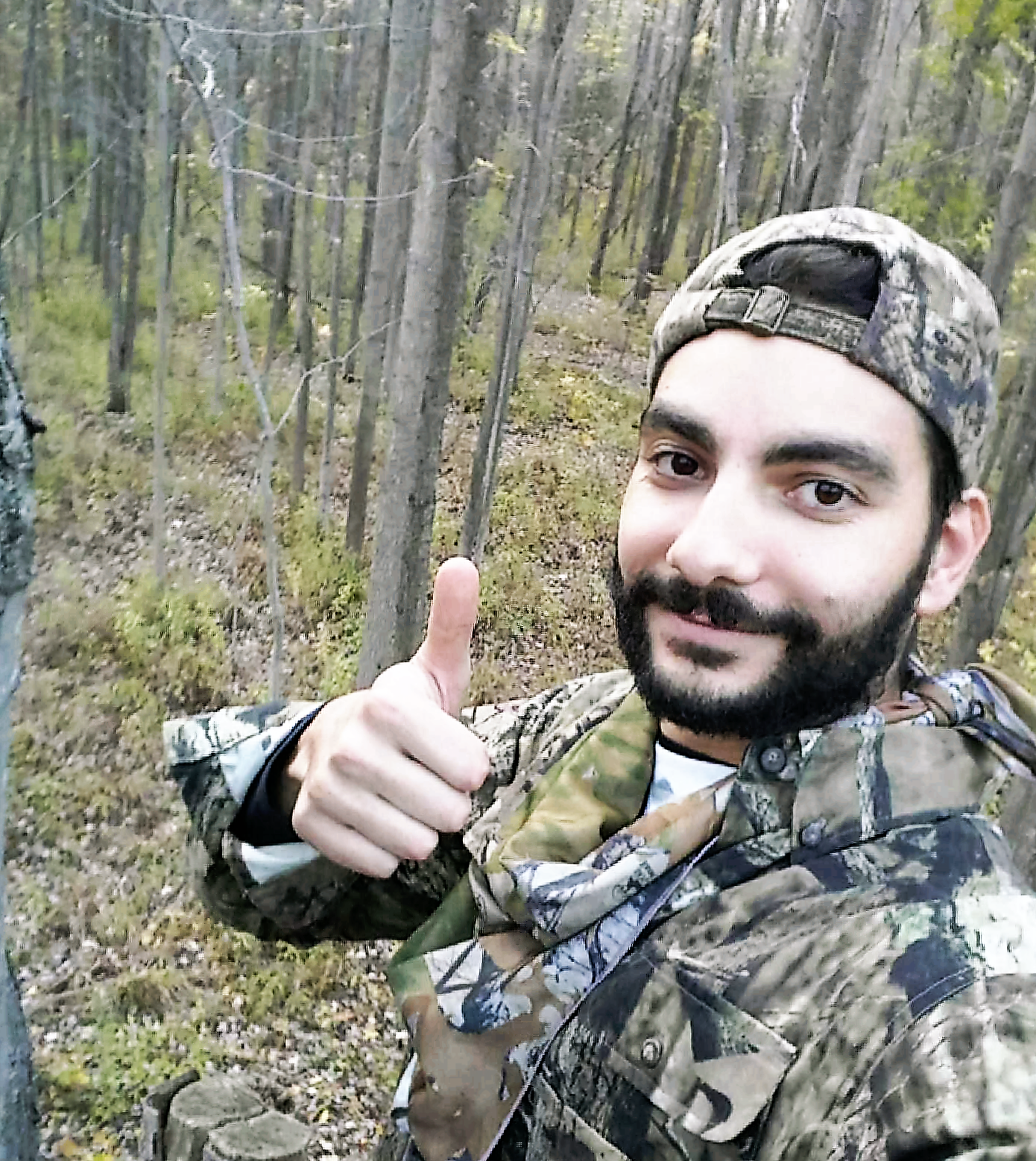




 A recessed button in the back of the frame allows the upper receiver to tilt up and off of the grip frame without the use of tools. The bolt simply slides out of the receiver and the barrel can be properly cleaned from chamber to muzzle.


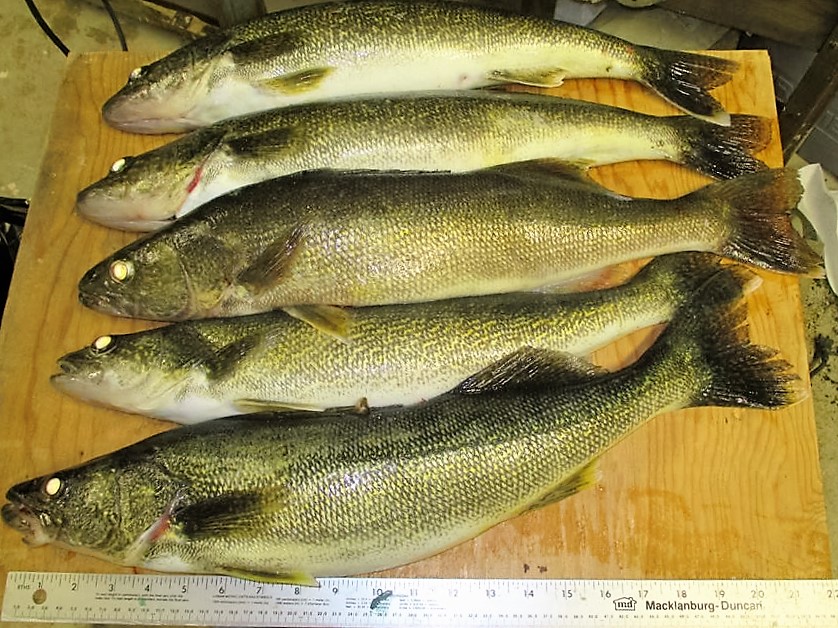

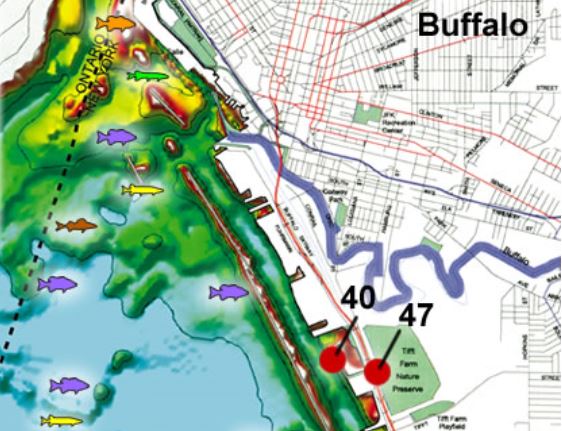


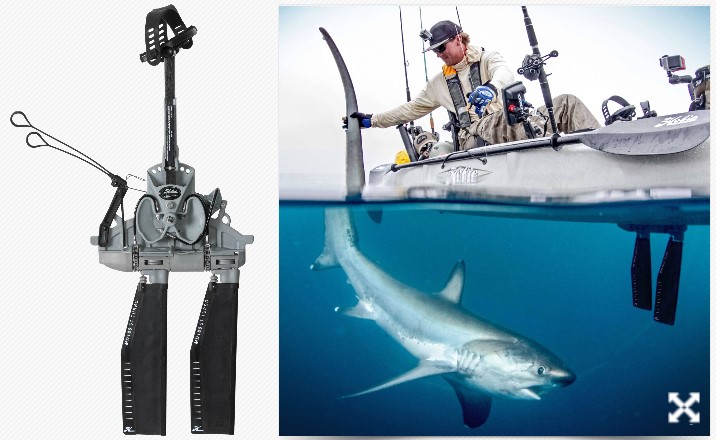
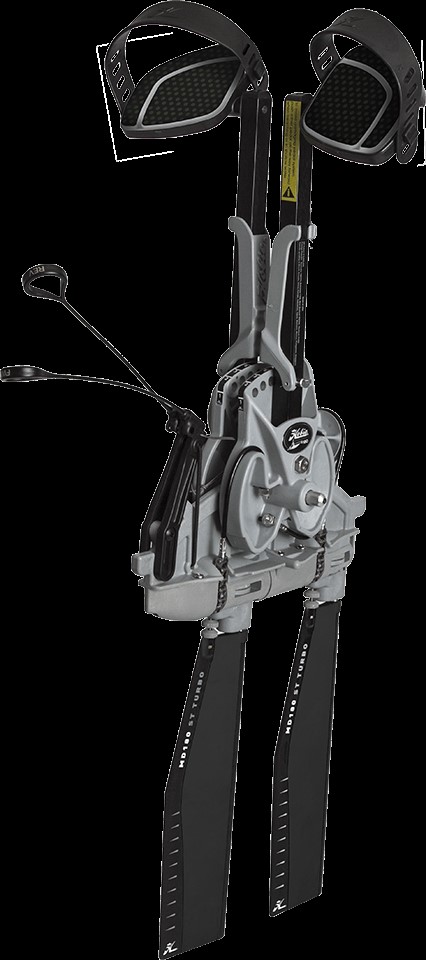
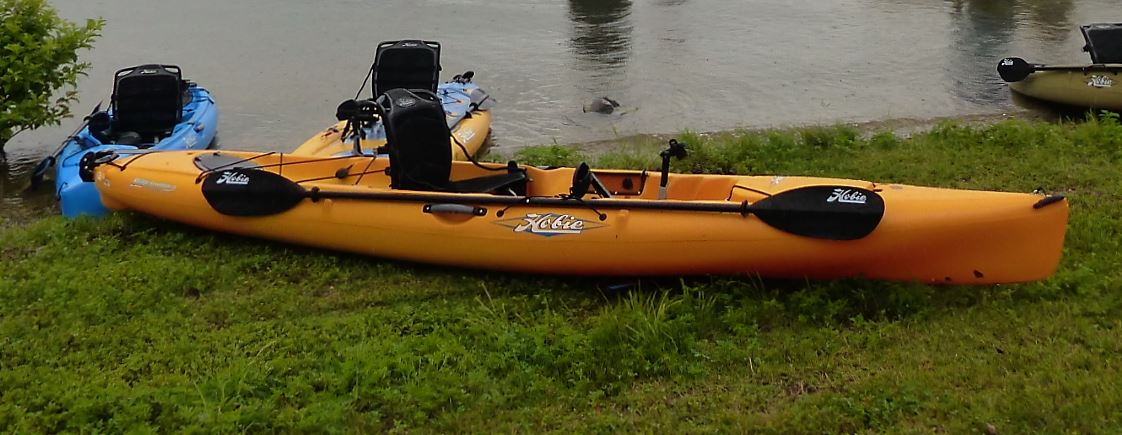


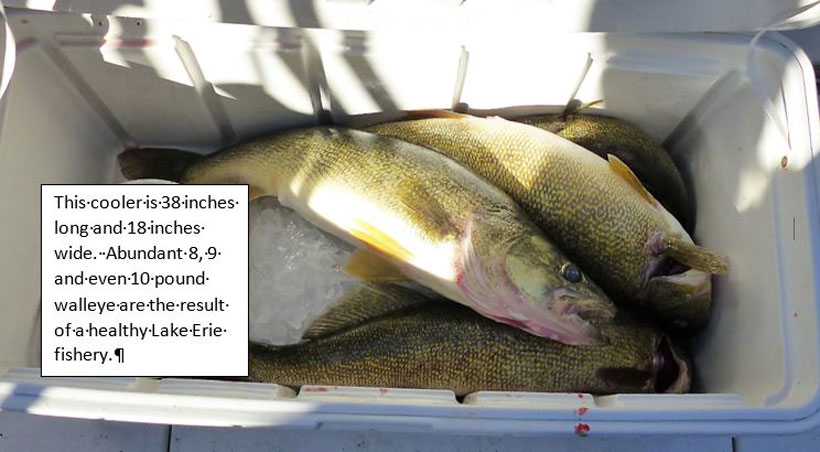


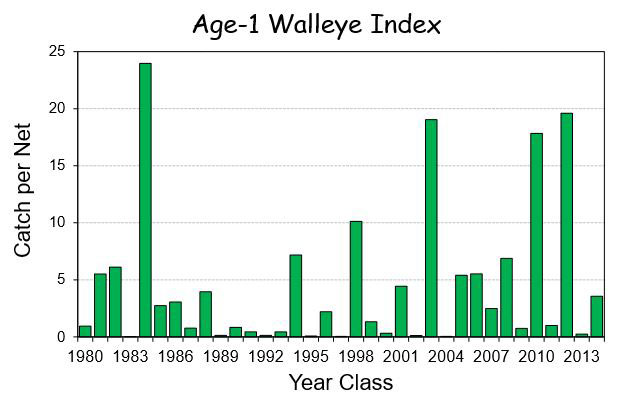


 There is this nasty pest of a disease called Lyme. This is becoming a breakout year for deer tick numbers in the northeast, especially New York, and the infested percentage of deer ticks with Lyme is increasing rapidly. Be cautious, here is more about what to know and what to do.


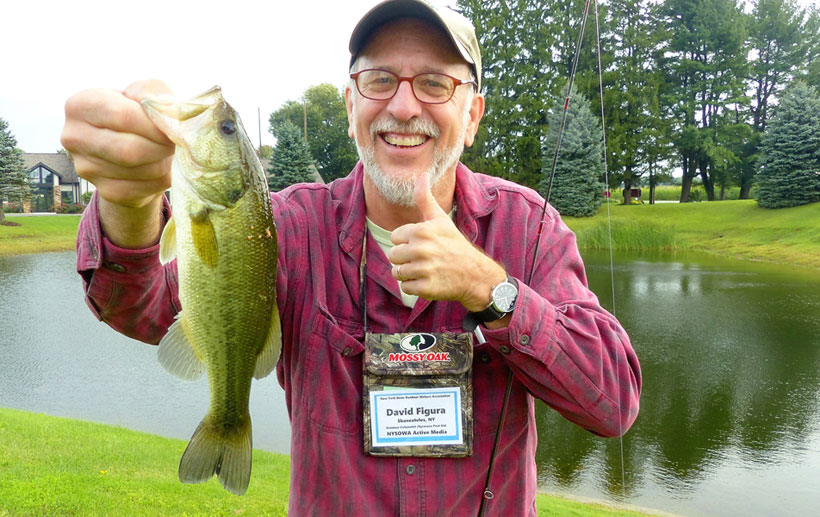


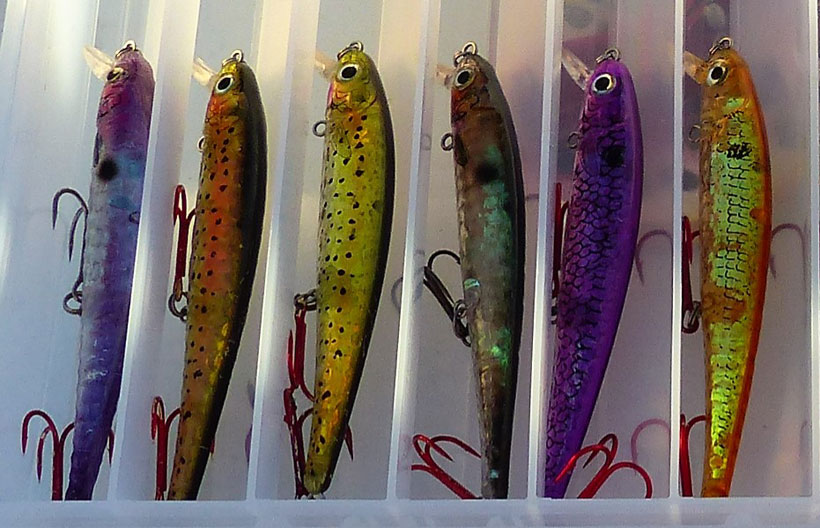


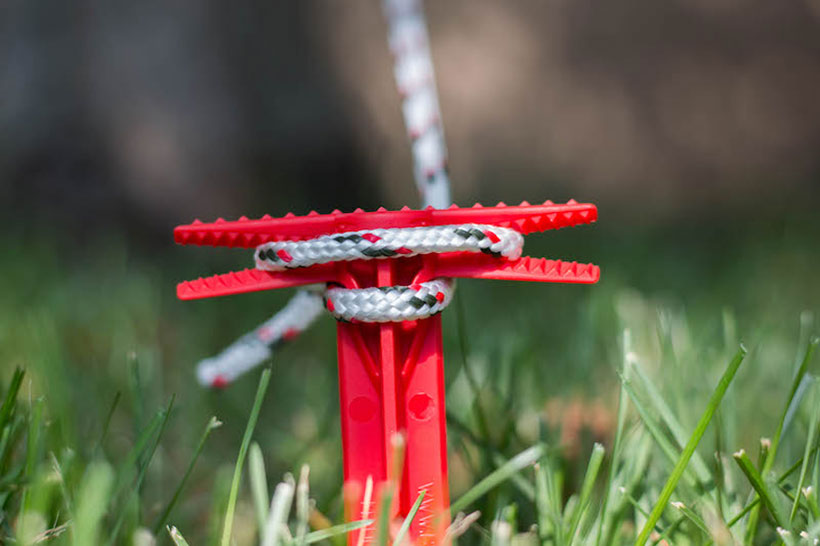


 Just like many of us already know, education is the key to success in just about anything in life. From the numbers and illustrations noted on the New York State DEC Hunter Safety Website – and shared here, we can see that New York State’s hunter education courses have proven they are highly effective in fostering safe hunters. Approximately 500,000 licensed hunters spend an estimated 10 to 15 million hunter days afield each year. Recent reports indicate that 2015 had the third-lowest number of hunting-related shooting incidents on record in New York. The 2015 hunting season yielded the first year without a single hunting-related shooting fatality since the 1950s.
 Since DEC’s Sportsman Education Program was first introduced in New York State, the number of hunting related accidents have declined significantly. Reports on the number of hunting-related shooting incidents indicate that 2015 had the third lowest number on record in New York with 23 incidents. Starting with 2013, the last three years were the top three safest in New York with this being the first year on record with zero fatalities.
 Education courses are added continuously throughout the year, so participants should check the on-line system frequently to find a course or call 1-888-HUNT-ED2 (1-888-486-8332) or 518-402-8966.


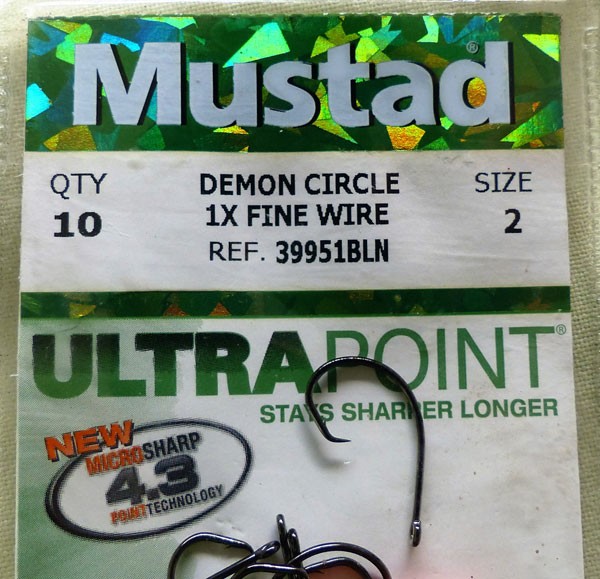


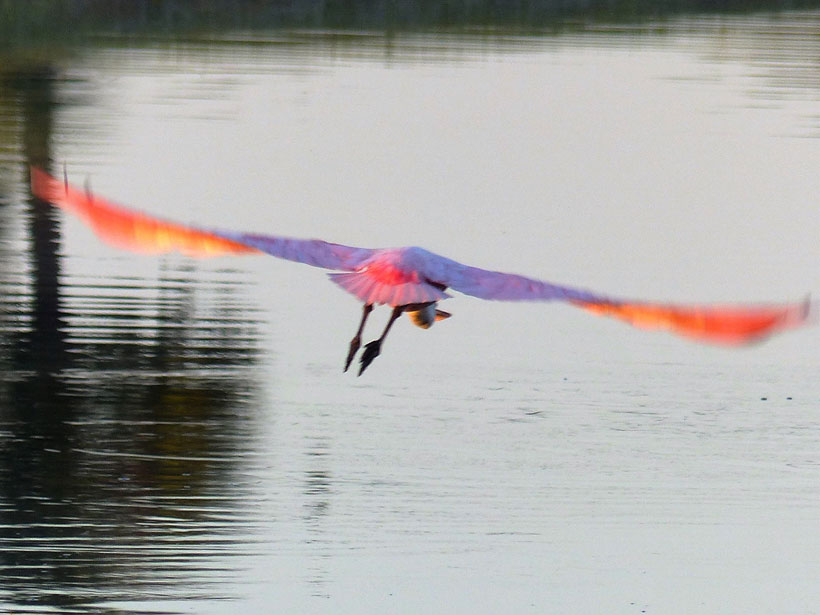


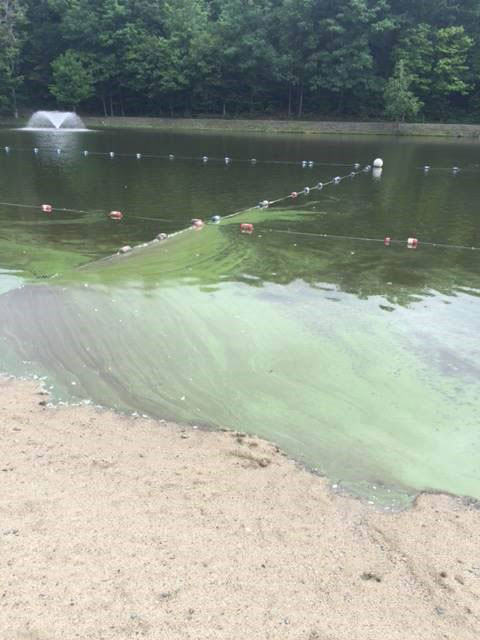


 The first cast went out, the lure sank to about 4 feet and my grandson started his slow retrieve. The lure about 10 feet and wham! A short fight and here he comes up the bank with a 14-inch crappie! No way you say, right? He caught 6 more on 10 casts and said with a big smile, “I think this is enough for 10 fish sandwiches that Grammy makes. Can I call her to see if she will cook em up?” Grammy never says no to that question.


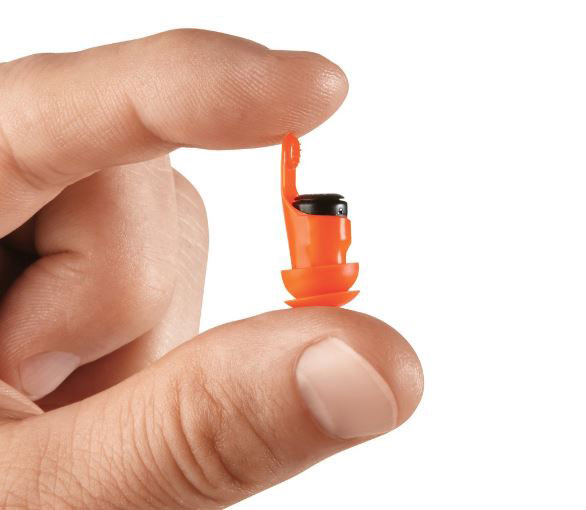


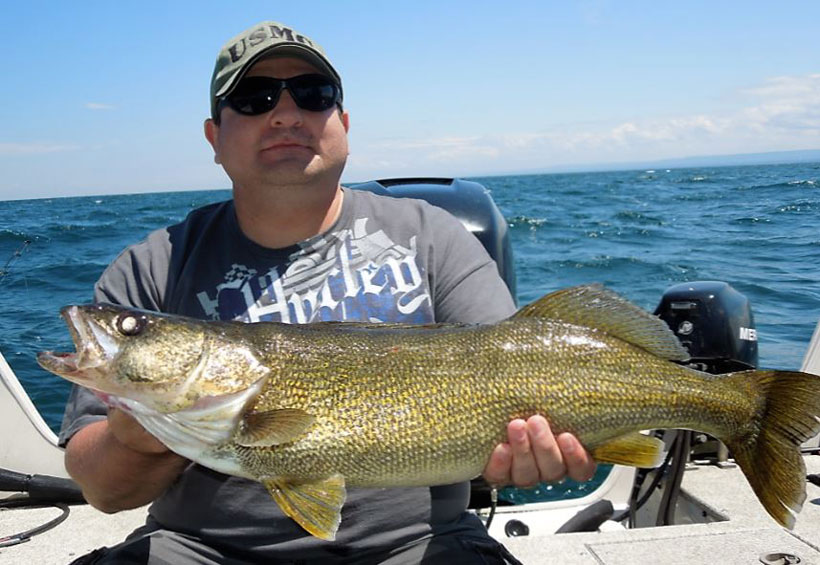


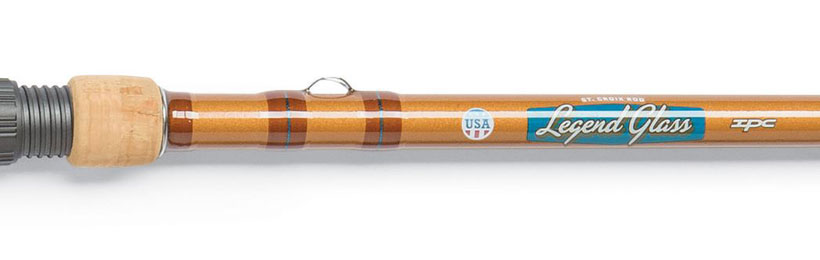
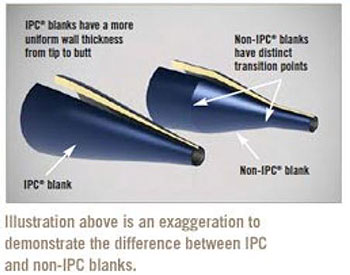 Now, the St. Croix Legend series of rods will bring yet another new dimension to a once old style type of rod blank with a new design of fibreglass rod blanks. Just when the entire world was switching to higher ultimate strength fishing rods made from high-tech materials for their sensitivity and light physical weight, the St. Croix NEW Legend® Glass series brings an adjustment to that desirable “old feel” and “rod bend” with new changes to fiberglass material design with pioneering advances in new build features. These premium 100% linear S-Glass rods utilize IPC® tooling technology, are extremely lightweight and make casting, retrieving and fighting fish a dream.
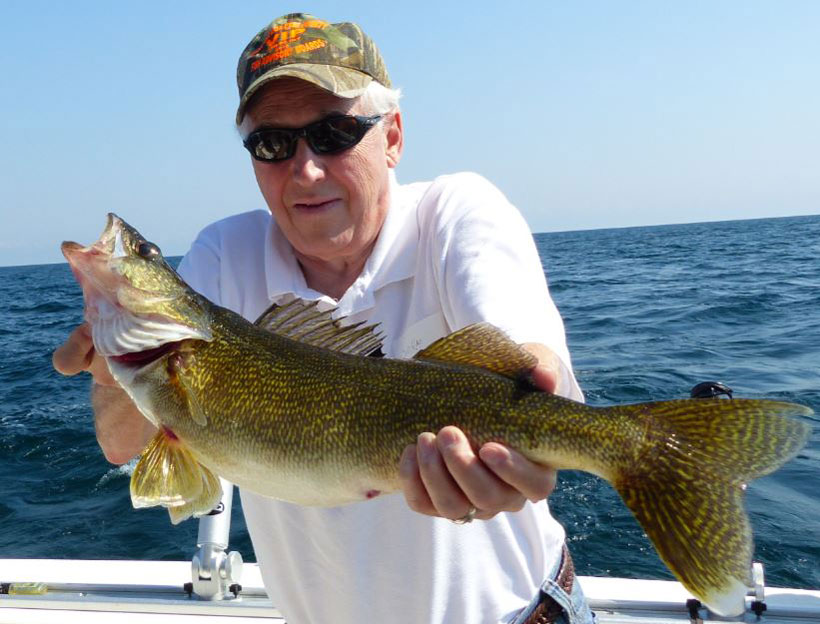


 About 25 years ago, when I was a bit younger and doing fishing video’s took way more effort than today, Ron Lindner said to me, “Hey Forrest, I like the way you keep your lures in those Plano storage boxes, sorted by type, then stowed in your backpack.” You know, it just made simple sense. Yet, at the time, nobody in the tackle business made one of those durable bags that could carry individual tackle boxes.
 The New York State Department of Environmental Conservation (DEC) has developed a new instructional (available on-line) manual entitled “The I FISH NY Beginners’ Guide to Freshwater Fishing.” The new manual is part of a series of publications DEC has produced recently to get more people involved in the fun of fishing in New York State.


 As we prepared to cast our first line. Mike showed me with a lesson what he expected from my casting perspective. I like that. I like to know what the guide thinks his clients are capable of, it helps the clients jump up a bit to meet the objectives expected. There is a challenge of sorts.
 The trick to success with Mike’s method? Speed of retrieve and the sonic effect of the custom lure. Mike uses a high speed casting reel or a high speed spinning reel. Both move the bait back a very brisk pace.
 As we electric motored our way around the islands in the Flowage, I caught six northern pike in the next four hours and a nice smallmouth bass that tipped the scales at just under three pounds. Mike caught multiple fish and we shared stories of our colorful past fun times. Fun? You know it!


 Loons are striking in their breeding plumage. Their iridescent-sheen reflects with the sun, their prominent black and white checkered back, deep red eyes, glossy black bill and the natural philosophical expression of their black head are accentuated by white necklace color pattern that circles their muscular neck. They are very special and distinct to watch.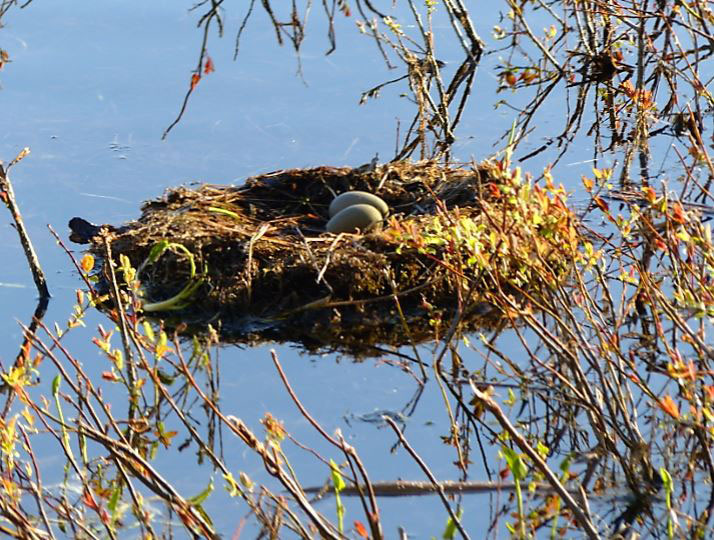
 There was a dock right outside my room at the hotel, right on the shore of San Domingo Lake. I tied on a small snap, added a small lure – a random choice, and headed to the water. I wasn’t sure if I just wanted to just sit down and listen to more of what the Loons wanted to share, or cast my lure. The feeling was serene and comforting. It was peacefully magnificent.


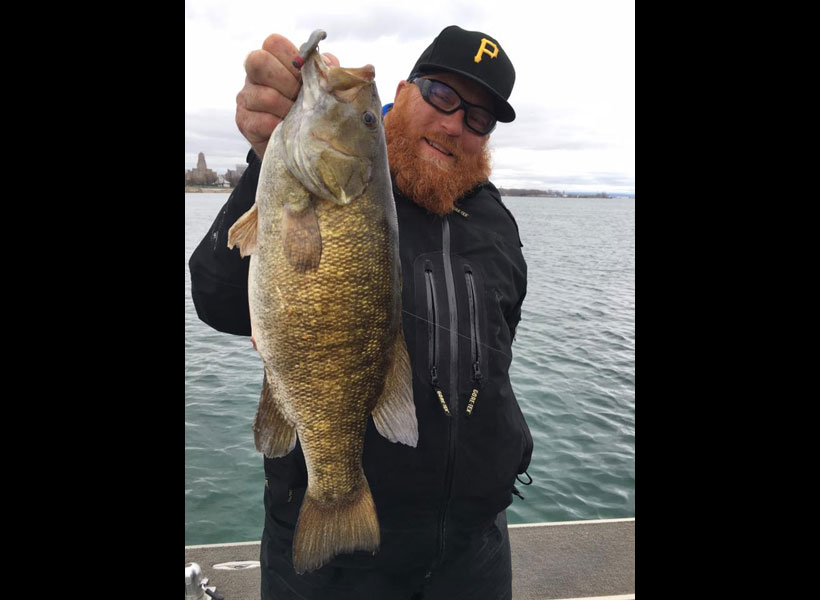


 For people, there is one prevention aid that is lab proven to deter the pests, that is the use of Permethrin (

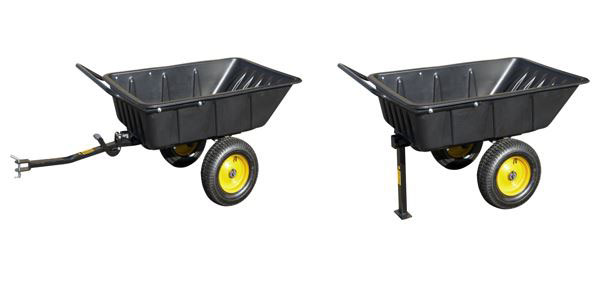
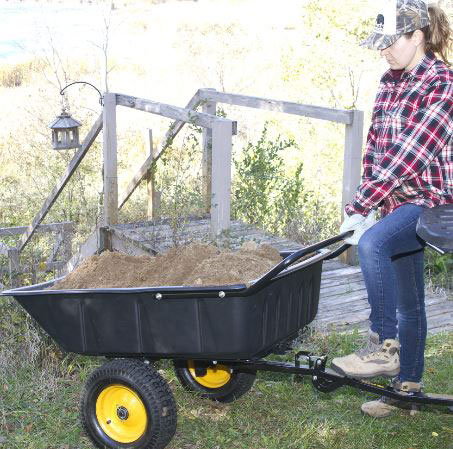


 Sometimes old friends meet in a familiar place. If you’re a turkey hunter, you know there is something extra special for those moments when a hunter and the woods come together in search of a nearby gobble. It’s downright exciting!


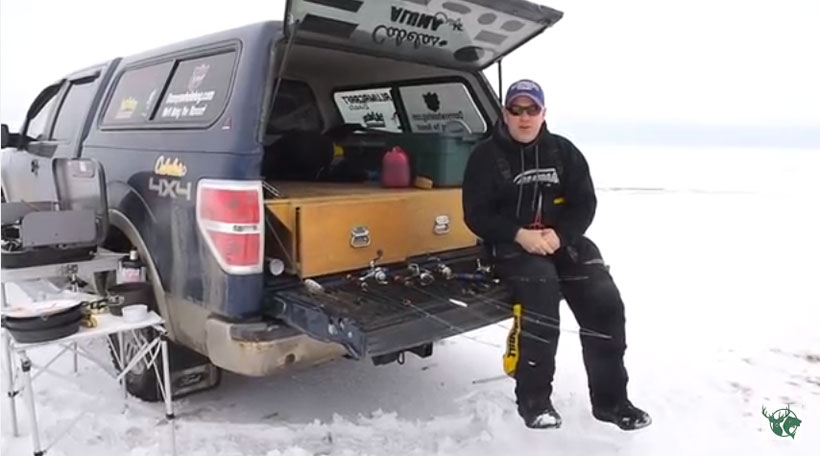


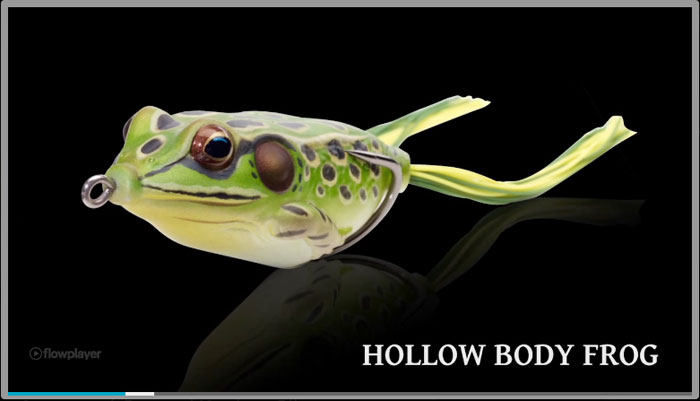


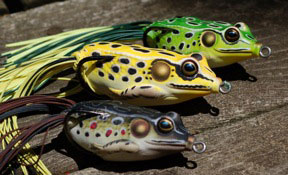


 Where is there a better place to learn about firearms than from a government-mandated program that is comprised of certified instructors proficient and familiar with safety, competition and clear communication? Hard to match that. The Civilian Marksmanship Program (CMP) is a national organization dedicated to training and educating United States citizens for responsible use of firearms and air guns through gun safety training, marksmanship training and certified competitions.
 The law specifically states: “In carrying out the Civilian Marksmanship Program, the corporation shall give priority to activities that benefit firearms safety, training, and competition for youth and that reach as many youth participants as possible.”


 Getting my camera shutter to stay functional when the air is cold enough to freeze water can cause me to think twice about heading out to ice fish in winter


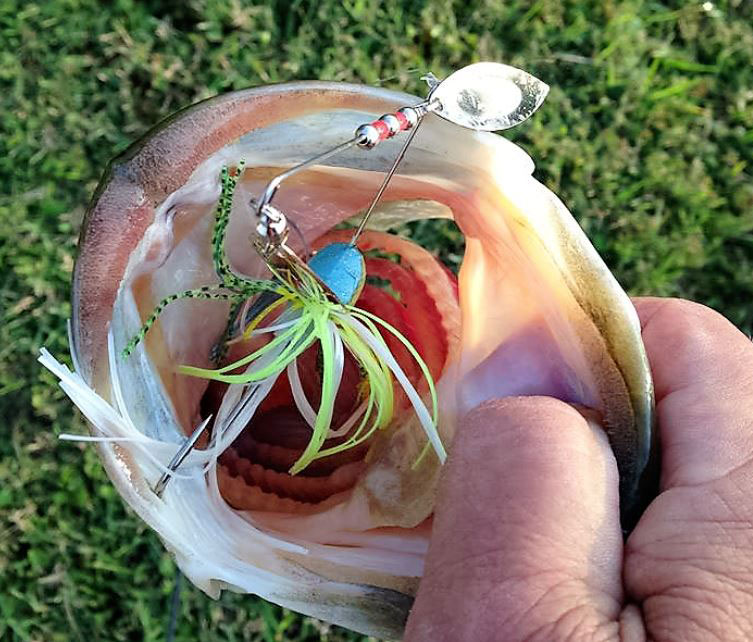


 Simon prefers the back of the boat to the front, so his fishing partner is offered control of the boat, running the bow motor for the day. Simon says in his British accent, “All of my fishing buddies seem to enjoy that part of our 6 to 8-hour fish trips. We each cast lines with plastic-tailed jerk baits on weighted weedless hooks or throw hard baits. Both lure types are designed to mimic the local forage groups. Doing that, I like to trail one or two lines for Shark. I have learned that it is better to trail one line simply. You can get into a real mess with two trailing lines when a handsome Gafftopsail Catfish hits and runs laterally. In the back of the boat, I can still cast out the side of the boat for multiple species, but now I trail just one line with a huge bobber, a wire leader and a huge hook with a half ladyfish or other cut bait. Some days, we catch five sharks and more than 50 other gamefish. It’s exciting! I’ve even caught sharks while casting lures. They can be that aggressive. “
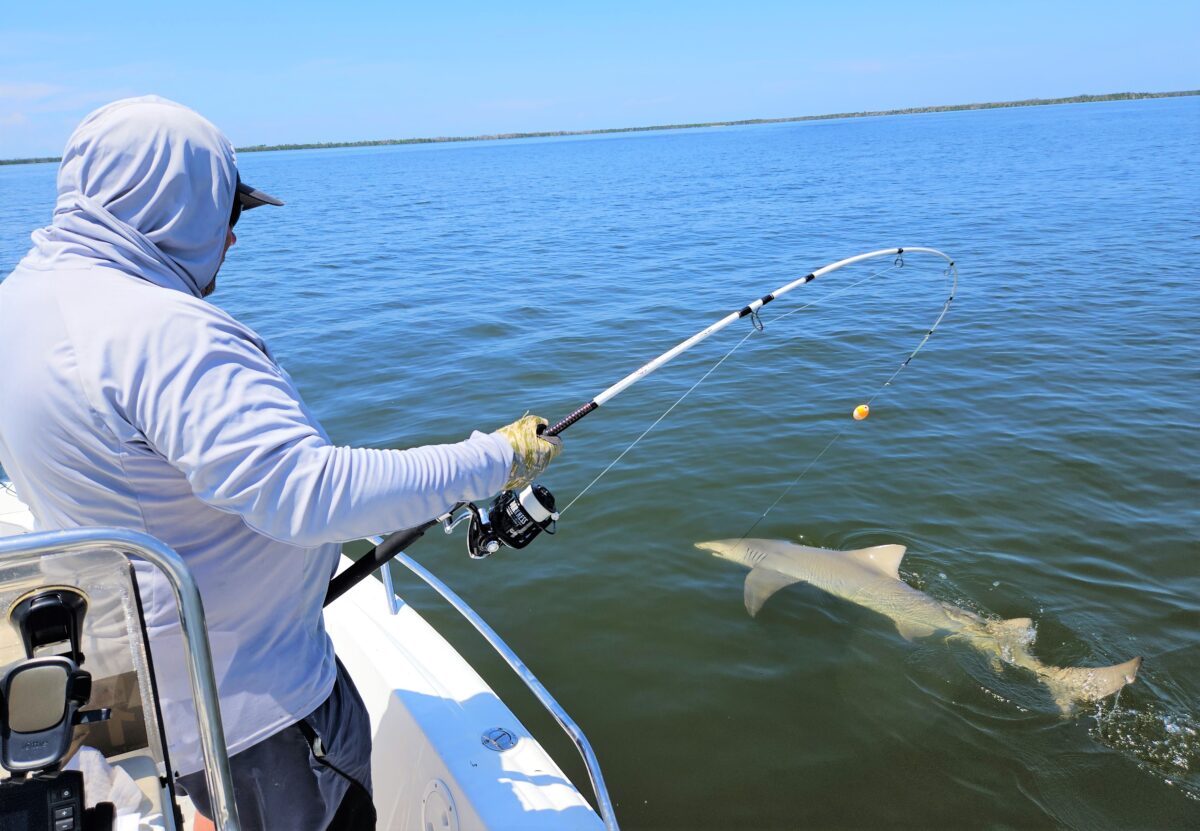


 “We’re all still using the same worm we started with,” Bill said, smiling. Over the next 4 hours, the three of us caught 26 bass – all of us using the same worm we started with.


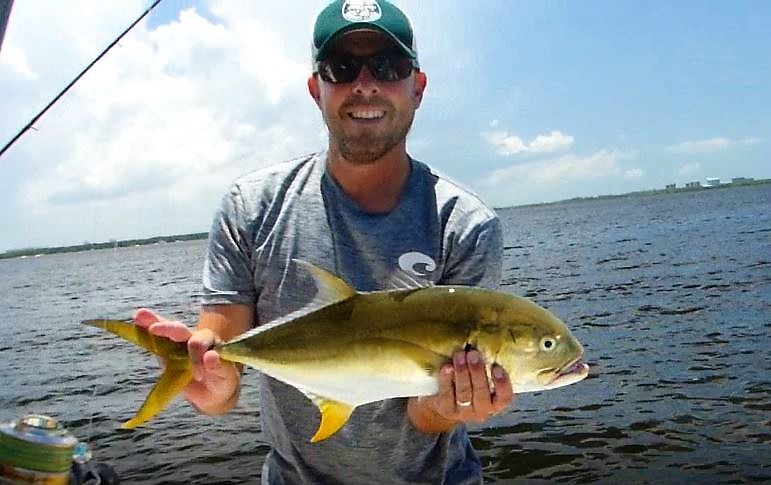


 The second group of 7 used a blended spice mix quite different from the first group:




 This soft-sided product is 32 liters big in volume and is very light when empty: 1 pound-14 ounces! Some of our other hard-sided coolers in that size weigh as much as 20 pounds when empty. They work well, but they weigh so much when adding ice and beverages, even with wheels that do not work well on sand. We loaded up the Grizzly Carryall with 8 cans of pre-chilled 12-ounce Coca-Cola’s, 6 pre-chilled 16-ounce plastic bottles of water, 4 pre-chilled 12-ounce bottles of V8 vegetable juice, and one 24-ounce jar of Margarita’s. We also tossed in two 6” x 6” x 2” frozen blue ice packs and a 4-pack of unbreakable cups. The Carryall has side pockets for phones, wallets, and car keys, and a spare inside pocket for an extra set of socks, sunscreen, sunglasses, underwear – or whatever. All the compartments are sealable with durable zippers to open/close.
 The Grizzly Carryall is leakproof, insulated, water-resistant, and handsome. The reflective, attractive, glacier blue outer cover helps maintain the chill inside, and the Carryall is guaranteed for life. Imagine that. It has a small retail price tag of $125 (we found it for $100) and a significant 32-liter volume with 4 YKK zipper pockets. One more time, it all weighs in at only 1 lb. – 14 oz. UNREAL. For physical size, it measures 14H x 18L x 8W in inches.


 The best news is that there is no closed season at a sporting clays range. When wildlife hunting seasons do open, the shooting skills of folks that practice on courses like this are better and far more accurate. During hunting season, it’s more fun in the open-season fields and woods. The shooter is trained and confident, and success feels good on the field and, later, on the dinner plate.