Deer are well-nourished in many American yards, but a herding dog, such as a border collie,
could be the solution if deer are damaging your landscape. Photo courtesy of MDC
• Deer Problem: Deer Love Shrubs and Seedlings
• Dogs Love to Chase Deer
• Secret Fence and Dog Collar = Solution
By Jim Low
The remarkable success of Missouri’s deer restoration program has been a godsend for hunters and a huge boost to the state’s economy. Deer hunting alone is a billion-dollar industry in the Show-Me State, and that doesn’t take into account the value of more than 10 million pounds of venison that goes into residential freezers and community food banks each fall. Assigning a conservative price of $5 a pound to this lean, organic, free-range, locally-sourced fat-free meat, puts the total value up around $50 million.
Every story has more than one side, however. If you operate a tree nursery or a fruit orchard, your view of Missouri’s burgeoning deer population is apt to be less rosy. Losses to deer browsing can top 80 percent of tender young saplings, making deer Public Enemy No. 1 for these businesses. Suburban homeowners have a dog in the fight too, as deer find hostas, daffodils and shrubs too tempting to pass up. After replacing your third quince or dogwood seedling, you begin to have more sympathy for nurserymen and less for deer. All this goes a long way toward tarnishing the whitetail’s image as an economic boon.
The last thing the Missouri Department of Conservation (MDC) wants is for people to regard wildlife as a nuisance. So, several years ago, the agency devoted some of its research budget to developing practical means of protecting commercial and residential plantings from deer. They quickly dismissed various repellents as ineffective or prohibitively expensive. Nurserymen told MDC that herbal extracts, capsaicin – even tiger feces – weren’t just expensive, the deer quickly learned to ignore them. They were ineffective.
MDC Research Biologist Jeff Beringer instead, focused on a more vivid and lasting reminder of one of deer’s natural predators, canines. He put domestic dogs in a plantation of white pine, which for deer, is the equivalent of candy. To keep the dogs inside the plantation, he used an invisible fence. This consists of two parts. One is a circle of wire laid in or on the ground. This “fence” emits a radio signal. The other half of the system is an electronic collar that picks up the radio signal from the ground wire. When the collar senses a weak signal from the wire, it emits a warning tone. As the dog gets closer to the wire, it switches from the warning tone to a mild electric shock.
With patient training, Beringer conditioned the dogs to associate the warning tone with the perimeter wire and an unpleasant shock, keeping the dogs inside the pine plantation. Then it was simply a matter of the dogs doing what dogs do – chasing things. For this purpose, Beringer found that herding breeds, such as border collies, were the best suited to the job. Deer that ventured into the plantation quickly found themselves the objects of barking, nipping attention.
Over the three-year course of the study, pine seedlings sustained an average loss of 13 percent browsing. This compared favorably with a 37-percent loss in plots with no dogs, in which seedlings were sprayed with a commercial deer repellent. The loss in unprotected plots was 56 percent. Beringer also included a pine plantation treated with commercial deer repellent. In that plot, deer ate 37 percent of the seedlings. He found that seedlings in the dog-protected plot sustained less damage and recovered sooner than those in the other two plots. So, apparently deer that were bold and lucky enough to get a few nibbles in the plot protected by Beringer’s trained dogs often had their meals interrupted.
If you own a tree nursery or an orchard, you probably already have found a solution to any challenges posed by deer. On the other hand, if you are like me, and merely own a home surrounded by deer habitat, you might take Beringer’s findings to heart. If you don’t already own a dog, getting one might have benefits not ordinarily associated with canine pets. I have lived in my present home for 22 years. I have hunted deer in my back yard for the entire time, but for the first five years, I didn’t own a dog. Then I bought a retriever and I have had one ever since. When we first moved into our little house in the woods, we occasionally had deer wander through the yard. In contrast, during 17 years of dog ownership, I have seen deer only once. They were three – two fawns and a doe. The fawns were nibbling around the edge of the back yard, while the doe stood, twitching with nerves, a few yards back in the woods. When she refused to follow their lead, the fawns followed her back away from the house – and the scent of a predator.
It’s also worth noting that we have dozens of hostas and shrubs in our yard, along with a vegetable garden, and none have been touched by deer in 17 years. I’m not sure if it’s cheaper to pay for dog food and veterinary bills, or import bales of tiger poop every year, but I do know dogs also are more fun to have around.
Nurserymen looking for a way to protect tree seedlings from voracious deer now turn to man’s best friend.


 By Brent Frazee







 Posted by Forrest Fisher




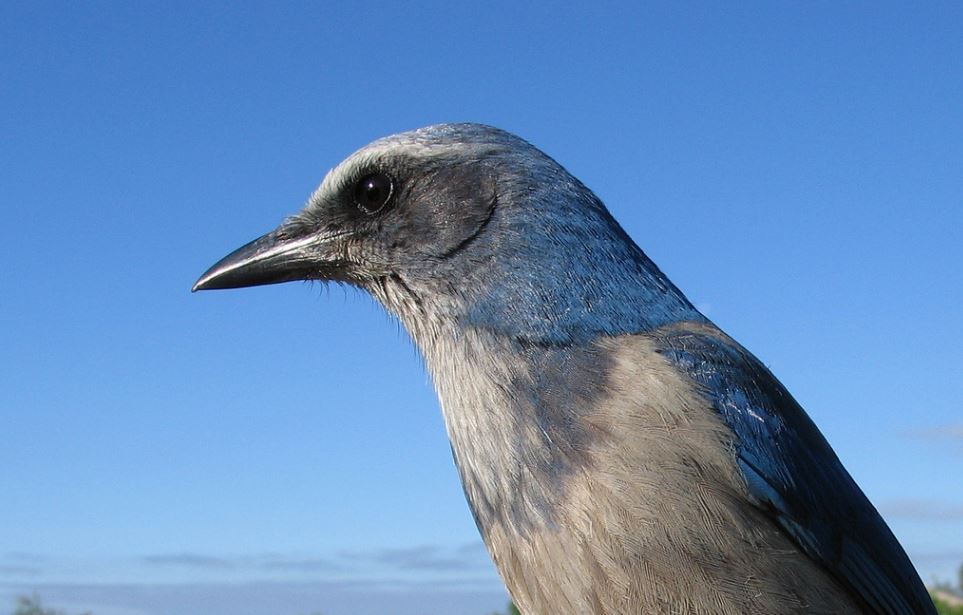
 Scott’s seaside sparrow, Wakulla seaside sparrow, Barbour’s map turtle, Florida Keys mole skink, Florida pine snake, Georgia blind salamander, Florida bog frog, bluenose shiner, saltmarsh top minnow, southern tessellated darter, Santa Fe crayfish and Black Creek crayfish. Threatened species have populations that are declining, have a very limited range or are very small.


 By Jim Low


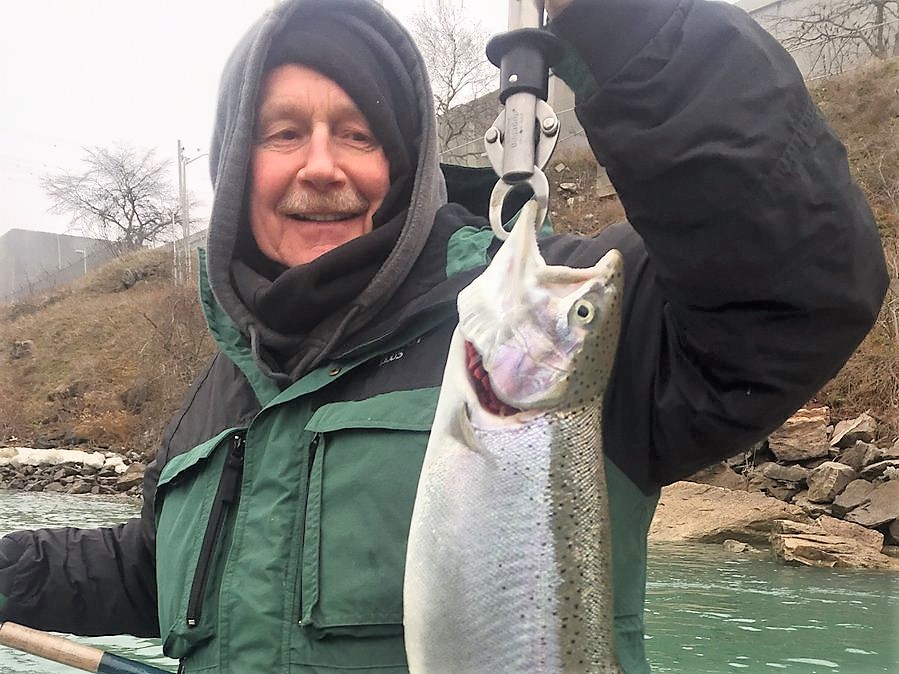
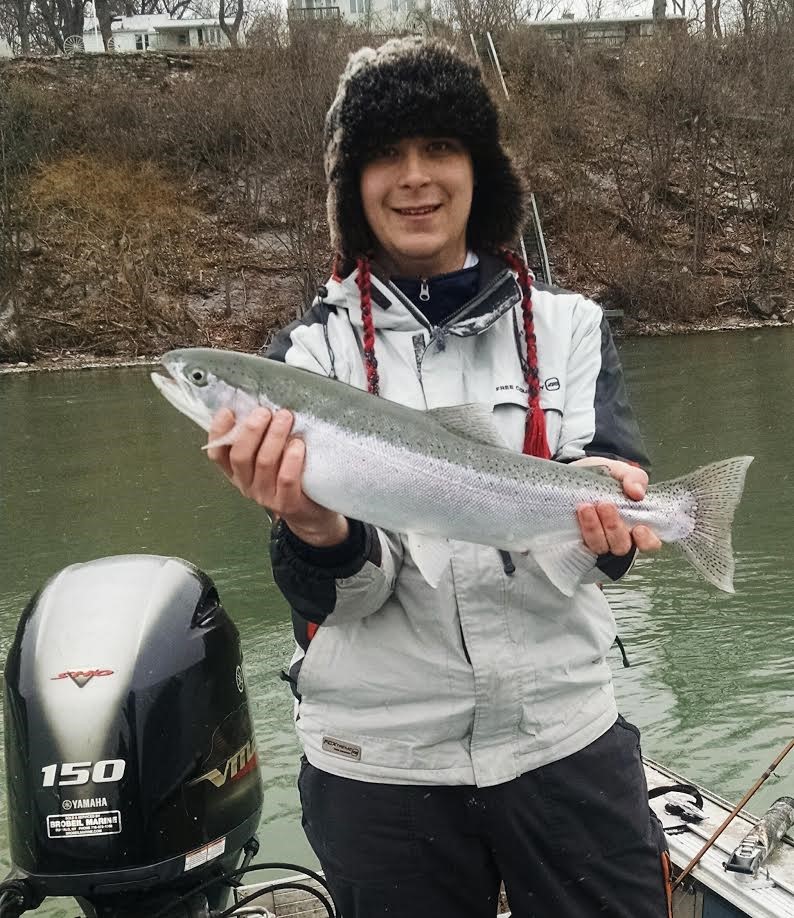 Remember that lake trout season opens officially on January 1, 2017. Best baits have been BC Wobbler spoons in chartreuse or orange; in-line spinners in chartreuse or yellow. Upper Niagara River
 By Jim Low




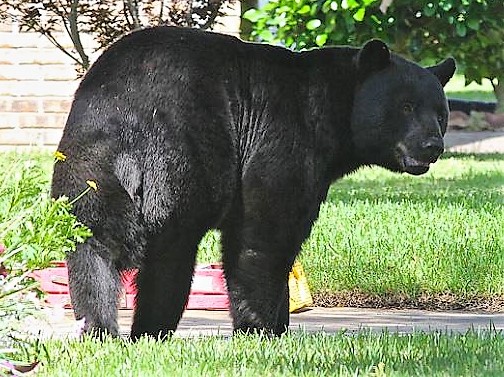

 The FWC plans to release more bear-related videos in the coming months. The short videos help meet the information needs of a busy public.


 By Forrest Fisher



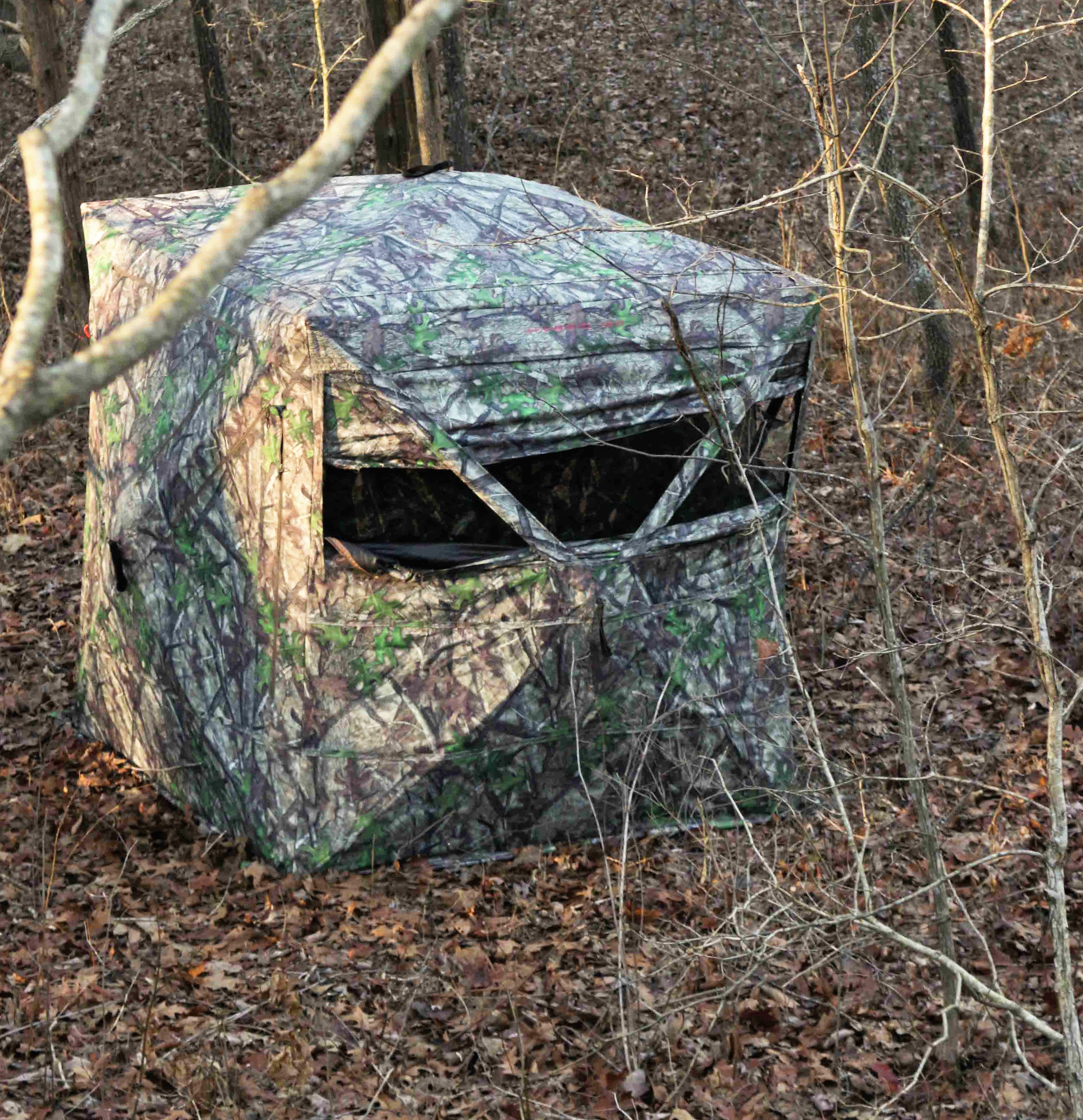
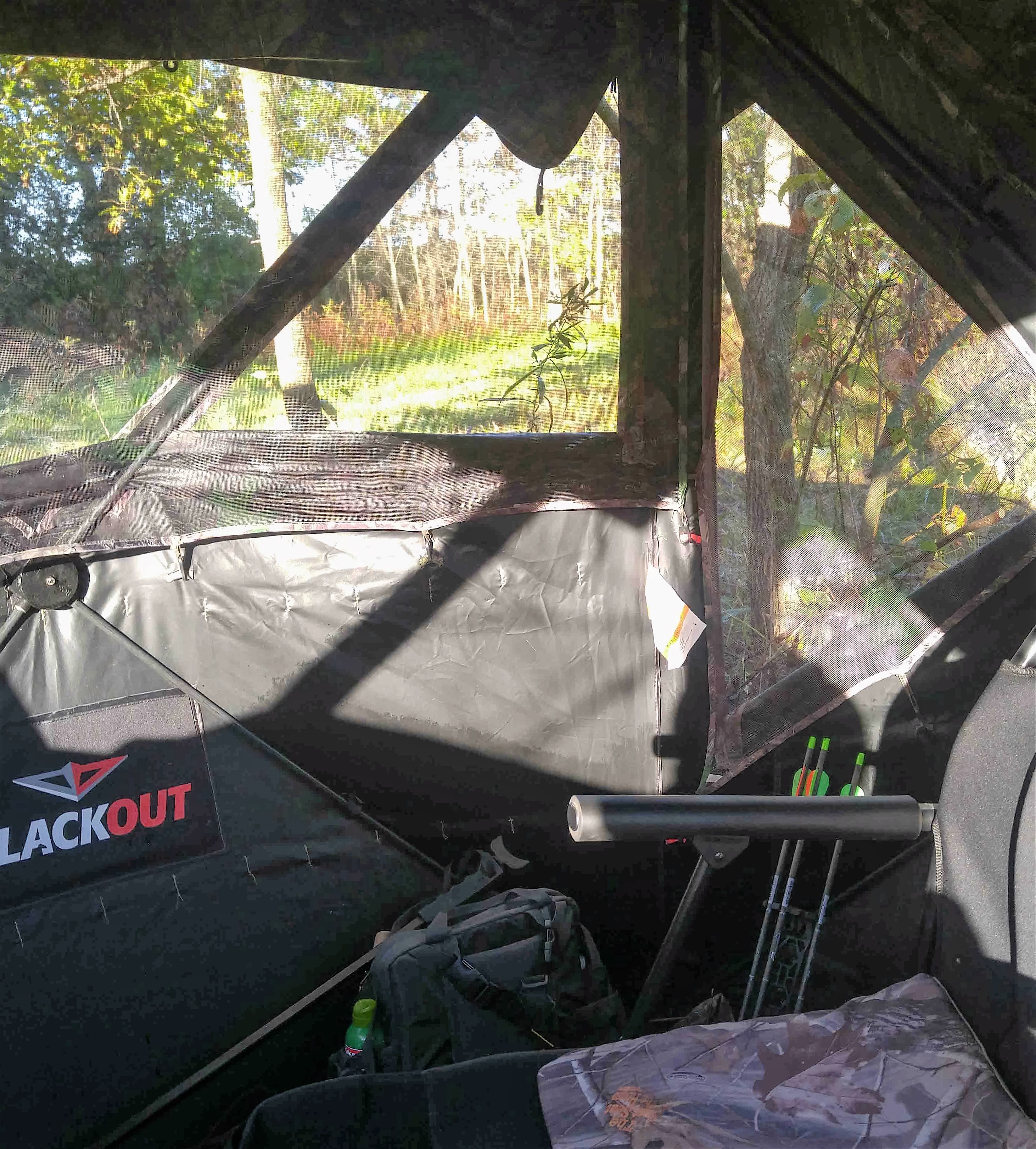
 If you’re packing your snowbird bags already and are planning ahead to hunt in Florida this year, November in Florida is an awesome month to head for the woods. You have the option to hunt small game, wild turkey, boars, bears, deer and more. Regulations are not complicated, but it’s a good idea to download the syllabus for the sector area you plan to visit.








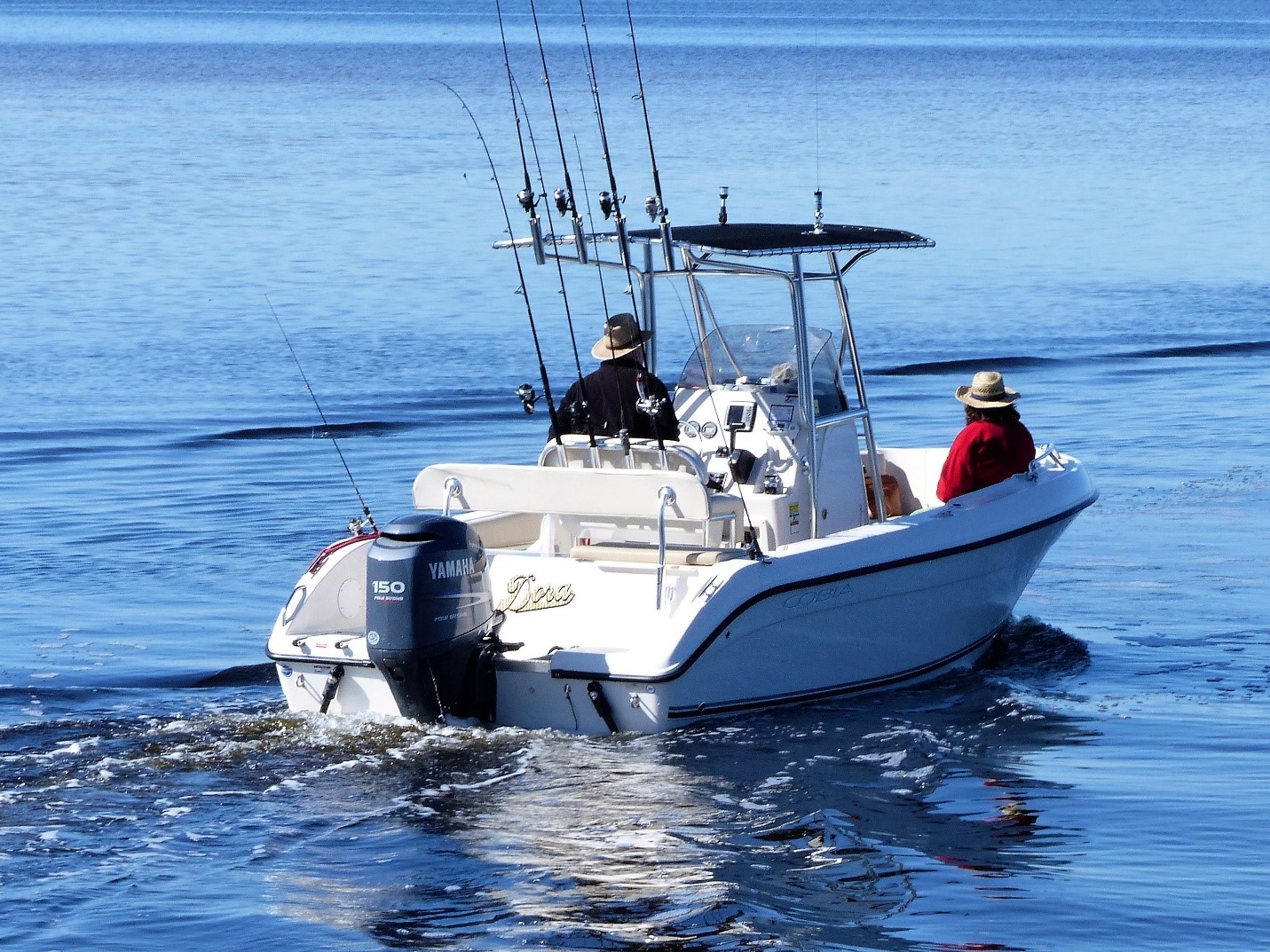
 Five of 31 recent graduates of the NYSDEC Division of Law Enforcement 20th Basic School for Uniformed Officers recently transferred to the Marine Enforcement Unit (MEU) where they will become specialists in marine fisheries law. They will be required to operate some of the DEC’s largest patrol vessels in and around New York Harbor.
 To successfully complete the course, each ECO had to demonstrate precision and efficient competency in all of the tasks required to be a vessel operator in New York’s Marine District. The training concluded on September 23 with nine ECOs completing the course, including the five recent graduates.











 Just like many of us already know, education is the key to success in just about anything in life. From the numbers and illustrations noted on the New York State DEC Hunter Safety Website – and shared here, we can see that New York State’s hunter education courses have proven they are highly effective in fostering safe hunters. Approximately 500,000 licensed hunters spend an estimated 10 to 15 million hunter days afield each year. Recent reports indicate that 2015 had the third-lowest number of hunting-related shooting incidents on record in New York. The 2015 hunting season yielded the first year without a single hunting-related shooting fatality since the 1950s.
 Since DEC’s Sportsman Education Program was first introduced in New York State, the number of hunting related accidents have declined significantly. Reports on the number of hunting-related shooting incidents indicate that 2015 had the third lowest number on record in New York with 23 incidents. Starting with 2013, the last three years were the top three safest in New York with this being the first year on record with zero fatalities.
 Education courses are added continuously throughout the year, so participants should check the on-line system frequently to find a course or call 1-888-HUNT-ED2 (1-888-486-8332) or 518-402-8966.