How to Choose the Perfect Fly Rod

  • Find the Perfect Fly Rod FOR YOU.
  • FISH SPECIES – a big factor in determining Fly Rod Selection.
  • Rod Length, Line Weight, and Rod Action are among the CRITICAL CHOICE FACTORS.
By Lacy Jo Jumper

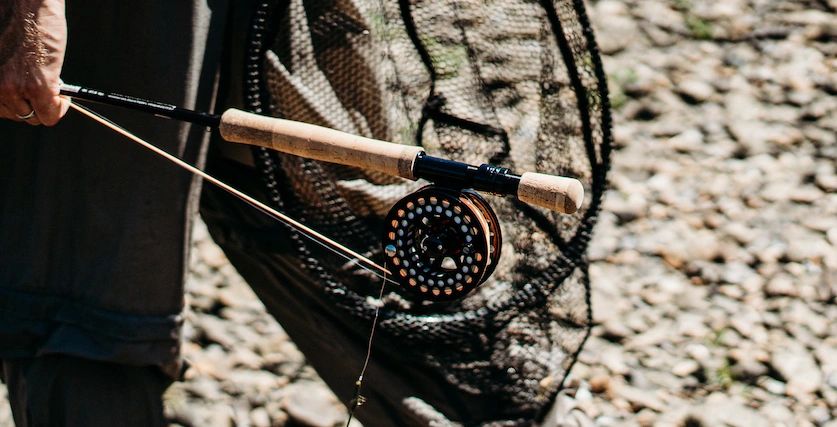
A thoughtfully-selected fly rod can make or break the on-the-water experience, and knowing which type you need isn’t always as straightforward as it seems. Fly rods vary in weight, length, and action, and when it comes to choosing the right fly fishing rod, it all boils down to where you are fishing and the type of fish you’re targeting. So, which fly rod is perfect for you? Whether you’re a beginner or a seasoned fly fisherman, Wild Water Fly Fishing will help you explore the different types of fly fishing rods that are available and can provide everything you need to know for a successful day on the water.

Fly fishing is a sport of personal preference and style. Choose a versatile fly rod that suits the environment – both the water and its surroundings – that you’ll fish the most. Don’t be surprised if a rod serves you well one day and not the next, as locations and fishing conditions change. When selecting a fly rod, it is important to take line weight, rod length, and rod action into consideration. These variables are the distinguishing factors among fly rods, and next, we’ll explore each of these variables in-depth.

Line Weight

First things first: What are you hoping to catch? The size of the fish, as well as the type of water body it inhabits, will determine the weight of your fly rod. As a general rule of thumb: The larger the fish and the rougher the water, the heavier the line should be.

If you’re fishing for large trout or smallmouth bass, you’ll most likely find yourself wading and fishing in small to medium-sized rivers, streams, and potentially lakes. Targeting these types of fish will require a 7 or 8-weight fly rod. When up against largemouth bass, carp, or salmon in lakes, large rivers, open freshwater, or inshore saltwater, you’ll need to up the ante as far as fly rod length and line weight are concerned, in which case you’ll want a 10-weight line.

Lighter rods lend better to creeks, small rivers, and gentler lakes. The higher the river or lake intensity, the heavier your rod should be. Saltwater species also tend to be stronger and faster than freshwater fish. They fight longer, requiring a heavier line weight and a heavier fly rod that can duke it out with these fish.

Rod Length

Fly fishing rods can range from very short (around 6 feet) to very long (12 to 14 feet.) There are advantages and disadvantages to each. A long rod provides extra reach for roll casting and covering more water. They’re also better for mending, drifting, steering, and lifting fish through long drifts. They’re ideal for medium-sized rivers and lakes. Long rods require extra space for casting. If there are a lot of trees, brush, or other obstacles, a shorter rod may work better. Short rods are best when you’re targeting smaller fish or fishing in smaller streams. They’re also great for children to use as they learn. As a child develops their skills and grows taller in height, they can eventually work their way up to a longer rod. If you’re looking for a middle-of-the-road rod or a rod that is highly recommended, start with a 9-foot rod.

Rod Action
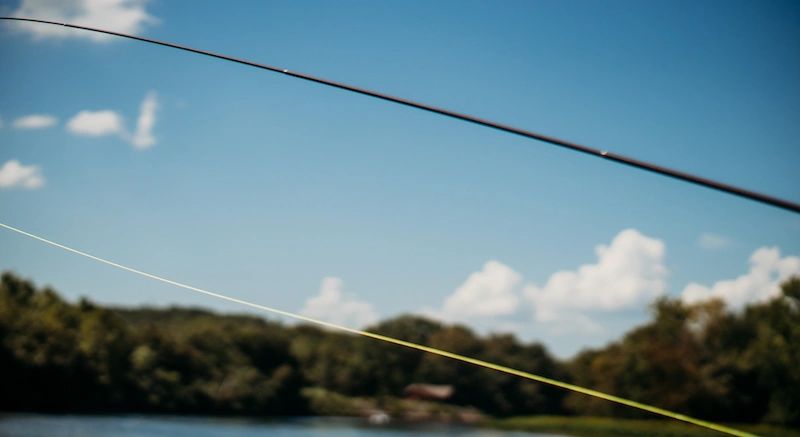
Now that we’ve discussed rod length and line weight, next we’ll explore the different kinds of rod action. Rod action refers to a rod’s ability to bend under pressure and revert back to its natural shape. The tip section of any rod will always have the most flex. Anglers with more advanced casting skills can cast further and in windier conditions with a fast-action rod. These rods typically bend ½ or ⅔ towards the tip. Fast-action rods also have the stiffness required to forcefully land heavier fish.

Wild Water recommends starting with a medium-fast action fly rod to help learn casting. This rod isn’t too soft or fast and will still be useful and give great casting performance once you learn fly fishing. We also recommend a 9-foot rod unless you have a specific type of fly fishing you want to do. A medium-fast action rod will bend deeply to half its length with minimal line in use. This type of rod is universally suitable for most fly fishing methods.
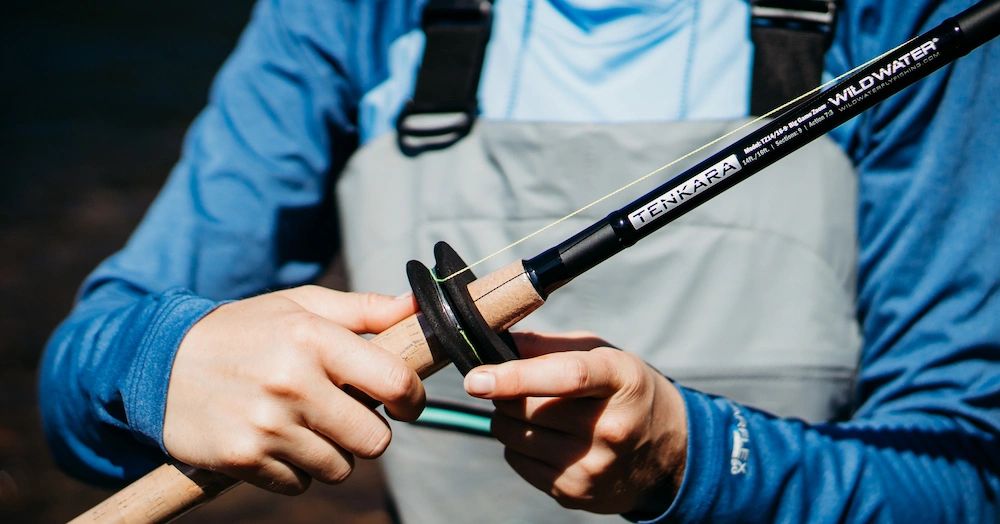
Are You Ready to Fly Fish?

When choosing the right fly fishing rod, keep in mind that you won’t use that same fly rod for the entirety of your career.

Fly anglers will build their fly rod collections over time. It’s common to go between rods, depending on where you’re fishing, what you’re targeting, and how you’re casting, on any given day or time of year. As you become more confident and experienced, your preferences will most likely change as you try different rod lengths, actions, and line weights.

For more fly fishing tips, stay tuned to Wild Water Fly Fishing’s blog or check out our learning pages!
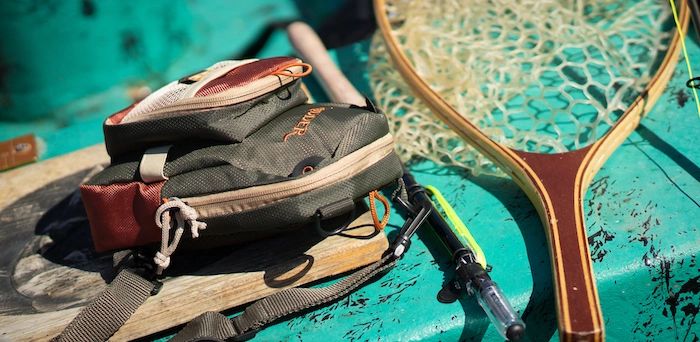
About Wild Water Fly FishingWild Water Fly Fishing represents a dedication to bringing friends and family together by providing everything you’ll need to gear up for a trip to the lake. If you’re a parent or grandparent wanting to nurture a kid’s interest in fly fishing, Wild Water provides the best tools to make your fly fishing trip an unforgettable experience. Wild Water Fly Fishing is the only company to focus exclusively on affordable, easy-to-use fly fishing starter packages for all species of fish. Learn more about Wild Water Fishing by visiting us at https://www.wildwaterflyfishing.com/.
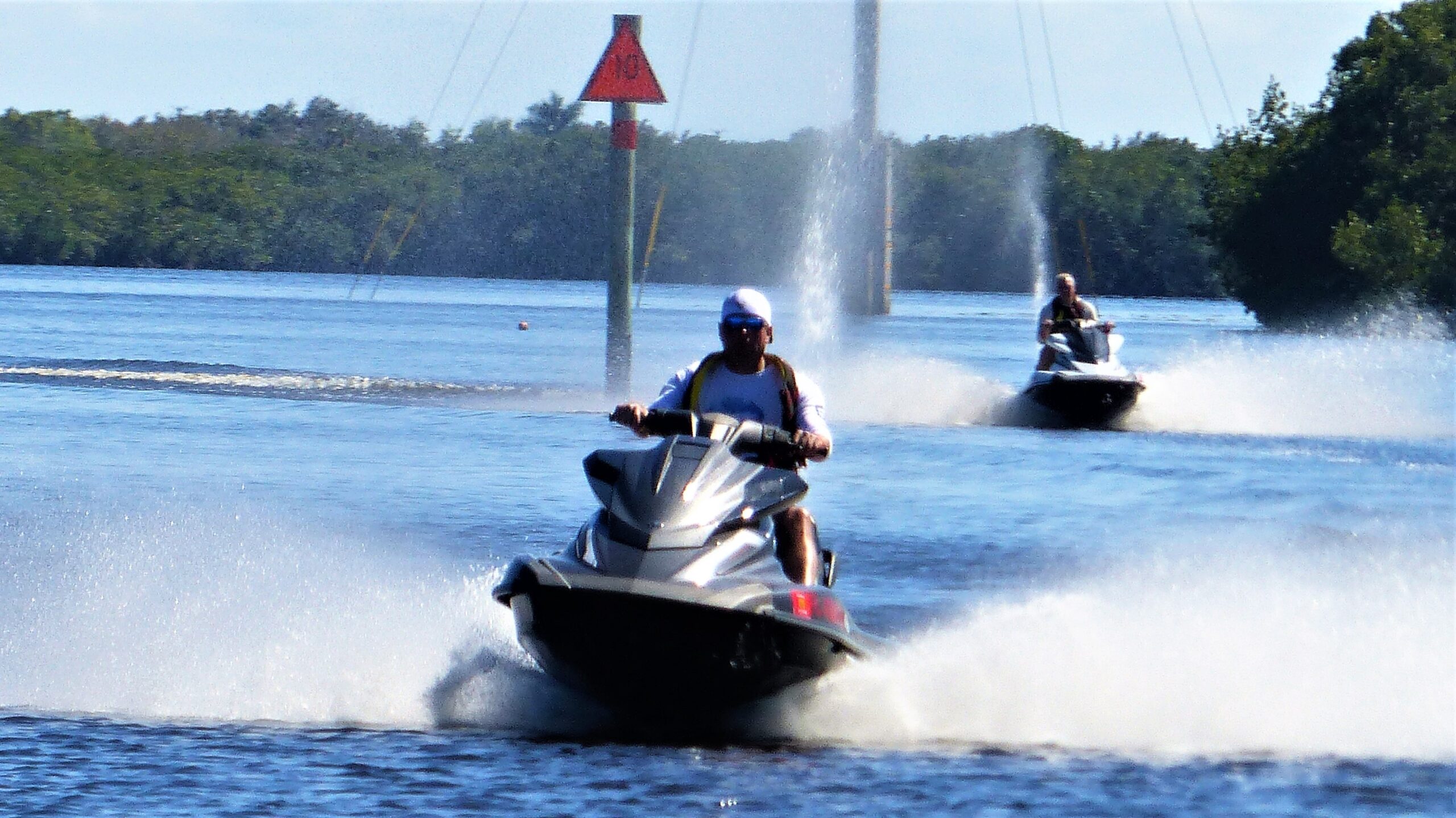
Hit by a Bass Boat traveling 70 mph, Alex Otte SURVIVED – The Story.

  • Alex Otte has grown from a severely injured 13-year-old girl to become an inspirational lady and leader.
  • Her positive-minded survival story shares her grief with every family that has ever lost someone to an impaired driver. 
  • Bottom line: Boating under the influence = Driving under the influence. She wants to spread that message.
Boating is recreational. Boating is fun. Safe Boating involves a choice, just like a choice to safely drive a vehicle. Boating under the Influence is as dangerous and life-threatening as driving a car Under the Influence.

By David Gray

Alex Otte, a young girl, shares what happened to her.  “On July 2, 2010, I was run over by a drunk driver.  My offender wasn’t driving a car; he was driving a 17-foot bass boat at more than 70 miles per hour.  I was sitting across the narrow lake from my mom and brother, and the boat was headed toward them when he banked it to the left and never straightened up.  The boat hit me, going more than 60 miles per hour and threw me off the Jet Ski.  I landed face down in the water, and the boat landed on top of my body before it sunk.  I sustained severe, life-threatening, and lifelong injuries from head to toe, including a severe traumatic brain injury.  I was classified with shaken-baby syndrome, having a shattered jaw, broken neck, broken collarbone, lacerated liver, and bilateral shattered femurs.  I incurred the loss of my right leg below the knee.”

On July 2, 2010, medics lifted Alex into a Life-Flight helicopter.  They told her parents that their 13-year-old beautiful young daughter might not live long enough to make it to the hospital.  But Alex did make it to the hospital, remaining in a coma for seven days.

Alex remembers waking up in the hospital with her Dad sitting by the bed.  “Dad would tell me what happened and that she had suffered severe brain injuries.” When she woke up the next time and the next time, her Dad was still sitting by her bed.  He had to tell Alex again and again what had happened.  Each time she could not remember.  Her injured brain could not recall what her Dad had repeated each time Alex woke up.

At 13 years of age, Alex Otte shared time with her creator and doctors for the next seven weeks in the hospital.  The young girl was strong and determined.  The following fall, she returned to school but would not walk into the classroom this time.  She was in a wheelchair.

On July 2, 2010, the woman that little girl would be, was nearly gone.  But the little girl survived to quickly become a strong, articulate, well-focused personality and inspirational leader.

Alex has become the woman she wants to be and has risen to be the President of MADD.  She is devoted to education about a choice you or someone in your family makes when they get ready to operate a boat.

Boating is recreational.  Boating is fun.  Safe Boating involves a choice, just like a choice to safely drive a vehicle.

Boating under the Influence is as dangerous and life-threatening as driving a car Under the Influence.

Alex Ott, a survivor and now the president of MADD, addressed the audience at Lake of the Ozarks in the middle of the country. Alex plans to share her message with all parts of the nation.  

In her speech, Alex states, “Operating a boat while impaired from alcohol or drugs does not result in unintended accidents while enjoying a recreational activity.  Operating a boat while impaired often results in an incident and a deadly crash, causing injuries and death because of a person’s irresponsible choice.”  Operating a boat while impaired is a choice, just like driving a vehicle.

Drinking and boat driving create the same dangers to others as drinking and driving an automobile.

A study of the relationship between the risk of fatality and blood alcohol concentration of recreational boat operators by Peter Mengert, E. Donald Sussman and Robert DiSario (1992) found that with a 0.1 BAC  (Blood Alcohol Content) you are more likely to die in a boat crash than a car crash.  Fishermen know that being out on the water in the sun, wind and waves will cause fatigue.  Combine on-the-water fatigue with alcohol in your system, and you are more likely to cause a severe crash.  Statistics show that you are more likely to NOT SURVIVE a boat crash with a 0.1 Blood Alcohol Content, even as a passenger.

On May 26, 2022, Alex Otte delivered a strong message as President of MADD.  Alex traveled to Lake of the Ozarks, in the middle of Missouri, in the middle of the country to announce and launch the nationwide BUI = DUI boating campaign.  Boating under the influence = Driving under the influence.

Starting at Lake of the Ozarks in the middle of the country, Alex will spread her message in all directions.

Doug Beck (L), Co-Chair of Lake of the Ozarks Water Safety Council, Akles Otte (center), President of Madd, and a USCG Captain all share the message of “No drinking when driving.”

The message is simple.  Do not operate a boat impaired.  Alex does not want anyone in your family to operate a boat while impaired and run over a person causing another family to endure what her family had to endure.

People impaired by alcohol or drugs can cause death and lifelong severe injuries to others.

We asked Ms. Otte, “If you could sit down one-on-one with a person who would NOT drink before driving their car but might also believe that having a couple of drinks before driving a boat is OK – what would you say to them?”

Alex said, “Everyone needs to understand that drinking is irresponsible if you are driving anything, and bad choices can be hazardous to others and themselves.  It is not OK to drink and operate a boat, just like it is not OK to drink and drive a car.”

Things happen fast on the water.  While Boating is fun, it can be dangerous to you, your family, and others if you operate under the influence.”

When do Illinois Ladies Bag a GIANT Triple-Spur Turkey?

Answer: During the 2022 Illinois turkey hunting season!

  • 25-pound bird, 12-inch beard, double-triple spurs…UNREAL.
  • Full camo shotgun, full camo boots and garb, 25-yards, aim, squeeze, shot – BANG…BIRD DOWN.
  • A surreal moment after harvest, it will last me FOR ALL TIME.
One proud hunting day for me, kudos to my skilled husband for calling in this bird within my shooting range.

By Dawn Redner, with Forrest Fisher

The Illinois turkey season was open and, honestly, I was itching to get out there. I had a craving for a wild turkey dinner, though as everyone knows, bagging a bird doesn’t happen every season. Hey, I’m an optimist!

We were hunting on our own property, which includes about 12 acres of native forest.  There was something special about this day, though I wasn’t sure what it was. This time, though, I seemed more alert and more ready to hunt than usual.

Maybe it was because this time when I walked into our woods, I thanked the Lord that I can hunt with my husband, Wayne. Also deep in my prayers, I was thinking of my husband’s dad.  Wayne’s dad was always so proud of me for being a girl/woman fisherwoman and huntress. He passed on in March 1993.  We miss him.

As we approached the woods, I was careful to quietly load up my camo-color Remington 11-87.  I slid the Winchester Double-X, 3-inch number 5s in and double-checked my safe. All good. Wayne had the turkey calls with him, we were set to trek in.

In 15 minutes or so, in the dark, we set up in a good-looking woodsy spot. After just a few minutes, a serious gobble echoed off to our left. It was quite a ways off. We looked at each other through our face masks and whispered to consider moving closer. We moved quietly in the direction of the gobble to close the distance. We got as close as we thought we could and set up in a deadfall. While we were moving, we heard him gobble a few more times. We were moving, so we did not call back to him. We thought it was the same bird, the live turkey yak-yak tone sounded similar to the first hearty gobble we had heard. Quietly, we cleared a little brush out of the way and sat down. Wayne gave him a few soft yelps with his Primos Razor Hooks with Bat Cut Mouth Diaphragm.

We got an immediate response!  We waited a minute or two and called again.

We got another response, and he was much closer now.

He was on his way to us!

I lifted my Remington to rest on my knee and waited.

The few minutes felt like an hour as we waited, hoping to see him move into sight and range.

Then, just like that, there he was, only about 25 yards out. I gently slipped the safety off. In range now, I decided to take the shot, gently squeezing the trigger once. After the shot, I couldn’t see him anymore.

So I jumped up and ran to where I thought he should be, worried a bit.

Then, there he was! I had bagged him!

We high-5’d and hugged. Yes! The moment was fantastic!

After another look at the bird, it had funny-looking legs. We discovered he had all those extra spurs.

Three on one leg and two and a nub on the other leg.
He also had a very long beard and he was a pretty large bird.

Later, we measured the beard, it was 12-inches!

The weight scales really gave us an even bigger surprise, 25 pounds!

This was one big beautiful tree chicken.

One big beautiful memory.

I always wanted to get a Pope & Young just for my father-in-law, he might think this hunt came close to that. My husband does!

For me, this whole day will be unforgettable for a lifetime.

The bird was so massage and beautiful. The beard, tail, spurs. Unreal! The biggest bird I have ever seen.

My Gear List:

  • Gun: shotgun, Remington 11-87 Sportsman Camo 20 gauge
  • Ammo: Number 5 Winchester Double X 3-inch
  • Call: Primos Razor Hooks with Bat Cut Diaphragm Mouth Call
  • Turkey Vest: Russell’s Outdoor- Mossy Oak
  • Coat and Pants: Gander Mountain Tech 2.0 Mossy Oak
  • Boots: Cabela’s Dry Plus Pac Boots 2000 gr


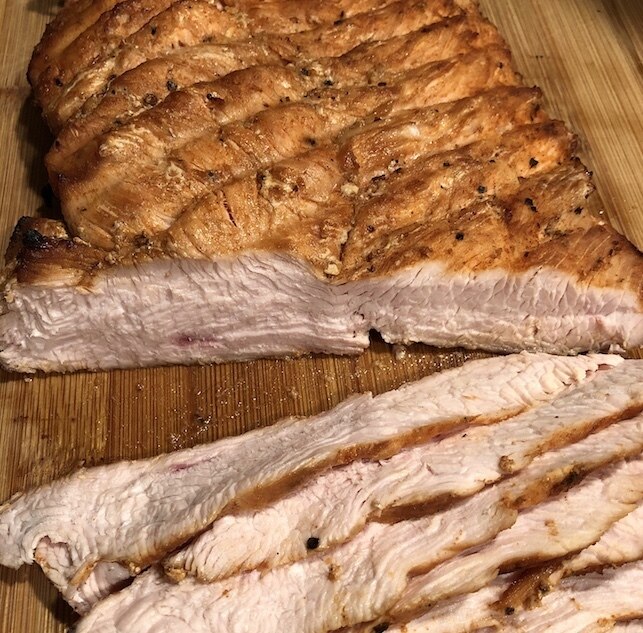
Smoked Wild Turkey Breast…EZ Recipe

Looks and is delicious! CLICK THE PICTURE to earn a 20% Discount.

By Karen Lutto

Ingredients:

Directions:

  1. In a non-metal container, prepare the Hi Mountain Seasonings Game Bird and Poultry Brine following the instructions included in the brine kit. Place the turkey breast into the brine and refrigerate for 24 hours.
  2. Remove the turkey breast from the brine and dry thoroughly with paper towels.
  3. Set your smoker or pellet grill to 180 degrees.
  4. Lightly coat all sides of the turkey breast with olive oil and apply a liberal amount of Hi Mountain Seasonings Rib Rub.
  5. Smoke the turkey breast until the internal temperature reaches 165 degrees, making sure to turn the turkey breast once doing the smoking process.
  6. Remove the turkey breast from the smoker and let rest for at least 15 minutes before slicing and serving.

Note: Use a meat thermometer to make sure the internal cooking temperature has reached 165F.