Where hospitality and nature meet hunters and fishers.
Where walleye tournaments are common, smallmouth bass reach seven pounds, and bowfishing is fun after dark.
Wilson Lake is a favorite with campers, hikers, bikers, hunters, paddlers, and water sports enthusiasts.
By Jonathan Blumb and David Zumbaugh
Secretary Brad Loveless of the Kansas Department of Wildlife and Parks spoke to communicators.
The Outdoor Communicators of Kansas held their spring conference in Wilson, Kansas – the Czech Capital of the state. Local introductions and hospitality were provided at the unforgettable Midland Railroad Hotel. The town of less than 1,000 is strategically located for hunters and fishers. Cheyenne Bottoms Marsh and Quivira National Wildlife Refuge are just South, and Lake Wilson is just to the North. This berg was settled in 1874 by Bohemian immigrants who came to the area to work on the railroad, establishing the town as the Kansas Center of Czech Culture.
This group of media professionals and freelance contributors to sporting publications does more than just have fun on their outings. Their charitable efforts support youth engagement in the outdoors, offer college scholarships, fund hunting licenses for veterans, and contribute to junior shotgun shooting sports. Since 1961, members have encouraged people to embrace outdoor activities and support various goodwill events to facilitate their mission.
Lake conditions were clear with low water levels.
Fishing guide Joe Bragg of Wakefield, Kansas, and local guides Dale Hines of Sylvan Grove and Wayne Loy of Lincoln graciously gave willing fishers a grand tour of the lake. Members Nick Neff and Mike Miller towed their boats along for big fish bragging rights contests. Mother Nature cooperated, offering beautiful, clear blue skies and mild breezes assisting angling endeavors. Some chose to fish off the shore, as Wilson offers many public access sites to reach deep water and big fish – without a boat.
Rods and reels got a workout as most anglers succeeded with walleye, bass, crappie, wipers, and drum brought to the net. While the bite was less than hot, no one complained because they got to fish Lake Wilson! The waters are renowned for giant stripers; some are even hooked through the ice in winter. Walleye tournaments are common, and smallmouth bass reach seven pounds. A bowfishing tournament, sponsored by Knotheads Bait Shop, was held concurrent with the OCK meeting, with participants from six states shooting huge carp and garfish in the backwater coves.
Joe Bragg caught his first Lake Wilson crappie.
This lake is a favorite with campers, hikers, bikers, hunters, paddlers, and water sports enthusiasts. The epic Switchgrass bike trail is a huge draw, which is not suggested for mountain biker beginners. There are several exceptional hiking trails for all levels of mobility. The Rock Town Trail is spectacular, with views of the lake and overhanging cliffs.
Nearby lodging is available in Russell and Lucas. Kansas Parks and Wildlife has cabins available at Wilson State Park. Several RV campgrounds are available. One is within walking distance of the dam spillway, which offers excellent fishing opportunities when the water is flowing.
Some members took a break from piscivorous pursuits to visit area attractions. One cannot visit Russell County without stopping in Lucas to be amazed at the bizarre Garden of Eden, take in the well-stocked art shops, and have a burger at the K-18 Café. Of course, you must pick up some brats at Brant’s Market to take home.
Attendees were treated to another natural outdoor festival. A fish fry was held at a Lake Wilson State Park cabin.
A fish fry was held in the Hell Creek Area of Wilson State Park.
Someone even Bar-B-Queued bobwhite quail procured from a recent pointer field trial for an over-the-top feast!
Of course, practiced lies were sheepishly spoken about the big one that got away and the snake that tried to get in a boat, but all was accepted in fun. As the evening waned, all were rewarded with a magnificent sunset, which decorated the surrounding hills with gorgeous spectral colors.
All photographs are courtesy of Jonathan Blumb. Additional photographs appear at the end of this story.
Advice #1: Seek expert help. The well-stocked Port Charlotte tackle shop called Fish’n Frank’s offers charter captain advice from local fishing specialists.
Advice #2: Keep an optimistic focus. Share a grin and good questions to identify the best fishing methods.
Advice #3: Tackle care. The legendary fish-filled backwaters of Charlotte Harbor demand that every angler check lines, leaders and hooks often.
Simon Cremin with one of 25 sea trout caught while fishing lures and jerk baits over an oyster bed in Charlotte Harbor.
By Forrest Fisher
In the sun-kissed kingdom of Southwest Florida, shimmering waters meet pristine beaches, and tales of fun, exploration, and daring adventure unfold with each fishing trip.
More than once a week, Simon Cremin embarks on a journey to share his unmatchable passion for fishing and the sea. Originally from the United Kingdom, Simon resides with his family in the United States. He is transitioning from fishing in Europe, where the goal was to catch toothy northern pike and musky.
Today, Simon sets out to find and conquer the mighty Apex predators that roam the coastal waters of the Gulf of Mexico. Facing the challenge of choosing the right fishing gear and learning where to fish with success, Simon works with optimistic focus, a grin, and a curious expression to develop answers that satisfy his call for challenging the deep. His fully equipped 19-foot fiberglass Sailfish Boat, powered by a 90 horsepower Yamaha 4-stroke outboard, transports him and his fishing friends to their destination quickly and affordably.
Every summertime saltwater fish trip starts at sunrise. It’s dark when the boat goes into the water.
His home base of operations for learning more about the nationally famous tarpon waterway of Charlotte Harbor, Bull Bay, and Boca Grande is a well-stocked tackle shop called Fish’n Frank’s (941-625-3888). Recently rebuilt after a fiery vehicle accident burned the homey, 5-decades-old tackle store to the ground, the new location in a plaza is located at 4200 Tamiami Trail (US Route 41) in Port Charlotte, FL. Store manager, Robert Lugiewicz, offers a complete and friendly service with live bait, frozen bait, lures, rods, reels, and line, all at affordable prices. Maybe the best part is that the store is filled with nautical wall maps, silent conversations, and finger-pointing to hotspots with fishy details, explanations, and a grin to cheer you on your way. The Lugiewicz staff provides the most considerable degree of encouragement to newbies and retirees that enter this legendary tackle store domain. The visitors find a boost of honest help on what, when, where and how to catch fish. Simon will agree because, with their help, Simon has succeeded.
Launching in Charlotte County from Placida Park (6499 Boca Grande Causeway) or Charlotte Beach public boat ramp (4500 Harbor Blvd.), Simon usually meets up with one or two local friends. They check lines and leaders, then head out to explore the legendary, island-filled coastline and mangrove-filled backwaters of Charlotte Harbor. Simon says, “Each fishing trip is new to me, as I am still sort of new to the area. It’s fun to learn where to find fish, and we have found fish in some of the most remote areas imaginable.” Laughing a bit, Simon says, “Good thing most of my friends have little fear and a brave heart.”
The morning scenery can be amazing as daylight and warming occur to form cloud formations that are absolutely beautiful.
Simon continues, “We fish simple. We use my electric bow motor to access secluded backwaters where we have found some of the largest fish, including Tarpon, Snook, Redfish and Speckled Trout. Of course, wherever we go, I focus on also catching a Shark, they are so powerful, and there are so many types here. I have learned with each fishing trip and have evolved to establish a simple system that offers an opportunity to catch multiple species, and sharks too.”
Simon prefers the back of the boat to the front, so his fishing partner is offered control of the boat, running the bow motor for the day. Simon says in his British accent, “All of my fishing buddies seem to enjoy that part of our 6 to 8-hour fish trips. We each cast lines with plastic-tailed jerk baits on weighted weedless hooks or throw hard baits. Both lure types are designed to mimic the local forage groups. Doing that, I like to trail one or two lines for Shark. I have learned that it is better to trail one line simply. You can get into a real mess with two trailing lines when a handsome Gafftopsail Catfish hits and runs laterally. In the back of the boat, I can still cast out the side of the boat for multiple species, but now I trail just one line with a huge bobber, a wire leader and a huge hook with a half ladyfish or other cut bait. Some days, we catch five sharks and more than 50 other gamefish. It’s exciting! I’ve even caught sharks while casting lures. They can be that aggressive. “
Simon says, “Snook, redfish, trout, catfish, and others, like this bluefish, are all out there chomping on our lures.”
Simon explained that on one trip while discovering a new oyster bed with nearby emerging sea grass, he and his partner caught 11 different species while hooking up with 3 Tarpon, some more than 6 feet long. They also caught Blacktip Sharks and watched dolphins, stingrays, nurse sharks and bull sharks swim near their newfound fishing zone. In total silence, the intriguing sounds of a circling osprey or a nearby eagle crack the meticulous silence of the fishing mission.
Simon admits that studying the weather, the tides, and moon phases is necessary, but he enjoys the academic side of fishing the saltwater. He also admits he may be pushing the boundaries of his fishing gear at times since he hooked and landed a 7-foot Lemon Shark estimated at 125 pounds in weight, a personal best shark catch on one recent trip. That Shark and all the others were each carefully released to live another day. That giant Shark was caught on a 40-pound braid main line, a 60-pound fluorocarbon leader to the bobber, and a length of 0.040-inch diameter wire leader to an 8/0 circle hook.
Using a 40-pound test braid and a 60-pound test fluorocarbon leader to wireline worked for this shark. Released alive and hook-free.
Before each fish trip, Simon studies the local areas, reports on marine life, and talks with his newfound friends at Fish’n Frank’s. He studies the successful strategies of others, takes notes, watches videos and readies himself and his boat to face the ultimate challenge and adventure of fishing the saltwater.
Some of the sharks are so huge, and their teeth are readily apparent as they tire and swim alongside the boat. It’s pretty exciting.
Each trip begins with setting sail before dawn, and enormous anticipation fills the air each time. Minutes turn into hours, and there have been times when he admits they have persevered in unpredictable weather and high heat index days, knowing that the ultimate prize may await on the next cast or next drift. Persistence pays off when a gargantuan shadow glides beneath the surface on the end of your line. The true leviathans of the deep live in each of the natural bays here. Simon says, “Each trip is so exciting that when we power the boat onto the trailer at day’s end, I cannot wait for the next time.” Talking with Simon in person, he admits, “Hooking up with one the Sharks, there is adrenaline pumping through my veins, and the fun of it all is indescribable.”
Just when you think the good fishing is over for the day, a drag-screeching Gafftopsail catfish can brighten your day.
Amidst the fish battle struggles, Simon admires the magnificent creature fighting for freedom. He recognizes the importance of conservation and respect for these majestic Apex creatures—reasons why he makes the ultimate sacrifice and releases the Shark. Simon is an advocate for conservation in his community.
In the heart of Southwest Florida, tales of adventure are etched along the coastline and every inlet of the intra-coastal waterway. The Simon Cremin “learn-to-fish” story is a testament to the attraction of the sea and the capacity for personal growth. Through his journey of learning more about saltwater fishing, particularly shark fishing, he has reinforced the importance of responsible fishing practices, the value of conservation, and the irreplaceable wonder to be discovered in the natural world here. As the sun sets on the Gulf waters, the tides of destiny await the next trip. His future focus? As a Charter Captain, his new goal, Simon Cremin plans to share more of his fishing time with others. He’s going to be a good one!
NYS Pheasant-rearing farms reduced from 7 to 1, then Avian disease hit this year. All the breeder birds had to be euthanized.
Walleye fishing in Eastern Lake Erie is HOT and crowded after dark right now. Respect the other fellow in a nearby boat.
Turkey hunting in Western NY is GOOD – The season runs May 1 – 31. 2 birds/season bag limit.
Ringneck Pheasants in the wild are scarce in many states, but well-managed conservation programs raise them and return them to country farm fields. Joe Forma Photo
By Forrest Fisher
As a kid growing up in farm country, my family raised more than 50 chickens each year. This effort supported our family and most of our neighbors with all the eggs everyone needed, and I made about 5 cents on each dozen for delivery. That was a nice piece of change in 1955. My dad had built a multiflora rose fence borderline around the chicken pen to help keep the birds inside and to help with free feed for the chickens. Chickens love to munch on the flower and hip fruit of the hardy rose plant. Little did we know, though we learned, that wild ring-necked pheasants also love the fall fruit of the multiflora rose bush. At times, we had 20 to 30 pheasants in with the chickens! They were everywhere. They stole and enjoyed the rose fruit designed to save my dad some cost on chicken feed. In the 1950s, an overabundance of live and roadkill pheasants was a common sighting. You could see ring-necked pheasants along roadsides everywhere. Then DDT and other pesticides contributed to their egg-softening demise, and state hatcheries were implemented to help replenish the birds to their native stock numbers. Pheasant hunting was and is a favorite NYS hunter sport. At one time, New York supported seven pheasant-rearing facilities, but not anymore.
New York State (NYS) reduced its fleet of ringed-neck pheasant farms from seven to one over the last several years. They put all their eggs in one basket to coin an age-old phrase. In NYS, I often ask, “What happened to common sense?” In a state where the annual economic impact from hunters and anglers is just under $5 billion per year, it is hard to figure out why NYS lawmakers and management folks decided to save a few dollars in the state budget this way. According to the NY Outdoor News, of the 550,000 hunters in New York, a survey showed that about 40 percent had hunted ring-necked pheasants over their lifetime.
Lake Erie nighttime walleye action near Buffalo, NY, is hot for trollers using shallow-diving stickbaits. Matt Nardolillo photo.
A recent outbreak of Avian Flu resulted in the total population demise of more than 6,000 NYS pheasant breeder birds at the lone, remaining Reynolds Game Farm in Tompkins County near Ithaca. This one and only farm with a mission to raise and release pheasants into the NYS wilds is now in quarantine for four months per USDA regulations. Ugh. This eliminates the chance for a rapid recovery before pheasant hunting season. Pheasant hunting is a fall season activity, with season dates of Oct. 1 – Dec. 31 in northern portions of WNY, Oct. 15 – Feb. 28 for southern WNY portions, and Nov. 1 – Dec. 31 in the Adirondack and Long Island zones. The exact specific zones are defined in the game syllabus. The demise of the 6,000+ breeders also means eliminating the approximately 40,000 birds raised from their eggs that will be lost. So sad! The loss of these birds also eliminates the DEC “day-old-chick” program where conservation groups, especially 4H kids from across the state, pick up the young chicks and raise them to adulthood in private facilities, then release them on property open to public hunting. Such areas include wildlife management areas, state parks, multiple-use areas, and other areas. The NYS Conservation Council, the Erie County Federation of Sportsmen, and many other conservation groups across the state are asking for a more responsible approach to pheasant rearing in New York State. According to a note I received from pheasant advocate Linda Suchocki, our Pennsylvania neighbors raise and release more than 200,000 pheasants each year. She says, “The Reynolds facility employs nine workers, and only four are full-time. NYS needs to do better in a state where fishing and hunting supports 56,000 jobs and contributes more than $600 million in state and local taxes.” It’s hard to disagree with Suchocki.
Nighttime Dunkirk walleye action is hot west of Dunkirk Harbor. Captain T. J. Yetzer photo
The fun-adventure news for the start of this month has more to do with walleye fishing and turkey hunting, as both NYS fish and wildlife seasons opened last Monday, May 1. The weather has not helped! Just when we think the weather gods are on our side, a cold blast from the north swirls in to shut down the crocuses, the budding apple blossoms, the fishing and the turkey hunting. It did help muddy up the front foyer, though. We can grow some veggies there right now. Friends of Toto, we’re not in the Land of Oz yet. Yea, thank goodness. The down days of nature help make the up days much bigger and brighter. The good stuff is right around the corner. We all know that. Despite the nasty weather, anglers did get out, and hunters too. It pays to be tough, and thank goodness for waterproof outerwear!
If you’re fishing, respect the other guy if dozens of other boats are trolling the same fish-packed zone in the Athol Springs section of Lake Erie – where all the female walleye come to spawn and all the male walleye remain to eat their own hatchings – after nightfall. Who said nature was kind?! Most walleyes caught there early in the season are smaller males from 18 to 22 inches, but they are tasty critters for the frying pan. The same is true for the Shorewood Shoal portion of Lake Erie between Van Buren Point and Point Gratiot to the west of Chadwick bay marina in Dunkirk.
Hunting turkey is done in full-body camo and gun, too, so PLEASE be sure of your target and beyond. Everyone is sitting on the ground in full camouflage, sounding like a hot bird looking for a girlfriend. Be careful and be sure before you squeeze the trigger. This year is starting as an excellent turkey year. The spring turkey harvest in NY averages about 18,000 birds, but yield varies based on the number of participants and the success of turkey hatchlings in previous years. Remember this: it’s spring, and the deer ticks are here and everywhere in abundance. DO NOT GO IN THE WOODS OR PARKS WITHOUT PROTECTION. Apply Permethrin (Sawyer Products) on all your boots, shoes, and exterior camo clothing. Use Picaridin (Sawyer Products) on any exposed skin. Each of these cost only $12-$13 at Walmart. If you find a deer tick embedded in your body, use tweezers to very carefully get it out. Send it to Ticknology, 1612 LaPorte Ave., Fort Collins, CO, 80521. For more info, Google them or call 970-305-5587. The cost is $35, but you’ll know if you need to follow up with medical treatment for Lyme disease. Lyme disease is a killer!
This spring, the DEC expects a better turkey harvest than last year. Good luck in the woods. Related, the DEC is looking for help from turkey hunters in a study of NYS ruffed grouse. DEC is asking turkey hunters to record the number of ruffed grouse they hear drumming while hunting turkeys afield. This will help the DEC track the distribution and abundance of this native bird. For a free survey form, go to the DEC website) or call (518) 402-8883. To participate in the DEC Summer Wild Turkey Sighting Survey (or other wildlife surveys), visit the DEC “Citizen Science” page (https://www.dec.ny.gov/animals/1155.html).
On the Outdoor Honor Roll: the NYS Outdoorsman’s Hall of Fame (NYSOHOF) will induct 12 new members at their annual banquet set for Theodore’s Restaurant in Canastota, NY. The list of sponsored, well-deserving applicants is always long. These guys typically volunteer hundreds of hours each year. Locally, three members made the honorable selection criteria. Tom Fischer and Larry Jones are among the local erie County recipients. For more than 20 years, Tom Fischer has volunteered to be the fishing tackle and gear guy for the Erie County Federation of Sportsman Teach-Me-To-Fish clinics catering to hundreds of kids yearly. Fischer also organizes other youth events and fuels optimism and leadership at such youth events for kids of all ages. Larry Jones pioneered Niagara River musky restoration when this species was in trouble in the 1990s. Among many other volunteer efforts, Jones started the Niagara Musky Association in 1993. The club became an integral part of the Strawberry Island restoration effort, now declared a National Park. And also, a longtime friend of mine and many others, Gene Pauszek from Chautauqua County, was awarded induction posthumously. Pauszek was the gruff-speaking but colorful and friendly outdoor columnist for the Dunkirk Observer. He was a life member of the Chautauqua Conservation Club, a leadership generator type of person, and an officer with many southern-tier conservation groups that supported youth activities. He founded the Take-A-Kid fishing program in Dunkirk, and his enthusiasm for fishing and Lake Erie conservation were no match. To attend the dinner, email sfcf@tds.net or call 315-829-3588.
Speaking of youth programs: the National Wildlife Federation advocates spending at least one hour each day outdoors in nature. Their website “Kids and Nature” (https://www.nwf.org/Kids-and-Family/Connecting-Kids-and-Nature) provides ideas for reconnecting kids with the many benefits of the great outdoors. Good for both mental and physical health, spending time outdoors is also fun and helps kids build a connection to nature.
Where to fish – an easy choice when you fish with old guys (the fish are in the water).
Rigging and weighting plastic worms and alternatives.
Lure selections, knot varieties, water depth: fishing factors that matter.
Lure inventor Bill Alexander (L) and Bass Pro field tester Gary Day (R) plan their fishing morning on a west-central Florida lake.
By Forrest Fisher
When young-minded friends meet on the water in Florida for a post-retirement gathering, life is good. Good for at least two reasons: You’ve survived long enough to collect social security and are going fishing. And, if you were smart enough to give your wife permission to go shopping, you know the entire day will have a happy ending when the boat returns to the trailer. Funny how things work with an excellent plan to wet your line!
We met at Gary’s winter home in Auburndale, Fl., moved the ice-filled cooler with water and sandwiches to the boat, and the day was on. Bill said, “Geez Gary, don’t you ever wash your boat. There’s dust on the motor!?” Not 1-second passed when Gary answered, “Well, go get a dust rag over there in the corner. You can be the new pixie dustman.” Gary and Bill have been friends for a long time and fished many bass tournaments together, also as competitors. I was the new guy in this senior collection of age-old, line-casting, bass-fishing quibblers. Gary added, “Pay no attention to the man behind the curtain there, Forrest. He thinks he knows how to fish.” We all chuckled, and the laugh-fest, fish-fest was in gear.
We piled into Gary’s GMC Terrain with his 19-foot Ranger bass boat and trailer in tow. The boat was filled with strapped-down, ageless fishing rods and reels and many memories about to be relighted for a fun day afloat. Our destination this day was a canal-interconnected lake system near Lakeview, FL. We arrived at the no-charge boat launch on Lake Rochelle, and the fishing fun began. The lake system includes Lake Haines, Lake Rochelle, Lake Conine and Lake Smart. I swear that each time I fish with these guys, we all get a little more clever and imaginative, no thanks to the last lake name there. Old guys know so much about so many things to do with life and fishing! I’m not bragging, as I’m on the side of what we (I) never stop learning.
Bill Alexander says, “One option for fishing the popular wacky rig is to place a slip weight above the hook, not pegged.” Gary Day adds, “Pumping the rig back to the boat, slowly, will cause the sliding line with the hook and worm to create a delay in the worm sink rate. A sure-thing fish-catcher on some days.” This durable and supple new plastic worm is one of the new Xstended Life Apex worms that Alexander and his partner, Paul Williams, have recently invented.
“What should we fish with, Gary? You’re the guide today because you know this water,” Bill asked. “Well, the bass are done spawning as of a few weeks back, so they might be hanging back from the shoreline reeds and in deeper water or not. They might be feeding on their own fry, in shallow. Who knows?” Gary replied. Bill quipped back quickly. “You mean you don’t know.”
“Every day of fishing is different, Big Bill, you know that. It could be the new moon phase, the sunrise clouds, the early overcast fog, or it could be that you just got up too early, Bill. Or maybe…you got me up too early!” Never let your guard down on senior fun fishing days.
I looked toward Gary to say, “I liked where we fished here in Lake Rochelle last time, over there where that big gator hangs out.” I was pointing across the lake to an underwater point with sky-seeking reeds that was also near a quick drop-off. “That’s what I was thinking, too,” Gary replied. The big motor roared to life, we popped out of the hole and were skimming along the smooth lake surface at cheek-waffle speed.
MTO Lure inventor Bill Alexander says, “Not all the fish we catch are giants, but these little guys make the fishing day fun and test the durability of our new Xstended Life Apex plastic worms. You can catch multiple fish without changing this worm.”
About 5 minutes later, Gary plopped the MinnKota Terrova electric bow motor into the water, and we were rigging up lines. The remote control Bluetooth link made it easy for Gary to position the boat to shallow or deep.
Bill tied on an Xstended Life soft bait, a 5-1/4 inch Apex worm in green/red fleck color, using a 4/0 circle hook. I did the same with a blue-black Apex worm, and Gary tied a similar soft plastic tail bait onto a wobble jig. With about 10 casts each, there were no strikes and no fish yet. A few minutes later, I checked my watch to share that it was 8:55 a.m., breakfast time for big old bass looking for big old fishing buddies ready to take their picture. Not a minute later, Bill said, “Fish on! This one is not big guys, but it’s a nice healthy Florida largemouth about a foot long.” Grinning, I said, “They must have heard me, brother Big Bill.” Bill said, “First fish in, guys, pay up.” Bill is a master talker, a great storyteller, and a great friend. Another 45 minutes passed, and Bill yelped, “Well, guys, looks like I got the first fish, the biggest fish, and the moist fish. Bingo, bango, bongo. It’s gonna cost ya’ll.” It’s easy to start speaking Florida English when you’re in Florida, even for just a few months. Bill was developing an accent.
“It’s time to switch, guys.” Gary picked up his first-generation Bass-Pro casting reel bought way back in the 80s – a fishing reel he loves, and tied on a short Berkley Lightning Shad in white-silver color. I switched to a small floating-diving crankbait from Al’s Goldfish Lures called the “Diving Demon.” One of my favorite lures, it dives no deeper than 3-4 feet, no matter how hard or fast you crank. Bill said, “I’m sticking with my worm.”
About two casts later, I had a fish on and pulled a nice 2-pounder into the boat. About 30 seconds later, Gary caught three fish on successive casts. Gary said, “What’s the matter, Bill? Did you spit on the knot and scare the fish away? The fish don’t like you, buddy.” Not exactly sandpaper on sandpaper, but hearty laughs and grins. Then over the next hour, we caught four more fish, Bill too, and the fish bite just plainly turned off. It was 10:30 a.m., and we all knew it was time for man-to-man jaw talk when the fish stopped biting.
Well-maintained “elder” fishing gear works as well or is better than some modern hi-tech fishing tackle.
We always share good talk, usually about things we’ve discovered in life and fishing. Gary is from Oswego, NY; Bill is from near Sylvan Beach, NY; and I was born and raised in western New York near East Aurora. We all accept that Southwest Florida is a great place to escape snow shoveling. We talked about life and cost of living, the differences between New York and Florida, taxes and gas prices. And how census numbers the day before where New York lost 299,500 residents in 2022 while Florida gained 315,000 new Florida residents the same year. “It must be the great fishing guys!” I added. “It could have more to do with taxes,” Gary said. “Let’s not talk about politics, you guys. C’mon.” Bill garbled. Then added, “The water temp is nearly 80 degrees, guys, it’s siesta time for the fish.”
The surface water temperature was approaching 80 early in the day.
We switched our no-fish-biting talk over to lure choices to try now. We covered surface lures, plastic baits, swimbaits, crankbaits, jigs, hair bodies, soft bodies, and plastic worms and their pliability and durability. That led us to talk about lure size and plastic worms. I threw in that I fished with Rick Clunn in the Red River a few years back, and Rick says, “Fish with a 12-inch plastic worm to win the tournament or not, and just one more fisherman in the crowd.” Gary said, “It’s true that bigger lures catch bigger fish or no fish. I won a NY Bass tournament that way once a few years back.” I asked how long ago, and Gary said, “Not that long. It was in the late 90s.” We all laughed. How time flies as we get a bit older.
Our conversation between casts was better than Abbott and Costello telling their story about WHO was on first and WHAT was on second and who and what has changed since then. That took us to cellphones…flip-tops and smartphones, laptops, the internet, grocery delivery to the door, online banking and what it all means. No face-to-face conservation and no touch or emotion between people. That’s when Bill said, “Hey Gary, where are you hiding the fish? Let’s get the sandwiches out and head to another lake in the system.”
As we near the end of the trip, Gary Days says, “I normally save these little ones for Bill.”
Five seconds later, Gary hollered, “Lines up, guys. Get the bread out. Time to move.” He lifted the bow motor, turned the ignition key and the Merc outboard growled to life. Off we went. I love that Merc sound as you begin to feel airborne. Ten minutes later, sandwiches and ice-cold water in hand, we idled into a narrow canal to enter Lake Haines, and watched for ospreys and eagles. Lake Haines is another pothole-style Florida lake. The deepest water is about 18 feet. Gary said, “I don’t fish this lake too often, but sometimes you gotta stick your nose where the wild roses grow. Maybe they’re biting here.” A broken 5-acre field of water hyacinth patches was floating in front of the canal entry. Heavy wind the previous day had broken them off from their shallow roots near shore.
Bill stood up to cast the first line where the edge of weeds and reeds was about 4 feet deep in clear water. A 30-foot cast, his line immediately moved left, then right, as Bill lifted the rod to hook up with a nice bass – his biggest bass for the day. Smiling ear to ear, “That’s how you do it, guys. Were you watching? Gary? Forrest? Of course, you know I just jinxed us. First cast, first fish in the new lake, we’ll be lucky to catch one more.” Bill’s prediction turned out to be right on. About an hour went by with no hits.
We turned our talk to fishing lures from long ago that we still have and still use and still work, and we laughed a lot. We talked about new lifestyles in winter: fishing and golf and watching spring training baseball games. We also talked about the new pains and aches we all are developing and that, at least for me, I hide with a patented arthritis grin that can fool anyone. We talked about fishing and hunting and how most outdoor sportsmen enjoy everything in between. Our discourse about lures, line brands, rods, reels and fishing gear changes went into great detail.
We agreed that the increasing multitude of American tournament bass fishing contests today might not be good for the fish but was good for the local economies and the tournament owners. We yakked more and laughed a lot. Non-stop. We deliberated taking affordable Canadian fishing trips with friends – in the summer.
The fish needed to be biting better on this day, yet we brought seven non-whopper bass and a giant bluegill to the boat. The lack of non-stop fishing action was great for talking time. The yapping talk and laughing helped us forget everything else on our calendars as we roughed it out from 8 a.m. to 1:30 p.m. We spoke about notable quips and quotes we have heard through the years, like this one: “Remember that without bread, there can be no toast. Without friends, there can be no fun.” So true.
Keep your bread and your friends close.
We headed home.
Fishing with friends on a warm and sunny day in Florida is healthy for the mind and soul.
Baby birds must be fed 4 times per hour for 14 hours each day.
We can save wildlife because people support our mission.
Support baby bird rehabilitation (and other species), please donate or shop our online gift store.
Follow us on Facebook and Instagram to see baby bird patient updates.
Now is the time of year when little featherless baby birds are hatching out of eggs all over the place, sometimes tumbling out of trees and occasionally into trouble.
Here at Peace River Wildlife Center, we have already had an increase in little cheepers coming in for care. More often than not, baby birds brought into rehabilitation centers are just going through their natural developmental stages when a well-intentioned human intervenes and unknowingly takes the baby away from its parents. Should you find a baby bird with no or few feathers or any other type of mini fowl, there are steps you should know before you unknowingly become a birdnaper.
The first thing you should do is try to identify whether the bird is hurt. If the bird is bleeding, feels cold, has its eyes closed, looks exhausted, dehydrated, droopy, or seems rather lifeless, then consider it injured — it should be brought to PRWC for treatment. It is very important that you don’t offer it any food or water due to where the opening to their lungs is. It is too easy to accidentally put food or water in their lungs, thereby drowning the bird or causing pneumonia. When transporting, keep the little bird in a dark place – like a shoebox with holes punched in and a t-shirt, so its metabolism slows down, and it calms down and warms up.
If the bird seems uninjured, do your best to identify if it is a nestling or a fledgling. Nestlings may have no feathers at all, be covered in down, have pin feathers (little dark beginnings of feathers), or have most of their feathers but still look quite fluffy, unlike an adult. Nestlings are also likely pear-shaped, looking like their wings may be too small for their body and seem rather tame and chirpy, opening their mouth for food. A nestling cannot survive outside the nest even if the parents are still feeding it. In this case, it is best to try to locate the nest and gently place the baby bird back in. Once the baby is back in its nest, step away at a good distance and watch for the parents to return to the nest. A mother bird will not return if a human is sensed or seen too close to the nest, but she doesn’t care if you got your “scent” on the baby – the vast majority of birds can’t smell very well anyway and won’t reject their chick. If the parents do not return after a few hours or if the nest could not be located, the best bet for the nestling is to be brought to PRWC for treatment.
Fledglings have some feathers or may even look like fluffy adults but seem unable to fly and seem quite awkward in their movements. Fledglings rarely need a human’s help (unless the bird is injured). People sometimes see a fledgling bird hopping around on a branch some distance from a nest or even on the ground. This is perfectly normal behavior for growing birds. The best thing to do for these babies is to leave them alone. Mom and dad will care for them, even if they end up on the ground. However, if there is a dog or cat in the area, try getting the baby back up into the nest or at least the tree the nest is in. Watch from a distance. If the parents don’t show up after a few hours, it may be time to call PRWC for more advice, as it may be necessary to bring the little one in for treatment.
It is not always easy to tell if the bird is a nestling or fledgling, so it’d be wise to call PRWC or a local rehabilitation center for help. Each situation is different, and the best advice is to use knowledgeable sound judgment under the circumstances. Quick action is very important. Many species feed their nestlings several times each hour. Although a nestling could go for an hour or so without food, it is critical to take action within a short time after you discover the bird. The baby bird cannot wait until later; it will not survive. Never attempt to rehabilitate a baby bird yourself because the chances of the bird surviving and being successfully released into the wild are very low – meaning you’ll do more harm than good even though you meant well.
In sum, more often than not, people come across fledglings that do not need rescuing – the baby birds are alright, but on occasion, some help may be needed, so it is important to be informed.
Rehabilitating baby birds is no small feat. Baby birds must be fed around the clock — four times per hour for 14 hours each day. It takes trained professional skills, days of planning and preparation, hours of cleanup, and a continuous supply of resources for meals that are gulped down in a flash. It’s physically and emotionally demanding to take care of an infant of any species, even more so when there are many others to take care of. It takes a skilled team to manage the influx of baby birds through the nesting season, along with our regular intakes. It is a mission to rehabilitate and aim for release.
To support baby birds in their rehabilitation as well as many other species, please donate or shop our online gift store. Every donation and proceeds from purchases go directly to the care of PRWC’s patients and residents. We can save wildlife because people like you support us in our mission.
Make sure to also follow us on Facebook and Instagram to see baby bird patient updates.
About Peace River Wildlife Center: PRWC is a 501(c)(3) non-profit wildlife rehabilitation and education center tucked neatly into the mangroves overlooking Charlotte Harbor at Ponce de Leon Park in Punta Gorda Isles, Florida. The Center and our gift shop is open to the public for tours everyday from 11a – 4p and our hospital accepts wildlife intakes from 8a – 5p everyday, 7 days per week, 365 days per year including all holidays. We do not charge an admission fee but donations are greatly appreciated and needed to support our mission. Your donations and gift store purchases go directly to the care of our wildlife patients and residents.
Peace River Wildlife Center, 3400 Ponce de Leon Pkwy., Punta Gorda, FL 33950; prwildlife.org
Alex Otte has grown from a severely injured 13-year-old girl to become an inspirational lady and leader.
Her positive-minded survival story shares her grief with every family that has ever lost someone to an impaired driver.
Bottom line: Boating under the influence = Driving under the influence. She wants to spread that message.
Boating is recreational. Boating is fun. Safe Boating involves a choice, just like a choice to safely drive a vehicle. Boating under the Influence is as dangerous and life-threatening as driving a car Under the Influence.
By David Gray
Alex Otte, a young girl, shares what happened to her. “On July 2, 2010, I was run over by a drunk driver. My offender wasn’t driving a car; he was driving a 17-foot bass boat at more than 70 miles per hour. I was sitting across the narrow lake from my mom and brother, and the boat was headed toward them when he banked it to the left and never straightened up. The boat hit me, going more than 60 miles per hour and threw me off the Jet Ski. I landed face down in the water, and the boat landed on top of my body before it sunk. I sustained severe, life-threatening, and lifelong injuries from head to toe, including a severe traumatic brain injury. I was classified with shaken-baby syndrome, having a shattered jaw, broken neck, broken collarbone, lacerated liver, and bilateral shattered femurs. I incurred the loss of my right leg below the knee.”
On July 2, 2010, medics lifted Alex into a Life-Flight helicopter. They told her parents that their 13-year-old beautiful young daughter might not live long enough to make it to the hospital. But Alex did make it to the hospital, remaining in a coma for seven days.
Alex remembers waking up in the hospital with her Dad sitting by the bed. “Dad would tell me what happened and that she had suffered severe brain injuries.” When she woke up the next time and the next time, her Dad was still sitting by her bed. He had to tell Alex again and again what had happened. Each time she could not remember. Her injured brain could not recall what her Dad had repeated each time Alex woke up.
At 13 years of age, Alex Otte shared time with her creator and doctors for the next seven weeks in the hospital. The young girl was strong and determined. The following fall, she returned to school but would not walk into the classroom this time. She was in a wheelchair.
On July 2, 2010, the woman that little girl would be, was nearly gone. But the little girl survived to quickly become a strong, articulate, well-focused personality and inspirational leader.
Alex has become the woman she wants to be and has risen to be the President of MADD. She is devoted to education about a choice you or someone in your family makes when they get ready to operate a boat.
Boating is recreational. Boating is fun. Safe Boating involves a choice, just like a choice to safely drive a vehicle.
Boating under the Influence is as dangerous and life-threatening as driving a car Under the Influence.
Alex Ott, a survivor and now the president of MADD, addressed the audience at Lake of the Ozarks in the middle of the country. Alex plans to share her message with all parts of the nation.
In her speech, Alex states, “Operating a boat while impaired from alcohol or drugs does not result in unintended accidents while enjoying a recreational activity. Operating a boat while impaired often results in an incident and a deadly crash, causing injuries and death because of a person’s irresponsible choice.” Operating a boat while impaired is a choice, just like driving a vehicle.
Drinking and boat driving create the same dangers to others as drinking and driving an automobile.
A study of the relationship between the risk of fatality and blood alcohol concentration of recreational boat operators by Peter Mengert, E. Donald Sussman and Robert DiSario (1992) found that with a 0.1 BAC (Blood Alcohol Content) you are more likely to die in a boat crash than a car crash. Fishermen know that being out on the water in the sun, wind and waves will cause fatigue. Combine on-the-water fatigue with alcohol in your system, and you are more likely to cause a severe crash. Statistics show that you are more likely to NOT SURVIVE a boat crash with a 0.1 Blood Alcohol Content, even as a passenger.
On May 26, 2022, Alex Otte delivered a strong message as President of MADD. Alex traveled to Lake of the Ozarks, in the middle of Missouri, in the middle of the country to announce and launch the nationwide BUI = DUI boating campaign. Boating under the influence = Driving under the influence.
Starting at Lake of the Ozarks in the middle of the country, Alex will spread her message in all directions.
Doug Beck (L), Co-Chair of Lake of the Ozarks Water Safety Council, Akles Otte (center), President of Madd, and a USCG Captain all share the message of “No drinking when driving.”
The message is simple. Do not operate a boat impaired. Alex does not want anyone in your family to operate a boat while impaired and run over a person causing another family to endure what her family had to endure.
People impaired by alcohol or drugs can cause death and lifelong severe injuries to others.
We asked Ms. Otte, “If you could sit down one-on-one with a person who would NOT drink before driving their car but might also believe that having a couple of drinks before driving a boat is OK – what would you say to them?”
Alex said, “Everyone needs to understand that drinking is irresponsible if you are driving anything, and bad choices can be hazardous to others and themselves. It is not OK to drink and operate a boat, just like it is not OK to drink and drive a car.”
Things happen fast on the water. While Boating is fun, it can be dangerous to you, your family, and others if you operate under the influence.”
Nationally recognized editors, writers, photographers, artists, and bloggers gather ’round the campfire on a visit to Lucas, KS, for their annual conference.
By David Zumbaugh
The Outdoor Communicators of Kansas (OCK) chose Lucas, Kansas, for their fall 2021 conference on Nov. 20-22, 2021. OCK members include nationally recognized editors, writers, photographers, artists, and bloggers focusing on outdoor recreation.
Lyndzee Rhine was a happy duck hunter during a field day near Lucas, KS.
Nearby Wilson Lake is a fishing hotspot where anglers can catch walleye, white bass, striped bass, catfish, drum and even trophy big-mouthed bass. There is ample room to cruise your boat on the gorgeous 9,000 acres of water. If you prefer to patiently sit in a lawn chair and watch the world go by, you will find plenty of scenic places to fish from shore. The full-service marina in the state park is open from Apr. 1st – Nov. 1st. A host of items is offered, including groceries, live bait, fuel, fishing and camping supplies. There are 200 rental boat slips available.
Surrounding Lake Wilson is more than 8,000 acres of public hunting access. Deer hunting is popular with hilly terrain providing spot and stalk opportunities. Small game hunters can wear out a pair of boots chasing pheasants, quail and even prairie chickens! Wild turkeys, rabbits and squirrels are present as well. Waterfowl hunting can sometimes get frenzied on the reservoir’s upper end and the many coves and backwater wetlands. There are thousands more acres within Russell and adjacent counties of Walk-In-Hunting-Access (WIHA). The WIHA Atlas is available online.
Abundant camping opportunities exist, including Wilson State Park, Minooka Park, Lucas Park and Sylvan Park. Cabins and camper hookups are available, and reservations are recommended. Several hiking trails attract both hardcore nimrod hikers and the less ambitious. The Cedar Trail in the Otoe area is an easy one-mile loop with a concrete surface. The 25-mile Switchgrass Mountain Bike Trail is a national bucket list challenge for cyclists.
Tommie Berger explains the “Yellow Brick Road.”
Other area attractions include the Post Rock Scenic Byway driving tour, Garden of Eden, Grassroots Art Center, Possumbilities Antique shop and Kansas Originals Market. Lodging is available in Lucas at the Garden View Lodge, Horseshoe Lodge, Cozy Cottage, Lucas RV Park, and Set in Stone Cabins. Many other lodging choices and services can be found in Russell and Wilson, Kansas.
A short one-hour drive south will reward you with a visit to Cheyenne Bottoms Wildlife Area, the largest wetland in the interior of the United States. More than 300 species of birds have been documented in the bottoms, especially important for shorebirds. Whooping cranes are annual visitors, and people travel from around the globe to witness the antics of the whoopers. Some pools are open for waterfowl hunting, so it gets popular on the weekends during duck season.
OCK members were surprised at Lucas’s variety of services and supplies, such as from the Home Oil Service Convenience store. They were awed and spooked by the eclectic displays at the Garden of Eden! A Bar-B-Que at the Garden View Lodge with meats sourced from Brant’s Market kept everyone’s energy at peak for their hunting efforts. Jason Vanley of Kansas Outdoor Adventures provided guiding services for pheasants and quail. His dogs entertained everyone at the evening social gathering.
Lucas is located in the heart of the Smokey Hills, and many visitors consider this area the most beautiful in the state. Local businesses graciously offered support for hunting and fishing pursuits, and the Russell County Convention and Visitors Bureau provided generous hospitality to the group. Visithttps://lucaskansas.com/visit for more information.
Garden View Lodge (foreground, right) and aerial view of Lucas, KS.
At a Bowling Green KOA in Kentucky, a covered stagecoach was available for camping, a special experience.
By Bob Holzhei
Memorial Day weekend is the beginning of the 2022 camping season!
Camping allows travelers to spend time outdoors in the fresh air and has become more popular than ever during the post-pandemic era. Some recreational vehicle dealers are having difficulty keeping RVs on their lots.
Camping is very budget-friendly too! It has allowed our family of six to afford more time vacationing than if we were to stay in motels. Our current RV is a self-contained 30-foot motor-home with a kitchen, dining area, bath, shower, living room, televisions, and a sleeping area that accommodates eight.
Choosing where to camp involves deciding on a site. Choices include state and national parks and even luxury full-service RV resorts offering various amenities. Some resorts provide a clubhouse for social gatherings, a swimming pool, hot tub, bocce ball, golf cart rentals, horseshoes, and shuffleboard.
Our experiences took us to a new RV Resort at Arcadia, FL. It just opened three years ago and is expanding with additional RV sites. An elegant clubhouse is scheduled to be finished by next winter. The clubhouse will have exercise equipment, a pool table and weekly activities such as dances, poker nights, bingo, and pool exercises. While we were on site, there was one weekend where seven campsites hosted complimentary snacks and drinks as a meet and greet social event. It was fun.
The spacious RV sites are 20 by 70 feet and paved with a brick base. The bulletin board in the on-site laundry had a sign-up sheet for additional activities, including golf, pickleball and Mexican train dominos.
Our new camper found a comfortable home at an RV campground in Arcadia, FL.
During our first winter camping trip to Florida, my wife and I were surprised to discover food trailers arriving at the RV resort each week. Our initial week stay quickly turned into a one-month reservation, then led to reserving a spot for a longer time next winter.
“It looks like we’re eating out tonight,” stated Becky, a fellow camper with whom my wife Shirley made friends.
An assortment of food trailers arrived weekly, offering pizza, burritos, chicken wings, fries, filet mignon, porterhouse steaks, salmon and other fish dishes. Add other amenities, including poker nights, bingo, pool exercises, and social meeting opportunities.
Across the United States, travelers can request state campground directories. Many are free and list the locations and amenities offered. Reading through the literature during winter is a great way to prepare for the upcoming camping season. Visit https://www.rv-camping.org/campground-directory/.
As RV parks offer new amenities across the United States, roughing it has taken on a brand-new meaning!
A place designed for individuals with physical disabilities and their families. Big fish are waiting to greet you!
Located on beautiful Lake Shebandowan about 50 miles west of Thunder Bay, Ontario, the newly modernized Wilderness Discovery Centre provides outdoor adventure for disabled persons. It’s all about sharing access to the wilderness with them.
Visitors can enjoy a 3-season lakefront resort with modern accessibility. Donations are welcome.
Bed lifts, ramp systems, aquatic lift render, grab bars, and additional assistance technology devices are used here.
The facility also caters to seniors, military veterans, first responders, non-profit groups, corporate retreats, non-profit groups, families for reunions, and social gatherings.
By Forrest Fisher
With songful loons sounding off at sunrise, the call of a warm breakfast in the Canadian wilds beckons to all. Especially to folks that may require assistance to enjoy a lakeside resort. Visitors to one special place called the Wilderness Discovery Center can now enjoy pontoon boat rides, accessible swimming facilities, dock fishing, lake fishing, and a warm bonfire at the sunset hour right before bedtime.
There are laughs for the fun of it, all from the heart and soul of dedicated camp administrators. The Wilderness Discovery Centre provides active participation to include everyone, regardless of disability and assures an ultimate, safe, outdoor, vacation-style experience. The discovery of “no barriers” is special all by itself.
At the Wilderness Discovery Centre, visitors are encouraged to enjoy the unique outdoor adventure found here, by staff who maintain the principles of personal independence, dignity, integration, and equal opportunityfor everyone. The staff strives to create a no-pressure camping and outdoor experience that affords all guests a “Life without Barriers.” That’s the goal of Mr. Bob Hookham, the President of the Board of Directors of Wilderness Discovery Centre (WDC), and the rest of the Board, since the facility began re-opening in 2019.
Bob says, “The staff is fun and works to provide a fully accessible family resort that promotes a secure and barrier-free camping experience. Everyone will have fun and enjoy their time together. They work hard to engage the community in a way that fosters these values.”
Bob Hookham
Bob adds, “As able-bodied people, we take many things for granted: Fishing, swimming, having a bonfire, or even just a BBQ. This facility will allow anyone with any kind of disability to do all those things every day of their stay. We have a special pontoon boat designed with wheelchair access so that anyone can go for a lake cruise or go fishing. There will be a lift to lower individuals into the lake for a swim or a boat ride in a fishing boat. Every camper can navigate the camp using the ramp system from their cottage or the main lodge to the beach and bonfire area. They can enjoy these simple pleasures. Life here will afford our guests a ‘Life without Limits.” For the Board of Directors, dedicated volunteers, and committed carpenters, it has been a long and winding road to revamp the facility. Discover an information capsule on the history of this facility at the end of this article.
By July of 2019, Wilderness Discovery added the final touches to cabins. In a report from TBN News Watch (www.tbnewswatch.com), Bob Hookham estimated the cost for repairs was around $1 million. Today, reservations are open for 2022. Additional revamping and expansion will likely continue with help from local support groups such as the Rotary House in Thunder Bay and many others across Canada and the USA. If you would like to help, please visit https://www.wildernessdiscovery.net/donate/.
The modernized cabins feature an open concept living room, brand new sliding door entryways, sliding glass doors leading to the sun deck with access to a meadow of colorful dandelions. The cabins feature a fully accessible L-design kitchen and 3-piece bathroom with shower stall, dining room, and entertainment area. The cabins are completely furnished, including a fully-equipped kitchen (dishes and cutlery, countertop stove, microwave, pots, pans, toaster oven, coffee maker, dish towels and cleaning supplies), essential bedding and towels (pillow, sheets, blanket, bath/wash towel), fireplace and window air conditioning, a large wrap-around deck with tables/chairs, TV’s and DVD player, with Wi-Fi access in the Main Lodge. Hard to beat all that! To book a reservation, please visit https://www.wildernessdiscovery.net/rooms-cabins/ or call 807-346-9722, or email info@wdcentre.net.
Is there good fishing in Lake Shebandowan? YES! It’s home to big walleye, smallmouth bass and northern pike. Anglers Edge fishermen stars James Lindner and Dave Csanda did a colorful and informative fishing show from the lake. This heartwarming angler duo shares a video presentation where viewers can learn finite details to locate fish in Lake Shebandowan. Lindner uses a Humminbird sonar with a MinnKota Ulterra electric motor, using spot-lock and speed control to demonstrate finding the strike zone while incorporating speed dynamics and position location control to refine angler presentations. The show illustrates how they bring Lake Shebandowan whopper fish to the boat. Lures that imitate whitefish and tullibee are the main forage base.
I plan a donation to the Wilderness Discovery Centre, and I want to visit and fish there soon! Please join me with a donation.
HISTORY: The history of this Centre has always been about helping others. In 1951, the land was deeded by the Carson and Cross families to the YM-YWCA as a summer camp for youth. By the early 1980s, Handicapped Action Group, Inc. (HAGI), had a dream of expanding this camp into a facility that would allow persons with disabilities and their families to enjoy life at the lake. In August 1983, HAGI entered into a 20-year lease to develop the HAGI camp. In 1993-1994, the lease was amended and expired in 2013, followed by yearly extensions until the fall of 2015. In July of 2015, Bob Hookham of the Fort William Rotary and Jeff Jones of the Hill City Kinsmen met with Minister Bill Mauro to discuss the possibility of assisting HAGI to maintain the operation of this facility at Lake Shebandowan. In April 2015, HAGI announced that they would be forced to stop operating the facility unless there was a significant change in the financial picture concerning the facility. In February 2017, negotiations culminated in an official announcement from Minister Bill Mauro regarding a new management group. On April 7, 2017, Wilderness Discovery received its Letters Patent as a Non-Profit Corporation with representatives on its Board of Directors from the Thunder Bay Rotary Clubs, Hill City Kinsmen, HAGI, and the Shebandowan Lake Campers’ Association. In July of 2017, the Corporation and the Ministries signed an Agreement of Purchase and Sale for the Lake Shebandowan Property. Since August 11, 2017, the Wilderness Discovery Centre officially took possession of the Lake Shebandowan facility that HAGI previously operated. Immediate upgrades have been in progress since that time.
Editor note: All photographs are courtesy of the Wilderness Adventure Centre.
Summer or Winter, there is one place to add to your Bucket List!
In Winter, the Switzerland Alpines can be found in Gaylord, Michigan – snowshoeing, snowmobiling, cross-country skiing, and river rafting peace and quiet
In Summer, relax and unwind with camping, hiking, biking, swimming, fishing, boating, kayaking, surf-boarding, wake-boarding…the list is long!
All year round, enjoy the forests, fields, the peace of sinkhole lakes, rivers and creeks – all offer adventure and opportunity
During the winter season, scenic rivers offer the adventure experience of a winter wonderland from a river drift boat.
By Larry Whiteley
Are you thinking you would like to go somewhere this year where you can get away from all the politics, COVID and the division that’s going on in America? Do you want to go to a place where you can really enjoy all the great outdoors has to offer and not have to worry about any of that other stuff? No matter what season of the year you want to go, I have just the place for you.
When you get there you will feel like you are in an alpine village in Switzerland, but instead, you will be in the small town of Gaylord located in beautiful Northern Lower Michigan. Gaylord and the surrounding Otsego county area is an outdoor lover’s paradise. You can just relax and unwind from all that’s going on in the world or you can choose to enjoy a plethora of outdoor adventures.
If it’s water you seek for your adventure, Otsego County has over 90 inland lakes and the headwaters to five major rivers start here. The sinkhole lakes in the Pigeon River Country State Forest is also something you have to experience to believe. If you’re a fisherman, this is truly paradise. You can catch tiger Muskie, northern pike, walleye, yellow perch, largemouth bass, smallmouth bass, bluegill, rainbow trout, brown trout and brook trout just about any season of the year. Choose from open water, hard water or flowing water. Otsego Lake, the county’s largest lake, offers the opportunity to try and catch huge sturgeon which can grow to over 7-feet long and weigh up to 200-pounds. During winter Otsego Lake is known for its great ice fishing.
Depending on the season you can also enjoy canoeing, kayaking, boating, wakeboarding, wake surfing, water skiing, tubing, swimming or just relaxing on a sandy beach. There are plenty of rental places for whatever fun you want to try and several sporting goods stores where you can purchase your fishing license or anything else you might want for any season.
If hiking or biking is your passion there are 282 miles of trails in and around Gaylord for any age or skill level. The trails wind through meadows, along lakes and streams, and they climb the hills. When you get to the end of the trail, your reward is the view of the valley below. If you come to Gaylord in the spring, wild birds will be singing their songs, trees will be leafing out, and the mating song of peeper frogs fill the air. You’ll see butterflies fluttering around the wildflowers that include Trillium, Jack-in-the-Pulpit, Bloodroot, Marsh Marigolds, and many others are everywhere. Bring an empty sack with you just in case you find some delicious Morel mushrooms during your journey. You and your family might also be thrilled to see a baby rabbit, a young black bear or a newborn fawn.
The Gaylord area is also known for its enjoyably mild summers, so now you know it’s not too hot to be on one of those many trails in the area. Sunsets and sunrises are magical during this time of year. If you visit during the fall season, you will never forget it. This area is known as one of the best places in America to enjoy the beautiful fall foliage. A kaleidoscope of colors awaits you. Brilliant displays of red, orange and yellow are everywhere and if you are on the trails or on the water, these are among great places to enjoy the view. It’s also a fun time to visit the local farmer’s markets and pumpkin farms.
Come during the winter season and truly experience a winter wonderland. The trails now become fantastic for snowshoeing and cross country skiing. Snowmobiling is also a popular wintertime activity. If you come during the winter season you have to try rafting on the scenic Sturgeon River. It’s another adventure you do not want to miss. Your whole family would also love taking a sleigh ride. You can also enjoy downhill skiing, snowboarding and tubing at either Otsego Resort or Treetops Resort. Both also offer golf in the other seasons on renowned championship golf courses. There are 17 other golf courses in the county making it a mecca for golfers. If you enjoy camping there are lots of places to pitch a tent or park your RV. There’s also plenty of cabins, resorts, hotels, motels and even a dude ranch to choose from.
There are plenty of things to do between all your outdoor adventures. Gaylord has that small-town charm but still offers plenty of dining and shopping opportunities. While you’re shopping, be sure and purchase some of their famous and delicious chocolate-covered potato chips to take home with you. There’s also another trail you might like and it is right in Gaylord. It’s the Craft Tap and Beer trail leading to craft and micro-breweries throughout the town for your tasting pleasure. Don’t miss taking a trip to the city park to see the elk herd that the city takes care of for locals and visitors’ enjoyment. The Call of the Wild Museum is also a great place to visit. To really appreciate any place you travel to across America it makes it even more special if you know the history of the area so I also suggest you visit the Otsego County Historical Society.
If I have painted a good enough picture with my words to get you thinking you might just like to travel to Gaylord and Otsego County, then I encourage you to get on your computer and visit https://www.gaylordmichigan.net/. Watch the videos, enjoy the pictures, and read about all there is to see and do. My hope is you will pick a season and go experience this beautiful part of America. I am willing to bet you will love it so much you will return again to sample another season and then another season and then another season. Gaylord, Michigan, and Otsego County will stay with you forever in your memories. It is an outdoor paradise for all seasons.
Loons, Lynx, Trophy Fish…Unforgettable Fun at Fletcher Lake Lodge, Canada
Arrive by air (bush plane) from Kenora, Ontario…exciting and fun!
Visitors find hugs, smiles, peace, quiet…and great food
By Larry Whiteley
Between fishing for and catching trophy walleye, smallmouth bass, northern pike and musky, there are sightings of moose, bear, lynx, bald eagles, fantastic scenery, sunsets and sunrises, and the love sounds of the many loons. Not to mention sitting around a campfire. It’s unforgettable fun.
Jeanne MacLean has owned and operated Fletcher Lake Lodge in Northwestern Ontario for 39 years. During all those years she has always looked forward to welcoming guests that return year after year. It is like going back home for them. They have become like family to Jeanne and her staff.
Her “family” and first-time visitors all arrive by Canadian bush planes out of Kenora, Ontario. When “family” arrive there are lots of hugs, smiles and laughter. When “first timers” step off the plane onto the dock and look around, big smiles appear and you hear them saying things like “WOW, this is awesome!” or “Oh my gosh, this is perfect!” And, that is before they have even been on the water catching trophy smallmouth, walleye, northern pike and muskie.
The “first-timers” soon realize what Jeanne’s “family” already know: This special lodge on this special lake and the memories they will make will remain in their hearts and minds forever. They are now “family” too.
Don’t take my word for it though. Here are what some of Jeanne’s guests have to say –
“Jeanne, thanks again to you and your staff for my 15th consecutive, knockout fishing trip with you at Fletcher Lake. Of course, the fishing was fantastic. I must tell you that the facilities, staff, food and lodge are frosting on the cake. I can hardly wait to come back 15 more times.” – Paul
“For the past 35 years, three generations of our family have come to Fletcher Lake Lodge. During these trips, the ladies of the family have enjoyed their experience as much as the men and can’t wait to come back again. The walleye, northern pike and smallmouth fishing has continued to improve with each trip and our family always catch trophy fish in each species every year. Jeanne and her staff provide a warm family welcome. We can’t wait to keep coming back. – Nancy
“Fletcher Lake Lodge is an outdoor paradise, made even better by Jeanne and her staff. They are hands down the best hosts anyone could ask for. You really feel like you are part of the family when you stay here. – Abby
“I just wanted to thank you again for the top notch fishing trip. Will definitely be spreading the good word about Fletcher Lake Lodge and the fantastic people who make it a family like atmosphere. See you next trip.” – Jason
Fletcher Lake Lodge was established in the mid 1960’s and is the only lodge on the lake. Jeanne purchased it in 1982. In 1995 they implemented a conservation fishing practice in order to ensure a healthy fishery for many years to come. Five years later Jeanne teamed up with the Ontario Government to create a unique Trophy Waters program that has dramatically increased both the quality and the quantity of fish in Fletcher Lake. It has set this area of Canada apart from many other regions in regards to trophy fish being caught, documented, pictures taken just in case they want a replica mount made and the fish are then released back into the water to be caught again another day.
Guests have a choice of a full service, fly-in American plan or a housekeeping package. The lodge is nestled into a bay with a sand beach and great fishing right from the dock.
During the 2019 fishing season guests caught over 261 trophy walleye, northern and smallmouth along with many eaters and that doesn’t include all the other fish that were released. There are also two portage lakes north of Fletcher Lake that provide fantastic muskie and perch fishing. You can eat fish everyday, if you want, or enjoy all the other delicious home-cooked meals too.
Even though a high percentage of guests are “family” and return every year, there is room for “first-timer’s”. Go to https://www.fletcherlake.com/ and check it all out. Then call Jeanne at her office in Minnesota at (218) 386-1538 or at the lodge (807) 224-3400 and tell her you want to come home.
SPECIAL NOTE
As I write this, the Canadian border and Canadian provinces remain closed because of COVID-19, but Fletcher Lake Lodge “family” and “first timers” will be able to return on June 21st, 2020.
The lodge will be open into September and there are a few openings for “first timers” throughout the summer if you would like to be one of them. Right now, Jeanne is busy taking care of her “family” and letting them know that there is a new beginning in sight with regard to COVID-19 rules.
EDITOR NOTE: All photographs are courtesy of Fletcher Lake Lodge
The Tri-Lakes area of southwest Missouri and northern Arkansas includes fishing hotspot waters, including Lake Taneycomo, Table Rock Lake and Bull Shoals Lake.
World class fishing is found everyday in the famous Tri-Lakes region of southwest Missouri.
Lake Taneycomo, Table Rock Lake & Bull Shoals Lake offer trout, bass, crappie, walleye, catfish, perch and more.
Visitors discover affordable family fun, family fishing, family entertainment and restful accommodations.
Big trout live here, including this 40-pound 6-ounce Missouri State Record Brown Trout from Lake Taneycomo.
By Larry Whiteley
Where can you go and fish three different lakes for 23 different species of fish in one trip? The answer is Branson, Missouri. Located in the famous Tri-Lakes area of southwest Missouri and northern Arkansas, this family fishing hotspot includes Lake Taneycomo, Table Rock Lake and Bull Shoals Lake. All have been ranked among the best fishing lakes in America. In 2018, Branson was named #1 in ”Top 10 Lake Towns,” then in 2020 was ranked #2 in ”Top Affordable U.S. Lake Towns” by www.realtor.com.
Wrapping around the eastern border of Branson is Lake Taneycomo, renown as the “Trout Capital of America.” It is internationally known for world-class rainbow and brown trout fishing. The Missouri state record brown trout was broken twice in 2019 with a 34-pound 10-ounce fish, followed seven months later with a 40-pound 6-ounce brown. The world record is 42 pounds 1 ounce and was caught in New Zealand. In 1997, a dead brown trout was found floating in Taneycomo that was 41.75 inches long, and based on those measurements, it would have weighed over 44 pounds. Will the next world record come from Lake Taneycomo? The fabulous trout fishing is not the only great fishing that Taneycomo offers. The diverse fishery also features catfish, crappie, bass, sunfish and walleye that all thrive in the cold, nutrient-rich waters.
Massive fish thrive in the Tri-Lakes region, like this 65-pound 10-ounce Missouri State Record Striped Bass from Bull Shoals Lake.Tasty yellow perch are among colorful fish to be caught here. This 2-pound 7-ounce Yellow Perch was taken from Bull Shoals Lake, it’s a Missouri State Record.
Table Rock Lake is also a big part of the fishing and fun in the Branson area, with shorelines covering both Missouri and Arkansas. When I say big, I do mean BIG! The 43,100-acre reservoir has excellent bass fishing year-round and is annually ranked in Bassmaster Magazine’s 100 Best Bass Lakes listing. If you have dreamed of catching the “Triple Crown of Bass” (largemouth, smallmouth, spotted), this is the place you could make it happen. White bass are also in these waters, so I guess if you caught one of them along with the other three, you would have a “Grand Slam of Bass.” There are also a limited number of striped bass, but I have no idea what you would call it if you caught one along with the other four. A miracle, I guess, and something you can tell your grandkids about. In addition to all the bass species available in Table Rock waters, there are also white and black crappie, walleye, goggle-eye, channel catfish, flathead catfish, carp, bluegill and longear sunfish. If you are into catching something really different, Table Rock is also home to ancient paddlefish.
Bull Shoals Lake is a short drive from Branson, and like Table Rock, is in both Missouri and Arkansas. It, too, is nationally known for its excellent bass fishing. Largemouth weighing up to 12-pounds have been caught here. There is also hybrid bass, smallmouth bass spotted bass, stripe bass, and white bass too. Bull Shoals is not known for hybrid bass, but a local angler recently caught a state record 29-pound 1-ounce hybrid that might very well also be a line-class world record if it passes all the judging criteria. A 65-pound, 10-ounce state record striped bass was also taken from these waters. Bull Shoals is also nationally recognized as a fabulous walleye lake. The Missouri state record at 21-pounds, 1-ounce came from Bull Shoals. Crappie fishing is also popular and, if you’re into catfishing, there’s plenty of those too. There are a limited number of rainbow trout and a few of the historic paddlefish here. Another fish in Bull Shoals, and conservation folks are not sure how they got there, is the yellow perch. This species is very popular in America’s northern lakes and in Canadian waters. The Missouri state record is 2-pounds, 7-ounces, which is a good size for this good-tasting cousin of the walleye.
Besides fishing, there are many family fun things to do in this beautiful area of America. Go to www.explorebranson.com and check it all out for yourself, then come explore all that Branson, Missouri has to offer for fishermen and families. For additional information regarding travel or accommodations, you may also contact the Branson Visitors Bureau by phone: 1-800-296-0463 .
Endless adventure with hiking, biking, camping, canoeing, kayaking, horseback riding, bass and trout fishing, hunting, trap and skeet shooting, spelunking, rock climbing and more.
Visit public parks, resorts, campgrounds, forests or one of Branson’s three crystal clear lakes.
It’s time to start getting back to normal and plan a weekend getaway, or a week-long vacation that offers something for everyone in the family. The place to do all that is located right in the heart of America in Branson, Missouri.
There may be no better place in America to experience family entertainment and all the great outdoors has to offer in one place, than in the beautiful Missouri/Arkansas Ozarks with its forested hills, pristine lakes and clear-flowing streams. Plus, it’s only a short flight or within a day or two drive from two-thirds of the United States.
Lake activities are a great way to enjoy Branson. Water sports are available on each of Branson’s great lakes. Guests can swim, water ski, wakeboard, tube, boat, sail, scuba dive, Jet-ski, parasail, ride a hydro-bike, paddle-board, kayak, canoe and fish.
There are more species of fish to catch in Branson than almost anywhere else in America. Choose from rainbow trout, brown trout, cutthroat trout, largemouth bass, smallmouth bass, Kentucky bass, striped bass, white bass, rock bass, catfish, crappie, walleye, yellow perch, four species of sunfish and even the historic paddlefish. Unfamiliar with fishing in Branson? Book a guided fishing trip through one of the many guide services on any lake. Want to get some physical activity in? Branson has more than 200 miles of miles of hiking trails, with varying lengths, offering natural views of water, woods and wildlife.
Table Rock Lake has nearly 800 miles of shoreline and is one of Missouri’s top fishing destinations. Marina’s offer boat and equipment rentals, or bring your own, as there are multiple public and privately-owned locations to access the lake. Want to relax on the lake? Enjoy a lunch or dinner cruise and show aboard the Showboat Branson Belle or take a cruise on the Spirit of America catamaran.
Lake Taneycomo’s water comes from the bottom of Table Rock Lake, making it a cold-water lake perfect for trout fishing. The pristine, clear, water is stocked annually with approximately 750,000 rainbow trout, making it a world-class trout fishery. The state record brown trout came from these waters and many believe the next world record is swimming around right now in Taneycomo’s waters. This lake is also perfect for kayaking and there are plenty of resorts and other lodging along its banks.
Branson also offers plenty of family-oriented RV Parks and Campgrounds near and around the lakes. Spend quality time together with the comforts of a full-service RV site or unplug and reconnect with the family at a campground near one of the beautiful lakes. Prefer something more upscale? Stay in a log cabin, resort, lodge or hotel – the options are unlimited.
Looking for more outdoor adventure? Try trap or skeet shooting, visit a cave or enjoy the high-tech sport of geocaching. Ride a zipline through the hills and valleys at Shepherd of the Hills Adventure Park or at Branson Ziplines at Wolfe Creek Reserve.
In addition to all the outdoor opportunities in the Branson area, visitors can enjoy Silver Dollar City theme park, nature parks, waterparks, museums and aquariums in the area. Have a great meal at one of the many restaurants or take in a dinner show. Play a round of golf at one of our 10 world-class golf courses, or have fun at one of the many miniature golf courses.
Branson is one of the leading entertainment cities in America. With over 100 shows playing throughout the year there are more seats than Broadway in Branson. It is a truly remarkable city with so much to offer. There is always something to fill your days with lots of fun-packed activities. Or, just come to relax and recharge your body and soul away from home. Go to www.explorebranson.com and check it all out.
Come for all the experiences in the great outdoors. Come for the all the entertainment. Go back home with lots of memories from Branson, Mo.
Camping, RVs and Outdoor Recreation in Branson, Missouri
Fishing, Hiking, Swimming, Boating
Peace, Quiet, the Smell of a Campfire & Sweet, Scrumptious S’Mores
By Larry Whiteley
Enjoy the great outdoors on a camping trip to Branson in 2020. From campsites to hiking trails, find out everything you need to know to plan an unforgettable family excursion. Fresh air, a cozy campfire, the sweet taste of s’mores — there’s no better way to enjoy a weekend getaway than camping in Branson. Add to those attributes, the beautiful natural surroundings of the Ozarks and you’ve got yourself one awesome outdoor adventure.
Photo Credit: The Generator Judge
One of Branson’s most popular camping destinations is Table Rock Lake, which features two campgrounds – Viney Creek Recreation Area and Table Rock Lake Campground. Trails around Table Rock State Park provide a great environment to explore the outdoors. Trails of varying lengths are open to hiking and biking, while the popular Table Rock Lake is one of Missouri’s top fishing destinations. The marina also has plenty of options for boat and equipment rentals and nearly 800 miles of shoreline to enjoy.
Or, pack up and plan a getaway any time of the year in one of Branson’s family-oriented RV Parks and Campgrounds. Enjoy the convenience of Wi-Fi at most facilities, plus pack up the pets as most are pet-friendly too. Several are Good Sam award-winners and are often featured in Trailer Life magazine. Branson is the place to spend quality time together with the comforts of a full-service 20/30/50-amp RV site or to unplug and reconnect with your family near one of our beautiful lakes.
Of course, there’s more to camping than just pitching a tent and stoking the fire. A great camping trip includes exploring hiking trails, a little fishing and did we already mention s’mores?
The Branson/Lakes Area features more than 200 miles of hiking, biking, and horseback riding trails. Also, the high-tech sport of geocaching is alive and well in the Ozarks, with dozens of caches hidden throughout the terrain.
Dogwood Canyon Nature Park provides the perfect setting for many activities including fishing, hiking, biking or taking a historical tram tour. Covering 10,000 acres of pristine Ozark Mountain landscape, the park has miles of crystal-clear trout streams, cascading waterfalls, ancient burial caves, unique hand-built bridges, and bottomless, blue-green pools.
The Branson Zipline Canopy Tours at Wolfe Creek Preserve offers authentic eco-adventures in the Ozark Mountains. The thrilling options include a variety of guided canopy tours with treks across numerous zip lines, sky bridges, and platforms.
The Shepherd of the Hills Vigilante ZipRider is an exciting thrill ride launching from the open-air deck of the 230-foot Inspiration Tower. This ride whisks guests on an adrenaline-pumping downhill adventure over The Shepherd of the Hills’ 160-acre homestead. Coasting along at speeds of up to 50 mph, it’s a ride that you’ll remember for years to come.
The Branson/Lakes Area has three pristine lakes – Table Rock, Taneycomo and Bull Shoals, with hundreds of miles of natural shoreline. The lakes’ waters never freeze, welcoming activities year-round. Water sports enthusiasts can swim, water ski, wakeboard, tube, boat, sail, scuba dive, Jet Ski, parasail, kayak, and fish.
Kayaking, hydro-biking and stand-up paddleboarding are amazing ways to get out on the water. Options can be found with Kayak Branson, White River Kayaking, 38 Paddle Co. and Main Street Marina on Lake Taneycomo.
Table Rock Lake is accessible from multiple public and privately-owned locations just minutes west of Branson. Many enjoy this lake through a variety of activity options including boat rentals, wave runner rentals, the Spirit of America catamaran cruise for up to 50 people, as well as lunch and dinner cruises aboard the Showboat Branson Belle.
Lake Taneycomo’s water comes from the bottom of Table Rock Lake, making it a cold-water lake. The pristine, clear water, is stocked annually with approximately 750,000 rainbow trout, making it a world-class trout fishery. This lake is also perfect for kayaking.
Whether you’re on a cross-country road trip or headed for the Ozarks, Branson and its surrounding area are the perfect place to park your tent or RV. Enjoy the waterfront beauty and water activities at Bull Shoals Lake and Table Rock Lake. Or stay in the quiet woodlands of nearby state parks. With 50-amp service and campfire rings, along with the proximity of so many great shows and attractions, it’s little wonder Branson is one of America’s favorite camping destinations.
Come for the outdoor experience and go back home with lots of great memories
The beauty of nature can easily be missed if you’re not out there camping in our great outdoors. Even if it is cool, cold, rainy, snowy or a little warm, you can still enjoy the tradition of camping if you have the right equipment.
Many tents offer the necessary shelter from the elements, but only a few are suited for cooler weather as well as summer and even winter. My camping is done in a tent that’s different than the usual tent.
I use a Kodiak Canvass truck tent with heavy canvass walls that are worth their weight in gold during cooler weather, but their ventilation system makes it just as comfortable in warmer weather.
With my truck tent I don’t have to worry about finding just the right camping spot. I don’t have to worry about wild animals and crawling bugs coming inside with me either. Anywhere I can park I can put up my tent because it is designed to be set up in the bed of my truck. To me, it’s actually a whole lot easier to set up than a regular ground tent.
I have been through several thunderstorms while camping and it has never leaked. Other tents were collapsing from the wind while I relaxed in mine and read a good book. It stood up through it all. If I want to move to a different camping spot or head for home I just collapse it down into my truck bed, close my truck bed cover and I’m gone.
Everything else that I don’t need in the tent is kept inside my crew cab (or underneath it) so I am not crowded at all. It has plenty of room for my bags, my cooler and even a camp chair.
A good sleeping bag is another essential item. I also have one of the very innovative new Kodiak CanvassZ Top sleeping bags that are totally different than any other bag on the market and I love it. I don’t like being cold! It has a unique top flap that seals in my body heat and eliminates drafts.
The bag’s revolutionary design is unlike any other sleeping bag you have ever seen. It allows me to sleep in the position I am most comfortable and I can even sprawl out and keep under the covers. In warmer conditions, I fold back the top flap, or unzip and remove it.
The bags zippers are lined with anti-snag strips to eliminate frustrating snags and a full-length zipper baffle to reduce any heat loss. They also lock down so they don’t crawl open in the night like my other sleeping bags did. It doesn’t have cold spots like some of my old bags did either.
It even has a pillow pocket that helps keep my camp pillow in place and I don’t wake up looking for it. The wedge-shaped foot box provides extra space, so my toes don’t get scrunched, which is something else I love. A zipper at the foot of the bag also allows me to vent the bottom when I need to. You can even buy their Booster Quilt accessory which can increase the bag’s temperature rating by up to 30 degrees if you need it.
Rather than sleeping on some kind of pad in the bed of my truck I also have a Disc-O-Bed modular cot that is wider and longer than most cots and by far the best quality camping cot on the market. Being a veteran myself it’s nice to know its steel and canvass construction is U.S. military approved.
The innovative Disc-O-Bed with inflatable Disc-Pad
It comes in a travel bag and with their modular system it is real easy to set up as a single cot, make into a bunk bed or convert to a couch. The side pockets sure come in handy for keeping items I need. To top it off, I use their very comfortable Disc-Pad inflatable sleeping pad and I sleep like a baby. My wife and I also use it at home as spare beds when the grandkids stay over.
Take my word for it, if you have a truck and you enjoy camping, you need a Kodiak Canvass truck tent and sleeping bag, as well as a Disc-O-Bed for your camping adventures. I don’t work for either of these , but I sure do love their quality products and I am pretty sure you will too. Check them out at www.kodiakcanvass.com and www.discobed.com.
Views like this outside your tent door are better than any TV show
Wherever you go camping this year make sure you take along the right tent, cot and sleeping bag, they will greatly add to your enjoyable experience.
If you have never tried, why not go discover yourself?
Why not go make a memory?
Being disconnected for just a little while from computers, smart phones and TV, as well as escaping traffic, distractions and worry is really so very good for your soul.
Like Coffee? Get Camping Much? You Might Need This.
Portable TOUGH Coffee Maker that Takes Any K-Cup.
My Search is Over!
The family firepit – camping with OXX, the aroma and taste of fresh coffee to honor those sacred moments we share among dancing flames.
By Larry Whiteley
A recent Harvard School of Public Health study showed 54% of Americans drink coffee and you can count me into that percentage.
I enjoy my coffee as I sit at my desk in the early morning hours writing articles and piloting radio shows. It helps keep my mind clear as I craft the words I need to write.
A thermos of coffee warms my hands while sitting in a treestand waiting for a deer to come by my hiding place or in a blind waiting to hear a booming gobble as the sun starts peeking over the hills.
Steam rises from my coffee as I sit in the boat, in the darkness, listening to the water lapping against the sides and watching the colorful morning sunrise reflecting in the water.
Ready to travel with OXX for my hot coffee.
I sip coffee as I sit around the campfire by myself in the morning darkness, watching the flames dance, and listening to owl’s talking to each other.
I have always made my coffee at home and took it with me in a thermos or insulated mug on my outdoor adventures. Sometimes I just stop by the local convenience store, but they don’t always have the flavor of coffee I like. Besides, according to the same Harvard study I mentioned earlier, the average price for a brewed cup of coffee is a $1.38 and I’m kind of a frugal guy, but my wife says a better word is “cheap”.
I knew I couldn’t take my single-cup coffee maker with the fancy name “out there” because it would have broken in no time with water and coffee all over everything.
So, I have been searching for a coffee maker that I could take with me on fishing, hunting and camping trips where I was staying in an RV, cabin, lodge or motel. It’s been a long search for years, as I enjoy making my own coffee instead of the usual watered-down variety you get in some places.
Workhorse coffee pods, I’m a dark and bold guy.
In my search, I found out that most public and private campgrounds across America now have campsites with electrical hook-ups. So I can brew my favorite coffee even when I’m camping out if I could just find the right coffee maker.
To be able to travel with it, I knew I wanted it to be like the old saying goes “strong as an ox,” as well as impact-resistant, durable, spill-proof and portable, and if it had its own travel bag that would hold everything needed, that would be nice too. I also wanted to be able to use it on my kitchen cabinet at home or take it out to my workshop when I wanted. Ask for the sky! Why not?
During my continued search, I was surprised to come across a coffee maker called “OXX,” just like the saying, but with an extra “X”. I then did more research and found that in the wagon-based settlement of the American West before the railroad, a team of oxen were preferred over horses to plow fields, bust sod, remove boulders, stumps and other heavy tasks because they were stronger and tougher than horses.
The OXX COFFEEBOXX was designed for construction workers who needed something strong and tough enough to make coffee on their wild jobsites. A lot of construction workers also enjoy all the outdoors has to offer and they soon discovered, since it was tough enough for work, they could also use it for all their outdoor adventures. AND, it was everything I was searching for.
The OXX travel bag carries everything you need.
They also offer single cup “Workhorse Coffee” which is very good. I like the “Dark & Bold,” but I have tried the “All Day Smooth” and the “2X Caffeine,” and I like them too. But if you still have to have your own brand, any coffee pod will work in the OXX and they even have reusable pods for your favorite ground coffee.
Now if someone would just come up with a small, reasonably priced, portable power unit I could plug my OXX COFFEEBOXX in and brew my favorite cup of coffee when I am completely off the grid and deep in the wilderness, I would be one happy man.
Go to www.oxx.com and check out the “strong as an ox” OXX COFFEEBOXX.
More than 350 Outdoor Business Leaders are Unified in Letter
Keep Outdoor Industry Healthy and Jobs Growing
$887B Recreation Economy Driver
BOULDER, Colo. — Aug 17, 2017: Executives from more than 350 outdoor businesses representing the $887 billion recreation economy—that has emerged as one of our nation’s largest economic drivers—have jointly submitted a letter to United States Secretary of the Interior Ryan Zinke asking him to protect national monuments and public lands that are critical infrastructure for their businesses and used by their customers for activities ranging from hiking to hunting and camping to off-roading.
The letter is an unprecedented display of unity among a diverse set of business executives in the outdoor gear, apparel, footwear, equipment, retail and services industries. The letter calls on Secretary Zinke to maintain the national treasures that past presidents of both parties have protected, to defend the integrity of the monument-making process and to provide certainty that these places remain accessible for all Americans—sustaining healthy communities, a healthy economy and good-paying, American jobs.
“Hundreds of entrepreneurial businesses from communities all across America have appealed to Secretary Zinke to maintain protections for our national monuments. It’s an unmistakable signal from a vibrant industry that keeps Americans happier and healthier and employs millions,” said Jerry Stritzke, CEO of REI. “REI and our 16 million members are proud defenders of the American right to roam our public lands. We urge the secretary to listen to his instincts and do the right thing in his recommendation next week.”
“Protection of our public lands allows U.S. outdoor businesses to thrive and provide the foundation for millions of jobs across our industry,” said Arne Arens, president of The North Face. “The experiences we all have in these monuments, parks and other public lands simply cannot be exported or commoditized. We want these monument designations protected for generations.”
The health of the outdoor industry and outdoor pursuits could face uncertainty if Secretary Zinke recommends removing or altering existing national monuments. This potential action and the risks associated with it compelled these companies to stand together to protect access to public lands and waters and maintain the outdoor industry’s economic strength.
These 350-plus businesses are diverse in size and location, ranging from Main Street retailers to Fortune 500 companies. Signatories include REI, The North Face, Adidas Outdoors, Burton, L. L. Bean, Orvis and YETI, all of which represent the $887 billion outdoor industry that supports 7.6 million American jobs and that relies on iconic outdoor places and experiences that our national monuments and public lands provide. If national monuments are removed or altered under Secretary Zinke’s recommendations, these businesses could face significant impacts in jobs in the immediate and long-term future, and a new precedent will be set for future presidents to revisit past national monument declarations, potentially impacting rural and urban communities.
To see the letter and signatories click here. About Outdoor Industry Association: Based in Boulder, Colo., with offices in Washington, D.C., Outdoor Industry Association (OIA) is the leading trade association for the outdoor industry and the title sponsor of Outdoor Retailer. Outdoor Industry Association unites and serves over 1,200 manufacturer, supplier, sales representative and retailer members through its focus on trade and recreation policy, sustainable business innovation and outdoor participation. For more information, visit outdoorindustry.org. About REI: REI is a specialty outdoor retailer, headquartered near Seattle. The nation’s largest consumer co-op, REI is a growing community of more than 16 million members who expect and love the best quality gear, inspiring expert classes and trips, and outstanding customer service. REI has 147 stores in 36 states. If you can’t visit a store, you can shop at REI.com, REI.com/REI-Garage or the free REI shopping app. REI isn’t just about gear. You can take the trip of a lifetime with REI Adventures, a global leader in active adventure travel that runs 170 custom-designed itineraries on every continent. REI’s Outdoor School is run by professionally trained, expert instructors who teach beginner- to advanced-level courses about a wide range of activities. To build on the infrastructure that makes life outside possible, REI invests millions annually in hundreds of local and national nonprofits that create access to–and steward–the outdoor places that inspire us. About The North Face®: The North Face, a division of VF Outdoor, Inc., was founded in 1966 with the goal of preparing outdoor athletes for the rigors of their next adventure. Today we are the world’s leading outdoor brand, creating athlete-tested, expedition-proven products that help people explore and test the limits of human potential. We protect our outdoor playgrounds and minimize our impact on the planet through programs that encourage sustainability. The North Face products are available at premium and specialty retail sporting goods stores globally and we are headquartered in California on a LEED Platinum-certified campus. For more information, please visit www.thenorthface.com. By Jennifer Pringle, Outdoor Industry Association; VP, Marketing Communications and Research; jpringle@outdoorindustry.org


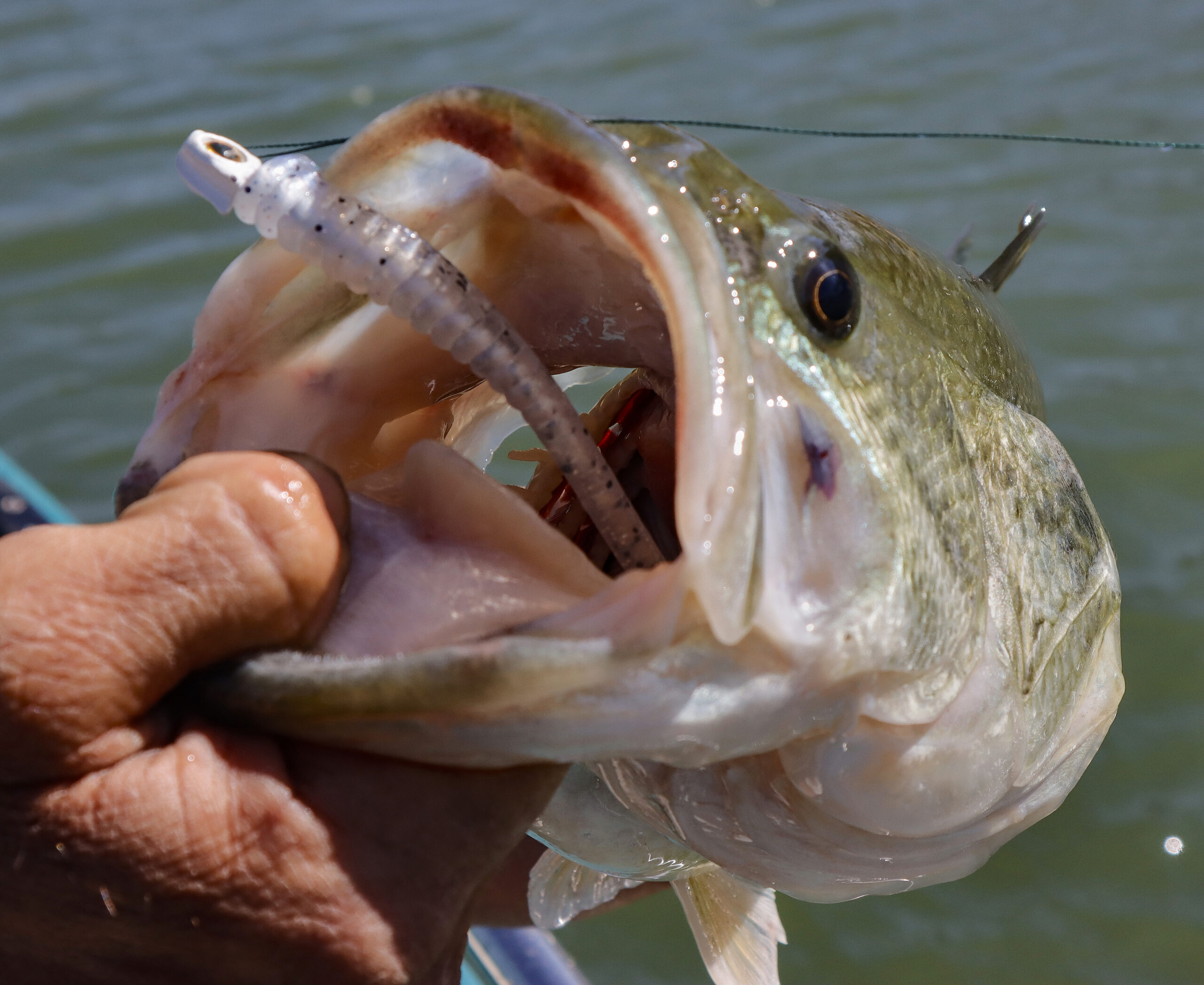


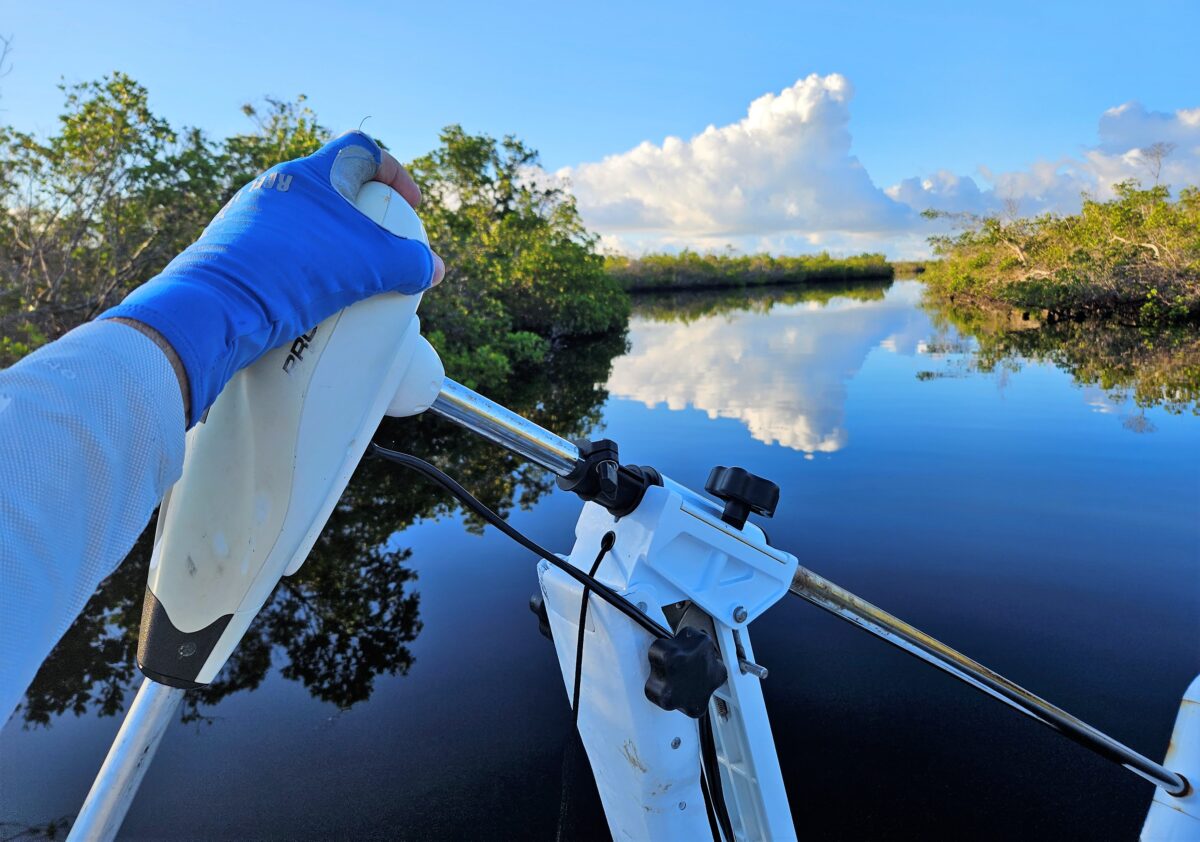
 Simon prefers the back of the boat to the front, so his fishing partner is offered control of the boat, running the bow motor for the day. Simon says in his British accent, “All of my fishing buddies seem to enjoy that part of our 6 to 8-hour fish trips. We each cast lines with plastic-tailed jerk baits on weighted weedless hooks or throw hard baits. Both lure types are designed to mimic the local forage groups. Doing that, I like to trail one or two lines for Shark. I have learned that it is better to trail one line simply. You can get into a real mess with two trailing lines when a handsome Gafftopsail Catfish hits and runs laterally. In the back of the boat, I can still cast out the side of the boat for multiple species, but now I trail just one line with a huge bobber, a wire leader and a huge hook with a half ladyfish or other cut bait. Some days, we catch five sharks and more than 50 other gamefish. It’s exciting! I’ve even caught sharks while casting lures. They can be that aggressive. “
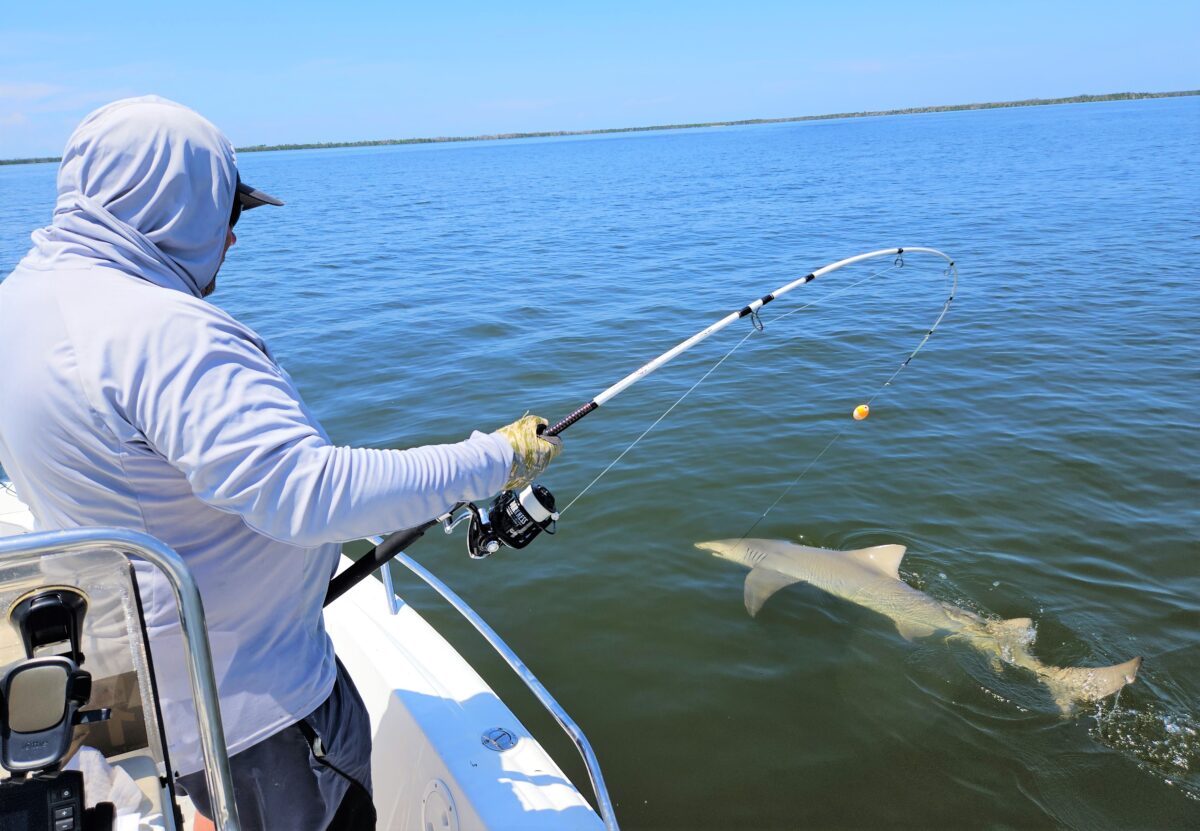


 Fledglings have some feathers or may even look like fluffy adults but seem unable to fly and seem quite awkward in their movements. Fledglings rarely need a human’s help (unless the bird is injured). People sometimes see a fledgling bird hopping around on a branch some distance from a nest or even on the ground. This is perfectly normal behavior for growing birds. The best thing to do for these babies is to leave them alone. Mom and dad will care for them, even if they end up on the ground. However, if there is a dog or cat in the area, try getting the baby back up into the nest or at least the tree the nest is in. Watch from a distance. If the parents don’t show up after a few hours, it may be time to call PRWC for more advice, as it may be necessary to bring the little one in for treatment.
 We can save wildlife because people like you support us in our mission.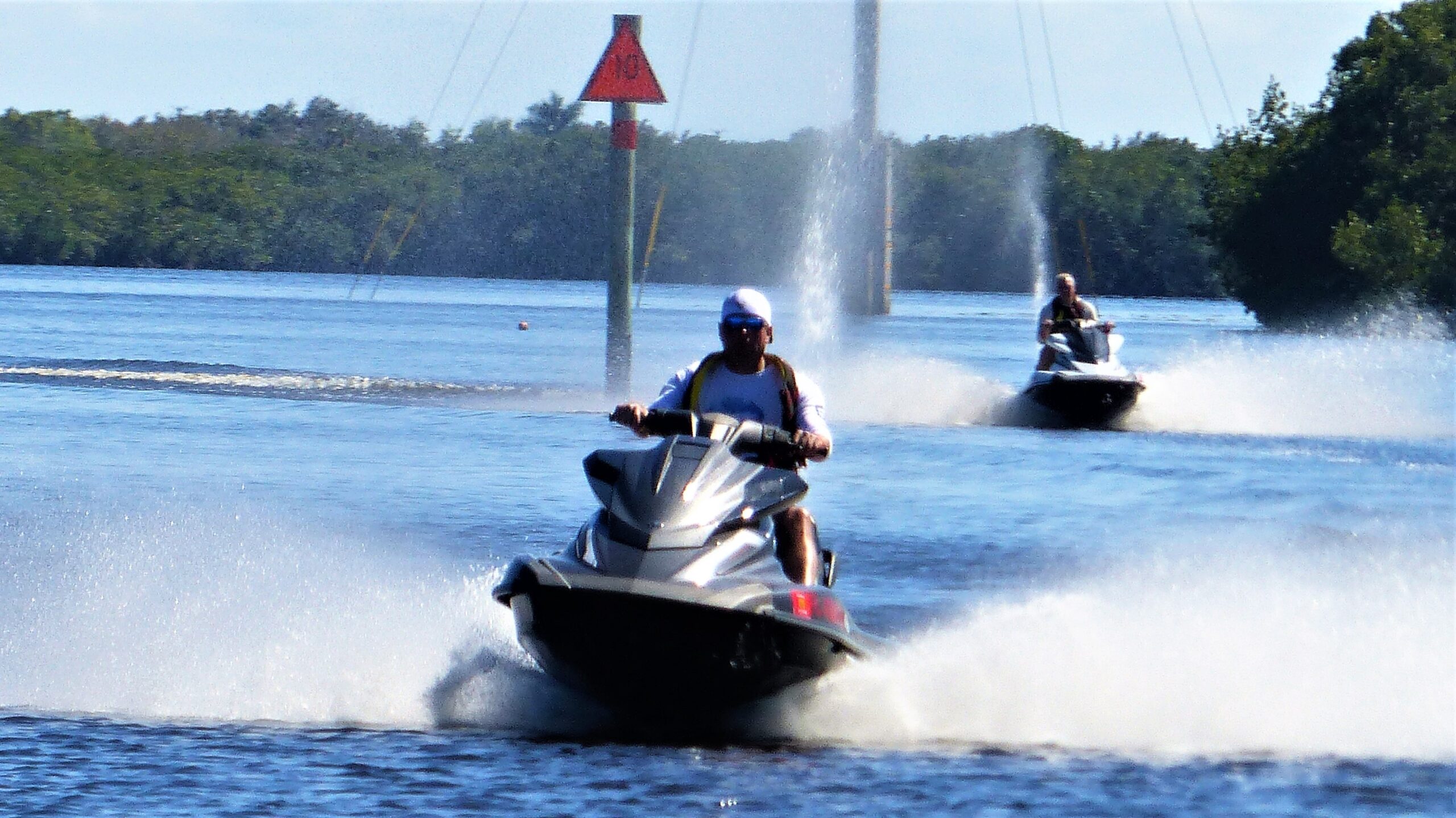


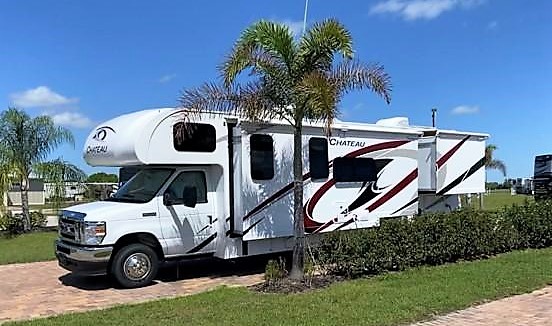


 If it’s water you seek for your adventure, Otsego County has over 90 inland lakes and the headwaters to five major rivers start here. The sinkhole lakes in the Pigeon River Country State Forest is also something you have to experience to believe. If you’re a fisherman, this is truly paradise. You can catch tiger Muskie, northern pike, walleye, yellow perch, largemouth bass, smallmouth bass, bluegill, rainbow trout, brown trout and brook trout just about any season of the year. Choose from open water, hard water or flowing water. Otsego Lake, the county’s largest lake, offers the opportunity to try and catch huge sturgeon which can grow to over 7-feet long and weigh up to 200-pounds. During winter Otsego Lake is known for its great ice fishing.
 Come during the winter season and truly experience a winter wonderland. The trails now become fantastic for snowshoeing and cross country skiing. Snowmobiling is also a popular wintertime activity. If you come during the winter season you have to try rafting on the scenic Sturgeon River. It’s another adventure you do not want to miss. Your whole family would also love taking a sleigh ride. You can also enjoy downhill skiing, snowboarding and tubing at either Otsego Resort or Treetops Resort. Both also offer golf in the other seasons on renowned championship golf courses. There are 17 other golf courses in the county making it a mecca for golfers. If you enjoy camping there are lots of places to pitch a tent or park your RV. There’s also plenty of cabins, resorts, hotels, motels and even a dude ranch to choose from.


 Table Rock Lake has nearly 800 miles of shoreline and is one of Missouri’s top fishing destinations. Marina’s offer boat and equipment rentals, or bring your own, as there are multiple public and privately-owned locations to access the lake. Want to relax on the lake? Enjoy a lunch or dinner cruise and show aboard the Showboat Branson Belle or take a cruise on the Spirit of America catamaran.