The Imperiled Species Management Plan rule changes are now in effect, including changes in listing status for many species. The Florida Fish and Wildlife Conservation Commission (FWC) approved the groundbreaking plan in an effort to achieve conservation success with dozens of imperiled species throughout the state. The plan outlines the steps to conserve 57 species along with the broader vision of restoring habitats essential to the long-term survival of multiple fish and wildlife species.
“Florida is charting an ambitious new path for wildlife conservation success on a statewide scale,” said FWC Chairman Brian Yablonski. “Seeing a roseate spoonbill wading in shallow waters, a black skimmer resting on the beach or a Big Cypress fox squirrel sitting in a pine tree is an essential part of the Florida experience. This innovative plan is designed to keep imperiled species like these around for many generations to come.”
White Ibis in the Florida Ocean Surf
Nine rules were revised in support of the ISMP, focusing on changes to listing status, adding authorizations in a management plan or Commission-approved guidelines, preventing possession of species coming off the list, and accomplishing overall rule cleanup and clarification. Among the nine rules, one rule affecting inactive nests of non-listed birds is still pending.
Under the rule change that updates species’ listing status:
Fifteen species will no longer be listed as imperiled species because conservation successes improved their status: eastern chipmunk, Florida mouse, brown pelican, limpkin, snowy egret, white ibis, peninsula ribbon snake (lower Keys population), red rat snake (lower Keys population), striped mud turtle (lower Keys population), Suwannee cooter, gopher frog, Pine Barrens tree frog, Lake Eustis pupfish, mangrove rivulus and Florida tree snail. These species still are included in the plan for guidance in monitoring and conserving them.
Twenty-three species are newly listed as state Threatened species, a change from their former status as Species of Special Concern: Sherman’s short-tailed shrew, Sanibel rice rat, little blue heron, tricolored heron, reddish egret, roseate spoonbill, American oystercatcher, black skimmer, Florida burrowing owl, Marian’s marsh wren, Worthington’s marsh wren, Scott’s seaside sparrow, Wakulla seaside sparrow, Barbour’s map turtle, Florida Keys mole skink, Florida pine snake, Georgia blind salamander, Florida bog frog, bluenose shiner, saltmarsh top minnow, southern tessellated darter, Santa Fe crayfish and Black Creek crayfish. Threatened species have populations that are declining, have a very limited range or are very small.
Fourteen species keep their state Threatened status: Everglades mink, Big Cypress fox squirrel, Florida sandhill crane, snowy plover, least tern, white-crowned pigeon, southeastern American kestrel, Florida brown snake (lower Keys population), Key ringneck snake, short-tailed snake, rim rock crowned snake, Key silverside, blackmouth shiner and crystal darter.
Five species remain Species of Special Concern: Homosassa shrew, Sherman’s fox squirrel, osprey (Monroe County population), alligator snapping turtle and harlequin darter. These species have significant data gaps, and the FWC plans to make a determination on their appropriate listing status in the near future.
Important things to know about the Imperiled Species Management Plan:
It includes one-page summaries for each species, including a map of its range in Florida and online links to Species Action Plans. The 49 Species Action Plans contain specific conservation goals, objectives and actions for all 57 species.
It also has Integrated Conservation Strategies that benefit multiple species and their habitats, and focus implementation of the plan on areas and issues that yield the greatest conservation benefit for the greatest number of species.
The Rocky Mountain Elk Foundation and its conservation partners permanently protected and opened access to 1,453 acres of wildlife and riparian habitat in southwest Washington.
Hunting is Conservation
1,453 Acres of Habitat Protected
Coordinated by Rocky Mountain Elk Foundation
By STOadmin
The Rocky Mountain Elk Foundation and its conservation partners permanently protected and opened access to 1,453 acres of wildlife and riparian habitat in southwest Washington.
The Rocky Mountain Elk Foundation worked with Merrill Lake Properties LLC and the Washington Department of Fish and Wildlife (WDFW) to connect protected lands and enhance recreational activities like hunting and fishing.
“There was a possibility that the previous owner could offer this Merrill Lake waterfront property to the highest bidder, but now this landscape is forever protected and open for everyone to access and use,” said Blake Henning, RMEF chief conservation officer.
“Our working partnership with the Rocky Mountain Elk Foundation enables us to meet the public’s demand for increased wildlife conservation, more open space and recreational opportunities,” said Clay Sprague, WDFW Lands Division manager. “We very much appreciate and value the key role that RMEF has played in opening up this incredible landscape near Merrill Lake for the public. Their funding of the remaining acreage is a very timely contribution and enhances this public acquisition.”
The Washington State Recreation and Conservation Office provided vital funding through its Washington Wildlife and Recreation Program for the project and RMEF stepped in to bridge a shortfall due to a purchase deadline. WDFW takes immediate ownership of 1,016 acres while RMEF holds 140 acres until funding is acquired for conveyance to WDFW. RMEF is currently spearheading that effort.
The transaction benefits Washington’s largest elk herd and is the latest in a series of projects near Mount St. Helens. RMEF collaborated with its partners to complete the first phase of the Merrill Lake project, encompassing 297 acres, in 2015.
“This property with its early seral and old growth forests has an extremely diverse set of conservation values that, in addition to elk, benefit black-tailed deer, mountain lions, black bears, osprey, eagles and other animal life as well as salmon and steelhead,” added Henning.
The land provides low elevation security for elk and is a vital fishery featuring some of the coldest fresh water inputs from the Kalama River that lead into the lower Columbia River system.
About the Rocky Mountain Elk Foundation: Founded over 30 years ago, fueled by hunters and a membership of nearly 220,000 strong, RMEF has conserved more than 6.9 million acres for elk and other wildlife. RMEF also works to open and improve public access, fund and advocate for science-based resource management, and ensure the future of America’s hunting heritage. Discover why “Hunting Is Conservation™” at www.rmef.org or 800-CALL ELK. Take action: join and/or donate.
These two-day-old chicks stay warm on a hot water bottle within a cooler. The antennas on the tagged chicks are visible in the back. Mark Szczypinski Photo
Sage Grouse Initiative (SGI) Program
Hen Nesting Can Recur
Telemetry Device is Harmless to Chicks
Time of Day is Critical for Tagging Success
These two-day-old chicks stay warm on a hot water bottle within a cooler. The antennas on the tagged chicks are visible in the back. Mark Szczypinski Photo
By Brianna Randall, Sage Grouse Initiative
Saving sage grouse saves more than 350 other species, including plants, insects and a host of wildlife. The Sage Grouse Initiative (SGI) is a partnership of ranchers, agencies, universities, non-profit groups, and businesses that embrace a common vision: wildlife conservation through sustainable ranching. One key in the success of the program starts with successful chicks and understanding where they are and how they are doing.
So how do you know when a hen has hatched her brood?
We go out on the ground every other day during the April-May-June nesting season using handheld three-element Yagi antennas to listen for each hen’s VHF radio transmitter in order to get a her location — a process called telemetry. Once a hen’s location doesn’t change for two consecutive checks, we go in to confirm whether or not she is actually on a nest. If she is on a nest, we mark a point at least 100m away, which becomes the remote monitoring site for that nest.
Each nest is assigned an estimated hatch date which is 27 days from the first day we found the nest. Every two days after that first marking, we check to see if the hen is still on the nest by listening with telemetry equipment and evaluating if the compass bearing of the hen from the monitoring point has changed. This bearing won’t change more than a few degrees if the hen stays on the nest.
If the hen is absent from the nest around the estimated hatch date, we go in to see if one or more eggs hatched successfully. Hatched eggs will have an even break around the middle with a detached membrane inside and are usually still in the nest bowl. Often, one end of the shell will end up stacked inside the other end.
Sage grouse eggs usually crack around the center when the chicks hatch. John-Severson Photo
What if a nest fails?
Nest predation is common, especially since sage grouse are ground nesters. The nest bowl is simply a shallow depression usually underneath a sage bush — easy access for hungry foxes, coyotes, snakes or ravens. If a hen is not on her nest, we go in to determine why she isn’t there. If the nest was found by a predator we often find evidence of predation: eggshells strewn about or eggs with holes in them.
If a nest fails, that hen goes back into our “tracking and monitoring” phase. It’s common for hens to make a second nest if her first nest fails, and occasionally even a third nest if the first two nests fail. We also continue to track the barren hens throughout the season to monitor their use of the surrounding sagebrush in relation to the different grazing treatments being used.
When do you tag the new chicks?
We try to tag chicks two days after they hatch. But it always depends on the weather. Chicks can’t thermos-regulate for the first 7-10 days of their life, which is why they often roost under their mom, particularly at night. We do everything possible to keep the chicks plenty warm during the capture process. Though it’s usually late May or June when they hatch, it can still get cold here in Montana, especially since we do the tagging at night. We always tag as close to sunset as possible, and only if it’s over 50 degrees F and there’s no rain, wet soil, or wind. Sometimes, that means we don’t get to tag the chicks until they’re close to a week old.
Mark Szczypinski finds radio-collared sage grouse hens using telemetry. Kenton Rowe Photo
The Sage Grouse Initiative (SGI) is a partnership of ranchers, agencies, universities, non-profit groups, and businesses that embrace a common vision: wildlife conservation through sustainable ranching.
Launched by the USDA Natural Resources Conservation Service (NRCS) in 2010, SGI applies the power of the Farm Bill to fund and certify voluntary conservation projects in sage grouse strongholds across 11 western states. To date, the 1,129 ranches enrolled have conserved 4.4 million acres.
Next week, Part 3 of the series.
For more information on the Sage Grouse Initiative program or to become involved directly with the SGI program, visit: http://www.sagegrouseinitiative.com.
Each chick’s radio tag is smaller than a pinky nail, and secured quickly with two sutures. Photo by Kenton Rowe.
Sage Grouse Initiative (SGI) Program
50-80 Chicks Tagged Each Year
Chicks and Mother Hen Monitored for Health
1,450 Ranches Enrolled, Conserved 5.5 million Acres
Each chick’s radio tag is smaller than a pinky nail, and secured quickly with two sutures. Photo by Kenton Rowe.
By Brianna Randall, Sage Grouse Initiative
Saving sage grouse saves more than 350 other species, including plants, insects and a host of wildlife. The Sage Grouse Initiative (SGI) is a partnership of ranchers, agencies, universities, non-profit groups, and businesses that embrace a common vision: wildlife conservation through sustainable ranching. One key in the success of the program starts with successful chicks and understanding where they are and how they are doing.
Tell us how a typical chick-tagging might go.
We usually have three people in a team. Because the hen does not want to leave her brood (which is roosting underneath her), we are usually able to get close enough to the hen to touch her. After using telemetry to find the hen, we surround her and gently flush her off the chicks. Then we immediately scoop up all of the chicks and put them in an insulated cooler with a hot water bladder in the bottom, creating a warm environment. Most first nest attempts average 8-10 chicks, and second nest attempts usually yield about 6. From there, we pick two chicks randomly and weigh them. Each of these chicks then gets a tiny transmitter attached with two quick sutures.
When we’re done, we set all of the chicks back onto the ground as close to the capture area as we can. Once we leave, the mom comes back and gathers the brood under her. We always check on the hen and chicks the following day to make sure all of the chicks are okay. In total, we usually tag between 50-80 chicks each year from about 25-40 nests.
A hen covers her brood of older chicks. Sage grouse nests are typically a simple, shallow depression near sagebrush shrubs. Photo by Mark Szczypinski.
How do you check on the chicks once they’re tagged?
After tagging, we spend the rest of the summer monitoring and tracking the brood. Basically, if all three transmitters are heard in the same area and on a similar compass bearing and the signal strength seems the same, we assume the two chicks and the hen are all okay. If one signal is weaker or not in the same area as the other two signals, we go check on the bird. Otherwise, we stay about 30m away from the broods.
We monitor broods every other day for the first 14 days — since this is the time of highest mortality — then twice per week thereafter until the chicks reach 75 days of age, which is just before the batteries start to die on the chick transmitters. By mid-August and into September, we start recapturing the surviving chicks to fit them with an adult necklace transmitter since they’re big enough to carry it by then. We only tag the hens, and they’re old enough by then for us to identify the sex.
How do you know if a chick or hen is dead?
If a hen is motionless for more than 4 hours, the transmitter’s pulse doubles to indicate potential mortality. We do monthly survival checks from October through March by jumping in a small airplane to get locations on all of our tagged birds. After any mortalities during the spring and summer, we’re typically left with 75-90 hens to locate on each of these flights.
If any are dead, I go find the transmitter to recover it, and see if I can figure out what happened to the bird. Some years for whatever reason, we’ve had four mortalities per month during the fall and winter survival checks, but other years it’s only about one mortality per month.
During the first half of the study, the annual apparent survival estimates for sage grouse hens ranged from 57-82% from 2011 through 2015. For chicks, the survival estimates range from 12-22%. We look forward to continuing the tagging effort to have more data in the coming years.
Meet the Expert
Mark Szczypinski holds a kangaroo rat, another critter that depends on healthy sagebrush habitat.
What’s the best part of your job?
I love the diversity of the things that I do, from hiring and training technicians to repairing field gear to tagging birds and interacting with all of the landowners in the area. My job changes with the seasons, which means I never get bored!
What are your favorite off-the-clock activities?
All things outdoors are right up my alley. Hunting, fishing, backpacking — you name it. I’ve lived in the Intermountain West for quite a while and appreciate this landscape immensely.
Mark Szczypinski’s sage grouse tagging crew for the 2016 field season.
The Sage Grouse Initiative (SGI) is a partnership of ranchers, agencies, universities, non-profit groups, and businesses that embrace a common vision: wildlife conservation through sustainable ranching.
Launched by the USDA Natural Resources Conservation Service (NRCS) in 2010, SGI applies the power of the Farm Bill to fund and certify voluntary conservation projects in sage grouse strongholds across 11 western states. To date, the 1,450 ranches enrolled have conserved 5.5 million acres.
For more information on the Sage Grouse Initiative program or to become involved directly with the SGI program, visit: http://www.sagegrouseinitiative.com.
Researchers in Montana carefully attach a lightweight radio transmitter to this days-old sage grouse chick to monitor its survival. Kenton Rowe Photo
Program Saves Hundreds of other Wildlife and Plants
Provides Tracking for Researchers
Identifies Preferred Sage Grouse Locations from Growth
Sage Grouse Initiative (SGI) Program
Researchers in Montana carefully attach a lightweight radio transmitter to this days-old sage grouse chick to monitor its survival. Kenton Rowe Photo
By Brianna Randall, Sage Grouse Initiative
The Sage Grouse Initiative (SGI) is a partnership of ranchers, agencies, universities, non-profit groups, and businesses that embrace a common vision: wildlife conservation through sustainable ranching.
Launched by the USDA Natural Resources Conservation Service (NRCS) in 2010, SGI applies the power of the Farm Bill to fund and certify voluntary conservation projects in sage grouse strongholds across 11 western states. To date, the 1,129 ranches enrolled have conserved 4.4 million acres.
Saving sage grouse saves 350+ other species, including plants, insects and a host of wildlife, and the wide open spaces that define a West where “the deer and the antelope play.
Why do scientists want to tag sage grouse chicks?
SGI expert, Mark Szczypinski, Conservation Technician with Montana Fish, Wildlife and Parks, has the answer: “It helps us keep track of chick survival rates, seasonal movements, and habitat use. Plus, it also helps us understand sage grouse behavior. Here in eastern Montana, we’re learning a lot from tracking hens and their broods as part of a 10-year sage grouse research project that started in 2011.
What’s your role in the Montana sage grouse research study?
“I coordinate all of the field logistics from my base in Roundup, Montana. That means hiring and training 9 seasonal technicians, communicating with landowners, making sure all of the equipment is working, and capturing, tagging and monitoring birds myself, too.
The study area covers approximately a half-million acres, which makes it a huge undertaking. We have 7 pickup trucks and 6 ATVs to help us find and monitor the birds. Each tech is assigned a specific area, and is responsible for tagging and monitoring all of the birds within that area.
Mark Szczypinski (right) tags a chick with Joe Smith, a PhD student working on this study. Sage grouse tagging takes place in the dark, either after sunset or in the pre-dawn hours. Kenton Rowe Photo
Landowner cooperation has been phenomenal during the project, which is important since 85% of the study area falls on privately-owned ranches. The funding provided by a host of public and private partners is also central to keeping the project going.”
A volunteer tagger displays a young sage grouse chick. Mark Szczypinski Photo
How many birds to you tag each year?
“That depends. Before we can tag chicks, we have to first tag females so that we can find their nests. Our goal is to start each spring with 100 radio-marked hens. Usually, we have to capture about 25-40 hens in March and April to get us back up to 100 hens before nesting begins in late April.
It’s important to note that we use very different tags for fully-grown females versus small chicks. We fit adults with a VHF radio transmitter that are 25 g — about the size of the first joint as your thumb — and hangs like a necklace on the hen. For chicks, the transmitters are only 1.3g in weight (smaller than your pinky nail) with a 6-inch-long antenna attached. We suture these tiny tags with two small stitches to the skin on the chick’s back — similar to getting your ears pierced.”
Next week, Part 2 of the series.
For more information on the Sage Grouse Initiative program or to become involved directly with the SGI program, visit: http://www.sagegrouseinitiative.com.
-New Refuge: Conserving Key Habitat in the Northeast
-Provide Food and Shelter for Rabbits, Woodcock, Ruffed Grouse, Monarch Butterflies, Box Turtles, much more
BY STOadmin
Following an extensive public process, and with overwhelming public support, the U.S. Fish and Wildlife Service has finalized the creation of Great Thicket National Wildlife Refuge, dedicated to conserving and managing shrubland and young forests for wildlife in New England and eastern New York. The approval of the refuge marks a key step, enabling the Service to now work with willing and interested landowners to acquire land.
The nation’s newest wildlife refuge joins the largest network of lands in the nation dedicated to wildlife conservation, with 565 other national wildlife refuges – at least one refuge in every state – and other protected areas covering more than 150 million acres. A hundred years in the making, the refuge system is a network of habitats that benefits wildlife, provides unparalleled outdoor experiences for all Americans, and protects a healthy environment.
“National wildlife refuges provide Americans with incredible opportunities to experience nature at its finest,” said Secretary of the Interior Sally Jewell. “Great Thicket National Wildlife Refuge will give New Englanders and New Yorkers the chance to conserve important habitat in the region, ensuring current and future generations can experience the rich variety of animals and plants that call these special places home.”
“The approval of Great Thicket National Wildlife Refuge marks a milestone in an exemplary partnership with six state wildlife agencies and a foundation for working with local governments and others to explore conservation opportunities,” said U.S. Fish and Wildlife Service Northeast Regional Director Wendi Weber. “Interested landowners now have a unique opportunity to leave a legacy of conservation and to contribute to a large-scale effort that will make a difference for American woodcock, New England cottontails, monarch butterflies and other wildlife.”
Over the past century, many shrublands and young forests across the Northeast have been cleared for development or have grown into mature forests. As this habitat has disappeared, populations of more than 65 songbirds, mammals, reptiles, pollinators and other wildlife that depend on it have fallen alarmingly.
Despite significant efforts by many agencies, organizations and landowners to manage existing lands, conservationists have determined that more permanently protected and managed land is needed to restore wildlife populations and return balance to northeast woodlands. Great Thicket NWR responds to that need to preserve and manage land to benefit shrubland-dependent wildlife, such as the ruffed grouse, golden-winged warbler, box and spotted turtles, whippoorwill, blue-winged warbler and Hessel’s hairstreak.
A key step in the formation of the refuge was the completion of the land protection plan and environmental assessment. The Service made the draft plan available for public review in early 2016, resulting in more than 6,000 comments – over 90 percent of which were supportive.
Now that the plan has been approved, the agency can begin working with willing and interested landowners in 10 target areas of Connecticut, Maine, Massachusetts, New Hampshire, New York, and Rhode Island to acquire up to 15,000 acres through various methods, including conservation easements, donations or fee-title acquisition. Current refuge staff would manage all acquired lands within existing resources.
This process is expected to take decades, as the Service will work strictly with willing sellers only and depends on funding availability to make purchases. Lands within an acquisition boundary would not become part of the refuge unless their owners sell or donate them to the Service; the boundary has no impact on how landowners can use their land or to whom they can sell.
Wildlife refuges provide habitat for more than 2,100 types of birds, mammals, reptiles, amphibians, and fish, including more than 380 threatened or endangered plants or animals. Each year, millions of migrating birds use refuges as stops to rest and refuel on their journeys of thousands of miles between their summer and winter homes.
National wildlife refuges do not just provide a boost to wildlife. They are strong economic engines for local communities across the country and provide intrinsic value to all Americans. A 2013 national report, Banking on Nature, found that refuges pump $2.4 billion into the economy and support more than 35,000 jobs. They are also excellent venues to hunt, hike, bike, boat, observe wildlife and more.
Thanks to the many conservation programs of Ducks Unlimited chapters across this great nation, waterfowl and other species too, are able to survive and thrive. Joe Forma photo
By Forrest Fisher
Ducks Unlimited is a dedicated group that may be underappreciated by all the rest of us outdoor folks. The work that this group performs for others will provide fundamental and ecological improvements for many waterfowl species. Their work will help waterfowl and other species overcome unforgiving vulnerabilities due to loss of habitat and will add to the dynamic transformation of the natural world to remain reciprocal and productive.
The Ducks Unlimited conservation programs have always had a strong biological foundation. Science and research tradition continues today with hundreds of studies to address the habitat needs of waterfowl. Although a great deal of work has been done and many important questions answered, there is still much to learn about how the birds respond to landscape, habitat and environmental changes.
DU has embraced an approach of constant monitoring and evaluation which allows for continual refinement of its habitat programs. In the end, such an approach ensures that each and every dollar invested in conservation programs is used as effectively and efficiently as possible.
Below is a summary of the methods DU uses to conserve wetlands and valuable habitat in priority areas for North American waterfowl.
How DU Conserves:
Restoring grasslands
Replanting forests
Restoring watersheds
Working with landowners
Working with partners
Acquiring land
Conservation easements
Management agreements
Geographic Information Systems
Restoring Grasslands
Ducks such as mallards, pintails and teal build nests in dense, grassy areas near wetlands. Grassland cover helps hens conceal their nests and increases their chances of successfully hatching a clutch. Once hatched, the hen leads the ducklings over land to a nearby wetland, where they grow into adults. DU and its partners help to secure and restore these grasslands to reduce predation rates and improve nest success.
Replanting Forests
Forests that flood regularly due to overflowing riverbanks, such as the bottomland hardwood forests in the Mississippi Alluvial Valley (MAV), make for ideal wintering habitat for ducks, and provide essential breeding and foraging habitat for other wildlife species. However, 80 percent of these forests have been cleared for agriculture and other purposes, and rivers have been tamed with dams and levees. To date, DU has reforested more than 178,000 acres in the MAV and worked to restore backwater to these forests to mimic historical flooding.
Restoring Watersheds
A watershed is the area surrounding a wetland, and therefore has a great effect on the water quality and general health of a wetland. When watersheds are disturbed, silt, nutrients and contaminants can be washed into downstream wetlands, impacting the flora and fauna that inhabit these systems. For example, in the Chesapeake Bay, most of the aquatic vegetation has been lost and fisheries have been contaminated due to degradation of the watershed. DU restores drained wetlands, protects stream corridors and establishes buffer strips that filter nutrients and silt.
Working With Landowners
Nearly three-fourths of America’s remaining wetlands are on private lands. All over North America, DU works with farmers, ranchers and other landowners to improve the agricultural and recreational value of their land, making it more wildlife-friendly. Additionally, a new market is developing where landowners can become suppliers of environmental credits that can be sold in a voluntary trading market by adopting certain types of conservation practices on their land.
Working With Partners
No single group could perform the work necessary to meet the goals of the North American Waterfowl Management Plan and DU’s International Conservation Plan. Virtually all of DU’s projects are done in cooperation with a number of partners, including state and federal agencies, private corporations and foundations, and individuals.
Acquiring Land
In special cases, DU will purchase property then restore it to improve its value to wildlife. Once the habitat work is complete, DU will then sell or donate the property, usually to a government agency that will manage it for wildlife.
Conservation Easements
Some of the most valuable wildlife habitat is threatened by development. DU’s Conservation Easement Program is designed to protect habitats forever through agreements with landowners.
Management Agreements
DU offers financial incentives to landowners that manage their land for waterfowl and other wetland wildlife. The landowner receives a number of benefits under this type of agreement, and hundreds of wildlife species are insured quality habitat.
Geographic Information Systems
Geographic Information Systems (GIS) technology enables DU to determine where our habitat work will be most effective as well as monitor the results of our work. Combining satellite images with other information, such as wetland inventories, land-use practices, soil type, wildlife use and more; DU’s GIS specialists produce models that help identify the best places to restore or protect habitat on the landscape.
For more detailed information about waterfowl habitat conservation in an area near you, please visit our Priority Areas.
Get Involved
Do yourself a favor and opt to learn more about all this goodness! Visit the DU link and read on about the details of DU conservation efforts: http://www.ducks.org/.
Thanks to the many conservation programs of Ducks Unlimited chapters across this great nation, waterfowl and other species too, are able to survive and thrive. Joe Forma photo
By Forrest Fisher
Ducks Unlimited is a dedicated group that may be underappreciated by all the rest of us outdoor folks. The work that this group performs for others will provide fundamental and ecological improvements for many waterfowl species. Their work will help waterfowl and other species overcome unforgiving vulnerabilities due to loss of habitat and will add to the dynamic transformation of the natural world to remain reciprocal and productive.
The Ducks Unlimited conservation programs have always had a strong biological foundation. Science and research tradition continues today with hundreds of studies to address the habitat needs of waterfowl. Although a great deal of work has been done and many important questions answered, there is still much to learn about how the birds respond to landscape, habitat and environmental changes.
DU has embraced an approach of constant monitoring and evaluation which allows for continual refinement of its habitat programs. In the end, such an approach ensures that each and every dollar invested in conservation programs is used as effectively and efficiently as possible.
Below is a summary of the methods DU uses to conserve wetlands and valuable habitat in priority areas for North American waterfowl.
How DU Conserves:
Restoring grasslands
Replanting forests
Restoring watersheds
Working with landowners
Working with partners
Acquiring land
Conservation easements
Management agreements
Geographic Information Systems
Restoring Grasslands
Ducks such as mallards, pintails and teal build nests in dense, grassy areas near wetlands. Grassland cover helps hens conceal their nests and increases their chances of successfully hatching a clutch. Once hatched, the hen leads the ducklings over land to a nearby wetland, where they grow into adults. DU and its partners help to secure and restore these grasslands to reduce predation rates and improve nest success.
Replanting Forests
Forests that flood regularly due to overflowing riverbanks, such as the bottomland hardwood forests in the Mississippi Alluvial Valley (MAV), make for ideal wintering habitat for ducks, and provide essential breeding and foraging habitat for other wildlife species. However, 80 percent of these forests have been cleared for agriculture and other purposes, and rivers have been tamed with dams and levees. To date, DU has reforested more than 178,000 acres in the MAV and worked to restore backwater to these forests to mimic historical flooding.
Restoring Watersheds
A watershed is the area surrounding a wetland, and therefore has a great effect on the water quality and general health of a wetland. When watersheds are disturbed, silt, nutrients and contaminants can be washed into downstream wetlands, impacting the flora and fauna that inhabit these systems. For example, in the Chesapeake Bay, most of the aquatic vegetation has been lost and fisheries have been contaminated due to degradation of the watershed. DU restores drained wetlands, protects stream corridors and establishes buffer strips that filter nutrients and silt.
Working With Landowners
Nearly three-fourths of America’s remaining wetlands are on private lands. All over North America, DU works with farmers, ranchers and other landowners to improve the agricultural and recreational value of their land, making it more wildlife-friendly. Additionally, a new market is developing where landowners can become suppliers of environmental credits that can be sold in a voluntary trading market by adopting certain types of conservation practices on their land.
Working With Partners
No single group could perform the work necessary to meet the goals of the North American Waterfowl Management Plan and DU’s International Conservation Plan. Virtually all of DU’s projects are done in cooperation with a number of partners, including state and federal agencies, private corporations and foundations, and individuals.
Acquiring Land
In special cases, DU will purchase property then restore it to improve its value to wildlife. Once the habitat work is complete, DU will then sell or donate the property, usually to a government agency that will manage it for wildlife.
Conservation Easements
Some of the most valuable wildlife habitat is threatened by development. DU’s Conservation Easement Program is designed to protect habitats forever through agreements with landowners.
Management Agreements
DU offers financial incentives to landowners that manage their land for waterfowl and other wetland wildlife. The landowner receives a number of benefits under this type of agreement, and hundreds of wildlife species are insured quality habitat.
Geographic Information Systems
Geographic Information Systems (GIS) technology enables DU to determine where our habitat work will be most effective as well as monitor the results of our work. Combining satellite images with other information, such as wetland inventories, land-use practices, soil type, wildlife use and more; DU’s GIS specialists produce models that help identify the best places to restore or protect habitat on the landscape.
For more detailed information about waterfowl habitat conservation in an area near you, please visit our Priority Areas.
Get Involved
Do yourself a favor and opt to learn more about all this goodness! Visit the DU link and read on about the details of DU conservation efforts: http://www.ducks.org/.
Ringneck Pheasants in the wild are scarce in many states, but conservation programs to raise them and return them to country farm fields are active in many regions of the United States. Joe Forma Photo
By Forrest Fisher, with excerpts from NYSDEC
No matter what state you live in, children typically learn about conservation and the outdoors from adults who accompany them as they explore. Plenty of times the kids teach the adults as well as the adults teaching the kids! If you are looking for ideas on how to enjoy the outdoors with the young people in your life visit the web sites listed below.
New York State has provided a wonderful guideline for all other states to follow. Outdoor Discovery (http://www.dec.ny.gov/public/84455.html) is an online newsletter from the New York State Department of Environment Conservation (NYSDEC) for families. It encourages New Yorkers to explore outdoors and learn about the environment. Each issue introduces subscribers to a seasonal environmental topic or nature topic, suggests a related activity and lists family friendly events at DEC’s environmental education centers. DEC Outdoor Discovery is free and emailed to subscribers every other Wednesday, it also appears on DEC’s website.
The DEC’s residential environmental education summer camps (http://www.dec.ny.gov/education/29.html) have be operating for over 60 years. The camps serve boys and girls ages 11-17, who attend a week long program exploring the outdoors and learning about the environment. Campers can even participate in a hunter safety class and receive their hunter safety certificate. The four summer camps are located across the state, two in the Adirondacks, one in the Catskills and one in Western New York.
National Wildlife Federation advocates spending at least one hour each day outdoors in nature. Their web site Be Out There (http://www.nwf.org/What-We-Do/Kids-and-Nature.aspx) provides ideas for reconnecting kids with the many benefits of the great outdoors. Good for both mental and physical health, spending time outdoors is also fun and helps kids build a connection to nature. Using the “NatureFind” feature visitors can find outdoor activities in their area, and across the country.
Nature Rocks (https://www.natureworkseverywhere.org/home/) from the Children and Nature Network, The Nature Conservancy and R.E.I. provides ideas for exploring outdoors with children. They also offer a search feature to locate programs, sites and outdoor play groups, known as Nature Rocks Flocks in your area.
An 18-inch-long python found in north Key Largo, Aug. 23, 2016. Photo by Jeremy Dixon, U.S. Fish and Wildlife Service
From the Florida Fish and Wildlife Commission News, Burmese python hatchlings have been spotted for the first time on Key Largo. This is a discovery that’s prompting officials to send postcards to homeowners there asking for help spotting the elusive snakes. The postcards show a picture of a python and list a phone number to call if someone spots one.
One 18-inch-long Burmese python was found on Aug. 2, 2016, in Key Largo, and a second similar-sized python was found on Aug. 3 in the same location. A third hatchling was found on Aug. 23 in north Key Largo. These confirmed observations are the first known hatchling-sized Burmese pythons found in Key Largo. These observations suggest that pythons have reproduced near this location, but there have been no sightings of python nests or eggs in the area.
The Florida Fish and Wildlife Conservation Commission’s (FWC) Exotic Species Hotline has received 31 credible reports of Burmese pythons in the Keys over the past five years, with recent confirmed sightings limited to Key Largo.
“While we have documented Burmese pythons in the Keys for a while now, this is the first time we have documentation of hatchlings in the area. This is not surprising considering the proximity to the known breeding population in the Everglades,” said Kristen Sommers, section leader of the FWC’s Wildlife Impact Management Section.
The United States Geological Survey, FWC and other partners are working together with local residents to increase detection and monitoring efforts for Burmese pythons in the Keys.
“We’re sending the postcards in an effort to collect more information on where and how often pythons are being sighted,” said Bryan Falk, a USGS biologist. “This information will ultimately help all of the agencies involved focus our research and control efforts in areas where python densities are highest, and hopefully mitigate their further spread. We worry about pythons becoming established in the Keys because there are several at-risk populations of small mammals, like the Key Largo woodrat and the Key Largo cotton mouse that would be easy prey for Burmese pythons.”
Residents and visitors can help by reporting sightings of Burmese pythons and other nonnative species to the FWC’s Exotic Species Reporting Hotline at 888-Ive-Got1 (888-483-4681), online at IveGot1.org or by downloading the free “IveGot1” smartphone app.
In addition to sustained efforts to manage Burmese python populations, USGS and the FWC continue to work to improve detection and removal capabilities for Burmese pythons and other invasive species, such as Argentine black and white tegus, in coordination with partner agencies and organizations. For more information about Burmese pythons in Florida, go to MyFWC.com/Python.
Saturday, September 24, 2016 Kids and Adults Invited to Discover the Fun of the Outdoors Johnny Morris named 2016 Honorary Chair
National Hunting and Fishing Day, formalized by Congress in 1971, was created by the National Shooting Sports Foundation to celebrate conservation successes of hunters and anglers. From shopping center exhibits to statewide expos, millions of citizens have learned to appreciate America’s sportsman-based system of conservation funding. That system now generates more than $1.7 billion per year, benefiting all who appreciate wildlife and wild places.
In locations all around the country, kids and adults alike, can share in a few of the fun and challenging hands-on activities that include fishing, outdoor gear, archery, firearm safety and much more. Sportsman and conservation groups will feature exhibits with displays of hunting and fishing equipment with demonstrations of outdoor skills.
National Hunting and Fishing Day (NHF Day) has named leading national conservationist and Bass Pro Shops founder, Johnny Morris, to serve as the honorary chair for NHF Day 2016. A lifelong sportsman with a passion for hunting, fishing and outdoor recreation, Morris is one of the country’s foremost leaders working to ensure natural habitats, wildlife and the outdoors remain healthy for future generations to protect and enjoy.
“America’s sportsmen and women are among our nation’s most active conservationists and it’s important we recognize and celebrate everything they do to protect outdoor habitat and ensure thriving populations of wildlife,” said Morris. “I’m proud to lend my support and raise awareness for hunters and anglers, America’s conservation heroes through National Hunting and Fishing Day.”
The NHF Day event is just one more of the ways Morris is honoring the unsung heroes of conservation. Later this year, Morris will unveil the new Wonders of Wildlife National Museum and Aquarium in Springfield, Missouri, a 315,000-square foot conservation destination envisioned as a tribute to America’s hunters and anglers. Through immersive habitats and interactive displays the experience will inspire future generations to enjoy, love and conserve the great outdoors.
“NHF Day is continually looking for folks that have a true passion for the outdoors and is very involved with conservation,” said Misty Mitchell, national coordinator, National Hunting and Fishing Day. “Johnny Morris is leading the charge in all facets of conservation. We couldn’t be happier to have him serve as our National Chair.”
This annual event takes place on Saturday, September 24, 2016, with activities taking place across the country.
Morris joins a distinguished group that has included Jim Shockey, Eva Shockey, Craig Morgan, Bill Dance, T. Boone Pickens, Louise Mandrell, Hank Williams Jr., Jeff Foxworthy, Wade Boggs, Arnold Palmer, the USA Olympic Shooting Team, Tony Stewart and others.
Sea turtles are cute and look like they may need help from people at times, but Florida Officials say it is best to leave them alone to help them as a species. Photo Credit: Florida Fish & Wildlife Commission
Sea turtle hatchlings are digging out of their nests and clambering toward the ocean in September and October, the last months of Florida’s sea turtle nesting season. Just remember, “Hands off!” is the best policy for beachgoers encountering sea turtle hatchings.
Well-meaning efforts to rescue a sea turtle hatchling by helping it leave a nest or picking it up and placing it in the ocean are not good ideas, according to Florida Fish and Wildlife Conservation Commission (FWC) biologists.
Worse yet, are instances where hatchlings are being handled by people who think it’s OK to get that close, often because they want to take a photo.
“Some Florida beachgoers are unaware that sea turtle hatchings should be watched from a distance and left undisturbed,” said Dr. Robbin Trindell, who leads the FWC’s sea turtle management program. “Even well-meaning attempts to rescue sea turtle hatchlings can do more harm than good. And digging into a sea turtle nest, entering a posted area, or picking up a sea turtle hatchling to take a photo also are against the law.”
Hatchlings must overcome many obstacles to survive. Digging out of their nests may take a few days. Once out, they are vulnerable to predators. And any misdirection on their path to the sea – from artificial lighting to items left on the beach, holes in the sand or people approaching or handling them – may leave them exhausted, lost or dehydrated on the beach in the morning sun.
“So please remember to keep your hands off sea turtle hatchlings and tell others to do the same,” Trindell said. “The best way to help hatchings is to turn off any artificial lighting on the beach at night or at least keep it shielded. If you see hatchlings, watch from a distance and never shoot flash photos.”
Beautiful adult Sea Turtles lay their eggs along the sandy dunes of the Florida coastline in many areas, please leave them alone to help them best. Photo Credit: Florida Fish & Wildlife Commission
Bright lights on houses, motels, condominiums and businesses along the beach can disorient nesting adult females, but are particularly harmful to turtle hatchlings. The hatchlings will head for the bright lights, thinking they are the sparkling sea. They can end up walking landward and are more likely to become prey for animals like coyotes.
People are asked to call the FWC’s Wildlife Alert Hotline, 1-888-404-FWCC (3922) or *FWC or #FWC on a cellphone, to report hatchlings that are stranded, wandering in a road or parking lot, heading away from the water or are dead.
Unique Ecosystems
Florida Springs Support All Florida Life
Each year when winter travelers head south to Florida, one place that many seek to visit are the gin-clear spring-fed lakes and waterways. Visitors can see fish 25 feet down and they appear to be just a few feet away. The water is clear and uncontaminated, and the Florida conservation folks and legislators seem to share one common goal to assure that these unique ecosystems are maintained for future generations.
According to the Florida Department of Environmental Protection, there is a plan and there is funding.
Springs Funding Projects 2016-17
Florida is home to more large (first and second magnitude) springs than any other state in the country. Springs are the window into the health of our groundwater, which is the source of 90 percent of drinking water for Floridians.
Some springs support entire ecosystems with unique plants and animals. They also flow into other rivers that are dependent on the spring’s clean fresh water. Additionally, Florida’s springs offer many recreational opportunities such as swimming, kayaking and diving, attracting visitors from all over the world and serving as economic drivers for our communities.
Under Governor Scott and the Legislature, the state of Florida has made an unprecedented financial commitment to springs restoration, funding nearly $275 million over the last four years specifically for spring restoration. This record funding has enabled the department to assist local governments and other stakeholders to identify and construct projects that are imperative to achieving restoration goals. Projects awarded during the first year are already expected to reduce 847,376 pounds of nutrient pollution and conserve 24.1 million gallons of water per day for our aquifers.
Fiscal Year 2016-17
More than $89 million in springs projects will be leveraged from the over $56 million investment from Governor Rick Scott’s 2016-17 “FLORIDA FIRST” budget. This brings the total investment by the state and local governments in spring projects to nearly $275 million in the past four years.
The 35 projects statewide, funded through the FY 2016-17 appropriation include:
Southwest Florida Water Management District (Crystal River/Kings Bay springs, Homosassa Springs, Weeki Wachee Springs and the Upper Floridian Aquifer) – A total investment of nearly $15 million for seven projects including water reclamation, central sewer expansion and advanced wastewater treatment.
St. Johns River Water Management District (Silver, Volusia Blue and Wekiva springs, as well as the Wekiva River and the Upper Floridian Aquifer) – A total investment of more than $24 million for eight projects including land acquisition, water reclamation and aquifer recharge and central sewer connection.
Suwannee River Water Management District (Fanning, Hart, Ichetucknee, Otter, Poe, Pot and Wacissa springs as well as the Suwannee and Withlacoochee rivers and the Floridian Aquifer) – A total investment of more than $31 million for 12 projects including central sewer expansion and enhanced agricultural water quality management practices projects.
Northwest Florida Water Management District (Cypress, Econfina, Gainer, Jackson Blue and Wakulla springs) – A total investment of more than $19 million for eight projects including land acquisition, central sewer connection and improved management practices projects.
Fisheries Ecology and Population Modeling is defended. Photo: http://www.noaa.gov/fisheries
By Mike Nussman, President and CEO, American Sportfishing Association
Character assassination and innuendo seem to have replaced debate and open discussion of issues these days. If you cannot refute someone’s policy arguments, then invent an allegation, throw mud and make the attack personal.
Surprisingly, I am not describing the 2016 Presidential election.
Rather, I am referring to Greenpeace’s recent misguided attempt to slander Ray Hilborn, Ph.D., an internationally recognized expert on fisheries ecology and population modeling whose research is highly regarded by policy makers around the globe. Dr. Hilborn is professor of aquatic and fishery science at the University of Washington.
Greenpeace, the D.C.-based environmental organization, asserts that overfishing is universal and the oceans are being emptied. However, Dr. Hilborn’s, and his collaborators, scientific research and conclusions continually punch holes in Greenpeace’s desire to turn the world’s oceans into one great no fishing zone. So, with no science of their own to “stand on,” Greenpeace set out to attack the man’s integrity.
This past May, Greenpeace attempted to cast doubt on Dr. Hilborn’s science by challenging the transparency of his funding sources. They challenged Dr. Hilborn’s professional integrity, with accusations that he was furtively pushing a message favorable to the fishing industry – that fishing pressure can remain high without negative impacts on stocks – in exchange for financial gain and research support.
This “lack of transparency” conspiracy theory runs rampant in Washington, D.C., a place I’ve worked for the past 30 years. While Dr. Hilborn has retained his credibility: Greenpeace’s tactics have none.
For the record, Dr. Hilborn was cleared of bias by two of the most respected science research publications, Proceedings of the National Academy of Sciences and Science magazine. Moreover, his employer, the University of Washington, released a statement saying that Dr. Hilborn followed all necessary protocols for publicizing funding and was in full compliance with disclosure rules. Even had these institutions not been probed to vouch for him, he states quite clearly on his website the funding sources for his research.
Environmental groups (e.g., Pew and the Environmental Defense Fund), the commercial sector (e.g. Bristol Bay Salmon Processors) and federal agencies (e.g. National Science Foundation and the National Oceanic and Atmospheric Administration) have all entrusted Hilborn and his lab to conduct studies on various aspects of saltwater fisheries, covering topics such as hatcheries, fishing cooperatives and the influence of changing environmental conditions on fish populations. In fact, Dr. Hilborn and Greenpeace both receive funding from the Packard Foundation.
Something that struck me about Ray Hilborn going back to one of the first times we spoke was how frank he is about what the science says. What, then, can we make of the assertion that his “agenda” is to promote the fishing industry and, as Greenpeace would portray it, to squander our marine resources? This is far from accurate.
In fact, in his own response to Greenpeace’s allegations, Dr. Hilborn thanked Greenpeace for offering him the opportunity to advertise his research and its results. Dr. Hilborn noted that Greenpeace is unable to attack the science; science that threatens their repeated assertions that overfishing is universal and that the oceans are being emptied.
To quote Dr. Hilborn, “On the contrary, it is clear that where effective fisheries management is applied, stocks are increasing not declining, and this is true in North America as well as a number of other places. Overfishing certainly continues to be a problem in the Mediterranean, much of Asia and Africa.”
Dr. Hilborn’s rigorous and peer reviewed research makes clear that fisheries management works. Greenpeace may not like his conclusions, but, their effort to attack the messenger with false accusations should be repudiated by academia, by commercial and recreational fishermen and other environmental organizations.
Dr. Ray Hilborn is one class act.
For similar stories on a daily basis, visit The Fishing Wire at: Permalink
The Fishing Wire welcomes your comments and actively solicits letters and guest editorials from readers as well as fishery managers, scientists and industry experts in boating, fishing and related equipment. Please send your comments and suggestions to frank@thefishingwire.com.
From the Director of Communication at Rocky Mountain Elk Foundation headquarters in Missoula, Montana, there is news of success.
A 320-acre property in southwestern Montana, vital to wildlife and linked to the pages of United States history, is now permanently protected thanks to a successful collaboration between the Rocky Mountain Elk Foundation, a conservation-minded family and the United States Forest Service.
The former Holland Family Ranch is located west of Dillon and was previously an in-holding in the Beaverhead-Deerlodge National Forest. It lies squarely on the Nez Perce National Historic Trail, where Chief Joseph led his Nez Perce tribe away from its pursuers in 1877.
“We appreciate the Holland family for reaching out to us to help conserve and permanently protect this key stretch of habitat,” said Blake Henning, RMEF vice president of Land Conservation. “It is especially rich in wildlife values.”
Elk use the property as calving grounds as well as spring and summer range. It serves as an important wildlife movement corridor between the Big Hole River Valley and the Continental Divide for elk, mule deer, moose and black bear. It is also home to Canada lynx, wolverine, a wide variety of other animal and bird life, and includes more than two miles of fisheries, wetlands and surrounding riparian habitat.
RMEF recently conveyed the tract to the Forest Service thus providing both new and improved public access for hunting, fishing and other recreational activities. “This purchase is a perfect example of how partnerships can conserve wildlife, ecological, recreational and historic values,” said Melany Glossa, Beaverhead-Deerlodge National Forest supervisor. “Working together with RMEF and the Holland family to be a part of this legacy has been a really wonderful experience.”
The Land and Water Conservation Fund, Cinnabar Foundation, Montana Fish and Wildlife Conservation Trust and RMEF provided funding for the project.
If you have questions about the RMEF or are interested in receiving background materials or arranging interviews please contact: RMEF Director of Communication, Phone: 1-800-225-5355, Ext. 481, E-mail: publicrelations@rmef.org.
About the Rocky Mountain Elk Foundation: Founded over 30 years ago, fueled by hunters and a membership of nearly 220,000 strong, RMEF has conserved more than 6.8 million acres for elk and other wildlife. RMEF also works to open and improve public access, fund and advocate for science-based resource management, and ensure the future of America’s hunting heritage. Discover why “Hunting Is Conservation™” at www.rmef.org or 800-CALL ELK.
The song of the gray tree frog is heard throughout Missouri and the eastern United States, though few people recognize its source.
Standing in my front yard yesterday, waiting for my golden retriever to fetch a retrieving dummy, I glanced at a bluebird house hanging on a cedar nearby.
It’s made of recycled plastic that would be indestructible if the surrounding woods did not harbor gray squirrels. Unfortunately, the bushy-tailed brigands are frightfully common hereabouts, and they feel it is their privilege, if not their duty, to enlarge the hole leading into any cavity to accommodate their girth.
The bird house, with its ragged, squirrel-gnawed opening, languished in my garage until recently, when my wife brought home a galvanized steel bushing designed to repair such rodent vandalism. It was too small to span the capacious portal, so I mounted a piece of plywood to cover the original surface, screwed the bushing in place and rehung the birdhouse, hoping to attract a late-nesting bluebird couple.
Twenty-four hours later I discovered that a new tenant that taken possession of the house. To my surprise, however, it was not blue and feathery, but gray…and warty. To be specific, it was a gray tree frog.
You might think I would be disappointed by this turn of events. In truth, I’m quite pleased. Bluebirds are fair-weather neighbors, arriving after winter has blown its last gale and departing long before November draws its dreary, gray curtain over Missouri skies.
Gray tree frogs, on the other hand, stick with us all year long. They might not be visible for much of the year, but they are out and about long before the first bluebirds of summer arrive and they can be found beside the porch light on evenings well into October. And when the inevitable warm spell occurs in February, they announce to all and sundry that spring is not far off.
This points up another area where gray tree frogs outperform Missouri’s state bird. Whereas the bluebird’s song is a brief, unmusical mumble, the gray tree frog announces itself with a lusty and remarkably birdlike trill that never fails to make me smile. This “song” is doubly remarkable for its volume, which is far out of proportion to the singer’s diminutive size. I would bet that not one in a hundred people, upon hearing a gray tree frog’s voice at dusk or dawn, ever guess that they are being serenaded by an amphibian, rather than a bird.
My warm, fuzzy reaction to the gray tree frog’s trilling song might have something to do with memories of how they helped me introduce my daughter and son to nature. As noted earlier, these little songsters like to hang out beneath outdoor lights, thanks to the smorgasbord of tasty insects that congregates there.
To illustrate this connection, I used to capture inch-long moths and dangle them, fluttering, in front of the 2-inch long frogs. In moments, the hungry amphibian would grasp the offering between its front legs and jam the dry morsels into their gaping maws with apparent gusto. Particularly large, dusty meals might require extra stuffing and several convulsive gulps to swallow, but I have never seen one of these guys start a meal it couldn’t finish. Watching such outsized morsels disappear into such a small creature is a geek-show that would put the carnival side-show freaks of yesteryear to shame.
Beneath the porch light is definitely the easiest place to find gray tree frogs. When perched in the more natural habitat of tree trunks, their mottled gray color and bumpy skin render them virtually invisible. Knowing this, you could be forgiven for mistaking juvenile gray tree frogs for an entirely different species. Young of the year are a bright – somewhere between lime and grass – green.
In one of those astonishing and inexplicable tricks of nature, the gray tree frog has two species, common and Cope’s. The two are visually indistinguishable, and their ranges overlap extensively. So, you may ask, how do herpetologists tell them apart? If you have a highly attuned ear, you might detect a higher pitch in the trill of the Cope’s gray tree frog. If not, and if you own an electron microscope, you count their chromosomes. The common gray tree frog has precisely twice as many as the Cope’s!
Gray tree frogs are common from the Atlantic Coast westward to Minnesota and eastern Texas. During the day you might be able to locate them on the undersides of wooden decks and lawn furniture. They also like to hide beneath the leaves of potted plants and in crevices of window and door casings. This last habit gets more than a few of them squashed.
They are most active at night and on overcast, rainy days, which apparently make them feel so fine they can’t resist singing. While I’m a little sorry my newly refurbished bird house won’t be hosting bluebirds, I’m tickled to know it is being used by a warty-skinned neighbor who shares my love of rainy days.
The Genesee River flows in splendor and grace over the Middle Falls.
A beautiful hidden oasis, one of many natural wonders in New York State, has earned the title of the “Grand Canyon of the East”.
Why, you wonder? In addition to having three natural GORGEous waterfalls, Letchworth State Park also contains wonderful overlooks of the gorge that has been carved out by the Genesee River.
Anyone can drive into to the park for a $10 fee per vehicle, which covers the cost of the whole day. There is also an abundance of camping options, from tenting to bringing a camper, to staying in a cabin or renting out a shelter for a day.
My friends and I – fresh home from college and looking for an outdoor adventure, decided to drive the hour or so and make a day trip. We found what USA Today described as the “Best State Park in the Nation of 2015.”
We parked at the High Falls and started hiking north to the middle and lower falls. Yes, this river flows south to north! Along the way there were breathtaking outlook points and an easy-to-follow trail that kept us mostly next to the river and gorge. The park offers an additional 66 miles of trails to choose from!
Our trail included several steep walking sectors where various levels of stairs eased the trek and climb, both on the way there and back. We explored a small creek that ran under a bridge, waved hello to other hikers, and stopped at various outlooks to stare in awe at the intriguing beauty of the Devonian bedrock, shale and limestone, that make up the sides of the gorge.
The Upper and Middle Falls aren’t extremely distant from each other, only about a half-mile; it’s the Lower Falls that’s the most remote and takes up a majority of the hike.
An overlook of the Devonian Bedrock that defines the gorge.
All in all, hiking the Upper Falls to the Lower Falls and back again is a 7-mile excursion (this includes, of course, taking closer looks at “that tree over there” or “this really cool stream over here”). We all had a fantastic time! It was a beautiful day and reaching the Lower Falls was worth the effort of the hike, especially with it adjacent to a stone bridge that crosses the gorge.
After we hiked back to the car, we drove through the park at the far entrance so we could view so many of the other wonderful views. There are many “pull-over” points designated as “Photo-Spots” along the drive. This park has a diversity of activities and accommodations, including a restaurant, museum and gift shop, while offering kayaking, cross-country skiing, exquisite bird watching and thrilling white-water rafting.
Sage Grouse are incredibly unique and beautiful birds that are benefiting from this unique new program entitled the Sage Grouse Initiative. Photo by Rick McEwan
Sustainable Ranching is Renewable Goal for Field Staff
The Sage Grouse Initiative is a new paradigm for conserving at-risk wildlife that works through voluntary cooperation, incentives, and community support.
The Natural Resources Conservation Service launched SGI in 2010, applying the power of the Farm Bill to target lands where habitats are intact and sage grouse numbers are highest – covering 78 million acres across 11 western states. While private lands are the primary focus, the Initiative serves as a catalyst for public land enhancements. Today, the Initiative belongs to the many partners shaping history.
Working together, we are conserving wildlife habitat and managing ranchlands in ways that also create more nutritious forage for livestock. We are passing on our western heritage of vast skies, unbroken sagebrush-steppe, and room for wildlife and people to roam.
Conservation easements help protect habitat that is critical to Sage Grouse survival. Photo by Jeremy R. Roberts
SGI is now entering its seventh year, has proven to be a model for cooperative, science-based, landscape-scale, habitat conservation. Our partners are led by the USDA’s Natural Resource Conservation Program, but SGI works hand-in-hand with local community groups, federal and state fish and wildlife agencies, nonprofits, and thousands of agricultural landowners to ensure Farm Bill conservation programs reach their full potential for habitat conservation.
SGI’s partnership positions are funded by a host of participating nonprofit organizations, state fish and wildlife agencies, or federal partners. We now have over two dozen field staff located in 11 states who comprise our Strategic Watershed Action Team (SWAT). These dedicated and enthusiastic range conservationists, wildlife biologists, and natural resource specialists continue to deliver on-the-ground conservation results during the first quarter of 2016. The field capacity provided by SGI SWAT partnership positions have enabled NRCS to double the amount of conservation projects across the West.
The Intermountain West Joint Venture takes the lead in coordinating SGI’s Strategic Watershed Action Team. IWJV also produces quarterly reports to track success on the range, like this new report. Since 2010, our SWAT team has helped plan or implement the following gains for sage grouse, wildlife, and working rangelands:
2,293,260 acres of rangeland improved to increase sage grouse hiding cover during nesting season. Additional grass cover is expected to increase sage grouse populations by eight to ten percent.
291,613 acres of conifer removed in key nesting, brood-rearing, and wintering habitats. Removing encroaching conifers from sagebrush rangelands eliminates tall structures in otherwise suitable habitat. As birds re-colonize former habitats, increased bird abundance is anticipated.
193 miles of “high-risk” fencemarked or removed near sage grouse mating leks. Marking fences is expected to reduce sage grouse fence collisions by 83%.
In addition, SGI ramped up our science and outreach efforts in 2016, with several new reports, stories, and web tools designed to enhance conservation efforts on the ground.
The Missouri Conservation Department has information on-line and offers workshops to help landowners conduct prescribed burns safely.
“Hey buddy, can you spare me a food plot? I’ll pay you back in the fall.” You’ll never hear this line, because deer, turkey and bass don’t ask for handouts. Life can be harsh for the animals that bring hunters, anglers and nature lovers so much pleasure. After a tough winter, it’s not a bad idea to lend wildlife a helping hand. Spring is the right time to start.
For instance, it’s the perfect time to plant a food plot and it’s not too late to plant trees that will provide food and shelter for wildlife and control erosion.
If you farm, this might be the year you decide to leave a few rows of grain for quail and turkeys, or increase the width of buffer strips between crops and stream corridors to improve water quality for fish. If you have warm-season grasses, you can plan now to use grazing and haying techniques that improve yield and wildlife habitat.
Prescribed burning is one way to improve wildlife habitat.
Instead of letting your wood lot become overcrowded with unhealthy trees, you can conduct timber stand improvement, increasing production of acorns and other forest crops needed by deer and turkeys. While you are at it, you might fell a few trees around the edges, creating critical woody cover for quail, rabbits and other ground-nesting wildlife.
Did you notice dead fish when your lake or pond thawed this spring? If so, it makes sense to investigate the cause. Siltation might have reduced water depth to the point where fish have no place to escape winter’s icy grip. Fish kills also can result if you have too much aquatic vegetation.
While you are thinking about your lake, consider creating underwater habitat by installing fish-attracting structures. Usually called brush piles or crappie beds, these underwater habitats create places for tiny invertebrates to grow. This fuels the growth of aquatic insects, shad, minnows and other food items for bluegill, crappie, bass and catfish. Fish-attracting structures also do what their name implies – attract fish to spots where you can key in on them with pole and line.
A trip to the local farm supply store for food plot seed will pay dividends this fall.
Lack of expertise is what stops most of us from taking these simple measures for better hunting and fishing. That is why the Missouri Department of Conservation (MDC) has self-help publications and employs private land services biologists. It’s their job to help landowners achieve their fish and wildlife management goals.
You can get started by visiting http://mdc.mo.gov/your-property and checking out the resources available there. To identify the private land services biologist for your area, visit http://on.mo.gov/1Uk3E5d, select your county from the drop-down menu under “Who’s My Local Contact” and get started.
Fish and wildlife really will pay you back. Honest!
Connecting Students and Teachers with Marine Science
The Bridge is a growing collection of the best marine education resources available on-line. It provides educators with a convenient source of accurate and useful information on global, national, and regional marine science topics, and gives researchers a contact point for educational outreach. Resources are organized as indicated on the sidebar on the left side of the screen.
Partners
The Bridge is supported by the National Sea Grant Office, the National Oceanographic Partnership Program (NOPP), and the National Marine Educators Association (NMEA).
The Bridge began in 1997 as one of five projects funded by NOPP. The other four are: COAST: Consortium for Oceanographic Activities for Students and Teachers; Enhancing K-12 Science Education Via Satellite-Televised Interactive Technologies; JASON Project – Expanding Student and Teacher Access to Ocean Science Research; Bringing the Ocean into the Precollege Classroom Through Field Investigations at a National Underwater Laboratory.
NMEA members and Sea Grant’s network of educators are actively involved in project administration, serving on the Bridge’s Clearinghouse Coordinating Committee (CCC), and assisting with national information dissemination and site reviews. A Scientific and Technical Advisory and Review (STARS) group advises on scientific content. Project administration and staff are at the Virginia Institute of Marine Science, College of William and Mary.
Wetlands can be compared to rainforests and corals reefs in their abundance and importance of the biodiversity that they support and sustain. The wetlands is a rare ecosystem that provide habitats for a variety of wildlife, supporting valuable species of fish, insects and animals that cannot live anywhere else.
Wetlands support the basis of many food webs because their “high levels of nutrients and primary productivity is ideal for the development of organisms,” according to the EPA’s (Environmental Protection Agency) article, “Wetlands Protection and Restoration.” Water from rain saturates the soil, establishing a unique home for many unique aquatic and terrestrial species.
The high nutrients allow for an abundance of plants to be grown, which in turn feed the fish, amphibians and insects. These are then eaten by birds and mammals, which also rely on wetlands for nesting and migrating. Florida is one of the most prominent spots in the country for wetlands, but it is also one of the most populated people places too. Florida’s wetlands are numerous, but could be endangered due to development. The wetlands found in Florida consist mostly of coastal wetlands, which include salt marshes, bottomland hardwood swamps, fresh marshes and mangrove swamps.
You might ask, why should wetlands be saved? Why should they be important to people? Coastal wetlands provide generous amounts of helpful services to our human community, such as protecting homes from flooding and preventing erosion. They can absorb sea level rises brought about by storms and absorb ocean currents that would erode away rock. Not only do they protect housing, but they also provide sustenance, since about 50 percent of commercial fisheries in the Southeastern United States are near coastal wetlands, according to the EPA. Coastal wetlands also complete important tasks that can’t be seen, such as controlling water quality by filtering out particles before the ocean and carbon sequestration. Carbon sequestration is when coastal wetlands are good at storing carbon that would have been released into the atmosphere, much like old-growth forests do. Very important. This is due to their slow decompositions and quick growth abilities of their plants.
Coastal wetlands are beautiful places that provide extraordinary outdoor recreation opportunities, such as fishing, hiking, kayaking and hiking. Thankfully there are organizations trying to safeguard these lands, but all of us can do our own helpful part too, by being mindful of items we use and understanding if they can contaminate water. For example, use phosphate-free laundry detergent (can suffocate plant life by supporting algae growth), or use only non-toxic sprays for gardens and lawns, since the runoff can trickle into a watershed and then contaminate a wetland.
Doing those few and simple things, we can all enjoy the great outdoors and know that we are working together to keep the place clean!
Millions of people have been a part of this crowd watching Old Faithful erupt. Photo by Ed Austin/Herb Jones
Yellowstone National Park is celebrated for its pristine wilderness and the habitat it provides for countless creatures, from bison and wolves to eagles and hawks.
Yellowstone was established as a protected area for the joy and pleasure of visitors in 1872, almost 40 years before the National Park Service was created in 1916. Known as being the oldest park in the United States, and possibly in the world, Yellowstone offers many popular visitor favorites such as the Old Faithful Geyser and its many prestigious canyons and rivers. One feature that is not well-known to the public is their new and powerful renewable energy system.
The new battery power grid at Yellowstone is well engineered and organized to power the remote Lamar Buffalo Ranch Station. Photo courtesy of Toyota & Iecomento
Yellowstone has teamed up with Toyota and the world of engineering systems to electrically power their Lamar Buffalo Ranch Station (visit: https://www.yellowstoneassociation.org/lodging/lamar-buffalo-ranch). The Camry hybrid battery packs (208 of them) are now providing electric power to the the station, with the battery system storing the energy transferred from nearby solar panels. Buffalo Lamar Ranch is very secluded, offering only one road to drive there and back during the winter months to tourists and visitors who can stay in rustic cabin accommodations.
All the (used) batteries were dissembled and tested before being re-built to their present capacity to capture the energy from the solar panels. Collecting power from the sun during daytime, the solar panels generate enough energy to run six American households. The new battery system at the Station will allow it run completely on sustainable energy for the first time since it was built in 1907.
Toyota already has an extensive recycling program to reuse its hybrid car batteries and Yellowstone is a functional extension of improvements from re-useable science. But, the Yellowstone program extends past the new battery system with old batteries, as hybrid cars are now also used for operations in the park, along with helping build the “green” building, the Old Faithful Visitor Education Center.
The Congressional Sportsmen’s Foundation (CSF) and Rocky Mountain Elk Foundation (RMEF) signed a partnership that will foster greater cooperation to jointly advance the outdoor traditions of hunting, angling, recreational shooting and trapping at the state and national levels of government. This is where many of the decisions impacting these outdoor activities are made.
Jeff Crane, Congressional Sportsmen’s Foundation President, shared, “Given that CSF and RMEF have long collaborated to advance the interests of America’s sportsmen and women, this formal partnership is a natural fit. Working side-by-side, both organizations are well positioned to protect our hunting heritage in elk country and throughout the nation.”
The CSF States Program manages the National Assembly of Sportsmen’s Caucuses which currently includes more than 2,000 state legislators in 48 bipartisan sportsmen’s caucuses across the nation. It also works with 33 members of the Governors Sportsmen’s Caucus as a link between lawmakers and the state and federal fish and wildlife management agencies, the outdoor industry and conservation organizations.
David Allen, RMEF President and CEO said, “It’s evident that now, more than ever, we need to educate and engage sportsmen and women, as well as our legislators, about the vital habitat, management and conservation issues and challenges that face our wildlife. Working even closer with CSF helps us do exactly that.”
“RMEF has a long history of successfully working shoulder-to-shoulder with the Congressional Sportsmen’s Foundation,” said Blake Henning, RMEF Vice President of Lands and Conservation. “This agreement strengthens our resolve and intentions to work together to be more productive and do a greater good on behalf of conservation, wildlife, sportsmen and women.”
The ability to effectively advocate for natural resource and wildlife management policies as well as traditional outdoor interests is dependent on the ability to organize supporters on multiple fronts.
RMEF has nearly 220,000 members, including 11,000 volunteers, who take part in fundraising and on-the-ground conservation and hunting heritage outreach projects across more than 500 chapters in 49 different states.
The new agreement provides an enhanced opportunity to combine CSF’s conservation policy knowledge and network with RMEF’s membership and chapters to effectively guide policy in a way that encourages the participation of sportsmen and women in the legislative process. It also strengthens efforts to make a greater positive collective impact on outdoor heritage, wildlife management, public access, public and private land conservation, and hunter recruitment and retention.
About the Congressional Sportsmen’s Foundation:
Since 1989, CSF has maintained a singleness of purpose that has guided the organization to become the most respected and trusted sportsmen’s organization in the political arena. CSF’s mission is to work with Congress, governors, and state legislatures to protect and advance hunting, angling, recreational shooting and trapping. The unique and collective force of the Congressional Sportsmen’s Caucus (CSC), the Governors Sportsmen’s Caucus (GSC) and the National Assembly of Sportsmen’s Caucuses (NASC), working closely with CSF, and with the support of major hunting, angling, recreational shooting and trapping organizations, serves as an unprecedented network of pro-sportsmen elected officials that advance the interests of America’s hunters and anglers.For more information, contact Sara Leonard, CSF, (202) 543-6850 x11 or sara@sportsmenslink.org
About the Rocky Mountain Elk Foundation:
Founded over 30 years ago, fueled by hunters and a membership of nearly 220,000 strong, RMEF has conserved more than 6.7 million acres for elk and other wildlife. RMEF also works to open and improve public access, fund and advocate for science-based resource management, and ensure the future of America’s hunting heritage. Discover why “Hunting Is Conservation™” at www.rmef.org or 800-CALL ELK. For more information, contact Mark Holyoak, RMEF, 406-523-3481 or mholyoak@rmef.org
While I enjoy shooting, fishing, photography and many other outdoor facets of fun, one of my personal goals through my education in Conservation Biology is to insure the survival of endangered species through the support of proper management and well-being of all native, wild species. Early in January, I had the chance to travel south to Ft. Myers in Florida and visit my grandparents, so of course, I took the opportunity to journey to a few wildlife sanctuaries, both public and private. There are multiple sanctuaries, dotted not only around Port Charlotteand Ft. Myers, but around all of southwest Florida.
The privately funded refuge called the Peace River Wildlife Center is a humble organization with a simple goal, “Dedicated to the care, preservation, and protection of Charlotte County’s native wildlife.” With the limited supplies they have, they re-enable injured wildlife for return to the wild. If the injuries are too severe, however, the animals stay at the center and are open for the public to see and learn from. They manage their operation and keep it running through private donations, volunteer services, paid sponsor memberships and a recycling program. The public is invited to contribute from near and far at http://peaceriverwildlifecenter.org. Their inhabitants are mostly birds, including pelicans, ducks, red-tailed hawks, even some bald eagles.
The publicly funded refuge we visited was the J.N. Ding Darling wildlife refuge. It is one of the 550 refuges in the National Wildlife Refuge System administered by the U. S. Fish and Wildlife Service. J. N. Ding is a vast national wildlife refuge, covering almost the entire half of the luxurious vacation site, Sanibel Island. This well-organized site promotes natural habitat restoration of the mangroves, which many fish, wildlife and animals depend on for survival as a food source and a habitat. Although it is home to many native birds, amphibians, alligators, fish, and countless insects. One of the most important functions at J. N. Ding is that it provides place for migratory birds to nest in the winter. The other half of the island is occupied by shops, hotels, and vast homes on five-star sandy island countryside. The refuge is also on 5-star real estate acreage; luckily the founder, J.N Ding, bought the 6400 acres of land in 1945, and it has become a vital place where mangrove forests, seagrass beds, cordgrass marshes, and West Indian hardwood hammocks are safe from realtors. For more on J. N. Ding, see their website: http://www.fws.gov/dingdarling/VisitorInformation.html.
J.N Ding not only saved a spot for migratory birds to have a place to rest on their journey, but it is also anelemental part of the rare estuarine ecosystem, which is an area that freshwaterand saltwater mix together. These estuaries located here provide an abundance of resources for many fish and wildlife species, from providing habitats to attracting prey for the multiple species of birds to feed on. They also provide nesting and resting areas for manatees and sea turtles where these species can feed on the abundant seagrass beds.
All in all, the privately funded site was a rehabilitation center adjacent to a refuge area, while the publicly funded site provided a museum-like tour (free) and was a refuge with a drive-through park-like area that protected a whole ecosystem. Although very different in their funding sources and the functions of their establishments, they both have one goal in mind, the protection, management and well-being of all native, wild species.
-By Kiley Voss, student at SUNY college of Environmental Science and Forestry
As lovers of the outdoors, most of us are inspired students of nature. This past October, I gained the opportunity to spend an entire weekend in the Adirondacks as part of a university project that included hiking, canoeing and collecting data for ongoing research projects.
On day one, half of our group was split up into 4 pairs of two to study beaver dams and I was part of the pair that traveled down a river that led to Rich Lake. Our team was assigned the task of collecting data in the form of pictures and identifying the number and condition of beaver dams and lodges.
With no formal trails to follow besides the river, we were fully immersed in nature; it was scary and exciting, all at the same time. There was no yellow-brick road! I had never been left so alone without a path to follow or teacher to guide us through the isolated and wild outdoors. The three hour hike was amazing, I was half expecting to see a bear around eachriver bend!There were so many things I saw and learned!We were trained and provided with a compass and map with coordinates to later identifybeaver dam locations. We reached our final destination several miles later, the Adirondack Interpretive Center located on the shores of Rich Lake.
The next day, we also hiked Goodnow Mountain, except it was raining so hard that by the time we reached the summit, we could only see 20 feet in front of us!Soaking wet, I learned that hiking is fun even without a great view at the mountaintop, because it means we’ll just have to go back and see it again!
Maybe the most interesting thing I learned didn’t start outside, it started in the classroom. Thanks to the “Diversity of Life” class, students including myself, were able to identify different types of mushrooms and fungi and conks. We learned before our trip how to identify the different forms of lichen (crustose, foliose, and fructose). I never knew just how many types of mushrooms there were or how abundant they were until after learning details in class. We were then able to apply this knowledge outside the classroom. I knew what different types of mushrooms looked like in the lab, but actually finding a bunch of puffballs on a rotting tree and seeing them release their spores helped my understanding! Basically, being outside reinforced what I had learned in the classroom.
Learning effectively outside starts inside. Children dropped into the outdoors with no prior instruction will find difficulty in understanding what they see, but not if parents and teachers take the time to share details, ideas and plans, and then head outdoors. Trying to teach music without instruments and only sheet music is similar; the concept is not realized until play and practice with real instruments takes place. The same goes for the outdoors. Children can be given maps and charts, but unless they experience their meaning outside, they may not fully develop and understand the lesson intended.
Explain to them what you want them to learn, teach them the details, and remind them what they have studied, then turn them loose. They will grow a deep respect with more understanding for the outdoors. Enjoy every moment with our amazing nature outdoors!
By Kiley Voss
Student at the State University of New York College of Environmental Science & Forestry
The President’s Outdoor Scholar program at the University of Montevallo (UM) offers a unique opportunity where like-minded students enjoy the great outdoors, conduct course work on the environment and related academics, then join with faculty, students, staff, administrators and the community to solve environmental problems through their work on campus.
For students that have a passion and interest in outdoor pursuits, UM offers this special highway into the future of the outdoors with wildlife management and conservation at the root of academic study.
With courses that involve strategies for fishing and hunting, game preparation, guided trips to learn afield with outdoor professionals and progress in developing conservation fields, a new academic passion for what lives outdoors is defined.
Partial Tuition Scholarships are available through the UM Foundation for Students who have distinguished accomplishments in outdoor sports and demonstrated a personal commitment to conservation. UM students have a motto that hits home today, “We wear Purple and Gold, but we think Green!”
Students at UM conduct field studies at Ebenezer Swamp, a wooded UM wetland of 60 acres located near the University in central Alabama. Students find an ecologically diverse and environmentally sensitive watershed there that offers the longest remaining free-flowing river (Cabana) with more species of fish per mile than any river in North America. The river is one of eight biodiversity waterway hotspots in the United States. UM has high goals that include raising the profile of the ecologic importance of wetlands to high school and middle school students, as well, while simultaneously providing a sound introduction to the underlying principles that help understand the science of the outdoors at the college level.
For more information on the President’s Outdoor Scholar program at UM, contact William Crawford, Station 6215, Montevallo, AL, 35115, telephone: (205) 665-6216, email: wcrawford1@montevallo.edu.
Chickens can be like dogs – they can find a way into your heart. Reasons why are not difficult.
On the farm I grew up on, Grandpa called them Chicken Hawks.
The kids from the family next door learned a little more about life that day.
Hudson and Lilly are over for a visit.
By Larry Whiteley
The family next door got a chicken as a pet for their kids. They called it McChick after the McDonalds chicken sandwich. The kids carried it around everywhere. Sometimes, it would come over and roam around our yard without the kids.
At first, I would run it off. Gradually, McChick worked her way into my heart like many dogs in my life had done. McChick could not go on point for quail, flush pheasant, retrieve ducks, or tree a squirrel, but she would leave me an egg once in a while behind a bush. I got to where I would bend down to pet her or pick her up in my arms. When I was burning limbs in my fire pit, she would fly up on the wood pile and cluck away while keeping me company.
I did worry about her. I did not want her to get out on the road and get run over. There were also several neighborhood dogs around. I had also seen a red-tailed hawk flying around. I always knew when it was because the birds would disappear and the squirrels would start making a fuss. On the farm I grew up on, Grandpa called them chicken hawks. We always lost a few chickens to them.
One morning, I walked outside and looked around for McChick but did not see or hear her. Suddenly, I saw movement at the corner of the house and walked over to see what it was. The hawk had McChick pinned to the ground. I kicked the hawk hard to get it off. I was too late. McChick was gone. I picked up McChick and smoothed her feathers. I was sorry that I did not get there sooner. The hawk would not leave its meal and sat on one of our birdhouses, watching me. I put her in a sack and hid it from the hawk before leaving for church.
My buddy McChick visiting with me on the wood pile.
I told my wife what happened. She was worried about how the kids would take it. I texted their mom and told her what had happened. I asked her if she wanted me to bring McChick over so they could bury her. She thought that would be too hard on the kids and asked if I would bury her at our house so they could visit her grave when they wanted to. I agreed.
When I got home from church, I buried her in the shade of several big oak trees where the kids liked to come and sit with me to watch birds on our feeders. I dug a hole and placed her in it. I then took a flat rock, carved McChick into it, and put it at the head of the grave. It was the least I could do for this chicken that had captured our hearts.
Later that day, Mom and Dad brought them over to visit the grave. The kid’s tears flowed. Even the adults were choking back a few tears. They wanted me to tell them what happened with their beloved chicken and see the pictures I took of the hawk.
That was several months ago. The kids still visit the grave. They will remember this special chicken. So will I. For a little while, in time, God blessed us with a chicken named McChick.
After a few weeks of grieving time, the parents decided to get a new pet for the kids. It was a cat. I know many of you are cat lovers, and that is fine. I have never been attached to cats like I am to dogs or like I was that chicken.
The hawk that killed McChick.McChick’s Tombstone.
My wife and I have enjoyed feeding birds in our backyard for many years. We have several feeders for songbirds and woodpeckers. Also, houses for the birds so they can raise their babies. We have also planted numerous native plants whose seeds and berries birds love to eat.
Squirrels join the birds at times. We enjoy watching them chasing each other, wrestling, and playing. They are welcome, as long as they do not tear up our bird feeders trying to get to the seed. I put out feeding trays for them so they will not do that.
We have Cardinals, Chickadees, Doves, Sparrows, Wrens, Nuthatches, Bluejays, Juncos, and several woodpecker species during the winter. When spring arrives, they are joined by Yellow Finches, Indigo Buntings, Bluebirds, and more.
Just a few of our bird feeders.
Around mid-March, we start putting up sugar-water feeders for the arrival of my wife’s favorite bird, the Ruby-throated Hummingbird. We also have plenty of native flowering plants to keep them around until they migrate in the fall.
For a short time, in the spring, I put out feeders with grape jelly and oranges to feed the many colorful Baltimore Orioles and Rose-breasted Grosbeaks that stop by on their way to other places.
Watching birds and other wildlife out our windows is more entertaining than anything on our television, computer, or smartphone. The investment we make benefits them when food is scarce. We benefit as well from the joy of watching them. The neighbor kids love to come over to sit and watch them with us.
Now, back to the cat. You cat lovers need to read this whether you feed birds or not. A recent study by the Smithsonian Institution and the US Fish and Wildlife Service estimated that domestic cats kill about 2.4 billion birds a year and have contributed to the extinction of 63 species of birds, mammals, and reptiles.
I have found several dead birds and even a couple of squirrels. I have even watched the cat climb a tree after a squirrel. It is not the cat’s fault. The domestic cat is a predatory species. That means they, much like their wild ancestors, are specialized, solitary hunters.
Cats and Birds are not a good combination. Bird Conservancy photo
The mere sight and sound of prey triggers a cat’s hunting instinct.Hunting to them is more about fun and entertainment.Quite simply, a cat cannot resist the flapping wings of a bird. Or the movement of a squirrel. If a cat manages to catch a bird or squirrel, they play with it and throw it around. Cats do not usually eat what they kill. As long as their human owners let them outside, they will continue to kill.
I ran the cat off when I saw it in our yard. A couple of times, I even fired a warning shot with my pellet gun. I have put out orange and lemon peels around the bird feeders. The smell of them is supposed to repel cats. But not this cat.
So, is it cruel to keep a cat indoors? Cats are crepuscular, which means they hunt and are active in the evening or early morning. If you want to let them outside, do that from mid-morning to mid-afternoon and then keep them inside the rest of the time. As long as a cat has the space and resources to express all of its natural behaviors and is not frustrated when it cannot go outside, there is no reason it cannot live a happy life inside as a house cat. And, we bird lovers can continue to live a happy life feeding and watching the birds and squirrels.
There are also a few other reasons our neighbors should keep their cat inside. Sometimes, at night, I see their cat out roaming around. I also hear the howl of coyotes. They would love to catch and eat a cat. During the day, when the cat is out, the red-tailed hawk that killed McChick is out there also. It will also kill and eat cats.
My wife and I love the neighbor kids. They call me Grandpa Larry, and my wife Grandma. Hudson and Lilly come over often and are a special part of our lives. I do not want to wipe away their tears again over the loss of another pet. I would not miss the cat, but I still miss a chicken named McChick.
Thanksgiving has a significant meaning for Americans, but an even more substantial meaning for Native Indians.
Black Friday is not just about pre-holiday sales, it is also Native American Heritage Day!
Native Indian spirituality, tradition, and conservation ethics emphasize gratitude for creation, care for the environment, and recognition of the human need for communion with nature and others.
The Great Plains Buffalo was revered by Native Americans.
By Larry Whiteley
November is a busy month. Deer season is underway in most parts of America. Fishermen are trying to get another limit of crappie for the freezer to enjoy on a cold winter day. Sports lovers have their choice of football and basketball games to watch. And, of course, there is Thanksgiving Day.
In today’s world, there is very little, if any, media coverage of what Thanksgiving is all about. It was once a time of gathering family and friends, enjoying a big tasty meal, and sharing in thankful moments of peace and love, giving thanks to the Lord for what we have. Today, for many folks, it’s a quick Thanksgiving meal with the family, probably at a restaurant, and hurrying back to football games on TV or going Christmas shopping.
Lost in all the busyness of November is the fact that it is also Native American Heritage Month. In addition, Black Friday is not just for taking advantage of Christmas sales online or in stores; it is also Native American Heritage Day. Odds are, you won’t hear or see anything about this important commemorative day.
Do you remember the story of the first Thanksgiving that we adults all learned in history class when we were young? Is it even taught today? It was about the English Pilgrims braving the perils of the New World to escape religious persecution. They would have never made it without the help of friendly Native Americans from the Wampanoag tribe.
The Wampanoag not only provided the food for the feast but also taught the Pilgrims how to hunt, fish, and grow food to survive. Thanksgiving, as a holiday, originates from the Native American philosophy of giving without expecting anything in return. If the Wampanoag had known what would happen to their way of life, they would not have helped so completely.
The people whose land this was, were respectful to nature.
Long before settlers arrived, the lives of Native Americans revolved around the great outdoors and the hunting and fishing that the unspoiled outdoors provided. They celebrated the autumn harvest of the food they planted and nurtured, and the gift of abundant wildlife. Their spirituality, traditions and conservation ethics, emphasized gratitude for creation, care for the environment, and recognition of the human need for communion with nature and others. That is something we should all learn more about, learn to do, and be especially thankful for.
Many Native Americans, in today’s world, will gather with friends and family on Thanksgiving to eat and give thanks. However, for more than a few Indians, Thanksgiving is a day of mourning and protest. To them, it commemorates the arrival of settlers to their land, followed by centuries of oppression.
It is a reminder to them of the genocide of millions of their people, the loss of their land – stolen from them, and the relentless assault on their culture. They honor their ancestors and the struggles of their people to survive today. Thanksgiving is a day of remembrance and spiritual connection for them, as well as a day of protest for the racism many Native Americans continue to experience.
I recently watched the new Ken Burns 4-hour documentary, “The American Buffalo.” After that factual rendering, I now understand why Thanksgiving is a day to mourn for Native Americans.
For thousands of generations, Native Americans relied on the buffalo for food, clothing, and shelter. They only killed as many buffalo as they needed. They used every part of the animal in the lives they lived, wasting one of the animals. The Buffalo were revered by the Native Americans.
In the early 1800s, as more and more white men came to this land, it was estimated there were 30 million buffalo in the Great Plains of America. Buffalo herds began declining for several reasons, including drought and diseases introduced by the white man’s domestic cattle, and the lucrative buffalo clothing trade.
The skins of American Buffalo are prepared for shipment back East.
The arrival of the railroads in the early 1870s and a new demand for buffalo hides to be used for belts to drive industrial machines back East brought thousands of hide hunters to the Great Plains. With the steady westward movement of white people, they wanted the land of the Native Americans for farms, ranches, and towns. The Native Americans fought to keep their land.
Then someone figured out that as important as the buffalo herds were to these people, if they got rid of the buffalo, they would get rid of the Indians. Great slaughters of buffalo started taking place. The hunters took the buffalo hides and left the rest of this great animal to rot.
Their meat and bones littered and desecrated the land. In just a little over 10 years of time, the number of buffalo went from an estimated 12-15 million to fewer than one thousand. By 1900, the American buffalo was on the brink of disappearing forever. The Native American people’s lives were also changing forever.
A mountain of slaughtered Buffalo bones.
The government decided to force the Native Americans to leave their land so they could make it available to white settlers. The Indians fought to keep their ancestral lands and traditions. What would any of us do if someone came to take our land and way of life? Most of us would fight to keep it.
60,000 Native American children were sent to boarding schools.
Treaties were signed. Both sides would break them. Eventually, all the Indians were placed in reservations.
If the white man later found that the land where Indians were placed was of value, they would move the Indians to worthless land.
Over 100,000 Native Americans died during forced marches, like the infamous Trail of Tears. When all the Indians were finally on reservations, the white man came and took their children. They put them in boarding schools, cut their hair, dressed them in white man’s clothes, and forbade them to speak their native language. They were trying to take the Indian culture out of them. Many children died at those places.
What we Americans did to the Native Americans and the American buffalo is a dark time in our nation’s history. By the end of the 1880s, nobody could find a buffalo. Today, thanks to the efforts of a few, there are now 350,000 buffalo in America. That is good.
Most Native Americans still live in poverty today, and mostly on worthless land. We Americans put them there. Yes, some Indian lands have casinos on them, but few Native Americans benefit from them. The white man has figured out a way to take that too.
Another important day in November is Veterans Day. You may not know this, but Veterans Day is also important to Native Americans. For over 200 years, American Indians have fought bravely in the United States military, even before they gained U.S. citizenship in 1924.
The contributions of the Native American CODE TALKERS during World War II are a big part of our successful American war history. Their stealthy codes using their native language were never broken. It is witness to the power of their language that helped to save the Democratic Government of the United States of America during World War II.
Native American Code Talkers being honored.
Known as warriors throughout history, that deep tradition continued for Native Americans into modern times. Many still contend that the land is still theirs. After all they have been through, they still feel they are defending their land and people.
The Pentagon reports more Native Americans participate in the military at a higher rate than any other racial or ethnic groups in the United States. They have served our country well.
As a veteran myself, I am proud to have served with Native Americans. I have great respect for them and their ancestors. They have been through a lot.
I am not proud of some of the things our people and our government have done to Native Americans and others. We, as a nation, are beginning to right the wrongs we did in the lives of the American Indians. That is a good thing. We came together to save the buffalo. Let us come together to help these Indigenous People.
It is time to right the wrongs of the people whose land this was.
Author Note: All photographs utilized to share this story are from the public domain.
TV Nature Shows are great, but Backyard Nature Shows are Incredible
Birds, Rabbits, Squirrels, Butterflies, Deer, and so much more…PEACE.
Sunrise and Sunset are the best times to Sip a Coffee on a Quiet Chair in your Backyard.
Sunrise and sunset are favorite backyard times to sit, watch and listen.
By Larry Whiteley
For some of you, your only experience with nature is watching shows on PBS, National Geographic, Discovery, and others in the comfort of your home. I also love watching nature shows. However, they are much better when I watch them out the windows of my home rather than on television, my tablet, or my smartphone.
I am entertained more through those windows than my recliner watching TV nature shows. At home, I see colorful birds coming to our feeders. Bright red male Cardinals. Iridescent blue Indigo Buntings, yellow and black Finches, gray Mourning Doves, and blue Bluejays. Woodpeckers and other birds of all colors and sizes join them, along with the tiny Hummingbirds. Colorful Baltimore Orioles and Rose-breasted Grosbeaks add even more color to the bird show during springtime.
Our squirrel population is also part of the nature show out our windows. I watch young squirrels play tag and wrestle. I have even seen squirrels do the same thing with rabbits. In the fall, adults gather acorns for the winter and build nests high in the trees. In spring, birds dive-bomb squirrels that get too close to their nest. During summer’s hot days, I watch squirrels spread their bodies and lay flat in the shade. They are trying to cool off and are doing what is called splooting. Squirrel tracks are everywhere in winter snow.
I am also blessed, at times, to see Deer, Turkey, Red-Tailed Hawks, lots of Crows, Great Horned Owls, and sometimes even an Eagle. All the butterflies are another special treat. There is always a nature show going on every season of the year. But it is like watching nature TV shows on my devices with muted sounds if I stay inside. To enjoy nature shows even better, I open the door and go outside with my binoculars. That way, I can take in all the sights and sounds of the nature shows. I take pictures and record all the sounds with my smartphone. They will bring me many hours of enjoyment later.
I try not to make noise while I am there. If I am successful, the wildlife tolerate me being in their world. They continue to do what they do. Geese honk, Crows caw. Birds will sing and feed. Squirrels will chatter and run around everywhere. Both will scatter and hide if they hear the sound of a red-tailed Hawk flying around looking for a meal.
I go outdoors any time during the day to watch and listen to nature shows. I love to be there as the sun rises, a cup of coffee in hand. The wildlife wake up and start their day. They don’t even know I am there with them as I watch and listen. Bird songs start, turkeys gobble, a breeze blows through the trees, and crows begin talking to each other. I might also see a chipmunk scurrying around or a turtle slowly walking while exploring my yard. A lizard or two is usually somewhere. Movement under a bush is probably a snake looking for his next meal. Sunrises are always beautiful. I can never take enough pictures of them or the rainbows after a rain. It is much better than watching the morning news on TV and getting all depressed before the day even starts.
Sunsets are also a favorite time for me. They are beautiful. Deer move around looking for a place to bed down for the night. As it gets darker, owls hoot and coyotes howl. Bats begin to dive for bugs. Summer nights also mean a light show performance by thousands of tiny fireflies. I can also record or enjoy the sounds of frogs, crickets, cicadas, and katydids. A little thunder and lightning only add to the night. Pull up a chair and enjoy the show.
You probably think I live in the country to enjoy nature like that. When we built our house fifty years ago, it was in the country. There were few neighbors. Today, I not only see nature shows out every window, but I also see other homes out every window. Most people probably don’t even realize a live nature show is happening outside near their homes. I hear their barking dogs, their mowers, and weed eaters. Their cars and trucks drive down the road. Most of you can probably hear and see all that, too. But even with all that, I bet there are nature shows right outside your window if you take the time to look and listen.
Now, why would you bother to do that? First of all, we should all be mindful of the different types of media we consume on a regular basis and how it impacts our mind. That includes TV, movies, books, magazines, news, and social media. Everything we choose to consume daily has an effect on our thoughts, feelings, and perspectives in some way. There are lots of studies that show how spending more time in nature is good for you.
One study showed nature can reduce symptoms of depression. Another study showed that bird-watching around your home can reduce stress and anxiety. Another study found that just listening to the sounds of nature can put us into a more relaxed and comfortable state. Other studies have shown experiencing nature can lower blood pressure, reduce nervous system arousal, enhance immune system function, increase self-esteem, reduce anxiety, and improve our mood. Do you need any other reasons to start getting involved in watching and listening to nature shows out your windows and outdoors?
After learning to enjoy the nature shows around your home, I encourage you to take the next step. Go camping, even if starting off, it is in your own backyard. Hopefully, you will take the next step and go camping outdoors at places away from man-made noises and artificial lights.
Get on your computer or smartphone and find places to go hike. Enjoy nature along the way, and when you reach the top, look out over the valley below and be amazed. Find a river or lake and catch a fish or relax in or on the water. Learn to enjoy wildflowers in the spring, snow in the woods during winter, colorful leaves in the fall, and a star-filled sky on a summer night. Discover how incredible nature is.
Get away from the TV, computer, and smartphone. Escape all that is going on in your life and our broken world. Find the peace you seek. Restore your body and soul. I personally know Who created the outdoors, and He did a great job. Let Him and all the nature shows change your life for the better.
As Anne Frank said, “The best remedy for those who are afraid, lonely, or unhappy is to go outside, somewhere where they can be quiet, alone with the heavens, nature, and God. Because only then does one feel that all is as it should be and that God wishes to see people happy amidst the simple beauty of nature.”
Baby birds must be fed 4 times per hour for 14 hours each day.
We can save wildlife because people support our mission.
Support baby bird rehabilitation (and other species), please donate or shop our online gift store.
Follow us on Facebook and Instagram to see baby bird patient updates.
Now is the time of year when little featherless baby birds are hatching out of eggs all over the place, sometimes tumbling out of trees and occasionally into trouble.
Here at Peace River Wildlife Center, we have already had an increase in little cheepers coming in for care. More often than not, baby birds brought into rehabilitation centers are just going through their natural developmental stages when a well-intentioned human intervenes and unknowingly takes the baby away from its parents. Should you find a baby bird with no or few feathers or any other type of mini fowl, there are steps you should know before you unknowingly become a birdnaper.
The first thing you should do is try to identify whether the bird is hurt. If the bird is bleeding, feels cold, has its eyes closed, looks exhausted, dehydrated, droopy, or seems rather lifeless, then consider it injured — it should be brought to PRWC for treatment. It is very important that you don’t offer it any food or water due to where the opening to their lungs is. It is too easy to accidentally put food or water in their lungs, thereby drowning the bird or causing pneumonia. When transporting, keep the little bird in a dark place – like a shoebox with holes punched in and a t-shirt, so its metabolism slows down, and it calms down and warms up.
If the bird seems uninjured, do your best to identify if it is a nestling or a fledgling. Nestlings may have no feathers at all, be covered in down, have pin feathers (little dark beginnings of feathers), or have most of their feathers but still look quite fluffy, unlike an adult. Nestlings are also likely pear-shaped, looking like their wings may be too small for their body and seem rather tame and chirpy, opening their mouth for food. A nestling cannot survive outside the nest even if the parents are still feeding it. In this case, it is best to try to locate the nest and gently place the baby bird back in. Once the baby is back in its nest, step away at a good distance and watch for the parents to return to the nest. A mother bird will not return if a human is sensed or seen too close to the nest, but she doesn’t care if you got your “scent” on the baby – the vast majority of birds can’t smell very well anyway and won’t reject their chick. If the parents do not return after a few hours or if the nest could not be located, the best bet for the nestling is to be brought to PRWC for treatment.
Fledglings have some feathers or may even look like fluffy adults but seem unable to fly and seem quite awkward in their movements. Fledglings rarely need a human’s help (unless the bird is injured). People sometimes see a fledgling bird hopping around on a branch some distance from a nest or even on the ground. This is perfectly normal behavior for growing birds. The best thing to do for these babies is to leave them alone. Mom and dad will care for them, even if they end up on the ground. However, if there is a dog or cat in the area, try getting the baby back up into the nest or at least the tree the nest is in. Watch from a distance. If the parents don’t show up after a few hours, it may be time to call PRWC for more advice, as it may be necessary to bring the little one in for treatment.
It is not always easy to tell if the bird is a nestling or fledgling, so it’d be wise to call PRWC or a local rehabilitation center for help. Each situation is different, and the best advice is to use knowledgeable sound judgment under the circumstances. Quick action is very important. Many species feed their nestlings several times each hour. Although a nestling could go for an hour or so without food, it is critical to take action within a short time after you discover the bird. The baby bird cannot wait until later; it will not survive. Never attempt to rehabilitate a baby bird yourself because the chances of the bird surviving and being successfully released into the wild are very low – meaning you’ll do more harm than good even though you meant well.
In sum, more often than not, people come across fledglings that do not need rescuing – the baby birds are alright, but on occasion, some help may be needed, so it is important to be informed.
Rehabilitating baby birds is no small feat. Baby birds must be fed around the clock — four times per hour for 14 hours each day. It takes trained professional skills, days of planning and preparation, hours of cleanup, and a continuous supply of resources for meals that are gulped down in a flash. It’s physically and emotionally demanding to take care of an infant of any species, even more so when there are many others to take care of. It takes a skilled team to manage the influx of baby birds through the nesting season, along with our regular intakes. It is a mission to rehabilitate and aim for release.
To support baby birds in their rehabilitation as well as many other species, please donate or shop our online gift store. Every donation and proceeds from purchases go directly to the care of PRWC’s patients and residents. We can save wildlife because people like you support us in our mission.
Make sure to also follow us on Facebook and Instagram to see baby bird patient updates.
About Peace River Wildlife Center: PRWC is a 501(c)(3) non-profit wildlife rehabilitation and education center tucked neatly into the mangroves overlooking Charlotte Harbor at Ponce de Leon Park in Punta Gorda Isles, Florida. The Center and our gift shop is open to the public for tours everyday from 11a – 4p and our hospital accepts wildlife intakes from 8a – 5p everyday, 7 days per week, 365 days per year including all holidays. We do not charge an admission fee but donations are greatly appreciated and needed to support our mission. Your donations and gift store purchases go directly to the care of our wildlife patients and residents.
Peace River Wildlife Center, 3400 Ponce de Leon Pkwy., Punta Gorda, FL 33950; prwildlife.org
It starts with a short, virtual, 3D submarine adventure ride to the bottom of the sea…where you buckle up.
Gain up-close and personal physical contact with a variety of friendly sea creatures in the touch pool.
Visit the Lionfish! They get their name from their long, colorful fin rays that resemble a lion’s mane.
Lionfish get their name from their long, colorful fin rays that resemble a lion’s mane.
By Forrest Fisher
The mountain darkness was so very welcoming during an early rise and shine morning to go fishing in Branson, Mo. As I sipped a hot cup of coffee, the daybreak air was fresh with a sweet smell of morning dew. It was revitalizing. We drove toward Branson in the nightfall, and as we turned the corner to Main Street, we discovered the highway strip was alive with lights and displays. It was dazzling. One lighting array that caught my eye was a giant octopus. It was large enough to surround the building below it. The octopus appeared alive and moving with glimmering blue, green, purple and silver flickering reflections of backlit lights. It is a spectacular light display.
My friend and driver, Jim Zaleski, was familiar with Branson and mentioned that it has modernized and grown in the last five years. “This giant octopus marks the entryway to the new Aquarium-at-the-Boardwalk. If you have not visited that place, you should go there before you head home. It’s all saltwater ocean life oriented and cool, especially for big kids like you.” Our trips are filled with a bit of bantering.
Later that day, I mentioned the Aquarium to my bride of 53 years – she wanted to visit immediately, as Rose is a renowned venue explorer. I hurried through the shower, and away we went! After entry, the mesmerizing venue provides a walking journey of the undersea ocean world. It all starts with a short, virtual, 3D submarine adventure ride to the bottom of the sea. We sat in a large armchair with a safety belt. All hooked up; we met Aquarius the octopus and Finn the puffer fish as the sub took us to a remote and notably secret ocean location observatory. As we stepped off the submarine, Finn mentioned, “We are about to learn more about the oceans, fish, sea creatures, and the importance of weeds and kelp. Watch your step.”
One thing about the incredible walk-through exhibits, you can see the tops and bottoms of the many finny critters of the sea. My better half discovered that fish and sharks have peering eye expressions and fishy smiles.
Our walking journey in the Aquarium continued, and we discovered that fish and sharks have peering eye expressions and fishy smiles…we never knew about those before. It provided more than one ah-hah moment for me. The nose-to-nose views of many colorful fish species and amazing sea creatures, including seahorses, jellyfish, octopus and eels, provided captivating and thought-stimulating flashes for a new voyage and realization of sea life. We both felt lifted to a new level of respect for sea life and conservation.
The Aquarium building is large and comfortable at just under 50,000 square feet. The displays deliver a measure of viewable magic that you are free to capture if you bring a camera, which is allowed, to relive these moments.
One thing about the incredible walk-through exhibits, you can see the tops and bottoms of the many finny critters of the sea. You stand above them as they swim below you in places, and they swim above you in areas. You look straight up to see them in other places. The 360-degree walk-around displays in the jellyfish infinity room, the fantastic sting rays tank, and the coral reef display provide new views of undersea life.
The Aquarium offers more than 7,200 critters – many forms of sea life, fish, animals, and creatures to view. Impressive….and astonishing.
Kids and adults alike can enjoy bonus moments of discovery with interactive fun at the touch pool. We were able to gain up-close and personal physical contact with a variety of friendly sea creatures. The touchy-feely sensation is a discovery moment for everyone.
With each display, the Aquarium focuses on fun with a wide variety of interactive and entertaining activities – there are more than 7,200 critters, forms of sea life, fish, animals, and creatures in the building. Kids may help make discoveries to help the fishes of the sea and people of the world learn much more about life and science. Together.
This is one stop we had o make, and I can still sense the power of learning more about the oceans as we drive home.
Please click on the picture above to hear Lee Greenwood sing a tribute to America.
By David Gray
I grew up in a place that had many heroes.
That place was the United States of America.
During the time that I grew up, we did not need the news channels to tell us who our heroes should be.
Though true heroes were pointed out to us so we would see them.
We learned about the actions that made them heroes.
Mom, dad, teachers, ministers and friends, all drew our attention to people who were heroes.
I learned that heroes are people who give of themselves when required.
I learned many live a very simple life, but often, their lives are a life of example and caring.
Heroes always give of themselves.
They serve others in whatever they do.
We have heroes today, but it seems we do not thank our heroes as much as we once did.
This writer citizen, and hundreds of Vietnam Veterans, want to thank Congresswomen Vicky Hartzler for organizing the 2022 Vietnam Veterans Recognition Event in Jefferson City, Missouri. A special thank you to those who served and are serving.
During the editing of this video, several veterans viewed it and many had tears in their eyes before it was over. One said the video was so patriotic and honest. I know, and you probably know, more Vets that would enjoy watching this video and would share and pass it along to other veterans. Please do.
From all of us, a hearty thank you to our many military veteran heroes, you’ll see many of them in this video.
A lifelong resident of Missouri and a Small Business owner.
Public school teacher where she was Co-Director of the At-Risk Teens program, Launched the Missouri Drug-Free initiative.
Lifelong farmer elected to the United States Congress in 2011 and Reelected to Congress in 2013, 2015, 2017, 2019, 2021.
Hartzler is a candidate for the Republican nomination to the US. Senate.
Vickey Hartzler, Republican Senate Nominee in Missouri for the August 2022 Primary Election, Hartzler is a lifelong resident of Missouri and a Small Business owner.
By David Gray
If you love to hunt, target shoot, and value the rights provided by the Second Amendment, that is – to keep and bear arms, please read more about Vicky Hartzler, the Republican party candidate for U.S. Senate, in this interview. Learn about her answers about the right to keep and bear arms. Many in the State of Missouri say that if Vicky Hartzler could join Missouri Senator Josh Hawley in the US. Senate, it would be a Missouri Dream Team for defending Second Amendment rights.
Interview with Vicky Hartzler (courtesy of ShareTheOutdoors.com)
Question:You have been called an authentic conservative. What is an authentic conservative?
Vicky Hartzler Answer: “A person that has conservative values in their heart and always acts accordingly.”
Question:Why do you want to be a Senator from the state of Missouri?
Vicky Hartzler Answer: “To serve the people of the state and fight to stop socialism so that people can pursue their dreams. Right now, that is being interfered with.”
Question: What is America’s Greatness?
Vicky Hartzler Answer: “Our values of faith, family and freedom.”
Question: You have been a Congressional Representative from the 4th District in Missouri. Is a Senator a “representative” or a “free thinker” elected to do whatever they want? What is your position on that?
Vicky Hartzler Answer: “A Senator is still a public servant. The only thing that will change for me as a Senator is that I will represent the entire state.“
Question:Our Second Amendment says, “The right of the people to keep and bear arms shall not beinfringed.” Is there any infringement of the second amendment you would consider supporting?
Vicky Hartzler Answer: “NO. In fact, we see in other countries that when their (citizen) gun rights are infringed, their other rights soon get infringed.”
Question:When I say the word America what is in your heart and immediately comes to mind?
Vicky Hartzler Answer: “Pride, gratefulness, the experience of freedom, and to make the most of our opportunities.”
Question:When I say the word Missouri what comes to mind?
Vicky Hartzler Answer: “Love of Missouri, farms, small towns, industries and cities on each end that are good places.”
Question.What is your favorite Outdoor Activity?
Vicky Hartzler Answer: It used to be grabbing the fishing rod and going to the pond. Now it’s a walk in the woods on our farm. It’s so peaceful and pleasant activity.
Question: The Missouri Department of Conservation is the envy of all other states as the model for excellence in conservation management. The Missouri Conservation Department is overseen by a citizen’s commission. Almost every year a small group of state legislators introduces a bill to strip away the citizen’s control of the Conservation Department and place it the control of state government. Of course, this is a state issue and not one that would come before the United States Senate, but as an individual Missourian, what are your thoughts on that?
Vicky Hartzler Answer: Missouri does have the best conservation model that works in the best interests of all the citizens. It is the conservation model that is the envy of many other states and should not be changed.
After the SharetheOutdoors.com interview, the following endorsement for Vicky Hartzell from Missouri Senator Josh Hawley was announced.
Endorsement from Josh Hawley Senator Missouri.
“For almost a year I’ve been asked who I intend to vote for in the [Missouri Senate] Primary this August. Well, I’ve made up my mind. I’ll be supporting Vicky Hartzell. Vicky has the integrity, the heart, and the toughness to represent Missouri. I can’t wait to work with her.”
Vicky Hartzler Career Information
A lifelong resident of Missouri.
Small business owner
Public school teacher where she was Co-Director of the At-Risk Teens program
Lifelong farmer
Launched the Missouri Drug-Free initiative
Elected to the United States Congress in 2011
Reelected to Congress in 2013, 2015, 2017, 2019, 2021.
Bob and Barb Kipfer – medical professionals, parents, conservationists, heart-warming people – two lives well-lived through sharing.
By Larry Whiteley
From time to time in life, you meet people with hearts as big as the outdoors they love. It is hard for those who know these two unforgettable people, Bob and Barb Kipfer, to think of one without thinking of the other. They are husband and wife, but they are more than that. They are friends, they are a team, they are life partners in a life well-lived.
The first chapter in their book of life begins at Kansas University Medical Center. Bob was a medical student in his first year of patient care in the hospital wards. Barb had just arrived as a newly graduated nurse on her first job. During his daily classwork around the hospital, Bob took particular notice of Barb. One-day, Bob saw her going into a room where nurses went to dump bedpans. He followed her in, closed the door, and asked her out on a date. He thought he might get dumped-on too, but she said yes. They were married on September 4, 1965, and another chapter in their life had begun.
Two years later, Bob received his draft notice, then served with the infantry in Viet Nam as a battalion field surgeon. That meant he traveled into battle with the troops and worked in field hospitals in the battle zone. Barb continued nursing back in Kansas and caring for their newborn son, Mark, hoping Bob would make it back home. I am sure there were times when Bob wondered the same thing. Like most Viet Nam veterans, he doesn’t talk much about that time in his life. Needless to say, he did make it home to his family after his tour of duty ended. They settled down to somewhat normal life during four years of his residency at the Mayo clinic. Their family also grew with the birth of their daughter, Amy. Life was busy, life was good.
Bob, on right, during his tour in Vietnam on the field surgical team.
In 1973 Bob and Barb and the kids moved to Springfield, MO to start a new chapter in their lives. Bob practiced Gastroenterology and Internal Medicine at a local hospital. Barb began to teach at a school of nursing. They bought a home and moved into an urban neighborhood where they still live today. Their lives were busy, but they managed to find time to go fishing, canoeing, kayaking, and sailing on weekends. They played tennis. They traveled. They made lots of friends at work, in their neighborhood, and through social activities. One of those friends owned land with a cabin in the Ozark hills of southern Missouri, where Bob and Barb visited often, and they soon started looking for land of their own. That search led them to land with a clear-flowing creek running through a beautiful valley with forested hills and lots of wildlife. They fell in love with this special place, and another chapter was to be written.
Bob and Barb continued to work at their medical jobs during the week and stayed at their home in town. Unless they were traveling to places all over the world, visiting their kids and grandkids in other states, or going to social events, they were at their valley cabin on weekends.
Ten years after buying the property, Bob decided it was time for another chapter to be written. He had been working in medical administration, in addition to his medical practice, but having more fun on their property, he retired. He gave up tennis for a chainsaw and a tractor down in the valley. Barb waited two more years before retiring just to make sure Bob was house broke.
Retirement started another chapter to their story. During their time spent in the valley, they started working with the Missouri Department of Conservation to clear trees to bring back glades that were once there. They also worked with the department to plant trees for bank stabilization to protect the stream and their land. They even planted over 2,000 tree seedlings themselves for the same purpose. This all sparked their interest in conservation and fed their desire to conserve and protect this special place.
Barb provides an educational ecology tour for kids.
Their transformation from medical professionals to dedicated conservationists and conservation educators is an amazing chapter in their book of life. It’s about how their love for conservation grew and changed not just their lives but changed and touched the lives of so many others—more than they will ever know.
They became involved with the Springfield Plateau of Missouri Master Naturalists. Bob writes an informative blog for the group, Barb represents them on the Grow Native board. She leads educational tours of their urban yard in Springfield, where she has planted over 100 native plant species. She even made a video tour of what has been accomplished so far to be used for virtual education. Barb spends a lot of her time in the valley trying to rid their land of any kinds of invasive species or plants not native to the area. They have restored warm-season native grass fields and work at endangered species protection. They collect native butterflies, raise moths, volunteer at special events at the Butterfly House, and host mothing events at their property. A somewhat unique event.
They implemented a forest stewardship plan for their property, and it is now a certified Tree Farm. They were named State Tree Farmers of the Year in 2015 for all their work with timber stand improvements and even hosted a Missouri Tree Farm Conference.
Their land in the valley has grown to 400 acres and includes another cabin with their land additions. The valley and the house are used by college students for stream ecology studies. The Audubon Society has access to bird counts and education. They have hosted Missouri Department of Conservation tours, a black bear study, Boy Scout activities, wildlife studies of plant and animal species, wild mushrooms studies, and field trips for groups studying plant and wildlife identification. Their land is open to other conservation-minded groups for retreats and ecology field trips, woodland management, and stream education.
Bob conducts a hands-on session sharing secrets of life in the outdoors for kids to learn more about conservation.
They were named the 2017 Conservationists of the Year by the Conservation Federation of Missouri. I would bet if you asked them what they have enjoyed doing most of all the things they have done, it would be their work with the public schools’ WOLF program. They teach fifth-graders in weekly classroom sessions and host kids in their valley for educational classes several times a year. Bob and Barb have profoundly impacted conservation in the lives of all the kids and people they have taught. The kids love them and will never forget Bob and Barb. This world could use more people like the Kipfer’s. Their impact on conservation has been immense.
One of these days, I hope in the far distant future, Bob and Barb will no longer be able to manage their land. When that time comes, they have donated it to Missouri State University under a protected agreement to sustain the valley’s natural ecology and use it to educate students who will be our future conservationists and conservation educators.
When Bob and Barb are gone, their ashes will be added to the old cemetery in the valley they loved. Their passion for conservation will continue through these students, the Wolf School kids, and all the other lives impacted by these two people. It will not be the final chapter of their book of life, though. Their story will go on through all the lives they have touched. Those people will pass on their passion for conservation. The Bob and Barb story will continue.
Bob and Barb Kipfer were honored with the 2017 Conservationist of the Year Award by the Conservation Federation of Missouri at their annual awards banquet held March 10th in Jefferson City, MO.
Bob, a military veteran, and his wife Barb are both retired medical professionals who live in Springfield, MO but spend a majority of their time at their property in Christian County they purchased in 1995.
The property has been a certified Tree Farm since 2008 but they began implementing a Forest Stewardship Plan soon after purchasing the property and they value their woods for their protection of water quality in the Bull Creek watershed and work to assure that protection continues. They were named State Tree Farmers of the Year in 2015, are members of the Forest and Woodland Association of Missouri, Missouri Forest Keepers Network and hosted a Missouri Tree Farm Conference.
They have also used their forest for harvesting of selected trees, timber stand improvement, cedar cutting and prescribed fire for restoration of two glades.
In addition, they have allowed a Charity Firewood Harvest of over 100 pickup loads which was delivered to families in need who heat with wood but had no source.
One of their first big projects was working with the Missouri Department of Conservation on stream bank stabilization. They allowed MDC to try different approaches to stabilize the stream.
They have also personally planted over 6 acres of trees as riparian corridors and are worked with other Bull Creek landowners to protect the Bull Creek watershed, hold Earth Day events and more.
Both are active participant’s in stream monitoring with the Bull Creek Stream Team and they have hosted Missouri State Universities Kyle Kosovich in a Gravel Deposition study for his Master thesis.
Bob and Barb love to teach others and are very active with the Springfield Public Schools WOLF program in weekly classroom sessions at the school as well as hosting the WOLF kids at their property for educational classes several times yearly.
For 3 days last June they led classroom sessions at the Branson H.S. Ecology Class on invasive species, native plants/wildflowers, trees, Lepidoptera, Missouri black bears and skull identification.
Bob also does Henry Rowe Schoolcraft reenactments for schools and groups in which he describes Schoolcraft’s observations of the pre-settlement Ozarks landscape and the wildlife he encountered. He will also be doing reenactments of Schoolcraft for the upcoming Schoolcraft Bicentennial.
They have hosted MDC tours, Boy Scout activities, wildlife studies of plant and animal species, bear studies by the Missouri Department of Conservation, Missouri Mycological Society forays, Missouri Naturalist and Missouri Native Plant Society field trips for plant and wildflower identification, and Greater Ozarks Audubon Warbler migration study.
They are also active members of the Springfield Plateau Missouri Master Naturalist and write an educational blog www.Springfieldmn.blogspot.com with over 1,000 informative postings.
Barb Kipfer is passionate invasive species eradicator and vigorously attacks any multi-flora rose, garlic mustard, Sericea lespedeza, Johnson grass or any other non-native species with vigor.
The Kipfer’s have also restored warm season native grass fields on their property, worked with the MDC on hog trapping, and work at endangered species protection.
They collect native butterflies, raise moths, and volunteer at special events for the Butterfly House at the Springfield Botanical Gardens as well as host an annual mothing event at their property.
Even though they do not hunt themselves they allow hunting to help control the deer population so it does not exceed the habitat’s carrying capacity.
Bob and Barb Kipfer are two people with hearts as big as the outdoors they love and a passion for conserving, preserving and educating. They are excellent role models for other Missourians to do all they can to educate, conserve and protect.
A School that Changes the Lives of Kids from 5th grade on
Wolf School Program creates Conservationists
Inspiration, Passion, Empowerment is Learned Here
Caving is messy, but a whole lot of fun. Wolf School Photo
By Larry Whiteley
The amount of time kids spend outdoors in nature is at an all-time low. Time in front of a television, playing video games and time on smart phones is at an all-time high. A recent study by the Seattle Children’s Research Institute found that, on average, children now spend only 12.6 minutes a day on outdoor activities compared with 10.4 waking hours being relatively motionless. The result is a childhood obesity rate that has soared due to a combined decline in creativity, concentration and social interaction skills in our kids.
Because of this we are also at risk of losing an entire generation’s appreciation for how nature works and how we need to take care of it for future generations. As Richard Louv said in his book Last Child in the Woods, “The child in nature is an endangered species and the health of children, and the health of the earth, are inseparable.”
10 years ago in Springfield, MO a group of people got together to try to change those statistics for the kids in their school system. The Wonders of the Ozarks Learning Facility (WOLF) School was formed in partnership with the Springfield Public School System with support from the Wonders of Wildlife Museum and Bass Pro Shops.
WOLF School is like any other public school, but kids choose to attend this one. Well over four hundred 4th grade students who have satisfactory attendance and behavior records apply each year, but only 46 students are chosen by a random drawing to attend as 5th graders. There is wish and hope competition. The school system provides transportation along with teachers Courtney Reece and Lauren Baer, who are passionate about the outdoors and conservation.
This outdoor learning school is operated by the school system, but the classroom is not in a normal school building. It is located in the John A. & Genny Morris Conservation Center in outdoor-themed classrooms that provide state-of-the-art facilities to help further learning with technology and an outdoor learning lab. It was all built for the school by noted conservationist, Johnny Morris.
Next door to the school is the Johnny Morris Wonders of Wildlife National Museum & Aquarium. Kids also use it as a learning facility and sometimes you can find them telling visitors all about the fish and wildlife on display. The Bass Pro Shops Outdoor World store is next door also and furnishes gear, know-how and support. Johnny Morris would probably tell you WOLF School and all the children it has touched is one of the best investments he has ever made.
Studies have shown that outdoor time boosts classroom performance and they grow up to be better stewards of the environment. The school inspires and educates the next generation of conservation leaders with a complete curriculum in the classroom. Every week, at least once or twice a week, students take what they’ve learned in the classroom and head out into the great outdoors to learn through hands-on exploration and field experiences.
WOLF kids learning and helping at the WOW Museum.Wolf School Photo
They learn about the conservation of Missouri’s water, forests, caves, prairies, wetlands and glades. The kids get to experience hiking, fishing, snorkeling, canoeing and kayaking, stream surveying, river and stream ecology, woodworking, owl pellet dissection, hunting, shooting, game-calling, birding, caving, animal-handling, map and compass, orienteering and a whole lot more.
Misty Mitchell has been there from the beginning of WOLF School and serves as the staff liaison between Springfield Public Schools, Bass Pro Shops and Wonders of Wildlife. Misty says, “One of my favorite things about WOLF is how it absorbs the entire family. The students are taking and teaching their parents about the natural resources that WOLF visits during the school day. Parents are usually overwhelmed in the beginning as their student’s passion for learning increases by leaps and bounds.”
Teacher Courtney Reece echoed Misty’s words when she said, “My favorite thing about the program is that it doesn’t just affect students. It brings families together. Parents are overjoyed that their kids initiate family time because of the program.”
The school also has helped with teaching the kids from the Missouri Department of Conservation. Southwest Region Outdoor and Education Supervisor Warren Rose says, “We are pleased to offer teacher training, conservation education curriculums and outdoor skills activities for WOLF, but we also want other Missouri schools to know that we can provide the same thing to their school even if they don’t have a special classroom.”
Bob Kipfer loves to volunteer his time to help teach the WOLF kids.Wolf School Photo
Volunteers like Bob and Barb Kipfer are also an integral part of the school. The Kipfer’s not only come to the classroom to help teach the kids, they also open their land along Bull Creek in Christian County to be used as an outdoor classroom several times a year. I asked Bob his thoughts on these school programs and he said, “In a perfect world, all students would have as least some of the experiences that the WOLF program offers. We have the resources including volunteers, but needs change in our nation’s education system to expand the student’s horizons. It is, after all, the world that they will be inheriting.” I think the majority of teachers and parents would agree with Bob’s words.
The success of WOLF School has been credited with helping start a new off campus school for 5th graders called the Academy of Exploration at the Discovery Center of Springfield with a science, technology, engineering and math (STEM) focus. In addition, the school system has started the Health Science Academy at Mercy Hospital in Springfield for 8th graders interested in being a part of the health industry.
Over the last decade, over 400 students have graduated from WOLF school. Like Bob Kipfer, I am sure all those involved wish all kids, not just those in Springfield, could have the opportunity to attend schools like WOLF. If that ever happened it could change the lives of a lot of kids and it could also change the broken world we live in.
Barb Kipfer leads the WOLF kids on a nature walk. Wolf School Photo
Maybe if more parents, grandparents, educators and politicians heard the story of Diana Summit we would see those changes happen. Diana always had a passion for science and was lucky enough to have caring teachers who invested their time to fuel that passion. It was through them that she heard about the WOLF School program.
She talked her family into letting her apply and she was accepted. Coming from an underprivileged home with no car and no money she had to catch a city bus, then walk in all kinds of weather to make it to school. Remember this is a 10-year old 5th grader. “WOLF was feeding something inside me that was so powerful that I had to be there. I had always loved school, but WOLF School was special and I was going to be there whatever the price,” said Diana.
Diana graduated from WOLF School with the 2008-2009 class and is now the first person in her family to graduate high school. She is currently enrolled at Missouri State University studying to be a veterinarian. Diana says, “When I look back at this time in my life I can clearly see how WOLF and Wonders of Wildlife really changed my life.”
How many more lives could be changed because of school programs like WOLF? How many families would grow closer together and stronger? How many kids would grow up to be our future conservationists? How many of these kids as adults would work to change our world for the better?
“If we want children to flourish, to become truly empowered, then let us allow them to love the earth before we ask them to save it. Perhaps this is what Thoreau had in mind when he said, “the more slowly trees grow at first, the sounder they are at the core, and I think the same is true of human beings.”
Shade, Shelter, Habitat, Leaves and Natural Fertilizer
Fond Memories from Days Long Ago, some Thoughts for Days Ahead
Let’s ALL Learn More About Trees
These Great Horned Owl chicks are right at home with their mama in their nesting tree. Missouri Department of Conservation photo
By Larry Whiteley
I was on my way to our cabin when I saw it. I am sure I’ve seen it lots of other times. It was just a glimpse as I drove by. Why did it bother me so much then? It was just a bulldozer knocking over a tree. That happens all the time in today’s world. We have to have more convenience stores, banks and shopping centers, don’t we?
People have always cleared fields of trees. They did it to grow crops or raise cattle so they could feed their families. The trees were used for firewood to keep them warm. Now, they push over trees and just burn them to get rid of them. When the shopping centers are completed, people take their families there to feed them or shop.
What really amazes me is to see developers clear the land of trees for a new housing complex and then name the streets after them. Then, people that buy the houses go to the local home improvement store or nursery to spend hundreds of dollars on small trees to plant in their yards that will take years to grow as big as those that were once there.
As I kept driving, I tried to think about what I needed to get done when I got to my cabin surrounded by the woods of the Mark Twain National Forest. I tried to listen to what the guy on the radio was saying. It didn’t do any good. I kept seeing the bulldozer pushing over the tree. Why couldn’t I get it out of my mind? It was just a tree.
Maybe it bothered me so much this time because I’m getting older and wiser. Well, older anyway. My mind took me back to when I was a kid growing up on the farm. I would spend all day wandering around in the woods. The trees hid me from all the Indians that were after me. I dodged their arrows as I ran from tree to tree. My imagination entertained me back then. I didn’t need TV, video games or a smart phone. Thank God my kids grew up enjoying the woods. Now my grandkids are discovering the wonder of the woods, climbing trees and carving initials.
Other days, I would climb up into the comforting arms of a tree and soak in the wonder of the woods or just daydream. I can still remember the odd shape, a weird knot, the feel of the bark on certain trees. I wonder if some of those trees are still there. I wonder if my initials are still carved in them.
As I got older, I would head to the woods with my dog Bo and my little single shot .22, bought with money I had earned. I still have that gun and the memories of knowing I only had one shot so I couldn’t miss when that squirrel ran out on a limb. We didn’t have a lot of extra money to be buying more .22 shells and that squirrel was supper.
I still enjoy hiking in the woods. I love the kaleidoscope of fall colors. I still climb trees, but now it’s to sit in a treestand waiting for a deer to walk by. My granddaughter poses for pictures on a grapevine swing. My grandson loves to hunt squirrels and deer now too. I smile as I watch them and I remember.
What was it that the guy on the radio just said? “And he created the heavens and the earth.” He created all the trees too didn’t he?
It shouldn’t be bothering me about seeing that tree pushed down. After all, I cut down trees too, don’t I? Their wood keeps our cabin warm during the cold of winter. They are also magically transformed into hiking sticks, candle holders, lamps, coat racks and lots of other things in my workshop.
I am wise enough to know that if your home is shaded by trees, your air conditioner won’t run as much and you’ll save money on electricity. You might even be able to open your windows and enjoy a fresh breeze. Cleaning the gutter, picking up limbs and raking leaves is a small price to pay.
Even my 10-year old grandson can tell you that the more trees you cut down, the less oxygen you have. Oxygen – you know the stuff that helps you breathe. I read somewhere that a single tree is valued at over $13,000 during its lifetime for the oxygen it provides. Multiply that times the number of trees in your yard, if you have trees in your yard.
Trees are also important to the wildlife that use them. Birds and squirrels build nests, turkeys roost in their tops, deer rub their bark, woodpeckers peck. Wildlife feeds on the nuts, berries and insects they provide.
Fish and other aquatic species also rely on trees for shade along their watery homes. When they die and fall into the water they provide fish habitat and safety from predators.
I pull into my cabin and a song is playing on the radio. As I listen, I’m not upset anymore. The words roll over in my mind as I look around at all the trees. “He grew the tree that he knew would be used to make the old rugged cross.” You see, that was the most important tree of all.
Vision Clarity, Eye Protection, Seeing All Things Better
About Sunglasses, Don’t Leave Home without These – Learn Why
My Old Eyes Have Been Opened! …By a Company that CARES.
By Larry Whiteley
The author in his camo Costas.
I have owned a lot of sunglasses in my lifetime.
Most of them were inexpensive, made in China sunglasses that didn’t protect my eyes from harmful UV rays and sure didn’t help me see any better.
That all changed last year when my grandson who fishes on the Kansas State University Bass Fishing Team won a certificate for a free pair of Costa sunglasses in a tournament.
He kept telling me, “PaPaw you can’t believe how comfortable and how much better they are when it comes to seeing fish.”
He was right!
I would have never believed that a pair of Costa sunglasses could make such a difference in not only my ability to see fish, but everything outdoors has a totally different perspective when I look through them.
I like them so much I even got a camouflage, non-reflective pair to wear when I go hunting.
Costa makes it simple and easy to find the right pair of sunglasses that match your outdoor activities, whether it’s fishing, hunting, hiking, biking, boating, driving or anything else. Each lens color has a different purpose to keep specific spectrums of light out of your eyes and focus on certain conditions that will enhance your clarity and visibility. Made in both glass and polycarbonate, every lens is polarized and gives you 100% UVA, UVB, and UVC protection.
Best of all, they are made right here in the USA.
Fishermen love their Costas.
I could go on and on about Costa sunglasses, but instead I invite you to go to www.costadelmar.com. Click on this link, then go learn all about the different styles and find a retailer near you to go try them out for yourself.
My Costa’s are much more than the best quality sunglasses I have ever owned.
Costa is not a company that just cares about their bottom line. They care about our world’s environment and they are actively involved in doing something about it.
Kick Plastic
Through their Kick Plastic campaign, Costa is working with organizations to reduce the impact of plastic on our environment. Even Costa frames are made of a bio-based resin rather than petroleum-based plastics. Almost all plastic that has ever been produced is still around. We use millions of tons of plastic just once and then throw it away.
The equivalent of a garbage truck of plastic is dumped into the ocean every minute.
By 2050, there could be more plastic than fish in the ocean (by weight).
Sadly, in today’s world, one in four ocean fish tested have plastic in them.
Costa is actively taking their Kick Plastic campaign across the country to educate people on what is happening to our environment. Costa is inviting all of us to challenge ourselves to Kick Plastic!
OCEARCH
Costa is proud to be a long-term supporter of OCEARCH, an At-Sea Lab led by explorers and researchers who generate critical data and put science on the side of sharks.
You may not live near an ocean, but you should be concerned that 190 sharks are killed every minute.
Sharks are the lifeblood of our oceans, and they’re disappearing.
If the oceans lose their top predator, the entire ocean ecosystem is in trouble.
The Costa+OCEARCH Collection features new sunglasses and gear, inspired by the sharks that keep our oceans balanced. Your purchase of these products helps fund future OCEARCH expeditions and their mission to protect sharks. You can also help spread the message at #DONTFEARTHEFIN.
Project Guyana
Arapaima are the world’s largest freshwater fish.
Costa sees sport fishing itself as conservation and is on a mission to protect the world’s waters by promoting sport fishing.
In the waters of the impoverished nation of Guyana’s unspoiled rain forest in South America, Costa found a place where sport fishing could preserve the country’s natural resources and culture.
Costa appreciated their efforts not to pillage their natural resources and was especially interested in the opportunity to bring in fly fishermen and give them a chance at catching the world’s largest freshwater fish, the Arapaima.
Arapaima grow up to ten feet long and can weigh over 800 pounds, they are known as living fossils.
Today fly fisherman all over the world are coming and helping tourism in Guyana to grow.
Because of this, schools are receiving more resources, the country’s infrastructure has improved and their natural resources have been protected.
Costa hopes this success will continue to grow throughout Guyana and spread to other countries.
Bluefin-on-the-Line
After many years of over-harvest, Costa is helping to bring back the tuna.
Commercial overharvesting and other factors have all but wiped out the Bluefin Tuna population from the waters around Bimini and Cat Cay islands to off the coast of Florida.
Now, Costa through their Bluefin-on-the-Line program, along with the legendary Merritt family, is on a quest to revive an island, a sport, and a legacy by bringing back the Bluefin Tuna.
There are getting to be more companies like Costa who are giving back for conservation and our environment.
We need these companies, we need more of them and we need to support them by buying their products.
More than 350 Outdoor Business Leaders are Unified in Letter
Keep Outdoor Industry Healthy and Jobs Growing
$887B Recreation Economy Driver
BOULDER, Colo. — Aug 17, 2017: Executives from more than 350 outdoor businesses representing the $887 billion recreation economy—that has emerged as one of our nation’s largest economic drivers—have jointly submitted a letter to United States Secretary of the Interior Ryan Zinke asking him to protect national monuments and public lands that are critical infrastructure for their businesses and used by their customers for activities ranging from hiking to hunting and camping to off-roading.
The letter is an unprecedented display of unity among a diverse set of business executives in the outdoor gear, apparel, footwear, equipment, retail and services industries. The letter calls on Secretary Zinke to maintain the national treasures that past presidents of both parties have protected, to defend the integrity of the monument-making process and to provide certainty that these places remain accessible for all Americans—sustaining healthy communities, a healthy economy and good-paying, American jobs.
“Hundreds of entrepreneurial businesses from communities all across America have appealed to Secretary Zinke to maintain protections for our national monuments. It’s an unmistakable signal from a vibrant industry that keeps Americans happier and healthier and employs millions,” said Jerry Stritzke, CEO of REI. “REI and our 16 million members are proud defenders of the American right to roam our public lands. We urge the secretary to listen to his instincts and do the right thing in his recommendation next week.”
“Protection of our public lands allows U.S. outdoor businesses to thrive and provide the foundation for millions of jobs across our industry,” said Arne Arens, president of The North Face. “The experiences we all have in these monuments, parks and other public lands simply cannot be exported or commoditized. We want these monument designations protected for generations.”
The health of the outdoor industry and outdoor pursuits could face uncertainty if Secretary Zinke recommends removing or altering existing national monuments. This potential action and the risks associated with it compelled these companies to stand together to protect access to public lands and waters and maintain the outdoor industry’s economic strength.
These 350-plus businesses are diverse in size and location, ranging from Main Street retailers to Fortune 500 companies. Signatories include REI, The North Face, Adidas Outdoors, Burton, L. L. Bean, Orvis and YETI, all of which represent the $887 billion outdoor industry that supports 7.6 million American jobs and that relies on iconic outdoor places and experiences that our national monuments and public lands provide. If national monuments are removed or altered under Secretary Zinke’s recommendations, these businesses could face significant impacts in jobs in the immediate and long-term future, and a new precedent will be set for future presidents to revisit past national monument declarations, potentially impacting rural and urban communities.
To see the letter and signatories click here. About Outdoor Industry Association: Based in Boulder, Colo., with offices in Washington, D.C., Outdoor Industry Association (OIA) is the leading trade association for the outdoor industry and the title sponsor of Outdoor Retailer. Outdoor Industry Association unites and serves over 1,200 manufacturer, supplier, sales representative and retailer members through its focus on trade and recreation policy, sustainable business innovation and outdoor participation. For more information, visit outdoorindustry.org. About REI: REI is a specialty outdoor retailer, headquartered near Seattle. The nation’s largest consumer co-op, REI is a growing community of more than 16 million members who expect and love the best quality gear, inspiring expert classes and trips, and outstanding customer service. REI has 147 stores in 36 states. If you can’t visit a store, you can shop at REI.com, REI.com/REI-Garage or the free REI shopping app. REI isn’t just about gear. You can take the trip of a lifetime with REI Adventures, a global leader in active adventure travel that runs 170 custom-designed itineraries on every continent. REI’s Outdoor School is run by professionally trained, expert instructors who teach beginner- to advanced-level courses about a wide range of activities. To build on the infrastructure that makes life outside possible, REI invests millions annually in hundreds of local and national nonprofits that create access to–and steward–the outdoor places that inspire us. About The North Face®: The North Face, a division of VF Outdoor, Inc., was founded in 1966 with the goal of preparing outdoor athletes for the rigors of their next adventure. Today we are the world’s leading outdoor brand, creating athlete-tested, expedition-proven products that help people explore and test the limits of human potential. We protect our outdoor playgrounds and minimize our impact on the planet through programs that encourage sustainability. The North Face products are available at premium and specialty retail sporting goods stores globally and we are headquartered in California on a LEED Platinum-certified campus. For more information, please visit www.thenorthface.com. By Jennifer Pringle, Outdoor Industry Association; VP, Marketing Communications and Research; jpringle@outdoorindustry.org
Major new destination in heart of the Missouri Ozarks is now open.
Imagine Understanding How Life on Earth Works for Animals, Birds and Fish…that’s what You Get Here.
This Museum is about Adventure and Exploration
The aquarium allows visitors to feel like they are “in there” with the fish. An amazing adventure.
By Larry Whiteley
I was recently invited to attend a media event at the new, not-for-profit, 350,000 square foot, Wonders of Wildlife National Museum and Aquarium located right next door to the giant Bass Pro Shops retail store in Springfield, Missouri.
I am not someone who is easily impressed, but this place is something you need to put at the top of your list of things to go see. Having been in several museums and aquariums across America, believe me, nothing comes even close to this. It is bigger than the Smithsonian Museum of Natural History.
Learn about Muskox and Wolves, and many more species.
There are over 35,000 live fish. There are mammals, reptiles, amphibians and birds, along with thousands of state-of-the-art taxidermy mounts.
During the tour, it was kind of fun to watch the media members staring in amazement, which caused them to stumble into each other as we went from one exhibit to the next. I continually heard people saying “WOW,” which I thought was rather appropriate.
The Ocean Aquarium Adventure is just what it says – an adventure. There are over 1.5 million gallons of aquariums containing over 800 species of freshwater and saltwater fish. You walk through an aquatic trail system where you see fish in the habitat they live in and learn why we need to protect the system that makes them possible.
You can experience the ocean and the “feel of being there.’
The 300,000 gallon circular ocean habitat area simulates like you are underwater, as do the underwater tunnel. Some areas have bubbles in the aquarium wall that you stick your head in and it feels like you are right in the water with the fish.
In the Wildlife Galleries area we walked over a mile of trails and I was just amazed at the attention to detail. The 4D dioramas of big game and other mammals allowed us to see up close plus hear, smell and even feel the temperature of the environment where these animals live in the wild.
These are places around the world that most of us will never get to see in person. It was a whole lot better than anything I have ever seen on TV nature shows. Like the Ocean Aquarium Adventure, the Wildlife Galleries area is definitely going to entertain the whole family. It too will also educate you on why we need to protect the habitat where these animals live.
We learned about our most important wildlife conservationists throughout history, and the contributions and sacrifices they made for the benefit of all of us.
I was especially touched by the tribute to Native Americans as the first conservationists. Did I mention you travel through a herd of Buffalo to get to it?
It amazed me – all the attention to details the artist and craftsmen had put into this magnificent attraction. Every wall has hand-painted murals which make it one of the finest art galleries I have ever seen. Even the rocks, trees and foliage are hand-crafted. They match the season and habitat of the animal in the scene. Some animals look like they are walking right out of the wall.
We also visited the Bass Fishing Hall of Fame, International Game Fish Hall of Fame, King of Bucks Collection, and the Boone & Crockett National Collection of record wildlife mounts all within the Wonders of Wildlife.
After you have enjoyed WOW, you can go next door to the Bass Pro Shops Outdoor World store which, by the way, has been the #1 tourist attraction in Missouri for many years. Besides the biggest selection of outdoor gear under one roof in the world, it also features the NRA National Sporting Arms Museum and the National Archery Hall of Fame. It too has even more aquariums, wildlife mounts and displays.
The visionary behind it all is noted conservationist and founder of Bass Pro Shops Johnny Morris. The Wonders of Wildlife National Museum and Aquarium is his gift to America to inspire people of all ages to engage with the natural world. It is also his way of repaying the blessings he has received from a life lived enjoying the outdoors.
“Wonders of Wildlife is an inspirational journey around the world that celebrates the role of hunters and anglers as America’s true conservation heroes,” said Morris. “We proudly invite families and sportsmen to come share the wonder with an unforgettable experience meant to inspire generations of future conservationists.”
Being a humble man, he is quick to give credit to all the workers whose talents brought his dream to and to the hundreds of conservation leaders across America for their input on what the WOW messages should be.
I saw a sign somewhere on our media tour that said, “The Wonders of Wildlife Museum & Aquarium honors the adventurers, explorers, outdoorsmen and conservationists who helped discover, develop and preserve the nation we love”.
It does that and a whole lot more!
This is something you will never forget and a place you will want to go back to again and again.
Go to www.wondersofwildlife.org for more information and then make the trip to the Conservation Capital of the World in the heart of the Missouri Ozarks to see it for yourself.
Alabama Power is Helping Each Other Make a Difference
This past October, President David Gray, CEO of the new website service, www.ShareTheOutdoors.com, met with energy giant, Alabama Power Company, an electricity corporation that supplies half of the power to Alabama. The large corporation that serves over 1.4 million customers while managing 14 hydro-facilities along the Coosa, Tallapoosa and Black Warrior Rivers, is not just an ordinary corporation, it’s a corporation that gives back. Alabama Power has many programs that provide grants for schools in sports, education, and conservation.
They have contributed over $150 million since Alabama Power was created, on over 90 programs that are centralized around the environment, education, art, health, and community. Their environment sector focuses most heavily on environmental education, offering 14 grants that support programs that teach about environmental conservation in classrooms, and 6 grants to offer outdoor learning in schools. One grant was awarded to Brookwood High School, which used the $7500 given to build a sustainable outdoor garden to grow plants. The Agriculture Career Class uses the classroom almost every day, studying how to propagate plants and manage erosion, giving youth an opportunity they never would have had without the grant.
In addition to their multiple grants, Alabama Power has their own volunteer system, called the Alabama Power Service Organization (APSO). These volunteers provides their hands and time with ongoing projects or events throughout the community. One event, held last May (2015), was a three day event called Just Gone Fishin’, which indulges children and shows them the joy of fishing by teaching them about baits, life jackets, and of course giveaways of rods and reels so they can continue to experience fishing after the session. This event would not have been possible without over 100 volunteers from the APSO, who helped kids bait hooks, learn about safety and kept the event running smoothly.
This company is instilling knowledge about the environment for current and future generations currently in the learning process, when so many schools do not have a set curriculum for teaching environmental science at all. Alabama Power goes above and beyond, when placed in comparison to many other similar power companies across the country that offer few or no outreach or volunteer programs. Alabama Power is not compelled to do any of the work they do. Alabama Power could choose to not offer any of these programs and would still be a great company, but maybe that is what makes them even a better company. Alabama Power does not have to offer grants and support for volunteer programs, but they do anyway. It seems to me, that Alabama Power really makes a positive difference. That is the power of good!


 Scott’s seaside sparrow, Wakulla seaside sparrow, Barbour’s map turtle, Florida Keys mole skink, Florida pine snake, Georgia blind salamander, Florida bog frog, bluenose shiner, saltmarsh top minnow, southern tessellated darter, Santa Fe crayfish and Black Creek crayfish. Threatened species have populations that are declining, have a very limited range or are very small.
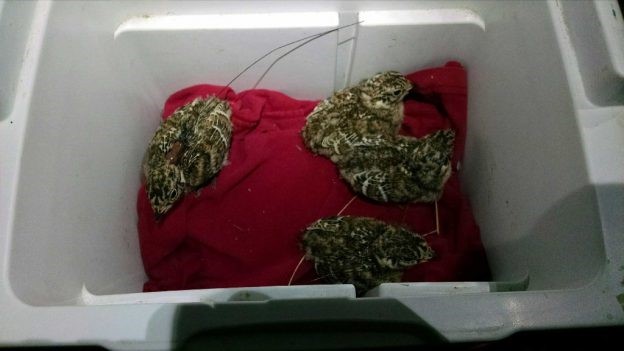


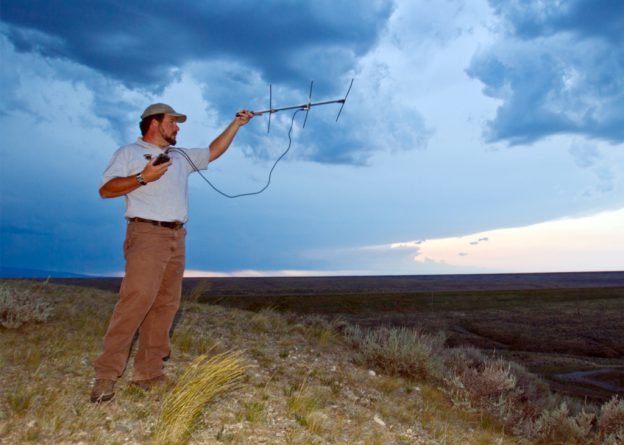


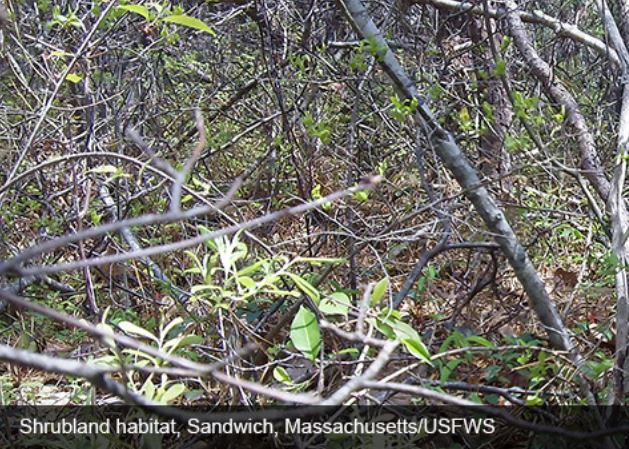


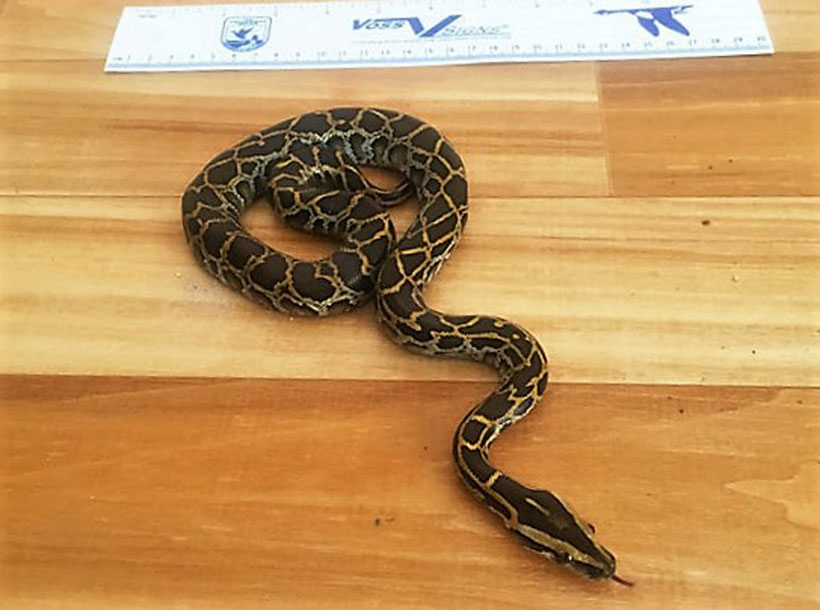


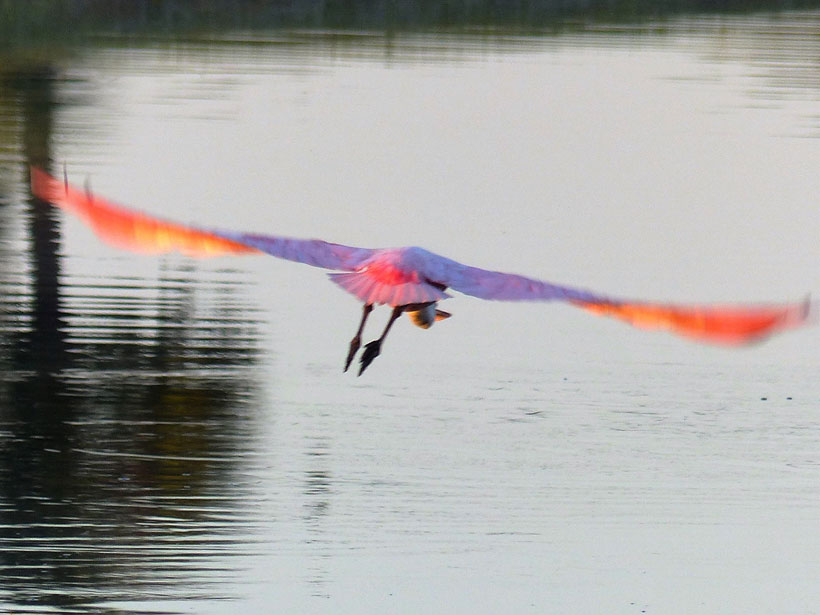


 Dr. Hilborn’s rigorous and peer reviewed research makes clear that fisheries management works. Greenpeace may not like his conclusions, but, their effort to attack the messenger with false accusations should be repudiated by academia, by commercial and recreational fishermen and other environmental organizations.


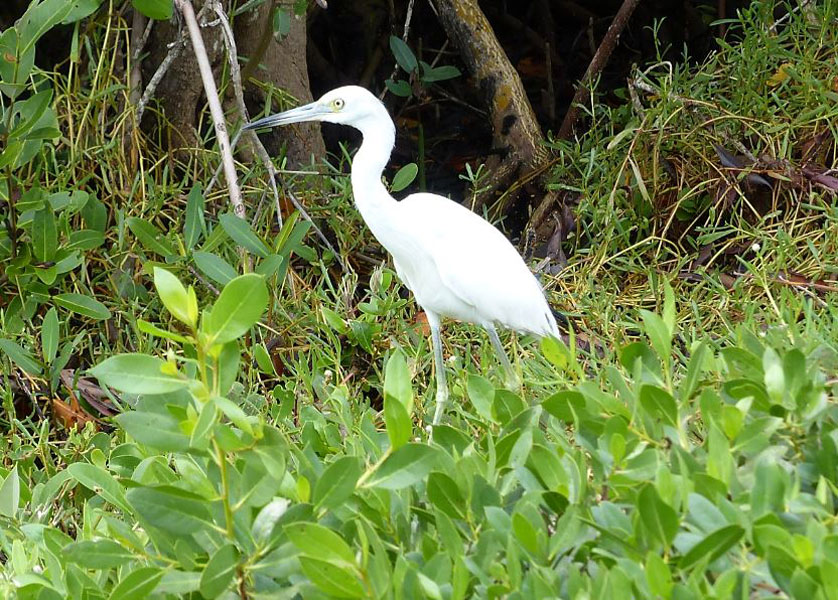




 Our squirrel population is also part of the nature show out our windows. I watch young squirrels play tag and wrestle. I have even seen squirrels do the same thing with rabbits. In the fall, adults gather acorns for the winter and build nests high in the trees. In spring, birds dive-bomb squirrels that get too close to their nest. During summer’s hot days, I watch squirrels spread their bodies and lay flat in the shade. They are trying to cool off and are doing what is called splooting. Squirrel tracks are everywhere in winter snow.
 devices with muted sounds if I stay inside. To enjoy nature shows even better, I open the door and go outside with my binoculars. That way, I can take in all the sights and sounds of the nature shows. I take pictures and record all the sounds with my smartphone. They will bring me many hours of enjoyment later.
 I go outdoors any time during the day to watch and listen to nature shows. I love to be there as the sun rises, a cup of coffee in hand. The wildlife wake up and start their day. They don’t even know I am there with them as I watch and listen. Bird songs start, turkeys gobble, a breeze blows through the trees, and crows begin talking to each other. I might also see a chipmunk scurrying around or a turtle slowly walking while exploring my yard. A lizard or two is usually somewhere. Movement under a bush is probably a snake looking for his next meal. Sunrises are always beautiful. I can never take enough pictures of them or the rainbows after a rain. It is much better than watching the morning news on TV and getting all depressed before the day even starts.
 Sunsets are also a favorite time for me. They are beautiful. Deer move around looking for a place to bed down for the night. As it gets darker, owls hoot and coyotes howl. Bats begin to dive for bugs. Summer nights also mean a light show performance by thousands of tiny fireflies. I can also record or enjoy the sounds of frogs, crickets, cicadas, and katydids. A little thunder and lightning only add to the night. Pull up a chair and enjoy the show.
 One study showed nature can reduce symptoms of depression. Another study showed that bird-watching around your home can reduce stress and anxiety. Another study found that just listening to the sounds of nature can put us into a more relaxed and comfortable state. Other studies have shown experiencing nature can lower blood pressure, reduce nervous system arousal, enhance immune system function, increase self-esteem, reduce anxiety, and improve our mood. Do you need any other reasons to start getting involved in watching and listening to nature shows out your windows and outdoors?


 Fledglings have some feathers or may even look like fluffy adults but seem unable to fly and seem quite awkward in their movements. Fledglings rarely need a human’s help (unless the bird is injured). People sometimes see a fledgling bird hopping around on a branch some distance from a nest or even on the ground. This is perfectly normal behavior for growing birds. The best thing to do for these babies is to leave them alone. Mom and dad will care for them, even if they end up on the ground. However, if there is a dog or cat in the area, try getting the baby back up into the nest or at least the tree the nest is in. Watch from a distance. If the parents don’t show up after a few hours, it may be time to call PRWC for more advice, as it may be necessary to bring the little one in for treatment.
 We can save wildlife because people like you support us in our mission.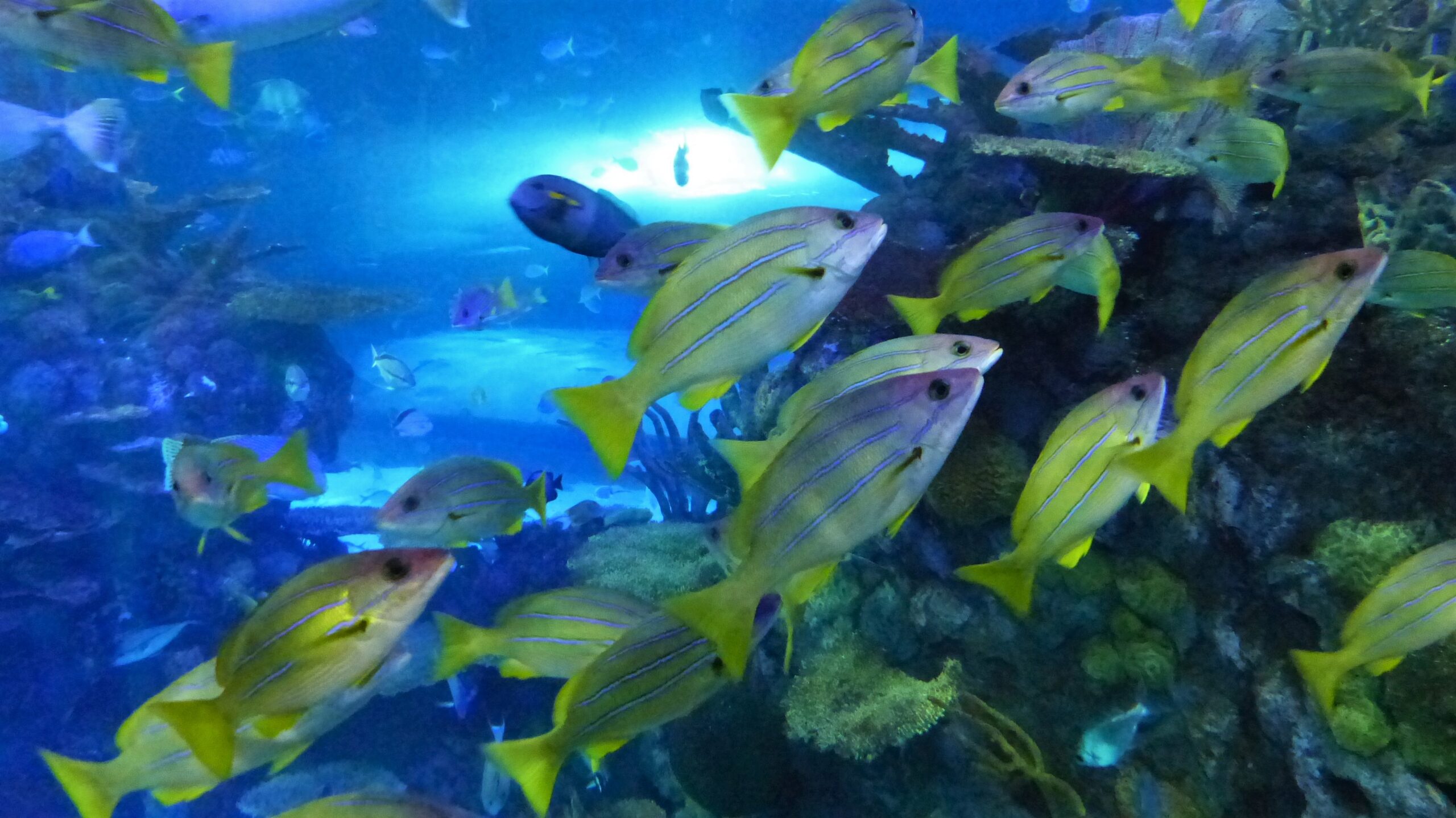


 Though true heroes were pointed out to us so we would see them.
 I learned that heroes are people who give of themselves when required.
 We have heroes today, but it seems we do not thank our heroes as much as we once did.


 “If we want children to flourish, to become truly empowered, then let us allow them to love the earth before we ask them to save it. Perhaps this is what Thoreau had in mind when he said, “the more slowly trees grow at first, the sounder they are at the core, and I think the same is true of human beings.”

 As I got older, I would head to the woods with my dog Bo and my little single shot .22, bought with money I had earned. I still have that gun and the memories of knowing I only had one shot so I couldn’t miss when that squirrel ran out on a limb. We didn’t have a lot of extra money to be buying more .22 shells and that squirrel was supper.
 Fish and other aquatic species also rely on trees for shade along their watery homes. When they die and fall into the water they provide fish habitat and safety from predators.