Multicoated Optics for Max Light Transmission in all conditions
Etched glass reticles, in red or green, are illuminated to deliver optimal shot placement
Easy-to-use Elevation and Windage Adjustments
Durable, Handsome, Affordable
By Larry Whitely
I was asked to do a review on the Sightmark Core TX 4-16×44 MR rifle scope, but I was a little hesitant since I definitely do not consider myself to be any kind of optics expert. I do however know someone that I feel is.
My son Daron does research and tests all kinds of outdoor products for our company, so he was more than happy to help his dad out in testing and reviewing this scope product. He loves doing this kind of thing, so he was smiling as he put it on one of his rifles and we took it to the range.
The other scopes he normally uses are fairly expensive models from some well-known companies. After looking through the Sightmark Scope, his first comment was, “Dad, this scope is clear as, or clearer, than my other scopes.” When he asked me how much it retailed for and I told him less than $300, he didn’t believe me until I showed him the MSRP in their catalog.
Here are some of his comments after putting the Sightmark Core TX 4-16×44 MR through some pretty extensive testing that made his Dad proud:
This scope is definitely worth more than what it sells for
The eye box is the perfect size and the eye relief is excellent
The lighted reticle is nice and performs very well in low light conditions
I really like the elevation and windage turrets
It has great looks that make it look like a lot more expensive scope
With practice I could shoot 500 to 700 yards easily with it.
He does say he recommends using their better scope rings. My optics expert son really liked the Sightmark Core TX 4-16×44 MR and says he would recommend it to anyone, including me, for long range tactical shooting as well as hunting.
The “MR” stands for Marksman Reticle.
In fact, after putting it through numerous rounds at the range, he liked it so well he left it on his rifle and took it deer hunting the following week. He said he needed to do more testing. Go figure.
Go to www.sightmark.com and check out all the other great scopes and shooting products they offer.
To learn just a bit more about these brand new affordable scopes, click the picture below to visit with Sightmark:
A holey rock mobile, seems very special, origin unknown.
I sit on a river gravel bar letting the sun soak its warmth deep into my bones. It’s only December, but it’s already been a long winter and it felt good. Birds were singing. Like me, they were tired of the cold too and were celebrating with song. The sound of flowing water blended with their chorus.
As my mind wanders, I poke around in rocks of all sizes and shapes that surround me. How long had they been there? Where had they come from? How did the holes get in some of the rocks? What are the fossils in some of them?
Did you know rocks are like clouds? If you look real close you see things in them. This one looks like the state of Texas, this one like a heart. Here’s one that looks like Dolly Parton. Sometimes your mind sees crazy things when you sit alone on a gravel bar on a mild winter’s day.
I stack all the “holey” rocks I find in a pile. Some will be slipped on to a length of wire and hung in trees around the house to serve as weather rocks. When you want to know what the weather is you just look outside at the rocks. If they are wet it’s raining, if they are white it’s snowing, if they are moving it’s very, very windy. Others will be used to make things like mobiles, refrigerator magnets handles for drawers, necklaces, bracelets, and whatever else my mind comes up with.
The rocks are dull shades of black, gray, tan, brown and white. Some sparkle when the light hits them just right. Most are worn smooth from being tumbled through the water. The flat, smooth rocks are what I am looking for now. These are “skipping” rocks.
All Kids Need to Learn how to Skip A Rock
I stand, stretch, and position my feet just right, look out at the water and with a sidearm motion send the first “skipping” rock flying across the water. Six skips! Not bad, but I can do better. Four skips! That was a bad throw. My feet must have slipped. Eight skips! That’s better. As I continue to try and beat my record, I think about how I taught my sons to skip rocks and they now teach their sons to be champion rock skippers. All kids need to learn how to skip rocks.
I bend down to pick up another “skipping” rock and I see it. The sun is shining on it like a beacon guiding me to it. I kneel down, lift it from the gravel and hold it gently in my hand like a precious jewel. “An arrowhead, I found an arrowhead!”
I shout silently to myself.
As I turn it in my hand I think about the hands of the Native American who made it. How old was he? How long ago did he make it? What tribe was he from? Where did they live in this valley? What was it like back then? Was this used to take a rabbit or deer to help feed his family? This was a special moment. This was serendipity.
According to Webster serendipity means to find something you were not looking for. Now, I would have never known that if not for a lady I know that is a big fan of Webster and knows the meaning of words I have never even heard of. The moment she said the word and gave me its meaning, I knew I had experienced serendipity several times in my life. The arrowhead was just another time I found something I was not looking for – serendipity.
A Special Find on a Special Day
On another unusually mild winter day several years ago, I was riding my ATV down an old logging road when a squirrel ran across in front of me. I followed the path of the squirrel as he ran through the woods. My eyes stopped at the sight of something white sticking up through the brown leaves. I hit the brakes on the ATV and backed up. What is that? Probably a limb or just some kind of fungus I thought.
Normally I would have just rode on, but this day I walked toward the white shape to find out what it was. My heart skipped a beat when I saw it was the shed antler of an 8-point buck. As I held it enjoying its beauty, I thought about how unique the antlers of a whitetail buck really are. Like finger prints, no two are alike. Since then, I have learned where and how to look for shed antlers and have found many of them. However, I will always remember the first one and the day I found something I wasn’t looking for – serendipity!
Deer Sheds in Hiding Offer a Special Sort of Serendipity.
I also remember hiking in the woods one winter. Spring woods are filled with wild flowers and budding leaves.
Fall woods offer a kaleidoscope of color and summer woods are ticks and chiggers and snakes.
Winter woods are quieter with the faint musky smell of decaying leaves.
Trees and bushes are bare allowing you to see things that might have gone unnoticed any other time.
You might see icicles hanging off a rock bluff sparkling like diamonds in the sunlight, a bleached out turtle shell, unusually shaped trees, animal tracks or even the animal that made them.
You Never Know What You Will Find Alone On A Gravel Bar.
On this particular day, I suddenly realized I was walking along an old road bed. Trees had grown up in its path but if you looked hard enough you could still see where others had gone many years ago. As I walked, I wondered who had used this road. Was it loggers, lead miners, soldiers, or people who lived here?
I kept following the old road until it crossed a dry creek bed. There, lying half buried in the gravel was the metal rim off a wagon wheel. Here, at this place, a long time ago, they tried to cross this creek and the wagon wheel must have broken. In my mind’s eye, I could see it happening. The wood of the wheel had long returned to the earth but the rusted metal rim remained to be found by me when I wasn’t looking for it – serendipity!
One spring, I was hiking to a special little waterfall deep in the woods that I liked to go to. I had been there many times but this time I went a little different way than normal. As I followed the sounds of the water I came by a big flat rock and sitting upright on the rock, was a soda pop bottle that dated back to the 1940’s.
Like me, someone else enjoyed coming to the little waterfall. The bottle they had been drinking from had remained where they had set it for over 60 years. I came along and found it even though I wasn’t looking for it – serendipity!
I hope there are many more serendipity’s to come in my life and in yours. Those special places, special people, special times and special things that come along when you are not looking for them – serendipity!
Wisconsin grandkids loved to find “Beautiful” rocks and holy rocks
A floating leaf in the current, watch it, discover an unmatchable journey
Listen…the sound of creek gurgle and babble, they play Nature’s music
Learn the outdoors from the same place through all seasons…a mesmerizing experience that never ends.
By Larry Whiteley
A special place for making memories
I close the book I was reading, lean back and watch the autumn leaves flutter through the air before landing on the glassy surface of the creek.
My eyes pick out a single leaf still clinging to the tree above me. It moves with the gentle breeze until a gust of wind causes it to relax its grip and start its dance to the water. The water slightly ripples when it lands and it just sits there for a moment as if resting. Then the current grabs it and it floats away. I watch as long as I can then wonder how far it will travel until it reaches its final resting place.
With the leaf gone, my eyes turn to the beauty of the trees reflecting in the water. My ears listen to the soothing sounds of flowing water. My mind wanders back to all the memories that have been made at this special place on this special creek.
It’s called Bull Creek. It starts as a gurgling spring and winds its way for many miles through the hills and valleys of the Missouri Ozarks. It meanders along under rusted bridges, past limestone bluffs, old cemeteries, open fields, and a cabin on the bluff above the creek.
Near the cabin, rushing water had carved out a deep hole, perfect for fishing, swimming, and snorkeling. It is here I now sit, book in hand and staring at the water, thinking about all the memories.
Here is where one grandson and a granddaughter caught their first fish. Now they’re grown and it won’t be long before they are taking their kids to catch their first fish.
Spring rains would always flood the banks. The awesome power of spring runoff was something to behold and fear. Spring also meant dogwoods, redbuds and wildflowers reflecting in the blue water. I would always listen for sounds of peeper frogs and kingfishers announcing that spring was here.
As early summer arrived, it was time to take the annual first swim of the year in this cold, spring-fed creek. The grandkids tradition was to push their PaPaw in and then laugh as I came up screaming and gasping for air. They always thought I was kidding, but I wasn’t.
As summer continued, this special place played host to family, friends, and neighbors. Fishing continued, air mattresses dotted the water and lawn chairs lined the banks.
Grandson Hunter Whiteley now fishes for the Kansas State University Bass Fishing Team.
Saving tadpoles trapped in little pools of water and moving them safely to the creek was a favorite grandkid activity. Catching crawdads was enjoyed by young and old alike. Those “rotten” grandkids would laugh again when PaPaw would get pinched by an upset crawdad.
The clear waters of Bull Creek made snorkeling a popular thing to do for everyone who visited. The underwater world is fascinating!
Bluegill would swim right up to your face or nibble at you as you floated along in the water. Bass and hog suckers didn’t want any thing to do with these homosapiens that had invaded their home and would skitter along ahead. Sunfish usually guarded their nest or hid back under a rock ledge. A multitude of colorful baitfish would swim around in schools, continually battling the swift water.
I remember the time I snorkeled under the water and took some real lobster claws and placed them where they stuck out under a rock ledge so they would look like the granddaddy of all crawdads lurking under a rock. I then watched as my neighbor Bob snorkeled closer and closer to where I had hidden them. I still laugh when I think about the look on his face when he came up out of the water.
Wisconsin grandkids loved to find “Beautiful” rocks and holy rocks.
If you were really lucky or unlucky depending on your fear of snakes, you might even get the opportunity to swim along with a 4-foot long water snake. No, it wasn’t a fake snake and no, I am not scared of snakes. At least as long as I knew they weren’t poisonous.
I was a little nervous once though, when I dangled a crappie jig in front of this same snake and he struck at it and caught the hook in his mouth. I didn’t have much experience unhooking a writhing, very mad, water snake, and was sure thankful the line broke before I had to figure it out.
When it was hot outside and you had the creek all to yourself, there was nothing cooler or more relaxing than heading to the creek, sitting a lawn chair in the water under the shade of a big old tree and reading a good book. I could usually get through a couple of chapters before the rippling water lulled me to sleep.
As summer gave way to fall, I still enjoyed taking a book to the creek. If grandkids came down we fished or had rock-skipping contests. When our Wisconsin grandkids came, they liked to find rocks with holes in them, or “beautiful” rocks, on the gravel bar.
PaPaw and granddaughter Anna (now a freshman in college)
This was the time of year when you might surprise a pair of wood ducks as they paddled along in the water, catch a glimpse of a whitetail deer or wild turkey at the waters edge, or even see a beaver busily working on his winter home.
Trips became infrequent when winter arrived. Sometimes I would wrap up warm and go there to see the frozen water along the banks. I was always hopeful I would see an eagle perched in a tree or flying overhead. If the day was not too cold, I would sit down, enjoy the peaceful serenity and think about all the things that took place there.
As the grandkids got older they stopped coming. This special place had lost its magic to them. They would rather go boating on big lakes or do other things. Now they’re off to college.
Grandma and I got older too, so we eventually sold the cabin on the bluff to a young couple with twin 6-year old girls. Now they make their own memories. I still come back once in a while to enjoy this special place on the creek.
The leaves continue to fall and now cover the water like a multi-colored blanket. I stand, put my book under my arm, wipe the tears from my eyes and soak in the beauty one more time before turning to get in my truck and go back home to grandma.
Everyone needs a special place to go make memories.
This youth program exists in 80 countries and the United States, do your kids know about it?
Program includes STEM (Science, Technology, Engineering and Math) education
Kids build life skills…honesty, responsibility, decision-making, teamwork, self-discipline, self-confidence, problem solving
By Larry Whiteley
Missouri 4H Shooting Sports Team enter the competition arena, much like the Olympics.
You will probably never hear this story being told on CNN, CBS or NBC national news. You probably won’t ever read a story about this in USA Today or other big national newspapers or magazines. We see, hear and read about shootings, protests and demonstrations. We hear or read about experts telling us that young people should never see or touch a firearm.
Why don’t they also tell the story about more than 400,000 young men and women in 47 states participating safely and successfully each year in the 4-H Shooting Sports Program led by 20,000 certified volunteer instructors? Do a Google search and you will find very little coverage about this except for home town newspapers talking about local kids being involved. When I searched I could find no national news stories about it. That’s a shame.
The story they should be telling is that this is much more than a bunch of kids, 8 to 18 years old, shooting rifles, shotguns, muzzle loading rifles, handguns, archery and learning about hunting. Boy’s and girl’s learn marksmanship, the safe and responsible use of firearms, the principles and ethics of hunting, and much more. These are not kids that spend most of their time on their smart phones, playing video games or watching TV. These are not kids into drugs or stealing.
Taking the Ambassador Pledge.
Since it was founded many years ago, 4-H Shooting Sports has served millions of young Americans. Their mission states, “To assist youth in acquiring knowledge, developing life skills, and forming attitudes so they may become self-directing, productive and contributing members of society.”
Through the program, participants learn safe marksmanship and archery skills from an early age. State-level 4-H clubs offer programs for individual training as well as team competition shooting. There is also the 4-H Shooting Sports National Championship Event each summer which hosts shotgun, air rifle, air pistol, small-bore rifle, small-bore pistol, compound archery, recurve archery, muzzle-loading rifle and hunting skills events. The opening and closing ceremonies, as well as the competition kind, remind you of the Olympics.
Indoor air gun competition.
If you know anything about 4-H, you probably think of growing crops, raising and showing livestock and competing for blue ribbons at the county fair. You might not know that 4-H and related programs exist in 80 countries around the world. It is the largest youth development organization in the United States with nearly six million members, but of that number, only 17 percent of kids involved actually live on farms as most people would probably think. The majority come from suburban and urban communities.
It’s not just about shooting. The objectives of the program center on building life skills that include decision-making, teamwork, self-discipline, self-confidence and problem solving. The program also works to promote the highest standards of safety and sportsmanship, along with an appreciation and understanding of natural resources.
The Shooting Sports curriculum uses the resources of land-grant universities, Cooperative Extension agents and certified 4-H leaders, instructors and trainers. The adult instructors involved try to provide a positive relationship with the students. A national or state certified instructor teaches each discipline.
They also tie in STEM (Science, Technology, Engineering and Math) education along with shooting sports and hunting training programs. Instructors are given STEM activities they can relate to a part of the kids training in shooting.
All volunteers go through a background check and have archery and gun safety training, along with 4-H classes on youth development. It’s all designed to provide a partnership with a caring adult and a safe environment for youth to learn how to move forward, working on their own.
If you’re interested in becoming involved with the 4-H Shooting Sports Program, you can go to your state 4-H website. You can also go to the national shooting sports website and find a state contact for each of the states involved.
Scoring archery target results during competition.
The National 4-H program treats Shooting Sports just like any of their other programs, whether it’s livestock or foods and nutrition or computers or woodworking. The goal is to get kids into a positive setting where they can have fun learning and develop lifelong skills while working closely with an adult, other than a parent, who really cares and takes interest in them.
If the national media ever did decide to tell this great story, I would suggest to them that they interview Jon Zinnel and Hannah Persell. Both Jon and Hannah started in the program at a young age and competed for many years in the National Championships.
Crowd at 4H National Shooting Sports competition.
Jon, who now works for Vista Outdoors, is a past 4-H Shooting Sports Ambassador. Hannah is serving as a Shooting Sports Ambassador while she attends the University of Missouri where she is majoring in Agri Business.
Ambassadors represent 4-H and 4-H Shooting Sports for public relations purposes at special events such as donor/sponsor functions and with the general public. They also serve as spokespersons for the Shooting Sports program.
Hannah would not hesitate to tell the national media, “Participating in the Shooting Sports has given me confidence, communication skills, patience, the drive to succeed in life and made me into a hard worker.” All qualities that American companies are looking for in employees they hire.
Jon would say to the national media and anyone else, “The 4-H Shooting Sports Program is something the kids never forget and the skills they learn stay with them and benefit them the rest of their lives.”
In today’s broken world, it’s a great story that needs to be told.
Deer can Scent us Humans from Far, Far Away. Reasons why are part of this story.
Modern Secret for Seeing More Deer
When to Use Cover Scent
Why Deer can Smell Us
By Larry Whiteley
Don’t get busted this deer season! Jim Monteleone Photo
My wife has what you might call a “sensitive nose”. She smells odors a lot of times and I don’t. When I get in her vehicle it smells like a rose garden or an ocean breeze because she has these little scent things clipped to her visor and air vents. If I ran into any of my hunting or fishing buddies after riding with her, they would probably smell me and look at me kind of weird.
When she rides in my truck, she can tell if I ate a bowl of beans the day before or if my friend that smokes cigars has been in the truck with me, or if I left a pair of dirty socks under the back seat.
She knows I don’t like my hunting/fishing/camping truck smelling like a flower so she bought me one of those little pine trees to hang from my rearview mirror. I would rather not smell anything than have fake smelling things in my truck, so I started searching the internet for a solution that would make us both happy.
During my search, I clicked on www.scentlok.com and learned about their OZ20 small ozone generator unit. It plugs into the dash of your car or truck and doesn’t cover up smells, it gets rid of them so you smell nothing. I ordered one, plugged it in and turned it on when I parked the truck for the night and the next morning turned it off and let it air out. No smells!
OZ20 Generator keeps my wife happy. Photo by Anna Whiteley
It’s as simple as that. Without going into all the technical reasons as to how this thing works, other than saying it destroys organic scent-containing molecules, I can tell you it definitely does. My wife is happy and that’s good because as the old saying goes, “When momma ain’t happy, ain’t nobody happy.”
To make her even happier and so I don’t have to smell flowers or ocean breezes around the house, I also got ScentLok’s® OZ100 ozone generator unit for small rooms and OZ500 ozone generator for big rooms and just plug them into a wall outlet when we are leaving. We come back to a scent free house. She especially likes me to use the small unit in the bathroom after I have been in it. I can’t understand why!
OZ100 Generator plugged in and eliminating smells. Photo by Anna Whiteley
While I was on ScentLok’s® website, I also read about their hunting clothing and accessories with their Carbon Alloy™technology that helps keep you free of scent in the deer woods. It also has NeverWet™ technology that repels water, mud, blood & other liquids. I ordered their full season Taktix jacket and pant combo with lots of pockets, and in my favorite camo pattern, True Timber Kanati. The jacket also has an NRA approved conceal carry chest pocket to carry my pistol. In this crazy world we live in you never know when you might need it, even in the deer woods.
After every 30 to 40 hours of hunting in them, I just need to reactivate the carbon by throwing them in the dryer. If they’re not muddy or bloody I don’t need to wash them. They will be stored in the ScentLok® OZ Chamber 8K Bag, which I also ordered, that includes the OZ500 generator and plug it in to keep them scent free for the next hunt.
My granddog Max is unable to detect any odors on my hunting clothes. Photo by Anna Whiteley
Now even though I will be doing all this, I still need to make sure I am not wearing the clothing I hunt with while in my truck or on my ATV to where I park, and then on to my stand. I still need to use scent cover sprays on any clothing that is not ScentLok®. Also use the cover spray on my pack, gun, bow or any other equipment, plus the deer stand or blind. You better do the same if you don’t want to get busted by the amazing nose of a deer.
Deer have up to 297 million scent receptors in their nose. In comparison, dogs have 220 million and humans have just 5 million scent receptors. I think my wife has around 10 million at least. Not only do deer have a huge number of scent receptors in their nose, they also have a secondary scent gland called the vomer nasal organ that is located in their mouth.
Above that, deer also have 2 large scent-processing areas in their brains. These processing areas are 9 times larger than a human’s scent processing area. So a sniff test of yourself or your clothing is nothing compared to what a deer can do.
Us deer hunters need to remember that no matter how much scouting we have done or how many food plots we have planted. Our best chance of taking a deer this year is making no scents.
Be Ready and Be Prepared for Undivided Outdoor Fun
The ONE THING I carry everywhere I go, maybe not what you Might Expect
Cold or Hot weather, How I stay Comfortable
By Larry Whiteley
Dead Silence Hunting Rain Suit
We all want to know what the weather is going to be like if we have outdoor plans for the day. So we check our local forecast on TV, computer, smart phone or even smart watch and notice it’s going to be partly cloudy with a chance of rain.
But what does it mean when they say a chance of rain? Is it going to rain or not? Should you cancel your camping plans, hiking adventure or fishing trip?
Your local weatherman or lady will tell you that summer is the most challenging time of year for them to forecast what will happen. There is typically plenty of moisture and instability during summer that helps bring scattered showers and thunderstorms, particularly in the South and Midwest.
The things that cause rain development can be really hard to pinpoint in the summer. Rather than distinct warm and cold fronts, summer thunderstorms just sometimes flare up for many different reasons. Because of this, the warmer months are difficult for forecasters to provide a yes or no answer for rain where you are going to be.
If there’s a 30 percent chance of rain, that means there’s a 70 percent chance of dry weather where you’re going and you don’t know for sure it’s even going to happen. So you think those odds sound pretty good and are certainly not a reason to cancel any plans. Then, when the fishing, camping or hiking begins, so does the rain. You’re wet, your family and friends are wet, and no one is happy.
Pilot ll Rain Suit
That’s exactly why, no matter what time of year it is, I always have rain gear with me. I keep my frogg toggs® Java Toadz™ lightweight rain suit rolled up into a stuff sack and under the seat of my truck. It is in easy reach just in case one of those pop-up showers hits just as I am ready to go into a meeting, church, or getting ready to go into my favorite outdoor store to do some important shopping.
Co-Pilot Zip In Insulated Liner
It is also an important part of my gear no matter what kind of outdoor adventure I am going on. When I am packing to go camping I take it out of the truck and put it with all my camping gear. If I am going hiking it is always in my pack. I don’t go fishing without putting it in my tackle bag just so a little rain doesn’t stop me from catching fish. The fish don’t care if it’s raining and they don’t stop biting because of it. I just keep fishing in my rain suit unless, of course, it starts lightning and then I am off the water.
Since my Java Toadz™ is camo pattern, I even keep it with me in my game pouch when I am on early season dove hunts and all my other gear during the early teal season. During spring turkey hunts, it’s in my turkey vest. During deer season, it’s always in my hunting pack. To me, it is as essential as just about any outdoor gear I have. A pop-up shower or thunderstorm is not going to keep me from enjoying the great outdoors.
Now at the risk of sounding like a commercial for frogg toggs®, I have to tell you I also have their camo Pilot II™ Guide rain suit that I wear when fishing in early spring or fall, which is exactly when chances are best for rain most of the day.
On winter fishing trips and during waterfowl season, I wear their Co-Pilot™ Insulated Puff Jacket zipped into the Pilot II™ rain jacket to give me the extra layer of warmth during those cold rains, snow and sleet.
Java Toadz Rain Suit is also available in women’s
Frogg toggs® has just come out with a new rain suit for deer hunters called Dead Silence™. This suit is what all deer hunters want when out there waiting on that buck of a lifetime. I love deer hunting, so I didn’t hesitate to order one for this season. Besides being quiet and very waterproof, it has all kinds of hand warmer pockets, plus zippered pockets for valuables like your wallet, cell phone or radio, and other gear you need to keep safe and dry. The fabric breathes, so I won’t get too hot, but it also won’t let the cold air in. Plus, I can even zip in my Co-Pilot™ Puff Jacket that I also wear with my Pilot II™ rain jacket mentioned earlier.
No, I am not on the frogg toggs® Pro Staff and they don’t pay me for writing about them, but I do believe in their affordable, quality products designed for folks like you and me for any outdoor activity when there is a chance of rain. Go to their website at www.froggtoggs.com.
Some 300-500 hunters are KILLED ANNUALLY in tree stand accidents
Some 6,000 hunters sustain permanent injuries ANNUALLY
FACT: 1 out of every 3 hunters who use tree stands will fall during their hunting career
By Larry Whiteley
Go online, search for “tree stand accidents”. Read all the stories about people just like you who fell from a tree stand and it changed their life forever.
Did that headline scare you? I hope so because I wanted to get your full attention. For your sake and your family I want you to read every word of this article.
There’s nothing quite like sitting in your stand watching as the sun starts gradually peeking through the trees is there? Bird songs welcome the morning and squirrels start their chatter. Sometimes you’re rewarded with a fox or bobcat sneaking through the woods. It’s a special time to be high in a tree watching and waiting for a deer to come by your secret hiding place. If they do, that’s a bonus.
How can you prevent this from being your last deer season? Wear a safety harness with a lifeline before you climb into any kind of stand.
You may not want to hear this, but this could be your last year to sit in a tree stand. When you hear or read “hunting accident” the first thing that probably comes to mind is an accidental shooting. However, according to Tree Stand Safety Awareness (TSSA), tree stand accidents are the number one cause of serious injury and death to deer hunters.
It is estimated that 1 out of every 3 hunters who use tree stands will be involved in a fall sometime in their hunting careers. Did you understand that? 1 out of 3!
Tree stand accident injuries can be fatal and those that do survive can be permanently disabled. Some 300-500 hunters are killed annually in tree stand accidents and about 6,000 more sustain permanent injuries, according to a study by the International Hunter Education Association (IHEA).
Could this be the year you are one of those statistics? I certainly hope not, but the odds are not in your favor. I know you probably think it could never happen to you, but you are wrong. Go online and search for “tree stand accidents”. Read all the stories about people just like you who fell from a tree stand and it changed their life forever.
Read about Mike Callahan who is one of the few lucky ones who can still hunt. Except now he hunts from a wheelchair with the assistance of a friend. He finds flat areas in the woods or a field to roll onto, and behind camouflage material, rests his crossbow or shotgun onto a shooter’s rest. He aims it with a bar controlled by his teeth and activates the trigger with an air tube.
Survey’s also show a lot of hunters own one or both of these devices, but don’t always use them. The day you don’t have them both on is probably the day the accident will happen.
Also read about Kansas City Royals manager Ned Yost. He was checking a tree stand on his property in Missouri when the bottom fell as he attempted to clip on his safety harness. He dropped 20 feet, crushing his pelvis and coming very close to bleeding to death. Had it not been for his cellphone and good cell reception, he admits he would have died.
Also read the stories from spouses, family members and friends talking about how life has changed for them since their loved one was paralyzed or died. You see, you are not the only one that would be affected if you fell from a tree stand.
How can you prevent this from being your last deer season? Wear a safety harness with a lifeline before you climb into any kind of stand. You can still fall, but you won’t fall to the ground because you are safely attached to the tree at all times with the lifeline.
Survey’s also show a lot of hunters own one or both of these devices, but don’t always use them. The day you don’t have them both on is probably the day the accident will happen. You have to use both the safety vest and the lifeline.
86% of tree stand accidents don’t happen while you are sitting or standing, they occur while ascending or descending the tree or getting into or out of the stand. I don’t care if you hunt from a hanging stand, a ladder stand or a climber, it can happen to you in an instant.
I started doing research several months ago for this article and it scared me so bad that I went out and bought a Hunter Safety Systems Ultra-Lite Flex safety harness and lifeline for myself and for everyone in my family that deer hunts. AND, they have all been told they are never to get in a tree stand again without using them.
Go online right now or to your favorite outdoor store and buy the best safety harness and lifeline you can buy. Then go home and practice using it over and over until you are totally comfortable with it. Make it second nature to put it on every time you go out hunting.
I hope I have scared you enough that you will never again get in a tree stand without a safety vest and a lifeline. Do it for yourself and do it for your family. It will help insure that it will not be your last deer season and that you will be around to watch birds singing, squirrels chattering, sunrise through the trees and wildlife sneaking through the woods…for many years to come.
Check out Hunter Safety Systems full lineup of products to keep you safe in the deer woods at http://www.huntersafetysystem.com/.
Bonus time. It’s a special time to be high in a tree watching and waiting for a deer to come by your secret hiding place. If they do, that’s a bonus.
Shade, Shelter, Habitat, Leaves and Natural Fertilizer
Fond Memories from Days Long Ago, some Thoughts for Days Ahead
Let’s ALL Learn More About Trees
These Great Horned Owl chicks are right at home with their mama in their nesting tree. Missouri Department of Conservation photo
By Larry Whiteley
I was on my way to our cabin when I saw it. I am sure I’ve seen it lots of other times. It was just a glimpse as I drove by. Why did it bother me so much then? It was just a bulldozer knocking over a tree. That happens all the time in today’s world. We have to have more convenience stores, banks and shopping centers, don’t we?
People have always cleared fields of trees. They did it to grow crops or raise cattle so they could feed their families. The trees were used for firewood to keep them warm. Now, they push over trees and just burn them to get rid of them. When the shopping centers are completed, people take their families there to feed them or shop.
What really amazes me is to see developers clear the land of trees for a new housing complex and then name the streets after them. Then, people that buy the houses go to the local home improvement store or nursery to spend hundreds of dollars on small trees to plant in their yards that will take years to grow as big as those that were once there.
As I kept driving, I tried to think about what I needed to get done when I got to my cabin surrounded by the woods of the Mark Twain National Forest. I tried to listen to what the guy on the radio was saying. It didn’t do any good. I kept seeing the bulldozer pushing over the tree. Why couldn’t I get it out of my mind? It was just a tree.
Maybe it bothered me so much this time because I’m getting older and wiser. Well, older anyway. My mind took me back to when I was a kid growing up on the farm. I would spend all day wandering around in the woods. The trees hid me from all the Indians that were after me. I dodged their arrows as I ran from tree to tree. My imagination entertained me back then. I didn’t need TV, video games or a smart phone. Thank God my kids grew up enjoying the woods. Now my grandkids are discovering the wonder of the woods, climbing trees and carving initials.
Other days, I would climb up into the comforting arms of a tree and soak in the wonder of the woods or just daydream. I can still remember the odd shape, a weird knot, the feel of the bark on certain trees. I wonder if some of those trees are still there. I wonder if my initials are still carved in them.
As I got older, I would head to the woods with my dog Bo and my little single shot .22, bought with money I had earned. I still have that gun and the memories of knowing I only had one shot so I couldn’t miss when that squirrel ran out on a limb. We didn’t have a lot of extra money to be buying more .22 shells and that squirrel was supper.
I still enjoy hiking in the woods. I love the kaleidoscope of fall colors. I still climb trees, but now it’s to sit in a treestand waiting for a deer to walk by. My granddaughter poses for pictures on a grapevine swing. My grandson loves to hunt squirrels and deer now too. I smile as I watch them and I remember.
What was it that the guy on the radio just said? “And he created the heavens and the earth.” He created all the trees too didn’t he?
It shouldn’t be bothering me about seeing that tree pushed down. After all, I cut down trees too, don’t I? Their wood keeps our cabin warm during the cold of winter. They are also magically transformed into hiking sticks, candle holders, lamps, coat racks and lots of other things in my workshop.
I am wise enough to know that if your home is shaded by trees, your air conditioner won’t run as much and you’ll save money on electricity. You might even be able to open your windows and enjoy a fresh breeze. Cleaning the gutter, picking up limbs and raking leaves is a small price to pay.
Even my 10-year old grandson can tell you that the more trees you cut down, the less oxygen you have. Oxygen – you know the stuff that helps you breathe. I read somewhere that a single tree is valued at over $13,000 during its lifetime for the oxygen it provides. Multiply that times the number of trees in your yard, if you have trees in your yard.
Trees are also important to the wildlife that use them. Birds and squirrels build nests, turkeys roost in their tops, deer rub their bark, woodpeckers peck. Wildlife feeds on the nuts, berries and insects they provide.
Fish and other aquatic species also rely on trees for shade along their watery homes. When they die and fall into the water they provide fish habitat and safety from predators.
I pull into my cabin and a song is playing on the radio. As I listen, I’m not upset anymore. The words roll over in my mind as I look around at all the trees. “He grew the tree that he knew would be used to make the old rugged cross.” You see, that was the most important tree of all.
My Partner, Tyler Nekolny (left) and I weigh in 14-15 on Day 1, was exciting for our Kansas State Fishing Team.
By Hunter Whiteley
My partner and I took 11 days to fish the B.A.S.S. Carhartt College series Midwest regional and the FLW regional. At Lake of the Ozarks, all I can say is, “The lake is on fire.” The lake is fishing hot, better than I have ever seen it fish.
Every single day, we landed a fish that went 5-pounds plus, with multiple days producing more than one. Breaking down the lake was a handful. We found the pattern to be secondary points that had the channel swing up against them with a flat on the other side. It didn’t matter what type of rocks were on the flat. Then for bigger bites we would back off to long tapering points that had structure on them. These didn’t produce the numbers we needed but when you got a bite it was a good one.
Understanding these patterns had us feeling comfortable going into the B.A.S.S. regional which was a three-day event. The first day we caught our limit early and moved out to find the bigger bites. Culled once and lost a big one. We weighed 14 pounds-15 ounces, good enough to put us in 20th place and good enough to put us inside the cut-line, but we needed another good day on Day 2.
Day 2 rolls around and we had a cold front move through and shut down our fish. At about 10:30 we go to move and have motor issues. This put a damper on our fishing and we only weighed two fish for 7 pounds-7 ounces. This cut our tournament a day short due to not making the cut, but on the other hand – the bright side, this gave us a day to go over our plan for the FLW Regional and catch up on some sleep and school work.
Hunter Whiteley and Tyler Nekolny on the run to their next spot. Ronnie Moore Photo
The FLW started really well.We roll into our first stop and put two fish in the box. On our next stop we fill our limit and cull three times. This is when I knew it was going to be a special day. Then, surprisingly, the day got tough. We didn’t have another bite till an hour before weigh in.
We moved to key in on the bass pushing shad up against wave breaks. We culled two more times before we had to weigh in.Good stuff.
We walk up to the tanks and were listening to weights and knew that we had made the prize-cut, but not sure how high we would finish. We weighed in 18 pounds- 2 ounces, good enough to put us in 4th place and make the cut to fish the national championship.
I would like to also congratulate two other teams from Kansas State:
Sheldon Rogge and Travis Blenn, on qualifying for the B.A.S.S. College National Championship.
Quinn Fowler and Josh Schraad for qualifying FLW National Championship.
My next tournament is a club tournament on Milford Lake in Kansas. It will be a tournament that is dominated by smallmouth bass and will help us learn more about how to compete using different fishing tactics.
Our Kansas State College fishing team members (left to right): Sheldon Rogge, Grant Srajer, Travis Blenn, Tyler Nekolny, Hunter Whiteley, Josh Schraad, Quinn Fowler, Payton Miller, Adam Fuchs, Shaun Finn.
Fishing Games for the Young…and the Elder Kids Too
Keep Warm in Chilly Weather, Clothes to Last Forever
By Larry Whiteley
I work with many outdoor companies throughout the year to test their products in the field and on the water. Here are some of those companies I have worked with, and will be working with again in 2018, that I am proud to recommend their products for Christmas gifts or a gift you give yourself.
Hi Mountain Seasonings
With Hi Mountain’s jerky seasonings and kits, I have made many different flavors of delicious, easy-to-make venison, fish and turkey jerky, as well as snack sticks. My grandson’s roommates at college and people at my church, will attest to how good they are. In 2018, I will be doing more on their other great products to help you discover all the ways you can better prepare your fish and game. I’m getting hungry just writing about it. Their products are available at your local grocery, outdoor store, or go to www.himtnjerky.com.
Costa Sunglasses
Costa sunglasses are by far the best eye shades I have ever owned and I look really good in them, although some might argue that point. I use their Tuna Alley for driving and fishing, and their Fantail for hunting. You can check out their great selection of sunglasses at www.costadelmar.com, plus find out all the many ways Costa is involved in doing things to protect our environment. One of those is using bio-based resins in their sunglasses, instead of plastics as part of their “Kick Plastic” initiative to protect our planets waters from all the plastic products that pollute them.
HydroWave
95% of professional bass anglers use the HydroWave system because it takes catching bass to the next level. When it is turned on, it sends out vibrations to a fish’s lateral line, that causes them to feel there are smaller fish around and other fish are feeding on them. Their natural competitive instinct drives them to want to feed as well. It is something that you have to see to believe. They also have units for crappie, walleye, catfish etc. My grandson, Hunter, uses it fishing for the Kansas State University Bass Fishing Team and he says, “This is a game changer for every angler.” He has qualified for the college national championship in 2018 and he believes HydroWave can help him win it. Learn about how to use it from Kevin VanDam at https://www.youtube.com/watch?v=_Qc1hy88VD8. Check it out for yourself at www.thmarine.com.
ThermaCELL
I hate mosquitoes and mosquitoes hate ThermaCell products. Their portable repeller units, lanterns, and torches are all powered by a tiny butane cartridge. Heat is generated and a small mat saturated with a natural repellent is inserted on top of the metal grill the heat disperses the repellent from the mat into the air, creating a 15 ft. x 15 ft. zone of protection around you. Mosquitoes and other flying critters don’t want anything to do with it. It is so much better, and healthier, and easier to use, than those messy sprays and lotions. Learn more about how and why they work by going to www.thermacell.com. I hate ticks too, and if you have them in your yard and on your dogs you might also want to check out their easy to use Tick Control Tubes. I love ThermaCELL!!!
Rapala Pro Series Video Game
I received an e-mail from Bob Ringer on behalf of Rapala back in October wanting to know if I would like to test Rapala’s new Xbox One/PS4 fishing video game. I suggested sending it to my 20-year old grandson, who also writes and does social media for us, so he and his college roommates could give it a real test.
After a few weeks of trying the game here are some of their comments: “This is the best fishing game that I have played. It’s a good way to beat the winter blues when the boat has been winterized and it’s too cold to get out. The selection of lures and different kinds of fish you can catch is awesome. This is better than any fishing video game out there.”
Not much more I can say except, it’s a lot less expensive than most video games. Do an internet search to watch samples and teasers of the game, see You-Tube reviews and find places to buy it. Amazon carries it and has offers for free delivery.
Filson
The year was 1897, the place was Seattle, Washington. C.C. Filson Co. started making quality, durable, clothing for local miners, prospectors, lumbermen, hunters and anglers. Filson’s philosophy has never changed in over 120 years: “Make sure it’s the absolute best.”
My Filson work shirt shown underneath the Christmas tree is the most durable, best quality shirt I have ever owned. I wear it for everything from cutting firewood in the fall to layering underneath a jacket in the cold of winter. It’s even my favorite shirt to wear to church on Sunday’s. Two other things I like about Filson products are – they are made in the U.S.A. and they help support outdoor organizations with the mission of sustaining and promoting outdoor recreation. Take my word for it and go to www.filson.com if you want the very best.
I will be doing testing on a lot more products in 2018 and writing about them. Frogg Toggs rain suits and waders will be one of them. Go to www.froggtoggs.com and check them out. While you’re there you can save up to 35% on your order, but be sure you do it by December 15th.
Have a Merry Christmas and don’t forget the reason for the season!
When I take my truck full of venison to the food pantry it is usually close to Thanksgiving and again near Christmas. At these special times of the year, it is a blessing to know the venison I am delivering is going to help someone in need. Please join me.
Donate All or Part of your Deer
4,280 Hunters Donated 198,277 Pounds of Venison in 2016
SHARE THE HARVEST Program is Sponsored and Coordinated
By Larry Whiteley
There are thousands of struggling, needy people here in Missouri (and everywhere). Even with government assistance, it’s sometimes hard to have enough food to put on the table and feed their families. If you end up taking more deer than you can use or you’re trying to control your buck to doe ratio, here’s a great way you can help these people. Many states across the country have a program to help the hungry.
In Missouri, for example, the Conservation Federation of Missouri (CFM) and the Missouri Department of Conservation (MDC) administer a program called “Share the Harvest.” It is available to deer hunters like you so you can donate any extra venison you might have to help feed those families through food banks and food pantries.
There were 4,280 hunters that donated 198,277 pounds of venison last year. That’s a lot of high-quality, naturally lean protein for people who don’t get near enough of that in their diet. Since the program started back in 1992, over 3.6 million pounds have been donated by deer hunters just like you.
To participate, you will need to take your deer to an approved meat processor and let them know how much venison you wish to donate. To find an approved processor in your area go to www.huntfish.mdc.mo.gov/hunting-trapping/species/deer/deer-share-harvest or call the MDC at 573-751-4115 or CFM at 573-634-2322. It can be as little as a couple of pounds of venison burger to as much as a whole deer.
The processor will then package the meat to be picked up by a sponsoring organization who in turn takes it to a designated food bank or food pantry in your area for distribution to those people who pass their guidelines for receiving the meat.
When you donate a whole deer, the cost of processing is your responsibility, but CFM reimburses processors a pre-determined amount for each whole deer donated when funds are available. That helps the processor to reduce his processing fee to you. Some processors have other money available from local groups so that processing fees are free or at a reduced cost. This program is usually for whole deer donations only.
Sponsors of this cost-reduction program are the Missouri Department of Conservation, Shelter Insurance, Bass Pro Shops, the Conservation Federation of Missouri, Missouri Chapter Whitetails Unlimited, Missouri Chapter Safari Club International, Missouri Chapter National Wild Turkey Federation, Midway USA Inc., Missouri Deer Hunters Assoc., United Bow Hunters of Missouri and Missouri Food Banks Association as well as numerous local sponsors.
Volunteering to help local organizations is another way you can be involved. You simply donate your time and vehicle to pick up and deliver the venison to the designated distribution organization. I have been involved in both, donating deer to Share the Harvest and also delivering deer for Share the Harvest in southwest Missouri for over 20 years.
When I take my truck full of venison to the food pantry it is usually close to Thanksgiving and again near Christmas. At these special times of the year, it is a blessing to know the venison I am delivering is going to help someone in need.
To me this great program would not be possible without the generosity of Missouri deer hunters.
They spend a lot of time and money in pursuit of the white-tailed deer and then to turn around and donate all or part of their venison to those less fortunate than themselves is truly exceptional.
A big flat rock in the middle of a warm winter is more than a big flat rock.Larry Whiteley photo
By Larry Wisher
It’s a warm day. For winter, that is. I’m sitting on a big flat rock in the middle of the woods. The sun soaks deep into my bones. Days like this don’t come that often in winter, here where I live.
I take my jacket off and use it for a cushion and insulation from the cold of the rock. Except for the sound of a deer mouse rustling through the dry leaves enjoying the warmth too, or the occasional chatter of squirrels or crows talking to each other – it’s quiet here.
My eyes get heavy. Just as I start drifting off to sleep, an old dead tree comes crashing to the ground and startles me back to reality. What is that old saying? If a tree falls in the woods and nobody is there to hear it, does it make a sound? My heartbeat slows back down to normal. I stretch my legs back out and enjoy my rock again.
You know, I hadn’t noticed so many dead trees out here before. The wood-eating insects must have got to them. Then the woodpeckers got to the insects. Then the holes the woodpeckers made became home to other birds and flying squirrels.
Someday, when no one’s around to hear it, they too will fall. Then mice will build nests in them, snakes will hibernate, and they will be an excellent place for storing nuts. Eventually, though, they will return to the ground from which they came. It’s amazing what you think about when you’re sitting on a big flat rock in the middle of the woods…on a warm winter’s day.
Looking skyward, the trees are like me, recharging for spring.Larry Whiteley photo
The musty smell of decaying leaves reminds me of how unique nature really is. In a few months, tiny buds will start appearing. Soon after, green leaves will burst out and unfurl. These woods, which now seem dead, will come to life again because of the nurturing power of the decaying leaves mixed with sunshine and rain.
As I scout for turkeys or begin looking for mushrooms, I will notice the buckeye trees first because they are the first tree to leaf out around here. The oaks, maples, hickories, walnuts, sycamores, and all the others will soon follow. Serviceberries, with their dainty white flowers, will be the first to bloom. They will be followed by the redbuds with their tiny purplish flowers. The white blossoms of the dogwood will not be far behind. Their colors add beauty to the spring woods.
It will be so much different than it is right now. Except for the brown leaves, blue sky, and green of the pines and cedars, I kind of feel like I’m watching an old black and white television. Don’t you remember those? Well, you probably wouldn’t unless you’re getting as old as I am.
The fully leafed trees add cooling shade to these woods as I come here for morning hikes in summer. Summer also brings ticks, chiggers, and snakes to these woods. Because of that and the hot and humid days, I’m not here as often as I am in other seasons.
As summer ends and fall begins, the chlorophyll that gives the leaves their green color begins to break down, and the true colors of the leaves are revealed. These woods become a kaleidoscope of red, gold, orange, and yellow. Trees drop their nuts to the ground while deer, turkey, squirrels, and the mice that call this place home, enjoy the bounty. Once again, I will be hiking, scouting, hunting, and sometimes even camping. It’s my favorite season of the year and a beautiful time to be here.
A little bit of wind, a little snow, and the acorns of autumn will bury and join the life of spring a few months from now.Larry Whiteley photo
But then, those same leaves that burst forth in spring will wither and fall to decompose and give nourishment to the same tree that gave them life. How does that song go? “Just remember in the winter far beneath the bitter snow, lies a seed that with the sun’s love in spring, becomes a rose.” Here in these winter woods, it will be beneath the dead leaves and sometimes a covering of snow. It will be a seed or a nut, that in the springtime with the sun’s love, sprouts and becomes a maple, dogwood, redbud, oak, papaw, buckeye, or hickory. Maybe even just a scraggly bush. Life goes on.
Wow! Again I will say it’s amazing what you think about when you’re sitting on a big flat rock in the middle of the woods on a warm winter’s day. If a man talks or sings to himself in the woods and no one’s around, does anybody hear him?
I feel a little like an acorn. My eyes are getting heavy again.
Mountain Colors, Ornaments for your Heart and Soul
The Smell of Pouring Thermos Coffee on the Mountain
By Larry Whiteley
The fall air is crisp as I start my journey up Dogwood Mountain. It’s really a big hill, but I named it that because I love the mountains.
Here in the Ozarks area of southern Missouri we don’t have mountains like out west, just big hills. The Dogwood part of its name comes from the hundreds of trees with their showy white blossoms that bring beauty to the “mountain” in the spring.
For a moment, I listen to the soothing sounds of water as it tumbles down Dogwood Mountain Falls and then glance over my shoulder as the sun starts peeking over the trees behind me. The curtain is rising and I’m not in my seat.
My pace quickens as I head up the trail that follows the falls, then turn onto another trail that winds its way to the top of the top. My leg muscles burn as I climb over rocky areas in the trail, but I continue on to the top.
Finally, I see it. To some people it may just be an old stump where someone cut down a tree a long time ago, but to me it’s like an old friend waiting at the end of the trail, waiting for me to come sit awhile. I hurriedly remove my backpack, take out my thermos and pour a cup of coffee. It’s stump sitting time again.
From my stump, I see a thin haze over the stream that winds through the valley below. There’s a hint of smoke in the air from the cabins and homes in the distance. Crows call to each other high on a ridge and a fox squirrel scurries through nearby treetops breaking the silence.
I know that somewhere below, turkeys have flown down from their roosts and are feeding in the fields. A doe and her yearling have probably joined the turkeys as a buck watches them from his hiding place. The kingfisher squawks as he flies through the mist over the creek. He’s probably fussing at a heron that’s fishing for breakfast or a busy beaver.
The sun rises higher and the show begins.
The gray of the morning is suddenly changed to a kaleidoscope of color. My eyes feast upon the bronze of the oaks, yellow of the maples, red of the dogwoods, and green of the cedars and pines. The blue of the sky and the white of the fluffy fall clouds add their special touch to nature’s painting.
It’s too bad more folks don’t take time for stump sitting. In today’s hurried, pressured, fast-paced world, stump sitting can be an escape for just a little while.
Good stump sitting time only comes in autumn.
Somehow, stump sitting helps you forget about all your worries and work that needs to be done. You are drawn to simply concentrate on this magnificent moment in time.
The sun is high now and good stump sitting time is gone. I finish off the last of the coffee, put the lid on the thermos and put it away in my pack, take a deep breath and start back down. A few yards down the trail I stop and look back at the stump.
Maybe tomorrow will be good stump sitting time again, but there’s always next year. My old friend will be there waiting for me.
By Larry Whiteley
When I was younger I used to dream of having a cabin in the woods. A simple cabin nestled among cedars and hardwoods somewhere in the Ozark Mountains of southwest Missouri.
My grandma used to tell me if I dreamed long enough and worked hard enough my dreams would come true. Grandma was right and 20 years ago my wife and I found and bought that cabin. It was only 5 acres, but surrounded by the thousands of acres of the Mark Twain National Forest.
The small cabin sits upon a rock bluff overlooking a creek and waterfall. Just like my dreams, it is surrounded by cedars and hardwoods and a scattering of pines. The trees keep it hidden from view of the few cars that travel the gravel road, and offer shade and protection from the summer’s sun and cold winds of winter.
A little wood stove sits in a corner and warms the cabin on winter days. Antique snowshoes hang on both sides of moose antlers. Deer, pheasant, ducks, trout, bass, and a big muskie hang on the walls. Fox, beaver and raccoon pelts further add to the setting. Each has a special memory and a story.
Deer antlers, turtle shells, feathers, buckeyes, rocks, bird nests and other nature things can be found everywhere you look. Most have been picked up by grandkids while on cabin adventures. They are mixed in with old duck decoys, along with the jars, dishes and other antiques that are my wife’s special touch.
Most noticeable though are all the pictures of our kids and grandkids hung with loving care and sitting on shelves. Pictures of them with turkey, deer, fish or just having a good time at the cabin. Grandkid pictures when they were just babies as well as pictures of them as young adults.
Looking out our windows we see birds of all kinds coming to the feeders. April thru October is hummingbird time and I don’t mean just a few. Hundreds at a time are a sight that thrills everyone who visits.
The deck is a great place to watch squirrels playing in the woods, butterflies landing on wild flowers, or bats diving for insects in a summer’s night sky. You can hear the waterfall as it cascades down Dogwood Mountain, listen to the sounds of the creek as it flows across the riffles, and hear the kingfisher swooping above the water or crows calling up the valley.
The fire pit is where grandkids roasted marshmallows and shared time with PaPaw. It’s a place to watch the flames dance and flicker as the worry and stress melts away. It’s a place for fish fry’s, cookouts and fellowship.
A big barn and a small barn store the ATVs and other things. They are also great for making things and places for grandkids to play when it’s raining.
Grandkids loved going fishing, hunting squirrels, swimming, snorkeling, catching crawdads, skipping rocks, playing in the gravel or waterfall, finding feathers, wading in the creek and riding ATV’s.
Good neighbors like Bob and Barb, Wayne and Jane, Annie and Winnie, Doug and Kim, Judge John, Sheila and Willie love the valley too. With them we have shared hiking trails, ATV rides, campfires and pieces of our lives.
Spring at the cabin is redbuds, dogwoods and wildflowers, along with the sound of peeper frogs and whip-poor-wills. Summer is fishing, swimming, relaxing or playing in the creek. Fall brings a kaleidoscope of color, hunting season, looking for buckeyes, hiking, and cutting wood for the cold months ahead. Winter is books by the fire, making new hiking trails, and hiking in the snow.
The 20 years of owning the cabin have passed in a hurry and things have changed.
Kids have grown up and are busy with their own lives now and don’t come to the cabin anymore and won’t after we are gone. The older grandkids don’t come either except for deer season. They would rather go to the lake than the creek. Younger grandkids live a long drive away. All of them will all always have memories of the cabin.
Grandma and I are getting older now too and it’s time for another change. As long as we live we will still have the memories and the pictures. It will be hard to say goodbye to the cabin but it’s time to find someone else who has dreamed of owning a cabin in the woods.
I wipe tears from my eyes as I finish writing this. Remember that a cabin is more than just a cabin. It is a living structure with a soul of memories and dreams. It is a place to get away, to share with others and to share fragments of one’s life with nature.
If you dream of owning a cabin in the woods, e-mail Larry at lwhiteley2@basspro.com
Colorful fish, like this Niangua darter male, with good color, bring new life into our understanding of the lake, the stream, the pond. Missouri Department of Conservation Photo
By Larry Whiteley
When most people think of snorkeling they think of sandy beaches, blue saltwater and coral reefs, but Missouri’s freshwater streams and lakes can also be a fascinating snorkeling adventure.
We don’t usually think of our local fresh bodies of water as a place to grab your mask, fins and snorkel for an adventure but after you read this I think you will change your mind. You would be amazed at the opportunities that are available for snorkelers in Missouri and all you have to do is go find them.
Largemouth bass might be youth anglers best friend, but they also help keep the balance of pond life in order. Missouri Department of Conservation Photo
The marine life can be as diverse as that found in saltwater, just maybe not quite as colorful. There are many species of fish to be seen as well as turtles, snakes, crawdads (crayfish, crawfish or whatever you want to call them), hellgrammites and other forms of tiny aquatic life.
My wife and I have had a cabin in the Missouri Ozarks for over 20 years.
The clear water of a creek that runs through our land makes snorkeling a popular thing to do for everyone who visits on a hot summer day.
Bluegills swim right up to your face or nibble at you as you float along in the water. Bass and hog suckers don’t want anything to do with these homosapiens that have invaded their home and skitter along ahead. Colorful sunfish and goggle eye usually guard their nest or hide back under a rock ledge. Multitudes of baitfish swim around in schools continually battling the swift water. Colorful darters hide among the rocks.
If you’re lucky, you might see a turtle or a huge crawdad. There was the time I took some real lobster claws and placed them where they stuck out under a rock ledge making them look like the granddaddy of all crawdads was there. I then watched as my neighbor snorkeled closer and closer to where I had hidden them. Cost of the lobster claws – $35. Cost of the camera to take my neighbor’s picture as he came up out of the water – $250. Look on my neighbors face – priceless!
If visitors are really lucky or unlucky, depending on your fear of snakes, they might get to swim along with a 4-foot-long water snake. No, it’s not a fake snake and no I’m not scared of snakes. At least as long as I know it’s not poisonous.
Bluegills are a special treat with all their color, appetite and attitude around docks for when kids are dunking worms. Missouri Department of Conservation Photo
I was a little nervous once though when I dangled a crappie jig in front of this same snake and he struck at it catching the hook in his mouth. I haven’t had a whole lot of experience unhooking a writhing, very mad water snake, and was thankful the line broke before I had to figure it out. I guess he forgave me, because he now lets me swim along underwater with him. He does look at me funny some times and he would probably stick his tongue out at me if there wasn’t a crappie jig in the way.
I think what people enjoy the most while snorkeling in the creek is underwater fishing. We use either a small kid’s rod and reel combo or a tiny ice fishing spinning combo baited with a worm or crawdad. You float along with your mask and snorkel watching fish take your bait. Then you set the hook and reel in the fish, all underwater. I think the adults love it as much as the kids. Now how many of you can say you caught a fish while underwater with the fish?
Another thing we do is have someone stand on the bank and cast different artificial baits into areas where fish are holding and then we snorkel underwater to watch how fish react to the different baits. Doing so has helped us all become better fishermen.
Snorkeling around with an underwater camera or a smart phone in a waterproof bag is another thing we enjoy doing. It is amazing the fantastic photos you can take underwater in freshwater.
So what are you waiting for? It’s July, it’s very hot and it’s a whole lot cooler when you’re snorkeling. Plus it’s a whole lot of fun!
I love to find hidden treasure, but not the gold or silver kind.
Hidden treasure for me is finding jewels of rarely fished small waters. By small waters, I mean privately owned farm ponds, strip pits, businesses with water retention ponds, and even golf course water hazards. Places a lot of people don’t even pay attention to or don’t even know they are there.
Many city parks departments and state fisheries departments stock small waters for public fishing, but a lot of these get very little fishing pressure.
There are thousands of these hidden small water treasures across America and are great places to catch fish in uncrowded conditions. Most are full of bass, crappie, perch, hybrid bluegill and catfish. All you have to do is search them out.
They are perfect for just walking the bank, launching a small johnboat, canoe, kayak or float tube. If you only have a few hours to fish, they are great! You can pretty well count on certain areas holding fish every time you go.
Unless they are public waters though, they are private and accessible only by permission from the landowner or the person in charge. You can try calling, but it is much better to get permission in person. Be courteous and thankful. You might also offer to share your catch if they allow you to keep fish.
My best tip for catching fish on small waters is to make as little noise or vibration as possible. In small bodies of water fish can see you. In fact, vibrations travel farther in small waters, so even if they can’t see you, they can tell someone is near the edge of the water. If fishing from the bank, walk up quietly and stay out of sight. It’s a good idea to even wear camouflage clothing.
Look for channels, humps, brush piles, lay down trees, weed beds, moss, cattails, lily pads, logs and tree stumps — anything that offers habitat for feeding fish.
For catfish, go with all the normal stinky catfish baits, as well as worms and I also like using shrimp bait. If it’s crappie you’re after, jigs and minnows are always good, but I have also caught some really big crappie in small water on crankbaits and spinnerbaits.
Perch jerkin’ is always fun and even more so if you go with ultra-light equipment. If the small waters happen to be stocked with hand size hybrid bluegill, you are in for a real fight and a great time.
For baits, look around for natural baits the fish are already feeding on. Catch some of these natural baits and impale them on a hook or match them as close as possible with artificial baits you have in your tackle box.
The crown jewel in the hidden treasure of small waters is the largemouth bass. America’s most sought after fish can grow very large in small waters, as long as the forage is right. So don’t let the size of a lake fool you into thinking there are no big bass in it.
Remember, George Perry’s world record bass came from Montgomery Lake in Georgia which is little more than a muddy slough — the silted-in remnants of an oxbow off the Ocmulgee River that continues to flow just a few yards away. Studded with cypress knees and shaded by Spanish moss, it is narrow enough to cast completely across.
Dixon Lake, a small city lake located in Escondido, California, is well known for several potential world record bass. One was caught and released and another was found dead.
I personally believe that the next world record largemouth bass could very well come from small waters like a pond, small lake or strip pit. It might just be your state’s record bass, but you would settle for that wouldn’t you?
With spinnerbaits and crankbaits, I can make a lot of casts and cover a lot of water. Plastic worms are good too, and use frog baits through the moss and lily pads. If I am fishing at night there’s nothing like the heart-stopping moment when a big bass hits a topwater bait.
After you are done fishing for the day, make sure you leave the property more clean than when you arrived. Now, go find the person that gave you permission and thank them for a great day, and offer to share your catch if you kept fish. Ask if you can come again, is it OK to bring a family member or two…and should you contact them each time?
Now, clutch them to your chest and love them like a wealthy uncle because yea verily I say unto you, these places are small treasures worth their weight in gold. Well, clutching them to your chest and loving them may be a little much, but make sure you let the property owners know you appreciate them.
Do everything you can do to insure you can keep coming back. Lastly, keep your small waters to yourself and don’t tell any of your fishing buddies where you found your hidden treasure.
Lightning bugs at night offer a special invitation to explore nature after sunset.
By Larry Whitely
The warm early summer day is ending.
The bright orange sun slowly begins sinking to the earth. It’s been a long, hectic day at work and I step outside to begin winding down. I love watching sunsets and sunrises.
A lone whip-poor-will calls from the nearby woods testing the silence and is answered by another down in the valley. Tall fluffy clouds gather on the horizon. The bottom layer lights up in varying shades of pink and orange like a painter mixing colors on his palette. Frogs begin their night time chorus and bats are diving for insects in the fading night sky.
As the darkness slowly settles I see it. A tiny twinkling orb. First one and then another until suddenly the summer night is bombarded by a myriad of twinkling lights. I sit down on the front porch to watch the performance.
Gazing at the slowly pulsating lights, I travel back 60 years to grandma and grandpa’s farm. As the adults sit around talking, we kids ran about capturing these jewel green sparks that pierced the dark and put them in Mason jars with holes punched in the lids. It was a magical time racing about filling your jar. Our eyes twinkled as much as the stars and laughter pierced the silent night. I wonder how many other adults are outside like me right now and feel the stirring pleasures of childhood.
My mind also wanders to a special time one summer at our cabin. An approaching storm was playing music on our wind chimes awakening me from a deep sleep. The alarm clock by the bed told my sleepy head it was 2:30 a.m. as my feet hit the floor to go check out what was happening. I walked through the dark cabin and looked out the windows into the night.
The blinking lights of fireflies were everywhere. This night though, they seemed much bigger than normal tiny fireflies. It was almost as if the window I was looking out was a big magnifying glass and I was seeing the insects much bigger than they really are.
I stood there in wide-eyed amazement as I watched them. They were high in the trees, they were down by the creek, they were up by the road, and they were way down in the valley. How could I see them that far away? Maybe the sky was just darker than usual that night causing their lights to shine brighter. Maybe they were brighter because they were really trying hard to impress their lady friends. At the time I didn’t really care what the answer was, I was just enjoying the show.
As the storm approached closer, lightning lit up the dark sky. It wasn’t streaks of lightning though; it was more like burst of light. It was like there were now gigantic lightning bugs joining in with the smaller ones to add to this special night.
I don’t know how long I sit there watching, but eventually the rains came, the lights went out, and I went back to bed. I lay there listening to the rain on the roof and grateful the storm had awakened me. I drifted off to sleep thinking of fire lies.
The neighbor’s dog barks and my wandering mind takes me back to my front porch again.I’m thinking how I took a nail and punched holes in the lid and put them on jars for my kids. I hope they too have good memories of summer nights and twinkling lights. Grandkids are now learning to enjoy this age-old mysterious performance, but instead of jars they use plastic firefly houses. Kids need fireflies more than they need television and computers and so do adults.
As if saying goodnight, the tiny sparks blinked off one by one. I get up from the porch and head for the garage. I’m looking for a 60-year old Mason jar with holes in the lid.
Many years ago during a beautiful spring in the Missouri Ozarks, a good friend of mine, Bob Nelson, invited me to go fishing with him for a fish he called “Jack Salmon”. I had never heard of such a fish so I went along mainly out of curiosity.
He took me north to Stockton Lake and a creek called Turnback. We walked up creek and found this fish with the funny name as they headed upstream to spawn. Casting spinner rigs and spoons the fight was a whole lot of fun in the swift water. We caught our limit and the fish weren’t the only thing hooked that day.
Just when I thought this special day was over and it couldn’t get any better, it did. Bob fileted the fish, started a campfire on a gravel bar, pulled a cast iron skillet from his truck, added some lard, cut up some potatoes and onions, opened a can of beans, covered the filets with cornmeal and cooked up a meal I still remember over 40 years later.
A plate of delicious Jack Salmon.
Unless you are as old I am, if you tell someone you are going fishing for Jack Salmon they will probably look at you kind of funny. Today most of us know them as the delicious, fun-to-catch walleye.
When you talk about walleye most fishermen think of the legendary fishing in the Dakota’s, Minnesota, Wisconsin and several of our northeastern states. They might also think of the fabulous walleye fishing on Greer’s Ferry Lake in Arkansas or Old Hickory Lake in Tennessee.
And I, like many of you, have made several trips to fish legendary Canadian lakes for walleye. The next time I go, I’m going to ask them if they have ever heard of a Jack Salmon.
Sometimes I wonder why I ever go out of state after walleye. We have some really good walleye fishing right here at home. In fact, the Missouri state record is 21.1 pounds, caught in 1988 at Bull Shoals Lake by Gerry Partlow. That’s bigger than 90% of the famous walleye states I just mentioned.
Walleye are native to some areas of Missouri and in some waters they naturally reproduce. However, in most of our large and small lakes, and reservoirs as well, as some streams and rivers they have to be stocked to keep up with fishing pressure. The Missouri Department of Conservation started stocking walleyes in the 1970s and now stock 1.2 million a year all over the state.
Lakes that receive walleye stockings include Bilby, Bull Shoals, Jacomo, Lake of the Ozarks, Longview, Long Branch, Mozingo, Norfork, Pomme de Terre, Smithville, Stockton, Table Rock, and Truman. The Mississippi, Black and Current Rivers are also known for good walleye fishing.
During the spring, walleyes will run up rivers and streams that flow into or out of a lake to spawn. Just like they were doing the day Bob Nelson took me fishing for Jack Salmon. They can also be found in areas of lakes with gravel or rip rap where they will also spawn.
Wherever you go walleye fishing in Missouri, make sure you check the season, length and possession limits of the water you are fishing because they can vary.
If you are new to walleye fishing, just realize it won’t be easy. If you’re willing to go without a little sleep, that’s good. Walleye feed actively at night. If you don’t mind bad weather, that’s good too. Walleye will sometimes bite the best when the weather isn’t best.
There are other times you can catch walleye. Early morning, low-light conditions from a half hour before to a few hours after sunrise are also good. I have better luck though, fishing a couple of hours before sunset to right up until dark sets in.
A dark, cloudy day is usually always good because the fish will sometimes feed all day. If it is a bright sunny day they will be at 20 feet or more trying to get away from the sunlight that penetrates the water.
Spoons, crankbaits and plain jigs, or jigs tipped with a minnow or nightcrawler, are good most of the time. Nightcrawlers and leeches work well on slip-sinker rigs. Trolling at 1 to 1.5 mph can also be effective.
Anna Whiteley with a Stockton Lake Jack Salmon a little under the size limit, the fish was released without harm.
Last year on Stockton Lake, my grandson Hunter, granddaughter Anna and I, did exceptionally well catching walleye. We used 1/8 ounce Roadrunners with gray shad bodies and hammered willow leaf silver blades. My son, Daron, caught his walleye with a crappie spinnerbait.
Walleye are usually not going to hit your bait hard. When they take it, you might just feel a hesitation or a little bump and think your bait just ran into something. That hesitation or bump just might be a Missouri Jack Salmon and you better set the hook.
To learn more about Jack Salmon, I mean walleye fishing, in Missouri, go to the Missouri Department of Conservation web site and search for walleye.
I know it’s a long time until fall, but if you don’t have your own land to hunt or know somebody that will let you hunt on their land, or have a deer hunting lease; now is the time to start looking for a place to deer hunt.
Go talk to school bus drivers and even the kids that ride the bus. Odds are that while they have traveled to and from school, they have seen lots of deer and can tell you exactly where and when they saw them, plus how big the bucks were.
You can also go to the local post office, as well as UPS and FedEx offices, and talk to delivery drivers. These people are out and about every day and I am willing to bet they are seeing deer. Highway department workers are another option.
Once you have identified areas with lots of deer sightings, contact the local Farm Bureau, Department of Natural Resources or Conservation Department office and ask if there have been any complaints of deer damage by crop farmers in those areas.
Kelly Whiteley with a big doe from a sheep farm.
If there were, go knock on doors and politely ask if they would allow you to hunt their property to help control the population of deer causing their problem.Crop farmers will be more likely to allow you on their land than a beef or dairy farmer. Deer can also do a lot of damage to tree farmers.
Nationwide, deer cause more than $120 million annually in crop damage. So if the farmers don’t hunt or have family that hunt, they should be very receptive to you asking permission. If the husband is a little reluctant, his wife might not be, and especially if deer are enjoying dining on her flower or vegetable garden.
If he lets you, clutch him to your chest like a wealthy uncle, because verily I say to you, he is worth his weight in gold. I’m just kidding. Don’t clutch him to your chest, but do shake his hand and thank her too.
If there are no farms where the deer are being observed, go to the local county offices and check the tax records to find out who owns the land. It may be rugged, hilly land that the owner can’t use, but the deer sure do.
Now here is another crazy idea for you. We see them all the time, but how many of us ever think to use deer crossing signs to find a place to deer hunt?
These signs are always put up at locations of numerous car and deer collisions to warn people to slow down and watch for deer. That means deer consistently cross at that location so much that they have to put up the sign. Find out who owns the land on both sides of the road and seek permission to hunt.
Always ask in person. Phone calls are impersonal. Make a favorable first impression. Dress neatly and be polite. Let the land owner know that you are safety minded and responsible. Respect their land. Do not drive in fields, litter or damage property. Honor any of their special requests. Offer to share your venison and even help them around the farm. Follow up with a thank you card or gift at Christmas and you should have a place to hunt for many years to come.
Anna Whiteley with her doe that she wouldn’t have taken without getting permission to hunt.
Now, if all that doesn’t work it probably means finding somewhere to hunt on public land. That can be good too if you find the right place. Your state wildlife agency should be able to provide information on areas with the best opportunity for deer. Other sources include National Wildlife Refuges, the National Forest Service and the Bureau of Land Management.
Large timber companies sometimes allow hunters to purchase passes to hunt company owned land. Even some military bases and federal installations now allow hunting opportunities.
All of this can take a lot of time and effort. That’s why you need to start right now and not wait until September. The sooner you find a place to hunt the more time you will have to scout, hang stands, put out game cameras and all the other things you will need to do and have them done long before deer season begins.
Learn to use the internet effectively to help you find a place to hunt and provide contact information. You can also find more deer hunting tips like this on www.sharetheoutdoors.com that can help you become a better hunter on the deer hunting land you worked so hard to find.


 The other scopes he normally uses are fairly expensive models from some well-known companies. After looking through the Sightmark Scope, his first comment was, “Dad, this scope is clear as, or clearer, than my other scopes.” When he asked me how much it retailed for and I told him less than $300, he didn’t believe me until I showed him the MSRP in their catalog.
 He does say he recommends using their better scope rings. My optics expert son really liked the Sightmark Core TX 4-16×44 MR and says he would recommend it to anyone, including me, for long range tactical shooting as well as hunting.
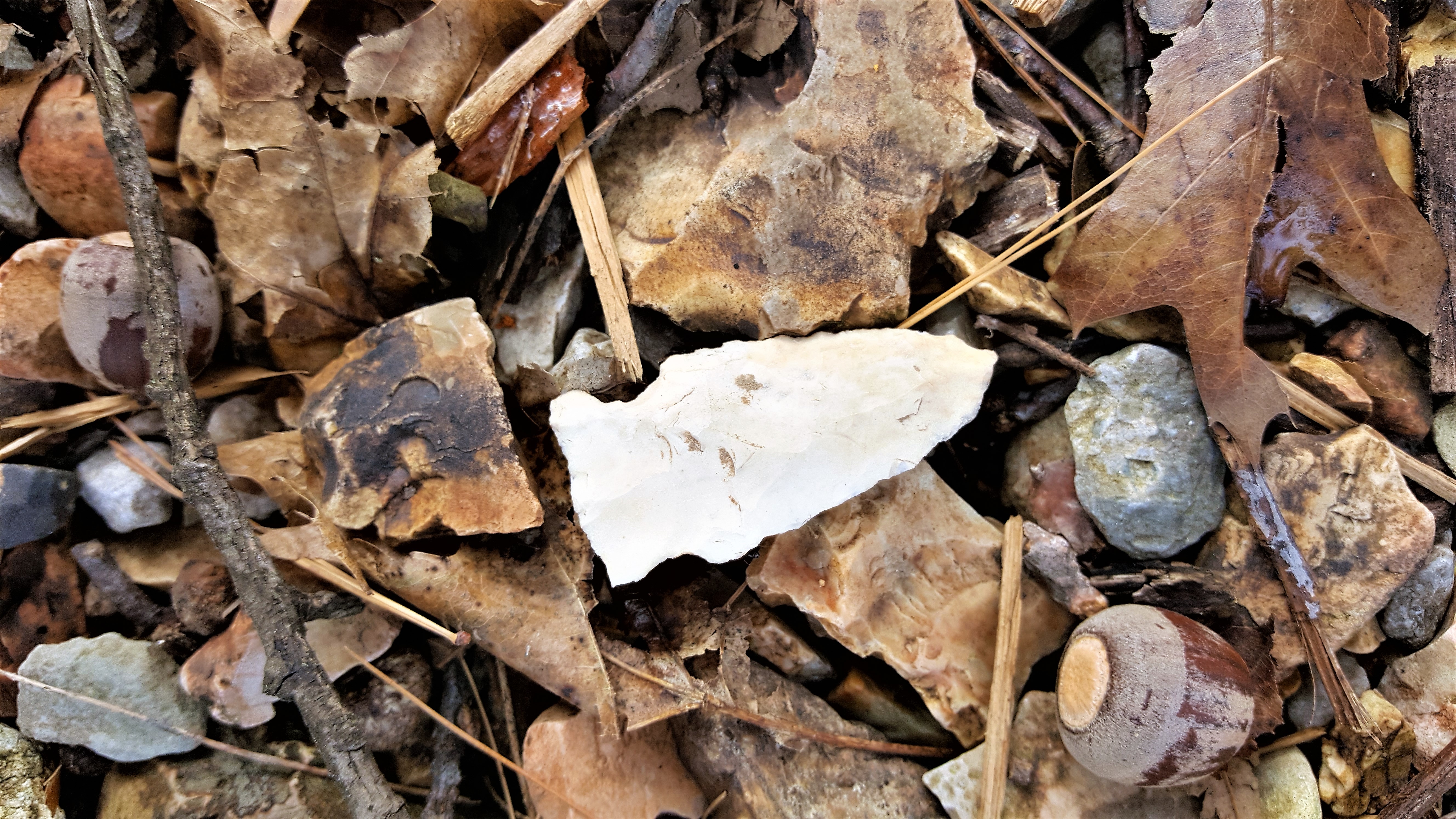


 limestone bluffs, old cemeteries, open fields, and a cabin on the bluff above the creek.


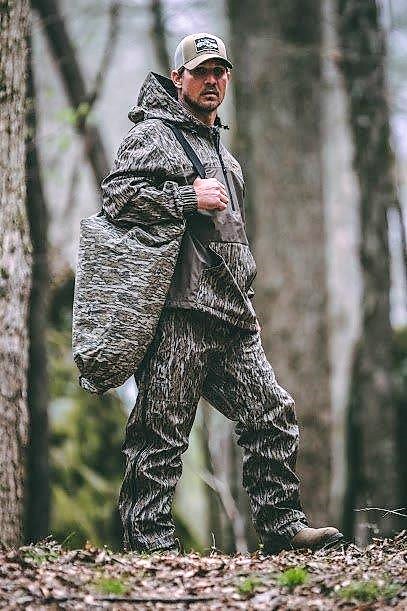


 As I got older, I would head to the woods with my dog Bo and my little single shot .22, bought with money I had earned. I still have that gun and the memories of knowing I only had one shot so I couldn’t miss when that squirrel ran out on a limb. We didn’t have a lot of extra money to be buying more .22 shells and that squirrel was supper.
 Fish and other aquatic species also rely on trees for shade along their watery homes. When they die and fall into the water they provide fish habitat and safety from predators.


