


Like a Peacock and a Goldfish Combined in a Dream, Simply Beautiful!

For the first time in more than two decades, I planned not to attend this year’s annual conference of the Outdoor Writers Association of America. Then fellow member and OWAA Legal Counsel, Bill Powell, asked when I planned to fly to Billings, Montana, for the event. When I told him I wasn’t going because of the expense, he didn’t play fair. He told me that if I skipped the meeting I would also miss a chance to catch California Golden Trout in the Absaroka-Beartooth Wilderness, not far from Yellowstone National Park.
I knew just enough about trout fishing to be aware of this subspecies of rainbow trout, which is native to the South Fork of Kern River in California. I had seen artist Joe Tomelleri’s illustration of a Golden Trout and found it improbable to say the least. His painting looked as if someone had crossed a peacock with a goldfish.
You might wonder, as I did, how the California Golden Trout got to a lake in Montana. The story I heard was that a shipment of Golden Trout was on its way to the East Coast when the train carrying them broke down near Billings. Knowing that the trout would be dead before the train was fixed, some 19th-century angler put a bunch of them into milk cans, strapped them to mules, hauled them 6 miles and up 3,000 feet from the neighborhood of Roscoe, Montana, and dumped them into Sylvan Lake. They have thrived there ever since.
The prospect of seeing these near-mythical fish in person was almost enough to make me raid my retirement account to pay for the trip, almost. But Bill, who has shared many a duck hunt with me and knows my weaknesses, informed me that several writers and photographers whose work I admire and whose company I enjoy already were signed on to make the trip. I registered for the conference immediately and began counting the days until our adventure commenced.
Then reality set in. I had to figure out how I – who live in Missouri, roughly 700 feet above sea level – was going to get from the trailhead at 7,000 feet elevation to the lake at 10,000 feet, carrying a backpack with food, water and camping gear. So, in addition to daydreaming about cool mountain air and ravenous, jewel-like fish, I began hiking 5 miles in hilly terrain with a 35-pound pack twice a week.
The distance and the hills didn’t bother me. At 65 I’m still fairly fit, but I knew that nothing I did around home could prepare me for the thin air I would encounter 9,300 feet farther above sea level. So my excitement was tempered by worry that my lungs wouldn’t be able to supply my legs with enough oxygen to get me up the mountain.

My moment of truth came on July 20, when seven of us set out for Sylvan Lake. Bill, along with Chris Madsen and Jack Ballard, are more or less my age. However, they are accustomed to strenuous hikes at altitude. Hannah Kearse and Birdie Hawkins are in their early 20s. They live at elevations even lower than Missouri, and they too, expressed concern about the hike. Nevertheless, they had 40 years on me. I figured on watching them disappear up the trail ahead of me, not an altogether unpleasant prospect, but not exactly an ego booster either.
The remaining hiker, Tim Mead, of Charlotte, North Carolina, is 78. He was both, my reason for optimism and my worst fear. On one hand, surely I could keep up with a near-octogenarian whose home was at almost exactly the same elevation as mine. On the other hand, what if he left me huffing and puffing in his dust? That would be the end of believing I am in pretty good shape for my age.
I need not have worried. Tim and I made it to the top with enough reserve energy to go straight to the lake after setting up our tents in case the weather turned. We quickly discovered that even Joe Tomelleri’s extravagant rendering of the California Golden Trout could not do justice to the real thing.
Writers are seldom at a loss for words, but when these fish came to hand we were all reduced to the sort of incoherent babbling you expect of an adolescent boy in the presence of Shakira. No superlative can do justice to the visual feast presented by these shimmering amalgams of gold and jewel tones.
Although nothing could match their beauty, the flavor of the 10 Golden Trout we killed that day was a pretty close second. Jack and Chris cooked them in foil with a dab of olive oil to prevent sticking and a pinch of salt for piquancy. Starchy, freeze-dried entrees and brownies with black walnuts, coconut and dried black cherries considerately provided by Bill completed a feast fit for King Midas.

I thought I would be hiked out after Day 1, but Day 2 offered the chance to hike another 2 miles and 1,500 feet each way to Crow Lake, where Brook Trout were on the menu. These fish proved even more willing than their golden cousins to take a fly. Once again we feasted on the fruits of our “labor.”
Birdie, Hannah and I laid a feast of ramen noodles cooked with fresh zucchini, broccoli and carrots, to which we added foil-cooked Brook Trout. The brownies were gone, so we improvised dessert with excess energy bars, dried fruit and other goodies that no one wanted to carry back down to the vehicles the next day.
The hike out on Day 3 was a breeze, thanks to lighter packs, downhill grades and two days’ altitude acclimation. At the end, we were more than ready for tall glasses of locally brewed beer and half-pound burgers with various wonderful toppings at the Grizzly Bar and Grill in Roscoe.
Backpacking to fish for alpine trout isn’t for everyone. I’m not sure how much longer it will be in the cards for me, but if you want to visit Sylvan and Crow Lakes, take a look at Montana Hiking Trails or AllTrails.com.



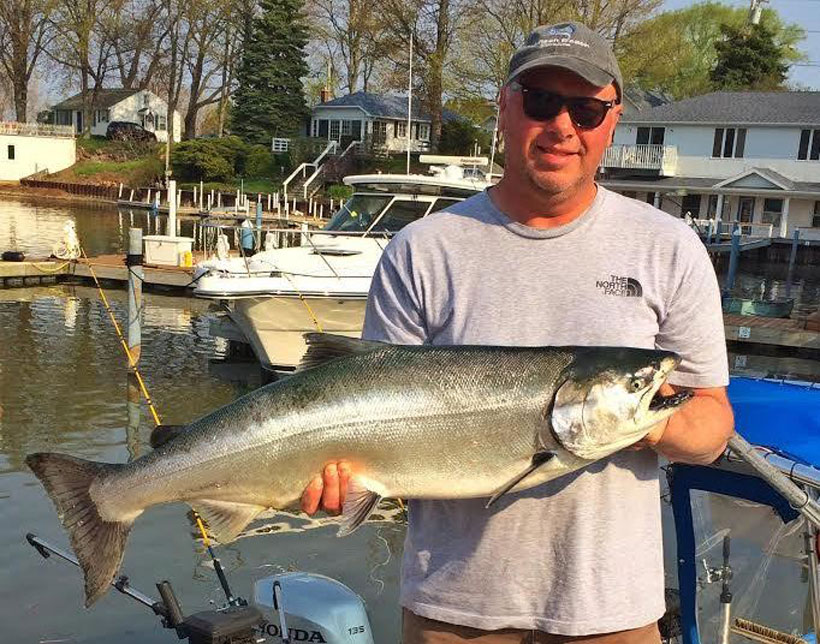
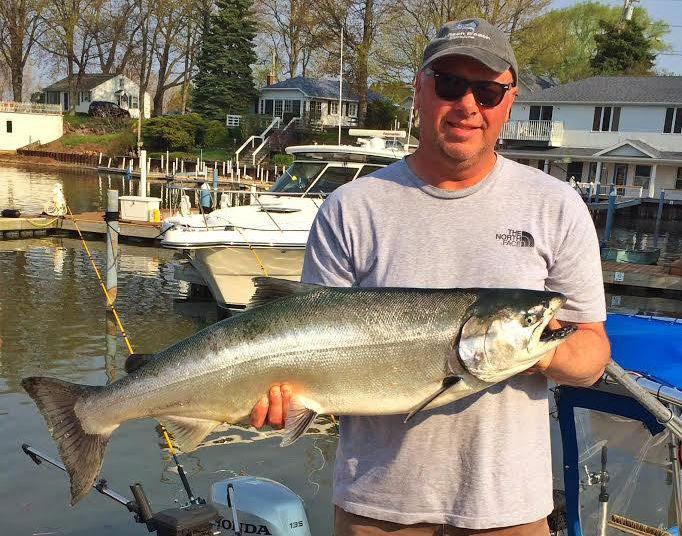




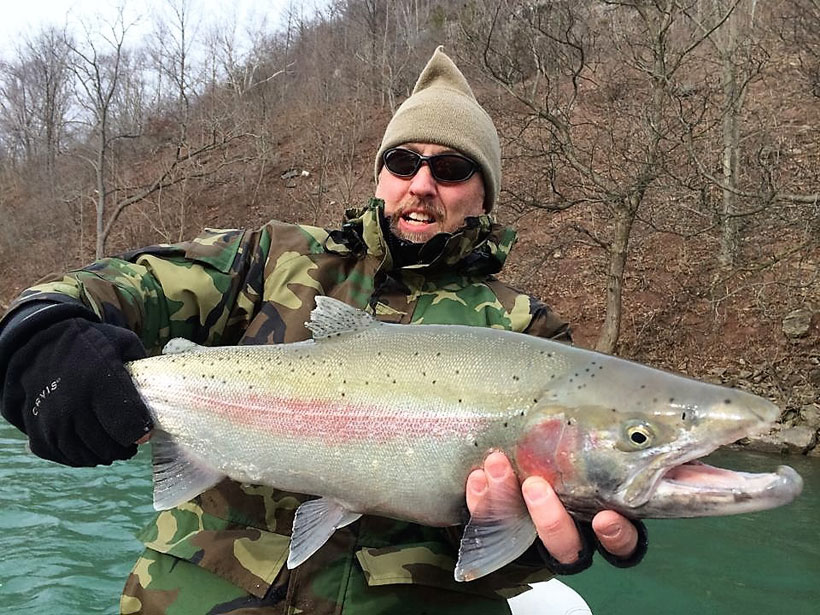
 “We were fishing west of Wilson about two miles during the Wilson Harbor Invitational Tournament,” said Lindsay at the Awards Ceremony. “We were using a Michigan Stinger “42nd Spoon” working a double header at 7 am. Our downrigger was 130 feet down over 180 feet of water. Twenty minutes later we boated the big fish. It helped us to place second in the WHI, too.” He hopes to use some of the winning proceeds for a new deck at home.


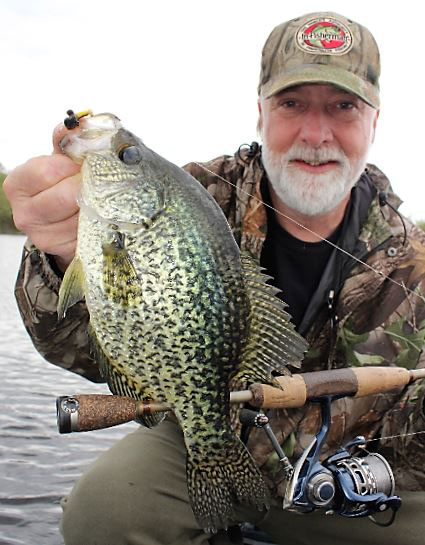 Dogwoods and wild flowers punctuate the forest with color, yet crappies remain in pre-spawn mode. Spring is well underway before crappies begin to crowd ever-closer to spawning habitat. Foraging remains the priority.
 Monofilament line keeps the light jig from falling too fast in spring and as the water warms into the high 70°F range, I switch to 4 or 6-pound Berkley Fireline in order to speed things up.



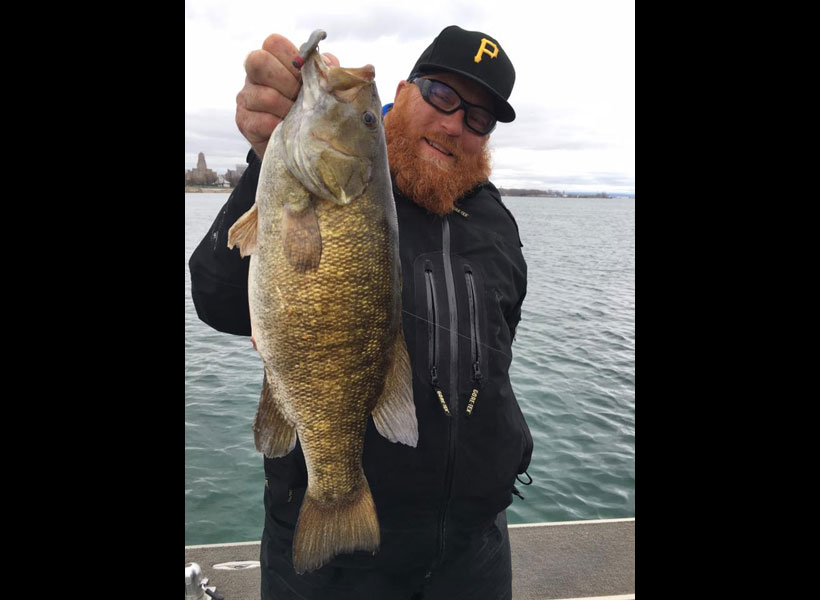


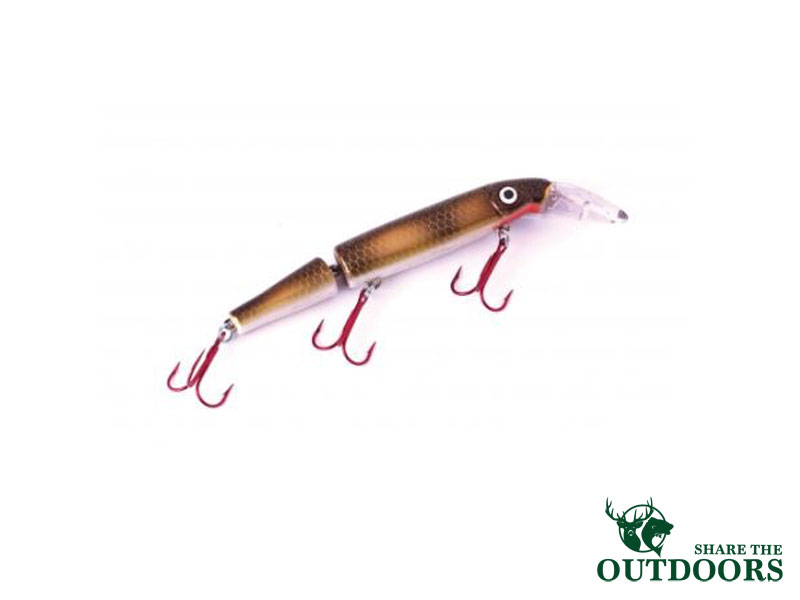








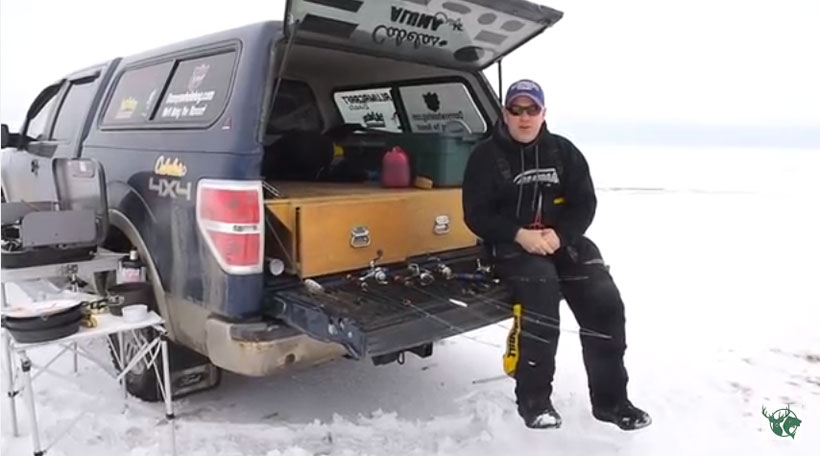


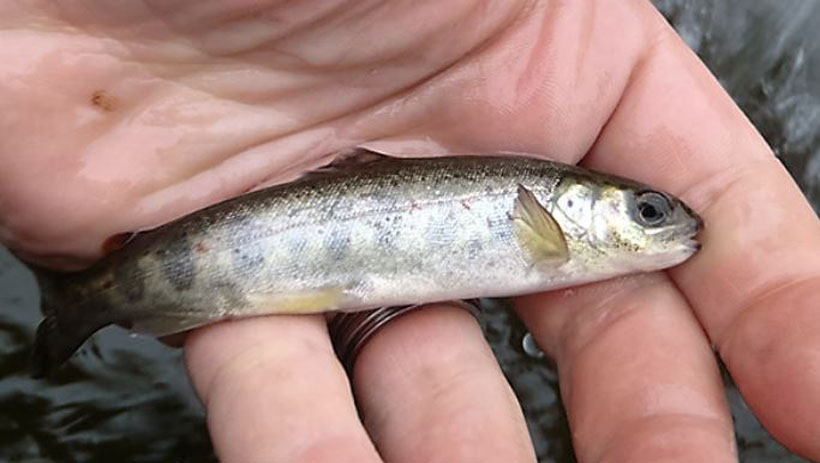


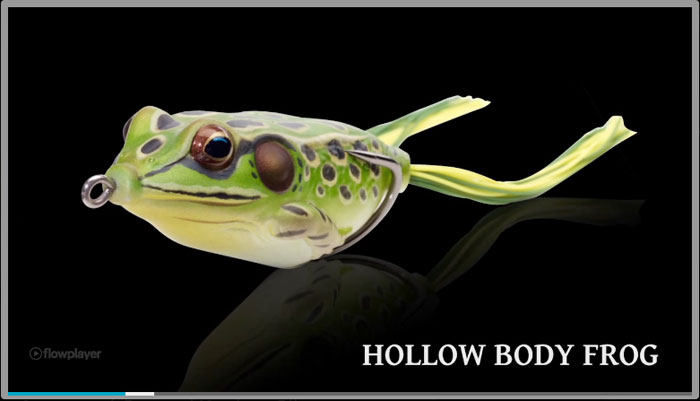







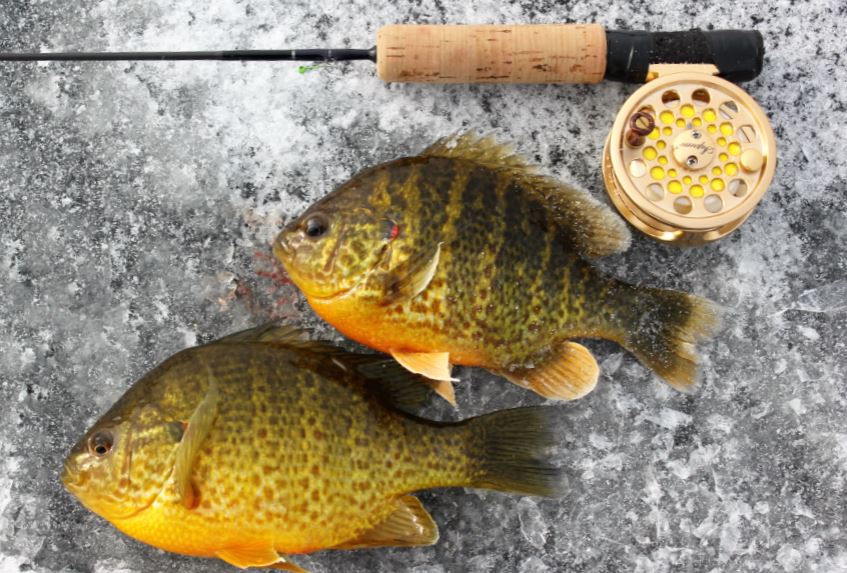
 Getting my camera shutter to stay functional when the air is cold enough to freeze water can cause me to think twice about heading out to ice fish in winter


 As Democrat presidential candidates turn their attention to South Carolina, it is worth considering how a particular federal law that both candidates support wreaks havoc on the state’s boaters. That law is the Renewable Fuel Standard (RFS) and it has led to some significant, albeit unintentional, negative consequences for owners of the roughly half-million boats registered in the Palmetto State (SC).








 “We’re all still using the same worm we started with,” Bill said, smiling. Over the next 4 hours, the three of us caught 26 bass – all of us using the same worm we started with.



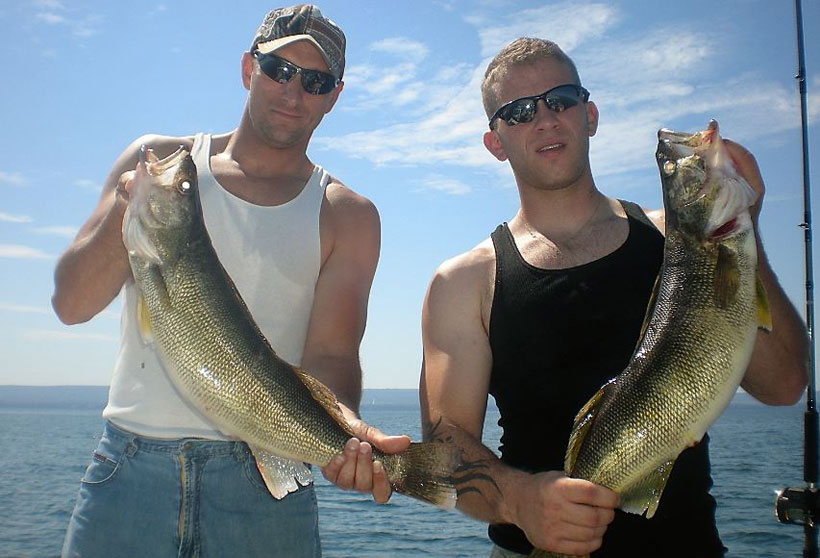
 and worm spinner jigs made it happen. The fish-catching started off with Julie landing the first walleye. We both would catch our limit for the day and release others back to the lake. To this day, in my humble opinion, walleye is one of the best fish to eat and is a welcomed treat in our home.




 Amanda had to drive back and forth a lot so she could be with Kris when he wasn’t guiding, so the two talked it over and decided to take a big step and buy it. To make it all even more special, three days after writing up a contract on the lodge, they found out Amanda was pregnant and they are now the proud parents of a pretty girl named Lilly.


