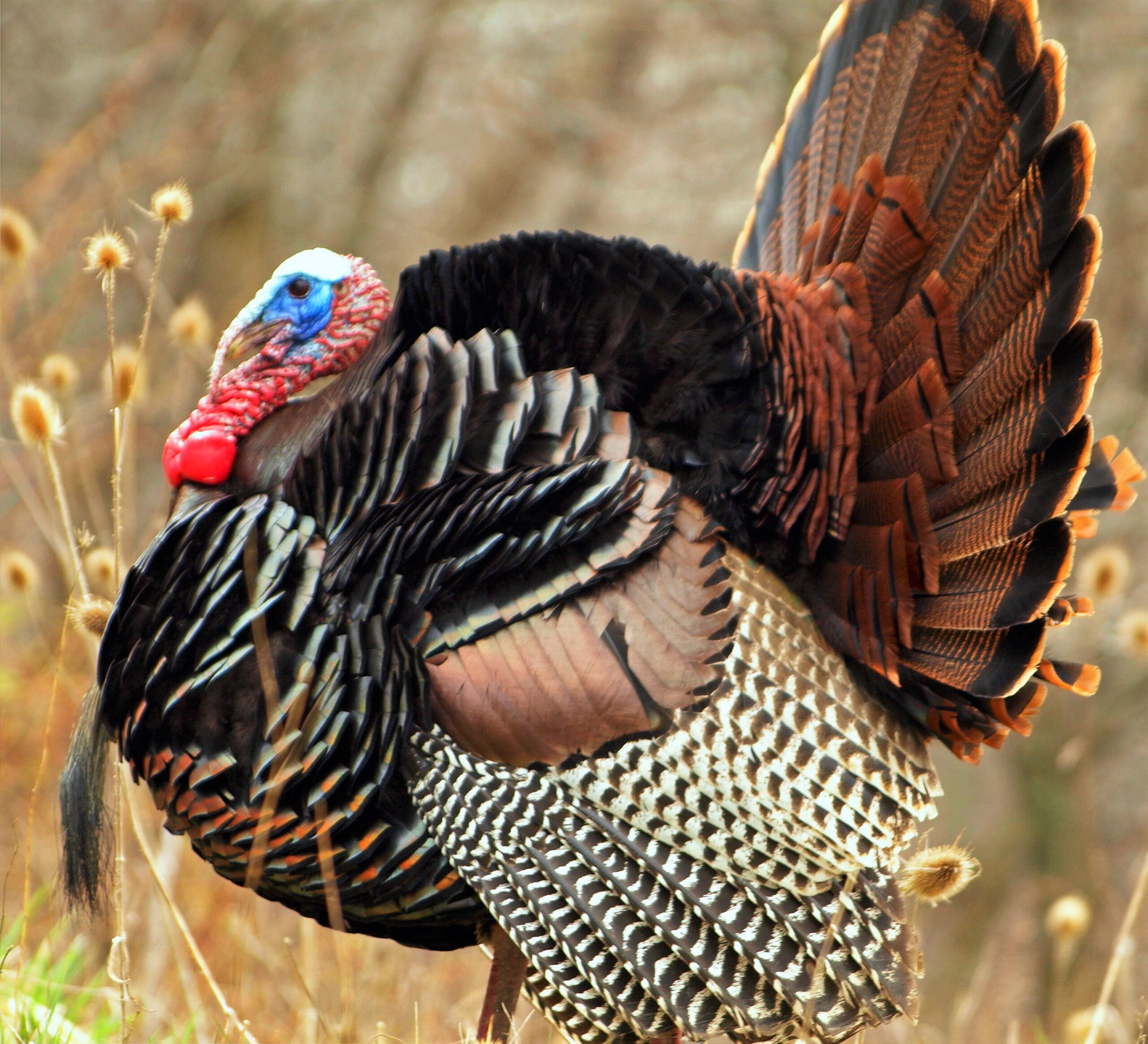
- Part 2 of 2
- Missouri hasn’t given up on this native game bird.
- Grouse need old and young forest to thrive and that means cutting trees.
By Jim Low
Thrup! Thrup-thrup! Thrup-thrup, thrup-thrup-thrupthrupthrupthrupthrup!!!

Goose bumps roughened my arms and a chill crept up my spine. I continued to listen to what could have been someone trying to start a balky pickup truck on a distant hilltop. But it wasn’t a pickup, and it wasn’t in the distance.
A scant 100 yards uphill from where I sat in the growing dawn, a handsome brown and black bird strutted atop a fallen tree trunk. Every couple of minutes, he stopped, threw out his chest and beat his wings to a percussive crescendo, hoping to attract the attention of a mate. It was thrilling evidence that the ruffed grouse was back in the Ozarks.
This was in the 1980s, and although grouse restoration was new to me, it was anything but new to Missouri. The Missouri Department of Conservation (MDC) had been trying to bring back this native game bird since the 1940s, but in the last quarter of the 20th century, MDC made a strong effort to re-establish the species in the Show-Me State, bringing in cocks and hens from the Upper Midwest. They were released in the central Ozarks, north-central and east-central Missouri. By the mid-1990s, more than 4,500 grouse had been released in areas thought to have the combination of old, young and middle-aged forest that grouse need to thrive.
Initial results were encouraging.
The birds seemed to be multiplying. The MDC eventually approved a limited grouse hunting season and expanded it in the late 1980s, but then, what once seemed success gradually turned to failure. In Missouri, as in other states at the southern edge of the species range, grouse numbers declined. Acting on advice from hunters and biologists alike, the Conservation Commission closed Missouri’s grouse season in 2010. Lack of suitable habitat was cited as the cause of the decline.
“Ruffed grouse need a mosaic of old and young forests to prosper,” said MDC Resource Scientist Jason Isabelle. “They need areas where timber harvests or storms have removed or killed all the trees, creating early-successional forest habitat. They just can’t survive without scattered areas of disturbance in a larger forest setting. Over the course of the last several decades, the amount of young forest habitat has declined substantially throughout the southern portion of the ruffed grouse’s range.”
Small remnant pockets of grouse survived in a few of the original restoration areas, including the wooded hills just north of the Missouri River in east-central Missouri.
When the Quail and Upland Wildlife Federation (QUWF) persuaded MDC to revisit the idea of grouse restoration, their attention turned to this area. Working with QUWF and the USDA Forest Service, MDC conducted an analysis of habitat in the river hills region in Callaway, Montgomery and Warren counties.
One of the things the River Hills Conservation Opportunity Area has going for it, in terms of grouse habitat, is several Conservation Areas (CAs) totaling more than 20,000 acres. Using cutting-edge technology, MDC was able to quantify habitat variables on this large acreage at a level of detail that had never been possible before.
Light detection and ranging (LIDAR) was the key. LIDAR uses airborne lasers and global positioning system (GPS) technology to identify vegetation type and height and map its extent. This, along with ground surveys of remnant populations, showed what habitat the birds were using, and enabled MDC to focus on producing more of it. That work will take place on the Grouse Focus Area consisting of Little Lost Creek and Daniel Boone CAs, and on nearby private land included in the larger Grouse Emphasis Area. MDC will provide assistance to landowners who are interested in creating grouse habitat on their property.
Isabelle and other MDC biologists concluded that a renewed reintroduction program in the River Hills area was not likely to succeed with habit that existed there in 2013. However, they believed that grouse restoration could take hold at Little Lost Creek and Daniel Boone CAs if they could increase the amount of high-quality grouse habitat there by 20 to 25 percent. With that goal in mind, MDC set out to create the conditions needed to bring grouse – and eventually grouse hunting – back to Missouri.
MDC has long understood that small, even-age timber harvests create conditions critical to the survival of a wide range of wildlife that depends on “edge” habitat. Species from wild turkeys and songbirds to chipmunks and lizards thrive in the wake of such “even-age” timber harvests, as lush, diverse vegetation springs up. Grouse will use regenerating acreage for as long as 25 years following an even-age harvest. However, usage falls off sharply beyond 15 years.
Some people deplore even-age harvests as “clearcutting.” But decades of experience and a growing body of scientific evidence supports the position that carefully regulated small-scale timber harvests can enhance wildlife diversity without damaging soils or water quality. The eco-friendly, 10- to 50-acre even-age harvests employed by MDC to enhance wildlife habitat today are very different from the rapacious denuding of hundreds of thousands of acres that devastated the Ozarks at the turn of the 20th century.
MDC has been working to create grouse habitat – hardwood forest regeneration sites – on Little Lost Creek and Daniel Boone CAs since 2015. At their meeting last month, the Conservation Commission received a report from Isabelle outlining the next steps on Missouri’s renewed grouse restoration program. By the years 2020 and 2026, Isabelle expects the combined efforts of government agencies and private cooperators to increase the amount of high-quality grouse habitat in the River Hills Focus Area by 23 and 27 percent, respectively.
The plan outlined by Isabelle calls for 120 grouse from donor states in September and October of 2019 and 2020. Twenty grouse will go to each of three sites on Little Lost Creek CA and three on Daniel Boone CA. After that, MDC will track the transplanted birds’ progress with roadside surveys of drumming grouse each spring. If all goes well, these two CAs will become the source for grouse expansion into habitat on surrounding public and private land.
Most Missourians alive today have never heard the thrumming serenade of a ruffed grouse cock. If MDC and its partners succeed, that could change in our lifetime. To learn more about how MDC intends to reach that goal, check out the management plan for Little Lost Creek CA.
-end-


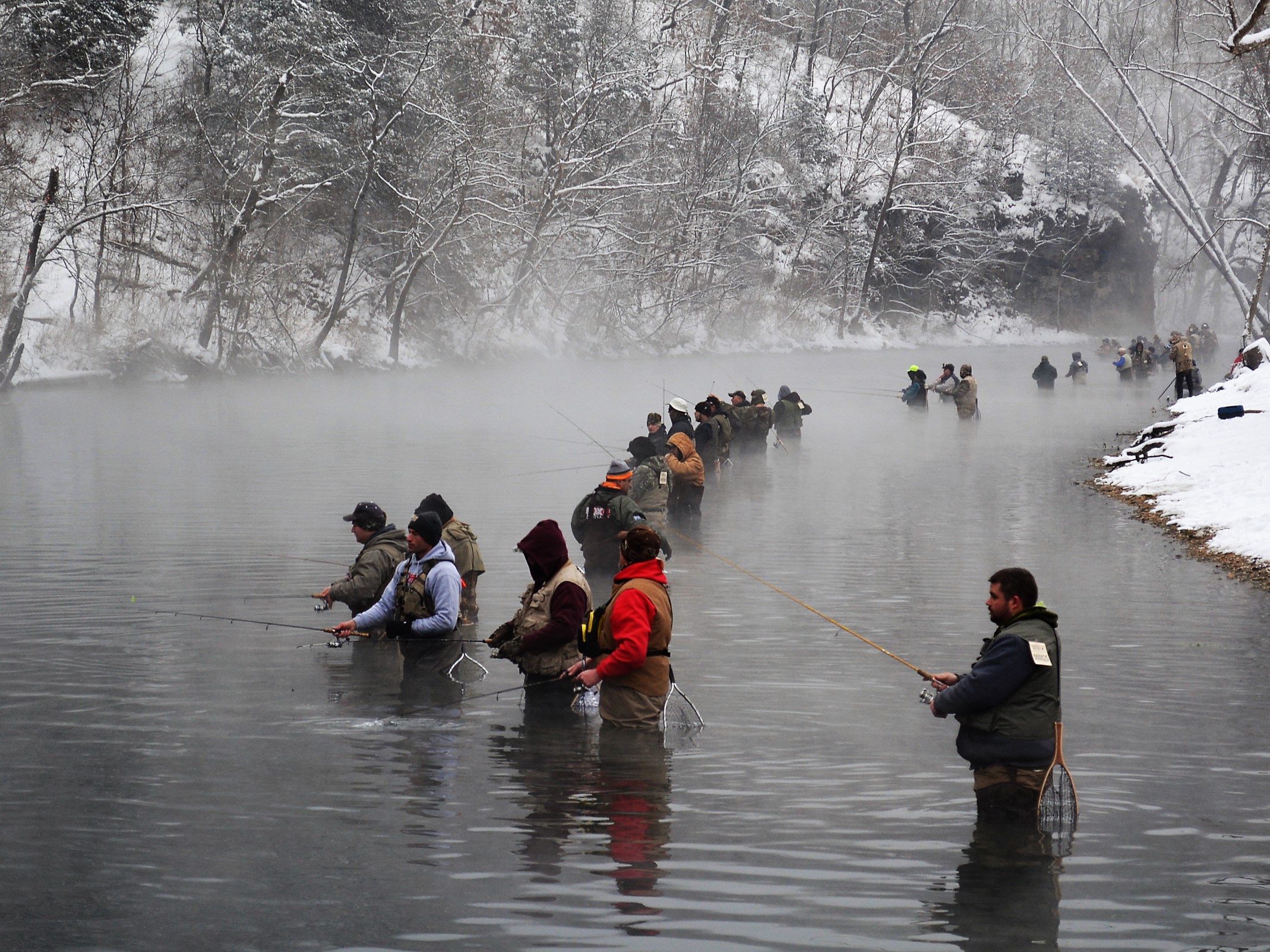
 By Brent Frazee


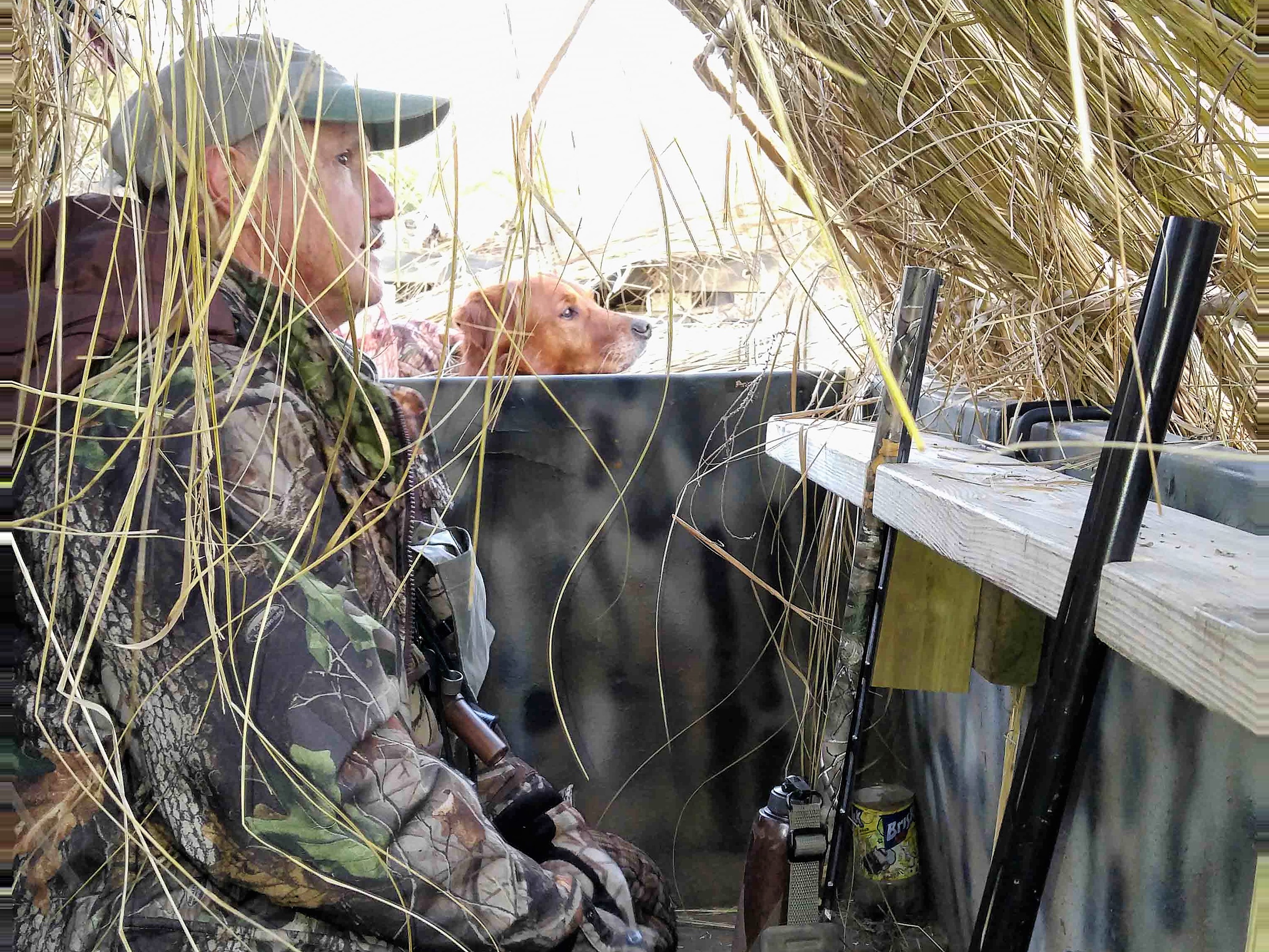
 By Jim Low


 By Jim Low















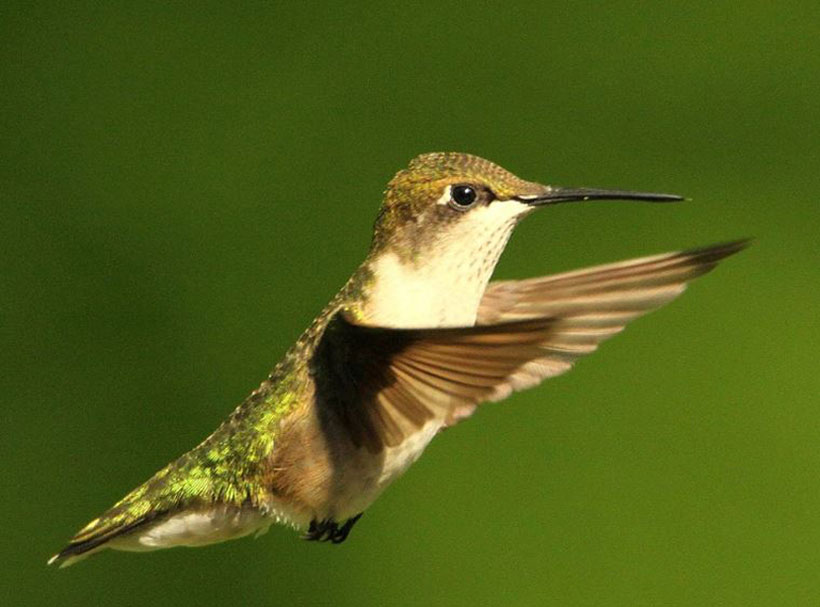

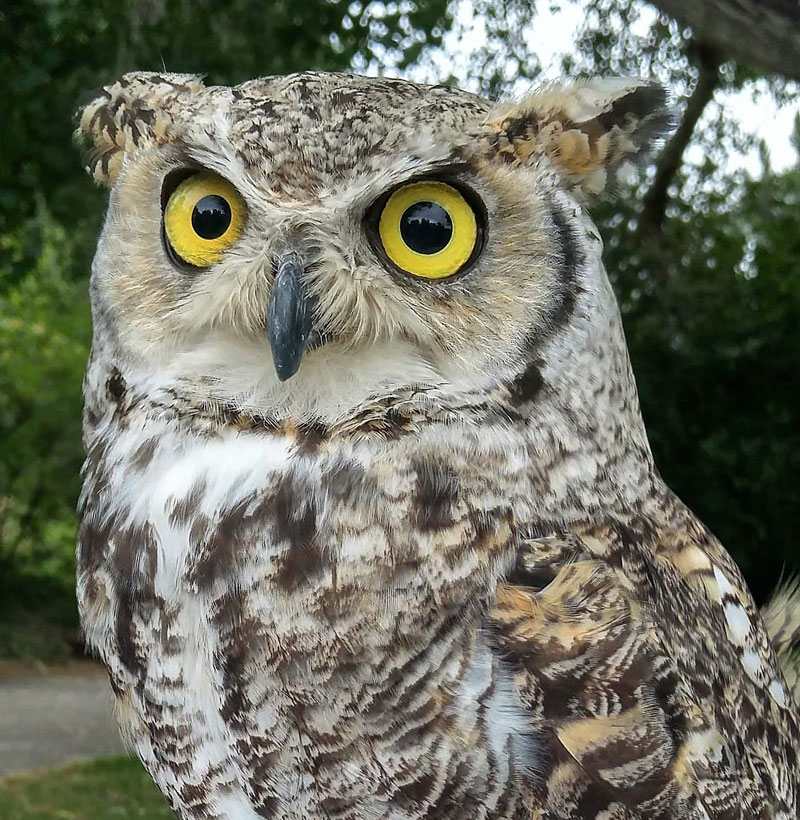















 Our squirrel population is also part of the nature show out our windows. I watch young squirrels play tag and wrestle. I have even seen squirrels do the same thing with rabbits. In the fall, adults gather acorns for the winter and build nests high in the trees. In spring, birds dive-bomb squirrels that get too close to their nest. During summer’s hot days, I watch squirrels spread their bodies and lay flat in the shade. They are trying to cool off and are doing what is called splooting. Squirrel tracks are everywhere in winter snow.
 devices with muted sounds if I stay inside. To enjoy nature shows even better, I open the door and go outside with my binoculars. That way, I can take in all the sights and sounds of the nature shows. I take pictures and record all the sounds with my smartphone. They will bring me many hours of enjoyment later.
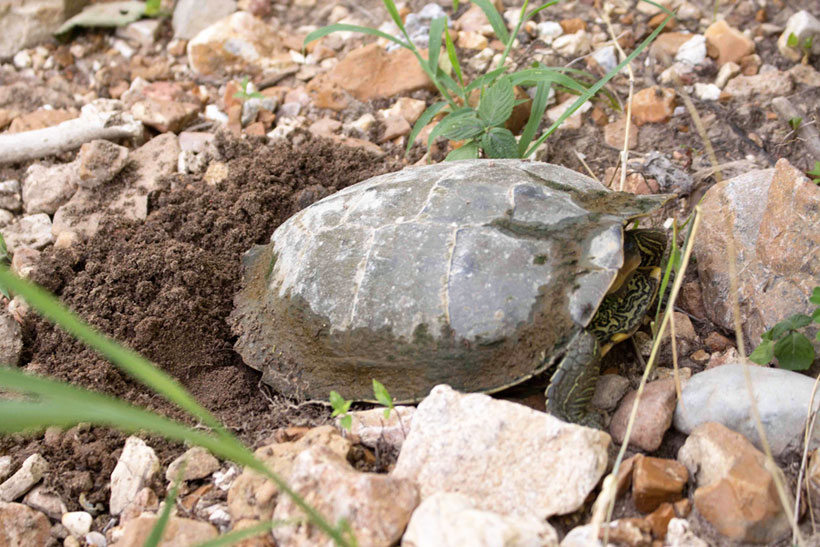
 I go outdoors any time during the day to watch and listen to nature shows. I love to be there as the sun rises, a cup of coffee in hand. The wildlife wake up and start their day. They don’t even know I am there with them as I watch and listen. Bird songs start, turkeys gobble, a breeze blows through the trees, and crows begin talking to each other. I might also see a chipmunk scurrying around or a turtle slowly walking while exploring my yard. A lizard or two is usually somewhere. Movement under a bush is probably a snake looking for his next meal. Sunrises are always beautiful. I can never take enough pictures of them or the rainbows after a rain. It is much better than watching the morning news on TV and getting all depressed before the day even starts.
 Sunsets are also a favorite time for me. They are beautiful. Deer move around looking for a place to bed down for the night. As it gets darker, owls hoot and coyotes howl. Bats begin to dive for bugs. Summer nights also mean a light show performance by thousands of tiny fireflies. I can also record or enjoy the sounds of frogs, crickets, cicadas, and katydids. A little thunder and lightning only add to the night. Pull up a chair and enjoy the show.
 One study showed nature can reduce symptoms of depression. Another study showed that bird-watching around your home can reduce stress and anxiety. Another study found that just listening to the sounds of nature can put us into a more relaxed and comfortable state. Other studies have shown experiencing nature can lower blood pressure, reduce nervous system arousal, enhance immune system function, increase self-esteem, reduce anxiety, and improve our mood. Do you need any other reasons to start getting involved in watching and listening to nature shows out your windows and outdoors?


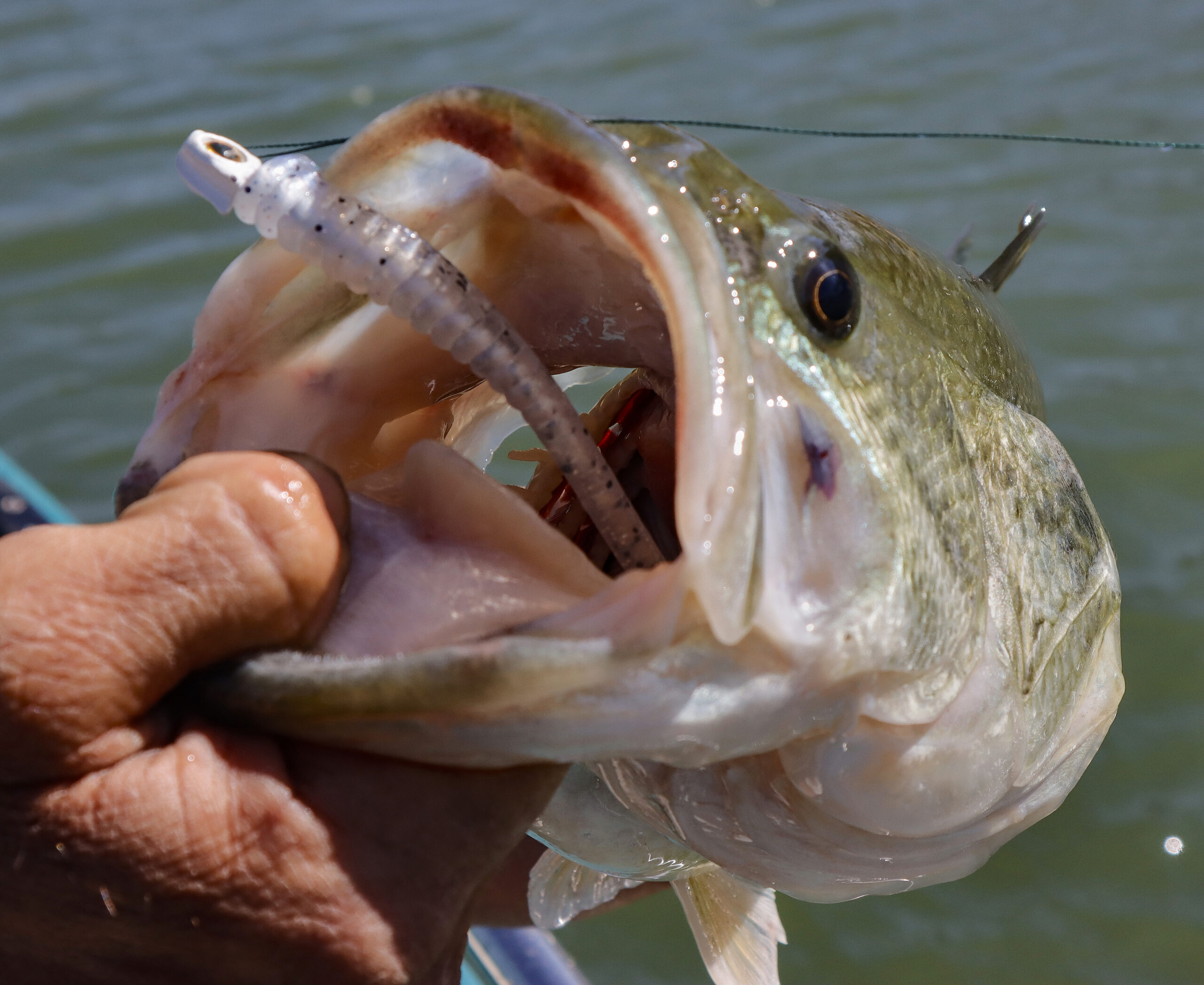


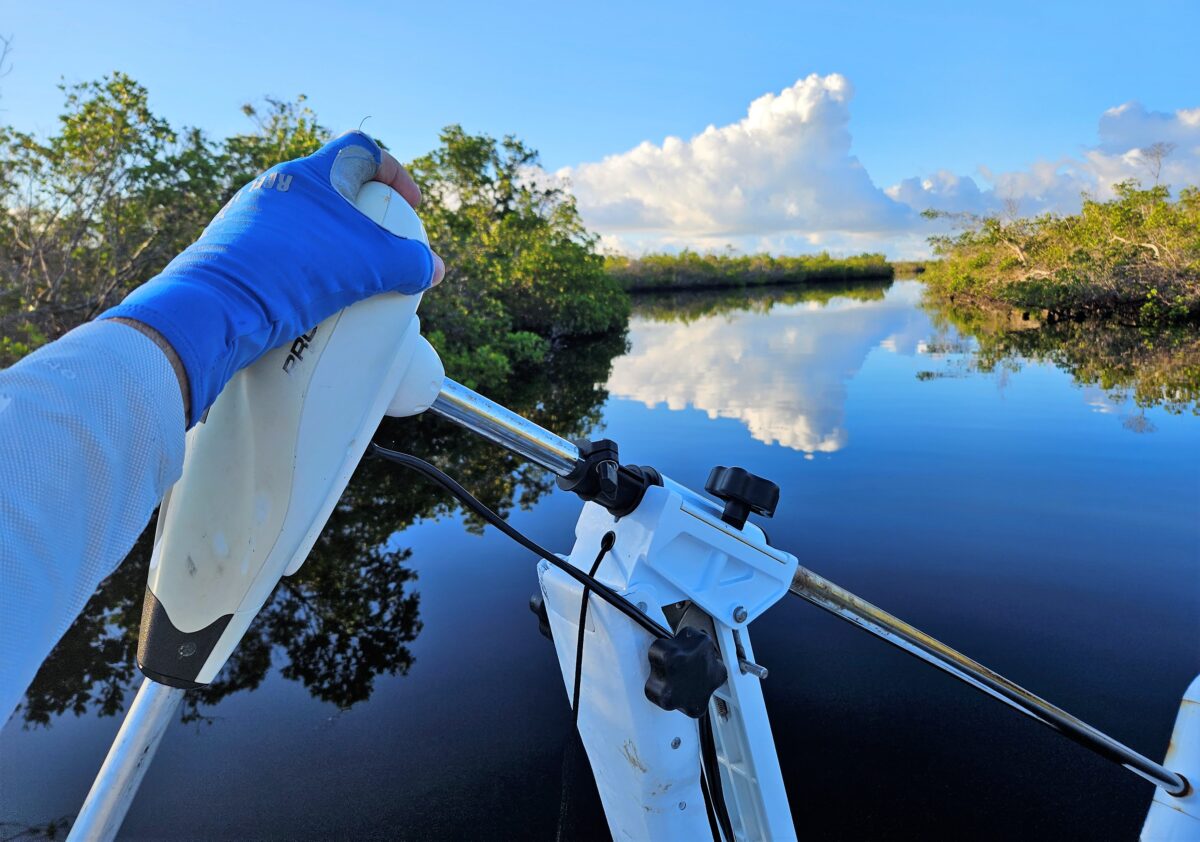
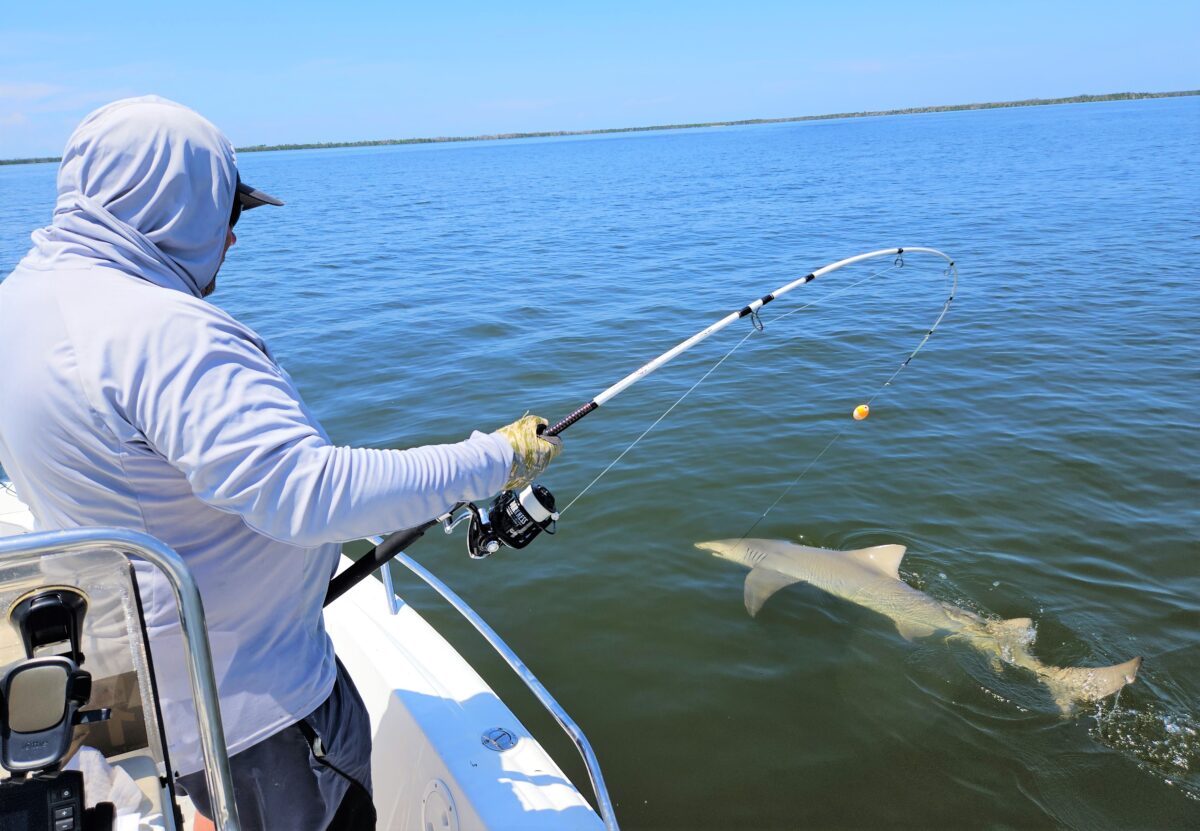
 Simon prefers the back of the boat to the front, so his fishing partner is offered control of the boat, running the bow motor for the day. Simon says in his British accent, “All of my fishing buddies seem to enjoy that part of our 6 to 8-hour fish trips. We each cast lines with plastic-tailed jerk baits on weighted weedless hooks or throw hard baits. Both lure types are designed to mimic the local forage groups. Doing that, I like to trail one or two lines for Shark. I have learned that it is better to trail one line simply. You can get into a real mess with two trailing lines when a handsome Gafftopsail Catfish hits and runs laterally. In the back of the boat, I can still cast out the side of the boat for multiple species, but now I trail just one line with a huge bobber, a wire leader and a huge hook with a half ladyfish or other cut bait. Some days, we catch five sharks and more than 50 other gamefish. It’s exciting! I’ve even caught sharks while casting lures. They can be that aggressive. “





 By Bill Frye, President – Florida Sheriffs Youth Ranches, Inc.
 landscape begins to transition. By the end of the session, it’s like looking down the mountain and seeing the brown winter vegetation becoming lush green vegetation of spring and summer. The child who arrived frightened has blossomed into a happy, smiling camper with new friends and special bonds with their camp counselors and the deputies who spent time with them. As they leave, they carry their own positive memories because of everything they experienced and accomplished.
 support staff – kids can become free of their past baggage and discover new life. All with the help of those who are committed to their care and well-being. Then, as they grow up and build lives of their own, they too will be better prepared to face the future not with anticipation and fear, but with resolve and determination.



 The Keynote Speaker this year is





 His daughter Cora told me she flew with her Dad on one of the first Honor Flights for veterans. Honor Flights are all-expenses-paid trips to the war memorials in Washington, D.C. These flights allow veterans to share this momentous trip with other veterans, remember friends and comrades lost, and share their stories and experiences.
 Pete is tough. He is fighting this battle too. He knows where he is going when his time comes. I am sure there will be a lot of family and military buddies that will be glad to see him again. I bet they will get to hear Pete’s fish stories too.


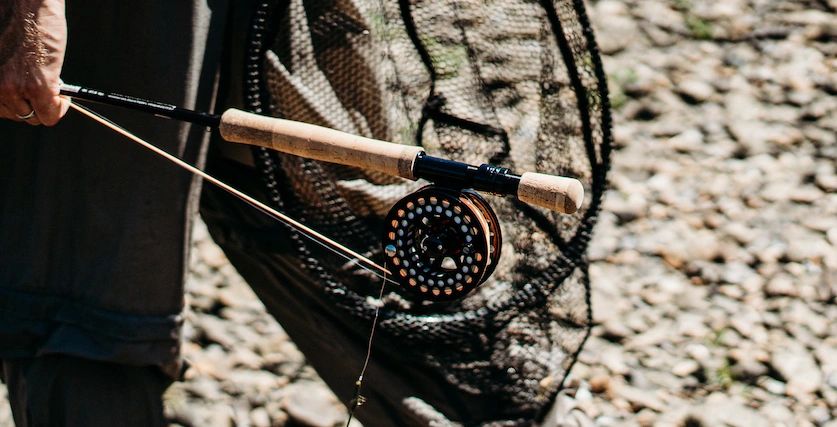











 and worm spinner jigs made it happen. The fish-catching started off with Julie landing the first walleye. We both would catch our limit for the day and release others back to the lake. To this day, in my humble opinion, walleye is one of the best fish to eat and is a welcomed treat in our home.






 The second group of 7 used a blended spice mix quite different from the first group:





 This soft-sided product is 32 liters big in volume and is very light when empty: 1 pound-14 ounces! Some of our other hard-sided coolers in that size weigh as much as 20 pounds when empty. They work well, but they weigh so much when adding ice and beverages, even with wheels that do not work well on sand. We loaded up the Grizzly Carryall with 8 cans of pre-chilled 12-ounce Coca-Cola’s, 6 pre-chilled 16-ounce plastic bottles of water, 4 pre-chilled 12-ounce bottles of V8 vegetable juice, and one 24-ounce jar of Margarita’s. We also tossed in two 6” x 6” x 2” frozen blue ice packs and a 4-pack of unbreakable cups. The Carryall has side pockets for phones, wallets, and car keys, and a spare inside pocket for an extra set of socks, sunscreen, sunglasses, underwear – or whatever. All the compartments are sealable with durable zippers to open/close.
 The Grizzly Carryall is leakproof, insulated, water-resistant, and handsome. The reflective, attractive, glacier blue outer cover helps maintain the chill inside, and the Carryall is guaranteed for life. Imagine that. It has a small retail price tag of $125 (we found it for $100) and a significant 32-liter volume with 4 YKK zipper pockets. One more time, it all weighs in at only 1 lb. – 14 oz. UNREAL. For physical size, it measures 14H x 18L x 8W in inches.
 By Larry Whiteley
 They all stopped fishing to watch two eagles sitting in a nest at the top of a tree. Seeing this iconic symbol of America meant as much to them as the flag waving on the front of the boat. One of the eagles flew from the nest and started circling over the water. It was out fishing too. As it circled in the bright blue sky, it made the distinctive eagle sound which is said to be unlike any other sound in nature. They all knew that an eagle call represents a call to action. Native Americans believe the sound of an eagle gives you courage and life force to overcome your obstacles and fight against your challenge. They had all done that.
 They loaded up food and family and went back out on the water. The flag still waved on the front of the boat. As they motored across the lake, boats pulling water skiers and kids on tubes were everywhere. So were the jet skis. Other families were out having fun on this Independence Day. Most had no idea why we as Americans celebrate this day. No one realized that three generations of soldiers had just passed them on the water. Men like them fought to protect our country’s independence. Men and women like them continue to serve and fight for our country and the freedom of other countries worldwide.

 Though true heroes were pointed out to us so we would see them.
 I learned that heroes are people who give of themselves when required.
 We have heroes today, but it seems we do not thank our heroes as much as we once did.


 Three on one leg and two and a nub on the other leg.