Jan Hrdicka of Germany with a Devil's Hole King Salmon caught while fishing over the weekend.
Lake Ontario, Niagara River
Jan Hrdicka of Germany with a Devil’s Hole King Salmon caught while fishing over the weekend.
Lake Ontario and Trib’s
The big news locally was the announcement yesterday that three poachers – we can’t call them fishermen – took two enforcement agencies on a wild fish chase around the Burt Dam area of 18 Mile Creek. They were finally caught and brought to justice. In their possession were 69 salmon ranging from 5 to 35 pounds, using weighted treble hooks at night to illegally take the fish. They were charged with 32 violations. Yes, 69 fish in one night. If you were wondering why the salmon run has been down a bit when you arrive in the morning, this could very well be one of the reasons. It’s highly unlikely that this is the first time that this has ever happened. It’s important to police our own ranks. There are nearly 70 fish that law-abiding citizens CAN’T catch. Call 844-DEC ECOs for any fish and game law infraction. You can remain anonymous. In the meantime, despite the illegal activity, there has still been some decent numbers of fish around at Burt Dam and in 18 Mile Creek. At the dam, eggs or egg imitations top the list of best baits to use for salmon. Brown trout like small flies, egg sacs and live bait like worms. Down the creek further, some salmon are still being caught in some of the deeper holes from boat by using treated egg skein under a float. Casters off the piers – at least when you can get out there – are doing pretty well on brown trout right now. Cast spoons or spinners. Both harbors – Wilson and Olcott – are good spots for pike and perch. If you want to target bass, both largemouth and smallmouth can be caught. The Wilson pier is a good spot for browns, too.
Lower Niagara River
The salmon run is slowly being replaced by the trout run – steelhead, lake trout and even an occasional brown. In fact, a stocking of brown trout is going to take place next week along with a Coho stocking. In the meantime, one of the best drifts on the river has been along Artpark with Kwikfish lures from boat. Shoreline casters are tossing eggs or egg imitations and fishing under a float to take trout. Spoons and spinners will also work for you. Part of the gorge trail under the Whirlpool Bridge is closed down for some repairs right now. Devil’s Hole is still producing a few salmon and some trout are moving in. Bass and walleye can also be caught on occasion. Remember that lake trout season is closed through Dec. 31. If you catch one, please release it as soon as possible.
Upper Niagara River
With water temperatures in the lower 50’s now, the muskellunge are responding nicely. A nice musky was caught at the foot of Ferry Street earlier in the week while he was casting for bass and walleye. Walleye have also hitting off the wall at Broderick Park. Bass and walleye are on their fall feed right now. Our biggest recommendation we can give you is to know exactly where you are in the river and make sure you stay in New York waters if you don’t have a Canadian fishing license or failed to call into the Canada Border Services Agency. They are really starting to play hardball over there, enforcing laws on the books for bait, working papers (if you are a charter captain), licenses and customs issues.
Chris Kempf landed this 46.25” musky while trolling Lake Erie aboard Mostly Musky Charters with Captain Larry Jones of Buffalo, New York.
-Niagara Musky Association – Catch & Release
-Musky Lures, Secret Musky Logic
-One Musky Champion: Captain Larry Jones
By Forrest Fisher
Chris Kempf landed this 46.25” musky while trolling Lake Erie aboard Mostly Musky Charters with Captain Larry Jones of Buffalo, New York.
When I was just a little boy in the 1950’s, I would read the Breem’s Forrest outdoor column in the Buffalo Courier Express (New York), noting that “musky fishermen from Chet Bowman’s livery at the foot of Sheridan Drive would score on big muskies off Strawberry Island.” I was always fascinated by the size of the fish shown in the newspaper pictures – some 50 pounders, so these big fish have always had my personal attention (and fear).
In those days, anglers would brag about the great taste of musky – which was really not all that good, but they were actually bragging more about their big fish catch. It’s a guy thing, especially post-era WWII, success was hard to find at times.
Anglers did eat many of the musky’s caught back then, many of those anglers were elderly post-depression era fisherman and they knew what it meant to have zero food. They would not waste anything, especially a big fish that might provide many meals. It was a different time.
Today, modern-era anglers are educated and know much more about conservation, they understand the fishery for giant fish is limited to preserving and maintaining the smaller fish. One organization, the Niagara Musky Association (NMA), has many dedicated members and is passing on the master plan of catch and release to everyone when it comes to musky.
As a result, members of this fishing and conservation organization have proven with catch data and record keeping that their view of catch and release is working. They catch a musky monster, handle it carefully, take a photo if possible and release the fish back to nature. Wall mounts today only need a length, birth and picture to recreate your catch and allow life in the musky world to flourish.
With this program in effect for many years now, decades, big musky are caught all year long, but musky are especially on the mega-feed as we enter November. Upper Niagara River and Buffalo Harbor currents attract baitfish in large schools as fall weather turns toward winter months and the muskies know it. The savvy anglers know it too, anglers like Captain Larry Jones, who is literally booked for every day from October through the end of November. Why? Because Jones catches fish and he catches them all the time. He knows the strategy of baitfish location change and that means big fish for his clients.
Just yesterday, Captain Larry Jones was fishing some of his secret water trolling areas with a client, Chris Kempf from Cheektowaga, New York, and the musky were cooperating despite the 34 degree air temperature. Kempf reeled in two musky over the few hours of night preceding sunrise, one of them measuring nearly 47 inches.
Jones set up his client trolling a Legend Plow crankbait, a modified $100 lure, with the lure running feet down over 41 feet of water out in lower Lake Erie in front of Buffalo. Jones says, “We were marking schools of emerald shiners 25 feet down, lots of walleye hooks and a couple bigger muskie hooks. Using lead core line to acquire extra depth, we set our crankbaits at 25 feet and trolled through the baitfish from different directions of approach. On the 4th pass at 5:30 am we got a hook up and after a short fight into the net went an extra fat 46.25” muskie. We managed to catch a 2nd fish too, a 38″ muskie closer to the Buffalo Harbor South Gap in 34 feet of water.”
Catching two fish normally defined by anglers as “the fish of a thousand casts” in less than two hours is an incredible feat in itself, but Captain Jones does this all the time largely because he understands the fishery.
Jones adds, “Yes, a lot of the conditions that allow you to catch big muskies before the water temperature drops cool enough to bring in bait fish from deeper waters of Lake Erie are short lived. The wind-induced water temperature changes with wind direction change and everything is either there or gone just like that.”
While late fall is the best time to hook a real giant, Jones says, “The only other chance you have before the water temp in Buffalo Harbor gets warmer then the deep waters of Lake Erie is strong winds with big waves turning Lake Erie silty grey and water behind the walls is green tint, everything moves to cleaner water, baitfish and predators. Get a North or NW winds and it blows up the Harbor behind the walls replacing warm water with equal lake temperature water and everything disappears again. So timing to conditions is everything.” Jones is sharing his secret tactics with words from the wisdom of experience.
I will personally admit to the joy and surprise of landing 12 or 13 of these monsters while fishing for walleye and bass over the years. Each time I have noticed the eyes of the hooked musky are actually focused and turning to observe the angler with the rod or the net in the boat. As the fish moves around the boat during the landing process, the eyeballs and pupils of the fish turn with every fish change of movement.
Yes, it is fascinating, but a bit spooky too, especially on Halloween night! Exciting to be sure! We have always carefully released them because we value our fingers and because they are such a magnificent, handsome, fish! They are freshwater sharks, lots of teeth!
Captain Larry Jones has been trophy musky hunting the Niagara River and Lake Erie for nearly three decades and catches many fish near the 50 pound mark on frequent occasions. He also fished the Upper Niagara River and Chautauqua Lake. In 1996, Jones caught and released 112 muskies of his own to win the Muskies Inc. – Masters Division Championship. Add that his clients that year caught another 79 muskies from his boat. Wow, this guy is spooky good at musky fishing!
Captain Larry holds a U.S. Coast Guard Masters License and his boat rig is U.S. Coast Guard inspected each year, he is fully insured and well equipped. His contact info is (716) 833-6739, or on the web, visit: http://www.visitbuffaloniagara.com/businesses/mostly-muskies-charters/.
Respect these magnificent fish if you hook one, release them quickly, and be careful not to damage their gills or fins.
Share life with others, make new friends in the outdoors, lead by example.
Double guns with twin triggers are the author’s favorites for woodcock. Jim Low Photo
-Woodcock Hunting is a Challenge
-Flushes, Shots, Missouri Fun
Double guns with twin triggers are the author’s favorites for woodcock. Jim Low Photo
By Jim Low
It isn’t my favorite game bird – that would be the wild turkey. Nor is it the most delicious I’ve ever eaten – that would the rock ptarmigan. But for a wingshooting challenge, my hands-down favorite is the American woodcock. If that weren’t enough, the sporty little “timberdoodle” plugs the gaping hole between dove and quail seasons in Missouri’s upland bird hunting calendar. Though you seldom find them here before Nov. 1, woodcock season opens Oct. 15 and provides a plausible excuse for field boots, shooting vest and elegant double guns that seem to rise to the shoulder of their own volition.
The author and his golden retriever with their first woodcock of 2016. Jim Low Photo
My golden retriever and I went hunting three times this fall before finally seeing our first woodcock. A load of No. 9s from my favorite woodcock gun – a plain-Jane Merkel that retains perhaps 5 percent of its original finish – sent dozens of cottonwood leaves tumbling to the ground. The bird continued on its way, never to be seen again. It was the only bird we saw that day.
Halloween was different. I had just enough time to hunt a postage-stamp covert within two miles of the house, but the weather felt right, with a stronger-than-predicted cool front having pushed through the night before. Fifty yards from the truck, a big adult woodcock flushed from the edge of a cedar thicket, and after spiraling up 15 feet it pitched into a tangled confusion of limbs and needles. Shooting would have been pointless, even if I had been quick enough to snap off a shot, which I wasn’t. So we pinned our hopes on a second flush. But before we could pursue the departed bird, another sputtered out of the same spot amid the welter of cottonwood saplings.
A young bird, still unschooled in evading hunters, went up and then swerved straight left on as predicable an arc as any woodcock ever does. The bird crumpled at my shot, and we both watched it fall. Willa was on it in seconds. After delivering the first woodcock of the year to hand, she was eager to find another, but I calmed her down long enough for a selfie.
While tens or perhaps hundreds of thousands of Missourians hunt doves each year, woodcock hunters number only a few hundred. I suspect we all are Cubs fans. If we had a patron saint, it would be Don Quixote. If you think quail hunters are die-hards, you never met a timberdoodle addict.
Clear cuts and abandoned fields develop into first-rate woodcock habitat at around 10 years and remain so for 10 to 15 years afterwards. Woodcock usage declines slowly as mature forest develops. Jim Low Photo
Part of the charm of hunting woodcock is the birds’ surpassing peculiarity. Although technically they are shorebirds, you won’t find them in marshes. Instead, they haunt wooded stream borders and adjacent uplands. There, they probe sandy soil for earthworms, which comprise 70 percent of their diet. Because they spend so much of their time nostril-deep in the ground, their eyes and ears have migrated to the top of their heads. Their 3-inch beaks are prehensile, and are controlled by a Rube Goldberg arrangement of tendons that encircle their bony eye sockets before attaching to muscles beneath their skulls. Their feet are set far back on their bodies, giving them an adorable, waddling gait.
At least so I’m told. I’ve never actually seen one walk. They tend to hold so tight, you practically have to launch them into the air with the toe of your boot. And because their plumage is a perfect match for a leaf-littered forest floor, finding them – before flushing or after shooting – is next to impossible with unaided human senses. That’s why virtually all woodcock hunting is done with dogs. Timberdoodles’ tight-sitting tendency makes them the perfect game for training young pointing dogs. It’s also just right for flushing dogs. Spaniels tend to hunt methodically and close to their handlers, and retrievers can easily be taught to stay within woodcock shooting distance.
Speaking of shooting distance, it’s close. Often very close. My golden retriever flushes most birds within 20 yards of me, often it’s closer to 10. This is good, because woodcock like cover so thick that you rarely get a clear shot beyond 30 yards. Naturally, this affects gun and ammunition selection. A light, fast-handling double gun gives you the best chance of getting off a shot with an appropriate choke. I recently bought a Weatherby Orion with 26-inch barrels and a single-selective trigger. I couldn’t wait to hunt woodcock with it. But after two hunts, I have given up on it as a woodcock gun until I grow more accustomed to shifting the barrel selector in the excitement of a flush. Instead, I’m sticking to guns with double triggers.
Fresh whitewash droppings are a sure sign that timberdoodles are present. Jim Low Photo
Fortunately, I own two guns that fit this description: the aforementioned Merkel side-by-side and a 1970s-vintage Zoli over-and-under. Not so fortunately, the Merkel is choked full and extra-full. The Zoli is choked full and modified. The Merkel clearly was intended for pass-shooting driven birds, and the Zoli’s chokes are perfect for doves or pheasants. Both are completely wrong for woodcock.
I solve this problem with spreader loads. These shells include a cardboard baffle separating the shot column into four compartments inside the shot shell. Once the shot leaves the barrel, the cardboard catches air and scatters the pellets, giving you a great killing pattern at about 15 yards, regardless of choke. I load the tightest-choked barrel with a spreader shell and the other with a light load of No. 8 or 9 shot. I learned long ago to reach for the
A woodcock’s skull and beak are a Rube Goldberg feat of engineering. Jim Low Photo
appropriate trigger for the target’s distance. I hope one day to develop the same reflex for the Orion’s trigger selector.
Willa and I went out again today, Nov. 1. We had four flushes. I fired five shots. We killed zero birds. It was a wonderful hunt.
The eyes of every good hunter are optimistic with a conscious perception of nature and an uncanny calmness that can understand the daily dialogue of the woods and whitetail deer. Photo by Bella Gulino
-Early Season Deer Hunting
-Scent and Scrape Control
-Understanding Moon Phase
The eyes of every good hunter are optimistic with a conscious perception of nature and an uncanny calmness that can understand the daily dialogue of the woods and whitetail deer. Photo by Bella Gulino
By Forrest Fisher
At this time of year, sportsmen that live to hunt deer with a bow crave the sweet dreams of active outdoor weekends. For archery hunters, every weekend is a hopeful time for finding the deer in their reproductive rut and in full disregard for hunters and hunter mistakes. If only it could be!
In the archery woods, the deer-watching action is at full throttle way ahead of the season or the rut. In New York, the early archery season opens for six weeks starting October 1st, this year that’s 6-7 weeks ahead of the predicted fall rut cycle.
While the bucks always seem ready to mate, experts teach us that the doe’s need the recipe of shorter daylight hours, the changing low angle of the sun and the full moon plus seven to 10 days (after), to allow their hormone system to reach fertile. After that, they become more commonly know as “hot doe’s” or the deer that bucks are looking for.
From opening day until about one week after the full rutting moon, the deer often appear unaware that their survival-oriented mating season is coming up.
The deer meet in local open field food plots, oak tree groves and apple orchards each afternoon just before sunset and seem to have a sacred conversation of sorts. It is their habitual social ritual and they are perhaps discussing the sweet delight of sugary apples. It’s fun to watch them, it’s a time that hunters often learn quickly that too much calling will usually cause the deer to flee. The deer gather like that in groups until they break up just before the full rut.
“The Grim Reaper broadheads did the job for me this year,” says Alessio Gulino of Clarence, New York, who downed this heavy mature buck with a perfect 30 yard arrow shot.
The formula for when the full rut should happen is complicated, but most folks that hunt with arrows believe in the Alsheimer theory and this year, that means the rut will peak after the full moon in November, so the full rut will occur in the middle of November. False rut occurs in the moon prior to the rutting moon when bucks think they should be mating, but the doe’s are not ready. Scrapes, rubs, lots of deer action can occur in the woods and it’s a good time to get out there if you can.
Peak rut is the time when rutting bucks chase doe’s that are actually ready to mate, with some doe’s literally screaming for their buck to find them using their high-pitched bleat call. Indeed, their gesture to signify immediate need to mate.
During this October, a month before peak rut this year, the bucks can become frustrated, providing vulnerability for the deer and adding to hunter advantage with the proper use of downwind location and use of scent attractants. It’s a hot time to be in the hunting woods if you can accurately place an arrow on the mark of your aim. That’s what young hunter, Alessio Gulino, 23 years old from Clarence, New York, did last weekend.
Using a Grim Reaper broadhead and Diamond compound bow set up for a 65-pound draw, Gulino dropped the buck at 30 yards with a clean heart shot. Gulino says, “The deer did not even take one step, he simply crashed on the spot.”
Gulino adds, “Since October 14th, I have seen signs of false rut. I have had a few smaller bucks come around my food plot leaving their scent behind. Making rubs and scrapes, it been a joy watching the little ones. On the day I got my buck, I switched to a stand in a more wooded area. When this buck came out his behavior was different. More of a strut as he walked, neck was swollen and nose to the ground. That was my false rut experience, I have also been monitoring the moon phases, as well as the weather. To me, the biggest things that matter about the rut, false or full rut, are moon phase and temperature.”
Many experts will say, “Yes, very true.”
Mid-day scouting and a quiet walk around your hunting terrain in search of tree rubs and ground scrapes can help identify active buck locales. The bucks that made those rubs and scrapes are not far away and they usually return to check for tell-tale signs of a hot doe at least twice a day, just before sunset and again in the morning sunrise hours just before they head to their bedding area for a daytime snooze.
Once an active buck zone is located with the rubs and scrapes, there are a number of things to take advantage of the location. Savvy hunters set up in a tree stand downwind and wait for the buck to check his area, though in the meantime, you may have to willingly pass on multiple doe’s traveling the area because of scrape and rub marks, and the smell scent left by the buck.
This is where use of scent lines can offer honest advantage to bring the deer right to the hunter. There are two ways to think about using scent, one is to attract a buck by use of hot doe scent, also known as “doe-in-heat” or “doe-in-estrus” scent, and the other is to upset the buck and trigger him into a more aggressive mode with the use of “buck scent”.
The use of buck scent is working when you see the buck come back to his scrape and then start a violent surge of attacking the ground all around his scrape. He is upset. When that happens, you know this buck is upset and considers this area “his area” and thinks he is the dominant buck there. On the other hand, if he knows he is not the dominant buck, the buck scent may cause him to bolt away and never return, so you gotta be careful with buck scent if you are willing to settle for an ordinary six-point buck.
Alessio Gulino was “thumbs up” after realizing that his arrow placement and shot distance estimate were right on.
With “doe-in-heat” scent, you will attract whatever buck is making the scrape and by dragging a scent line from the scrape to your stand location, can win the prize of a possible perfect shot at a range of your choosing. Sounds easy right?
It can be at the right time of year, like now, when bucks are in heavy search for estrus doe’s and not finding many. It’s a nice time to drag a scent line tied from to your boot from the scrape area to your stand area, with the scent line loaded up with “doe-in-heat” liquid lure. Use a small piece of rag tied to a 6-foot string line for the scent line (drag line).
So which “doe-in-heat” scent lure to use? Some hunters will say they are all good, that may be true. In Western New York we have at least one source of natural “doe-in-heat” lure that is bottled from local deer herd stock specifically for hunters at Pines & Tines Whitetail Farm. This is a deer farm with over 60 live deer animals located at 7852 Lewis Road in Colden, about six miles south of East Aurora.
While commercial store versions of “doe-in-heat” are sold in one or two ounce bottles at $12-$14, most of these are chemical equivalents of the real thing. Pines & Tines sells an eight-ounce bottle for $10. Yes, that is a buy. This real nature local product has worked for me and many hunting friends for the last several years and we just never told anyone where we bought our hunting attractant scent. Well now the secret is out! Call Eric and Cheryl Lafferty at 716-655-5007, or stop in, there is a sign on the door that will direct you to the refrigerator stock of “doe-in-heat” and “buck lure”. Use this stuff sparingly to help you set the stage for deer hunting success.
One of the other well-proven local scent formulas made in East Aurora, New York, is Kishel Scents. Their mock scrape kit is among the most effective ever made. Born from the experience of a young boy as a trapper, several of my close friends have used the Kishel Mock Scrape Kit to harvest trophy deer in the past few years. There are other companies that make similar products, but for some secret reason, the Kishel Product Kit lasts for weeks and deer keep coming back.
Not saying other products are ineffective, we have all tried many of them – they do not all work, but this local Kishel Mock Scrape Product Kit is quite amazing. To visually see how a mock scrape is made, go visit this link on You-Tube: https://www.youtube.com/watch?v=h8irLbm7kCs. Without the kit, get out there, find a scrape line, set up your fixed or climbing tree stand down-wind and drag the scent line from the scrape area to your preferred tree stand location.
Gulino was hunting on his own land and using a safe, metal, fixed ladder stand with a full body harness for fall protection and safety. He put on his patience hat, sat down and relaxed until the deer of his choice showed up, took his time and made a very clean kill shot.
Prime time is at sunrise and sunset, most hunters know that. Don’t forget your full body harness to stay safe when you go vertical, anything less than a full body harness is asking for trouble. The most exciting fun of the year is between Friday’s and Mondays if you can settle your honey-do chores before hitting the outdoors.
Gulino’s 10-Point buck was the victim of good hunting by a good hunter who set up his stand in the travel corridor between the bedding area and the feeding area.
Good luck to everyone on the water or in the woods!
The eyes of every good hunter are optimistic with a conscious perception of nature and an uncanny calmness that can understand the daily dialogue of the woods and whitetail deer. Photo by Bella Gulino
-Early Season Deer Hunting
-Scent and Scrape Control
-Understanding Moon Phase
The eyes of every good hunter are optimistic with a conscious perception of nature and an uncanny calmness that can understand the daily dialogue of the woods and whitetail deer. Photo by Bella Gulino
By Forrest Fisher
At this time of year, sportsmen that live to hunt deer with a bow crave the sweet dreams of active outdoor weekends. For archery hunters, every weekend is a hopeful time for finding the deer in their reproductive rut and in full disregard for hunters and hunter mistakes. If only it could be!
In the archery woods, the deer-watching action is at full throttle way ahead of the season or the rut. In New York, the early archery season opens for six weeks starting October 1st, this year that’s 6-7 weeks ahead of the predicted fall rut cycle.
While the bucks always seem ready to mate, experts teach us that the doe’s need the recipe of shorter daylight hours, the changing low angle of the sun and the full moon plus seven to 10 days (after), to allow their hormone system to reach fertile. After that, they become more commonly know as “hot doe’s” or the deer that bucks are looking for.
From opening day until about one week after the full rutting moon, the deer often appear unaware that their survival-oriented mating season is coming up.
The deer meet in local open field food plots, oak tree groves and apple orchards each afternoon just before sunset and seem to have a sacred conversation of sorts. It is their habitual social ritual and they are perhaps discussing the sweet delight of sugary apples. It’s fun to watch them, it’s a time that hunters often learn quickly that too much calling will usually cause the deer to flee. The deer gather like that in groups until they break up just before the full rut.
“The Grim Reaper broadheads did the job for me this year,” says Alessio Gulino of Clarence, New York, who downed this heavy mature buck with a perfect 30 yard arrow shot.
The formula for when the full rut should happen is complicated, but most folks that hunt with arrows believe in the Alsheimer theory and this year, that means the rut will peak after the full moon in November, so the full rut will occur in the middle of November. False rut occurs in the moon prior to the rutting moon when bucks think they should be mating, but the doe’s are not ready. Scrapes, rubs, lots of deer action can occur in the woods and it’s a good time to get out there if you can.
Peak rut is the time when rutting bucks chase doe’s that are actually ready to mate, with some doe’s literally screaming for their buck to find them using their high-pitched bleat call. Indeed, their gesture to signify immediate need to mate.
During this October, a month before peak rut this year, the bucks can become frustrated, providing vulnerability for the deer and adding to hunter advantage with the proper use of downwind location and use of scent attractants. It’s a hot time to be in the hunting woods if you can accurately place an arrow on the mark of your aim. That’s what young hunter, Alessio Gulino, 23 years old from Clarence, New York, did last weekend.
Using a Grim Reaper broadhead and Diamond compound bow set up for a 65-pound draw, Gulino dropped the buck at 30 yards with a clean heart shot. Gulino says, “The deer did not even take one step, he simply crashed on the spot.”
Gulino adds, “Since October 14th, I have seen signs of false rut. I have had a few smaller bucks come around my food plot leaving their scent behind. Making rubs and scrapes, it been a joy watching the little ones. On the day I got my buck, I switched to a stand in a more wooded area. When this buck came out his behavior was different. More of a strut as he walked, neck was swollen and nose to the ground. That was my false rut experience, I have also been monitoring the moon phases, as well as the weather. To me, the biggest things that matter about the rut, false or full rut, are moon phase and temperature.”
Many experts will say, “Yes, very true.”
Mid-day scouting and a quiet walk around your hunting terrain in search of tree rubs and ground scrapes can help identify active buck locales. The bucks that made those rubs and scrapes are not far away and they usually return to check for tell-tale signs of a hot doe at least twice a day, just before sunset and again in the morning sunrise hours just before they head to their bedding area for a daytime snooze.
Once an active buck zone is located with the rubs and scrapes, there are a number of things to take advantage of the location. Savvy hunters set up in a tree stand downwind and wait for the buck to check his area, though in the meantime, you may have to willingly pass on multiple doe’s traveling the area because of scrape and rub marks, and the smell scent left by the buck.
This is where use of scent lines can offer honest advantage to bring the deer right to the hunter. There are two ways to think about using scent, one is to attract a buck by use of hot doe scent, also known as “doe-in-heat” or “doe-in-estrus” scent, and the other is to upset the buck and trigger him into a more aggressive mode with the use of “buck scent”.
The use of buck scent is working when you see the buck come back to his scrape and then start a violent surge of attacking the ground all around his scrape. He is upset. When that happens, you know this buck is upset and considers this area “his area” and thinks he is the dominant buck there. On the other hand, if he knows he is not the dominant buck, the buck scent may cause him to bolt away and never return, so you gotta be careful with buck scent if you are willing to settle for an ordinary six-point buck.
Alessio Gulino was “thumbs up” after realizing that his arrow placement and shot distance estimate were right on.
With “doe-in-heat” scent, you will attract whatever buck is making the scrape and by dragging a scent line from the scrape to your stand location, can win the prize of a possible perfect shot at a range of your choosing. Sounds easy right?
It can be at the right time of year, like now, when bucks are in heavy search for estrus doe’s and not finding many. It’s a nice time to drag a scent line tied from to your boot from the scrape area to your stand area, with the scent line loaded up with “doe-in-heat” liquid lure. Use a small piece of rag tied to a 6-foot string line for the scent line (drag line).
So which “doe-in-heat” scent lure to use? Some hunters will say they are all good, that may be true. In Western New York we have at least one source of natural “doe-in-heat” lure that is bottled from local deer herd stock specifically for hunters at Pines & Tines Whitetail Farm. This is a deer farm with over 60 live deer animals located at 7852 Lewis Road in Colden, about six miles south of East Aurora.
While commercial store versions of “doe-in-heat” are sold in one or two ounce bottles at $12-$14, most of these are chemical equivalents of the real thing. Pines & Tines sells an eight-ounce bottle for $10. Yes, that is a buy. This real nature local product has worked for me and many hunting friends for the last several years and we just never told anyone where we bought our hunting attractant scent. Well now the secret is out! Call Eric and Cheryl Lafferty at 716-655-5007, or stop in, there is a sign on the door that will direct you to the refrigerator stock of “doe-in-heat” and “buck lure”. Use this stuff sparingly to help you set the stage for deer hunting success.
One of the other well-proven local scent formulas made in East Aurora, New York, is Kishel Scents. Their mock scrape kit is among the most effective ever made. Born from the experience of a young boy as a trapper, several of my close friends have used the Kishel Mock Scrape Kit to harvest trophy deer in the past few years. There are other companies that make similar products, but for some secret reason, the Kishel Product Kit lasts for weeks and deer keep coming back.
Not saying other products are ineffective, we have all tried many of them – they do not all work, but this local Kishel Mock Scrape Product Kit is quite amazing. To visually see how a mock scrape is made, go visit this link on You-Tube: https://www.youtube.com/watch?v=h8irLbm7kCs. Without the kit, get out there, find a scrape line, set up your fixed or climbing tree stand down-wind and drag the scent line from the scrape area to your preferred tree stand location.
Gulino was hunting on his own land and using a safe, metal, fixed ladder stand with a full body harness for fall protection and safety. He put on his patience hat, sat down and relaxed until the deer of his choice showed up, took his time and made a very clean kill shot.
Prime time is at sunrise and sunset, most hunters know that. Don’t forget your full body harness to stay safe when you go vertical, anything less than a full body harness is asking for trouble. The most exciting fun of the year is between Friday’s and Mondays if you can settle your honey-do chores before hitting the outdoors.
Gulino’s 10-Point buck was the victim of good hunting by a good hunter who set up his stand in the travel corridor between the bedding area and the feeding area.
Good luck to everyone on the water or in the woods!
-New Refuge: Conserving Key Habitat in the Northeast
-Provide Food and Shelter for Rabbits, Woodcock, Ruffed Grouse, Monarch Butterflies, Box Turtles, much more
BY STOadmin
Following an extensive public process, and with overwhelming public support, the U.S. Fish and Wildlife Service has finalized the creation of Great Thicket National Wildlife Refuge, dedicated to conserving and managing shrubland and young forests for wildlife in New England and eastern New York. The approval of the refuge marks a key step, enabling the Service to now work with willing and interested landowners to acquire land.
The nation’s newest wildlife refuge joins the largest network of lands in the nation dedicated to wildlife conservation, with 565 other national wildlife refuges – at least one refuge in every state – and other protected areas covering more than 150 million acres. A hundred years in the making, the refuge system is a network of habitats that benefits wildlife, provides unparalleled outdoor experiences for all Americans, and protects a healthy environment.
“National wildlife refuges provide Americans with incredible opportunities to experience nature at its finest,” said Secretary of the Interior Sally Jewell. “Great Thicket National Wildlife Refuge will give New Englanders and New Yorkers the chance to conserve important habitat in the region, ensuring current and future generations can experience the rich variety of animals and plants that call these special places home.”
“The approval of Great Thicket National Wildlife Refuge marks a milestone in an exemplary partnership with six state wildlife agencies and a foundation for working with local governments and others to explore conservation opportunities,” said U.S. Fish and Wildlife Service Northeast Regional Director Wendi Weber. “Interested landowners now have a unique opportunity to leave a legacy of conservation and to contribute to a large-scale effort that will make a difference for American woodcock, New England cottontails, monarch butterflies and other wildlife.”
Over the past century, many shrublands and young forests across the Northeast have been cleared for development or have grown into mature forests. As this habitat has disappeared, populations of more than 65 songbirds, mammals, reptiles, pollinators and other wildlife that depend on it have fallen alarmingly.
Despite significant efforts by many agencies, organizations and landowners to manage existing lands, conservationists have determined that more permanently protected and managed land is needed to restore wildlife populations and return balance to northeast woodlands. Great Thicket NWR responds to that need to preserve and manage land to benefit shrubland-dependent wildlife, such as the ruffed grouse, golden-winged warbler, box and spotted turtles, whippoorwill, blue-winged warbler and Hessel’s hairstreak.
A key step in the formation of the refuge was the completion of the land protection plan and environmental assessment. The Service made the draft plan available for public review in early 2016, resulting in more than 6,000 comments – over 90 percent of which were supportive.
Now that the plan has been approved, the agency can begin working with willing and interested landowners in 10 target areas of Connecticut, Maine, Massachusetts, New Hampshire, New York, and Rhode Island to acquire up to 15,000 acres through various methods, including conservation easements, donations or fee-title acquisition. Current refuge staff would manage all acquired lands within existing resources.
This process is expected to take decades, as the Service will work strictly with willing sellers only and depends on funding availability to make purchases. Lands within an acquisition boundary would not become part of the refuge unless their owners sell or donate them to the Service; the boundary has no impact on how landowners can use their land or to whom they can sell.
Wildlife refuges provide habitat for more than 2,100 types of birds, mammals, reptiles, amphibians, and fish, including more than 380 threatened or endangered plants or animals. Each year, millions of migrating birds use refuges as stops to rest and refuel on their journeys of thousands of miles between their summer and winter homes.
National wildlife refuges do not just provide a boost to wildlife. They are strong economic engines for local communities across the country and provide intrinsic value to all Americans. A 2013 national report, Banking on Nature, found that refuges pump $2.4 billion into the economy and support more than 35,000 jobs. They are also excellent venues to hunt, hike, bike, boat, observe wildlife and more.
Learn tips, where and when to hunt, selecting a firearm or bow, scouting deer, looking for sign, predicting deer behavior, understanding deer biology, choosing stand sites, processing your venison, preparing venison meals, learn the science and the skills with this new QDMA book.
-Learn Science and Skills to Hunt
-New 267 Page e-Book
-Written by QDMA Field Experts
By Forrest Fisher
Learn tips, where and when to hunt, selecting a firearm or bow, scouting deer, looking for sign, predicting deer behavior, understanding deer biology, choosing stand sites, processing your venison, preparing venison meals, learn the science and the skills with this new QDMA book.
There may not be an organization in the outdoors that has done more to allow hunter folks to learn about how they behave and what to do about becoming a more effective hunter than the Quality Deer Management Association (QDMA). They have recently provided to the public a well-written learning guide in their newest book, QDMA’s Guide to Successful Deer Hunting. It is available as an e-book for purchase or as a free graduation gift to all who complete their hunting safety course at Hunter-Ed.com, providers of Internet hunting safety courses for more than 45 states.
“Many of the students from Hunter-Ed.com were asking for more information on how to hunt deer, and we were asked to contribute materials that could help them,” said QDMA Director of Communications Lindsay Thomas Jr. “Our staff responded by producing an entirely new and complete guide to deer hunting that will be provided free to all Hunter-Ed.com graduates across the country. They’re certified safe hunters now, and our e-book is designed to help get them into the woods and on a path toward a lifetime of successful deer hunting.”
“When it comes to the ‘what’s next’ beyond basic hunter education, Kalkomey relies heavily on partners such as QDMA,” said Mitch Strobl, Vice President of Business Development for Kalkomey, the parent company of Hunter-Ed.com. “We want our students to have access to the best resources out there, and this new e-book is a prime example of just that. Through strategic partnerships, we’re able to help our students along from initial interest to total participation, thus helping achieve our recruitment, retention and reactivation (R3) goals.”
QDMA’s Guide to Successful Deer Hunting is 267 pages long and includes 15 chapters written by eight different contributors, all QDMA staff members. Major subjects are expanded upon in 18 embedded videos produced exclusively for the project by Primos Hunting. Dozens of full color photos also help illustrate the chapters, and links to external resources and articles allow readers to explore every topic in greater depth as desired.
“Will Primos and his team produced a fantastic series of supporting videos for the e-book,” said Hank Forester, QDMA’s Hunting Heritage Programs Manager. “The videos cover some of the more complex subjects, like choosing a rifle or using deer calls, and they really round out the usefulness and interactivity of the project. For those readers who don’t have someone to teach them how to hunt or take them to the woods, our e-book will be a terrific help.”
QDMA’s Guide to Successful Deer Hunting is also available for purchase on Amazon, and you can download and read it on any device using the free Kindle app. Gifting the e-book to new or aspiring hunters is easy through Amazon. All you need is the e-mail address of the gift recipient.
QDMA’s Guide to Successful Deer Hunting is the first e-book in QDMA’s library. Previously, QDMA published Deer Cameras: The Science of Scouting and also Quality Food Plots, the highest selling book on wildlife food plots ever published, in addition to other educational booklets, maps and posters. Visit QDMA’s online store for more information on these other titles.
Ricardo Davila with a Lower Niagara River King Salmon caught from shore near Devil’s Hole.
Lake Ontario, Niagara River
Ricardo Davila with a Lower Niagara River King Salmon caught from shore near Devil’s Hole.
Lake Ontario and Trib’s
Action in the tributaries picked up considerably with the recent rains last week. More rain is expected this week so that run of fish should remain consistent. At Burt Dam, there are good numbers of fish and fishermen. Go during the week (if you have the option) to lessen the fishing pressure. Salmon and brown trout top the list of available species at the dam with an occasional steelhead thrown in for good measure. Bill Joseph of Pennsylvania waited until those recent rains and came up with his sons. The result was a limit of salmon for their coolers. Egg sacs or egg imitations are the top baits at the dam.
In the deeper holes down the creek, boaters are using treated egg skein fished under a float. In the harbor, casters and trollers are using stickbaits or spoons. Ditto off the piers, if the north winds die down long enough for you to get out there.
Leading fish in the King of the Creek contest is still 30 pounds from boat and 28 from shore. Perch and pike are available in both Wilson and Olcott harbors. There should be some browns in both 12 Mile creeks, but we’ve not had a report yet. No reports from the lake.
Lower Niagara River
Salmon are still hitting in the gorge from both boat and shore. Treated egg skein from boats fished off three-way rigs; shore casters using eggs, spoons, spinners or rattle baits. Jigs will work, too. Look for fish-holding areas further up in the gorge. Trout are starting to move into the river system now that water temps have hit below the 60 degree mark. Bass are still available, as are walleye. The Niagara Bar has been off limits with all of the north wind that’s been blowing.
Upper Niagara River
Musky action should be getting better with the water temps dropping below 60 degrees. A few fish have been caught but weeds have been a problem for some of the trollers and casters. If you want to find out more about musky fishing, stop in to the next Niagara Musky Assn. meeting November 1 at the Eldredge Club, 17 Broad Street, Tonawanda starting at 7 pm. Guest speaker will be DEC fisheries biologist Chris Legard. Bass are still hitting at the head of the river and walleye can be caught along Bird Island Pier and Broderick Park.
Dion Hibdon (left) and David Ludwikoski were all smiles after catching big bass during last year's Missouri Invitational Fish and Golf Pro-Am at Lake of the Ozarks.
-Lake of the Ozarks and Old Kinderhook Golf Course COMBO
-Meet Dion Hibdon and many other Pro Bass Anglers
-Affordable Tickets for Meet & Greet/Banquet, Open to Public
Dion Hibdon (left) and David Ludwikoski were all smiles after catching big bass during last year’s Missouri Invitational Fish and Golf Pro-Am at Lake of the Ozarks.
By Brent Frazee
So, what do bass fishing and golf have in common?
Not a lot if you’re Dion Hibdon, a nationally known pro bass fisherman. Except for a few days each fall at Lake of the Ozarks.
That’s when pro bass fishermen team with golfers to compete in the Missouri Invitational Fish and Golf Pro-Am at Lake of the Ozarks in central Missouri.
Now in its second year, the event will be held November 16-18 at the Old Kinderhook Golf Course and Resort in Camdenton, Missouri.
For Hibdon, it will also mark the second time he has ever golfed.
“When I teed off, that’s the first time I ever had a golf club in my hands,” said Hibdon, who will compete in this year’s event with his sons, Payden and Lawson, and possibly his famous dad, Guido. “We’re fishermen, not golfers. “But we agreed to do this as a fun thing. I’m glad we did. I surprised myself. I made some good shots. Our team (in a scramble-type format) even played my ball a few times.”
The Hibdon boys will be back this fall for the unique tournament that attracted national attention in its inaugural year in 2015. Other nationally known fishermen such as Casey Scanlon, Stacey King, Kevin Short, Mike McClelland, Jeremy Lawyer and James Watson will be paired with amateurs to chase bass and birdies.
Pro fisherman Casey Scanlon teed off during last year’s Missouri Invitational Fish and Golf Pro-Am at Lake of the Ozarks.
Here’s how the tournament, which will be based at Old Kinderhook, will work:
The event will get under way with a banquet and auction Nov. 15 at Old Kinderhook. The amateurs, who paid a $1,000 entry fee, will bid for the pro fishermen they want to team with.
The fishing will begin Nov. 16 with a full day on Lake of the Ozarks.
On Nov. 17, fishermen and their partners will be joined by local golf pros and they will play 18 holes of scramble-type golf. The team will receive the equivalent of 2 pounds of bass for an eagle, 1 pound for a birdie and one-half pound for a par.
The tournament will conclude Nov. 18 with a full day of fishing. Weigh-ins will start at 3 p.m., with the awards ceremony to follow.
Tournament organizers Bob Renken, executive director of Old Kinderhook, and Bob Bueltmann, who runs the BassingBob.com website, hope to turn this event into a spectator sport.
Though the amateur field is full, the public can attend the banquet to meet and greet with the pro fishermen. Cost per ticket is $40. To purchase, go to the BassingBob.com website and go to the “Store” category.
The public also can follow their favorite pros on water and land. The fishermen will launch at 8:00 a.m. Nov. 16 and 18 at the Old Kinderhook ramp and will weigh in at 3:00 p.m. each day at the Old Kinderhook outdoors stage. Golf will start at 11 a.m. on Nov. 17 and Renken encourages galleries to follow their favorite teams on the course. There will be no charge to spectators.
For more information on the Missouri Invitational, go to www.OldKinderhook.com or BassingBob.com. For information on Lake of the Ozarks, visit the Convention and Visitors Bureau’s website www.FunLake.com.
Spotted Sea Trout (Speckled Trout) are among favorite fish to catch off the Florida Coast. FWC Photo
-For Saltwater Anglers
-New Fun Awards/Recognition Program
-From Florida Fish & Wildlife
Spotted Sea Trout (Speckled Trout) are among favorite fish to catch off the Florida Coast. FWC Photo
By STOadmin
The Florida Fish and Wildlife Conservation Commission (FWC) challenges you to “Catch a Florida Memory” and participate in any of three fun and exciting Saltwater Angler Recognition programs.
“Any angler knows saltwater fishing is a fun, challenging and rewarding sport, but these programs, which include the Saltwater Grand Slams program and two new Saltwater Angler Recognition programs—the Saltwater Fish Life List and the Saltwater Reel Big Fish—are a great way to increase the challenge and get rewarded for your efforts,” said Jessica McCawley, director of the Division of Marine Fisheries Management. “Participants not only get the chance to win some amazing prizes, they also earn some serious bragging rights.”
Saltwater Angler Recognition programs encourage anglers to target a diversity of species, thereby decreasing fishing pressure on any given species as well as expanding fishing experiences for seasoned anglers. This cultivates an interest in saltwater fishing and strengthening marine fisheries conservation ethics.
Prizes vary by program, but may include T-shirts, fishing gear, recognition in FWC publications and website, kayaks, and more.
Saltwater Fish Life List
Can you catch them all? “Pokémon Go” has nothing on the Saltwater Fish Life List. Similar to a birding life list, this program allows anglers to track their progress at catching 71 different species of saltwater fish. Anglers who catch at least 10 different Life List species can join the Saltwater Fish Life List Club and receive a certificate of accomplishment, a colorful shirt and be eligible for additional prizes. There are four prize tiers total (10, 30, 50 and 71 fish clubs). Print your Saltwater Fish Life List or request to receive one by mail today at CatchaFloridaMemory.com. See the video in simple explanation on this new video: https://youtu.be/d5J_tTHNar4.
Saltwater Reel Big Fish
Be safe and protected at all times when fishing offshore, wear a personal floatation device (PFD) while fishing. FWC Photo
Don’t let that whopper of a fish turn into just a whopper of a story. Celebrate your memorable-sized catches by participating in the Saltwater Reel Big Fish program. This program includes 30 different species in both adult and youth (under 16 years old) categories. Successful participants will receive a certificate of accomplishment and a colorful shirt in recognition of their achievement. Anglers who catch five, 10, 15 or all 30 Saltwater Reel Big Fish species can also gain recognition and the chance to win prizes by joining the Saltwater Reel Big Fish Club.
Saltwater Grand Slams
While many consider themselves experts at this fishing challenge, this definitely isn’t your mom’s grand slam program. The FWC has nine different Saltwater Grand Slams that award anglers for catching three different specified fish species within a 24-hour period, and the categories may surprise and challenge you. From the Inshore Grand Slam consisting of red drum, spotted seatrout and flounder, to the Florida Grand Slam of permit, tarpon and bonefish, these challenges will make you work to increase your fishing skills. The program even includes a Small Fry Grand Slam for anglers 15-and-under who catch a pinfish, catfish and grunt. Successful anglers will receive a certificate of accomplishment and a colorful shirt showing the fish from their Grand Slam. There are also three prize tiers that award anglers who catch three, six or all eligible Grand Slams.
For More Information
Participate today by visiting CatchaFloridaMemory.com. Anglers do not have to harvest their fish to be eligible for prizes and are encouraged to use proper fish handling techniques when practicing catch-and-release.
Have questions? Are you a business who would like to partner with the FWC’s Saltwater Angler Recognition Programs? Email AnglerRecognition@MyFWC.com.
The rain and wind of the past week didn’t stop the 57 entrants in the Archer’s Club Catch and Release Derby from enjoying a great time, great food, great friendships and some fantastic fishing.
The surprise was the number of Atlantic salmon that were caught during the event including a 37″ beauty. It seems like each year of this event just keeps getting better and better.
The weather forecast for the next week is for cooler temperatures and the chance of precipitation several of the days including rain and a chance of some snow tonight.
Flows on all of the tributaries within Orleans County are dropping back from the rains we had. That increased flow did manage to create movement in the fish to more sections to offer many more fishable waters. Right now there is a good mixture of fish in the system of all the cold water species, except Lake trout of course, and a good number of salmon are at the Waterport Dam.
On Lake Alice the numbers of Bluegill being caught continues to drop off, but Bass are still active and now Walleye are being caught.
On the lower stretches of the “Oak” (Oak Orchard Creek) some perch are being taken, but reports have a lot of smaller ones in the mix, good news for upcoming years.
As the colder weather approaches be mindful of the possible icing conditions along our shorelines making for slippery conditions.
Just a reminder that the Erie Canal System will close on November 20th this year and then the dewatering process should start shortly after that.
From Point Breeze on Lake Ontario, the World Fishing Network’s Ultimate Fishing Town USA and the rest of Orleans County. We try to make everyday a great fishing day in Orleans County.
-Don’t let disgust with politics rob you and your children of productive soil, healthy water and outdoor fun
-Support the low cost tax
Streams where you can safely swim and whose fish you can safely eat are among the benefits of Missouri’s dedicated sales tax for parks, soil and water conservation. The Missouri DNR’s three trout parks are made to order for introducing youngsters to fishing. Missouri DNR photo
By Jim Low
With Election Day looming, it’s time to revisit a topic covered on this page in recent months. Don’t panic! This isn’t about Trump or Clinton. It’s about something much closer to home for Missourians – the state’s dedicated sales tax for state parks and for soil and water conservation.
In previous columns, I talked mainly about the tremendous economic, recreational and spiritual value of state parks like Bennett Spring and Johnson’s Shut-Ins. That alone would justify the measly $6 per year that each Missourian pays annually through the one-tenth of 1-percent sales tax. But parks are only one-third of the programs funded through the tax. It also supports Missouri soil and water conservation.
To put this in perspective, consider where Missouri was before voters approved the parks, soil and water tax for the first time in 1984. Fish from the Missouri River and other Show-Me State streams contained enough pesticides and other contaminants that health officials warned against eating them. In a related tragedy, Missouri was hemorrhaging topsoil. We were second in the nation in the amount of soil washing off our agricultural land. Today, you can safely eat Missouri River catfish and Current River smallmouths, and soil loss to erosion is the second-smallest in the nation.
The most remarkable thing about how the sales tax has improved life in Missouri is that it was all done through positive incentives, not regulations. Missourians never wanted to swim, boat and fish in polluted water. They didn’t want to see their agricultural wealth wash into the Gulf of Mexico. They simply needed to understand the seriousness of the problems and be offered practical ways to solve them.
With the $6 per person per year that Missourians gave them to work with, soil and water conservationists at the Missouri Department of Natural Resources (DNR) instituted market-based incentives for farmers to implement better soil-conservation practices. This consisted mostly of sharing the cost of better agricultural practices enabling farmers to care for the soil and still make a living. Measures included terracing and wiser tillage practices on cropland. The DNR also helped ranchers install watering systems that kept livestock out of streams. This prevented cattle from denuding stream corridors, trampling fragile banks and voiding biological waste into streams. Besides reducing soil erosion, these measures also protected water quality and fish habitat.
Missouri Parks offer quiet time for fishing and teaching kids how to share in the fun of the outdoors. Missouri DNR photo
To further clean up water, the DNR helped farmers shift to practices that reduced the amount of fertilizer and herbicides needed to grow crops, thereby reducing runoff of these chemicals into ground and surface water. The DNR also helped cities and businesses improve sewer and wastewater treatment systems so less pollution entered lakes and streams.
Six dollars per person per year pays for all this and helps fund dozens of state parks and historic sites that are open to all Missourians and attract visitors from out of state to spend millions of dollars in Missouri. How else could Missourians possibly have gotten so much for so little? There must be a catch, right?
Missouri’s dedicated tax for parks, soil and water conservation helped stop the loss of topsoil that is the foundation for agriculture, the Show-Me State’s biggest industry. Jim Low Photo
There is. Missouri’s one-tenth of 1-percent sales tax for parks, soil and water conservation disappears unless voters reapprove it every 10 years. It is up for renewal in the general election Nov. 8. If you are so turned off by politics that you are considering not voting, think again. Protecting Missouri’s parks, soil and water have nothing to do with politics. It’s about our quality of life, our economy and our health. Don’t let disgust with politics rob you and your children of the legacy of productive soil, healthy water and outdoor fun. Vote “yes” on Nov. 8 to renew the parks, soil and water tax.
The CLAM 1660 Mag Tent Screen is big, safe, light, portable, inexpensive and it provide SPF-50 sun protection and UV protection too.
By Forrest Fisher
Ever noticed that it seems to take an outdoorsman or an outdoor group to come up with the best of the best ideas for outdoor use? It’s so true.
That’s why one of the Screen Tents (Quick-Set Escape Shelters) by CLAM seems to hit the nail on the head for protection from flying bug critters all year long. No matter where you live, there are pesky insects of some kind. With winter coming up and the snow birds heading south to Florida, there is an especially useful place to share one of these shelters, ON THE BEACH. Florida beaches in winter are famous for the “no see-ums,” those tiny bugs that bite, and one of these units is great for protection from the bugs and the sun on either watery sunshine coast in Florida.
There are convenient grommet locations for stake hold downs with the CLAM 1660 Mag Tent Screen.
My wife and I spread out two nice cozy (big) blankets on the sand and then pop up our 1660 Mag Tent Screen right on top of them. We’re finished in under a minute, literally, and both of us are pushing 70 years of totem pole marking. It’s that easy and maybe the best thing when you have grandkids and family along, these units are big and they’re tall too. Room and protection for everyone.
Our unit is 12 feet by 12 feet wide and is 7-1/2 feet high! It has the no-see-um screen windows all the way around and the roof and fabric are SPF-50 for sun protection. The side and roof panels also provide UV protection, something many of us have become more aware of these days. With the 6 stakes and tie-down ropes that come with the unit, you will enjoy a wonderful day in the sun free from bugs and flying sand.
The whole thing comes in a convenient carry bag that is light (34 pounds). We use a 2-wheel carry cart to move our shelter, chairs and our carefully stocked Yeti cooler to the beach and back from the vehicle. The same vehicle we use to beat the snow back during the memory of our brutal New York winters.
Hence, we drive down to Florida and love our stay there during the winter time, you can too, with one of these Mag Tent Screen units from CLAM. Fun times, no bugs, no sand, no sunburn, and also important – no snow! Love those Florida beaches in winter!
– Innovative Idea for Simplicity
– Ruger Mark IV Offers Enhanced Safety
My wife loves her Ruger .22 caliber rimfire handgun, she was excited to hear about the new Mark IV improvements becaue she has a Ruger Mark III right now. She says, “The Mark Series of Ruger handguns are real firearms. Made from solid metal, my Ruger is durable, it shoots where you aim and it is not costly to have hours of fun at the practice range.”
Just a few weeks ago, Sturm, Ruger & Company, Inc. (NYSE-RGR) announced the latest development in the Mark Series line of pistols – the Ruger® Mark IV™. Ruger has long set the standard for reliable, affordable and accurate .22 LR handguns, beginning with the introduction of the Standard Pistol in 1949. Since then, the Standard Pistol has undergone a series of enhancements with the development of the Mark I, Mark II™ and then the Mark III™ in 2005.
While the heavily redesigned Mark IV maintains the same classic outward appearance as the Mark III, it incorporates a significant improvement customers will love – a simple, one-button take-down for quick and easy field-stripping. A recessed button in the back of the frame allows the upper receiver to tilt up and off of the grip frame without the use of tools. The bolt simply slides out of the receiver and the barrel can be properly cleaned from chamber to muzzle.
“We are thrilled to be introducing what we consider to be a monumental improvement to this iconic pistol that has been with Ruger from the start,” said Ruger President and COO Chris Killoy. “This one-button takedown alleviates the headache that our Mark III owners are all too familiar with and we anticipate the Mark IV pistols being some of the cleanest rimfire’s at the range,” Killoy concluded.
Other significant improvements include a one-piece grip frame that is precision CNC-machined from a solid piece of stainless steel or aluminum; an ambidextrous manual safety and a redesigned bolt stop for more ergonomic operation. The magazine drops free on release for faster reloads and a redesigned magazine disconnect safety prevents discharge when the magazine has been removed. Internal improvements include changes to the hammer, sear, bolt and firing pin for smoother, more reliable feeding.
Specific features vary by model, but the legendary, one-piece barreled receiver and internal cylindrical bolt construction remain the same. The robust design ensures permanent sight-to-barrel alignment and higher accuracy potential than conventional moving-slide designs. The Mark IV is compatible with a variety of Mark III aftermarket accessories including sights, scope bases and magazines.
The American-made Mark IV pistol ships with two 10-round magazines.
For more information on the Ruger Mark IV or to learn more about the extensive line of award-winning Ruger firearms, visit Ruger.com or Facebook.com/Ruger. To find accessories for the Ruger Mark IV, visit ShopRuger.com or your local independent retailer of Ruger firearms.
2-Hook Rigs
4-Anglers Help Keep Active Fish Under the Boat
Master angler and Western New York fishing legend from Blasdell, New York, Herb Schultz, is usually catching 12-14 inch perch not far from Sturgeon Point marina. Shultz says, “The fish are usually biting at mid-morning!” Forrest Fisher Photo
While many in the outdoor world right now are chasing King Salmon, archery hunting for deer and bear, or hunting for various forms waterfowl, a good number of outdoor folks are looking to fill their freezer with some of the best tasting fish fillets in the world. These can be found in the eastern Lake Erie deep – Yellow Perch fillets.
The Lake Erie perch bite was delayed this year due to the extended hot summer weather, but the last few mornings of 30-degree weather have convinced the fish that winter is right around the corner and it’s time to start their annual binge feed!
Emerald shiners are the hot minnow bait, with ample supplies of these in frozen/salted minnow form and limited supplies of live minnows at local bait shops. Both work well. Some anglers are dipping their own at the foot of West Ferry Street in Buffalo, New York, but minnows have been in and out on days there.
From Buffalo, anglers accessing the lake at Buffalo Small Boat Harbor State Park start their search for perch off the windmills (southeast) near the old steel plant in 45 feet of water with 2-hook rigs fished right on the bottom. Similar rigs work at Sturgeon Point in 45 to 50 feet right straight out from the boat launch in 51 to 60 feet, three to four miles west of the launch. Likewise off the mouth of Cattaraugus Creek 35 miles south, where anglers fish off Evangola State Park in 56 to 72 feet of water.
The hotspots are easy to find. Look for a tell-tale circle of boats to find the huge moving schools of these tasty perch, but try not to crowd anglers already on site. Boat noise from above can spook an entire school of fish to move to another area. You’ll know if you get too close, as it is common for a friendly verbal greeting to accompany such a neophyte boat movement error. Of course, the greeting might not be as friendly as you might imagine.
Schultz may be fishing with perch leaders made from 50-pound test, but his perch rods and reels are ultra-sensitive models – he is a rod builder too! Note the rod-balance rigs – one of many Herb Schultz perch catching secrets.
During these fall perch fishing trips, I have occasionally been privileged to enjoy a fun trip to Sturgeon Point waters at the invitation of master perch angler, Herb Shultz. We generally fish together with friends and it makes for a day filled with laughs and great conversation on all the outdoor issues you might imagine. Johnny Held (“Chugger”) and Lenny Ingoldsby (“Gunner”) are among usual participants with Schultz, though I’m not sure if the day-long conversation about the upcoming hunting season, the Lake Erie water quality, 2nd Amendment, the upcoming Presidential election or the great fishing was more fun.
On one trip while fishing only ¾ mile out from the boat launch in 48 feet of water, we were alone for the first 30 minutes or so. As other anglers saw Schultz’s high-profile 22-foot Starcraft fishing boat as they left the marina, not many passed and he seemed to draw a crowd. In fact, in less than an hour, there were at least 20 boats within rock-throwing distance, sparking some occasional boat-to-boat angler greetings, as active fish down below turned right off for our group of expert minnow dunkers.
The water was slightly stained from a combination of strong west winds and cooler air temperatures that provided the contributing momentum for lake physics to initiate the annual cool-weather lake turnover, which causes the bottom and top water layers to mix and turn stained or cloudy green.
While this phenomenon occurs three or four times before winter gets here, when it happens, the fish usually become disinterested in chow, but recent fish-catching activity shows this is not so with the yellow perch in our eastern end of Lake Erie for right now.
Shultz asked regular fishing partner, Len Ingoldsby, to weigh anchor in the big boat rig and this process is something to see and is another reason why, if you are in another boat – you really do not want to get too close to others, especially Schultz, before dropping your anchor.
Using a large, 15-inch orange ball float attached to a 3-foot long slip line and sliding hook rig, Shultz starts up and moves the boat forward in a 100 yard wide circle around the dropped anchor as the floating ball works its way down the anchor line to effortlessly dislodge the anchor and float it upward toward surface to allow for an easy anchor pull into the boat.
Shultz learned this trick from professional Alaska anglers when he visited his daughter in military service while she was stationed there about a decade or so ago. Schultz says, “I am always careful about not disturbing other anglers, but if they anchor too close to me, I can’t get my anchor out using this special “old man” anchor rig. I hope I don’t upset too many of them as we leave one area to head in or try another spot.” He was serious, but had a sort of grin. His usual facial profile.
We moved about two miles west to 50 feet of water where no other boaters were anchored and using his dash-mounted 4-inch Lowrance color screen sonar, Schultz grinned and said, “the fish are here guys, let’s drop anchor”. Ingoldsby quietly slid the anchor into the water and using the special bow-slip knot arrangement, was able to anchor off the bow without leaving the back of the boat. I constantly learn “new things” when my 60-years of fishing experience is in the midst of these savvy veteran Lake Erie anglers!
A few minutes later we all had our lines in the water and the fish seemed to have a case of lockjaw. “Chugger” switched to a Ted Malota 2-spinner perch rig with minnows, “Gunner” switched to a custom in-line spinner, a two-hook crappie-style rig with colorful beads, and “Unc” switched to an all-monofilament 2-hook dropper loop rig. Over the next 30 minutes, only Schultz with his all mono-rig was catching any fish and the rest of us were solidly eyeing up the details of his “hot rig” quite closely, especially with every fish he pulled up, which occurred every minute or two.
Being the gentleman that he is, Schultz offered each of us a custom rig like his from a well-stocked perch fishing box and only minutes later, we were all catching perch that had been spooked by wire rigs and spinner blades. “One more thing”, Schultz added, “I am tail hooking the minnows in one place, not two, like we usually do when fishing for perch”. This was an amazing discovery for some of us, that the fish would turn on and off with such a rig and minnow hook-up change, but that was the case.
Fishing with Herb Schultz is a seminar onto itself and can put you into a successful good-memory state of mind. Herb’s special advice? “You gotta keep it simple”. Herb says, “For perch, don’t get crazy with really light line and fancy rigs, you’ll just break them off and spook other fish, like you guys did.” He said that with a grin and there were teeth showing. That’s a big grin. He added, “Perch are fish that feed when they are hungry. They don’t care about anything else except where that minnow is coming from, just get it down there!” “Remember that!”
On the right day, angler hotspots and secret rigs that work can be shared at the marina.
To prove his point, Schultz told us he uses 50-pound leaders to make the rigs, then 20-pound test to tie the hook leaders on because he says, “I don’t like to lose multiple big perch when my line snaps off as I hoist them into the boat. It doesn’t happen anymore with the heavier leader line!” Schultz uses gold-plated Mustad hooks on a two-hook rig he ties himself with a sliding-loop bottom hook.
If you wanna know more about that trick “slider bottom hook”, look Schultz up at the next Southtowns Walleye meeting every third Thursday of the month at 7:00 p.m., 5895 Southwestern Boulevard in Hamburg.
We all cleaned our fish for about an hour apiece later that day and the winter freezer is looking good. Get out there and follow some of Herb’s simple advice and keep your hooks sharp.
The cold temperatures and frost of Monday night and Tuesday morning should go a long way in convincing salmon that it’s spawning time. Even though daytime temperatures will be back up in the 70’s this week, tributary temperatures are definitely heading in the right direction.
Some solid reports have Brown trout and even some Atlantic salmon entering the mix. The best action is still occurring around the mouths of the tributaries and from small boats working the shoreline.
There are fish all the way up to the dam on Oak Orchard, but not as heavy as you would expect at this time of year.
Basically it seems that everything is about two weeks behind where you would expect it to be. A good rain would go a long way towards bringing things back to something close to being normal.
On Lake Alice the cooler temperatures have moved many of the species back to the weed beds around the lake. Bluegill and Crappie are still being taken from the Waterport Bridge but not in the numbers they were a week ago.
Don’t lose out on some great fishing, food, friends and prizes at the St. Mary’s Archer’s Club Catch and Release Derby which will be held on October 19th to the 21st this year. It is truly one of the great events of the fall fishing season.
From Point Breeze on Lake Ontario, the World Fishing Network’s Ultimate Fishing Town USA and the rest of Orleans County. We try to make everyday a great fishing day in Orleans County.
Nice fall bass from the Niagara River caught by visiting Virginia angler, John Reid.
It’s raining out as this report is being written. Could this be the rain that triggers a more substantial run in 18-Mile Creek and some of the other tributaries? We certainly hope so! Salmon and trout are being reported in 18 Mile Creek despite the lack of flow and warmer water temps. Best action has been in the harbor and in some of the deeper holes in the lower sections of the creek drifting treated egg skein under a float or casting Rat-L-Traps, Rapala’s or other body baits. The same program will work off the piers where some salmon and browns are being reported. At Burt Dam, some fish are available include kings and browns with an occasional steelie or Atlantic salmon. Egg sacks or egg imitations have been working best at the dam. Perch action has picked up in Wilson and Olcott harbors and pike fishing continues to be decent if you want to target those toothy critters. In the King of the Creek contest being run by “All in the Same Boat,” a new Boat Division leader was carried to the scales by Bob Rustowicz – a 29.85 pound king using a “secret” bait.
Lower Niagara River
While the run of salmon is definitely slower than what it was, there are still some fresh fish available to those wanting to fish the Devil’s Hole area from boat or shore. Treated egg skein from boats fished off three-way rigs, bouncing bottom. From shore, you can fish eggs under a float or cast hardware like jigs, spoons or spinners. Best colors have been blue, green, pink, fire-tiger and orange. The fishing platform has been producing some nice catches, but they are talking about doing some maintenance in the near future on the corner generator so that will slow things down a bit when that happens.
Upper Niagara River / Erie Canal – Bass Action
A few muskellunge are starting to show up but it will only get better as the water cools. Capt. Chris Cinelli of Grand Island ran a recon trip with his wife and two sons and they boated a nice ‘sky yesterday and lost another. Some night fishing is also going on for walleye and musky. For walleye, try the head of the river and into Buffalo Harbor. Cinelli also reported some good fall bass action around Donnelly’s Wall. The Niagara Musky Association will be holding its next meeting on Nov. 1 at the Eldredge Club in Tonawanda. Guest speaker will be Chris Legard, DEC fisheries biologist talking about recent Niagara River studies on muskies and other species.
Upper River musky reeled in by Parker Cinelli of Grand Island.
Five of 31 recent graduates of the NYSDEC Division of Law Enforcement 20th Basic School for Uniformed Officers recently transferred to the Marine Enforcement Unit (MEU) where they will become specialists in marine fisheries law. They will be required to operate some of the DEC’s largest patrol vessels in and around New York Harbor.
The five new ECOs began extensive field training in September in the 132-hour A-Platform School, officially known as the “SAFE Boat Captains Course.”
The training involved operation of DEC’s larger patrol vessels, navigation and seamanship, vessel electronics and charting, mooring techniques, rough water operations, night operations, towing, and waterborne arrest techniques. Two weeks of the course were spent almost entirely operating the large vessels on Lake Ontario.
To successfully complete the course, each ECO had to demonstrate precision and efficient competency in all of the tasks required to be a vessel operator in New York’s Marine District. The training concluded on September 23 with nine ECOs completing the course, including the five recent graduates.
One of the graduates, ECO Mary Grose, is the DEC’s first female to serve as a SAFE Boat Captain.
The King Salmon are moving from Lake Ontario into the Lower Niagara River and fishing action at Devil’s Hole is HOT in Niagara County, New York. Wet Net Charters Photo
Lake Ontario, Niagara River
Lake Ontario and Trib’s
The King Salmon are moving from Lake Ontario into the Lower Niagara River and fishing action at Devil’s Hole is HOT in Niagara County, New York. Wet Net Charters Photo
The Burt Dam area of 18 Mile Creek has seen a bit of a push as far as salmon are concerned. Several small schools of fish have pushed up through the harbor and made it to the dam according to Wes Walker and the Slippery Sinker in Olcott. While it’s not on fire, they are catching some salmon and browns off the piers casting spoons, spinners, J-13 Rapala’s and Rat-L-Traps. The same thing in the harbor, too. A few guys like to drift egg skein to take fish. At night, some boats like to anchor and toss stickbaits. Up at the dam, it’s mostly eggs – skein, sacks, egg-imitations. There was decent flow there today (Thursday) at 80 cfs. It’s pulling a few fish in, but if we get a heavy rain, that will be the trigger we need.
Some perch are in the harbor at Olcott, as well as in Wilson. Pike are in both harbors, too. Perch and browns are being caught off the Route 425 pier. There was a 14-inch bluegill caught in Wilson harbor this past week, too.
Casting the beaches near the creek mouths can produce some trout, too. That was happening in Olcott and it should be happening in Wilson, as well. If you want to target staging kings off Olcott, there should be some fish there for the trollers, but no one is really doing that right now. Josh Wittcop of Lyndonville is leading the King of the Creek contest with a 27.93 pound king caught off the piers in Olcott. The largest fish caught off a boat so far is a 24.03 pound king reeled in by John Drotter of Burt. The contest runs through Nov. 6 at ASB Tackle in Newfane.
Lower Niagara River
Action has been good since the weekend. Boats were limiting out in Devil’s Hole earlier in the week on treated egg skein fished off three way rigs. The fewer the boats, the better your chance at catching a fish. Writer Dave Figura of Syracuse reeled in a Devil’s Hole salmon while fishing with Capt. Frank Campbell over the long weekend. He also shore fished with Glenn Strzelczyk of Niagara Falls despite some unpleasant rainy conditions. While they didn’t catch anything, they saw plenty of fish rolling and it was still a good experience none the less. Shore fishermen have been taking some nice fish casting spoons, spinners or jigs. Eggs fished under a float will also work under certain conditions. Water temps were into the lower 60s so that should help with fishing.
Upper Niagara River / Erie Canal – Bass Action
Smallmouth bass have been hitting at the head of the river on large golden shiners. That bite will also work in the river proper, too. The walleye bite is starting to turn on off Broderick Park. With waters starting to cool, musky action should start to improve, as well.
Oct. 15 is important in the fishing arena because it’s the last day for several seasons before they close. The NYS inland trout season closes on Oct. 15 – which also includes lake trout – as well as landlocked salmon season inland. This does not include the Great Lakes and its tributaries as far as trout is concerned – except lake trout. Lake trout closed in Lake Ontario and the Niagara River on Oct. 1. It gets complicated.
Be sure to check out the state regulations guide for specific details.
Speaking of regulations, the state has announced that the comment period for the new proposed regulations changes has been extended through Nov. 11. Check out all of those regs at www.dec.ny.gov.
The deadline to comment on the Lake Ontario stocking proposal is Oct. 14 – also extended but we saw no press release on that one.
Autumn walleye anglers throughout the Northeast and Midwest are tuned into the moon phase at this time of year, especially when it is nearly full and bright. It’s feeding time for walleye and other predator fishes. Night clouds can affect the moonbeam light intensity and fish-frenzy feeding rate, but under a bright moon, the walleye are usually unmistakable about their devouring behavior and timely habits to gorge feed on available forage. For them, it time to survive and prosper.
Walleye fishing will take center-stage for many sportsmen over the next few weeks, as predominant mature walleye key in on unsuspecting and vulnerable forage. In the eastern basin of Lake Erie near Buffalo, the angler catch logbooks will show that the feeding fish average three to six pounds, with an occasional lunker brought aboard.
Savvy night trollers need to have confidence in their boating equipment and their tackle in the dark of night. To catch fish right now, I asked an old friend from the East Aurora Fish and Game Club, John Murray, how he is so successful, so often, catching walleye during the fall months. His answer, “I fish with friends that know what they’re doing!” Yes, he is a funny guy. His friends, like Lou Budick, do know how to catch ‘em and the best thing is, they share what they know and help others learn as they go.
One night last weekend, Lou Budick positioned his perfectly rigged Lund boat in an area of slightly flowing current at the head of the Niagara River, but still in the outer Buffalo Harbor. There are upwelling residual and eddy current areas there that are forage-attracting locations and are, for anglers, good walleye catching hotspots.
As wind levels permit access for anglers to fish in fall, such hotspots are where schools of autumn walleye gather to enjoy an evening smorgasbord of emerald shiners, smelt fry and young of the year perch. With water temperatures descending to the low-60’s this week, the metabolism of the fish has entered the “let’s feed now – winter is coming” phase.
According to the humble Murray, “We were not challenged by the fall of darkness, but we still worked hard to make perfect presentations and the fish appeared to enjoy our gourmet of Rapala’s as we hooked up with walleye 16 times in less than three hours of fishing time.” Fishing with Lou Budick and one other friend – three in the boat, that’s not a bad measure of how to have fun in nearly no-time.
The Rapala Husky Jerk is a unique lure invention that is perfect for fall walleye fishing, as the lure runs straight and true right out of the box, it is a suspending (neutral buoyancy) lure, and has premium VMC® Black Nickel treble hooks.
The Rapala Husky Jerk is a unique lure invention that is perfect for fall walleye fishing, as the lure runs straight and true right out of the box, it is a suspending (neutral buoyancy) lure, and has premium VMC® Black Nickel treble hooks.
Multiple fish catches and occasional limit catches for savvy anglers have been the order of the day for intent night anglers off Buffalo Harbor. Especially true for anglers with the know-how to work nighttime planer boards and slip-troll in areas at the start of the Niagara River current. With the colorful laser lights of the Peace Bridge in easy view, the trio landed fish, nearly one after another, keenly aware that the food chain relationship was working for them at the moment. These fish were definitely on the feed.
Other hot fishing areas include the Buffalo water intake, North Gap, South Gap, West Breakwater, the hump behind the windmills near the old steel plant and Donnelly’s Wall. The lures of choice? Floating Rapala stickbaits, F11 and F13 sizes and #11 Rapala Husky Jerks in fire-tiger color. For a copy of a printed map that identifies these areas, visit http://www2.erie.gov/hotspot/index.php?q=buffalo-harbor-amp-seneca-shoal.
At this time of year, the tiny areas that would hold the most fish in spring and brought scores of boats together for interesting conversations, still hold feeding schools of fish, but the boats are not present in any numbers. Many folks are deer hunting and getting ready for those lake effect snowstorms we know are not that far away.
The method is not difficult. Trolling, short lines, 60 feet or less to a 6-foot fluorocarbon leader with ball-bearing swivels and snap attachment hardware for the lure. Add lure-action inducing slow speed, deploy the boards, wait for a hook-up. Consider adding a Halloween style, neon glow-stick to the board for best viewing above the potential intimidation of darkness over the distance to the boards, then hang on.
Keep quiet in the boat, keep a big net handy and accept that it is possible to easily spook the light-shy walleye with a big bright light beam, as the good fishing can end in a hurry that way.
The delayed onset of fall has the fish and fishermen a little confused too. The sun angle calendar is telling them to feed now and so they are moving to shallows at night to gorge. The delay will likely hold true for a few more weeks and it seems we have plenty of walleye here to support angler demand.
For walleye anglers on Lake Erie, it’s time to enjoy some great fall fishing right now. Get out there soon!! If you want to learn additional details about these fall walleye fishing tricks on Lake Erie near Buffalo Harbor, consider stopping in to see John Murray at Murray Brothers Nurseries in Orchard Park, New York (http://www.murray-bros.com/). He might even share a few suggestions for your garden fertilizer!
Thanks to the many conservation programs of Ducks Unlimited chapters across this great nation, waterfowl and other species too, are able to survive and thrive. Joe Forma photo
By Forrest Fisher
Ducks Unlimited is a dedicated group that may be underappreciated by all the rest of us outdoor folks. The work that this group performs for others will provide fundamental and ecological improvements for many waterfowl species. Their work will help waterfowl and other species overcome unforgiving vulnerabilities due to loss of habitat and will add to the dynamic transformation of the natural world to remain reciprocal and productive.
The Ducks Unlimited conservation programs have always had a strong biological foundation. Science and research tradition continues today with hundreds of studies to address the habitat needs of waterfowl. Although a great deal of work has been done and many important questions answered, there is still much to learn about how the birds respond to landscape, habitat and environmental changes.
DU has embraced an approach of constant monitoring and evaluation which allows for continual refinement of its habitat programs. In the end, such an approach ensures that each and every dollar invested in conservation programs is used as effectively and efficiently as possible.
Below is a summary of the methods DU uses to conserve wetlands and valuable habitat in priority areas for North American waterfowl.
How DU Conserves:
Restoring grasslands
Replanting forests
Restoring watersheds
Working with landowners
Working with partners
Acquiring land
Conservation easements
Management agreements
Geographic Information Systems
Restoring Grasslands
Ducks such as mallards, pintails and teal build nests in dense, grassy areas near wetlands. Grassland cover helps hens conceal their nests and increases their chances of successfully hatching a clutch. Once hatched, the hen leads the ducklings over land to a nearby wetland, where they grow into adults. DU and its partners help to secure and restore these grasslands to reduce predation rates and improve nest success.
Replanting Forests
Forests that flood regularly due to overflowing riverbanks, such as the bottomland hardwood forests in the Mississippi Alluvial Valley (MAV), make for ideal wintering habitat for ducks, and provide essential breeding and foraging habitat for other wildlife species. However, 80 percent of these forests have been cleared for agriculture and other purposes, and rivers have been tamed with dams and levees. To date, DU has reforested more than 178,000 acres in the MAV and worked to restore backwater to these forests to mimic historical flooding.
Restoring Watersheds
A watershed is the area surrounding a wetland, and therefore has a great effect on the water quality and general health of a wetland. When watersheds are disturbed, silt, nutrients and contaminants can be washed into downstream wetlands, impacting the flora and fauna that inhabit these systems. For example, in the Chesapeake Bay, most of the aquatic vegetation has been lost and fisheries have been contaminated due to degradation of the watershed. DU restores drained wetlands, protects stream corridors and establishes buffer strips that filter nutrients and silt.
Working With Landowners
Nearly three-fourths of America’s remaining wetlands are on private lands. All over North America, DU works with farmers, ranchers and other landowners to improve the agricultural and recreational value of their land, making it more wildlife-friendly. Additionally, a new market is developing where landowners can become suppliers of environmental credits that can be sold in a voluntary trading market by adopting certain types of conservation practices on their land.
Working With Partners
No single group could perform the work necessary to meet the goals of the North American Waterfowl Management Plan and DU’s International Conservation Plan. Virtually all of DU’s projects are done in cooperation with a number of partners, including state and federal agencies, private corporations and foundations, and individuals.
Acquiring Land
In special cases, DU will purchase property then restore it to improve its value to wildlife. Once the habitat work is complete, DU will then sell or donate the property, usually to a government agency that will manage it for wildlife.
Conservation Easements
Some of the most valuable wildlife habitat is threatened by development. DU’s Conservation Easement Program is designed to protect habitats forever through agreements with landowners.
Management Agreements
DU offers financial incentives to landowners that manage their land for waterfowl and other wetland wildlife. The landowner receives a number of benefits under this type of agreement, and hundreds of wildlife species are insured quality habitat.
Geographic Information Systems
Geographic Information Systems (GIS) technology enables DU to determine where our habitat work will be most effective as well as monitor the results of our work. Combining satellite images with other information, such as wetland inventories, land-use practices, soil type, wildlife use and more; DU’s GIS specialists produce models that help identify the best places to restore or protect habitat on the landscape.
For more detailed information about waterfowl habitat conservation in an area near you, please visit our Priority Areas.
Get Involved
Do yourself a favor and opt to learn more about all this goodness! Visit the DU link and read on about the details of DU conservation efforts: http://www.ducks.org/.
Dieter Voss says “Hunting heavy cover on small tract private lands or on state forest public lands can yield big deer harvest results, patience and waiting it out thru the cold is the key.” Forrest Fisher Photo
-Real-Life Close Encounters
-Tradition and Wisdom = Proven Advice
-Building Steady Nerves
Dieter Voss says “Hunting heavy cover on small tract private lands or on state forest public lands can yield big deer harvest results, patience and waiting it out thru the cold is the key.” Forrest Fisher Photo
By Forrest Fisher
Big bucks and big doe’s too, are at home in thick mature forests. On very windy days where gusts are creeping up to 35-40 mph and more, look for sunken creek beds in gorged out valleys to find the larger whitetail deer, even groups of larger deer, which many of us are looking for.
It only took me 50 years to find that out on my own, but then I have not been able to afford to hunt on game farms and fenced private hunting camps with massive food plots. Of course, I honestly respect those who can do that, but for many the truth is – besides not being part of their budget, they simply say, “That’s just not real hunting.” Game farm hunting is more a test of your shooting skill for bragging rights, many say. You know the deer are there, you know you will get a shot at some point, the only question you have is simple, ”Is a 4-1/2 year old buck old enough to harvest?”
That’s not really a question for me and the tens of thousands of hunters like me who rarely even see a two or three year-old deer with all the hunting pressure we have in New York State. In the end, while I have passed on many two-year olds, I take the deer of my choice when I feel that the time for hunting season is running out and I need some venison in the freezer.
In my family, venison is the only essential red meat subsistence we eat. Venison is healthy, nearly fat free, high in protein and high in organic electrolytes and staples from the vegetarian diet without fertilizer and pest control products that deer consume as found in the natural wild. That’s the kind of meat we seek. So eventually, even if the deer is not a four-year old, I need to take one or two.
For most ordinary hunter guys (like me), hunting is usually done on small private tracts of 50-100 acres or less, and on public lands in New York State known as state forests. There are many state forests in New York, some as large as 5,000 acres and many in rugged and unforgiving terrain locations where only the “very fit” might consider the possibility for access and hunting. Many other state forest tracts are common with hills and grasslands, mixed with conifers and deciduous tree variations, good for young hunters and slow-moving oldsters alike.
Hunting camps on private land tracts of 50-100 acres or less is more common than hunting on game farms, and hunters like Jeff Liebler say, “It is a character builder.” Forrest Fisher Photo
For folks with little time for hunting and an adequate supply of funding, game farms are one way to go. For other folks with little time and a limited supply of funding, welcome to my world.
Pre-season weekends are used for exploring new hunting lands and setting trail cameras. We use the Wildgame Innovations CLOAK™ 6 LightsOut™ cameras that capture 6-megapixel images and daytime or nighttime videos, these have a stealthy 36-unit high-intensity black LED infrared flash that is invisible – all for well under $100. My budget can afford these.
I use the trail cam’s where I can see visible sign, but no deer, then try to identify what deer and how much deer herd activity is in that neighborhood before and during the season. It helps my hunting family to better manage where we focus our hunting efforts.
Wherever we go, we do know that we will likely have to work hard to succeed. There are fewer farmers with corn fields, an increasing supply of housing developments and fewer areas to hunt than ever before, but the bottom line is that we know we will enjoy the preparation for the hunt, researching the new brands of archery gear, firearms, optics and accessories, and we will enjoy the adventure of the hunt because we hunt together as a family and a team. On certain days, we may spend hours in quiet conversation with the great wind from the north, but that is just part of the nature community and our non-game farm hunting community. It is the reality of the natural world.
We work together to improve our hunting trip efficiency – staying safe as possible, but we know we always can be better.
Dinner in hunting camp is very special when someone else does the cooking! Rick Stephens serves up the home cooked viddles near Friendship, New York. Forrest Fisher Photo.
We work toward fulfillment at the next level – seeing more deer and harvesting bigger deer. Hunting with our hunting family is a win-win for everyone across the board. Hunting season dates and plans are exciting times because while we never talk about it, we know that the bonds we form with nature and each other are powerful, satisfying and timeless.
We share our thoughts and questions often. We sense too, there is that magical link to our ancestral past – hunting is sacred to us in that sense. For hunters everywhere, many of us are irrepressibly drawn to the woods to ponder the challenge and vulnerability of the whitetail deer we seek. Without spoken words, there is love and affection for the species, and there is dilemma there too – all at the same time. Simultaneous satisfaction of this sort seems hard to define, yet it is real.
Entering the woods together, it is easy to affiliate with the spirit of the hunt as we develop a renewed sense of kinship and reverence with all the life we find in the deer woods. Hunting in the wilds of a non-fenced natural area is an extraordinary experience in these modern times and it will become even more extraordinary as time goes on.
Share life with others, make new friends in the outdoors, lead by example.
At under 40 yards, crossbows are a deadly and precision hunting tool that eliminates runaway waste, I donated this deer to the needy Food Kitchen. Jim Low Photo
By Jim Low
Only 7 a.m., and my mind already wandered. The temperature was in the low 40s, not bad for bowhunting in early October. I was excited about being in my favorite tree stand, 20 yards from the intersection of two deer trails, a creek and a clover field. Yet, I had to discipline myself to stay a while longer before climbing down to have breakfast and run errands. A moment later I was very glad I had.
A flash of motion in the pasture 100 yards away caught my eye. Before I could fully raise my crossbow, two does had jumped the fence onto our property, crossed the creek and bounded to within 40 yards. Already spooked by something, they now were standing directly downwind of me and were on full alert, tails up, ears swiveling and noses trying to pinpoint the source of human scent. The larger doe decided it was time to leave. She took a dozen quick, tense steps, moving cross-wind until she reached the trail junction a mere 20 yards from my stand. There, she paused to test the wind again. It was a fatal mistake.
The sharp thwack of fiberglass limbs snapping forward was followed by a hollow “whop” as the bolt struck home. Startled by the sound and taken through both lungs by a 1 1/8-inch broadhead, the doe bolted toward toward the creek bottom at the northern limit of my property. A moment after she disappeared from sight, I heard a crash, then brief thrashing. My first crossbow deer was unconscious within seconds of the shot.
I retrieved my bolt, which was buried 6 inches in the soil even after passing through ribs and vitals. Then I looked for a sprig of shrubby St. John’s wort to place in the doe’s mouth. It might seem silly to some, but I like the old Indian tradition of thanking the deer for giving its life. After doing so, I set to work.
WHY A CROSSBOW?
I sold my compound bow last year as a concession to age. Surgery on both wrists put me out of the bowhunting business several years ago and I missed it. So, halfway through archery deer season, I got a hunting methods exemption card allowing me to hunt with a crossbow. I never got a shot at a deer, but it felt good to be back in the game.
Today, no one needs an exemption to hunt with a crossbow in Missouri. The Conservation Department made crossbows a legal method for the archery hunting starting this year. This means that hunters with joint problems and those who lack the strength to draw and hold a vertical bow now can enjoy archery hunting.
My new bow – a Parker ThunderHawk – throws bolts, as crossbow arrows are called, at 320 feet per second – 221 mph. The optional scope with a lighted, multi-dot reticle allows accurate shooting at dusk and dawn. I also opted for a rope-and-pully device that makes cocking manageable for almost anyone.
Even with these technological advantages, the most important things that define archery hunting are as true with crossbows as with longbows. Shots must be taken within 40 yards, 50 at most. Beyond that, arrow drop is too rapid for accurate shooting. As with vertical bows, shot placement is more critical than when hunting with a gun, because there is no devastating shock or ability to break large bones. And if you miss your fist shot, the complicated cocking process makes a second shot with a crossbow even less likely than with a vertical bow.
My first crossbow kill was textbook, with the doe giving me a close, broadside shot, and the broadhead piercing both lungs. If I had any doubts about the ThunderHawk’s ability to do a vertical bow’s job, they evaporated when I walked up on my doe. She was a fine animal, sleek in her new winter coat and in the full flush of vigorous youth. After checking and field-dressing her, I drove her to a nearby locker plant and donated her to the Share the Harvest program. Her lean, organic, free-range meat will feed a family fallen experiencing hard times.
The short bolts (that’s what they call crossbow arrows) fly at about 220mph (320fps), faster than many vertical bow arrow speeds. Jim Low Photo
I did keep a few things, however. One was her beautiful loin meat, which I harvested before driving to the locker plant. I dropped these off at the home of an old friend. Joel and his lovely wife, Marty, love venison, but declining health has ended his hunting career. His delighted surprise when I handed him the prize cuts was worth their weight in gold.
I also kept memories of the crisp morning air, the blaze of sumac and dogwood leaves in the field edge and the inexpressible thrill of that moment when the doe’s life hung in the balance. When she might have turned and run but didn’t. When I might have decided to wait and see if a buck was trailing the pair of does. When my shot might have missed.
Possibilities. That’s what October is to me. Boundless potential. This might be the only deer I kill this year. I might or might not shoot a turkey for Thanksgiving. The spiraling woodcock might elude me and my dog, and ducks might arrive and be gone before I get a good crack at them. This could be the last year I climb a tree and watch nature’s parade. But in the middle of Missouri’s golden month, everything is still possible.
Happy hunters with heavy venison harvests help keep roadways safe and can help fill empty Food Bank Kitchen shelves. Hunters help everyone. Forrest Fisher Photo
-Food banks and individuals are thankful for hunter generosity
-Hunters Help Communities across America in Many Ways
Happy hunters with heavy venison harvests help keep roadways safe and can help fill empty Food Bank Kitchen shelves. Hunters help everyone. Forrest Fisher Photo
By STOadmin
When you’re passing the turkey and stuffing around the Thanksgiving dinner table, here’s a story to tell–one that would not be possible without the thoughtfulness and generosity of hunters.
A new study commissioned by the National Shooting Sports Foundation and conducted by Mile Creek Communications reveals that last year 11 million meals were provided to the less fortunate through donations of venison by hunters. Nearly 2.8 million pounds of game meat made its way to shelters, food banks and church kitchens and onto the plates of those in need.
“Given our challenging economic times, hunters’ donations of venison have never been more important to so many people,” said Stephen L. Sanetti, president and CEO of NSSF, the trade association for the firearms, ammunition, hunting and shooting sports industry. “These contributions are just one way hunting and hunters are important to our way of life in America. Learning about these impressive figures makes me proud to be a hunter. I have donated game meat during the past year, and I urge my fellow hunters to strongly consider sharing their harvest.”
Source of Source: National Shooting Sports Foundation
The study revealed that donations were largest in the Midwest and the South. The Midwest provided 1.3 million pounds of game meat, amounting to 46.1 percent of total donations, with the South close behind at 1.25 million pounds and 45.7 percent. The Northeast contributed 7.2 percent of total donations and the West 1 percent. Though lower than other regions, the West’s contribution still accounted for 108,520 meals.
“Certainly the Midwest, South and Northeast benefit from having large populations of white-tailed deer,” said Jim Curcuruto, NSSF’s director of statistics and research. “These figures are from confirmed sources, but annual donations could easily be double this amount if ‘direct’ donations from hunters to friends and family are included.”
Curcuruto added that NSSF commissioned the study to better understand the size and scope of these venison donations.
Groups often cooperate to ensure a successful donation program. In Georgia, according to the Athens Banner Herald, the Georgia Wildlife Federation pays for the meat to be butchered and packaged at state-licensed processors, the state Department of Natural Resources oversees the program and the Georgia Food Bank Association coordinates distributions. Additionally, the game meat satisfies shelters’ need for nutritious food items. Dave Williams, who manages food resources for a northeast Georgia food bank, said in the Banner Herald that he is focused on acquiring more nutritious items and noted, “Deer venison is such a low-fat, high-protein item, agencies greatly appreciate getting it.”
Another recent news report out of the Indiana-Kentucky-Illinois area pointed out that one deer can feed up to 200 people. Ground venison is a versatile food, with cooks using it in pasta sauces, chili, tacos, meatloaf, burgers and other dishes.
Illustration provided by National Shooting Sports Foundation
Individual hunters donate game meat and even pay for processing, though many hunters choose to work with organizations dedicated to the cause of helping the hungry. Many of these groups were sources for the NSSF study and include Hunters for the Hungry, Farmers & Hunters Feeding the Hungry, Hunt to Feed and Buckmasters, among others. Visit this website for more information about groups active in various states.
And don’t forget to tell this heartwarming story ’round your Thanksgiving table. There are many ways to create memories that will be cherished for a lifetime.
Lake Ontario King Salmon fishing has been great from Oak Orchard Creek to the Niagara Bar this year. Photo by Wet Net Charters
Lake Ontario, Lake Alice, Erie Canal
Lake Ontario King Salmon fishing has been great from Oak Orchard Creek to the Niagara Bar this year. Photo by Wet Net Charters
Today is Wednesday, October 19, 2016.
I thought that this was supposed to be fall, but with the temperatures in the 70’s, I guess Mother Nature is up to one of her tricks again. The rain that we received last night wasn’t enough to make any big change to the water flows within the tributaries within Orleans County.
Cooler temperatures and more precipitation are in the forecast for later this week, but how much rain is yet to be seen. Right now improved water flow would go a long way to greatly improve the fishing on all of the waters of Orleans County.
The good news is that there are Chinook, Coho and Atlantic salmon scattered throughout all of our tributaries as well as Brown trout and Steelhead. The problem is that they are not there yet in the numbers due to the warm water conditions. Hopefully this will change with the next cool down which should occur later this week.
Today is the start of the St. Mary’s Archer’s Club Catch and Release Derby. For all of you who missed out on the opportunity to sign up, there is always next year to join the fun, and have great fishing, food, friends and prizes.
On Lake Alice they are still catching Bluegills off the Waterport Bridge but fewer than last week. Bass are still fairly active throughout the lake especially in the upstream areas.
Perch fishing is starting to become more active on the lower stretches of the “Oak,” but there are a lot of smaller ones in the mix, which is a good sign for future populations.
From Point Breeze on Lake Ontario, the World Fishing Network’s Ultimate Fishing Town USA and the rest of Orleans County. We try to make everyday a great fishing day in Orleans County.
Thanks to the many conservation programs of Ducks Unlimited chapters across this great nation, waterfowl and other species too, are able to survive and thrive. Joe Forma photo
By Forrest Fisher
Ducks Unlimited is a dedicated group that may be underappreciated by all the rest of us outdoor folks. The work that this group performs for others will provide fundamental and ecological improvements for many waterfowl species. Their work will help waterfowl and other species overcome unforgiving vulnerabilities due to loss of habitat and will add to the dynamic transformation of the natural world to remain reciprocal and productive.
The Ducks Unlimited conservation programs have always had a strong biological foundation. Science and research tradition continues today with hundreds of studies to address the habitat needs of waterfowl. Although a great deal of work has been done and many important questions answered, there is still much to learn about how the birds respond to landscape, habitat and environmental changes.
DU has embraced an approach of constant monitoring and evaluation which allows for continual refinement of its habitat programs. In the end, such an approach ensures that each and every dollar invested in conservation programs is used as effectively and efficiently as possible.
Below is a summary of the methods DU uses to conserve wetlands and valuable habitat in priority areas for North American waterfowl.
How DU Conserves:
Restoring grasslands
Replanting forests
Restoring watersheds
Working with landowners
Working with partners
Acquiring land
Conservation easements
Management agreements
Geographic Information Systems
Restoring Grasslands
Ducks such as mallards, pintails and teal build nests in dense, grassy areas near wetlands. Grassland cover helps hens conceal their nests and increases their chances of successfully hatching a clutch. Once hatched, the hen leads the ducklings over land to a nearby wetland, where they grow into adults. DU and its partners help to secure and restore these grasslands to reduce predation rates and improve nest success.
Replanting Forests
Forests that flood regularly due to overflowing riverbanks, such as the bottomland hardwood forests in the Mississippi Alluvial Valley (MAV), make for ideal wintering habitat for ducks, and provide essential breeding and foraging habitat for other wildlife species. However, 80 percent of these forests have been cleared for agriculture and other purposes, and rivers have been tamed with dams and levees. To date, DU has reforested more than 178,000 acres in the MAV and worked to restore backwater to these forests to mimic historical flooding.
Restoring Watersheds
A watershed is the area surrounding a wetland, and therefore has a great effect on the water quality and general health of a wetland. When watersheds are disturbed, silt, nutrients and contaminants can be washed into downstream wetlands, impacting the flora and fauna that inhabit these systems. For example, in the Chesapeake Bay, most of the aquatic vegetation has been lost and fisheries have been contaminated due to degradation of the watershed. DU restores drained wetlands, protects stream corridors and establishes buffer strips that filter nutrients and silt.
Working With Landowners
Nearly three-fourths of America’s remaining wetlands are on private lands. All over North America, DU works with farmers, ranchers and other landowners to improve the agricultural and recreational value of their land, making it more wildlife-friendly. Additionally, a new market is developing where landowners can become suppliers of environmental credits that can be sold in a voluntary trading market by adopting certain types of conservation practices on their land.
Working With Partners
No single group could perform the work necessary to meet the goals of the North American Waterfowl Management Plan and DU’s International Conservation Plan. Virtually all of DU’s projects are done in cooperation with a number of partners, including state and federal agencies, private corporations and foundations, and individuals.
Acquiring Land
In special cases, DU will purchase property then restore it to improve its value to wildlife. Once the habitat work is complete, DU will then sell or donate the property, usually to a government agency that will manage it for wildlife.
Conservation Easements
Some of the most valuable wildlife habitat is threatened by development. DU’s Conservation Easement Program is designed to protect habitats forever through agreements with landowners.
Management Agreements
DU offers financial incentives to landowners that manage their land for waterfowl and other wetland wildlife. The landowner receives a number of benefits under this type of agreement, and hundreds of wildlife species are insured quality habitat.
Geographic Information Systems
Geographic Information Systems (GIS) technology enables DU to determine where our habitat work will be most effective as well as monitor the results of our work. Combining satellite images with other information, such as wetland inventories, land-use practices, soil type, wildlife use and more; DU’s GIS specialists produce models that help identify the best places to restore or protect habitat on the landscape.
For more detailed information about waterfowl habitat conservation in an area near you, please visit our Priority Areas.
Get Involved
Do yourself a favor and opt to learn more about all this goodness! Visit the DU link and read on about the details of DU conservation efforts: http://www.ducks.org/.
-Paddling with Legs: Good for Healthy Body Circulation
-Perfect for the Weekend Fisherman or Recreational Boater
By Forrest Fisher
My first introduction to Hobie Kayak’s was five years ago and resulted in just one simple word of expression – that word was “WOW!” In our first use, my granddaughter and I could reach more than 10 miles per hour in a kayak! That was without trying very hard, we were both thrilled and feeling “strong.”
Of course, with a little effort and a little wax, I think a much higher speed can be attained, but kayak paddling is not about speed. It is more about joining nature on the waterways, communicating with fishable water where no other types of boats might be able to go, it is about developing unimaginable capacity understanding nature, about exploring, finding new adventure and all the while, keeping safe on board a very durable watercraft. Safe, even when lakes and rivers and seas can turn voraciously mean!
The paddling with your legs idea is distinctly innovative. I like the whole idea because it is easier than paddling with a hand-held paddle. The Hobie Kayak units have steering too. Since I’m a fisherman, this allows me to waste less time getting there and it also means getting there with more energy than other kayakers in other brand kayak craft. Of course, the Hobie Kayaks are still provided with a conventional paddle too, so if you are a workout buff, you can have the best of both worlds.
The one issue I had when I initially propelled a Hobie was position control. If I was in a southern creek or river, a big fish might pull me under an overhanging tree or two – a place where I did not want to go.
Me and cottonmouth friends have distinctly different viewpoints on symbiotic embrace. With a reverse gear now, we can back out under MirageDrive reverse propulsion using feet for power and hands on the rod and net for landing the fish without any potential greeting from an overhanging contradiction to my simple fun of catching fish.
The Hobie bio-engineered MirageDrive propulsion system for kayaks was revolutionary when first introduced in 1997
and the company has been evolving improvements ever since. Now comes the biggest evolution – so far, the patent-pending Hobie MirageDrive 180 forward-reverse propulsion system that will be integrated into all 2017 model year Mirage kayaks. All Hobie users are excited about this.
Weighing in at under eight pounds, the MirageDrive 180 produces full power in both directions and offers unprecedented maneuverability. The user can pull one of two shift cables to direct propulsion 180 degrees almost instantly from forward to reverse and back again.
Imagine the possibilities: backing fish out of cover; safely fishing closer to obstructions; or fishing downstream while holding in current. Hands-free propulsion in any direction means better control to cast, present baits and to concentrate on landing bigger fish. And then pictures can be snapped or cold beverage enjoyed on the way back in without ever stopping.
There are two shifters, one marked in green for forward and a longer one in red for reverse, making them easy to identify. Pulling the appropriate cable pivots both MirageDrive fins 180 degrees, reversing the direction of the power output.
Although the forward-reverse capability is the most noticeable improvement to this new generation of the time-tested MirageDrive, it’s not the only significant advancement. The new fins are even more durable, with high strength nylon on the leading and trailing edges. Adjusting fin resistance has also been improved via an easy-access knob. The fin shape, altered to allow the fins to rotate from forward to reverse, provides the same efficient power as past models of ST Fins and ST Turbo fins respectively.
Can the MirageDrive 180 go shallow? Absolutely. Use partial pedal strokes to “flutter” the fins or push one crank arm forward so that both fins automatically fold up flat against the bottom of the hull. This same wing-like action excels for dodging obstacles, shedding weeds and gliding through the water with minimal resistance. It also facilitates landing on the beach or at the boat ramp. The MirageDrive 180 installs in seconds thanks to the Click and Go Mounting System, which also makes removing a snap.
The MirageDrive 180’s cranks adjust to comfortably fit the user’s height, from tall to child-size. Cleaning and maintenance is simple. A quick rinse at the end of the day and an occasional spray with Hobie Multi-Lube is all it takes.
I recently fished with Hobie Fishing Product Manager, Morgan Promnitz, and can add that this hard worker is more than just a factory fixture, he knows how to catch big fish wherever he goes, and he goes to many places educating users and store owners, insuring the outreach efforts of Hobie are best utilized around the world.
Promnitz took the MirageDrive 180 to the remotely located, an area of dangerous ocean currents and demanding kayak skills near Cedros Island in Baja, Mexico. He managed a crew that performed intensive testing on the new drive. “The shifters really shine. I found myself using them constantly,” Promnitz says.
Promnitz fished nose-in to a breakwall for powerful grouper. Every time he hooked up, he’d throw the MirageDrive 180 into reverse and back the fish out of the rocks. He also used the shifters while taking photos of friends connected with big fish, to get just close enough, backing away if the fish ran. Another functional new use for anglers was trolling in reverse with live bait in front of him, where he could watch every potential deflection of his rod tip.
“A bonito school came up chasing the live mackerel I had on for bait. I subtly guided it towards them to entice a bite. It was cool watching the action go down,” he says.
The uses of the shifters are endless. The two shift cables are composed of braided Spectra line connected to high strength, snag-free nylon handles. They tuck into a Bungee® retainer when not needed.
The MirageDrive 180 will be standard with all 2017 model year Mirage kayaks, including the legendary Outback and award-winning Pro Anglers. 2017 model year kayaks are slated to begin shipping in October 2016.
The MirageDrive 180 is retrofitable to existing MirageDrive kayaks and is expected to be available as a stand-alone accessory by mid-year 2017. The Hobie’s are lightweight, functional, safe, durable, handsome, and are backed up by a terrific warranty. These are among just a few reasons why I like ‘em.
Ringneck Pheasants in the wild are scarce in many states, but conservation programs to raise them and return them to country farm fields are active in many regions of the United States. Joe Forma Photo
By Forrest Fisher, with excerpts from NYSDEC
No matter what state you live in, children typically learn about conservation and the outdoors from adults who accompany them as they explore. Plenty of times the kids teach the adults as well as the adults teaching the kids! If you are looking for ideas on how to enjoy the outdoors with the young people in your life visit the web sites listed below.
New York State has provided a wonderful guideline for all other states to follow. Outdoor Discovery (http://www.dec.ny.gov/public/84455.html) is an online newsletter from the New York State Department of Environment Conservation (NYSDEC) for families. It encourages New Yorkers to explore outdoors and learn about the environment. Each issue introduces subscribers to a seasonal environmental topic or nature topic, suggests a related activity and lists family friendly events at DEC’s environmental education centers. DEC Outdoor Discovery is free and emailed to subscribers every other Wednesday, it also appears on DEC’s website.
The DEC’s residential environmental education summer camps (http://www.dec.ny.gov/education/29.html) have be operating for over 60 years. The camps serve boys and girls ages 11-17, who attend a week long program exploring the outdoors and learning about the environment. Campers can even participate in a hunter safety class and receive their hunter safety certificate. The four summer camps are located across the state, two in the Adirondacks, one in the Catskills and one in Western New York.
National Wildlife Federation advocates spending at least one hour each day outdoors in nature. Their web site Be Out There (http://www.nwf.org/What-We-Do/Kids-and-Nature.aspx) provides ideas for reconnecting kids with the many benefits of the great outdoors. Good for both mental and physical health, spending time outdoors is also fun and helps kids build a connection to nature. Using the “NatureFind” feature visitors can find outdoor activities in their area, and across the country.
Nature Rocks (https://www.natureworkseverywhere.org/home/) from the Children and Nature Network, The Nature Conservancy and R.E.I. provides ideas for exploring outdoors with children. They also offer a search feature to locate programs, sites and outdoor play groups, known as Nature Rocks Flocks in your area.
Oyster Reefs provide critical, life-sustaining habitat that allows water quality to improve, fishes, birds and underwater life to grow and survive and procreate. Thanks to the Nature Conservancy of Florida, efforts are working in Charlotte Harbor near Punta Gorda. NCF Photo
By Forrest Fisher / Nature Conservancy of Florida
Oyster Reefs provide life-sustaining habitat for fish and wildlife, and improve water quality. The Nature Conservancy in Florida is committed to restoring oyster reef habitat in coastal areas throughout the Gulf of Mexico, the Charlotte Harbor Estuary located in Punta Gorda was a priority location.
This pilot project, the first in the northern portion of the Charlotte Harbor estuary, includes the creation of 9 oyster reefs using 3 different restoration methods – oyster mats, oyster bags, and loose shell. These methods are being tested to better understand which method works the best in building new reefs. The results of this science-based experiment will inform future planned restoration of oyster habitat in the estuary. NCF Photo
Nature itself is one of the largest pieces of the climate solution puzzle. “Oysters are the quiet unsung heroes of our estuaries, working hard every day to protect our coasts, clean our waters, feed and shelter fish, birds, crabs, shrimp and other wildlife,” says Anne Birch, Marine Conservation Director for The Nature Conservancy in Florida. She further asserts, “When we help to restore and conserve oysters back to their once thriving populations we’re also helping our estuaries and our coastal communities flourish.”
A healthy one-acre reef filters approximately 24 million gallons of water daily, supporting underwater grasses and other plants that need light to survive underwater. These plants, in turn, yield additional benefits, like fish production and carbon storage, completing something of a virtuous cycle.
The Nature Conservancy Florida, City of Punta Gorda, Charlotte Harbor National Estuary Program, Florida Department of Environmental Protection’s Charlotte Harbor Aquatic Preserves, and a number of community volunteers completed the installation of reef habitat to attract and support new oysters. Once abundant throughout Charlotte Harbor, oyster reefs provide habitat for important fish and shellfish such as mullet and blue crabs. Oysters also improve water quality, and may help to stabilize shorelines by reducing erosion from wave and tide action. One goal of the project is to determine which of three reef building techniques is the most productive and effective for increasing oyster populations and attracting additional species to the area — information critical to the broader goal of expanding oyster restoration throughout Charlotte Harbor to support communities and fisheries.
Partners in the creation of new oyster reef habitat in the shallow waters along Trabue Harborwalk in Charlotte Harbor, Florida, have accomplished great success. Up to 1,400 oysters per square meter have taken up new residence on sections of the reef. In just nine months following the creation of the habitat along the coastline of Punta Gorda, a community of diverse wildlife has appeared, anchored by arrival of the new oysters.
Oysters require specific water conditions to flourish and hard surfaces on which to settle. The nine newly created oyster reefs are spread over nearly four acres and include three reefs composed of oyster shells affixed to mats, three reefs of fossilized loose shell, and three reefs built from mesh bags containing fossilized shell. Approximately 50 tons of shell were used to build the reefs. Monitoring results indicate that oyster recruitment was excellent for each method. A success criterion for a recent oyster reef restoration project in the Chesapeake Bay area was greater than 50 oyster recruits per square meter –- the Punta Gorda reefs far exceeded this benchmark.
This project is funded by the generous support of The Mosaic Company Foundation, Sally Mead Hands Foundation, and individual donors. “We are tremendously pleased to see the oyster reef restoration project thriving,” said Mark Kaplan, Mosaic’s Vice President – Phosphate Services and President of The Mosaic Company Foundation. “We value our partnership with The Nature Conservancy and are proud to support their commitment to improving coastal habitat and water quality in Charlotte Harbor.”
The Nature Conservancy continues its commitment to restoring oysters in coastal areas throughout Florida and will use data collected here in the planning of additional habitat restoration in the Gulf of Mexico, including a future project in the Pensacola region. The Nature Conservancy is a leading conservation organization working around the world to conserve the lands and waters on which all life depends. Visit The Nature Conservancy on the web at www.nature.org. To learn about the Conservancy’s global initiatives, visit www.nature.org/global. To keep up with current Conservancy news, follow @nature_press on Twitter.
Chronicles in History is written by Timothy M. Powers and published by Tate Publishing – an exciting book about the reality of American government today from an expert, just in time for the 2016 Presidential election. Visit: http://tmpowers.tateauthor.com/.
If you are a liberal, conservative, socialite, republican, tea party or a simple free spirit, left –center or right, this great country of America has allowed all of us to administer our personal objectives without taking tally from our hide, our job or our bank account. The Constitution and Bill of Rights provide for that freedom.
A new book author, Tim Powers, has documented his thoughts for the people of America to read and ask themselves a few responsible questions about today. Powers offers a common sense look at what has been happening in America and how it compares to different points in history.
Through the writings of Tim Powers, you will discover not only what true patriotism is, but just how deep the corruption of our government really runs. You will discover things that you thought were unimaginable and only possible in a blockbuster spy movie. Tim’s familiarity and knowledge of the absolute corruption that has gripped our nation is unmistakable, and after reading this book, you’ll find out that it is undeniable.
In a recent message to public viewers, Tim Powers provided a written slant on his own Patriot Thoughts:
“As I sit here after a long day at work, having just arrived home to look into the eyes of three of my precious little granddaughters, I can’t help but wonder what kind of life and choices they will have in their future to come based on the choices that I make today.
I ask myself if they will be as free as I am today, which is less free than my grandfather was.
Will they be imprisoned because they are Americans, become sex slaves to Muslim transplants, or even be killed? Will they pick up the mantle of Liberty and Freedom that I have tried to promote through my adult life and speak their minds for the cause? Or will they become indoctrinated SLAVES of the elite establishment and remain in their SAFE spaces? Will they have the courage to act against un-righteousness? The will to fight for what is just? Have the drive and intestinal fortitude that our Founders had? Will they sacrifice EVERYTHING to be free?
I have come to the conclusion that it is up to ME and those like me to make these things possible for them. Not unless these little children have experienced Freedom and know the meaning of it, can they keep America’s torch lit.
Our children and grandchildren are the future.
We the People have short-changed them long enough through our apathy. In this upcoming election, we MUST take a stand to preserve what makes America great! Our choices may not be very good, but they are very clear!
It is time to take the elitist establishment down once and for all and re-start America as she was founded. A government by the people and for the people. As for me, I want my granddaughters to one day be able to say that their grampy did everything that he could to restore the Constitutional Republic. How about you?
As always, stay safe and be aware of your surroundings!
Captain Sean-Goddard of Inshore 2-Offshore Charters shares a nice Tampa Bay sheepshead caught in a secret, uncrowded hotspot not more than one mile from the boat launch. Visit https://www.inshore2offshore.com for detailed info. Forrest Fisher Photo
By Amanda Nalley
For those many of us that fish the many forms of Florida coastal waterways, we are always searching to know more about life in the sea and all of those things that affect that life. In a recent column by Amanda Nalley, you may be happy to know that there is now another source to check or updated information. Nalley shares her news and story below:
It’s been a while, and we’ve missed you. After a long hiatus, Gone Coastal, the Florida Fish and Wildlife Conservation Commission’s (FWC) Division of Marine Fisheries Management column is back in action with some changes.
You may not be seeing us around quite as much as you used to though. Gone Coastal is going quarterly. Why? Because we have new friends for you to enjoy in the form of videos.
The Marine Fisheries Management Division now has a YouTube channel called FWC Saltwater Fishing. You can get there easily by going to MyFWC.com/SaltwaterFishing. Check out new updates weekly on various subjects from how-to videos to artificial reef deployments.
Have a burning question about marine fisheries regulations? Want to know more about catch-and-release? We are here for you. Send your questions, photos, and fishing tales to Saltwater@MyFWC.com. Make sure your photo meets our photo requirements by visiting MyFWC.com/Fishing, clicking on “Saltwater Fishing,” scrolling down to “Get Involved” and clicking on “Submit a photograph!.” Learn more about our Saltwater Angler Recognition Programs and how you can “Catch a Florida Memory” by visiting MyFWC.com/AnglerRecognition or contacting AnglerRecognition@MyFWC.com. And don’t forget to record all of your catches on the iAngler phone app or at www.snookfoundation.org.
Gone Coastal is one of many ways the FWC Division of Marine Fisheries Management is helping recreational anglers understand complex saltwater regulations and learn more about saltwater fishing opportunities and issues in Florida. We are available to answer questions by phone or email, and we would love the opportunity to share information through in-person presentations with recreational or commercial fishing organizations.
To contact the FWC’s Regulatory Outreach subsection, call 850-487-0554 or email Saltwater@MyFWC.com.
Prusik Knot – The Prusik knot is an elegant and economical way to protect yourself from the ground to your tree stand and back again.
Tree Stand Safety
Prusik Knot
Many hunters don’t know that accidental falls from tree stands – not firearms-related injuries – are the most frequent cause of deer hunting-related injuries.
Until fairly recently, hunters who used tree stands simply accepted this risk as inherent to their sport. Few took measures to prevent falls and those who did had few options. You could tie yourself to a tree or use one of the commercially made safety belts. Both of these options were likely to cause as much harm as no restraint at all.
The situation is much better today. Virtually every commercial tree stand now comes with a safety harness. Some are better than others, but none of them are very good. The best harnesses on the market today are approved by the Occupational Safety and Health Administration (OSHA). You can get one of these at a professional tool store or from an online forestry supply company such as www.baileysonline.com.
If you fall from your stand and your harness stops your fall, you still aren’t out of the woods, however. Inexpensive safety harnesses can cut off circulation to your arms and legs, rendering you helpless in minutes. If you are rescued, blood clots that form when blood pools in extremities can enter your bloodstream and kill you. Cheap harnesses also can restrict breathing, causing loss of consciousness and, eventually, death.
One way to avoid these outcomes is to position your tie-off point so it won’t suspend you beyond reach of hand-holds that enable you to climb back to your stand. Installing screw-in steps on the tree trunk is one solution. Another is keeping a length of nylon cord in your pocket, enabling you to lasso a branch or ladder rung and pull yourself into a better position.
Harness – Inexpensive safety harnesses like the one on the left will stop a fall, but they might not help you much after that. The Rescue One CDS harness, shown on the right, not only protects you in the air, it provides a safe way to the ground.
Even with such measures, however, many hunters simply are not physically fit enough to climb to safety. To the rescue comes the Rescue One CDS. This product combines a safety harness with a controlled descent system that allows users to lower themselves to the ground safely. This is a one-time investment in safety. You don’t have to install one in every tree stand, and it will last for years.
The Rescue One CDS has a few drawbacks. The biggest one right now is availability. The hunting version currently is out of production. If you can’t find one on EBay or Craig’s List, you will have to wait until 2017 to buy one. The manufacturer, Elevated Safety Systems (ESS), sells an industrial version. It can lower you 43 feet, twice as much as deer hunters need.
There were ergonomic drawbacks, with the original version of the Rescue One. The harness was bulky on your back, where it stores cord for the controlled descent system. This made sitting in a tree stand less comfortable. ESS says they are replacing the original cord with a thinner but stronger line, which dramatically reduces bulk while maintaining safety.
A bigger drawback is the fact that the activation cord for the controlled-descent system is inside the right shoulder strap, exactly where most hunters mount a rifle or crossbow stock. I’ve killed several deer wearing the Rescue One CDS, but the added bulk on the right shoulder makes gun handling awkward, especially if you aren’t shooting from a rest. ESS might offer the harness in a left-hand configuration, which would be excellent.
There are plenty of other, OSHA-approved safety vests on the market. Many are heavier than you would want to lug into the woods, but they will keep you safer than the ones that tree-stand makers supply to immunize themselves from lawsuits.
ARRESTING EVIDENCE
No harness, regardless how good, is worth a hoot if it isn’t attached to something. If this seems ridiculously obvious, consider that most falls from tree stands occur when climbing up to, into, out of or down from tree stands. If you are one of the few savvy hunters who clip onto a safety line before taking the first step up to your tree stand, go to the head of the class. Better yet, go out and shoot a deer.
If you are among the majority of hunters who are only protected while sitting in your stand, read on.
A friend of mine broke his back in a fall that occurred when he climbed down to tag a deer he had just shot. He was lucky and survived to hunt another day, but now he never climbs into a tree stand without first connecting his harness to a fall-arrest system. He uses a system that has a retractable, 25-foot safety strap. You tie the retractor above your tree stand and use a cord to pull the safety strap to ground level and hook up before each climb. The retractor reels in the safety strap as you climb up and lets it out as you climb down. If your rate of descent accelerates – as in a fall – an inertial clutch – like those in seat belts – locks up, stopping the fall. The system protects you from ground to stand and back again.
I bought two of these systems – one for each of my tree stands. I left them out year-round, because if I took them down, I would risk falling when I brought them in each winter and when I put them back up the following fall. Eventually, I began to worry about their reliability. After all, they had been out in all sorts of weather for years. So I finally took them down. I was glad I had. The mechanisms might have been fine, but sun and the elements had visibly degraded the nylon straps that held the devices in place. And since any mechanism is bound to deteriorate with age, I decided to retire them.
That is when I discovered the Prusik knot. The knot is named for Karl Prusik, an Austrian mountaineer who is believed to have invented it. It is extremely simple to tie and equally effective at preventing falls. Also known as the “cow hitch,” the Prusik knot is made by tying together the ends of a short length of flexible rope to form a loop, then passing the knotted part around a heavier rope and through the loop three. Each turn should lie inside and close to the previous one. Video instructions available online illustrate the process nicely.
A Prusik knot slides easily up and down the safety rope as long as no weight is placed on the loop, where you attach your safety harness. Pull down on the loop, however, and the increased tension and friction cause it to lock tight, stopping a fall.
The Prusik knot – combined with an OSHA-approved harness – now is my preferred fall-restraint system. The necessary rope costs a fraction of what mechanical systems cost. This makes it affordable, even if you have a dozen tree stands. Inspecting the ropes for wear and tear is simple and easy, unlike mechanical systems, which are necessarily enclosed in a housing to protect them from the elements.
If you haven’t been using these safety devices, now is the time to get up to speed. No matter how much you love deer hunting, but you shouldn’t have to risk your life to do it.
It wasn’t that long ago that a reel with a 5:1 or 6:1 gear ratio was considered fast, but it is hardly the case today with 7:1, 8:1 and even a few reels that are approaching double digit proportions.
So what is the best ratio for the occasion?
Before we get into the details, understand that the gear ratio is simply the number of times the spool on your baitcasting reel or the bail on your spinning reel revolves when you turn the handle one time.
So, a reel with a 5:1 ratio means the spool will revolve five times when you turn the handle once. And, obviously, the more times the spool revolves with each turn of the handle the more line you retrieve.
So, a fast retrieve reel is the way to go – right?
Well, not necessarily.
You see, there are many times that you want a slower ratio (5:1) reel, like when you’re casting crankbaits and swimbaits that you want to bump along the bottom and keep in front of the fish for as long as possible.
By the same token, many folks fail to appreciate that fast retrieve ratio reels often excel in situations where you are making slow presentations – like flipping and pitching a jig into matted weed openings or walking-the-dog with a Spook-type topwater and letting it deadstick on the surface.
It is counterintuitive until you realize that with a fast retrieve ratio reel you can retrieve slack line swiftly, set the hook hard and then tame the fish quickly – as well as reel in fast to make another cast – so the speed of the reel has less to do with the actual presentation than it does with managing your line and controlling the fish.
Should mention, too, that some top pros like legendary four time Bassmaster Classic Champion, Rick Clunn, favor using the same medium speed reels (6:1) for all of their presentations, preferring to adjust the speed by consciously turning to the handle faster or slower.
Hornady® Recalls 7 Lots of 500 S&W 300 grain FTX® Custom™ Pistol Ammo
Hornady® Manufacturing announced the recall of seven lots of 500 S&W 300 gr. FTX® Custom™ pistol ammunition. Hornady ballisticians have determined that some cartridges from Lot numbers 3101327, 3110256, 3110683, 3110695, 3110945, 3111388, 3111885, may exhibit excessive chamber pressures. Use of this product may result in firearm damage and/or personal injury.
Product Recall Details:
500 S&W 300 grain FTX® Custom™ Pistol Ammunition. These lots were shipped between September 9, 2010, and October 17, 2011.
Included Lot Numbers:
Item Number 9249-
3101327
3110256
3110683
3110695
3110945
3111388
3111885
The lot number can be found printed on the lower portion of the box label.
If you own any of these Lot numbers or have any questions regarding this recall, please call 800-338-1242. Hornady Manufacturing Company will make all arrangements associated with the return and replacement of this product.
Any other lot numbers or item numbers are not subject to this recall and require no action.
PRODUCT SAFETY WARNING AND RECALL NOTICE
REMINGTON MODEL 700™ AND MODEL SEVEN™ RIFLES
PRODUCTS: Remington Arms Company, LLC (“Remington”) is voluntarily recalling Remington Model 700™ and Model Seven™ rifles with X-Mark Pro® (“XMP®”) triggers, manufactured from May 1, 2006 to April 9, 2014.
DESCRIPTION OF THE HAZARD: Remington has determined that some Model 700 and Model Seven rifles with XMP triggers could, under certain circumstances, unintentionally discharge. A Remington investigation has determined that some XMP triggers might have excess bonding agent used in the assembly process. While Remington has the utmost confidence in the design of the XMP trigger, it is undertaking this recall in the interest of consumer safety to remove any potential excess bonding agent applied in the assembly process.
HOW TO DETERMINE IF YOUR RIFLE IS SUBJECT TO THE RECALL: Only Model 700 and Model Seven rifles with XMP triggers are being recalled. To determine if your rifle is subject to this recall, you should take the following steps:
Find the rifle’s serial number where the barrel meets the receiver. SEE GRAPHIC A
For a right-handed rifle, the serial number is located on a user’s left.
For a left-handed rifle, the serial number is located on a user’s right.
GRAPHIC A: HOW TO FIND YOUR SERIAL NUMBER.
Identify the serial number and provide it to Remington’s recall support team, either by entering it at xmprecall.remington.com or call 1-800-243-9700 (Prompt #3 then Prompt #1) Monday through Friday, 9 a.m. to 5 p.m. EDT. You will be informed if your rifle is affected by this recall and supported with free resources to return the rifle for inspection and specialized cleaning.
You may also determine if your rifle is subject to the recall by a visual inspection.
If the face of the trigger is ribbed (see Photo (1) below), your rifle does not have an XMP trigger and is NOT subject to this recall.
If the face of the trigger is smooth (see Photo (2) below), your rifle has an XMP trigger and IS subject to this recall – in which case you should immediately seek further assistance at xmprecall.remington.com or by calling 1-800-243-9700 (Prompt #3 then Prompt #1) Monday through Friday, 9a.m. to 5 p.m. EDT.
REMEDY/ACTION TO BE TAKEN:
STOP USING YOUR RIFLE. Any unintended discharge has the potential to cause injury or death. Immediately cease use of recalled rifles and return them to Remington free of charge. Rifles will be inspected, specialty cleaned, tested, and returned as soon as possible, at no cost to you. DO NOT attempt to diagnose or repair recalled rifles.
TO PARTICIPATE IN THIS RECALL PROGRAM:
For your safety, STOP USING YOUR RIFLE and immediately contact Remington.
To participate in the recall, please follow the instructions below:
STEP 1: Visit xmprecall.remington.com or call 1-800-243-9700 (Prompt #3 then Prompt #1) Monday through Friday, 9 a.m. to 5 p.m. EDT. You will be asked to provide your name, address, telephone number, and rifle(s) serial number.
STEP 2: Upon receipt of the information requested in Step 1, Remington will send you pre-paid shipping tags, boxes and written instructions. Remington will cover all related shipping, inspection, and cleaning charges. Please ONLY return your rifle with the designated shipping tags and boxes, as they are marked to expedite the rifle to a dedicated Remington facility.
VERIFICATION OF CORRECTIVE ACTION: Upon return of your rifle, you will note a punch mark on the bolt release (see Photo 3 below). This mark confirms your rifle has been inspected and specialty cleaned under this recall program.
Remington has also corrected the XMP trigger assembly process to eliminate this problem in rifles made after April 9, 2014. Rifles made after April 9, 2014 will also have a punch mark on the bolt release.
Even after your rifle has been inspected and repaired under this recall program, always follow the Ten Commandments of Firearm safety, printed below, whenever you handle any firearm.
The Ten Commandments of Firearms Safety:
Always keep the muzzle pointed in a safe direction.
Firearms should be unloaded when not actually in use.
Don’t rely on your gun’s safety.
Be sure of your target and what’s beyond it.
Use proper ammunition.
If your gun fails to fire when the trigger is pulled, handle with care.
Always wear eye and ear protection when shooting.
Be sure the barrel is clear of obstructions before shooting.
Don’t alter or modify your gun and have it serviced regularly.
Learn the mechanical and handling characteristics of the firearm you are using.
Right now, King Salmon are on the angler menu in Niagara County, New York. Wet Net Charters Photo
Lake Ontario and Trib’s
A few fish are still being caught off the Olcott piers the last couple of nights on the lake side of the piers. While spoons are normal hardware for casting there, it was Rattletraps that made the difference of late. Try skein under a float, too. A few slugs of salmon made it up into the harbor but no further than that according to reports. A few browns at the dam but only early in the morning at first light. Hopefully this rain that is in the forecast for Saturday will trigger some sort of a run in the creek at 18 Mile.
Over in Wilson Harbor, there has been a good bite on northern pike. Try casting spinnerbaits. Wilson Pier is a good spot for browns, too, if we get some water flow coming out of the creek. Maybe this weekend.
If you want to make it out into the lake for some trolling action, the better bite has been out deep for a mix of immature kings and some trout. Spoons are the way to go. Anchoring up at the pier heads in Olcott is another option to try and cast for kings.
Lake trout season ended on Sept. 30.
Lower Niagara River –
Rob Morrison of Ashtabula, Ohio shows off a nice king in Devil’s Hole while fishing with Capt. Ernie Calandrelli of Lewiston.
The kings finally showed up in Devil’s Hole a bit more frequently. Capt. Steve Drabczyk of Lewiston is reporting a minimum of five kings every trip out. Secret to his success if the “magic eggs” that have been cured by his wife, Lisa at Creek Road Bait and Tackle. He uses three-way rigs and bounces bottom to take his fish. According to him he is out-fishing everyone!
The NYPA Fishing Platform is still one of the best spots for a king salmon. Casting spoons, spinners or rattle baits can catch fish, but the best is yet to come. Other shore anglers have been using spoons, spinners and jigs to take a mix of fish, including bass and walleye. Try up toward the Whirlpool area, too.
Some action along Artpark on mixed species. River water temp was down to the 60’s.
Bass fishing continues to be spotty. Some days are better than others.
The south launch ramp at Fort Niagara is closed as of Oct. 3 for some work on the ramp, shoreline and the dock.
Upper Niagara River / Erie Canal – Bass Action
Bass action should start to pick up as water temps start to cool down. Ditto for musky action.
Bill Hilts, Jr., Director, Outdoor Promotions
Niagara Tourism & Convention Corporation, 10 Rainbow Blvd., Niagara Falls, NY USA 14303
p: 716.282.8992 x.303| 1.877 FALLS US, f:716.285.0809 website | facebook | twitter | blog
Sportfishing has a $30 million annual economic impact in Niagara USA!
The end of summer this week will be singled by much cooler temperatures by the end of the week. Some rain on Friday may entice some salmon to make their way at least part way up the tributaries within Orleans County.
Those with smaller boats are having some luck close to the tributaries mouths, as are the casters from the piers.
Part way up Oak Orchard River, some Perch are being taken, but reports have a good number of smaller ones in the mix.
On Lake Alice, the Bluegills have become very active around the Waterport Bridge area and, of course, Bass are still being taken throughout Lake Alice and other small ponds and lakes, including the Erie Canal.
With hunting season just around the corner, fishing pressure is down slightly.
As the tributary season starts to ramp up, it’s good to review those good safety practices and check all your gear again, including your waders to insure another great season.
From Point Breeze on Lake Ontario, the World Fishing Network’s Ultimate Fishing Town USA and the rest of Orleans County. We try to make everyday a great fishing day in Orleans County.
On the eve of National Hunting and Fishing Day activities for this weekend, it looks like there will be plenty of things going on to see and do.
If you want to wet a line, the Niagara Bar is still a place to be for a salmon bonanza … if the forecasted northeast wind doesn’t do too much damage to the waters. It looks like a beautiful weekend otherwise and the Niagara Bar is holding mature kings getting ready to run up the Niagara … we hope!
Target the red can at the drop off to take your salmon, using flasher-fly, cut bait or spoons. J-plugs will also work for you. Just get your baits into the fish zone using downriggers, dipsy divers, lead core line – whatever it takes.
Capt. Frank Campbell of Niagara Region Charters took his 20-foot Lund out to the drop and used dipsy divers to take five nice kings by employing spin doctors and flies behind his dipsy divers. It proved to be much better than trying to drift for kings in Devil’s Hole, trying to satisfy customers looking to catch a salmon.
Over in Wilson and Olcott, brown trout are starting to show up in small numbers. Ditto for kings in Olcott. A small slug of salmon showed up in the harbor, but not at the dam yet. There are a few fish around there, but nothing to write home about.
Bass fishing has been better.
Don’t forget that the King of the Creek salmon contest is being run by All in the Same Boat Tackle from Sept. 23 to Nov. 6. There is a boat and a shore category. Call 638-4158 for more info.
There was a good turnout at the special DEC meeting held in Lockport last Monday. For a position paper on this, check out www.dec.ny.gov. Make your comments by Sept. 30 at fwfishlo@dec.ny.gov.
Lower Niagara River –
Anxious anglers are waiting in force to try and catch these king salmon in the last stages of their lives. The NYPA Fishing Platform is one of the hotspots for your best chance for a king salmon. Casting spoons, spinners or crankbaits can catch fish, but the best is yet to come. Other shore anglers have been using spoons, spinners and jigs to take a mix of fish, including bass and walleye.
River water is still 74 degrees.
Bass fishing has been spotty. Some days are better than others. Look for the active fish by moving around the river and the green can at the mouth. Live bait like shiners will work; tubes and Ned rigs will catch some fish, too.
With the NYPA Wildlife Festival going on Sept. 24-25, co-sponsored by the Niagara County Federation of Conservation Clubs, remember that there’s also a kids fishing contest that’s part of the Festival. Just catch a fish in Niagara County and bring it to the scales at the NRAA fishing pond. Lots to see and do from 10 am to 5 pm each day. It’s free and a great family activity.
Upper Niagara River / Erie Canal – Bass Action
A few musky were active the past week, but you really might want to wait until water temperatures come down a bit more before you start putting any heavy pressure on them. Ryan Shea of the Brookdog Fishing Company had been focusing on bass this week, but he still had a couple follows on his fly while casting the upper river areas.
Bass action continues to be fair to good, depending on the day and the conditions.
Be careful around the Canadian boundary and don’t venture across that line without calling in. Abide by the bait regulations, too.
Bill Hilts, Jr., Director, Outdoor Promotions
Niagara Tourism & Convention Corporation, 10 Rainbow Blvd., Niagara Falls, NY USA 14303
p: 716.282.8992 x.303| 1.877 FALLS US, f:716.285.0809
website | facebook | twitter | blog
Sportfishing has a $30 million annual economic impact in Niagara USA!
-Dunkirk to Cattaraugus Creek is HOT ZONE -Stratified Lake Helps Focus Forage and Predators
The Lake Erie walleye fishery of Chautauqua County, New York, near Dunkirk Harbor, can be spectacular at times – times like right now. Late September, 2016.
1st mate Dennis Gullo hollered out, “Setting the starboard side outside diver to Index 1-1/2 with ring, 10 foot leader, 17 pound test fluoro, we are at 155 back Captain.” Captain Roger Corlett softly replied, “What bait is on that one?” Gullo replied, “The 5-inch Pirate Lure Brown Trout.” “Yea, that’s been a good one lately,” Corlett grinned.
On the other side, Corlett deployed another diver with ring set to an index of three and 170 feet back, using a similar Rainbow Trout pattern lure. In the next two hours, both lures caught big walleye and memorable moments were made for everyone on board the charter boat named “89-Surprise.”
Captain Corlett modifies his lures to assure wide swing action (wobble) at 2 to 2.5 mph and to assure positive hook-ups without bent hooks. “I like to remove the front treble and replace the middle treble with a #2 VMC or Mustad, or other top high-strength hook that won’t bend and allow the fish to get away that we worked so hard to fool.”
Midwest Outdoors editor, Dave Mull, was all ears too. Shared tips and advice are hard to find on most days among fisherman, but Captain Corlett was schooling us about things that he does every day, his standard winning fish-catching tactics. Things we are not likely to soon forget.
Without proper professional science and management of Lake Erie, these conversations among happy fishermen might have never taken place. Thanks to the Lake Erie Fisheries Research Unit of the New York State Department of Environmental Conservation (NYSDEC) in Dunkirk, New York, the walleye resource for Lake Erie’s eastern basin is well managed under the watchful eyes of Don Einhouse, Lake Erie Unit Leader, and his staff.
Lake Erie Unit Fisheries Leader, Don Einhouse, lower left, heads up a program that allows anglers to meet on a regular basis and review the “State of the Lake”, allowing questions and answers. This provides a renewable network of valuable communication between recreational anglers and the fisheries staff. Forrest Fisher Photo
The walleye resource is composed of local spawning stocks (eastern basin) as well as fish from summertime migration movements of western basin spawning stocks. Proof of the science and nature working together is that the walleye fishing quality in recent years has generally been very good. From the chart below, review and note that the success is largely attributable to excellent spawning success observed in 2003, 2010, and 2012.
The Lake Erie Fisheries Unit advises that measures of walleye fishing quality in 2015 were the fifth highest recorded in the 28 year survey. New York’s most recent juvenile walleye survey indicates a moderate spawning year in 2014. Overall good recruitment through recent years, especially from 2010 and 2012, suggests adult walleye abundance in the east basin will remain satisfactory for the next several years. Good news for walleye anglers.
The western basin of Lake Erie experienced a high walleye recruitment event in 2015, which should also help to support New York’s walleye fishery in the future. A new research initiative that began in 2015 uses acoustic telemetry to study walleye movement and assess the contribution of west basin migrants to the New York walleye fishery. A $100 reward is associated with the return of each tagged fish along with the internal acoustic tag.
The New York State Department of Environmental Conservation’s Lake Erie Fisheries Research Unit is responsible for research, assessment and fisheries management activities for one of New York’s largest and most diverse freshwater fishery resources. A variety of annual programs are designed to improve understanding of the Lake Erie fish community to guide fisheries management, and safeguard this valuable resource for current and future generations.
The staff at the Lake Erie Fisheries Unit includes Donald Einhouse, Lake Erie Unit Leader; James Markham, Aquatic Biologist; Jason Robinson, Aquatic Biologist; Douglas Zeller, Research Vessel Captain; Brian Beckwith, Fisheries Technician; Richard Zimar, Fisheries Technician; and MariEllen (Ginger) Szwejbka, Secretary. The staff is supported by Steven LaPan, Great Lakes Fisheries Section Head and Phil Hulbert, Chief of the Bureau of Fisheries.
The complete annual report on Lake Erie is available on NYSDEC’s website at http://www.dec.ny.gov/outdoor/32286.html, or by contacting DEC’s Lake Erie Unit office (contact information below).
For comments to the Lake Erie Unit, please send to NYSDEC Lake Erie Fisheries Research Unit e-mail: fwfishle@dec.ny.gov.
A metal ring in the base of the decoy holds the bottom open on the way down and then keeps it underwater, so the air can’t escape.
No Ordinary Rubber Ducky!
One of my earliest memories is being in the bathtub with my brother, Rick, and playing with inflatable ducks. That’s right, rubber duckies. But not just any rubber duckies. These were life-sized, and they were painted with life-like colors. Years later, it finally occurred to me to ask where they came from. Mom informed me that they were samples that my father used when they lived in Salt Lake City, Utah. Intrigued, I went to eBay to see what the antique deeks might be worth.
Not much, as it turned out, but I did discover something worth more than mere dollars. Our duck-hunting legacy had a name – Deeks. Armed with this bit of trivia, I did a Web search, but there the trail went cold. The Internet revealed nothing about our childhood bath toys. The next time I saw Rick I gave him half of the Deeks and hung the other three in my office.
A few years later, I found myself in need of a sheet of nice writing paper. I was out of my letterhead but remembered that when Rick and I cleared out Mom’s apartment I kept a box containing an odd assortment of stationery. I pulled it out and as I sorted through the contents came across four sheets of pristine Deeks letterhead. My curiosity once again piqued, I did another Web search that led to a surprising treasure trove of information on the ISA Corporation’s website.
ISA is the direct lineal descendent of the Intermountain Rubber Company, which began making Deeks decoys in the 1930s. Competition from manufacturers in other countries prompted ISA to discontinue Deeks production in the 1960s, but ISA is making Deeks once again. Even more interesting to me was the fact that ISA had put a bunch of historical information about Deeks on their website. Far and away the coolest thing on the website is a segment from the old “Industry on Parade” television program showing how Deeks were made. Seeing how much ISA valued its history, I contacted them and asked if they would like to have a couple of sheets of the old Deeks stationery. They accepted the offer and kindly sent me a dozen Deeks to show their appreciation. Their greenhead mallard model was out of stock, so they sent black mallards instead. It turns out they are a perfect match for those I played with six decades ago!
As an avid duck hunter, I could hardly have been more pleased with the arrangement. When I injured my back a few years ago, I sold most of my 200-plus decoys and replaced them with a dozen high-quality, flocked-head decoys from Cabela’s. I was hoping that quality could replace quantity. The notion has proved out pretty well, but there were still times when I wish for another dozen decoys. With my new Deeks, I have that extra dozen. Although the inflatables are far less credible to my human eyes, ducks don’t seem to notice the difference. Just last week I had a fantastic teal hunt over five Deeks and a Mojo Teal, and I used the full dozen Deeks in combination with my flocked-head Cabela’s decoys to good effect last year.
Setting out Deeks is simple. A 4-inch steel ring holds open the bottom hole, and you simply drop them so they catch air on the way down. The weight of the ring holds the opening underwater, keeping it inflated. The chest of each decoy has a small pocket into which you insert a glass marble, and you tie your anchor line around the outside of the marble. Deeks are dramatically more compact than other decoys. The steel, marble and rubber add up to four or 5 pounds per dozen, making they significantly lighter than plastic decoys, and a far lighter than my foam flock-heads.
Lightness translates into more motion in light wind, which is a good thing, however, it also means that a brisk breeze can tip they far enough onto their sides that they lose air. ISA solved this with rubber caps that slip over the outside of the steel ring, holding air in.
When I’m too old to hunt ducks or remember my name, I hope the folks at the nursing home let me take a couple of Deeks in the tub with me!
– 3-Day Columbus Weekend Special Firearm Season (Oct. 8-10, 2016)
– For Properly Licensed Youth – 14 and 15 years Old
Anticipation and excitement are among reasons why NYS holds a special, early youth firearms season. NOTE: Since this hunt occurs during the second full week of the 6-week regular archery season in NYS, all hunters are encouraged to wear some form of orange for safety/visibility while accessing the woods. Forrest Fisher Photo
The New York State Department of Environmental Conservation reminds us that this weekend brings a new opportunity for junior hunters, as New York’s annual Youth Big Game Hunt on Columbus Day weekend has expanded to include Black Bear as well as Whitetail Deer.
From October 8 through October 10, properly licensed 14- and 15-year-old youth may use a firearm to hunt big game while accompanied by an experienced, NYS licensed adult hunter.
Each eligible junior hunter is allowed to take one deer (either sex) and one bear. During the youth hunt, antlerless deer taken with a firearm may be tagged with a regular season tag, Deer Management Permit, or Deer Management Assistance Program tags; antlered deer may only be tagged with the regular season tag.
Though junior hunters may have multiple deer tags, they may only take 1 deer with a firearm during the Youth Big Game Hunt.
This special hunting opportunity takes place throughout New York State, except in Suffolk County and specially designated bowhunting-only areas.
Additional rules that apply to junior hunters and their adult mentors can be found in the NYS Hunting & Trapping Guide (pages 36-37) or on the DEC website.
The Youth Big Game Hunt is a great way for experienced, adult hunters to help the young people in their life have an enjoyable and successful hunt. Get out and enjoy the nice weather and beautiful foliage this weekend while you teach young family members and friends the fine points of big game hunting.
Create memories that will be cherished for a lifetime.
An 18-inch-long python found in north Key Largo, Aug. 23, 2016. Photo by Jeremy Dixon, U.S. Fish and Wildlife Service
From the Florida Fish and Wildlife Commission News, Burmese python hatchlings have been spotted for the first time on Key Largo. This is a discovery that’s prompting officials to send postcards to homeowners there asking for help spotting the elusive snakes. The postcards show a picture of a python and list a phone number to call if someone spots one.
One 18-inch-long Burmese python was found on Aug. 2, 2016, in Key Largo, and a second similar-sized python was found on Aug. 3 in the same location. A third hatchling was found on Aug. 23 in north Key Largo. These confirmed observations are the first known hatchling-sized Burmese pythons found in Key Largo. These observations suggest that pythons have reproduced near this location, but there have been no sightings of python nests or eggs in the area.
The Florida Fish and Wildlife Conservation Commission’s (FWC) Exotic Species Hotline has received 31 credible reports of Burmese pythons in the Keys over the past five years, with recent confirmed sightings limited to Key Largo.
“While we have documented Burmese pythons in the Keys for a while now, this is the first time we have documentation of hatchlings in the area. This is not surprising considering the proximity to the known breeding population in the Everglades,” said Kristen Sommers, section leader of the FWC’s Wildlife Impact Management Section.
The United States Geological Survey, FWC and other partners are working together with local residents to increase detection and monitoring efforts for Burmese pythons in the Keys.
“We’re sending the postcards in an effort to collect more information on where and how often pythons are being sighted,” said Bryan Falk, a USGS biologist. “This information will ultimately help all of the agencies involved focus our research and control efforts in areas where python densities are highest, and hopefully mitigate their further spread. We worry about pythons becoming established in the Keys because there are several at-risk populations of small mammals, like the Key Largo woodrat and the Key Largo cotton mouse that would be easy prey for Burmese pythons.”
Residents and visitors can help by reporting sightings of Burmese pythons and other nonnative species to the FWC’s Exotic Species Reporting Hotline at 888-Ive-Got1 (888-483-4681), online at IveGot1.org or by downloading the free “IveGot1” smartphone app.
In addition to sustained efforts to manage Burmese python populations, USGS and the FWC continue to work to improve detection and removal capabilities for Burmese pythons and other invasive species, such as Argentine black and white tegus, in coordination with partner agencies and organizations. For more information about Burmese pythons in Florida, go to MyFWC.com/Python.
Hats off to Joe Yeager with this monster King Salmon recently caught in western Lake Ontario.
The cool down continues for the rest of this week and well into next week.
Rain is in the forecast throughout the end of the week and into Monday of next week, which should spur movement of salmon towards their spawning locations. Fishermen are reporting more hookups around the tributary mouths of Johnson and Sandy Creeks, as well as at the mouth of Oak Orchard Creek.
Right now the flows on the tributaries within Orleans County are at moderate levels to slightly below moderate levels, but the rain over the next few days should improve those conditions.
Right now fishing pressure is light but with conditions improving that should be on the increase.
The weather conditions are moving these fish up to at least the mid-pools and some all the way up to the Waterport dam on the Oak. Please remember that if you are utilizing fishing opportunities on Brookfield Power property to take the time to familiarize their guidelines concerning safety procedures.
On Lake Alice, the Bluegill fishing is starting to drop off slightly, but the bass fishing is on the rise.
From Point Breeze on Lake Ontario, the World Fishing Network’s Ultimate Fishing Town USA and the rest of Orleans County. We try to make everyday a great fishing day in Orleans County.
Sand beaches and playgrounds are popular detecting sites for entire families and groups.
Step by slow step, you cross the old yard. Your eyes scan the ground. Your ears are tuned to the slightest sound. The machine you’re holding follows the motion of your arm—right, left, right, left. Anticipation builds. You know it’s only a matter of time.
BEEP!
The noise startles you even though you’ve been waiting for it. Anticipation turns to suspense. What caused the beep? A piece of trash? A coin? A ring? A smile crosses your face as you slip the digger into the ground to expose the hidden treasure. Possibly no hobby other than metal detecting offers enjoyment, exercise, and excitement, with the added attraction of actually putting money in your pocket.
Civil War relics are much sought-after “detector finds” in the South.
Not surprisingly, modern metal detectors will find metal. This includes, but is not limited to, coins, jewelry, relics, tools, toys, keys, pocketknives, foil, pull tabs, nails, and anything else that is metal or has metal parts. These items can be found on land or in the water. Some types of machines are designed to work on some items, or in certain areas, better than others. Many can eliminate, or at least reduce, the amount of trash you find. The depth at which a machine will register a metal item and notify you with an audible sound can vary. This depends on how large the item is, how long it has been in the ground, how damp the air and the ground are, what material the item is made of, what “setting” your machine is adjusted to, plus other variables.
To get started in this unusual hobby, you first need some kind of metal detector. There are many different brand names to choose from. Fisher, White’s, Garrett, and Tesoro are just a few. Each company has several different models to choose from, and the price can range from $150 to well over $2000. A good beginning machine can usually be purchased for less than $400. You will also need three more items. One is a set of earphones so you can hear the machine signals while blocking out wind, traffic and other outside noise. Cost starts around $10. A tool of some type to get the target item out of the ground is next. This can be as simple as a small garden trowel or a heavy bladed hunting knife. Some hunters use a screwdriver or thin probe. The last item you need is a bag of some kind to put your finds in. This can be a nail apron or a special bag made for detector recoveries.
You can get all of these items from a full service metal detector dealer. You will also get expert instruction, answers to all your questions, immediate assistance in the event of a problem, and any other information you need. Talk to several dealers if possible and pick one you feel comfortable dealing with for your purchase. Look in the yellow pages under “Metal Detectors” or “Metal Locating Equipment” or go online.
While it is possible to buy a machine from a catalog or a magazine, it is difficult to have a catalog assist you or answer your questions. Also, while you can sometimes find detectors in electronic or discount stores, the sales clerk probably knows nothing about the machine except the price. If the person selling the item can’t take you outside and show you how to use it, maybe you should try somewhere else.
In Part 2, we’ll cover additional details about searching and finding your next possible treasure.
A call from Chuck Booker of Amherst reported that there were a few fish caught off the Olcott piers the last couple of nights on the lake side of the piers. While spoons are normal hardware for casting there, it was Rattletraps that made the difference and they produced two kings and a steelhead for Ricardo Davila!
A few slugs of salmon made it up into the harbor, but no further than that according to reports. A few browns at the dam. Hopefully this rain that is in the forecast will trigger some sort of a run in the creek at 18 Mile.
Don’t forget that the King of the Creek salmon contest is being run by “All in the Same Boat Tackle” will run to Nov. 6. There is a boat and a shore category. Call 716-638-4158 for more info.
Over in Wilson Harbor, there has been a good bite on northern pike according to Pastors Dave Emmons and Nate Hlad of Newfane. Try casting spinnerbaits. Wilson Pier is a good spot for browns, too.
If you want to make it out into the lake for some trolling action, the better bite has been out deep for a mix of immature kings and some trout. Spoons are the way to go. Anchoring up at the pier heads in Olcott is another option to try and cast for kings. Lake trout season ends tomorrow until the end of the year.
Lower Niagara River –
Anxious anglers are waiting in force to try and catch king salmon. Capt. Steve Drabczyk reports that he caught three kings Tuesday in Devil’s Hole – the best we’ve heard so far from boaters. Then some Facebook posts went up and Capt. Ernie Calandrelli reported a five for nine day on kings on Wednesday, so it appears to be picking up a little bit. The rain is certainly helping. Treated egg skein off three way rigs is best for the boaters.
The NYPA Fishing Platform is still one of the hotspots for your best chance for a king salmon. Casting spoons, spinners or rattle baits can catch fish, but the best is yet to come. Other shore anglers have been using spoons, spinners and jigs to take a mix of fish, including bass and walleye. River water temp was down to the 60’s.
Bass fishing continues to be spotty. Some days are better than others. Look for the active fish by moving around the river and the green can at the mouth. Live bait like shiners or crabs will work; tubes, too.
Upper Niagara River / Erie Canal – Bass Action
Bass action should start to pick up as water temps start to cool down. Ditto for musky action. The next Niagara Musky Assn. meeting is Tuesday, Oct. 4 at the Eldridge Club, 17 Broad St., Tonawanda starting at 7 pm.
In addition to some reports on the local fishing action, guest speaker will be Jonah Withers with the U.S. Fish and Wildlife Service talking about the acoustic telemetry project involving lake sturgeon in Buffalo Harbor.
Bill Hilts, Jr., Director, Outdoor Promotions
Niagara Tourism & Convention Corporation, 10 Rainbow Blvd., Niagara Falls, NY USA 14303
p: 716.282.8992 x.303| 1.877 FALLS US, f:716.285.0809 website | facebook | twitter | blog
Sportfishing has a $30 million annual economic impact in Niagara USA!
The cooler temperatures of the past few days have the salmon population slowly moving towards their spawning grounds. The biggest concentration of salmon on the “Oak” seems to be by the deep hole at the bridges area.
Later this week we will be experiencing even more cool down which should speed up the pre-spawn movement.
Water levels on all of the tributaries within Orleans County are at slightly below levels to low levels for this time of year. With no great amount of precipitation in the near future these levels should remain.
On Lake Alice, Bluegills are still being taken by the Waterport Bridge and now some Crappie are starting to show up. Bass are becoming more active and should increase in activity as temperatures cool down.
Don’t miss out on some great fishing, food, friends and prizes at the St. Mary’s Archer’s Club Catch and Release Derby which will be held on October 19th to the 21st this year. It is truly one of the great events of the fall fishing season. Visit the weigh station, Narby’s Superette – to sign up, see Sharon Narburgh, 1292 Oak Orchard Rd. (RTE 98), Kent, NY 14477, or call 585-682-4624.
From Point Breeze on Lake Ontario, the World Fishing Network’s Ultimate Fishing Town USA and the rest of Orleans County. We try to make everyday a great fishing day in Orleans County.
While every find is exciting, the author has found some considerable “keepers” over the years.
After you decide on your dealer and the machine you want, ask for a lesson on how to use it. This includes instructions on the proper way to get your finds out of the ground. For most targets, a shovel is not appropriate. First, you must pinpoint your signal. With practice, you will be able to narrow your search to within a 2” circle. Use your knife to cut a circular plug around this area. Carefully, lift the plug out of the ground and pass it in front of the detector coil. Often, your machine will beep, and you know the object is in the plug. If not, with proper pinpointing, you will just dig the hole deeper. Put a drop cloth of some kind next to the hole and place the loose dirt on it. Keep checking it with your machine until your target shows up on the cloth. Pick up your find and place it in your pouch. Recheck your hole!
Often, more than one item will be in the hole. Put all the loose dirt back in the hole and pack it down. Replace the grass plug and step it down. When you are finished, the area should show hardly any disturbance. Do not use this method if the ground is extremely dry or if the yard is will manicured. In these two cases, use a long narrow probe (ask your dealer). Poke the probe into the ground carefully until you feel it touch your target. Hold the probe in place and cut an “X” with your knife with the probe at the center. Pry the find to the surface and press the slits back together. This method takes practice, but is necessary in certain cases.
The time has arrived! You have everything you need. You know how to dig. Now, you need a place to go. There are several separate facets of treasure hunting. The most common and the easiest for beginners is coin hunting. Coins are lost every day in every kind of place imaginable.
The first place to look is your own yard. If your house is over 10 or 15 years old, there are lost items in the ground. Next, ask some of your family, friends, or neighbors if you can hunt their yards. Usually, the older the yard, the better. Remember, always get permission to hunt. This applies to public or private property!
Not all the treasure is found in the ground, Susie Creason won a nice Metal Detector prize during recent Treasure Hunt competition.
By this time, you have some experience and are increasing your skills. You have collected some coins, a key or two, maybe a piece of jewelry, quite a few pieces of trash. Now, you need to decide if you want to keep hunting old yards (my favorite choice), or expand into other areas. There are literally hundreds of good places to hunt in almost any area of the country. First are dozens of schoolyards in most counties, many of which can be hunted. Children play every day on swings, monkey bars, and slides. Coins are lost. So are toys and inexpensive jewelry. Do not dig up the infield of the ball diamond, but check the dugouts if they are dirt and also under the bleachers. Watch where the children congregate or eat lunch. These could be hot spots.
Fill your holes properly and carry all the trash you dig out with you. If a groundskeeper or school official sees you cleaning up trash while you hunt, you will probably be welcome back. Parks are hunted similar to schools. Valuables are lost almost daily. Hunt these during times when few people are around so you don’t interfere with their activities (and they don’t interfere with yours).
City parks are usually public property and allow detecting, but always check first. I consider State Parks off limits. No one seems to have a positive answer when I ask permission. I am usually informed that there is no State law against detecting, but each property manager is allowed to decide for himself. Federal properties are almost always off limits and I would not even attempt to hunt there without written permission. So many different agencies are involved in Federal areas that one of them will always be opposed to your presence.
Churches, especially older ones, can be excellent sites, but churches are private property. You must receive permission before hunting these spots. If a church has had outdoor suppers or a picnic area, find out. Check with locals to see if tent revivals were held and where the tents were set up. Many a coin missed the collection plate and fell to the ground.
Beaches, fresh or saltwater, are excellent places to find lost items, especially jewelry. The swimmer’s hands get cold and wet, the fingers shrink, and a ring falls off. Horseplay in the water or on the beach, and a delicate chain gets broken and a fine necklace ends buried in the sand.
Many smaller towns have a yearly carnival or circus site. Every kid at the carnival had money to spend and often lost some of it. Check the library for old newspapers or your computer for locations of these events.
Some more ideas include campgrounds, rest parks, and the corner lot where neighborhood kids played football. Roadside vegetable stands, grassy areas around outside phone booths, and the ground around rural mailboxes often yield coins. Any place people have congregated, either children or adults, items have been lost. The more people involved and the older the site, the more apt you are to recover some special finds. If it’s too cold or wet to hunt outdoors, hunt in books and magazines and school annuals. Keep notes. Talk to friends, especially older ones, and ask them to recall the things they did and the places they went as youngsters. You will never run out of places to coin hunt.
Practical hunters seek freezer-filling performance at an affordable price no matter where they are and quite a few have learned to trust Federal Power-Shok rifle ammunition. Officials say that the new Power-Shok Copper delivers the same devastating dependability in a non-lead bullet. As of August 2016, shipments of this new product are now being delivered to dealers.
The hollow-point copper projectile provides deadly downrange accuracy and creates large wound channels. Its design also ensures consistent expansion and efficient energy transfer, while the all-new Catalyst lead-free primer fuels the most efficient and reliable ignition possible.
New Power-Shok Copper loads also feature Federal brass and are available in a variety of the most popular hunting calibers.
Features & Benefits
• Copper bullet construction
• Hollow-point design expands consistently
• Accurate, reliable performance
• Large wound channels and efficient energy transfer to the target
• Lead-free bullet
• Federal brass
• Catalyst lead-free primer provides the most efficient ignition
Federal Premium is a brand of Vista Outdoor Inc., an outdoor sports and recreation company. For more information on Federal Premium, go to www.federalpremium.com.
The increasing black bear population of Florida is under scientific study and management by the Florida Fish and Wildlife Conservation Commission. Forrest Fisher Photo
Florida Bear Population Estimated at 4,030
Radio Telemetry Part of Study
To continue the cutting-edge science being conducted on Florida’s black bears, FWC researchers recently placed radio-collars on 16 adult female bears to track their movements in and around Tate’s Hell State Forest in northwest Florida. Data collected from this study will allow FWC researchers to better understand bear population dynamics in this area, which will further guide the agency’s comprehensive bear management program. This month, FWC bear researchers and one of the nation’s leading bear scientists, Dr. Joseph D. Clark of the U.S. Geological Survey and the University of Tennessee, released the final modeling results estimating Florida’s black bear population at 4,030, up from a few hundred bears in the 1970s.
FWC Executive Director Nick Wiley said, “The latest science has confirmed that Florida’s black bear population is robust and widespread. Now FWC bear researchers are collecting data on this important bear population in northwest Florida. These data will guide our science-based decision making process as we work to best balance the safety and well-being of Florida’s communities with growing black bear populations across our state.”
The GPS collars on the female bears periodically record their locations using satellite telemetry and transmit those locations to researchers. These specially-tailored collars are designed to drop off in a certain amount of time and do not affect normal bear behavior. The collars can also send an alert if the bear stops moving for an extended period of time, indicating the bear may have denned for the winter or died.
Researchers will visit winter dens to see how many cubs are present, and then will put small, specially-made collars on the cubs to see how many of them survive their first year. Over the next three years this study will provide the FWC with more population information, including adult female survival rate, the age they first reproduce, the time between litters of cubs, the average number of cubs per litter, and cub survival rate. All of this information can be used to model population dynamics, including annual population growth rate.
Researchers have already noticed the collared bears are starting to become more active. FWC’s bear experts have observed this throughout the state. During the fall, bear appetites increase as they begin a natural process of putting on fat for the winter. To be prepared for winter, bears require around 20,000 calories a day and will actively seek out and consume any convenient food source. This draws more bears into areas where people live and work, which can be potentially dangerous. FWC urges Floridians to be more aware of what they can do to help prevent human-bear conflicts.
The agency is currently accepting proposals from local governments to receive a portion of $825,000 in bear-conflict-reduction funding. Proposals are due by October 14, 2016.
For more information on bear management in Florida, go to the BearWise page at MyFWC.com/BearWise or the general bear page MyFWC.com/bear.
The FWC has posted a brief online survey to learn public feedback about mooring and anchoring, please go to MyFWC.com/Boating to participate. Forrest Fisher Photo
The Florida Fish and Wildlife Conservation Commission (FWC) is seeking feedback from cruising boaters, local boaters and other residents in evaluating the state’s Anchoring and Mooring Pilot Program, and related ordinances.
The FWC has posted a brief online survey to accept this feedback. It should take approximately five to 10 minutes to complete and will be available to the public Oct. 1-9. Any input is greatly appreciated in evaluating and improving boating in Florida.
The Florida Legislature established the Anchoring and Mooring Pilot Program in 2009. The intent was to explore potential options for regulating the anchoring or mooring of non-live-aboard vessels outside the marked boundaries of public mooring fields throughout the state.
After public input, the FWC selected the cities of St. Augustine, St. Petersburg, Sarasota, Stuart (in conjunction with Martin County) and the cities of Key West and Marathon (in conjunction with Monroe County) as five sites for the pilot program. They were granted temporary authority to regulate mooring in their jurisdictional waters through local ordinances.
All ordinances enacted under authority of the pilot program will expire on July 1, 2017, and will be inoperative and unenforceable thereafter, unless re-enacted by the Legislature.
Participation in the survey will help determine the effectiveness of the program, developed ordinances, and a variety of concepts related to specific restrictions on anchoring of vessels which may be considered in the future.
To access the survey and for more information, go to MyFWC.com/Boating.
Johnson’s Shut-Ins State Park is a prime example of the high-quality outdoor experiences available free to all Missourians at state parks.
If you have visited one of Missouri’s 88 state parks and historic sites recently, you probably know that our park system – just like the national parks system – is celebrating its 100th anniversary this year. That’s good timing, because in a little more than a month Missourians will vote on whether to maintain their parks or allow them to wither away in order to save $6 a year in taxes. If that sounds like a stark choice, it is.
In the past 40 years, “tax” has become something of a four-letter word in many states. Up to now, Missouri has been an exception to this trend. In 1976, Show-Me State voters approved a sales tax of one-eighth of 1 percent to support conservation. In 1984 – well into the taxes-are-evil era, Missouri voters approved a one-tenth of 1 percent sales tax for state parks and soil and water conservation. There’s an important difference between these two taxes. The conservation sales tax is written permanently into the state’s constitution. The parks, soil and water conservation tax must be re-approved by voters every 10 years. Otherwise, it lapses.
So far, voters have twice renewed the tax that keeps our parks open, prevents millions of tons of our topsoil from washing down to the Gulf of Mexico and keeps our lakes, streams, springs and wells flowing clean. But as the old saying goes – ironically in this case – the only things that are certain in life are death and taxes. The continuation of the parks, soil and water tax is anything but certain. Free access to the outdoors is anything but certain. If too few people understand what is at stake when they go to the polls on Nov. 8, it could sound the death knell for parks like Bennett Spring, Johnson Shut-Ins, Taum Sauk Mountain, Current River, Elephant Rocks, Ha-Ha Tonka, Onondaga, Elephant Rocks, Lake of the Ozarks and Table Rock. These and other parks would have to reduce hours and services. Eventually some would be shuttered or sold off to private interests.
The same would be true of Arrow Rock, Mastodon, Nathaniel Boone Homestead, Mark Twain Birthplace and other state historic sites. In all, 88 places where Missourians go to remember their natural and cultural heritages are in peril if too many voters cast knee-jerk votes against a tax whose benefits are unknown to them. They need to know why they should want to continue paying for parks when they could reduce their tax burden by voting against it.
There are plenty of compelling economic reasons, such as the fact that a family of four pays just $24 a year for the privilege of visiting – with no entry fee – 53 state parks that preserve some of the best examples of the Show-Me State’s various types of forests, prairies, streams and lakes. Most Missourians don’t know that their parks generate more than $1 billion in tourism-related sales, much of it from out of state. They don’t know that parks support more than 14,000 jobs. That is a bargain by any measure.
Children young and old love scrambling around on rocks at Elephant Rocks State Park.
You can help ensure that the parks, soils and water tax is renewed. All you have to do is get a sign and place it in front of your house or business. The Conservation Federation of Missouri has signs at its office just west of the State Capitol Building at 728 W. Main Street in Jefferson City. They are open from 8 a.m. to 5 p.m. weekdays. You might find it more convenient to pick up a sign at one of the Missouri Farm Bureau’s county offices. Or you can 573-634-2322 and make arrangements to receive signs. While you are at it, get several extras and ask friends who value Missouri state parks to put them in front of their homes. Talk to co-workers about the tax vote and explain to them why they should want to vote “Yes” to renew the tax. Another way to help is by liking the Citizens Committee Twitter account and Facebook page and sharing their posts and tweets. Every little bit helps.
Readers of a certain age will remember the refrain from the Joni Mitchell song Big Yellow Taxi: “Don’t it always seem to go, that you don’t know what you’ve got ‘til it’s gone.” Don’t wait until your parks are gone. You can ensure that we continue to have places for families to camp, fish, hike and rediscover why Henry David Thoreau said, “In wildness is the preservation of the world.”
There is this nasty pest of a disease called Lyme. This is becoming a breakout year for deer tick numbers in the northeast, especially New York, and the infested percentage of deer ticks with Lyme is increasing rapidly. Be cautious, here is more about what to know and what to do.
Beautiful and majestic deer are a joy to watch, though any size deer could be a deer tick infested Lyme disease carrier. Forrest Fisher Photo
Hunters, hikers, campers, bird watchers, dog walkers and everyone else, please listen up and heed this friendly outdoor notice of information to be safe while you are outdoors.
For most hunters, it would be unusual to say you have never been bitten by a tick – many of us don’t even know we have. If you have hunted long hours in the last few decades, you have probably been bit or have picked off a blood-sucking tick that was burrowing into your body somewhere and without prior knowledge, thought it was a pesky, tiny, black fly because you had blood there when you finished. It was possibly a tick.
Ticks can carry Lyme disease, Babesiosis, Anaplasmosis and Ehrlichiosis, all related sorts of really nasty long word disease stuff, and even dog ticks (these are much larger than deer ticks) can carry Rocky Mountain Spotted fever and other disease.
Yes, it’s scary. We all go outdoors, but if we are educated and aware, we do at least know more about things. That’s the key, to be aware. So read on and please be sure to go protected from deer ticks. It’s not advice, this is simply a request to intelligent outdoor folks, especially deer hunters – archery season is open in many parts of the USA, to coat their camo, outerwear and gear with a spray coat of Permethrin (Sawyer Products) the day before heading out, then let it dry (https://sawyer.com). This applies to everyone who may go outdoors anywhere in WNY, not just hunters. The coating on your clothes will last for about six or seven washings.
This coating will help protect you from the nearly invisible (very tiny) crawling anthropods (like a spider) and reduce the likelihood of you becoming bit – it is a painless bite, you may never know you were bit. The protective clothing spray will potentially prevent you from being stricken with serious Lyme disease and never finding out you have it until after the disease is imbedded in your system. This simple spray product is only about $12-$14 in most local stores. Do it and be safe.
The deer ticks are spread by mice, but the mice also drop them off on deer when they bed, so deer can have them too – hence the name, deer ticks. Dogs, cats, squirrels, chipmunks, birds – all warm blooded creatures can carry the ticks too. So can your wood pile! You might find nests of deer ticks from mice in your wood pile, be observant, you can see them visually.
Dogs and cats are the number one carrier of ticks from the outdoors to inside your home and to you, so extra caution is required if you have a pet. Pets (mostly dogs) are the number one reason for people bitten by deer ticks inside their home (and never finding out until years later).
If you are a lucky hunter, maybe you don’t believe me and want to see how many ticks your harvested deer is carrying. Drop a patch of dry ice on the floor after you hang your deer. The ticks will fall out like ball bearings. You’ll be impressed and hopefully encouraged to protect yourself.
The ticks find us humans by detecting our carbon dioxide output when we breathe, since they cannot see or hear. The dry ice is made of carbon dioxide, as it evaporates, they sense it and seek it. Be sure to shower thoroughly after field dressing your fresh deer. Lyme disease is a killer when it is not noticed because these are really small bugs and “they can’t hurt me” thoughts are common among us big, small and husky hunters.
Adult deer ticks are most prevalent from October through December seeking a final blood meal before hibernating for the winter. Hunters beware.
If you’re out at hunting camp and there are no showers, strip down and inspect yourself for ticks. You must do this to be sure. Look very carefully at your armpits, groin, the nape of your neck and back of your knees. If you find a tick, remove it with tweezers and save it for your doctor. Then see your doctor, pronto.
If you are bit and can see the burrowed, blood-sucking tick in you, or see a circular rash that can result for every one of three folks that are bitten, get to a doctor and demand 30 days of Doxycycline antibiotic (the same treatment used to treat Bubonic Plague). Do not wait for the blood test results, if you do, it’ll likely be too late to kill it and, once established, Lyme disease is a life-long affliction that you can only hope to put into remission later. That can be tough. That is, if you survive the unending flu symptoms, brain fog, arthritis symptoms, paralyzing fibromyalgia, organ and bone pain, testicular pain and dozens of other possible Lyme disease effects that doctors in New York and elsewhere admit they do not understand well. Most insurance plans pay for only 8 days of “doxy”, you may have to pay for the rest.
Early diagnosis and immediate treatment are key to controlling this disease. Depending on your type of system, we are all unique in many ways, even late treatments of “doxy” can cure the affliction, but most folks that learn about the disease they have contracted weeks and months and years later, can only hope for remission.
Trust me when I share with you that these insidious little bugs can bring all of us to our knees and our end of life as we know it. Be cautious, go protected. Get the Permethrin for your clothes and another product, Picaridin, for your exposed skin. These products not only repel the ticks, they kill them upon contact. This applies to just sitting in your tree stand, hiking the field trails or woods, and the rest of things we and friends all do outside too, that includes fishing from a boat.
Take it from someone who has learned the best about surviving this affliction from the worst form of experience. Be aware, be protected and be safe. It’s a start to staying healthy because most of us love the outdoors, play and sleep in the outdoors and want to do it for all time.
The Permethrin clothing spray is odorless for concerns from archery hunters (not all tick protection spray is odorless). If you are going outdoors hunting or just going outdoors, just do the spray your clothes thing. Just do it and rest easy.
Deer tick sign notices with Lyme disease warnings are posted in many areas these days. The signs are there for good reason, to help you be aware and help you understand that you need to protect yourself from this invasive little critter we now know as the deer tick. Now you know how!
Lastly, during autumn each year, mosquitoes and black flies can be plentiful too, and they are a distracting bother if you hunt much. To prevent flying critter disturbance, clip on a Thermacell unit to your backpack or camo layer (https://www.thermacell.com/). The scent emitted from this device is from a flower that is also an attractant to deer (chrysanthemums), but flying insects hate it and won’t come near it. Go figure. Cost is only about $20 and these units last for many years.
Share life with others, make new friends in the outdoors, lead by example. Please email me with any questions at dbarus35@yahoo.com.
Not even getting older can affect the ear-to-ear smile from friend and book author, Dave Figura, when active fish seems to turn all of us into kids. Figura is fishing (with permission) for golf course pond bass at Peek’N Peek Resort and Spa during a passing rainstorm. All the fish were released. Forrest Fisher Photo
We were all set to fish Lake Erie for black bass from the Dunkirk Harbor access with local Western New York Bassmaster champions, Jim Thompson and Scott Callen, when the red radar weather picture convinced us to stay ashore.
Not being easily dissuaded, especially with raingear in hand, myself and Syracuse Post Standard outdoor columnist and outdoor webpage photo-inspiration creator, Dave Figura, headed back to the Peak’N Peek Resort and Spa where we unpacked our fishing rods anyway. We were like little kids going fishing for the first time, some of you know the feeling. We needed nothing else.
The resort hotel was the premier destination for the 49th Annual NYS Outdoor Writers Association Annual Conference and it is comfortable, secluded, inexpensive and they offer tasty food.
We searched out our tackle and found just what we needed – a few Mister Twister “Comida” plastic worms. It didn’t take long to rig up some size 4/0 Mustad worm hooks and thread the hook through the middle of the worm – suggestively dangling the worm end to end from the middle. That did the trick!
We landed fish after fish from the series of ponds that skirt the 8th hole. Bass after bass. The 5-inch Comida worm is impregnated with salt and also contains 11 grams of bass food – it is a visual attractor AND a scent bait. It was the perfect meal for the hungry bass we found here. Folks can rig it as a wacky worm, a dead-stick standard worm or can fish it drop shot style.
So after years of knowing “Figgy,” I finally discovered that this Cornell University graduate and factual yarn-tale teller, is also a pretty good angler. Figura is excitable and full of enthusiasm when he goes fishing. What fun we shared! He is also a book author, you can look up his last book – “So What Are the Guys Doing?” He shares insights from more than 50 men about the outdoors, family, relationships, sex, work, faith and friendships. It’s a good read and available on-line.
His grin in the picture is proof that fishing fun can begin after 40 – on a golf course! In between golf balls landing in the pond and making both of us think, “Hey, there, cast there, another one just jumped!”, ….please stop laughing – we did too, we realized that the ponds were on the inside dog-leg of the golf hole and what we were seeing was not fish. While we were probably standing in a semi-dangerous place, to be sure, it was very funny for quite a few moments.
We landed 12 fish in less than 60 minutes of casting before the deluge of the oncoming rainstorm forced us in. Unbelievably, we caught smallmouth and largemouth bass from the same waters. All the fish were immediately released after a photo or two. Unforgettable memories.
The Mister Twister Comida worms are inexpensive and available at your local Cabela’s or Bait/Tackle Shop. For a quick look at them, visit: http://www.mistertwister.com.
Share life with others, make new friends in the outdoors, lead by example.
Choosing the right lure, the right color, right size are key to success. Charters Captains have a virtual tackle shop aboard their fishing rigs. Forrest Fisher photo
The sky doesn’t fall in when charter captains meet, but secrets may be shared and debated. If you were a fly on the wall, you might want to be there. The knowledge of professional fishing guides and Great Lakes charter captains is one of those fishing resource elements that all who fish yearn to know more about – the guides know so many details.
They understand the important elements of water depth, wind direction, forage location and related changes, fishing line – type and strength, rods – length and action, reels – level wind or spinning, boat gear – safety first, landing nets – handle length and hoop size, cooler efficiency – Orion long-life coolers, live wells, sonar – Hummingbird and Lowrance, GPS, diving planes – Dipsey divers and Pink Lady’s and so many more, downrigger balls and releases – Black’s releases or Cannon or Big Jon or others, leader materials – Fluorocarbon or doesn’t it matter? How many are a gazillion things to know? These guys know all the not-so-little things.
When professional fishing guides and charter captains sit down together for great food and kinship at a 5-star facility such as Peak’N Peak Resort and Spa, do they share fishing secrets? You can ask ‘em! From left to right, Captain Frank Shoenacher – Infinity Charters, Gene Pauszek – Dunkirk Observer News, Captain Joan Erhardt & Captain Lance Erhardt – Sassafras Charters, musky guide – Captain Larry Jones, Captain Dan and Mrs. Korzenski – Hooked-Up Charters, and Captain Roger and Mrs. Corlett – 89 Surprise Charters. Forrest Fisher photo
Charter captains live to fish every day. They understand the pedigree of changes where they fish and believe it or not, most of them that catch fish all the time, share their effective fish-catching details with other trusted charter captains. Why? So that they are all in the winning column when they return to the dock with paying customers. That’s where the final score is decided.
Well-equipped fishing rigs are the standard for professional charter captains and guides where safety and fishing success is the objective every day. Forrest Fisher photo
Winning on the water means return trips in the future, extra tips at the dock and maybe even a Christmas card with a Tim Horton’s gift card in there. Paying customers are those folks that usually have little time to fish – but love to fish, and they have no time at all for learning the fishery and the gear, and all those things that matter so they don’t waste time looking for fish. When they are ready to try their luck, these folks NEED charter captains that know. They are willing to pay extra for that privilege and if you figure it all out, it may be way less expensive to simply fish with a good charter captain than on your own if time and money are a limitation for you.
It costs more to fish on your own, takes longer to learn all the necessary things to know, but its fun doing that too.
My last new boat, motor and trailer was list priced at $48,000. That’s not counting such necessary gear as sonar, rods, reels, line/lures, leaders, snap-swivels, etc. It’s a long and pricey list. At that price, I could take 3 charter trips of $500 each about three times a year, fill my freezer and do that for about 32 years and include a $100 tip at the dock for every good trip. That would result in a happy captain and I would probably get preferred status in the captain’s book when I call to go fishing. Not a bad way to go right?
Steve Geertsen (Clam Outdoors), with a whopper walleye caught near Dunkirk Harbor, Chautauqua County, New York. Forrest Fisher photo
Where I live, Captain Lance Erhardt and the Eastern Lake Erie Charter Boat Association (ELECBA) share information among themselves and their clients when it makes sense to do that. All fishermen have secrets, some things are special and some things are top-secret, like where they store the toilet paper when you really need it. The charter captains are always good for a few laughs.
When New York Outdoor News editor, Steve Piatt, fished with Erhardt and first mate, Zen Olow last week Piatt said, “We had such a good time, we laughed, we had lots of hook-ups, caught multiple species – especially walleye, and best of all, when we returned to the dock, we smelled pretty fishy! I think that’s the goal!” Not everybody does.
ELECBA has top captains that are drug tested prior to membership, first mates too, and so clients know things are on the up and up. Clients like that.
When the Association of Great Lakes Outdoor Writers (AGLOW) and the New York State Outdoor Writers Association (NYSOWA) met in Chautauqua County (New York) at Peek’N Peak Resort and Spa in mid-September (2016), ELECBA was the organization that provided the large group with the opportunity to learn about Eastern Basin Lake Erie fishing and catching opportunities. They excelled in their task. Camera shutters and video cam’s clicked for several days in a row and it was exciting for these visitors to experience fishing success like they did because they can spread the information across their respective communication links – newspapers, television, radio and website blogs. That means economic impact in a positive manner for the future.
Our fishing/communicator team of Dave Mull (Midwest Outdoors), Steve Geertsen (President of Clam Outdoors) and myself, fished with Captain Roger Corlett aboard his 31-foot Sea Ray, with first mate, Dennis Gullo, to catch seven walleye, a surprise pink salmon, a feisty steelhead, some hard-fighting sheepshead and a few giant silver bass.
All this in less than 4-hours on the water. Photo opportunities! I took 350 pictures! Dave Mull video’d several catches. One of our walleye measured 29-3/4 inches and neared the 10-pound mark, another was 28-1/4 inches and 9 pounds, and the other walleye were not little fish. That’s a freezer full.
Captain Roger Corlett has sore arms from Eastern Lake Erie walleye near Dunkirk Harbor. Forrest Fisher photo
The next day we shared the best problem, sore shoulders, hot coffee and no complaints. Dave Mull was mulling for a while that he lost a giant walleye that could have been a new state record, the fish was a monster – but slipped away. Do we wanna return? We left warm wishes for that with a $100 friendship tip. What fun!
We learned about setting diving planes, multiple line deployment tactics, lure selection options and why, and depths to fish.
The best deal is not when charter captains meet, the best deal is when you meet with the charter captains. Pass the word and get out there to learn more about where you like to fish when you get to fish on your own. Do it the hands on way with a charter captain or guide that is a professional and knows the ropes.
Here are a few of the Great Lakes Charter Captain’s from Dunkirk that I had a chance to meet over the conference, there are many more, and you can contact Captain Lance Erhardt (see below) for a complete list:
You don’t need fancy gear or ingredients to prepare a feast fit for a king.
My first forays into cooking anything other than scrambled eggs often involved ground beef and cream of mushroom soup. Those dishes weren’t sophisticated, but they were fast, easy and sustaining for a college student for whom “middle-age spread” was still several years away.
Campbell’s got less and less of my business as my waistline expanded and my cholesterol level climbed. Until a couple of weeks ago, I couldn’t remember the last time I heard the delicious slurp of a slug of condensed soup slid out of a can into a casserole dish. But as dove season approached, I was in the market for an easy, delicious way to prepare dove breasts in camp, and I reverted to old habits with a few twists acquired in the intervening decades. The resulting feast was so wonderful, I was eager to repeat it. I got my chance on Saturday, September 17, 2016, which was the opening day of Missouri’s early teal season.
Even more than most waterfowl hunting, teal season is a crap shoot. It lasts only 16 days and if you don’t get a substantial cold front to push birds down from the Dakotas, or if you can’t be in the marsh when a migratory pulse occurs, you will spend the morning looking at empty skies. That has been my experience for the past few years. This year’s season opener, however, was the kind that sustains the zeal of teal devotees through the lean years. We saw more teal before sunrise than we had during the entirety of the previous five seasons combined. When the morning flight petered out around 10 a.m., I had five blue-winged teal to work with.
Browning meat develops savory flavors you can’t get any other way.
Back at camp, I fired up my Coleman propane stove and browned the breasts in olive oil in a cast iron Dutch oven. When they were on the dark side of golden, I set them aside, added another two tablespoons of oil and four medium-sized, sliced onions.
When the onions started to caramelize, I added some garlic powder, salt, pepper and cup of full-bodied red wine. I stirred with a steel spatula, taking care to scrape the goop off the bottom, then stirred in two cans of cream of mushroom soup and a can of water. I kept stirring the mixture on high heat until it started to bubble, then turned down the burner as low as it would go and placed the browned breasts on top of the onion-wine-soup concoction. I sealed the Dutch oven with its tight-fitting lid and set my cell-phone timer for 45 minutes.
Cook onions until they begin to caramelize, leaving some slightly crunchy.
Before starting this process, I had lit half of a small bag of self-starting charcoal in the fire ring. It was now covered with gray ash and ready to cook. After spreading the coals out in a flat bed, I peeled and sliced a large sweet potato and put the slices on a sheet of heavy-duty aluminum foil. I salted the potatoes, added some squeeze margarine and a liberal sprinkling of real bacon bits, then folded the foil over and sealed the package. Then I laid out another sheet of foil, laid the packet top-down on this second sheet and sealed it snugly. This inverted double wrap makes it possible to turn the packet over and cook both sides without spilling the liquid inside.
When 45 minutes were up, I checked the doneness of the breasts. The larger ones were still a little rare for my taste. The last thing you want to do to waterfowl is cook it beyond medium-rare. The result will be tough, dry, livery-tasting meat. However, duck tartar is not my cup of tea, either. The sweet potatoes were perfectly cooked at this point, so I took them off the coals, wrapped the two too-rare breasts in foil and finished them on the coals. Fifteen minutes later, I was ready to eat. OMG. Medium-rare teal breast and potatoes smothered in mushroom gravy. Heaven.
Simmer until the meat is rare or at most medium-rare.
I ate until I was stuffed, then continued to snack on potatoes and gravy as I cleaned up the kitchen area, set up my tent and savored the left-over wine. That combination, plus having been up at the crack of dawn, beats any sleeping pill on the market. I read only half a page of my book before falling sound asleep. The glow of sunset hadn’t even faded from the western horizon. Perfect timing, since I planned to do it all over again the next day.
Who cares if this cholesterol fest shaves a few days off the end of my life. By then I’ll probably be in a nursing home, eating hot dogs and pureed spinach. It seems like a good trade-off to me.
I like sweet potatoes, but this recipe is equally good with Idaho potatoes.
The weather for the next week or so seems to have higher than normal daytime temperatures and cooler than normal night time temperatures, or at least that is what the weathermen say.
There doesn’t seem to be much action on our portion of Lake Ontario, but the pier fishermen are starting to get some hook-ups. With the shorter days and longer nights water temperatures should start dropping towards that magic number to signal the start of the spawning migration for trout and salmon. With September also half gone, tributary fishermen are preparing for what should be a great tributary season.
This is also the time of year when many fishermen’s minds and hearts start turning towards hunting season.
On Lake Alice there has been an upswing in the Bluegill catch rate and also the sizes of the catch especially around the Waterport Bridge area. Also the bass fishing productivity has increased due to some cooler water temperatures.
Please remember that the St. Mary’s Archers Club Catch and Release Tournament will be held from October 19th to the 21st this year. It’s a great time for some great competition, fantastic food and some of the finest tributary fishing to be found anywhere.
From Point Breeze on Lake Ontario, the World Fishing Network’s Ultimate Fishing Town USA and the rest of Orleans County. We try to make everyday a great fishing day in Orleans County.
Ed Shannon shows up a 30-plus pound Niagara Bar king caught on Kingfisher Charters.
Lake Ontario and Trib’s
An important meeting is being held this Monday, September 19, at Cornell Cooperative Extension Niagara, 4487 Lake Avenue, Lockport, starting at 6:30 pm. If you are a Lake Ontario drifter, troller or tributary fisherman, you’ll want to attend this meeting. Members of DEC will be discussing what their proposed plans are for 2017 when it comes to salmon and trout stocking, based on recent forage base assessments. This is your opportunity to listen to the proposal and voice your concerns.
On September 23, the King of the Creek salmon contest – from both boat and shore – is being run by All in the Same Boat Tackle, 2911 Lockport-Olcott Road, Newfane, through November 6. Call 716-638-4158 for more info or visit www.abstackle.com.
Speaking of salmon, one of the hottest spots has been the Niagara Bar at the drop-off. Salmon are stacked up there like you wouldn’t believe. Captain Mike Johannes of On the Rocks Charters out of Wilson, went 15 for 18 matures last Saturday on the Niagara Bar before the wind picked up and cut the day short. Fish were in 80 to 200 feet of water down 50 to 80 feet on wire divers set on 3 out 160 to 180. Out of the 15 boated, 14 were caught on meat behind large flashers and Twinkie rigs. His best flasher was a white King’s Flasher. He also caught some on white/green Bechhold flashers. When running the larger flashers, a speed of 2.2 to 2.4 is best. They were marking a lot of fish and quite a bit of bait when they were there.
Olcott also has a fair number of fish hanging inside of 80 feet of water according to Wes Walker at the Slippery Sinker. Plugs, cut bait and flasher-fly are working there for matures. They are starting to pick up a few off the piers and some browns, too. Browns off the piers in Wilson, as well, with spoons. Both harbors have a mix of warm water fish. A few trout and salmon have been caught at the dam, but mostly warm water fish have been hanging around.
Lower Niagara River – Walleye Action
Ray Van Horn with lower river smallie with fishing with First Choice Charters.
Salmon numbers are slowly starting to increase for the shore guys. A few have been caught on spoons; some have been caught on spinners. Rattlebaits will also work. NYPA Platform casters are out-producing the boaters right now as far as salmon in the river. That said, the boaters are still doing well on bass and walleye – especially downriver and on the bar. Worm harnesses for the walleye; tubes and live bait for the bass. Captain Randy Lingenfelter reports that fishing has been good with soft baits and crayfish if you still can find them. B.A.S.S. pro, Ray Van Horn, fished on his boat recently, throwing Strike King Soft Baits doing very well. Baby Rage Craw in three inch. They were catching 25 to 30 fish a day. One of his charters caught a 6.5 lb. smallie last week. Several local media were in town last weekend and managed to get some decent smallmouth bass.
The New York Power Authority’s Wildlife Festival, held at the Visitor Center, 5777 Lewiston Road, Lewiston will be September 24 and 25 from 10 am to 5 pm both days. Everything is free! This is the area’s version of National Hunting and fishing day and the event is co-sponsored by the Niagara County Federation of Conservation Clubs. Get ready to have a great weekend!
Upper Niagara River / Erie Canal – Bass Action
Bass are still the best thing to go after with tubes, spinnerbaits or live bait like crayfish and shiners, fished off three-way rigs. Know where you are at all times in the river because there are severe restrictions in Canadian waters – on bait and on calling in before you venture across the line, or is it as you cross the line, or is it when you are in Canadian waters. Not quite sure because we’ve been getting different answers from different people.
Bill Hilts, Jr., Director, Outdoor Promotions
Niagara Tourism & Convention Corporation, 10 Rainbow Blvd., Niagara Falls, NY USA 14303
p: 716.282.8992 x.303| 1.877 FALLS US, f:716.285.0809 website | facebook | twitter | blog
Sportfishing has a $30 million annual economic impact in Niagara USA!
While attending the fun-filled 2016 Annual Conference with the Association of Great Lakes Outdoor Writers at Peek’N Peak Resort and Spa last week, I met several new outdoor friends including Ted Stender of Fallout Products. The useful and genuinely new innovations that this young man and his team have developed offer all of us an inspiring array for multiple uses for all of us that want to share our passion with others for fun in the outdoors.
If you’re erecting a tent, hunting blind, lean-to, volleyball net, protective utility tarp for your campsite firewood, a field hockey goal or a thousand other uses, the No-Knot Bite Spike™ is a unique anchoring stake that brings new, unfettered simplicity to the term “Tight Lines” and “Securely Fastened.” The patent-pending Root-Hook, ground-grabbing design, the No-Knot guy line tie-down system will become bonded to my satchel-of-the-season for so many purposes. The rope-gripping head of the Bite Spike anchors the line from the intended hold-down structure securely to the ground. This is true even with small diameter tie-down lines, I tested it in heavy wind too.
The device is available in several sizes, but here is one example of the smaller stake system details:
Unique Root-Hook anchoring design and No-Knot guy line tie-down (patent pending)
Just like many of us already know, education is the key to success in just about anything in life. From the numbers and illustrations noted on the New York State DEC Hunter Safety Website – and shared here, we can see that New York State’s hunter education courses have proven they are highly effective in fostering safe hunters. Approximately 500,000 licensed hunters spend an estimated 10 to 15 million hunter days afield each year. Recent reports indicate that 2015 had the third-lowest number of hunting-related shooting incidents on record in New York. The 2015 hunting season yielded the first year without a single hunting-related shooting fatality since the 1950s.
These low numbers have been achieved through training and the regulations governing hunting activities in New York State. The New York State Department of Environmental Conservation (DEC) Sportsman Education Program is designed to teach and promote safe and effective hunting principles, practices, and strategies. The program has been extremely successful over its 66 years of existence.
Since DEC’s Sportsman Education Program was first introduced in New York State, the number of hunting related accidents have declined significantly. Reports on the number of hunting-related shooting incidents indicate that 2015 had the third lowest number on record in New York with 23 incidents. Starting with 2013, the last three years were the top three safest in New York with this being the first year on record with zero fatalities.
You can view and print the 2015 report by clicking the link: visit the Hunter Safety Statistics web page.
Hunter education courses are held across the state
DEC’s free education courses are offered for Hunter Education, Bowhunter Education, Trapper Education, and Waterfowl Identification. However, courses fill up quickly. Interested new hunters and trappers should sign up for a course soon and complete it before going afield this fall.
DEC’s on-line registration system features a list of all available hunter and trapper education courses and locations. Students can register from any device – smartphone, tablet or computer – 24 hours a day, seven days a week.
Education courses are added continuously throughout the year, so participants should check the on-line system frequently to find a course or call 1-888-HUNT-ED2 (1-888-486-8332) or 518-402-8966.
New course homework requirements instituted this year
All hunter education and trapper education courses now require students to review course materials and complete a homework sheet prior to attending classroom and field sessions. The new homework requirement provides an introduction to hunting in New York State and enhances students’ understanding of the course material. Students should register for the course well in advance of the classroom and field date(s) in order to allow time to complete the homework requirement, which takes approximately three hours. All courses require successful completion of an in-person field day to earn certification for the course.
Access to the homework materials and online homework options can be found on DEC’s website; participants may also follow the guidelines listed in the various course announcements during registration. Actual course manuals and homework sheets are always available from DEC wildlife offices and sportsman education instructors.
New York sets a good example for other states in this great country to reflect upon.
Abundant deer populations are present in New York State near metropolitan areas and near farm areas too. Identifying the process to provide public highway safety, successful farming and hunter achievement opportunities is a complex process. Joe Forma Photo
Pilot Project Concludes on Public Input for Deer Populations
Evaluation and Assessment Continues
The New York State Department of Environmental Conservation (DEC) has a pilot effort in progress to improve collection of public input about deer impacts and desired deer population levels (www.dec.ny.gov/press/103053.html). This is a collaborative venture with Cornell University and county-level Cornell Cooperative Extension (CCE) offices that has concluded and is now being evaluated. The effort was intended to revise and modify the former Citizen Task Force process to improve methods for public input on desirable changes in local deer abundance, consistent with DEC’s Deer Management Plan.
The pilot, which took place in a 1,325-square-mile area of central New York (Wildlife Management Units 7H, 8J and 8S), began with a 2015 survey of residents to gather information on the values they attribute to deer and their experiences with and concerns about deer impacts. Out of the 3,000 surveys that were mailed, 1,456 were completed and returned. Following considerable public outreach to advertise the program, two webinars were held in January 2016 to provide information to residents on DEC’s deer management program, the results of the public survey, deer biology, deer impacts on people and the environment, and deer management issues and challenges. Webinar participants were then asked if they would like to volunteer to be part of an input group, and 12 of the 24 volunteers were selected.
A team of NYSDEC Wildlife Biologists conduct deer assessment checks to provide feedback on age, health and density of the NYS Deer Population during each big game firearms season. Forrest Fisher Photo
This group held two meetings in March 2016 to discuss local deer-related impacts and prioritize issues that they felt DEC should address. These meetings were facilitated by Oneida County officials and two DEC wildlife biologists attended to answer questions and offer advice. Although the group members had been selected to maximize the diversity of deer-related interests and perspectives as much as possible given the low number of volunteers, the prioritization of impacts identified by group participants differed markedly from that indicated by the survey of residents. The number one priority for the input group, deer hunting opportunities, was viewed as least important by the surveyed residents; Lyme disease was identified as the number one management priority by the surveyed residents, but was identified by the input group as least important for DEC to address, along with deer-vehicle collisions.
As group participants observed, making decisions about deer and deer management is a complex task involving diverse stakeholder interests and values, which may be conflicting. Designing a process that can address this complexity satisfactorily is difficult. The pilot process is currently being evaluated by DEC and our Cornell research partners, and we expect to generate recommendations for refinement later in 2016. If, after refinement, the new process proves workable and valuable, DEC intends to implement it on a routine cycle in each aggregate of Wildlife Management Units across the state to respond to changing conditions and attitudes about deer impacts over time. DEC deer managers will consider the public’s prioritization of deer impacts and desires for deer population change, in conjunction with data on the ecological impacts of deer, as they make decisions about changes to deer abundance in each area.
Additional details on the pilot effort and its outcomes are available in the progress report, and DEC will provide more information about future developments as the project continues.
Using a haul rope to bring gear up and down from your tree stand keeps your hands free for climbing and reduces the likelihood of a fall.
Dave Reid of New Bloomfield had been in his tree stand for about three hours on opening day of the November deer season. He was stiff from sitting as still as possible, so he allowed himself the luxury of a stretch.
“I stood up, and the stand just went out from under me,” he recalls.
The plastic covering of one of his stand’s mounting cables was old, and the cable had slipped out of its clamp.
“There I was, 20 feet off the ground,” said Reid. “If I hadn’t been wearing a safety harness, I could have been killed.”
Bob Legler of West Plains wasn’t so lucky when he took a day of vacation to celebrate his 55th birthday. It was November 16, the peak of the rut, and Legler climbed into a wooden deer stand on his home property, hoping for a birthday supper of venison loin. The wooden tree stand was swaying noticeably in the wind, but he didn’t think much about that.
Everything fell into place around mid-day. He dropped a fat doe with one well-placed shot and savored the moment with a steaming cup of coffee. The temperature at dawn had been around 20 degrees and the hot drink helped chase away the morning chill.
A careful hunter, Legler lowered his rifle and backpack to the ground with a rope before climbing down to tag and field dress his deer. Adrenalin surged when the first 2X4 handhold he grasped as he left his stand gave way as he put weight on it. He grabbed at another piece of lumber nailed to the tree, but it too broke free, plunging Legler 20 feet to the ground. He landed on his back.
“At impact, I felt a sensation in my legs like an electrical current pulsing through them,” he recalls. “The pain was intense, unlike anything I had ever experienced before. I knew I was hurt bad. I was alone, half a mile from home. No phone.”
Legler lay on the ground for several minutes trying to catch his breath. He prayed. After a while, he noticed that he could move his toes. That answered one of his prayers. He rolled onto his stomach, which triggered a wave of pain. He tried to push himself up onto his hands and knees, only to find that the fall had broken his left arm and wrist. He rolled back onto his back and checked his wristwatch. It was 11:30 a.m.
Legler’s friends and family had considerately stayed out of the woods so he could have them all to himself. It would be hours before help arrived. He tried repeatedly to rise, but excruciating pain stopped him each time. Finally understood that his back was broken, and attempts to move risked severing his spine. He lay back down, tried shouting for help, but his weak voice was swallowed up by the blustery wind.
Knowing that hypothermia was an imminent danger, he used his good arm to scoop dry leaves around his body for insulation. He prayed, recited scripture and sang hymns to bolster his spirit. Then the shivering began. First in his legs. Then in his abdomen and finally in his chest. Legler came to terms with the very real possibility that he would die before help arrived. But he was spared, his wife and son found him around 7:30 p.m.
In the emergency room, doctors determined that Legler had shattered his first lumbar vertebra, an injury that often results in paralysis of the legs. But Legler’s luck held. After surgery and six months of physical therapy, he walked again and regained most of the use of his left arm.
Examination of the faulty tree stand revealed that the deck screws Legler used to anchor lumber across two tree trunks had snapped under stress. The screws had less tensile strength than common nails. However, even stout nails might have loosened or broken after years of exposure to weather and stress from two swaying trees.
Reid and Legler’s cautionary tales are especially important this time of year. Archery season opens in just a few days, and gun seasons aren’t far behind. The Missouri Department of Conservation doesn’t maintain records of tree-stand accidents, but anecdotal evidence suggests that they far outnumber firearms-related deaths and injuries. Here are some important tips for using tree stands safely.
Don’t hunt from wooden tree stands. They are involved in a disproportionate number of accidents.
Use commercially made tree stands only if they are approved by the Tree Stand Manufacturers Association.
Check all components of tree stands for rust, wear or deterioration before and during the hunting season.
Pay special attention to the tightness of nuts, bolts, cables and other hardware.
Always wear a safety harness when climbing to and from tree stands, as well as when on the stand. Most accidents occur when climbing up, down, into or out of stands. For a reliable, inexpensive climbing safety device, use a Prusik knot and safety rope.
Use only OSHA approved, full-body safety harnesses. Lesser devices can cause injury when falls occur or leave you suspended with no way to get back to the tree or down to the ground. Even worse, substandard harnesses can cut off circulation to extremities or impair breathing, leading to suffocation.
Keep yourself on a short leash. If you fall only three feet, you are traveling at more than 25 feet per second. The impact when your safety tether snaps tight at this speed can break bones.
Use a haul rope to bring guns, bows or other gear to the stand and lower them after hunting. This keeps both hands free for climbing.
When using climbing stands, secure them to the tree with a safety chain.
Leave your stand if you get sleepy or if it starts to rain, sleet or snow, or when the tree begins to sway in the wind.
Use a rope and harness while hanging stands. Practice at ground level before starting.
Carry survival gear, including food, water, signal whistle, space blanket and, where practical, a cell phone in your pack, just in case something goes wrong.
When hunting alone, always leave word with someone about where you will be and when you expect to return.
Using tree stands safely isn’t hard, and the alternative is too grim to contemplate. I can’t think of a more appropriate topic for the old saying, “Better safe than sorry.”
Some rain today and the more moderate temperatures predicted for the rest of the week should help create better fishing conditions well into next week.
Lake Ontario is slowly setting up for the migration of Chinook salmon preparing for their spawning runs. Reports have the action slowly picking up in the inside waters especially around the 80 feet of water area. It’s not hot and heavy yet but it is increasing.
Labor Day signals the end of the Fall LOC Derby which means that there’s still time to enter and catch your share of the great cash prizes that are up for grabs.
Also this Sunday is the final King of the Oak Derby for this year.
This is also the time of year that the tributary fishermen have been waiting for. Hope that you all have tied all your flies, repaired that leak in your waders and checked rods, reels and line for those last minute repairs.
On Lake Alice, around the Waterport Bridge, the bite seems to be mainly Bluegill right now. On the rest of Lake Alice it seems to be Rock bass and Smallmouth bass, especially around the brush piles.
From Point Breeze on Lake Ontario, the World Fishing Network’s Ultimate Fishing Town USA and the rest of Orleans County. We try to make everyday a great fishing day in Orleans County.
Saturday, September 24, 2016 Kids and Adults Invited to Discover the Fun of the Outdoors Johnny Morris named 2016 Honorary Chair
National Hunting and Fishing Day, formalized by Congress in 1971, was created by the National Shooting Sports Foundation to celebrate conservation successes of hunters and anglers. From shopping center exhibits to statewide expos, millions of citizens have learned to appreciate America’s sportsman-based system of conservation funding. That system now generates more than $1.7 billion per year, benefiting all who appreciate wildlife and wild places.
In locations all around the country, kids and adults alike, can share in a few of the fun and challenging hands-on activities that include fishing, outdoor gear, archery, firearm safety and much more. Sportsman and conservation groups will feature exhibits with displays of hunting and fishing equipment with demonstrations of outdoor skills.
National Hunting and Fishing Day (NHF Day) has named leading national conservationist and Bass Pro Shops founder, Johnny Morris, to serve as the honorary chair for NHF Day 2016. A lifelong sportsman with a passion for hunting, fishing and outdoor recreation, Morris is one of the country’s foremost leaders working to ensure natural habitats, wildlife and the outdoors remain healthy for future generations to protect and enjoy.
“America’s sportsmen and women are among our nation’s most active conservationists and it’s important we recognize and celebrate everything they do to protect outdoor habitat and ensure thriving populations of wildlife,” said Morris. “I’m proud to lend my support and raise awareness for hunters and anglers, America’s conservation heroes through National Hunting and Fishing Day.”
The NHF Day event is just one more of the ways Morris is honoring the unsung heroes of conservation. Later this year, Morris will unveil the new Wonders of Wildlife National Museum and Aquarium in Springfield, Missouri, a 315,000-square foot conservation destination envisioned as a tribute to America’s hunters and anglers. Through immersive habitats and interactive displays the experience will inspire future generations to enjoy, love and conserve the great outdoors.
“NHF Day is continually looking for folks that have a true passion for the outdoors and is very involved with conservation,” said Misty Mitchell, national coordinator, National Hunting and Fishing Day. “Johnny Morris is leading the charge in all facets of conservation. We couldn’t be happier to have him serve as our National Chair.”
This annual event takes place on Saturday, September 24, 2016, with activities taking place across the country.
Morris joins a distinguished group that has included Jim Shockey, Eva Shockey, Craig Morgan, Bill Dance, T. Boone Pickens, Louise Mandrell, Hank Williams Jr., Jeff Foxworthy, Wade Boggs, Arnold Palmer, the USA Olympic Shooting Team, Tony Stewart and others.
Snook congregate in large schools during summer in deep passes and inlets to spawn, fry begin life as males, but between 18 and 22 inches long some become females. The Florida state record is 44 lbs 3 oz caught near Fort Myers. Photo Credit: www.iTrekkers.com
The recreational harvest season for Snook in Florida starts September 1, 2016, statewide. Unique to the region, Snook are one of the many reasons Florida is the Fishing Capital of the World.
The Florida Fish and Wildlife Conservation Commission (FWC) encourages anglers to continue to use moderation when determining whether or not to take a Snook home. Gulf Snook populations were negatively impacted by a 2010 cold kill. Gulf Snook numbers currently exceed FWC management goals, but are still rebuilding to pre-cold kill levels, which is one of the reasons why it is important to handle fish with care and use moderation when determining whether or not to harvest one.
During the open season, the daily bag limit is one fish per person. In the Atlantic, Snook must be not less than 28 inches and not more than 32 inches total length, which is measured from the most forward point of the head with the mouth closed to the farthest tip of the tail with the tail compressed or squeezed while the fish is lying on its side. In the Gulf, they must be not less than 28 inches and not more than 33 inches total length.
When releasing a Snook, proper handling methods can help ensure your fish’s survival and the species’ abundance for anglers today and generations to come. To learn more about catch-and-release and the best way to handle a fish, visit MyFWC.com/Fishing and click on “Saltwater Fishing,” then “Recreational Regulations” and “Fish Handling.”
A Snook permit, as well as a recreational saltwater license, is required unless the angler is exempt from the recreational license requirements. Snook may be targeted or harvested with hook and line gear only. Snagging is prohibited.
Snook are closed to harvest Dec. 1 through the end of February and May 1 through Aug. 31 in Gulf state and federal waters, including Monroe County and Everglades National Park. In Atlantic state and federal waters, including Lake Okeechobee and the Kissimmee River, Snook is closed Dec. 15 through Jan. 31 and June 1 through Aug. 31.
Researchers ask anglers who harvest the fish to save their filleted carcasses and provide them to the FWC by dropping them off at a participating bait and tackle store. For the county-by-county list, go to MyFWC.com/Research and click on “Saltwater,” then “Snook” (under “Saltwater Fish”) and “Snook Anglers Asked to Help with Research.”
These carcasses provide biological data, including the size, age, maturity and sex of the catch. This information is important to the FWC in completing stock assessments. If you see a Snook fishery violation, call the Wildlife Alert Program at 888-404-FWCC (3922).
Visit http://myfwc.com/fishing/ and click on “Saltwater Fishing” and “Recreational Regulations” for more information on Snook.
Scott Foster (left) of N. Tonawanda, NY caught a nice 15 lb 13 oz Brown. His father, Earl Foster (right) of Wilson, NY did a little better with a 17 lb 4 oz Brown that took over the lead in that division. Both fish were caught on Bay Rat Stickbaits and weighed in at Wilson Boatyard Marina. It was a great fishing day for the Fosters! Photo LOC Derby.
The LOC Derby is starting to wind down, ending on Labor Day. Grand prize leader for the $25,000 is still the 33 pound, 13 ounce King Salmon weighed in by Richard Clark. To make the leader board, you need a fish better than 30 pounds, 3 ounces! There’s a new brown trout leader out of Wilson as of this week. Earl and Scott Foster of Wilson, a father-son fishing team, were fishing out their home port trolling Bay Rat lures when they scored on two dandies – a 17 pound, 4 ounce fish for Earl and a 15 pound, 13 ounce fish for Scott. Bigger fish are still out there! Go to www.loc.org for details.
Salmon are stacked up on the Niagara Bar right now according to Captain Matt Yablonsky of Youngstown. Flasher-fly, cut bait, plugs and spoons will all catch fish. The same will work for you off Olcott where you have the option to target staging fish in 30 to 120 feet of water or go deep for a mixed back of salmon and trout. Same baits mentioned earlier will work in close; primarily spoons offshore. After recent rains jacked the CFS in 18 Mile Creek to 175, we did see a few pier casters hook up with salmon at night by casting Cleo’s out into the lake. A few browns are being reported, too. The best is yet to come.
Another successful Fish Odyssey is in the books! Grand prize winner in the Adult Division was Matt Dunn of Newfane with his 31 pound, 5 oz. pound salmon. In addition to his $4,000 Grand Prize check, he also won $500 from the Lake Ontario Trout and Salmon Association for the largest salmon caught by a LOTSA member and $100 for big salmon of the day. Dunn won the Grand Prize in the drawing at the awards ceremony at the Newfane Town Hall. Other divisional winners were Dennis Stabler of Lockport with a 17 pound brown trout; Patrick Barber of Niagara Falls with a 17 pound, 5 ounce lake trout; Nick Calandrelli of Lewiston with a 25 pound, 10 ounce carp; Dave Muir of North Tonawanda with a 6 pound, six ounce smallmouth bass; and Steve Majka with a 12 pound, 10 ounce walleye. Some outstanding catches came to the scales, a tribute to the local fishery. In the Junior Division, it was 5 year old Alyssa McGrath of Niagara Falls winning the Grand Prize with a 10 ounce panfish. She won a $100 Cabela’s gift card, a nice plaque, a rod and reel and tackle box.
Other winners in their respective divisions were: Alex Heath of Sanborn with a 26 pound, 13 ounce salmon; RayLee Peterson of Home, PA with a 9 pound brown trout; Abigail McGrath of Niagara Falls with a 4 pound, 13 ounce smallmouth bass; Matthew Kelsey of Attica with a 13 pound, 7 ounce carp; and Ethan Brolinski of Lewiston with an 8 pound, 7 ounce walleye. Take time to remember the person that we honored this year – the late, great Jeremiah Heffernan, a local charter captain who did much to promote the local fishery.
Lower Niagara River – Walleye Action
The walleye bite has been pretty consistent for some; not for others. In the Niagara River Anglers Associations Lower River Walleye Contest, some 25 contestants were vying for some decent cash prizes. In the end it was Steve Majka who had the hot hand with two fish totaling 13.86 pounds. Majka also caught the big walleye in the Fish Odyssey at 12 pounds, 10 ounces at the mouth of the river, power trolling an orange and gold worm harness to take his biggest walleye ever.
Hook N Look has taken fishing and scuba diving to provide new levels of learning and outreach to anglers on the Outdoor Channel. Photo Credit: http://www.hooknlook.com/
Back to the NRAA event, Mike Fox of Lewiston reeled in 12.07 pounds of walleye for second place; third place went to Capt. Steve Drabczyk of Lewiston with 11.87 pounds. Big fish for the contest went to Charlie Hoy with an 8.07 pound ‘eye. More than $1,000 in prizes were given out to the winning anglers. We mentioned Nick Calandrelli’s 25 pound, 10 ounce carp and that was caught in the lower river too, while fishing in the NRAA contest with a worm harness. It was caught on the Jackson Drift.
Bass fishing on the Bar has been spotty, but the lower river has been pretty good. Kim Stricker of Hook ‘n Look TV Show on the Outdoor Channel was on the water Tuesday to take some dandy smallies around Lewiston and film a show that will air in February. The cool thing about the show is that it includes underwater footage that takes you into the world of the fish and pinpoint specific holding areas. They will also talk about the importance of current.
Upper Niagara River / Erie Canal – Bass Action
Bass – both smallmouth and largemouth – are available for boaters and shore-casters. Finding holding areas like flats or deep holes will be key to success. If you do venture into Canadian waters, make sure you call in to notify the Canadian authorities of your intentions to fish. Worms are the only live bait you can use and they can NOT be in dirt. It’s a pretty painless process, but they do mean business if you violate the rules over there. Sheepshead seem to be everywhere, from both boat and shore. Softshell crabs are the best bait for those, but they have also been hitting tubes
Bill Hilts, Jr., Director, Outdoor Promotions
Niagara Tourism & Convention Corporation, 10 Rainbow Blvd., Niagara Falls, NY USA 14303
p: 716.282.8992 x.303| 1.877 FALLS US, f:716.285.0809 website | facebook | twitter | blog
Sportfishing has a $30 million annual economic impact in Niagara USA!
Sea turtles are cute and look like they may need help from people at times, but Florida Officials say it is best to leave them alone to help them as a species. Photo Credit: Florida Fish & Wildlife Commission
Sea turtle hatchlings are digging out of their nests and clambering toward the ocean in September and October, the last months of Florida’s sea turtle nesting season. Just remember, “Hands off!” is the best policy for beachgoers encountering sea turtle hatchings.
Well-meaning efforts to rescue a sea turtle hatchling by helping it leave a nest or picking it up and placing it in the ocean are not good ideas, according to Florida Fish and Wildlife Conservation Commission (FWC) biologists.
Worse yet, are instances where hatchlings are being handled by people who think it’s OK to get that close, often because they want to take a photo.
“Some Florida beachgoers are unaware that sea turtle hatchings should be watched from a distance and left undisturbed,” said Dr. Robbin Trindell, who leads the FWC’s sea turtle management program. “Even well-meaning attempts to rescue sea turtle hatchlings can do more harm than good. And digging into a sea turtle nest, entering a posted area, or picking up a sea turtle hatchling to take a photo also are against the law.”
Hatchlings must overcome many obstacles to survive. Digging out of their nests may take a few days. Once out, they are vulnerable to predators. And any misdirection on their path to the sea – from artificial lighting to items left on the beach, holes in the sand or people approaching or handling them – may leave them exhausted, lost or dehydrated on the beach in the morning sun.
“So please remember to keep your hands off sea turtle hatchlings and tell others to do the same,” Trindell said. “The best way to help hatchings is to turn off any artificial lighting on the beach at night or at least keep it shielded. If you see hatchlings, watch from a distance and never shoot flash photos.”
Beautiful adult Sea Turtles lay their eggs along the sandy dunes of the Florida coastline in many areas, please leave them alone to help them best. Photo Credit: Florida Fish & Wildlife Commission
Bright lights on houses, motels, condominiums and businesses along the beach can disorient nesting adult females, but are particularly harmful to turtle hatchlings. The hatchlings will head for the bright lights, thinking they are the sparkling sea. They can end up walking landward and are more likely to become prey for animals like coyotes.
People are asked to call the FWC’s Wildlife Alert Hotline, 1-888-404-FWCC (3922) or *FWC or #FWC on a cellphone, to report hatchlings that are stranded, wandering in a road or parking lot, heading away from the water or are dead.
Many people believe in that statement and follow a path in life that subscribes to that way of thinking. To a certain extent, it worked for Scott Pauley and me during our recent visit to the “Show Me” State in and around Lake of the Ozarks, Missouri. Pauley, who is contracted out by the state’s Division of Tourism for promoting its fishing resources (hint, hint I Love NY people), visited Niagara USA a few years ago on his way back from attending the Outdoor Writers Association of America conference in Lake Placid. He enjoyed a couple of days of fishing, including some pretty darn good bass action on the Niagara Bar, during his September stop-over. He offered to take us out with the hopes of showing off his home state. More on that a little later.
We ended Part II by checking in to Holiday Shores Resort (www.holidayshoresresort.com), located between Osage Beach and Lake Ozark. We unpacked the Tahoe and headed over to the Tropic Island, a 75-foot luxury yacht that offers 90-minute narrated cruises around the lake at a nominal fee. Captain Omer Clark runs a tight ship and the trip was very informative (www.tropicislandcruises.com). Back to our temporary home at Holiday Shores. What was cool about this place was that we had our choice of three different floors for sleeping options.
We were up bright and early to meet up with Marjorie Beenders and Kyle Stewart for breakfast (at Stewart’s, of course, for another cinnamon roll and a pork chop breakfast) for a recap of what we had experienced so far and plans for what was yet to come . Of course, they were happy the trip was going well, but it’s what they expected. They had much pride in the area, as well as the state. They couldn’t wait to “show me” more.
Off to Lake of the Ozarks State Park (www.mostateparks.com), the state’s flag ship park at nearly 18,000 acres. Not only is it the biggest, it is also the most popular as far as visitation is concerned. I’m still amazed that there is no fee to enter any of the state parks in Missouri. A total of 12 hiking trails are available. That’s not all though. The park offers up a self-guided aquatic trail, mountain biking options and equestrian trails for those that like to ride horses. The park also has boat rentals, public ramps and docks. Fishing is always just a cast away.
Inside the park was another attraction we needed to see: Ozark Caverns. This one was entirely different than the Bridal Cave. There was no internal lighting (we had to carry lanterns on the tour) and we couldn’t take anything extra into the caverns (like wallets or cameras) due to the threat of White-Nose Syndrome (WNS) spores being carried out and transported to another area. WNS is decimating bat populations throughout the continent. Since it was first discovered in Howes Cave in New York in 2006, more than a million bats have already died. It’s important to become informed on the issues.
The tour itself was very interesting, featuring an impressive “angel shower” – one of only 14 in the world and the only one in the United States open to the public. The “angel shower” pours a never-ending stream of water out of appears to be solid rock and into a bath tub made of calcite. The source of the water, despite some intensive research, has not been discovered. For more information on the caverns, call 573-346-2500.
After we left the caverns, we took a quick tour around the park and visited the Swinging Bridges of Brumley – a historical attraction off the beaten path. We actually caught some of the locals doing some “bridge jumping” (not recommended) as we drove across the 400 foot long antiquated structure. It has stood the test of time, an early adaptation to the construction of Lake of the Ozarks back in 1931.
Not knowing how far we were from any kind of a gas station (and with our gas gauge flashing an early warning) we used Onstar to locate the nearest petrol store to avert any kind of embarrassment. Technology can be wonderful. Onstar sent the Tahoe directions immediately to the navigation system and we were filling up within five minutes. We were closer to civilization than we thought. Tip: check the gas tank!
We hit a couple of wineries during our stay, finding many of the selections to our liking. Shawnee Bluff Winery (www.shawneebluffwinery.com) in Lake Ozark offered a great view overlooking the lake with an indoor tasting room and bistro that was pleasing to the palate. There were several other wineries in the area, too – a great way to break up the trip.
While golfing didn’t fit into our itinerary this time around, the area offered up some amazing courses. If you enjoy hitting the little white ball around, you’ll want to check out this region for sure. The only golfing we did was at Sugar Creek for a quick round of miniature golf. Even those courses are elaborate, giving us the option of two different 18-hole courses. (www.sugarcreekminigolf.com). As we’ve been saying all along, fun for the whole family!
Another side trip was to Tour L’Osage Caviar facilities, a subsidiary to Osage Catfisheries, Inc. Founded by Jim Kahrs in 1953, the caviar side of things blossomed because of the declining wild sturgeon populations in the Caspian Sea. In 1981, the family began paddlefish production – a fish found abundantly in the lake – and started its “paddlefish ranching program” in 1984.
“Aquaculture is a huge part of our business right now,” said Steve Kahrs, part of the next generation of family running the show. “We have 32 different species of fish that we offer to aquariums and research facilities around the world. You can see some of our fish in Bass Pro and the aquarium in Scottsdale, Arizona, to name but a few.”
The icing on the cake, so to speak, was the final fishing trip courtesy of Pauley. Big Ed Franko, Lake of the Ozarks fishing guide (www.bigedsguideservice.com) and co-owner of Bass & Baskets Bed and Breakfast in Lake Ozark (www.bassandbaskets.com) with his wife, Deb, also offered to help take our little group out in the morning before the sun chased us indoors. It was going to be a hot one!
We met at Big Ed’s lakefront accommodation and boat dock. Pauley was already there. We hopped on board and within five minutes we were fishing. Laurie Calvert from Oregon City, Oregon, was the first to create excitement with hauling in a four and a half pound largemouth – her first fish ever! She was bouncing a rubber worm along the bottom. Her husband, Joe, will now have to include her on future fishing outings!!
Everyone caught fish for the few hours we were on the water. Crankbaits, swim baits and rubber worms were the three most popular enticements. It was near the end of our trip when my rod doubled over while drifting a rubber worm in 25 feet of water. Several times the fish stripped out line. Finally, after about a five minute battle, we pulled in a hefty six pound largemouth – a personal best. What a great way to end our trip, after exploring a new area and making new friends along the way. That’s what it’s all about. We can cross the Ozarks off of our bucket list, but that doesn’t mean we won’t be back for some more fun in the sun and on the water.
Be sure to check out the Ozarks Convention and Visitor Bureau’s website at www.FunLake.com; 1-800-FUN-LAKE.
When giant bronzebacks begin to gather on Labor Day weekend for their fall feeding binge, look to fish the bottom, the top and in-between for fun and thrills with leaping bronzebacks. Forrest Fisher Photo
For most folks, Labor Day marks the end of summer fun and back-to-school for kids. In a sense, some say it’s a sad time, but if you’re not yet ready to store the boat and hang up the fishing rods, taking an hour or two away from the grill can provide a most enjoyable fish-catching time.
Black bass, both largemouth and smallmouth, while not particularly vulnerable to easy hook-ups, usually do often provide the ultimate gift of a ready connection when the offering of the angler is placed right and is irresistible.
My grandson and I are anglers that usually fish artificial lures and plastic bait imitations for nearly every species. On this day, we decided to make a switch to live bait and direct all of our efforts to catching smallmouth bass near Buffalo Harbor in Lake Erie.
We visited Tony’s Bait and Tackle on Niagara Street in Buffalo for two dozen live crabs, the cost was only $7. Affordable fishing! We also purchased some size 2 hooks and ½ ounce sinkers that we planned to fish drop-shot style using 8-pound Stren monofilament. Simple fishing style, usually is snag-free and the rigs don’t cost much even if you do snag up or break off your sinker on the plentiful zebra mussel farms that cover the bottom of Lake Erie shoals.
The crabs were lively and not very big, about 2 to 2-1/2-inches long or so, but they were of the hardy variety and two dozen of the fleeting critters fit comfortably into a small container with a nice containment cover provided by Tony’s Tackle free of charge.
We tied up our rigs using a Palomar knot for the hook, then taking the down line and putting it back down through the upside eye of the hook so the hook point always pointed up. This is key to hoking the fish first time and every time.
The sinker was tied on 15-18 inches below the hook and we were set to fish. Using light 6-1/2 foot long Carbon-X graphite rods (IM7), we had good sensitivity and feel with the bottom in 30 to 35 feet of water.
We headed for the Number 2 buoy on the NOAA lake chart, locally known as Seneca Shoal, only to find the area was being worked pretty hard by at least four charter anglers with a full crew. We steered clear of the pack and move southwest toward Myers Reef where we found a nice rock pile with serious hooks in 37 feet of water.
We deployed the new MinnKota Ulterra electric bow motor and returned to the spot, set the automatic anchor lock on the unit and rigged up a live crab (through the tail) for the drop-shot rig.
On the very first drop, my grandson lowered his rod tip to allow the crab to appear helplessly falling to the bottom and then lifted gently. Wham! “Fish on!” he yelped. “This is a big one!” His drag was screaming to protect the line and he was being patient with not forcing the fish to the top. It took about two minutes before the hefty smallmouth went airborne twice, then quietly surrendered to a hand lift, belly style. Fun.
On our way out, we had realized that we were signed up for the last day of a summer bass contest and there was even more anticipation and excitement added to our Labor Day journey. The contest was at Bison City Rod and Gun Club in Buffalo, New York.
This fish tilted the Normark digital scale at 4-pounds even. We flipped on the live well and aerator, and the first cast of the day already made this adventure on the water a huge success. You see, my grandson has Lyme disease and he is still fighting to find energy and remission from the nasty Lyme bug. This fish, however, had brought the biggest smile – ear to ear, that I had seen in a long time. Good medicine!
We caught seven more hefty bass from that one rock pile before the fish seemed to be tired of watching us lift their buddies of the bottom. The biggest fish was 5 pounds -1 ounce, a fatty.
Because the drop-shot rig with live bait allowed us to hook all the fish in the jaw, not the gullet, we released all the fish where we caught them and only keep the two largest for the weigh-in at the contest.
The end result was a first place and third place finish! Ah, the difficult labors of Labor Day! These proved to be fish-filled fun for the both of us. The switch to live bait was new for us and it also provided a baseline we may have forgot always using lures, there is something about scent from live bait, movement from live bait, and for the understanding between predator and prey, when the prey is live bait.
A membership to the view of the underwater community that we will respect and cherish for all time. We observed catch and release from nearly every boat. Nice to see cooperation and respect for the fishery like that!
Share life with others, make new friends in the outdoors, lead by example.
It’s amazing what you see if you take time to be there for natural events.
Hummingbirds are among the most amazing flying critters to teach us about airborne direction control. Joe Forma Photo
A while back, as I sat working on an article, two hummingbirds were playing keep-away with the nectar feeder outside my office window. One would be peacefully sipping away when the other would scream in from nowhere, doing a passable imitation of an F-16. Not much later, the roles would be reversed. Sometimes they banked so sharply that their wings produced a sound exactly like rubber tires squealing on a tight turn. I enjoyed this show all day long and around sunset, when the intensity of the light outside and in my office were roughly equal, I heard another squeal of wings and glanced up just in time to see one of the hummers fly straight into the screen on my office window!
I thought it would bounce off with a broken neck, but to my amazement, his momentum had merely pushed his beak through the screen’s nylon mesh nearly up to his eyeballs. As I watched in wonder, the trapped hummer continued the hovering pace of his wingbeats, holding his rear half in the air. I immediately shouted to my wife to come quick, but nothing short of warp speed would have been quick enough. After regaining his composure, the little guy threw his transmission in reverse and revved the throttle to full speed. His beak came unstuck with an audible “Poik!” and after fixing me with his gaze for a nanosecond he was off like a shot.
This fantastic glimpse into the world of hummingbirds required no special equipment of knowledge, only being there to witness it. That’s often the way with natural revelations. Some of my most memorable nature experiences have been only peripherally related to hunting, fishing or whatever other pretext took me outdoors.
Another one that sticks in my mind occurred as I sat in a tree stand waiting for an unsuspecting deer to wander within arrow range. I was cold enough to begin thinking of breakfast when a barred owl hooted a couple hundred yards away. Since I was about to climb down anyway, I hooted back. Moments later, the owl glided silently past, alighting on a branch a few feet higher than me, perhaps 30 yards away. He immediately turned on the branch and stared directly at me. I knew that an owl has the uncanny ability to fix the distance and direction of sound. I guess that’s not surprising, since they hunt in the dark. But for this bird to have pinpointed my location from such a distance startled me. I was in full camouflage, including a face mask, so I didn’t look particularly like a human. Nevertheless, he had me pegged.
We stared at each other for a long time, neither blinking. I finally decided that since the jig clearly was up, I might just as well have a little fun. I hooted at him again. Within a moment, he launched from his perch with his wings partially folded, quickly gaining speed in his downward swoop on a trajectory right toward my tree. Unfolding his wings, he completed a parabola that brought him straight up at me. I might have flinched if I hadn’t been so fascinated. Just as he came up to my eye level he banked subtly to my right, ticking the tree trunk behind my ear with the tip of his outermost, right wing feather. The message, as I understood it was, “You’ve been warned.”
Another incident that comes to mind involved a guy I wrote an article about many years ago. He was going through several hundred gallons of sugar water each year feeding hummingbirds and I paid him a visit to see the swarms of ruby-throats that visited his feeders each day in September. He would sit in a lawn chair beneath three of his many feeders just enjoying the show. Sometimes he could get hummers to land on his outstretched finger.
Years later I got a call from the guy. He thought I would be interested in something he had seen that day. A roadrunner had taken up residence at his house, and he was really enjoying watching it run down lizards, snakes, grasshoppers and other stuff. Then, one evening the roadrunner sidled up beneath a nectar feeder and stood still as a statue as birds zoomed in and out. Then with lightning speed, it jumped up and snatched one of the hummer’s in mid-air. “Imagine,” he said, “An animal fast enough to catch a hummingbird!”
If you are like me, you might be wondering if the last thing the ill-fated hummer heard was, BEEP-BEEP!
As the hot weather continues the fish occupying those inside waters remain very elusive. Most reports are of those fish diving to the bottom as boats pass by them. The offshore fishing seems to be holding up very well beyond the 28 line with a good mixed bag of fish in all year classes.
With the last of the Lake Ontario Derbies and Tournaments over for this year, the activity on the big lake will start dwindling as that portion of our fishery takes a rest over the fall and winter.
With the waters of Lake Alice still registering in the 80’s, tributary fishing is still a ways off yet. Lake Alice fishing seems to be best for Bluegill around the Waterport Bridge area and then Bass in all of their deep water locations.
Rain today and into tomorrow should help to drop water temperatures slightly, but not enough to make significant change in the present conditions.
There is a slight cool down coming next week, but I’m not sure that it will change conditions that much.
From Point Breeze on Lake Ontario, the World Fishing Network’s Ultimate Fishing Town USA and the rest of Orleans County. We try to make everyday a great fishing day in Orleans County.
King Salmon Stacking Up On Niagara Bar Captain Matt Jablonsky Offers Hot Lure Tips
Lake Ontario and Trib’s
The $25,000 winner in the Fall LOC Derby was Drew Kersic of Philadelphia, with a 34 pound, 9 ounce King out of Oswego. He caught it the second last day of the 18 day contest – his first salmon ever on his first fishing trip ever on Lake Ontario. He’s already booked his charter with Captain Chad Gehrig and “Son of a Gun” for next year.
Salmon were caught during the derby all along the lakeshore and the largest caught in Niagara County waters was a 33 pound, 8 ounce King by Derrick Martek of Clearfield, Pennsylvania, while fishing with Captain Harry Zimmerman of Northfork Charters. It was caught on a DW spoon, placing 4th.
Mature salmon are continuing to stage and one of the hotspots right now is the drop off at the Niagara Bar. Captain Matt Yablonsky of Youngstown sends word that fish are holding in 100 to 150 feet of water and flasher-fly is the way to go. Green has been a good color.
In Olcott, Wes Walker reports salmon in 60 to 90 feet of water; even shallower under low light conditions. A few salmon and brown trout are starting to show up off the piers too. Cast heavy spoons like Cleo’s and Wobblers.
A mix of trout and salmon are also available out deep. In the harbors, panfish, pike and bass are available.
Not too much to report at Burt Dam. We heard a few browns caught, but it was mostly bass and a mix of other fish. Continuing with the LOC Derby, the Niagara USA area did extremely well in the other two divisions – brown trout and steelhead. In the Brown Trout category, the top three fish came from the waters between Wilson and Olcott. First place was Skip Foster of Wilson using a Bay Rat Lure, a stickbait, called “My Secret” behind a dipsy set back 120 feet in 50 feet of water. His son, Scott, also caught the third place brown, a 15 pound, 13 ounce fish on the same day. Second place was Dennis Stabler of Lockport with a 17 pound brown. In the steelhead class, John Jankowski of Sloan reeled in a 15 pound, 15 ounce fish off Olcott and Wilson, 65 feet down over 490 feet of water with a doctored up DW black and silver spoon dressed up with a pink ladderback.
Overall, more than 50 percent of all the winning fish came from Niagara USA waters! Go to www.loc.org for a complete leaderboard.
Lower Niagara River – Walleye Action
Bass fishing in the river has been pretty good, so has the walleye fishing – especially on the Bar off the mouth.
For bass, Captain Bruce Blakelock has been using tubes and Ned rigs to take smallmouth up to 5 pounds. Last week, Kim Stricker and the Hook ‘n Look TV Show were putting a hurt on smallmouth and then filming the bottom structure to show off why the fish were hanging out there. They also used a drone to show the effects of current. Look for that episode of the show in February.
For walleye, the duo of John Van Hoff and Randy Tyrrell of North Tonawanda did well with worm harnesses, catching fish up to 12 pounds. A few fish are being caught off the NYPA platform, but only a couple have been salmon. Mostly it’s been a mix of other fish, including a musky.
Upper Niagara River / Erie Canal – Bass Action
Bass fishing in the upper river has been decent, but you do have to work for them. To find out more about upper river bass fishing, check out the new outdoor page with the Buffalo News this Thursday and every Thursday.
Bill Hilts, Jr. shares his insights each week. He no longer writes for Niagara Falls and Lockport papers after making the switch to the Buffalo News last week.
For musky, the Niagara Musky Association is recommending that you NOT target those fish because it’s just too warm. Water temps are 75 degrees right now. If you do catch a musky incidentally, don’t take it out of the water – release it immediately. Be aware that if you are taking a picture of a musky, do NOT hold it vertically. That’s a no-no. Horizontally-positioned fish only.
Be sure to like the Niagara USA Fishing and Outdoors Facebook page, too!
Bill Hilts, Jr., Director, Outdoor Promotions
Niagara Tourism & Convention Corporation, 10 Rainbow Blvd., Niagara Falls, NY USA 14303
p: 716.282.8992 x.303| 1.877 FALLS US, f:716.285.0809 website | facebook | twitter | blog
Sportfishing has a $30 million annual economic impact in Niagara USA!
With so many folks changing to a more healthy diet, many to a gluten-free diet due to Lyme disease, Celiac disease or for other health concerns, we have this delicious spaghetti recipe in our house at least once every week or two. The Barilla Spaghetti Noodle (pasta) is made with corn and rice, contains no GMO ingredients and is certified Gluten Free. As the noodles are the base for this recipe, the great taste and texture of this brand is excellent for all of your favorite pasta dishes, especially when you combine it with the tasty venison burger. The bread you see is gluten-free baker’s bread that is available at a local health bakery near Orchard Park, New York.
The list of ingredients shown here is to feed four adults and four kids at our dinner table.
Directions:
To a large 1-gallon pot, bring 6-7 cups of water to a boil, add 1 Tbs Olive Oil, the Barilla spaghetti noodles and bring back to a slow boil for about 8-9 minutes, or until noodles are soft.
While the noodles are simmering, in a large frying pan, add Olive Oil, Minced Garlic, Sweet White Onion, Red and Green Peppers and the Venison Burger. Cook about 4-5 minutes to brown the meat.
Drain the noodles and return the noodles to the large pot. Add the cooked venison burger mix to the large pot.
Add the Spaghetti Sauce and gluten-free Mushroom Soup to the large pot and gently stir. Turn the stove burner to simmer level. Add salt and pepper to your preference, Chile powder and hot sauce, as desired. Let simmer for about 30 minutes. The flavor exchange and the mix of ingredients with noodles taste so good.
We serve the spaghetti with portions of one or two of these at the same meal: broccoli, peas, green beans, asparagus, celery or a lettuce salad that includes cucumber and spinach.
Dry flies need to float – you can wear out flies with false casts to keep them dry and afloat, or you can use commercial or home-made floatant.
Float High and Dry in High Mountain Country or Anywhere Else
When my friend and coworker, Mark Van Patten, gifted me with a made-to-order fly rod in honor of my retirement a couple of years ago, I was honored and a little intimidated. Mark comes from a long line of fly-fishers and began throwing dry flies not long after taking his first steps. He had his own television show, The Tying Bench, for years. Fly-casting is so deeply etched in his muscle memory, I suspect he could cast in a coma.
Naturally, I feel obliged to “do right” by this special present. I got the perfect opportunity earlier this summer when a friend invited me on a backpack trip to catch golden trout in the Beartooth Mountains of southwestern Montana. The fish were biting when I got there, and we proceeded to wear them out on dry flies. Unfortunately, I also was wearing out my flies with the many false casts necessary to keep them dry. Watching me tie on a third fly, one of my companions considerately asked if I had any “floatant.”
“Any what?” I asked, like the fly-fishing novice that I am. Chris made his way over to me and produced a tiny plastic bottle from which he dispensed a drop of clear fluid onto my fly. The mysterious potion rendered my fly unsinkable for the next half hour.
For those of you who already are initiated in the ways of the Elk-Hair Caddis and Parachute Adams, please feel free to have a good laugh at the expense of the newbie. For the rest of you, here’s a helpful bit of information about floatant. It’s a compound of two petroleum products designed to keep dry flies from absorbing water, thus becoming wet flies. The compound typically includes a waxy substance that coats the fly and a lighter component that is liquid at air temperature and serves as a carrier for waxy stuff, sort of like paint thinner is a carrier for the oil and pigment in house paint. Like paint thinner, the light, fluid component of floatant quickly evaporates, depositing the waxy part on the fly. I made a mental note to buy some of this goop for future trips.
The biggest problem you are likely to face when making your own floatant is getting it into a tiny bottle for convenient use, this eye-dropper bottle worked perfect.
When I got home, I fired up my computer, fully intending to send Amazon.com a bit more of my hard-earned green in exchange for floatant. Then my inner Scrooge McDuck asserted himself. There’s a YouTube video for everything else under the sun. Surely someone had posted one about how to make your own fly floatant. I googled it, and came up with dozens of hits. Visiting several of these pages made it clear that anyone can make fly floatant if they have access to two ingredients – white gas and paraffin. Since I own a Coleman camp stove – the old kind with a refillable tank – and since my wife uses paraffin for canning jelly, I had everything needed, and I proceeded to mix up a batch.
Here’s how I did it. I thoroughly dried an aluminum water bottle with a tight-fitting stopper and poured in about half a cup of white gas. Next, I used a kitchen grater to shave very fine curls of paraffin onto a piece of paper. I made a LOT of shavings – more than enough loose shavings to fill a measuring cup. Using the paper as a funnel, I poured half the shavings into the water bottle, shook it up, put the bottle inside a clear plastic bag and put the whole thing on a piece of black plastic in full sun on my deck. After an hour or so the bottle was almost too hot to hold. I took it out, shook it again and peered down into the bottle to see if all the paraffin was dissolved. It was, so I dumped the rest of the paraffin shavings into the bottle and repeated the process. The next check revealed kind of a slushy mixture, so I added more white gas, let it warm up one more time and came up with a thick, clear fluid.
I was reasonably confident that this would do the trick, but I needed some means of dispensing it. I remembered a bottle of eye drops in the medicine cabinet. I hadn’t used the stuff in years, so I pulled out the stopper, drained and dried the inside with tissue paper and poured some of my home-made floatant into it. After letting it come to room temperature, I squeezed a little onto a fly, worked it in with my fingers and after a few seconds dropped it into a glass of water. It floated like a cork.
I have since used the stuff in the field and it works great. I added a little more white gas after an early-morning trip when it was cool enough to turn my home-made floatant slushy again. I can’t emphasize enough the approximate nature of the measurements given above. I didn’t measure anything. If you try this, keep adjusting the mixture until all the paraffin is dissolved, then test its fluidity by putting it in the refrigerator. If it gets too thick to squeeze out of your chosen dispenser, add more white gas.
The DIY sites I visited recommended heating the gas-paraffin mixture in a hot water bath. I’m sure that works, too. I shouldn’t need to say this, but if you use a water bath please heat the water and remove it from your kitchen range, hot plate or whatever before bringing the gas-paraffin mixture anywhere near it. We don’t want anyone setting themselves on fire just to save a few bucks on floatant.
My cost for the project was zero. I had everything I needed to make enough for 10 lifetimes. Not counting time waiting for the sun to heat the bottle, I’d say I spent half an hour on the project. Compare that with $5 to $12 for a little bottle from commercial suppliers.
Well at some point the lake has to set up again, but not quite yet. There are big fish on the inside waters but also very warm water. The water temperature is slowly dropping to more seasonal temperatures, but it’s not happening fast.
If you’re looking for numbers, the 30 plus line seems to be where the best action is, but they are smaller fish. That area seems to have a good mix of Coho, Chinook and Steelhead.
On the inland waters fishing is also on the slow side. Lake Alice is giving up some Bass and Carp along with a few Bluegill.
I haven’t had any reports from the Erie Canal lately, but usually the wide water area is a good spot for a mixed bag of fish.
The 40th Annual Fish Odyssey runs through this Sunday, August 28th and the Fall LOC Derby runs through September 5th this year.
Speaking of the Fall LOC Derby, right now the top 12 salmon in it are all over 30 pounds which speaks well of Lake Ontario fishing!
From Point Breeze on Lake Ontario, the World Fishing Network’s Ultimate Fishing Town USA and the rest of Orleans County. We try to make everyday a great fishing day in Orleans County.
Dennis Stabler of Lockport, NY (left) is holding the new leader in the Brown Trout division with a 17 lb even fish weighed in at The Slippery Sinker. Dennis was fishing with Scott Rohe of Cheektowaga (right) aboard the AME-LESS and caught his fish on copper and an A-TOM-MIK fly. Photo Slippery Sinker and LOC Derby
The Greater Niagara Fish Odyssey and Lake Ontario County’s derbies are dominating the catching scene as things settle back into more favorable conditions after some nasty winds blew through and messed the lake up.
On Monday, it was cold water everywhere, but by Tuesday places like the Niagara Bar had fish stacked up like cord wood as Karen Evarts at the Boat Doctor put it. That was confirmed by Walt Zebker and Mike Mongan of Grand Island as they reported excellent fishing at the drop off in 65 to 80 feet of water. That drop sees the bottom plummet from 60 to 220 feet in a very short amount of time and running your baits along that ledge was the ticket for both salmon and lake trout. Best bait set-up for them was a cut-bait rig and a double-crush glow spin doctor with a no-see-em fly on or near the bottom.
To the east, off Wilson and Olcott, trollers are still working the 50 to 100 foot stretch for mature Kings getting ready to stage. Flasher-fly, cut-bait, J-plugs and even magnum spoons will all take fish according to Wes Walker at The Slippery Sinker. The deep water program was returning to normal, if you can stay out of the weeds. Trout and salmon are available from the 24 to the 27 line south of the Niagara River current or north of the 31 line or north of the Niagara River current. Primarily spoons for a mix of fish. Some nice browns have been taken inside 55 feet of water.
Karen Hagar of Hookstown, Pennsylvania, is leading the Pat Comerford memorial LOTSA Award, she caught a dandy 29 lb 8 oz King Salmon fishing aboard the Dream Catcher and weighed her fish in at The Boat Doctor. Photo LOC Derby
Just ask Dennis Stabler of Lockport who hit a 17-pounder to lead both the Fish Odyssey and LOC Derby – taking a spin doctor and fly in 55 feet of water. The inaugural “Reelin’ for a Cure” last Friday was a resounding success according to Stephanie Pierleoni of Newfane. They had 12 ladies teams signed up and the winning team was “Hooked on a Cure” fishing with Dave Peterson aboard the Hotline boat. They scored a six fish limit that totaled 117.11 points – based on 10 points per fish and a point per pound. Second place went to Smelting Hearts fishing with Captain Kurt Driscoll and his Stalker boat with a score of 115.07 points. Big fish in the contest went to Chrissy’s Crew, fishing with 716 Sportfishing and Captain Matt Bedient with a 20.94 pound King salmon. Congrats to all of the winners in the Orleans County Rotary Derby that ended last Sunday.
Grand Prize was a 30 pound, 14 ounce King salmon reeled in by Julie Schaeffer of Sligo, Pennsylvania. Top steelhead was a 14 pound, 1 ounce fish caught Robert Griffith of Akron, Ohio. Scott Bengsch of Webster had the top lake trout with 21 pounds, 1 ounce, and Patrick Pullinzi of Hamlin was the leading brown trout catcher at 15 pounds, 7 ounces.
The Lake Ontario Counties Trout and Salmon Derby is underway and some impressive catches have been coming to the scales. Grand Prize leader for the $25,000 check is a 33 pound, 13 ounce King caught by Richard Clark of Tyler Hill, Pennsylvania while fishing out east. Go to www.loc.org for details. The 40th Annual Greater Niagara Fish Odyssey Derby honoring the late, great Captain Jeremiah Heffernan, is also underway through Sunday. Some nice fish have come to the weigh-in sites in Niagara, Erie and Orleans counties including Mike Pinkham’s 28 pound, 7 ounce King; Jim Janese with a 24 and a half pound carp; Dave Muir’s 6 pound, 6 ounce smallmouth bass; Richard Barber with a 15 pound, 2 ounce lake trout; and Chris Pitek with an 11 pound, 15 ounce walleye caught on the Niagara Bar. Nice fish in the Junior Division, too. Check out www.fishodyssey.net for a leaderboard. It’s still not too late to register and kids are free!
Lower Niagara River – Walleye Action
Speaking of walleye, the Niagara River Anglers Association will give it another go this Saturday for its Lower River Walleye Contest after the event was postponed last weekend. Sign up at Creek Road Bait and Tackle in Lewiston. All the action will be held at the Lewiston Landing area, including the weigh in. Best two fish. For more info call Mike Heylek at 510-9750. A few walleye are being caught, but most anglers are being tight-lipped on the action as they prepare for the contest. Worm harnesses or yellow sally flies with a spinner and a worm are the tried and true methods. Bass continue to be spotty, but there have been some nice smallmouth caught from shore along Artpark with in-line spinners in blue and silver. The first salmon of the year have shown up in small numbers in the lower Niagara River.
Upper Niagara River / Erie Canal – Bass Action
Bass action continues to be decent, but some of the better fishing has been in Canadian Waters. If you are fishing in Canadian waters, make sure you call in to Customs and report your entry. Passports are now at the top of the list when you call in, but you can get by with an enhanced driver’s license. A third option is a driver’s license and a birth certificate. Captain Terry Jones of 1st Class Bass reports that tube jigs have been working in some of the deeper holes in the river. In fact, he noted that a 7 pound, 3 ounce smallmouth was caught from Thompson’s Hole last weekend during a local bass club contest – a tournament that was won by Ted Barth of Bolivar with 18-plus pounds. Many of his winning catch were reeled in at the head of the river. Lyndon Hilts of Gasport is in third place in the Odyssey with a 5 pound, 4 ounce upper river smallie caught on a tube. Look for some deeper holes this time of year. Some big sheepshead are also being reported.
Sunset from “Canalside” on the revitalized Buffalo River, near Erie Basin Marina, can offer vivid colors and exhilarating moments with nature and water-friendly neighbors. Scott Kelly Photo
As our hot summer days of 2016 begin their change toward September, weather front patterns have provided chilling wind directions from the northwest with occasional daytime waterspouts over ports and shorelines along the Great Lakes. Waterspouts are startling and extraordinary to view. Such days are often closely followed by a clearing sky and pivotal sunset that tenders the incredible “orange-glow” of reproductive energy for the next day.
The late summer sunset along the shorelines of Great Lakes ports can be simply breathtaking.
There are pleasure boats, fishing boats, sailing boats and a brand new armada of kayak boats – all a part of the summer waterway flotilla, people enjoying our local waterways and nature. These are things that provide a polite reminder that if we live in America and we live near water, we live in one of the most remarkable places on the planet.
During a recent family trek along the rejuvenated Buffalo River – from the Buffalo Naval Park to Erie Basin Marina, the sun was about to set and there was a hint of rain in the distance. Everyone along the walkway was distinctly overwhelmed by the remarkable beauty of the daytime to nighttime epiphany in progress.
The elusive depth and spectrum of brilliant colors on the horizon was stunning. It was elegant. The moments also seemed to provide a divine link to coincide with the natural world around us and for me, thoughts of the indigenous peoples of our area before us.
I wondered about how earlier populations might have also observed this time of year from this same shore of the Buffalo River, often described in Seneca Indian history as a fertile place where many fish species spawned. Of course, this was hundreds of years prior to modern civilization and thanks to conservation groups such as the Buffalo Niagara Riverkeepers, the natural river life is returning.
Of course, there have been countless generations over that time, with unfettered understanding about the ways of clean water and maintaining the natural world. The fish, the birds and those tiny, little, life organisms that make all of the larger life forms possible. Glad we know so much more about that today, because as science has allowed us to understand the staple requirements of survival for all forms of life in nature, people everywhere have grown as a community. Indeed, all lives matter.
Today we manage fish and game harvest thanks to science. We manage water pollution, air cleanliness and we seem more intent to return to the outdoors with much greater respect and much greater demand for nurtured home gardens, wild and uncontaminated game harvest, fresh fish dinners from the depths of clean water and better routines for allocating our free time to bond with nature.
As I have traveled around this great country of America for more than 40 years in the engineering world of space and defense – and I loved it, I can share that each time I returned home to the Buffalo area, I could never quite figure out why I absolutely loved coming home to Western New York. There are so many reasons!
Of course, family first, but then the other supporting elements too. The people in this sector of our great country work together to get along, nature is spectacular, there is incomparable opportunity for fishing, hunting, boating, camping, hiking, photography, sight-seeing and whatever direction your love for nature may take you. Then you walk along the boardwalk in downtown Buffalo, New York, at sunset in August and the qualities of our local cosmos and why people love it here become quite clear.
It is much the same in many cleaned-up ports along the chain of our astonishing Great Lakes
Let’s help each other maintain the balance of nature. Share life with others, make new friends in the outdoors, lead by example.
Ozarks Attractions Abound Above and Beneath the Water, and Below the Ground Too
The clean water and fun to be found at Lake of the Ozarks is for kids too.
Leaving Alhonna Resort on the shores of Lake of the Ozarks was bittersweet. We felt we had only scratched the surface and we begged for more as we pulled away in our Chevy Tahoe. The Tahoe was made for this terrain. Every driveway seemed perpendicular along the lake, dealing with the tops of the hills that now surrounded the lake after the valleys below were flooded back in 1931. We were driving the 2016 LTZ version, a perfect fit for two couples with lots of luggage. Of course, with a third seat in the back, it’s also a great vehicle for the family. The 5.3 Liter V-8 VVT with direct injection and cylinder deactivation gave us the power we needed. We could have trailered up to 8,600 pounds had we wanted to, and the next trip we just might have a pontoon boat, fully loaded!
Our first stop for the morning was a breakfast that legends are made of. Kyle Stewart (no relation) who had put together an itinerary for us, recommended a place in Lake Ozark called Stewart’s. We were told to order their famous cinnamon rolls, as big as a “catcher’s mitt.” Sandy and I ordered one to split; Joe and Laurie Calvert split one as well. No exaggeration, they were bigger than a catcher’s mitt! More like a soccer ball! And they were delicious. I also ordered their famous pork tenderloin smothered in gravy (if my doctor is reading this, I did have plenty of exercise to work it off as you will read about). It covered the plate. Not your standard dinner plates, one of the big oval ones! Hash browns and toast rounded out the monster platter. Yes, I’m a food guy and I appreciate quality.
Bridal Cave, with calcite deposits that make stalactites, stalagmites, soda straws provide magical photo moments.
As we stuffed ourselves back into the Tahoe, we realized we wouldn’t need lunch. The next part of the lake we would visit was the area in and around Camdenton. The first attraction we came to was Bridal Cave (www.bridalcave.com), one of the largest caves in the state. Missouri has a wealth of caves and caverns, hitting the 7,000 mark just recently. When it’s all said and done, the Show-Me State will be number one when it comes to overall numbers within Missouri boundaries. This cave was cool – literally and figuratively. Calcite deposits with stalactites, stalagmites, soda straws and so much more mesmerized the folks on the tour. There was a connection with Western New York where they announced the “Frozen Niagara” calcite formation. More than 2,500 couples have been married in Bridal Cave or renewed their vows – another connection with the Honeymoon Capital. This is a must see for the entire family.
Geologically speaking, Missouri is littered with “karst” topography, a landscape that is filled with sinkholes, caves, natural bridges, large springs and underground streams. Many of the caves in the state can be found on private land. However, there are many on public land, too. For example, nearby Ha Ha Tonka State Park – recently named by USA Today readers as the fourth best state park in the country – has 19 caves recorded within its boundaries so far (www.mostateparks.com). It was a beautiful park and we even hiked up a castle trail that took us up to old ruins on a bluff overlooking the Niangua arm of Lake of the Ozarks, a spot we would be fishing the next morning.
There is no admission fee to enter any of the state parks in Missouri. Here we visit the Ruins at Ha Ha Tonka State Park.
When we stopped into the Visitors Center at Ha Ha Tonka, we immediately found out that there is no admission fee into any of the state parks in Missouri, thanks to a dedicated funding source (with the exception of camping sites). The public land was just that, for the public to use. What a novel idea! With 88 parks in the state, they will be celebrating a milestone next year (2017) – 100 years of the state’s natural and cultural attractions. Pick up a copy of the state’s Parks Centennial Passport. Earn a stamp by visiting each of those parks and the first 1,000 people receive a prize. Five grand prizes will be up for grabs, too. Last year, some 19 million people visited Missouri parks (www.mostateparks.com).
Next stop was our accommodations for the evening – Old Kinderhook (www.oldkinderhook.com). If you are looking for quality in the way of lodging, golf, fishing and dining options, this facility was top notch. The golf course is ranked second in the state and our fishing guide was none other than Casey Scanlon, a Bassmaster Elite Series Pro who lives on the lake. If you want to treat yourself to something special, this place was amazing – really! After checking in, we enjoyed one of the best meals we’ve had in a long, long time in the Trophy Room – fine dining at its best. Accolades came pouring out after that meal from all four of us.
Old Kinderhook offers quality lodging, golf, fishing and dining options, this facility was top notch, so was our 2016 Tahoe LTZ.
Bright and early the next morning, Scanlon picked Joe and me up at sunrise to fish the lake. This is his home waters and he won the Bassmaster Open on nearby Table Rock Lake a few years ago. Originally from Kansas City, he’s been fishing the Elite Series for five years now. In fact, he had just returned from the Elite Series event on Cayuga Lake in New York in June – just a couple hours from where I live.
BASS Elite Angler Casey Scanlon with a nice bass from Lake of the Ozarks.
“This is a great body of water to fish,” said Scanlon, as he reeled in his first fish, a largemouth, just five minutes into the trip. For this time of year, large rubber worms on a jig head was a favorite enticement. “The lake is over 90 miles long, great for largemouth and spotted bass. My favorite time is November and December when spinnerbaits and top waters work the best. April and May is also excellent when suspended jerk baits will dominate as a favorite technique. To give you an idea about how this lake fishes, it consistently takes 20 pounds or more per day to win a tournament here. There are lots of three and four pounders here and you can catch fish up to and over 10 pounds. In fact, two 10 pounders have been weighed in already this year. Fishing has really been great this season because of the added water flow coming through the system due to the heavy rains earlier.”
Almost on cue, Calvert’s rod doubled over and he fought a monster under Scanlon’s Nitro Bass Boat. When it finally came to net, it was over four pounds – Joe’s personal best. After a couple of quick pictures, we released the fish to fight another day.
Primary forage in the lake for these bass is gizzard shad and is the preferred food source. There are also threadfin shad. An underrated fish in these waters is walleye … and no one fishes for them. If someone came in here and targeted walleye, the potential is very good. Night fishing could be a way to approach old marble eye, but there may be some competition. Because the lake has turned into a recreational playground for watercraft during the middle part of the day, some bass tournaments are now being held at night to deal with the mid-day turbulence and to battle the summer heat. Heat index during the hottest part of the day would hit over 100 degrees and one day it hit 108. It didn’t stop us from enjoying ourselves though.
Back to the hotel for breakfast and check-out. Again, we didn’t want to leave. Next stop on our Ozarks experience was Holiday Shores Resort (www.holidayshoresresort.com), another quality experience but entirely different from the other two accommodations we sampled. Owner Lori Piedt runs an excellent operation, featuring 26 cottages overlooking the lake at Osage Beach. Again, the facility was well equipped as a one stop shop for families to enjoy the waters of the lake or relax in the uniquely-shaped cottages. Every cottage has an outside deck with a grill and one night we cooked up burgers as the sun set. What a relaxing time.
Holiday Shores offers visitors the opportunity to rent one of its 20 covered and fully electric boat slip at a nominal price. There is a boat launch available for guests if you bring your own boat or jet ski. They also rent paddleboards, paddleboats and chill rafts. There is a swimming pool or you can take advantage of a swim dock in the lake. Our last part of the trip will wind down next week with a personal best largemouth bass! Check out the Ozarks Convention and Visitor Bureau’s website at www.FunLake.com; 1-800-FUN-LAKE.
– September 2, 3, 4, 2016 –for Kids and Adults
– Can-Yak Contest Offers Big Fish, Big Prizes, Big Kayak Fun
– Free Outdoor Trade Show for All
– Eagles, Loons, Deer, Turkey, Lots of Wildlife
If you have ever wanted to find a place to fish for just-the-fun-of-it and catch bass to 6-pounds, crappie to 2 pounds, musky, and several other species, than read on and make a reservation for this weekend at the Great Northern Hotel in Mercer, Wisconsin. It’s low cost, has huge rooms, has a view of this fish-filled lake with access for casting and the hotel offers a tasty kitchen menu, full bar with a relaxing atmosphere and I found a rejuvenating spirit for life in the outdoors here. It’s a great 3-day stopover.
A few friends and I visited Mercer, Wisconsin, in spring this year. It was a trip where I met my first Loon, face-to-face! No kidding. This mama Loon and her hubby had built a nest about 10 feet from shore and they provided morning calls, afternoon discussions and evening lullabies in fully audible Loon Talk Language, that all of us enjoyed immeasurably.
Black crappie can provide fun for all ages in the lake right behind the Great Northern Hotel in Mercer, Wisconsin.
Love fishing? Love paddling? Love to have fun and win prizes? This weekend, you can do that in Mercer! Finally there’s an event that combines the growing love of canoes, kayaks and fishing located right in one of Wisconsin’s Favorite Outdoor Playgrounds in the quaint village of Mercer.
Mercer is home to the famous Turtle-Flambeau Flowage Scenic Waters Area, as well as boasting 214 other lakes in a 30-mile radius. There’s plenty of room for anglers and plenty of fish to catch.
Just to sweeten the deal for visitors this weekend, there is a free fishing and paddling outdoor expo open for the public on Saturday, September 3, 2016, so visitors can see the latest and greatest that manufacturers have to offer, demos and workshops by experts who can teach how to get the most out of your gear, build your own cardboard Can-Yak contest, celebrity campfire cook-off challenge and more! The next day, Sunday, September 4, 2016, promises to be quite entertaining with final fishing day followed by an awards banquet, raffles, drawings and live music that is all open to the public too!
When you register, the registration fee includes the fishing tournament, commemorative t-shirt, outdoor expo with demonstrations and workshops, contests, games and more, awards banquet and music. Details: $40 per person before August 15th, $50 after, Teams of 2+ receive 5% discount, Children under 12 only $20, All children 18 and under must be accompanied by an adult.
Get your friends to join you this year and earn $5 for each registered person that you refer. Registration referrals received by August 15, 2016 will receive cash back on day of registration. Registration referrals after 8/15/16 will be reimbursed within one week after the even (referrals are for new people that did not participate in 2015 and does not apply to reciprocating referrals).
All events (other than TOURNAMENT FISHING) will take place at host facility unless specified or indicated as “on your own”. Catches can be reported by email, text message, or in-person at the Great Northern Hotel after fishing ends for the day. HOST FACILITY: Great Northern Hotel.
Schedule:
Friday 9/2/16: at The Pines Restaurant & Beer Garden
5-8PM Tournament registration outside under tent in the Beer Garden
Noon- Fishing the Turtle Flambeau Flowage and other lakes- roundtable discussion.
12:30PM- Fish Filleting techniques
3PM- Cardboard Can-Yak Race
5PM Celebrity Campfire Cookoff Challenge
1-3 PM. Build your own cardboard Can-Yak challenge.
Limited to the first 10 teams to register. Register Here!
Each team will be given a set of supplies and two hours to build.
One designated team member (age 18+) must race the boat down a course, around a buoy and back. Winner is determined by time.
Cost is $20/team – Each team can have up to 4 people.
All registered team members receive a Can-Yak T-shirt.
Prizes awarded to winners.
5PM Camp cook-off challenge (combination of “Iron Chef” and “Chopped”, but with our own Mercer twist) . We will announce the contestants by mid July.
Erv Keller, local professional guide, shared some of his favorite big bass-catching lures during my trip there, call him for fishing reservations and advice at 715-605-2349.
Sunday 9/4/16: at the Great Northern Hotel/Wolf’s Den
7AM-3PM Tournament fishing (all participants must report by 4:30pm)
4:30—7pm appetizers, dinner, awards and raffles.
8-11pm live band entertainment by the “White House Players”. Open to the public.
2016 Tournament Rules:
Anglers of all ages and skill levels are welcome to participate. We encourage both serious anglers and families looking for a little fun to give it a try. Registration is $40/person (includes banquet meal and a T-shirt) prior to August 15, 2016 ($50 after). Teams of 2+ will receive a 10 % discount and children 12 and under is $20/person.
Participants must be fishing in a canoe or kayak only.
Registration/Check In is on Friday, Sept. 2nd from 5-8PM at the Pine Restaurant & Beer Garden. There will be a group rules briefing at 6PM followed by a meet and greet with live band afterwards. Participants unable to make the Friday night check in can still register from 6-8AM on Saturday morning at the Great Northern Hotel.
All participants must check in and sign a release waiver and understanding of rules document prior to fishing.
Tournament times are 7AM-3PM on both Saturday Sept. 3rd and Sunday Sept. 4th.
We care about the long-term health of our lakes, so Can-Yak is a Catch-Photo-Release (CPR) tournament. Fishing species include pan fish (crappie, pumpkin/sunfish, bluegill and perch,), walleye, bass, northern, and musky.
A minimum length per species (if any) will be set and posted on registration day.
There will be a reporting “bag limit” of a baker’s dozen (yes, that’s up to 13 fish) per day of which up to 9 can be pan fish of any species and up to 4 can be game fish of any species (musky, walleye, bass, northern).Four points will be awarded per inch of length, regardless of species (one point per quarter-inch).
All participants will be registered as individuals to compete for 1st, 2nd and 3rd Place prizes.
Participants (either individual or as a team) catching at least one qualified fish of each of the 5 species listed will be entered into a drawing for a $100 “FULL FISH” prize. (One panfish, one muskie, one northern, one bass, and one walleye).
Teams of 2 or more must register as a team prior to the start of the tournament. The advantage of registering as a team?
Teams of 2 or more will receive a 10% discount and will compete for a 1st, 2nd or 3rd Place trophy complete with bragging rights.
Each team member will also be registered as an individual to compete for 1st, 2nd and 3rd place prizes as mentioned in #4.
Fishing as a team will give you a better chance of coming up with a “Full Fish”!
Team points will be divided by the number on your team. Ex. Two Person team=total points divide by 2 / Four person team=total points divided by 4.
Both live and artificial bait is acceptable.
Fish must be recorded on the official “Clam Sponsored” bump board showing at least the top end and slightly beyond the end of the fish.
All fish must be photographed using the “daily tag” that will be given out at registration.
Fish must be placed on the assigned board clearly show the left side of the fish with mouth butted up to the end with tail pinched and daily fishing card that will be assigned at check in.
All fish must be reported and verified by our Can-Yak Officials by 4:30PM on each day to qualify. We will have a booth outside at the Expo for reporting fish on Saturday and picking up your Sunday fishing tag. This is a great time for you to come check out where you stand on the board, chat with fellow participants and see some of the expo too!
Cameras or phones must have a time and date stamp for verification.
Bump boards measure up to 43”. An additional DNR tape will be included in your registration packet that you must take with you in the event you catch a fish larger than 43”.
Battery operated motors allowed for navigation only.
No gas powered motors allowed.
No motor trolling allowed.
Fishing will be allowed on any lake that is legally accessible in Iron County south of County Hwy G (which is located in central Iron County).
This map outlines (the lower half outlined in black) the designated fishing area on our web site www.Can-Yak.com. A full size map can be mailed to you upon request, otherwise, one will be provided to all participating anglers upon check in. Can-Yak map locations
To keep our lakes pristine, anglers will be provided with a boat washing kit.
If your boat has been on any water within 14 days prior to the tournament, please clean your boat with the provided kit before entering our waters. If you change lakes at any time throughout the tournament, you must clean your boat with the provided kit before doing so.
In order to ensure safety, we will be asking all anglers to let us know what lake/s they intend to fish on. We will NOT share this information with anyone, but in the event of an emergency, we have an idea of where to start looking for you.
This is a Chamber sponsored event, with the help of many sponsors too!
Support our posted sponsors whenever possible.
Feel free to post on the Can-Yak Facebook or Chamber’s Twitter accounts. ◦Facebook- https://www.facebook.com/MercerCanYak
Twitter- https://twitter.com/MercerWIChamber -Be sure to use #MercerCanYak
Along with recorded bump board photos, we encourage candid shots of you and the fish for promotion.
If the same fish is caught twice by the same person, it only counts as one. Although uncommon,
yes, this has happened in the past.
All DNR Rules apply except those governed by stricter rules above. Iron County Lakes all have different rules, so be sure to know the rules of the lake you plan to fish.
You will be supplied with both the bump board and boat washing kit. These need to be turned into the registration table at the end of the tournament. We appreciate you cooperation on this.
RULE #19— YOU MUST HAVE FUN!
While you’re there, visit the St. Croix Rod Factory just 15 minutes from mercer. The St. Croix on-site discount store has some of the best values on St. Croix rods you will ever find, but do yourself a favor and take their new factory tour – never offered before this year.
Good anglers never let simple rain stop them from fishing when the right rain gear is on board, make sure it is, weekends don’t come around that often.
Need to Stay Dry to the Skin
Need to Protect Your “Gotta-Stay-Dry” Stuff
Cannot be Big and Bulky
Must be Affordable
One day in the early 90’s, I recall fishing the Redman Bass Tournament Series on the Arkansas River near Muskogee, Oklahoma, with Bassmaster great, Rick Clunn. That area was hit with a torrential rainstorm, but the tournament was set to go on. I found that hard to believe, but went with it and ran down to a local K-Mart nearby where I bought a rubberized rain suit to keep me dry. I figured I was all set, come muddy streets or high water.
The Frabill Stow-Series Jacket and Pants store within their pockets when not needed.
What I didn’t know was that at 65 mph, rain drives right through most rubberized rain suits. I was wet to my skivvies in about 10 minutes! Rick was wet too, but it didn’t stop us from running 45 miles up the river to a favorite spot he knew. When we got there, I looked at my watch and realized we had 7 more hours of fishing to go! It was not enjoyable. My skin was a sort of bluish color when we finally got back to the dock and I stood in a hot shower for a very long time bringing my body back to normal temperature. We were both very close to hypothermic distress.
Since then, I’ve had a keen eye on rain gear because I learned so much that trip about how to get wet and stay wet. You need real rain gear to stay dry! So, I have watched rain gear develop now over several decades and can honestly say that today, we’ve sure come a long way.
Well-designed rain gear today really works. Technology fabric keeps us unsweated and dry, easily stows in nearly no space, and you can buy it in camo colors or bright/vivid colors if you like to sparkle from a distance.
Since I’ve tried them all over the years, I found the one that suits me right for any type of weather is the Frabill Series of open water apparel. What I like about their rain gear line is that you can buy the type of rain suit you need for the conditions you will face. Their gear comes in a Storm Gear Series rated F1 through F4 for literally any condition, and my favorite rain suit that goes with me everywhere I go, is the Stow Series. This includes a jacket and bibs to be complete, and they are inexpensive at under $80 each. In a pinch, this rain suit set keeps me dry in a moment’s notice.
I’ve watched my outdoor friends get their camera gear, wallets, cellphones and other keep-me-dry gear, get ruined by rain. All they needed was one of the Frabill Stow Series Jacket and Pants.
As the name implies, the whole suit is stowable and it literally packs back into itself. The left-hand pocket of the pants becomes its own storage. Same goes for the left-hand pocket of the jacket. Can’t get any easier!
The suit has lots of technical features too, but simply know that it is waterproof, windproof, breathable, is seam-sealed, has elastic sleeve cuffs so rain can’t creep in that way and comes with large pockets for your gotta-get-to stuff. That stuff and you are protected further by storm flaps and rain gutters. For safety, since this is not a hunting jacket, it is built with 3M™ Scotchlite™ Reflective Material on front and back.
Unique Ecosystems
Florida Springs Support All Florida Life
Each year when winter travelers head south to Florida, one place that many seek to visit are the gin-clear spring-fed lakes and waterways. Visitors can see fish 25 feet down and they appear to be just a few feet away. The water is clear and uncontaminated, and the Florida conservation folks and legislators seem to share one common goal to assure that these unique ecosystems are maintained for future generations.
According to the Florida Department of Environmental Protection, there is a plan and there is funding.
Springs Funding Projects 2016-17
Florida is home to more large (first and second magnitude) springs than any other state in the country. Springs are the window into the health of our groundwater, which is the source of 90 percent of drinking water for Floridians.
Some springs support entire ecosystems with unique plants and animals. They also flow into other rivers that are dependent on the spring’s clean fresh water. Additionally, Florida’s springs offer many recreational opportunities such as swimming, kayaking and diving, attracting visitors from all over the world and serving as economic drivers for our communities.
Under Governor Scott and the Legislature, the state of Florida has made an unprecedented financial commitment to springs restoration, funding nearly $275 million over the last four years specifically for spring restoration. This record funding has enabled the department to assist local governments and other stakeholders to identify and construct projects that are imperative to achieving restoration goals. Projects awarded during the first year are already expected to reduce 847,376 pounds of nutrient pollution and conserve 24.1 million gallons of water per day for our aquifers.
Fiscal Year 2016-17
More than $89 million in springs projects will be leveraged from the over $56 million investment from Governor Rick Scott’s 2016-17 “FLORIDA FIRST” budget. This brings the total investment by the state and local governments in spring projects to nearly $275 million in the past four years.
The 35 projects statewide, funded through the FY 2016-17 appropriation include:
Southwest Florida Water Management District (Crystal River/Kings Bay springs, Homosassa Springs, Weeki Wachee Springs and the Upper Floridian Aquifer) – A total investment of nearly $15 million for seven projects including water reclamation, central sewer expansion and advanced wastewater treatment.
St. Johns River Water Management District (Silver, Volusia Blue and Wekiva springs, as well as the Wekiva River and the Upper Floridian Aquifer) – A total investment of more than $24 million for eight projects including land acquisition, water reclamation and aquifer recharge and central sewer connection.
Suwannee River Water Management District (Fanning, Hart, Ichetucknee, Otter, Poe, Pot and Wacissa springs as well as the Suwannee and Withlacoochee rivers and the Floridian Aquifer) – A total investment of more than $31 million for 12 projects including central sewer expansion and enhanced agricultural water quality management practices projects.
Northwest Florida Water Management District (Cypress, Econfina, Gainer, Jackson Blue and Wakulla springs) – A total investment of more than $19 million for eight projects including land acquisition, central sewer connection and improved management practices projects.
Last night we had a wild wind come through and really rile up the lake. Reports this morning are that things are starting off slow and temperature is down below 100 feet out at the 30 plus line. As short as the wind event was, I would have to believe that the lake should settle out rather quickly today.
Some great fish have been entered in the Orleans County Rotary Derby which ends this Sunday August 21st.
Also the Greater Niagara 40th Annual Fish Odyssey runs from August 20th to the 28th this year.
And of course let’s not forget the Fall LOC Derby running from August 19th through September 8th.
On the inland waters of Orleans County, the warmer weather has slowed things down a bit but the cooler temperatures, well kinda cooler, and the rains should help to pick that fishery up again.
Whether it’s on the Erie Canal, some of the smaller lakes and ponds or on the mighty Lake Ontario, help further our youth interest in the great outdoors by taking the time to take a kid fishing.
From Point Breeze on Lake Ontario, the World Fishing Network’s Ultimate Fishing Town USA and the rest of Orleans County. We try to make everyday a great fishing day in Orleans County.
10 year old Adam Flachbart of Fairview Park, Ohio, fishing with his dad, landed this 14 lb 5 oz Brown Trout while casting a Yo-Zuri crankbait from the Olcott Pier in Niagara County, New York. The youngster won the youth award for that species in the Summer LOC Derby. Picture courtesy of LOC Derby
Lake Ontario – King Salmon & Steelhead Action
It will be a busy weekend in Wilson, Olcott and the Fort Niagara areas. It happens when the calendar aligns properly – three different fishing derbies on the same weekend, giving you nearly $100,000 in cash and prizes – if you get into all three contests.
Just another friendly reminder that you have to be in it to win it and the odds are better for these contests than they are for the state lottery!
Wes Walker at The Slippery Sinker sends word that the mature king salmon are starting to stage off Olcott in 50 to 100 feet of water as they start to darken up color-wise. Any lure that will get them to strike out of aggression – J-plugs, cut bait and flashers, flasher-fly rigs, or magnum spoons – will work on any given day. This is a time when you can catch them outside of the preferred temperature zones, too.
Out deep, a mix of immature salmon, the occasional mature and steelhead will show up in the top 60-70 feet of water over 350 to 500 foot depths. Standard or super slim sized spoons are the preferred trolling bait.
Perch and rock bass are being caught in the harbors at Wilson and Olcott. Largemouth, smallmouth and pike are also possibilities. Over in Wilson at the state park, some work around the launch ramp should be completed by Friday for the LOC Derby, but it might take an extra day or two so be prepared for a secondary option for launching.
Eighteenmile Creek has good water flow after recent rains. It was 87 cfs on Wednesday morning, blowing out duck weed and triggering some fish to hit.
First up on the contest calendar is the Orleans County Rotary Derby, currently running through August 21. Yes, it ends this Sunday. The current leader for the Grand Prize is a 30 pound, 14 ounce king salmon reeled in by Julie Schaeffer of Sligo, Pennsylvania – well within reach. Top steelhead is a 14 pound, 1 ounce fish caught by Robert Griffith of Akron, Ohio. Jessie Pepper of Rochester has the top lake trout with 16 pounds, 12 ounces and Patrick Pullinzi of Hamlin is the leading brown trout catcher at 15 pounds, 7 ounces. The Lake Ontario Counties Trout and Salmon Derby – the Fall Return of the King event that runs for 18 days – starts on August 19 and will be offering up over $70,000 in cash and prizes including $25,000 for the largest salmon weighed in. Go to www.loc.org for details.
The third event kicks off on Saturday, August 20 – the 40th Annual Greater Niagara Fish Odyssey Derby honoring the late, great Capt. Jeremiah Heffernan. The prize structure has been increased for this year’s history-making contest, including $4,000 for the Grand Prize. There are categories for salmon, smallmouth bass, walleye, carp and trout. The winning catches in each of those categories will be placed into a hat at the Captain’s meeting in Newfane. The winning pick earns the Grand Prize. Last year it was young Nick Perri, winner of the Brown Trout Division winning the top prize. The best part of the Odyssey is that kids fish for free in a special Youth Division. Lots of great prizes will be handed out – whether you catch a fish or not! Sign up at www.fishodyssey.net or at any of the registration outlets. Get out there and have some fishing fun.
Also on Friday, August 19, is the inaugural “Reelin’ for a Cure” event out of Olcott.
Lower Niagara River – Walleye Action
Walleye action has increased a bit, just in time for the NRAA walleye contest on Sunday. Worm harnesses or yellow sally flies rigged with a spinner and a worm, fished off three way rigs is the best approach. Mike Heylek and the Niagara River Anglers Association will be holding the annual lower Niagara River walleye contest on August 21. There will be a guaranteed $500 prize structure no matter how many people are in – $250 for first; $150 for second; $100 for third. 100 percent cash pay back from the $20 entry fee and $5 big fish category. Best two fish, total weight. Scales will be open all day at the Lewiston Landing until 2 pm. The picnic and awards will also be at the pavilion at Lewiston Landing – pizza and wings from Mr. B’s. You can check the NRAA website (www.niagarariveranglers.com) and the Facebook page Niagara River Anglers for details, or stop in at Creek Road Bait and Tackle. If you fish in the contest, make sure you are registered for the Greater Niagara Fish Odyssey Derby set for August 20-28. Just ask John Walaczak! Bass action has also picked up a bit, but you do have to work for them. Crayfish and shiners top the list of preferred baits. Expect to catch a few sheepshead or silver bass, too.
Upper Niagara River / Erie Canal – Bass Action
Bass is still the primary focus for drifters and casters with live bait working the best, fishing off three way rigs for drifters. Casters are using tubes, drop shot rigs or stickbaits – the same artificial lures that worked for the fishing pros a few weeks ago. Strawberry Island is always a good spot to start, at the head of the island or just east of the island. In the west river, bass action can be good, but remember that is mostly Canadian waters – follow the rules. The head of the river in the current is also a good spot to target bass and the occasional walleye. Sheepshead are showing up regularly.
Bill Hilts, Jr., Director, Outdoor Promotions
Niagara Tourism & Convention Corporation, 10 Rainbow Blvd., Niagara Falls, NY USA 14303
p: 716.282.8992 x.303| 1.877 FALLS US, f:716.285.0809 website | facebook | twitter | blog
Sportfishing has a $30 million annual economic impact in Niagara USA!
Finding a turtle digging a nest was a bonus for the author on a recent fishing trip.
Once-in-a-Lifetime Experiences Can Happen
I’m not the world’s greatest angler. The average outing sees me catch few fish and small ones at that. Not infrequently, I catch none at all. That’s how I came to be an expert in what to do when fish aren’t biting.
A recent trip is a case in point. Last Saturday, a friend and I drove down to Barlow Ford on the Gasconade River with two goals. First, I wanted to show Scott Gerlt a smallmouth honey hole that I discovered while “researching” a recently published article for Missouri Conservationist Magazine. Second, I wanted him to coach me on catching smallmouths with a fly rod.
We arrived at the gravel bar about the same time as two families towing a battered cargo trailer jammed with 10 kayaks. Curious how they knew about this remote spot, I asked one of the dads if they lived somewhere nearby. No, he said, they were from Marthasville, roughly 100 miles away. He asked where I was from. When I told him Jefferson City, he ventured a guess, saying, “I guess you read the article in the Conservationist, too. My cover was blown, so I admitted having written the article.
“I thought you looked familiar!” he exclaimed. He seemed genuinely pleased to meet the guy who had encouraged him, his fishing buddy and their families to explore the upper Gasconade. I’d like to believe that he also was a little impressed at meeting me, which is why I waited until the kayak armada was out of sight before wetting a line. I knew he would probably be the last sentient being I would impress that day. Heaven knows the fish seldom are awe-struck at my fishing prowess.
Scott doesn’t own a kayak, so we were in my Grumman Sport Boat, which is a pretty decent fly-casting platform. We went to the top end of the big bluff pool upstream from Barlow Ford, did a little wade-fishing farther upstream and then got back in the boat and drifted down through the deep pool with tall bluffs and a boulder-studded bottom. I had caught a really nice smallmouth in this pool the last time I was there, so I was optimistic. This time, however, the fish weren’t having any of it. I caught four tiny green and long-eared sunfish. Scott duplicated my catch and added a 10-inch smallie.
I attributed the slow action to the fact that it had rained 48 hours earlier and the river was falling. Whatever the cause, I was less than enthused about our prospects as we made our way back upstream for another drift through the hole. That’s when I spotted my first excuse for not fishing. About 30 yards away, on the shallow side if the pool, a turtle surfaced and seemed to be craning its neck slowly from side to side. At first I thought it was a big soft-shelled turtle, but then I noticed something odd about its neck and head. I expected it to be slender, with a pointy nose, but this seemed too slender and too flexible, even for a softshell.
By this time, Scott was looking at it too and we simultaneously decided the “neck” was a snake. We dropped our rods and began paddling to get a closer look at a medium-sized snapping turtle that was in the process of eating a water snake. That was something neither of us had ever seen before. As we got closer, Scott continued sculling while I fumbled to get my camera out of its dry bag. Then I had to remove the wide-angle lens and replace it with a telephoto. Meanwhile, Scott had trouble maneuvering the clunky Sport Boat against the current from his position in the bow. The net result was that we ended up farther from the action than when we started, and the turtle eventually took his dinner elsewhere. But the experience reminded me of a day last year when I stopped for a nap on a sandy bank a short way upstream and discovered a red-eared slider turtle digging a nest.
The second drift was pretty much like the first. We threw streamers, mohair leeches, wiggle minnows and cone-headed wooly buggers without much effect. That seemed like a good reason to eat lunch, which killed half an hour. Then we did another drift through the pool. Third verse, same as the first. If anything, the fishing had deteriorated.
That’s when Scott’s attention wandered to the bluff, which had what looked like a pretty sizeable cave entrance. I noticed a pile of freshly deposited gravel at the base of the bluff in front of the cave. To me, that indicated that water had been flowing out of the cave at a pretty smart clip during recent rains. I pointed this out to Scott, and we agreed that we ought to explore the cave. Down went the rods again.
Sure enough, a nice trickle of chill water issued from the cave. When we got up near the entrance, we were delighted to discover a torrent of cold air also issuing from the cavern. Using his cell phone as a flashlight, Scott led the way back some 100 feet into the cave, noting a couple of branching corridors along the way. Not having a helmet or a flashlight, it was only a matter of time until I cracked my head on a stalactite, so I went back to the boat and grabbed my camera. This was a photographic subject that wasn’t going anywhere! I got photos of Scott and the cave.
Scott used his cell phone as a flashlight to explore the cave we discovered.
In spite of the day’s heat and humidity, we were sort of chilled by the time we got back to the boat. At the end of that drift, we decided to cut our losses and go home. We also agreed that the day had been salvaged by the snake-eating turtle and cave exploration.
Some of the best things about days afloat or afield are the unexpected, once-in-a-lifetime bonuses they deliver. Here are some other things I’ve discovered that turn lousy fishing days into a great memories:
On hot days, take a good book and plant yourself up to your bellybutton in cool water. A lawn chair is a nice accessory, but not absolutely necessary.
When things get dull, run with it by unrolling a ground pad on a shady bank and taking a nap. Therm-A-Rest makes models that roll up to the size of a bag of bagels, making them practical for the limited cargo space of kayaks. Use your dry bag for a pillow. Fishing might be better when you wake up.
Nature photography is a great way to show the fish you don’t need their approval. I’m too busy to stop and smell that roses when the fishing is good, but when things get slow, I’m quick to beach my boat and snap a few nature photos. If cell service permits, I share them instantly with friends and family via Facebook or Instagram.
In the fall, when there’s a chill in the air, it’s fun to build a fire and broil a fish in foil or trot out my PocketRocket camp stove and cook up a steaming bowl of ramen noodles.
You can probably add to this list. A wise track coach once told me that life throws everyone curves from time to time. You can’t change what happens to you in life, but what’s more important is what you do with adversity. So next time the fish refuse to cooperate, shift gears and turn lemons into lemonade.
Choosing to hunt deer and elk without a guide from a tent camp in the heart to game country is high adventure and an affordable option.
Out early on opening day. When you hunt from a spike camp you are already in game country and can set your own course.
Shooting light had barely arrived when a bull elk stepped from the edge of the park 200 yards away. Although I only caught a glimpse, the animal’s creamy colored coat caused my adrenalin to noticeably rush. Four days of hunting had brought incredibly close calls, yet finally, would I get a shot?
Crouching low against a log to steady my aim, I turned the scope to its highest power, hoping the bull would appear in one of the parks slender shooting lane. Anxious seconds passed, when suddenly, the sound of hooves crashing down the mountain behind me stole my attention as a bull elk raced through a sea of vegetation, just 50 yards away. Instantly, I threw up my rifle and swung with the speeding elk, yet with the scope on high power, the animal filled the scope, making a proper lead nearly impossible.
The author took this 4×5 on the dead run after having numerous close calls slip away.
Instant Success Almost
This was my third hunt in the past five years for deer and elk from a remote camp in Colorado’s White River National Forest, a chance to learn the terrain and animal travel habits from the convenience of a deep mountain spike camp. Based on previous experience, I headed for the spine of a ridge where I could peer down into numerous canyons that provided excellent shooting opportunities with little chance of being detected.
Opening morning, the season was barely 20 minutes old, when I slowly peeked over a deep canyon hoping to catch moving or feeding game. Seeing none, I turned to move to the next opportunity when I came face to face with a mature bull. Just 40 yards away, our eyes locked into an OMG moment before the beast whirled and raced away. I jogged a few steps behind it, but this animal was no dummy and raced away at full speed.
Of the six members in our camp, three took bulls, quite an accomplishment for hunters without guides.
This wasn’t a monster bull, but a mature animal with high, white-tipped points, the image indelibly etched in my mind. Had the bull been feeding, looking straight ahead, or otherwise distracted, opportunity could have knocked. On an unguided mountain, elk hunt, one opportunity is all you can hope for. Had I blown mine in the first half-hour of the season?
The Camping Experience
Spike camps are best done with friends or at least acquaintances you know and respect. In the heart of the wilderness, everyone must work together for the process to work. Roles must be decided. Who buys the food; what foods to bring; who cooks; who does the dishes?
The author used a Ruger American rifle in .300 Winchester and Hornady Superformance Ammunition. Marksmanship is critically important in mountain terrain.
Prior to our October hunt, one member hosted a cook-out where we reminisced about previous hunts and went over the menu and various elements of camp life including who does what. Three members of our group fly to Colorado while three others drive, allowing us to “ship” our gear out and meat back. The fliers help pay for driving expenses which fairly distributes travel expenses.
Emergencies can happen in camp. One fellow came down with a day’s bout with nausea and diarrhea, a nightmare in a mountain camp. Another gashed his finger while field dressing an elk to the point that it required stitches. Luckily, a physician is a member of our group. We pack in the day before the season and cut firewood with a chainsaw, something I have extensive experience with, yet I do so with great caution.
After the first day of hard hunting above 8,000 feet, our tent was an absolute snore-fest and I slept while wearing shooting muffs. I’m also the camp rooster setting the alarm, stoking the fire, and usually one of the first members up each morning.
On two of our four hunts, mild-mannered insurance agent Charley Toms has killed an elk in the first hour of the season, relegating him to “camp bitch.” Charley cheerfully cooks, cleans, and roost for someone else to kill an elk so he can have company during the day. Drop camps will save 50-75 percent of the price of a fully guided hunt and boosts camaraderie exponentially. We hunt for one week, plan and reminisce for the next 103, and already have dates for 2017 on the books. Technically, we save about 50% by using a drop camp, but it actually allows us to hunt twice as often.
The Final Day- Luck at Last
After that opening morning confrontation, I had been close to elk numerous times, yet could not get a shot. Determined to make the most of my waning opportunity, I hit the trail well before dawn. Elk hunters often debate whether it’s better to leave camp before daylight or sneak to positions when it’s light enough to shoot? On our hunt, the moon had set well before dawn so I believed it best to sneak to a stand in total darkness, believing that elk would be bedded and I could travel without disturbing them.
Daylight arrived as I sat against a huge log. Suddenly, I saw a bull in a distant park, as mentioned earlier. Colorado has a 4-point minimum for elk and I cranked up the magnification of my Nikon for a better view.
Within seconds, a horse race seemed to break out behind me and a heavy horned bull raced past my position. Without time to turn down the scope, which entered my mind, I swung with the bull, fired, and shot that jinx right between the eyes… because the bull stopped.
I don’t remember cycling the bolt or squeezing the trigger, but when the rifle fired, the cross-hairs were centered on the chest. The bull broke into a dead run and piled up 75 yards away.
Walking up to the bull that lay in a sea of ferns in the deep mountain canyon, my head was a-swim with thoughts and emotions. Had this really happened? This bull ran nearly the same course as elk the previous day when I didn’t get a glimpse. Was this the best log to sit on in the Rocky Mountains or what?
When booking a spike camp, make sure the outfitter will pack out your game. That amenity was part of our package.
Equally as fortunate my good friend, Steve Sachs, was just one canyon away and soon came to help with the butchering of the animal. Quartering an elk alone is a mountain of work and a partner made the chore a pleasure. By 12:30 we concluded the mile hike back to camp, tired, panting for breath, but totally exhilarated. Every elk is a trophy, yet when you can bag one without a guide deep in the wilds of public land; it sparks images of Jeremiah Johnson, Pilgrim.
-Doves, Ducks and Deer are sure to be on hunters’ minds this week -Missouri Hunters Smile and Say, “Whata’ We Hunting Today?”
We made it! The long dry spell for hunting is nearly over, and Show-Me State hunters once again will be savoring the piquant smell of burned gunpowder and the twang of bowstrings. Some of you will have taken the hunting monkey off your back by pursuing squirrels or woodchucks for the past three months, but that’s cold comfort for those whose favorite pastimes involve winged game or deer.
Dove, snipe and rail seasons lead the way, opening September 1. Waterfowl are next, with this year’s early teal season opening September 10. Archery deer and turkey season launches Sept. 15, followed by rabbits, firearms turkey hunting and the early Canada goose season October 1. One of my favorites, woodcock season, opens October 15 and duck season gets under way in the North Zone October 29. Quail and pheasant seasons open November 1, and firearms deer season isn’t far behind.
Here are some random thoughts about this panoply of autumn excitement.
DOVES
I previously covered safety considerations and the abundance of hunting opportunities in hunting areas managed specifically for doves and dove hunters by the Missouri Department of Conservation (MDC). So here’s a tip to killing more doves: Go snake-eyed. Nothing makes hitting a dove harder than not spotting the bird until it’s on top of you. Because they can come from any compass point or elevation, our hunter natural tendency is to constantly swivel our head in all directions. Don’t do it. Motion registers in our brains when the image of an object moves across our retinas. Putting your retina itself in motion by turning your head or cutting your eyes left, right, up and down only makes it harder to see the tiny motion of an approaching dove 200 yards out.
Instead, when waiting for a shot, pick a spot near the center of the horizon where doves are most likely to appear and settle your gaze there, as if you were a snake waiting to ambush its prey. Don’t maintain focus on a particular spot. Let your eyes drift apart, go a little walleyed. Sitting with head and eyes still, you will be amazed at how easily you notice the movement of an incoming bird. You won’t be able to see birds that are out of your peripheral vision, but that would be equally true if you were rubber-necking.
TEAL
This works equally well for teal, which often fly low and fast and are on your decoys before you have time to blink, let alone raise a gun. Speaking of teal and guns, these early migrating speedsters call for slightly different hardware and ammunition than full-sized ducks. Teal – especially green wings – tend to fly in tight little flocks. As a result, it’s easy to knock down more than one with a single shot. I have killed as many as three with one trigger pull. I was elated about that. I did it deliberately and was over the moon at the result. However, the intervening years have landed me in a place where I like to savor a hunt for hours, rather than end it in minutes. Also, as you approach a limit, the possibility of killing more than one teal at a shot becomes a liability rather than an asset.
That’s why I now use a tighter choke during the early teal season than I do later in the year. I use a full choke in my autoloader and choose an ancient Merkel side-by-side choked full and extra full or an Antonio Zoli over-under, choked full and modified. Because maintaining adequate pattern density isn’t an issue with these chokes, I now use Number 4 steel instead of Number 6, as I once did. The combination of tight choke and large shot size translates into many fewer birds crippled or lost. If you hit a bird with a full choke and Number 4 shot, it’s going down for the count and the tight pattern allows you to target one bird out of a compact flock.
BIG DUCKS
The regular waterfowl season is what I dream about the other nine months of the year. To maximize my chances of getting some good hunts, I never miss a chance to apply for reservations at MDC’s 15 intensively managed wetland areas. Throughout the season, I apply twice a week for reservations at Grand Pass, Eagle Bluffs or Otter Slough conservation areas through the Quick Draw system. The first year I drew an astonishing four reservations. For the past two years, I’ve come up with goose eggs. Fortunately, I have friends who also use Quick Draw and since as many as four people can hunt on one QD reservation, I have gotten to hunt these areas every year.
The other opportunity I never miss is applying for a hunt under the regular waterfowl reservation system used to allocate hunting opportunities at MDC’s other 12 managed wetland areas. MDC accepts applications for these areas from September 1 through 18. Successful applicants receive notification October 1. Finally, I take my chances at the slots allocated for hunters without reservations. This involves arriving early at my chosen area and standing in the “Poor Line” with other reservation-less hunters in hopes of pulling a low number and getting to hunt. When I strike out, I go to Plan B, driving to an open-hunting area with wetland habitat or taking my small boat to a sandbar on the Missouri River to hunt.
DEER
As Show-Me State deer hunters know, Missouri is in the early stages of a slow-moving epidemic. Chronic wasting disease (CWD) is a brain-wasting disease of deer, elk and moose caused by malformed proteins that are too primitive to even be called organisms. That doesn’t prevent them from killing every deer they infect.
In an effort to slow the spread of the disease, MDC has instituted several measures to track the spread of the disease and reduce risk factors for spreading it. In the past year, the number of counties where MDC is conducting CWD surveillance has increased to the point where it is no longer logistically feasible for the agency to cull deer for testing. In order to continue surveillance, MDC is requiring hunters to submit for tissue sampling any deer taken in the 29-county CWD Management Zone during opening weekend of the November Portion of firearms deer season – November 12 and 13. You can bring the whole deer or the head only, as long as you leave it attached to at least 6 inches of neck.
MDC will maintain 75 sampling stations in the 29 counties of the CWD Management Zone. They will be open from 7:30 a.m. until 8 p.m. November 12 and 13. Their locations, including directions, are listed in the 2016 Missouri Fall Deer and Turkey Hunting Regulations booklet, which is available wherever hunting permits are sold or online.
I have already been fiddling with decoys and have inventoried my ammunition so I can fill any gaps during fall sales. I even put on my muddy waders and climbed into the jet tub to pinpoint the source of last year’s wet crotch (I have a very patient wife). The weather forecast shows high 70s for the dove opener, which means that teal will be filtering down from the Dakotas by September 10. Lord, how I love this time of year! At this point, it’s all promise.
As an indifferent star-gazer at best, I am naturally skeptical about astronomy geek predictions of “spectacular” celestial events. They usually leave me wondering why I got up at 2:00 a.m. and risked mosquito or frostbite for sights that turned out to be ho-hum.
Last night, however, brought a convergence that was difficult to resist.
For a solid month, news media have been all atwitter about the approach of the Perseid Meteor Shower. I have never paid much attention to this annual event. I am content to get my shooting-star fix during Orionid Shower in October, when I customarily spend pre-dawn hours in a deer stand. However, I have been needing to get up to my duck club to clear beaver work from drains and since the location in rural Chariton County is perfect for stargazing, the time seemed right.
I arrived around 10:00 p.m. with plenty of time to stop by the cabin. I unpacked my clothes for tomorrow’s project and turned on the water heater and air conditioning. These light chores done, I grabbed a cold beverage, my ThermaCell mosquito chaser and my folding recliner out of the truck and parked myself on the lawn, facing northeast as instructed by EarthSky.org.
One glance showed the half-moon was still a little above the western horizon, obscuring all but the brightest stars, so I fetched my camera out of the truck, hoping to catch a few meteor tracks. By the time I finished fiddling with that, the moon was gone, and the show was on.
Dangerous to Pets and People Summertime is Primetime for Algae Blooms
Harmful Algae Blooms (HABs) may make the water look bright green or like pea soup. NYSDEC photo
While all of us up north long for the warm weather and sunshine of summer, this year the average temperatures have been higher than usual for many geographic areas if the USA. The net results in area with high nutrient runoff to waterways has been of high concern.
In New York and many other northern states were heavy snow followed by summer rainstorms contribute to hi phosphate and nitrate runoff, algae blooms appear to be more common. Despite the drought many of us have experienced, certain areas of the country are experiencing HAB’s.
According the NYS Department of Environmental Conservation, dogs, pets or livestock should be kept out of any surface scums or heavily discolored water, or should be rinsed with clean water if they are exposed to harmful algal blooms (HAB).
HABs can stick to and become concentrated on animal fur, creating a health risk when the animal grooms itself.
Harmful Algae Blooms (HABs). NYSDEC photo
This is particularly important because HABs may release a fast-acting nerve toxin that can be dangerous for pets, especially dogs that swim in blooms.
Seek veterinary assistance should your pet show any signs of distress after exposure to a bloom.
These signs include:
• Stumbling, seizures, convulsions, paralysis
• Excessive salivation or drooling
• Disorientation, inactivity or depression
• Elevated heart rate, and difficulty breathing
If you see or suspect any of these symptoms, particularly within 30 minutes to a few hours after exposure to an algal bloom, seek immediate veterinary care.
For people and pets, because it is hard to tell a HAB from other non-harmful algae blooms, it is best to avoid swimming, boating, otherwise recreating in, or drinking water with a bloom. DEC strongly recommend avoiding all contact with any floating mats, scums, or discolored water. It is not easy to tell by looking at it if a bloom will produce toxins or other compounds that can be harmful to human health or animals. Laboratory analysis of a water sample is needed to confirm the presence of toxins.
Before you go in the water, find out what waterbodies have blooms or have had them in the past. DEC maintains a HABs Notifications page of waterbodies that currently have blooms. Please note that if a waterbody is not listed, it does not mean that it does not have a bloom. It may have one that was not reported. Find out what waterbodies have had blooms in the past on the HABs Archive page.
Fishing is full of ironies, paradoxes and incongruities.
A good example is catching walleyes in the summer time when the fish are feeding at their most intense and aggressive pace of the year, eating up to three-percent of their body weight daily. You’d think with the fish pigging out like this every day that they would be easy to catch—and truth be told, they are—but they still manage to drive many anglers crazy.
If you are not catching as many walleyes in the summer as you think you should be, it is most likely because you’re fishing in locations and around structures where there are no fish. So move—but not just anywhere or randomly.
Instead, remember that like all freshwater fish, walleye are cold blooded animals, so the only way they can regulate their body temperatures and stay comfortable is to inhabit the zone of water that is most conducive to their well liking. And the zone in which they feel most contented, at ease and well-off has the register set for between 64 F and 67 F.
Depending on your geographic location, the size of the lake, its average depth and water clarity you may find this optimal temperature zone as shallow as 15 to 20 feet, or as deep as 30 to 40 feet. Regardless, when you find structure and cover in the favorable section of the lake and/or water column, it is usually lights out for walleye.
Of course, you’ll need to select the appropriate “tools” – or the key to open the door to allow you into the zone – which is the subject of this week’s short Fish Talk With The Doc video segment that I recorded for the Fish ‘N Canada TV show.
Water Sports, Family Fun, Quiet Fishing, Orange Sunsets and More
“There’s a beauty in the river, There’s a beauty in the stream, There’s a beauty in the forest at night, When the lonely night bird screams, And there’s so much time for singin’, And so much time for words, There’s so much time to listen, And so much time to be heard”….Ozark Mountain Daredevils
Growing up in the “Land of the Ozarks” had to offer a certain amount of inspiration for the band, Ozark Mountain Daredevils. After a recent visit to Central Missouri, we could certainly relate to the lyrics of their song. We could even add a verse or two of our own as we spent a week in and around the Lake of the Ozarks – the largest man-made lake in North America. The state motto – “Show Me” – was fulfilled time and time again …
It started with a gentle prodding by Marjorie Beenders, a tourism maven in the state who kept asking when we were going to come and visit every time we saw her. After doing a little research on the lake and the region, we couldn’t take it any longer. We graciously accepted her invitation to check out “the best recreational lake in the nation.” That was after a national vote conducted by two separate groups – USA Today and 10 Best. It would live up to its name.
After a week that was jam-packed with activities, where do you even start? At the beginning of course! We left Lockport in a 2016 Chevy Tahoe LTZ packed to the gills. We picked up Joe and Laurie Calvert of Oregon City, Oregon, at the St. Louis airport along the way, adding a few more bags of luggage. The drive from New York was roughly 17 hours and it was a comfort ride all the way. We were impressed with the various alerts on the vehicle including the blind side zone that flashed warning in our mirrors and gave us gentle vibrations whenever some threat became available on the road or in parking lots. More on the vehicle later.
We arrived at Lake Ozark and our first destination, the Alhonna Resort and Marina (www.TheAlhonnaResort.com) in the middle of a thunderstorm. It had been so long since we had seen rain, we didn’t mind the drops as we hurriedly unloaded the vehicle. Timing is everything as the rain stopped long enough to finish the job. After a great breakfast outside at the in-house “Bobbers” Restaurant, we headed out to Willmore Lodge (www.willmorelodge.com) at Bagnell Dam – where it all began for Lake of the Ozarks. Along the way, we continued to find New York connections, like the fact that this lodge was an Adirondack-style lodge that was now a museum documenting the formation of the lake back in 1931 (a lodge built in 1930).
The dam (that created the lake) was actually built from 1929 to 1931, employing some 40,000 people along the way – at a time when the country desperately needed it. Workers from every state, as well as from 9 countries, were employed, making it the largest and last major dam in America built entirely with private financing. To make this project happen, 22 different towns and villages had to be destroyed and relocated. Approximately 30,000 acres of timber land had to be cleared. Over 900 miles of fences and numerous buildings had to be removed. A total of 32 cemeteries were moved to higher ground along with other scattered graves.
When the dam was finally completed, the Osage River provided most of the water. It took three months to fill up. The end result was a lake that was 94 miles long, providing 1,375 miles of shoreline. Average depth is 60 feet. It is almost entirely privately owned as far as the shoreline is concerned, allowing residents to build properties within a few feet of the water. Alhonna was a good example of that, allowing us to sit on a porch overlooking the water … and fish if we wanted to. In the neighboring cabin, we watched them fish off a similar porch and reel in bass and bluegill on a consistent basis.
After a little driving around to get our bearings, we headed back to Alhonna to take a paddleboat out for a couple of hours. Joe and I opted to not take fishing rods for this trip because of the funny looks we received from the ladies when we mentioned trolling. We also made arrangements to take out a fishing pontoon boat the next morning to really get a feel for the lake from the water and do a little fishing along the way.
The next day started with another breakfast at Bobbers following by gathering up all the gear for the pontoon boat ride. Since it was early morning, the lake hadn’t really come alive with activity yet. It was peaceful as we motored 10 miles up the lake. As I rigged up a rod for Joe, I sent a crankbait toward a downed tree along the shoreline – explaining the use of the spinning rod along the way. It took about 15 seconds to catch my first fish, a nice largemouth that hit a new Berkley bait that mimicked a small shad, the top forage in the lake. It proved to be the winner for the daily scratch-off contests that filled our time in Missouri.
We motored to different areas around the lake, hoping to find some active fish along the way. Magnificent homes stood out as sentinels to the lake. We all agreed it was a beautiful area with lots of potential. It should be on everyone’s bucket list of places to visit. In fact, Sandy went so far as to say that if we won the lottery, we would be getting a home here.
Alhonna Resort has everything you need to spend some quality time with family and friends. The facility offers up a full service marina with over 25 rental boats – everything from bass boats and pontoon fishing boats to ski boats, pleasure pontoons and deck boats. Non-motorized water craft is also part of the mix including kayaks, paddleboards and the paddleboats we sampled. In addition, there’s a nice pool, both indoors and out, to cool off in – something we needed for the week we were there. And if you show up when the weather is a little cooler, they even have an enclosed fishing dock with wood stoves! It seems as though Mike and Sheryl Elia have thought of everything in the 37 years that they’ve been running the operation.
Our cabin made us feel right at home with a full kitchen and more. It was clean and comfortable, the hospitality was top notch.
Our final evening at Alhonna was a light show offered up by Mother Nature herself, as a spectacular lightning display lit the skies all around us. Three nights went much too quickly and we wanted to stay longer, but like we mentioned earlier, we were just scratching the surface. It was time to move on. We’ll continue with part two next week.
In the meantime, check out the Ozarks Convention and Visitor Bureau’s website at www.FunLake.com; 1-800-FUN-LAKE. We were singing our way to the second phase of our journey …
Summer crappie often seem to be unfindable. You drift, troll, cast around your favorite waterways for other species and then, once in a while, you catch a crappie. What then? Secret lures? Yes!
Secret Lures for Finicky Fish? Indeed.
Summer crappie are often hiding in plain sight. You know what I mean? We often drift, troll, and cast around our favorite waterways for many species and then, once in a while, we get surprised and we shout to our partner or the day, “Hey look! It’s a crappie!” Then we go on doing what we were doing and never catch another one. But we want to!
Crappie are School Fish
The one crappie that we caught on a lure that was probably not meant to catch crappie is a great signal for just one thing. There are more! That one cooperative fish was the alpha leader in a pack of crappie and he made the first move. Oftentimes, if we switch to a smaller lure, a more usual crappie lure, the fish will often be more than just a little cooperative. They’ll slam your lure.
About Secret Lures
Secret lures are really a misnomer of language-use among anglers. Yes, there are lures that are hot one day or two days, but most of the time, a hot lure that works for only a short while and has a much longer story as to why it worked. The sun angle, the sun-ray deflecting wind riffle on the surface, the water clarity in a certain lake zone, speed of lure, depth of lure, rod action imparted to the lure, all that and much more.
This life-like spin-jig with this little holographic tail made by Blue Fox Lure Company has fooled more crappie in the last few months than any other crappie lure I have ever owned from over the last six decades.
Then once in a while we find a lure that seems to work for all, or at least many, occasions and we have to wonder how and why. It works everywhere and sun angle makes no matter, and all the rest.
My grandson and I were fishing a Florida waterway last winter and at about 45 minutes before sunset, he switched to a new lure he received at Christmas. It was a small spin-jig lure made by Blue Fox Lure Company with a very small spinner blade and a flesh colored tail that has some holographic flash material embedded in the tail, a tail that is very, very flexible.
Lazy Fish Will Slam Convincing Baits
He used a Palomar knot to tie on the lure and on the first cast, wham! He hooked a fish and reeled in a 14 inch crappie. This seemed hard to believe since we had been fishing the water for about an hour and has tried so many different lures without success. He caught 10 more fish in the next 20 minutes before we got called to dinner by his grandma.
We went back the next day during the day and he did the same thing again! Okay, I had to see this lure and study it too. It’s not much different than so many other lures similar to it, but this lure has just the right amount of flash and right amount of life-like wiggle in the tail to convince the unconvincing crappie that it’s time to gobble, not just feed. They slam this lure!
Lure Action, Flash, Sink-Rate – they Matter
I was not totally convinced though, really, so when I fished a bass tournament in Kentucky Lake this last May. After the tournament and as sunset approached, I headed for the docks and tied one of these lures on. On my first cast, wham! A 13-inch white crappie! Over the next several minutes, I caught several more.
Since I live in New York, what were the chances this one lure would work this way in so many places? I had to find out. So I called my grandson and he agreed to help me with this special lure test –we all need an excuse to get out from cutting the grass when mom and dad have those plans. What are grandpa’s for?
We headed for a small lake with very warm water last week, as it has been a really hot summer in the northeast. We were only shore fishing this time, so we walked softly and worked our way in between reeds growing along shore to get our casts in toward some submerged structure we knew about.
The first cast went out, the lure sank to about 4 feet and my grandson started his slow retrieve. The lure about 10 feet and wham! A short fight and here he comes up the bank with a 14-inch crappie! No way you say, right? He caught 6 more on 10 casts and said with a big smile, “I think this is enough for 10 fish sandwiches that Grammy makes. Can I call her to see if she will cook em up?” Grammy never says no to that question.
Since then, we have used this lure a few more times and caught crappie, perch and bass that were all way too big for such small lure.
The message that seems to be driving through, the message that we learned totally by accident, is that sometimes in summer, winter, fall and spring, downsizing your lure size is not a bad thing!
We normally use large lures and catch larger fish than most folks, but this lure with the unique action and reflection and controllable sink rate, is one of those lures you just put into the “special category.”
Live, Learn, Share
So I’d like to ask all of you out there in crappieland, when you find your next new lure that works so well that it seems the fish cannot resist, please take a few minutes to share your success with a kid. Get him or her started on catching fish like you do and let’s get together to share and discover the outdoors with others through the fun of fishing.
Senator Thomas O’Mara with his 15 year-old son, Thomas, fishing out of Olcott Harbor with Captain Bob Cinelli, found the secret to catching lots of steelhead in Lake Ontario.
Lake Ontario – King Salmon & Steelhead Action
Captain Tim Sylvester of North Tonawanda sends word he had a good trip Tuesday with local anglers Lee Bolsover, Mike Hanowski , Mark Clark , Eric Thursom and Ryan Gebphart, all from North Tonawanda. Ryan had just landed a 21 pound King off the port rigger, 55 feet down, using a mag NBK spoon when they put out a 300 foot copper.
We were fishing the top 60 feet of water in 300-400 feet of water west of Olcott with a brown on black spoon when it tore out of the release. Clark grabbed the rod, his first time fishing Lake Ontario. It took 25 minutes to get it into the boat – a 31 pound King! Of course, they would be leading the Orleans County Fishing Derby had they been entered. They ended up with a nice mix of kings and steelhead, boating 9 fish for the morning trip.
Wednesday, it was Captain Bob Cinelli of Newfane hosting Senators Rob Ortt and Thomas O’Mara, as well as O’Mara’s son Thomas – showing off. Fish are spread out right now after the recent blow and they picked salmon and trout from 5 miles out to 13 miles out using all spoons – a mix of Wonderbread, Spooks and some Silver Streaks with a green stripe through it. None were out of the package as they were all doctored up to a personal preference. They were fishing the top 65 feet of water using downriggers and copper lines from 200 to 350 feet back. Mostly steelhead were caught.
The other option for anglers was inside of 160 feet of water for mature kings, Captain Vince Pierleoni of Newfane was targeting big fish early in the morning and they did turn a nice 28 pounder using flasher and cut bait. They were not in the Orleans County derby either!
Tim Sylvester with Mark Clark (right) with 31 pound king.
After getting blown off a tournament at the eastern end of the lake, Captain Pete Alex and Vision Quest launched at Wilson (another advantage being west) and fished from noon until 6 pm on Sunday. They took 21 bites landing a nice bunch of kings and steelhead straight north of Wilson. They worked the suspended bait pods and targeted 50’-75’ down. Hot spoons were DW Carmel Dolphin, Martell (rocked), and Get-R-Dun. They did have some meat mixed in. Kings were a mixed class with biggest about 22 pounds.
The Fall Lake Ontario Counties Trout and Salmon Derby will be held August 19 to September 5. A $25,000 check is up for grabs for the largest salmon caught. Check out www.loc.org for details. On August 19, “Reelin’ For-A-Cure” is a team ladies fishing event with proceeds going for cancer. Contact Stephanie Pierleoni at 481-6388 for details.
Lower Niagara River – Walleye Action
Walleye action is finally starting to pick up a bit according to Captain Arnie Jonathan of Lockport. He managed to catch a few fish last Sunday during the Independent Living Bass Contest. He was fishing with Doug Usiak and Jeff Riefensnyder. Worm harnesses fished off three way rigs at Stella worked best. The winner had five walleye registered. Some bass were caught too, but bass fishing continues to be tough overall.
August 20th kicks off the 40th Annual Greater Niagara Fish Odyssey Derby for Niagara, Erie and Orleans counties. Six species categories and kids 15 and under fish for free. All the prizes have been increased for this landmark competition honoring the late Jeremiah Heffernan, a charter captain from North Tonawanda who passed away last fall. The Odyssey runs until August 28th. Check out www.fishodyssey.net for details.
The Niagara River Anglers Association will be hosting its annual walleye contest on the lower Niagara River August 21st to help round out the month of action. This is a change from the original announcement. Go to www.niagarariveranglers.com or stop in at Creek Road Bait and Tackle for additional details.
Upper Niagara River / Erie Canal – Bass Action
Bass fishing continues to be decent around the upper river. Live bait, like crayfish and shiners, are your best bet. Canadian waters have been the most productive in the west section of river and around Strawberry Island. If you do go into Canadian waters, make sure you call in to Canada Border Services and make sure you know what bait is allowed.
Attention all you kids out there: The 3rd Annual Free “End of Summer” Kids fishing contest will be held at Wide Waters Marina, Lockport, on the Erie Canal, Saturday, August 13 from 10 am to 2 pm. Get out there and have some fun!
Bill Hilts, Jr., Director, Outdoor Promotions
Niagara Tourism & Convention Corporation, 10 Rainbow Blvd., Niagara Falls, NY USA 14303
p: 716.282.8992 x.303| 1.877 FALLS US, f:716.285.0809 website | facebook | twitter | blog
Sportfishing has a $30 million annual economic impact in Niagara USA!
Ear Protection is Important! How to be “Ear Safe” in Moments Hear more When Not Shooting
A group of us outdoor hunting friends from all around the Midwest get together every year and this time we went on a turkey hunting trip to Parsons, Kansas, this past spring. I’m not sure it was not the most important trip of my short six-decade long hunting career. I learned how to protect my ears and at the same time, learned how to hear game coming from an even longer distance away.
It happened at a friendly local shooting range.
There I met up with a humble, technically oriented guy, Lance Kraemer, from Starkey Hearing Technologies. He was demonstrating a new hearing protection device by SoundGear for hunters and shooters, so I just had to try one, especially since he had an extra unit in his truck. It came in a protective case and was an easy, instant fit for my ear canal.
The fit was nearly perfect, though it is adjustable with other provided components in the case and it was so small. One cool thing about these, literally, is that I was able to dump my earmuffs and that ring of earmuff sweat all around my head and face was gone. Another cool thing is that they actually amplify sound when no shooting is going on. You can hear game walking in from a distance a bit better. How about that?
The device that fits into your ear is battery bowered by tiny cells that last about 5-6 hours. They’re cheap, so no matter there. The devices are quite discreet, it’s almost hard to tell you have them on and above all, I can hear those guys down at the other end of the range when they think I’m not hitting enough targets. Good for the clubhouse!
They work for handgun, rifle or shotgun sounds, and I even wear them archery hunting now that I have my own pair, just for the amplification. They make me more aware that way and I’m totally protected from the loud, explosive sounds of shooting a firearm. Cooler than cool.
The technical jargon for them is formidable: They suppress noise at 93dB (25dB NRR), also allowing 15dB of sound gain. Noise Reduction Rating (NRR) is a unit of measurement used to determine the effectiveness of hearing protection devices to decrease sound exposure, classified by their potential to reduce noise in decibels (dB). As such, after looking into it, they have been tested and approved by the American National Standards (ANSI) in accordance with the Occupational Safety & Health Administration (OSHA).
I started to feel like a certified cartridge discharge expert.
Another thing I really like about their parent company and design folks is that Starkey Hearing Technologies is the only privately held, American-owned company in the hearing industry. Go USA! Been feeling a little Olympic these days.
The little protective case holds a lot of things and they are convenient to retrieve while they are all safely shielded from carrying damage or from loss in your pocket. What’s in there is quite a lot, including: one (1) pair of SoundGear electronic hearing protection devices, two (2) pairs of orange silicone sleeves – (1) small (1) large; two pairs of black silicone sleeves – (1) small (1) large; two (2) packs of batteries (Size 10); one (1) cleaning brush; and a 30-day risk free trial, backed above hat with a 1-year worry-free repair warranty.
After my friends have tried these, they will never shoot without them again. I think that says it all.
After that day hunting gobblers in Kansas, we could not call in a turkey close enough to take a shot, but one thing for sure is that me and my nationally famous hunting partner, Thayne Smith, could really hear each other very well. You know, we were in the confines of a “gotta-be-quiet” blind in southeastern Kansas, whispering all day long. Was fun.
We had a great time because we didn’t miss a word that either of us shared. Including those little “Zzzzzz” sounds that happened up once in a while.
John Van Hoff of North Tonawanda, targeting King Salmon between 4 Mile and 6 Mile in 120 to 140 feet of water, 50 to 80 feet down, hammered the fish using DW cut bait and DW Twinkie rigs.
Lake Ontario and Tributaries
Salmon and trout action continues to be very good for trollers. Karen Evarts at the Boat Doctor’s in Olcott reports limit catches by many of the charter captains.
One in particular was Captain Jim Gordon of the Hawg, has been doing excellent on a mix of kings and steelies anywhere from 100 to 400 feet of water, depending on the day and the winds. Sometimes he will fish a little bit west (as far as the red barn), sometimes a little bit east. Using a Hog Wild spin doctor and a Dreamweaver (DW) Kryptonite (green and gold) fly, he’ll run those set-ups off his divers 170 to 180 feet back on a 1.5 setting for salmon.
N and D Cutbait (AKA “The Good Stuff”) has also been working like dynamite. For steelhead, he’ll run the divers 100 to 150 feet back on a 3.5 setting with his best bait being a DW “Super-Slim Spook” spoon in black-white-silver. For his riggers, the Spooks are working there too, set down 50-60-70 feet. Fishing has been the best he’s seen in years.
A little closer to the Niagara River, John Van Hoff of North Tonawanda had another banner weekend targeting kings. Saturday it was between 4 Mile and 6 Mile in 120 to 140 feet of water, 50 to 80 feet down using DW cut bait and DW Twinkie rigs. They only ran four rods. Sunday it was 200 feet of water from 4 Mile to the Red Can on the Niagara Bar. The LOC Derby ends at 1 pm on July 31.
Where are you Niagara lake trout guys? There was a 32 pound salmon caught in Sodus last weekend that would have taken over the Grand Prize, but not everyone on the boat was registered!! Check out the leaderboard at www.loc.org.
Lower Niagara River
Bass and walleye are starting to pick up. No results on the NRAA bass contest, but we did hear from Lisa Drabczyk at Creek Road Bait and Tackle that there’s been some action around the fort and the green can.
In addition, Yellow Sally rigs turned a few mid-sized walleye at the Stella drift this week, so that aspect of the fishery is starting up. The Whirlpool Stairs are open again for gorge trekkers. Get down there and catch some bass from shore on spoons and spinners.
The 11th Annual Bass Fishing Derby to benefit Independent Living of Niagara County is August 7 at Fort Niagara. Call 284-4131 Ext. 146 for more info.
The 40th Annual Greater Niagara Fish Odyssey Derby is slated for August 20-28 this year and the prize structure has been increased to honor the four decades of derbies. Go to www.fishodyssey.net. Registration page is live and registrations are at most of the outlets.
Upper Niagara River / Erie Canal
Best action has been for sheepshead and silver bass around Ontario and Ferry Streets from shore. Smallmouth bass can be caught with regularity from boats. There is a restricted area off Strawberry Island on the inside due to nesting bald eagles.
In the Bassmaster Elite Bracket Tournament held on the Upper Niagara River last week, it was the legend – Kevin Van Dam of Michigan – winning his 23rd Bassmaster contest in a (first-time) unique catch-weigh-release live-time event. In the finals against Brett Hite of Arizona, a change in the rules saw the two bass catchers try to reel in as many fish as they possibly could in the time allotted. In the end, Van Dam hauled in 11 fish for a total weight of 20 pounds, 3 ounces. Hite tipped the scales with 13 pounds, 9 ounces on seven bass. KVD’s main baits were Strike King tubes, drop-shot rigs and jerk baits. There was a short controversy going on when KVD caught a fish out of the NYS boundaries, but that fish was disqualified, a ruling was made and the competition continued.
In the Erie Canal Fishing Derby, it was John Justice of North Tonawanda winning the boat, motor and trailer in the special drawing of winners at the Gasport Fire Hall last Sunday. Justice earned the right to be in the drawing by catching a 3.8 pound bass.
Other first place winners were Shawn West of Lockport with a 3-1/2 pound walleye; Albert Whaley of North Tonawanda with a 7.9 pound pike; Joe Cwiklinksi of Depew with a 2.9 pound bullhead; Patty Young of Kent with a 9.8 pound catfish; Craig Udell of Gasport with a 20 pound carp; and Ron Robel of Wheatfield with a 8.4 pound sheepshead.
In the youth division, Kyler Nowak of Lockport won the Grand Prize bike. He caught the top walleye at 1-1/4 pounds. Other youth division winners were Jakob Bensiger of North Carolina with a 3.1 pound bass; Tim Hughes of Amherst with a 4.9 pound pike; Emma Hermam of Medina with a 1-1/2 pound bullhead; Cassandra Sanney of Lockport with a 5.6 pound catfish; Ava Udell of Gasport with a 17-1/2 pound carp; and Colby Lawrence of Sanborn with a 3.3 pound sheepshead.
The Third Annual End of Summer Free Kids Fishing Derby is set for Wide Waters Marina in Lockport on August 13 from 10 am to 2 pm. Awards to follow at 2:30 pm.
Bill Hilts, Jr., Director, Outdoor Promotions
Niagara Tourism & Convention Corporation, 10 Rainbow Blvd., Niagara Falls, NY USA 14303
p: 716.282.8992 x.303| 1.877 FALLS US, f:716.285.0809 website | facebook | twitter | blog
Sportfishing has a $30 million annual economic impact in Niagara USA!
Summer flowers in full bloom attract a honey bee and a fly as they both share in the nectar of friendship and nature. Jim Monteleone Photo
With local villages and townships across the country enjoying the summertime, the outdoors in 2016 has become a main theme for many.
People travel from near and far to enjoy the receptive energy that visiting new destinations can offer. I visited a small town USA village last week, East Aurora, New York, and found a town fair atmosphere with Main Street shut down so that local artists, authors, vendors, coffee maker folks and many others could share time in the brilliant sunshine of the day.
There were hanging planters ablaze in flowering, colorful glory, hummingbirds were frequent visitors as I watched from a park bench placed along the way.
Develop New Friends in Nature
Girl Scout and Boy Scout youngsters were on hand – I talked with local adult leaders of these groups, 4H groups were there too, shop displays, stores and small handmade crafts were nourishing the crowds with that feeling of traditional values and friendships, all in the unanimated outdoor world. The festivities were genuine and interconnected with our outdoorsy village and it made me consider that many folks never ever really discover the elements of the nature world that surrounds us every day.
Nature has a certain reverence about it quite like this quaint little village of East Aurora. Probably why many of the folks we spoke with love to live there, plus we also discovered old fashioned grind-your-own coffee bean coffee shops and microbrew factories! Just like old times.
Yet, it seems that modern society and nature have opposing new forces about our diverse ecology. As my better half and I enjoyed this visit – the plants, the sunshine, the people, we watched a few whitetail deer fawns and their mother doe in a distant nearby field as sunset approached.
Connected Through Nature
My mind switched to consider the delicate balance of living organisms that secretly thrive among us in a food chain similar to the chatting and inspiring interconnected conversations on this special Main Street. Both are a part of that natural feedback loop that we never see.
More directly involved in the outdoor world, anglers identify the important energy we need to know more about with that delicate balance in nature. Many anglers use life-restoring water wells in their boats, they promote “catch-measure-release-alive” fishing tournaments and they promote better management policies with controlled minimum size limits and daily bag limits. All good.
Hunters too, are formally educated about wanton waste of killing game not intended for personal consumption or needy food kitchens.
The North American Game Plan sets the policy that provides enriching focus for local states and municipalities about the intended necessary balance of nature, and an elaborate destiny detailed to educate our outdoor community in the manner of respecting the wildlife many of hunt today. Much like many of our forefathers did long ago.
Hiking and camping too, we are taught to carry out what we carry in. Don’t litter. Leave your destination as you found it or make it cleaner and better.
Fishermen can share secrets for success, exchange ideas for better conservation and promote the ecology while promoting the economy at the same time. Forrest Fisher Photo
Anglers and hunters contribute to conservation and enforcement of species-protecting rules and regulations from their pocketbooks more than any other group. The license fee to fish or hunt or trap is heavy. There is no fee levied for most other groups that are allowed to explore flora and fauna in the same woods and on the same waters as anglers and hunters, yet many of those groups are among the largest numbers to promote anti-hunting and anti-fishing campaigns. Maybe they don’t really understand. Let’s leave it there.
All of us as a group, might strive to learn more about how to budget that delicate balance of life in the outdoors that survives in our woods and streams. It may be difficult to bring our Pokémon-oriented, head-down, modern universe, into a responsible understanding of the positive influence we must all hope to develop to maintain the original blueprints of our ecology. It won’t be easy.
Will we need science and technology? Yes, absolutely. Yet, in the beginning, nature did seem to survive without it. Like the enormous beauty that we can find in a cloudless and moonless night, or the intricate moments to be savored during morning sunrise or evening sunset, or the enlightened fear we suddenly realize during an electrical thunderstorm that ravages our hilltops on occasion, there are often many sides to the same coin.
These things in nature interact so dynamically that we allow ourselves the reward to develop unwritten respect and passion for nature. At the same time, responsible sportsmen can enjoy the traditional value a fish dinner or a venison roast – as that too, now that we understand, is all part of the delicate balance we need to manage. We are part of it.
Enjoy the outdoors-based cosmos of summertime near you and evoke others to get involved in the outdoors.
Understand Depth and Speed, Control Bait Attraction
Big walleye in big deep waters like those found in eastern basin Lake Erie are not always easy to find, but the fish are there if you know how to approach them and how to keep your bait in the fish zone long enough for the fish to find it. After that, HANG ON!
For many traditional deep water (eastern end) Lake Erie walleye anglers, fishing methods have not changed much. Most of the old timers still prefer to troll than cast or drift, and they troll plugs using any of many longline trolling methods. It’s many of the old timers too, that catch most of the big fish. Go figure!
Their reasons are simple. They understand how to do it and they understand all the variations they think they need to make changes on the fly and be successful. Can it ever get any better than that? Do they ever get stumped and admit it? Answer: yes.
What changes? The savvy anglers who will talk details, many won’t, say it is the fish that seem to change their appetite for the lure type. They share that some old lures still work with regularity – like the floating Rapala taken to the desired depth, but many times, it is the brand new lure designs that simply slay the big numbers of fish and the biggest fish too.
Is it because the fish have not yet seen these lures? Do they have a different, more appealing wiggle? Are the lure makers doing a better job of convincing anglers to use the new lures and therefore they are in the water more and maybe even most of the time? Hard to say, maybe all of those reasons.
Some of the old timers I hang with when I can say they have not changed much except one thing. They use more simple means to get to the depth they want to fish. They use quiet speed control (electric motors) and slow down with the shortest possible line to reach the level that the fish (walleye) are suspended at.
Many still use in-line weight systems, 3-way rigs, and clip-on weights with old-fashioned 14, 17 or 20-pound monofilament line and they will not switch. Why? They are catching fish! They reason this way: they say they know the fish always on some kind of feeding timetable and that time can change from day to day. They shy away from 10-color lead core, 400 foot copper, and similar very long line systems. Why? They’re old and they won’t admit they’re lazy, but they do admit they don’t want to reel in a 10-pound fish for 35 minutes and have to go home because they’re tired. Guess that keeps their logic simple!
This modified Renosky lure is extremely effective when using simple speed and weighting system methods to get the bait to the fish.
So they troll around familiar waters with their familiar sinker-weighted, short-line, systems that harbor eddy currents that attract forage baitfish, then they try to match the shimmer and shake and size and color reflections of the type of baitfish they find there.
If they see suspended baitfish, they may be emerald shiners, smelt, shad or perhaps, there are schools of gobies if they see the bait right down near the bottom. They usually tinker with line deployment and weight-size vs. boat speed to connect with fish before very long.
Trolling lure plug types are usually 3-1/2 inches to 5-1/2 inches long, are usually wobble stickbaits and more often than not, they switch back to an old alternative all walleye anglers know, the spinner/worm. They switch between lowering speed and increasing their in-line weight to get into the fish zone, then let the fish decide on when to feed. They repeat the process with their known alternative baits every 15 minutes or so, one line at a time. They are patient anglers and that usually wins them many fish in the cooler.
Stickbait favorites in the eastern end of Lake Erie and many other larger water bodies include the new Bay Rat lures, new Rapala Shad family of lures, the new color Renosky lures, and the new line of Live Target Lures.
On many sunny days in July with a little riffle on the surface, early in the day fishing right after sunrise will find that lures that reflect shades of purple with any other color seems to be a killer. Many modify their lures and hard-lipped about sharing those secrets, but in the end, they say removing the front treble of 3-hook lures allows for a wider wobble at slower speeds and that this modified action catches more fish than other lures changes. They add a 2-3 inch piece of nightcrawler to the center hook and that allows an even wider wobble at slow speed. If the fish are near bottom, orange color lure pigmentation will often turn the fish on.
Spinner/worm style favorites depend on water temperature. There are the choices of Colorado blades, Indiana blades, turtle blades, willow leaf blades, and many other styles, including one-blade, two-blade and bead size and bead spacing variations, clevis size changes for efficiency and blade rattle (with the beads) that can really make a difference. All have a purpose. Tight lines.
For Junior Competition Shooting Mentors and Coaches
ON THE MARK is published quarterly by the Civilian Marksmanship Program (http://thecmp.org). It is dedicated to disseminating news and information about junior shooting activities to leaders and coaches of junior shooting clubs, teams and camps.
The primary purpose of the publication is to help youth shooting leaders teach firearms safety and marksmanship more effectively and assist junior shooting leaders and coaches in the continued success and improvement of their young shooters, regardless of skill level.
A typical issue of ON THE MARK includes 24-32 pages of new junior shooting program information as well as news about junior events, instructional tips and coaching information. Bonus inserts and brochures are regularly included which detail programs for junior competition and training programs or provide equipment and training material purchase opportunities.
Subscriptions
One free ON THE MARK subscription is provided to each junior club that is affiliated with the CMP, JROTC unit with marksmanship program and 4-H Shooting Sports Club. Individual subscriptions to ON THE MARK are available at $8.00 per year. To subscribe to ON THE MARK, download the OTM Order Form.
To submit articles, editorial material or photographs for possible inclusion in ON THE MARK, contact: Ashley Brugnone, OTM Editor, P.O. Box 576, Port Clinton, Ohio 43420; phone (419) 635-2141, ext. 718; fax (419) 635-2573 or email abrugnone@thecmp.org.
ON THE MARK Instructional Articles
Gary Anderson, Director of Civilian Marksmanship-Emeritus, is a regular contributor to ON THE MARK. He served as DCM for 10 years and remains an effective advocate for firearms safety training and rifle practice. Gary’s primary role at CMP has been to develop and sustain successful youth shooting programs at both regional and national levels. Click here to view the articles Mr. Anderson has written throughout the ON THE MARK series.
St. Croix Legend® Glass – Modern Technology and Innovative Design Create a New Revision of Fiberglass Fishing Rod Blanks Made in the USA
Earlier in 2016 when I visited the St.Croix fishing rod manufacturing plant in Park Falls, Wisconsin, understanding the St. Croix manufacturing process of rod building took on a new appreciation level in my mind.
Every step is accounted for.
There is no room for error in the process.
There are quality checks along the way to verify bonded layer strength and flexibility to meet their innovative design standards.
Of course, over time, most anglers with integrity for definitive difference in perfection standards have identified St. Croix rods for flawlessness. For many, St. Croix marks the best fishing stick for them to use with their time on the water.
Now, the St. Croix Legend series of rods will bring yet another new dimension to a once old style type of rod blank with a new design of fibreglass rod blanks. Just when the entire world was switching to higher ultimate strength fishing rods made from high-tech materials for their sensitivity and light physical weight, the St. Croix NEW Legend® Glass series brings an adjustment to that desirable “old feel” and “rod bend” with new changes to fiberglass material design with pioneering advances in new build features. These premium 100% linear S-Glass rods utilize IPC® tooling technology, are extremely lightweight and make casting, retrieving and fighting fish a dream.
Developed exclusively by St. Croix, Integrated Poly Curve® (IPC®) tooling technology has rapidly become the engineering leader in rod making and was designed to eliminate all transitional points in the rod blank. IPC-engineered rods at St. Croix feature smoother actions, increased strength and greater sensitivity. In addition to IPC tooling, all Legend Glass rods feature Fuji® K Series Concept Tangle-free guides with Alconite rings and a Kigan hook-keeper. Three of the four models (LGC610MM, LGC72MM & LGC74MHM) utilize the Fuji® ECS reel seat while the LGC711HM features the Fuji® PSS-SD palming reel seat providing the comfort anglers seek while fishing deep diving crankbaits.
Legend Glass rods were designed and are handcrafted in Park Falls, Wisconsin. Legend Glass rods retail from $240 – $250 and come with a 15-year transferable warranty backed by St. Croix Superstar Service.
About St. Croix Rods:
St. Croix Rod is a family-owned and managed manufacturer of high-performance fishing rods headquartered in Park Falls, Wisconsin, with a 68-year heritage of USA manufacturing. Utilizing proprietary technologies, St. Croix controls every step of the rod-making process, from conception and design to manufacturing and inspection, in two company-owned facilities. The company offers a complete line of premium, American-made fly, spinning and casting rods under their Legend Elite,® Legend® Xtreme, Legend Tournament,® Avid Series,® Premier,® Wild River,® Tidemaster,® Imperial® and other trademarks through a global distribution network of full-service fishing tackle dealers.
The company’s mid-priced Triumph,® Mojo Bass/Musky/Inshore/Surf, Eyecon® and Rio Santo series rods are designed and engineered in Park Falls, Wisconsin and built in a new, state-of-the-art manufacturing facility in Fresnillo, Mexico. Founded in 1948 to manufacture jointed bamboo fishing poles for a Minneapolis hardware store chain, St. Croix has grown to become the largest manufacturer of fishing rods in North America.
Simple, Fast, Accurate
Hi-Performance Distance Measurement
By Doug Howlett
SIG Electro-Optics is relatively new to the outdoor scene, but SIG quality certainly is not. Starting as the Swiss Wagon Factory in 1853 to build wagons and railway cars, it was just 11 years later that the company landed a contract with the Swiss government to produce 30,000 muzzleloading rifles. It was in 1864 that they changed their name to the Swiss Industrial Company—Schweizerische Industrie-Gesellschaft or SIG, as they would come to be known, regardless if they were called SIG Sauer or later SIGARMS, the name adopted when they officially set up operations in America in 1985.
SIG is for “BEST”
In recent years, SIG has undergone a massive expansion in production of firearms as well as broadening their product lines. Chief among that horizontal expansion has been the creation of SIG Sauer’s Electro-Optics division (sigoptics.com), which hit the market amid much fanfare in 2015. The intent among company leaders was to create optics as innovative as their firearms and to further fulfill their goal of creating products that made up a complete system.
Indeed, for shooting sportsmen, SIG Electro-Optics transcends the mere “firearm as system fulfillment,” as in gun, optic, sights, mounts, lights and lasers, to really deliver on being an “activity system” offering full sport optical needs with high-quality binoculars and rangefinders. It was on a recent turkey hunt in the open country of south-central South Dakota that a group of us had the opportunity to give these optics a full-on field test—even including some post-water submersion operations after one hunter took an unexpected dunk in a swollen creek.
From my experiences, I walked away impressed by both, the binocular and the rangefinder, that I used for their performance, glass clarity and feel in the hand. Because of their necessity in open country and the ease with which a hunter can easily misjudge even relatively close distances, I spent considerable time playing with my SIG Electro-Optics KILO2000 Rangefinder. SIG claims, “Extreme accuracy is what we were after when we engineered the KILO2000,” and it appears from my testing that is exactly what they have created.
The 7x25mm model is designed for serious long-range shooters or those sportsmen who simply demand the very best of everything. It boasts the capability to accurately range reflective targets up to 3,400 yards away, trees out to 1,500 yards and deer-sized objects at a whopping 1,200 yards. I ranged it on turkeys that were more than 500 yards away.
Easy Ranging
Ease of use, for me, is key with any item I use. With three kids, a full-time and part-time job, baseball coaching responsibilities, and my time spent hunting, shooting and managing my property for wildlife, I have little time to waste and definitely don’t need anything to make my life or activities more difficult. For someone who is an avid reader of books and magazines, I admittedly hate to read instructions. My general rule of thumb is if I have to read instructions to understand the basic functions of a gadget, then it was made too complicated.
Upon arriving at the hunt I gathered up my gear for testing, including the KILO2000. Outside, I pulled it from the box, inserted the battery, looked through the eyepiece and hit the button square button on the top of the body. Inside a red lite aiming point was easy to see and beneath it, the distance in yards was clearly and cleanly displayed. I aimed it at a rock on the ground nearby—4 yards. I aimed it at a line of trees on a hillside far across the street from where I stood—473 yards. “Simple enough,” I thought. I was probably more impressed by the close ranging than the far ranging since that is an area where many rangefinders struggle.
The performance is courtesy of the unit’s Lightwave DSP (Digital Signal Processing) engine, which operates with an advanced power management system SIG calls HyperScan. The scan mode refreshes four times per second (reportedly the fastest refresh rate of any rangefinder), which provides for quick ranging and better ranging accuracy. The DSP engine utilizes sophisticated signal processing algorithms known as Field Programmable Gate Array (FPGA), which reduces false readings and is able to register on even small or distant targets, something with which some rangefinder models struggle.
On-Board Inclinometer
An on-board inclinometer (AMR for Angled Modified Range) rapidly determines incline or decline angle and modifies the ballistic shooting range to the target based on those readings. When used in conjunction with a SIG riflescope with Ballistic Turret Dials, the horizontal equivalents calculated by the AMR match perfectly. The OLED (Organic Light Emitting Diode) display is easily readable in bright conditions and will dim for better sighting at dusk and dawn.
Combine all of this internal technology with ultra-wide broadband anti-reflective coatings on the optics for excellent light transmission, even in low-light situations, and SIG’s Stealth ID outer unit profile, and you have a handful of remarkably performing—and good looking—high technology range finder.
The Stealth ID configuration boasts deflection armor trapezoidal surfacing for breaking up the shape and visibility of the unit along with pistol slide serrations and checkering on the exterior for a better grip, particularly when wearing thick gloves.
Additional Models
In addition to the KILO2000, SIG Electro-Optics offers a smaller magnification 4x20mm KILO850 unit and the 6x20mm KILO1250.
In less than 2 years, SIG Electro-Optics has made quite an impression among the hunters and shooters who have used them, and like their namesake firearms, there is little doubt they will become a hallmark for quality and performance by which many other models are measured for many years to come.
A big plus for all dove hunters, the Missouri Department of Conservation (MDC) has a long-standing practice of managing hundreds of fields in statewide conservation areas for the benefit of doves and dove hunters.
Most of these fields are planted with sunflowers, but there are a good number of wheat, millet and buckwheat fields grown as well. Local weather determines when these fields get planted and mature. In good years, most are well along by mid-August, allowing managers to begin mowing a few rows each week. This puts seed on the ground and allows doves to establish the habit of visiting them daily. If that thought doesn’t make your trigger finger itch, you are not a dove hunter.
Good News First:
Hunters will find an abundance of doves flitting around the Show-Me State come September 1.
The Caveat:
Those of us who rely on public land for doving need to hunt defensively and be prepared to act like adults when others don’t.
The good news of proper feed and dense repopulation is the reason for the caveat mentioned earlier. MDC dove fields draw a great number of hunters. My experience is that about one in 10 human beings is an idiot (sometimes I think I’m way too optimistic about human nature, but that’s a different topic). So, if 50 people join you in one of the MDC managed dove fields, chances are good that a few of them will not be the sharpest tacks on the bulletin board.
Doves are Prolific Breeders.
The rosy season forecast is predicated on the fact that doves are the rabbits of the feathered tribe. A pair of mourning doves can raise six broods of two chicks each during the nesting season, which starts as early as March. With even modest nesting success, this results in droves of young, naïve doves for hunters to pursue. Nesting conditions have been good this year, so there’s no reason to believe we won’t have the usual, bumper crop of doves.
Hunter Awareness is Necessary.
Lack of sharpness can exhibit itself in several ways. Several years ago, a friend and I were in a dove field at Plowboy Bend CA near Jamestown well before sunrise on opening day to stake out good spots. The shooting was predictably spectacular. About 30 minutes into shooting hours, a doofus strolled in and walked down the field about 30 yards in front of all the shooters already there. That would have been okay, but when he got in front of me a dove flew over and he shot it. I was still okay with that – barely, but then he proved he was part of the bottom 10 percent by plunking his stool down and making as if to settle in.
Patience is Key.
This led me to point out that his chosen spot put him in the line of fire of at least three other hunters. I refrained from also pointing out that besides being an idiot, he was incredibly rude. Anyway, he got the point and moved on.
Later that morning my hunting partner took a pellet to the neck. The shooter was far enough away that the strike barely broke the skin, drawing a small trickle of blood. But the implication was clear. One of our fellow hunters had taken a shot far too close to the horizon and in the direction of another hunter. It was time to leave, and we did.
The good news is that I have had more trouble-free hunts on public land than problematic ones. Furthermore, safety problems are most common when Sept. 1 falls on a weekend, drawing maximum crowds to managed dove fields. I refuse to hunt public fields on Saturday or Sunday openers. It isn’t just that the safety concerns increase with the number of hunters. I simply hate crowds. It’s just not worth the hassle to me, let alone the risk.
Fortunately, his year’s opener is on Thursday, so the number of hunters converging on dove fields will be relatively sensible. That said, you still will find lots of hunters on MDC fields on opening day. Here are a few thoughts on making your public-land hunt as safe and pleasant as possible.
Avoid the Most Popular Areas.
I always hunt close to home, so I don’t know which CAs have the biggest crowds outside of central Missouri. My guess is that the ones listed on MDC’s dove information page are near the top for attendance. Instead, I suggest that you use MDC’s list of managed dove fields to identify one on a smaller CA near you that has managed fields. The web page has maps showing the location of these fields. Scout a few ahead of time, so you know where you would like to be on opening morning and can find your way there in the dark.
Arrive Early
Even the less popular areas can attract quite a few hunters. I suggest arriving at least an hour before shooting time. A headlamp is handy for alerting new arrivals to your location.
Set Ground Rules
Before the shooting starts, go around and introduce yourself to your hunting companions for the day. Gently point out safety risks to new arrivals who set up too close to others. Try to get everyone to agree not to take shows lower than 45 degrees above the horizon.
Dogs? Let Other Hunters Know
If you have a dog, share that with your group ahead of time and ask that no one ground-swat crippled doves. Offer the use of your dog to retrieve their cripples.
Wear Hunter Orange.
Doves react to motion, not color. Wearing a hunter-orange cap and vest isn’t going to hurt your hunting if you stand still and it certainly will alert other hunters to your location. Safety first.
Be the Adult.
Although it is tempting to read the riot act to unsafe hunters – that has always seemed dangerous to me, because idiots often also are belligerent and they have shotguns. Furthermore, it’s futile. You truly can’t fix stupid. So when things turn stupid, move or call it a day. Life is too short to waste time interacting with idiots.
Sign up for Managed Hunts at selected CAs. Dove hunting opportunities on these areas are allocated by daily drawings. You might not get in and if you do, you are assured that the number of hunters will be limited.
James A. Reed near Kansas City – Call 816-622-0900 for details.
Eagle Bluffs near Columbia – Call 573-815-7900.
Ten Mile Pond near East Prairie – Call 573-649-9491.
Otter Slough near Poplar Bluff – Call 573-290-5730.
Marais Temps Clair near St. Louis – Call 314-877-6014.
At its best, dove hunting in Missouri is among the most exciting hunting of all options, offering action-packed outdoor activity. Don’t let a few knuckleheads keep you from enjoying it.
Upgraded Pier Improves Fishing Access to Lake Erie By NYSDEC Press Release
Repair work and accessibility improvements to the Dunkirk Fishing Pier in the City of Dunkirk, Chautauqua County, are now complete. Enhancements to the pier now offer improved access to one of Lake Erie’s most popular fishing sites.
The Dunkirk Fishing Pier is located in Dunkirk Harbor and provides exceptional, year-round fishing opportunities in an urban setting. It is a favorite Lake Erie fishing destination among Western New York anglers for trout, bass, panfish and walleye.
Improvements to the pier include:
An upgraded design to create greater accessibility for all users
Repair work to ensure the pier’s structural stability
Reconstruction of the existing wooden fishing pier above the existing steel substructure
Replacement of a portion of a concrete sidewalk to improve accessibility
Installation of accessible railings and benches
Aesthetic improvements
Construction activities were funded through the NY Works program. DEC publishes a weekly updated fishing hotline for Lake Erie on DEC’s website, or by calling (716) 855-FISH.


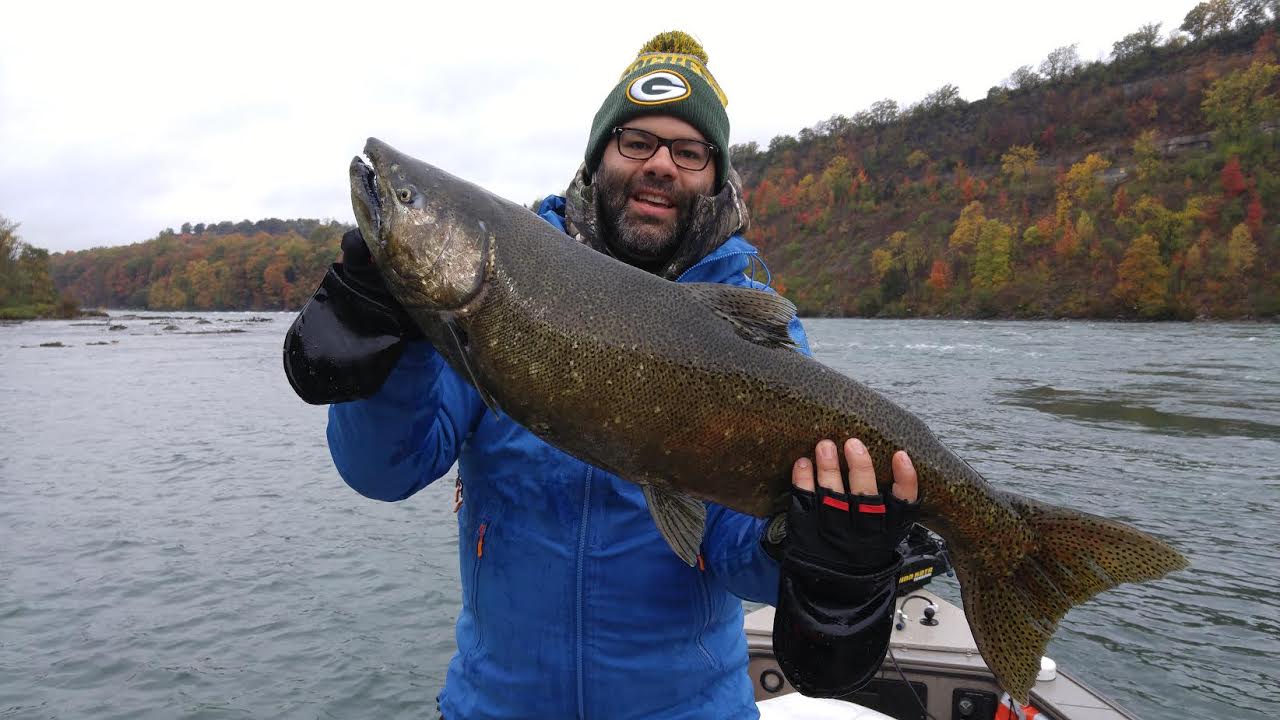


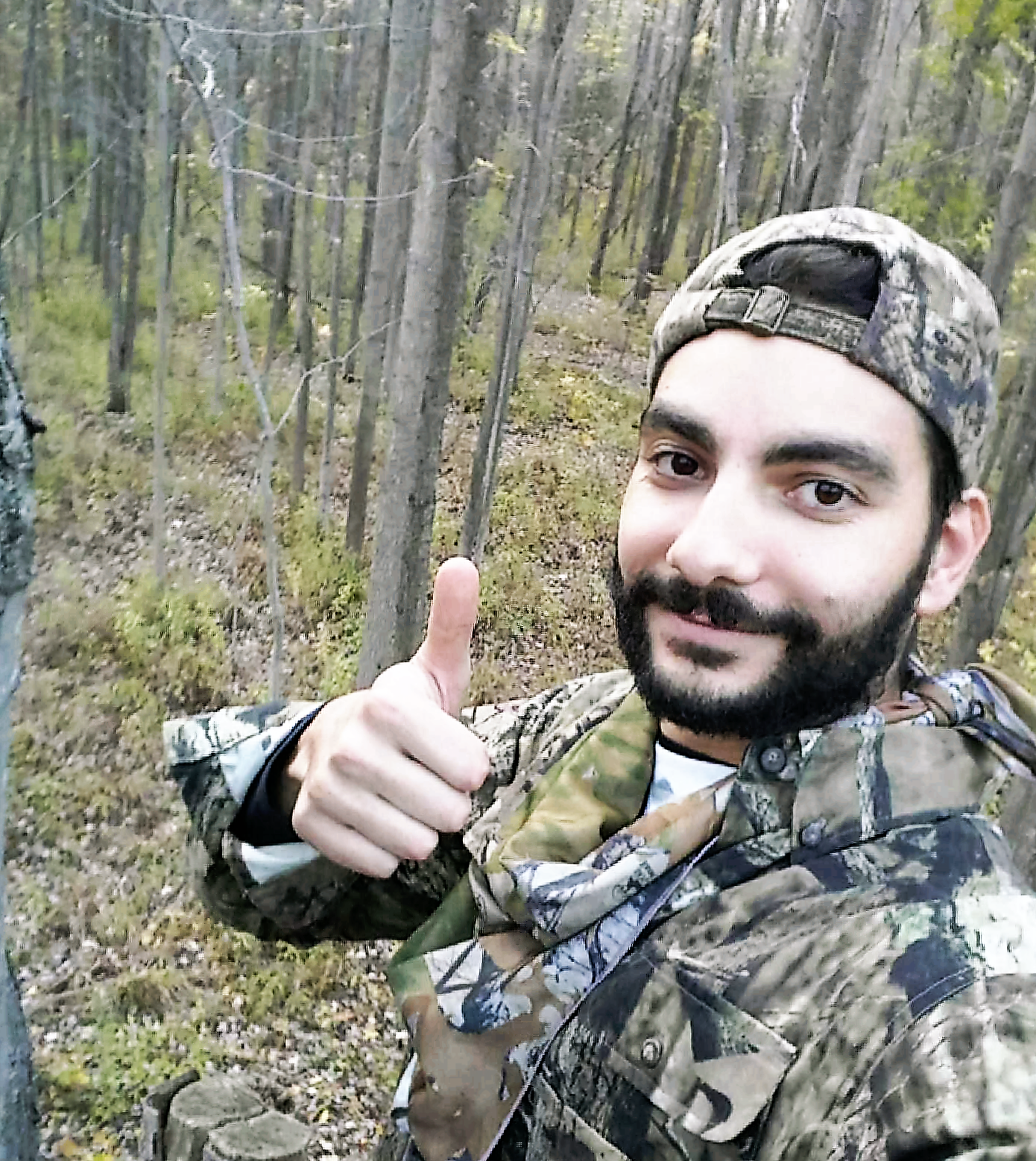

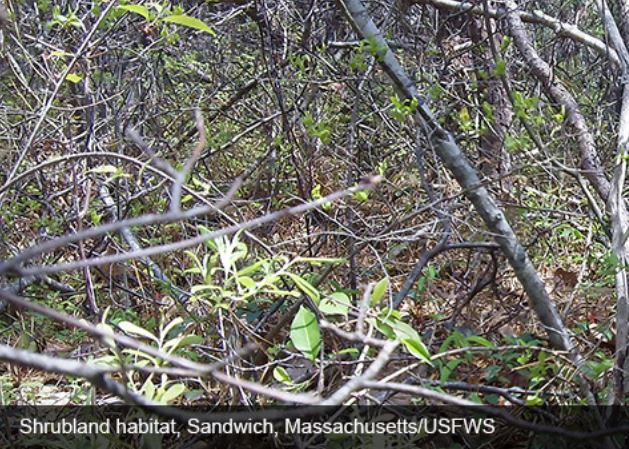


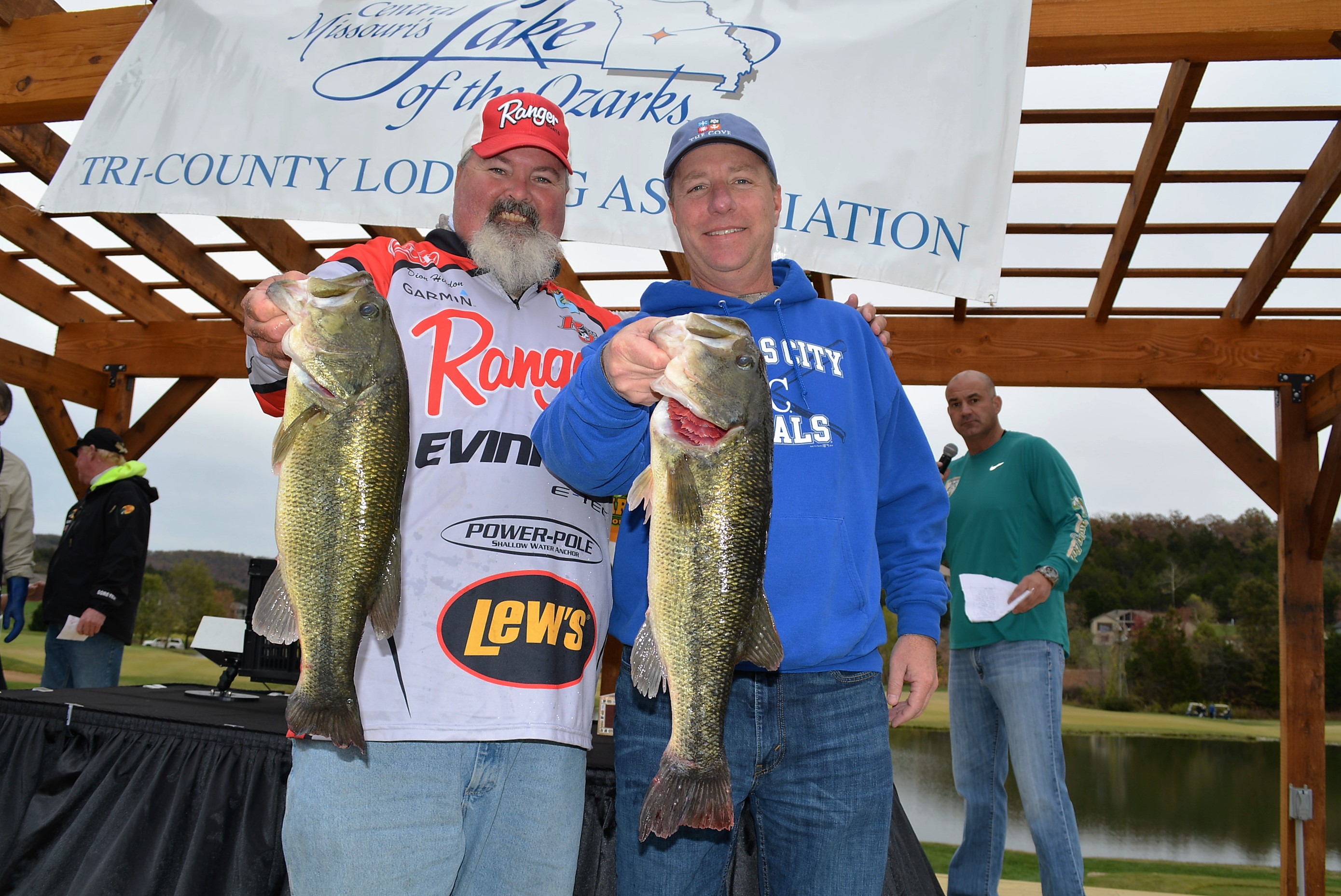




 A recessed button in the back of the frame allows the upper receiver to tilt up and off of the grip frame without the use of tools. The bolt simply slides out of the receiver and the barrel can be properly cleaned from chamber to muzzle.


 Five of 31 recent graduates of the NYSDEC Division of Law Enforcement 20th Basic School for Uniformed Officers recently transferred to the Marine Enforcement Unit (MEU) where they will become specialists in marine fisheries law. They will be required to operate some of the DEC’s largest patrol vessels in and around New York Harbor.
 To successfully complete the course, each ECO had to demonstrate precision and efficient competency in all of the tasks required to be a vessel operator in New York’s Marine District. The training concluded on September 23 with nine ECOs completing the course, including the five recent graduates.


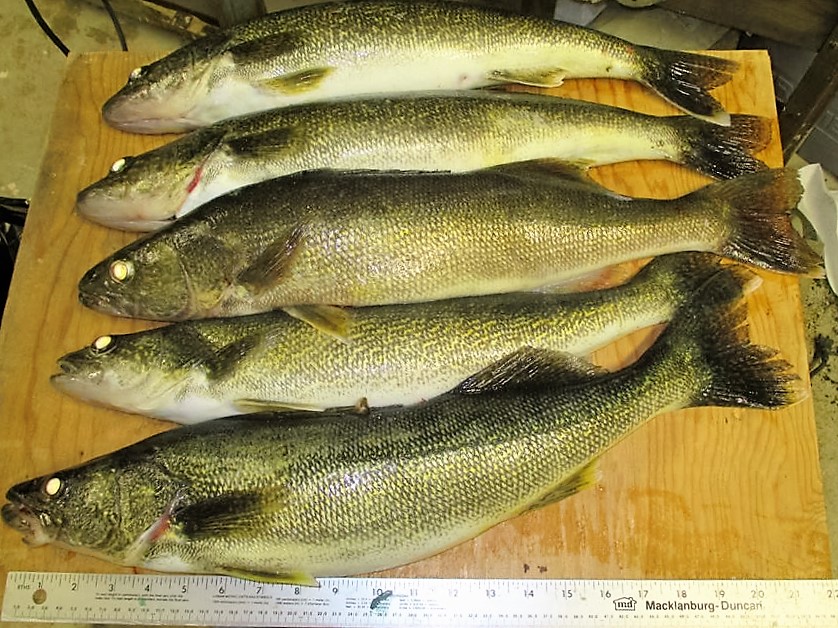

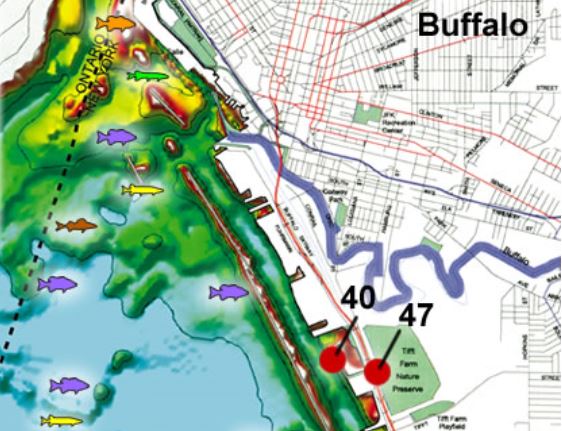


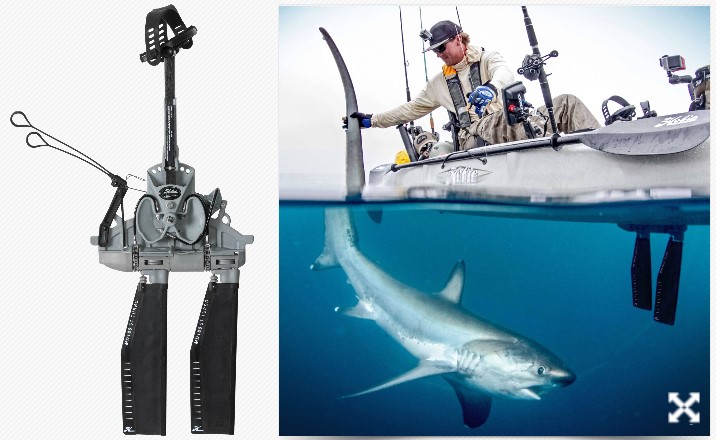


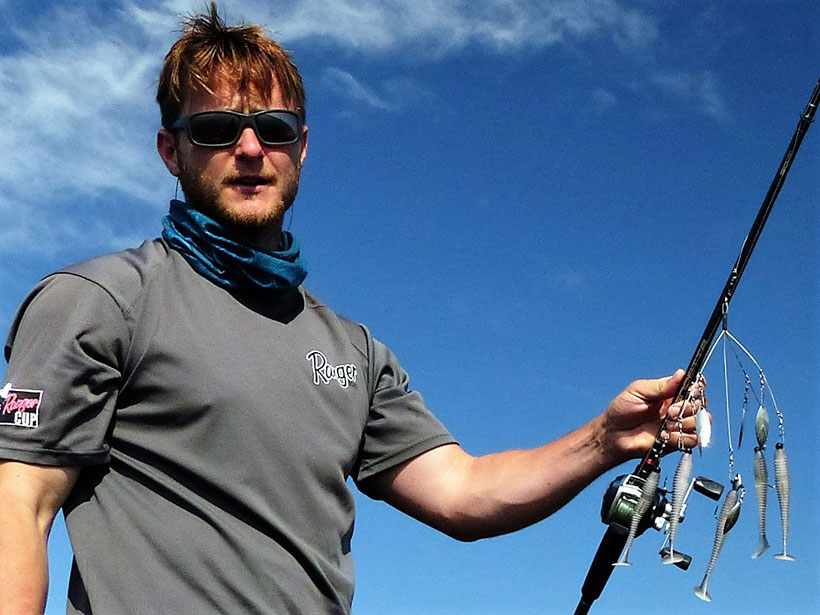

 Hornady® Recalls 7 Lots of 500 S&W 300 grain FTX® Custom™ Pistol Ammo

 GRAPHIC A: HOW TO FIND YOUR SERIAL NUMBER.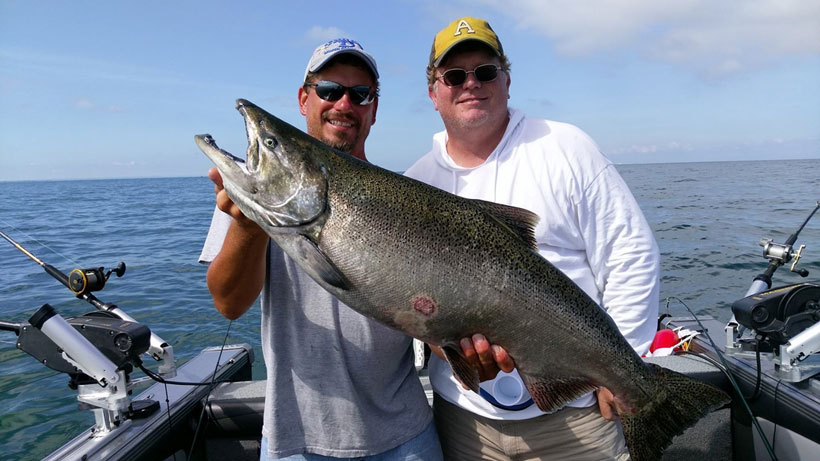


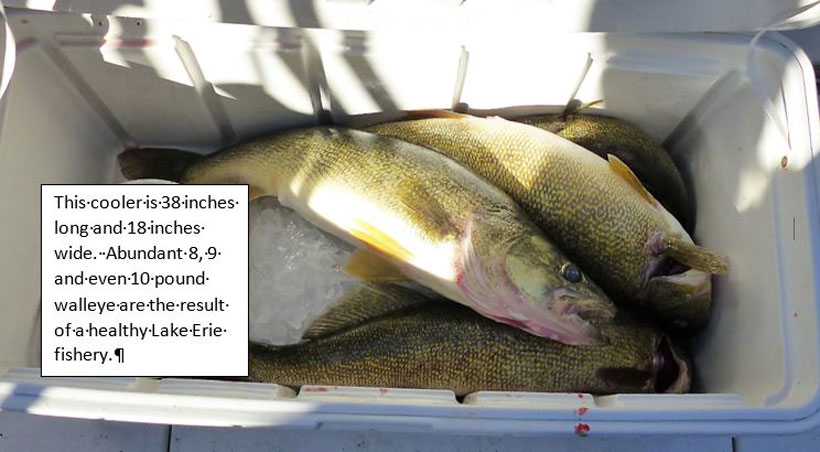


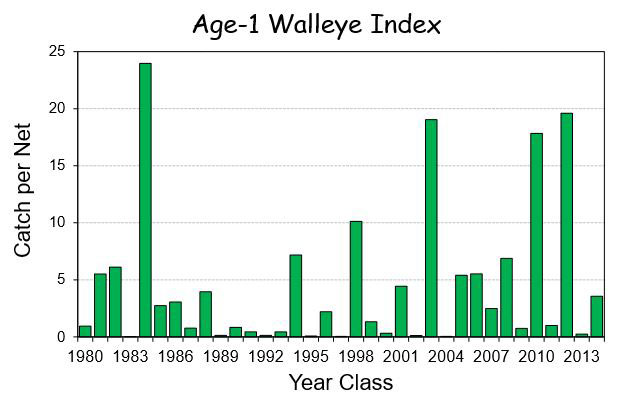


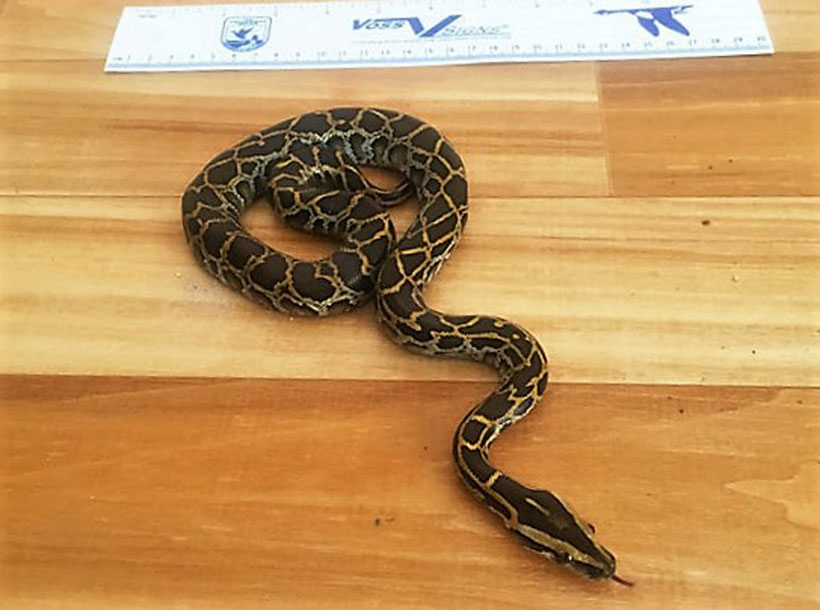


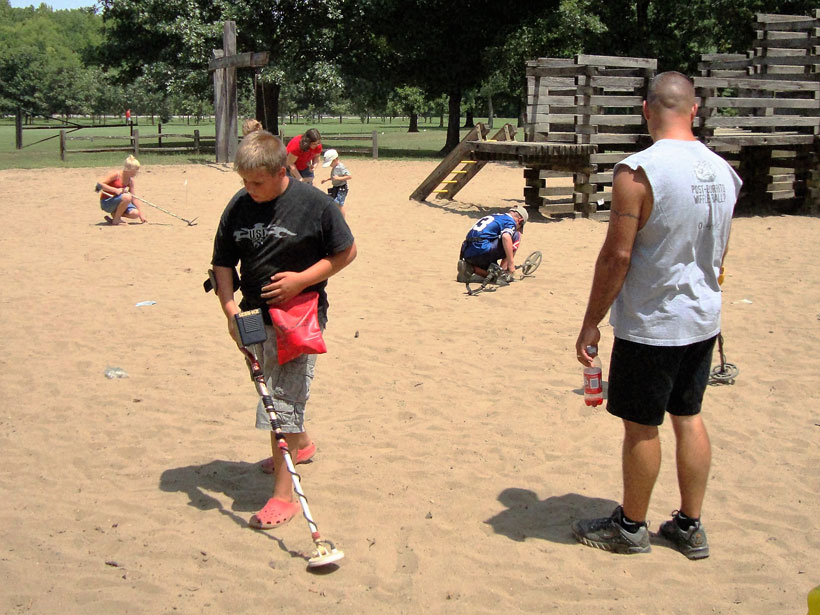



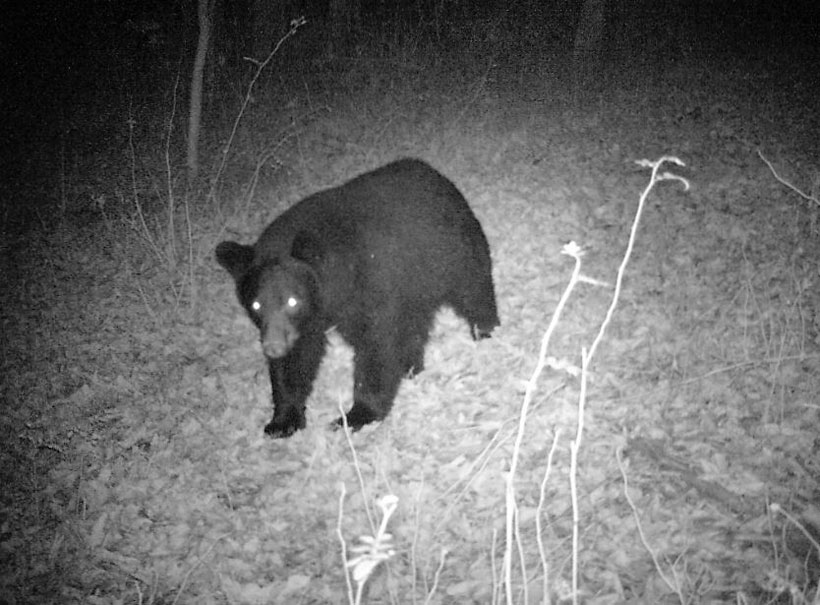


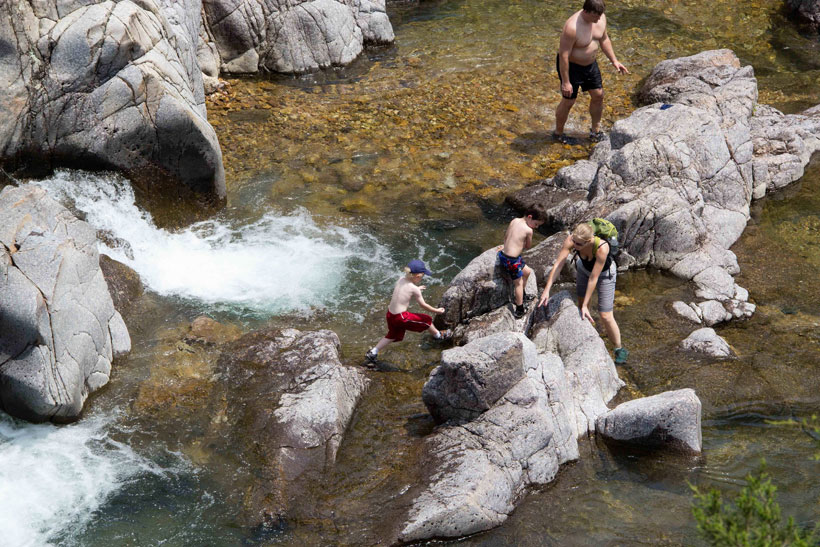


 There is this nasty pest of a disease called Lyme. This is becoming a breakout year for deer tick numbers in the northeast, especially New York, and the infested percentage of deer ticks with Lyme is increasing rapidly. Be cautious, here is more about what to know and what to do.


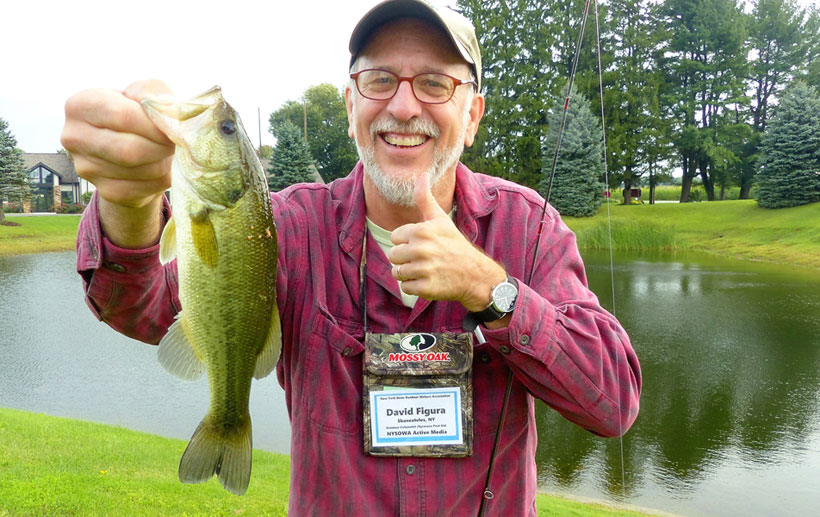


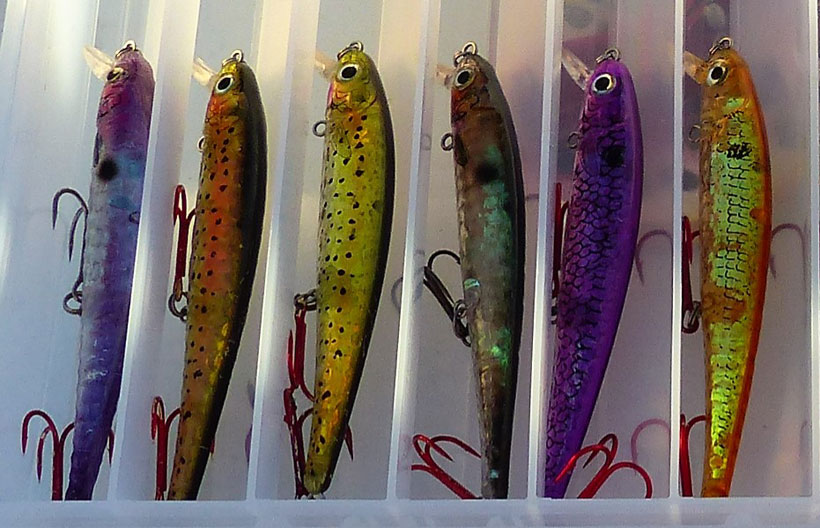


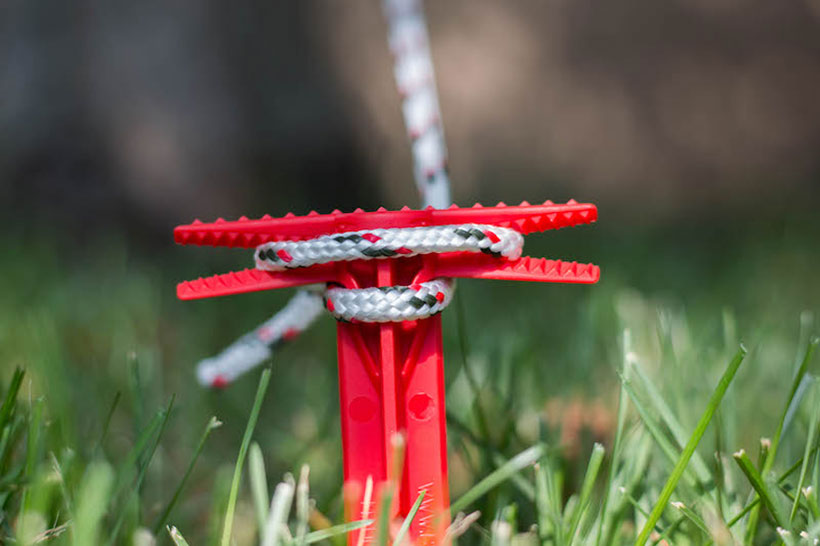


 Just like many of us already know, education is the key to success in just about anything in life. From the numbers and illustrations noted on the New York State DEC Hunter Safety Website – and shared here, we can see that New York State’s hunter education courses have proven they are highly effective in fostering safe hunters. Approximately 500,000 licensed hunters spend an estimated 10 to 15 million hunter days afield each year. Recent reports indicate that 2015 had the third-lowest number of hunting-related shooting incidents on record in New York. The 2015 hunting season yielded the first year without a single hunting-related shooting fatality since the 1950s.
 Since DEC’s Sportsman Education Program was first introduced in New York State, the number of hunting related accidents have declined significantly. Reports on the number of hunting-related shooting incidents indicate that 2015 had the third lowest number on record in New York with 23 incidents. Starting with 2013, the last three years were the top three safest in New York with this being the first year on record with zero fatalities.
 Education courses are added continuously throughout the year, so participants should check the on-line system frequently to find a course or call 1-888-HUNT-ED2 (1-888-486-8332) or 518-402-8966.


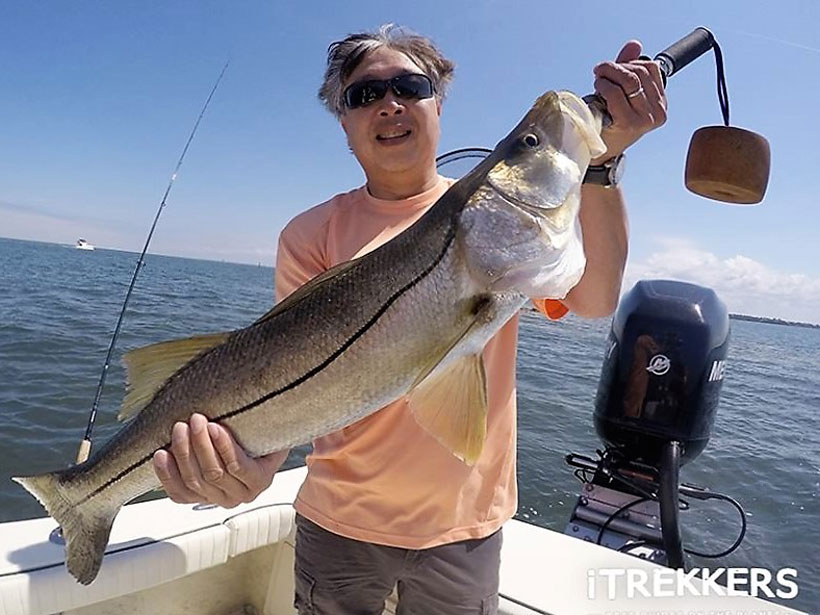

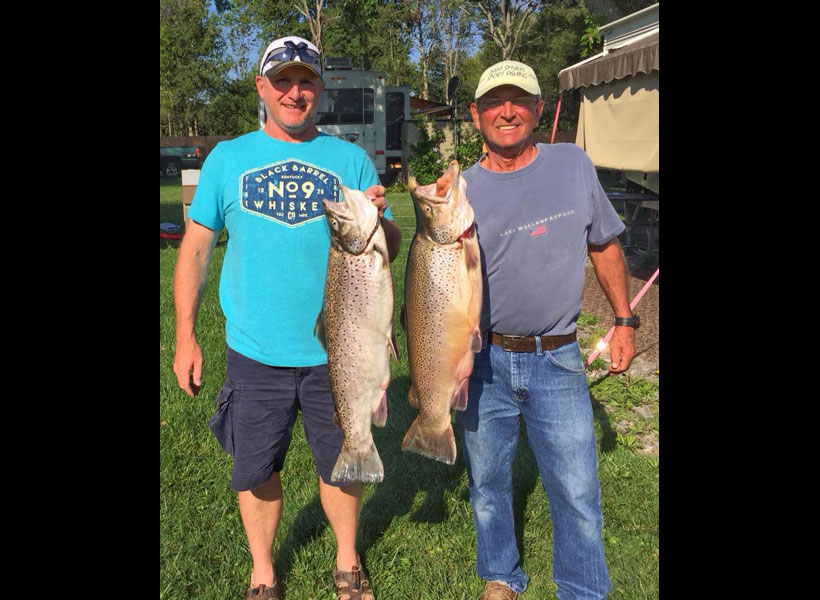


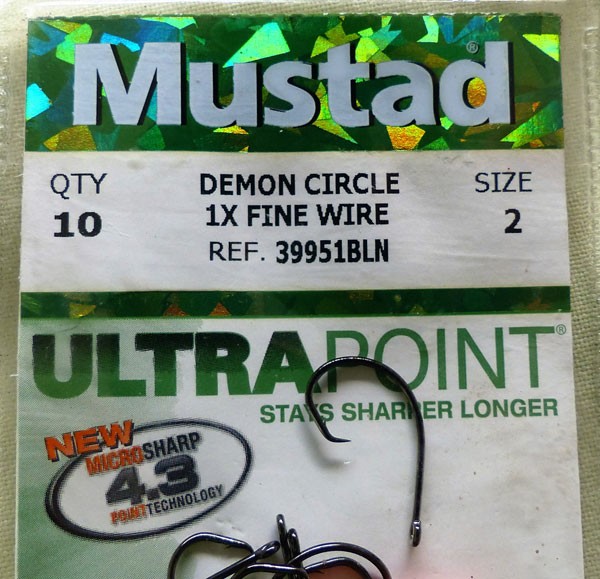







 With so many folks changing to a more healthy diet, many to a gluten-free diet due to Lyme disease, Celiac disease or for other health concerns, we have this delicious spaghetti recipe in our house at least once every week or two. The Barilla Spaghetti Noodle (pasta) is made with corn and rice, contains no GMO ingredients and is certified Gluten Free. As the noodles are the base for this recipe, the great taste and texture of this brand is excellent for all of your favorite pasta dishes, especially when you combine it with the tasty venison burger. The bread you see is gluten-free baker’s bread that is available at a local health bakery near Orchard Park, New York.
 Add the Spaghetti Sauce and gluten-free Mushroom Soup to the large pot and gently stir. Turn the stove burner to simmer level. Add salt and pepper to your preference, Chile powder and hot sauce, as desired. Let simmer for about 30 minutes. The flavor exchange and the mix of ingredients with noodles taste so good.


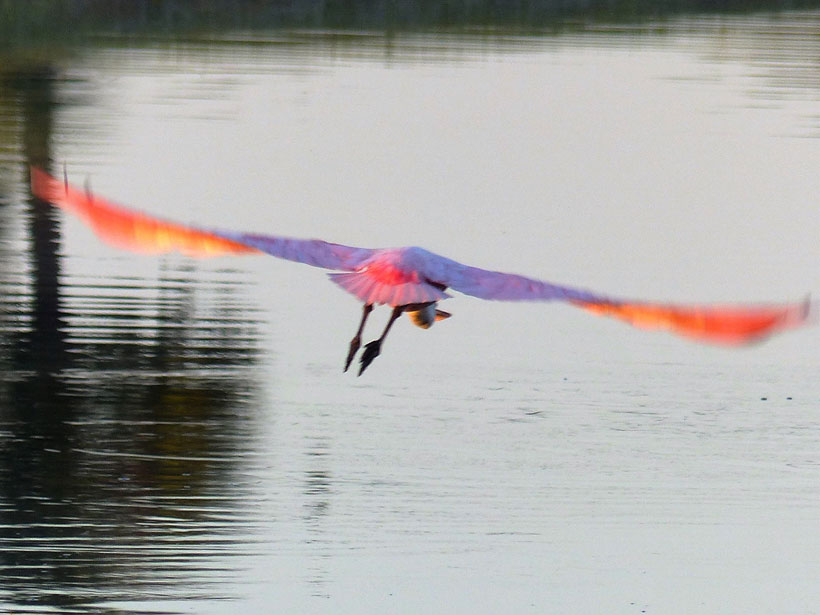


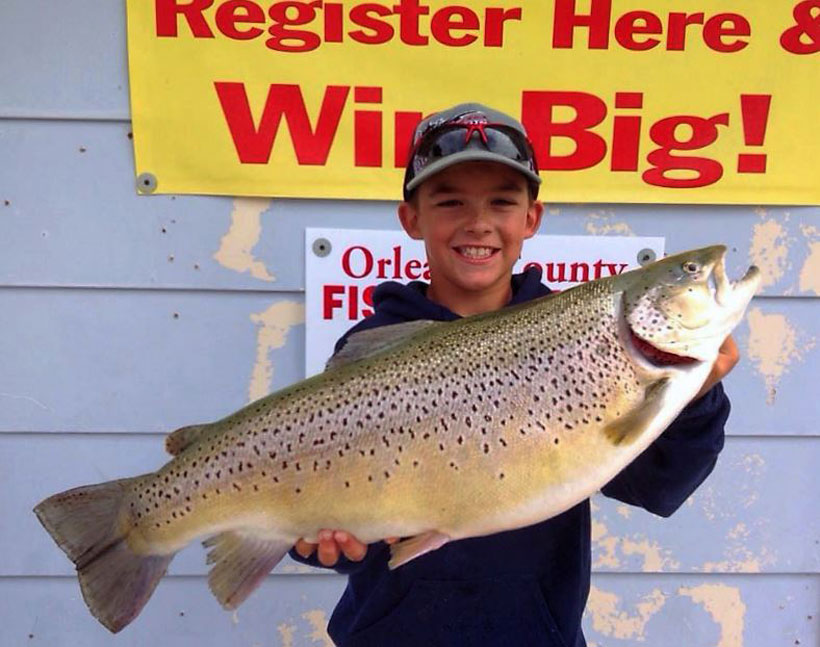


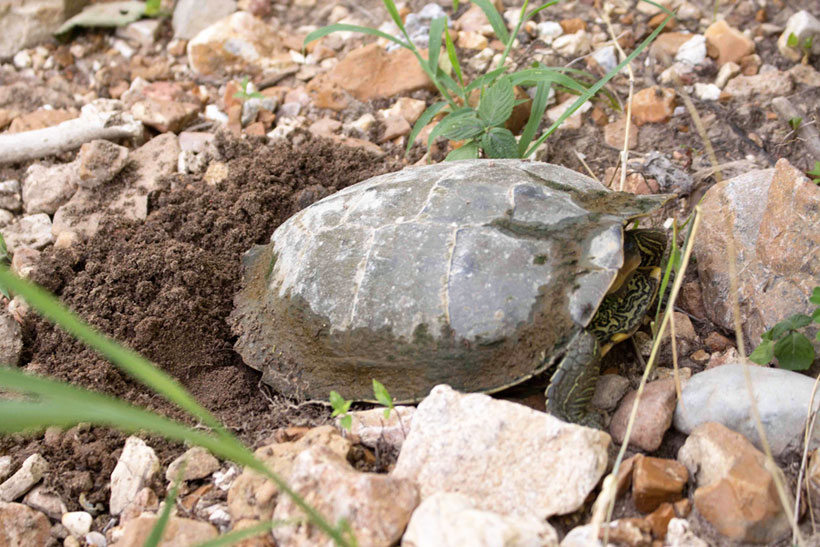


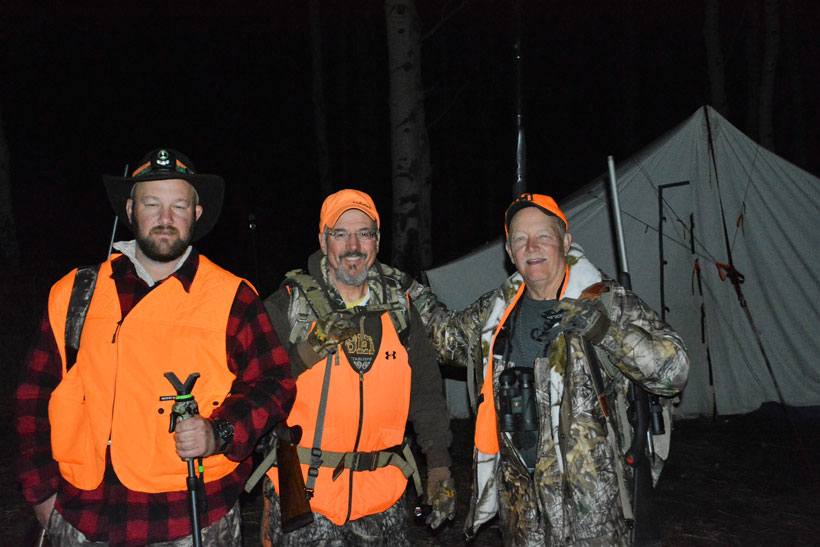


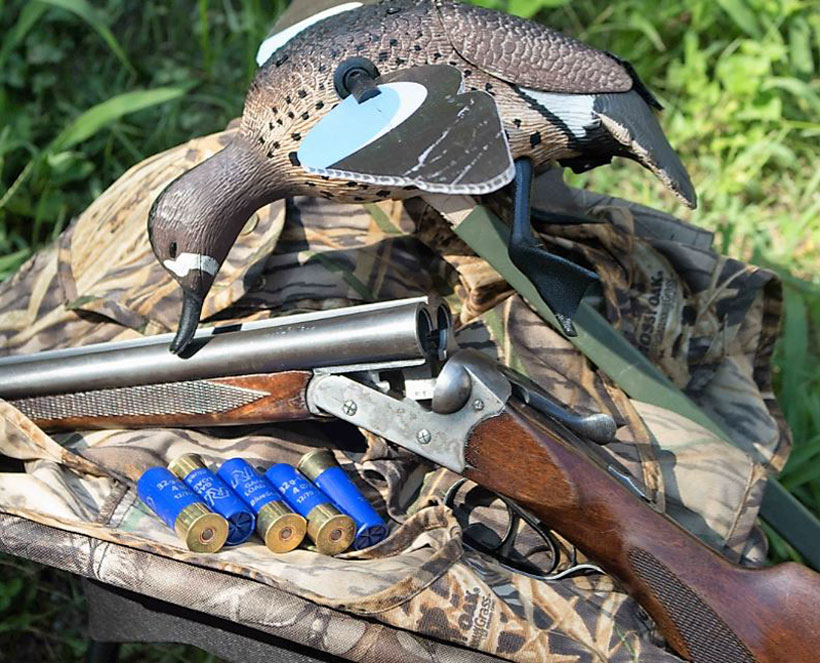


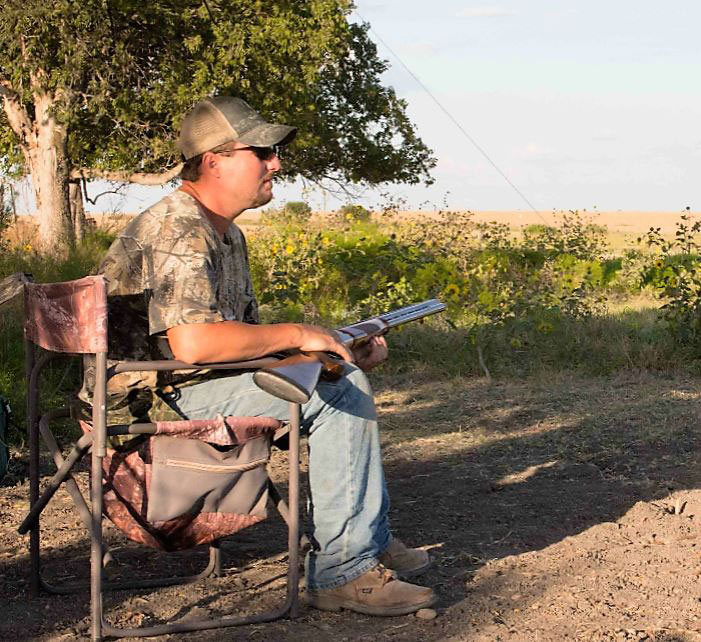


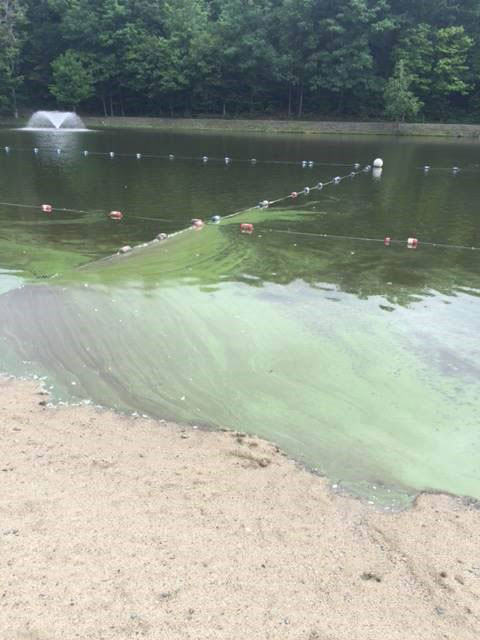


 The first cast went out, the lure sank to about 4 feet and my grandson started his slow retrieve. The lure about 10 feet and wham! A short fight and here he comes up the bank with a 14-inch crappie! No way you say, right? He caught 6 more on 10 casts and said with a big smile, “I think this is enough for 10 fish sandwiches that Grammy makes. Can I call her to see if she will cook em up?” Grammy never says no to that question.


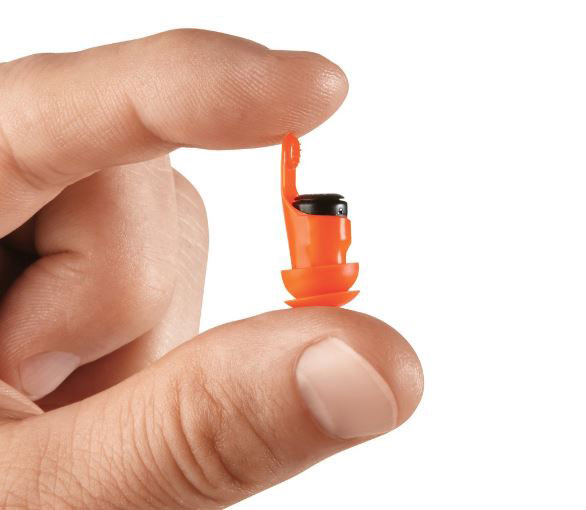
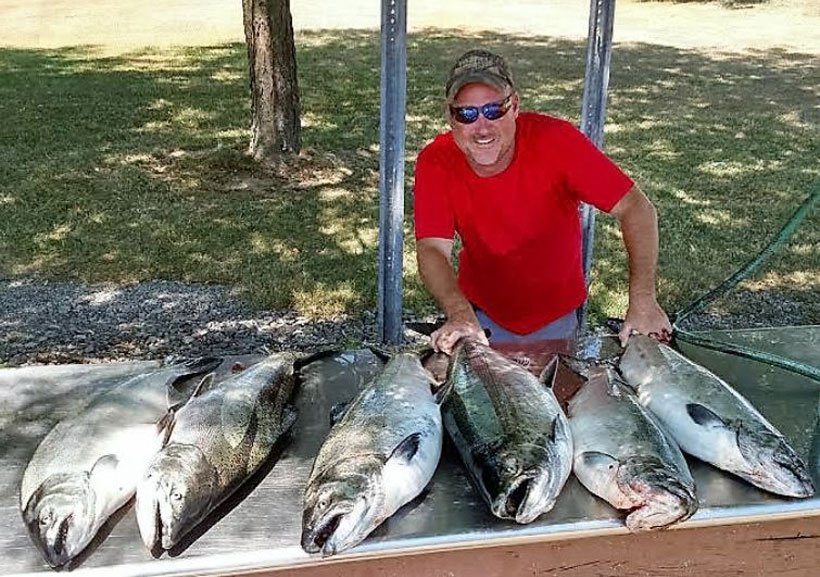


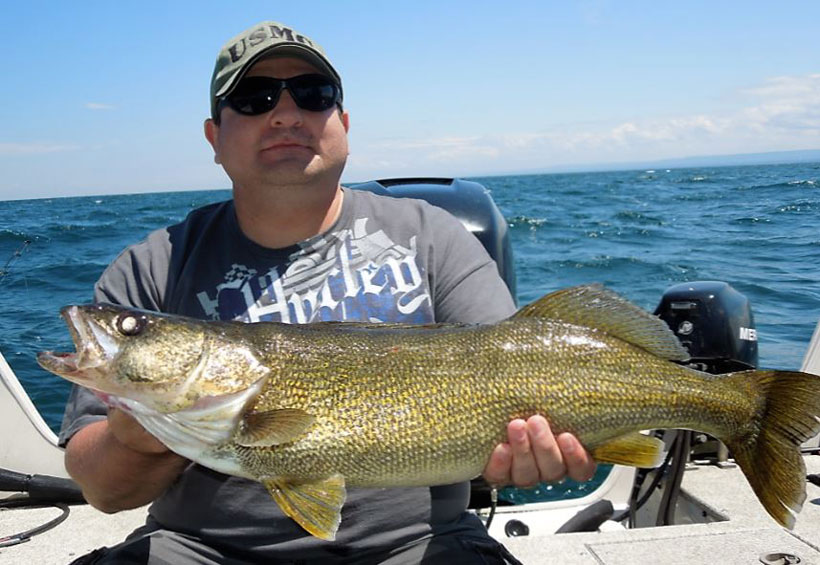


 ON THE MARK is published quarterly by the Civilian Marksmanship Program (http://thecmp.org). It is dedicated to disseminating news and information about junior shooting activities to leaders and coaches of junior shooting clubs, teams and camps.
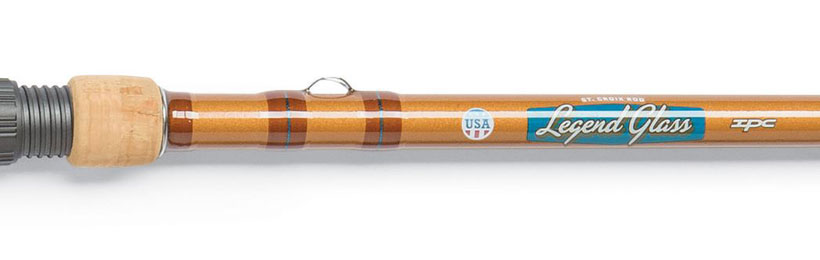
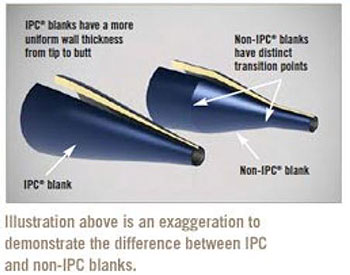 Now, the St. Croix Legend series of rods will bring yet another new dimension to a once old style type of rod blank with a new design of fibreglass rod blanks. Just when the entire world was switching to higher ultimate strength fishing rods made from high-tech materials for their sensitivity and light physical weight, the St. Croix NEW Legend® Glass series brings an adjustment to that desirable “old feel” and “rod bend” with new changes to fiberglass material design with pioneering advances in new build features. These premium 100% linear S-Glass rods utilize IPC® tooling technology, are extremely lightweight and make casting, retrieving and fighting fish a dream.