Jim and Madonna Zumbo with the results of a very simple cooking solution that Jim is sharing with us.
ONLY Ingredients:
Olive Oil
Cavender’s Greek Seasoning
HOT GRILL
Presented by Forrest Fisher (photo credits: Jim Zumbo)
When Jim is not shoveling snow off the deck or fighting off the Wyoming wolves and grizzlies that want to partake in his cooking, he is sharing recipes with outdoor friends on-line. Here is one of those special, easy-to-do recipes in Jim’s own words.
“While hunting deer in Arkansas with a group of hunting writers, we were served backstrap by the ladies who cooked at the lodge. It was sensational. That’s where I learned this recipe. It’s so simple, you won’t believe it works.
The simple “Prep & Cook” process:
Trim the backstrap of all fat, then put it in a glass bowl or non-metallic bowl.
Drizzle the meat with Olive Oil. Flip it around so it’s well-coated.
Then sprinkle Cavender’s Greek Seasoning on all sides of the meat. Let it marinate for 4 to 6 hours before cooking.
Leave it on the counter for the first few hours, then put it in the fridge for the remainder of the time.
You’ll note that the olive oil will tend to jell a bit in the fridge.
Next step, put the backstraps on a hot grill.
When you put it on the grill, the olive oil will drip and cause the flame to flare up. Not to worry, it soon burns down, and will initially give a nice sear to the meat.
Important: Keep a meat thermometer handy. If you like it rare, remove it when the meat hits 140. At 150 to 155 it is well done. Cover it with foil for a few minutes. And that’s it. Be sure you eat it HOT — right off the grill.
There are many ways to cook backstrap. Before I learned this recipe, I sliced it into steaks or butterflied it and then cooked it. Never again.
I don’t know why this recipe works so well.
The meat has a terrific flavor and seems more tender.
Give it a shot and try it. I don’t think you’ll be disappointed.
Leftovers are sliced thin and used in delicious sandwiches.
Some background. I met one of the founders of the Cavender’s Greek Seasoning Company, Steve Cavender, at an Iowa Governor’s Deer Hunt hosted by the late, great, Tony Knight. Steve was from Harrison, Arkansas, and shared his seasoning with us. Tragically, he passed away far too soon, but the family continued the company. I didn’t know much about the seasoning and used it, among others, to flavor meals.
This is my go-to recipe for every backstrap I cook, 100% of the time. All it takes is olive oil and Cavender’s Greek Seasoning (which you can buy at Walmart). That’s important to know. It makes me crazy when I see a recipe with a rare ingredient that’s almost impossible to find.
Learn more about Jim Zumbo secrets of the wilds in Peterson Hunting Magazine, look for the closing back page article entitled, “Rear View.” Good stuff. Subscribe here: https://securesubs.osgimedia.com/orderpage_ex8.php?m=petersenshunting&pkey=IBQ1
The Parka and Bib are soft, quiet, flexible fleece shell fabric.
The Parka has 10 pockets for storing gear and warming hands.
By Forrest Fisher
A month ago I met Nick Andrews from ScentLok at an outdoor meeting event and he explained the technology controlling human odor during the hunt. I’m from a scientific background and it all made sense to me. Finding success in the wilds from a tree stand or ground blind is more likely with human odor containment. The Late-Season staple garments in ScentLok’s pinnacle Bowhunter Elite:1 Series, the new BE:1 Fortress Parka and Bib provide hunters, especially determined archers, the ultimate protection from the nastiest elements of smell during prime hunting season.
Nick and his associates shared many stories.
During the rut and even after the rut in areas where hunting season is still open and the days become noticeably shorter, the deep chill of winter may cause deer to move when they are trying to warm up. Watching the weather and being on stand during the minutes and hours before a major winter storm system arrives can provide a moment to capitalize on an “opportunity window” of increased whitetail activity. Hunters need to bear the elements too, during long sits on stand. Now more than ever, bowhunting success often comes down to bowhunting dress.
As the name suggests, the ScentLok BE:1 Fortress Parka and Bib are the late-season cold-weather bowhunting garments that check every box. Fully waterproof, windproof and critically insulated, they’re ultra-quiet and super-comfortable in the nastiest conditions. Purposely tailored for optimum bowhunting performance, this premium apparel features compression and sculpting for minimal bulk, full articulation to support maximum bowhunting motion and mobility, and pockets aplenty for storing gear and warming hands.
Designed and built for elite bowhunters willing to put in the time it takes to outsmart big-beamed bucks, the ScentLok BE:1 Fortress Parka and Bib are ideal for demanding late-season hunts. With a soft, quiet and flexible brushed fleece shell fabric, thermal-mapped ThinsulateTM insulation for perfect warmth, and ScentLok’s proprietary Carbon AlloyTM technology for maximum odor adsorption, this 100% waterproof, windproof and breathable system provides unparalleled late-season performance.
The new BE:1 Fortress Parka’s thermal-mapped insulation features 150g of ThinsulateTM insulation in the body, 100g in the arms and 200g along the back. It has a soft, quiet and flexible fleece shell fabric with ten pockets for storing gear and warming hands, plus a concealed safety harness access opening to keep harnesses close to the body for safety with maximum scent control. Extremely archery-friendly, the BE:1 Fortress parka’s articulated elbows ensure exceptional comfort and range of motion throughout the draw, while the articulated hood’s three-piece construction reduces bulk and allows for a positive anchor point.
ScentLok BE:1 Fortress Parka
Carbon AlloyTM for maximum odor adsorption
100% waterproof/breathable protection
Thermal mapped ThinsulateTM insulation for perfect warmth (150g in the body / 100g in the arms / 200g along the back)
Soft, quiet, flexible fleece shell fabric
Ten pockets for storing gear and warming hands
Articulated elbows for a greater range of motion & comfort
Concealed safety harness opening
Available in Mossy Oak Elements Terra Gila at Bass Pro Shops and Cabela’s
Men’s sizes MD-3X
The new BE:1 Fortress Bib features 100g of ThinsulateTM insulation in the chest and lower legs and 150g from the waist through mid-thigh. Unmatched in storage, the BE:1 Fortress Bib is equipped with six easily accessible pockets and two additional chest handwarmer pockets.
A full-length center zipper makes for easy dressing and fly usage, while extended leg zippers with storm flaps ensure easy on and off. Upper stretch panels and adjustable suspenders keep the bib in place and minimize restrictions.
ScentLok BE:1 Fortress Bib
Carbon AlloyTM for maximum odor adsorption
100% waterproof/breathable protection
Thermal mapped ThinsulateTM insulation for perfect warmth (100g in the chest & lower legs / 150g waist through mid-thigh)
Soft, quiet, flexible fleece shell fabric
Full-length center zipper for easy dressing and fly usage
Six storage pockets and two chest handwarmer pockets
Leg zippers with storm flaps for easy on and off
Available in Mossy Oak Elements Terra Gila at Bass Pro Shops and Cabela’s
Men’s sizes MD-3X
In addition to the new late-season BE:1 Fortress Parka and Bib, the ScentLok, Bowhunter Elite:1 apparel series includes the mid-weight BE:1 Voyage Jacket and Pant, BE:1 Reactor Jacket and Pant for on-demand insulation, plus a complete lineup of gloves, headcovers, and caps.
It’s an elevated suite of premium gear, purpose-engineered for the serious bowhunter who’s committed to solving problems, creating their own opportunities, and increasing their chances for success.
All BE:1 garments are fully compatible with ScentLok Liquids and OZ by ScentLok pre-hunt and post-hunt ozone and storage products for Complete Odor Management.
ABOUT NEXUS OUTDOORS:Nexus Outdoors, headquartered in Muskegon, MI, USA, is a leading worldwide designer, marketer and distributor of performance, hunting and casual odor-controlling apparel, footwear and equipment under the ScentLok Technologies®, OZ®, Blocker Outdoors®, Whitewater, Hard Core® Waterfowl Hunting Apparel and Tree Spider® brands. It also owns American Range Systems, manufacturer and distributor of the world’s strongest and safest bullet traps. Nexus Outdoors is the only company with access to all scent-controlling technologies, including their patented Carbon Alloy™ and Cold Fusion Catalyst™ technologies, which provide superior success in the field.
Thousands of turtles have been illegally taken from the Florida wilds.
Over 600 turtles were returned to the wild
Illegal commercialization of wildlife ranks 4th behind guns, drugs and human smuggling
Illegal trade of turtles is having a global impact on many turtle species and our ecosystems.
The Florida Fish and Wildlife Conservation Commission (FWC) has charged two suspects for poaching thousands of Florida’s native turtles from the wild and selling them illegally in Florida, with final destinations in international markets. These charges represent the state’s largest seizure of turtles in recent history.
“The illegal trade of turtles is having a global impact on many turtle species and our ecosystems. We commend our law enforcement’s work to address the crisis of illegal wildlife trafficking,” said FWC Executive Director Eric Sutton.
“Putting a stop to this criminal enterprise is a significant win for conservation,” said Col. Curtis Brown, head of FWC’s Division of Law Enforcement. “Arresting people engaged in illegal wildlife trafficking supports our environment and legal businesses. It is especially positive and rewarding to be able to release many of the turtles back into the wild.”
“We know that the global black market in live animals includes traffickers smuggling protected species of turtles out of the United States, usually for export to the Asian pet market,” said Dr.Craig Stanford, Chairman of the International Union for the Conservation of Nature’s Tortoise and Freshwater Turtle Specialist Group. “This sinister and illegal trade threatens the future of many species of North American animals, and as one of the most threatened animal groups on the planet, turtles are at the forefront of our concern.”
The illegal commercialization of wildlife ranks fourth behind guns, drugs and human smuggling and, in many instances, is connected due to the monetary gain. The International Fund for Animal Welfare estimates illegal wildlife trade in the US at $19 billion annual income.
The FWC launched an undercover investigation after receiving a tip in February 2018. Through surveillance and other investigative tactics, FWC investigators determined that a ring of well-organized wildlife traffickers was illegally catching and selling wild turtles to large-scale reptile dealers and illegal distributors, who shipped most of them overseas on the black market. Michael Boesenberg (DOB 02/05/1980) of Fort Myers, directed individuals to illegally collect turtles in large numbers; once he had enough turtles on hand he would then sell to a buyer with links to Asian markets.
To fulfill a buyer’s request, these poachers targeted habitats known for the specific species. Over time, they depleted the populations so much that they had to expand into other parts of the state to meet the growing demand. The FWC predicts that turtle populations are most heavily impacted in Lee County, the primary source for the seized turtles, but that the suspects worked with other wildlife traffickers around the state and country. The total negative impacts to wild turtle populations stretch beyond Lee County and Florida.
“Wild turtle populations cannot sustain the level of harvest that took place here,” said Dr. Brooke Talley, the Reptile and Amphibian Conservation Coordinator for the FWC. “This will likely have consequences for the entire ecosystem and is a detriment for our citizens and future generations.”
Depending upon the species, the poached turtles sold wholesale for up to $300 each and retailed for as much as $10,000 each in Asia. Evidence indicated turtles sold within one month totaled an estimated $60,000. The sellers received mostly cash, occasionally trading turtles for marijuana products.
The FWC documented more than 4,000 turtles illegally taken and sold over a 6-month period, including Florida box turtles, Eastern box turtles, striped mud turtles, Florida mud turtles, chicken turtles, Florida softshell turtles, Gulf Coast spiny softshell turtles, spotted turtles and diamondback terrapins. As a result of a search warrant served on Aug. 12, investigators found the poachers in possession of hundreds of turtles, along with the skull and shell of a protected Kemp’s Ridley sea turtle. The turtles seized had an estimated black market value of $200,000.
All seized animals were evaluated for health and species identification by FWC biologists. Over 600 turtles were returned to the wild, two dozen were quarantined and released at a later date, and a handful were retained by a captive wildlife licensee since they were not native to the area. Nearly 300 of the freed turtles are now part of a long-term monitoring project by the Sanibel-Captiva Conservation Foundation.
“SCCF has been conducting research on these turtles for nearly two decades.Thanks to FWC for uncovering this illicit activity that has adversely affected wild turtle populations,” said Chris Lechowicz, Wildlife & Habitat Management Program Director at SCCF.
Selling wild-caught freshwater turtles is illegal and harvesting them from the wild is specifically regulated by Florida Administrative Code 68A-25.002 (6). Some turtle species may be kept as captive wildlife with the proper permits.
The public can help by reporting suspected wildlife violations to the FWC. To make a report, call the Wildlife Alert hotline at 888-404-FWCC (3922) or text Tip@MyFWC.com.
The suspects and their charges are as follows:
Michael Boesenberg (DOB 02/05/1980 of Fort Myers, FL):
F.S.S. 812.019(2) – Dealing in stolen property as an organizer
F.A.C. 68A-25.002 (6)(a)1 – 3 counts – Taking over the bag limit of turtles
F.A.C. 68A-25.002 (6)(a) – Over the possession limit of box turtles
F.A.C. 68A-25.002 (6)(c) – Sale and offer for sale turtle taken from the wild
The enabling statute for these violations of F.A.C 68A-6 is F.S. 379.4015(2)(a)1.
FAC 68A-6.004(4)(q)1(c) – 9 counts – Standard Caging Requirements for Captive Wildlife
F.S.S 379.2431 – Possession of marine turtle parts
F.A.C 68A-4.004(5) – Possession of black bear parts
F.S.S. 893.13(6)(a) –Possess cannabis over 20 grams
F.S.S. 893.13(1)(a)(2) –Possess with intent to sell/deliver
Theissen V1 Whitetail Midweight System, perfect for all-season deer hunting
From cool autumn evenings to the season’s first frosty mornings, every deer hunter knows there’s a broad spectrum of weather conditions to conquer in order to find success. The Thiessens’ V1 Whitetail Midweight System is the perfect solution, giving hunters multiple layering options to match whatever Mother Nature throws their way.
Built with innovative technologies and pursuit-driven materials, the Midweight System includes a jacket, vest, hoodie, and pant. Each item comes in Realtree EDGE™ camo for the ultimate in concealability, while the fabric construction allows for ultra-quiet movement in the stand.
The jacket, vest, and pant utilize Thiessens’ Wind Defense technology giving you a windproof barrier when the chill threatens to drive you from the tree stand and the quiet laminated, quiet, super-stretch fabric offers highly water-resistant protection (seams are not taped so these are not 100% waterproof). Each garment features a water-resistant treatment on the outer shell to bead away light rain and moisture-wicking design to help regulate body temperature and drive sweat away when your activity level starts to increase.
The jacket is ideal for use as an outer layer on cooler days and the Wind Defense technology provides an impenetrable barrier against stiff breezes. If there is a downpour in the forecast, the jacket can be paired with the Thiessens’ Rain Jacket to keep you warm and dry. The jacket also features an adjustable hood. The hood is designed so that it won’t obstruct your peripheral vision and can be removed when it’s warmer or you want a more minimalist approach. It’s also the perfect jacket for gear junkies, with ample pocketing for your calls, rangefinder and cell phone. Articulated quiet construction allows for an unrestricted full range of motion.
The vest delivers incredible warmth to weight ratio and can be worn both as a mid or outer layer depending on the time of year. For brisk early season mornings on the stand, the vest can be worn over a lightweight shirt for extra warmth, or it can be worn as an extra mid-layer under the heavyweight jacket when the temperatures plummet. It also features Wind Defense technology, several pockets for storage and a mock collar to keep you from getting chilled.
If you’re a fan of mid-layers with sleeves, the hoodie delivers ultimate warmth and moisture-wicking design, perfect for active days in the field when you need maximum comfort and range of movement.
When it’s time to hunker into the blind and play the waiting game, the midweight pant offers incredible warmth and Wind Defense technology to keep you toasty. Ample pocketing and an articulated design provide plenteous room for gear storage and comfort. Ultra-quiet composition for extreme stealth from a softshell garment.
V1 Whitetail Midweight Jacket:
Adjustable hem shock cord cinch
Water-resistant treatment on outer shell with Wind Defense technology
The main garment fabric is laminated with a waterproof film but seams are not taped
Adjustable, removable hood
Moisture-wicking, anti-odor treated warm lining
Articulated construction
Ultra-soft, quiet design
Multiple accessory pockets handle all your gear
Realtree EDGE™ Camo
V1 Whitetail Midweight Vest:
Water-resistant treatment on the outer shell and Wind Defense technology
The main garment fabric is laminated with a waterproof film but seams are not taped
Moisture-wicking, anti-odor treated lining
Ultra-soft, quiet design
Mock neck
Adjustable hem cinch-cord
Multiple accessory pockets handle all your gear
Breathable construction
Realtree EDGE™ Camo
V1 Whitetail Hoodie:
Water-resistant treatment
Moisture-wicking, anti-odor treated material
Articulated construction
Traditional kangaroo pocket
Realtree EDGE™ Camo
V1 Whitetail Midweight Pant:
Water-resistant treatment on the outer shell and Wind Defense technology
The main garment fabric is laminated with a waterproof film but seams are not taped
Moisture-wicking, warm anti-odor treated lining
Articulated construction
Two-way zip fly
Comfort fit for maximum range of motion
Internal gripper waistband
Ample pocketing for gear
Realtree EDGE™ Camo
Thiessens is an outdoor brand that makes and sells authentic, pursuit-driven equipment directly to the end-user. Sharing the passion of outdoor pursuits, Thiessens will consistently bring the best combination of features, performance, and value to consumers. Thiessens’ products are thoughtfully crafted to over-perform in any condition. Pursue life, pursue your passion, and pursue with Thiessens. For more information, please visit WWW.THIESSENS.COM.
Muzzleloader & Late Archery Season Opens Dec. 9, ends Dec. 17
Sweet white oak acorns and beech nuts help to grow big healthy deer in Chautauqua County, NY. Joe Forma Photo
By Forrest Fisher
Chautauqua County is the land of big game hunting opportunities for CWD-free whitetail deer and abundant black bear. There were 9,944 whitetail deer harvested in Chautauqua County last year, including 4,334 adult bucks greater than 1.5 years old – about 4.1 to 5.0 bucks per square mile. Approximately 20 percent of the deer were harvested with a bow. A review of bowhunter logbooks shows that hunters viewed 10 deer for every 10 hours of hunting. There was 28 black bear harvested, 11 during bow season and 17 with firearms. Out of State license cost for big game hunting is a mere $100!
Nature’s organic health food mix for big strong deer in Chautauqua County includes apple orchards, cornfields, and vineyards. The rolling hills support forests of sweet white oak, beech, and hickory to provide sweet acorns and high protein nut stock for deer. Plentiful wild berry bushes and grape fields provide sweet mealtime for increasing numbers of black bears. High, straight, hardwood trees offer safe support for your ground level tree-mount chair, a fixed ladder stand or a climbing tree stand. Please wear a full-body harness if you are going vertical. The Hunter Safety Lifeline System works great and is inexpensive (under $40). Stay safe.
Chautauqua County is prime with public and private hunting land across more than 1,000 square miles of mostly undisturbed country land. Public access is free to hunt in our 14 State Forests that are specifically managed by the New York State Fish and Wildlife to provide free access to hunting, trapping, wildlife viewing and photography. Handicapped hunters have privileged access to 13,000 acres in eight of those 14 state forests here.
Add the aroma of fresh organic pancakes and hot maple syrup from local trees for breakfast before the hunt, you can understand the welcome feeling that hunters have who travel here from near and far. Big game hunting is very good in Chautauqua County. The deer and bear population is increasing, we need help from hunters in Chautauqua.
Hunters that repeatedly bag a deer with a bow, crossbow, firearm or muzzleloader are usually in the woods and in their stand about one hour before sunrise. The hunting day ends at sunset, by law. The deer and bear are abundant here. With archery or firearms, be sure of your target and beyond. Be safe.
There are SO MANY deer here. Wildlife Mangement Unit 9J. Motorists here say they need hunter help. Join in the adventure and excitement of big game hunting in Chautauqua County, NY.
The meandering Merced River offers peaceful trout fishing
Giant trees, some 10 feet in diameter, can mesmerize visitors
High rock mountains offer an unmatched view, even more spectacular during sunrise and sunset
My better half and I smile at the spectacular mountains, many offer a sheer cliff-like face with a wind-blown waterfall mist that glisten at sunrise and sunset, providing hues of glimmering blue, orange and purple. Forrest Fisher Photo
By Forrest Fisher
The spirit of reflection can provide a trail to the sacred territory. No matter where we travel in 2019, it seems many people say hello with a smile. In all goodness, I think this means it has been a great year in the outdoors and for all folks that enjoy our many special American freedoms each day, like cherishing nature and the simple wonders of the outdoors.
No politics. No special licenses. No extra cost.
All of that sort of thought took my better half and I toward a fresh look at our bucket list, it was getting dusty. Yosemite National Park had been on our list for a few decades, so we decided to “get there” this year to celebrate our 50th wedding year, it seems we needed a good excuse. The trip was two-fold, as it was also to visit our eldest grandchild, Kiley Voss from East Aurora, NY, who is now a Park Ranger there.
We flew into San Francisco, headed for a stop to a remote Pacific Ocean beach and we enjoyed the exhilarating sound of the surf – there were pelicans and sea birds screeching out conversations too. About four hours later we arrived at the park and checked into a nearby hotel to prepare for this highly anticipated Yosemite visit.
There was no wifi signal, no phone signal, and no email. Wow! What a vacation!
The next day we drove 12 miles from the hotel to the Yosemite National Park entrance gate and it felt like the year might have been 1850. No development here.
There were sharply rising mountains made of granite that rose toward the heavens along both sides of the single-lane, very narrow, but paved road.
The Merced River slowly ambles westward along the road, comprised mostly of snowmelt runoff (in September!) from the high mountains in the distance. The river thrives with abundant native rainbow trout and a healthy population of stocked brown trout. We watched an angler or two casting a fly line, it was hard to keep our eyes on the curvy road.
As we proceeded past the gate, the narrow roadway led into a much wider valley with meadows and giant trees, some of them more than 10-feet in diameter. We were astonished to see all of the giant Cedar trees and Ponderosa Pine, Sequoia, Sugar Pine, magnificent Black Oak, aromatic Cedar, and other tree species.
Then suddenly as the roadway opened up, there on the left was El Capitan, the name of a magnificent rock mountain. It is a sheer vertical cliff-like rock structure of solid, polished granite that rises to more than 7,500 feet. Straight ahead was another mountain, “Half-Dome,” more than 8,800 feet high, and then many other similar mountains all around us, many with Indian-based names converted to English. Frankly, we were astonished and speechless. It was that beautiful.
Yosemite Valley is indescribable, beautiful, unimaginable, magnificent, a place where God and the spirit of man and life may exist for all time. I felt that.
That was my first impression upon taking a drive to the place they call Yosemite Village, located in the central east side of the 1,176 square mile park of the Sierra-Nevada Mountains of California.
The Yosemite Visitor Center is one of few places with Wifi service in Yosemite Park, it is located near El-Capitan mountain in the park. Forrest Fisher Photo
Our granddaughter introduced us to a Native Indian guide that conducted tours for the Indian Museum there. He was humble, and a very knowledgeable gentleman of the local wilderness and ways of the land. His name was Ben Cunningham Summerfield and he shared tales of the earliest inhabitants of the park, the Miwoc Indians (pronounced Me-Wuk).
Our Native Indian guide, Ben Cunningham Summerfield, was a humble and knowledgeable gentleman of the local wilderness and ways of the land.Forrest Fisher Photo
Locally, he said, “The Miwoc were called Awahnichi and they were the Indian people that lived in Awahni.”
From other sources and from my novice understanding, the people of the Awanichi there were referred to as Yohimite or Yohometuk, the converted language meaning “some of them are killers.” Hence the name Yosemite was born from those terms when the Euro-Americans came to the area during the gold rush era of 1849.
Ben said to us, “They found no gold but did disturb the nature and the people of the valley.”
Standing next to a rustic example, Ben explained, “The Awahnichi lived in sturdy roundhouse structures made of pine or cedarwood, lashed together with grapevines and uniquely covered with a thick roof made from dead incense cedar bark, some of the roofs were additionally covered with earth.”
This history was also documented by a late Miwok lady, Isabelle Howard Jimenez, who passed away in 1996, though her sharing of Native information was recorded with her permission and is now available in a free booklet provided by the Yosemite Conservancy. Some of it is shared in this story as provided by Ben. Ben’s stories and tales were notable and mesmerizing., and unforgettable. And there were many.
We so relaxed at watching soaring eagles, circling hawks, many other tree birds, and a gray fox stalking his way through the Yosemite woods, and more. Other visitors that we met at the visitor center were coming in off the hiking trails, everyone seemed to have a smile embedded in their chin. any shared sightings of black bears, mountain lions, bobcats, mule deer and other critters of the Yosemite wild.
Kiley Voss, a Park Ranger at Yosemite National Park in northern California, explains the nature of Yosemite during daily, 2-hour, tram tour events. Forrest Fisher Photo
Among touring highlights, the Park Service offers a 2-hour long tram tour that provides visitors with a 20-mile journey around the Park. Visitors will discover the nature of birds, fish, and wildlife, and trees that are at home in the park, the mountains – their names and geology, the great places to stop for a photo and restroom stop, the history of the park and much more. Our granddaughter was the host for one of the tours that we took, of course, we were impressed with her complete knowledge and descriptions of all things Yosemite. She even spotted mountain climbers scaling the face of El Capitan. The tram stopped, everyone took pictures of these adventurists suspended about 3,000 feet up the sheer cliff face of the mountain…sleeping on a rope sling. I just thought -WOW! I once considered that treestand hunting might be dangerous.
My better half, Fern, was disappointed at NOT seeing even one bear, but our granddaughter explained, “They’re just not out in the open and along the highways at this time of year, they’re getting ready to hibernate.”
The multiple peaks, snow-covered mountains, snow-melt streams and Yosemite Falls – crystal clear water, rising trout slurping flies from the surface of the Merced River at dusk, the options for hiking and biking amidst all this beauty…simply amazing, to state it modestly.
The Merced River offers clean, pure, snowmelt flow through quiet waters and quick rapids, some areas filled with trout, from the Yosemite mountain tops to the Pacific Ocean. Forrest Fisher Photo
In Yosemite, there is no hunting allowed for specific management reasons (hunting is controlled and conducted by official Park personal for invasive species), fishing is allowed, but like many places, some special rules apply.
For us, this was a trip of a lifetime.
Not judging, but as we entered San Francisco for our air-lift home, we realized the life we love is certainly not in the big cities, but it definitely is in those mountains about four hours away.
Yosemite was unforgettable.
I think God lives in the church of His mountains there. It is a sacred place.
Red-winged Blackbirds, Blue Jays, White-throated Sparrows among highest losses – why have they disappeared?
We have lost enormous numbers of familiar birds
Suspected contributors: climate change, habitat loss, pressure from invasive species and pesticide use
To make a difference: Make windows safer – prevent window strikes, landscape with native plants, keep cats indoors, avoid pesticide use, reduce plastic use, learn more about citizen science initiatives
Data furnished by KITE TALES, the monthly newsletter of the Great Florida Birding & Wildlife Trail.
A recently published study in the journal Science has revealed shocking declines in bird populations across North America. Since 1970, we have lost 2.9 billion birds. That number translates to nearly 1 in 3 birds that have been lost. This number was staggering to even the scientists behind the paper, who have dedicated their careers to the study of ornithology and are very familiar with the challenges facing our birds.
Surprisingly, some of the species that have experienced the greatest declines are some of the most common. Over the last 50 years, we have lost enormous numbers of familiar birds like Red-winged Blackbirds, Blue Jays, and White-throated Sparrows. “Keeping common birds common” has been a rallying cry for conservationists, and it seems that this is even more important than we previously thought.
The loss of these wonderful animals is devastating in and of itself, but it is also a sign of much larger problems. Birds are excellent indicator species – they are sensitive to changes in their environments and we have abundant data on birds from both professional researchers and citizen scientists.
When we know birds are in trouble, we can infer that the ecosystems to which they are intricately linked are also in trouble. Many of the factors that we know are causing bird population declines – climate change, habitat loss, pressure from invasive species and pesticide use – also affect countless other species of plants and animals.
The findings of the study aren’t all bad news – in fact, some groups of birds have increased population sizes due to directed conservation efforts. Woodpeckers, birds of prey and waterfowl have all seen their populations grow as we have protected their habitats and food sources from degradation and loss. The other good news – there are concrete actions you can take to help bird populations.
There are 7 simple steps you can easily take to make a difference, many of which already will be familiar to our readers. Preventing window strikes, landscaping with native plants, keeping cats indoors, avoiding pesticide use, drinking bird-friendly coffee, reducing plastic use and participating in citizen science initiatives are all actions you can take to protect bird species today.
Another important step? Make sure that you are a voice for birds. Share this news with friends and family on social media or by word of mouth!
This information and story has been republished from KITE TALES, Issue 36, OCT 2016 – The monthly newsletter of the Great Florida Birding & Wildlife Trail.
Hi-modulus sensitivity rod blanks from Scheel’s allowed for detecting the lightest of strikes
“Smart Boat” technics from Humminbird for total position control to target hotspots
By Forrest Fisher
Walleye fishing legend, Johnnie Candle, suggested that we look at mid-river shoals on the Mississippi River near La Crosse, Wisconsin, and search the area with his new Humminbird sonar. We utilized the map to find such locations and he’s a walleye guy at heart, so we set up our rods accordingly.
In his Lund 21-foot, 10-inch fishing boat with a 350Hp Mercury Verado main-kicker, we arrived at our fishing destination in a few minutes. The ride was smooth as silk.
The Humminbird Helix allows the angler to mark the fish, then hit return to go back over the fish with the electric MinnKota motor.
Using a very sensitive Scheel’s “One Limited” medium-action fishing rod, the 6-foot,9-inch version, rigged with a Scheel’s 2500 series reel and 10-pound test Ultra -8 Fireline, we tied on vertical vibrating baits (Sonar, ¼ oz), Strike King Swim Tail Shiner jigs (1/4 oz) and Berkley power minnows(1/16 oz jig head/2-inch tail) to catch five species of fish in the next two hours of peaceful fishing fun (https://www.scheels.com/p/scheels-outfitters-one-limited-edition-spinning-rod/3340-ONEB.html). True relaxing fun.
Lots of Young-of-the-Year saugers that will eat a 4-inch Strike King jig show the fishing future looks bright here in La Crosse.
We released them all, including sauger, crappie, yellow perch, sheepshead, and largemouth bass. La Crosse, what a great place to fish! Mid-day, bright sun, clear sky, catching fish because we could find them with the right sonar and could sense their light bites with the right rod and line.
Yet, just a very short time ago, we had no clue what to fish for and where to go. We launched at the Black River Beach boat launch (https://www.explorelacrosse.com/), there was a $5 launch fee for non-residents. Look for the semi-hidden boat launch envelope station and be sure to use it, to avoid a $20 parking ticket. Don’t ask how I know.
Using the right gear makes for fun fishing in Wisconsin…and everywhere else.
Flying carp are the YouTube stars threatening to invade the Great Lakes.
Mussels and other invasive species have had effects
Asian Carp could alter much more than is discussed
Flying Asian Carp have become “YouTube Stars”
Are Asian Carp more a threat to the Great Lakes or the Milwaukee River, shown here, and all the other Great Lakes tributaries? (USGS photo)
By Mike Schoonveld
None of the 180-plus invasive species found in, or threatening the Great Lakes, have more name recognition among average citizens than the Asian carp. Though people have heard of zebra mussels, only a relative few have heard of Quagga mussels. Many experts point to Quaggas as the most environmentally damaging invasive species to ever infest the Great Lakes.
Still, of all the invasives in the Great Lakes – the mussels, the lampreys, miniature freshwater shrimp and all the rest – none are as well known as the YouTube stars – the “flying carp.” No doubt you’ve seen those big silver carp jumping onto boats in middle America’s big rivers. Too bad zebra and quagga mussels and other invasives weren’t as photogenic and engendered an equal amount of dollars and concern when they first invaded the lakes.
The flying carp are named silver carp – they are the jumpers. They, along with their cousins, the bighead, black and grass carp are often grouped together as Asian carp. All of them are serious problems in middle-America’s rivers.
When I get questioned by someone about invasives in Lake Michigan (or the other Great Lakes) almost always the question is about Asian carp. You’d think the lakes are swarming with them. They aren’t, though the Mississippi, Missouri, Ohio, Illinois and other rivers are, and the potential does exist for the swarms to spread on northward and eventually get into the Great Lakes.
No one wants that to happen and the easiest way to quantify the magnitude of the damage – should they get into Lake Michigan and then spread to the other lakes – is to express it in dollars and cents. Hurricane Sandy caused $62 billion in damage. Western wildfires cost $18 billion last year. Disasters seem to be best understood, comprehended or compared that way. How would you compare a flood with an earthquake with a hurricane? What is the economic damage? The only logical way.
Flying carp are the YouTube stars threatening to invade the Great Lakes.
The dollar figure most often used to warn of the economic damage to the Great Lakes should Asian carp become established is six billion dollars ($6,000,000,000.00). That’s an annual figure to the “fishing industry” which, I assume, is a cumulative figure combining the economic impact of both recreational fishing and commercial fishing.
When a person sees this number, the A follows B reasoning is: A) should the carp proliferate in the Great Lakes, then B) they will somehow displace the salmon, trout, walleye, whitefish, perch and other species people harvest from the lakes.
Not so much. Asian carp feed by filtering algae, plankton and other nearly microscopic “edibles” from the water. This is the same thing baby fish feed on their earliest stages of life and the same things the slightly larger things like freshwater shrimp eat. Once baby fish grow, they switch to feeding on shrimp and other zooplankton before ultimately switching to eating other fish.
If the carp get established in the lakes, the next logical step is they’ll vacuum out enough algae, plankton and the rest of the stuff at the bottom of the food chain to starve the sport and commercially important fish. Eventually, they will eliminate six billion dollars of economic impact each year.
Except for one thing, the invasive mussels have already done that. Lake Michigan’s water is now more clear than Lake Superior’s water. (Lake Michigan has far more zebra and quagga mussels.) Lake Michigan is also ground zero as the location Asian Carp could most readily access the Great Lakes because of its connection via man-made waterways to the mid-American river system.
If the mussel invasion already sucked the life from the bottom of the food chain, would the Asian carp exacerbate it? Hardly. Most Asian carp were they to freely swim upstream from the Illinois River into Lake Michigan, would quickly starve to death. There’s not enough algae and plankton in the lake to keep them healthy for long.
But maybe one in a one hundred (1%) would live in the lake long enough to find, say the Root River in southern Wisconsin, Trail Creek in Indiana or the St. Joseph River in southern Michigan. Maybe only one in one thousand (0.1%) would find a new home in these or other tributary streams. If they did, they could proliferate in them and a new invasion would occur. From the St. Joe River to the Black River. From the Black to the Kalamazoo or the Grand and on up the coast.
Eventually, should this happen, much of the northeastern United States and southeastern Canada could be infiltrated by flying carp and the cousins. That’s the real threat of letting Asian carp gain access to the Great Lakes. If that were to happen, the economic damage would make the six billion dollar figure now bandied about seem insignificant.
New Florida youth deer hunt weekend and muzzleloader season
By Tony Young
Florida bucks are on the move right now. Jeff Liebler Trail Cam Photo
The Florida Fish and Wildlife Conservation Commission established a new youth deer hunting weekend, which occurs during the muzzleloading gun season in each of the four hunting zones. FWC staff initiated the proposal to promote youth hunting and stakeholders were overwhelmingly supportive of this new opportunity.
“Wildlife management areas have had youth and family deer hunts for years, so this newly established season is a way to encourage youth deer hunting on private lands,” said Cory Morea, FWC biologist and deer management program coordinator. “This new opportunity, which occurs early in the season when hunting pressure is lower, supports the FWC’s commitment to igniting interest in hunting and creating the next generation of conservation stewards.”
Youth 15 years old and younger who are supervised by an adult may participate in this new Saturday-Sunday youth hunt, which ran Sept. 14-15 in Zone A, and runs Oct. 26-27 in Zone C, Nov. 30 – Dec. 1 in Zone B, and Dec. 7-8 in Zone D.
Youth are allowed to harvest one antlered or antlerless deer during the weekend and it counts toward youth hunters’ statewide annual bag limit. Youth are allowed to use any legal method of take for deer. This includes the use of dogs to pursue deer on deer-dog registered properties.
Doe’s in search of forage are visible to others during sunrise-sunset periods. Jeff Liebler Trail Cam Photo
Since this youth deer hunt coincides with muzzleloading gun seasons, supervising adults and other non-youth may hunt but must use either a muzzleloader, bow or crossbow, and may only take antlered deer that meet the antler point regulations for the DMU hunted. If deer dogs are used, however, only youth may shoot at deer.
No license or permit is required of accompanying adults who only supervise. If adult supervisors or any non-youth participate in the hunt (even if only rattling antlers or blowing a grunt call), they are required to have a hunting license, deer permit and muzzleloading gun permit, unless exempt.
“Hunting with my kids has provided many fond memories – some of the best times of my life. From our early morning breakfast conversations, spending time at camp, our whispered conversations when hunting, to teaching them about safe and responsible hunting, reading the woods and wildlife conservation,” Morea said.
Muzzleloading gun season
Annually, the beginning of muzzleloading gun season immediately follows the close of the crossbow season in each zone. Season dates run Oct. 19 – Nov. 1 in Zone C, Nov. 23 – Dec. 6 in Zone B, and Dec. 7-13 in Zone D.
During muzzleloader season, bows and crossbows are legal methods of taking game on private lands. On WMAs though, only muzzleloaders may be used, and not every muzzleloader is legal to use during muzzleloading gun season.
I’m ready, “Can I hunt too dad?!”Jeff Liebler Photo
Only muzzleloaders fired by wheel lock, flintlock, percussion cap or centerfire primer (including 209 primers) are legal during muzzleloading gun season. Firearms that can be loaded from the breech are not legal during muzzleloading gun season.
Deer and wild hogs are the most common species to take during muzzleloading gun season. New this year, the minimum caliber for muzzleloaders firing single bullets when hunting deer has been reduced to .30-caliber. Guns firing two or more balls still need to be 20-gauge or larger. Only legal bucks, according to the deer management unit in which you’re hunting, may be taken, and the daily bag limit for deer is two.
On private land with landowner permission, you may hunt wild hogs year-round with no bag or size limits. On WMAs, bag limits for hogs and deer may differ, so check the area’s regulations brochure before you hunt there.
In addition to big game, it’s also legal to shoot gobblers and bearded turkeys on private property and on a handful of WMAs during muzzleloading gun season. You may take up to two per day on private lands (one per day on WMAs), but there’s still the two-bird combined fall-season limit. You may not shoot turkeys while they’re on the roost when you’re within 100 yards of a game-feeding station when feed is present, or with the aid of recorded electronic turkey calls. It’s also against the law to hunt turkeys in Holmes County during the fall.
WMAs that don’t require a quota permit
Florida’s WMAs offer a wide range of hunting opportunities including quota/limited entry hunts, special-opportunity hunts and public hunting areas where hunters can walk on to hunt. There are nearly 40 WMAs where hunters don’t need a quota permit to hunt some or all of the muzzleloading gun season. You can find those WMAs not requiring a quota permit at MyFWC.com/WMAbrochures by clicking on “No Quota Permit Hunting.”
Gray squirrel season
Small game hunting provides opportunities for youth and adults to experience hunting. It has broad appeal, usually requires little planning and allows hunters to take spur-of-the-moment hunting excursions.
In Florida, gray squirrel season runs statewide Oct. 12 – March 1. Good squirrel hunting areas can be found throughout most of Florida, and many are convenient to major urban areas. Squirrel hunters can find success on small tracts of private and public lands. There are numerous opportunities to hunt gray squirrels on WMAs during small game season when a quota permit is never required. But season dates on WMAs vary greatly, so check the individual WMA brochure to know when the season is in.
The use of dogs is allowed for treeing and retrieving squirrels. The daily bag limit for gray squirrels is 12, but be mindful of proper species identification because shooting the larger fox squirrel is against the law.
Dove season
The first phase of the mourning and white-winged dove season started on Sept. 28 and runs through Oct. 20, statewide. Shooting hours during all three phases on private lands is a half-hour before sunrise to sunset, and the daily bag limit is 15 birds.
Good dove hunting opportunities can be found near agricultural lands where birds feed on crops and seed. You may hunt doves over an agricultural field, so long as the crop has been planted as part of regular agricultural practices. However, it’s against the law to scatter agricultural products over an area for the purpose of baiting. For more information, go to MyFWC.com/Dove and click “Dove Hunting and Baiting in Florida.”
The only firearm with which you’re allowed to hunt doves is a shotgun, though hunters may not use one larger than a 10 gauge. When hunting migratory birds, shotguns must be plugged to a three-shell capacity (magazine and chamber combined). Retrievers or bird dogs are allowed, and they can be an asset when trying to locate hard-to-find birds.
If you happen to shoot a dove with a metal band around its leg, report it at ReportBand.gov. This band-recovery data is important for understanding migration patterns and managing doves. By reporting this information, you’ll be able to find out when and where your bird was banded.
License and permit requirements
Whether you participate in one or more of these hunting opportunities, you’ll need a Florida hunting license. If you’re a resident, this will cost $17. Nonresidents have the choice of paying $46.50 for a 10-day license or $151.50 for an annual license.
If you plan to hunt during muzzleloading gun season, you’ll need a $5 muzzleloading gun season permit, even if you use a bow or crossbow on private lands. If you hunt on one of Florida’s many WMAs, you must purchase a management area permit for $26.50. To hunt deer, you need a $5 deer permit, and if you’d like to take a fall turkey, you’ll need a $10 ($125 for nonresidents) turkey permit. Also, a no-cost migratory bird permit is required if you plan on hunting doves or any other migratory game birds.
Season dates, bag limits and restrictions differ greatly on each WMA, so before heading afield this season, we suggest you print the WMA regulations brochures and maps for the specific WMAs you plan to hunt. Or you can download them to a mobile device so that they can be accessed without an internet connection. WMA regulations brochures are available only at MyFWC.com/WMAbrochures and through the Fish|Hunt FL app.
All of the hunting licenses and permits you’ll need are available at GoOutdoorsFlorida.com, by calling 888-HUNT-FLORIDA or by going to your local county tax collector’s office or retail outlet that sells hunting and fishing supplies.
Be safe and have fun!
Remember, there’s a new annual bag limit of five deer, of which two may be antlerless – and the new deer harvest reporting requirement. Learn more about these new rules at MyFWC.com/Deer. As always, have fun, hunt safely and responsibly, and we’ll see you in the woods!
Plenty of torque is what makes the Yamaha V-MAX/SHO 200 X-Shaft fun to operate at cruising speeds, and from start to finish.
By David Gray
Karen Lutto and I had barely shaken hands with the Yamaha outboard motor team when they gave us the Yamaha Marine “Hot Sheet” for their V- MAX/SHO 200Hp X-Shaft. As I looked over the motor specs, Product Education Manager, Ry Landry, provided even more “goodness details” for this newest member of the Yamaha outboard motor family. Dealer Communications Manager, Melissa Boudoux, suggested that we take a test drive – there was a test boat and motor at the AmericInn Hotel boat dock in La Crosse, WI. Having owned and managed an outdoor marine store for 19 years, I have driven thousands of boat and motor combinations, so I never lose interest in one more test drive if you know what I mean.
After the ride, Karen and I both agreed, “The V-MAX/SHO 200 X-Shaft needs some bragging!” This Yamaha 200Hp-V6 is a well-rounded motor package. Boat types from pontoons to Deep V’s to bass boats perform well with a 6-cylinder/200Hp engine, while 4-cylinder/200Hp motors are just not the same. The 4-cylinder engines might deliver 200 horsepower at wide-open throttle, but it takes a while, they do not have the mid-range torque of a V-6 either. Plenty of torque is what makes a motor fun to operate at cruising speeds, and from start to finish.
Here is what is notable about this new member of the Yamaha V MAX SHO family:
It is a 4-stroke and the 25-inch shaft length makes the motor a good fit for a wide range of boat types and hull sizes.
The 200 X-Shaft is naturally aspirated which means it makes 200 HP without needing a supercharger. No supercharger means fewer parts in the motor and that means higher reliability.
Operating cost matters, supercharged engines love to stop at the gas pump.
Yamaha’s decision to go with plasma-fused sleeveless makes for a compact and lightweight package, weighing in at only 555 lbs.
After the ride, Karen Lutto and I both agreed, “The V-MAX/SHO 200 X-Shaft needs some bragging!”
Most 4-stroke outboards have a smooth and quiet idle and this 200 was very quiet at idle, and also had a low noise level at wide-open throttle. This 200 also has Yamaha’s variable camshaft timing system which develops more power at midrange. Lots of good things here.
What stood out most? Instant acceleration. It’ll push you back in your seat throttle response.
We both thought it was a 2-Stroke! Pure out-of-the-hole power. With three passengers and running a 3-blade, 18 pitch prop, the 200 effortlessly pushed the Deep V hull to 57 mph and the rep added that the motor was strong enough to run a 19 pitch prop which would edge past 60mph. This is a lots-to-like motor.
For more information go to www.yamahaoutboards.com or stop by your local dealer for a test drive. Before you push the throttle down on the 200 X-Shaft, make sure your hat is on tight!
John Wilson and I went hunting blue-winged teal in west-central Missouri. Missouri Conservation Photo
By Brent Frazee
I’ll never forget the day when my worlds collided in an instant.
Sept. 11, 2001.
One moment, I was reveling in the peace and solitude of the outdoors, with not a care in the world. The next moment, I was jolted into the reality that no American ever thought possible – our country was under attack.
That was the day terrorists hijacked American airliners and carried out suicide missions, flying them into the World Trade Center twin towers in New York and the Pentagon in Washington, D.C. Thousands were killed that day, buildings laid in ruins, panic ensued…and a giant was awakened.
For me, that scene was unimaginable as I joined my neighbor, John Wilson, for a day of teal hunting at his lease in west-central Missouri. It was a brilliant morning, one of those days that made a hunter just happy to be alive.
Before the sun even made its arrival, lines of teal swept over the marsh in front of us, promising an exciting day of hunting.
I remember John’s black lab whimpering in anticipation and glancing at us as if to say, “Why aren’t you shooting?” He obviously didn’t know anything about shooting hours.
When the time finally arrived, many of those teal we had seen evaporated as they often do on these September mornings. It was almost as if the early birds had teased us, knowing that they were safe from our gunfire.
But as the darkness slowly gave way to daylight, there were still enough of the rapid blue-wings around to provide plenty of opportunities. It was one of those textbook days when everything went as planned.
John hit some difficult shots, his dog made some memorable retrieves, I got some good photos, and everything was right in the world.
After the teal stopped flying, we just sat in the duck boat for a few minutes, taking in the beauty of another duck season getting off to a great start.
But in an instant, that serenity was shattered. As we motored back to John’s boathouse, we saw John ‘s father-in-law nervously pacing on the levee, and we immediately know something was wrong.
Our minds raced. Had something happened to one of our family members? A car crash maybe? A fire?
When we drew close, John yelled out, “What’s wrong?”
And his father-in-law answered, “We’re under attack.”
Surely, we had heard wrong, we thought. Under attack? From what or who?
When we pulled the boat in, he proceeded to explain the terror everyone watched unfold on television that morning. He told of the jetliners flying into the New York buildings, of the devastation and the mass fatalities. And suddenly, the solitude of the outdoors and that waterfowl marsh disappeared.
At that moment, uncertainty filled the air. Were those attacks only the start? Were terrorists going to invade other major cities? Were our loved ones safe?
John and I scrambled to call home, and once we determined everyone was OK, we headed home, listening to radio reports as we went.
We passed convenience stores where long lines of vehicles waited at the gas pumps. And the closer we got to our Kansas City airport, we noticed that the sky was eerily silent – no planes coming or going.
Like everyone else, we were fearful of what this meant. And more than once, we talked about the contrast in our day’s activities.
We also talked about our patriotism and our grave concerns for our country. In the next few days, we would realize just how unifying that day would be for our country.
Luckily, our worst fears never materialized. But to this day, 9/11 will be remembered as a landmark moment for the USA.
When people ask the question, “Do you remember where you were on 9/11?” I think to myself, “I was a world away – in a waterfowl marsh.”
Every fisherman knows, or quickly learns, that retrieving your catch or baitfish from the Livewell can be a sticky and painful experience—that is until now. With the Angler’s Best Livewell Buddy, retrieving your catch or baitfish, even the elusive pinfish, is quick, easy and painless.
The Livewell Buddy is a flexible, floating net that allows the fish to move freely thru circulated water and easily fits in any standard Livewell, or it can easily be attached alongside a boat, canoe or kayak that is not equipped with a Livewell to store your catch or your bait fish. It also can be tethered to you when wade fishing. As you fish, simply drop your catch into the Livewell Buddy’s durable silicone net.
Retrieving your entire catch out of the Livewell Buddy is as simple as grabbing the floatation ring and lifting the Livewell Buddy out, along with your full bounty. There is no need to net or handle the fish, which eliminates the dreaded “fish splash” and “finning” injuries. For culling the smaller fish, the Livewell Buddy is a non-invasive alternative to conventional cull systems. After culling the smaller fish, simply drop the Livewell Buddy back into the water or your Livewell.
The new Livewell Buddy is ideal for freshwater fishing, saltwater fishing, kayak or canoe fishing or anywhere else that fish need to be kept alive in the water. It can also double as a bait basket for larger baitfish or hard-to-catch bait fish. It only takes seconds to drop in a Livewell, and is ideal for everyone from the tournament fisherman to the weekend warrior. The Livewell Buddy’s floatation ring also allows it to be used in open water while bank fishing, surf fishing or wade fishing.
Bring home some fresh catch with the new Livewell Buddy. The multi-purpose Livewell Buddy is currently available at https://anglersbest.com/products/live-well-buddy for a suggested retail of $39.99. Bon Appetite.
Headquartered in Danville, Ala., Angler’s Best is a designer and manufacturer of state-of-the-art fishing accessories. For additional information on Angler’s Best, write to: Angler’s Best , 8237 Danville Road, Danville, AL 35619; call 833-BASS-NET (833-227-7638); or visit www.anglersbest.com.
Used Humminbird 360, side imaging and mapping to break down fish-holding spots in lake
Caught his bass on a 3/4-ounce Molix football jig w/green pumpkin Strike King Rage Craw trailer
The win earns Jocumsen $100,000 cash
Queensland, Australia native Carl Jocumsen won the Cherokee Casino Tahlequah Bassmaster Elite at Lake Tenkiller with a total of 54 pounds, 15 ounces.Photo by Seigo Saito/B.A.S.S.
It was relentless determination and commitment to his game plan that paid off big for Carl Jocumsen, who turned in a catch of 19 pounds, 12 ounces on Championship Sunday (Sep. 22, 2019) to score a career-defining victory at the Cherokee Casino Tahlequah Bassmaster Elite at Lake Tenkiller in Tahlequah, OK.
His 4-day total weight of 54-15 was worth $100,000 and made a nice birthday gift for the Queensland, Australia angler, who turned 35 Sunday.
Jocumsen said his first Elite win — which is also the first by an Aussie — has been a lifelong dream.
“Since I was four years old, I’ve loved fishing and I’ve dreamed of the day I would do this,” Jocumsen said. “Today is that day. This is a lifetime of work; a lifetime of passion and love for this sport with every ounce of my body.”
Yesterday, after placing third and trailing leader Kyle Monti by 4-8, Jocumsen boldly stated that he believed he was on the fish to win. He predicted he needed five keepers to have a legitimate shot, and he blew away that expectation with a limit of 19-12 that ranked as the tournament’s heaviest single-day catch.
Jocumsen’s winning program stood out from much of the field, in that he committed his tournament to fishing offshore. Relying heavily on his electronics to break down the lake and identify the most promising spots, he targeted six different offshore drop-offs with brush and other cover.
Day 3 revealed a particularly productive piece of cover that delivered his final-round magic.
“I used my Humminbird 360, side imaging and mapping to break down this lake in two and a half days. I stayed out here from daylight until dark,” Jocumsen said. “Yesterday afternoon, I found this one tree off this island. It was late in the day and I caught one keeper. But I said, ‘I want to hit this early on the final day to see if they’re biting.’”
His intuition was spot-on, and Jocumsen experienced a phenomenal morning that saw him catch four quality largemouth by 8:30, including three in the span of approximately seven minutes. Jocumsen would suffer through a long dry spell before completing his five-fish limit, but the 4-pound smallmouth that sealed his fate gave Bassmaster LIVE viewers a look at pure bass fishing emotion.
“I’ve waited my life to catch that fish,” said a visibly emotional Jocumsen. “I had gone three hours without a bite and I said, ‘It can’t go down this way. I have to finish it.’ When I caught that smallmouth, the weight of the world came off my shoulders.”
Adding a 5-pound largemouth late in the day increased Jocumsen’s total and gave him a 3-pound, 10-ounce margin of victory.
Jocumsen, who will marry fiancee Kayla Palaniuk in two weeks, caught all of his bass on a 3/4-ounce Molix football jig with a green pumpkin Strike King Rage Craw trailer. He made a couple of brief visits to fish the bank, mostly to let his offshore sites rest, but did all of his heavy lifting offshore.
In second, Day 2 leader Chris Zaldain of Fort Worth, Texas, switched tactics Sunday and caught a limit of 14-7 to finish with 51-5. After focusing mostly on running shallow points for smallmouth the first three days, Zaldain spent the first half of the final day throwing a 1/2-ounce Santone wobblehead jig with a green pumpkin creature bait trailer.
“I caught two 16-inch-plus largemouth in the morning, and that kind of relaxed me to go fish all new water and search out those smallmouth,” he said.
Zaldain added three smallmouth to his final bag. He caught those with a Megabass Spark Shad swimbait on a 1/8-ounce Megabass Okashira Screw Head.
Cory Johnston of Cavan, Cananda, finished third with 48-6. For the first three days, he spent most of his time working covered boat docks with jigging spoons and a Neko rig. But today’s conditions kept the fish from positioning in predictable spots, so Johnston switched to his backup pattern.
“With the cloudy skies, the fish didn’t position on the boat slips like I needed them to, so I ended up cranking rock banks with squarebills,” Johnston said. “I caught one in a boat slip on the Neko rig and the rest came on squarebills.”
In the Toyota Bassmaster Angler of the Year Race, Scott Canterbury took the lead with 761 points. Canterbury finished 19th this week, but maintained a slim advantage in the points race, which will be decided next week at the Toyota Bassmaster Angler of the Year Championship on Lake St. Clair.
Zaldain follows closely in second with 752, while Johnston is third with 747. Stetson Blaylock of Benton, Ark., is fourth with 741 and Drew Cook of Midway, Fla., is fifth with 733.
Cook also leads the DICK’S Sporting Goods Rookie of the Year race.
2019 Bassmaster Elite at Lake Tenkiller Title Sponsor: Cherokee Casino Tahlequah 2019 Bassmaster Elite Series Platinum Sponsor: Toyota 2019 Bassmaster Elite Series Premier Sponsors: Abu Garcia, Berkley, Humminbird, Mercury, Minn Kota, Nitro Boats, Power-Pole, Skeeter Boats, Talon, Triton Boats, Yamaha 2019 Bassmaster Elite Series Supporting Sponsors: Bass Pro Shops, Carhartt, Lowrance, Mossy Oak Fishing, T-H Marine, Academy Sports + Outdoors 2019 Cherokee Casino Tahlequah Bassmaster Elite At Lake Tenkiller Host: Cherokee Nation Entertainment, LLC
About Cherokee Nation Entertainment
Cherokee Nation Entertainment is the wholly-owned gaming, hospitality, retail, and tourism entity of the Cherokee Nation, the largest tribal government in the United States. The company currently operates Hard Rock Hotel & Casino Tulsa; nine Cherokee Casinos, including a horse racing track; three hotels; three golf courses; and other retail operations. For more information, visit www.cherokeecasino.com.
About B.A.S.S.
B.A.S.S. is the worldwide authority on bass fishing and keeper of the culture of the sport, providing cutting edge content on bass fishing whenever, wherever and however bass fishing fans want to use it. Headquartered in Birmingham, Ala., the 510,000-member organization’s fully integrated media platforms include the industry’s leading magazines (Bassmaster and B.A.S.S. Times), website (Bassmaster.com), television show (The Bassmasters on ESPN2 and The Pursuit Channel), radio show (Bassmaster Radio), social media programs and events. For more than 50 years, B.A.S.S. has been dedicated to access, conservation and youth fishing.
The Bassmaster Tournament Trail includes the most prestigious events at each level of competition, including the Bassmaster Elite Series, Basspro.com Bassmaster Opens Series, TNT Fireworks B.A.S.S. Nation Series, Carhartt Bassmaster College Series presented by Bass Pro Shops, Mossy Oak Fishing Bassmaster High School Series presented by Academy Sports + Outdoors, Bassmaster Team Championship and the ultimate celebration of competitive fishing, the GEICO Bassmaster Classic.
Autumn colors provide an extra measure of goodness for visitors
The Bassmaster Elite anglers visit area waters for exiting fishing fun. Photo – LaCrosse CVB
By Forrest Fisher
Near La Crosse, Wisconsin, the Upper Mississippi River spreads well beyond its main channel, a bonus for anglers. Hundreds of tiny islands, channels, and deep pools offer a new home for many species of fish, perhaps more than any other temperate-climate river in the world. It’s a fishing paradise.
Walleye is king in these waters, but you can catch just about anything here, including sauger, northern pike, shovelhead sturgeon, largemouth and smallmouth bass, perch, sunfish, bluegill, crappie, gar, channel catfish and blue catfish, just to name a few.
The La Crosse River and Black River join the Mississippi near La Crosse and create a home to many of the same species. A few miles north of La Crosse, the Mississippi opens into the 8,000+ acre waterway named Lake Onalaska that features 7 boat landings and is chock-full of panfish, northern, and bass, and the area also offers myriad cold-water streams rife with brown, rainbow, and brook trout.
Kayaks and small boats provide access to hundreds of fishy waterways near La Crosse. Photo – LaCrosse CVB
Another popular lake fishery is Lake Neshonoc located in West Salem. It has a maximum depth of 11 feet. Visitors have access to the lake from public boat landings and a public beach. Fish include panfish, largemouth bass, northern pike and catfish. Check out the DNR’s Trout Stream Map for La Crosse County.
The La Crose area features several boat landings, marinas, and beaches, as well as fishing floats and piers, guides, and numerous outfitters. The Upper Mississippi USFW Refuge (United States Fish & Wildlife) has put together some fantastic maps of Pools 7 and 8 of the Mississippi River, with boat landings, walk-in access points and more.
Fall and Winter Action is Just Ahead
The cooling temperatures of fall bring wonderful color to the woodlands and bluffs. Fall also provides hungry fish and some of the best fishing of the year. Walleye begin to move again in the fall and while the fall walleye run tends to be less lively than in the spring, the fall run tends to provide steady action right up until freeze-over.
For a summary report on Mississippi River Pool 8 walleye sampling efforts that identify fish density and methods of assessment, visit this link provided by the Wisconsin Department of Natural Resources – LaCrosse: https://dnr.wi.gov/topic/fishing/documents/reports/LaCrosseMississippiRPool8_2018_2019WeSaAdultsSpring.pdf.
The first areas to catch the attention of ice anglers are the area’s many backwaters. As ice creeps out from the shores of Lake Onalaska, so do intrepid ice anglers looking for some of the best panfish catching of the year. As ice covers a wider area, ice anglers begin moving further out to deeper water in search of walleye, yellow perch, and northern pike.
Unforgettable moments at the Black River near La Crosse, Wisconsin
Light line, swim jig with Strike King Shad
Bass Cat with Yamaha Vmax Engine
By Forrest Fisher
Melissa Boudoux with her first fish catch. Happiness is.
There is something special about fishing for bass, especially when you’ve tried before, but you let your kids fish so they have that first cast and last cast while you manage all else, always hoping for them. Even at that, from shore, it’s often tough to catch a fish. Then one day, you’re hard at work and an invite comes along that is just perfect with the timing of your workday.
That’s how it was for Yamaha Communications and Dealer Education Manager, Melissa Boudoux, when Yamaha bass pro staff angler, Brett King, was in town to meet with the Association of Great Lakes Outdoor Writers (AGLOW) for their annual conference at the AmericInn Hotel. Brett has his Bass Cat Caracal and 225Hp Yamaha VMAX moored at the hotel dock on the Black River in La Crosse, Wisconsin, and he asked if anyone had time to help him test a few new bass lures. “I’ve never ever caught a bass,” said Melissa. “Let’s go, we’ll see what works today,” answered Brett.
A few minutes later, his Bass Cat was floating near a rock pile along the shoreline and Melissa was casting a 3-1/4 inch Strike King Rage Swim Tail on a 1/8 ounce lead head jig. A new experience, the 6-foot, 9-inch lightweight rod from J. T. Outdoors was a perfect match for the lure and in no time, Melissa says ”I was casting a very long way with very little effort. It was really fun!” As Brett placed his boat in a fishy-looking spot along the shoreline rocks, a hungry largemouth bass caught a glimpse of the swimbait passing by. That was it. WACK! FISH ON!
“It was so exciting! That bass fought so hard,” Melissa said. Brett adds, “Mellissa caught another bass a little while later too. It’s great to be in the boat when someone catches their first bass ever. This was a special day, she’s a veteran now!”
Thank you for the memories Mister Bass!
Brett adds, “You know, I run my boat about 4,500 miles a year, none of it on land either. Sometimes in the roughest water and many times, in a debris field of blow-downs and backwaters. I have to feel comfortable with my engine and boat, I need to have confidence in them, and I have to know that they will provide the capability for me to run far and run back safely, and on time, when I fish big money tournaments. My Bass Cat and Yamaha 4-stroke engine do that. I love my rig and I trust it.”
Melissa adds, “I learned what to do after you catch a bass now too, so I can show my kids. It’s all so exciting! We released all the fish we caught. They’ll be there next time for somebody else to enjoy.”
Back at the outdoor media conference, word got out, and the next day and everyone cheered to Melissa’s first bass.
Catching that first bass, it’s magical.
Unforgettable moments.
Yamaha Pro, Brett King, earned the title 2018 Angler of the Year during Cabela’s® National Walleye Tour.The 3-1/4 inch Strike King Rage Swim Tail on a 1/8 ounce lead head jig with the 6-foot, 9-inch lightweight rod from J. T. Outdoors was a perfect match to catch the first bass.
Experts say the best deer hunting with a bow is from 15 to 30 feet up in a tree. Dangerous? Yes!
Early to rise can mean “early to sleep” while in your tree stand. It’s common, it’s fun, it keeps you in the woods, but can be deadly if you are not protected.
Minimize danger, Lifeline Safety – here is how to stay protected while you wait for Mister BIG or snooze.
By Forrest Fisher
To hunt with a full body-harness and Lifeline, just clip the full body-harness carabiner (the uppermost clip on your harness) to the moveable HSS Lifeline Prussic loop knot (part of the Lifeline unit), it slides up with you as you go up – one foot at a time. Safe from bottom to top, while on top and coming down.
With the seasonal shift in progress, it’s becoming a colorful time of year, a likable time of year for most everyone that loves the outdoors. For deer hunters, the archery season is open, or close to it, wherever you live. Most everywhere, it has been too warm and the moon phase isn’t quite right yet for the usual natural deer behavior of bucks seeking to find hot doe’s this early. The rut, the typical time for bucks to mark their territory and leave a scent trail to be followed by members of the opposite sex, is predicted to be the first or second week in November in northern zones. If you are an archery hunter and are out there anyway, I understand. It’s fun to be in the woods in a tree stand 12 to 20 feet above the ground, or higher, safely tethered to your tree and out of any danger that might befall you should you render yourself asleep up there.
Heading to your hunting stand and going up during early morning light can be tricky. Reduce the risk. Read the story.
I must confess, I fall asleep just about every hunt, but I’m safely tethered to my tree because I’m in a Summit Viper climbing tree stand. It fastens around the tree with a braided wire hoop and also acts as an “easy chair” once “up there.” This is the safest, quietest and most comfortable way to hunt from above ground, tethered to the tree every foot of the way that you climb upward. I am in full confidence that no danger or injury would occur with this setup and I feel totally safe, yet I am always aware of issues, worn parts and all that. Best part? You or I can be in a new tree for every hunt. No over-scent left by our presence in the same tree each time out. Deer have a super-sensitive sense of smell, sight and hearing. Not repeating in the same tree works to help you be successful.
Many big game hunters that hunt from above ground use a fixed ladder-stand. Granted, it’s easier once in place. Most are using modern, metal stands that will not rot with exposure to rain or snow, that’s a big plus. The old-style, build-it-yourself tree stands from wood are mostly history today, but if you hunt from one of those be VERY CAREFUL. If you hunt from either one of these fixed-stand types, old or new, wood or metal, there is one common protection method that will work for both stand types. To be just as safe as if you were in a climbing tree stand and tethered to the tree from start to finish, going up and coming down, check out the Hunter Safety System (HSS) Lifeline and don’t wait to get one. Do it now (https://huntersafetysystem.com).
Anyone that hunts above ground should always be wearing a full body-harness, of course, that is rule number one. Your family and friends are way too important to be taking care of you with a broken back or a broken neck, since these are among the most common injuries from a tree stand fall, IF YOU LIVE. Lots of guys think they are the big, strong, macho brutes of the woods and don’t need a harness for their 10-foot treestand (hunter girls not so much, they follow the safety rules). Everyone that hunts above ground needs a full body-harness, period. Injury can happen from much lower heights too. Protect yourself.
The Hunter Safety System (HSS) Lifeline is an honest life-saver. Don’t hunt from the skyward loft without one. Be safe.
To hunt with the harness and Lifeline, just clip the full body-harness carabiner (the uppermost clip on your harness) to the moveable HSS Lifeline Prussic loop knot (part of the Lifeline unit), it slides up with you as you go up – one foot at a time. If you slip off the ladder as you are climbing up, or from the top, as you sit in your stand for hours on end – way up there, while you might be resting your eyes, you are protected by the Lifeline. Follow the instructions that come with the Lifeline Unit to install the Lifeline. Use care, always.
For $40, it’s worth it. Your life insurance is only $40. Can’t beat that.
Total protection from the ground to the top of the stand and back down – cheap, easy, adds to your confidence level (no worries), worth your time to get one. The full body-harness can cost $60 to $200, there are lots of choices. I’m a simple guy, my $60 model works great. You can search the same HSS website as above for harness details. Yes, the full body-harness takes some time to become familiar with, but once mastered, you can put it on and take it off in about 20-30 seconds, even in the dark. I’ve used mine for about 20 years and it gets to be that simple to draw your bow and aim your arrow, or point your firearm – from 20 or 30 feet up, with complete confidence in your own safety. That’s a big deal to me. The deer and choice of shot is now totally yours, no safety worries. Dead deer. It’s predictable.
With the warm weather early in the season, or when it turns brutally cold during firearm and black powder season, you can hunt with the confidence that you will return. Your children, your family, and your friends might like that if you explain it to them. You are safe. Share this good news. Get a full-body harness, get a Lifeline and get some safe sleep, even when you hunt.
National Geographic’s current issue is about that fragile connection between all things
We all need nature to help us
Celebrate by locating an NHF Day event near where you live, there are many.
By Rick Clunn
The photos, this one and the one below, are of my Dad and Mom sharing the outdoors with me.
Saturday is National Hunting and Fishing Day, and I know that there is some special day to celebrate almost every day, but Hunting and Fishing are the last remaining vehicles to keep the masses connected to nature and like my Dad use to say, “Daphine (my Mom), if I don’t get in the woods or on the water this weekend, I am going to go crazy.”
What was a prophetic statement for him, it is equally true for society.
National Geographic’s current issue is about that fragile connection between all things. It stated that, “If you dig deep enough behind virtually every human conflict, you will find an erosion of the bond between humans and the natural world around them.” What I am most proud of with my relationship with Johnny Morris and Bass Pro Shops is their endless work trying to maintain a healthy connection between humans and the outdoors through their Conservation efforts.
So join me and Bass Pro shops in celebrating National Hunting and Fishing Day this Saturday, the 28th of September. But take it one more step! Take a friend, family member, someone on an adventure, go fishing or hunting. I have stated before, that I am hard-pressed to remember a single gift I received, but can easily recall many fishing, hunting, and camping adventures. The photos are of my Dad and Mom sharing the outdoors with me.
Quote from Edward Abbey: “It is not enough to fight for the land; it is even more important to enjoy it. While you can. While it is still here. So get out there and hunt and fish and mess around with your friends. Ramble out yonder and explore the forest, climb the peaks, run the rivers, breathe deep of that yet sweet and lucid air, sit quietly for a while and contemplate the precious stillness, the lovely mysterious and awesome space.”
Niagara Falls USA Fishing Forecast for Wednesday, Sept. 25, 2019, from Destination Niagara USA
Lack of Rain, Warm Weather, Slows Lower River King Salmon Run
Big Bass in the Lower Niagara are ON-THE-BITE
Walleye, Northern Pike and many other species beginning to feed for winter now
Andy Full of Tonawanda and Jeff Hippert of Hamburg placed second in the Safe Harbor Open in the lower river with 5 bass weighing 21.76 pounds.
In the Niagara River, Mike Rzucidlo of Niagara Falls reports that it’s been a slow run on kings so far with the lack of rain and warm water temperatures. To make up for it he’s taken a few good-sized browns on artificial eggs. The water was clear and warm. Tuesday, he tried for walleyes in the gorge and stuck 4 nice ones on plugs. Bass fishing has been good to help make up for the lack of salmon.
Mike Rzucidlo of Niagara Falls switched from salmon to walleye and hit four nice ‘eyes this week using plugs.
Mike McGrath and Brendan Walsh, both of Niagara Falls, won the Safe Harbor Open Bass Tournament recently with a 5-fish bag that totaled 25.31 pounds. It also included at 5.75 lunker for the contest. The amazing thing was that Lake Ontario was off-limits and all the contestants were required to fish in the river due to high winds. When the winds cooperate, the Niagara Bar can be decent around the green buoy marker according to Capt. Ned Librock of Pendleton. He was fishing with Roy Larson of Wheatfield and Anthony Karam of West Seneca to take smallmouth bass to 5 pounds for a morning last Friday.
Winners of the Safe Harbor Open Bass Tournament on the lower river were Niagara Falls anglers Mike McGrath and Brendan Walsh with a 5-fish total of 25.31 pounds and a lunker of 5.75 pounds – all caught in the river due to high winds on the lake.
Salmon fishing has been tough from boats in the river, too. Capt. Nick Calandrelli of Lewiston said it’s been a tough go in Devil’s Hole. A few fish have been caught. Local captains are starting to theorize that the high water of 2017 in the lake and terrible pen project production that year could be playing a negative role this year.
In the upper Niagara River, Capt. Mike Capizzi of Niagara Falls used crayfish to take some big smallmouth (and some sheepshead) around Strawberry Island in 15 to 20 feet of water with Robbie Burgio of Pendleton.
Allyson Balcom of Williamsville caught this Devil’s Hole salmon while fishing with Capt. Nick Calandrelli of Lewiston.
For Lake Ontario, action on the lake for salmon and trout has been spotty. Capt. Alan Sauerland of Newfane ran straight out of Wilson to deep water (he turned around at the Canadian border) and caught a mix of fish on spoons. There are some fish staging off Olcott, but numbers seem to be down. Salmon are jumping near the piers but not coming into the creek. If you can find a pocket of fish in the lake and stay on them, you can do well. Capt. Vince Pierleoni of Newfane found them in 100 feet of water one day and then they were gone the next.
Capt. Nick Calandrelli of Lewiston with a big Devil’s Hole salmon.
Pike fishing off the piers and in the harbors at Wilson and Olcott has been decent. A few browns and salmon are being caught. Try casting large J13 Rapalas or spinnerbaits, spoons or spinners.
A couple salmon and steelhead have been reported at Burt Dam, but nothing of any significance. Perch and bass in the creeks according to Karen Evarts at The Boat Doctors in Olcott.
Patrick Schlosser of Buffalo with a third-place catch in the lower Niagara – 5 fish weighing 19.68 pounds – for the Safe Harbor Open Bass Tournament.
If you are making plans for the winter, the Greater Niagara Fishing and Outdoor Expo is set for Jan. 17-19, 2020 at the Conference and Event Center Niagara Falls. In conjunction with that show, the Lake Ontario Trout and Salmon Association’s Salmon School set for Jan. 18 is now open for registrations at www.lotsa1.org. Last year it sold out just after Thanksgiving. Keynote speakers include Capt. Pete Alex, Capt. Matt Yablonsky and Capt. Andy Bliss with special talks from Capt. Lance Valentine and Canadian rec angler Karl Chmilnitzky. Another great one! Register early.
Remember that there are a few big events coming up this weekend on Sept. 28 and 29. On Sept. 28, NY will be offering another free fishing day around the state. It’s also National Hunting and Fishing Day and the NYPA Wildlife Festival will be held both Saturday and Sunday, Sept. 28 and 29 at the visitors center located at 5777 Lewiston Road, Lewiston next to Niagara University from 10 a.m. to 5 p.m. both days. Lots to see and do for the whole family, and it’s free!
Simplify 3D Archery, Simplify Competitive Shooting
Designed to bridge the gap between archery hunting and competition bow sights, the Viper Archery Products Sidewinder Series provides the fastest, easiest and most precise elevation adjustments of any single-pin sights on the market. The Sidewinder and the Sidewinder XL, with its longer sight radius and windage micro-adjustment capability, are truly a dual-threat on the 3D course and in the field.
The Sidewinder Series features a true competition-style up-pin that is both thin and low profile, so target blocking is extremely minimal. The stainless steel up-pin completely encapsulates and protects the 24-inch-long fiber-optic strand. The strand wraps around the housing above a reflective strip for maximum light-gathering, which also makes replacement easy. The Sidewinder is available with a choice of three fiber-optic diameters: 0.010-, 0.015- or 0.019-inch.
The sight’s elevation system is the most unique feature of the Sidewinder design; it is exceptionally functional, intuitive and quick to adjust, either on the course or in the field. It requires no locking screw, handles or knob to be loosened before adjusting for distance. The archer simply turns the four-winged aluminum Sidewinder knob at the back of the sight to set it to the desired yardage. Operation is quite smooth, thanks to the Delrin® thermoplastic gear-driven transfer system, and the sight housing remains horizontal throughout the range of travel. The sight can travel from its top-most position two inches down to the bottom position in less than one full turn of the Sidewinder knob. A 0.030-inch stainless steel pin on the Sidewinder transfer bar corresponds to a strip of white marking tape on the rearmost surface of the sight. This allows the user to precisely mark distances of the specific equipment being used, and it can be replaced or taped over if the equipment setup is changed.
The Sidewinder’s aluminum sight housing has a 2-inch aperture that is threaded to accept optional Zeiss coated lenses for competition or an optional shade housing and sight light for competition or hunting, so archers can switch between target and hunting setups with ease. A highly visible 0.35-inch diameter, the 1-inch-long bubble level is located at the bottom of the housing.
The Sidewinder housing unit has elevation and windage adjustments that require the use of an Allen wrench to fine-tune the head position. In addition to its longer sight radius, the Sidewinder XL also incorporates a micro-adjustable windage system that is secured by a lever lock. The XL’s micro-adjustment system allows for precise sighting-in as well as for easy adjustments in the field or on the run. The Sidewinder measures 6.75 inches in length and weighs 7.5 oz., and the Sidewinder XL is 8.5 inches long and tips the scale at 10.2 oz.
The Sidewinder Series bow sights are manufactured in the USA and are constructed of the highest quality materials—hard-coat-anodized 6016 T6 aluminum, Delrin, brass and stainless steel up-pin, and stainless steel hardware—for maximum durability and a lifetime of worry-free use. The Sidewinder and Sidewinder XL are available now with suggested retail prices of $169.99 and $219.99, respectively, and both sights carry Viper Archery Products’ limited lifetime warranty.
About Viper Archery Products: Viper Archery Products is a wholly-owned subsidiary of Koola Buck. Headquartered at 494 Service Center Rd. in Brookville, Pa., Viper Archery has been proudly manufacturing top-quality U.S.-made archery sights and accessories at its South Point, Ohio facility for more than 15 years. For more information on Viper Archery, visit viperarcheryproducts.com.
It's a Crock-O-Gator "Swamp Bug" in Pumpkin-Candy color...I call 'em "Swamp Things." Ugly, no idea what they look like to fish...but they work.
Big Bass and Small Bass….you know you need to jig “in the junk”
We do that with Soft Plastics, Jig Heads and Buzz Baits to Score
Where to find help with Colors, Sizes, and Choices that Work…see below
A Weise Jig in this natural craw color is not a wise jig until you tie one on. These Crock-O-Gator Jigs are unique in design and workability.
By Forrest Fisher
If you’re like me, whenever I fish, the baits I use sort of need to have a history that tells me somehow, “I’m gonna catch fish with this bait.” Sometimes when nothing else works, we try an untested bait from our box and are surprised to hear those words in our mind, “There’s a Fish!”
We set the hook.
Pure satisfaction! Surprise too!
Of course, we need to afford what we fish too and at Crock-O-Gator, imagine that you can buy soft plastics for about 45 cents apiece. It’s true! Get a 10 pack of tubes for $4.25! Unreal. Not a 4-pack or 5-pack, but a 10-pack for under 5 bucks. I was hooked and so was the many bass, all released, that we tallied that morning. We were fishing for fun.
Above all that “gotta have” thinking, I like to use baits that have come from resources within the USA, when they work. Crock-O-Gator baits all come from the USA and guess what? Because they are so affordable, you can try them to see for yourself. Check out this video below. In the video below, veteran angler David Gray talks with Jim and Denise Dill on Lake of the Ozarks, he discovers how the company came to be and grew to what it offers today for anglers that like to fish for bass and catch bass, all with USA-made fishing products.
Click the picture below to learn more about Crock-O-Gator.
Jim Dill is a tournament angler that wins and helps others find fish and catch fish too, with his proven Crock-O-Gator products.
Jim Dill says, “We are an American-owned and operated company based at Lake of the Ozarks in central Missouri. We bought the company in 2010, it was founded in 1984. Since we bought it, Crock-O-Gator has been steadily growing since. Our goal is to continue making and providing top quality baits at a fair price. All of our products go through extensive testing prior to marketing to ensure every feature of the bait is perfect. As anglers ourselves, we understand the importance of quality products to get the most of every fishing outing.”
onX and TRCP release a groundbreaking analysis of state land access across 11 Western states
More than 6.35 million acres of state lands across 11 states in the American West were identified as landlocked by private lands. Learn the details below.
By Randall Williams/TRCP Author
This week, onX and the Theodore Roosevelt Conservation Partnership revealed the stunning results of collaboration to quantify how many acres of state lands across the West are entirely landlocked by private land and, therefore, inaccessible to hunters, anglers, and other outdoor recreationists.
This is the anticipated follow-up to last year’s study of federally managed public lands, which showed that more than 9.52 million federal acres have no permanent legal access because they are isolated by private lands.
The Findings on State Land
Using today’s leading mapping technologies, more than 6.35 million acres of state lands across 11 states in the American West were identified as landlocked by private lands. The detailed findings are now available in a new report, “Inaccessible State Lands in the West: The Extent of the Landlocked Problem and the Tools to Fix It,” which also unpacks how this problem is rooted in the history of the region.
“Based on the success of last year’s landlocked report, we decided to turn our attention to the West’s 49 million acres of state lands, which are important to sportsmen and women just like national forests, refuges, and BLM lands,” says Joel Webster, Western lands director with the Theodore Roosevelt Conservation Partnership. “State trust lands, parks, and wildlife management areas often provide excellent hunting and fishing, yet 6.35 million acres of them are currently landlocked and inaccessible to the public. Together with our previous findings, the TRCP and onX have produced the most comprehensive picture of this access challenge across the West.”
The new report and companion websitebreak down landlocked acre totals for each of 11 states. Montana, Arizona, New Mexico, and Wyoming each have more than one million acres of landlocked state lands, creating existing barriers and future opportunities for public access.
“Handheld GPS technologies have revolutionized how the recreating public finds and uses state and federal lands, making millions of acres of small tracts of public lands easy to discover and explore, both safely and legally,” says onX founder Eric Siegfried. “GPS technologies have also helped the recreating public become personally aware that inaccessible public lands are scattered across the Western landscape, and onX is eager to help identify the extent of the landlocked challenge and showcase the collaborative tools to fix it.”
While the analysis looked at various types of state-administered land, such as state parks and wildlife management areas, the vast majority—about 95 percent—of the landlocked areas identified are state trust lands. Trust lands were long ago granted by the federal government to individual states and are generally open to public recreation in all Western states except Colorado.
“Each year, hunters and anglers across the West enjoy some of their best days outdoors utilizing state land access,” adds Siegfried. “If we can work together to unlock state lands for the public, many more sportsmen and women will have those experiences in the years ahead.”
The Solutions
The report also highlights the various ways in which states are and can be addressing this issue so that effective solutions can be more widely adopted across the West. Several states have made significant progress with dedicated staff and programs for improving access, and by utilizing walk-in private land hunting access programs to open up state land. Additionally, state-side grants made possible by the Land and Water Conservation Fund, which was permanently reauthorized earlier this year, offer another promising tool to address the landlocked problem.
“Many states have embraced the opportunity to open these lands to recreational access, and it is our hope that this report will help decision-makers find ways to tackle the challenge more completely,” says TRCP’s Webster. “This includes Congress doing its part by passing legislation that would establish full and dedicated annual funding for the Land and Water Conservation Fund, which must direct 40 percent of all dollars towards state and local projects.”
The TRCP is encouraging hunters and anglers to support full, permanent funding of the LWCF through its online action toolshere.
Watch Captain Jim Steel work his lines...learn from Jim, with Ken Perrotte taking pictures and videos, and who are fishing with Wade Robertson from Bradford, PA. Ken Perrotte Photo
Lures to use, boat speed, depth control
By Forrest Fisher
According to Ken Perrotte of Virginia, making the trek 8 hours north to visit Lake Erie to fish for walleye from Dunkirk Harbor, or from any of the three Cattaraugus Creek boat launch access sites, is more than worth it. Ken says, “There are so many walleye here, they say something like 42 to 45 million in Lake Erie right now, I want to share this worthwhile fishing news with everyone.” So Ken wrote a story for his hometown newspaper and also added the story to his personal outdoor website. The bottom line, this is really great info for somebody that wants to just learn about how to do, what to do, rigging, reeling, setting the hook, netting the fish, and where to go. The details in the 2 video’s in this story share so much info.
Go get ’em. Click the picture to visit Ken’s story and video’s. Enjoy!
Click the picture, visit the story and enjoy the two videos that Ken Perrotte is sharing with all. Ken Perrotte Photo
Avast ‘ye Matey’s! ‘Thar’s Treasure and Fun to be Had Here!
By Forrest Fisher
See-and-Do travel is part of life here! Click for the fun video.
If you happen along the Gravois Arm while boating Lake-of-the-Ozarks, you could find a wailing pirate in search of treasure, and you could be helping ‘em.
Your kids might be part of the crew too!
You would be setting sail from the Jolly Roger Grub-n-Grog waterfront restaurant aboard their weathered Pirate Ship with Captain Scalawag, of course, chock full with a new gold and silver search for a fun adventure. It’s unforgettable for kids and some of the not-so-young kids too.
After the lake-ward treasure hunt, it’s to shore to the Kracken Shack Seafood and Oyster Bar. Look to find an assortment of tasty and healthy breakfast, lunch and dinner assortments, a topside menu of buccaneer beverages, an arcade for the fun of it, and lake-life leisure like you may have never found before. You can feast, party, find all sorts of adventure and even book a charter fishing trip. Well, shiver me fishing pole timbers!
If you’re driving there, you’ll find them at 28443 Polk Dr., Rocky Mount, Missouri (65072), or call ahead at 573-392-0700.
Outdoor Adventure Power in the dark is no mystery with this new, super-high capacity pocket power pack.
Why do we need a SMALL portable charger with BIG energy?
By Tyler Mahoney
As much as many of us would hate to admit, we all probably need a solution for a portable charger when we are out hunting and fishing. In between cell phones or GoPro’s, it seems there is always something that needs a charge.
Our outdoor excursions often times last for hours. Even if you’re not spending much time on your phone or other electronic devices out in the wild, sometimes the weather can cause the battery to die as well. Having a full charge becomes a safety factor these days, too. A dead phone isn’t going to help save you if you fall from a tree stand and can’t move to get help.
The Nocqua Adventure Gear power bank fits right into my front pocket.
I happened across Nocqua pretty much by accident. My good friend, David Gray, attended the 2019 iCast and came across their booth. The company representative offered him the power bank for free just to try. David returned and knew that I have the opportunity to be out in the woods or on the water quite often. So, he gave it to me to put to the test.
I’m glad he did.
(Click picture below for short video)
My initial thoughts and feedback:
The Nocqua Adventure Gear Powerbank is extremely small and lightweight. This is extremely beneficial when it comes to how effective outdoorsmen can be while packing gear for their trips. Weight can add up in a hurry, so something thin and compact is very important.
There are 4 bars to identify the remaining charge in the portable energy pack.
While it is very small, it keeps charging for a long time. I’ve only had it 10 days, but have used it 5 times during that span to power my GoPro and my cell phone. Each usage was between 2-4 hours. I’ve only recharged it twice.
To me, that’s extremely impressive. I probably could have gotten away with only charging it once, but I’m one of those people that would rather be safe than sorry so I don’t miss out on any recording opportunities with a dead GoPro.
While my experience with it has been short, I am extremely impressed with its performance so far.
President signs into law H.R. 1222, the Target Practice and Marksmanship Training Support Act
All Americans asked to promote a Culture of Safety and Responsibility
Today, August 1, 2019 – on the first day of National Shooting Sports Month®, The White House issued a Presidential message to the nation on the importance and tradition of the shooting sports in America. This annual 31-day celebration, developed by the National Shooting Sports Foundation® (NSSF®) in 2017, reminds people that everyone can enjoy these safe, fun and social activities. It’s also the perfect time for an experienced shooter to mentor a newcomer in a sport that can provide a lifetime of enjoyment at every skill level.
From The White House: Presidential Message on National Shooting Sports Month, 2019
During National Shooting Sports Month, we celebrate the cherished tradition of recreational and sport shooting activities. Shooting sports bring people together and instill comradery among a significant portion of its fellow enthusiasts. The vibrant shooting sports culture is made possible, in large part, by our steadfast protection of one of our bedrock and most-cherished liberties, the right to keep and bear arms.
Americans have a long history of participating in recreational and sport shooting activities. Early sharpshooters participated in matches to entertain family and friends and test their skills for a prize. During the turn of the 18th century, these competitions grew in popularity and legends like Buffalo Bill Cody and Annie Oakley began to enthrall audiences around the world. Today, talented Americans rigorously train for worldwide competitions, including the Olympic and Paralympics Games. Whether amateur or professional, shooting sport athletes possess the traits that characterize the best of our Nation — they are disciplined, determined, passionate, and confident.
As President, the safety of the American people is my top priority, and I want to ensure that those participating in shooting sports — one of our Nation’s greatest traditions — have the proper facilities to learn how to operate a firearm responsibly. That is why I was proud, earlier this year, to sign into law H.R. 1222, the Target Practice and Marksmanship Training Support Act. This important legislation will support State wildlife management agencies as they construct or expand shooting ranges, providing more opportunities for citizens to safely and properly learn marksmanship skills. My Administration has also expanded access to America’s public lands, opening millions of acres for use, including by hunters and recreational shooters. And, in June, my Administration announced a plan to open an additional 1.4 million acres in national wildlife refuges and fish hatcheries to new or expanded hunting, fishing, and recreational opportunities. These actions will help ensure a perpetual investment in wildlife and habitat conservation, foster responsible stewardship, and increase interest in shooting sports for current and future generations.
As we celebrate this National Shooting Sports Month, I encourage all those participating in recreational and sport shooting activities to continue to learn from this tradition and to promote a culture of safety and responsibility.
About NSSF: The National Shooting Sports Foundation is the trade association for the firearms industry. Its mission is to promote, protect and preserve hunting and the shooting sports. Formed in 1961, NSSF has a membership of thousands of manufacturers, distributors, firearms retailers, shooting ranges, sportsmen’s organizations and publishers nationwide. For more information, log on to www.nssf.org.
I was just a little guy when I learned the importance of having a fishing buddy.
Every time I would visit my grandparents’ home, I would head to their garage. I knew that’s where grandpa Eric would be, and his good friend Mel would be with him.
They had a Man Cave before the term even became popular. That’s where gramps kept his boat, along with his rods and reels, tackle boxes, nets and minnow buckets. There were faded pictures hanging on the wall, and the modest building just dripped with fishing nostalgia.
Gramps and Mel spent hours there, spinning yarns about their fishing trips, cleaning their catch for the day, or working on the boat to make sure it was ready for the next day.
They would hook up the boat and head out several days a week to Lake Delavan in Wisconsin, about an hour drive from their home in Rockford, Ill.
They would always return with a gunny sack full of fish, usually bullheads that others found somewhat undesirable. They routinely told me that the fish tasted much better than people gave them credit for, and they proved it.
They would hold huge fish fries for the neighborhood, complete with my grandma’s pies made from apples that grew in the back yard, and they took pride that their events got rave reviews.
I got to go with them a couple of times, and I marveled at how special their relationship was. They could have been the inspiration for the movie “Grumpy Old Men,” despite the fact that they predated the comedy classic by many years.
They were constantly griping at each other, but they didn’t do a very good job at disguising the bond they shared. They agreed on what part of the lake to fish, the type of bait or lures they would use, even which bar and grill to frequent.
I remember thinking, “I would like to have that kind of relationship someday.”
The years went by quickly, I became preoccupied with getting simply getting stories for The Kansas City Star, where I worked for 36 years, and I fished with a variety of characters. But I seldom fished with the same person many times, because I was always traveling to fish with different subjects.
Still, I developed friendships and established traditions that I largely overlooked until I slowed down in retirement and reflected on the good times.
Like the times I have spent with David Perkins, who I met when he owned the Kansas City Sportshow.
We started fishing together in the North Country in the early 1980s and we still carry on that tradition.
I remember when we fished in the Eelpout Festival, a huge ice-fishing event that centers on one of the Northland’s ugliest and most undesirable fish.
I can still picture the director of that festival coming up to Dave and insisting he try some of the eelpout nuggets that were featured in the concession stand. Dave resisted until the guy practically forced a couple of nuggets into his mouth. Dave chewed on it for a while, said how it tasted like chicken, and smiled at the guy who was feeding him. When the guy turned away, Dave spit out the nugget he had squirreled away in his cheek and almost gagged.
I’m still laughing.
We enjoyed great trips with famous fishermen such as Al and Ron Lindner, Ted Takasaki, Larry Dahlberg and the Griz (legendary Minnesota guide Ted Gryzinski). We caught huge smallmouth bass at lakes such as Mille Lacs and Rainy and big walleyes on the Mississippi River and the boundary waters.
We continued that tradition this year when I met up with Dave in his hometown of Eden Prairie, Minn., and we traveled to Hayward, Wis. There, we fished with one of our favorite guides, Fuzzy Shumway, and had several days of epic smallmouth-bass fishing.
But it’s more than just the catching. Dave and I act like a couple of kids in the boat, constantly joking with each other and carrying on. Sometimes, our guides don’t quite know what to make of our behavior, but we haven’t been kicked out of boat yet, so I guess that says something.
Dave isn’t alone in that regard, though.
I have also been fishing with Jim Divincen, the executive director of the Lake of the Ozarks Tri-County Lodging Association, since the 1980s. He invited me to a media event, and we immediately hit it off. We laugh about the characters we have fished with over the years, the big fish we have caught, and the times when cold-blooded Jim would show up in layers of clothing even on nice, warm spring days.
I always test Jim’s one-time utterance, “Anything for the media,” and ride him like a state-fair pony from the moment we step into the boat until we leave. All in good fun, of course.
One guide even said, “And you two are friends?”
Jim understands, though. At least I think he does. He is a great guy and someone I am proud to call a fishing buddy.
Jim Schroer was one of the first guys I fished with when I was hired at the Star. He owned J and J’s Bass Pro Shop in Kansas City, Kan., at the time and he wanted to welcome me to town. We caught a lot of fish that first trip, but I jokingly remind him it’s all been downhill ever since. Not really, but we’ve had our share of misadventures. I remember one time when he invited me to go fishing with him at Smithville Lake. I couldn’t go, but he called the next day and said, “Good thing you didn’t go. I sunk the boat.” A huge wind storm swept across the lake and waves swamped his craft. Jim got out OK and his boat was towed to shore. The bad thing for him: To this day, I won’t let him hear the end of it.
Of course, there have been other incidents Jim would like to forget. One day he was stepping into my boat, and the back end started to drift. He did the splits and almost fell into the water. His tub of lures flew into the lake and he landed in my boat on his back. As he struggled to get up, I reacted as any true fishing buddy went. I reached for my cell phone to snap a few pictures as he flailed like a turtle on its back, then I helped him up.
I could go on and on about other fishing buddies I have shared a boat with over the years. Sadly, some of them are gone now. But some still are very much a part of my life.
Occasionally, I fish alone and I enjoy the solitude.
I much prefer to write about fishing. Unfortunately, lately, all my time is being consumed by “fighting” to keep industrial wind developers from building wind projects in Lake Erie. In all my life, I could never have imagined being in such a dire place. “My lake,” Lake Erie, is about to be turned into an industrial power complex. Lake Erie is a National Treasure which is supposed to be held in Public Trust by the government for the benefit of everyone, not for the benefit of an industrial power project.
Wind turbines are pitifully inefficient when it comes to their productivity. As an example, New York State has 1,987 megawatts of installed wind generating capacity. All of New York State’s wind turbines were producing only 136 megawatts to the grid as I wrote this article. That is a productivity level of 6.8% of their full potential, this is typical. It’s NYS’s goal to replace all fossil fuel generation with wind and solar. If we were to rely on just wind at this hour, we would need a total of 51,455 wind turbines with a capacity of 3MW each to replace all our fossil fuel sources for the state.
New York State is 54,556 square miles in area. We do not need more wind turbines, we need a better plan.
Please support a moratorium on wind turbine construction in the Great Lakes.
Want to know more? Here is the rationale:
Ten years ago the New York Power Authority (NYPA) headed by Ritchie Kessel, put out bids to Wind Power development companies to build industrial-scale wind turbines in Lakes Erie and Ontario. The proposal at the time was called “Great Lakes Offshore Wind” (GLOW). The GLOW proposal was for about 130 wind turbines with the primary site to be in Lake, but it could be built in Lake Ontario.
I formed a group, Great Lakes Wind Truth (GLWT), to oppose the project.
Casualties – DEAD BIRDS hit by wind turbine blades. The blades are deceptively fast, the tips traveling on average 150 mph.
Great Lakes Wind Truth membership was composed of like-minded individuals across New York State, Pennsylvania and Ontario, Canada. Our mission was to raise public awareness and get political support to help others understand the inefficiency and then stop the proposal. We were able to get every county on the shores of Lake Erie and Ontario except one to pass resolutions to oppose construction of wind turbines off their shores. I can’t tell you how many meetings and public events I attended, but it was a lot. I even went door to door from the Pennsylvania – New York border to Buffalo and put a flyer I made in every door of every lakefront home or cottage raising awareness of the proposal and its negatives
The bottom line, GLWT was able, with the help of a lot of supporters, to stop the proposal before it could get off the ground. The reason that the New York Power Authority (NYPA) gave for canceling any proposed project is that it would not be cost-effective. Almost concurrent to our fight opposing GLOW, there was another project being proposed in Lake Erie off Cleveland, Ohio. Lake Erie Energy Development Company (LEEDCO) called their proposed project Ice Breaker. Ice Breaker is a six to nine industrial-scale wind turbine project to “test the feasibility” of constructing wind turbines offshore in Lake Erie, however, the broader goal by LEEDCO is to build another 1,400 to 1,500 wind turbines in Lake Erie.
The Walney Extension – world’s largest wind project off the coast of England.
GLWT mustered opposition and was successful in delaying the Ice Breaker Project. The Ohio Power Siting Board (OPSB), in its denial for permits, listed all LEEDCO’s deficiencies for the project. LEEDCO has addressed some and reapplied. GLWT has again put up opposition to the project citing numerous issues with building such projects in the Great Lakes. We are now at a critical point waiting for the OPSB to make its decision to issue permits for the project to proceed. It has taken 10 years to reach this point in wind project development. Wind developers count on the opposition to wear down or lose interest opposing these proposals.
Most recently, Diamond WTG Engineering & Services, Inc., a wind energy development company owned by Mitsubishi, has proposed a wind project in eastern Lake Erie. The proposal is for 50 industrial-scale wind turbines with 4 megawatt generators. The project would be located in Lake Erie between Buffalo and Dunkirk, New York, about 5 miles from shore. There have been other proposals for wind turbine projects in Lake Michigan and Lake Ontario.
Wind companies are relentless.
Developers and supporters of alternative energy sources make a lot of claims about the benefits of their projects, such as:
“We need green energy to reduce CO2 emissions.”
“We must reduce our dependence on fossil fuels.”
The Steel Winds Project on the Shore of Eastern Lake Erie
The developers will also claim that putting wind turbines in the lakes will add fish-attracting structures that will improve fishing. Developers and politicians who support such projects claim that wind turbine projects create jobs. Developers will tell us that they are “tapping” a free energy source to make inexpensive electricity. There is a lot that developers don’t say about these projects in the lake that are real important. So, let me tell you why I think wind power project development is “bad” for the Great Lakes.
Reducing CO2 emissions is a myth.
How the power grid “works” can be a bit complicated, but here is a simplified explanation. There is base load power usually supplied by nuclear plants, hydro or coal. Base load power is the power that is “always” there so you can flip a light switch and your lights come on. When businesses and factories start-up in the morning there is a surge in demand. Natural gas plants kick in to meet this peak in power demand. These plants ramp up through the day as the demand increases. This is a simplistic explanation, but it is how the grid “works”.
Now you will be able to understand the myth that there is a net CO2 reduction when wind generation is incorporated into the power grid.
Wind energy is intermittent, variable in intensity, out of sync with demand and unpredictable.
Wind energy is weather dependent.
Wind energy has no capacity value as other forms of energy have.
We can rely of Nuclear Power, Hydro, and Natural Gas to produce power on demand, thus these sources have capacity value. Wind cannot promise delivery of power it requires backup 24/7/365 and the back-up source for wind in most cases is natural gas or another fossil fuel. These backup plants can’t be shut off when the wind is blowing because you cannot predict when the wind will not be able to produce electricity. Thus wind turbine generating power plants do not replace any existing fossil fuel electric generating plants.
Do wind turbines create a fish-attracting structure? I do not know! The wind developers are being very dishonest if they claim that they know. There are no wind power plants the sizes being proposed in Lake Erie in any other freshwater body in the world.
There is no data to support their claims.
We do know that wind turbines on land create vibrations that are harmful to humans and animals.
There is plenty of research to support that infrasound generated by turbines cause deformities in animals living near these structures. There is certainly lots of data confirming human health, as well as the quality of life, impacts from wind turbines. The power transmission cables connecting a wind project to the grid will lay on the lake bottom. Power cables have magnetic fields around them when power is traveling through them. Fish can be impacted by magnetic fields which may disrupt important migration patterns and forage activity, but we don’t have the data for large projects in freshwater lakes to be certain.
The Great Lakes were once a repository for our industrial pollution. The solution to pollution was thought to be dilution. Sadly we found out there was only so much pollution the Great Lakes could handle before damages occurred. After the 1972 Clean Water Act, we became “enlightened” and stopped polluting the Great Lakes. Since then, billions of dollars have been spent by the federal government and the surrounding states to restore the Great Lakes. We are still spending huge amounts of money for Great Lakes restoration.
The construction of large wind turbine projects will disrupt the buried industrial pollution legacy. It is best to leave those deep contaminated sediments undisturbed, if not, once again we risk the health of the fishery and make fish unsafe to eat.
Wind turbines certainly will negatively impact the source of drinking water that 35 million people depend upon.
Wind turbine projects create jobs, but they are temporary jobs.
The good jobs are very specialized and those workers will likely be workers from overseas. A wind power project once built, is very automated and controlled from a distant location. It takes only a few technicians at a computer. The turbines do require maintenance, again these are specialty jobs and crews travel around the country as contracted maintenance crews.
Actual jobs created will be minimal.
Our economy is booming right now, we are almost at full employment, so we really don’t “need” these jobs. That is why when foreign workers come in to build turbines you never hear any uproar. There is some boost to local businesses, but it is, again, only temporary.
Free energy. It reminds me of the promises made by another energy source back in the 1950s that never materialized. The states that support “green energy development” mandate that the power grid operators buy electricity produced by Wind Power Projects. The wind power company negotiates power purchase agreements with grid operators. It is hardly fair to the electric customer because the grid operator is forced to buy the electricity produced regardless of the cost. The power purchase agreements often extend for the life expectancy of the wind power project, about 20 years, to make the project profitable. The power purchase agreement that LEEDCO negotiated recently in Ohio, for the Ice Breaker project, will charge customers 30 cents per kW/hr. The current customer rate from conventional sources is 5.5 cents per kW/hr.
That free source of power is not free at all, it is mighty expensive.
Wind power plants are not financially sustainable without power purchase agreements, property tax breaks, and project subsidies from the government.
Here is what the wind developer doesn’t tell you.
The reason they want to build offshore in the lakes.
They pay no property taxes to a town, county or school district.
For the developer, it is a real cost saving that is not passed on to the consumer.
The wind developer doesn’t tell you what happens when the wind turbine outlives its usefulness. Who is responsible for decommissioning? Companies are putting up “bonds” to pay for the decommissioning, but who can predict the cost 20 or 25 years into the future? Often the company that builds the project sells it to another company and when it becomes obsolete the last owner goes out of business leaving useless wind turbines rusting and falling apart. When I asked NYPA what were the plans for GLOW at the end of its “life” they were just going to knock the turbines over and leave them on the lake bottom.
The typical wind turbine contains 400 to 500 gallons of oil. It is not uncommon that within a wind turbine project that several will leak oil. The last thing we want is oil leaking into our source of drinking water. Wind turbines kill tens of thousands of birds and bats every year. The Great Lakes and especially Lake Erie is in a major migration route. Any wind turbine project will be deadly for migrating flocks of birds. The Sierra Club which supports wind development explains that any large building or trucks on the highway kill birds. Unfortunately, this environmental group is willing to make a trade-off on the health and diversity of an ecosystem which is not necessary.
Infrasound from wind turbines has been associated with health impacts to humans and livestock living near projects. It is undetermined if these low-frequency sounds will have the same or worse impact on the Great Lakes ecosystems. The presence of wind turbines in the Great Lakes will be hazardous for helicopters hampering search and rescue operations for boaters in trouble on the lakes. Wind turbines potentially could interfere with radar and air surveillance monitoring for illegal crossings of the border on Lake Erie and Ontario. The turbine towers will incorporate designs to break ice that is pushed around them, it is hard to predict the impact it will have on reefs when the ice potentially could be scouring the lake bottom all winter as opposed to just the during the spring melt.
Oil leaks from a wind turbine gearcase. The gear case can contain on average 400 to 500 gallons of gear oil.
There is no data; it will be an experiment on the Great Lakes.
There will certainly be a visual impact.
I believe most people will find sunsets viewed through a maze of wind turbines less than pleasing. There is a value for the wide-open expanse of the lake view. Shorefront property is valuable, a wind project in its view will certainly reduce this value and potential property tax revenue.
President Bush declared these lakes a National Treasure. How can anyone allow a National Treasure to be desecrated by an industrial project. We would never allow a wind developer to build wind turbines on the National Mall or in Yellowstone National Park. Why would we allow the Great Lakes to become an industrial park? The Great Lakes are held in the Public Trust for all Americans to benefit not foreign industrial wind developers.
In Ontario, Canada, there has been a moratorium on the construction of wind turbines in the Great Lakes for over 10 years.
It is time we do the same in the United States.
Our Great Lakes are too valuable of an asset and natural wonder to risk to an experiment by industrial wind developers. Once these projects are built in the lakes there is no going back and we will have opened the doors to all developers.
Important to know: “….May 18, 2004, President George W. Bush by Executive Order: Establishment of Great Lakes Interagency Task Force and Promotion of a Regional Collaboration of National Significance for the Great Lakes
By the authority vested in me as President by the Constitution and the laws of the United States of America, and to help establish a regional collaboration of national significance for the Great Lakes, it is hereby ordered as follows:
Section 1. Policy. The Great Lakes are a national treasure constituting the largest freshwater system in the world. The United States and Canada have made great progress addressing past and current environmental impacts to the Great Lakes ecology. The Federal Government is committed to making progress on the many significant challenges that remain….”
The Great Lakes are being threatened with industrial development in their waters which will cause irreparable ecological harm. So I wrote the following to raise public awareness of these threats and my concerns.
Comments? Capt. Thomas Marks, Port Charlotte, Fl. 33980; e-mail: Capt.tommarks@gmail.com
Berkley® Lights the Night with Illuminated Glowstik Fishing Rods
The new Berkley Glowstik rods boast a unique battery-powered technology that enables the rod to glow orange, so anglers can better see when fishing at night. The rods feature a fiberglass blank construction with an LED core, illuminating a lightweight fiber-optic cable running the length of the rod. The lighted fiber is powered by two AAA batteries that are strategically placed in the butt end of the rod to keep the rod balanced and comfortable to cast. The rod is a two-piece design for easy travel with stainless steel guides and Ti Oxide inserts and features a shrink tube handle for a solid grip.
Berkley® introduces its Glowstik rods and combos, an illuminated fishing rod designed to help anglers detect bites while fishing in low-light or dark conditions. Ideal for nighttime surf, pier, or bank fishing, this light-up rod combines proven Berkley rod performance with a new, unique benefit for those looking to fish after the sun goes down. “Fishing at night is exciting and some absolute monsters are caught in the dark,” said Mike Rice, director of brand development at Berkley. “The new Berkley Glowstik rods truly light up the night. Whether you’re on the bank, beach or bridge, we are giving anglers a way to watch for bites they may have previously missed and eliminate other clumsy lighting solutions they may have been forced to rely on in the past.” The Glowstik rods are available in spinning and casting options. The spinning rods are available in 8-foot, 9-foot, and 10-foot lengths. The casting rods are available in 9-foot and 10-foot lengths. The Glowstik combos are available in 8-foot, 9-foot and 10-foot spinning and a 10-foot conventional option. The combos feature the new rod paired with reels that have an all-graphite body and frame with an 18-pound max drag on the conventional reel and 20-pound max drag on the spinning reel. The combos are a two-piece design for easy travel and come pre-spooled with 20-pound Berkley Big Game mono line. The Glowstik rods range in price from $79.99 to $89.99, and the combos range in price from $99.99 to $109.99. The new Glowstik rods and combos will be available in retail stores starting August 2019. About Pure Fishing, Inc.:Pure Fishing, Inc. is a leading global provider of fishing tackle, lures, rods and reels with a portfolio of brands that includes Abu Garcia®, All Star®, Berkley®, Chub™, Fenwick®, Gulp!®, Hardy & Greys™, Hodgman®, Johnson™, Mitchell®, PENN®, Pflueger®, Sébile®, Shakespeare®, SpiderWire®, Stren®, Trilene® and Ugly Stik®. Additional information can be found atwww.purefishing.com.
With the “Slow-Roll Shiner,” the Injected Core Technology (ICT) from LIVETARGET has produced the ideal paddletail swimbait, offering realistic action and appearance. The Inner-Core matches the appearance of a thin profiled Shiner, while the Exo-Skin generates a hard-thumping action that vibrates and moves the whole body. The result is a life-like lure that creates a subtle yet enticing rolling action.
A big benefit of being in the fishing business is attending the International Convention of Allied Sportfishing Trades, better known as ICAST. Held in Orlando each summer, ICAST gives a preview of all the new fishing equipment, tackle, marine and outdoor products that fishermen everywhere are going to see very soon and want, perhaps, even sooner.
Of all the new, interesting and innovative products – there are many, my favorite is always the new fishing lures. Every year there are literally hundreds of new lures or variations to current lures. Some lures are futuristic, some are perfectly shaped and colored, some are changed in other ways – many of them have anglers dreaming of catching a fish with every cast. The new lures and variations are that convincing.
Not too many anglers can resist trying out these new lures. Every year I stock up on more than I should, but they all look so good and some turn out to be valuable additions to my tackle box. If you don’t try them, you will never know if they would work for you or not. Beside, trying them is part of the fun!
Last year, I stocked up with 18 of the new LIVETARGET swim baits. Most of them were in the larger sizes and had very different actions than what I would have thought. The old adage is, “Big fish like Big meals,” and that means…throw Big Baits. Sometimes that is true and sometimes it isn’t, but the LIVETARGET swim baits proved that adage true for me. When fishing them in farm ponds, it seemed that they attracted the larger bass time after time. A crank and drop retrieve was magic on most days.
This year at the ICAST show, LIVETARGET once again caught my “Angler Eye” with their innovative Injected Core Technology (ICT). I have not had a chance to test these just yet, but they just look like they are so good, I already have that magical feeling…that they will catch fish, especially the Slow Roll Shiner and Ghost Tail Minnow. While you never know until you get one to the water, I will be finding out very soon. Even the names of these lures are catchy!
Enter to Win Daily on CarbonTV.Com – Now Until December 15, 2019
Kryptek Outdoor Group and CarbonTV have partnered on an epic sweepstakes where one lucky winner will win a 2019 Chevy Silverado Trail Boss named INVICTUS, fully customized and wrapped in Kryptek Typhon™ camo and valued at nearly $100,000. Enter up to twice daily at CarbonTV.Com now until December 15, 2019.
INVICTUS will be customized at the world-famous Prefix Corporation in Michigan. CarbonTV will be documenting the process with weekly video updates, allowing users to follow along and provide feedback. While the truck exterior will boast a full Kryptek wrap and aggressive upgrades, including a lift kit; the interior will be finely detailed with one-of-a-kind Kryptek accents. Viewers can interact with CarbonTV and Kryptek via social media to give their opinions on what upgrades they would like to see. The finished product will be revealed to the public upon completion.
“Kryptek is extremely excited about our partnership with Carbon TV, who in our opinion, is the premier online video platform for the outdoor enthusiast,” explained Kryptek CEO Butch Whiting. “Being selected to be a part of the Chevy INVICTUS custom build truck giveaway is an honor, and we anticipate that the Warrior ethos that is an inherent part of the Kryptek Brand will be captured in the ambiance of the project. Kryptek has been used to decorate numerous vehicles, but this one promises to be exceptional with the quality and performance of Chevy being coupled with Kryptek flare.”
“I’m excited to be a part of this sweepstakes and to see our vision of INVICTUS come to life!” shared CarbonTV President Julie McQueen. “Kryptek is one of the most successfully disruptive brands out there, and Chevy is an iconic brand with a rich history in our country. As we began dreaming up and creating INVICTUS with our friends at Kryptek, we recognized this energy and excitement that is indescribable! And best of all, we will be looking for feedback from our viewers on what they would like to see added to the truck! I have the privilege of documenting the build-out and upgrade process of the INVICTUS truck with our weekly video updates, and one lucky CarbonTV viewer will win this truck for FREE!”
To enter to win, simply click the link at CarbonTV.Com. There is no cost to enter. Enter up to twice a day until December 15, 2019, for a chance to win this one-of-a-kind, customized INVICTUS. Watch a brief video to unlock the second entry option. See the official rules and details here.
Online viewers can find the best in online streaming media service at CarbonTV.Com and also on their free app for iOS and Android. The recently revised platform now houses features such as a recommendation engine to suggest similar content, embedded social media commentary for community engagement, a streamlined user experience – while still keeping the platform FREE for users – and CarbonTV’s propriety Carbon Score system to show how each series rates. Chevy Silverado is CarbonTV’s exclusive site sponsor in 2019.
CarbonTV continually seeks the best in outdoor viewing by launching new series, such as Outdoor Weekly, Guided, Doggin’ with Levi and Skull Bound Chronicles. Plus, new seasons of fan-favorites such as The Virtue, The Breaking Point, and The Outdoors Chef. CarbonTV has paved the way for Live Streaming videos of incredible wildlife activity such as WildLifers Live Cam or the “Crush Cam” at Lee and Tiffany Lakosky’s Iowa farm.
About Kryptek Outdoor Group: Kryptek provides combat-proven features and designs in ultra high-performance technical and tactical outdoor adventure apparel. Kryptek products are continuously tested and proven in austere combat environments and extreme hunting conditions. Constant improvement and feedback are implemented into future designs with the end-goal of providing our products to outdoor adventurers who demand the utmost in quality and overall performance in their gear. Learn more at http://Kryptek.Com
About CarbonTV: The best of what’s happening outdoors is happening on CarbonTV. CarbonTV is the largest OTT platform for the online distribution of outdoor content. All video content is available on-demand, for free at CarbonTV.com and via OTT apps on ROKU, Amazon Fire TV, iOS, Android and Samsung Smart TV. To learn more, visit CarbonTV.Com. Follow us at Facebook.Com/CarbonTV and Instagram.com/CarbonTVMedia
Tak Logic Technology Gel has started to lock-up all those lost favorite lures in tackle boxes around the fishing world. Lure Lock continues to lead the tackle management industry with the introduction of its new 4-inch deep tackle box. The deeper 4-in-1 box offers a unique divider system, allowing anglers to customize their box from one to 24 compartments, or remove all the dividers altogether and use the two, one-inch trays for three levels of tackle organization. Anglers like this new tacky tackle box system.
“Since the launch of our original Lure Lock cases to the fishing world, we have been inundated with requests for a deeper box,” said John Skrabo, President of Tak Logic. He continued, “Several of our top pros, including Gerald Swindle, Matt Lee and Brent Ehrler provided valuable input during the design phase – the result is our innovative 4-in-1 box. There’s nothing like it on the market.”
Made of 100% Polypropylene for enhanced durability, the deep box from Lure Lock features patented Tak Logic Technology that is scent-free, easy to clean, and environmentally safe.
“We didn’t want to merely introduce another deep storage box like others already on the market,” said Skrabo, “Rather, we desired to once again change the tackle storage world with the introduction of our unique and innovative divider/tray system. Our 4-in-1 box created quite a buzz with its launch at ICAST.”
The Lure Lock 4” deep box will be available at retailer outlets and on-line next month.
Lure Lock boxes are offered in three sizes LL1, LL2 and LL3, and are available with and without the Tak Logic Technology liners. The innovative tackle boxes, along with the award-winning Lure Locker are available at Walmart, Bass Pro Shops, Cabela’s, Academy, Sportsman’s Warehouse, Scheel’s, Mill’s Fleet Farm, Field & Stream, Tackle Warehouse, Tackle Direct, and at many other fine retailers. Lure Lock is also sold at www.lurelock.com.
About Lure Lock: Lure Lock is owned by Tak Logic, LLC and is located in Ettrick, Wisconsin. Lure Lock tackle boxes feature a patented technology – all made in the USA. For more information, call 608-525-3636.
As an outdoor travel writer, I sure enjoy catching these tasty Lake Erie walleye.
The history and vista view of Niagara Falls itself is inspiring, but the thunder and vibration from the falls is simply awesome
Lake Erie offers walleye, perch, smallmouth bass and musky
Lake Ontario offers King salmon, Atlantic salmon, Lake Trout, Brown Trout, and Steelhead
Niagara River offers some of all those species in the Upper and Lower River sectors
By Bob Holzhei
The American Falls with the Power Vista viewing platform in the background, and a sacred rainbow offer the ultimate adventure view, complete with Niagara Falls “thunder,” for Jeff and Tiffany Liebler, visitors from Tampa, Florida. Forrest Fisher Photo
It was a few years ago that I fished Lake Erie from the New York shoreline. It was time for a return trip to not only fish but to revisit the rich history of nearby Niagara Falls, U.S.A.
Niagara Falls is one of the natural wonders of the world. Even though I’ve visited the falls before, each return trip is an experience of a lifetime. In addition, I love history, and Niagara Falls State Park is the oldest state park in America. Fort Niagara was established in 1726! It makes me feel young. Costumed reenactments portray men and women dressed in primitive attire of the time during special item events held many times a year. Living history programs and artillery demonstrations take visitors to the park back in time.
Boat tours take visitors near the falls aboard the safety of a boat vessel named, the “Maid of the Mist.”
The “Maid of the Mist” offers a safe, powerboat trip to the river portion directly below the Canadian Falls, an ultimate adventure experience while you visit here.Forrest Fisher Photo
The “Festival of Lights” draws visitors from Thanksgiving to the Epiphany, on January 6th, each year.
“The Niagara Gorge spans 800 feet across and up to 200 feet deep, where the lower Niagara River flows below. Blend in the opportunity to fish the area rivers, streams, and legendary Lake Erie, it’s an amazing time. The world-renowned Niagara River connects two Great Lakes, Lake Erie, and Lake Ontario, and also offers access to the infamous Erie Canal – the man-made waterway of the 1800s from Buffalo to Albany and New York City that was a big part of the industrial revolution.
What’s new at Niagara Falls, U.S.A.?
“A zip line over the Erie Canal in Lockport and a new improved Marina in Wilson, named Bootlegger’s Cove Marina,” stated Bill Hilts Jr., Outdoor Promotions Director for Niagara Falls Tourism Bureau.
Blend in several new breweries, downtown hotels, and a revamped Niagara Falls State Park, including a renovated “Cave of the Woods.” Outdoor activities have also expanded including hiking, biking, birding, and boating, so Niagara Falls has something for everyone.
The Niagara Falls Region provides opportunities to fish for perch, smallmouth bass, largemouth bass, walleye, muskellunge, and Northern Pike.
A monster Lake Erie walleye near Dunkirk, NY was caught by my friend, Ed Cheeney, of Cheeney Media Concepts. Bob Holzhei Photo
In the Lake Ontario sector, where the Niagara River makes entry, it offers Chinook, Coho, Atlantic salmon, Lake Trout, and Rainbow Trout.
The Erie Canal Region is noted for slow-moving water making it great for family fishing. Species found there include walleye, northern pike, catfish, and carp weighing up to 20 pounds.
The “River Region” is open for year-round fishing. In the fall, salmon and brown trout lure anglers to the area. In winter, steelhead fishing is popular and spring is the prime season for trout and steelhead in the river. In summer, the muskie, walleye and smallmouth bass provide excellent action for anglers. Professional charter captains are available and take the guesswork out of fishing.
With a smorgasbord of outdoor adventure and fishing opportunities throughout the year, it is no wonder why Niagara Falls and the surrounding area is one of the natural wonders of the world!
FAST FACTS: Looking back over the years
1817-Erie Canal Construction Begins
1859-Hydraulic Tunnel Construction begins
Mid-1800’s: Freedom seekers escape slavery through the Niagara Falls railroad.
1885-Niagara Reservation created-Niagara Falls State Park consists of 400 acres.
1896-Inventor Nikola Telsa transmits electricity 22 miles from Niagara Falls to Buffalo, New York.
1901-Ajjie Edison is the first person to go over the falls in a barrel and survives.
1915-Herschell Carrousel Factory/Museum; the founder of the American Amusement rides & vintage carousel rides.
To request a visitor’s guide: www.niagarafallsusa.com.
It’s chow time on the trail. You know the excitement! It means rest and relaxation, conversation, good moments are just ahead. Yet, many times, you are just ready to get the fire going and something is missing. Forks, knives, spoons, can opener – you know how it goes. That’s life, but guess what? That precious R&R just got to be a few more moments away. Enter ChowLite. Some of those NEEDs and ISSUES are gone. Presto. Gotta like that.
From the company that introduced the popular ChowPal™ all-in-one utensil set/multi-tool last year, Outdoor Edge now introduces a new smaller, lighter eating utensil, the ChowLite. Crafted of 420J2 stainless steel for increased strength and durability the ChowLite’s one-piece design swings open and locks securely to reveal a full-size fork and spoon with a serrated food separator, integrated bottle opener, can opener and a flathead screwdriver.
Weighing only 1.6 ounces, the new ChowLite is ideal for weight-conscious backpackers. For space-conscious issues, when closed it is a mere 4.5 inches, but when locked open for use, it measures 7.75 inches long. Ideal for digging into freeze-dried food bags, separating food and general-purpose eating, the ChowLite keeps your venture into the wild a civilized dining experience.
The ChowLite will retail for under $20 and will be available at www.outdooredge.com and at retailers nationwide. I like the new inventions. This is one of those. Enjoy.
Take that adventure, but keep your hands clean. Pick up a ChowLite soon.
About Outdoor Edge: Founded in 1988 and headquartered in Denver, Outdoor Edge is a leading designer and manufacturer of knives and tools. Today, Outdoor Edge continues to innovate and develop state-of-the-art products for outdoor enthusiasts, game processors, survivalists, handymen and others who require the very best knives and tools available for leisure, work and everyday-carry needs. The company prides itself in offering a variety of products that undergo extensive field-testing in harsh, rugged environments resulting in durable, long-lasting products that come with a lifetime guarantee. For additional information on Outdoor Edge and its full line of products write to: Outdoor Edge, 5000 Osage Street, Suite 800, Denver, CO 80221; call toll-free 800-477-3343; email moreinfo@outdooredge.com; or visit www.outdooredge.com.
On July 12, 2019, there wasn’t a dry eye in the room when Desert Storm veteran and youth fishing mentor David Lowrie was surprised with a complete boat overhaul thanks to Minn Kota®, Humminbird® and the One-Boat Network™ Live overhaul at the American Sportfishing Association’s International Convention of Allied Sportfishing Trades (ICAST) on Thursday, July 11.
Lowrie is a veteran of the U.S. Army and has spent the last three years as the youth director for the Tennessee B.A.S.S. Nation High School/Youth. The youth program was struggling three years ago with only 200 members until Lowrie took over and was able to make it one of the best youth programs in the country with over 1,400 young anglers. Lowrie serves as a high school boat captain and is passionate about putting kids on the water and helping them to become better anglers. He has also dedicated himself and his 2006 Skeeter bass boat to helping his son Hank pursue his bass tournament fishing dreams.
The overhaul took place in booth #217 at the ICAST show and included installations of a Minn Kota Ultrex® with Built-In MEGA Down Imaging™, Minn Kota on-board Precision charger, two Minn Kota Talons®, two Humminbird SOLIX® 15 CHIRP MEGA SI+ G2 units, Humminbird 360 and LakeMaster® mapping. In addition to these elements of the One-Boat Network, products from other ICAST exhibitors including Rigid Industries, TH Marine, Battle Born Batteries, JL Audio and more were also installed. The full unveil event can be viewed here.
“As professional anglers, we sometimes take for granted the amazing equipment and technology we get to use every day,” Zaldain said. “I was happy to be able to teach David how to use the One-Boat Network products and show him the advantage that a connected boat can provide to all anglers. David is a great guy, and I know he will take what he learned here today, and teach it to the youth in his local B.A.S.S. chapter ensuring the next generation of anglers gets to experience the very best products out there.”
Other sponsors and partners in this program include Abu Garcia, Bass Mafia, Battle Born Batteries, BOSCH, JL Audio, Costa Sunglasses, Hot Foot, Hydrowave, JL Audio, Onyx, Rigid Industries, Simms, Tackle Titan, and TH Marine. About Minn Kota® and Humminbird® – JOHNSON OUTDOORS FISHING is comprised of the Minn Kota®, Humminbird®, and Cannon® brands. Minn Kota is the world’s leading manufacturer of electric trolling motors, as well as a complete line of shallow water anchors, battery chargers and marine accessories. Humminbird is a leading global innovator and manufacturer of marine electronics products including fish finders, multifunction displays, autopilots, ice flashers, and premium cartography products. Cannon is the leader in controlled-depth fishing and includes a full line of downrigger products and accessories. Visit Minn Kota at www.minnkotamotors.com. Visit Humminbird at www.humminbird.com. JOHNSON OUTDOORS is a leading global outdoor recreation company that inspires more people to experience the awe of the great outdoors with innovative, top-quality products. The company designs, manufactures and markets a portfolio of winning, consumer-preferred brands across four categories: Watercraft, Fishing, Diving, and Camping. Visit Johnson Outdoors at www.johnsonoutdoors.com.
This is the easiest, fastest, most tasty and quick recipe for delicious venison burgers.
Everyone that visits our humble abode says they love it, so I’m sharing it with you all. Please let me know what you think.
Hand-form the burgers, place on foil, to get ready to make a “foil bag” to place on grill.
Ingredients:
1 lb ground venison
½ lb lean ground beef
2 eggs (beaten)
1 cup Italian seasoned bread crumbs, adjust with the addition of water to mix for proper burger forming/consistency
1/2 cup finely chopped Vidalia onion
1 tsp salt
½ tsp pepper
4 tablespoons finely chopped garlic Hellman’s Mayonaisse
Red, yellow or green pepper – slice ¼ inch wide to place on top of burgers before cooking, as noted below
Combine all the ingredients by hand in a mixing bowl.
Mix ingredients.
Combine all the ingredients as noted above except for the pepper slices. Add ½ – 1 cup water to make mix pliable and to allow the ingredients to exchange flavor. Hand form 1/2 to 3/4 inch thick burger patties and set aside.
Cooking:
Place the burgers individually in aluminum foil. Lightly coat the area with olive oil where the burger will be placed. Add a thin layer of Hellman’s mayonnaise to the top of each burger, as shown, then add 2 strips of your sliced sweet pepper.
Then close up the aluminum foil making it a bag-like compartment, making the foil almost airtight. Leave one end slight open and add 2 oz of water to the bag. Close the open end and place the foiled burgers on the outdoor grill or in a 325-degree oven for about 15 minutes to 20 minutes (when the meat reaches 165F minimum).
Add a thin layer of Hellman’s Mayo, two slices of sweet pepper – your choice of variety, fold and form the top of bag and ends of the bag to form a pouch. Add a few ounces of water to one end of bag, place on a hot backyard grill. Done in 15-20 minutes. Soooo good.
The foil keeps the moisture in and allows the meat to cook in its own juices. It’s a mini-pressure cooker and cooks very fast. The water inside does not escape and so this helps to keep it from burning and over-cooking.
This is easy and using your backyard grill, you can cook 30 burgers for a small army or visitors group all at once in this manner. Other options include adding a full slice of onion and a sliced mushroom before sealing the foil.
Once cooked, add a leaf of lettuce, a slice of tomato, a slice of cheese and your favorite condiments.
No O-rings, plastic retainers, rubber bands or other things to lose on these broadheads
Same cost as other high-performance broadheads
100 and 125-grain sizes, with 2-inch and 2-1/4 inch cutting diameters, respectively
By Forrest Fisher
For decades, big game broadhead engineers have come up with quite a few evolutions for change to make a better broadhead. In doing so, I think I have tried them all, used them all from the stand, discovered their efficiencies and flaws – pro’s and con’s, and have always wondered why nobody has ever used magnets. Too heavy? Too costly? What?
I’ve used deployable blade broadheads for decades now because they fly straighter than most fixed blade varieties and I’m a simple guy. I don’t want to tune the blades to sync with my fletching’s for straighter flight. Time is not free for me or anybody. So as a result, I have boxes with all the forms of various retention devices to hold mechanical blades in place while the arrow is in flight. We all want greater accuracy. One look into my arrow box of goodness will show there have been elastomers (O-rings), plastic holding collars, tiny rubber bands, friction devices and more – all used as blade retainers for mechanical broadheads. While they are all functional, those items are potentially the same reason for blade deployment failure, either in flight or upon impact. The new Spectre Broadhead solves the problem using higher technology, through magnetism.
From Brookville, Pa., Spectre’s patent-pending magnetic-blade technology is revolutionary. The design holds the fold-up blades in their closed position throughout the arrow flight. Upon impact, the blades are guaranteed to open instantly for a failure-proof deployment, and with a 2-inch cutting diameter, the result is massive entry and exit wounds.
The Spectre Broadhead is designed to fly like a field point and it features a strong, aerodynamic, machined ferrule made from 7075 Aluminum with a hardened carbon-steel, four-face, chisel tip. This crushing combination provides extremely reliable penetration through hide, flesh, and bone.
The Spectre Broadhead has the thickest, strongest blades of any expandable broadhead on the market. The pair of 0.047-inch-thick, razor-sharp, swept-back blades are magnetized to hold together until the moment of impact when they reliably deploy to cut a path of destruction. The chisel tip and blades have a gold Cerakote (ceramic) finish for lubricity and wear resistance.
The new Spectre Broadhead is available in two versions:
100-grain with a 2-inch cutting diameter
125-grain version that boasts an impressive 2.25-inch cutting diameter.
Each three-pack of broadheads comes with a practice head and an extra set of sharp blades, ultimately providing four broadheads for the price of three. Spectre Broadheads have a suggested retail price of $44.99.
Spectre Broadheads are a Viper Archery Products brand. Located at 494 Service Center Rd. in Brookville, Pa., Viper Archery Products has been proudly manufacturing top-quality Made-In-America archery sights and accessories for 15 years. For more information on Viper Archery or Spectre Broadheads, visit www.viperarcheryproducts.com.
Rattlesnake skin fishing rod handle by Master Rod Builder, Charter Captain Tom Marks.
Life is about sharing your passion, making new friends and finding that next…First Cast
By Bob Holzhei
My custom metallic red 7-foot long fishing rod with a rattlesnake skin handle, a “one of a kind” treasure for more than just the “first cast.” In case you’re wondering, my part of “the design by” was choosing the rod color.
No matter how old you are, there is always a next first cast.
I slowly walked to the pond behind our rental home in Punta Gorda, FL to field test the custom fishing rod I asked a friend, Charter Captain Tom Marks, to make for me. He is an avid outdoor angler from Derby, NY who vacations to Florida in the winter, and he lived just a short morning walk from our location. Lucky me!
Master rod builder, Charter Captain Tom Marks, at home in his workshop.
Tom orders his rod building supplies from Mud Hole, a rod building and tackle crafting company from Oviedo, FL.
I tied on a Size 2/0 Mustad worm hook with a Mr. Twister Tri-Alive plastic nightcrawler, after Outdoor Writer Dave Barus, from East Aurora, NY showed me how to rig the hook to make the worm totally weedless. Weeds, lookout! Here I come!
The custom metallic red color 7-foot rod, complete with a rattlesnake skin handle, created a “one of a kind” treasure. It was my first cast with a new custom rod. I slowly opened the bail on the STX Abu Garcia Reel and gingerly arched the rod behind me. The bait was cast to the other side of the narrow pond. In that first cast, the line was suspended in mid-air for a moment and frozen in my memory. A motionless flying worm! I hoped a screaming osprey from the nearby swamp would stay where he was. He did.
I fished in my early years, once a year, but only if dad had a good year on the farm. We’d drive just over an hour to Tawas, MI to board a perch fishing boat – The Miss Charity Isle. A love affair with the natural world was conceived on our family farm that was nourished each year as crops sprouted from the ground.
As I got older, I’d ride my bicycle to nearby ditches and adjoining cuts located near Quanicassee, MI to fish for perch from the piers.
The custom rattlesnake rod handle is an amazing creation that reminds me to watch where I walk in some areas around the country.
As I got older and married, I took my three boys on a charter salmon fishing trip out of Ludington, MI to rediscover the love for once-a-year fishing moments from my childhood. We boated 12 nice-sized salmon. Needless to say, I was all-in. The following spring, I purchased a used 18-foot 11-inch Sportcraft boat. I was hooked, reeled-in and would enjoy a lifetime love affair with the natural world through fishing.
Today, the boat has been stored in a pole barn for the past three years and I suppose I should sell it. Anglers go through stages of fishing, first fishing from nearby ditches, then to cuts, piers and eventually a boat is purchased. I’ve transitioned back to where I began and this summer am again fishing from piers with the first cast of the day once again near my childhood home.
There is something special about pier fishing, simple as it is, for many of us, it brings back special memories and sometimes, a special catch for the family table.
As I returned 70 years later, I was surprised that the landscape had drastically changed. There were no perch or panfish in the area. The perch party boat had relocated to a southern port and was taking folks to fish across Lake Huron to Port Austin, at the tip of the Michigan Thumb. That’s a long way to travel across the lake for fish dinners at a restaurant. Perch could be ordered from various restaurants in the area and the menu clarified, “The perch come from Lake Erie.”
You can tell by my grin, I’m ready for my next first cast! I love my brand new custom-made fishing rod with the red-metallic color blank and rattlesnake skin handle. C’mon big fish, test me out!
My wife and I camped for a month at a city park on Lake Huron, noticing first that between 12 to 16 campsites were vacant. This popular park was always filled to capacity. After visiting with campers, I found that the park had raised camping rates from $90.00 a month to an outrageous $1,000.00 per month. That just seems like too much for a campsite park with only water, sewer, and electricity. No additional amenities were provided. Internet and cell phone service was only available occasionally (or non-existent). After the first week, I longed for the month to end and will return to the west side of Michigan where Lake Michigan awaits our return.
I suppose it’s good to camp (and fish) at new places from time to time, to determine where my wife and I feel most comfortable taking that next first cast.
I think I can recall every one of those first casts – there have been many. The bottom line, I love to fish and revisit those old memories that helped make me who I am.
Get Ready for your Fall and Winter Hunt during the summer months. Click for How To Stay Safe.
Get ready for hunting “Above Ground” during the Summer Months
Get a full body harness, then learn how to use it
Carry a cellphone or signaling device
Stay attached to the tree from the ground to the stand, during the hunt and back again with a properly installed Hunter Safety System Lifeline.
By Bob Holzhei
Each year, thousands of hunters are injured in tree stand accidents. In fact, according to the Treestand Safety Awareness Foundation (TSSA), there are about 4,000 emergency room visits each year due to tree stand falls.
Don’t wait until hunting season arrives to practice tree stand safety. Now, the summer months, are the ideal time to begin practicing to get ready for the fall hunt. When fall arrives, safety measures will become part of your routine.
As I got older, I gave up hunting from a tree stand and purchased a 10 by 10-foot hunting shack and loaded it onto my hay wagon. The insulated shack is heated with a Big Buddy Heater and is comfortable. My wife added, “You can go out there and sleep overnight whenever you want!”
There are a number of tree stand safety guidelines which will help educate hunters and are excellent suggestions to review prior to a yearly hunt.
First – Use a full-body fall arrest harness system, the meets stringent, industry standards. Wear the harness system every time you leave the ground, including ascending or descending from the tree stand. Single strap belts and chest harnesses are no longer allowed. Serious injuries including death have occurred each year.
Second – Attach a Full Body Harness System according to the manufacturer’s directions. The tether should have no slack when sitting. Failure to do so may result in suspension without the ability to recover to your Treestand.
Third – Always “read, review, understand and follow the instructions provided by the manufacturer.” If questions arise, contact the manufacturer.
Fourth – Always use a haul line to raise your backpack, gear, and unloaded firearm or bow to the Treestand. Prior to descending, lower the equipment on the side of the tree opposite your descent route.
Fifth – Practice using your Full Body Fall Arrest Harness System in the presence of a responsible adult, prior to using it in an elevated hunting environment. Learn what it feels like to hang suspended in the harness at ground level.
Sixth – Have a plan for recovery, escape, and rescue, including the use of a cellphone or signal device for use while suspended. If you are suspended before help arrives, exercise your legs by pushing against the tree. If you do not have the ability to recover or escape, hunt from the ground.
Approaching the age of 74 the hunting shack provides a comfortable place to hunt!
The HSS-HANGER is the only treestand harness designed for the off-season, hanging and removing tree stands, cutting trails and shooting lanes and running trail cameras.
When anglers fish with new lures, they try them for a reason. This angler used this lure for the first time, a Mister Twister Tri-Alive Plastic Nightcrawler, to catch several post-spawn bass like this one.
What lure should I buy?
What color, what size, what brand?
By Forrest Fisher
Catching many fish lately?
LiveTarget Lures has won many awards because their lures catch fish. The lures we use need to appeal to us anglers too, so we will choose to use them. Would you buy this one? Click for more.
No? Do you wonder why not?
Ask yourself this question, “Am I happy with my lures, baits, sizes, colors?”
If you’re not catching fish, then you know the answer to that question. As an outdoor writer that has fished with many of our country’s most successful pro anglers, I can share with you that these guys know the basics like not many others.
The bass pro’s know how to cast, which rods, reels too, line options and the last maybe the most important thing, which lures to use. Questions is, which lures are those and why?
I asked Rick Clunn this question during a big tournament on a reservoir near the University of Alabama many years back.
Rick said, “You gotta use the lures that you have the most confidence in.” Of course, I was not going to stop there, so I asked, “What is your favorite lure, Rick?”
Some say the RC Freak is Rick Clunn’s hottest lure, it dives when retrieved and comes in three models and many colors. Look good for you to try it out? Click for more.
He said, “Well, it changes from time to time, but the lures I use are the lures I like and the lures I like, I catch fish with. Sometimes you catch a fish on a lure you never thought would work, but you have it, so on a slow day, you try it. Surprised, you find it works. You keep a mental note. A “positive vib” for that lure. Your knowledge grows of when to use that lure, where, why, how to retrieve it. In the end, I only fish with the lures I believe work for me. The lures I like are the lures that catch fish because I honestly believe they will catch fish. My confidence grows.”
I replied, “So Rick, how do I tell a listener on my radio show which lures to buy, which lures to use, what colors and all that?” Rick looked up, smiled, then answered, “You might tell them to go to the tackle store and walk around. Talk the proprietor. Talk to the other guys in the store. Listen to them. Then go walk around by yourself keeping in mind what you learned. Then pick a lure or two that you like. It might be the color, size, whatever it is, that lure will probably catch you lots of fish. You had a start and rationale to believe in it. You will use that lure. Time in the water is a big thing. That’s how you tell them the straight story, hope that helps.”
To learn more about what lures Rick Clunn likes these days, visit: https://luck-e-strike.us/rcseries. It’ll help you develop a background for the passion Clunn shares with us by his own lure designs.
Three color worms, the 6 1/2″ Tri-Alive® Nightcrawler from Mister Twister is a straight tail worm that comes in 15, three-layer color combinations. Do you like the color? Remember, it needs to appeal to you too, for you to use it. Click for more.
Like many of you, I have a tackle box full of lures of all sorts. Probably, there are hundreds that I carry with me to fishing trips, but in truth, I only use about 5 or 6 of this myriad of lures in my carry-around collection. Why the others that probably tilt the scales at about 25 pounds? I tell myself I need to exercise too!
Lure form, lure function, and lure attraction – all make up that special tackle box we all carry around in our mind.
Some anglers say, “My tackle box talks to me.” If you have that kind of tackle box, you are already catching fish.
If not, listen to what Rick Clunn says. It was nearly 30 years ago that Rick Clunn shared that lure advice with me.
Guess what, for some reason, my tackle box talks to me these days.
The contents, at least some of the contents – the lures, smile with whisper tracks of memories formed from hungry fish smacking my lures.
The trail of teeth mark impressions always seems to be in the form of a smile.
I release most of the fish I catch. Sometimes I think the fish might somehow know that.
Maybe in the cosmos of fish, they are talking back with me.
No matter where I travel with a fishing rod, catching fish on the surface is absolutely the most exciting. In some cases, it’s also the most effective. Not all surface lures work the same, but there is one lure that seems to always stand out when I ponder a view of my tackle box for that possible magic lure of the day – the Lucky 13. Made by Heddon Lures, one of the landmark imitation lure originators from the 1890’s, the Lucky 13 is somehow the right size – length is under 4 inches and weight is 5/8 pounce, makes the right sound when lightly chugged, and fishes like the right lure every time I put it is the water.
In freshwater, it will catch bass, musky, northern pike and just about every other fish, but I like it most for bass fishing along a summer weedbed.
In saltwater, the redfish will tear it up when cast and gently plopped, with a slight slurp, in along mangroves and on shallow water flats just after sunrise. The speckled trout slam it into oblivion too.
It may be those size 2 hooks tingling with a ping sound into the body of the lure from the plop-plop-slurp created when you gently chug it back every now and then, that sends out the infamous “eat me now” signal to feeding gamefish.
This lure is carried by many tackle shops and on-line stores. Google it for other color options.
Smart Troll with diving planes is highly effective
Warrior Spoon lures proved they are hot
By Forrest Fisher
Chris Kenyon (L) and Captain Jerry Snyder aboard Dandy Eye’s Fishing Charter are pretty happy about this nice King Salmon catch. We all kidded Chris that he needed oxygen after a 38-minute battle with this fish.
High Great Lakes water levels have raised concerns for shoreline issues, but it sure has not affected the fishing. In Lake Ontario where the water level is the highest above average when compared to the other Great Lakes, we fished Lake Ontario to find heavy fun with no issues.
Working out of Hughes Marina in Williamson (NY) with part of our fun group aboard Dandy Eyes Charters and the other half aboard Miss Demeanor Charters, we readied for action. Our troop of anglers was a team of outdoor communicators from the New York State Outdoor Writers Association that were challenged by the team from Rush Outdoors TV (Pursuit Network). Led by Realtree camo superstar, Tim Andrus, the battle of Lake Ontario for heaviest weight at the scale after just three hours of fishing, was on.
Rush Outdoors TV Star, Tim Andrus, is ready for salmon action.The New York State Outdoor Writers team fished from Dandy Eyes and enjoyed a great day on the water with lots of fish.
There is always more than just playing the game with outdoor media – there are jokes, tales from impractical history, shoelace tying fun (tying laces together when the other guy is sleeping, then yelling fish on!), and other such shenanigans. It’s all in real fun, and it is, and it was, real fun for everyone.
We left the marina at about 9:00 a.m. and headed northwest into the mild 8 mph wind that had created a perfect “chop” for keeping the mayflies off the boat. Aboard the comfy 31-foot Baha with Captain Jerry Snyder and Captain Sandy Miller from Dandy Eyes, we discovered so much about high-tech fishing.
Using 8-1/2 foot Okuma fishing rods with Daiwa Salt 30 or Shimano Tekota 600LC reels, each filled with 9-strand/45 pound test Torpedo Diver wireline, we trolled a King John flasher with a trailing Warrior silver-plated spoon in “Spoiler” color to fool some nice King Salmon.
A Chinook diving plane used with a 9-strand wire line and Smart-Troll device allows perfect depth and temperature lure placement. It’s a fish-catcher combination!
In all, we hooked up with 8 of these incredible fighting fish. Some of them took as long as 38 minutes to bring in! Fun? WOW! Sore arms and shoulders? Yes! Need for oxygen? Yes!
Smart Troll electronics allows temperature and depth data to remove all mystery.
Captain Snyder uses Smart-Troll electronics to measure the water temp, lure depth and lure speed – yes I think a fishy degree is required to figure all this hi-techy stuff out, as the fish were hoodwinked into thinking some of the flashy/UV-coated spoons presented at just the right depth for the day, 70-80 feet down in 130-140 feet of water, was their late breakfast. WHAM! Fish On! Love that sound from the captain.
Captain Jerry Snyder proved to all of us writer folks that he might just understand a little about the very tricky Lake Ontario salmon and trout fishery. Among all of us jousting him with jokes, laughable tales and more, he maintained his reliable and proven fishing method self to put the boat on fish that could be caught. We watched many fish we could not catch on the sonar screen, but then he changed his fishing tactics to win the FooltheFishzitzer prize. Masterful. Really was.
Captain Jerry Snyder at work…eyes, ears and full attention to the fishery.
Fishing aboard Dandy Eyes, we zeroed in on bringing fish to the boat even when the fish were not biting for many other charters. It might be embarrassing for other charters, as you might guess, but it’s quite a lot of fun at the dock when you return to share stories of your catch. Biggest fish, smallest fish, most fish – you know, the big fish tale spins abound. So that’s how it was last weekend when we fished with my outdoor media buddies Chris Kenyon, Leo Maloney and Bill Hilts in this fish-off match vs the TV stars and the camera crew from Rush Outdoors TV. Once more time – Fun? WOW! Yes it was. I’m trying to wipe the grin off my face, so please don’t mention it.
Famed outdoor writer, Leo Maloney (L), and Rush TV Show co-star, John Lenox, discuss the outdoor world and fishing secrets.
In a fun day of fishing, sharing jokes, bantering about all things, like where you might find a deer tick – no, not going there – and all that followed by the biggest question from Captain Jerry time after time: “Who’s Up?!! Fish On!”
Outdoor TV Show host and star, Bill Hilts, does the transfer work, live well to fish cooler, end of a very successful day!
We caught fish, King Salmon to 16 pounds – our smallest at 5 pounds, to win the jesting tussle at the scales. Hardy thank you to Wayne County superman outdoor educator Christopher Kenyon and TV stars, Tim Andrus and John Lenox, for wholehearted vying in this funfest battle. Both groups, a total of 12 people, are dedicated professionals committed to furthering the message of the great outdoors with everyone everywhere.
Love the battle hymn aboard our boat last weekend: “FISH-ON!” What a great tune.
There are kindred spirits of the sea, and they came alive on this day-trip for me
Seashells, the sound of surf, sea birds, beautiful dolphins
Dolphins visit the boat side and seem to talk with visitors aboard near this secret mangrove island.
By Forrest Fisher
It was about 10 years ago that I first met someone that could offer to take you for a short sightseeing boat ride near Key West, Florida. Then, while slowly motoring along, ask if you like dolphins, then take you to meet them, one on one. Everyone loves dolphins! Captain Victoria Impallomeni smiled to us, then took the five of us on her boat that day to a secret place in the Atlantic Ocean, about 45 minutes from her boat dock at Murray Marina.
Our group took pictures and videos while Captain Victoria Impallomeni (right) shared secrets of the sea near Key West.
We motored along to arrive at an uninhabited mangrove island that offered unique seashells, clear waters, the quiet sound of gentle waves washing ashore, and the faraway screech of feeding sea birds in the distance. Time seemed infinite while on the beach. So relaxing. I discovered a new awareness of the sea and nature that day.
We explored the beach and shared a conversation about the infinite power of nature, then moved back to the boat and to the waters offshore near the island. That’s when Captain Victoria took out her tuning forks, yes…tuning forks, just like in the science class movies of the 1950s and 1960s, and turned on her musical i-pod sounds for us in the boat. She also shared her tunes with the sea below, using special marine speakers. It only took a few minutes, like a miracle, a mama dolphin surfaced 10 feet from boat side, lifted her head, and looked us all in the eye, gently squealing a bit. It was if to say, “Hi Captain Vicki! It’s good to see you, who have you brought to visit?” Seriously, she talked to that dolphin. Then, three more appeared. They stayed with us for quite a while. If there is one place where peace in the world can be found, it is here.
Dolphins offer surprising conversation to visitors aboard Dancing Dolphin Spirits Charters in this special picture from Captain Victoria’s friend, India Blake. Click the picture to visit the website.
Captain Victoria says, “Whenever we come out to this special place, the dolphins all seem so happy to see us.” Her smile is deep and honest, and special. I asked if they are this easy for everyone to find. Captain Vicky smiled at me and said, “Not sure, they seem to like my music, are attracted to the tuning fork vibrations that none of us can hear, but they appear to hear, and they seem to know me somehow, too. I always feel special out here with them, and we have become friends for all time. Everyone that takes this day cruise will remember it for a long time. We seem to form a connection to nature and the sea like no other connection in life, and many folks tell me that.”
Our uninhabited mangrove island offered unique seashells, clear waters, the quiet sound of gentle surf washing ashore, and the faraway screech of feeding sea birds in the distance.
She added, “Honestly, the dolphins appear happy to see us every time we arrive in this area with our new group, music, and tuning forks. I think that might sound a little corny, but they know the signature sound of my power trim motor. They are so intelligent, so graceful and beautiful.”
Captain Victoria Impallomeni offered us a conversation about the dolphins and the sea, while we walked the mangrove island about an hour from the marina.
“Many folks ask for a trip like this to take them far from their lifetime reality, a sort of healing moment for them that – for many – changes them in a good way. I think time stands still while the dolphins are near. Some people reach over the side and the dolphins seem to know they should get closer, and they do, at times. The result is what we call a healing moment. Honestly, I think the dolphins enjoy our visit as much as we do. They play with us. They talk to us. They are incredible in so many ways.”
I cannot wait to return for one more visit to share in the peace of sea in this special place near Key West, Florida. You can share more about these experiences with Captain Victoria in her blog, it is quarterly, and can be found here: https://dancingdolphinspirits.com/.
Bill Hilts Fishing Report & Forecast for Niagara USA…June 20, 2019
Capt. Hank Condes of Wilson (Blade Runner Charters), said it best as he spoke to a group of front line tourism folks this week in Wilson Harbor: “June isn’t the transition month that it used to be!” The push is on to let everyone know that Lake Ontario is open for business and that the fishing is great, even in June!
Lou Rivera of Kenmore, NY, with a 20-pound class King Salmon caught off Wilson Harbor in Lake Ontario this week while fishing with Capt. Alan Sauerland of Newfane.
Capt. Alan Sauerland (Instigator Charters) has been fishing 55 to 75 feet down over 160 feet of water straight out from his home port of Wilson Harbor. Magnum spoons are the ticket with the best ones being Moonshine Geezer and Warrior pink-spoiler or green-spoiler patterns. They caught 25 salmon during this catch/release trip.
Jeremy Smith of Rochester (R) and his buddy Paul show off a couple of King Salmon they caught off Wilson Monday, fishing with Capt. Alan Sauerland (Instigator Charters).
Capt. Vince Pierleoni (Thrillseeker Charters) reports similar success out of Olcott Harbor, 60 to 80 feet down over 60 to 250 feet of water, also with Dreamweaver magnum and super slim spoons at the top of his list.
Joe Oakes of Wilson was fishing out of Olcott this week and wanted to try and get his 300 and 400-foot copper lines a bit deeper, so he put on a J-plug for the heck of it. Yes, that plug took some hits too.
Next derby is the Lake Ontario Counties Trout and Salmon Derby (LOTSA) that runs from June 29 to July 28. Check out www.LOC.org for details. Grand prize is $10,000 for the biggest salmon and $32,000 in cash prizes overall.
The NYS Summer Classic Tournament is July 1-August 31 with a $10,000 Grand Prize. Check out www.nyssummerclassic.com for details. It should be mentioned that nearly every launch ramp in Niagara County is open. At Fort Niagara, Wilson-Tuscarora, and Golden Hill State Parks, respectively, you should have at least two people launching the boat due to some higher water around the launch. Bring along boots, too. If you don’t want to get your feet wet, the Town of Newfane Marina in Olcott Harbor has been able to adjust to keep the feet of boaters dry. The Town of Wilson launch is also a good one in the West Branch of 12-Mile Creek. Boat size there should be 20-feet or less.
Don’t forget that the 5 mph speed limit in Lake Ontario is within 1,000 feet of the shoreline.
In the Niagara River, the dreaded moss is slowly starting to arrive on the scene as the river hit the 60-degree mark this week. In the lower Niagara River, there was still some steelhead around. Bass and walleye were cooperating, giving a nice mixed bag to anglers.
Rich Pisa of Kenmore caught this 30-pound class grass carp from the Upper Niagara River.
Live bait, like minnows fished off three-way rigs, is a popular approach – but bouncing bottom with a Strike King Zero (cut down) has been working for bass up to 5-1/2 pounds this past week.
Justin Transky of East Aurora with a respectable upper Niagara River walleye he caught while fishing with Capt. Chris Cinelli of Grand Island. Parker Cinelli of Grand Island caught this tagged bass from the Beaver Island lagoon this week.
Swim baits and tubes will still work if the moss isn’t too bad. High water levels are making fishing tricky in the Devil’s Hole area and the NYPA fishing platform is underwater. The speed limit is still in effect along the NY shoreline so run the middle of the river and take it easy.
Upper river action for bass and walleye has also been decent, especially at the head of Strawberry Island. Worm harnesses, minnows, swimbaits, and tubes, all are good baits to use.
Make sure you mark your calendar for the Erie Canal Fishing Derby set for July 3-14.
Check out www.eriecanalderby.com for details.
Ethan Bronschidle of Newfane with a big carp he caught this week.
Also, next Saturday and Sunday, June 29-30, NYS will be offering up its free fishing weekend again.
The Olcott Kids Fishing Derby normally held June 29 has been canceled due to the high water around the docks.
Bill Hilts, Jr. – Outdoor Promotions Director
Destination Niagara USA, 10 Rainbow Blvd., Niagara Falls, NY 14303
Phone: 1-877 FALLS US / 716-282-8992 x. 303, fax: 716-285-0809
www.niagarafallsusa.com
Look for these Critical Elements to assure a great Turkey Hunt:
Woods, Waters, Streams, and Forage Resources
High-Harvest Average
Lots of Public Hunting Land – it spreads out the hunters
Chautauqua County in New York meets the List!
By Mike Joyner
My Hat-Trick Gobbler – thanks to Jake Ensign for this photo.
Ultimate destination – a bold claim for a resource-laden state such as New York. To be clear, New York boasts many vibrant outdoor adventure meccas, but you’ll want to plan your next turkey hunting and spring fishing getaway to the outdoor paradise in Chautauqua County. Hunting and fishing interests are easy to satisfy and that’s the honest goal for every sportsman.
My recent hat-trick getaway to Chautauqua was memorable and was just what the doctor ordered to decompress and rejuvenate my busy business life. The excursion found me spring turkey hunting in the mornings with Jake Ensign, followed by an afternoon of fishing with Captain Frank Shoenacker of Infinity Charters. In the evenings, after the outings, I could choose from a smorgasbord of places to visit and explore. My base of operations would be at the Comfort Inn Hotel in Jamestown – it was close to Chautauqua Lake and the turkey woods. Perfect for the extra minutes of sleep needed when chasing gobblers.
I met up with Jake Ensign, a supreme hunting friend that lives nearby.
Jake provided an eye-opening personal tour of his game room, as he is one of only a few dozen archery hunters to successfully hunt all of the North American Big Game Species. It was evident to me, Jake had spent many years of dedicated preparation to be so successful. Jake goes the extra mile, the extra 10 miles, in making each hunt an exercise in due diligence. It is impressive even to a veteran turkey hunter like myself.
Jake Ensign hosted us on a private tour of North American Big Game critters that he took with his bow.
My introduction to the Chautauqua County turkey woods came early the next morning and did not disappoint. We started out just above a vineyard on a ridge top with plenty of roost trees. Plenty of sign was present. Feathers, tracks, scat and dusting bowls were scattered about during our walk in and out. With the exception of two clucks further up the ridge behind us, we were greeted with a whisper quiet, yet beautiful morning. You could hear every sound and if a turkey gobbled, we could easily locate the bird and make an approach.
As the sunrise greeted us, a chorus of trains blasted their air horns providing shock gobble inspiration from nearby highway crossings far below us. The gobblers, however, opted to be of the strong and silent types. We gave it some time to let the place reveal itself and after several setups, we backed out to not disturb the location. Running and gunning was not the game plan that so many engage in when the action is at a lull. Jake had mentioned they have had many successful hunts in that spot. Assessing the area with such ample sign, I would agree. Of course, when you have plenty of Intel on an area, courtesy of Jake, you conduct each hunt more patiently.
Collin Voss, a young local outdoorsman, is sizing up this giant bear. He did admit, “Geez, he’s huge!”
After checking a number of properties in the southern region of the county we came upon a parcel not far from Route 86 and got an eager gobble in response to our pleas. With a flat ridge top that lay between us, we settled in to see if we could persuade him across. The wind had come up and it was a solid “maybe” as to whether or not the bird answered us after that. Thirty minutes later a report of something lesser than a 12ga shotgun rang out ahead of us, but much lower on the ridge on another property. We decided to back out. Consistent with other properties we checked, we would come across plenty of turkey sign including sets of gobbler tracks. We were in the middle of great turkey country
The first morning concluded with sightings of a few hens out bugging in the fields, as we searched for more gobblers to keep track of for the next hunt tomorrow.
Having hunted gobblers in nearly half of New York’s 62 counties, I would point out that the turkey woods of Chautauqua County are among the nicest woods I’ve ever set foot in. A quick review of the past 10 years of harvest data reveals Chautauqua as #1 in New York for turkey hunting harvest. In any given season, Chautauqua is always in the top echelon. With over 20,000 acres of public forests and a mix of land types and food sources, it would be a sound recommendation to add Chautauqua County to your annual spring and fall gobbler chasing vacations.
Before heading out for an afternoon of fishing with Captain Frank Shoenacker on Chautauqua Lake, Jake suggested that we have the best sandwich to be had anywhere (i.e. North America) for lunch. I naturally agreed. My sampling verified his suggestion. A trip to the Ashville General Store is must do stop during your time in the area. The “Jester” spicy turkey sub served hot is a turkey hunter-approved menu item (https://ashvillegeneral.com).
After that great lunch, I met up with Frank at the Bemus Point boat launch. The launch was easy to find and not far from the exit off Route 86 for Bemus Point. With eight boat launch sites available on Chautauqua Lake, there is ample access for all boaters (https://www.dec.ny.gov/outdoor/23907.html). The Lund Tournament Pro-V was perfect on this beautiful, sunny afternoon. The Lund had a heavier hull and was stable, even in the slight chop we had.
Perfect boat for our day on Chautauqua Lake.
On this outing, Frank and I would both fish and that set the table for a relaxing time on the water. We fished simple, drifting live worms along weed beds and enjoyed lots of fun conversation. As Frank spends more time guiding than fishing, I invited him to fish too and our trip became perfect fun. We were using a killer rig, a homemade double-hook worm harness with a butterfly spinner made by Frank. It’s sort of a secret rig.
We were one of just a handful of boats on the water as you might expect at mid-week of the early season. We caught walleye, perch and a surprisingly large bullhead. A perfect afternoon.
Captain Frank Shoenacker with his secret troll/drift rig to catch walleyes.
In his larger boat, Frank also guides on Lake Erie: Infinity Charters https://www.infinitycharters.com/. It is a fantastic way to plan an essential part of your Chautauqua Hat Trick.
Having fished Lake Erie in the past, it is also on my ‘A’ list to visit frequently. I plan to return with my bride of nearly nineteen years to modify the hat trick concept, this time, to be a fishing and lazy-tourist combo. Lee, my wife, loves to fish, and I have promised her to revisit the region.
For the evening, I needed to visit the Southern Tier Brewing Company for a craft beer tasting and a pulled pork sandwich. Accompanied by their “Nitro Stout,” a great beer product, they earned my attention for another “must-do” stop while in the region. Their friendly staff and personal service were 5-star.
I caught up with Jake after dinner to plan the morning hunt and received good news. As Jake scouts at sunset periods, he has endless energy, he found two different turkeys roosted. This is the best kind of news to get when chasing gobblers. Again, another short night, but I would wake up 10 minutes before the alarm clock sounded. Excited? A little bit.
One prime spot we found in Chautauqua turkey country.
This last morning of my hunt, I would come to appreciate the dedicated strategies that Jakes executes. Our walk to the first roosted bird was in total silence, not a twig nor a dried leaf to reveal our progress. Jake routinely rakes and grooms his paths for stealthy approaches to known roosting areas. It is this extra effort that ups the odds for a successful hunt.
As daylight approached, a hen began to yelp on the limb, not sixty yards from where I sat. Jake mimicked her and I would also respond with muted tree yelps. No gobbling nearby, but one volley of gobbles came from the second location that Jake had marked the night before. It was a little over 250 yards from us. Once the hen flew down, she walked right past Jakes’ location as he sat motionless. She fed away. Once she left, we moved up about 100 yards toward a low swampy area where we had heard the gobbling.
We got a quick response from four different gobblers once we sat down and began calling from our new position. They had closed the distance, spotting them moving to my left around the swamp at 80 yards. They were circling and closing fast. As seconds seemed far too long, the most aggressive and vocal of the birds marched in and would stop within range to survey for the hen. The brilliant red, white and blue heads of the gang of four was impressive. The boom that followed sent the other three back as quickly as they came. Maybe a little faster, as I think of it.
The turkey woods was picturesque with a lush green canopy newly emerged. It was a great hunt in a beautiful hardwood forest. It also reaffirmed the wisdom for scouting, roosting, letting the hunt play out, and having patience. All of these hallmark attributes describe Jakes’ approach to turkey hunting.
My hat-trick gobbler was right on time, thanks to the good scouting of my buddy, Jake Ensign, who snapped this photo. Jake Ensign Photo
We concluded the hunt with a hearty breakfast which always tastes a little better after a successful hunt! We’ll catch up again in the near future to hunt next year when I am sure to return!
There are so many places to visit here. Great eateries, wineries, breweries, entertainment venues – something for everyone.
I have planned a returned visit for next year, stay tuned!
One of the biggest things we can control as deer hunters is our scent, but it’s not easy. We all perspire, we sweat when we walk out with our gear, climb a tree and set up. The gentle wind from whatever direction helps to disperse the “hunter alert” smell to all area wildlife populations. What can we do to get better to remove our human odor and wildlife alarm scent? Read on.
Introduced at the Archery Trade Show in January to rave reviews, ElimiShield’s new Hunt X10D concentrate provides a unique scent-elimination formula. It is a long-term treatment that prevents the formation of human body odors on clothing and soft-good accessories. It costs mere pennies to treat each piece of clothing. When used as directed, X10D bonds to the fibers to create a chain of atoms that produces an uninhabitable surface for odor-causing compounds, thereby making the treated garments virtually scent-free.
While it sounds complicated, it is really easy to use. Each 10-ounce bottle of X10D will treat 10 pounds of camo clothing and/or soft gear in only 10 minutes. Think: 10-10-10. Simply add one ounce of X10D per pound of clothing (up to 10 pounds) to three gallons of 110 to 150 degrees Fahrenheit water in a bucket. Stir well and add the clothing and let the garments soak for a minimum of 10 minutes; wring the clothing out, and hang until just damp. Then place them in a clothes dryer until dry. This will create a nearly permanent odor-resistant shield that will last up to 50 commercial grade washings or typically more than five years for most hunters.
It is recommended to treat only those garments that actually touch the skin and/or are actually exposed to body odor, such as under garments, gloves, socks and hats. With proper use of the ElimiShield X10D, your under garments will remain odorless and will keep you body odor contained.
For the best results in the field, ElimiShield recommends using all four HUNT products in the three-step odor elimination system developed specifically for hunters. Step A is personal hygiene, including Core Body Foam—the outdoor industry’s only FDA-compliant, direct to skin scent elimination product—as well as a Hair & Body Wash. Step B is laundering hunting clothes with ElimiShieldHUNTLaundry Detergent. Step C is the Scent Elimination Spray and X10D Concentrate.
The new ElimiShield HUNT X10D Scent Elimination Concentrate is available directly from Hunters Safety System at elimishieldhunt.com for a suggested retail price of under $40.
About ElimiShield Scent Control Technology: The patented, proprietary, nanotechnology formula in some of the ElimiShield HUNT products leave a microscopically abrasive shield that eliminates odor-causing particles on contact. This mechanism is far superior to other methods that either poison bacteria or attempt to absorb human odors after they form. In addition to the nanotechnology, certain ElimiShield products include bio-based ingredients to neutralize malodors that are encountered in the field, ensuring all surfaces remain scent-free. Hunter Safety System, the industry leader in treestand safety, is the exclusive distributor of ElimiShield HUNT products to the outdoor industry. For information on this line, contact Hunter Safety System, 8237 Danville Road, Danville, AL 35619; call toll-free 877-296-3528; or visit elimishieldhunt.com.
New Video Urges Families to “Have the Talk” About Gun Safety
Own it. Respect it. Secure it.
Talk with your Kids. Do it TODAY.
The National Shooting Sports Foundation® (NSSF®) and the Bureau of Justice Assistance (BJA) unveiled a new public service announcement (PSA), “Protect the People You Love,” to encourage families to talk about gun safety — regardless of whether they have a gun in the home.
The PSA, which is viewable and downloadable on the Project ChildSafe® website in time for National Safety Month this June, focuses on the false assumptions that children are unaware of firearms in the home or know not to touch them without permission. The 30-second spot emphasizes how families can help prevent firearms accidents by talking about gun safety with children. Further, storing firearms responsibly addresses the issue that many children are often familiar with where and how firearms are stored — much more than parents might think.
“Parents and caregivers talk to kids about big issues like drugs, sex and alcohol; we need to talk to our kids about gun safety as well. Even if you don’t own a gun yourself, having this conversation is vital,” said BJA Director Jon Adler. “If you don’t have this talk with your kids, they’re going to learn about guns from someone else, whether on TV or from friends, and chances are they aren’t going to learn what you’d want to teach them.”
As more Americans continue to purchase firearms for personal protection and safety, the importance of storing them responsibly is critical. Although the number of fatal firearms accidents is at historic lows, the fact remains that these accidents are almost always preventable. Proper firearms storage helps prevent thefts, accidents and misuse, such as suicide.
“Protecting your family doesn’t stop with bringing a gun into your home, it also means doing what you need to do so a loaded gun isn’t picked up by a child or someone who may be at risk of harming themselves – or others,” said NSSF CEO Steve Sanetti. “If you have a gun, be sure your family understands the safety rules, and always store it responsibly when not in use. That’s the best way to protect the people you love.”
To further help parents in having the important conversation about firearms safety, Project ChildSafe also has an instructional video, “Talking to Kids about Gun Safety,” on its website.
Funding for the PSA comes from a $2.4 million grant that BJA awarded NSSF’s Project ChildSafe initiative in 2015. Project ChildSafe provides firearms safety education messaging and free gun locks to communities throughout the country in an effort to help reduce firearms accidents, theft and misuse.
About Project ChildSafe:NSSF, the trade association of the firearms industry, launched Project ChildSafe in 1999 (originally as Project HomeSafe). Since 1999, the program has provided more than 38 million free firearm safety kits and gun locks to firearm owners in all 50 states through partnerships with thousands of law enforcement agencies across the country. That’s in addition to the more than 70 million free locking devices manufacturers have included, and continue to include, with new firearms sold since 1998. While helping to prevent accidents among children is a focus, Project ChildSafe is intended to help adults practice greater firearm safety in the home. More information is available at projectchildsafe.org. About NSSF:The National Shooting Sports Foundation is the trade association for the firearms industry. Its mission is to promote, protect and preserve hunting and the shooting sports. Formed in 1961, NSSF has a membership of thousands of manufacturers, distributors, firearms retailers, shooting ranges, sportsmen’s organizations and publishers nationwide. For more information, visit nssf.org. This project was supported by Grant No. 2015-FG-BX-K001 awarded by the Bureau of Justice Assistance. The Bureau of Justice Assistance is a component of the Department of Justice’s Office of Justice Programs, which also includes the Bureau of Justice Statistics, the National Institute of Justice, the Office of Juvenile Justice and Delinquency Prevention, the Office for Victims of Crime, and the Office of Sex Offender Sentencing, Monitoring, Apprehending, Registering, and Tracking. Points of view or opinions in this document are those of the author and do not necessarily represent the official position or policies of the U.S. Department of Justice.
In eastern basin Lake Erie, most anglers are conventional. They troll with lead core line, deep diving stickbaits and custom made spinner/worm rigs. Who would have ever thought to try a Mepps combination through all the contention with standard convention? Guess what? They not only work in the land of giant great Lakes walleye back here in the northeast, they work everywhere.
Walleye anglers understand the efficiency of trolling, allowing you to cover a lot of water and keep in contact with active fish. Not only is trolling one of the most productive methods for catching walleye, it’s known for producing BIG fish. But, it’s also known for rigs tied from monofilament which tangle, twist, wear out quickly and break, costing valuable fishing time, or worse, the fish of a lifetime.
The Mepps® Trolling Rig and Mepps® Crawler Harness are built tough from the highest quality components and can last for decades. The Mepps® Trolling Rig features: a heavy gauge, stainless, main shaft and an ultra-flexible, kink-resistant 20lb. braided, stainless steel cable with a stinger hook, fastened with a clever loop design instead of a knot, allowing quick and easy hook changes or replacement; a spiral-wound, stainless steel clevis, which allows quick and secure blade changes; an oversized, brightly-colored, floating body which produces a tantalizing, slow sink-rate; a multi-colored bucktail or tinsel dressed hook, adding flash, color and a larger profile; plus, a time-proven Mepps® Aglia® blade in silver, gold, copper or black. The Mepps® Trolling Rig comes in 2 sizes and 18 color combinations.
The Mepps® Crawler Harness shares the same features and durability of the Trolling Rig, minus the dressed hook and utilizes a Colorado blade, finished in a wide selection of colors and patterns. The Mepps® Crawler Harness comes in 2 sizes and 9 color combinations. Remember, all of the quick-change features built into both of these baits means blades, bodies, dressings and hooks can be mixed and matched to find the perfect combination for current conditions.
Mepps® is also proud to announce a new series of short, educational videos, demonstrating the many features of these unique baits, and loaded with tips on using them to catch more and bigger walleyes. The videos are available at http://www.youtube.com/meppsman1.
To see the entire lineup of Mepps® products, or receive a current Mepps® Tackle Catalog, visit our web site at www.mepps.com or call 800-237-9877. Sheldons’ Inc., 626 Center St., Antigo, WI 54409-2496.
The “Range Bill” has been a sustained-effort priority for NSSF and is a crucial step forward in promoting, protecting and preserving hunting and the shooting sports.
The National Shooting Sports Foundation® (NSSF®), the firearms industry trade association, celebrates President Donald Trump’s signing of H.R. 1222, the Target Practice and Marksmanship Training Support Act, at The White House. The President signed the NSSF-priority bill May 10, just two weeks after the bill was passed by Congress.
“We deeply appreciate President Trump’s swift enactment of this legislation that will give state fish and game agencies greater flexibility to build new recreational shooting ranges and expand and improve existing ranges,” said Lawrence G. Keane, NSSF Senior Vice President and General Counsel. “This administration understands the value and investment the firearms and ammunition industry makes to safe recreational shooting and to sustained conservation to benefit wildlife and habitat restoration across the United States. Public shooting ranges provide hunters a place to sight in rifles and pattern shotguns before hunting seasons, for people to take firearm safety and hunter education courses and for recreational target shooters to enjoy their sport.”
The “Range Bill” has been a sustained-effort priority for NSSF and is a crucial step forward in promoting, protecting and preserving hunting and the shooting sports. In the course of more than a decade, versions of the bipartisan legislation were introduced as 29 different numbered bills and 15 separate legislative packages, starting with the 110th Congress. While it had broad support from both Republicans and Democrats in both the U.S. House of Representatives and U.S. Senate, previous attempts to pass the legislation were derailed for reasons unrelated to the actual legislation.
The Target Practice and Marksmanship Training Support Act, also known as the “Range Bill,” allows states to use their Pittman-Robertson Fund allocations to begin construction of new ranges, or improve existing state-run public recreational shooting ranges. Prior to this law’s enactment, states were required to put up 25 percent of the cost of range construction projects to access the matching 75 percent of Pittman-Robertson funds. Now, states can access those funds with a 10 percent match and will have five fiscal years to acquire land for range construction or expansion projects.
Pittman-Robertson funds are derived from an excise tax paid by firearms and ammunition manufacturers. Since 1937, the fund has generated more than $12.5 billion funding wildlife conservation and safety education programs in all 50 states. NSSF estimates more than 80 percent of Pittman-Robertson excise tax contributions are generated by sales attributed to recreational shooting. This means today’s recreational target shooter is an overwhelming contributor to conservation through excise tax support.
A recurring concern of recreational shooters, and those considering entering the sport, is proximity and access to a safe range. This new law would make it easier for states to enable recreational target shooters to enter the sport, which in turn would generate continued contributions to Pittman-Robertson funds and the conservation programs which it supports.
NSSF is especially grateful to U.S. Reps. Ron Kind (D-Wis.), Rob Bishop (R-Utah) and Duncan Hunter (R-Calif.), as well as U.S. Sens. Shelley Moore Capito (R-W.V.), Michael Bennet (D-Colo.), John Boozman, (R-Ark.), Mike Crapo (R-Idaho), Joni Ernst (R-Iowa), Angus King (I-Maine), Joe Manchin (D-W.V.), Jim Risch (R-Idaho), Mike Rounds (R-S.D.) and Dan Sullivan (R-Alaska). All are original co-sponsors on both the House and Senate versions of the legislation.
About NSSF: The National Shooting Sports Foundation is the trade association for the firearms industry. Its mission is to promote, protect and preserve hunting and the shooting sports. Formed in 1961, NSSF has a membership of thousands of manufacturers, distributors, firearms retailers, shooting ranges, sportsmen’s organizations and publishers nationwide. For more information, visit nssf.org.
Whitetail deer management in communities where people and vehicles are numerous can result in accidental collision and injury. Many states are trying to understand the best method to employ for better management. In New York, a written plan exists, perhaps a plan that other states might gain benefit from, as well.
Click the picture for a link to the report.
White-tailed deer are an important part of New York’s natural heritage. However, they increased in abundance throughout the last century and have now reached problematic levels in many parts of the state, especially where local and state laws and landowner opinions have constrained regulated hunting.
DEC created a report (PDF) that provides a comprehensive review of deer overabundance and management in urban and suburban areas.
Urban/suburban deer overabundance is challenging community residents, local municipal officials, and state agencies across the country. In some respects, New York is at the forefront of management approaches to this problem, but state laws prevent the use of several of the most effective techniques. Removing those legal obstacles would make it easier and more affordable for communities to address their deer-related problems.
No matter what methods are used, urban/suburban deer management is a complicated process requiring a long-term commitment. Communities and individuals interested in developing a deer management program can visit DEC’s Community Deer Management webpage for a deer management guide, other resources, and contact information.
From the back cover, this picture bonds my mind to the outdoors that Ken Cook shares in his new book.
Old and young alike will love this manifest of outdoor spirit and culture shared by award-winning freelance outdoor writer, Ken Cook, in his new book. Not an ordinary outdoor book, Cook delivers lessons and aspirations in his “Return to Wild Country” with 65 compelling short stories across 284 pages. With photo’s and simple expression, easy to understand, Cook shares outdoor adventure with lessons and quips of women in the outdoors, mentoring kids, disabled youth, conservation, as well as interesting short features with a purpose on fishing, wild turkey, bobwhite quail, mourning doves, rabbits and squirrels. Even the harvest of a monster 673-pound Georgia black bear, a giant! Humble lessons for all to learn from.
Cook is a good story teller and in this book he shares stories about people sharing time in the outdoors with other people. Some of those people include Johnny Morris, Jack Wingate, Georgia naturalist Buddy Hopkins, former President Jimmy Carter, Guy Harvey and a moving testimony from young Eric Dinger of Powderhook entitled, “An Open Letter to the Anti-Hunter.” As a bonus, Cook includes 28 wild game recipes from Elaine Harvell that offer new tasty ideas for fish, duck, elk and dozens of many other outdoor delights.
You can get a copy of Ken’s new book in soft-cover from Amazon ($16.95) or in E-book form via Kindle ($3.95). It’s a great read and can make a great gift.
14 national groups and 70 local affiliate chapters oppose the proposed weakening of clean water standards that would threaten fish and wildlife habitat
Today (April 15, 2019), dozens of national, regional, and local hunting and fishing groups submitted final comments on the EPA’s proposed rollback of Clean Water Act protections for 50 percent of wetlands and 18 percent of stream miles in the U.S. Their comments underscore the potential economic consequences for rural communities and outdoor recreation businesses and the species that stand to lose habitat if clean water standards are weakened.
Photo by Project Healing Waters via Flickr
The Theodore Roosevelt Conservation Partnership has also mobilized more than 3,500 individual sportsmen and women to submit comments opposing the rollback during the brief comment period.
“At every step of the EPA’s rule replacement process on what waters qualify for Clean Water Act protections, hunters and anglers have been clear about their support for safeguards on headwaters and wetlands,” says Whit Fosburgh, president and CEO of the Theodore Roosevelt Conservation Partnership. “The science supports protecting these habitats as interconnected to larger water systems, the economics of defending outdoor recreation opportunities and businesses makes sense, and Americans will continue to stand up for clean water to power their outdoor pursuits.”
The groups write that the proposed rule represents a “wholesale gutting of the Clean Water Act’s 47 years of protection for our nation’s waters,” with habitat that supports trout, salmon, pintails, mallards, teal, and snow geese in the crosshairs.
Finesse fishing godfather narrates rich history of the Ned Rig
Not a non-sense story tale. Not a fairy tale. This is the story of something you need to know as a fisherman that wants to catch more fish every day. After learning more about this, I went to Cabela’s in Cheektowaga, NY, and bought one pack of every Z-Man ElaZtech bait they had in stock. I also bought every size of Ned jig head that they had for good reason. Hook up the Z-Man tail and they never come off. They last forever. They are unbreakable in my experience. Lastly, they catch fish like nothing else I have ever used before. Not a tale, a fact, and I’m a simple fisherman.
The fishing world is awash with unsung heroes. From Ladson, South Carolina, last week, we learned so much more.
If you’re a fan of finesse fishing—or just an angling history buff—you owe it to yourself to learn about folks like Chuck Woods, Ned Kehde and Drew Reese.
Reese, who finished 7th at the very first Bassmaster Classic, worked for Bass Buster Lures, the company that developed classic finesse baits such as the Beetle and Beetle Spin. Years later, a fortuitous meeting of minds spawned a modern fishing revolution known today as the Ned Rig.
Drew Reese explains the story of fish-catching science and art that led to the NED Rig. Nearly 9 minutes of a great story-telling tale you need to hear. Youll catch more fish after this!
A Z-Man Fishing TV exclusive, Project Z: ProFileZ takes you on the water with the folks who count on Z-Man Fishing Products daily as tournament anglers, guides, and industry professionals. Take a trip with us to our ProZ’ home waters to learn their stories and how they’ve ended up where they are today—as well as why they rely on Z-Man baits day-in and day-out.
In this episode, Drew Reese recounts the fascinating history behind the baits and the ElaZtech material that drive the Midwest finesse technique. “ElaZtech gives lures the angle that all lure companies have been trying to find since the early 1900s. To get a bait that didn’t lay flat on the bottom, but to rise up and to move like something truly alive.”
The Classic Z-Man Ned Rig: Finesse TRD and Finesse ShroomZ jighead
About Z-Man Fishing Products: A dynamic Charleston, South Carolina based company, Z-Man Fishing Products has melded leading edge fishing tackle with technology for nearly three decades. Z-Man has long been among the industry’s largest suppliers of silicone skirt material used in jigs, spinnerbaits and other lures. Creator of the Original ChatterBait®, Z-Man is also the renowned innovators of 10X Tough ElaZtech softbaits, fast becoming the most coveted baits in fresh- and saltwater. Z-Man is one of the fastest-growing lure brands worldwide.
About ElaZtech®: Z-Man’s proprietary ElaZtech material is remarkably soft, pliable, and 10X tougher than traditional soft plastics. ElaZtech resists nicks, cuts, and tears better than other softbaits and boasts one of the highest fish-per-bait ratings in the industry, resulting in anglers not having to waste time searching for a new bait when the fish are biting. This unique material is naturally buoyant, creating a more visible, lifelike, and attractive target to gamefish. Unlike most other soft plastic baits, ElaZtech contains no PVC, plastisol or phthalates, and is non-toxic.
Funds raised will help the Conservation Alliance protect wild lands and waters across North America for future generations to enjoy.
“We Keep It Wild” program set for needed help from Outdoor Industry
EVERYDAY PEOPLE Can Support this program through product purchase and donation
Together, we have helped protect 51 million acres, 3,107 river miles, removed or halted 34 dams, purchased 14 climbing areas & designated 5 marine reserves
A diverse assortment of 22 companies are hosting fundraisers and online promotions during the month of April to benefit The Conservation Alliance in the fifth annual “We Keep It Wild” campaign.
Funds raised will help the Alliance protect wild lands and waters across North America for future generations to enjoy.
“Participation in our We Keep It Wild campaign is another example of how our members come together around a common purpose,” said Josie Norris, program manager at The Conservation Alliance. “We work with these brands throughout the year to protect North America’s wild places through grant-making and advocacy. We are proud to see our members taking additional action to support our mission by raising money for The Conservation Alliance during the month of April.”
Fundraising efforts in April include:
Topo Athletic: 50-percent of online sales made on Earth Day (April 22)
About the Conservation Alliance: The Conservation Alliance is an organization of like-minded businesses whose collective contributions support grassroots environmental organizations and their efforts to protect wild places where outdoor enthusiasts recreate. Alliance funds have played a key role in protecting rivers, trails, wildlands and climbing areas. Membership in the Alliance is open to all companies who care about protecting our most threatened wild places for habitat and outdoor recreation. Since its inception in 1989, The Conservation Alliance has contributed more than $22 million, helped to protect more than 51 million acres of wildlands; protect 3,107 miles of rivers; stop or remove 34 dams; designate five marine reserves; and purchase 14 climbing areas. For complete information on The Conservation Alliance, see www.conservationalliance.com.
Photo courtesy of National Shooting Sports Foundation
Firearms Industry Economic Impact Rises 171% Since 2008
Since 2008, federal tax payments increased by 164 percent
Pittman-Robertson excise taxes to support wildlife conservation increased by 100 percent
State business taxes increased by 120 percent
From the National Shooting Sports Foundation®, the firearm industry trade association in Newtown, Connecticut, we learn that the total economic impact of the firearms and ammunition industry in the United States increased from $19.1 billion in 2008 to $52.1 billion in 2018. That’s a 171 percent increase.
The total number of full-time equivalent jobs rose from approximately 166,000 to almost 312,000. That’s an 88 percent increase in that same period.
On a more recent year-over-year basis, the firearm industry economic impact rose from $51.4 billion in 2017 to $52.1 billion in 2018, ticking higher even while the industry came off-peak production years. Total jobs increased from nearly 311,000 to almost 312,000 in the same period.
“Our industry is proud to be one of the steady and reliable producers and manufacturers in our economy as Americans continue to exercise their fundamental right to keep and bear arms, and to safely enjoy the shooting sports,” said Stephen L. Sanetti, NSSF CEO. “Our workforce is steadily adding good jobs to our local economies averaging $50,000 a year in wages and benefits. In addition, since 2008 we increased federal tax payments by 164 percent, Pittman-Robertson excise taxes that support wildlife conservation by 100 percent and state business taxes by 120 percent.”
The Firearms and Ammunition Industry Economic Impact Report: 2019 provides a state-by-state breakdown of job numbers, wages and output covering direct, supplier and induced employment, as well as federal excise taxes paid. Access the full report here.
About NSSF: The National Shooting Sports Foundation is the trade association for the firearms industry. Its mission is to promote, protect and preserve hunting and the shooting sports. Formed in 1961, NSSF has a membership of more than 12,000 manufacturers, distributors, firearms retailers, shooting ranges, sportsmen’s organizations and publishers. For more information, visit nssf.org.
Joella Bates coaching former JoCamp students, Trevor Funcannon and Brooke Hultz.
First memory of shooting a bow was at 4-H Conservation Camp
After a home burglary, her dad bought Joella an Indian compound bow, history was in the making
Today, Joella Bates is an 11-time 3-D Archery World Champion and teaches young people archery skills
By David Gray
Joella Bates, 11-time 3-D Archery World Champion
If you follow competitive archery, Joella Bates is a name that stands out. Among Joella’s many accomplishments, she is an 11-time 3-D Archery World Champion. Even more impressive is that she won five of the championships using a Compound Bow, five with a Recurve Bow and one with a Long Bow.
Add to her individual accomplishments being a team member on Team USA’s 2017 World Archery 3-D championship win.
For all who meet Joella, it only takes 30 seconds to become infected with her enthusiasm and energy for helping youngsters learn archery.
As a kid she grew up in the outdoors. Her Dad was an outdoor guy. Joella says, “I was my Dad’s shadow.” When he went to the woods or the lake he took me and introduced me to wonderful world of hunting, fishing and shooting.
The shooting however was not with a bow. It was always with a rifle. Using what Dad had taught her and her considerable competitive spirit, she developed an exceptional skill with the rifle. In college at the University of Tennessee, she soon found herself on the college rifle team.
Still, archery was not part of her life. Her first memory of shooting a bow was at a 4-H Conservation Camp event when she was in the ninth grade. At the camp, the 4-H kids could shoot at the rifle range and the instructor let them compete for snacks. When Joella kept winning all the snacks the instructor finally said, “Why don’t you go try archery.” That’s when the magic started to happen.
Her first memory shooting a bow was not good. She only remembers the string hitting her arm and it hurt. Determined to figure out how to shoot a bow and wanting to win a trip to a 4-H Round Up event, Joella asked her Dad to help. He brought out his old compound for practice and she only remembers losing seven of his arrows.
While in college the family firearms where lost in a home burglary. Her guns were gone, but Dad knew she wanted to figure out how to shoot a bow, so he bought Joella a used Indian compound.
The bow did not fit, but she practiced. The draw length was too long and Joella remembers, “I ended up black, blue and purple all over.”
In 1989 after college, working with Tennessee Wildlife Research, a coworker offered, “I have a friend who owns a bow shop and he can set up one to fit you. If you learn to shoot it I will take you bowhunting.” At 28 years of age, Joella got her first bow properly set up with instruction on how to shoot it.
Her skills learned from rifle hunting helped. After much practice, she was invited to go bowhunting.
Joella says, “That was another giant learning experience. I had a world record case of Buck Fever and missed my first five deer. Later that first season, I did harvest my first bowhunting deer.”
In 2001, Joella began traveling, hunting, fishing, writing and speaking about the sports. “I was not getting rich, but I was paying the bills and making many friends.”
She received invitations to hunt around the world.
Joella is the first lady hunter to take the “Big 5 of Africa” bowhunting and the first lady to arrow the “Turkey Grand Slam.”
A love for teaching archery and especially helping young people to get started the right way, lead to the start of JoCamps. This is an archery instruction school that travels to the community the students live in which saves travel time and expenses for the students and parents.
Joella with former JoCamp students Trevor Funcannon and Brooke Hultz
JoCamps include the National Training System used to prepare archers for the Olympics and International competition.
At the recent MONASP (Missouri National Archery in Schools Championship), Joella…while tutoring young shooters, reunited with Brooke Hultz and Trevor Funcannon, former JoCamp participants.
Trevor said, “Joella actually teaches you how to be a better shot, her methods are very effective.”
Brooke said, “The JoCamp method is different and really works.”
Joella Bates can shoot, but to share and teach archery is what she loves the most.
If you have a youngster or archery team interested in a JoCamps archery training event contact joella@jocamps.com.
Each year that goes by, I search for recipes that are worth sharing because they meet the rules of “Easy-To-Make” and “Delicious-To-Eat.” Charlie Killmaster from Georgia has several great game recipes. Here is one of them and there are more at this site: https://georgiawildlife.blog/2018/12/12/oh-deer-7-venison-recipes-youve-gotta-try/.
Charlie Killmaster’s photo of his delicious Venison Reuben.
Ingredients:
Venison roast, preferably shoulder/neck, 1 to 3 lbs.
Thick-cut rye bread
Spicy brown mustard or Thousand Island dressing, your preference
1 tablespoon pickling spice
Morton’s Tender Quick, or your salt/sugar brine of choice
Sauerkraut
Swiss cheese
Crock pot
Charlie says, “I always prefer bone-in roasts from the front of the deer for this recipe. Start by making a brine using the directions on Morton’s Tender Quick or any other recipe for a salt and sugar brine. Make enough brine to totally submerge the meat and mix in the pickling spice. You can marinate anywhere from 1 to 5 days, but I find 3 days to be ideal before it gets to be too salty.
Whenever I’m processing a deer I harvested, I like to go ahead and brine 3 or 4 chunks of meat before I freeze it so I don’t have to wait on brining each time. Just thaw and cook when you’re ready. Next, rinse the meat and cook in a crock pot with plain water for about 8 hours. Shred the meat and assemble the sandwiches with the mustard or dressing, sauerkraut, cheese, and toasted bread.
To prevent a soggy sandwich, I like to heat up the sour kraut and squeeze with a paper towel to soak up excess moisture. Serve with fries or your favorite side dish and enjoy!”
I have carried one of these to my deer woods for more than 50 years now. Today, there are more options to choose from, lightweight handles and more, but the reality of the device as a tool for sportsmen is unchanged. I cannot believe this is selling for less than $20 on sale right now.
The 110 Folding Hunter® is one of America’s favorite knives, this version, the 110 Folding Hunter® LT, will undoubtedly follow in suit. Weighing barely over 3 ounces, the LT is created with lightweight molded nylon, drastically reducing its weight while maintaining the same quality as the original Folding Hunter®. The clip point blade is finished with Buck’s advanced Edge2x blade technology for unbelievable sharpness and edge retention out of the box.
Closed Length: 4 7/8″ (12.4 cm), includes a black, polyester sheath and is made in the USA.
BLADE THICKNESS: 0.120″
BLADE LENGTH: 3 3/4″ (9.5 cm)
WEIGHT: 3.2 oz (90.7 g)
HANDLE: Nylon
CARRY SYSTEM: Sheath
ORIGIN: Made in the USA
Buck 110 Features:
420HC STEEL – This is Buck’s standard blade material because it approaches the wear resistance of high carbon alloys while delivering the corrosion resistance of chromium stainless steels. Add the Buck Knife exclusive heat-treat process and you have a very user-friendly combination of superior corrosion resistance with excellent strength for wear resistance and durability. You also have a blade that is easy to resharpen. For best performance Buck hardens to a Rockwell hardness of Rc 58.
CLIP – The crescent tip makes the blade thinner with a sharper point. This shape provides good control for detail work and cutting in tight places. It is also well suited for intentional punctures like new holes in your belt, etc. While the point of the blade is effective for detail work, it’s not as strong as the thicker points on drop points and skinners.
Beautiful Florida bucks are surprisingly numerous in parts of the state. Florida Fish and WiIdlife Commission Photo
At their February meeting, Florida Fish and Wildlife Conservation Commission (FWC) Commissioners passed new deer hunting rules that take effect starting with the opening of archery and crossbow seasons in Zone A on Aug. 3, 2019.
FWC deer management program coordinator, Cory Morea, taking his youngest son, Braxton, on a hunting excursion. Florida Fish & Wildlife Commission Photo
Annual statewide bag limit – five deer, of which only two may be antlerless
One of the rules establishes a new annual statewide bag limit of five deer per hunter, of which no more than two may be antlerless (any deer, except a spotted fawn, without antlers or whose antlers are less than 5 inches in length). However, antlerless deer may still only be harvested during seasons when they are legal to take, such as during archery season and on antlerless deer days.
“The annual statewide bag limit was developed through extensive collaboration with FWC staff and stakeholders, and aligns with the goals and objectives outlined in the Commission-approved strategic plan for deer management,” said Cory Morea, deer management program coordinator.
Florida was the only state in the Southeast without a specified annual bag limit for deer.
“This adaptive approach to deer management is intended to improve hunting opportunities by encouraging harvest among more hunters as well as greater selectivity, while helping maintain a healthy and reasonably balanced deer herd,” Morea said.
New rules require all hunters – including youth under 16 years of age, resident hunters 65 years and older, those with a disability license, military personnel, and those hunting on their homestead in their county of residence – to report deer they harvest. However, deer taken with a deer depredation permit or from a game farm or licensed hunting preserve do not have to be logged and reported through the harvest report system.
“Before moving a deer from the point of harvest, hunters who harvest deer are required to record in their harvest log information such as their name, date of harvest, sex of the deer, and county or wildlife management area where harvested,” Morea said.
Before the start of the deer season, hunters can access harvest logs online at MyFWC.com. Hunters should keep their harvest log nearby when hunting deer.
Furthermore, this and possibly some additional information must be reported to the FWC’s harvest reporting system within 24 hours of harvest and prior to final processing of the deer, any parts of the deer being transferred to any meat processor or taxidermist, and the deer leaving the state.
“A harvest reporting system will foster bag limit compliance and give the FWC another source of deer harvest data,” Morea said.
Changes to private lands antlerless deer permit program
All antlerless deer taken on lands enrolled in the antlerless deer permit program must be tagged with an issued antlerless deer tag, even if they are harvested on a day when the take of antlerless deer is otherwise allowed (such as archery season) within the zone in which the enrolled lands are located. In addition, the deer must be recorded on the harvest log of and reported to the FWC’s harvest reporting system by the hunter who harvested the deer.
After the season ends, permittees must report the total number of antlerless deer taken on his or her enrolled properties by April 1.
“The antlerless deer permit program is intended to provide flexibility in managing deer populations. Tag issuance rates will be set by deer management unit and are designed to allow sustainable harvests while minimizing overharvest of antlerless deer, particularly females, on permitted lands,” Morea said. “Additionally, harvest information provided by antlerless deer permittees will help improve the FWC’s science-based deer management decisions.”
Because of this new tagging requirement for properties enrolled in the antlerless deer permit program, the application period for these permits and associated tags is earlier. May 15 is the earliest you may apply for all hunting zones, but deadlines vary by zone – July 14 for Zone A, Aug. 11 for Zone C and Sept. 29 for zones B and D.
Beginning with the 2019-2020 hunting season, youth 15 years old and younger who are supervised by an adult (18 years or older) may participate in a new youth deer hunt weekend. Don’t forget the full body harness! Florida Fish and Wildlife Life Commission Photo
Youth deer hunt weekend
Beginning with the 2019-2020 hunting season, youth 15 years old and younger who are supervised by an adult (18 years or older) may participate in a new youth deer hunt weekend. This new Saturday-Sunday youth deer hunt coincides with the muzzleloading gun season in all four hunting zones and is not available on wildlife management areas.
Youth may harvest one antlered or antlerless deer (except spotted fawn) and the deer counts toward their annual bag limit. Youth are allowed to use any method of take legal for deer and may even use dogs to pursue deer on deer-dog registered properties.
“Wildlife management areas have had youth and family deer hunts for years, so this newly established season is a way to encourage youth deer hunting on other lands,” Morea said. “This new opportunity supports the FWC’s commitment to igniting interest in hunting and creating the next generation of conservation stewards.”
The dates for next season’s youth deer hunt weekend are Sept. 14-15 in Zone A, Oct. 26-27 in Zone C, Nov. 30 – Dec. 1 in Zone B, and Dec. 7-8 in Zone D.
“Having this opportunity early in the season is expected to provide youth a better hunting experience when more deer are available and hunting pressure is relatively low,” Morea said.
No license or permit is required of youth hunters (15 years old and younger) or accompanying adults (18 years or older) who only supervise. Since the youth hunt coincides with muzzleloading gun seasons, supervising adults and other non-youth also may hunt but must use either a muzzleloader, bow or crossbow, and possess a hunting license, deer permit and muzzleloading gun permit, unless exempt.
If youth use dogs to pursue deer (only allowed on deer-dog registered properties), any person (16 years of age or older) participating in the hunt may not shoot or shoot at deer.
Change to youth antler point exemption
Youth 15 years old and younger may harvest only one antlered deer (any deer having one or more antlers at least 5 inches in length) annually that does not meet antler point regulations for the DMU being hunted, and it counts toward the youth’s annual bag limit.
“Deer hunting stakeholders believe limiting youth to one antlered deer annually that doesn’t meet DMU antler point regulations will allow more youth to see and harvest antlered deer, while developing a better understanding of DMU antler regulations,” Morea said.
More information
A comprehensive listing of frequently asked questions on these new deer rules and other statewide hunting rule changes can be found at MyFWC.com/Hunting.
Some fishermen prefer to go old-school when they set out on northern lakes and rivers.
By Brent Frazee
I wonder what Gramps would think.
Sixty years ago, things were pretty simple when we went fishing. He had a small aluminum boat, an old Johnson motor, an anchor, a few rods and reels, and a coffee can full of worms.
Gramps was our GPS and the anchor rope was our depth finder. Gramps had the rope knotted every two feet so he would know how deep the water was when he lowered the anchor. He didn’t need an electronic depth-finder to tell him how deep he was fishing.
Nor did he need a $50,000 bass boat, a 250-horsepower motor, a trolling motor with almost as much power as the outboard Gramps used. Nor high-composite graphite rods that cost $200 and reels that have an even higher price tag.
Yeah, I can just see Gramps shaking his head now. He would have a hard time believing what fishing has become today.
Sometimes, I feel the same way. Today’s high-tech era has brought fishing to unbelievable heights.
The fish no longer are able to swim to depths undetected. “Spy” technology has allowed fishermen to track their prey wherever they go.
Sensitive rods allow fishermen to detect even the lightest strike. And reels with multiple ball bearings allow us to cast farther than ever before.
Meanwhile, costs soar and fishermen dole out money at unprecedented rates.
I always come back to the same question: What would Gramps think?
And I always add a question of my own: Is all this technology a good thing or a bad thing?
Please don’t think I am being judgmental. I too have been swept up in this high-tech craze.
I have outfitted my bass boat with a 100-pound thrust trolling motor (outboards are not allowed on the lake I live on), a Hummingbird Helix electronics unit with down scan, side scan, and GPS, and I have hundreds of dollars invested in my rods and reels. I have a few fishing lures that I paid $25 for (a Megabass suspending stickbait, for example), and I have more tubs of lures in my garage than some small tackle shops do.
But every once in a while, I wonder if I really need all of this modern equipment. I think back to simpler times when I seemingly caught just as many fish.
I doubt that Gramps would have been lured by some of this technology even if it were available. He prided himself in being able to figure out what the fish were doing at any given time.
“You have to think like a fish,” he used to joke with me.
And somehow, I wonder if we’ve lost some of that. Some fishermen have let machines take over, relying on electronics to do the job they once did.
Every year, there is one new big thing that captures the imagination –and the dollars – of fishermen. This year it is the LiveScope, put out by Garmin. It features scanning technology that shows moving images of the fish swimming under the boat. For example, fishermen can see how fish react when a lure bumps against flooded timber, what causes them to scatter, etc.
Crappie fishermen are especially excited about the new device, because they spend most of their time fishing vertically.
“It’s almost cheating,” one seminar speaker said this winter.
So what’s next? A machine that reels in the fish for us? Electronics that give fishermen an approximate size of the fish below? A way to will tell us when fish will bite and when they won’t?
The sky is the limit when it comes to fishing technology. But sometime I yearn for the old days, when fishing was considerably simpler – and less expensive.
I picture myself in Gramps’ boat, an orange life jacket around my head, catching fish on a simple worm and a bobber, and I think that life wasn’t so bad back in those days.
Did you know what they call a SNOOD of the turkey?
What are Turkey Caruncles?
Tom or Hen? Easy way to tell is illustrated below
By Forrest Fisher
As hunters, we never stop learning. Folks in different parts of the country call turkey by different local slang terms at times, not counting the different turkey breeds, but overall, turkeys are turkeys. Their parts have names and as a veteran hunter or beginner, it’s a good thing to know what I what. Feel free to print this illustration from the NWTF out and keep a copy handy in your pocket. We get smarter every day.
Hard Mast Crop Logic, Peter Fiduccia Explains in the Video
Wildlife Nutrition
Cost Effective, Easy to do
Join host Peter Fiduccia and his special guest Bob Wallace from Chestnut Hill Outdoors as they share step-by-step details on planting chestnut trees. They are an ideal mast tree to supplement any wildlife food plot program.
Carrying Capacity is defined as the number of a given species that a particular area can support without detriment to the wildlife or their habitat. If you as a landowner are content with the wildlife currently on your land, you need only sit back and enjoy.
However, if you’re like most landowners who want to attract and hold more and healthier wildlife, including deer, turkeys and a host of other species, you need to increase the carrying capacity of your land by providing the proper amount and type of natural food to meet their year-round nutritional needs.
Building food plots with annual or perennial herbaceous crops is one popular way to increase available nutrition, but often results in nutritional gaps during certain parts of the year. Your property will be far more attractive to, and beneficial for wildlife, if you can strive to keep fresh food sources on your property for as long as possible throughout the year.
In early summer, newly born or hatched young of many wildlife species are at their most abundant. Young fawns are putting tremendous nutritional stress on nursing mothers. Meanwhile, antler growth rates have kicked into overdrive and rapidly growing wild turkey poults, not to mention the young of dozens of other bird species, are scouring the landscape searching for food. Yet, important sources of soft mast may be lacking if you haven’t planted early producers like plums and mulberries.
Though all is lush and green, mid to late summer is actually an often unrecognized period of nutritional stress. Herbaceous vegetation is maturing and dying while rapidly growing young wildlife now need more nutritious food than ever. Summer fruits like blackberries, raspberries, blueberries and grapes can help wildlife bridge this nutritional gap before the next one arrives.
As the leaves start to turn and the temperatures drop, wildlife must start the process of fattening up for winter. That job becomes easier, and can begin sooner with late summer and early fall mast species like persimmons, apples and pears. They’ll hold and nourish more wildlife until crucial hard mast species like chestnuts and acorns start dropping, and if you’ve planted a good variety of species, will continue providing high-energy, high-calorie hard mast well into winter.
Planting soft and hard mast orchards is a great way to significantly increase available wildlife nutrition over longer period. It should be done in addition to, other wildlife habitat improvement practices. By incorporating mast orchards into a larger coordinated plan that could include timber harvesting, herbaceous food plots, controlled burning and other practices, the end result of the whole becomes greater than the sum of its parts.
Chestnut Hill Outdoors is more than just a nursery. In order to ensure you receive the maximum benefit from their products, they also provide sound advice and instruction on proper planting and care. For more on Chestnut Hill Outdoors products and how to care for them, visit ChestnutHillOutdoors.com, or call (855) 386-7826.
Chestnut Hill is the best place for you to purchase your food plot and deer attractant plants because they offer a large selection, their plants are specifically bred to attract deer, and they offer customers different sized plants at different levels of growth.
Hooked, Landed, Weighed, Transported, Released ALIVE!
Incredible True Story of a Passionate Sportsman and Friends
Lilley’s Landing Tournament Site is Home to New State Record Brown Trout at Lake Taneycomo
Paul Crews and friends with the new Missouri state record brown trout, 34 lbs – 10 oz, released alive back to Lake Taneycomo. CLICK PICTURE FOR VIDEO. Ryan Miloshowski Photo
An incredible true story of a memorial fishing tournament named after an honored friend, a new giant state record fish hooked under adverse conditions, landed, transported, weighed, transported, then released alive to swim away and fight another day.
Because there are so many facets to this Lake Taneycomo trout saga, it’s hard to know where to begin. The prime fact is that Paul Crews of Neosho, MO, landed the biggest brown trout Saturday that anyone has ever caught in the state of Missouri to date. It was officially weighed by Missouri Department of Conservation Fisheries Biologist Shane Bush and documented at 34 lbs-10 oz. That beat the previous state record by a little more than six pounds, caught by Scott Sandusky of Arnold, MO, in November 2009, also on Lake Taneycomo.
Crews and partner, Jimmy Rayfield of Salem, MO, were fishing together in a trout tournament hosted by Lilleys’ Landing Resort & Marina on upper Lake Taneycomo. It’s called the Vince Elfrink Memorial, named after Vince who was an avid sportsman, husband, father, and friend to many of the participants of the contest, including Crews and Rayfield. Vince passed away in 2011 of brain cancer at the age of 52. And just so happens that the pair won last year’s tournament, sealed by a 21-inch brown trout Rayfield had caught. The pair beat out 36 other teams to win this year’s event.
The day started out foggy and wet, but the afternoon brought out the sun and wind. We all were watching for thunderstorms early, but anticipating the high winds forecast for later in the day that did arrive about 2 p.m.. Fishing in wind gusts up to 40 mph is not easy, especially tossing a small 1/8th ounce, sculpin-colored jig around. Working a lure that small in high winds is tough, even with four-pound line, but feeling a bite is virtually impossible, unless it’s a huge fish, I guess.
Crews and Rayfield had had a good day up to the minute the big fish was hooked. They had been fishing down from Lilleys’ Landing most of the day but ventured up to the mouth of Fall Creek to make a drift, working their jigs along the east bank. Crews said they were in shallow water, able to see the bottom under their boat as they drifted. Table Rock Dam was releasing water at a rate of 6,850 cubic feet per second, generating two units at 3 p.m. Even with the difficulty of the wind blowing his line, Crews still felt a “tap” and set the hook. That’s when the excitement started!
The fish came off the bank where it was hooked and ran toward the duo, swimming under their boat. Crews had to scramble his new rig, spinning it around so that his line didn’t catch the edge of the boat or trolling motor. The trout stayed down almost the entire fight, so Crews didn’t really know what he had until the very end, but he knew it was big enough “to probably win the tournament” if he landed it. Little did he know . . .
“Frank” eventually headed across the lake to the bluff bank, then switched back to the middle and eventually returned to the inside bank where docks dot the shore. Yes, the fish has a name explained later in the story. Frank then headed to places he’s probably familiar with — the docks. Crews said he swam under at least two docks. That heightened the high risk that the line might be cut on the dock itself or on the boats at the docks. Crews, a seasoned angler, kept his rod way down in the water to keep the line from rubbing on anything that would end his fight.
The giant brown trout named “Frank” was carefully handled, weighed by state officials and released alive back into Lake Taneycomo to live into the future. Ryan Miloshowski Photo
At one point, Crews said that Frank quit moving. He thought for sure Frank had wrapped his line around something and escaped, but Frank was just resting and a fish that big can do whatever he wants to do. Eventually he came out, tired and ready to give in. Rayfield worked the net over his head and the pair hoisted the fished into the boat. They were just above Short Creek when the fight ended.
Crews had just bought a new boat and this was its maiden voyage. Fortunately, the live well was just big enough to fit Frank in, but he filled every bit of it. Word got back to me that they were coming in with a huge fish, so we had everything ready to receive the package. Frank was immediately placed in a large, aerated tank on our dock to rest after his ordeal.
We determined right off the bat that we’d try to keep Frank alive regardless if he was a new record or not. Once he uprighted himself and was swimming around, we pulled him out and recorded a quick, unofficial weight of 33.4 pounds. He was easily a new Missouri state record. Now we had to come up with a plan to transport him to the hatchery to be officially weighed.
We filled a stock tank full of lake water and that’s where Frank rode, guarded by admirers in the back of my truck on the five-mile ride to the Shepherd of the Hills Hatchery. Shane Bush was there with hatchery personnel, ready with their official scale to see if Frank made the record books or not. Everything was done quickly and carefully, pulling him out of the stock tank to the scale, verifying his weight at 34 lbs-10 oz, and then moving him to the aerated tank in Shane’s truck. We still had no pictures out of the water, just shaky videos, but the goal was to return him back in the lake as quickly as possible.
We caravaned down to the boat ramp access, less than a mile from the weigh-in site. Shane needed to get some official measurements before release: 38 inches long, 27-inch girth. He confirmed our observations that the adipose fin had been clipped, which identified Frank as a triploid brown trout. I’ll explain what that means later.
The sun was about to set over Table Rock Dam, so we hurried to the edge of the water to take a few pictures: Crews and Rayfield with the new Missouri state record brown trout. We slipped Frank into the water and Crews gently held him there until he swam out of his hand. We followed him a little ways downstream until he turned and swam close to the bank, holding his own in the swift water. Frank dashed the record books, survived being fought, handled, trucked, weighed, trucked and photographed and back in Lake Tanneycomo before sundown. We hope he keeps growing and maybe, just maybe, give someone else a chance to catch a state record fish.
Crews lives with his best friend and wife, Rita, and their son Matthew in Neosho, Missouri. They own Crews Construction and specialize in wastewater treatment plant construction. He is an avid outdoorsman, but his home waters are the Spring and Neosho rivers as well as Grand Lake, so he rarely fishes for trout except in the annual tournament honoring his fishing buddy.
Frank’s story – we’ve always had trout hovering under our dock, feeding on pieces and parts of fish discarded from our fish cleaning facility. On occasion, there will be a big trout, either brown or rainbow, to stop by for a treat. They move up and down the lake seeking out the best meal, never staying in one spot very long.
One day about three years ago, Duane Doty (dockhand and guide for Lilleys’ Landing) spotted a very large brown. He stood out from the other trout. He was a brute. Duane called him Frank. Shortly after Frank showed up, another brown trout showed up and he was much bigger! Duane changed Frank’s name to Frankie and called the new addition Frank. We have since videoed and photographed Frank many times when he has trolled by, so we have good records on him.
To sum up this incredible story, fishing in a memorial tournament named after his best friend, Paul Crews hooks a fish in extremely adverse conditions, fights a 34-pound fish on four-pound line for 20 minutes around docks, logs and boat traffic, then lands it using a small trout net. He fits it in his live well and keeps it alive while transporting it to be officially weighed, measured and photographed, then released back in the lake successfully to keep the story alive.
In keeping with tradition, a crowd of fishermen showed up March 1 at Bennett Spring State Park for opening day of the Missouri trout season. Photo by Brent Frazee
By Brent Frazee
I have always been fascinated by the tradition involved in fishing and hunting.
Opening day of deer season. Spending time with a lifelong friend or relative in a fishing boat. Days in the field with an old bird dog And the fishermen’s unofficial first day of spring, the Missouri trout opener.
They all elicit images of the romance in our outdoor sports that the anti’s could never understand. It’s reminiscing about days with a friend or relative who is no longer with us, of an unforgettable day of fishing, of a big buck that showed up out of nowhere, of a day when the weather presented a formidable challenge.
We take memories of those days to our old age, thumbing through faded pictures of long-ago fishing trips or reminiscing about special moments long after we are no longer able to participate.
I’ll never forget the last time I talked to my dad before he passed away. “Do you remember Arnie?” he said in almost a whisper.
Arnie was our guide the first time my dad took me to Canada. I was just a little guy and I was thrilled that I would get to meet a real Indian.
Arnie was colorful, to say the least. He drove us to the boat ramp in a beat-up truck with a door that wouldn’t shut, a motor that coughed and sputtered, and seats that were so worn that the foam was showing.
Arnie guided us to the trip of a lifetime, showing us where to catch giant northern pike. My dad and I reminisced about those days often, especially when there was a lull in our conversation.
We didn’t talk about the little-league games my dad coached, the big-city vacations we took, the trips to our family farm or the many major-league games we went to.
We talked about special times together in a fishing boat.
I see how many other people bond the same way. And I smile.
Photo by Brent Frazee
Tradition is a big part of who we are as fishermen and hunters.
In my world, nowhere is that more evident than at Bennett Spring State Park in south-central Missouri.
The park celebrated its 95th trout opener on March 1, most of them as a destination managed by the Missouri Department of Natural Resources and stocked by the Department of Conservation.
Some fishermen will try to tell you that they have been to every one of them – but then, you know how fishermen like to stretch the truth.
Still, there are many who have been attending the opener for many years and wouldn’t miss one, no matter what.
Over the years, I have interviewed many of those proud old-timers and have taken delight in their stories.
Chet Snyder of Grandview, Mo., comes to mind. He is 85 and still makes sure he gets back to Bennett on opening day every year.
He has been fishing the opener for 63 years and he won’t let anything hold him back.
“We’ve driven on icy roads, through snow storms, in real cold weather, but we’ve always gotten there,” he said. “It’ something I won’t miss. It’s tradition.”
When I talked to him several years ago, his dedication to follow tradition was especially impressive. He suffered a seizure less than week before the opener and he was released from the hospital only days earlier.
He asked for the doctor’s OK to travel to Bennett for the opener, and he got it. His son did the driving and he was back on the water.
Snyder returned for this year’s opener with his sons Chuck and Curtis and his grandson Cody. He cast for a short time, but a problem with his balance kept him from going at it as hard as he once did. Still, he was there, and that’s all that mattered in his mind.
But Snyder certainly isn’t in a class by himself at Bennett. Walk into the park store and you’ll hear others talking about how long they have been coming to Bennett for the trout opener.
I suppose I have a streak of my own. I have been attending the Missouri trout opener since 1980 when I started working at The Kansas City Star—most of them at Bennett, but a few at Roaring River. Now that I’m retired, I still go back, using the trip as an excuse to do an article for one of the media outlets for which I freelance.
I enjoy talking to old friends, making new ones, and reminiscing about past openers.
It’s tradition, and I’m not ready to give that up.
No matter where you live, turkey season is not far away. In Florida, the gobbler season is already open! In Georgia, it starts two weeks away. Other states too, not far away.
Yelping, clucking, purring…pot calls, box calls, locator calls – it can be confusing, especially if you’re new to turkey hunting. Even if you are a veteran turkey hunter, there is always more to learn. Here is a 13 year old hunter with expertise for all of us to learn from.
In any case, it’s time to start practicing those turkey calls!
Learn more about the “HOW” from Georgia DNR biologist Kevin Lowrey and competitive turkey caller Chase Crowe, as they share some tips on how to call a gobbler into your neck of the woods.
Sportsmen asked to show formal support (send note, call office) to their respective legislators
Control for poaching is needed
Violator fines will go to State Education Fund
Click to learn More.
Poaching legislation continues to make progress during the 100th meeting of the General Assembly. The Missouri House of Representatives will soon take up for debate legislation to impose civil penalties for poaching. House Bill 260 is sponsored by Representative Jered Taylor (Nixa). The bill has also been listed in the Senate under Senate Bill 356, which is sponsored by Senator Mike Bernskoetter (Jefferson City).
The Conservation Federation of Missouri applauds the work of both the House and the Senate on these bills so far. We ask our members to show their support to their respective state representative and senators in hopes to get these bills enacted into law. It also comes on the heels of poaching cases where elk have been illegally taken from the landscape.
Current poaching fines are so low they do not function as a meaningful deterrent, exposing our public wildlife resource to abuse and exploitation by those willing to ignore the law. The fees outlined in both bills would take fines from $2,500 to $5,000 for poaching black bear or elk, $1,000 to $2,000 for poaching deer, $500 to $1,000 for poaching paddlefish and $375 to $750 for poaching wild turkey.
These bills specify that the court may require any person found guilty of chasing, pursuing, taking, transporting, killing, processing, or disposing of certain wildlife in violation of the Missouri Conservation Commission’s rules and regulations to make restitution to the state’s education fund.
Information and updates on these bills and others, can be found utilizing CFM’s Legislative Action Center: www.confedmo.org/lac
Gaining Access to Productive Properties, How to Find These Properties
Caliber, Ammo, Scopes, Lights, Calls…It’s All Here
Click Picture to Purchase the Book.
By Forrest Fisher
Hunting veterans and novices alike will become better coyote hunters after reading this book written by award-winning author and expert coyote hunting guide, Michael Huff.
This book provides the most detailed and comprehensive information and tactics for coyote hunting ever written. Explained in the chapters is everything you need to master the difficult art of locating and luring coyotes to your gun or camera.
Included is information on how to find productive properties and gain access, select the ideal caliber and firearm, effective use of field shooting supports, successful techniques to use electronic and mouth calls, proper operation of lights for night hunting, organizing a vehicle, creating perfect setups to bring in coyotes, advanced hunting strategies and techniques, making long-range shots, selling pelts for profit, field care and taxidermy. All in one place.
The expertise shared by this award-winning author, speaker and popular professional guide will shave years off your learning curve.
This is the Michael Huff’s second book and further authenticates his well-earned reputation as a coyote expert, a reputation formed from years of pursuing scholarly research while hunting and guiding for coyotes across the United States of America.
His first book is the award winning, “Understanding Coyotes: The Comprehensive Guide for Hunters, Photographers, and Wildlife Observers.” In his spare time, Huff provides instruction in handgun and long range shooting skills, and gives back by operating a volunteer outreach program providing meals to homeless individuals ni need.
Huff is a full-time licensed professional coyote hunting guide and operates Master Predator Hunting LLC, one of the largest predator hunting outfitters in the USA.
Kick back, chill out, shed the stress…unplug, hammock time, escape…wind down
Go Prepared, get a copy of the new Shore Magazine…then, get it done at the lake
By David Gray
In Missouri, from St. Louis to Kansas City and all points in between, when you say I am heading to the Lake, everyone knows you are going to Lake of the Ozarks. Tucked into the central Missouri Ozark hills, “the lake,” as it is called, is 92 miles long and offers 55,000 acres for the ultimate recreational destination magnet.
In addition to fishing, boating, swimming and water sports, the lake area offers every kind of recreational activity you might ever consider.
Among the endless choices of things to do are annual events like the Magic Dragon Street Car Show, Shoot-Out Boat Races with every level of lodging accommodations, including camping, are available.
With all the recreational options, the lake area delivers something for everyone.
Maybe the best lake activity of all is to just “relax.” Call it by any name, kick back, chill out, shed the stress, unplug, hammock time, escape, wind down – you can get it done at the lake.
As of 2019, relaxing gets a boost from the new Shore Magazine. Many people miss good print magazines that have been replaced by internet communications. If you fear there will be no new good publications, chase that fear away with the new annual print publication, Shore Magazine, which focuses on boating and recreation at Lake of the Ozarks.
Let’s admit sitting on a deck at the lake, morning coffee in hand, laptop off, phone turned down…is the preamble for getting relaxed. Add to that equation, Shore Magazine, a new excellent quality print publication to browse thru and everyday stress starts to melt away.
Shore Magazine was a collaboration between Showcase Publishing and Nauticus Media, and both companies are well versed in serving the needs for the Lake of the Ozarks area.
The folks that run Showcase know a lot about lake life. Showcase Publishing did their first magazine 34 years ago. Showcase publisher David Leathers learned the newspaper trade from his father, Tom Leathers, who published the Squire Newspaper in Kansas City for many years. David used his newspaper experience to publish Kansas City Home and Gardens, his first glossy magazine.
Lisa Larsen and David Leathers unveil Shore Magazine at Lake of the Ozarks Boat Show.
David Leathers knows the Lake of the Ozarks area well. His initiation began when he started selling ads around the lake for his Dad’s newspaper, then later for his own magazine. In a few years, the flow of people relocating and moving from population centers of St. Louis and Kansas City grew and David realized the need for a new magazine. David brought out Lake Relo and it was the right magazine at the right time. Lake Relo continues to be a very popular lake area magazine. The success of Lake Relo spun another great publication with the title “SHL,” Second Home Living, which is distributed free around the lake area. David Leathers enjoyed not only working, but being at the lake and like many others, could not resist the second home experience. He used the knowledge that goes into his Lake Relo and SHL Second Home publications to soon find a lake home getaway.
Even for experienced businesses, it is never easy to produce a successful new product, but your first look at Shore Magazine will tell you this one hits the mark. At the recent Lake of the Ozarks Boat Show, the new Shore Magazine was unveiled. Lisa Larsen, Showcase Publishing operations manager, shared the extensive amount of planning and development that went into creating this masterpiece before the decision to go forward with the new magazine was made.
Articles for the first issue offer Lake of the Ozarks insight and news
The Shore Magazine subtitle is directed at boating on Lake of the Ozarks and it not only lives up to the subtitle promise, it exceeds it. Articles and information include Fishing, Boat Reviews, Lake Fashion, and Dining on and off the water, places to go, area things to do, lake lore and more. Every page of Shore Magazine offers quality and good-to-know info. Even the advertising, which is exceptionally well done, is enjoyable to browse.
Shore magazine is coffee table quality with high grade printing, spectacular photos and interesting content that will draw your attention to look twice. Get your copy of Shore, grab a coffee or libation, and go directly to your deck, dock or back of the boat. Take a seat, open the magazine, flip thru the pages and move the needle on your relaxing timetable to ON while at the Lake.
Shore is an annual edition magazine. The 2019 edition is ready and will be available at select marina and water locations around the lake for free. You can also get a paid subscription copy sent to your home or business at www.shoreboatingmag.com.
Click to learn more about important issues in Missouri and the CFM.
The Conservation Federation of Missouri (CFM) is seeking an Executive Director. The Executive Director serves as the chief executive for CFM and is a full-time exempt employee supervised by an executive committee and board of directors. The Executive Director works with the board of directors and staff to effectively lead and implement the organization’s goals, objectives, policies, and procedures.
The CFM is the oldest and largest 501(c)(3) nonprofit natural resource conservation organization in Missouri with over 3,000 individual members and 103 affiliate member organizations. Created in 1935, CFM has been a critical leader in furthering the interests of conservation, natural resource management, and outdoor recreation in the state of Missouri and as an affiliate of the National Wildlife Federation.
Mission: To ensure conservation of Missouri’s wildlife and natural resources, and preservation of our state’s rich outdoor heritage through advocacy, education and partnerships. Motto: The Voice for Missouri Outdoors
A successful candidate for Executive Director will have skills in leadership, administration, planning and budgeting, fund-raising and development, membership development, and oral and written communications.
To apply, submit a cover letter, resume, and salary requirement by February 11 to: Conservation Federation of Missouri, Attention: Micaela Haymaker; 728 West Main, Jefferson City, MO 65101
About the Conservation Federation of Missouri: The CFM, formed in 1935, is Missouri’s largest and most representative citizen conservation group. It represents more than 80 organizations with over 1 million members. The CFM is primarily a volunteer organization – including all officers and board members – but does maintain an office with a full time professional staff in Jefferson City. Visit our website at http://www.confedmo.org
Conservation Federation of Missouri | 728 West Main Street | Jefferson City, MO 65101 | 573.634.2322 | www.confedmo.org
By Forrest Fisher
The way of the future includes modern sportsmen on the move. As we travel from place to place to fish, hunt, shoot, hike or camp, it can pay dividends to hear fresh advice from the experience of seasoned outdoors folks through podcasts (that include re-playable radio shows). It’s one easy way to keep up, no matter where we are.
Outdoor Guys Radio is a weekly outdoor show, dedicated to hunting, fishing, shooting, and the great outdoors. Airing on ESPN 99.3 FM and 1510 AM in Kansas City since 2011, listeners can catch the show every Friday afternoon from 3-4:00 Central on ESPN Kansas City or on Saturday morning from 9-10:00 Central on Sports Byline USA.
Avid outdoorsman and outdoors writer, Ken Taylor, has been a host of Outdoor Guys Radio since the show began in 2011. Ken has been hunting and fishing since he was old enough to pick up a BB gun, and is passing that passion on to his two sons. Both boys love to hunt and shoot, and are also avid fisherman. Ken credits his dad with instilling in him a love for hunting, fishing, and all things outdoors. Thanks mostly to his understanding wife, Ken spends over 90 days a year hunting and fishing. Ken enjoys hunting big game, upland birds and waterfowl in both Kansas and Missouri. The rest of his year is spent fishing on their home lake, shooting at Powder Creek Gun Club and training Ruby and Belle, the family’s Vizslas. Adds Ken, “Ruby and Belle are our most reliable hunting partners!”
The show features the best of regional and national experts, providing listeners with informative news, tips, destinations, and even a wild game recipe or two. In addition to the on-air shows, segments are also available through our podcast page and on iTunes. Each week, Outdoor Guys Radio hosts the best of local, regional and national experts in hunting, fishing, shooting and the Great Outdoors.
A few of “The Guys” who regularly contribute to the show include such national celebrities as Brandon Butler, Executive Director of the Conservation Federation of Missouri: Brandon is an avid outdoorsman, prolific writer, and a great defender of the rights of sportsmen; Jared Wiklund, Public Relations Specialist for Pheasants Forever and Quail Forever: Jared provides listeners great insight into habitat and upland birds; Dr. Grant Woods, GrowingDeer.TV: Dr. Woods is a renowned biologist, game management expert, and the host of Growing Deer TV; Jim Zaleski, Outdoors Writer: “Jimmy Z” is an accomplished outdoors writer, fisherman, and radio host. He brings a wealth of fishing and hunting knowledge to the show. In addition, Zaleski is the Director of Tourism for Labette County, KS; and many other notable outdoor guys.
If You’re Not Catching 100 Fish a Day, We’ll send a Guide with You
Walleye, Smallmouth Bass, Northern Pike and Musky
Fly-In Paradise in Ontario, Canada
Amid the hemlocks and Canadian morning silence, Fletcher Lake trophy pike are among regular catches.
By David Gray
Every January, Jeanne MacLean leaves the far north and makes a trek back to her home state of Missouri. Jeanne says it is like “coming back home.” She comes to visit friends and to set up a display in the Kansas City Boat and Sportshow for her Fletcher Lake Lodge.
Jeanne has many ties to Missouri. She was born and raised in Trenton, Missouri. Her father, Fuzz LePage, was a career Missouri Highway Patrolman. Few knew his real first name, everyone just called him Fuzz. He had a love for law enforcement and when off duty, he had a love for flying.
When Jeanne was 14 and Fuzz had 20 plus years as a Highway Patrol Officer, Fuzz retired from active law enforcement and moved the family to Warroad, Minnesota. Fuzz purchased a flight service business and began serving lodges, as well as anglers and hunters, flying customers and gear into remote Canadian locations.
One day on a return flight, Fuzz pulled back the throttle on his float plane, dropped into Fletcher Lake and taxied to the lodge dock. Fuzz wanted to meet the owners and thought he might pick up a new customer, offering them his flight services. In this part of Ontario, there are thousands of lakes, many of them gems, with Fletcher Lake being one of those diamond gems. The lodge owner informed Fuzz that his wife had recently passed away and he was going sell the lodge.
Fuzz made a quick return flight and told Jeanne, “Get a bank loan quick and buy Fletcher Lake Lodge.”
Jeanne did just that, buying the lodge in 1981. The first part of the lodge was constructed in 1960.
Jeanne MacLean and her granddaughter ask, “Who’s ready for home-cooked breakfast?!”
Prior to the 1983 fishing season, a forest fire swept thru the region burning the camp and destroyed the lodge. Only one of the 14 structures, a guest cabin survived. Considering the size of the rebuild task, it was amazing that their crew pitched in to rebuild the lodge and enough cabins to take care of all the incoming guests.
After High School, Jeanne worked for a year as secretary and then for a year at a Montana Elk hunting outfitter. Then her dad called about buying Fletcher Lake Lodge.
Fletcher Lake Lodge is the longest continuous exhibitor in the Kansas City Boat and Sportshow. She says working the show is much about getting to see friends and customers. Almost all of the lodge guests rebook every year.
Watching folks stop at the Fletcher Lake Lodge booth in the sport show, it is obvious the customers are friends. While interviewing Jeanne for this article, comments from customers were, “Absolutely the best walleye fishing” and “Magical fishing” and “Great fishing with wonderful lodge people” and much more.
Jeanne says her favorite day at the lodge is when the float plane arrives with new guests. With a 90% plus rebook, the guests are all friends and each get a hug and give a hug when they get off the plane. Nice way to start a fishing trip vacation!
Fletcher Lake is the only lodge on the lake. There are no roads to it. A short, but extremely scenic, 30 minute float plane ride from Kenora, Ontario, brings you to the lodge.
Two to five-pound Fletcher Lake smallmouth bass are fun to catch, especially when you can bring dozens to the boat in a day of peaceful fishing.
The lodge offers American Plan which is the most popular. Breakfast and gourmet dinner is served in the lodge. Lunch can be in the lodge, sandwiches packed for the day or the traditional shore lunch (PS – don’t ever miss a traditional shore lunch!).
There is absolutely nothing more delicious than a shore lunch cooked by one of the Fletcher Lake Lodge guides.
Fletcher Lake offers outstanding walleye, smallmouth and northern pike fishing. It is Conservation fishing. You may keep only two fish a day for a dinner or shore lunch. The lodge also has easy portages to a trophy lake and two musky lakes you can fish for the day. The musky is said to be a fish of 10,000 casts, but Jeanne says at their musky lakes, “You won’t catch a 54-incher, but you will catch more musky in a day than you will believe.” A rare and unique fishing experience only for guests of the lodge. Most of the fishing is self-guiding, but Jeanne says if a boat with two anglers is not catching 100 fish a day, you are doing something wrong. We send out a guide to show places and how to catch them.
In 2018, three lady anglers (guests) were struggling a little on finding fish. Jeanne sent them out with guides Shane and Kevin. At the end of that day, total number of fish caught by the three ladies was 362. Jeanne will not forget 362, as 362 was also Fuzz LePage’s Missouri Highway Patrol badge number. Now that’s pretty amazing.
Fletcher Lake Lodge has, along with other outfitters, teamed up with the Ontario Government to create a unique Trophy Waters program in the area.
Jeanne (left) shares dinner with guides, Kevin and Shane (back row), and 3 VERY HAPPY lady guests who caught 362 fish in one day!
Fletcher Lake Lodge is the only accommodation on Fletcher Lake and offers exceptional Canadian Fly-in fishing and hunting packages. The remote location is only accessible by traditional Canadian bush planes and ensures exceptional fishing and hunting experiences.
Jeanne and Fletcher Lake Lodge can be reached in two ways: email and telephone. Their email address is: fish@fletcherlake.com and their phone contact is: Winter, 218-386-1538; Summer, 807-224-3400.
Nothing like fresh crappie for that family and friends campfire dinner at the end of the day. Payden and Tyler at Stone Creek Lodge helped us catch lots of ’em.
By David Gray
A warm welcome is something you feel if it is real. Nestled in the Missouri Ozark hills near Stockton Lake, everything about hospitality is real at Stone Creek Lodge. I know it’s real because it’s genuine.
My SUV swung quietly into the parking lot of the Stone Creek office as I noticed a guy wiping down his boat. About the same time, he waved the way you wave to a good friend, like a glad-to-see-you greeting. I thought he might have mistaken me for someone he knew, but I would soon find out the guy with the wave was Kris Nelson, who with his wife Amanda, own and operate Stone Creek Lodge.
Soon after that wave, I raised the bar of my surprise yet more. When you walk into Stone Creek Lodge you are a friend, not because you are a customer, but because the people who own and work there are just that way – genuine friendly folks that want to share the adventure of the outdoors with you.
Stone Creek Lodge has many ways to satisfy their friends, who originally came is as customers. A fine line to draw there.
Their fully stocked tackle store includes the effective lures, the right line, terminal hardware, floats and hooks, jigs of the right color and size, plastic tails and plastic worms too, and a great selection of live bait. The Lodging has rooms that any fisherman can call home.
The lodge office even has a snack bar with pizza. Famous pizza too. Mention pizza and most folks immediately brag on their favorite pizza establishment or brand. This pizza could win an award downtown, not to mention at any fishing lodge. The Stoner Creek pizza is great, best part, you can get your pizza with a conversation they call “fishing talk.” It doesn’t get any better than good advice with your pepperoni.
Nice to enjoy a fishing lodge that delivers so much before you even get on the water.
The fishing on Stockton Lake is nearly boundless, with over 25,000 acres to explore. This Missouri Corp of Engineers reservoir straddles Cedar, Dade and Polk counties in the southwest Missouri Ozarks. Close by are the friendly adventure supply towns of Stockton and Bolivar. Stockton is only 6 miles travel, but Bolivar, about 45 minutes away, is a larger city of 15,000 with a special charm where folks visit the Polk County Museum and Dunnegan Gallery of Art. Don’t miss the Town Square either!
Kris and Amanda Nelson, owners Stone Creek Lodge, create new best friends on a daily basis.
While there are a number of excellent lakes in this part of Missouri, both large and small waterway, many offer good fishing for several species, Stockton Lake stands out with really great fishing. Anglers vie for multiple species including black bass, crappie, walleye and white bass, and you can catch all four species on the same day.
Stockton also delivers a special pleasure. Close your eyes and let your guide take you down the lake in any direction. Open your eyes and you might think your guide has whisked you away to a wilderness fly-in Canadian Lake. The Stockton shoreline is unspoiled with simple, natural beauty, as there are no lake homes on the water at Stockton. It’s great to feel like you are not fishing in someone’s back yard all the time.
Some people are born fisherman. Kris Nelson, the owner and head guide, is one of those. Very few guides are blessed with the fishing skills of Kris Nelson. He knows the lake, finds the fish, shares methods and expertise, teaches you how to catch them and after 10 minutes with him, you feel you have known him for years. Another new friend.
Kris Nelsen and David Gray shared great fishing in a very shot time on the water.
Last Friday, September 21, with late summer weather hanging on, we measured high water temps, the fishing should have been tough and slow. It was anything but slow, with Kris and JT teaching me how to catch them. First jigging for crappie, then chasing white bass – the action was fast and fun. Kris and JT both sharing and helping with knowledge learned thru many days on the water at Stockton. I realized quickly that the goal of a late September fish fry for friends on shore was not in doubt.
You will be welcome at Stone Creek Lodge.
You will enjoy the visit, the lodge, the fishing and the fun adventure that comes with laughter. Great medicine for a getaway that you and I need more often than not. Especially when it’s affordable.
My advice is to come and relax here when you can, go fishing with these fine folks and take some fillets home for later. It will help you remember the fun you enjoyed here, like it has for me. One thing for sure, you will always feel that warm welcome here.
To know more about Stone Creek Lodge, phone them at 417-276-1700, or go online and visit www.stonecreekmo.com.
Lake of the Ozarks fishing has been popular for decades and it's fun no matter where you fish. Discover some tips about how to catch the big fish here.
Understanding Quality Bass Movements
Docks, Shadows, Bluffs, Back Creek Coves…and Buzz Baits
Best Fishing Times…Where and When
Swimbaits, Buzz Baits, Weighted Jigs and Docks can be old friends for bass anglers, knowing where and when is one key to success. Forrest Fisher Photo
By John Neporadny Jr.
Bluffs and docks could be a winning combination for Lake of the Ozarks anglers this autumn.
“I would start in the morning and hit as many bluff end docks as I could because those big fish will come up and suspend under those docks in the fall,” says James Dill of James Dill Guide Service and owner of Crock-O-Gator Bait Company. “I have caught a lot of big fish on an isolated dock that other people just blow by.”
Quality bass that usually hang along the bluff drops during the summer start suspending when the shad move to the surface in the fall. The bass suspend under the bluff-end docks sitting over depths of more than 50 feet and use the boathouses as ambush points to pick off shad. Dill notes this pattern works best when the water temperature drops into the 70-degree range from mid-September to November.
The local guide tempts these suspending bass with a black, 3/4-ounce, Crock-O-Gator Head-knocker Buzz Bait, with a gold blade, which he retrieves on 17-pound fluorocarbon line along the sides of the dock, all the way to the front ends. “I will start out reeling it pretty fast, then I will slow it down until I catch a couple,” says Dill. “You may hit a bunch of docks and not catch too many, but sooner or later when you do catch a fish, doing that, it is going to be a good one.” Most of the strikes occur on the front corners of the docks although Dill occasionally catches some fish midway down the sides of the docks.
The bluff pattern works for Dill on the whole lake, but when he’s fishing the lower end, he usually throws a Zara Spook on 14-pound monofilament around the docks in the clearer water. Dill advises any angler practicing for a tournament should run the lake and search a 15-mile stretch for isolated docks on the bluff ends. “See how many of those docks you can find in a certain area,” says Dill, who warns anglers to avoid fishing those docks during practice.
Another main lake pattern that produces quality fish for Dill in early October involves stair-stepping a jig down bluff shelves, structure that big bass live on year-round. Dill opts for a 3/4-ounce Crock-O-Gator Reaction Jig or a 1-ounce football jig in dark colors (brown, green or black/blue) tipped with a bulky plastic trailer in the same color. He keys on shelves in the 15 to 18 foot range where he pops the jig off a shelf and lets it fall quickly to the next shelf. The local guide repeats the process until the lure drops off into the channel.
Dill likes to make a milk run of bluff docks before 10 a.m. and makes about five to eight casts per dock. Once the sun rises higher in the sky and casting shadows around the docks, Dill leaves the docks and moves to the back of creeks and coves to target shallow docks. “If it is quiet and nobody has been back there you can catch big fish out of a foot of water,” says Dill.
The buzz bait still produces later in the day for Dill if he throws it to the shady areas of the docks. Then he likes to flip the buzzer into the wells where the lure’s buzzing sound echoes off the boat hoists. “It sends a whole different sound in there especially on those shallow docks,” reveals Dill. “When you flip all the way to the back and you bring that buzz bait out, it is echoing through there. If there is a fish within 50 yards, he is coming to eat that thing.”
Swimming a jig along the sides and in the wells of shallow docks also produces heavyweight bass for Dill in early October. Dill advises looking for bluegill, but keeping a safe distance from the docks. “If you are pitching those docks and there are bluegill that are 4 feet out looking into those dock corners there is a big fish there,” says Dill.
Bass can be found just about anywhere under a shallow dock, but the bigger fish tend to hide in hard-to-reach areas such as the walkways behind the dock cables and those small cracks in the flotation. “You have to hit those spots where nobody else has hit,” says Dill.
Click to view!
For information on lodging and other facilities at the Lake of the Ozarks or to receive a free vacation guide, call the Lake of the Ozarks Convention & Visitors Bureau at 1-800-FUN-LAKE or visit the Lake of the Ozarks Convention and Visitors Bureau web site at www.funlake.com.
Copies of John Neporadny’s book, “THE Lake of the Ozarks Fishing Guide” are available by calling 573/365-4296 or visiting the web site www.jnoutdoors.com. The guide also has a special chapter on how touring bass pros Denny and Chad Brauer, and Guido and Dion Hibdon, fish their home waters throughout the year. Another chapter covers Winning Bass Tournament Patterns that reveal how Central Pro-Am, Wal-Mart BFL and Bassmaster events have been won since the 1990s.
With the help of Sportsman’s Outfitter and Marine out of Belton, MO, the MO-Kan Kayak Fishing Series will be returning, starting with an event on October 13th at La Cygne Reservoir.
Tournament Info
Registration will be at 6:00am with the Captain’s meeting at 6:30am. Launch time will be announced at the 6:30am meeting. The tournament entry fee will be $45, cash only. There will be an additional Big Bass entry fee option of $5, cash only. Sportsman’s Outfitter is matching each $5 entry for Big Bass!
There is a daily park/fishing fee at La Cygne. Passes are $3 for non-motorized boats (kayaks). You must have a pass on your boat to be on the water at this lake. There are no other fees collected for this lake/park.
Divisions:
Adult Division: Payout for Top3, Prizes for Top5
Youth Division: Prize for Top Youth Angler (under age 18)
La Cygne Reservoir Park and Lodging Info
The link to the La Cygne Reservoir Park information is HERE.
You will have the option to camp. Both primitive options or trailer hookups are available if bringing a camper. View that info HERE. If you are interested in arriving early and staying at the cabins and motel just as you enter off the highway, please contact:
Joe Falco, owner of Sportsman’s Outfitter and Marine, became the new Jackson Kayak dealer for the greater Lee’s Summit area in the last year. As a result, he wanted to become more involved in the sport and has since helped with the resurgence of the Mo-Kan series, which is led directly by Jason Griffith.
There will be Jackson Kayak demos at the majority of these tournaments and lots of prizes. In the future, there will be a tournament on Lake Jacomo, a popular bass fishing lake in Lee’s Summit.
Contributed by Tyler Mahoney of Mahoney Outdoors. Tyler Mahoney is a Rockhurst University-educated outdoors fanatic who works to support his hunting and fishing habits. Read more of his next-generation insight at mahoneyoutdoors.com.
Every year, there is great anticipation for the dove hunt at James A. Reed Memorial Wildlife Area near Lee’s Summit, MO. The area touts great wheat and sunflowers on an annual basis. You can expect to see lines out the door of anxious hunters hoping to grab a spot in their favorite field.
During my scouting, field 63 was the place I wanted to be. There were literally hundreds of doves flying the day before hunting was allowed on September 4th. I showed up at 9:45am thinking I was getting there early enough. Boy was I wrong. The guy in front of picked the last available spot for 63, so I was forced to make a decision to go somewhere else. I chose field 57, which didn’t have as many sunflowers on the ground when I walked it previously.
Luckily, it usually doesn’t matter a whole lot where you hunt the first two days at Reed because there are birds everywhere. My girlfriend, Sami Thomas, and I made it out at 2pm on the 4th and picked our spot. Shooting was already going on all around us.
It wasn’t long before we got in on the action, too. We had several birds down before a short downpour of rain interrupted the hunt. There was a large system moving through the area and unfortunately we didn’t come too prepared with rain gear. The doves didn’t fly during the rain, but as soon as it stopped, they were out in full force.
By 5:30, I was up to 14 birds, and unfortunately ran into a string of bad luck trying to get my 15th. Sadly, I think I went through an entire box of shells to finally get the last one.
The cool thing about hunting James A. Reed is that hunters have a much better chance at taking a “banded” bird. They band many of the doves on annual basis right there at Reed. My 15th bird should have been my second of the day, but another hunter that was having a difficult time downing some birds shot at the same time I did. I elected to let him have it since I was so close to a limit. When he raised it up and shouted it was a banded bird, I slightly second guessed my decision. But he deserved it too!
My good friend, David Gray, who was lucky enough to grab a spot in field 63, also downed a banded bird as well. Both of ours were banded at Reed and born in 2018.
Many people think that the first two days at Reed are the only good days of the year before all the doves get blown out from the hunting pressure. They aren’t wrong, but it doesn’t hurt to check back in the area later in the season. Sometimes a new flock of birds arrives ahead of a cold front.
Five days later I returned to a different field after hearing reports of more birds and limited out even faster than I did the first day. There were also some large flocks of pigeons flying around, which are not protected by the Missouri Wildlife Code. You can shoot those too and they are just like a giant dove.
Keep in mind, you must check in ahead of time at the main office before going out to hunt any of the fields at Reed. When you are done hunting, you must turn in your card that records the number of doves you shot. You must also have a plug in your shotgun while hunting. Unfortunately, hunting isn’t allowed in the morning, but you can start at 1pm until sunset.
Good luck out there and be sure to check all hunting regulations to make sure you are good to go!
Scroll through your social media home feed these days and you’re likely to see many “doom and gloom” posts about politics and everyday events. For some reason, it’s just hard to find positive news whether it’s on social media or even in the local paper. Over the weekend of July 21st, the Lee’s Summit Area Fishing Facebook group, a community of avid anglers, banded together and created a much needed reprieve from the negativity.
How it started
In late February 2018, the “Lee’s Summit Area Fishing” FB group was created to bring attention to local fishing opportunities in the area. The group started with the goal of providing updated fishing reports on a daily basis.
“You just couldn’t find much up-to-date, accurate info about the lakes here locally,” Payden Hays, co-founder of the group, said. “We wanted to create something that would bring people together and also help us all catch a few more fish without having to travel so far from Lee’s Summit.”
To Hays’ surprise, the group took off quickly and within a few months has already reached over 1,300 members. As membership grew, many posts came in each day about the fishing, but also about the unfortunate amount of litter that was present at local fishing areas like Longview Lake, Lake Jacomo, James A. Reed Conservation Area and more.
Kevin Cox, a member of the Lee’s Summit Area Fishing Facebook group, mentioned that even his seven-year-old daughter recognized the trash issue around Longview when he took her out there to fish from the bank.
“She was upset about all the trash around the dam at Longview,” he said. “I thought it was adorable. She knows better than to litter like that and she’s seven.”
When a seven-year-old notices the sad amount of trash present, it’s evident something must be done to combat the problem.
Plan of action
Luckily, some group members knew about an organization called MO Stream Team, a non-profit partly funded by the Conservation Federation of Missouri, which helps manage various teams of people across Missouri waters with activities like trash pick-ups, water quality monitoring, tree planting, and much more. After contacting MO Stream Team, the Lee’s Summit Area Fishing group was able to set up their very own team – the LSAF Stream Team. MO Stream Team provided trash bags, gloves, and other items necessary free of charge.
After some organizing, the group was ready for their first event, a trash pick up at Longview Lake on July 21st. Just under 20 members met at the Longview Marina parking lot ready to start cleaning up the area. They focused their efforts around heavily fished areas like the marina, the dam, and the lake’s spillway.
The results
In just over two hours, the team members had picked up 42 bags of trash that filled an entire trailer. The weight of the trash bags was estimated to be over several hundred pounds. While it isn’t a permanent fix to the problem, the group is confident their ongoing efforts will make a positive difference while simultaneously raising awareness of the issue.
With all the negative posts on social media, the Lee’s Summit Area Fishing Facebook group was happy to bring a positive news story to the local community, and plans on many more to come.
4H Shooting Sports help our youth develop LIFE SKILLS, SELF-WORTH and CONSERVATION ETHICS. Click the picture for the story.
Youth Learn Marksmanship
Youth Learn the Safe and Responsible Use of Firearms
Youth Learn the Principles of Hunting and Archery
Youth Develop LIFE SKILLS, SELF-WORTH and CONSERVATION ETHICS
By David Gray
Rachel Augustine, Director of the Development for the Missouri 4-H Foundation, and Jim Sappington, Missouri Coordinator for 4-H Shooting Sports, discuss support to enable 4-H and 4-H shooting sports for Missouri youth.
The University of Missouri, located in the city of Columbia, is like many State Universities as it offers a large, sprawling campus complex. I have been on campus many times over the years, but had never noticed the 4-H extension building and offices. It is not small, in fact, it is a large building with a large parking area, but it is surrounded by trees and greenery that almost places the unique site in a world of its own.
The site is so fitting, as so many 4-H youth development programs involve outdoor activities and animals for the youth of our nation in the setting of countryside areas.
Early in June, 2018, I travelled to the University of Missouri to meet with Rachel Augustine, the Director of the Missouri 4-H Foundation, and Jim Sappington, Missouri’s statewide coordinator for 4-H Shooting Sports. We discussed ways to extend support to enable 4-H and 4-H shooting sports to deliver their service of great value to youth, our community and country. 4-H says, “We believe in the power of young people. We see that every child has valuable strengths and real influence to improve the world around us.”
“Share the Outdoors” says, “We agree!” Rachel Augustine is a 4th generation Arizona native. She began working for the Missouri 4-H Foundation when she and her husband relocated to Missouri in 2013. When asked what she likes most about her job, Rachel responded, “Helping kids prepare to succeed by learning life skills, responsibility and ethics.” Rachel added, “I also enjoy meeting so many different people as I travel all over Missouri.”
Thanks to a recent challenge gift from Larry and Brenda Potterfield, the Missouri 4-H Foundation is partnering with the Midway USA Foundation to establish and begin building a Missouri 4-H Shooting Sports Endowment Fund. The Fund will support the long-term growth of 4-H youth shooting programs in Missouri. While the new endowment fund is exciting work, Rachel and her team also raise funds to support more than 70 statewide 4-H programs and initiatives for the University of Missouri Extension 4-H Center for Youth Development.
Jim Sappington has been state-wide coordinator for 4H Missouri Shooting Sports activities for about one year, but he brings so much experience, as he came to the position after 27 years as a 4-H volunteer. Jim says ”The job is a tremendous amount of work, but so much work is beside the point when you watch a youngster succeed at something they thought they could never do.”
To that, we at “Share the Outdoors” say, “Thank you Rachel and Jim!” Now, “How can we help?”
Midwest Experience, a local 501c3 nonprofit, is hosting a fundraiser banquet on August 25, 2018 at 6pm in Blue Springs, MO. The event will feature raffles, live and silent auctions, games and more! A CZ over and under 12 gauge, a Ruger American Rifle with scope in .308 caliber, and Sig Sauer P365 9mm, will be among several guns raffled off during the event.
Who does the Midwest Experience organization benefit?
Midwest Experience provides outdoor adventure opportunities to all of the following AND their families: current members and veterans of the Armed Forces, Gold Star Families, First Responders, and children who are less fortunate and/or disabled.
How can you sign up or support Midwest Experience?
Visit Midwest Experience online at their website https://midwestexperience.org/ or reach out to one of the organizers listed in the top photo. Phone numbers are listed for each contact.
“Whether you are an outfitter, retailer, guide, landowner, donor, or just a patriotic American who believes in giving back to those who lay it on the line every day, THANK YOU. Our goals can only be accomplished through your generosity.”
The first waterfowl, the author’s golden retriever, Willa, ever fetched were a pair of Canada geese shot on a small pond. It tested the 55-pound puppy’s strength and determination, but was she ever proud of the accomplishment!
Abundant Honkers Offer Nice Compromise
How to Find a Goose Pond
Tasting the Bounty, a Great Recipe
The first waterfowl, the author’s golden retriever, Willa, ever fetched were a pair of Canada geese shot on a small pond. It tested the 55-pound puppy’s strength and determination, but was she ever proud of the accomplishment!
By Jim Low
I admire perseverance as much as the next guy, but at some point in a dismal duck season, a sensible person cuts his losses and finds something else to do. If the alternative advances state wildlife management goals, all the better. That’s why I have shifted my hunting efforts to Canada geese.
This close to Christmas, it can be hard to devote much time to hunting, which makes hunting Canadian honkers even more attractive. There’s not a county in the state that doesn’t have at least as many of the big birds as it needs. Consequently, you don’t have to go far to find them. Geese are nuisances around golf courses, city parks and subdivisions, where the combination of ponds and large expanses of mowed areas act like goose magnets.
Goose Abundance
When people can’t cross their own driveways or take a walk in the park without stepping in goose poop, they frequently ask the Missouri Department of Conservation (MDC) to do something to reduce goose numbers or at least move them away from people. MDC encourages people to take the initiative in controlling goose numbers. It even gives hunters and early hunting season in addition to the regular season, which runs through Feb. 6 this year, with generous daily and possession limits of three and nine respectively.
The key to cashing in on the abundance of Canada geese is finding landowners who are fed up with goose poop on their sidewalks and lawns, and convincing them that a polite, safety-conscious hunter like you is the answer to their problem. When you spot a pond with a bunch of geese around it, put on nice clothes, shave and knock on their door with a carefully planned sales pitch. Something like, “I noticed that you have a lot of geese around your pond and wondered if you have problems with them pooping on your driveway or tearing up your lawn?”
Request Permission – Here’s How
If they say no, that they like having geese around, thank them for their time and move on to the next place. But if they admit that the geese sometimes are too much of a good thing, tell them that you might be able to help them with the problem. Tell them that geese are gregarious, and if one group is using their lake, others will soon follow. But geese also are smart, and they quickly abandon places where they don’t feel safe. A few visits by a hunter during the three-month hunting season will discourage some of the flocks, keeping the number that visit their property to a manageable level. Don’t overpromise. Your chances of permanently scaring all the geese off a particular pond are practically zero. Anyway, most landowners want fewer geese, rather than none at all.
Be sure to mention important details, such as your willingness to call before each visit to their pond. Ask them what times of day and which parts of their property they feel comfortable with you hunting. And be sure to emphasize that you will always be careful to shoot only in safe directions, taking livestock, buildings, neighbors and nearby roads into account. You also can offer to share the bounty, should you succeed in bagging geese. A plucked and dressed – maybe even roasted – Christmas goose is a great way to say thank you for the privilege of hunting.
Be Ready, Go Prepared
My favorite goose pond is just two miles down the blacktop from my house. The owner is a widow who would be just as happy if she never saw another goose. She is so motivated that she calls me when she looks out her window and sees a bunch of geese. She long ago told me not to bother calling before opening fire. I can help myself any time. I try to cruise by her house whenever leaving the house or coming home to increase my chances of surprising a bunch of honkers. I keep my 12-gauge autoloader and a box of BB steel shot shells in the truck throughout the goose season, along with a pair of muck boots and coveralls. That way I can suit up and go to “work” on a moment’s notice.
I have occasionally hunted from a ground blind, but I usually jump shoot geese. The pond dam provides cover at the deep end, and a wooded draw at the other end offers cover for sneaking up on birds at the shallow end. If the geese are near the house, I park on the road and pop up over a little rise in the yard within 20 yards if the unsuspecting birds. Last year I bagged nine geese this way. My neighbor was grateful, and my retriever got some work she wouldn’t have had otherwise. I removed the breast meat from most of the birds and used to make one of my extended family’s favorite Thanksgiving appetizers – goose rumaki.
Favorite Recipe
This is a variation on the traditional recipe that uses goose liver wrapped in bacon. Instead of liver, I substitute half-inch cubes of goose breast meat marinated in teriyaki sauce. I wrap these in bacon with a slice of either water chestnut or jalapeno pepper. I also add fresh ginger and minced garlic to the marinade for extra flavor. Even my daughter, who ordinarily isn’t fond of red meat, thinks these are extraordinary.
Farm ponds in rural areas also are great places for this kind of hunting, though you might have to spend some time identifying the owner. Plat maps (land owner property/lot map) at the county assessor’s office are an excellent resource for this. I prefer knocking on doors and asking for information. It increases your opportunities to talk with landowners who might welcome a hunter thinning local goose numbers. Keep this in mind next time you pass a pond crowded with geese. It’s a great way to extend the fun of waterfowl season past the point when the ducks depart for Arkansas.
The ruffed grouse has had a long run of bad luck in Missouri, but time is still turning.
The father of modern wildlife management spent time here documenting the bird’s decline.
A hardbound copy of Leopold’s grouse report occupies a reverential place on my bookshelf, thanks to my alert and indulgent wife who spied it in an antique shop. Jim Low Photo
By Jim Low
In 1886, legendary trap shooter A.H. Bogardus reported shooting 50 ruffed grouse as a diversion, while spending most of his time chasing turkeys in Clinton County, north of Kansas City. In 1918, an observer reported seeing 30 “partridges” a day in Oregon County in the heart of the Missouri Ozarks.
The next year, he could find none. The story was much the same in other parts of the north-central United States, as documented by no less an authority than Aldo Leopold.
The man who would become the father of scientific wildlife management spent part of 1928 and 1929 crisscrossing a huge triangular area defined by Ohio, Minnesota and Missouri. He focused on the current and historic abundance of bobwhite quail, cottontail rabbits, ringneck pheasants, prairie chickens, wild turkeys, waterfowl and white-tailed deer. His sources included direct observation, popular hunting literature and interviews with hunters and landowners. The resulting Game Survey of the North Central States was commissioned by the Sporting Arms and Ammunition Manufacturers’ Institute. It was an early example of how hunting and the industry that supported it would put up the cash to make conservation a reality.
A hardbound copy of Leopold’s report occupies a reverential place on my bookshelf, thanks to my alert and indulgent wife who spied it in an antique shop. For the princely sum of $15, I acquired a window into conservation history. I had occasion to take it down today after reading through a report by Jason Isabelle, a resource scientist with the Missouri Department of Conservation.
The report was intended to update the Missouri Conservation Commission on a collaboration with the Quail and Upland Wildlife Federation. The report documents Missouri’s stubborn refusal to give up on a magnificent game bird that has continued to hold a place in Show-Me State hunters’ hearts and imaginations, long after it lost its place on our landscape.
Leopold’s work showed that ruffed grouse once occupied all but Missouri’s southwestern and northwestern counties. Although Missouri was at the far southwestern edge of the species’ original range, the plucky little birds were locally abundant wherever there was forest. Until the 1920s, that was most of the state. Ruffed grouse probably benefitted from early settlement. Their habitat requirements include impenetrable thickets that spring up when tracts of hardwood forest are logged off and then allowed to regenerate naturally. A patchwork of mature forest interspersed with regenerating clear-cuts of various ages is what “ruffs” need. Logging only becomes the enemy of ruffed grouse when cut-over land is converted to row crops or pasture.
Leopold’s work showed that ruffed grouse once occupied all but Missouri’s southwestern and northwestern counties. Jim Low Photo
That worked to the ruff’s advantage throughout the 19th century. Settlers and city dwellers alike used wood to heat their homes, and farmers needed pole timber for fence posts. Annual timber harvested guaranteed the renewal of habitat for grouse, not to mention quail and rabbits.
The LEGEND of the Leopold Map shown above provides interesting insight into Leopold’s findings. Jim Low Photo
Then things changed. Leopold made a perceptive connection between the fate of ruffed grouse and America’s transition from renewable to fossil fuels when he wrote, “Petroleum, coal, and steel are rapidly making the woodlot a useless appendage to the farm, which must be grazed ‘grouseless’ to pay its keep. Sportsmen should realize that a wood-burning gas plant for farms, or even an efficient wood-burning furnace, would do more to keep woodlots, and hence, grouse, on the map of rural America than many new laws or sermons on conservation.”
Of course, that was not in the cards. Progress proceeded apace and continues today. The 19th century’s patch-quilt of forest, regenerating clear-cuts, crop fields and pastures has disappeared. In the northern half of Missouri, it has been replaced by mega-farms where corn and soybeans extend as far as the eye can see, unbroken by fence or woodlot. In southern Missouri, we increasingly have unbroken tracts of forest. Most Missourians are unaware that their state currently has significantly more forest acreage than it did before European settlement. And since clearcutting became a dirty word, the supply of prime grouse habitat where hunters can experience the thrill of the ruff’s explosive flush, has steadily dwindled.
But Missouri’s state motto isn’t purely negative. Citizen conservationists – hunters once again – have always taken the attitude that someone has to show them that the ruffed grouse can’t be brought back. Next week, we will look at Missouri’s long – and continuing – history of grouse restoration efforts.
Older gobblers aren’t always bigger, but their spurs are.
Keep an outdoor journal, like building a time machine.
By Jim Low
Spurs tell more about a turkey’s age than its weight or beard. Jim Low Photo
Math has never been my strong suit, but a recent trip down memory lane sent me reaching for pencil, paper and a calculator.As I often do when a hunting season approaches, I pulled my outdoor journals off the shelf to refresh my memory about past turkey hunts.Reading the vital statistics of gobblers that have fallen to me and friends got me wondering how old those birds were, and how their ages related to their weight, beard length and spur size.
Turkey biologists learned long ago that the most reliable indicator of a gobbler’s age is spur length.A bird with spurs measuring less than half an inch are sure to be jakes.Nine times out of 10, if a bird’s spurs are ½ to 7/8 inches long and straight, with relatively blunt ends, it is 2 years old.Spur growth slows down after that, making it difficult to separate 2- and 3-year-olds.Birds with slightly pointier, curved spurs measuring 1 to 1½ inches long can be either 2 or 3 years old.If you bag a gobbler with needle-sharp, scimitar-shaped spurs longer than 1½ inches, you’ve got a bird that has survived at least four summers and winters.
Curious how my birds stacked up, I made a table listing these characteristics for the 21 gobblers that I took the trouble to record in detail.Nine had spurs long enough (averaging 1¼ inches) to fall into the 2- to 3-year-old cohort.Seven were 2 years old, with spurs averaging eight-tenths of an inch.The remaining four, and four were jakes, with mere nubs for spurs.
The older gobblers’ beards averaged 10.1 inches, compared to 10 inches for 2-year-olds.This is leaving out one gobbler that had 1-3/16-inch spurs and no beard at all, only a patch of thick, dark skin where a beard should have been.Also, I only counted the longest of three beards sported by a 2-year-old killed last year.If you include the two shorter ones, the 2-year-old birds average beard length climbs to an impressive 11.9 inches.
The longest spurs among the older toms measured 1-3/8 inches.They had pronounced curves and were sharp enough to be dangerous, but their length leaves little doubt that I have never killed a truly old bird.The heaviest gobbler in my records was a 2-year-old that had 7/8-inch spurs and tipped the scales at 26.5 pounds.Overall, the two 3-year-olds were heavier than the deuces, but only by 14 ounces.The four jakes (yearling males) averaged 14.75 pounds.The honors for longest single beard – 11.5 inches – also went to a 2 to 3-year-old gobbler.But on average, the older gobblers’ beards were virtually identical length.All this proves the rule that weight and beard length are not reliable measures of age.
Seeing how gobblers bulk up between one and three years of age, you might expect older birds to outweigh 2-year-olds by a bigger margin.The fact that they don’t is probably because the older, more dominant gobblers have less time to eat while they are busy kicking 2-year-old toms’ butts and chasing hens.Those same gobblers likely weigh more in the fall, after they have time to bulk up on acorns.
Delving into journal entries reminded me how written records bring memories to life like nothing else, including pictures.Details that make days afield special quickly slip away unless captured while they are still fresh in our minds.This hollows out our recollections.If you don’t keep a journal, consider starting.It doesn’t have to be time consuming.I use 6- by 8-inch books with blank, lined pages.They are available in most book stores or online for next to nothing.One lasts me two to four years, depending on how much time I spend outdoors.I keep the current one on my bedside table and make entries before going to sleep.Once you establish the routine, it’s automatic.
Most of what I record is factual – when and where I went, who was with me, what we caught, killed and saw, weather and habitat conditions and animal behavior.But I also include thoughts, feelings and anecdotes, like when someone’s dog made a spectacular retrieve or knocked his new Citori into 10 feet of water.
The accumulated knowledge has practical uses, but I expect the real payoff to come years from now, when I no longer can do the things I love most.Then, I will be able to sit by the fire, reliving my outdoor life.If I’m lucky, there will be some tykes to regale with tales from my storied past.
Rainbow trout grow fat and develop vivid colors eating natural food in Missouri’s wild-trout waters.
Trout Parks in Missouri
This is the time of year when the only way to enjoy time outdoors is to have all or part of your body immersed in water. It’s the perfect time of year to immerse yourself in one of Missouri’s many trout waters.
The Show-Me State has a wealth of trout-fishing options, thanks to five cold-water hatcheries operated by the Missouri Department of Conservation (MDC). Missouri’s four trout parks – Bennett Spring, Meramec, Montauk and Roaring River – each has an MDC hatchery to supply its needs, and MDC’s huge, modern Shepherd of the Hills Hatchery at Branson rears trout for the world-famous Lake Taneycomo trout fishery, plus trout streams and the winter urban trout fishing program in cities around the state. In all, these hatcheries crank out 1.6 million stockers a year. If that number doesn’t astonish you, your astonishment threshold is much lower than mine!
But that’s just a number. The proof of Missouri’s trout fishing is in the catching, and the catching is good. The daily limit in trout parks is four fish. If you are willing to rise early and know what you are doing, it’s no great challenge to hit this mark. Savvy trout anglers know that the water just outside trout park boundaries can be even more productive than fishing inside the parks.
These two anglers were well on their way to a limit of four fish each at Montauk State Park.
This raises the question of permits. You need a daily trout tag ($3 for adults, $2 for anglers 15 and younger) to fish inside trout parks. You don’t need this tag outside the parks, but you do need a fishing permit if you are age 16 through 64. Also – very important – you need a Trout Permit ($7 for adults, $3.50 15 and younger) if you want to keep trout caught anywhere outside of trout parks.
There is some fine print to consider at Roaring River State Park, and you would do well to acquaint yourself with special regulations that apply on the 23 blue-, red- and white-ribbon trout streams. All this is listed in the annual Summary of Missouri Fishing Regulations, which is available wherever fishing permits are sold or at www.mdc.mo.gov.
It’s worth noting here that while MDC operates hatcheries at Missouri’s trout parks, it does not own the parks. Meramec Spring Park, just outside St. James, is owned and operated by the James Foundation. The other three are owned and operated by the Missouri Department of Natural Resources (DNR). In addition to trout fishing, these state parks offer park stores with fishing gear tailored to local conditions, restaurants, swimming pools, hiking trails and campgrounds and cabins where you can retire for cool beverage.
Believe it or not, the DNR might have to shutter its trout parks if park-loving voters fail to turn out for Missouri’s general election November 8. The November ballot will include a vote on whether to renew the one-tenth of 1-percent sales tax for parks, soil and water. This tax comes up for renewal by voters every 10 years. The tax provides about three-quarters of the operating budget for state parks, so you can bet that most of the parks and trails will be closed should the tax fail to get a majority of voters’ approval.
This proposition will be titled “Constitutional Amendment 1.” The DNR will be forced to shut down or dramatically reduce fishing opportunities at Bennett Spring State Park, which has been a haven for Missouri anglers for 93 years, if the parks tax fails to get voter approval. If you value this legacy, tell everyone you know to vote yes to extend the tax for another 10 years.
But I digress. My personal favorite among Missouri’s incredible array of trout waters is the North Fork of the White River. This gorgeous stream meanders through Douglas and Ozark counties on its way to Lake Norfork. The 8.6-mile stretch of the North Fork from the upper outlet of Rainbow Spring to Patrick Bridge is a designated Blue-Ribbon Trout Management Area. That means anglers can only use artificial lures and flies, you can only keep one trout a day, and it must be at least 18 inches long. In practical terms, this guarantees a high-density of 12- to 18-inch trout and superb catch-and-release fishing. It also ensures there are plenty of adult trout to spawn each year and maintain the North Fork’s wild trout population.
Trout caught here and in Missouri’s other wild trout streams are impossible to confuse with hatchery-reared fish. Their colors are beyond belief, and their flesh – if you catch a keeper and can bring yourself to eat it rather than taking it to a taxidermist – is simply out of this world. It has the color of wild-caught salmon and rich, complex flavor. Smoked on a charcoal grill, it puts store-bought product to shame.
The Summary of Fishing Regulations has a wealth of information about the North Fork and other Missouri trout waters. After perusing it in the air-conditioned comfort of home, grab your fishing gear and wade into the chill waters of your chosen stream for some of the world’s best trout fishing.
Are you a football fan? You can now support your football team and the Conservation Federation of Missouri at the same time. Click on the link below and enter the promo code CONFEDMO when you buy your tickets for 2018 Kansas City Chiefs games. You can get tickets for $33.50 with $10 going to CFM.
Promotion allows you to get tickets for these games:
Preseason
Packers vs. Chiefs 8/30 at 7:30 p.m.
Regular Season
Jaguars vs. Chiefs 10/7 at noon
Bengals vs. Chiefs 10/21 at noon
Cardinals vs. Chiefs 11/11 at noon
The Conservation Federation of Missouri (CFM) has been instrumental in the promotion and protection of Missouri’s natural resources and outdoor heritage since 1935. As “The Voice for Missouri Outdoors,” CFM is the leading advocate for the conservation community of our state.
By Payden Hays As first seen on mahoneyoutdoors.com…
Fish stories usually have one common thread between them: exaggeration. Most of us have been guilty of adding a pound or two to our catch or stretching our arms a little farther apart than we know the fish actually was. However, with social media instantly connecting us with other anglers and their fish, photographic evidence of some unbelievable fish being caught is rolling in. Here are three quick, unbelievable fishing stories from Missouri.
The Prairie Lee Spillway Trout:
While Tyler Mahoney and his girlfriend, Sami Thomas, fished the spillway in early spring, they were expecting to catch a few bass and maybe a crappie or two. So when Sami reeled in a rainbow trout, they were a bit surprised. Trout were never stocked in the spillway or Prairie Lee, the lake that feeds into it. Aside from this fact, rainbow trout need cold running water to survive. So how did it end up in there? The best explanation is that it was caught out of one of James A. Reed’s trout ponds and dumped in the spillway.
The Spoonbill in Jacomo:
This is a fascinating story. In 1974, 23 spoonbill were stocked in Lake Jacomo. Since spoonbill cannot reproduce in this lake and there were never anymore stocked, it was almost unbelievable when Stephen Delgado stumbled across one that had just died in early June of 2018. The nearly seven foot fish had survived in Jacomo for over forty years without being caught or seen. A true testament to the phrase “you never know what your going to catch!”
The Longview Sturgeon:
Most people have never seen a sturgeon let alone caught one. However, a lucky dock fisherman at Longview Lake had a rare encounter with one while crappie fishing. Catching the rare fish is only the beginning of this story. The amazing part is that sturgeon were never stocked. After viewing the photo, Jake Allman, the biologist for Longview, concluded it was most likely a Pallid Sturgeon, which are native to the Missouri river. Our best guess is this sturgeon swam from the Missouri river up the Little Blue River and held in the small stream while the dam was built and Longview lake was created thirty plus years ago. It is simply amazing that this fish, which is estimated to be fifty to one hundred years old, made such a long journey and survived. The amount of change this sturgeon had to adapt to during its journey to a new environment is hard to imagine. Couple all that with the fact that Longview is a heavily fished lake and I think you have the perfect recipe for an unbelievable fishing story.
I travel an awful lot for my day job. As a medical sales rep, I travel across Missouri and Kansas frequently (70k miles in last 15 months to be exact…ugh). The driving can get old, but I try to have some fishing gear with me everywhere I go. I was in Joplin, MO recently and discovered a good smallmouth fishing spot while I was in town.
I started by asking a couple of my buddies for some tips on where I might try. Paden Bennett, founder of the That’s a Good Fish brand and Ryan Walker, founder of the Ozarks Smallmouth Alliance, both recommended I look at Shoal Creek.
A quick google maps scouting session helped me pinpoint a spot that looked like a good access point. There appeared to be deep holes and water flows the fish might be sitting near. Grand Falls was the place to be, I decided.
I arrived about 7pm and there were a lot of people around in the main hole below the falls. There had to be fish sitting in there, but I moved downstream due to all the activity. I fished some timber and eddys that looked real fishy. It only took a few casts and had my first smallie on the bank. As a proud supporter of the Ozarks Smallmouth Alliance, I was happy to #freethefighter and let him swim back to his home to fight another day. My Ned Rig produced several more smaller fish as the night went on.
Near sunset, the crowd cleared and I made my move back to the main hole. It was hard to believe you could find such truly breathtaking scenery so close to town and so easily accessible.
There were a few younger guys with some GoPros strapped to their chest throwing whopper ploppers up close to the falls. I thought they must know something I don’t, but I honestly didn’t see them catch a fish.
I stood up on a rocky bluff behind them and casted my Ned Rig out as far as I could and found a hole that started producing fish on cast after cast. The most I got in a row was five. A lot of the fish were nice quality too, hovering around the 12-13 inch mark.
Luckily, I was able to have someone snap a quick photo of me as they were heading to their vehicle.
If you’re going smallmouth fishing near Joplin, I definitely recommend this spot. Come prepared with some dirty tennis shoes you don’t mind getting wet. There will be some places downstream you’ll want to fish to kill some time before the crowd clears. That’s when you can make your move back to the falls. I was throwing a Ned Rig with the small Z-Man finesse TRD worm in California Craw pattern. My jig head was a 1/6th oz. It was non-stop action the last 45 minutes and I could not have had more fun during an evening of work travel.
To see more stories like this one covering outdoor news from around Missouri, follow along at https://mahoneyoutdoors.com.
The big rainbow trout were biting on Lake Taneycomo over the weekend. Payden Hays and his Grandpa, George Hays, both residents of Lee’s Summit, made the trek down to Branson over the weekend. Their goal was to help George, who has fished his whole life, catch his very first trout.
They rented a boat from Lilley’s Landing Resort and Marina and took off to Monkey Island, a place where Payden has found success in the past when other spots won’t produce. Sure enough, the fish were there. In less than an hour, George had landed his very first trout at 86 years old!
When the fishing slowed, they made a move down lake past the Landing. It was a good move. Within minutes, they were seeing giant rainbows coming after their marabou jigs. George casted out and felt a slam. Fish on! A couple minutes later, his second trout was in the boat, only this time it was a lunker! The beautiful rainbow trout was 23.5 inches long and weight 3-pounds, 13-ounces. It was the biggest rainbow Payden had ever seen caught over several years of coming to Lake Taneycomo.
Visit Lilley’s Landing to learn more about how you can schedule your next trip to Lake Taneycomo too!
To see more stories like this one covering outdoor news from around Missouri, follow along at https://mahoneyoutdoors.com.
Ah, the mysteries of life. Food for thought in the throes of this heat wave.
By Brent Frazee
• Why is it that you catch fish on a new lure, get excited, and buy a bunch of them, only to find out that it was a one-trip wonder?
• Why is it that no one talks about lures such as electric-blue plastic worms or gadgets such as the Color-C-Lector, once the rage in fishing, anymore?
• Why is it that lure companies have such short-term memory? Those revolutionary baits they introduced last summer are quickly forgotten when the new models are unveiled.
• Why is it that those crappie or bass that were just a fraction short of being a keeper never seem to grow to the desired size the next year?
• Why is it that the fishing can change so quickly – from boom to bust – in only one day without any discernible change in conditions?
• Why is it that an artificial bait can often outfish the real thing, a nightcrawler or a minnow?
• Why is it that a fish at the end of your line always looks so much bigger in the water than in the boat?
• Why is it that photos seldom do justice to the big bluegills you catch?
• Why is it that two fishermen can fish side by side with nearly identical equipment and one will catch all the fish?
• Why is it that a catfish will bite strange baits such as hot dogs or soap?
• Why is it that bass fishermen who constantly boast of having great practice rounds seldom finish high in tournaments?
• Why is it that some pros can talk of a 5-pounder getting away at the boat and know exactly how much that fish weighed?
• Why is it that some experts say that luck plays no part in fishing? The record books are full of lucky fishermen.
• Why is it that a fisheries biologist doing an electrofishing survey will find a big bass in a spot you had just cast to with no luck minutes earlier?
• Why is it that you can toss a lure right into the middle of a school of surfacing white bass and not even get a hit?
Ah, the mysteries of life. Food for thought in the throes of this heat wave.
Wonders of Wildlife is dedicated to Johnny Morris’s mother and father who always found the time to take him fishing.
Johnny Morris, the Walt Disney of the Outdoors, Opened WOW in 2017
Museum offers more than 1.5 miles in Authentic, Immersive Habitats
Celebrating People who Hunt, Fish and Act as Stewards of the Land and Water
Walk to the depths of the Ocean here!
By David Gray
Kids love it. The Aquarium was recently voted the best in the USA, it is spectacular.
Thinking about taking the kids to Disneyworld?
It’s expensive, but you know the kids enjoy it. Did you know there is a less costly alternative the kids will enjoy and the adults will too?! It is WOW, the Wonders of Wildlife Museum and Aquarium.
WOW recently opened in Springfield, Missouri, immediately adjacent to Bass Pro Shops. A creation of Johnny Morris, the Aquarium and Museum is one of those places to visit that cannot be properly described by the written word.
WOW is not a place you visit, it is a place you experience. Visit once, you immediately realize it is a concept intended for our kids and adults of this century. It appeals to your eyes, ears, and vision to share in the wonder of nature, animals, fish, birds and our human civilization into the future. You will want to return.
Kids of all ages love it. The Aquarium was recently voted the best in the USA, it is spectacular. It is not just one aquarium, there are many aquariums displaying fresh and salt water fish in their natural settings.
You and the kids will find yourselves looking at the aquarium, under the aquarium, over the aquarium and even walk inside an aquarium with live fish all around you. It is an all-day activity. On my recent visit, I never saw one youngster that lost interest. It is a certainly a big “wow” for the kids.
Wonders of Wildlife is dedicated to Johnny Morris’s mother and father who always found the time to take him fishing.
The Wonders of Wildlife Museum and Aquarium is one of those places to visit that cannot be properly described by the written word.
A great family vacation is waiting. Visit Wonders of Wildlife one day in the near future. Visit Bass Pro Shops the next day.
Head down to Branson, Missouri, just a short drive south of Springfield, for family fun at Silver Dollar City and take in many other family attractions.
The best may be a day of fishing on Table Rock Lake or Lake Taneycomo.
A plaque in the Aquarium says “Take a kid fishing, you’ll be glad you did.” Your kids will be glad you found the time to take them fishing.
Springfield, Missouri, is in middle of the Ozarks region, which sits in middle of the continental United States. It is easy travel from any part of the country. Commercial flights are available to Springfield and Branson airports. Driving on I-44 from St. Louis, it is less than 3 hours to a great WOW family experience.
Killing two young turkeys and watching a mother hen’s reaction to their loss set the writer to thinking about the nature of hunting. Jim Low Photo
If hunting doesn’t occasionally tug at your heartstrings, you might need to think a bit more deeply about it.
Far from threatening the natural world, hunting is its best hope for survival.
Turkeys share a sacred lesson about Hunting, Kindred Spirits, the Circle of Life
By Jim Low
One of the reasons I love hunting is the way it takes me inside the natural world.
Blood sports make me part of natural processes in ways that are unavailable through nature photography, nature study and other “non-consumptive” activities, which I also enjoy. Opening day of fall firearms turkey season this year made me keenly aware of this difference.
Dawn found me tucked beneath the screening branches of cedar trees between two pastures. Just at sunrise, I heard soft clucks issuing from the bordering woods. I made a few “sleepy yelps” on my slate call, then put it aside and rested my shotgun on my knee.
My pulse rate ticked up a few beats.
Moments later, a young turkey glided down and landed directly in front of me, in easy shotgun range. It was followed in quick succession by six more poults (turkeys hatched this year) and one hen.
Any turkey, young or old, male or female, is legal during Missouri’s fall hunting season. I had wanted to shoot a gobbler, but now I began thinking otherwise. I am a mediocre fall turkey hunter at best, so this was a rare opportunity to harvest the centerpiece of Thanksgiving dinner.
Also, the fact that you can shoot two turkeys on the same day in the fall season meant I might be able to kill two tender young birds that would be amazing table fare. So, when two of the small birds stood with their heads inches apart, I dropped the hammer, and both went down.
Hunting turkeys in the fall opens the door to a whole different set of insights into the complicated lives of these amazing birds.Jim Low Photo
As often happens, the remaining six birds did not scatter immediately. Inexperienced and bewildered by a thunderclap out of a clear sky, they milled around excitedly, stopping occasionally to gawk at their stricken flock-mates. I lowered my gun slowly and settled in to watch, expecting the survivors to vacate the premises fairly quickly.
Moments after my shot, a mature hen came on the run from the west, near the center of the pasture.
This open area, unapproachable by predators without being spotted, is where a cautious old bird would fly down. In the flurry of arrivals in front of me, I hadn’t noticed her leaving the roost.
The old hen quickly made her way to the two downed birds, which were in their final death throes. She watched until their struggles ceased, then began pecking them gently, first one and then the other. After a few minutes, she began grasping their wattles in her beak and lifting their heads, then dropping them. This went on for quite a while, gradually escalating to her taking a step or two backward and tugging at the dead poults.
After this had gone on for perhaps half an hour, she stepped over one of the dead poults, spread her wings and settled down as if brooding a clutch of eggs. After a brief interval, she arose and did the same thing to the other downed bird.
This dispelled any doubt in my mind that all the hen’s actions were an effort to revive the lifeless poults.
Turkey broods in the fall hang close together and they watch out for each other, sounding the “time to go” call when danger appears to be near.Joe Forma Photo
This was a revelation to me.
Such maternal devotion would not have been surprising in a mammal, but I never expected it from a bird. During the hen’s ministrations, the rest of the flock made repeated moves to leave, led by another hen. They would drift away a few yards before looking back to see if the devoted mother was following. Seeing that she wasn’t, the flock would drift back for a while, but as time went on, the flock’s tentative departures took them farther and farther away.
Finally, drawn by the pull of her flock, the mother hen began her own series of departures and returns. An hour or so after the fateful shot, she finally abandoned the dead poults and followed the flock out of sight.
For many years, I resisted the urge to attribute human-like behavior to other animals. Anthropomorphizing wildlife is frowned upon by many biologists and hunters, but well after over half-century of watching quadrupeds, including dogs, I am forced to conclude that “lower” animals share a great deal – perhaps most of human emotional responses.
I don’t know what went on in the brains of that mother hen and her companions, but it’s difficult for me to attribute it to mere instinct. For that matter, who’s to say that human emotions aren’t instinctive?
This line of reasoning might raise the hackles of some hunters who refuse to concede anything to people whose empathy leads them to eschew or even disapprove of hunting. But, it seems to me that if we are willing to take the lives of animals, we ought to be willing to think critically about it.
For me, the notion that turkeys and other game animals experience grief and other human-like emotions is not a reason to stop hunting.
All animals, human and nonhuman alike, take life and have it taken from them.
Turkeys eat grasshoppers and lizards.
Deer kill one another and have been photographed eating small mammals.
Strict herbivores kill plants.
Modern-day humans seldom fall victim to predators, but it matters little whether you die in the jaws of a grizzly bear or in the grip of Streptococcus pneumoniea.
Either way, you are dead at the “hands” of something that wants to eat you.
The predator-prey relationship between humans and game animals is as old as our respective species. They, and we, are intricately adapted for the fateful dance we share. The predatory urge encoded in human DNA is why many of us still feel a powerful pull to re-enact the timeless drama of the chase. It reminds us of what we have been and what we remain as, at a very deep level. And it can tell us much about why we are how we are.
Hunters since time immemorial have felt deep connections to the animals they pursue.
This connection goes deeper than nutritional necessity.
Our hunting forebears saw game in the same light that I saw those turkey poults and their devoted hen. They saw kindred spirits, worthy of respect and empathy, worthy of immortalizing on cave walls. They knew themselves to be integral parts of the pulsing, exultant, poignant pageant of life.
Hunting allows us to maintain that intimate connection to the natural world.
Hunting allows us to maintain that intimate and sacred connection to the natural world, it binds us to the circle of life.Joe Forma Photo
Without it, we risk thinking ourselves above and outside the circle of life. We could fail to recall our connection to the natural world at our own peril as a species.
It is no mere coincidence that hunters are, and always have been, the beating heart of the conservation movement. We don’t only do it simply to ensure the availability of living targets or merely because we like killing things.
As the Spanish philosopher Jose Ortega y Gasset observed, modern humans do not hunt to kill. We no longer need to pursue game to sustain life. Rather, we kill in order to have hunted, to maintain an authentic and utterly irreplaceable connection to the natural world.
My exultation in a successful turkey hunt was tinged, as it ought to be, with reflection about what it means to take a life.
I wonder how often nonhunters give similar consideration to the deaths they farm out to others.
In spite of the pang it sometimes gives me, I am more than proud of my hunting. I see in it the best hope for the future of things “natural, wild and free.”
MDC will conduct mandatory CWD sampling in 25 counties Nov. 11 and 12.
Check the fall deer and turkey booklet to see if your county is included.
Hunters can get deer tested for free throughout archery and firearms deer seasons.
By Jim Low
The thrills of deer hunting – not to mention the pleasure of eating venison, are worth taking precautions to protect. Jim Low Photo
The Missouri Department of Conservation (MDC) needs help from hunters to keep the deadly deer disease called chronic wasting disease (CWD) from spreading to more deer in more areas of Missouri. In light of recent developments, hunters might want to take advantage of free testing for personal reasons, too.
MDC will conduct mandatory CWD sampling of hunter-harvested deer in 25 counties during the opening weekend of the fall firearms deer season, Nov. 11 and 12. Counties included in this year’s sampling effort are: Adair, Barry, Benton, Cedar, Cole, Crawford, Dade, Franklin, Hickory, Jefferson, Knox, Linn, Macon, Moniteau, Ozark, Polk, St. Charles, St. Clair, St. Francois, Ste. Genevieve, Stone, Sullivan, Taney, Warren, and Washington. These counties comprise Missouri’s CWD Management Zone. It includes counties where MDC conducted mandatory CWD testing last year, plus St. Clair County, where a new outbreak was detected earlier this year, and five adjacent counties.
Concerns about possible exposure to CWD can be addressed by taking advantage of free testing. Jim Low Photo
MDC also has added four counties along the Arkansas border in southwest Missouri to the CWD Management Zone. CWD has not been detected in any of these counties yet, but a serious outbreak of the fatal deer disease just across the border is cause for extra vigilance there.
Hunters who harvest deer in these 25 counties during opening weekend must present their harvested deer at one of the Department’s 56 CWD sampling stations so staff can collect tissue samples to test the animals for CWD. You can find a list of sampling stations at www.mdc.mo.gov/cwd, or in the 2017 Fall Deer and Turkey Hunting Regulations booklet, which is available wherever hunting permits are sold.
In addition to the mandatory testing, MDC offers free testing for hunters who wants their deer checked for CWD. This is particularly important considering recent news about the susceptibility of some monkeys to the brain-wasting disease.
In a study led by the Canadian Food Inspection Agency, macaques that were fed venison from CWD-infected deer developed the disease. The researchers noted that there still is no known case of CWD affecting humans. However, the apparent susceptibility of physiologically similar primates led them to conclude that, “the most prudent approach is to consider that CWD has the potential to infect humans.”
I am not an alarmist person by nature, and I am not going to let the small risk of shooting a CWD infected deer or the equally small risk of contracting CWD from eating infected meat, deprive me of a sport that I love and the pleasure of eating venison. However, with free testing available, I certainly will take every deer I kill to one of the eight MDC offices and 55 taxidermists around the state who are participating in the voluntary CWD sampling program. I put venison in the freezer, labeled with the date I shot the deer, and wait for test results before consuming it. That just seems sensible to me.
I also do what I can to avoid spreading CWD. For years, I put corn around my trail cameras to get better deer pictures. I stopped several years ago, when it became clear that anything that unnaturally concentrates deer and increases the potential for CWD transmission. I stopped putting out salt licks and mineral blocks for the same reason. The prions that cause CWD are shed in deer urine, so I also have stopped using urine-based deer lures.
Baiting the area around trail cameras brings deer up close, but it also increases the likelihood of disease transmission. Jim Low Photo
After field-dressing deer, I usually take them home and process them myself. In the past, I got rid of carcass by putting them in the woods behind our house and letting scavengers dispose of them. No more. Now I put them in heavy trash bags and send them to the landfill, just in case they had CWD. If you take your deer to a commercial processor, you’re covered. In Missouri, they are required to send all their carcasses to approved landfills.
MDC’s regulation guide has more ideas for reducing the spread of CWD, along with tips for making the sampling process quicker and easier.
-end-
Acorns are not the only thing you’ll find walking the September trails.
By Larry Whitely
August has been unusually mild and wonderfully cool and comfortable here in Missouri. Some mornings call for a light jacket and pants instead of shorts and t-shirt. It has felt more like late September or early October. I didn’t hear anyone complain about the weather.
Most years, September can still be hot, muggy and buggy here in Missouri, but this year the weatherman is telling us to continue to expect even cooler weather than we had in August. Here in southwest Missouri they are even predicting some nights in the 40s. Lake water temperatures have already dropped into the low 70s in some places.
After Labor Day the summer crowds will be gone from our local lakes and rivers, and the waters will be quieter and more enjoyable. Because of this cooler weather, fish are starting to become more active and fattening up for the long winter months ahead. It’s a great time to stock the freezer with fish to enjoy on the cold days to come.
Mornings are beginning to chill early this year.
If you don’t fish, it’s a great time to paddle around the lake or go float a river. Maybe stop for a rest on the bank or gravel bar and build a campfire to sit around to relax and enjoy the flickering flames.
The cooler weather has also got the squirrels busy storing nuts sooner than usual. The whitetail deer coats are changing from reddish brown to gray.
If you’re a hunter it’s time to get ready or go hunting. Dove hunting opened September 1st and teal season opens September 9th.
A handful of delight for our wildlife abounds this year.
Deer and turkey archery season opens September 15th. Firearms turkey goes from October 1st to the 31st. If you’re one of the lucky ones that head west to hunt, the majestic elk are waiting, so are the mule deer and pronghorn antelope.
This cooler weather will also make all your preparations for the hunting seasons a lot more tolerable than usual too. Now you can make sure you can get those deer stands up and blinds set, get in more bow practice, make sure your rifle or shotgun is properly sighted, and get all your gear inventoried and ready.
If you are not a hunter but love to camp don’t put away your camping gear yet. Campgrounds are a lot less crowded than summer days. Sometimes you may even have the whole place to yourself.
The cooler September weather this year is also great for hiking the multitude of trails Missouri has to offer so get out there and enjoy. There’s no better way to get the exercise we all need and enjoy nature’s beauty at the same time.
Birds tell us that fall is at hand long before our human senses detect it. At wetlands and marshes throughout the state, shorebirds are already beginning to head to more exotic places than here.
Bird watching trips might offer the opportunity to see migratory birds that you don’t normally see at any other time of year in Missouri.
A cool and foggy September morning.
The bug-eating Purple Martin’s are growing restless and some are already bound for their winter home in Brazil. Hummingbird feeders are suddenly abuzz with hummers energizing for their long flight south.
Other winged creatures sensing the cooler weather are also on the move. Bats flutter and dive through the early night sky consuming the last of the insect crop. What few Monarch butterflies we still get coming through Missouri are getting ready to begin their incredible journey to Mexico or have already left.
Leaves are turning on the Dogwood trees.
The buckeye tree has already lost most of its leaves, but a few buckeyes might still cling to the bare branches. I was always told a buckeye in your pocket brings you good luck. Maybe I need to make sure I have one in my pocket for deer season.
Papaw and persimmon trees have fruited and will soon be ripening for the enjoyment of the wildlife, and those of us humans who still enjoy them too. Acorns are also falling to the ground, much to the delight of the squirrels, chipmunks, deer, turkey and other critters.
The leaves of poison ivy and Virginia Creeper vines have begun to turn a crimson red. So have the leaves of our Missouri State tree, the Dogwood. The rest of the trees will soon follow with their special colors to give us the glorious fall kaleidoscope of colors that awaits us in October.
All of these are signs that summer is almost gone and come September 22nd it officially is. Now, let’s just hope the weatherman’s predictions are accurate and we can get out in this year’s cooler September weather and enjoy Missouri’s great outdoors.
Dennis Whiteside, 69, shares how to catch Ozark bass in the middle of stifling hot summer weather.
It was another stifling day in the Ozarks. The temperature steadily climbed toward the upper 90s and the humidity made it seem even worse.
A bad time to go fishing, right?
Not in Dennis Whiteside’s eyes. To him, these were near-perfect conditions to take a float-fishing trip for smallmouth bass.
“I’ve had some of my best days of fishing on these Ozarks streams on days like this,” said Whiteside, 69, a longtime float guide from Springfield, Mo. “For one thing, no one else is out. You can make a float and not see another person.”
“And this is the time of the year when their (smallmouth bass) metabolism is highest. They’re eating. You just have to drop the food in front of them.”
Minutes after launching his canoe on the middle stretch of the James River near Springfield, Mo., Whiteside was doing just that.
With a few strokes of his paddle, he maneuvered his 18 ½-foot canoe through a gurgling riffle, then positioned it to the edge of a pool.
He cast a topwater lure to a spot where slack water met the current and began buzzing it across the surface. But it didn’t get far.
The bait disappeared in a flash of bronze and an angry smallmouth bass leapt out of the water, arching to get free.
The fish landed with a loud splash, then made a frantic run to escape. It wasn’t long, though, before Whiteside had the 16-inch fish in the canoe and was celebrating another day of fishing the old-fashioned way.
“This is how I’ve been fishing most of my life,” he said. “There’s nothing wrong with being out on a big lake, in a bass boat, with a big motor and all, but that isn’t for me.
“I’d much rather be on moving water, where you’re practically alone and you’re fishing the same way as people have been for more than 50 years.
“I don’t even use a trolling motor. It just gets in the way. All I need is a paddle.”
Whiteside can do magic with that paddle. He can negotiate hairpin turns, find water that is barely deep enough to float his canoe, and display an uncanny ability of knowing where the smallmouth’s will be.
It was the James River on this day. But it could be countless others—the Current, the Niangua, the Eleven Point, Crooked Creek, and on and on. He estimates he has floated 300 streams in Missouri and Arkansas, some of them so small that they aren’t even on the map. And he has caught smallmouths out of every one of them.
He is part of a vanishing breed. In a day and age, where most guides take customers out on large reservoirs to fish for bass or crappies, Whiteside does things the old-fashioned way – with just a paddle, a couple of fishing rods and a small tackle box of lures.
Even on the hottest days of the year, it works. When Whiteside took two customers – David Gray and me – on the James in late July, the fishing was spectacular.
As schools of suckers scattered in front his advancing canoe, Whiteside continually searched for the shaded water with enough depth, current and cover to provide good smallmouth habitat.
Feeding the fish a steady diet of a variety of topwater lures, we got explosive hits throughout the morning. Most fishermen would expect the action to slack as the sun got higher. Just the opposite.
As noon approached, the fishing got even better. Casting to rocky banks in the shade, we watched as big smallies routinely emerged to attack our lures. By the end of our five-mile trip, Whiteside estimated we caught and released 40 smallmouths, many of them in the 13- to 16-inch range.
An unusual trip? Hardly. Whiteside expects good fishing on the Ozarks streams once summer arrives. There is one caveat. There has to be enough water. Some streams, especially those that aren’t spring-fed, will get too low to even float for long stretches. But those that have springs, will remain floatable.
“The big fallacy about topwater fishing is that you have to be out either early in the morning or just before the sun goes down to catch fish,” Whiteside said. “That’s not true. Even on these hot days, our best fishing will be from 11 (a.m.) to 3 (p.m.)
“You have to be accurate with your casts. But if you can put that lure within 3 feet of where you think that fish will be, and it’s in the shade, you can catch some big smallmouths.”
Brent Frazee is a freelance writer from Parkville, Mo., who served as the outdoors editor of The Kansas City Star for 36 years before retiring in 2016. He continues to write for magazines and has a blog on his website www.brentfrazee.com.
Ruffed Grouse Drumming – The sound of a ruffed grouse drumming to attract a mate has been absent from most of Missouri for the better part of a century. The Missouri Department of Conservation hopes to change that. Jim Low Photo
Goose bumps roughened my arms and a chill crept up my spine. I continued to listen to what could have been someone trying to start a balky pickup truck on a distant hilltop. But it wasn’t a pickup, and it wasn’t in the distance.
A scant 100 yards uphill from where I sat in the growing dawn, a handsome brown and black bird strutted atop a fallen tree trunk. Every couple of minutes, he stopped, threw out his chest and beat his wings to a percussive crescendo, hoping to attract the attention of a mate. It was thrilling evidence that the ruffed grouse was back in the Ozarks.
This was in the 1980s, and although grouse restoration was new to me, it was anything but new to Missouri. The Missouri Department of Conservation (MDC) had been trying to bring back this native game bird since the 1940s, but in the last quarter of the 20th century, MDC made a strong effort to re-establish the species in the Show-Me State, bringing in cocks and hens from the Upper Midwest. They were released in the central Ozarks, north-central and east-central Missouri. By the mid-1990s, more than 4,500 grouse had been released in areas thought to have the combination of old, young and middle-aged forest that grouse need to thrive.
Initial results were encouraging.
The birds seemed to be multiplying. The MDC eventually approved a limited grouse hunting season and expanded it in the late 1980s, but then, what once seemed success gradually turned to failure. In Missouri, as in other states at the southern edge of the species range, grouse numbers declined. Acting on advice from hunters and biologists alike, the Conservation Commission closed Missouri’s grouse season in 2010. Lack of suitable habitat was cited as the cause of the decline.
“Ruffed grouse need a mosaic of old and young forests to prosper,” said MDC Resource Scientist Jason Isabelle. “They need areas where timber harvests or storms have removed or killed all the trees, creating early-successional forest habitat. They just can’t survive without scattered areas of disturbance in a larger forest setting. Over the course of the last several decades, the amount of young forest habitat has declined substantially throughout the southern portion of the ruffed grouse’s range.”
Small remnant pockets of grouse survived in a few of the original restoration areas, including the wooded hills just north of the Missouri River in east-central Missouri.
When the Quail and Upland Wildlife Federation (QUWF) persuaded MDC to revisit the idea of grouse restoration, their attention turned to this area. Working with QUWF and the USDA Forest Service, MDC conducted an analysis of habitat in the river hills region in Callaway, Montgomery and Warren counties.
One of the things the River Hills Conservation Opportunity Area has going for it, in terms of grouse habitat, is several Conservation Areas (CAs) totaling more than 20,000 acres. Using cutting-edge technology, MDC was able to quantify habitat variables on this large acreage at a level of detail that had never been possible before.
Light detection and ranging (LIDAR) was the key. LIDAR uses airborne lasers and global positioning system (GPS) technology to identify vegetation type and height and map its extent. This, along with ground surveys of remnant populations, showed what habitat the birds were using, and enabled MDC to focus on producing more of it. That work will take place on the Grouse Focus Area consisting of Little Lost Creek and Daniel Boone CAs, and on nearby private land included in the larger Grouse Emphasis Area. MDC will provide assistance to landowners who are interested in creating grouse habitat on their property.
Isabelle and other MDC biologists concluded that a renewed reintroduction program in the River Hills area was not likely to succeed with habit that existed there in 2013. However, they believed that grouse restoration could take hold at Little Lost Creek and Daniel Boone CAs if they could increase the amount of high-quality grouse habitat there by 20 to 25 percent. With that goal in mind, MDC set out to create the conditions needed to bring grouse – and eventually grouse hunting – back to Missouri.
MDC has long understood that small, even-age timber harvests create conditions critical to the survival of a wide range of wildlife that depends on “edge” habitat. Species from wild turkeys and songbirds to chipmunks and lizards thrive in the wake of such “even-age” timber harvests, as lush, diverse vegetation springs up. Grouse will use regenerating acreage for as long as 25 years following an even-age harvest. However, usage falls off sharply beyond 15 years.
Some people deplore even-age harvests as “clearcutting.” But decades of experience and a growing body of scientific evidence supports the position that carefully regulated small-scale timber harvests can enhance wildlife diversity without damaging soils or water quality. The eco-friendly, 10- to 50-acre even-age harvests employed by MDC to enhance wildlife habitat today are very different from the rapacious denuding of hundreds of thousands of acres that devastated the Ozarks at the turn of the 20th century.
MDC has been working to create grouse habitat – hardwood forest regeneration sites – on Little Lost Creek and Daniel Boone CAs since 2015. At their meeting last month, the Conservation Commission received a report from Isabelle outlining the next steps on Missouri’s renewed grouse restoration program. By the years 2020 and 2026, Isabelle expects the combined efforts of government agencies and private cooperators to increase the amount of high-quality grouse habitat in the River Hills Focus Area by 23 and 27 percent, respectively.
The plan outlined by Isabelle calls for 120 grouse from donor states in September and October of 2019 and 2020. Twenty grouse will go to each of three sites on Little Lost Creek CA and three on Daniel Boone CA. After that, MDC will track the transplanted birds’ progress with roadside surveys of drumming grouse each spring. If all goes well, these two CAs will become the source for grouse expansion into habitat on surrounding public and private land.
Most Missourians alive today have never heard the thrumming serenade of a ruffed grouse cock. If MDC and its partners succeed, that could change in our lifetime. To learn more about how MDC intends to reach that goal, check out the management plan for Little Lost Creek CA.
Missouri River 340, this ain’t no mama’s boy kayak float trip.
You don’t have to go to Alaska or Mt. Kilimanjaro for an authentic outdoor adventure.
What you learn about extreme sports will pale in comparison to what you learn about yourself.
This year, the event will run August 8-11, 2017.
Kansas City’s skyline is visible from Kaw Point at the mouth of the Kansas River, where the MR340 starts.
By Jim Low
Missourians who wonder if they have the physical and mental toughness necessary to be extreme athletes don’t have to go far to find out. They can test their mettle against a force of nature…the Missouri River.
In 2006, Scott Mansker and Russ Payzant, self-avowed “river rats,” decided to organize a paddle race to raise awareness of the world-class, but then little-known, recreational opportunities on the Big Muddy. What they came up with was a nonstop ultra-marathon race from Kansas City to St. Charles. The distance between those two points – 340 miles – provided a name for the event, the Missouri River 340 (insiders generally shorten the name to MR340 or simply, “The 340”). That first year, the event drew 11 solo paddlers and five tandem teams. They were given 100 hours – a little more than two days – to finish the course.
Today, paddlers are allowed only 88 hours to finish the course. They paddle so hard that the friction of their shirts causes their nipples to bleed, a distraction that veterans avoid with duct tape pasties. The skin of their palms sloughs off in enormous blisters…more duct tape.
Packed like sardines at the start, paddlers soon are strung out over the Big Muddy’s vastness.
They endure the heat and humidity of August.
They risk literally being blown off the river by tornadoes or microbursts.
But if you think these obstacles cool the ardor of potential participants, you don’t understand the mindset of ultramarathoners. Within days of wrapping up the inaugural Missouri River 340, Mansker and Payzant’s electronic in-boxes were flooded with email from paddlers eager to sign up for the next year’s race.
Participation ballooned so rapidly that they were forced to limit entries. By early June of this year, nearly 500 individuals and teams had signed up for the race. They will come from all over the United States and as far away as Japan to compete in 11 divisions: Women’s and Men’s Solo; Women’s, Men’s and Mixed Tandem; Solo Pedal Drive; Tandem Pedal Drive; Team (3-4 paddlers); Voyageur (5 to 10 paddlers); Dragon Boat (11-plus paddlers); and SUP (Stand Up Paddler.)
Spectators turn up at checkpoints to keep tabs on their favorite paddlers.
Last year’s top time – an astonishing 38 hours, 22 minutes – was posted by a six-woman team calling themselves “Boatylicious.” The next four entrants to reach St. Charles were all solo paddlers, three men and one woman. All made the grueling paddle in under 45 hours. That’s an average of more than 7.5 mph, including time to eat, drink and nap.
Napping is a must. Even if you do, you stand a good chance of experiencing visual and auditory hallucinations, especially at night. The 340 is scheduled to take advantage of a full moon, but phantom voices and spectral presences are a common experience in the profound darkness and calm that prevails between sunset and moonrise. These can get you in trouble if you pay more attention to them than you do to what’s actually there.
Things like wing dikes, buoys, bridge pilings and barges. While paddling at night in the 2007 MR 340, a mixed tandem team – ages 66 and 70 – misjudged the distance of an approaching barge and were plowed under when they tried to cross the river in front of it. While their $5,500 kayak was being chopped to bits, the couple desperately clawed their way along the bottom of the barge’s hull, trying to avoid their boat’s fate. Astonishingly, both paddlers emerged with only scrapes and bruises and were rescued by the barge crew.
“The 340” becomes a permanent part of some participants.
Racers are not entirely on their own. A fleet of safety boats patrols the pack, checking on paddlers’ health, handing out sport drinks, helping in emergencies and – inevitably – picking up contestants who are simply played out.
Bringing up the rear is a safety boat known as “The Reaper.” Their job is to collect paddlers who fail to reach each mandatory check-in point in the pre-determined time necessary to have even a remote chance of finishing the race. Slow, but dogged, paddlers dread the appearance of “The Reaper” the way that schoolchildren dread the end of summer. But without this measure, the pack would become too strung out for safe supervision.
There are no adversaries at the finish line.
All this combines to produce epic stories: the cancer survivor who began training for the race while still undergoing chemotherapy; the alcoholic who set out to prove something to others and instead found the inner strength to overcome her physical and mental demons; world-class athletes who push themselves far beyond normal limits of human endurance and ordinary people who perform extraordinary feats.
It’s no surprise then that thousands of spectators turn out to witness the spectacle. The biggest crowds gather at both, the starting point at the mouth of the Kansas River, and the finish line at St. Charles’ Frontier Park. But people also throng to the mandatory check-in points scattered along the course. Ground-support crews mingle with relatives of racers, news media and curiosity seekers. Highway bridges with pedestrian walks are favorite vantage points for gawkers and photographers.
If you want to get in on the fun, either as a participant or a tourist, visit rivermiles.com/mr340/ for details of this year’s event. You also can follow the progress of the race Aug. 8-11 through posts on the MR340 forum, rivermiles.com/forum/YaBB.pl.
Certain optional kayak gear is handy and necessary.
Customize your fishing kayak for comfort and function.
Randy Boeller drove all the way from Houston, Texas, to land this chunky smallmouth on the upper Maries River. Jim Low Photo
By Jim Low
With a new Kayak, there are quite a few features to look for, understand and think about. Here are some of the features that are important to me:
ADJUSTABLE SEATS & FOOT BRACES
Before writing a check, take time to sit in several kayaks to see if you can stand to sit in it for hours. Try to find a dealer that will allow you to test “drive” kayak before purchase. Ideally, a seat should have an adjustable, padded back rest. The seat should also be padded with a material that allows water to drain away from your kiester.
Equally important are adjustable foot rests. Pushing on these anchors you in your seat, providing a solid paddling platform. They should be adjustable, not only for different leg lengths, but to allow you to change your leg position to avoid stiffness. The surfaces of these pedal-like accessories should have a non-slip surface.
ROD HOLDERS
Sometimes these are built into the kayak’s hull and hold rods upright. This works fine, as long as you don’t encounter any overhead obstructions. Much better are rod holders with swiveling mounts that fold parallel with the deck. Having multiple rod holders allow you to switch baits without re-rigging.
TACKLE COMPARTMENTS
Most kayaks have fore and aft cargo compartments, but these are hard to reach on the water. Small compartments within reach of the seat are more practical.
ANCHOR TROLLEYS
You don’t need much of an anchor for kayak fishing, but they do come in handy when you want to hold your position against current or wind. Anchors need ropes, and having loose rope around your feet is inconvenient, not to mention dangerous. Anchor trolleys keep your anchor rope organized with cleats and allow you to instantly tie off anchor rope at the desired length and release it just as quickly. A small, foldable anchor will fit easily under or beside your seat, out of the way but available when needed.
CUP HOLDERS
You laugh, but nothing is worse than cracking open a drink only to have it tip over in your lap moments later. Well, okay, lots of things are worse, but a spilled drink is bad enough. When not holding drinks, cup holders are useful for holding snacks, phones, lures, pliers and a dozen other things.
ACCESSORY MOUNTING SYSTEMS
These really are the mothers of all accessories. Factory-installed accessory mounting systems permit you to customize your kayak in ways limited only by your imagination. They accept universal mounting plates can be drilled to accept anything you want. This is an easy way to keep cell phones, tablets, GPS units and other electronic devices handy. Naturally, if you are short on imagination, manufacturers have lots of ideas, including tackle bins, live wells, rod holders, fish finders and, yes, cup holders.
RUDDERS
Paddling into the wind can be a challenge when fishing on lakes or large streams. A rudder or tracking skeg keeps you on track without constant correction. This is especially handy for trolling.
PROPULSION SYSTEMS
Speaking of trolling, trolling motors made specifically for canoes and kayaks are available. Hobie offers kayaks equipped with their patented MirageDrive, the original kayak peddle-drive system. These items aren’t cheap…unless you compare their prices to the cost of a bass boat.
One often-neglected accessory is a top-quality paddle. A cheap paddle will wear you out if it doesn’t wear out first. Don’t balk at spending a couple hundred dollars on an ergonomically friendly paddle that keep you, your wrists and shoulders out of the orthopedic surgeon’s office for years.
Fishing kayaks have become so popular that organizations dedicated to them are springing up around the country. Missouri has two that I know of: Missouri Kayak Fishing Association and the Show Me Kayak Fishing. You might consider hooking up with these folks for help learning the ropes of kayak angling. Once you go ‘yak, you’ll never look back!
Where you won’t catch the largest smallmouth of your life.
Trip leader, Tim Mead, leads a scrappy smallmouth to the boat. Jim Low Photo
By Jim Low
“There is no Sunday Bay,” intoned Tim Mead as he loaded the last huge pack into a Kevlar rental canoe. “If there is a Sunday Bay, it has no fish. If it does have fish, they won’t bite, and if they do bite, they are all small.”
He turned and looked expectantly at the rest of his party. The three of us nodded in solemn agreement and off we went.
Having been here every summer for the past 30 years, Tim took the stern seat in the lead canoe, a compass and a detailed map of Ontario’s Quetico Provincial Park perched on the gear in front of him.
For the first hour and half of paddling, we occasionally heard and saw a motor boat near the American shore to our south. Then we rounded a spruce-clad point, and the motorized world disappeared.
For the next two days, the only human voices, or other sounds of civilization, we would hear were our own voices and the hiss of a Jetboil stove.
A big female snapping turtle visited us off and on for two days, trying to find a spot to lay her eggs. Jim Low Photo
We would be serenaded by loons and challenged by eagles.
We would receive multiple visits from a large and determined snapping turtle bent on laying eggs and we would catch more 3- to 5-pound bass than I ever imagined possible.
We would sleep on the ground, sip tea laced with plum brandy and fall so deeply under the spell of the Canadian boundary waters that going home would hurt.
Technically, our journey began with an 8-mile lift via johnboat to Prairie Portage, on the U.S.-Canadian border. The real adventure commenced after we checked in at the Canadian customs office and launched our two canoes into sprawling Basswood Lake.
Having read Tim’s book, Quetico Adventures, I had a good idea what to expect during our five-day trip. I was prepared for coolish weather (nighttime lows in the 40s), rain, mosquito swarms and living on dehydrated food. I thought I was prepared to encounter amazing fishing, but when the first 20-inch bronzeback darted from the depths to make a pass at my surface plug, all my mental fuses blew.
Before I knew what I was doing, I jerked the plug out of the water and shouted. Well, I shouted something I hoped my paddling partner, Mike Quinn, wouldn’t hold against me. I assume he heard worse during his years in the Navy, but what my swearing lacked in creativity, it made up for with awestruck intensity.
In 50-plus years of chasing smallmouths in Missouri, I had never seen one close to that big. In the next half hour, Mike and I landed or hooked and got good looks at the five biggest smallmouths I had ever seen in person. And we were only an hour into the first day of fishing!
Mike Quinn with a 28-inch Northern Pike. Jim Low Photo
Over the following four days, we caught bass until our arms ached. Tim caught one largemouth bass whose mouth could comfortably accommodated a softball. He estimated its weight around 8 pounds, not a monster by Southern standards, but not bad for a fish species living outside its original native range and competing with fish their ancestors never had to contend with.
These included northern pike between two and three feet long and smallmouth bass that would have sent their Show-Me State kin dashing for cover. Boundary Waters smallies aren’t just long; they are built like defensive tackles, and they fight like demons, alternately burrowing toward the bottom and executing head-shaking jumps that would do a tarpon proud.
The smallmouth bass here bit with equal verve on everything from plastic grubs to Zara Spooks.
They bit at high noon, and at dusk, and at dawn.
Mike Quinn with one of the big bronzebacks caught in a place that definitely, absolutely is not Sunday Bay on the last day of the trip.Jim Low Photo
In the past, I sometimes wondered if I might one day grow tired of catching smallmouths. That worry has been laid to rest. Apparently, my limitless capacity for enjoying smallmouths is actually limitless.
The real test came on the last day, when we reached a place that definitely is not Sunday Bay. Mike and I both were stiff from several hours in the canoe, so we hauled out on a rocky point to stretch. On the leeward side of the point was a large bay with a level bottom of basketball-sized rocks in 7 to 10 feet of clear water. As we stood savoring the view and the rest, fish began to feed at the surface. There were no violent strikes, just small pops followed by large swirls.
Just moments earlier, I had told Mike that I’d caught enough bass for one day. Seeing dozens of swirls changed my mind. I tied on a big, black buzzbait and threw it a little beyond the last swirl. It had barely begun to churn the surface when it disappeared like a surprised swimmer snatched by a great white shark.
When I reared back on my rod, it was difficult to believe I wasn’t stuck fast on a 100-pound log. But then the drag on my reel sang and the fun commenced. Tim and his partner, Phil Bloom, soon joined us, and we all had about 20 minutes of nonstop action before the bite abruptly ended.
As we stowed our fishing gear and began paddling for Prairie Portage and our ride back to United States soil, Tim called out, “There is no Sunday Bay.”
“If there is a Sunday Bay,” we answered in unison, “there are no fish.”
Mike Quinn shows off a nice smallmouth bass amid the splendor of Quetico Provincial Park, Ontario. Jim Low Photo
These craft are made to order for fishing small and remote waters.
You will never go back to aluminum canoes once you’ve fished from a kayak.
You can customize a fishing kayak for anything.
The author brought this scrappy largemouth to hand on the upper Gasconade River.
By Jim Low
Ask anyone who has fished an Ozark stream (or anywhere) in a kayak, and you are likely to hear a paean on the many advantages of these craft.My “aha moment” came within five minutes of climbing into a 10-foot Old Towne model.
A slightly overlong cast landed my Rebel Craw in a wad of flotsam and I swore like a sailor, knowing I’d have to paddle like a demon against a stiff current to retrieve the $6 crankbait.Resting my rod in the notches provided for that purpose, I grabbed the double paddle and instantly became aware of the advantages of kayak fishing.Instead of the heavy labor needed to propel a bulky aluminum canoe upstream, a few strokes had me within reach of my lure.Then, instead of struggling to turn a 16-foot behemoth around in tight quarters, I executed a neat 180-degree turn and was fishing again.
In the South, when food is so good you can’t believe it, they say it will make you want to slap your mama.At that moment on Bryant Creek, I wanted to slap my Grumman.Don’t get me wrong, canoes have their place.
There’s no beating the cargo capacity and stability of an 18-foot touring canoe on a camping trip.Lightweight Kevlar models in a variety of sizes and styles make canoes much more versatile than they were 30 years ago.But for fishing skinny water or remote spots, nothing beats a kayak.You can throw three or four of them in the bed of a pickup truck and carry them in to places other anglers can only dream of reaching.
I had no idea how important portability was until I found myself near the end of a day-long float on the upper Maries River a few years ago.
My fishing buddy has bad hips and knees and could barely get in and out of his borrowed kayak with assistance.We were tired and ready for a hot meal with adult beverages, when the river unexpectedly ended.A flood had deposited several thousand cubic yards of gravel and hundreds of trees in what once was the main channel.What was left was a quarter mile of small rivulets separated by gravel bars and choked with willow thickets.
Randy got himself and our fishing rods to the end of the blockage, but it fell to me to drag our kayaks through the hellish mess.I don’t know what we would have done if we had been in a canoe.
Greg Stoner of Camdenton landed two nice walleyes while fishing from his tricked-out Hobie kayak on the Niangua River.
Many kayaks are not particularly well-suited to fishing.Dagger-like racing models are not stable enough, and too long to be maneuverable.Short, inexpensive kayaks are similarly tippy, and there’s no place to put your fishing rod and other gear.To enjoy kayak fishing fully, you need one fitted out specifically for that purpose.Prices for fishing kayaks range from a few hundred dollars for models with basic features and to thousands of dollars for boats that practically paddle themselves.There are quite a few features to look for, understand and think about.
Check the many features out in Part 2 of 2, coming up next week.
Inland Lake walleyes in the mid-west are easy hot-summer fun if you’re fishing guide, Les Jarman. Read how. Brent Frazee Photo
By Brent Frazee
Think about the very worst conditions for walleye fishing.
High noon. A hot sun beating down. Temperatures in the low 90s. A blue sky, with hardly a cloud in sight.
That about covers it, doesn’t it?
So why was Les Jarman, a longtime guide, so optimistic that he and his friend, Ken White, would soon be catching walleyes in those conditions as they trolled on Stockton Lake in southwest Missouri?
“We’ve caught walleyes in the middle of the day on days that were hotter than this,” Jarman said, as he zig-zagged his boat on a flat near the river channel. “These walleyes will get out here on these flats in the summer and they’ll suspend.
“If the baitfish are here, the walleyes will be too. If you put a crankbait in front of them, they’ll hit.”
Staring at his electronics, Jarman saw the perfect scenario setting up. As he trolled in 20 feet of water not far from the river channel, he watched the screen of his depth finder light up with specks of baitfish.The occasional mark of a gamefish also showed up.
“The walleyes are scattered right now,” said Jarman, 65, who lives in the town of Stockton and operates the Specialized Guide Service. “They’re just out here chasing shad.
“That’s why I like to troll. Instead of sitting on one point, I can cover a lot of water this way.”
Approaching an area where a long point extended into the flat, Jarman felt something jolt the Bandit crankbait he was trolling through the Bic Sac arm of the Ozark reservoir.
When the fish stayed down, Jarman knew he had a walleye. Moments later, he tossed that keeper into a live well already splashing with fish.
Hot weather, hot fishing. That’s Jarman’s formula for success. Though he fishes for walleyes year-around at Stockton, he knows the fishing doesn’t necessarily come to a halt when the heat arrives.
From early June to mid-October, he trolls for walleyes far off shore, and he and his guides clients routinely catch limits. Jarman himself has caught fish up to 6 pounds trolling.
There is a science to his approach.He doesn’t merely pull into open water and start trolling. He tries to keep his crankbaits cutting through the water over main-lake structure.
“I’m looking anything where there is a change in the bottom,” he said. “Main-lake or secondary points, drop-offs, humps – that’s what walleyes will relate to in the summer.”
Jarman likes to troll with 60 to 70 feet of line out. He uses 10-pound test and trolls at two miles per hour. He wants to keep his crankbaits 10 to 12 feet down in water that is at least twice that deep.
“Walleyes will always come up to hit a bait,” Jarman said. “If you troll too deep, you’re not going to catch them. You have to be in the right zone.”
During the hottest part of summer, Jarman prefers to troll early in the day and in the evening hours. But he knows that the fish will hit in the middle of the day, too.
He proved it on a recent sultry day in the Ozarks. He, White and I caught enough walleyes to make a meal. And there was a bonus. We also caught about 20 white bass, several big crappies and a couple of keeper largemouth bass.
But such results aren’t unusual. Jarman and his clients have been catching limits (four walleyes 15 inches or longer) of walleyes regularly in the June heat.
For Jarman, that’s just one more trick in his trade. After guiding on Stockton since shortly after it opened in 1969, he knows where to find the sharp-toothed gamefish.
He also knows that he is fishing on the right reservoir. Stockton has long been recognized as one of Missouri’s top walleye spots, thanks to regular stockings by the Department of Conservation.
Jarman’s favorite method is to use suspending stickbaits in the early spring. He caught a 10-pound, 4-ounch walleye in March several years ago.
But he doesn’t stop fishing when the weather turns hot and humid. He knows he can tie on a small crankbait such as a Bandit and stay on the move.


 When you put it on the grill, the olive oil will drip and cause the flame to flare up. Not to worry, it soon burns down, and will initially give a nice sear to the meat.
 Some background. I met one of the founders of the Cavender’s Greek Seasoning Company, Steve Cavender, at an Iowa Governor’s Deer Hunt hosted by the late, great, Tony Knight. Steve was from Harrison, Arkansas, and shared his seasoning with us. Tragically, he passed away far too soon, but the family continued the company. I didn’t know much about the seasoning and used it, among others, to flavor meals.

 ScentLok BE:1 Fortress Parka
 ScentLok BE:1 Fortress Bib


 “Putting a stop to this criminal enterprise is a significant win for conservation,” said Col. Curtis Brown, head of FWC’s Division of Law Enforcement. “Arresting people engaged in illegal wildlife trafficking supports our environment and legal businesses. It is especially positive and rewarding to be able to release many of the turtles back into the wild.”
 The FWC launched an undercover investigation after receiving a tip in February 2018. Through surveillance and other investigative tactics, FWC investigators determined that a ring of well-organized wildlife traffickers was illegally catching and selling wild turtles to large-scale reptile dealers and illegal distributors, who shipped most of them overseas on the black market. Michael Boesenberg (DOB 02/05/1980) of Fort Myers, directed individuals to illegally collect turtles in large numbers; once he had enough turtles on hand he would then sell to a buyer with links to Asian markets.
 The FWC documented more than 4,000 turtles illegally taken and sold over a 6-month period, including Florida box turtles, Eastern box turtles, striped mud turtles, Florida mud turtles, chicken turtles, Florida softshell turtles, Gulf Coast spiny softshell turtles, spotted turtles and diamondback terrapins. As a result of a search warrant served on Aug. 12, investigators found the poachers in possession of hundreds of turtles, along with the skull and shell of a protected Kemp’s Ridley sea turtle. The turtles seized had an estimated black market value of $200,000.


 Walleye fishing legend, Johnnie Candle, suggested that we look at mid-river shoals on the Mississippi River near La Crosse, Wisconsin, and search the area with his new Humminbird sonar. We utilized the map to find such locations and he’s a walleye guy at heart, so we set up our rods accordingly.


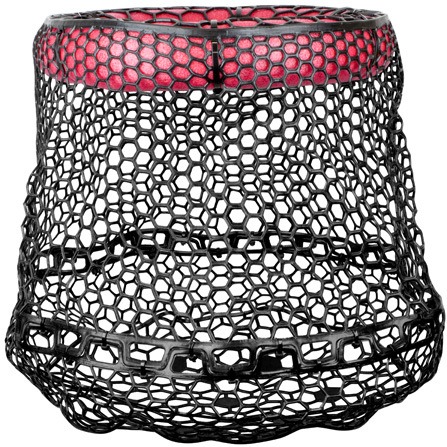
 The Livewell Buddy is a flexible, floating net that allows the fish to move freely thru circulated water and easily fits in any standard Livewell, or it can easily be attached alongside a boat, canoe or kayak that is not equipped with a Livewell to store your catch or your bait fish. It also can be tethered to you when wade fishing. As you fish, simply drop your catch into the Livewell Buddy’s durable silicone net.
 Retrieving your entire catch out of the Livewell Buddy is as simple as grabbing the floatation ring and lifting the Livewell Buddy out, along with your full bounty. There is no need to net or handle the fish, which eliminates the dreaded “fish splash” and “finning” injuries. For culling the smaller fish, the Livewell Buddy is a non-invasive alternative to conventional cull systems. After culling the smaller fish, simply drop the Livewell Buddy back into the water or your Livewell.


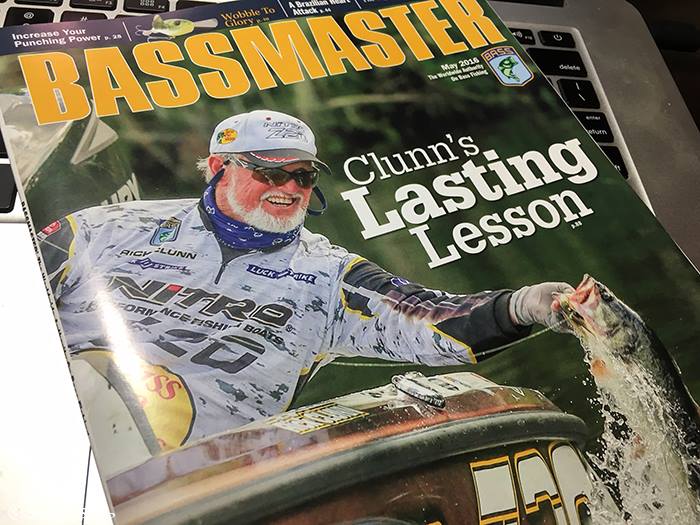

 So join me and Bass Pro shops in celebrating National Hunting and Fishing Day this Saturday, the 28th of September. But take it one more step! Take a friend, family member, someone on an adventure, go fishing or hunting. I have stated before, that I am hard-pressed to remember a single gift I received, but can easily recall many fishing, hunting, and camping adventures. The photos are of my Dad and Mom sharing the outdoors with me.


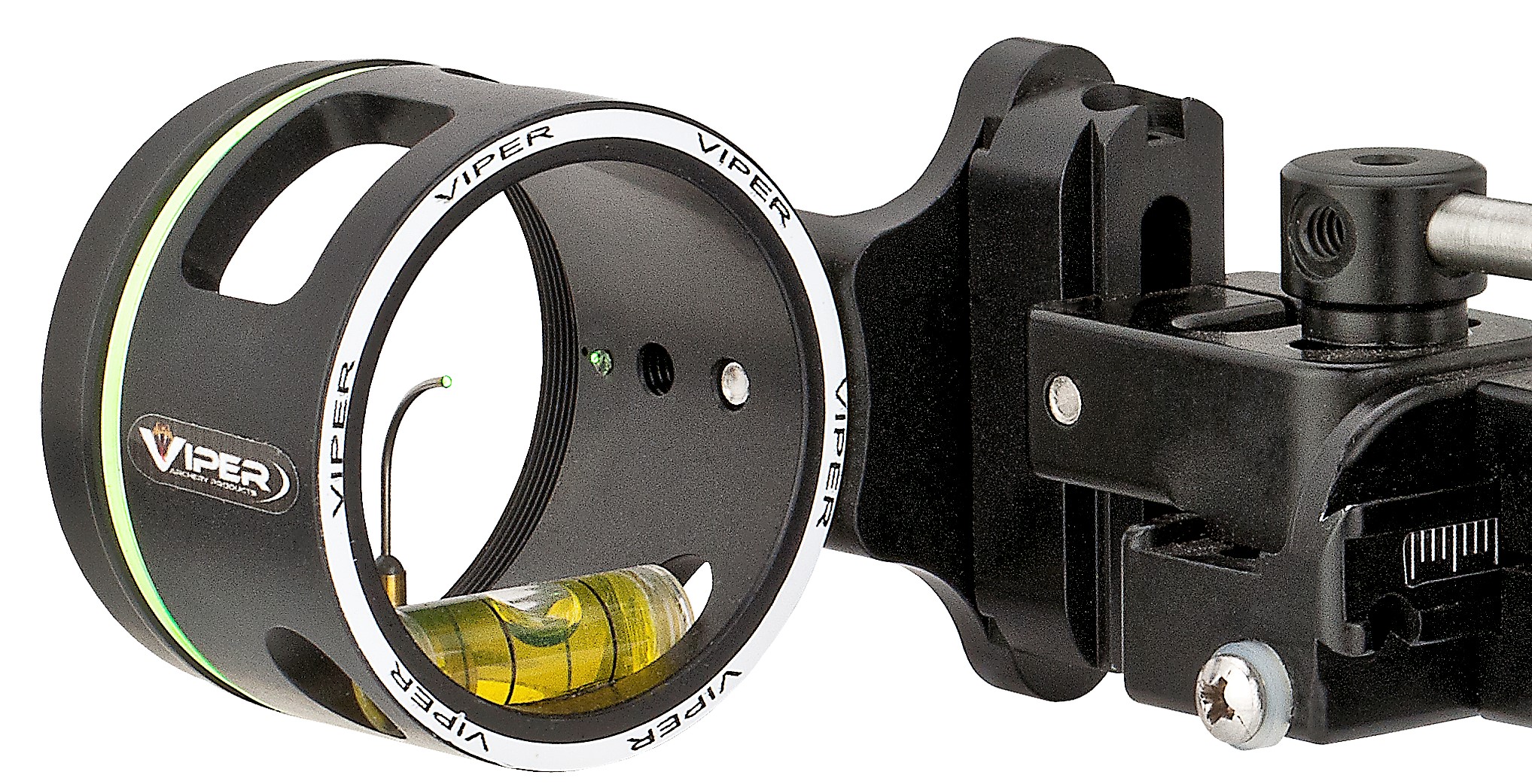
 Designed to bridge the gap between archery hunting and competition bow sights, the Viper Archery Products Sidewinder Series provides the fastest, easiest and most precise elevation adjustments of any single-pin sights on the market. The Sidewinder and the Sidewinder XL, with its longer sight radius and windage micro-adjustment capability, are truly a dual-threat on the 3D course and in the field.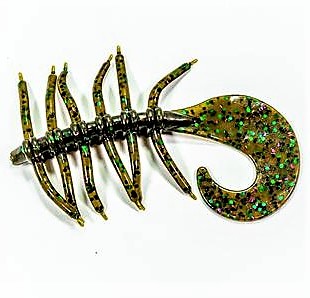


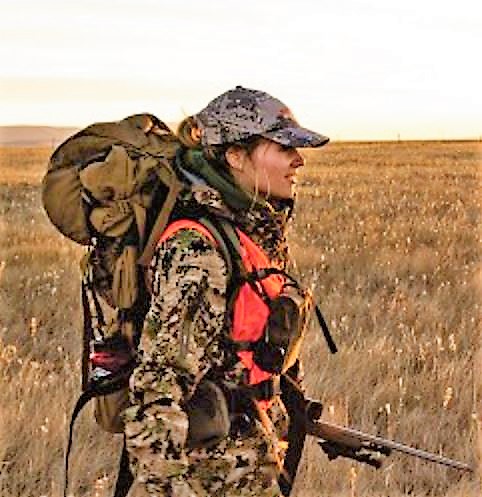


 Today, August 1, 2019 – on the first day of National Shooting Sports Month®, The White House issued a Presidential message to the nation on the importance and tradition of the shooting sports in America. This annual 31-day celebration, developed by the National Shooting Sports Foundation® (NSSF®) in 2017, reminds people that everyone can enjoy these safe, fun and social activities. It’s also the perfect time for an experienced shooter to mentor a newcomer in a sport that can provide a lifetime of enjoyment at every skill level.
 As President, the safety of the American people is my top priority, and I want to ensure that those participating in shooting sports — one of our Nation’s greatest traditions — have the proper facilities to learn how to operate a firearm responsibly. That is why I was proud, earlier this year, to sign into law H.R. 1222, the Target Practice and Marksmanship Training Support Act. This important legislation will support State wildlife management agencies as they construct or expand shooting ranges, providing more opportunities for citizens to safely and properly learn marksmanship skills. My Administration has also expanded access to America’s public lands, opening millions of acres for use, including by hunters and recreational shooters. And, in June, my Administration announced a plan to open an additional 1.4 million acres in national wildlife refuges and fish hatcheries to new or expanded hunting, fishing, and recreational opportunities. These actions will help ensure a perpetual investment in wildlife and habitat conservation, foster responsible stewardship, and increase interest in shooting sports for current and future generations.

 Gramps and Mel spent hours there, spinning yarns about their fishing trips, cleaning their catch for the day, or working on the boat to make sure it was ready for the next day.


 The new
  “Fishing at night is exciting and some absolute monsters are caught in the dark,” said Mike Rice, director of brand development at Berkley. “The new Berkley Glowstik rods truly light up the night. Whether you’re on the bank, beach or bridge, we are giving anglers a way to watch for bites they may have previously missed and eliminate other clumsy lighting solutions they may have been forced to rely on in the past.”
 The
The 
 Not too many anglers can resist trying out these new lures. Every year I stock up on more than I should, but they all look so good and some turn out to be valuable additions to my tackle box. If you don’t try them, you will never know if they would work for you or not. Beside, trying them is part of the fun!

 INVICTUS will be customized at the world-famous Prefix Corporation in Michigan. CarbonTV will be documenting the process with weekly video updates, allowing users to follow along and provide feedback. While the truck exterior will boast a full Kryptek wrap and aggressive upgrades, including a lift kit; the interior will be finely detailed with one-of-a-kind Kryptek accents. Viewers can interact with CarbonTV and Kryptek via social media to give their opinions on what upgrades they would like to see. The finished product will be revealed to the public upon completion.
 Online viewers can find the best in online streaming media service at


 It’s chow time on the trail. You know the excitement! It means rest and relaxation, conversation, good moments are just ahead. Yet, many times, you are just ready to get the fire going and something is missing. Forks, knives, spoons, can opener – you know how it goes. That’s life, but guess what? That precious R&R just got to be a few more moments away. Enter ChowLite. Some of those NEEDs and ISSUES are gone. Presto. Gotta like that.

 “As professional anglers, we sometimes take for granted the amazing equipment and technology we get to use every day,” Zaldain said. “I was happy to be able to teach David how to use the One-Boat Network products and show him the advantage that a connected boat can provide to all anglers. David is a great guy, and I know he will take what he learned here today, and teach it to the youth in his local B.A.S.S. chapter ensuring the next generation of anglers gets to experience the very best products out there.”
 For more information on Minn Kota and Humminbird visit
  About Minn Kota® and Humminbird® – JOHNSON OUTDOORS FISHING is comprised of the Minn Kota®, Humminbird®, and Cannon® brands. Minn Kota is the world’s leading manufacturer of electric trolling motors, as well as a complete line of shallow water anchors, battery chargers and marine accessories. Humminbird is a leading global innovator and manufacturer of marine electronics products including fish finders, multifunction displays, autopilots, ice flashers, and premium cartography products. Cannon is the leader in controlled-depth fishing and includes a full line of downrigger products and accessories. Visit Minn Kota at


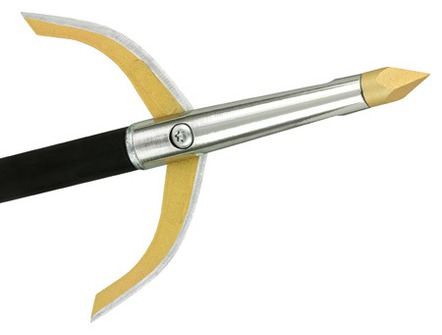
 For decades, big game broadhead engineers have come up with quite a few evolutions for change to make a better broadhead. In doing so, I think I have tried them all, used them all from the stand, discovered their efficiencies and flaws – pro’s and con’s, and have always wondered why nobody has ever used magnets. Too heavy? Too costly? What?


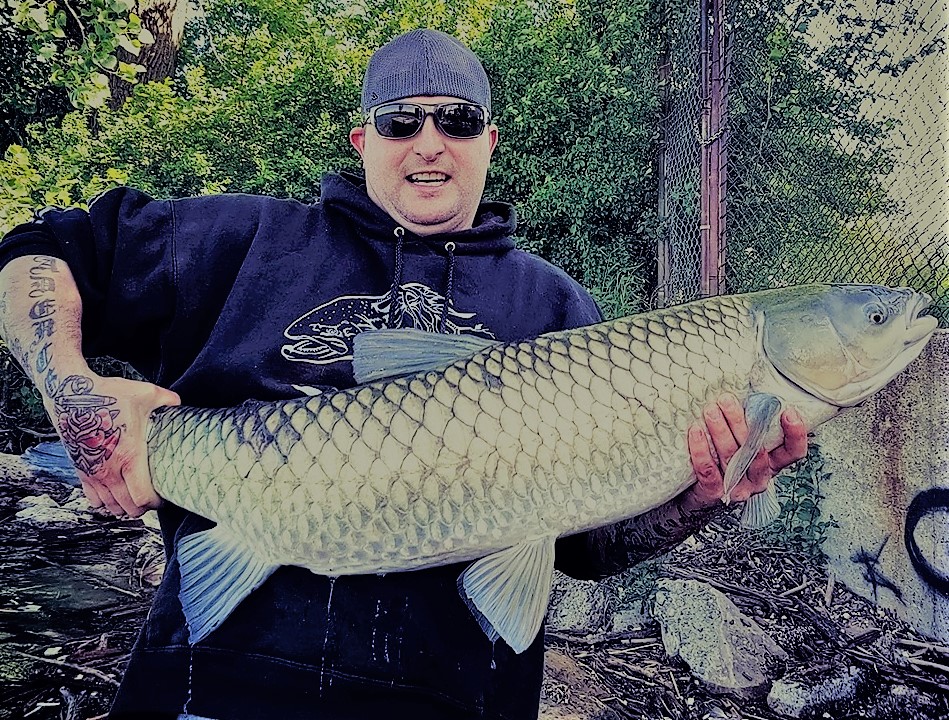


 One of the biggest things we can control as deer hunters is our scent, but it’s not easy. We all perspire, we sweat when we walk out with our gear, climb a tree and set up. The gentle wind from whatever direction helps to disperse the “hunter alert” smell to all area wildlife populations. What can we do to get better to remove our human odor and wildlife alarm scent
 ? Read on.


 In eastern basin Lake Erie, most anglers are conventional. They troll with lead core line, deep diving stickbaits and custom made spinner/worm rigs. Who would have ever thought to try a Mepps combination through all the contention with standard convention? Guess what? They not only work in the land of giant great Lakes walleye back here in the northeast, they work everywhere.
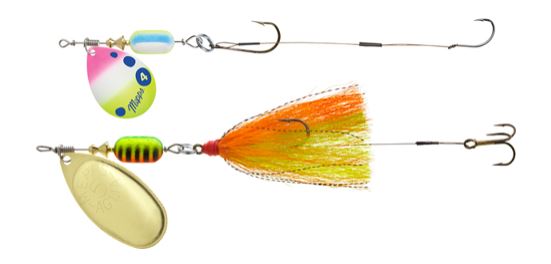 The Mepps® Crawler Harness shares the same features and durability of the Trolling Rig, minus the dressed hook and utilizes a Colorado blade, finished in a wide selection of colors and patterns. The Mepps® Crawler Harness comes in 2 sizes and 9 color combinations. Remember, all of the quick-change features built into both of these baits means blades, bodies, dressings and hooks can be mixed and matched to find the perfect combination for current conditions.

 “We deeply appreciate President Trump’s swift enactment of this legislation that will give state fish and game agencies greater flexibility to build new recreational shooting ranges and expand and improve existing ranges,” said Lawrence G. Keane, NSSF Senior Vice President and General Counsel. “This administration understands the value and investment the firearms and ammunition industry makes to safe recreational shooting and to sustained conservation to benefit wildlife and habitat restoration across the United States. Public shooting ranges provide hunters a place to sight in rifles and pattern shotguns before hunting seasons, for people to take firearm safety and hunter education courses and for recreational target shooters to enjoy their sport.”


 The 110 Folding Hunter® is one of America’s favorite knives, this version, the 110 Folding Hunter® LT, will undoubtedly follow in suit. Weighing barely over 3 ounces, the LT is created with lightweight molded nylon, drastically reducing its weight while maintaining the same quality as the original Folding Hunter®. The clip point blade is finished with Buck’s advanced Edge2x blade technology for unbelievable sharpness and edge retention out of the box.


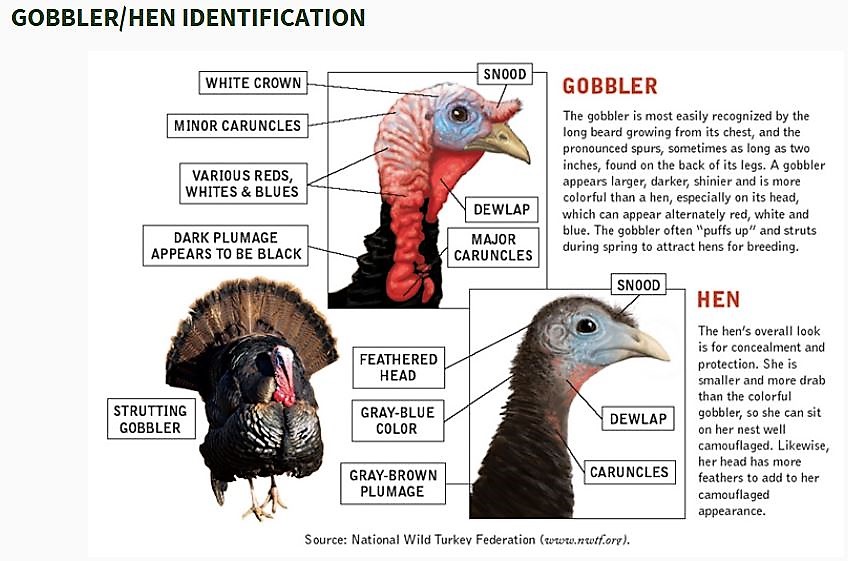


 However, if you’re like most landowners who want to attract and hold more and healthier wildlife, including deer, turkeys and a host of other species, you need to increase the carrying capacity of your land by providing the proper amount and type of natural food to meet their year-round nutritional needs.
  Planting soft and hard mast orchards is a great way to significantly increase available wildlife nutrition over longer period. It should be done in addition to, other wildlife habitat improvement practices. By incorporating mast orchards into a larger coordinated plan that could include timber harvesting, herbaceous food plots, controlled burning and other practices, the end result of the whole becomes greater than the sum of its parts.





 Avid outdoorsman and outdoors writer, Ken Taylor, has been a host of Outdoor Guys Radio since the show began in 2011. Ken has been hunting and fishing since he was old enough to pick up a BB gun, and is passing that passion on to his two sons. Both boys love to hunt and shoot, and are also avid fisherman. Ken credits his dad with instilling in him a love for hunting, fishing, and all things outdoors. Thanks mostly to his understanding wife, Ken spends over 90 days a year hunting and fishing. Ken enjoys hunting big game, upland birds and waterfowl in both Kansas and Missouri. The rest of his year is spent fishing on their home lake, shooting at Powder Creek Gun Club and training Ruby and Belle, the family’s Vizslas. Adds Ken, “Ruby and Belle are our most reliable hunting partners!”
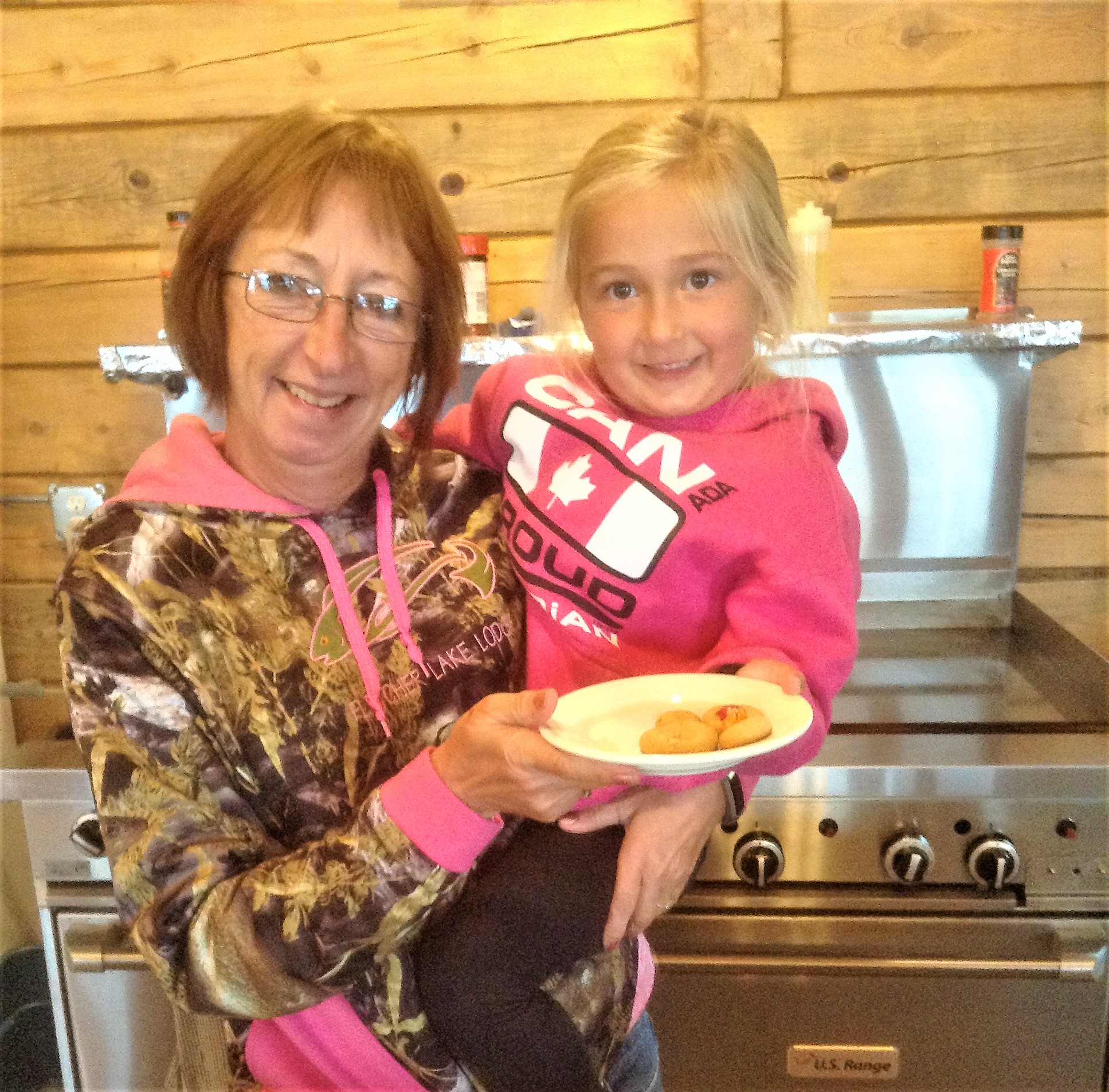


 Nice to enjoy a fishing lodge that delivers so much before you even get on the water.



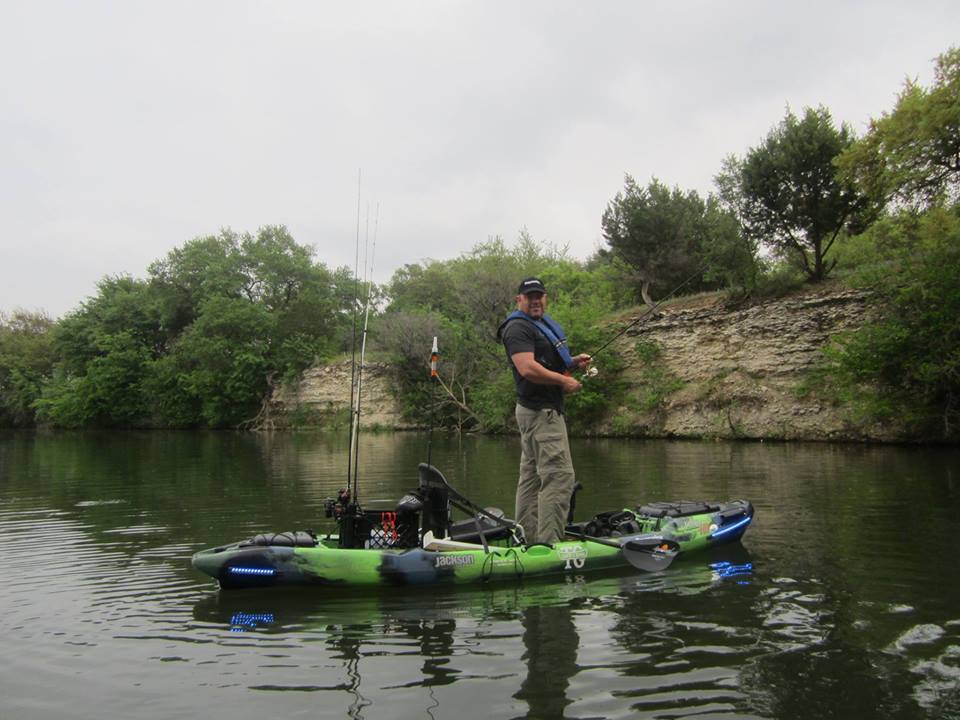
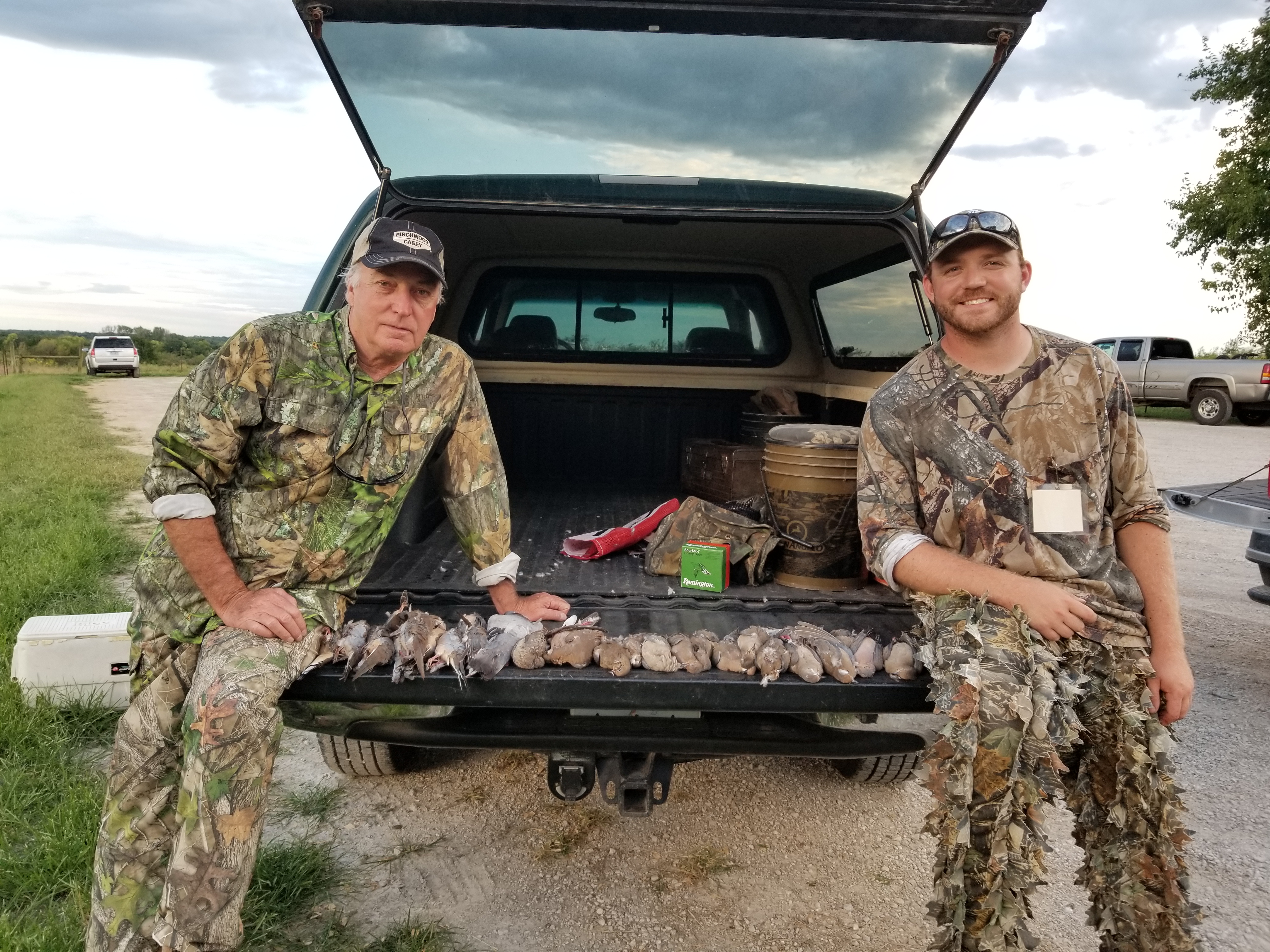

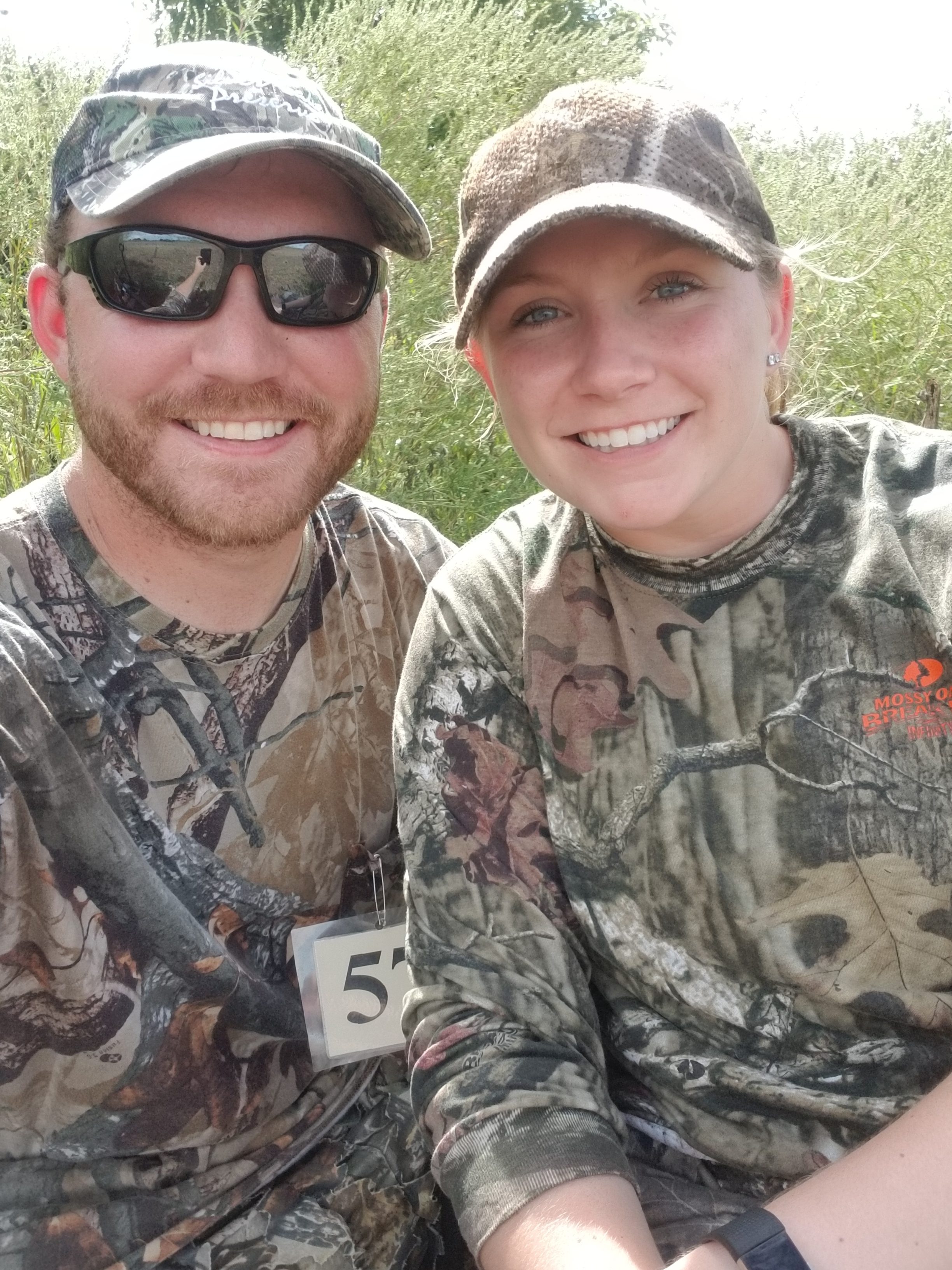


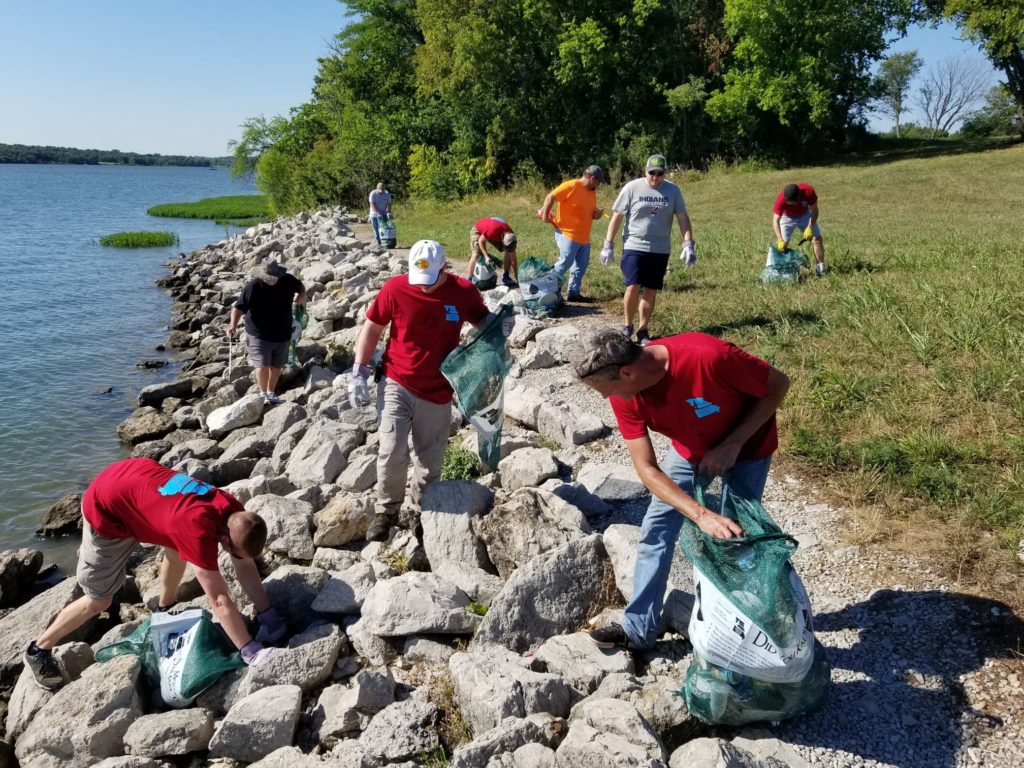
 Kevin Cox, a member of the Lee’s Summit Area Fishing Facebook group, mentioned that even his seven-year-old daughter recognized the trash issue around Longview when he took her out there to fish from the bank.






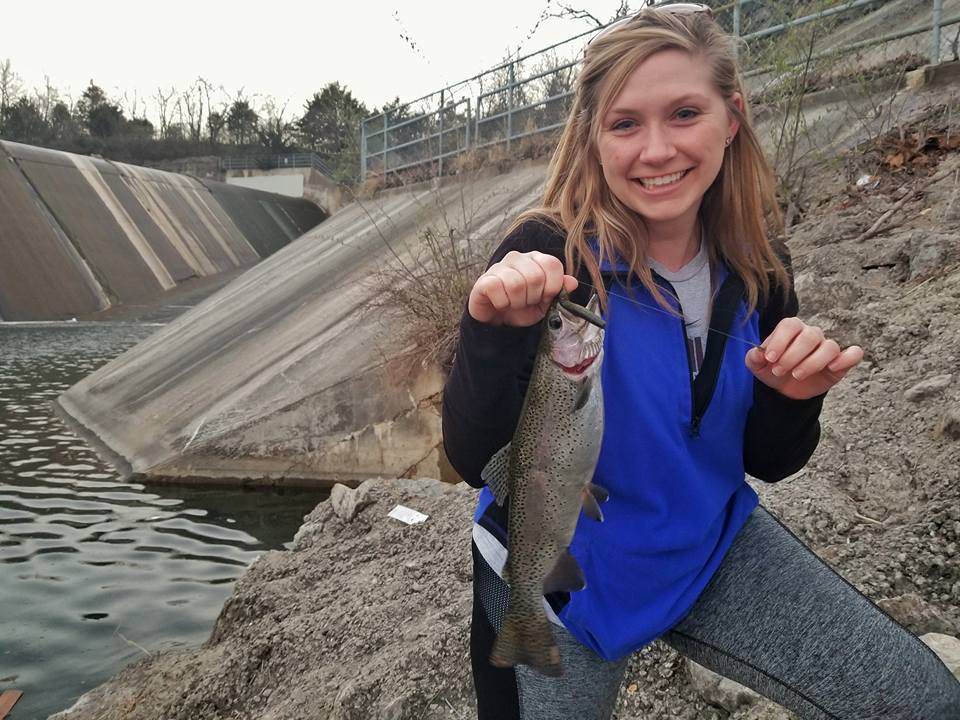
 Our best guess is this sturgeon swam from the Missouri river up the Little Blue River and held in the small stream while the dam was built and Longview lake was created thirty plus years ago. It is simply amazing that this fish, which is estimated to be fifty to one hundred years old, made such a long journey and survived. The amount of change this sturgeon had to adapt to during its journey to a new environment is hard to imagine. Couple all that with the fact that Longview is a heavily fished lake and I think you have the perfect recipe for an unbelievable fishing story.