Poaching Legislation Moving through House in Missouri

  • Sportsmen asked to show formal support (send note, call office) to their respective legislators
  • Control for poaching is needed
  • Violator fines will go to State Education Fund
Click to learn More.

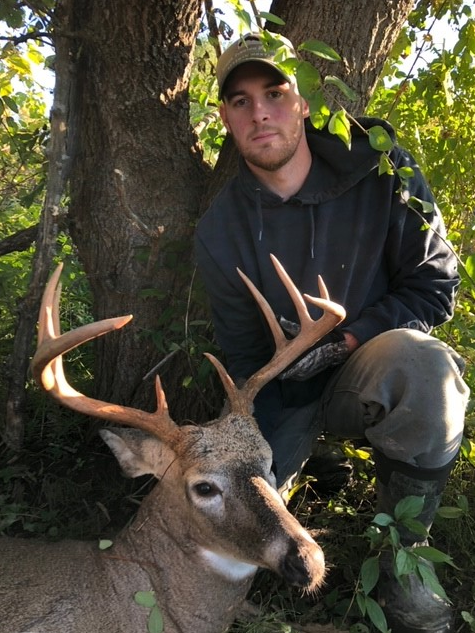
Poaching legislation continues to make progress during the 100th meeting of the General Assembly. The Missouri House of Representatives will soon take up for debate legislation to impose civil penalties for poaching. House Bill 260 is sponsored by Representative Jered Taylor (Nixa). The bill has also been listed in the Senate under Senate Bill 356, which is sponsored by Senator Mike Bernskoetter (Jefferson City).

The Conservation Federation of Missouri applauds the work of both the House and the Senate on these bills so far. We ask our members to show their support to their respective state representative and senators in hopes to get these bills enacted into law. It also comes on the heels of poaching cases where elk have been illegally taken from the landscape.

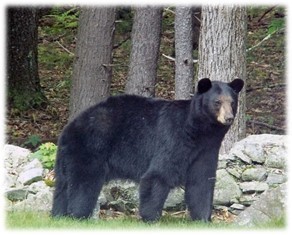
Current poaching fines are so low they do not function as a meaningful deterrent, exposing our public wildlife resource to abuse and exploitation by those willing to ignore the law. The fees outlined in both bills would take fines from $2,500 to $5,000 for poaching black bear or elk, $1,000 to $2,000 for poaching deer, $500 to $1,000 for poaching paddlefish and $375 to $750 for poaching wild turkey.

These bills specify that the court may require any person found guilty of chasing, pursuing, taking, transporting, killing, processing, or disposing of certain wildlife in violation of the Missouri Conservation Commission’s rules and regulations to make restitution to the state’s education fund.

Information and updates on these bills and others, can be found utilizing CFM’s Legislative Action Center: www.confedmo.org/lac

Full bill text for each of these bills can be found online:
https://house.mo.gov/billtracking/bills191/hlrbillspdf/0841H.01I.pdf

https://www.senate.mo.gov/19info/BTS_Web/Bill.aspx?SessionType=R&BillID=3038535

Niagara Falls USA Fishing Forecast for Feb. 28, 2019 from Destination Niagara USA

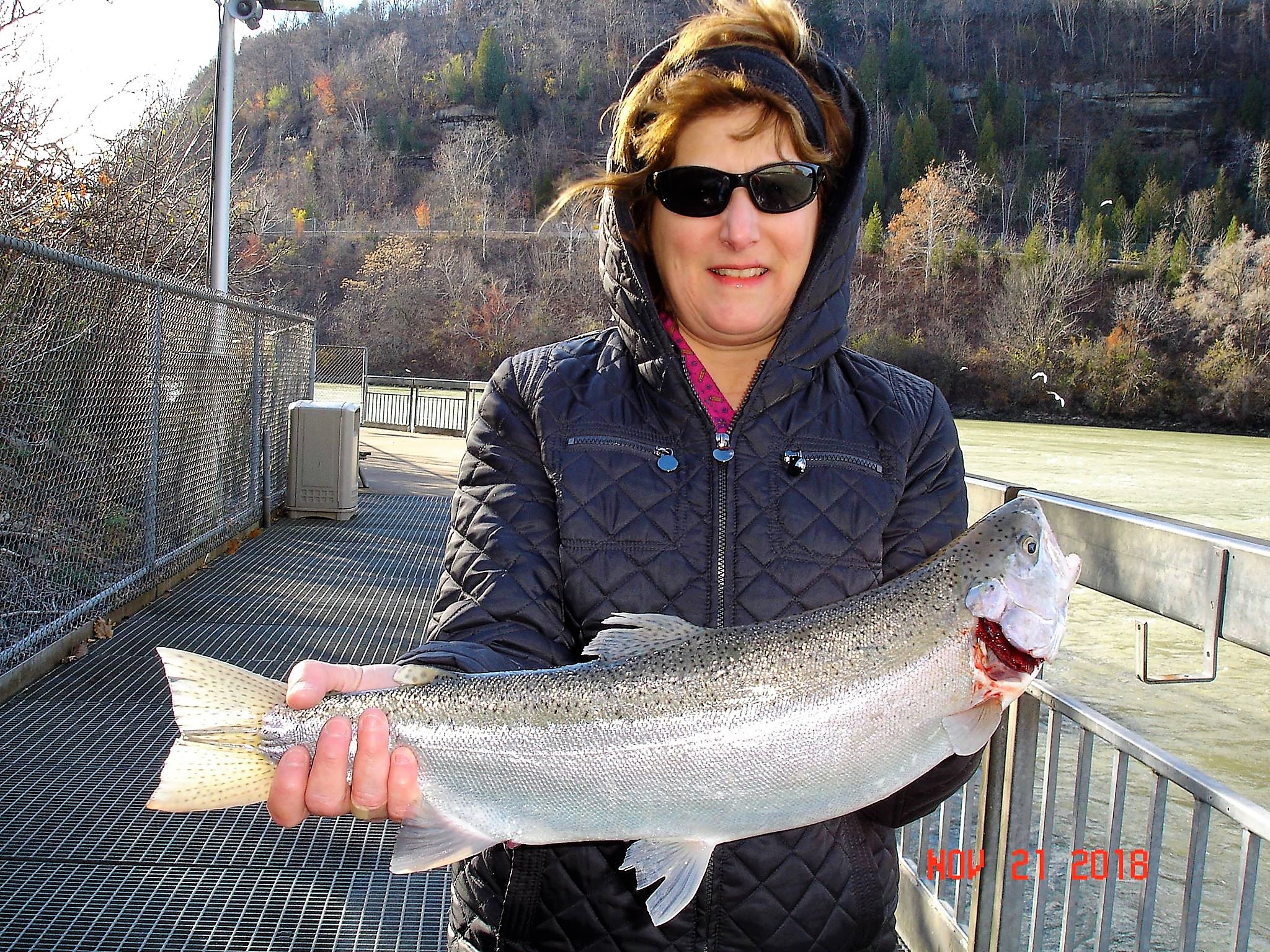
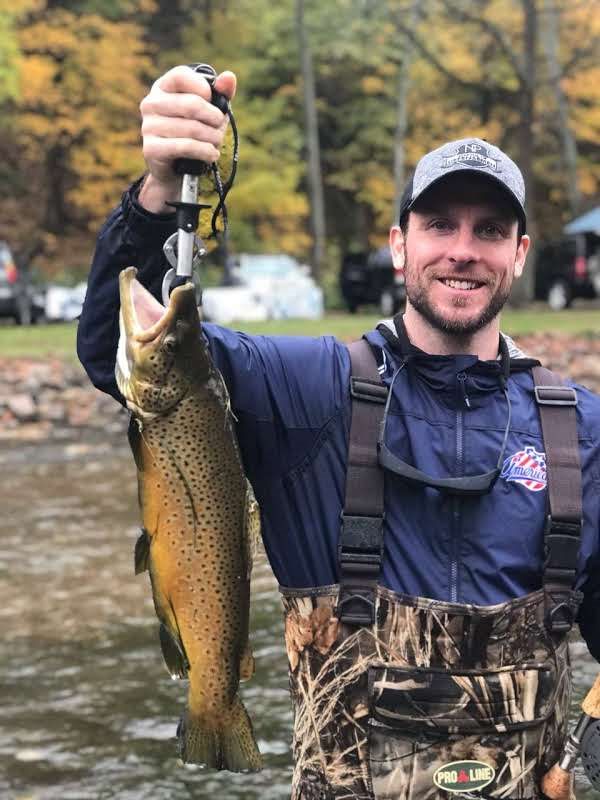
Eric Heim of North Tonawanda, NY, with a lower Niagara River brown trout caught while fishing with Capt. Matt Yablonsky of Youngstown.

More snow and cold arrived on the local fishing scene, but that hasn’t stopped boaters from hitting the lower Niagara River for walleye and trout. Action was hot just prior to the big blow last weekend that filled the river with ice. However, some boaters were planning on hitting the water today to check to see if the fish are just as hungry.

Egg sacs, emerald shiners, minnows and lures like Kwikfish and MagLips were all catching fish off three-way rigs. It may be cold out, but the fishing has been hot! Perfect timing, too.

Lewis Pastor of North Tonawanda caught this lower Niagara River brown trout fishing with Capt. Matt Yablonsky of Youngstown.
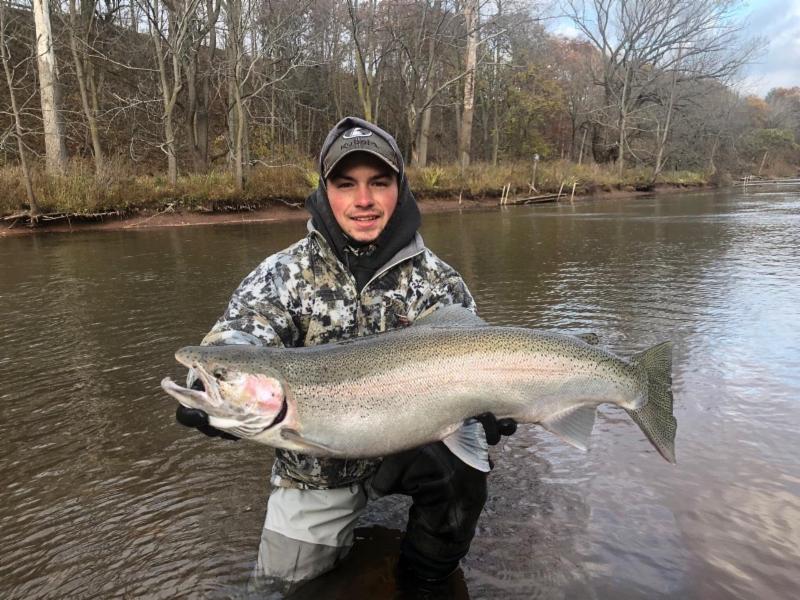
Dominic Kahn caught this lower Niagara River steelhead fishing with Capt. Chris Cinelli of Grand Island.

Saturday, March 2, is the Niagara River Anglers rescheduled Roger Tobey Memorial Steelhead contest for the lower Niagara River and Lake Ontario tributaries. The hours are sunrise to 2 p.m. with awards to follow at Lewiston No. 1 Fire Hall. Call Paul Jackson at 998-8910 for more info.  You can sign up at the Lewiston Launch Ramp, Creek Road Bait and Tackle in Lewiston or The Slippery Sinker in Olcott.

There has been some open water below Burt Dam on 18 Mile Creek and a few steelhead have been reported.

Shawn West of Lockport, NY, with a nice tributary steelhead caught in eastern Niagara County.

Ice fishing in Wilson Harbor is producing some perch, panfish, pike and the occasional trout.

Ethan Bronschidle of Newfane, NY, hit 18 Mile Creek to catch this steelhead last weekend.

March 2nd is also the 30th Annual Antique Fishing Tackle Ice Breaker show at the Elks Lodge on North Canal Road in Lockport from 10:30 a.m. to 2 p.m. Bring your old fishing tackle in or just see the amazing history through tackle here in WNY.

The NYSDEC will hold their Annual State of Lake Ontario meeting on March 7 at Cornell Cooperative Extension Niagara, 4487 Lake Avenue (Route 78), Lockport, starting at 6:30 p.m.

The WNY Sport and Travel Expo is just around the corner, set for March 7 to 10 at the Erie County Fairgrounds in Hamburg. Admission is $10. Kids 10 and under are free. Check out www.eriepromotions.com for more details. One popular speaker returning will be Bass pro Mike DelVisco. He will once again be hosting a coloring contest for kids 6 years old to 12 years of age March 5 and March 6 at area Texas Roadhouse Restaurants from 6 p.m. to 8 p.m. March 5 is in Tonawanda and March 6 is in Cheektowaga. The top four kids from each location will be invited to a private fishing contest at the fishing pond in the Expo on Saturday morning, March 9 at 9:30 a.m.

Bill Hilts, Jr. – Outdoor Promotions Director

Inline image 2
Destination Niagara USA, 10 Rainbow Blvd., Niagara Falls, NY 14303

Master Coyote Hunting…the How-To, What-To and When-To

COYOTE HUNTING MASTER TACTICS...read the story.

  • Locating and Luring Coyote to You
  • Gaining Access to Productive Properties, How to Find These Properties
  • Caliber, Ammo, Scopes, Lights, Calls…It’s All Here
                                      Click Picture to Purchase the Book.

By Forrest Fisher

Hunting veterans and novices alike will become better coyote hunters after reading this book written by award-winning author and expert coyote hunting guide, Michael Huff.

This book provides the most detailed and comprehensive information and tactics for coyote hunting ever written. Explained in the chapters is everything you need to master the difficult art of locating and luring coyotes to your gun or camera.

Included is information on how to find productive properties and gain access, select the ideal caliber and firearm, effective use of field shooting supports, successful techniques to use electronic and mouth calls, proper operation of lights for night hunting, organizing a vehicle, creating perfect setups to bring in coyotes, advanced hunting strategies and techniques, making long-range shots, selling pelts for profit, field care and taxidermy. All in one place.

The expertise shared by this award-winning author, speaker and popular professional guide will shave years off your learning curve.

This is the Michael Huff’s second book and further authenticates his well-earned reputation as a coyote expert, a reputation formed from years of pursuing scholarly research while hunting and guiding for coyotes across the United States of America.

His first book is the award winning, “Understanding Coyotes: The Comprehensive Guide for Hunters, Photographers, and Wildlife Observers.”  In his spare time, Huff provides instruction in handgun and long range shooting skills, and gives back by operating a volunteer outreach program providing meals to homeless individuals ni need.

Huff is a full-time licensed professional coyote  hunting guide and operates Master Predator Hunting LLC, one of the largest predator hunting outfitters in the USA.

Click logo to Visit Mike Huff at his website.


Niagara Falls USA Fishing Forecast for Feb. 7, 2019

  • From Destination Niagara USA
Rich Pisa of Kenmore, NY, with a beautiful Lower Niagara River winter fish.

After a bit of an ice storm yesterday around Western New York, temperatures will be shooting up into the 40s and 50s today, bringing with it high winds with gusts to 60 mph through late Friday afternoon. With this end of Lake Erie still open, it will undoubtedly have an effect on Niagara River fishing by pushing ice into the river and also have an effect on water conditions. Wind that strong out of the Southwest has a tendency to stain things up, but with colder temperatures in the forecast for the weekend, it should help things out.

Ricardo Davila of Wheatfield, NY, caught this steelhead from the Niagara River shoreline this week.

The Niagara River was busy from both boat and shore the past week and trout and walleye dominated the catching scene.

We heard about walleyes up to 12 pounds. Steelhead, brown trout and lake trout were all being caught by casters and boat drifters.

Boaters were pulling Kwikfish and MagLips off three-way rigs to catch fish. Minnows were also working.

From shore, spinners and jigs were both catching some fish.

18 Mile Creek in Newfane saw some things open up again and jigs tipped with a wax worm or egg sacs were working under a float.

The Back Bay in Wilson was still producing perch, crappie and the occasional trout in Tuscarora Bay through the ice.

Paul Czamara of West Seneca, NY, with a lower Niagara River lake trout he caught on a spinner.

With the recent warm ups, make sure you check the ice thickness before heading out and when heading back in.

Don’t forget next weekend is a free fishing weekend in New York State, Feb. 16 and 17. You don’t need a fishing license, but you do need to abide by the regulations for the body of water you intend to fish. Check out the DEC website at dec.ny.gov for more info.

The WNY Boat Show is coming up Feb. 20 to 24 at the Adpro Center in Orchard Park. Check out www.wnyboatshow.com for details.

Finally, the Niagara River Anglers has announced that they have rescheduled its Roger Tobey Memorial Steelhead Contest for March 2 in the lower Niagara River and Lake Ontario tributaries. The contest, for NRAA members, runs from sunrise to 2 p.m. with the awards to follow at Lewiston No. 1 Fire Hall in the village. Call Paul Jackson for more details at 998-8910.

Kerrianne Mesiti of Chili, NY with her first walleye caught on a minnow with Capt. Arnie Jonathan of AJ Guide Service while fishing the lower Niagara River.
Parker Cinelli of Grand Island with a 12 pound lower Niagara River walleye.

DEC has also announced new regulations proposals for Lake Ontario and the Niagara River. Go on the DEC website at www.dec.ny.gov to find out what they are and pass along your comments.

Bill Hilts, Jr. – Outdoor Promotions Director

Inline image 2
Destination Niagara USA, 10 Rainbow Blvd., Niagara Falls, NY 14303

Shore Magazine, NEW for Lake of the Ozarks

Lake of the Ozarks has a NEW MAGAZINE. Read more!

  • Kick back, chill out, shed the stress…unplug, hammock time, escape…wind down
  • Go Prepared, get a copy of the new Shore Magazine…then, get it done at the lake

By David Gray

In Missouri, from St. Louis to Kansas City and all points in between, when you say I am heading to the Lake, everyone knows you are going to Lake of the Ozarks. Tucked into the central Missouri Ozark hills, “the lake,” as it is called, is 92 miles long and offers 55,000 acres for the ultimate recreational destination magnet.

In addition to fishing, boating, swimming and water sports, the lake area offers every kind of recreational activity you might ever consider.

Among the endless choices of things to do are annual events like the Magic Dragon Street Car Show, Shoot-Out Boat Races with every level of lodging accommodations, including camping, are available.

With all the recreational options, the lake area delivers something for everyone.

Maybe the best lake activity of all is to just “relax.” Call it by any name, kick back, chill out, shed the stress, unplug, hammock time, escape, wind down – you can get it done at the lake.

As of 2019, relaxing gets a boost from the new Shore Magazine. Many people miss good print magazines that have been replaced by internet communications. If you fear there will be no new good publications, chase that fear away with the new annual print publication, Shore Magazine, which focuses on boating and recreation at Lake of the Ozarks.

Let’s admit sitting on a deck at the lake, morning coffee in hand, laptop off, phone turned down…is the preamble for getting relaxed. Add to that equation, Shore Magazine, a new excellent quality print publication to browse thru and everyday stress starts to melt away.

Shore Magazine was a collaboration between Showcase Publishing and Nauticus Media, and both companies are well versed in serving the needs for the Lake of the Ozarks area.

The folks that run Showcase know a lot about lake life. Showcase Publishing did their first magazine 34 years ago. Showcase publisher David Leathers learned the newspaper trade from his father, Tom Leathers, who published the Squire Newspaper in Kansas City for many years. David used his newspaper experience to publish Kansas City Home and Gardens, his first glossy magazine.

Lisa Larsen and David Leathers unveil Shore Magazine at Lake of the Ozarks Boat Show.

David Leathers knows the Lake of the Ozarks area well. His initiation began when he started selling ads around the lake for his Dad’s newspaper, then later for his own magazine. In a few years, the flow of people relocating and moving from population centers of St. Louis and Kansas City grew and David realized the need for a new magazine. David brought out Lake Relo and it was the right magazine at the right time. Lake Relo continues to be a very popular lake area magazine. The success of Lake Relo spun another great publication with the title “SHL,” Second Home Living, which is distributed free around the lake area. David Leathers enjoyed not only working, but being at the lake and like many others, could not resist the second home experience. He used the knowledge that goes into his Lake Relo and SHL Second Home publications to soon find a lake home getaway.

Even for experienced businesses, it is never easy to produce a successful new product, but your first look at Shore Magazine will tell you this one hits the mark. At the recent Lake of the Ozarks Boat Show, the new Shore Magazine was unveiled. Lisa Larsen, Showcase Publishing operations manager, shared the extensive amount of planning and development that went into creating this masterpiece before the decision to go forward with the new magazine was made.

                      Articles for the first issue offer Lake of the Ozarks insight and news

The Shore Magazine subtitle is directed at boating on Lake of the Ozarks and it not only lives up to the subtitle promise, it exceeds it. Articles and information include Fishing, Boat Reviews, Lake Fashion, and Dining on and off the water, places to go, area things to do, lake lore and more. Every page of Shore Magazine offers quality and good-to-know info. Even the advertising, which is exceptionally well done, is enjoyable to browse.

Shore magazine is coffee table quality with high grade printing, spectacular photos and interesting content that will draw your attention to look twice. Get your copy of Shore, grab a coffee or libation, and go directly to your deck, dock or back of the boat. Take a seat, open the magazine, flip thru the pages and move the needle on your relaxing timetable to ON while at the Lake.

Shore is an annual edition magazine. The 2019 edition is ready and will be available at select marina and water locations around the lake for free. You can also get a paid subscription copy sent to your home or business at www.shoreboatingmag.com.

Clunn is Ageless, Magic Fishmaster, Wins at St. John’s River

  • Theme of the 2019 Bassmaster Elite Series: “Big Bass. Big Stage. Big Dreams.”
  • Clunn, 72 years young,  wins with 34-14 on Final Day to total 98-14 for tourney!
  • Clunn’s Hot Lures: Luck-E-Strike Hail Mary(3/4-ounce), Luck-E-Strike Trickster Spinnerbait with a shellcracker-colored skirt and a Texas-rigged GatorTail worm.
Rick Clunn repeats at Power-Pole Bassmaster Elite at St. Johns River with a 4-day total of 98 pounds-14-ounces. Photo by B.A.S.S./Seigo-Saito

Palatka, Fl. – Feb. 10, 2018: After becoming the oldest angler ever to win a Bassmaster Elite Series event in 2016 on the St. Johns River, Rick Clunn provided what has become one of the most famous quotes in professional bass fishing history when he said, “Never accept that all of your best moments are in your past.”

On Sunday, he walked it like he talks it. Clunn, who turned 72 in July, broke his own record for agelessness, winning the Power-Pole Bassmaster Elite at St. Johns River with a four-day total of 98 pounds, 14 ounces. His amazing week was punctuated on Championship Sunday with a tournament-best limit of five bass that weighed 34-14.

It was the 16th career victory for Clunn, whose $100,000 first-place paycheck put him over $2.5 million in career earnings with B.A.S.S.

“I think this just reinforces what I said after I won here in 2016,” Clunn said. “A long time ago, I stopped paying attention to timelines. The terrible twos, the ugly teens, the midlife crisis, retirement time — I don’t pay any attention to any of that. “If you listen to everybody else, you’ll get premature notions about who you really are.” This week, there was no doubt about it. He was “Rick Clunn: Legend.”

The Ava, Mo., angler started modestly with a limit of 17-5 on Day 1. But he inched his way up the standings with 23-11 on Day 2 and then caught 23-0 on Day 3 to make Sunday’s Top 10 cut in eighth place with a three-day total of 64-0.

He joked after Saturday’s semifinal weigh-in that he might need a 10-pounder and a 12-pounder on Sunday to have any chance of winning. While he didn’t quite make those marks, he came close by weighing in two fish over 9 pounds, including a 9-14 that ranked as the biggest bass of the day.

His three key baits all week were a big lipless crankbait from Luck-E-Strike called a Hail Mary, a 3/4-ounce Luck-E-Strike Trickster Spinnerbait with a shellcracker-colored skirt and a Texas-rigged gatortail worm.

“I thought the bream pattern was important for the spinnerbait this week,” Clunn said. “The bass are bedding here, and I know how much the bass really don’t like the bream around their beds.”

The spinnerbait bite improved steadily throughout the week, thanks to a cold front that brought wind and cloud cover to the region. After catching bass on the deeper ends of boat docks in practice, Clunn said the fish had moved so shallow they were under the walkways of the docks by the weekend — and that made for a perfect spinnerbait situation.

In the event that he missed a strike on the spinnerbait, he would follow up quickly with the worm. That was the key to landing his biggest bass Sunday.

“That’s what won it for me today,” he said. “Early in the day, they were eating that spinnerbait really well. I caught a 6 1/2 on it and another one about 4. But then in the middle of the day, I missed three fish on it — and I could tell the third one was a really nice fish. “I went back with the worm, and it was the 9-14.” Even with all that he’s accomplished, Clunn admitted the two giant bass on Sunday got his blood pumping.

“I swung every fish into the boat today except those two 9s,” he said. “When you have to sit there and think about all of the possibilities and it takes forever to get them in the boat…it gets your heart moving.”

The two anglers closest in the standings to Clunn were first-year Canadian pro Chris Johnston with 95-2 and veteran Kentucky pro Mark Menendez with 95-1. Johnston said it was an honor to share the stage with Clunn.
“To lose to somebody that you watched fishing for the past 20 years — just to be on the same stage with him — it’s a privilege,” Johnston said. “If I was gonna see anyone else win, I would want it would be Rick. He earned it. He deserves it. He put his time in. “I can’t complain about second place at my first event.”

Canada’s Chris Johnston catches 28-13 and holds on to the lead going into Championship Sunday with a three-day total of 75-13. BASS Photo

Clunn said the question of when he’ll finally give up fishing is “a dirty question.” He’s looking forward to next week’s Toyota Bassmaster Elite at Lake Lanier in Georgia and has no plans of slowing down anytime soon.

“A lot of stuff off the water is old to me,” Clunn said. “But when I go on the water, it’s brand new, just like it was when I started. I love it just as much as I ever have. “It’s an incredible thing to go out every single day and know that you’ve gotta figure them out. This amazing study of natural rhythms and how all things are connected — I can’t see myself ever getting tired of that.”

During a tournament when giant fish were weighed in all four days, the Phoenix Boats Big Bass of the week was caught during Thursday’s opening round. The honor went to Virginia pro John Crews for the 11-2 largemouth he caught on Day 1.

Rookie pro and former college fishing champion Patrick Walters of South Carolina was fourth with 91-14, and Crews was fifth with 89-11.

When the Bassmaster Elite Series last visited the St. Johns River, three years ago, four-time Bassmaster Classic champion Rick Clunn (right) won with 81-15, including this one-day limit of 31-7. Helping him show off the catch are Trip Weldon (left), tournament director, and River Clunn. BASS Photo

The Elite anglers hit the St. Johns River fishery at its peak. The 75 anglers caught 158 five-bass limits and weighed in 893 bass totaling 2,927 pounds, 8 ounces of bass. With an average weight of 3 1/4 pounds and the largest weigh-in crowds in the history of St. Johns Bassmaster tournaments, the event more than lived up to the theme of the 2019 Elite Series: “Big Bass. Big Stage. Big Dreams.”

-2019 Bassmaster Elite Series Platinum Sponsor: Toyota
-2019 Bassmaster Elite Series at St. Johns River Title Sponsor: Power-Pole

-2019 Bassmaster Elite Series Premier Sponsors: Abu Garcia, Berkley, Humminbird, Mercury, Minn Kota, Nitro Boats, Power-Pole, Skeeter Boats, Talon, Triton Boats, Yamaha
-2019 Bassmaster Elite Series Supporting Sponsors: Academy Sports + Outdoors, Bass Pro Shops, Carhartt, Lowrance, Mossy Oak Fishing, T-H Marine
-Power-Pole Bassmaster Elite at St. Johns River Host Sponsor: Putnam County Chamber of Commerce

About B.A.S.S: B.A.S.S. is the worldwide authority on bass fishing and keeper of the culture of the sport. With more than 510,000 members internationally, B.A.S.S. is not only home to the nation’s premier fishing tournament trails, but it also boasts the most expansive and comprehensive media network in the fishing industry. Its media include The Bassmasters on the ESPN networks, more than 130 hours of tournament programming on the Pursuit Channel, 250 hours of on-the-water streaming coverage on Bassmaster LIVE and 1 million monthly visitors to the flagship website on bass fishing – Bassmaster.com. B.A.S.S. also provides more than 4.4 million readers with the best in bass fishing coverage through Bassmaster and B.A.S.S. Times, and its radio and social media programs and events reach hundreds of thousands each month.

The Bassmaster Tournament Trail includes the most prestigious events at each level of competition, culminating in the ultimate event on the biggest stage for competitive anglers, the GEICO Bassmaster Classic presented by DICK’S Sporting Goods. The trail also includes the Bassmaster Elite Series, BassPro.com Bassmaster Open Series, B.A.S.S. Nation Series, Carhartt Bassmaster College Series presented by Bass Pro Shops, Mossy Oak Fishing Bassmaster High School Series, and the Bassmaster Team Championship.


Valentine’s Day – Perfect Time to Search for BIG BUCK Antler Sheds…on the Ground

  • Shed hunting in the Northeast can be fun and is a good way to scout new hunting zones for next fall 

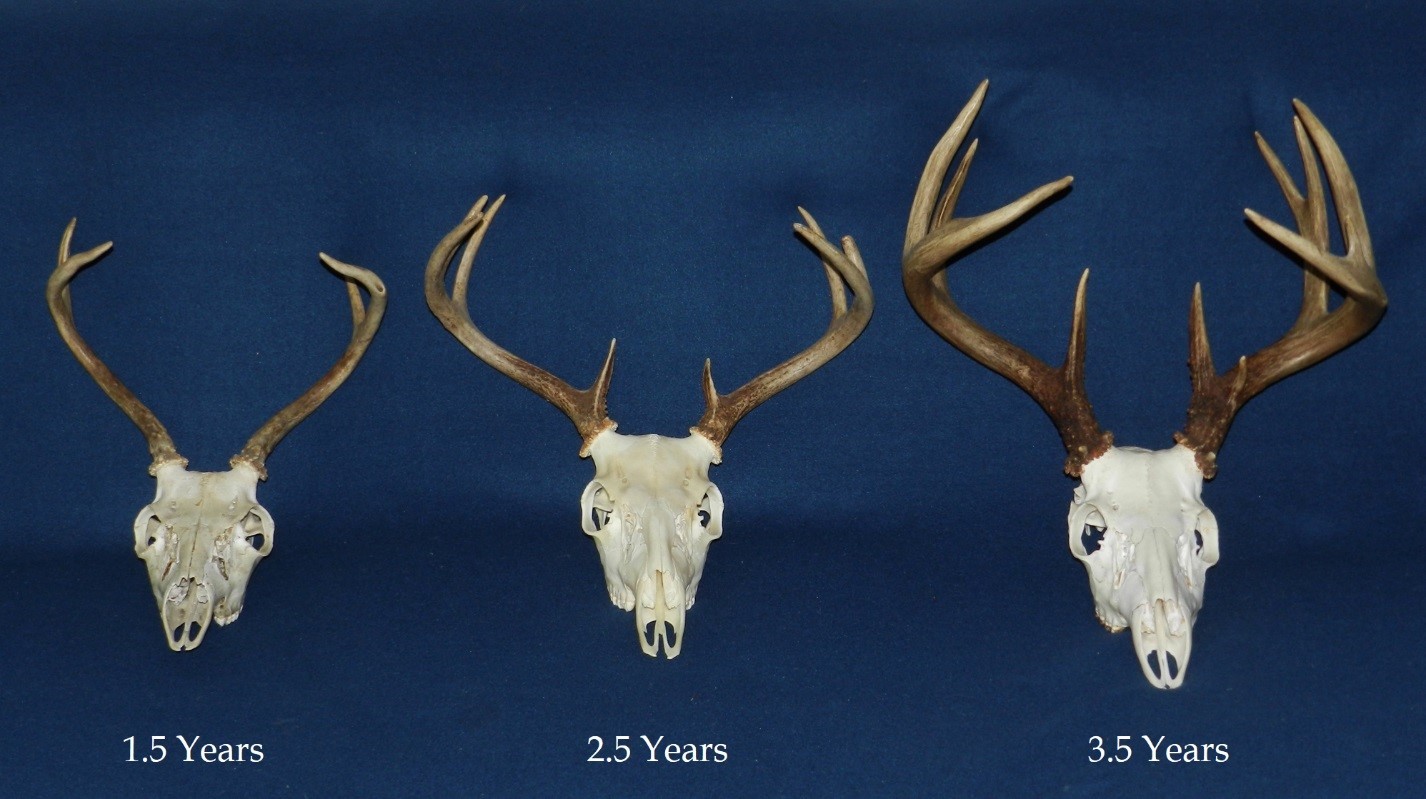
In late December and continuing through March, New York State whitetail bucks shed their antlers as testosterone levels drop in response to lengthening days. When the snow begins to melt in late winter, some hunters and antler enthusiasts head out to the woods and fields in search of these hidden treasures.

Antler sheds from NYS Whitetail bucks begin to become visible as the snow melts on those early warming days of winter. NYSDEC Photo

Antler sheds from NYS Whitetail bucks begin to become visible as the snow melts on those early warming days of winter. NYSDEC PhotoTo the inexperienced, the thought of walking the countryside in search of randomly dropped antlers can seem like an unsurmountable task, but for the avid shed hunter with a trained eye, it’s worth the effort.  Some call it another way of scouting for next year, especially if you hikeand search in new areas that include state land, etc.

Some shed hunters enjoy having a trained canine friend with a keen sense of smell accompany them into the woods. Others rely on hard work and visual scouting to determine where deer have frequented over the winter months.

If the idea of searching for shed antlers intrigues you, be cautious not to begin searching too early. Deer may still be congregated on their winter ranges and susceptible to disturbance. Shed hunters should also refrain from making “antler traps,” which are baited devices intended to snag an antler as the deer feeds. Not only is it illegal to feed deer, but these devices can cause antlers to be pulled off prematurely, potentially leading to infection and slow death of the deer.

For those that do it the right way, shed hunting can be a fun family activity and a rewarding reason to get outdoors in the late winter and early spring.

As hunters choose to Let Young Bucks Go and Watch Them Grow, shed hunting can also provide clues as to what type of bucks might be around during next hunting season. Give it a try, you might discover your next hobby!

For more, see the New York State Conservationist magazine articles that can eb found at these links: “Searching for Sheds” and “Antlered Art”.


Hardwater and Softwater Fishing is in the Forecast at USA Niagara – It’s Free Fishing Weekend! Feb. 16-17, 2019

  • Niagara Falls USA Fishing Report for Feb. 13, 2019 
Denis Kreze of Fort Erie (@deniskreze on Instagram) shows off the Atlantic salmon he caught in the upper Niagara River this week.

It’s a free fishing weekend in New York!

Feb. 16 and 17 are designated Free Fishing Days in the state, originally approved to help promote ice fishing in the state.  It looks like there will be plenty of that going on, but thanks to some untimely warm-ups…make sure you check your ice thickness, especially around the shoreline.  While you don’t need a fishing license, you do need to abide by the regulations for the body of water you intend to fish. Check out the DEC website at dec.ny.gov for more info.

The only hardwater action going on in Niagara County is Wilson Harbor in Tuscarora Bay.  Steelhead, pike and panfish are the species of fish being caught.

Tonya Vechnak of Mercer, Pa. caught this lower Niagara River steelhead fishing with Capt. Matt Yablonsky of Youngstown.
Michael Walaszek of Burt caught this personal best brown trout last weekend fishing in the lower Niagara River on a golden shiner. It weighed 10.7 pounds.

Soft water action in the lower Niagara River has been on fire, at least when you can get out there. Heavy winds last week pushed lots of ice into the river and created problems for a few days around the launch ramps. When the ice was gone, though, it was game on. And it’s blowing again right now!

Capt. Matt Yablonsky has been doing well on trout and walleye using a mix of minnows, egg sacs and plugs like MagLips or Kwikfish. These are all fished off three-way rigs.

All the main drifts are holding fish and they are eating everything. Incidentally, the daily limit on walleye is ONE FISH in the lower Niagara River.

Shore anglers in the gorge are also catching some fish using No. 4 spinners, jigs and egg sacs, but caution is advised due to the icy shoreline.

Danny Jankowiak of Buffalo, NY, shows off a Lake Ontario brown. If you can find open water in the trib’s, you can catch fish.

In the Lake Ontario tributaries, these are tough to fish right now with the ice and varying temperatures. Look for open water near the first impassable barrier upstream, like Burt damson 18-Mile Creek, and similar barriers. 

Above Niagara Falls, walleye action has been good for jiggers in some of the deeper holes. Denis Kreze of Fort Erie, Ontario, Canada,  even caught an Atlantic salmon this past week. A very rare catch indeed for this stretch of upper Niagara River.

The Niagara River Anglers have rescheduled its Roger Tobey Memorial Steelhead contest for the lower Niagara River and Lake Ontario tributaries. The new date is March 2nd and the hours are sunrise to 2 p.m. with awards to follow at Lewiston No. 1 Fire Hall.  You must be a member of the club to compete. Call Paul Jackson at 998-8910 for more info.

Also on March 2 is the Antique Fishing Tackle Ice Breaker show at the Elk’s Lodge on North Canal Road in Gasport, NY, from 10:30 a.m. to 2 p.m. Bring your old fishing tackle in.

Jim Dunkleman of Gasport and Seth Halter of Gasport with a pair of lower Niagara River steelhead. They were fishing with Capt. Matt Yablonsky of Youngstown.

Lastly, the WNY Boat Show is coming up next week, set for Feb. 20 to 24 at the Adpro Center at One Bills Drive in Orchard Park, NY. Admission is free on Wednesday and Thursday. Check out www.wnyboatshow.com for details. Happy Valentine’s Day!

Bill Hilts, Jr. – Outdoor Promotions Director

Inline image 2
Destination Niagara USA, 10 Rainbow Blvd., Niagara Falls, NY 14303

New York DEC Announces $3 Million in Grants Available for 2019 Invasive Species Projects

  • Grant Applications Accepted through Feb. 15, 2019
Hydrilla plant (NYSDEC Photo)

New York State Department of Environmental Conservation (DEC) Commissioner Basil Seggos announced that $3 million is available in the first round of the State’s newly consolidated Invasive Species Grant Program. To support projects that target both aquatic and terrestrial invasive species across the state, DEC combined previous funding opportunities, including the Aquatic Invasive Species Spread Prevention and the Aquatic and Terrestrial Invasive Species Early Detection/Rapid Response grants, into a single grant program. DEC is accepting applications for these grants through Feb. 15, 2019.

“New York is an international center for trade and tourism, making the state vulnerable to invasive species,” Commissioner Seggos said. “Once established, species such as hydrilla, emerald ash borer, and Japanese knotweed spread rapidly, causing harm to the environment, the economy, and human health. The invasive species grants announced today increase our ability to reduce the impacts of these invasive pests through control, removal, research, and prevention.”

State Agriculture Commissioner Richard A. Ball said, “Invasive species pose a threat to our agricultural economy, potentially causing harm to our crops and our forestry industry. The new grant program provides the targeted resources needed to help the State combat the introduction and establishment of invasives statewide.”

Under Governor Cuomo’s leadership, the 2018-19 state budget included $13.3 million in the State’s Environmental Protection Fund targeted specifically for invasive species related initiatives, $3 million of which was made available for these grants. Municipalities, academic institutions, and not-for-profits may submit applications for funding for eligible projects in up to two of the following categories:

  • Aquatic invasive species spread prevention;
  • Terrestrial and aquatic invasive species rapid response and control;
  • Terrestrial and aquatic invasive species research; and
  • Lake Management Plans.

Grant awards range from a minimum of $11,000 to a maximum of $100,000, with a required 25 percent match. Project locations must be located wholly within New York State and priority will be given to projects that include opportunities for public participation, are on or close to public lands or waterbodies, and emphasize long-term success. For full details about the grant opportunity including eligible projects and scoring criteria, visit the Request for Applications on DEC’s website.

Applications are due by 3:00 p.m. on Feb. 15, 2019. All grant applicants must register in the NYS Grants Gateway System (link leaves DEC’s webpage) before applying. Not-for-profit applicants are required to prequalify in the Grants Gateway system, so DEC recommends that applicants start the process in advance of the grant application due date.

The New York State Invasive Species Council, comprising nine agencies, recently adopted a new Invasive Species Comprehensive Management Plan, with assistance from a 25-member Invasive Species Advisory Committee. The Invasive Species Grant Program will provide opportunities to implement various actions identified under the eight focal initiatives around which the Plan is framed.

Conservation Federation of Missouri Seeks Executive Director

CFM Seeks Executive Director

Position Announcement

Click to learn more about important issues in Missouri and the CFM.

The Conservation Federation of Missouri (CFM) is seeking an Executive Director. The Executive Director serves as the chief executive for CFM and is a full-time exempt employee supervised by an executive committee and board of directors. The Executive Director works with the board of directors and staff to effectively lead and implement the organization’s goals, objectives, policies, and procedures.

The CFM is the oldest and largest 501(c)(3) nonprofit natural resource conservation organization in Missouri with over 3,000 individual members and 103 affiliate member organizations. Created in 1935, CFM has been a critical leader in furthering the interests of conservation, natural resource management, and outdoor recreation in the state of Missouri and as an affiliate of the National Wildlife Federation.

Mission: To ensure conservation of Missouri’s wildlife and natural resources, and preservation of our state’s rich outdoor heritage through advocacy, education and partnerships. Motto: The Voice for Missouri Outdoors

A successful candidate for Executive Director will have skills in leadership, administration, planning and budgeting, fund-raising and development, membership development, and oral and written communications.

See the job description for additional details.

To apply, submit a cover letter, resume, and salary requirement by February 11 to: Conservation Federation of Missouri, Attention: Micaela Haymaker; 728 West Main, Jefferson City, MO 65101

Email: mhaymaker@confedmo.org. For more information about the Conservation Federation of Missouri, please visit our website www.confedmo.org.

About the Conservation Federation of Missouri: The CFM, formed in 1935, is Missouri’s largest and most representative citizen conservation group. It represents more than 80 organizations with over 1 million members. The CFM is primarily a volunteer organization – including all officers and board members – but does maintain an office with a full time professional staff in Jefferson City. Visit our website at http://www.confedmo.org

Conservation Federation of Missouri | 728 West Main Street | Jefferson City, MO 65101 | 573.634.2322 | www.confedmo.org

Fishing the Gulf of Mexico with Captain Ryan Kane

  • Fishing Fun, Seashells, Sightseeing and Dolphins near Port Sanibel, in Southwest Florida 
  • Bobbers, Shrimp, Speckled Trout and FEW SUPRISES made for a VERY RELAXING DAY
  • Screeching Drags, Fully-arched Rods, Tight Lines & Good Knots

By Bob Holzhei

Dolphins followed the boat, surfacing numerous times, as three 250 horsepower Yamaha engines powered the 36 foot Contender.  Shirley Holzhei Photo

The 36-foot Contender was impressive as we walked down the dock right after sunrise.  There were three 250 horsepower Yamaha outboards on the stern and we were met with a giant warm greeting from Captain Ryan Kane of Southern Instinct Fishing Charters.  The targeted species for the all-day charter included Kingfish, Mackerel, Barracuda and Cobia, according to Kane.

I had fished the Gulf of Mexico for the first time, years ago, as one of a dozen outdoor writers selected from the United States.  The group was chosen from the Association of Great Lakes Outdoor Writers and included a writer from Outdoor Life Magazine in New York.

The opportunity to fish the ocean out of Port Sanibel, Florida, was exciting.  Fellow outdoor writer Dave Barus, his wife Rose and my wife Shirley, all joined up for the all-day charter fishing trip.  The trip had been cancelled twice due to high seas and on this day, the winds did the same, but we went anyway.  The seas started at two feet, but eventually rose and crested to five-foot levels, which resulted in pulling the lines and fishing the shelter between two islands closer to shore.

Our trip began with a slow troll out of Port Sanibel Marina and then the fun started, as Captain Kane increased our speed to 30 mph.  The three outboards roared, though they were just at half-throttle.  The scent of the ocean salt water, the memory of over-cresting waves and the spray from the wake slapping the boat was frozen in time.  As we arrived at the fishing grounds the lines were let out 90 feet behind the boat.

“I use 15 pound braid and 60 to 80-pound test fluorocarbon leader line spooled on the Shimano reels.  These are mounted on my Dan James Custom Rods that I use because of their ability to hold up under the challenge of big, bad, ocean fish,” stated Kane.

My wife, Shirley, landed a playful Bonnet-head Shark which was carefully released by conservation-minded, Captain Ryan Kane. Bob Holzhei photo

“The Dan James Custom Rods do exactly what they’re intended to do.  Other rods break under the pressure.  The Shimano reels are ergonomically correct and anglers have an easier time with these reels, they’re a step above other reels. The way the reel is made, the size of the handle and the ease of using it, is worth the cost,” added Kane.

Kane field tests several other Dan James Custom Rods that are in the prototype or development stage prior to these going into production.

The wind speed rose yet again to 35 mph and Captain Kane was forced to head for calmer waters.  We boated towards the safety of islands and dolphins surfaced, following us for the fun of jumping in the boat wake.  Time stopped again and I also became air-born, but unlike the dolphins, I would not reenter the ocean.  Rather, I would take flight on the never-ending memory of such an incredible experience. The dolphins were only three to four feet away!  Their eyes and expressions were talking to me.

Eventually, we stopped to fish in a sheltered and secret Captain Kane spot.  We caught speckled ocean trout and these have a slot limit between 15 and 20 inches under Florida fishing regulations.  In addition, Shirley caught a handsome Bonnet Head Shark and we released it unharmed.

“Fish on!” Rose Barus yelped from the front of the boat.

I grabbed the rod that was in a rod holder right next to me.  The drag was screaming!  This was a bigger fish as line screeched and shouted from the Shimano open-face reel.  I tightened the drag on the reel, but the fish was too green yet in its attempt to free itself from the hook.  After 15 minutes or so, my arms and shoulders tired and I asked Dave Barus to take over.  Barus moved from side to side of the boat as the fight continued bow to aft.

Outdoor buddy, Dave Barus, holds up a Stingray after the venomous stinger was removed, as I watch in the background. Shirley Holzhei Photo

Finally we saw the fish, it was not a fish!  It was a Stingray!  The 40-45-pound Stingray stretched over three feet in width.  When it first surfaced, I got my first look at it and it dove down deep again in an attempt to free itself.  It surfaced a number of times, going under the boat in an attempt to get loose.  Barus put his finger on the drag spool in order to add slightly more manual drag and keep the reel from burning up.  The spool holding the line was actually hot.  The battle lasted over 45 minutes before a gaff hook was carefully placed to bring the Stingray aboard where the venomous stinger was cut off by Captain Kane.  The captain provided us with instructions to place the stinger in an empty water bottle for now and then later, add bleach until the stinger turned white.  The venom would be neutralized then and safe to handle.  Another stinger would grow on the ray.

“Get over here Bob, and get in the picture,” stated Rose Barus.

Following some quick photos, the Stingray was released into the ocean and swam back into its natural habitat.

“Southern Instinct Charters offers a world-class fishing adventure off the waters of Fort Myers and Sanibel Island.  Tarpon, Kingfish, Redfish, monster Snook, Wahoo, Tuna, Red Snapper, Cobia and sharks are additional species that Captain Kane will target at your request.  Inshore and offshore fishing adventures are offered, in addition to shelling and sightseeing trips.

The memory of the day-long fishing charter will live on forever in my mind and I will once again experience fishing the Gulf of Mexico in the future to escape the frigid Michigan winter for this warmer climate.

Fishing the Gulf of Mexico was the fishing adventure of a lifetime and I plan now to return again and again to re-live the permanent memory of this experience.  I will fish with Kane another year and it is no surprise to me that his open date list is short.

For anyone from across the country, if you seek the fun of a new big fish adventure, choose Southern Instinct Fishing Charters. It’ll be trip of a lifetime.

For additional information:  www.southerninstinct.com phone 239 896-2341 and Lee County CVB/The Beaches of Fort Myers & Sanibel Island www.fort-myers-sanibel.com 1 800 237-6444  

Niagara Falls USA Winter Fishing Report

  • Fishing Report for Jan. 24, 2019 from Destination Niagara USA
  • Steelhead, Lake Trout and Walleye…Winter Bite Fun

Ely Moskal from Albany, NY, made the trip west to fish the Niagara River for whopper winter fish like this.

 After the heavy rains yesterday, much of the Niagara River shoreline snow and ice was melted away. However, more cold weather is on the horizon and we saw about an inch of snow this morning to make the going a little slippery along the Niagara River shoreline rocks. Be careful out there.

Spinners in orange and chartreuse are still working to take a mix of trout that include steelhead and lake trout. Jigs will also produce some fish according to Mike Rzucidlo, of Niagara Falls, who caught lake trout on orange and steelhead on white in the Niagara Gorge area.

Matt Yonkin with a nice steelhead from the Niagara gorge.

From boats, add in brown trout and walleye to the mix, depending on where in the river you are fishing. Pink egg sacs, Kwikfish, MagLips and live minnows will all produce fish for you. If you run plugs, make sure the lures are working properly.

Fishing was very good yesterday in the rain for Ely Moskal and Matt Yonkin of Albany, New York. They caught all three trout species on Pautzke brined eggs and MagLips while fishing with Capt. Frank Campbell of Niagara Falls. It should continue into the weekend.

Ely Moskal with a beautiful brown trout from the Niagara River.

The Niagara River Anglers Association (NRAA) will be hosting the Roger Tobey Memorial Steelhead Contest on Saturday, Feb. 2 from sunrise to 2 p.m.  Sign up at the Lewiston Landing launch ramp the morning of the event or register at Creek Road Bait & Tackle or The Slippery Sinker in Olcott. You must be a NRAA member to participate. Eligible waters include the lower Niagara and Niagara County tributaries off Lake Ontario. www.niagarariveranglers.com.

In the upper Niagara River, we have to mention the huge lake trout caught by Denis Kreze of Fort Erie when he reeled in a 30-plus pound fish this week. We are trying to find out more details. What a trophy!

For the Lake Ontario tributaries, the heavy rains yesterday opened up some water in the creeks, but we’ve not had any reports on turbidity or fish cooperation. The precipitation event should have pulled some more fish into the streams. Egg sacs, jigs tipped with wax worms, egg imitations like Lick-em Lures should all work to catch you a trout or two. Streamers and woolly buggers can also be very effective. We’re not sure what the rain did with the ice in the harbors. With more cold weather on the way, you might want to wait until safety on the ice is assured again. Use a spud to check ice thickness.

Don’t forget the Birds on the Niagara Festival – a winter celebration is going on Friday and Saturday of this week with the opening ceremony at 5 p.m. at Tifft Nature Preserve in Buffalo.  Saturday, Jan. 26, there will be seminars, vendors and demonstrations at Niagara University from noon to 5 p.m. Check out www.buffaloaudubon.org for details.

Bill Hilts, Jr. – Outdoor Promotions Director

Inline image 2
Destination Niagara USA, 10 Rainbow Blvd., Niagara Falls, NY 14303

Niagara Falls USA Fishing Forecast for Thursday, Jan. 31, 2019 from Destination Niagara USA

Aaron Horvatits of Buffalo shows off a brown trout just before the storm hit. He was using jigs fished under a float.

With a severe winter storm blanketing the region in snow and cold temperatures, there hasn’t been too much fishing action going on other than some diehard ice fishermen. Wind chills as low at minus 30 has kept most people home for the most part with hundreds of schools and businesses being closed throughout Western New York.

The Niagara River Anglers announced that the Roger Tobey Memorial Steelhead Contest set for Saturday, Feb. 2, is postponed. If you want to find out more information, give Paul Jackson a call at 731-4780.

With the combination of cold and wind, the Niagara River has quite a bit of ice flowing through its waters. The Lewiston launch ramp was filled with ice at last report and we won’t see any movement there until the weather starts to turn for the better. The end is in sight though. Saturday temperatures are vaulting into the 30’s and Sunday will see the 40’s. Monday it could hit 50 degrees with some rain. If that happens, it could open a few fishing opportunities, but it will depend on what the storm does with the waters of the Niagara River.

Danny Jankowiak of Buffalo found some open water just before the storm and caught steelhead using Janky jigs in black and white.

Steelhead, brown trout and lake trout are all available in the river system below Niagara Falls. If you fish from shore, jigs, egg sacs and spinners will catch fish. Take extreme caution walking the shoreline and use some type of ice grippers on your boots. From boats (if you can get out), top baits include MagLips and Kwikfish, egg sacs, minnows and imitation egg flies or beads. Bounce your offering along the bottom using three-way rigs from boat. From shore, using a float can be productive.

Ice fishing in Wilson Harbor was good for perch in Tuscarora Bay for hardwater anglers using minnows. Over 6 inches of ice was last reported.

In 18 Mile Creek, the last open water we heard about was below Burt Dam, but with the recent wind chills and actual temperatures, things are probably locked up at this point. Wait for that warm up before you give it a try.

If you are looking for something indoors, Bass Pro Hank Parker will be coming to the Oak Orchard Assembly of God Church in Medina on Friday night, Feb. 1, as the guest speaker for its 15th Annual Dinner and Seminar. For more information Call Merle Fredericks at 585-765-2839. Doors open at 5:30 p.m.

Bill Hilts, Jr. – Outdoor Promotions Director

Inline image 2
Destination Niagara USA, 10 Rainbow Blvd., Niagara Falls, NY 14303

The Truth about Florida’s Deer Rut – Deer Hunting Continues in Florida Zones

  • Moon Phase, Decreasing Daylight, Genetics, Evolution…the Hunter Debate and Science
  • February 2019: “Outta’ the Woods”
FWC white-tailed deer research biologist, Elina Garrison, with a doe captured during the South Florida Deer Research Project. FWC photo.

By Tony Young

There are a lot of theories and differing opinions on what causes the white-tailed deer rut. Hours of daylight decreasing, geographic latitude, genetics, climate, evolution and moon phase are many factors that hunters and deer enthusiasts have debated over the years. To get to the science behind it and learn the facts about what impacts the rut, I asked the Florida Fish and Wildlife Conservation Commission’s (FWC) white-tailed deer research biologist Elina Garrison.

“As winter approaches, decreased daylight triggers does to come into estrus,” Garrison said. “Latitude therefore plays a part as seasonal day length varies with geographic latitude.”

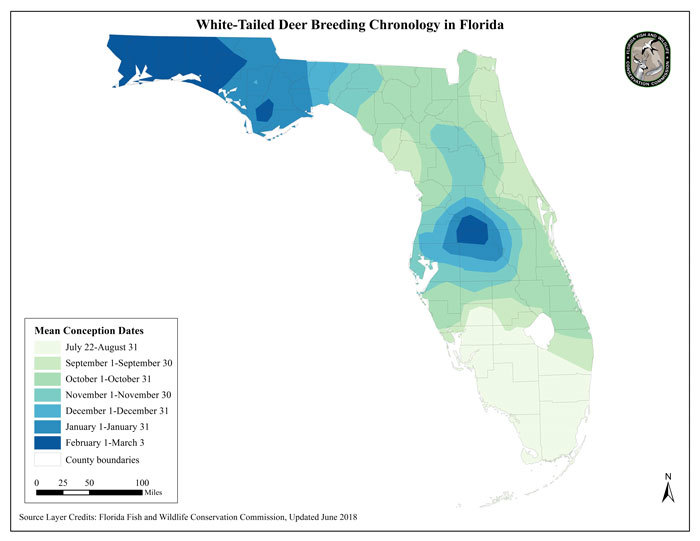
Some hunters believe deer from other states released in Florida years ago is one of the reasons why the deer rut here is the widest ranging of any state – from July in extreme south Florida to early March in extreme northwest Florida and the Green Swamp Basin.

“While it seems unlikely that genetics due to restocking is the only explanation for the variation in Florida’s breeding dates, there is some research that suggests it may play a part,” Garrison said. “Florida, as were many other southeastern states, was part of restocking efforts in the 1940s through the ’60s when deer were introduced, mostly from Wisconsin, Texas, Louisiana and Pennsylvania. The main stocking source for the Green Swamp Basin was from Louisiana. South of there, deer from Texas were mainly used, and north Florida received mainly Wisconsin deer.”

Garrison said climate is a factor, but it really only plays a part in northern, colder states, where the timing of the rut occurs so fawns are born in the spring after the late winter storms and when the most food is available. But they must be born early enough to put on suitable weight and fat to survive the following winter. That’s why there’s such a short window for when breeding must occur in northern states.
The reason the rut varies so much in Florida is because it can, Garrison said. Florida’s relatively mild climate and long growing season allows fawns to be born at various times of the year.

“As far as I know, there are no other states where breeding occurs as early as July and August like it does in extreme south Florida,” she said. “And although difficult to prove, it seems likely it is driven by the hydrological cycles down there. The rut is timed so fawns are born during the driest time of the year, giving them the greatest chance of survival and allowing them to grow to an adequate size before the beginning of the wet season in June.”

Although it is a popular theory among hunters, Garrison says several research projects have proven there is no relationship between the rut and the moon phase. Another interesting fact is the average time a doe stays in heat is about 24 hours.

“The breeding chronology study we did shows that conception dates within an area vary as much as from nine to 110 days, with an average of 45 days, and most does breed within 60 days, meaning rutting activity can occur over a two-month period,” Garrison said.

If a doe is not bred during her first heat, she will come back into estrus again in about 26-28 days, Garrison says. If the doe doesn’t conceive, this cycle can be repeated but normally not more than a few times unless there are not enough bucks to breed all the does. In which case, an area could experience a second or even third peak rut.

If any of this deer talk is getting you fired up to continue hunting this season, then grab your favorite primitive method of take and follow the rut up to the Panhandle and take advantage of Zone D’s late muzzleloader season.

Zone D’s late muzzleloader season

General gun season ends Feb. 17 in zones B and D, but if you’d like to keep hunting deer, Zone D has a late muzzleloading gun season that extends deer hunting opportunities by a week and runs Feb. 18-24 on private lands. The season was established to give hunters an opportunity to continue hunting northwest Florida’s late rut, which runs mid-January through February.

On private land, a $5 muzzleloading gun season permit is required along with a hunting license and $5 deer permit (if hunting deer) to hunt during this season, and hunters have the choice of using a muzzleloader, bow or crossbow. But the only muzzleloaders allowed are those fired by wheel lock, flintlock, percussion cap or centerfire primer (including 209 primers) that cannot be loaded from the breech. For hunting deer, muzzleloading rifles must be at least .40-caliber, and muzzleloading shotguns must be 20-gauge or larger.

Public Hunting Opportunities

There are 14 wildlife management areas in Zone D that have a late season in February, but it’s referred to as the archery/muzzleloading gun season. Those areas are Apalachicola, Apalachicola River, Beaverdam Creek, Blackwater, Chipola River, Choctawhatchee River, Econfina Creek, Eglin AFB, Escambia River, Escribano Point, Perdido River, Point Washington, Tate’s Hell and Yellow River. Season dates vary by WMA, so be sure to check the brochure for the area you want to hunt.

Hunters may use bows or muzzleloaders, but no crossbows – unless they possess a Persons with Disabilities Crossbow Permit. Besides a hunting license, $26 management area permit and deer permit (if hunting deer), hunters who choose to hunt with a bow must have a $5 archery season permit, and those using a muzzleloader need a $5 muzzleloading gun season permit.

All the licenses and permits you’ll need can be obtained at most retail outlets that sell hunting and fishing supplies, Florida tax collector offices, by calling 888-HUNT-FLORIDA or at GoOutdoorsFlorida.com.

Legal to Take; Bag Limits

Deer and wild hogs are most commonly hunted during this season. Only legal bucks may be taken (even if using a bow). South of Interstate 10 in Deer Management Unit D1, one antler must have at least two points. North of I-10 in DMU D2, all bucks must have at least three points on one side or have a main beam of at least 10 inches long to be legal to take.

On private land, the daily bag limit is two. Bag limits for deer on WMAs differ, so consult the area brochure before you go.
Hunting regulations

During the late muzzleloader season on private lands and archery/muzzleloading gun season on WMAs, dogs may not be used to hunt deer. However, you may use a leashed dog for tracking purposes. You’re allowed to take deer and hogs over feeding stations on private land, but it is illegal to use such feed on WMAs. And it’s important to know that turkeys are not legal game during this season.

Happy Hunting!

The 2018-2019 fall/winter hunting seasons may be winding down, however, there are still great opportunities to get out there. This February, catch the hunting excitement of the late rut that occurs during Zone D’s late muzzleloader season.

The Outdoor Guys – Radio for Outdoor Sportsman


By Forrest Fisher
The way of the future includes modern sportsmen on the move. As we travel from place to place to fish, hunt, shoot, hike or camp, it can pay dividends to hear fresh advice from the experience of seasoned outdoors folks through podcasts (that include re-playable radio shows). It’s one easy way to keep up, no matter where we are.

Outdoor Guys Radio is a weekly outdoor show, dedicated to hunting, fishing, shooting, and the great outdoors. Airing on ESPN 99.3 FM and 1510 AM in Kansas City since 2011, listeners can catch the show every Friday afternoon from 3-4:00 Central on ESPN Kansas City or on Saturday morning from 9-10:00 Central on Sports Byline USA.

Avid outdoorsman and outdoors writer, Ken Taylor, has been a host of Outdoor Guys Radio since the show began in 2011. Ken has been hunting and fishing since he was old enough to pick up a BB gun, and is passing that passion on to his two sons. Both boys love to hunt and shoot, and are also avid fisherman. Ken credits his dad with instilling in him a love for hunting, fishing, and all things outdoors. Thanks mostly to his understanding wife, Ken spends over 90 days a year hunting and fishing. Ken enjoys hunting big game, upland birds and waterfowl in both Kansas and Missouri. The rest of his year is spent fishing on their home lake, shooting at Powder Creek Gun Club and training Ruby and Belle, the family’s Vizslas. Adds Ken, “Ruby and Belle are our most reliable hunting partners!”

The show features the best of regional and national experts, providing listeners with informative news, tips, destinations, and even a wild game recipe or two. In addition to the on-air shows, segments are also available through our podcast page and on iTunes. Each week, Outdoor Guys Radio hosts the best of local, regional and national experts in hunting, fishing, shooting and the Great Outdoors.

A few of “The Guys” who regularly contribute to the show include such national celebrities as Brandon Butler, Executive Director of the Conservation Federation of Missouri: Brandon is an avid outdoorsman, prolific writer, and a great defender of the rights of sportsmen; Jared Wiklund, Public Relations Specialist for Pheasants Forever and Quail Forever: Jared provides listeners great insight into habitat and upland birds; Dr. Grant Woods, GrowingDeer.TV: Dr. Woods is a renowned biologist, game management expert, and the host of Growing Deer TV; Jim Zaleski, Outdoors Writer: “Jimmy Z” is an accomplished outdoors writer, fisherman, and radio host. He brings a wealth of fishing and hunting knowledge to the show. In addition, Zaleski is the Director of Tourism for Labette County, KS; and many other notable outdoor guys.

Sports Byline USA: Outdoor Guys Radio is broadcast every Saturday morning on Sports Byline USA! Sports Byline USA airs on over 200 markets across the United States. Click here for a listing of stations that carry Outdoor Guys Radio.

Outdoor Guys Radio on SB USA is also heard around the globe on over 500 stations in 168 countries on American Forces Radio.

Niagara Falls USA Fishing Forecast – from Destination Niagara USA

  • 6th Annual Greater Niagara Fishing Expo is running Jan. 18-20
  • Tough Weather…Great Time for an Outdoor Show, BUT WE STILL HAVE great fishing
  • REPORT FOR Jan. 17, 2019
Gary Laidman of Eden caught this 12 pound walleye in the lower Niagara River. He also caught some nice steelhead on pink egg sacs fishing with Capt. Chris Cinelli of Grand Island.

The 6th Annual Greater Niagara Fishing Expo is almost here, set for Jan. 18-20 at the Conference and Event Center Niagara Falls. The website is  www.niagarafishingexpo.com.  There is a winter storm advisory but it appears to be more of a southern track right now with 6-7 inches expected Saturday night. Don’t let that scare you off! The show will go on!! Here are a few small tidbits worthy of consideration in making your way to the Cataract City with over 200 seminars, 96 speakers and over 170 vendor booths:

  • Antique Fishing Tackle – Mark Schmitkons of Wilson will be showing off some of his antique fishing tackle. More importantly, he will be happy to appraise your own old/antique fishing equipment to see if it’s of any value. He will even store your old gear, so you don’t have to walk around the show with it.

Harry S. from Pittsburgh, Pa. caught this nice steelhead in Devil’s Hole on an egg sac Monday while fishing with Capt. Vince Pierleoni of Newfane, NY.

  • Capt. Lance Valentine of Walleye 101 is a Pro Staff representative for Lowrance Electronics and Sonar/GPS whiz. If you have a Lowrance unit on your boat that is Gen 2 or newer, his booth will be offering free updates and set up on Lowrance Sonar/GPS units.
  • DEC Bureau of Fisheries Chief Steve Hurst will be mingling with anglers at the show. He will be sitting in on Capt. Bob Songin’s Lake Ontario Niagara Bar salmon seminar at 5 p.m. and answer some questions then. He will also have his own Q and A on Saturday at noon, fielding questions from the audience. Lake Erie Unit biologists Dr. Jason Robinson and James Markham will be around on Friday to give talks on walleye movement and steelhead study updates.

    Connor Cinelli of Grand Island was fishing the lower Niagara River on Monday and caught this nice steelhead on a pink egg sac.
  • Make sure you check the website out at www.niagarafishingexpo.com and print out the $5 parking voucher. Pay just $5 for the day. Park in the city ramp. The Expo will go on no matter what the weather or conditions.
  • Four different Bass pros will be hanging out in the Rapid Fishing Solutions booth, at the Hawg Trough and in the seminar rooms. They are Billy McDonald, John Murray, Brad Knight and Mark Menendez. There are also many other local bass experts sharing their insights on fishing local waters.
  • Need a fishing license? Stop in at The Boat Doctors booth at the show and pick one up.

And on to the local fishing. They are still catching some nice trout and walleye in the lower Niagara River, but conditions have been brutal. Capt. Chris Cinelli of Grand Island took his son Connor out to catch some steelhead on pink egg sacs. The following day it was steelhead and walleye, including a 12 pounder reeled in by Gary Laidman of Eden. What a fish!

Ricardo Davila of Wheatfield reports that the bite was slower than expected from shore recently while casting the gorge area of the lower Niagara River.

Dan Ettipio of Tonawanda caught this hawg lake trout on a shiner while fishing with Capt. Chris Cinelli in the lower Niagara River.

Water had good visibility, but he couldn’t get the reaction strikes he wanted with spoons and spinners so he switched over to a gulp minnow on a jig head. With the move, he managed 3 steelies by bouncing the jig off the bottom very slowly.

Gary Laidman with a nice steelhead from the Lower Niagara River.

Learning how to read the water and fish your baits accordingly is part of Davila’s seminars this weekend at the Fishing Expo in Niagara Falls. Be sure to check them out at 2 p.m. on Saturday and Sunday to learn how to fish from shore there.

With some snow, cold and wind scheduled for the weekend, it’s a perfect time to attend the fishing Expo! Don’t forget that the Niagara River Anglers has their steelhead contest Feb. 2. Mark your calendars! Call 731-8710 for more information. Sign up at Creek Road Bait and Tackle or The Slippery Sinker.

For the Lake Ontario tributaries, most creeks are frozen partially or fully according to Scott Feltrinelli of Ontario Fly Outfitters. Finding open spaces to place your bait or fly is going to be a challenge right now. Fish the faster water at the top of big pools where things don’t freeze as much. Feltrinelli managed to find some open water in some Lake Ontario tributaries, and he needed to fish it low-and-slow to take brown trout and steelhead due to the cold water temperatures. Check his seminar out at the Expo. Ice fishing in Wilson and Olcott harbors are a more likely scenario, but we’ve not had any reports.

Bill Hilts, Jr. – Outdoor Promotions Director

Inline image 2
Destination Niagara USA, 10 Rainbow Blvd., Niagara Falls, NY 14303

Brown Trout, Walleye, Steelhead Dominate the Niagara Region Winter Fishing Action

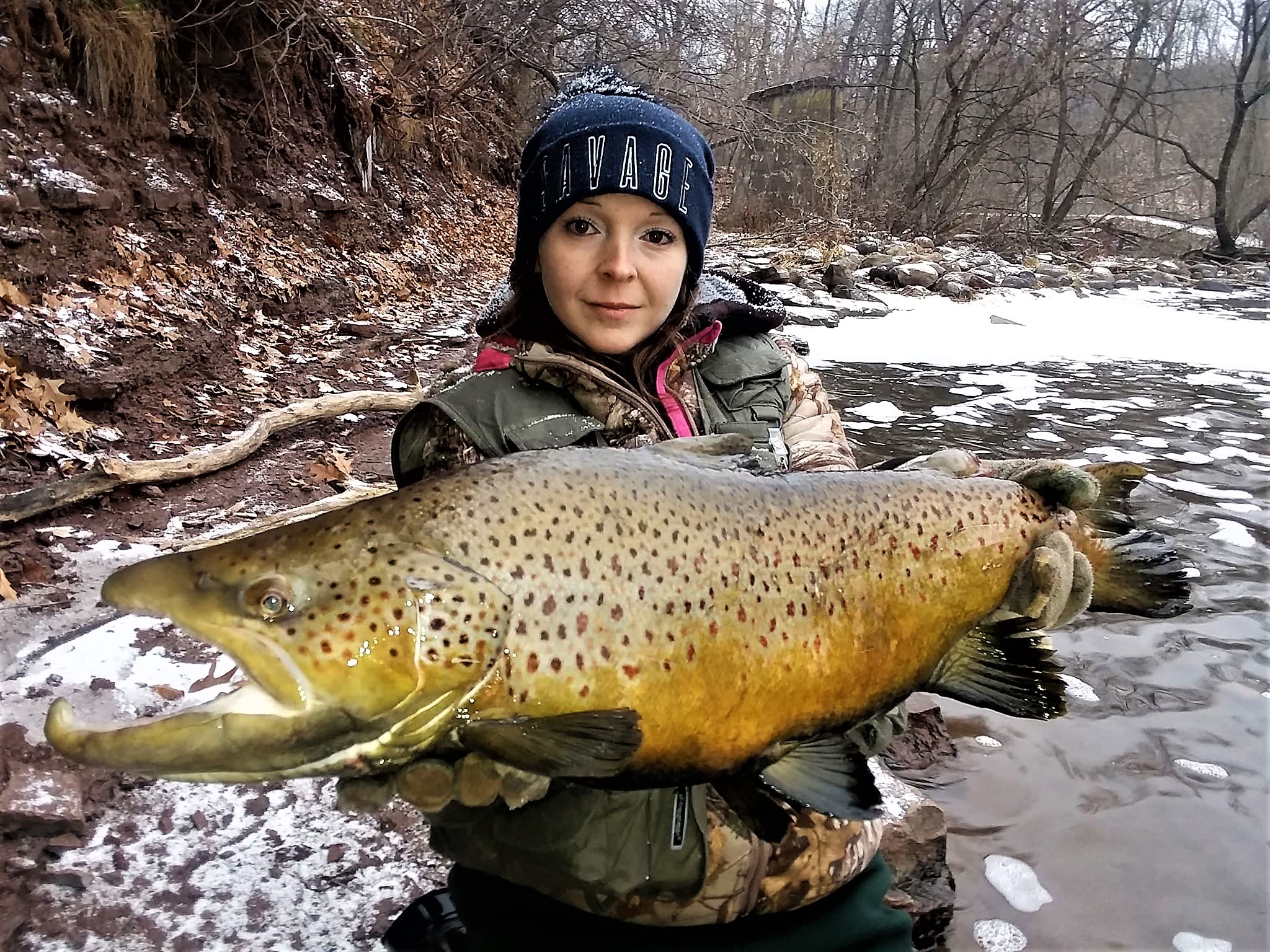
Buffy Frank of Lockport with her 34-inch, 15-plus pound brown trout caught on a jig.

The Niagara Falls USA Fishing Forecast for Dec. 13, 2018 from Destination Niagara USA beckons to all anglers.

Richard Pisa of Tonawanda caught this 16-pound upper Niagara River lake trout on a jig.

Brown trout and steelhead are dominating the Niagara Region fishing report this week, with walleye not far behind. Buffy Frank of Lockport caught a monster brown trout yesterday while fishing a favorite Niagara County Lake Ontario tributary. Using a black marabou jig tipped with wax worms, she hauled in a 34-inch brownie that tipped the scales at better than 15 pounds. She didn’t get an actual weight because she wanted to get it back into the water and release it as quickly as possible. She did get a quick photo though. Nice fish!

Buffy Frank of Lockport with her 34-inch, 15-plus pound brown trout caught on a jig.

Tributaries seem to be offering moderate to medium flows. Egg sacs, single eggs, egg imitations and a variety of flies are all working to take fish. Surprisingly, there hasn’t been a lot of fishing pressure the past week. We could see a little bit of rain and temperatures into the 40’s over the weekend.

In the lower Niagara River, fishing was good from both boat and shore. Brown trout, steelhead and walleye have all been caught with consistency.

Nick Calandrelli of Lewiston used a jig to take this nice Devil’s Hole steelhead.  

Boaters are using three-way rigs to entice fish to hit with MagLips, Kwikfish, beads, egg sacs and minnows. A minnow is what worked for Matt Gerhart of Spring Mills, Pa. when he was fishing with Capt. Chris Cinelli of Grand Island. He reeled in an 11-pound walleye fishing the lower river.

Matt Gerhart of Spring Mills, Pa. caught this 11-pound walleye in the lower river on a minnow.

Some nice browns and steelies into the double-digits have also been caught by drifters. Shoreline casters in the gorge are using spinners, jigs and egg sacs to take trout and the occasional walleye, too. Even a few late salmon are hanging around.

Musky season ends on Saturday, Dec. 15.

Above Niagara Falls in the upper river, Rich Pisa of Kenmore grabbed his boat and hit some favorite spots with his dad, Richard of Tonawanda. Using jigs, they managed to catch 3 lake trout up to 16 pounds, 10 walleye and some silver bass. Water conditions were near-perfect.

Rich Pisa of Kenmore hit the lower river gorge around the Whirlpool to take some nice steelhead like this one, using a pink egg sac.

We’re only a month away from the Greater Niagara Fishing and Outdoor Expo, set for Jan. 18-20, 2019 at the Conference and Event Center in Niagara Falls. Check the website out at www.niagarafishingexpo.com and see what all the buzz is about.

Captions:

Nick Calandrelli of Lewiston used a jig to take this nice Devil’s Hole steelhead.


Bill Hilts, Jr. – Outdoor Promotions Director
 
Inline image 2
Destination Niagara USA
10 Rainbow Blvd.
Niagara Falls, NY 14303
p: 1-877 FALLS US | 716-282-8992 x. 303
 

Big New York Bucks TAKEN OVER BAIT

  • Hunting over Bait Piles is illegal in New York
  • Shooting a firearm while Hunting within 500 feet of a house is illegal in New York
  • Carrying the Tags of Another Person not signed over to you is illegal in New York

There are quite a few rules to hunt inn New York State, but they are designed to keep people safe and to keep the wildlife herd of deer well-managed. Most of the rules are common sense.

ECO Tabor (L) and ECO Gates (R) with bucks taken illegally with bait.

On Nov. 30 in Herkimer and Oneida Counties, several complainants were called in to New York State Environmental Conservation Officer Ben Tabor about a buck suspected of being taken over bait in the town of Ohio. The deer had been entered in a local big buck contest.

ECO Tabor determined where the deer had been shot after finding a large bait pile with the gut pile next to it. The ECO interviewed the suspect, who admitted to taking the buck illegally. The deer was seized as evidence and summons were issued for hunting over a pre-established bait pile and the illegal taking of a deer.

On Dec. 2, ECO John Gates received a call from an informant stating that a large buck had been killed by a suspect that had posted pictures on Facebook of him feeding deer close to his camp. As the officer pulled onto the property, he noticed piles of alfalfa and corn. The hunter claimed he had shot the deer halfway back into his 100-acre parcel. Officer Gates followed sled tracks to a gut pile within 30 yards of the bait. The man admitted to shooting the deer and was charged with illegal taking of deer, hunting over bait and carrying the tags of another person. The deer was seized as evidence and the charges are returnable to Forestport Town Court.

It just doesn’t pay to cheat.

Fishing 411 TV Show – Mark and Jake Romanack on the Lower Niagara River

Niagara Falls USA Fishing – from Destination Niagara USA…the FISHING REPORT for Thursday, Dec. 6, 2018

Mark Romanack with Fishing 411 TV Show hit the lower river this week and put a show together on brown trout with his son Jake and Capt. Frank Campbell.

After some muddy water slowed things up earlier in the week, anglers are catching fish again in the lower Niagara River. You never know what you are up against after a storm in Western New York. Winds, rain and snow can have an effect on water conditions, especially in the Niagara River. There is a difference, though, and fishermen and fisherwomen need to be cognizant of that difference between stained and dirty conditions.

Capt. Frank Campbell of Niagara Falls caught this brown trout on a MagLip plug fishing with the Fishing 411 TV Show that airs on the World Fishing Network.
Connor Cinelli of Grand Island caught this 8 pound lower Niagara River walleye using a Swedish pimple tipped with a minnow.

Mark and Jake Romanack of the Fishing 411 TV Show that appears on the World Fishing Network, visited town on Monday to put a show together on the lower Niagara River. The water was stained, but definitely fishable. Capt. Frank Campbell of Niagara Falls met up with them and they fished the afternoon using 3.0 MagLips in Double Trouble and Green Machine colors.

In 2 hours of actual fishing time they boated 9 browns on 9 hits, enough for a show. The next day the water was dirty. After 4 hours, not a single hit, but the crew was able to take some drone footage and film some tech tips before the headed back to Michigan.

As of today, the shore guys were already catching fish again according to Lisa Drabczyk of Creek Road Bait and Tackle in Lewiston. Along Artpark, pink and chartreuse spinners are working for steelies, orange for the browns. Chartreuse egg sacs and beads are also producing for the shore guys, as well as the boat drifters. Shore casters are out-fishing the boat guys right now, but that will change a bit as the waters start to clear a bit more.

John Keeler and his son, Shawn, were fishing the lower Niagara River last weekend and they caught nice steelhead like these fishing with Capt. Jim Rores of Grand Island.
Shawn Keeler with a nice lower Niagara River steelie last weekend.

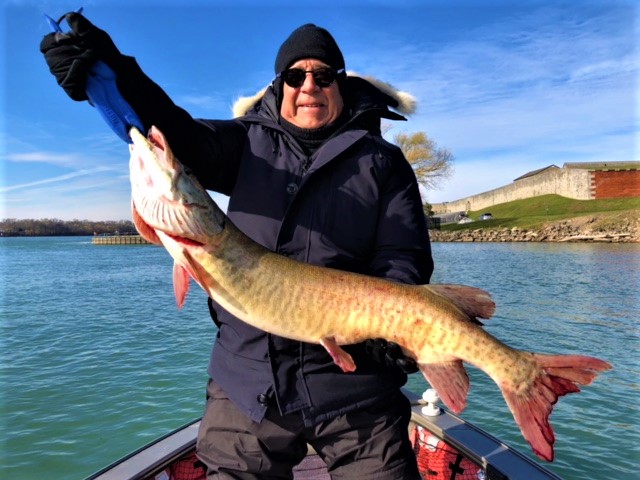
In the Niagara Musky Association John Henning Memorial Musky Contest last Sunday, Andrew Lacko of Kenmore took top honors with a 41-inch fish caught on a Bondy bait. It was the only fish caught for the event held in the lower Niagara River. Musky season continues in the lower river and Lake Ontario until Dec. 15. Lake trout season is now open on the Canadian side of the lower river, but closed until Jan. 1 on the New York side of the river.

For the Lake Ontario tributaries, weather conditions have not been the best with a mix of rain, snow, wind, warm and cold temperatures. Still, trout are being caught. Not too many anglers have been hitting the streams according to Karen Evarts at The Boat Doctors in Olcott, but for those that are making the effort to wet a line, they have been rewarded with some nice brown trout, a few steelhead and even some late salmon. Spikes and wax worms are the baits being talked about most, usually tipped on a small jig and fished under a float. Fishing your bait slow with the slightly cooler conditions could help increase your chances for a hook-up.

Scott Feltrinelli with Ontario Fly Outfitters reeled in some nice brown trout this week from a favorite Lake Ontario tributary.

Scott Feltrinelli of Ontario Fly Outfitters caught some impressive fish yesterday in a favorite Lake Ontario stream. You might have to do a little searching. When you find them, the rewards are great.

Christmas Yule:

  • The Lake Ontario Trout and Salmon Association has its Christmas meeting on Dec. 13 at 7 p.m. at Cornell Cooperative Extension Niagara, 4487 Lake Avenue, Lockport. It’s a joint meeting with the county’s Fisheries Development Board.
  • The Niagara River Anglers will hold their Christmas meeting on Dec. 10 at 7 p.m. at the Sanborn Historical Society. Call Paul Jackson at 731-4780 for details.
  • The Niagara County Federation of Conservation Clubs will hold its Christmas meeting on Dec. 12 at the Hartland Conservationists Club, Orangeport Road, Gasport. Doors open at 5 p.m. Bring a dish to pass.

Christmas Week Fishing is Spectacular in Niagara Country!

Ray Richards hit Burt Dam and his this brown trout this week on a jig, not tipped with anything.

Many of the tributaries off Lake Ontario have been low and clear with the lack of precipitation. That said, there will be a significant rain event tonight that could bring up to an inch of rain. Today the high is 50 degrees but it will get cooler by the weekend. Ray Richards of Amherst has been hitting the tributaries several times a week, picking up browns and a few steelhead. When the water is stained, he will use a jig, normally tipped with a wax worm or a salted minnow. However, this week when he went out, he thought he forgot the waxies and still produced a big brown on his marabou jig. The rain should pull some fresh fish into the system and don’t forget about some of the smaller streams like 12 Mile in Wilson, Keg east of Olcott and 4 Mile in Porter.

Jeff Rioux caught this lower Niagara River steelie fishing with Capt. Vince Pierleoni of Thrillseeker.

For the lower Niagara River, the action has been good for most. Capt. Frank Campbell of Niagara Falls did well last weekend using swim baits to take bass and walleye, minnows and egg sacs to take steelhead and salmon.

Eddie Verost of Grand Island caught this walleye to celebrate his 16th birthday with his buddy Parker Cinelli, who was also celebrating his 16th birthday, too.
Capt. Chris Cinelli of Grand Island caught this big northern pike fishing for walleye with a shiner.

Two Grand Island 16-year olds – Eddie Verost and Parker Cinelli – celebrated their birthday fishing with Capt. Chris Cinelli of Grand Island (Parker’s dad) and hit the lower river last weekend. They did well on walleye and steelhead. MagLips worked for the steelhead, shiners worked for the walleye. Chris managed to catch a 36-inch pike on a shiner, too. Lisa Drabczyk with Creek Road Bait and Tackle reports egg sacs and beads are also working to entice fish to hit off three-way rigs. For the Jan. 1 lake trout opener, try around the green buoy marker at the mouth.  They’ve been stacked up out there according to guys fishing for bass, walleye and browns.

If you are looking for a last minute gift item, consider a lifetime license (if you are a state resident). If you need a present for dad or grandpa and they are 70 or older, you can pick up a lifetime license for just $65 – hunting and fishing together! Also, a guided fishing trip from area charter captains is a great way to get the family out for some fun in the sun – river fishing or lake fishing! Check out https://www.niagarafallsusa.com/things-to-do/outdoor-adventure/fishing/charters/ … and don’t rule out a gift certificate from your local tackle shop, too.

Here’s wishing everyone a very Merry Christmas!

Bill Hilts, Jr. – Outdoor Promotions Director 

Inline image 2
Destination Niagara USA
10 Rainbow Blvd.
Niagara Falls, NY 14303
p: 1-877 FALLS US | 716-282-8992 x. 303
 

Niagara Falls USA Fishing Forecast – Jan. 2, 2019…from Destination Niagara USA

  • New Year, New Fishing Rules…Check Them Out
  • Fishing is GOOD, really good for January
Ethan Bronschidle of Newfane, NY, with a nice steelhead from a Lake Ontario stream the final day of the year.

Happy New Year’s! Now that the ball has dropped on 2019, area fishermen should be aware of some changes in regulations. Lake trout season is now open below Niagara Falls in the Niagara River and on the Niagara Bar in Lake Ontario.  Also, walleye fishermen must note that the daily limit drops from 3 to 1 fish per person from Jan. 1 to March 15 in the lower river.

If you fish the Canadian side of the river, in either the upper or lower stretches, the new license year also started up Jan. 1.  Be aware of these changes if you take advantage of the mild winter conditions we are now experiencing.

Gianni Etopio of Youngstown, NY, with his biggest brown trout of the season, a 28 inch fish caught in a favorite Lake Ontario tributary.

As far as Niagara River fishing conditions, it was a little spotty before the last wind and rain storm New Year’s eve.  Fortunately, water conditions weren’t destroyed.  Action should be good going into the weekend with mild conditions in the forecast.  Lisa Drabczyk at Creek Road Bait & Tackle in Lewiston says there are steelhead, brown trout and walleye all being caught.

Ken Jackson of Sanborn caught this huge steelhead while fishing a favorite Lake Ontario stream on the first day of 2019.

Anglers seem to be using more pinks and oranges when using egg sacs, beads and spinners.  Kwikfish and MagLips are also hot lures off three-way set-ups at times.  Minnows are working to take fish, too.

In the Upper Niagara River, lake trout and walleye are being caught around the Thompson’s Hole area on jigs.

Gianni Etopio of Youngstown with his biggest steelhead of the season, stretching the tape at 29-1/2 inches long. He was using a mix of egg sacs, jigs and beads to catch trout off Lake Ontario.

In the Lake Ontario tributaries, Gianni Etopio of Youngstown caught a dozen trout to start off the New Year using jigs, egg sacs and beads in 18 Mile Creek. His biggest brown was 28 inches and his biggest steelhead was 29-1/2 inches. Karen Evarts at The Boat Doctors in Olcott reports that wax worms are also producing a few trout – on a single hook or on a jig and fished under a float.

The Greater Niagara Fishing and Outdoor Expo is Jan. 18-20 at the Conference center in Niagara Falls. Check out www.niagarafishingexpo.com for details.

Mark your calendar for the new “Birds on the Niagara” Festival set for Jan. 25 and 26. More to come on that one before the event.

Bill Hilts, Jr. – Outdoor Promotions Director 

Inline image 2
Destination Niagara USA
10 Rainbow Blvd.
Niagara Falls, NY 14303
p: 1-877 FALLS US | 716-282-8992 x. 303
 

Great Fishing All Winter, Greater Niagara Fishing & Outdoor Expo is Just Ahead

  • Niagara Falls USA Fishing Report for Jan. 10, 2019 – from Destination Niagara USA
Scott Feltrinelli of Ontario Fly Outfitters with a Lake Ontario brown trout he caught last Tuesday (Jan. 8, 2019).

It’s hard to believe that the 6th Annual Greater Niagara Fishing and Outdoor Expo is here already Jan. 18-20 at the Conference and Event center Niagara Falls. And it’s also hard to believe that it keeps getting bigger and better with even more education to teach Western New York anglers. If you are someone who enjoys fishing but would like to learn more about this popular outdoor pastime, this is the show for you. If you want to get started with fishing, look no further. Want tips on bass fishing? Four professional bass fishermen will be sharing their insight. Want to learn how to walleye fish? There are more than 20 seminars on different aspects of going after old marble eye. Some of the top experts in the country will be sharing their knowledge on fly fishing, salmon and trout fishing, tributary fishing, electronics, boat rigging, kayak fishing and more. All told there will be more than 200 seminars on fishing in quiet seminar rooms over the three days, plus over 170 booths of top quality fishing equipment and expertise. It can all be found at www.niagarafishingexpo.com. It’s $10 a day or $20 for the weekend. See you there!

Rich Pisa of Kenmore hit the Niagara River gorge for some steelies last week.

Winter has arrived back on the local scene and conditions are bit difficult with snow and cold temperatures. Thanks to some excessive wind, the Niagara River is turning off-color and may be tough to fish the next few days.

Mike Rzucidlo of Niagara Falls caught this steelhead in the Niagara Gorge on Tuesday.

In the lower Niagara River, fishing from both boat and shore had been good for steelhead and brown trout, with the occasional lake trout and walleye.

Silver Kwikfish worked well on Tuesday, patterned with chartreuse or green, for drifters, along with egg sacs and minnows.

Shore anglers are using jigs or spinners. Hot colors have been pink, chartreuse and green. Lake trout were available on the Niagara Bar area in better numbers, when the wave action will allow you to access the lake. If this continues, the Fishing Expo could be the perfect escape to fine tune your programs in the waters of WNY. The seminar speakers have them all covered as far as species, tactics and locations.

Joshua Marshall (left) caught this walleye at the foot of Ferry Street this week in the upper Niagara River.

In the upper Niagara river, the foot of Ferry Street has been good for fishermen. Many have been doing well on walleye with the occasional lake trout and steelhead according to Joshua Marshall of Alden, involved with the WNY Walleye Fishing Facebook page. Baits have been mainly live minnows and crankbaits. Bite is up and down, but producing fish.  Jigs tipped with plastics will work, too.

Buffalo Joe Pavalonis took the early lead this week in the Rudd Division of the Capt. Bob’s Outdoors winter fishing contest by measuring in an 18-inch upper river fish at the Clarence store. He was using a crappie tube jig.

For Lake Ontario, tributary action has been fair to good for steelhead and brown trout according to Scott Feltrinelli with Ontario Fly Outfitters. Before the storm, he did well on Lake Ontario tributaries, but the water was clear. His bait options included olive and brown-colored streamers, not whites or brights. He was 12 for 12 on catching fish Tuesday, as he bounced to Lake Ontario streams, releasing all of his fish. Action should improve when we start seeing some snow melt and warmer temps.

Don’t forget the new “Birds on the Niagara” Festival set for Jan. 25 and 26. Check out www.buffaloaudubon.org for further details.

Chris Walczak of Amherst with a nice steelhead caught in a favorite Lake Ontario tributary.The Niagara River Anglers has their Roger Tobey Memorial Steelhead Contest on Feb. 2 in the lower Niagara River and Lake Ontario tributaries. Check out the NRAA Facebook page.

Bill Hilts, Jr. – Outdoor Promotions Director

Inline image 2
Destination Niagara USA
10 Rainbow Blvd.
Niagara Falls, NY 14303
p: 1-877 FALLS US | 716-282-8992 x. 303
 

Fletcher Lake Lodge, Ontario – Back Home in Kansas City

  • If You’re Not Catching 100 Fish a Day, We’ll send a Guide with You
  • Walleye, Smallmouth Bass, Northern Pike and Musky
  • Fly-In Paradise in Ontario, Canada
Amid the hemlocks and Canadian morning silence, Fletcher Lake trophy pike are among regular catches.

By David Gray

Every January, Jeanne MacLean leaves the far north and makes a trek back to her home state of Missouri.  Jeanne says it is like “coming back home.”  She comes to visit friends and to set up a display in the Kansas City Boat and Sportshow for her Fletcher Lake Lodge.

Jeanne has many ties to Missouri. She was born and raised in Trenton, Missouri.  Her father, Fuzz LePage, was a career Missouri Highway Patrolman.  Few knew his real first name, everyone just called him Fuzz.  He had a love for law enforcement and when off duty, he had a love for flying.

When Jeanne was 14 and Fuzz had 20 plus years as a Highway Patrol Officer, Fuzz retired from active law enforcement and moved the family to Warroad, Minnesota.  Fuzz purchased a flight service business and began serving lodges, as well as anglers and hunters, flying customers and gear into remote Canadian locations.

One day on a return flight, Fuzz pulled back the throttle on his float plane, dropped into Fletcher Lake and taxied to the lodge dock. Fuzz wanted to meet the owners and thought he might pick up a new customer, offering them his flight services. In this part of Ontario, there are thousands of lakes, many of them gems, with Fletcher Lake being one of those diamond gems. The lodge owner informed Fuzz that his wife had recently passed away and he was going sell the lodge.

Fuzz made a quick return flight and told Jeanne, “Get a bank loan quick and buy Fletcher Lake Lodge.”

Jeanne did just that, buying the lodge in 1981.   The first part of the lodge was constructed in 1960.

Jeanne MacLean and her granddaughter ask, “Who’s ready for home-cooked breakfast?!”

Prior to the 1983 fishing season, a forest fire swept thru the region burning the camp and destroyed the lodge. Only one of the 14 structures, a guest cabin survived.  Considering the size of the rebuild task, it was amazing that their crew pitched in to rebuild the lodge and enough cabins to take care of all the incoming guests.

After High School, Jeanne worked for a year as secretary and then for a year at a Montana Elk hunting outfitter.  Then her dad called about buying Fletcher Lake Lodge.

Fletcher Lake Lodge is the longest continuous exhibitor in the Kansas City Boat and Sportshow.  She says working the show is much about getting to see friends and customers.  Almost all of the lodge guests rebook every year.

Watching folks stop at the Fletcher Lake Lodge booth in the sport show, it is obvious the customers are friends.  While interviewing Jeanne for this article, comments from customers were, “Absolutely the best walleye fishing” and “Magical fishing” and “Great fishing with wonderful lodge people” and much more.

Jeanne says her favorite day at the lodge is when the float plane arrives with new guests.  With a 90% plus rebook, the guests are all friends and each get a hug and give a hug when they get off the plane.  Nice way to start a fishing trip vacation!

Fletcher Lake is the only lodge on the lake. There are no roads to it. A short, but extremely scenic, 30 minute float plane ride from Kenora, Ontario, brings you to the lodge.

Two to five-pound Fletcher Lake smallmouth bass are fun to catch, especially when you can bring dozens to the boat in a day of peaceful fishing.

The lodge offers American Plan which is the most popular.  Breakfast and gourmet dinner is served in the lodge.  Lunch can be in the lodge, sandwiches packed for the day or the traditional shore lunch (PS – don’t ever miss a traditional shore lunch!).

There is absolutely nothing more delicious than a shore lunch cooked by one of the Fletcher Lake Lodge guides.

Fletcher Lake offers outstanding walleye, smallmouth and northern pike fishing.  It is Conservation fishing. You may keep only two fish a day for a dinner or shore lunch.  The lodge also has easy portages to a trophy lake and two musky lakes you can fish for the day.  The musky is said to be a fish of 10,000 casts, but Jeanne says at their musky lakes, “You won’t catch a 54-incher, but you will catch more musky in a day than you will believe.”  A rare and unique fishing experience only for guests of the lodge.  Most of the fishing is self-guiding, but Jeanne says if a boat with two anglers is not catching 100 fish a day, you are doing something wrong. We send out a guide to show places and how to catch them.

In 2018, three lady anglers (guests) were struggling a little on finding fish.  Jeanne sent them out with guides Shane and Kevin.  At the end of that day, total number of fish caught by the three ladies was 362.  Jeanne will not forget 362, as 362 was also Fuzz LePage’s Missouri Highway Patrol badge number. Now that’s pretty amazing.

Fletcher Lake Lodge has, along with other outfitters, teamed up with the Ontario Government to create a unique Trophy Waters program in the area.

Jeanne (left) shares dinner with guides, Kevin and Shane (back row), and 3 VERY HAPPY lady guests who caught 362 fish in one day!

Fletcher Lake Lodge is the only accommodation on Fletcher Lake and offers exceptional Canadian Fly-in fishing and hunting packages.  The remote location is only accessible by traditional Canadian bush planes and ensures exceptional fishing and hunting experiences.

Jeanne and Fletcher Lake Lodge can be reached in two ways: email and telephone. Their email address is: fish@fletcherlake.com and their phone contact is: Winter, 218-386-1538; Summer, 807-224-3400.


NOVEMBER MUSKY MADNESS! Niagara Falls USA

Niagara River Mucky Madness! Happening Now.

Musky, Brown Trout, Coho, Walleye, Bass…Fish-Catching Madness: Niagara Falls USA – Full Report, Nov. 21, 2018

Double on Musky! Brad and Virgil Mosiman were fishing with Capt. Ted Kessler of Grand Island on the upper Niagara River this week.

The place to be this week is the Niagara River both above and below Niagara Falls. The musky are on their usual hot fall bite.

In the Upper Niagara River, Capt. Ted Kessler was reporting some good musky action recently, including a double-header for two brothers – Virgil Mosiman of Kenai, , and his brother Brad from Warsaw, NY, with 47-inch and 38-inch ‘skies while fishing with Capt. Ted Kessler of Grand Island in the Upper Niagara River. The musky season closes on Nov. 30 in the upper river and Lake Erie, as well as the rest of the state, except for the Lower Niagara River and Lake Ontario.

Gary Hall of Niagara Falls with a nice lower Niagara River musky. The season is open until Dec. 15 in the lower river.

Gary Hall of Niagara Falls had a good day fishing with Capt. Frank Campbell on Monday and he was rewarded with a big musky on a MagLip lure in silver and chartreuse. The musky season is open until Dec. 15 in the Lower Niagara River and Lake Ontario. The Niagara Musky Association will be hosting the John Henning Memorial Musky Tournament on Dec. 2. Call Scott McKee at 225-3816. You must be a member to participate.

Ethan Bronschidle of Newfane caught this nice steelhead at Burt Dam.

Also at the top of the list the past week in the lower river has been the steelhead and brown trout. As of Monday, river conditions were near perfect according to Capt. Chris Cinelli of Grand Island. Pink egg sacs were the ticket for steelhead in Devil’s Hole and along Artpark. Head down river for brown trout. Egg sacs were working on them as well.

Lake trout continue to be caught too, as part of incidental catch. Lake trout season is closed until the end of the year.

Dick Hill of Maryland caught this lower Niagara River steelhead this week.

One popular fishing spot will be closing for the winter on Nov. 30 at dusk – the NYPA fishing platform in the gorge, including the parking area and stairs. They’ll be shutting down for the season due to the winter conditions. This also includes the Upper Mountain Road access point for the reservoir.

Mike Rzucidlo of Niagara Falls is still picking up a few fresh salmon and some walleyes at the NYPA fishing platform on spinners and jigs. Swimbaits work, too.

Action in the streams off Lake Ontario has slowed for browns and steelhead, as well as the occasional late king salmon. We’ve heard a few Coho’s being caught, too. Water has been slightly stained and conditions aren’t too bad, but fish have been finicky.

It’s a good bet that many people are hunting. There hasn’t been a lot of fishing pressure.

Have a happy and safe Thanksgiving!

Bill Hilts, Jr., Outdoor Promotions Director

Destination Niagara USA, 10 Rainbow Blvd., Niagara Falls, NY 14303
p: 1-877 FALLS US | 716-282-8992 x. 303, f: 716-285-0809
www.niagarafallsusa.com

facebook | twitter | Instagram

Loaded Gun on ATV Leads to Illegal Deer Harvest in New York

Joe Forma Photo

On Nov. 17, Environmental Conservation Officer Shea Mathis spotted two hunters walking along the railroad tracks in the town of Wheatfield, Niagara County, NY.

The two claimed they had a lousy morning hunting and had not taken any deer.

ECO Mathis checked their licenses and found their deer tags attached. A third member of the hunting party pulled up on an ATV with a loaded muzzle-loader over his shoulder. While issuing a ticket for possessing a loaded firearm on a motor vehicle, ECO Mathis was contacted by ECO George Scheer, who had received information that a male had shot two bucks with a muzzle loader that morning in the same area.

While ECO Mathis was issuing the ticket, one of the hunters left on the ATV and headed to a residence. ECO Scheer traveled to the location and found the subject. After a brief interview, ECO Scheer located a nine-point and 10-point buck, both untagged, in the back of a pickup truck. One of the hunters admitted to shooting both bucks that morning, just minutes apart.

Tickets were issued for possessing a loaded firearm on a motor vehicle, taking big game over the limit and failure to tag deer as required. The second buck was seized as evidence and donated.

New York State Department of Environmental Conservation (DEC) Environmental Conservation Police Officers (ECOs) enforce the 71 Chapters of NY Environmental Conservation Law (ECL), protecting fish and wildlife and preserving environmental quality across New York. In 2017, the 301 ECOs across the state responded to 26,400 calls and issued 22,150 tickets for crimes ranging from deer poaching to corporate toxic dumping and illegal mining, the black market pet trade, and excessive emissions violations.
If you witness an environmental crime or believe a violation of environmental law occurred, please call the DEC Division of Law Enforcement hotline at 1-844-DEC-ECOS (1-844-332-3267).

“From Montauk Point to Mount Marcy, from Brooklyn to Buffalo, the ECOs patrolling our state are the first line of defense in protecting New York’s environment and our natural resources, ensuring that they exist for future generations of New Yorkers,” said Commissioner Basil Seggos. “They work long and arduous hours, both deep in our remote wildernesses and in the tight confines of our urban landscapes. Although they don’t receive much public fanfare, the work of our ECOs is critical to achieving DEC’s mission to protect and enhance our environment.”

Make a difference! Create wildlife habitat in your Florida backyard

Your backyard can be a gathering place for birds, butterflies, frogs, flying squirrels and more. Attract native species by offering food, water, cover and space for them to raise their young, and your yard will be transformed into a welcoming habitat for wildlife.

Today, the Florida Fish and Wildlife Conservation Commission (FWC) is introducing Backyards and Beyond, a campaign challenging Floridians to make a difference and have fun by creating a refuge for wildlife in their own backyard.

“Imagine your backyard as a place where butterflies are attracted by flowers, songbirds are gobbling up seeds and berries, and frogs, bats and lizards are eating mosquitoes and other insects,” said Jerrie Lindsey, FWC’s director of Public Access Services. “Your efforts to create wildlife habitat at home will have a positive impact because animals need places to live beyond our wildlife management areas. Backyards and Beyond is also a great opportunity for you and your family to enjoy watching wildlife.”

Five easy ways to become involved in Backyards and Beyond:

  1. Turn your yard into a diverse wildlife habitat by adding native plants. A variety of native trees, shrubs and plants will provide natural food and cover for wildlife. A flowering native plant or shrub, for example, can provide nectar and pollen for butterflies and other beneficial insects, which in turn may be a meal for birds, lizards and frogs.
  2. Attract native wildlife to your yard by providing the four basics: food, water, cover and enough space for raising young. By doing so, we increase the number and variety of species that visit our yards, improving our chances to observe them more closely.
  3. Document wildlife activity in your backyard. Submit photos via iNaturalist to Florida Nature Trackers projects, and even create a species list for your own backyard.
  4. Create a butterfly garden, build a nest box for birds or add a brush pile for small animals like earthworms, birds, toads and lizards in your backyard. Planting a Refuge for Wildlife is an easy-to-understand guide to these projects and other ways that your backyard can support native wildlife. This illustrated publication created by the FWC and Fish & Wildlife Foundation of Florida can be ordered online at WildlifeFlorida.org.
  5. Go beyond your backyard. Invite family and friends to explore Florida’s outdoors at wildlife management areas, local and state parks, state and national forests, and national wildlife refuges. Use Florida Nature Trackers to document what you see.

People who create a wildlife refuge in their backyards will contribute to conserving Florida’s wildlife and habitats. By documenting animals observed in their backyards, they also generate valuable information. FWC biologists will be able to see the wildlife photos submitted to Florida Nature Trackers and use the data to help direct their efforts to research and manage native species throughout the state.

Remember, wild animals do not need supplemental feeding from people. Naturally-occurring insects and native plants with nectar flowers, edible fruits, nuts and seeds provide nourishment for most butterflies, birds and small animals. Pet food, corn and other supplemental feed can encourage unwanted visitors.

Need help getting started? Explore the Backyards and Beyond website for more information on how you can get involved.

While Backyards and Beyond is a statewide campaign, there is also a local initiative in Leon County and the city of Tallahassee, involving the FWC and partners. You can participate by joining the Backyards of Leon County project.

What if you live in an apartment, townhouse or condominium — and don’t have a backyard? You can still participate. Plant native flowers in containers on your front steps, on a balcony or in a window box. Work with neighbors to add native plant life to shared spaces like playgrounds, parks and other open areas in your development or community. Get children involved by bringing Backyards and Beyond to groups such as the Boy Scouts, Girl Scouts or a school, church or community youth group or homeowners association. No matter where you live, you can make a difference.

Go to FloridaNatureTrackers.com/Backyard for more information.

Orleans County, NY – STREAM fishing report – November 27, 2018

Griffin Howey’s Brown Trout caught from Oak Orchard Creek.

Thanks to rain yesterday/last night AND a return to above-freezing temps, AND a little bit of snow melt, AND no more thirsty vegetation, AND groundwater now reasonably recharged after the droughty summer/early fall – all the tributary flows are on the rise and off color.
Flows in the Oak are slightly high consisting of turbine water with about 2 plus feet of visibility.

Water color may get dirtier over the next day or two, but should stay short of getting muddy. Flows are pretty similar to the earlier fall flows we had during Erie Canal supplemental water feed. The other area smaller tributaries have slightly high and dirty flows with one foot or less of visibility. Any earlier icing conditions should be clear now with a forecast through at least this week and weekend showing no real good prospect of those icy conditions returning in the short term.

Griffin Howey’s with a nice November steelhead from Oak Orchard Creek.

Smaller tributaries should be cresting about today and then slowly clearing and on the retreat. Flows in the Oak are likely to stay up as they are now through the week, give or take, depending upon hydropower operations at Waterport Dam or any more precipitation.
It’s a real nice, later fall-style fishery, good flow window to redistribute browns and draw in late fish, and/or some more steelhead. Some of the zombie salmon should be flushed out too.

No major lake effect snow (LES) forecast here, some wet snow with little to no accumulation is expected today, changing over to better chance at a few inches of accumulations Tuesday and Wednesday. Heavier accumulations are expected south of here.
Fishing pressure has measurably decreased for the beginning part of this week thanks to the calendar and likely PA and OH big game season openers.

Anglers should look for a mix of spawning and post spawn browns and some steelhead.

Provided by Ron Bierstine, Oak Orchard Tackle & Lodge.
Visit our Fishing Report on OrleansCountyTourism.com, including weather forecasts and our “At the Oak, Orleans County” Facebook feed.
From Point Breeze on Lake Ontario, the World Fishing Network’s Ultimate Fishing Town USA and the rest of Orleans County, let’s make everyday a great fishing day right here in Orleans County!
Sincerely, The Team at Orleans County Tourism

Niagara Falls USA Fishing Forecast for Nov. 30, 2018


Nancy Colavecchia and Mike Rzucidlo of Niagara Falls show off a double header in the lower Niagara River.

It’s November 30 and there are quite a few noteworthy occurrences that take place.

For example, muskellunge season closes today with one exception – the lower Niagara River and Lake Ontario. The upper Niagara River produced a few nice late-season fish, like the 50-inch trophy reeled in by Rebecca Gaulteri of Hamilton, Ontario. She was fishing with Capt. Chris Cinelli of Grand Island over the weekend and managed to catch the fish of a lifetime. Joining her was her husband, Francesco and her dad Chris Mills (who also caught a 45-inch fish the same morning).

John Anthone of Sanborn shows off a 49 inch upper Niagara River musky he caught Nov. 29 while fishing with Capt. Chris Cinelli of Grand Island.

John Anthone of Sanborn hit a 30-plus pound 49 inch musky on Nov. 29, also fishing with Capt. Chris Cinelli.

Below Niagara Falls, water was stained, but still fishable after the most recent storm. The lower river had been hot the past week as waters cleared and trout fishing took off. Lisa Drabczyk at Creek Road Bait and Tackle in Lewiston reported that beads, egg sacs and Kwikfish/MagLips lures (all fished off three-way rigs from boats) has been good to very good for a mixed bag of trout.

Just ask 87-year-old George Gregory of Lewiston who was fishing with his son Kurt and Capt. Joe Marra of Lewiston. They caught double-digit trout over the long weekend using primarily egg sacs, catching steelhead up to 13 pounds and some nice browns. What had them talking though, was a lake trout that both father and son caught at the same time. Remember that lake trout season is closed on the NY side until Dec. 31. However, on the Canadian side of the river, the lake trout season opens on Dec. 1.

Shore fishermen are still doing well with the good conditions, especially off the NYPA fishing platform. However the platform closes at dusk on Nov. 30.  Nancy Colavecchia of Niagara Falls caught her first-ever steelhead with a green egg sac while fishing off the platform.  She was fishing with Mike Rzucidlo of Niagara Falls who caught nearly double-digit steelies on egg sacs and 4 walleyes on jigs. Drabczyk also reported that spinners and beads are also working in chartreuse, orange and pink colorations.

Nancy Colavecchia of Niagara Falls caught her first steelhead off the NYPA fishing platform this week.

The Niagara Musky Association will be hosting the John Henning Memorial Lower River Musky Tournament, a catch-and-release event, that will be held Dec. 2 from 7 a.m. to 4 p.m. You must be a member of NMA. Contact Scott McKee at 225-3816.

Fishing has been a bit slow in some of the Lake Ontario tributaries for steelhead and browns. Karen Evarts at The Boat Doctor in Olcott says that there are fish (mostly browns) around, but not much pressure from anglers. Hot baits in the tributaries have been spikes, egg sacs and beads. Gianni Etopio of Youngstown has been using his own hand-tied marabou jigs to take a mix of salmon, steelhead and browns.

Dec. 1 starts up the catch and release season for bass fishing. The only exception is for Lake Erie were anglers can keep one fish if they so desire, but the minimum size is 20 inches in length. Consult the DEC regulations at www.dec.ny.gov.

Bill Hilts, Jr. – Outdoor Promotions Director

Inline image 2
Destination Niagara USA; 10 Rainbow Blvd.
Niagara Falls, NY 14303
p: 1-877 FALLS US | 716-282-8992 x. 303;f: 716-285-0809


Wild turkey: A different twist for a Thanksgiving favorite

FWC photo by Andy Wraithmell

Click the Photo above for a video recipe that is mouth-watering delicious!

Thanksgiving is a favorite holiday for all who cherish its traditions involving friends, family and food. Some love preparing dishes from recipes that have been passed down through the generations. Others enjoy experimenting with new flavors. An interesting culinary trend is using organic ingredients and serving wild turkey for Thanksgiving is a delicious, clean-eating option. 

“Florida’s abundant wild turkey populations can provide the ultimate locally-sourced, organic Thanksgiving feast when knowledge, skill and good fortune come together for a successful hunt,” said Chef Justin Timineri, executive chef and culinary ambassador for Florida Department of Agriculture and Consumer Services. “We’ve developed several mouthwatering wild turkey recipes for the big day and ways to serve leftovers using a variety of Fresh from Florida products.” 

Wild turkey cottage pie, scrumptious. Click the picture for the recipe.

Wild turkey is a tasty and versatile protein. Fresh from Florida chefs adapted several recipes to use wild turkey ranging from Tikka Masala, an Indian dish traditionally served with chicken, to wild turkey quesadillas and wild turkey cottage pie (a take on shepherd’s pie). Because wild turkey meat is low in fat, techniques for cooking them differ from domestic birds, and the Fresh from Florida chefs provide recipes and tips on how to prepare tender, juicy meals. 

The Sunshine State is home to robust populations of two wild turkey subspecies: the eastern and the Osceola wild turkey. Florida is unique because the Osceola subspecies lives nowhere else in the world but on the state’s peninsula.  

“Turkey hunting in Florida is a chance to experience the outdoors in a very special way,” said Roger Shields, wild turkey program coordinator for the Florida Fish and Wildlife Conservation Commission (FWC). “However, wild turkeys are extremely wary and possess sharp eyesight and excellent hearing so hunting them is a challenge.” 

The FWC uses scientifically proven wildlife management strategies and professional expertise to meet conservation objectives and perpetuate sustainable turkey hunting opportunities. You can learn more about wild turkeys, including their behavior, habitat needs, and where they live in Florida at MyFWC.com.

Links to photos, video and recipes: http://myfwc.com/news/resources/columns/hunting-news/.

Niagara Falls USA Fishing Forecast for Wednesday, Nov. 14, 2018

Mike Rzucidlo of Niagara Falls has been hitting his salmon using a No. 4 spinner.
Mike Rzucidlo of Niagara Falls with a walleye off the NYPA fishing platform in the lower Niagara River.

After a week of muddy water in the Niagara River, the fishing is slowly starting to improve to the delight of boaters and shore anglers. Mike Rzucidlo of Niagara Falls saw a slight green tint show up in the lower river on Tuesday and he grabbed his gear to head down to the New York Power Authority (NYPA) fishing platform in the gorge. Using a pearl zoom swimtail, he took a couple of walleyes. He switched to a No. 4 spinner and caught a couple of late-run king salmon. When he switched to a jig he managed to catch a small rainbow trout. The fishing platform is normally shut down for the winter on Dec. 1, unless we see some ice. If we do, the platform will be shut down early. Keep that in mind. A couple of boats hit the lower river yesterday under marginal conditions and the fish were hungry. Gold 3.0 MagLips worked off three-way rigs, as did beads and egg sacs. They caught a mixed bag of fish that included steelhead, brown trout and lake trout.

Ethan Bronschidle of Newfane had this brown trout hammer his black jig just before dark.

Remember that lake trout season is closed so be sure to release those fish quickly and unharmed. Bass are still available in the lower river, too. If you want to try and target smallmouth, head down river from Lewiston and bounce swim baits off the bottom.

Justin Lee of Niagara Falls hit the Lake Ontario tribs and caught this dandy brown recently.

With the start of the Southern Zone regular big game season on Saturday, Nov. 17, look for fishing pressure in the Lake Ontario tributaries to lessen considerable. Burt Dam and 18 Mile Creek, as well as 12 Mile Creek in Wilson have both been good for trout fishing the past week according to Karen Evarts at The Boat Doctors.  There have been quite a few brown trout hanging around, some late-run salmon and a few steelhead. Eggs, jigs tipped with wax worms and spikes, crystal meth and sucker spawn, beads and more beads are all catching fish. Colors seem to be changing every day. White woolly buggers, pink and orange eggs, egg sacs with a white bead – plenty of options to use and many (if not all) seem to be working.

We will try and update this by next Wednesday but if we don’t have a safe and happy Thanksgiving.

Bill Hilts, Jr. – Director, Outdoor Promotions

Niagara Tourism & Convention Corporation, 10 Rainbow Blvd., Niagara Falls, NY USA 14303
p:
716.282.8992 x.303| 1.877 FALLS US, f:716.285.0809
website | facebook | twitter | blog

Sportfishing has a $30 million annual economic impact in Niagara USA!

Orleans County, NY – STREAM fishing report – November 13, 2018

By Ron Bierstine, Oak Orchard Tackle and Lodge

Some cool, fall weather is hanging in with slightly colder temps forecast through the mid-week and a chance for snow or rain showers. No significant lake effect snow is expected here on the immediate WNY big Lake Ontario Plain. The greatest impact is forecast for south of the area. Flows in the Oak are still real good by typical fall standards – slightly high and slightly stained. These higher than average fall flows are no doubt, in large part, responsible for drawing in the good mixed bag action that has been going on in the Oak. Kings are fading some now with the occasional greener fish, but it’s mostly older and zombie fish. Browns are spread out and well upstream with what’s been plenty of quality fish hooked up. Good to see plenty of those fish released. It’s been mostly males, but just lately some more females. There should be plenty of good action ahead if there are reasonable flows and weather.

Steelhead are a little less common now then earlier. It could be less over all fish numbers (a good case for an earlier season catch and release) or they could be in tight at the dam. Monday’s reports were generally good for most guys having good or better action on the Oak and other area smaller tributaries.

Smaller tributaries are now back on the drop and clearing to about moderate flows and mostly clear water color. Although fishing pressure is still up there, it is lessening and more manageable now with the chance to fish some different spots through the day as guys move out or around. All that water can, for the most part, handle the fishing pressure on the Oak. Look for continued lowering flows in the smaller waterways and the chance for sluggish fish with any more drop in water temps that could occur with some cold nights. The consistent Oak action should continue as long as there are no major or prolonged change in water flows.

Visit our Fishing Report on OrleansCountyTourism.com, including weather forecasts and our “At the Oak, Orleans County” Facebook feed.

Oak Orchard River – Lake Ontario, FISHING REPORT (Orleans County, NY)

Rochester Amerk Nathan Paetsch and his Brown caught at the Oak (Courtesy M. Walsh)

This week’s STREAM fishing report is from Ron Bierstine from Oak Orchard Tackle and Lodge, November 6, 2018.

Rochester Amerk’s hockey player,  Nathan Paetsch, with a nice Brown he caught on Oak Orchard River (Courtesy M. Walsh).

We had a bit more rain last night and this morning that should maintain flows. Forecast is for any serious precipitation to have moved out of the area this morning and then followed by a wind advisory through tomorrow. Next chance at precipitation and colder temps is this weekend. Flows in the Oak are slightly high with slightly stained water color of about 2 ft of visibility. Flows consist of turbine water and fluctuating overflow levels thanks to hydro-power operations. During this leaf fall period, and especially with wind and rain, look for at least daily water level fluctuations.

Some anglers remark that when flows temporarily go down, the numbers of fish revealed in the Oak is a little humbling! There are a lot of browns and some steelhead, and of course still Kings. Plenty of greener Kings are still around, look for still some non-zombie Kings through November.

Smaller tributaries, especially, will have Kings later in the fall since that salmon run really didn’t crank up for upstream gravel action until just last week. Fishing pressure is definitely intense at times, seems less now through this mid-week period. Most all anglers report good action for mixed bag chances on browns and steelhead and Atlantics and Kings and Coho’s.

Rochester Amerk’s Adam Wilcox & Nathan Paetsch at the Oak (Courtesy M. Walsh)

The Oak’s higher stained flows can at least help tolerate a bit more fishing pressure. Other area smaller tributaries perhaps stalled some now from dropping back down (thanks to that precipitation last night and today) for this mid-week period. Look for medium, slightly-high and stained flows in the tributaries to the west and quicker retreating medium flows in the tributaries to the east. Green Kings, browns and steelhead are now spreading out upstream in those smaller waterways.

Provided by Ron Bierstine, Oak Orchard Tackle & Lodge


Visit our Fishing Report on OrleansCountyTourism.com, including weather forecasts and our “At the Oak, Orleans County” Facebook feed.
From Point Breeze on Lake Ontario, the World Fishing Network’s Ultimate Fishing Town USA and the rest of Orleans County, let’s make everyday a great fishing day right here in Orleans County!
Sincerely, The Team at Orleans County Tourism
Stay Connected
Facebook   Twitter   LinkedIn   Pinterest


Niagara River / Lake Ontario Trib’s – Fishing is GOOD! Fishing Report for Niagara County, NY

Paul Carlone of Hamburg caught this lower river lake trout while he was fishing for steelhead.

  • Free Fishing Day in New York State: Nov. 11, 2018
  • Upper Niagara River Musky Fishing is Hot
  • Burt Dam has a Fresh Run of King Salmo
  • Niagara Falls USA Fishing Forecast for Wednesday, Nov. 7, 2018
Danny Jankowiak of Buffalo took this steelhead in the lower Niagara River on a jig.

Make sure you mark Nov. 11 on your calendar. That’s now a “free fishing day” in New York State. No license is required and it’s a great opportunity to reach out and take a vet fishing. Remember you do have to abide by the NYS fishing regulations wherever you are going to wet a line.

Winds are continuing on the local front today which created a mess of the water conditions in the lower Niagara River. If the shore casters can locate a little clean water along the shoreline, you might have a chance at catching a trout. For sure, the land-bound fishermen will be fishing before the boaters in the lower Niagara River. 

Michael Cardmone with his brown trout caught from the NY Power Authority Fishing Pier.

Just prior to the winds, action in the lower river was good for trout. Steelhead were hitting MagLips and beads for boaters and shoreline anglers were tossing spoons, spinners, jigs, eggs or egg imitations to take fish. Along Artpark, steelhead are available, but the lake trout have been very aggressive. Remember that lake trout season is closed and fish should be released quickly and unharmed. Downriver, bass are still hitting swimbaits on a consistent basis.

Paul Carlone of Hamburg, New York, caught this lower Niagara River lake trout while he was fishing for steelhead.

In the upper Niagara River, the muskellunge fishing action the past week improved for Capt. Chris Cinelli of Grand Island as he saw fish up to 51 inches come to his boat the last several days. The big one was caught by Ray Dietz of Youngstown. He also caught a 48-inch fish the same day.

In the Tim Wittek Memorial Catch and Release Musky Tournament run by the Niagara Musky Association last Sunday, first place when to Anthony Scime of Tonawanda with a 46-inch fish that was caught on a Red October Baits tube. Second place went to John Miller of Lackawanna with a 42-inch fish, also caught on a Red October Baits tube. Third place went to Hans Mann of Alden with a 35.5-inch musky and caught on a Red October Baits tube for a sweep of the winners. A total of 19 anglers competed in the “iron man” contest. Musky fishing will stop for now until the water can clear.

In Lake Ontario, water was high and stained in many of the streams but that didn’t stop people from trying to catch both salmon and trout according to Karen Evarts at The Boat Doctor’s in Olcott. There were plenty of fish around.

Gianni Etopio of Youngstown, New York, caught this salmon in a favorite Niagara County stream.

A fresh batch of silver kings came into Olcott and headed up to Burt Dam. Many of the smaller streams to the east and to the west are also holding fish because of the recent rains. We heard 12 Mile Creek had some fresh salmon in it. Egg sacs, beads, jigs tipped with wax worms or spikes were all catching salmon and trout. Bait or lure colors keep changing from day to day because of the unpredictable water conditions. Green and orange egg pattern flies have been taking some fish, too.

Pier action has been spotty. If you see any illegal fishing activity going on, please call the toll-free hotline at (844) DEC-ECOS and report it with as much information as possible. You can remain anonymous.

The regular big game season (whitetail deer and black bear) opens in the New York State Southern Zone next Saturday, Nov. 17.  It might not be a bad idea to wear an orange hat when you go fishing. Pressure on the streams will probably be less due to the opener.

Good luck out there and stay safe.

Bill Hilts, Jr. – Outdoor Promotions Director

Inline image 2
Destination Niagara USA, 10 Rainbow Blvd., Niagara Falls, NY 14303

November “Outta’ the Woods” – It’s a Special Time

Young hunters, like Kingston Johnson here, practice until they're proficient with a bow and arrow before heading to the FLORIDA hunting grounds with an adult mentor. Forrest Fisher Photo

  • Outdoors and Hunting Families Provide a Powerful Sense of Community
  • Hunt Deer and Hogs over a Bait Pile on Private Lands – it’s OK, but NOT OK on any Florida WMA’s
  • Season Dates, General Regulations Explained Below

By Tony Young

With much of the Panhandle still coping with the devastation from Hurricane Michael – a recovery that may take months – we continue to be proud of the spirit, perseverance and fortitude of those who were affected. Our responding officers have seen firsthand people lending a hand to neighbors, friends and strangers; contributing essential items to those who lost everything; being more patient; and expressing gratitude. The kindness and compassion has been uplifting.

As Thanksgiving nears, celebrating that powerful sense of community will be top of mind for many. For the hunting community, it’s a wonderful time of year to remember those who introduced us to hunting. And the holiday gives us a great opportunity to pay it forward by taking someone else hunting such as a neighbor, friend, family member or coworker.

There are many people who didn’t grow up hunting but became interested in experiencing it and enjoying the benefits of eating healthy, organic protein as adults. Denise Helms, the Florida state chapter president of the National Wild Turkey Federation, is a perfect example. She didn’t go on her first hunt until she was 24 years old when a friend invited her to go turkey hunting on public land.

“I’m game for anything, so I went along. I just like being outdoors,” Helms said.

Helms loved the experience of sitting in a homemade palmetto blind, taking in the sunrise through an oak hammock and hearing wild turkeys gobble for the first time.

“Country singer Eric Church said it best with his lyric, ‘Walking barefoot through the mud will knock the rust right off your soul,’” Helms said. “And so does being in the woods.”

However, Helms didn’t immediately catch the hunting bug. She married and moved to Colorado, and it wasn’t until she moved back to the Sunshine State 12 years later that she had the opportunity to go hunting again. In 2008, she harvested her first turkey, deer and wild hog.

By engaging herself in hunting, Helms has gained a whole new family.

“Acquaintances turned into friends who turned into family – people who care about conservation, support me incorporating hunting into my life and help me succeed,” Helms said. “It’s a great feeling having mentors like that who I can learn from.”

Helms admits she’s not a hunting master yet, so she hasn’t personally guided anyone on a hunt. But she’s been doing her part in passing down the hunting tradition by volunteering with her local NWTF chapter and serving on its board since 2011. Helping plan and host a Women in the Outdoors event for other women further ignited her passion for hunting.

“I feel like what I’m doing is making a difference at all levels – and I like that,” Helms said.

General gun season

General gun season runs Nov. 3 – Jan. 20 in Zone C, and Dec. 1 – Feb. 17 in Zone B. In Zone A, the second phase of general gun season is Nov. 17 – Jan. 6. In Zone D, the first phase always starts Thanksgiving Day (Nov. 22) and lasts four days (until Nov. 25).

During general gun season, only legal-to-take bucks as they are defined in each Deer Management Unit may be harvested. Don’t forget you need to purchase a $5 deer permit first. On private land, the daily bag limit for deer is two. Bag limits and other regulations for deer on WMAs can differ, so before you hunt download the specific WMA brochure ONLY available at MyFWC.com/WMAbrochures and through the Fish|Hunt FL app. These brochures are no longer being printed. 

You may hunt wild hogs on private lands year-round with no bag or size limits. Similarly, on most public lands there are no bag or size limits, and hogs are legal to take during most hunting seasons except spring turkey. On a few public hunting areas, specific bag and size limits do apply, so check the online WMA brochure to be certain.

Hunters are allowed to take deer and wild hogs over feeding stations on private land, but that’s not the case on WMAs, no matter the season or game species.

New this year, hunters are allowed to use pre-charged pneumatic (PCP) air guns firing single bullets or arrows to take deer during general gun season on private lands and on WMAs, if the gun is at least .30 caliber.

It’s illegal to take deer using rimfire cartridges or non-expanding, full-metal case ammunition. Shooting a swimming deer also is against the law.

Deer-dog hunting

All free-running dogs used in pursuing or hunting deer must wear a collar or tag displaying the name and address of the dog’s owner. Hunters must contain their dogs to the tract of land they have permission to hunt.

There are several ways to accomplish that: Equip and monitor dogs with devices that allow remote tracking and behavior correction; only deer-dog hunt on large tracts of land; make sure there are adequate cut-off roads that will enable you to keep in front of the dogs; and don’t turn out more dogs than your hunting party can manage.

Hunters using dogs to take deer on private lands must register that property before doing so. No-cost, statewide deer-dog registration is required during all open deer-hunting and training seasons when taking or running deer with dogs is permitted. However, this registration doesn’t apply to hunters hunting or training with deer dogs on public lands and WMAs.

This mandatory registration may be issued to hunting clubs, landowners or anyone who has permission to hunt deer with dogs on a particular tract of land as long as the required application is completed and approved. Application forms are available at all regional Florida Fish and Wildlife Conservation Commission (FWC) offices and online at MyFWC.com/Deer. Applications should include proof of landowner permission or a copy of the written hunting-lease agreement, and a general map of the property showing boundaries and a legal description.

Once you’ve registered with the FWC, you’ll be issued a unique registration number that must be attached to the collars of all dogs used to pursue deer on registered properties during any open deer-hunting or deer-dog training season when taking or running deer with dogs is permitted. Hunters must possess copies of their registration while they’re hunting or training with their dogs.

WMAs that don’t require a quota permit

Florida’s WMAs offer a wide range of hunting opportunities from quota/limited entry hunts, special-opportunity hunts, and public hunting areas where hunters can walk on to hunt. There are 46 WMAs where hunters don’t need a quota permit to hunt some or all of the general gun season. So, if you didn’t apply or get drawn for a quota hunt, don’t worry, there’s plenty of opportunity spread throughout the state. You can find those WMAs not requiring a quota permit at MyFWC.com/WMAbrochures at the bottom of the webpage.

Private land doe days

Within the general gun season are antlerless deer days, better known to us hunters as “doe days.” These dates differ for each of the state’s 12 DMUs. To learn when these antlerless deer opportunities occur in your DMU, refer to the “2018-2019 Florida Hunting Regulations” handbook, which you can pick up at your tax collector’s office, FWC regional office or by downloading it online at MyFWC.com/Hunting.

During these doe days, the daily bag limit is one legal antlered deer and one antlerless deer, or two legal antlered deer. Unlike archery season, you may not take two antlerless deer in one day, unless you have antlerless deer tags issued for the private land you hunt. Also, regardless of the season, deer gender or the number of permits, hunters are never allowed to harvest more than two deer per day under any circumstances. And except for a few, most WMAs do not have antlerless deer days.

Fall turkey

Fall turkey season starts on the same date as general gun season in zones B, C and D but ends a little earlier. It runs from Dec. 1 – Jan. 27 in Zone B; Nov. 3 – Dec. 30 in Zone C; and Nov. 22-25 and Dec. 8 – Jan. 13 in Zone D. In Zone A, the second phase of fall turkey season is the same as the zone’s second phase of general gun: Nov. 17 – Jan. 6. Hunters may only take bearded turkeys and gobblers, and they must have a turkey permit ($10 for residents, $125 for nonresidents) to hunt them.

You may harvest up to two turkeys per day on private land, if you’d like, but that would tag you out for the entire fall season because you’re only allowed to harvest a total of two turkeys during the archery, crossbow, muzzleloading gun and fall turkey seasons combined. In Holmes County, the harvest of fall turkeys is not allowed at all. And there’s not a fall turkey season on WMAs, however, on a half-dozen areas, turkeys are legal to take during general gun season.

As with deer, PCP air guns are now a legal method of taking turkeys during fall turkey season, but they must be a minimum of .20 caliber or be the type that shoots arrows.

You’re not permitted to hunt turkeys with dogs or with recorded turkey calls, and you’re not permitted to shoot them while they’re on the roost or when you’re within 100 yards of a game-feeding station when feed is present.

Bobwhite quail

Quail season this year runs Nov. 10 – March 3, and the daily bag limit is 12.

Miscellaneous regulations

Shooting hours for deer, fall turkeys and quail are a half-hour before sunrise to a half-hour after sunset. All legal rifles, shotguns, muzzleloaders, air guns (PCP .30 caliber for deer, .20 caliber for turkeys), bows, crossbows and handguns may be used to take each of these resident game animals during the general gun, fall turkey and quail seasons.


Illegal firearms and ammunition are defined as centerfire, semiautomatic rifles having magazine capacities of more than five rounds, and fully automatic firearms. Other prohibited methods for taking game include shooting from a moving vehicle and herding or driving game with a vehicle.

License and permit requirements

The first thing you’ll need to participate in one or more of these hunting opportunities is a Florida hunting license. Residents pay just $17. Nonresidents have the choice of paying $46.50 for a 10-day license or $151.50 for 12 months.

If you want to hunt on a WMA, you also must purchase a management area permit for $26.50. And don’t forget to obtain the brochure about the WMA you’re going to hunt because dates, bag limits and rules differ greatly for each area. These are available only online at MyFWC.com/WMAbrochures and through the Fish|Hunt FL app.

All necessary licenses and permits are available at your tax collector’s office, retail outlets that sell hunting and fishing gear, by calling toll-free 888-HUNT-FLORIDA (486-8356) or by going online at GoOutdoorsFlorida.com.

Being thankful

November is a time to be thankful, especially now, knowing that so many Floridians will be recovering from Hurricane Michael for many months ahead. For those who can give their time or resources to help, please do so however you can. Resources are available through the Fish & Wildlife Foundation of Florida and the Volunteer Florida organizations.


NY Hunters Voluntarily Choosing to Pass Up Young Bucks Pays Dividends

A hunters first deer provides an unforgettable smile into the heritage of our ancesters. Forest Fisher Photo

In the southeastern Hudson Valley (Wildlife Management Units 3F, 3G, 3N, and 4Z) of New York, the proportion of older bucks in the deer harvest has never been higher. In 2017, three out of every four antlered bucks were 2.5 years old or older, and this remarkable accomplishment happened with hunters freely able to choose what type of buck they want to harvest.

graph

For decades, hunters in this area were accustomed to taking mostly small-bodied, small-antlered yearling bucks, and these 1.5-year-old bucks comprised 65-75 percent of the buck take each year. Around 2000, that tradition really began to change. By 2008, the balance had solidly tipped towards older bucks with more than 50 percent of the annual buck take being 2.5-years or older with larger bodies and larger antlers. In recent years, the ratio has fully flipped with 65-75 percent of bucks being older-aged bucks.

bucks

To be sure, other things have happened with this deer population. Overall, there are fewer deer in this area than 20 years ago, and as a result, hunters are seeing and taking fewer deer than they did previously. However, the smaller population size doesn’t explain the shift towards older bucks in the harvest.

Some might suggest the shift towards older bucks is due to fewer hunters or reduced harvest rate which could result in greater survival of young bucks.

While we don’t have data specific to these variables for the southeastern Hudson Valley, we know the number of deer hunters statewide has been fairly stable for the past decade.

Too, we can reasonably assume that if shifts in hunting pressure and harvest rate were the primary driver affecting buck age structure, the same would be true for the adult does. However, the proportion of older does in the female deer harvest has stayed virtually unchanged for the past 40 years.

We know many hunters in New York are voluntarily opting to pass up shots at young, small-antlered bucks.

The effects of hunter choice in the southeastern Hudson Valley are dramatic and a great example for hunters everywhere of what can be accomplished when hunters choose to Let Young Bucks Go and Watch Them Grow!

aging
Skulls and antlers of three bucks taken off the same property. Photo courtesy of Jeff Peil, retired DEC biologist.

NY Big Game and Small Game Seasons are Underway

Giant gray squirrels are not uncommon in the southern tier forest lands of New York State. Forrest Fisher Photo

Hunters and Trappers Favorite Time of Year…Open Season

Hunting seasons for big game like whitetail deer and black bear are underway with the archery season. Likewise, many small game species, like ruffed grouse, pheasant, rabbit, squirrel, and wild turkey, are also open and in progress.

Hunting and trapping seasons for bobcat, raccoon and fox, and trapping seasons for fisher and mink began in some regions of the state on October 25th. Be sure to check the New York State Hunting and Trapping Regulations Guide for the season dates and regulations for your hunting or trapping area.

Wild turkey hunting in the Southern Zone began October 20th and runs through Nov. 2nd. Hunters are required to have a turkey permit, and the statewide season bag limit is one bird of either sex.

Remember, harvest reporting is critical to wildlife management, and by regulation, hunters must report their harvest of a turkey within seven days of taking the animal. DEC encourages hunters to, “Take it, tag it, and then report it.

Trappers should note special permit requirements are required for fisher and marten trapping seasons. Fisher season began on October 25th in many WMUs and fisher and marten season began today in the Adirondacks. All fisher and marten trappers must obtain a special, free permit from their regional wildlife office, submit a trapping activity log, and submit the skull or jaw from harvested fishers and martens.

Giant gray squirrels are not uncommon in the southern tier state forest lands of New York State. Forrest Fisher Photo

DEC’s wildlife managers rely on the information supplied by trappers to help manage populations of these popular furbearers. To obtain a free fisher or fisher/marten permit, trappers should contact their regional wildlife office or apply by e-mail at wildlife@dec.ny.gov.

Only one fisher or fisher/marten permit is needed to trap these species anywhere in New York where the season is open. For more information, see page 54 in the Hunting and Trapping Regulations Guide. 

As always, please follow the basic rules of hunter safety to protect yourself and other hunters this season.

Oak Orchard River Fishing Report – Orleans County, New York

Photo courtesy of Ron Bierstine

Depending upon your perspective, the area escaped the most recent heavier precipitation.  Most of the past weekend’s significant rain hit south of here and so the Oak flows should be maintained at what’s been a real nice medium flow or barely greater and mostly clear. 

The other area smaller tributaries with local, smaller watershed might have come up from real low to just low for now. 

With greenery slowly capturing less water and the ground now a bit wetter, the next significant precipitation could show some runoff for higher flows in the smaller tributaries.  Showers are in the forecast Wednesday and there is the chance for a soaking rain Thursday and Friday.  Any rise in flows in the smaller tributaries will likely move a bunch of staged up salmon and trout upstream for good action.  Forecast temperatures thru this week look pretty agreeable with highs around 50 F.

Fishing pressure was high last weekend and now seems down and more agreeable so far thru this week.  Water temps are dropping back into the high 40’s now with colder nights.  Kings are definitely still present and still strong at or nearer the dam.  Some are showing signs of zombie wear while green stragglers are still moving upstream. 

Downstream frog water or lower river or river mouth action for Kings is probably more hit or miss now. 

Upstream fast water and dam action on the Oak is real good for mixed bag chances at browns, steelhead, Atlantics, Coho’s and Kings. Some guys remark that the Kings are real active biters. 

As we’re moving into November, look for more guys concentrating on trout chances and less on Kings.  We’re in a bit of a transition between camps right now so I think that’s why the fishing pressure has eased some.  Should be lots of good action still ahead.

Provided by Ron Bierstine, Oak Orchard Tackle & Lodge

Visit our Fishing Report on OrleansCountyTourism.com, including weather forecasts and our “At the Oak, Orleans County” Facebook feed.

From Point Breeze on Lake Ontario, the World Fishing Network’s Ultimate Fishing Town USA and the rest of Orleans County, let’s make everyday a great fishing day right here in Orleans County!  Sincerely, The Team at Orleans County Tourism

Musky, Bass, Brown Trout, Coho’s, King Salmon…ALL BITING NOW in Niagara County, NY

  • Tribs hold king salmon, brown trout and steelhead now
  • Egg sacs in chartreuse, orange or pink and nymphs, glo bugs, woolly buggers are HOT
  • Upper Niagara River musky fishing picks up with downturn in water temps
Ethan Bronschidle of Newfane caught his personal best brown trout over the weekend, a 14 pound Niagara County trophy.

Oct. 31, 2018 – Niagara Falls, USA: Burt Dam and 18 Mile Creek continue to be good for king salmon, brown trout and steelhead according to Karen Evarts at The Boat Doctors in Olcott. Skein, egg sacs or egg imitations are the way to go. Maribou jigs and beads are also working.

Sandy Troutman of Butler, Pa. with her first King Salmon from Burt Dam.

Chartreuse, orange and pink egg sacs have been working, along with nymphs, glo bugs and woolly buggers in purples, browns and blacks. Peach and orange beads have been catching fish, too.

The Olcott and Wilson piers have been producing some pike and steelhead for casters using spoons and spinners. Water flow is still an issue in many of the smaller streams in the lake. When they do get water, it pulls fish in and many times those fish will be stranded in some of the deeper holes. If you notice any illegal activity, use your phone to call 844-DEC ECOS.

Anthony LaRosa of Lewiston with a NYPA fishing platform King Salmon.

Lower Niagara River fishing is switching from salmon to trout, and some lake trout are starting to move in. Remember lake trout season is closed right now. Shore fishing guru Mike Rzucidlo of Niagara Falls has been tossing jigs and No. 4 spinners to take salmon, walleye, steelhead and lake trout (all released quickly and unharmed) off the New York Power Authority Fishing Platform. If we don’t see any snow and ice, expect the platform to remain open until Dec. 1 at least.

Mike Rzucidlo of Niagara Falls with a Lower Niagara River lake trout caught from shore.

Rzucidlo has also done well in the gorge, especially along the Artpark trail. If you would prefer to target smallmouth bass, the bronzebacks have been on a fall feed and Capt. Frank Campbell of Niagara Falls reports that his hot bait was a Strike King Rage Swimmer producing fish up to almost 6 pounds. They were taken downriver and action was fast for the most part.

In the upper Niagara River (above Niagara Falls), Capt. Chris Cinelli of Grand Island reports decent musky action as waters start to cool and fish move in to winter over.

Local angler Joe Soldaczewski caught this 49-inch muskellunge in the upper Niagara River Sunday while fishing with Capt. Chris Cinelli of Grand Island.

This past week he caught fish up to 49 inches long using a three-way rig and a special set-up involving live bait. Timing is perfect for the Tim Wittek Memorial Catch and Release Musky Tournament on Sunday, Nov. 4. It is hosted by the Niagara Musky Association from 7 a.m. to 4 p.m. You must be a club member to participate. Cost for tourney is $25. For more info call Scott McKee at 225-3816. The club’s month meeting is Tuesday, Nov. 6 at the Eldredge Club, 17 Broad Street, Tonawanda starting at 7 p.m. Five different members will talk about different fall musky fishing points. It should be a good one. As of Nov. 1, you are now required to wear a personal flotation device if you are on or in a water craft 21 feet in length or smaller. It’s a good idea anyway.

Capt. Frank Campbell of Niagara Falls shows off a 5-plus pound smallmouth from the lower Niagara River caught on a Strike King Rage Swimmer over the weekend.

Bill Hilts, Jr.- Outdoor Promotions Director

Destination Niagara USA; 10 Rainbow Blvd., Niagara Falls, NY 14303
p: 1-877 FALLS US; 1-716-282-8992 x. 303; f: 716-285-0809
www.niagarafallsusa.com

facebook | twitter | Instagram


Lake Ontario – Orleans County STREAM FISHING REPORT from Ron Bierstine from Oak Orchard Tackle & Lodge – October 23, 2018

By most all accounts, there is good action on the Oak.  Brown trout numbers are definitely picking up and fish reportedly are on the move.  Some steelhead have been reported every day too.  The end of this past weekend and beginning of this week have been good for hookups around the Archers Club and it sounds like plenty of fish are in the downstream frog water too.  Legit light line deep drifts have been the ticket there. 

Oak Orchard stream-run King Salmon. Patrick Carl photo

Salmon numbers are still strongest at or nearer the dam.  Kings in smaller numbers are still migrating from downstream and that will probably be the MO from here out with fish trickling in over a prolonged period.  There are not a lot of dying or zombie fish yet so that tells me there are still plenty on the “run” ahead.  Look for Kings well into November which really hasn’t been a new scenario these past few years.

Fishing pressure was high over the weekend but thus far seems more manageable this week.  Flows are real nice at medium-ish on the Oak compared to lower and clearer flows in the other area smaller tributaries.  Scattered numbers of fish are in those smaller upstream watercourses.  There was some precipitation last night and a decent downpour today so the flows in the smaller waterways may bump up slightly while flows in the Oak should be pretty well maintained. 

Big Joe on the Oak. Patrick Carl photo

Leaf fall is becoming more prevalent so look for the chance for water level fluctuations on the Oak thanks to hydro-power operations.  Seasonably cool weather, if not cold, in the forecast through the week should put more Kings on gravel and keep encouraging what has already been pretty good numbers of steelhead and brown trout migrations.

Provided by Ron Bierstine, Oak Orchard Tackle & Lodge

Visit our Fishing Report on OrleansCountyTourism.com, including weather forecasts and our “At the Oak, Orleans County” Facebook feed.

From Point Breeze on Lake Ontario, the World Fishing Network’s Ultimate Fishing Town USA and the rest of Orleans County, let’s make everyday a great fishing day right here in Orleans County!

Sincerely,

The Team at Orleans County Tourism

Woodstock Snake Too Close for Comfort

Northern Copperhead safely captured from the backyard and released to a nearby woods habitat.

On October 3, Environmental Conservation Officer Jason Smith received a call from a resident of Woodstock (New York) regarding a snake close to his home.

The caller was not certain of the species, but was concerned the snake might be venomous. ECO Smith met the caller at his residence and found the snake in a small rock pile next to the back door.

The ECO identified the snake as a Northern Copperhead, one of New York State’s three venomous species.

After coaxing the snake into a bucket, ECO Smith released it in nearby state lands with more suitable habitat.

Editor Note: While venomous northern copperheads are not commonly noted in western New York, timber rattlesnakes have been more commonly observed and recorded (Facebook reports with pictures and site location) with increasing frequency in central and south central New York, including areas of Letchworth State Park and southward into Pennsylvania.  Hikers and campers be aware that many areas of New York State are home habitat for these snakes that have useful purpose in nature.  Watch where you walk and be prepared with a Johnson’s Snake Bite Kit (Walmart – about $12), a handy vacuum suction kit, that is also useful for bee stings, wasp stings, etc. – take care. Dave Barus 


Statewide Survey of New York Landowners about Black Bears is Underway

Bear

DEC is partnering with the Center for Conservation Social Sciences (CCSS) at Cornell University on a survey of roughly 11,000 randomly-selected New York landowners to better understand public perceptions of and preferences for black bear population levels. The survey is being sent out this fall to owners of both large and small residential properties, and covers both rural and urban areas.

The questionnaire asks about positive and negative experiences people have had with bears, their perception of population trends, and their views on the potential benefits of and detriments to living among bears. The information from this survey will be used in conjunction with biological data about bear abundance and information on conflicts between people and bears to set population objectives for various parts of the state.

People who receive the survey are encouraged to respond. Collecting information from the public on their view of appropriate wildlife population levels and the potential impact of wildlife on people is an important part of decision-making in wildlife management.

Questions about the survey can be directed to CCSS at 607-255-2828 or wfs1@cornell.edu. For more information, visit the DEC website on Black Bear and read the “New York State Black Bear Management Plan”. Questions about the black bear management program can be directed to 518-402-8883 or: wildlife@dec.ny.gov.

A Hunter’s Role in New York State Wildlife Management

Cory Dente of Delmar NY with a 10 point buck he harvested in the 2018 early bowhunting season. Cory reported his harvest through the HuntFishNY mobile app.

Did you know that only about 50 percent of hunters report their deer, bear and turkey harvests each year, even though it’s required by law?

Did you know that a hunter can be fined up to $250 for failing to report?

Reporting a harvest within seven days of take is not only your legal obligation, it’s also essential to proper wildlife management.

When hunters report their harvest, they are playing a crucial role in the management process, providing important biological data which is used to help estimate the number of deer, bear and turkey in each area of New York State and set management objectives.

At a time when hunter numbers are declining, it’s more important than ever for hunters to take seriously their role in wildlife management, to be good role models and mentors for younger generations, and to do their part to preserve their hunting traditions.

Reporting your harvest is easier than ever, so this fall please remember to Take It, Tag It, Report It!

Visit our website for details on Game Harvest Reporting.


Salmon & Trout Time is NOW for Niagara River/Lake Ontario

Michelle Jones of Pittsburgh, Pa. reeled in this nice Burt Dam brown trout this week.

Gabriela Yip from Calgary, Alberta, Canada, came to fish with her dad, Tom Warda of Niagara Falls and Capt. Joe Marra of Niagara Rainbow Charters in the Lower Niagara River.

Lower Niagara River salmon fishing is still going on and some trout are starting to move in. There are salmon and trout at Burt Dam, too, but things have been a hot and cold, depending on whom you talk to.

Karen Evarts at the Boat Doctor’s in Olcott, NY, reports only fair action off the piers, usually early morning or at dusk for spoon and spinner casters. There has been quite a few salmon and trout being reported off the Route 425 pier, but don’t rule out the Wilson piers off the main harbor for browns and steelhead with an outside shot at an occasional salmon. Egg imitations will also work at any of these spots.

A pink bead worked for one angler on 18 Mile Creek for a beautiful Atlantic salmon. At the dam in Burt, brown trout top the list of preferred targets, followed by steelhead and salmon.

Practice catch and release when you can. Small boaters have been fishing some of the deeper holes with egg skein and picking a few salmon up, too.

Trolling with J13 Rapala’s is another option in the creeks at Olcott and Wilson. In the lake, there aren’t too many people heading out, but fishing can be good out deep (over 300 foot depths) for a mix of salmon and trout. Staging fish off the creek mouth has been limited so far at Wilson and Olcott.

Michelle Jones of Pittsburgh, Pa. reeled in this nice Burt Dam brown trout this week.

In the Niagara River, it’s been more of a mixed bag with salmon still leading the way. Boaters are bouncing bottom with three-way rigs and a chunk of treated egg skein to take Kings, Coho’s, steelhead and a variety of other fish. Casting from shore, Mike Rzucidlo of Niagara Falls scored on 4 different species of fish one day while tossing No. 4 spinners off the NYPA Fishing Platform.

The Niagara Gorge is still producing salmon up to the Whirlpool and the steelhead are starting to show up, too. Using a float to drift eggs or egg imitations is starting to work.

This is also a good time to target big smallmouth bass downriver toward Fort Niagara and on the Niagara Bar if the winds cooperate. Upper river bass action can also be good. And as waters finally start to cool down, muskellunge fishing should start to improve as fish start to move in and winter over. There should still be some walleye around, too.

In New York, pheasant hunting season opens up for all hunters on Saturday, Oct. 20th and your best bet is to head to those areas that have been stocked by the state Department of Environmental Conservation. Take note that three state parks in Niagara County – Joe Davis, Wilson-Tuscarora and Golden Hill – these are “permit-only” for the first three Saturdays. However, there are other stocked locations in Somerset, Newfane and at the Tonawanda State Wildlife Management Areas.

Mike Rzucidlo of Niagara Falls took a salmon and a steelhead, one off the NYPA platform and one in the gorge.

Next Saturday, Oct. 27, is the start of duck and goose seasons in the Western part of New York State. If you want to go for a blind at Joe Davis, Fort Niagara, Wilson-Tuscarora or Golden Hill state parks, drawings will take place on Thursday’s starting Oct. 25 at the Fort Niagara Maintenance Building, 6:30 p.m. Sharp! There may be some issues at Wilson-Tuscarora due to launch ramp renovations. Those are being worked out right now. If your preference is the upper river at Beaver Island, the West River Parkway, Motor or Strawberry islands, the lottery drawings will take place every Monday, Wednesday and Friday starting Oct. 26 at the Beaver Island Clubhouse starting at 6:30 p.m. When attending these lottery drawings, make sure you have your license, a signed duck stamp, your HIP number and your waterfowl identification certification card.

Mike Rzucidlo of Niagara Falls

Bill Hilts, Jr.- Outdoor Promotions Director

Destination Niagara USA; 10 Rainbow Blvd., Niagara Falls, NY 14303
p: 1-877 FALLS US; 1-716-282-8992 x. 303; f: 716-285-0809
www.niagarafallsusa.com

facebook | twitter | Instagram

Lake Ontario – Orleans County, Stream Fishing Report for Oct. 16, 2018…from Ron Bierstine, Oak Orchard Tackle & Lodge

Courtesy of Mike Walsh at the Oak

Most guys are targeting salmon, although more trout anglers are in the mix now too.
There’s likely to be plenty of Kings around for a while yet. Guys are reporting good numbers of fish massed in the last of the slow water areas and there are likely salmon still passing through the lower river. Don’t look for many fish to linger downstream and it looks like most of the angling pressure there is easing up.

The nice cool weather continues after some strong winds yesterday and forecast again later today. I don’t doubt these westerly strong winds are pushing salmon and browns from the Lake and into the Oak.

There was a little bit of rain yesterday and there are more showers in the forecast tomorrow. Any chance at snow should be southwest or southeast of the area.
Fishing pressure has been pretty spotty on the Oak with the most consistent water flow at medium or just greater and clear. For this mid-week period, so far, it may ease up some.

In the Oak, the Kings are spreading out now on different days. Most of the salmon are still in real good shape. No real zombie presence yet. Steelhead numbers are good to excellent, a real nice fall bonus so far. Browns are showing up more and more and most of the browns hooked up so far are bigger males. Some have been in the teens. A few Coho’s and Atlantics are in the mix too.

The other area smaller tributaries have those low to moderate flows, but determined salmon are still making their way upstream for scattered numbers of fish. In the Oak, expect daily water level fluctuations especially on windy days thanks to hydro-power operations. The Archer’s Club catch and release fly fishing contest is scheduled for the latter part of this week. Details as follows…


From Point Breeze on Lake Ontario, the World Fishing Network’s Ultimate Fishing Town USA and the rest of Orleans County, let’s make everyday a great fishing day right here in Orleans County!
Sincerely,
The Team at Orleans County Tourism

Orleans County, NY – King Salmon Lake and Trib Fishing Report for Sep. 25, 2018

This week’s FINAL LAKE fishing report is from Capt. John Oravec of Tightline’s Charters, September 25, 2018. 

Get Ready! The coming weeks are an exciting time for big fish, kings and browns and are now available to the small boat angler fishing in close, out to 20 ft. of water, as well as the shoreline/pier and creek boat anglers.

I finished my tremendous 1000+ fish season with a brace of 22 pound kings for a local couple who recently walked on Troutman 2 for a late day troll. Be sure to come rigged with J-Plugs, jointed Rapala’s and assorted, diving, rattle style crankbaits in bright glo and florescent colors.

Make sure hooks are in top condition, extra sharp too, as river run salmonids grow teeth and their jaws get leather tough! There has been a lot of rough stormy weather limiting boats, so the catch report right now is light. But this same weather sets up favorable conditions for anglers who frequently fish the estuary piers and river mouth flats with stained river outflow plumes that hold river bound monsters!

I want to thank all Great Lakes Anglers who have come to Orleans County this open water season on Lake Ontario. Everyone who did, shared exciting fishing action that was consistently terrific from May to mid-September. Wow, 2018! Yeah Baby!

“Troutman,” Captain John Oravec, Email: captjohnoravec.com  

Tight Lines Charters
1857 Countyline Rd * Lyndonville, NY 14098
boat/mobile 585-590-2045 

Capt. Johnny Oravec is a 43 year veteran of Orleans County charter captain of the 33 foot Trojan the “Troutman 2”. Capt Johnny has been helping Great Lakes anglers learn and develop fishing techniques by writing for the In Fisherman Magazine TV and Radio.

Myself, I must move onto the St. Lawrence/1000 Islands and the Niagara River so this fisherman is deferring the fresh Orleans County Fishing Report to Orleans County expert  Ron “the Licorice Man” Bierstine of Oak Orchard Tackle and Lodge for the Fall action from the Oak’s mouth upstream as well as other area streams. 

I am available at captjohno@netzero.net and 585-590-2045 (boat/mobile)  for questions or info. Thanks and Fish On!  Troutman -Out!

THANK YOU, Troutman, for your weekly reports!

Orleans County Stream Fishing Report for Sep. 24, 2018, is from Ron Bierstine, Oak Orchard Tackle & Lodge

So far, kind of a mixed bag of salmon catching opportunities.  We have now finally strung together a few nights of cool weather helping to lower water temps some.  Still no big precipitation events – next chance of rain thru tonight and tomorrow. 

Lakeshore winds remain mostly non-prevailing between East or South.  It would be interesting to see what a few days of westerly winds would do for on shore movements of fish. 

Anglers are catching some salmon from the Oak river mouth to the lower river to the last of the slow water to the fast water gravel and to the dam.  No big slug of fish reported in any one particular spot.  Fishing pressure remains moderate and spread out thru all those spots. There are now reports of a few fish in fast water areas downstream of the dam and in the typical staging spots in the last of the slow water areas.  Those fish are likely moving to those spots stealthily some at least because there is not a lot of Lower Oak boiling around staging. 

So in other words, fish for now don’t seem to be hanging around the lower river area much in traditional spots like say at the Bridges.  Flows in the Oak (supplemented with Erie Canal feed 24/7) remain good if not up some and certainly higher and more productive then the natural runoff. So far, low flows of the other area smaller tributaries.  

Provided by Ron Bierstine, Oak Orchard Tackle & Lodge

Visit our Fishing Report on OrleansCountyTourism.com, including weather forecasts and our “At the Oak, Orleans County” Facebook feed.

From Point Breeze on Lake Ontario, the World Fishing Network’s Ultimate Fishing Town USA and the rest of Orleans County, let’s make everyday a great fishing day right here in Orleans County!

Sincerely,

The Team at Orleans County Tourism

Hungry fish, Great Food, New Best Friends – Welcome to Stone Creek Lodge

  • Southern Hospitality that is Matchless
  • Fish-Catching that is Unforgettable
  • New Friends that Make Time Extraordinary
Nothing like fresh crappie for that family and friends campfire dinner at the end of the day. Payden and Tyler at Stone Creek Lodge helped us catch lots of ’em.

By David Gray

A warm welcome is something you feel if it is real. Nestled in the Missouri Ozark hills near Stockton Lake, everything about hospitality is real at Stone Creek Lodge. I know it’s real because it’s genuine.

My SUV swung quietly into the parking lot of the Stone Creek office as I noticed a guy wiping down his boat. About the same time, he waved the way you wave to a good friend, like a glad-to-see-you greeting. I thought he might have mistaken me for someone he knew, but I would soon find out the guy with the wave was Kris Nelson, who with his wife Amanda, own and operate Stone Creek Lodge.   

Soon after that wave, I raised the bar of my surprise yet more. When you walk into Stone Creek Lodge you are a friend, not because you are a customer, but because the people who own and work there are just that way – genuine friendly folks that want to share the adventure of the outdoors with you.  

Stone Creek Lodge has many ways to satisfy their friends, who originally came is as customers. A fine line to draw there.

Their fully stocked tackle store includes the effective lures, the right line, terminal hardware, floats and hooks, jigs of the right color and size, plastic tails and plastic worms too, and a great selection of live bait. The Lodging has rooms that any fisherman can call home.    

The lodge office even has a snack bar with pizza. Famous pizza too. Mention pizza and most folks immediately brag on their favorite pizza establishment or brand. This pizza could win an award downtown, not to mention at any fishing lodge. The Stoner Creek pizza is great, best part, you can get your pizza with a conversation they call “fishing talk.” It doesn’t get any better than good advice with your pepperoni.  

Nice to enjoy a fishing lodge that delivers so much before you even get on the water.

The fishing on Stockton Lake is nearly boundless, with over 25,000 acres to explore. This Missouri Corp of Engineers reservoir straddles Cedar, Dade and Polk counties in the southwest Missouri Ozarks. Close by are the friendly adventure supply towns of Stockton and Bolivar. Stockton is only 6 miles travel, but Bolivar, about 45 minutes away, is a larger city of 15,000 with a special charm where folks visit the Polk County Museum and Dunnegan Gallery of Art. Don’t miss the Town Square either!

Kris and Amanda Nelson, owners Stone Creek Lodge, create new best friends on a daily basis.

While there are a number of excellent lakes in this part of Missouri, both large and small waterway, many offer good fishing for several species, Stockton Lake stands out with really great fishing. Anglers vie for multiple species including black bass, crappie, walleye and white bass, and you can catch all four species on the same day.

Stockton also delivers a special pleasure. Close your eyes and let your guide take you down the lake in any direction. Open your eyes and you might think your guide has whisked you away to a wilderness fly-in Canadian Lake. The Stockton shoreline is unspoiled with simple, natural beauty, as there are no lake homes on the water at Stockton. It’s great to feel like you are not fishing in someone’s back yard all the time.

Some people are born fisherman. Kris Nelson, the owner and head guide, is one of those. Very few guides are blessed with the fishing skills of Kris Nelson. He knows the lake, finds the fish, shares methods and expertise, teaches you how to catch them and after 10 minutes with him, you feel you have known him for years.  Another new friend.

Kris Nelsen and David Gray shared great fishing in a very shot time on the water.

Last Friday, September 21, with late summer weather hanging on, we measured high water temps, the fishing should have been tough and slow. It was anything but slow, with Kris and JT teaching me how to catch them. First jigging for crappie, then chasing white bass – the action was fast and fun. Kris and JT both sharing and helping with knowledge learned thru many days on the water at Stockton. I realized quickly that the goal of a late September fish fry for friends on shore was not in doubt.

You will be welcome at Stone Creek Lodge.  

You will enjoy the visit, the lodge, the fishing and the fun adventure that comes with laughter.  Great medicine for a getaway that you and I need more often than not. Especially when it’s affordable.

My advice is to come and relax here when you can, go fishing with these fine folks and take some fillets home for later. It will help you remember the fun you enjoyed here, like it has for me.  One thing for sure, you will always feel that warm welcome here.

To know more about Stone Creek Lodge, phone them at 417-276-1700, or go online and visit www.stonecreekmo.com.


KING SALMON on the Bite! Niagara Falls USA Fishing Forecast, Wednesday, Sept. 26, 2018: from Destination Niagara USA

Fall is in the air.  Oct. 1 is the opening of a long list of different hunting seasons, including the Southern Zone opening of the early archery season for deer and bear.

With so many things going on, it’s the perfect time to go fishing! The rains that fell Tuesday night into Wednesday morning were a welcome sight. Early season salmon action in the lower Niagara River finally turned on the past week. Devil’s Hole is the place to be, fishing from a boat. Drift treated egg skein from a three-way rig.

Capt. Tony LaRosa of Lewiston with a Devil’s Hole salmon caught this week.

Shore anglers are picking up a few fish by casting spoons and spinners or drifting egg skein under floats. That action has already improved since the rains. Mike Rzucidlo of Niagara Falls was three for five on salmon last night with salmon egg skein. Bass and walleye are still available downriver toward Stella Niagara and the Fort.

Mike Rzucidlo of Niagara Falls caught this 20 pound salmon from shore in the gorge using salmon egg skein.

In the upper Niagara River, some bomber bass have been caught the past week on live bait and tubes.

Over in Wilson and Olcott, good salmon and trout action is still being reported out in deep water, 300 to 400 foot depths. Pierhead trolling is still working for king salmon from boat. Spoons, J-plugs and meat are all working according to Karen Evarts at The Boat Doctor’s in Olcott.

Pier action had been a little sporadic, but things have turned on for salmon and the occasional trout off the piers casting spoons or spinners. Yesterday there were reports of large numbers of salmon hanging off the ends of the piers in Olcott. Cast orange or firetiger color Cleos or Gems.

Vince Cerrone and Gordie LaPorte, former local captains, hold up king salmon caught while fishing with Capt. Ernie Calandrelli of Lewiston.

A few salmon and trout are being reported at Burt Dam and 18 Mile Creek, but the big run hasn’t really started there. We’ll see what happens as a result of the rain. It could be happening right now.

A few notes, like lake trout season closes on Sep. 30 in Lake Ontario.

There are a few youth hunts coming up like the Youth Deer Hunt Oct. 6-8, the youth waterfowl hunt Oct. 13-14 and the youth pheasant hunt Oct. 13-14.  Oct. 1 is the deadline for applying for Deer Management Permits.

Bill Hilts, Jr. – Outdoor Promotions Director

Destination Niagara USA
10 Rainbow Blvd.
Niagara Falls, NY 14303
p: 1-877 FALLS US | 716-282-8992 x. 303


Bluffing For Big Bass at Lake of the Ozarks

Lake of the Ozarks fishing has been popular for decades and it's fun no matter where you fish. Discover some tips about how to catch the big fish here.

  • Understanding Quality Bass Movements
  • Docks, Shadows, Bluffs, Back Creek Coves…and Buzz Baits
  • Best Fishing Times…Where and When
Swimbaits, Buzz Baits, Weighted Jigs and Docks can be old friends for bass anglers, knowing where and when is one key to success. Forrest Fisher Photo

By John Neporadny Jr.

Bluffs and docks could be a winning combination for Lake of the Ozarks anglers this autumn.

“I would start in the morning and hit as many bluff end docks as I could because those big fish will come up and suspend under those docks in the fall,” says James Dill of James Dill Guide Service and owner of Crock-O-Gator  Bait Company.  “I have caught a lot of big fish on an isolated dock that other people just blow by.”

Quality bass that usually hang along the bluff drops during the summer start suspending when the shad move to the surface in the fall.  The bass suspend under the bluff-end docks sitting over depths of more than 50 feet and use the boathouses as ambush points to pick off shad.  Dill notes this pattern works best when the water temperature drops into the 70-degree range from mid-September to November.

The local guide tempts these suspending bass with a black, 3/4-ounce, Crock-O-Gator Head-knocker Buzz Bait, with a gold blade, which he retrieves on 17-pound fluorocarbon line along the sides of the dock, all the way to the front ends. “I will start out reeling it pretty fast, then I will slow it down until I catch a couple,” says Dill.  “You may hit a bunch of docks and not catch too many, but sooner or later when you do catch a fish, doing that, it is going to be a good one.”  Most of the strikes occur on the front corners of the docks although Dill occasionally catches some fish midway down the sides of the docks.

The bluff pattern works for Dill on the whole lake, but when he’s fishing the lower end, he usually throws a Zara Spook on 14-pound monofilament around the docks in the clearer water.  Dill advises any angler practicing for a tournament should run the lake and search a 15-mile stretch for isolated docks on the bluff ends.  “See how many of those docks you can find in a certain area,” says Dill, who warns anglers to avoid fishing those docks during practice.

Another main lake pattern that produces quality fish for Dill in early October involves stair-stepping a jig down bluff shelves, structure that big bass live on year-round. Dill opts for a 3/4-ounce Crock-O-Gator Reaction Jig or a 1-ounce football jig in dark colors (brown, green or black/blue) tipped with a bulky plastic trailer in the same color. He keys on shelves in the 15 to 18 foot range where he pops the jig off a shelf and lets it fall quickly to the next shelf.  The local guide repeats the process until the lure drops off into the channel.

Dill likes to make a milk run of bluff docks before 10 a.m. and makes about five to eight casts per dock.  Once the sun rises higher in the sky and casting shadows around the docks, Dill leaves the docks and moves to the back of creeks and coves to target shallow docks.  “If it is quiet and nobody has been back there you can catch big fish out of a foot of water,” says Dill.

The buzz bait still produces later in the day for Dill if he throws it to the shady areas of the docks. Then he likes to flip the buzzer into the wells where the lure’s buzzing sound echoes off the boat hoists. “It sends a whole different sound in there especially on those shallow docks,” reveals Dill. “When you flip all the way to the back and you bring that buzz bait out, it is echoing through there. If there is a fish within 50 yards, he is coming to eat that thing.”

Swimming a jig along the sides and in the wells of shallow docks also produces heavyweight bass for Dill in early October.  Dill advises looking for bluegill, but keeping a safe distance from the docks.  “If you are pitching those docks and there are bluegill that are 4 feet out looking into those dock corners there is a big fish there,” says Dill.

Bass can be found just about anywhere under a shallow dock, but the bigger fish tend to hide in hard-to-reach areas such as the walkways behind the dock cables and those small cracks in the flotation. “You have to hit those spots where nobody else has hit,” says Dill.

                                                                            Click to view!

For information on lodging and other facilities at the Lake of the Ozarks or to receive a free vacation guide, call the Lake of the Ozarks Convention & Visitors Bureau at 1-800-FUN-LAKE or visit the Lake of the Ozarks Convention and Visitors Bureau web site at www.funlake.com.

Copies of John Neporadny’s book, “THE Lake of the Ozarks Fishing Guide” are available by calling 573/365-4296 or visiting the web site www.jnoutdoors.com. The guide also has a special chapter on how touring bass pros Denny and Chad Brauer, and Guido and Dion Hibdon, fish their home waters throughout the year. Another chapter covers Winning Bass Tournament Patterns that reveal how Central Pro-Am, Wal-Mart BFL and Bassmaster events have been won since the 1990s.

Florida Bears more ACTIVE this time of year

Bears are hungry at this time of year, but It is illegal in Florida to intentionally feed bears or leave out food or garbage that will attract bears and cause human-bear conflicts. FWC Photo

In fall, Florida black bear activity increases as bears begin a natural process of putting on fat for the winter. The Florida Fish and Wildlife Conservation Commission (FWC) reminds people to be BearWise to help prevent conflicts with Florida’s largest land mammal.

To be prepared for winter, bears require around 20,000 calories a day and will eat anything that’s convenient. Getting food from a garbage can often provide bears with more calories in a shorter amount of time than foraging in the woods. This easy source of calories draws more bears into areas where people live and work, which can be potentially dangerous for both people and bears. Keeping garbage secure not only helps keep people safe but also helps bears. 

“We are assisting local governments with advice and funding to help them be more BearWise,” said Dave Telesco, head of the FWC’s Bear Management Program. “But everyone has a role. The best way people can help is by keeping trash secure from bears.”

Since 2007, a total of $2.1 million of BearWise funding has been provided to local governments. Over $1.4 million of this was provided with support from the Legislature and Gov. Scott, and $680,000 from the Fish & Wildlife Foundation of Florida using proceeds of the Conserve Wildlife license plate.

To keep bears wild and away from your home, follow these simple tips:

  • Secure household garbage in a sturdy shed, garage or a wildlife-resistant container.
  • Put household garbage out on the morning of pickup rather than the night before.
  • Secure commercial garbage in bear-resistant dumpsters.
  • Protect gardens, bee yards, compost and livestock with electric fencing.
  • Encourage your homeowner’s association or local government to institute ordinances to require trash be secured from bears.
  • Feed pets indoors or bring in dishes after feeding.
  • Clean grills and store them in a secure place.
  • Remove wildlife feeders or make them bear-resistant.
  • Pick ripe fruit from trees and remove fallen fruit from the ground.

It is illegal in Florida to intentionally feed bears or leave out food or garbage that will attract bears and cause human-bear conflicts. If you see or suspect that someone is feeding or attracting bears, call the FWC’s Wildlife Alert Hotline at 1-888-404-FWCC (3922).

You can also help people and bears stay safe by remembering to watch for bears while driving. This time of year, bears are traveling across more roads in search of food, which results in more bear-vehicle collisions. Every year over 230 bears are killed on Florida roadways. The FWC advises drivers to be aware of their surroundings as they drive in bear country, especially around dusk and dawn, and when there is forest on both sides of the road. The FWC works with Florida Department of Transportation to post bear crossing signs in areas that receive particularly high levels of vehicle-bear collisions.

For more information on Florida black bears, including how to reduce conflicts with them, visit MyFWC.com/Bear and click on “Live BearWise.” There you can click on “brochures and other materials” to view “Vehicle Collisions with Bears” one in a series of FWC’s Living with Florida Black Bears videos.  

Niagara River Salmon-Snagger Lawbreakers are Caught

Observant anglers spotted a shore angler snagging salmon and breaking the law. Time to blow the whistle.

  • Weighted snag hooks drop below the fish and when an angler lifts sharply, the hook points snag the fish in the body, often injuring many fish never caught. The snagging method is illegal in New York. NYSDEC Photo

    Salmon Snagging is Illegal in New York State

On Sep. 19, Environmental Conservation Officers George Scheer and Shea Mathis were on boat patrol in the Lower Niagara River when they were approached by a group of fishermen in another boat.

The anglers reported an individual in a red shirt blatantly snagging fish from shore about a mile upriver along the Gorge Trail in Niagara Falls. From their patrol vessel, the ECOs could not navigate that far upriver due to strong currents and underwater obstructions.

The ECOs piloted their vessel back to its mooring in Youngstown and drove to Niagara Falls, hoping to catch the subject before he left the scene.

In Niagara Falls, the ECOs walked the trail and spotted the subject in the red shirt making repeated and exaggerated jerking motions of his fishing rod. Three other individuals were with him.

The four were ticketed for attempting to take fish by snagging, possession of snatch hooks, and fishing without valid licenses.

Good job gentlemen!

Lake Ontario – Orleans County, Stream Fishing Report for Oct. 2, 2018…from Ron Bierstine, Oak Orchard Tackle & Lodge

  • Salmon are Staging
  • Look for Big Runs to Begin in Oak Orchard River soon

So far, it is kind of a mixed bag for salmon-catching opportunities.  We have now have strung together a few nights of cool weather helping to lower water temps some.  Still no big precipitation events – next chance of rain thru tonight and tomorrow. 

Lakeshore winds remain mostly non-prevailing between East or South.  It would be interesting to see what a few days of westerly winds would do for on shore movements of fish.  Anglers are catching some salmon from the Oak Orchard river mouth to the lower river to the last of the slow water to the fast water gravel at the dam. 

No big slug of fish reported in any one particular spot.  Fishing pressure remains moderate and spread out thru all those spots. There are now reports of a few fish in fast water areas downstream of the dam and in the typical staging spots in the last of the slow water areas.  Those fish are likely moving to spots, stealthily, some at least, because there is not a lot of Lower Oak boiling around staging.  So in other words, fish for now don’t seem to be hanging around the lower river area much in traditional spots like say at the Bridges. 

Flows in the Oak (supplemented with Erie Canal feed 24/7) remain good if not up some and certainly higher and more productive then the natural runoff so far low flows of the other area smaller tributaries.  

Provided by Ron Bierstine, Oak Orchard Tackle & Lodge

Visit our Fishing Report on OrleansCountyTourism.com, including weather forecasts and our “At the Oak, Orleans County” Facebook feed.

From Point Breeze on Lake Ontario, the World Fishing Network’s Ultimate Fishing Town USA and the rest of Orleans County, let’s make everyday a great fishing day right here in Orleans County!

Sincerely,

The Team at Orleans County Tourism

Niagara Falls USA Fishing Forecast for Wednesday, Oct. 10, 2018 – Destination Niagara USA


The Niagara River salmon action is still going strong according to reports from shoreline casters and boat drifters. From shore, Ricardo Davila of Wheatfield was doing well tossing Booker glow in the dark spinners. Rich Pisa of Kenmore was drifting egg skein under a float along the shoreline around the Whirlpool. Mike Rzucidlo of Niagara Falls was tossing No. 3 spinners to take his first lake trout of the year off of Artpark. At the Sanddocks in Lewiston, Gianni Etopio of Youngtown was using a soft splittail plastic on a jig to take some walleye and even a salmon the last week. Charter guys like Capt. Frank Campbell of Niagara Region Charters are still reporting success in Devil’s Hole drifting treated egg skein on a three-way rig. Mike Cardamone of Lewiston was 5 for 8 on Salmon on Tuesday. A few steelhead are starting to show up, too. With air temperatures plummeting into the 50s this weekend, look for fishing to turn on again.

Olcott fishing action has not been consistent, but when it’s on it’s great according to Karen Evarts at The Boat Doctors. Pier action is a bit spotty for hardware chuckers tossing spoons and spinners. Egg skein will also work, off the piers and up the creek from a boat. Burt Dam is seeing some salmon and a few brown trout being caught. Over in Wilson, Joel Spring of Ransomville caught a big salmon off this kayak, dragging him around the harbor for a while. Pier casters are picking up some trout and an occasional salmon there, too. Out in the lake, head out deep for a mix of salmon and trout if the weather cooperates.

This weekend is the youth hunters for waterfowl and pheasant. Early archery season is still going on and other small game opportunities are also available such as for woodcock, rabbit and squirrel.

If you are into fly fishing or you are looking for a way to start up the activity, look no further than the Orvis Shop in Williamsville. This coming Saturday are two sessions on steelhead fishing – Steelhead fly fishing 101 and steel-heading Cattaraugus Creek. Sunday has a steelhead tube fly seminar and a fly tying session focusing on steelhead favorites. Call 276-7200 to see if openings are still available.


Bill Hilts, Jr. – Outdoor Promotions Director

Destination Niagara USA
10 Rainbow Blvd.
Niagara Falls, NY 14303
p: 1-877 FALLS US | 716-282-8992 x. 303
f: 716-285-0809
www.niagarafallsusa.com

facebook | twitter | Instagram

Niagara Falls USA Fishing Forecast for Wednesday, Sept. 19, 2018

The King Salmon are on the big bite in the Lower Niagara River and Lake Ontario...read the details!

Ashley Dobbs of Ocala, Fla. was in town attending Travel Media Showcase in Niagara Falls USA and took a side trip fishing. She caught her first fish every – a 20 pound salmon…on a worm harness while she was fishing for walleye. What a story!

National Hunting and Fishing Day is Saturday, September 22, a tradition since 1972. As you look around Niagara Falls USA, there are a number of exciting events going on this weekend, including the two-day Wildlife Festival sponsored by the New York Power Authority and the Niagara Co. Federation of Conservation Clubs. The event is held at the NYPA Visitors Center in Lewiston next to NU and it runs from 10 a.m. to 5 p.m. both days with a huge emphasis on getting the kids in tune with nature and the outdoors. In honor of NHF Day, New York State has announced that Sept. 22 will be a free fishing day in the state.

The Niagara River Anglers Association’s fishing pond is a popular attraction at the Wildlife Festival every year at the Power Vista in Lewiston, the area’s National Hunting and Fishing Day celebration Sept. 22-23. Photographer: Anne Dykstra.

No one needs a fishing license, but you do have to abide by the fishing regulations in the state and on the body of water you intend to fish. This is a great opportunity to share your expertise with someone who you’ve always wanted to take on the water. It could be a neighbor or friend, a co-worker or a family member. Make the effort and it could make a huge difference in a person’s life. There is a kids fishing derby on Saturday morning at Hyde Park Lake in Niagara Falls from 8 a.m. to 11 a.m., followed by canoeing and kayaking starting at 12:30 p.m. The fishing derby is for kids ages 6 to 16 years old. Get down there and get the next generation fishing.

Gianni Etopio of Youngstown, NY, caught this king salmon from shore off the NYPA fishing platform in the Lower Niagara Rive this week.

Lake Ontario salmon and trout fishing continues to be very good, especially out deep from 300 to 400 feet of water off Wilson and Olcott. Quality steelhead in the double digit range have been reported consistently on a spoon bite along with a mix of mature and immature salmon. If you are looking for some big boys, try trolling the pier heads at Wilson and Olcott at first light with J-plugs, cut bait behind a flasher, flasher-fly or a magnum spoon.

Shawn West of Sanborn caught this salmon off the Olcott pier this past week on a KO Wobbler.

Pier casters are picking up some fish tossing spoons with anything blue in the color pattern according to Karen Evarts at The Boat Doctors. Wilson harbor has been producing some nice pike according to Joel Spring of Ransomville. Fishing with a jointed X-Rap, he managed 3 nice pike fishing off his kayak on Tuesday of this week. Bowfin were hitting in the west branch of 12 Mile Creek.

Mike Cardamone of Lewiston caught this king salmon in Devil’s Hole fishing with Capt. Frank Campbell of Niagara Region Charters

Lower Niagara River fishing is continuing to improve for salmon in the Devil’s Hole area and boat captains have switched from plugs to treated salmon egg skein fished off three-way rigs. While it’s far from the peak, they are picking up some fish consistently. The fishing platform at the power project is producing some kings on spoons, jigs and eggs. During the Travel Media Showcase event hosted by Destination Niagara USA in Niagara Falls at the Doubletree, four of the attendees were participating in a “Hooked on Adventure” fishing tour. Ashley Dobbs of Ocala, Fla. was fishing with a worm harness along the Stella drift in the lower river when she hooked into a 20 pound salmon. On a worm! That’s one of the best things fishing the lower river – you never know what you are going to catch. She was one happy camper for sure and hooked for life. It was her first fish ever!

Joel Spring of Ransomville is still using his kayak to take some pike from Wilson harbor. This one hit a jointed X-Rap plug.

Bill Hilts, Jr. –Outdoor Promotions Director

Inline image 2
Destination Niagara USA, 10 Rainbow Blvd., Niagara Falls, NY 14303

Orleans County LAKE ONTARIO and STREAM fishing report for Sep. 18, 2018

Orleans County LAKE fishing report for Sep. 18, 2018, is from Capt. John Oravec of Tightlines Charters

Well, the weather for many enjoying the Orleans County fishing action, it has been wonderful this week!

There are a few matures in the mud-line area in the estuary and up the Oak Orchard River to the Waterport Dam. Most of the hookups at the river mouth are low-light morning flurries by trollers using bright J-plugs in silver bullet and various glow patterns. Don’t forget the venerable J -13 Rapala, Rattle Trap and Crocodile spoons for flat-lining. Please remember the big majors run extra-long when hooked in the shallows so be careful leaving the channel. 

The in-shore ledge and shallow flats action has typically slowed for the big fatties under clear, calm-water conditions. Also, when trolling the flats, move away when someone that hooks up and keep your planer board close to the boat. They will still give you an edge.

Because of the stable, calm weather, a large gang of trollers have located a strong down temp break/alewife raft of schooling silver fish over 300 to 400 ft of water and WOW!  By fishing a north/south troll pattern with rigs at 35 to 70 feet we found crazy king/steelhead action with the best steelhead action of the year!

The fleet is widespread west to east, uncrowded, so when you find a hot spot circle back, play with speed and direction and watch your rods fly! Most of the kings are skips to low teenager class.  The steelhead show plenty of 22″-25″ keepers, but it’s the 7 to 11 pounders that are ripping up the surface. Just tons of fun! Some charters have returned to running spoon sliders with fast action results reporting 30 hit mornings and early limit boxes.

One important note: please cull your catch, releasing smaller size fish. Those 1 to 5 pounders are the next year’s tackle breakers! I don’t see this mid-water 300 to 400 ft fishery moving much, but please remember it’s mid-September with cold fronts and hurricane remnants frequently passing with windy conditions. Stay in a group, have updated forecasts and at the hint of incoming weather and wind, pull rods and boogie to the inshore waters and try there or call it a day. Upcoming windy, wavy rainy weather is forecast this late week and that combination will stir sulking matures for good big fish action close to the Oak’s harbor mouth. Count on it!

“Troutman,” Captain John Oravec, Email: captjohnoravec.com     

Tight Lines Charters
1857 Countyline Rd * Lyndonville, NY 14098
boat/mobile 585-590-2045 

Capt. Johnny Oravec is a 43 year veteran of Orleans County charter captain of the 33 foot Trojan the “Troutman 2”. Capt Johnny has been helping Great Lakes anglers learn and develop fishing techniques by writing for the In Fisherman Magazine TV and Radio.

Orleans County Stream Fishing Report for Sep. 17, 2018, is from Ron Bierstine, Oak Orchard Tackle & Lodge: 

So far, the area can’t catch much of a break for some consistent cool weather or precipitation or a good NW blow on the Lake.  Winds are mostly light, E or SE making for mostly stalemate conditions.  Forecast is for still warm temps thru the beginning part of this week and then cooler toward the mid and end of week.  A chance of rain yet most of the remnants of Florence are forecast mostly south of the area. 

For now, there is sporadic salmon action at the Oak Orchard river mouth and lower Oak by persistent casters.  A few legit still-fishermen and bobber-drifters are now plying the migration routes or staging spots with eggs or skein.  Usually, greater concentrations of fish are required for good egg/skein success.  A few casting anglers report some brown trout and steelhead hook ups too.  There are some anglers drifting the mid to slightly high (reported) and mostly clear flows at the Waterport Dam.  There are a few salmon there – the typical early fish that don’t linger downstream.  Probably the only survivable coolish and oxygenated water is there at the dam. 

The other area smaller tributaries have mostly low and clear flows with probably scattered migrations and some salmon scouting those trib mouth and lower river areas in the low light or at night periods.  Hopefully with some consistent cooler or wetter weather, or favorable winds, there will be more salmon near shore and river mouth and lower river staging action.

Provided by Ron Bierstine, Oak Orchard Tackle & Lodge

Visit our Fishing Report on OrleansCountyTourism.com, including weather forecasts and our “At the Oak, Orleans County” Facebook feed.

 From Point Breeze on Lake Ontario, the World Fishing Network’s Ultimate Fishing Town USA and the rest of Orleans County, let’s make everyday a great fishing day right here in Orleans County!

Sincerely, The Team at Orleans County Tourism

Niagara Falls USA Fishing Forecast for September 6, 2018 – Destination Niagara USA

Pier Fishing is just beginning to "Get Hot!"

  • Fall Lake Ontario Counties Trout and Salmon Derby Winners – BIG FISH!
  • Kings are coming in closer to shore each day, BE READY
  • New York Power Authority hosting Wildlife Festival Sept. 22/, 10 a.m. to 5 p.m.
Braden Petrucci with his winning 14 pound steelhead caught out of Olcott Labor Day weekend.

The days are getting shorter as Pacific salmon slowly migrate closer to their home ports.

Last Saturday morning, Keegan Walczak of East Amherst was casting a spoon off the Olcott pier when he caught the first salmon of the year. A few more were caught over the weekend by other anglers. This is the first sign that we’re getting close to some fall fishing, but we still have a ways to go. High temperatures will be in the 60’s over the weekend and we will see some cool rain on Sunday so that should make a difference.

In the meantime, the Niagara Bar is holding fish at the drop-off according to some mixed reports.

Keegan Walczak of Amherst with the first salmon off the Olcott piers this year.

Off Wilson, the salmon were stacking up in 40 to 80 feet of water according to Kyle Duncan of Newfane. He was fishing with Capt. Carl Martin of Dublin Up Charters and doing very well on matures. Duncan says use spoons and cut bait early in the day and switch over to spoons later, using your electronics to help identify prime areas. These fish could feed at any time so stay on them until you figure out what they want. Flasher-fly combos were also catching numbers of fish, including brown and rainbow trout while boaters are targeting salmon.

Kyle Duncan of Newfane caught this salmon with Capt. Carl Martin of Dublin Up Charters.

Off Olcott earlier in the week, 60 to 90 feet was a good depth contour to follow. J-plugs, flasher and cut bait, flasher-fly and magnum spoons were all producing fish early in the day.  Russell Pray of Kesseville went fishing Labor Day weekend with his buddy Rick Coon of Kesseville and they were greeted with a torrential downpour out on the waters in Eastern Lake Ontario. In the middle of the downpour, a rod went off so Pray went and started to fight a king salmon – a fish that took nearly 400 feet of line in a matter of seconds. Twenty minutes later, after fighting (and losing) another salmon, 4 foot waves and a very long leader on their dipsy diver, they netted a 31 pound, 4 ounce salmon – his biggest ever in the lake – to take home the Grand Prize check for $25,500 to win the Fall Lake Ontario Counties Trout and Salmon Derby that ended on Labor Day. That story would have been secondary had Kyle Kraft of Ohio insisted to his buddy that he get into the derby. Fishing with Capt. Frank Campbell, they caught a 32 pound salmon on the Niagara Bar – but everyone on the boat must be in the derby.

In the salmon division, Eric Beaver of Locust Gap, Pa. was just 3 ounces behind Pray when he reeled in a 31 pound, 1 ounce king, winning a check for $5,500.

Taz Morrison of West End Charters shows off a daily brown trout winner while fishing out of Wilson.

One angler who didn’t wait until the last minute was David McGowan of Rush who reeled in the winning brown trout – a 16 pound, 4 ounce fish reeled in on the first day of the 18 day derby while fishing off Braddocks Bay. Jason Dale of Lockport caught the second place brown trout off Wilson on Monday morning of Labor Day (the final day of the derby), a 15 pound, 12 ounce brownie on a customized Stinger spoon.

Braden Petrucci of Coal Center, Pa. caught the winning steelhead out of Olcott Labor Day weekend, a 14 pound fish caught on a Moonshine spoon – his biggest steelhead ever. The second place steelhead was caught the same day – September 1 – a 13 pound, 11 ounce fish reeled in by Anthony Alonzo of Monongahela, Pa., also fishing out of Olcott. No salmon yet in the lower Niagara River, but bass and walleye are still snapping.

Some nice walleye are coming from shore along Artpark. Here’s one Mike Rzucidlo of Niagara Falls caught this week on a No. 3 spinner.

Shore anglers have been using plugs and spinners off Artpark to take some nice walleye and bass both. The better fishing has been at night.

Remember that Sept. 22 is a kids fishing derby on Hyde Park Lake in Niagara Falls starting at 8 a.m. and NYPA will be hosting a Wildlife Festival Sept. 22 and 23 from 10 a.m. to 5 p.m. each day to honor National Hunting and Fishing Day weekend.

Good luck and good fishing!

Bill Hilts, Jr.- Outdoor Promotions Director

Destination Niagara USA, 10 Rainbow Blvd., Niagara Falls, NY 14303

Niagara Falls USA Fishing Forecast: Wednesday, Sept. 12, 2018 – from Destination Niagara USA

Mike Rzucidlo of Niagara Falls was fishing along Artpark when he hooking into this lunker bass on a No. 3 spinner

Buffy Frank of Lockport was casting a Booker wobbler when she reeled in this big northern pike off the Olcott pier.

Fall was in the air last weekend as cooler temperatures and rain triggers some early movement into the Niagara River and closer to the mouths of area streams.

Staging kings off Wilson and Olcott were finicky the past few days, forcing boats to head out for more stable conditions starting in 300 feet of water off Wilson and Olcott. It was a spoon program for Capt. Mike Johannes of On the Rocks to take a mix of salmon and trout out deep. His last trip he was 7 for 13 on salmon and trout – not as good as it’s been but it kept his customers happy.

Clarence “Peanut” Chamberlain caught this staging king salmon off Wilson fishing with Capt. Taz Morrison of West End Charters.

Staging kings should be cooperating again soon. Use J-plugs, flashers with cut bait, flasher-fly or magnum spoons for the kings and some trout are also available in the same waters.

Chris Trzaska of Buffalo caught this steelhead off the Wilson pier on a Booker No. 4 spinner.

The piers at Olcott were hot on Monday and Tuesday according to Karen Evarts of The Boat Doctors in Olcott.  J13 Rapalas in perch and firetiger were working for Mark Vogt of Newfane Tuesday, but Booker glow spoons and spinners have been catching fish, too, according to Evarts.

Nothing to speak of in 18 Mile creek yet.

In the Niagara River below Niagara Falls, small schools of mature salmon were seen moving up into the gorge area. Lisa Drabczyk of Creek Road Bait and Tackle was reporting salmon action off the NYPA fishing platform in the gorge over the weekend and early this week. Nothing from boats in Devil’s Hole. Bass and walleye are still hitting from shore along Artpark and further down river, too, for boaters dragging crabs, shiners and worm harnesses along the bottom on 3-way rigs. The river water temperatures dropped 5 degrees from last week, but so far that has not made a huge difference. If cooler temps prevail, it could trigger more of a river run of kings.

In the meantime, make sure you mark Sept. 22-23 on your calendar for activities. Sept. 22 is a kids fishing derby at Hyde Park Lake in Niagara Falls from 8 a.m. to 11 a.m. Young anglers from 6 to 16 are eligible. Register at the Oasis Pavilion off Robbins Drive in the park.

Mike Rzucidlo of Niagara Falls was fishing along Artpark when he hooking into this lunker bass on a No. 3 spinner

Sept. 22 and 23 is the NYPA’s Wildlife Festival, co-sponsored by the Niagara County Federation of Conservation Clubs in honor of National Hunting and Fishing Day. The event is held on the visitor center grounds adjacent to Niagara University both days from 10 a.m. to 5 p.m.

And just so you know, Saturday Sept. 22 is a free fishing day in New York State being declared by the state in honor of National Hunting and Fishing Day. Everyone 16 years of age and older do not need a license, but you must abide by the regulations.

Good luck and good fishing!

Bill Hilts, Jr. – Outdoor Promotions Director

Inline image 2

Destination Niagara USA, 10 Rainbow Blvd., Niagara Falls, NY 14303

Orleans County, NY – Fishing Report from Capt. John Oravec, Tight Lines Charters – August 28, 2018.

  • Alert! The big sows are in!!!
Capt. Johnny Oravec is a 43 year veteran of Orleans County charter captain of the 33 foot Trojan the “Troutman 2”.

After a long day on Monday 8/27/18, guiding two2 separate veteran groups to a bunch of  mature Kings 80 down over 120 on cut bait, I switched programs. Troll moved to rough structure in 60′ of water and got more 15 to 22 pound Kings!

The Oak Orchard River is running from heavy rains and the sharks are whiffing river scent already! There is no need to fly around 5 to 10 miles out. You may be leaving big fish action!

On that subject, everyone in the Orleans County area mourns the loss of Mr. Carl Hazel from Barre Center, NY. Carl and a fishing partner were trolling a 20 ft. rig and went down in extremely choppy water many miles out. We all appreciate the big efforts by the Orleans County Sheriff, USCG, Canadian Coast Guard, civilian anglers and a skilled Canadian Freighter Pilot in the recovery efforts in tough conditions. Please use every possible source of weather and lake condition information. Be prepared with USCG survival gear, anchor, rope, signaling kit, cell phone and distress flag. Make part of your strategy on big water to leave a float plan.  Stay with the pack, watch the weather and keep your speed reasonable.

The LOC Derby runs to Labor Day. The winner lurks off the Orleans County coastline and this angler is fishing in close!

Now go get ’em!

Captain John Oravec
captjohnoravec.com  

Tight Lines Charters
1857 Countyline Rd * Lyndonville, NY 14098
boat/mobile 585-590-2045 

Capt Johnny Oravec is a 43 year veteran of Orleans County charter captain of the 33 foot Trojan the “Troutman 2”. Capt Johnny has been helping Great Lakes anglers learn and develop fishing techniques by writing for the In Fisherman Magazine TV and Radio.

Visit our Fishing Report on OrleansCountyTourism.com, including weather forecasts and our “At the Oak, Orleans County” Facebook feed.

Niagara Falls USA Fishing Forecast for Wednesday, August 29, 2018 – Destination Niagara USA

Chris Taylor of Grand Island is holding a 29 pound, 7 ounce Niagara Bar king salmon he caught Sunday morning to win the Salmon Division of the Fish Odyssey Derby. He's also leading the Salmon Division of the LOC Derby that ends on Labor Day. Mike Mongan (L) and Walt Zebker, both of Grand Island, were also fishing on the boat.

Capt. Frank Campbell of Niagara Region Charters holds up a 32-pound Niagara Bar king salmon caught by Kyle Kraft of Ohio. 

Mature king salmon are moving closer to their natal streams and are starting to darken up in Lake Ontario.

Crazy winds have riled things up a bit, making fishing a bit more difficult.

The Niagara Bar finally turned on for big fish as a 32 pounder was caught, as well as a 29-pound, 7 ounce king. Flasher-fly and flasher with cut bait top the list of enticements on the drop off near the red can.

Chris Taylor of Grand Island is holding a 29 pound, 7 ounce Niagara Bar king salmon he caught Sunday morning to win the Salmon Division of the Fish Odyssey Derby. He’s also leading the Salmon Division of the LOC Derby that ends on Labor Day. Mike Mongan (L) and Walt Zebker, both of Grand Island, were also fishing on the boat.

Olcott Harbor reports have some fish in close. but hit it early, before the sun comes up. One of the better areas has been 250 to 350 feet of water out in  front of Olcott. The microwave tower and the power plant are both good landmarks for fall fishing, too. Fish 70 to 90 feet down. Out a bit deeper, 400 to 500 feet of water, steelhead have been hitting spoons. Just ask Gabby Hovak of North Tonawanda and Tom Milleville of Sanborn, a couple of winners in the Fish Odyssey this past week.

Speaking of the Odyssey, the 42nd Annual Greater Niagara Fish Odyssey Derby concluded last Sunday and plenty of big fish and last minute heroics came to the scales by both young and old alike. For the adults, Robert Geiger of Lackawanna won the bass division with a 5-1/2 pound Lake Erie smallmouth bass and then proceeded to win the $3,000 Grand Prize in a special drawing of all first place winners. Chris Taylor of Grand Island caught the biggest salmon on the final day of the derby, a 29 pound, 7 ounce Niagara Bar king that is currently first place in the LOC Derby. It also won a special $700 LOTSA prize for the biggest salmon caught by a member.

Chris Walczak of Amherst caught this northern pike off the piers at Olcott while casting for salmon and trout this week.

Milleville of Sanborn caught the big steelhead, a 12 pound, 7 ounce fish reeled in off Olcott. Top lake trout came from Lake Erie when Jerry Bielicki of Akron hauled in a 22 pound, 14 ounce fish. Jason Henning of Machias was first in the carp division with a 23 pound, 4 ounce Lake Alice carp and Eric Majka of Niagara Falls took top honors in the walleye division with an 11 pound, 1 ounce lower river ‘eye. He also took a special $500 for the largest walleye caught by a Southtowns Walleye Assn. member. Grand prize in the Junior Division went to Ethan Bronschidle of Newfane, earning the right to be in the drawing by catching a 35 pound, 3 ounce carp. Wow! Top salmon was caught in the last hour of the derby, a 22 pound, 10 ounce Olcott king weighed in by Alex Heath of Sanborn. That’s 2 years in a row! Gabby Hovak of North Tonawanda had the big trout at 13 pounds, 7 ounces, a fish that’s also leading the Steelhead Division of the LOC Derby. Gabriella Geiger, Robert’s daughter, was top bass catcher with a 5 pound, 1 ounce Lake Erie fish and Abigail McGrath of Niagara Falls took top panfish with a 10 ounce rock bass from Lake Erie. The walleye division winner was Ethan Brolinski with a 10 pound, 6 ounce lower Niagara River fish. He was dragging a Berkley Flicker Shad on the bottom when the fish hit. He also won the drawing for a bike from the Primate Sanctuary.

The LOC Derby ends on Monday, Sept. 3. If you are going fishing, get in the derby. One unlucky angler caught a 32 pound salmon last weekend, only to find out one person wasn’t in. He could have won $25,000.

Niagara River action has been good for walleye and bass with no confirmed reports of salmon in the gorge yet. They should be there very soon. Michael and Alyssa Cardamone of Lewiston had a banner bass day earlier this week when they caught more than 15 bass in just a couple hours of fishing. They were caught on crabs.

Good luck and good fishing!

Bill Hilts, Jr. – Outdoor Promotions Director

Inline image 2
Destination Niagara USA
10 Rainbow Blvd.
Niagara Falls, NY 14303
p: 1-877 FALLS US | 716-282-8992 x. 303
 

ENDLESS OPPORTUNITIES – Chautauqua County, New York is a premier destination for anglers

Chautauqua Lake is noted as a popular Musky fishery.

  • Bass, Walleye, Lake Trout, Musky…Imagine
  • All-you-can-eat Crab Legs
  • Sandy Beaches for kids and family fun
  • More than 20 Wine Tasting Vineyards within 20 minutes drive
Imagine this….6-pound smallmouth bass, daily limit walleye catches (6/person), musky, very large lake trout…it really is an opportunity for Endless Fun. Tyler Frantz Photo

By Tyler Frantz

DUNKIRK, New York- As the 150 Mercury engine on Buffalo-native Ken Christie’s Triton bass boat sliced across choppy roller waves, sending a chilling spray of Erie lake water onto our exposed faces with each downward smack of the bow, I felt the nervous excitement of a daredevil kid preparing for his first BMX stunt in unchartered territory.

It was my first time fishing lake Erie, and though the skies looked a bit ominous, my outlook was bright for the incredible angling opportunities I’d been told exist there.

Just the afternoon before, Pennsylvania Outdoor Writers Association’s newly retired Executive Director Dennis Scharadin and I had arrived at Sunset Bay Beach – home base for Chautauqua County Fish Camp – surprised to find a bustling Jersey Shore-like beach scene with sand, lakefront condos and upbeat tiki bars just a few miles down the road from the rural backwoods territory owned by the historic Seneca nation.

It had been a welcoming reception into camp, featuring a colorful dinner discussion with fellow writers at Cabana Sam’s Restaurant, where crab legs came “all you can eat” and Schuylkill County-folk would be happy to learn there was Yuengling Gold Pilsner on tap.

But the light-hearted banter of the previous evening now shifted to a serious focus on fishing, the real reason for making the 5-plus hour drive north- to sample some of what northwestern New York has to offer the traveling outdoorsman.

It took scant convincing, for with the first cast of a drop-shot tube into 27-feet of water, my rod tip was pulsing under the weight of a six-pound smallmouth- my very best bass to date.

Moments later….(Click the picture below to learn the other exciting details of this incredible trip.)

Cabana Sam’s (in the background) and their sandy Lake Erie beach is near and dear to the hearts of families looking for summer fun. Tyler Frantz photo

Orleans County, NY – Fishing Report from Capt. John Oravec of Tight Lines Charters, Sep. 4, 2018.

Orleans County King Salmon in Lake Ontario are on the BIG BITE!

From a tired Captain, the day after Labor Day…

Fish on and Happy Labor Day from everyone at Orleans County Tourism, the Fishing Fleet and the supporting area merchants that make coming to the “Oak” the top Great Lakes Fishing Package again this year!

Whether you are a local fisher-person going out for a couple of hours of great fishing with our famous sunsets or one of the out-of-state rigs I see every day slipping out the harbor at sunrise – go get ’em!

Weather systems typical for Labor Day week have repositioned the thermocline from 25 to 40 down early in the week to 70 feet down over the weekend.

More boats had good luck in the mid-water (150-250 feet). Another hotspot developed in 50 to 70 FOW west from Johnson’s Creek to Chrome Dome. Remember, mature river-bound kings, browns and coho sniff out duckweed lines and Johnson Creek can be a strong drawing force.

A NOTE ABOUT THE CURRENT NOW: THE RIP IS PUSHING FROM NORTHEAST TO SOUTHWEST SO WATCH YOUR GROUND SPEED ON ANY KIND OF WEST TROLL. IF FISH AREN’T LOOKING AT AND HITTING YOUR SPREAD, THROW OUT THE BAG! THEN, WHEN ON THE EAST TROLL, THROTTLE UP and WATCH YOUR GPS SPEED…AND MAKE THE RODS POP! THIS CAPT HASN’T CHANGED LURE COLORS IN A MONTH (300 fish later). I focus on speed, vary lead lengths, use flouro-carbon line and stealth spreads. It matters!

While some may think that with derbies now over, that’s it! Don’t believe it! With the high percent of mature fish in the daily catch, plus good soaking rains pushing rich water out of the tributaries, ledge-staging big mature Kings will become the target in the coming weeks. Then followed by pierhead, shallow water J-plug trolling and pier casting. River runs can start early in a year like this.
There is plenty of big fish action ahead.

There is less overall boat traffic, good availability with area charters and lodging operators and plenty of fish. Fish on! Oil the reels, get fresh, strong line, tie new knots.

Shark wars are coming!

See you on the Orleans County Ledges no deeper that 120 ft.

“Troutman” – Captain John Oravec; Tight Lines Charters
1857 Countyline Rd * Lyndonville, NY 14098
Boat/Mobile: 585-590-2045; Email: captjohnoravec.com

Capt Johnny Oravec is a 43 year veteran of Orleans County charter captain of the 33 foot Trojan the “Troutman 2”. Capt Johnny has been helping Great Lakes anglers learn and develop fishing techniques by writing for the In Fisherman Magazine TV and Radio.
Visit our Fishing Report on OrleansCountyTourism.com, including weather forecasts and our “At the Oak, Orleans County” Facebook feed.

Lake Ontario – Orleans County LAKE and STREAM fishing report: September 11, 2018.

Capt. Johnny Oravec is a 43 year veteran of Orleans County charter captain of the 33 foot Trojan the "Troutman 2".

LAKE REPORT from Capt. John Oravec of Tightlines Charters: 

Happy Fisherman from Minnesota with one of the 3 Salmon he caught. Not bad for his first time fishing on Lake Ontario. Courtesy of Mike Grager

This week we were blessed with two fisheries, both in shore with red hot action! Fishery #1: lots of anglers found a cooperative mixed bag of “feeder” kings, steelhead, Choo and rogue brown trout in the 90 to 130 ft. of water band (FOW). Many reported consistent spoon bite 50 to 70 ft down, 350 coppers and flasher “meat” rigs on 210 divers.
Fishery #2: Several charters (specifically Free Spirit, Rally Killer, Troutman 2, Pisces) moved east and up the ledge to 65 FOW and discovered dense mature kings. I have to say this inner ledge action rivaled the dodger crush of the 1980’s!!!
By 6:30 pm, my guys said “uncle”, worn out from hauling on screaming reel 20 pound class chinook. Many boats agreed that multiple hook ups were the norm and my boys scrambled during a 4 timer – all big, all runaway freight train fighting kings using custom  “O” Frawg Northern King Spoons. By looking at the calendar, this schools depth (65 ft.), the pink belly on most of the fish and forecast for days of east winds, I expect these salmon are Oak Orchard River bound. (Pink belly kings indicate laying on bottom where chafing zebra mussels occurs.)
Expect big fish 10 to 40 FOW very soon! The forecast for the upcoming late week/ weekend is for 80° weather and lighter winds so get ready with flasher fly combos, j plugs and screaming reels. The mature fish are in! Have fun, since the Orleans County Lake Ontario waters are, after all, “the Home of the King!”
T-Man out!
“Troutman”, Captain John Oravec, captjohnoravec.com
Tight Lines Charters, 1857 Countyline Rd * Lyndonville, NY 14098
boat/mobile 585-590-2045
Capt Johnny Oravec is a 43 year veteran of Orleans County charter captain of the 33 foot Trojan the “Troutman 2”. Capt Johnny has been helping Great Lakes anglers learn and develop fishing techniques by writing for the In Fisherman Magazine TV and Radio.
STREAM REPORT  from Ron Bierstine from Oak Orchard Tackle and Lodge, September 11, 2018.
Well, we got our change in the weather and on the cusp of that change before the Lake got too roiled up there were a few salmon hooked up at the Oak river mouth on Saturday and Sunday, Sept 8th and 9th.  Some strong winds and cool if not cold water near shore have kept some guys at bay thru the start of this week.  There was something like 1 – 2 inches of a nice soaking rain here on the Lake Plains thru Monday, Sept. 10th.
You’d be hard pressed to see much effect on tributary levels though since things were starting so low.  But no doubt its cooled things down some and coupled with that previous mentioned wind, some salmon have come into the the lower Oak and maybe a few have fired all the way to the dam.  The Lake has gotten so cold in the near shore waters from the most recent weather that it may have made a cold water “fence” that trout and salmon may not want to cross – for now.  I haven’t seen any obvious concentrations of staged up salmon in the lower river typical spots just yet.  Forecast is for a return to warmer temps and with some lakeshore prevailing westerly winds there should be a return to more typical staging fish movement.
Oak Orchard River mouth King early Sep 2018
Oak Orchard River mouth King, early Sep 2018
Provided by Ron Bierstine, Oak Orchard Tackle & Lodge
Visit our Fishing Report on OrleansCountyTourism.com, including weather forecasts and our “At the Oak, Orleans County” Facebook feed.

Lee’s Summit Area Fishing FB group helps clean up around Longview Lake

As first seen on mahoneyoutdoors.com…

Lee's Summit Area Fishing

Scroll through your social media home feed these days and you’re likely to see many “doom and gloom” posts about politics and everyday events. For some reason, it’s just hard to find positive news whether it’s on social media or even in the local paper. Over the weekend of July 21st, the Lee’s Summit Area Fishing Facebook group, a community of avid anglers, banded together and created a much needed reprieve from the negativity.

How it started

In late February 2018, the “Lee’s Summit Area Fishing” FB group was created to bring attention to local fishing opportunities in the area. The group started with the goal of providing updated fishing reports on a daily basis.

“You just couldn’t find much up-to-date, accurate info about the lakes here locally,” Payden Hays, co-founder of the group, said. “We wanted to create something that would bring people together and also help us all catch a few more fish without having to travel so far from Lee’s Summit.”

To Hays’ surprise, the group took off quickly and within a few months has already reached over 1,300 members. As membership grew, many posts came in each day about the fishing, but also about the unfortunate amount of litter that was present at local fishing areas like Longview Lake, Lake Jacomo, James A. Reed Conservation Area and more.

Kevin Cox, a member of the Lee’s Summit Area Fishing Facebook group, mentioned that even his seven-year-old daughter recognized the trash issue around Longview when he took her out there to fish from the bank.

“She was upset about all the trash around the dam at Longview,” he said. “I thought it was adorable. She knows better than to litter like that and she’s seven.”

When a seven-year-old notices the sad amount of trash present, it’s evident something must be done to combat the problem.

Plan of action

Luckily, some group members knew about an organization called MO Stream Team, a non-profit partly funded by the Conservation Federation of Missouri, which helps manage various teams of people across Missouri waters with activities like trash pick-ups, water quality monitoring, tree planting, and much more. After contacting MO Stream Team, the Lee’s Summit Area Fishing group was able to set up their very own team – the LSAF Stream Team. MO Stream Team provided trash bags, gloves, and other items necessary free of charge.

After some organizing, the group was ready for their first event, a trash pick up at Longview Lake on July 21st. Just under 20 members met at the Longview Marina parking lot ready to start cleaning up the area. They focused their efforts around heavily fished areas like the marina, the dam, and the lake’s spillway.

The results

In just over two hours, the team members had picked up 42 bags of trash that filled an entire trailer. The weight of the trash bags was estimated to be over several hundred pounds. While it isn’t a permanent fix to the problem, the group is confident their ongoing efforts will make a positive difference while simultaneously raising awareness of the issue.

With all the negative posts on social media, the Lee’s Summit Area Fishing Facebook group was happy to bring a positive news story to the local community, and plans on many more to come.


Lake Erie Walleyes – Wow! Mixed Western New York Bag Includes Lunker Lakers, Slammer Smallies, Marauding Muskies

Lake Erie walleyes near Dunkirk, New York, in Chautauqua County, are schooled and easy to catch with the right gear. Kenn Perrotte explains all. Dave Barus photo

By Ken Perrotte

I’ve often heard Lake Erie described as the best walleye fishing in the United States, but never made an opportunity to fish this lake and see just how “Great” it is. After seeing how quickly we were able to catch two boat limits of fish in early August – in some tough weather, to boot – I’ll readily, it’s pretty great!

We fished out of Dunkirk, in Chautauqua County, the westernmost county in New York that borders Lake Erie. It’s a beautiful area with many small farms and gentle hills that feed down to fertile lowlands and wine country as you near the lakefront. 

Editor Note: Click on the link below to watch two video’s and a long list secrets from charter captains, including lures to lines to photos of rods and reels, and who to call to enjoy this…all thanks to Ken Perrotte:

https://www.outdoorsrambler.com/single-post/2018/08/22/Lake-Erie-Walleyes—Wow-Mixed-Western-New-York-Bag-Includes-Lunker-Lakers-Slammer-Smallies-Marauding-Muskies.

.

DEC Announces Special Waterfowl Hunting Permits Needed For Opening Weekend of Duck Season at Oak Orchard & Tonawanda Wildlife Management Areas

Duck Seasn Dates announced for New York State. Joe Forma Photo

2018-19 Duck Season Dates announced for New York State. Joe Forma Photo

The New York State Department of Environmental Conservation (DEC) recently announced that special permits will be issued for the opening weekend of duck season to hunt waterfowl at two popular state-managed locations.

The permit requirement applies to waterfowl hunting at the Oak Orchard and Tonawanda Wildlife Management Areas located primarily in Genesee and Niagara counties (with small portions in Orleans and Erie counties). The intent of the special permits is to promote hunter safety and increase the quality of hunting on days when the areas receive the greatest use.

The special permit is required to hunt waterfowl at these wildlife management areas on the duck season’s first Saturday and first Sunday. These two days are the only times the special permits are required. Waterfowl may be hunted without a special permit during the remainder of the season. The permit system has been used successfully at both wildlife management areas for many years. No special permits are required to hunt other game species at Oak Orchard or Tonawanda Wildlife Management Areas.

DEC has announced 2018-2019 duck hunting season dates. Western New York’s opening day/weekend dates for duck hunting are Oct. 27 and 28. This year, goose season will be open during the opening weekend of duck season, and goose hunters are also required to obtain the special permit.

Opening weekend waterfowl hunting permits for the two Wildlife Management Areas will be distributed by a random lottery. For each of the two days, DEC typically issues 100 permits for Tonawanda Wildlife Management Area, and 50 permits for Oak Orchard Wildlife Management Area. This year, with the current drought conditions, the number of permits issued may be reduced. The decision regarding how many permits will be issued will be made closer to the date of the lottery, and a news release with an update will be issued at that time.

To apply for the lottery, hunters must send in a postcard with their name, address, and their first three choices, in order of preference, clearly indicated. Hunters must choose from four options: Oak Orchard first Saturday; Oak Orchard first Sunday; Tonawanda first Saturday; and Tonawanda first Sunday. Phone numbers are optional on the postcard, but if a phone number is available, applicants can be contacted if there is an issue with their card.

Applicants must also have completed a Waterfowl Identification Course, and their course certificate number must be indicated on the postcard. Applications will be accepted through Sept. 15, 2018, and must be mailed to:
New York State Bureau of Wildlife
1101 Casey Road, Box B
Basom, New York 14013

Each permittee will be allowed to bring one companion over the age of 18 and an additional companion 18 years old or younger.
Issued permits are nontransferable and are not valid for companion(s) unless the permittee is present and hunting within 50 yards.

The permittee is responsible for completing and returning the questionnaire portion of the permit to the New York State Bureau of Wildlife by November 15, 2018. If the completed questionnaire is not received by November 15, the permittee will be ineligible for next year’s (2019) lottery.
http://www.dec.ny.gov/press/77537.html

4 Days to IRMA: How Much Time Boaters Have to Prepare

  • Essential info for boaters, clubs, marinas at BoatUS.com/hurricanes
Recreational boat owners need to prepare for the arrival of Hurricane Irma (credit: NOAA)

ALEXANDRIA, Va., September 5, 2017 – According to the National Hurricane Center, Florida may have up to four days to prepare for the arrival of Hurricane Irma, a “potentially catastrophic Category 5” storm now approaching the Leeward Islands.

While it’s difficult to determine landfall, Boat Owners Association of The United States (BoatUS) urges boaters, marinas and boat clubs to use the valuable time to prepare, and offers free help online at BoatUS.com/hurricanes.

The boating group says that it doesn’t take a direct hit to damage or sink recreational vessels, or cause havoc at boat storage facilities.
The storm-planning available from BoatUS help includes:
1. “BoatUS Tips for Protecting Boats in Hurricanes,” a basic two-page primer that contains advice on hurricane preparation for all recreational boaters.
2. “Boater’s Guide to Preparing Boats and Marinas for Hurricanes” has more details on how to protect your boat as well as marinas.
3. “What Works: A Guide to Preparing Marinas, Yacht Clubs and Boats for Hurricanes,” a helpful resource for marina and boat-club staff, community resiliency managers and local government organizations that focuses on protecting boating facilities.
When a storm approaches, BoatUS.com/hurricanes also has up-to-the-minute storm-tracking tools with live satellite images and checklists for what to do before and after a hurricane strikes.
Much of the hurricane guide information comes from BoatUS and its Marine Insurance Catastrophe (CAT) Team, a recognized leader in hurricane preparedness with more than 30 years of post-storm boat salvage experience. Go to BoatUS.com/hurricanes for more.

About Boat Owners Association of The United States (BoatUS): Celebrating more than 50 years, BoatUS is the nation’s largest organization of recreational boaters with more than a half-million members. We are the boat owners’ voice on Capitol Hill and fight for their rights. We are The Boat Owners Auto Club and help ensure a roadside trailer breakdown doesn’t end a boating or fishing trip before it begins. When boats break down on the water, TowBoatUS brings them safely back to the launch ramp or dock, 24/7. The BoatUS Marine Insurance Program gives boat owners affordable, specialized coverage and superior service they need. We help keep boaters safe and our waters clean with assistance from the nonprofit BoatUS Foundation for Boating Safety and Clean Water. Visit BoatUS.com.

4-H Shooting Sports in Missouri

4H Shooting Sports help our youth develop LIFE SKILLS, SELF-WORTH and CONSERVATION ETHICS. Click the picture for the story.

  • Youth Learn Marksmanship
  • Youth Learn the Safe and Responsible Use of Firearms
  • Youth Learn the Principles of Hunting and Archery
  • Youth Develop LIFE SKILLS, SELF-WORTH and CONSERVATION ETHICS

By David Gray

Rachel Augustine, Director of the Development for the Missouri 4-H Foundation, and Jim Sappington, Missouri Coordinator for 4-H Shooting Sports, discuss support to enable 4-H and 4-H shooting sports for Missouri youth.

The University of Missouri, located in the city of Columbia, is like many State Universities as it offers a large, sprawling campus complex.  I have been on campus many times over the years, but had never noticed the 4-H extension building and offices.  It is not small, in fact, it is a large building with a large parking area, but it is surrounded by trees and greenery that almost places the unique site in a world of its own.

The site is so fitting, as so many 4-H youth development programs involve outdoor activities and animals for the youth of our nation in the setting of countryside areas.

Early in June, 2018, I travelled to the University of Missouri to meet with Rachel Augustine, the Director of the Missouri 4-H Foundation, and Jim Sappington, Missouri’s statewide coordinator for 4-H Shooting Sports.  We discussed ways to extend support to enable 4-H and 4-H shooting sports to deliver their service of great value to youth, our community and country.  4-H says, “We believe in the power of young people. We see that every child has valuable strengths and real influence to improve the world around us.”

“Share the Outdoors” says, “We agree!” Rachel Augustine is a 4th generation Arizona native.  She began working for the Missouri 4-H Foundation when she and her husband relocated to Missouri in 2013. When asked what she likes most about her job, Rachel responded, “Helping kids prepare to succeed by learning life skills, responsibility and ethics.” Rachel added, “I also enjoy meeting so many different people as I travel all over Missouri.”

Thanks to a recent challenge gift from Larry and Brenda Potterfield, the Missouri 4-H Foundation is partnering with the Midway USA Foundation to establish and begin building a Missouri 4-H Shooting Sports Endowment Fund. The Fund will support the long-term growth of 4-H youth shooting programs in Missouri. While the new endowment fund is exciting work, Rachel and her team also raise funds to support more than 70 statewide 4-H programs and initiatives for the University of Missouri Extension 4-H Center for Youth Development.

Jim Sappington has been state-wide coordinator for 4H Missouri Shooting Sports activities for about one year, but he brings so much experience, as he came to the position after 27 years as a 4-H volunteer.  Jim says ”The job is a tremendous amount of work, but so much work is beside the point when you watch a youngster succeed at something they thought they could never do.”

To that, we at “Share the Outdoors” say, “Thank you Rachel and Jim!” Now, “How can we help?”

If you would like to make a donation to the Missouri 4-H Foundation contact Rachel Augustine at AugustineRe@missouri.edu or by telephone, 573-884-7641. 

(No) Duck, (No) Duck, Goose

The first waterfowl, the author’s golden retriever, Willa, ever fetched were a pair of Canada geese shot on a small pond. It tested the 55-pound puppy’s strength and determination, but was she ever proud of the accomplishment!

  • Abundant Honkers Offer Nice Compromise
  • How to Find a Goose Pond
  •   Tasting the Bounty, a Great Recipe
The first waterfowl, the author’s golden retriever, Willa, ever fetched were a pair of Canada geese shot on a small pond.  It tested the 55-pound puppy’s strength and determination, but was she ever proud of the accomplishment!
The first waterfowl, the author’s golden retriever, Willa, ever fetched were a pair of Canada geese shot on a small pond. It tested the 55-pound puppy’s strength and determination, but was she ever proud of the accomplishment!

By Jim Low

I admire perseverance as much as the next guy, but at some point in a dismal duck season, a sensible person cuts his losses and finds something else to do.  If the alternative advances state wildlife management goals, all the better.  That’s why I have shifted my hunting efforts to Canada geese.

This close to Christmas, it can be hard to devote much time to hunting, which makes hunting Canadian honkers even more attractive.  There’s not a county in the state that doesn’t have at least as many of the big birds as it needs.  Consequently, you don’t have to go far to find them.  Geese are nuisances around golf courses, city parks and subdivisions, where the combination of ponds and large expanses of mowed areas act like goose magnets.

Goose Abundance

When people can’t cross their own driveways or take a walk in the park without stepping in goose poop, they frequently ask the Missouri Department of Conservation (MDC) to do something to reduce goose numbers or at least move them away from people.  MDC encourages people to take the initiative in controlling goose numbers.  It even gives hunters and early hunting season in addition to the regular season, which runs through Feb. 6 this year, with generous daily and possession limits of three and nine respectively.

The key to cashing in on the abundance of Canada geese is finding landowners who are fed up with goose poop on their sidewalks and lawns, and convincing them that a polite, safety-conscious hunter like you is the answer to their problem.  When you spot a pond with a bunch of geese around it, put on nice clothes, shave and knock on their door with a carefully planned sales pitch.  Something like, “I noticed that you have a lot of geese around your pond and wondered if you have problems with them pooping on your driveway or tearing up your lawn?”

Request Permission – Here’s How

If they say no, that they like having geese around, thank them for their time and move on to the next place.  But if they admit that the geese sometimes are too much of a good thing, tell them that you might be able to help them with the problem.  Tell them that geese are gregarious, and if one group is using their lake, others will soon follow.  But geese also are smart, and they quickly abandon places where they don’t feel safe.  A few visits by a hunter during the three-month hunting season will discourage some of the flocks, keeping the number that visit their property to a manageable level.  Don’t overpromise.  Your chances of permanently scaring all the geese off a particular pond are practically zero.  Anyway, most landowners want fewer geese, rather than none at all.

Be sure to mention important details, such as your willingness to call before each visit to their pond. Ask them what times of day and which parts of their property they feel comfortable with you hunting. And be sure to emphasize that you will always be careful to shoot only in safe directions, taking livestock, buildings, neighbors and nearby roads into account.  You also can offer to share the bounty, should you succeed in bagging geese.  A plucked and dressed – maybe even roasted – Christmas goose is a great way to say thank you for the privilege of hunting.

Be Ready, Go Prepared

My favorite goose pond is just two miles down the blacktop from my house.  The owner is a widow who would be just as happy if she never saw another goose.  She is so motivated that she calls me when she looks out her window and sees a bunch of geese.  She long ago told me not to bother calling before opening fire.  I can help myself any time.  I try to cruise by her house whenever leaving the house or coming home to increase my chances of surprising a bunch of honkers.  I keep my 12-gauge autoloader and a box of BB steel shot shells in the truck throughout the goose season, along with a pair of muck boots and coveralls.  That way I can suit up and go to “work” on a moment’s notice.

I have occasionally hunted from a ground blind, but I usually jump shoot geese.  The pond dam provides cover at the deep end, and a wooded draw at the other end offers cover for sneaking up on birds at the shallow end.  If the geese are near the house, I park on the road and pop up over a little rise in the yard within 20 yards if the unsuspecting birds.  Last year I bagged nine geese this way.  My neighbor was grateful, and my retriever got some work she wouldn’t have had otherwise.  I removed the breast meat from most of the birds and used to make one of my extended family’s favorite Thanksgiving appetizers – goose rumaki.

Favorite Recipe

This is a variation on the traditional recipe that uses goose liver wrapped in bacon.  Instead of liver, I substitute half-inch cubes of goose breast meat marinated in teriyaki sauce. I wrap these in bacon with a slice of either water chestnut or jalapeno pepper.  I also add fresh ginger and minced garlic to the marinade for extra flavor.  Even my daughter, who ordinarily isn’t fond of red meat, thinks these are extraordinary.

Farm ponds in rural areas also are great places for this kind of hunting, though you might have to spend some time identifying the owner.  Plat maps (land owner property/lot map) at the county assessor’s office are an excellent resource for this.  I prefer knocking on doors and asking for information.  It increases your opportunities to talk with landowners who might welcome a hunter thinning local goose numbers.  Keep this in mind next time you pass a pond crowded with geese.  It’s a great way to extend the fun of waterfowl season past the point when the ducks depart for Arkansas.

A “Sneak Peek” at the 10 BERKLEY TOPWATER LURES introduced at ICAST-2018

Berkley Cane Walker has a weighted tail and is easy to cast.

  • New moderately priced line from Berkley includes walking baits, waking baits, poppers, ploppers and prop baits
  • Ten lure types in 16 size variants and 23 colors
  • Designed by Bassmaster Elite Angler Justin Lucas and Forrest Wood Cup Champ Scott Suggs

By Mike Pehanich

The new Berkley topwater line introduced at ICAST 2018 straddles the surface lure spectrum, from ploppers and poppers to walkers and wakers! 

Pure Fishing has been the subject of sales and contraction rumors since Newell Brands completed purchase of its then-parent Jarden Corp. in spring of 2016. Much of the speculation focused on whether Newell would sell Pure Fishing intact or allow buyers to cherry pick from a stable of venerable tackle brands that includes Berkley, PowerBait, Abu Garcia, Gulp, Pflueger, Shakespeare, Penn, Stren, Fenwick and more.

A big flow of new products appeared highly unlikely, but such was not the case at ICAST 2018 last week, at least not for PF’s flagship Berkley brand. Pure Fishing paraded 1,100 new products for the coming season under the Berkley banner in Orlando.

Topwater line

Berkley is better known for fishing lines and its soft bait supply, a reputation that tends to shroud the success of products like the Flicker Shad and Flicker Minnow.

For the new topwater line, Berkley looked for fresh pro staff inspiration, recruiting Bassmaster Elite pro Justin Lucas for input on eight designs and Forrest Wood Cup champ and MLF/FLW pro Scott Suggs for the other two bait styles. The line includes 10 lure types in 16 size and design variants and 23 colors. All baits are equipped with sticky Fusion 19 hooks.

Poppers

Berkley Bullet Pop comes in three sizes and performs well in both popping and walking presentations.

Bullet Pop 60, 70, 80 – Popper/chugger-style baits have been springboard lures for countless anglers. They compel focus on presentation and invite experimentation, often bringing the first touch of true artistry to a budding angler’s game. Justin Lucas may have had this thought in mind when he designed this trio of popping lures to facilitate popping, spitting and walking retrieves. With three Bullet Pop sizes ranging from 60 to 80 mm in length and 14 colors, there’s a Bullet Pop to match any hatch. Feathered treble hooks tail all three sizes.

Bullet Pop 60: 2-1/4 inches (60 mm); 1/5 ounce (6 g)

Bullet Pop 70: 2-3/4  inches (70mm); 2/5 ounce (11 g)

Bullet Pop 80: 3-1/4 inches (80 mm); ½ ounce (15g)

MSRP: $6.99

Berkley Choppo Lure is a Plopper that generates strikes from a wide range of predator species.

Ploppers

Choppo 90, 120 – You can’t help but anticipate action from the Choppo from the first “plop” of its tail prop! Berkley’s entry into the “plopper” category generates a powerful fish-attracting chop as it churns the water, attracting bass, stripers, pike, musky and other husky predators. Try the smaller Choppo 90 for smallmouth bass and smaller game fish, as well as the usual suspects. Available in 10 colors.

Choppo 90:  3-2/7 inches (90 mm); ½ ounce (15 g)

Choppo 120: 4-5/7 inches (120 mm); 1 ounce (28 g)

MSRP: $9.99

Berkley Drift Walker has a long stride action, perfect for those fish that have seen everything else…till now.

Walking Baits

J-Walker 100  – Justin Lucas made subtle changes to the original cigar-shaped walking bait design to welcome newcomers to the bait walking art. The J-Walker is weighted and fitted with rattles. Available in 14 colors.

J-Walker 100:  4 inches (100 mm); ½ ounce (15 g)

J-Walker 120: 4-3/4 inches (120 mm); 2/3 ounce (20 g)

MSRP: $7.99

Drift Walker 110 – With its broad back and keel design, the Drift Walker is a walking bait with a long-stride finesse style. Three Fusion 19 treble hooks up the hook-up ratio.

Drift Walker 110:  4-1/4 inches (110 mm); ½ ounce (14 g)

MSRP: $7.99

HighJacker 100 – The “fishiest” of the walking baits in the series, the HighJacker’s hydrodynamic tail-weighted fish-shaped body casts long and produces tantalizing tail-down walking action, even when worked at a rapid cadence. Lucas counts it a key tool with schooling bass busting baitfish at the surface. Available in 10 colors.

High Jacker 100: 4 inches (100 mm); 3/5 ounce (18 g)

MSRP: $7.99

The weighted tail and tapered body of the Berkley Cane Walker makes it easy to cast.

Cane Walker 125 – Big fish like big mouthfuls, and large bass, stripers, hybrid stripers and toothy pike and musky are all likely to awaken to the commotion of the tail-weighted Cane Walker. With three sizes of weights confined to separate body cavity compartments, this “pencil” style walking bait delivers a distinctive rattle. Comes with feathered tail treble and in 12 colors.

Cane Walker 125: 5 inches (125mm); 5/6 ounce (24 g)

MSRP: $7.99

Prop Baits

Spin Rocket 110 – Prop bait aficionados may find a new love crush in the Spin Rocket. With its slim profile and flat back, the Spin Rocket draws strikes from a wider range of fish than conventional prop baits. Three Fusion 19 treble hooks promise a high hook-up ratio. Plastic propellers fore and aft generate the surface commotion.

Spin Rocket 110: 4-1/4 inches (100mm); ½ ounce (13 g)

MSRP: $7.99

Spin Bomb 60 – Count on this compact prop bait to count coup when predators are feasting on small forage. A conventional twitch-and-pause retrieve should get ‘er done. Comes with skirted tail treble. Watch the spray fly from this little bait.

Spin Bomb 60: 2-2/5 inches (60 mm); 2/5 ounce (12 g)

MSRP: $7.99

Berkley topwater baits, like this Berkley HighJacker in “Perfect Ghost” color, attract fish from a distance and bring vicious strikes .

Wake Baits

Wake Bull 60, 70 –Crankbait-style wake baits were once well-kept secrets. No more! The Wake Bull’s spacious body cavity emits a deep one-knocker rattle that draws fish from a distance. A Scott Suggs creation.

Wake Bull 60: 2-2/5 inches (60 mm); 2/5 ounce (12 g)

Wake Bull 70: 2-3/4 inches (70 mm); 3/5 ounce (18 g)

MSRP: $6.99

Surge Shad 130, Jointed 130 – Berkley took special pride in presenting its Surge Shad duo. Scott Suggs, who no doubt spent a lot of hours tweaking ancestors of this long minnow-style waker, directed both high-riding wake bait designs. The bait’s patent-pending weight system helped deliver the “exaggerated wobbling action” he was after. The single-bodied Surge Shad, only entry in Berkley’s topwater line-up without rattles, is a stealth tool, ideal for calm conditions and spooky fish. The jointed model produces a more aggressive action and sports rattle attraction as well, making it a better choice in murky water and windy conditions. Both the Surge Shad and the Surge Shad Jointed models come in eight custom-paint finishes, all with FlashDisc attractors on the belly.

Surge Shad 130: 5-1/5 inches (130 mm); 3/5 ounce (17 g)

Surge Shad Jointed 130: 5-1/5 inches (130 mm); 2/3 ounce (19 g)

MSRP: $7.99

Tags: Berkley, ICAST, 2018, Choppo, Bullet Pop, J-Walker, J Walker, Drift Walker, Cane Walker, High Jacker, Spin Rocket, Spin Bomb, Wake Bull, Wakebull, Surge Shad. Justin Lucas, Scott Suggs, Pure Fishing, Mike Pehanich, Small Waters Fishing, Share the Outdoors, Small Waters Outdoors, poppers, chuggers, propeller, lures, bait, walking lure, wakebait, wake bait, prop,


Aldo Leopold would say, “START GROUSING!”

  • The ruffed grouse has had a long run of bad luck in Missouri, but time is still turning.
  • The father of modern wildlife management spent time here documenting the bird’s decline.
A hardbound copy of Leopold’s grouse report occupies a reverential place on my bookshelf, thanks to my alert and indulgent wife who spied it in an antique shop. Jim Low Photo

By Jim Low

In 1886, legendary trap shooter A.H. Bogardus reported shooting 50 ruffed grouse as a diversion, while spending most of his time chasing turkeys in Clinton County, north of Kansas City.  In 1918, an observer reported seeing 30 “partridges” a day in Oregon County in the heart of the Missouri Ozarks.

The next year, he could find none.  The story was much the same in other parts of the north-central United States, as documented by no less an authority than Aldo Leopold.

The man who would become the father of scientific wildlife management spent part of 1928 and 1929 crisscrossing a huge triangular area defined by Ohio, Minnesota and Missouri.  He focused on the current and historic abundance of bobwhite quail, cottontail rabbits, ringneck pheasants, prairie chickens, wild turkeys, waterfowl and white-tailed deer.  His sources included direct observation, popular hunting literature and interviews with hunters and landowners.  The resulting Game Survey of the North Central States was commissioned by the Sporting Arms and Ammunition Manufacturers’ Institute.  It was an early example of how hunting and the industry that supported it would put up the cash to make conservation a reality.

A hardbound copy of Leopold’s report occupies a reverential place on my bookshelf, thanks to my alert and indulgent wife who spied it in an antique shop.  For the princely sum of $15, I acquired a window into conservation history.  I had occasion to take it down today after reading through a report by Jason Isabelle, a resource scientist with the Missouri Department of Conservation.

The report was intended to update the Missouri Conservation Commission on a collaboration with the Quail and Upland Wildlife Federation.  The report documents Missouri’s stubborn refusal to give up on a magnificent game bird that has continued to hold a place in Show-Me State hunters’ hearts and imaginations, long after it lost its place on our landscape.

Leopold’s work showed that ruffed grouse once occupied all but Missouri’s southwestern and northwestern counties.  Although Missouri was at the far southwestern edge of the species’ original range, the plucky little birds were locally abundant wherever there was forest.  Until the 1920s, that was most of the state.  Ruffed grouse probably benefitted from early settlement.  Their habitat requirements include impenetrable thickets that spring up when tracts of hardwood forest are logged off and then allowed to regenerate naturally.  A patchwork of mature forest interspersed with regenerating clear-cuts of various ages is what “ruffs” need.  Logging only becomes the enemy of ruffed grouse when cut-over land is converted to row crops or pasture.

Leopold’s work showed that ruffed grouse once occupied all but Missouri’s southwestern and northwestern counties.  Jim Low Photo


That worked to the ruff’s advantage throughout the 19th century.  Settlers and city dwellers alike used wood to heat their homes, and farmers needed pole timber for fence posts.  Annual timber harvested guaranteed the renewal of habitat for grouse, not to mention quail and rabbits.

The LEGEND of the Leopold Map shown above provides interesting insight into Leopold’s findings. Jim Low Photo

Then things changed.  Leopold made a perceptive connection between the fate of ruffed grouse and America’s transition from renewable to fossil fuels when he wrote, “Petroleum, coal, and steel are rapidly making the woodlot a useless appendage to the farm, which must be grazed ‘grouseless’ to pay its keep.  Sportsmen should realize that a wood-burning gas plant for farms, or even an efficient wood-burning furnace, would do more to keep woodlots, and hence, grouse, on the map of rural America than many new laws or sermons on conservation.”


Of course, that was not in the cards.  Progress proceeded apace and continues today.  The 19th century’s patch-quilt of forest, regenerating clear-cuts, crop fields and pastures has disappeared.  In the northern half of Missouri, it has been replaced by mega-farms where corn and soybeans extend as far as the eye can see, unbroken by fence or woodlot.  In southern Missouri, we increasingly have unbroken tracts of forest.  Most Missourians are unaware that their state currently has significantly more forest acreage than it did before European settlement.  And since clearcutting became a dirty word, the supply of prime grouse habitat where hunters can experience the thrill of the ruff’s explosive flush, has steadily dwindled.

But Missouri’s state motto isn’t purely negative.  Citizen conservationists – hunters once again – have always taken the attitude that someone has to show them that the ruffed grouse can’t be brought back.  Next week, we will look at Missouri’s long – and continuing – history of grouse restoration efforts.

-end-

African Snake Bites Man on Staten Island

  • Lucky Man Survives Gaboon Viper Bite
  • Snake Was Illegal
  • Man Had No Permit

New York – A Staten Island was bitten on the hand by a deadly Gaboon Viper (Bitis Gabonica) while the man was

Decapitated head of the Gaboon Viper snake that bite a Staten Island man while cleaning the cage of the snake. The man survived.

cleaning its cage and was transported to Jacobi Medical Center in Bronx County.  The Gaboon viper is a snake species found in the rainforests and savannas of sub-Saharan Africa and is venomous.

On March 11, Environmental Conservation Officer (ECO) Wesley Leubner was on patrol in Westchester and Putnam counties when he heard a news report of a venomous snake bite in Staten Island.  ECO Leubner contacted Richmond County ECO Michael Hameline regarding the report.

ECO Hameline and ECO JT Rich visited the NYPD 121st Precinct in Staten Island to obtain detailed information about the snake.

After being bitten, the subject cut the snake’s head off with a knife and called 911.  NYPD arrived on scene and located the deceased Gaboon Viper, as well as a Red-Tailed Columbian Boa. Both snakes were secured by NYPD’s Emergency Services Unit and transported to the New York City Animal Care and Control office in Manhattan.

The subject was fortunate that the bite was a “dry” bite, meaning that no venom was injected into his hand.  He was able to check himself out of the hospital Saturday morning.  On March 12, ECOs Hameline and Rich interviewed the subject, who admitted to possessing both snakes without the required permits.  The subject was issued a summons for violating NYC Law pertaining to illegal pets, as well as a summons from the DEC for possessing a venomous reptile without a permit.

The case will be heard in Richmond County Court in May. The deceased vi

A Red-Tail Columbian Boa was also an illegal pet (due to no permit) in the same household.

per was seized into evidence; the constrictor is being cared for by NYC animal care and control.


New York State Department of Environmental Conservation (DEC) Environmental Conservation Officers (ECOs) enforce the 71 Chapters of NY E

nvironmental Conservation Law, protecting fish and wildlife and preserving environmental quality across New York.


In 2016, the 286 ECOs across the state responded to 26,400 calls and issued 22,150 tickets for crimes ranging from deer poaching to corporate toxic dumping and illegal mining, the black market pet trade, and excessive emissions violations.

“From Montauk Point to Mount Marcy, from Brooklyn to Buffalo, the ECOs patrolling New York State are the first line of defense in protecting New York’s environment and its natural resources, ensuring that they exist for future generations of New Yorkers,” said Commissioner Basil Seggos.  “They work long and arduous hours, both deep in our remote wildernesses and in the tight confines of our urban landscapes.  Although they don’t receive much public fanfare, the work of our ECOs is critical to achieving DEC’s mission to protect and enhance our environment.”

Aging Turkeys, by the Numbers

  • Older gobblers aren’t always bigger, but their spurs are.
  • Keep an outdoor journal, like building a time machine.

By Jim Low

Spurs tell more about a turkey’s age than its weight or beard. Jim Low Photo

Math has never been my strong suit, but a recent trip down memory lane sent me reaching for pencil, paper and a calculator.  As I often do when a hunting season approaches, I pulled my outdoor journals off the shelf to refresh my memory about past turkey hunts.  Reading the vital statistics of gobblers that have fallen to me and friends got me wondering how old those birds were, and how their ages related to their weight, beard length and spur size.

Turkey biologists learned long ago that the most reliable indicator of a gobbler’s age is spur length.  A bird with spurs measuring less than half an inch are sure to be jakes.  Nine times out of 10, if a bird’s spurs are ½ to 7/8 inches long and straight, with relatively blunt ends, it is 2 years old.  Spur growth slows down after that, making it difficult to separate 2- and 3-year-olds.  Birds with slightly pointier, curved spurs measuring 1 to 1½ inches long can be either 2 or 3 years old.  If you bag a gobbler with needle-sharp, scimitar-shaped spurs longer than 1½ inches, you’ve got a bird that has survived at least four summers and winters.

Curious how my birds stacked up, I made a table listing these characteristics for the 21 gobblers that I took the trouble to record in detail.  Nine had spurs long enough (averaging 1¼ inches) to fall into the 2- to 3-year-old cohort.  Seven were 2 years old, with spurs averaging eight-tenths of an inch.  The remaining four, and four were jakes, with mere nubs for spurs.

The older gobblers’ beards averaged 10.1 inches, compared to 10 inches for 2-year-olds.  This is leaving out one gobbler that had 1-3/16-inch spurs and no beard at all, only a patch of thick, dark skin where a beard should have been.  Also, I only counted the longest of three beards sported by a 2-year-old killed last year.  If you include the two shorter ones, the 2-year-old birds average beard length climbs to an impressive 11.9 inches.

The longest spurs among the older toms measured 1-3/8 inches.  They had pronounced curves and were sharp enough to be dangerous, but their length leaves little doubt that I have never killed a truly old bird.  The heaviest gobbler in my records was a 2-year-old that had 7/8-inch spurs and tipped the scales at 26.5 pounds.  Overall, the two 3-year-olds were heavier than the deuces, but only by 14 ounces.  The four jakes (yearling males) averaged 14.75 pounds.  The honors for longest single beard – 11.5 inches – also went to a 2 to 3-year-old gobbler.  But on average, the older gobblers’ beards were virtually identical length.  All this proves the rule that weight and beard length are not reliable measures of age.

Seeing how gobblers bulk up between one and three years of age, you might expect older birds to outweigh 2-year-olds by a bigger margin.  The fact that they don’t is probably because the older, more dominant gobblers have less time to eat while they are busy kicking 2-year-old toms’ butts and chasing hens.  Those same gobblers likely weigh more in the fall, after they have time to bulk up on acorns.

Delving into journal entries reminded me how written records bring memories to life like nothing else, including pictures.  Details that make days afield special quickly slip away unless captured while they are still fresh in our minds.  This hollows out our recollections.  If you don’t keep a journal, consider starting.  It doesn’t have to be time consuming.  I use 6- by 8-inch books with blank, lined pages.  They are available in most book stores or online for next to nothing.  One lasts me two to four years, depending on how much time I spend outdoors.  I keep the current one on my bedside table and make entries before going to sleep.  Once you establish the routine, it’s automatic.

Most of what I record is factual – when and where I went, who was with me, what we caught, killed and saw, weather and habitat conditions and animal behavior.  But I also include thoughts, feelings and anecdotes, like when someone’s dog made a spectacular retrieve or knocked his new Citori into 10 feet of water.

The accumulated knowledge has practical uses, but I expect the real payoff to come years from now, when I no longer can do the things I love most.  Then, I will be able to sit by the fire, reliving my outdoor life.  If I’m lucky, there will be some tykes to regale with tales from my storied past.

Apply for Florida Alligator & Fall Hunt Permits in May

  • Phase 1 Drawing May 12 – 20, 2017
  • 6,000 Permits Issued by Random Drawing

By Tony Young

May is here, and so is the start of the Phase I application period for applying for alligator and fall quota, special opportunity and national wildlife refuge hunt permits. Mark your calendar, set yourself an alarm, whatever you have to do to remind yourself – just don’t forget to get in all of your fall hunting permit applications in time for Phase I.

Alligator hunt permits

Since 1988, the Florida Fish and Wildlife Conservation Commission (FWC) has offered hunters the opportunity to take part in its annual statewide recreational alligator harvest that runs Aug. 15–Nov. 1. These special night hunts provide a hunting adventure unlike any other. Alligators are a conservation success story in Florida. The state’s alligator population is estimated at 1.3 million and has been stable for many years.

Phase I application period

The application period for the Phase I random drawing begins May 12 at 10 a.m. and runs through May 22. More than 6,000 alligator harvest permits will be available.

Hunters can submit their application for a permit that allows the harvest of two alligators on a designated harvest unit or county. Applicants must be at least 18 years of age by Aug. 15 and have a valid credit or debit card to apply.

Applications may be submitted at any county tax collector’s office, license agent (most retail outlets that sell hunting and fishing supplies) and at GoOutdoorsFlorida.com. External Website Applicants must provide their credit card information when they apply. If you change your mind on where you’d like to hunt, you are able to make updates to your hunt choices all the way up until the application period closes.

License/permit costs

The alligator trapping license/harvest permit and two hide validation CITES tags cost $272 for Florida residents, $22 for those with a Florida Resident Persons with Disabilities Hunting and Fishing License, and $1,022 for nonresidents. The cost for applicants who already have an alligator trapping license is $62.

Phase II and III application periods

Any permits remaining after the first phase will be offered during the Phase II random drawing May 26–June 5. Those who were awarded a permit in Phase I may not apply during Phase II. Remaining permits will be available in Phase III to anyone who did not draw a permit in either of the first two phases, and they may be applied for June 9-19.

Leftover application phase

If any permits remain after Phase III, there will be a fourth-phase issuance period beginning at 10 a.m. on June 22 until all permits are sold. Anyone may apply during Phase IV, even if they were awarded a permit in one of the earlier phases. Customers who are able to purchase additional permits will be charged $62, regardless of residency or disability.

What to expect if you get drawn

Within three days of an application period closing, applicants can expect to see an authorization hold on their credit card, verifying there is a sufficient balance to cover the cost of the permit. However, this does not mean they were awarded a permit. Once the credit card authorization process is complete, the lottery drawing will be held. All successful applicants will be charged, while those who were unsuccessful will have the authorization hold lifted from their credit cards.

Successful applicants should expect to receive their alligator trapping license/harvest permit and two CITES alligator tags in the mail within six weeks of payment. Alligator trapping licenses are nontransferable. All sales are final, and no refunds will be made.

For more information on alligator hunting or the application process, see the “2017 Guide to Alligator Hunting in Florida” by going to “MyFWC.com/Hunting” and then click on “Alligator” under “By Species.”

Fall quota hunt permits

The FWC offers thousands of quota hunt opportunities each year. Hunters can choose to apply for fall quota hunts for deer and wild hogs. There also are special hunts for families, youth, people with disabilities, bowhunters and those hunting with muzzleloaders.  

A quota is the maximum number of hunters allowed on a particular wildlife management area. The FWC’s Quota Hunt Program prevents overcrowding on such areas and provides quality hunts. Quotas also help control game harvests. The FWC sets quotas based on an area’s size, habitat, game populations and regulations.

There are several types of quota permits, most of which are issued by random drawing, and the Phase I application period for these fall quota hunts is May 15–June 15. I’m talking about archery, muzzleloading gun, general gun, wild hog, youth, family, track vehicle, airboat and mobility-impaired quota hunt permits.

You may apply for each of the hunt types, and there is no fee to do so. But unless exempt, you must have an up-to-date $26 management area permit (or a license that includes one) when applying for a quota permit. If you do not have this, the system won’t accept your application.

The FWC offers youth deer hunts on Camp Blanding WMA in Clay County and on Andrews WMA in Levy County. If you have children between the ages of 8 and 15, and you want them to have a chance to experience one of these great hunts, apply for a youth quota hunt permit – 160 kids will get this opportunity. During these hunts only the youngsters may hunt, and they, along with their adult supervisors, are the only people allowed on the area.

There will be family quota hunts on 28 WMAs, and if drawn, the permit requires one adult take one or two youths hunting. The adult may not hunt without taking along a youngster.

Hunters certified by the FWC as mobility-impaired may apply for Mobility-impaired Quota Permits that allow exclusive access to general gun hunts on nine of the state’s public hunting areas.

If you want to get the jump on one of these hunts, apply May 15–June 15 at GoOutdoorsFlorida.com, External Website or have a license agent or tax collector’s office apply for you. To find out if you’ve been selected, log onto your customer account at that same web address after 10 a.m. on June 19.       

If you don’t get drawn for a particular quota hunt, you’ll get a preference point for next year’s drawing, which will improve your chances of being selected. If you’re unable to use your quota permit and you return it at least 10 days prior to your hunt, you’ll get your preference point restored.

Special-opportunity fall hunts

If you haven’t been seeing the quantity or quality of game you’d like, I suggest applying for a Special-Opportunity Fall Hunt Permit. For the past 20 years, the FWC has offered these unique fall-season hunts for deer, wild hog and released quail on arguably the state’s best public hunting lands. Maybe it’s time you looked into getting in on the action and experiencing the hunt of a lifetime.

These extraordinary hunts offer large tracts of land with an abundance of game and low hunting pressure. All deer hunts allow you to take only mature bucks with at least one antler having four or more points, 1 inch or longer. Wild hogs also are legal to take during the deer hunts, and there is no size or bag limit on hogs.

These special-opportunity deer and wild hog hunts take place in central Florida on Fort Drum, Lake Panasoffkee, Triple N Ranch and Green Swamp West Unit WMAs. Camping is legal on all areas.

There is one seven-day general gun deer and hog hunt on the 20,858-acre Fort Drum WMA in Indian River County. The hunt costs $50, if you get drawn. 

Lake Panasoffkee, in Sumter County, has eight four-day archery hunts for deer and hog on 8,676 acres. The permits are $100 for each hunt.

There are two seven-day general gun deer and hog hunts at Triple N Ranch in Osceola County. The permit costs $175 for each of the two hunt dates.

Pasco County’s Green Swamp West Unit, where the state’s highest-scoring deer on record was taken, has two archery hunts for deer and hogs on its 34,335 acres. There are also three general gun hunts for deer and hogs. All are four-day hunts costing $100.

All special-opportunity permit holders can bring one non-hunting guest if they wish during the deer and hog hunts.

The FWC also has released-quail hunts on the Carr Unit of Blackwater WMA in Santa Rosa County. With these hunts, you must bring and release your own pen-raised quail. These are seven-day (Saturday through Friday) hunts that run 16 consecutive weeks. 

There’s just one permit available for each week, and if you’re lucky enough to draw one, you and up to three of your friends will have the entire 250 acres to yourselves. The permit costs $100 for each week.

Special-opportunity hunt permits are transferable by simply giving the permit to another person. Permit holders under age 16 or those who are certified mobility-impaired, may have a non-hunting assistant accompany them during all special-opportunity hunts.

If you’d like to take part in one or more of these hunts, you may apply at GoOutdoorsFlorida.com, External Website county tax collectors’ offices or most retail outlets that sell hunting and fishing supplies beginning 10 a.m. on May 15. The application period runs through midnight of June 15.

You may apply for as many special-opportunity hunts and dates as you like to increase your chances of being selected, but you must include the $5 nonrefundable application fee for each one. Hunters are limited to drawing only one permit per hunt area, though.

Special-opportunity results are available in rounds, and you may pay the cost of the selected hunt at GoOutdoorsFlorida.com External Website or at any license agent or tax collector’s office. If you don’t claim your permit by paying for it in full by the claim deadline for each round, you forfeit it, and it’ll be available to the next customer waiting in line in the next round.

National Wildlife Refuge hunts

There are also several fall hunts on five national wildlife refuges that you may apply for during the same Phase I application period of May 15–June 15. These National Wildlife Refuge hunts offer yet another unique and limited opportunity to hunt on well-managed habitat with healthy game populations and low hunting pressure. However, no guest permits are available for any of these hunts. And if you get drawn, you must pay for your permit by the claim deadline, or you forfeit it, and it’ll be available during the next application period which is first-come, first-served.

On the 21,574-acre Lake Woodruff External Website in Volusia and Lake counties, you can apply for archery and muzzleloading gun hunts for deer and hog. There is no fee to apply, but if you get drawn, the permit costs $27.50.

You can apply for archery hunts on Brevard County’s 140,000-acre Merritt Island. External Website External Website There is no cost to apply, but if you get drawn, the permit is $27.50.

Just south of Tallahassee, you may apply for archery, general gun and mobility-impaired hunts on the 32,000-acre St. Marks. External Website Each of these hunts cost $5 to apply for and if you get drawn, the permits are $27.50.

On Franklin County’s 11,400-acre St. Vincent Island, External Website you can apply for primitive weapons hunts for the exotic and enormous sambar deer. It’s $5 to apply, and $37.50 to buy the permit should you get drawn. 

Lower Suwannee, External Website in Dixie and Levy counties, has a $15 permit you can purchase that allows you to hunt the entire fall and spring season on the 53,000-acre refuge. You may purchase this permit anytime between May 15 and up to the last day of spring turkey season.

So whether it’s a gator permit you want, or a fall quota, special-opportunity or refuge hunt that you’re after – or all of the above– here’s wishing you success getting one of these great permits.

Autumn Color, Nature, Wilderness Air and Fresh Coffee at Lake George

  • Business Takes a NEW Direction
  • Lure of Autumn Bass Fishing, Lake Trout, Landlocked Salmon
  • Sights of Colorful Foliage
  • Plans for Waterfowl Hunting, Stream Fishing for Brook Trout

By Forrest Fisher

Rising fog from mountain valleys appear like slices of horizontal white pie resting between high, dark mountain peaks of the Adirondacks in the Lake George area. Forrest Fisher Photo

My workday plan was busy with a business trip from New York City to Montreal.  The airport traffic was heavy, the security lines long, longer than ever, the sky was clear and it was a beautiful day.  I was not happy with bumper to bumper traffic conversation between the interstate roadway vehicles and the morning disc jockeys were in a rant about their bummed weekend.  They made the congestion worse.  Then I suddenly realized, “I can drive!”

About two hours or so up the northbound highway, the traffic was gone and I discovered a wonderful sense of peace and quiet.  I left the long lines of airport security, the chaos of baggage, laptop checks and body scans behind.  All gone.  All replaced by a road trip drive that would change my persona for the day, maybe forever.

There was a faint sliver of fog rising from the valleys that appeared like slices of horizontal white pie resting among the high and very dark mountain peaks of the Adirondacks in the background.  Driving down Highway 87, the road signs announced Lake George and despite the near-darkness, I noticed that the autumn scenery was stunning in this particular area.  Signs advertised fly fishing, Hudson River rafting, rail trail bikes, historical sites, boating, biking, hiking and more.  These diverted my mind and were tempting me to consider a new daytime destination, maybe as just a momentary, side-of-the-highway, homesteader.  Yes, I thought, pull over, if only just to watch the enchanting sunrise.

Highway 87 runs north-south and Exit 21 and 22 provide easy access to Lake George Village and Dunham’s Bay Resort, where I found morning coffee. Photo: www.visitadirondacks.com

Rocky bluffs jutted upward and outward along the freeway, as I tried to focus on driving and not the scenic beauty.  That was just not possible.  The scenic views were an immediate visual award, an instant lottery prize win, just for making this drive.  I sensed myself grinning to the view, perhaps that was one honest measure of my sheer contentment.

A few minutes later, in the distance, the brilliant orange ball of morning sun began to tiptoe upward.  It was only a dull orange color sky at first, and then the first sliver of the sun crest rose just above the lowest horizon in the east.  I pulled off the roadway at Exit 21 and decided I needed a cup of java just to watch the morning light.  Driving down Beach Road in Lake George Village, sort of exploring too, my business trip had become an adventure.

I continued along Highway 9L just for a few minutes, it was October and many business places were already closed for the season, but it was so quiet, so enjoyable.  Then I came to Dunham’s Bay Resort (www.dunhamsbay.com).  I went in and asked about coffee. Yes!  They had fresh java and all the mixings, it smelled so good.  I toasted a cup to my decision to drive and thought about those poor folks that were probably still waiting in the airport line, grinning again.

A cup of fresh morning java from Dunham’s Bay Resort catered to my view of the morning sunrise at Lake George. Rose Barus Photo

I moved to the front of the resort and sat in one of the outdoor lawn chairs.  The warm Lake George water and chilly mountain air caused a fog to form on Dunham’s Bay right in front of the resort.  It became thick and started to settle before it started to rise.  I went back in for more coffee.  With cup number two, I realized I was looking at the highest mountain tops to the west, visible above the fog.  They suddenly emerged into a sea of brilliant color as the sun lit them up.  A flock of ducks went squawking by in flight, high overhead, that I heard, but could not see.  My brief adventure continued.  The natural intense lighting of the sun was doing everyday work.  I was inspired by the dazzling beauty and the coffee tasted so good.

An immediate urge for home ownership in the area seemed an almost immediate necessity.  How did I ever miss this Lake George area before?  Perhaps, if only for now, I might try for a short stay.  No.  Maybe on the way back, I thought, that way I could stay a day or maybe two.  Today, back to reality, there were meetings planned and work to do.

Vibrant autumn foliage was evident along Highway 87 and the pristine upper Hudson River. Rose Barus Photo

I realized that with the flight reservation and airport plan from the start, my fly rod was not with me.  On the next drive north, there might have to be a stopover.  Imaginary fog would be the cause, I’d need to pull over to stay safe.  Again, I’m grinning.  What a plan.  I realize that this drive to a brief coffee stop has me totally energized.

A new essence for realizing the seasons of the year was added to my list of “important things,” the autumn colors of October on Lake George are unforgettable.  Perhaps I must remember to do this again, maybe when NOT ON BUSINESS next year, I thought to myself.  It is a family type of destination, I could bring everyone, the grandkids too.

Historic sites abound near Lake George Village, adding the need for a second or third trip to “see it all.” Forrest Fisher Photo

My cellphone is activated and the calendar is reserved one year ahead around the seasons and the scenery just recorded only to memory.  Of course, I’ll never forget this day.

The backcountry is a new priority.  I return to the ribbons of roadway heading north with a new vision of the stunning foliage and clean, spring-fed, waterways that are abundant here.  These waters are filled with trout and untainted crustaceans.  Pleasantly now, I’m in a new comfort zone for effective business and again, I’m grinning.  Driving was such a good idea.

Time spent in the Adirondack Mountains of New York during autumn are positively special.  October is the month of color transition in the Lake George area of the Adirondack Mountains and lush green leaves turn to brilliant colors of bright yellow, orange and red.  They are unforgettable.

Color and visions from morning light to sunset are remarkable all around Lake George.  Accommodations are at low rates and fishing charters are still running.  The crisp air is right for a fall getaway.

Not sure I can wait for next time!

For Lake George information, visit www.visitlakegeorge.com or call the Warren County Tourism Department at 518-761-7653.   

Barcelona Walleye RUSH OUTDOORS to Offshore Bite for TV

  • WHO: Rush Outdoors TV & Barcelona Charters Teams Up to Catch Fish
  • WHERE: Eastern Basin Lake Erie, Barcelona Harbor, Chautauqua County, New York
  • WHAT: Catching Walleye and Lake Trout
  • HOW: Troll Speed: 2.3-2.5mph; Water Depth: 130-135 feet; Fish Depth: 75-85 feet; Water Temp: 66 degrees
  • GETTING TO THE FISH: Downriggers, Divers, 8-color and 10-color leadcore
  • PROVOKING A STRIKE: Custom-painted Stickbaits, Homemade Spoons, Handmade Spinner/Worm Rigs

By Forrest Fisher

Tim Andrus, outdoor mentor and star of Rush Outdoors TV, lands a nice 5-pound walleye near Barcelona Harbor, New York.  Forrest Fisher Photo

NY Outdoor News editor, Steve Piatt, (http://www.outdoornews.com/new-york/) gave me a ring last week and asked if I could fill in for him to do a Rush Outdoors TV Show taping with network outdoor stars, Tim Andrus and John Lenox.  You know my answer! “Uh, let me think about it Steve.” ….clear the decks!  “No I’m not busy, why?” 

The next day, I received a phone call from John and we met yesterday at dockside at Barcelona Harbor in Chautauqua County, New York, and I was introduced to Captain Brad Smith and his wonderful wife and 1st Mate, Darcy, of Barcelona Charters (http://barcelonacharters.net/). Their 28-foot Marinette Fisherman boat is docked near Monroe Marina.   

Captain Brad Smith ran 10 well-equipped lines with no tangles and 31 fish boated over the day. Forrest Fisher Photo

It was about 8AM, the winds were SSE at 8mph, the sky was clear and blue, the sun was coming up quick in the eastern horizon and there were 14 rod/reel rigs set to go aboard this comfortable, well-outfitted, boat. 

Tim said, “I think we’re ready to go Captain Brad.” With a friendly and crisp response and a “welcome-to-my-boat” grin, Captain Brad answered, “Wait a minute, I gotta get my coffee cup and give the fish a chance to wake up.  I’ll be right back.”

That’s how our day started.  Very relaxed.  The stage was set for a fun day with fun people aboard a big boat with a kitchen and rest room, built to find fish, catch them or release them, store the keepers in a cooler and bring everyone back to port safely with pictures and reality fish tales to share.

“Which way we going honey,” Darcy asked Captain Brad.  “I think we’ll try east today, if that doesn’t work, we’ll swing back to west.”  Captain Brad took the helm and we skirted the excavator rig barges still working on clearing the harbor-mouth after last winter’s storm seige.  The storm opened the breakwall and after it was breached, the harbor filled with sand, stone and debris. 

Action outdoor star of Rush Outdoors TV, Tim Andrus, was aboard and John Lenox, co-star, activated several camera’s throughout the day to capture the non-stop action we found fishing with Barcelona Charters.

With Captain Brad Smith setting and running 10 lines without a single tangle, and Darcy Smith running the boat to waypoints and adjusting the trolling speed, the twin 318 Chrysler engines came alive as we headed for a secret offshore shoal about 3 miles away in 78 feet of water.  Slowing down a half-mile short of the waypoint, Captain Brad hopped down and started setting lines. 

With John Lenox on the left, Tim Andrus on the right, we enjoyed 7 double-headers through 4-hours of fish catching. Forrest Fisher Photo

This guy should have a different name, perhaps “Flash.”   That name would be more suitably correct for this elderly, young-minded, genius fisherman.  By the time we arrived, the lines were all in and we were ready for action. 

As the bottom came up, Darcy keep us all up to date with live reports. “There’s big fish at 75 feet, there’s a bait school at 55 feet, there’s two fish at…,” and so on.  “The water temp is 66 degrees.”  Tim and John and I were enjoying the live feed of all this data.

As Darcy read off depth, speed, water temp and fish sightings, Captain Brad would adjust the lines.  He had three 10-color Sufix non-stop (very thin) 18-pound test lead core lines on the starboard side, three 8-color lead core on the port side, two wire-line diving planes on each side and two downriggers, with all the lines set to the fish depth that Darcy monitored.  What a team. 

“Berkley XT Fluorocarbon leaders are part of my fish attack,” says Captain Brad.  “The leadcore lines, divers and riggers all use different leader lengths, but I think the nearly invisible line is important, and it has different flex to the lure too.”

John Lenox caught many walleye like this one, perfect table fare, over the trip. Forrest Fisher Photo

As the water depth dropped off, we hooked up with our first fish, a small walleye, then another, then another.  Double headers happened over the next three hours…SEVEN TIMES.  Imagine that.  “Hey Tim, can you slide to the right, I gotta net John’s fish,” Captain Brad would say.  “Hey Forrest, can you slide to the left, I gotta net Tim’s fish.”  What a day. We shared fish stories from times past – we all hunt, fish and share passion for the outdoors.  There was not time for many stories.  We were busy catching fish.  Fun busy.

What makes a fun fishing day like this happen?  The word is out that the “deep walleye bite” is pretty much over in eastern Lake Erie.  Guess we know the deep bite is still VERY GOOD.

There were only two boat trailers at Barcelona Harbor this day, and these were bass boats. 

A fish-filled day like this happens when you find a charter captain that understands how to use his gear to find the fish and can figure out a way to meet them half-way to provoke a strike.  He knew which lures to switch to, colors to try.  He understood the difference between tape flash differences underwater and sun angle relationships with the lures he used.

Tim Andrus landed his biggest ever lake trout, a 20 pound-7 ounce monster fork tail, on a Captain Brad Smith homemade spoon. Forrest Fisher Photo

There is much to learn from this gentleman of a charter captain and his 1st mate who fish like this.  The fine points of successful fishing are in the details.

Captain Brad Smith (left) and his 1st mate and wife, Darcy Smith, offer a friendly, enjoyable fishing day aboard their 28-foot Marinette Fisherman charter boat, rigged and moored at Monroe Marina, Barcelona Harbor, Chautauqua County, New York. Forrest Fisher Photo

Leader length, type of line, knots, terminal connection hardware, hook types and sizes, flash, glow tape, these things all matter. 

Captain Brad is well booked for the next 7 days or so, but there is still time to catch fish after that.  Don’t call ghostbusters.  Go check your calendar.

The fish were DEEP, 75 down in 130 feet, but once we found them, running the lines over the fish produced big time.  Have never witnessed a more efficient charter crew.  

Amazing fun that ended with a cooler made to lift with not less than 4-people!  We landed 31 fish in four hours, keeping 17 walleyes for the pan, 3 lake trout for the smoker and several giant, sweet-tasting, silver bass.

That’s a fun fishing day!  If you plan to come visit, just click on http://www.tourchautauqua.com for lodging and general information about this area.  Watch Rush Outdoors TV (http://www.rushoutdoors.com/ or https://www.facebook.com/rushoutdoors.uncut/) to note several more visual details I agreed not to disclose in writing.  See you then.

(left to right) Forrest Fisher, John Lenox and Tim Andrus,with a nice photo summary of the bigger fish caught on the fun trip. Captain Brad Smith Photo.

Barracuda Fishery-New Size Limits in South Florida

A slot limit will contribute to barracuda conservation by eliminating harvest pressure on the youngest, most vulnerable fish while also conserving larger fish, which are responsible for the vast majority of reproduction. Jim Tunney Photo

  • Effective January 1, 2017
  • Slot Limit of 15 to 36 inches Fork Length
  • Allows One Fish Harvest over 36 inches per Boat
  •   No Closed Season
A slot limit will contribute to barracuda conservation by eliminating harvest pressure on the youngest, most vulnerable fish while also conserving larger fish, which are responsible for the vast majority of reproduction.  Jim Tunney Photo
A slot limit will contribute to barracuda conservation by eliminating harvest pressure on the youngest, most vulnerable fish while also conserving larger fish, which are responsible for the vast majority of reproduction. Jim Tunney Photo

By STOadmin

Starting Jan. 1, new recreational and commercial size limits for barracuda will be effective in Florida State waters and federal waters off Collier, Monroe, Miami-Dade, Broward, Palm Beach and Martin counties only.

These changes were adopted at the Florida Fish and Wildlife Conservation Commission’s (FWC) November meeting in St. Petersburg and include:

  • A recreational and commercial slot limit of 15 to 36 inches fork length.
  • Allowing the harvest of one fish larger than 36 inches per person or vessel per day, whichever is less.

“Change starts with the people that care about the resource.  South Florida stakeholders saw an issue in their area, and it is through their actions and conservation ethics that these reasonable management changes were brought about.  For that, I am thankful,” said FWC Commissioner Robert Spottswood.

In recent years, stakeholders in southeast Florida and the Florida Keys who fish and dive have voiced concerns about seeing declines in barracuda numbers.

Barracuda data is limited due to their complex life history and behaviors; however, there has been a declining trend in the number of barracuda observed during underwater surveys conducted in the Keys in recent years, as well as a declining trend in the average size of those barracuda.

A slot limit will contribute to barracuda conservation by eliminating harvest pressure on the youngest, most vulnerable fish while also conserving larger fish, which are responsible for the vast majority of reproduction.

The FWC also addressed concerns for this species in 2015 when they set recreational and commercial bag limits for barracuda in south Florida of two fish per person and six fish per vessel.

Staff will continue to monitor barracuda through data collected during FWC Fish and Wildlife Research Institute underwater surveys and ongoing recreational and commercial catch data collection.  Recreational anglers can report their catches using data-reporting programs like the Snook and Gamefish Foundation’s iAngler app and Angler Action website.

For information on barracuda, visit MyFWC.com/Fishing and click on “Saltwater Fishing” “Recreational Regulations” and “Barracuda.”

Berkley® Choppo is Smash Hit Topwater Lure

Chef Todd’s first Choppo bass could be an Illinois first!

  • Strip Pit Largemouth Bass LOVE ‘EM
  • Choppo Plopper Action is NEW and DEADLY
  • Designed by Bassmaster Elite angler Justin Lucas

The Berkley® Choppo, one of 10 lures introduced with Berkley’s new topwater line at ICAST 2018, played to smashing reviews from Illinois strip mine bass…and a prominent Peoria angler/chef.

The Berkley® Choppo is an easy-to-use top water lure with a durable, cupped, propeller tail that produces maximum surface disturbance and swims straight at a variety of speeds. This is the MF Frog finish.

By Mike Pehanich

The “Plopper” lure concept took the fishing world by storm a few years ago when River2Sea’s 2008 introduction, the Whopper Plopper, suddenly factored into big tournament and TV-host catches. The excitement it generated hasn’t dimmed yet.

Ploppers feature a thick single-arm propeller that produces a plopping gurgle that drives fish nuts and, better yet, draws them from a distance.

If there’s a downside to ploppers, it is price. Original River2Sea Whopper Ploppers generally cost from $12 to $22. That’s why tackle junkies with an ear to the rail got itchy with rumors that Berkley would enter the plopper category with their own iteration.

Berkley’s hardbait strategy has been relatively cautious, but quite successful to date. The simple formula is this: take a proven concept, let pro anglers modify and tweak it to proven performance, and then finally produce and market it at an angler-friendly price.

That marketing formula is in evidence again with the Choppo 90 and 120 – the two sizes of topwater lures filling the “plopper” niche in Berkley’s new 10-item topwater line that made its debut at ICAST 2018 (Orlando July 11-13). The Choppo will retail for $9.99 in both sizes.

Choppo Works the Pits

A coveted Choppo bait arrived at my door under cardboard cover in advance of ICAST 2018. Would it prove to be the real deal? I headed to central Illinois to test it on strip pit bass.

Chef Todd launches at Lake X, the perfect spot to test a topwater lure.

I consulted with Chef Todd Kent, multi-species angler and head chef at Jim’s Downtown Steakhouse in Peoria. For Choppo’s Illinois debut, he suggested Lake X, an unmanaged private lake accessible only with purloined map, secret handshake and promise of first-born grandchild, or in this case, agreement to let him fish the Choppo that day.

I opted for the latter.

“I’ll catch a bass on the Choppo within the first 15 minutes on the water,” Chef Todd predicted.

A weak cold front had pushed through the night before, but I took the bubble trail in the wake of Chef Todd’s first cast with the Choppo to be a good omen.

“I like it,” said the chef, a few casts into the day. “The propeller produces a little deeper ‘plop’ than R2Sea. It’s a little different.”

The strip pit featured a long, steep-sided, main lake with two narrow arms running perpendicular to the main lake. Deadfall and sunken timber provided cover shallow and deep. Algae mats sat in protected pockets between wood.

It seemed a prime topwater setting, so good, in fact, that we were surprised when our first 10 or so casts drew no response.

A washtub explosion ended the drought. Todd leaned back on the bite and his fish went airborne.

“Ten minutes,” he said as he hefted his fish, just a tad under three pounds. “I said I’d have a bass on the Choppo within 15 minutes. Amen.”

The chef let the thought simmer for a few casts. Then the prospect of fame – however fleeting, took hold.

“I’ll bet that was the first bass taken on a Choppo in Illinois,” he said. “Yeah. I’ll stake my claim to that,” I responded.

The worm bite we expected to flourish that morning never developed, but finesse jigs and flippin’ jigs with craw-style and beaver-style plastic trailers drew a flurry of action. A swim jig with swimbait produced nice fish as well.

But we missed the topwater bite and despite the bad omen of high cloudless skies, we pulled out the high-riders again at 11:00 A.M.

The Choppo went down in an angry spray within minutes. Another well-muscled bass hit it a few casts after that. The unexpected mid-day topwater bite was on. Choppo would prove to be the day’s MVP.

Chef Todd’s first Choppo bass could be an Illinois first!

“I’m really impressed with this Choppo 120,” said Chef Todd, high praise from an angler with a healthy stockpile of the lure that pioneered the category. “It has a more defined plopper tail sound. The head design is a little narrower, and it has a nice side-to-side roll. The tail rides a little higher, too. And it has great hooks.”

Designed by Bassmaster Elite angler Justin Lucas, the Choppo 120 is just under 5-inches (120 mm) long. Weighing a full ounce, it casts a mile, allowing the angler to cover water quickly. Six weights in two belly chambers and a tapered nose deliver the tantalizing roll that helps convert tail-plopping fish attraction into hard strikes.

And, yes, it has extremely sharp Fusion 19 hooks.

The Choppo 90 is the 120’s little brother. Its smaller dimensions of 3-1/2 inches (90 mm) and ½ ounce weight, add to its versatility.  It makes for an easier meal for a wider range of predators. Justin Lucas testifies to its effectiveness on smallmouth bass in particular.

Current colors are Sexy Back, Perfect Ghost, MF Shad, MF Frog, MF Bluegill, Maverick, Ghost White, Ghost Bluegill, Bone and Black Chrome.

Unlike many topwater lures, the Choppo does most of the work for you. Just cast and wind with rod tip raised to maintain a high-riding, waking movement. Vary your speed until you dial in the fish’s preference for the day.

You’ll likely be mesmerized by that plopping sound and tantalizing spray until the inevitable explosion awakens you from the spell!

Read more at http://www.berkley-fishing.com/berkley-bait-hard-bait-berkley/berkley-choppo/1454439.html.

Big Birds Keep ECO’s Busy – Onondaga County, NY

ECO Damrath untangling fishing line from the great blue heron

Injured Bald Eagle from Cross Lake. NYSDEC Photo

  On July 6, Lt. Dave McShane and ECO Paul Sherman responded to a report of an injured Bald Eagle on an undeveloped island on Cross Lake. The eagle had been spotted by kayakers unable to provide specific information on the location of the raptor.

The two officers searched the island, but failed to locate the bird. The following day, DEC received additional reports of eagle sightings with detailed location information. ECOs Don Damrath and Mark Colesante responded and searched again, eventually spotting the injured eagle in a blown-down tree.

Approaching cautiously, ECO Damrath persuaded the eagle into a cage. The injured eagle, a two-year-old female, was taken to a raptor rehabilitator where it was determined the bird likely had a broken left wrist. The eagle was transported to the Cornell University Wildlife Health Center for X-rays and further evaluation.

ECO Damrath untangling fishing line from the great blue heron

On July 9, ECO Damrath was dispatched to the Seneca River Dam in Baldwinsville after receiving reports of an injured great blue heron. ECO Damrath arrived to find the bird entangled in monofilament fishing line after going for the bait being used by a 14-year-old fisherman. Moving quickly to prevent additional injury as the line tightened around the bird’s body, the ECO freed the bird from hook and line. The bird immediately flew off.

The young fisherman’s mother thanked ECO Damrath for his assistance and shared her son’s desire to become an Environmental Conservation Police Officer when he grows up.

Beat the Heat: Catch a Trout

Rainbow trout grow fat and develop vivid colors eating natural food in Missouri’s wild-trout waters.

Trout Parks in Missouri

This is the time of year when the only way to enjoy time outdoors is to have all or part of your body immersed in water. It’s the perfect time of year to immerse yourself in one of Missouri’s many trout waters.

The Show-Me State has a wealth of trout-fishing options, thanks to five cold-water hatcheries operated by the Missouri Department of Conservation (MDC). Missouri’s four trout parks – Bennett Spring, Meramec, Montauk and Roaring River – each has an MDC hatchery to supply its needs, and MDC’s huge, modern Shepherd of the Hills Hatchery at Branson rears trout for the world-famous Lake Taneycomo trout fishery, plus trout streams and the winter urban trout fishing program in cities around the state. In all, these hatcheries crank out 1.6 million stockers a year. If that number doesn’t astonish you, your astonishment threshold is much lower than mine!

But that’s just a number. The proof of Missouri’s trout fishing is in the catching, and the catching is good. The daily limit in trout parks is four fish. If you are willing to rise early and know what you are doing, it’s no great challenge to hit this mark. Savvy trout anglers know that the water just outside trout park boundaries can be even more productive than fishing inside the parks.

These two anglers were well on their way to a limit of four fish each at Montauk State Park.

This raises the question of permits. You need a daily trout tag ($3 for adults, $2 for anglers 15 and younger) to fish inside trout parks. You don’t need this tag outside the parks, but you do need a fishing permit if you are age 16 through 64. Also – very important – you need a Trout Permit ($7 for adults, $3.50 15 and younger) if you want to keep trout caught anywhere outside of trout parks.

There is some fine print to consider at Roaring River State Park, and you would do well to acquaint yourself with special regulations that apply on the 23 blue-, red- and white-ribbon trout streams. All this is listed in the annual Summary of Missouri Fishing Regulations, which is available wherever fishing permits are sold or at www.mdc.mo.gov.

It’s worth noting here that while MDC operates hatcheries at Missouri’s trout parks, it does not own the parks. Meramec Spring Park, just outside St. James, is owned and operated by the James Foundation. The other three are owned and operated by the Missouri Department of Natural Resources (DNR). In addition to trout fishing, these state parks offer park stores with fishing gear tailored to local conditions, restaurants, swimming pools, hiking trails and campgrounds and cabins where you can retire for cool beverage.

Believe it or not, the DNR might have to shutter its trout parks if park-loving voters fail to turn out for Missouri’s general election November 8. The November ballot will include a vote on whether to renew the one-tenth of 1-percent sales tax for parks, soil and water. This tax comes up for renewal by voters every 10 years. The tax provides about three-quarters of the operating budget for state parks, so you can bet that most of the parks and trails will be closed should the tax fail to get a majority of voters’ approval.

This proposition will be titled “Constitutional Amendment 1.” The DNR will be forced to shut down or dramatically reduce fishing opportunities at Bennett Spring State Park, which has been a haven for Missouri anglers for 93 years, if the parks tax fails to get voter approval. If you value this legacy, tell everyone you know to vote yes to extend the tax for another 10 years.

But I digress. My personal favorite among Missouri’s incredible array of trout waters is the North Fork of the White River. This gorgeous stream meanders through Douglas and Ozark counties on its way to Lake Norfork. The 8.6-mile stretch of the North Fork from the upper outlet of Rainbow Spring to Patrick Bridge is a designated Blue-Ribbon Trout Management Area. That means anglers can only use artificial lures and flies, you can only keep one trout a day, and it must be at least 18 inches long. In practical terms, this guarantees a high-density of 12- to 18-inch trout and superb catch-and-release fishing. It also ensures there are plenty of adult trout to spawn each year and maintain the North Fork’s wild trout population.

Trout caught here and in Missouri’s other wild trout streams are impossible to confuse with hatchery-reared fish. Their colors are beyond belief, and their flesh – if you catch a keeper and can bring yourself to eat it rather than taking it to a taxidermist – is simply out of this world. It has the color of wild-caught salmon and rich, complex flavor. Smoked on a charcoal grill, it puts store-bought product to shame.

The Summary of Fishing Regulations has a wealth of information about the North Fork and other Missouri trout waters. After perusing it in the air-conditioned comfort of home, grab your fishing gear and wade into the chill waters of your chosen stream for some of the world’s best trout fishing.

Best Walleye Fishing in 30 Years! New York’s Eastern Lake Erie

  • 2017 Angler Survey Catch Rates are nearly THREE TIMES GREATER than 30-Year Average
  • Anglers Harvested More than 70,000 Walleye in 2017
  • Walleye Fishing Expected to Remain Exceptional for Years to Come
While fishing Lake Erie with Captain Dan Korzenski of Hooked-Up Sportfishing from Dunkirk Harbor, NY, Ted Kokur and his three buddies landed more than 20 walleye in a morning of fishing. Korzenski is a noted trolling expert with charter openings for 2018 (716-679-9320, dkkorzenski@hotmail.com).

Stickbaits, spinner/worm rigs and spoons fished in, or just above, the thermocline in summer last year, produced limits of walleye for anglers near and far.  The New York State Department of Environmental Conservation (DEC) announced that walleye fishing on Lake Erie during the 2017 season experienced the highest recorded success in nearly 30 years.

Captain Korzenski is a local professional charter captain and shares his fish-catching success methods with all of his clients on each trip, if they want to know how.  A good thing if you own a boat and want to come back and try walleye fishing with your own tackle.  The local stopover bait and tackle store for daily catch rate success is Bill’s Hooks (5139 W. Lake Rd., Dunkirk, NY; 716-366-0268), just a few miles south of the city of Dunkirk on Route 5.  Visit with Gerri Begier there and allow yourself to learn about hot lures, snaps, swivels, fluorocarbon, leadcore line, rods, reels and a dozen other things you never knew about walleye catching, lure making and finding fish if have the time.

Commissioner Basil Seggos said, “The New York State waters of Lake Erie are world famous for outstanding angling opportunities for walleye, smallmouth bass, and yellow perch,  Our Lake Erie waters have consistently ranked among the top three most heavily fished waters in the state and the fishery generates more than $26 million in economic activity annually.  Anglers should take advantage of Lake Erie’s current conditions and experience this world-class walleye fishery for themselves in 2018.”

DEC has conducted an angler survey on Lake Erie to estimate fishing quality and fish harvest annually since 1988.  In recent years, walleye fishing quality has been generally increasing.  Survey results for 2017 revealed record-high walleye catch rates that are nearly three times greater than the 30-year average.  DEC estimates that anglers harvested more than 70,000 walleyes in 2017, a level not achieved since 1989.

Walt Gaczewski of Elma, New York, 80 years young, full of smiles, has his hands full walleye fishing with charter captains from the Eastern Lake Erie Charter Boat Association (www.great-lakes.org/ny/elecba; 716-672-4282) last summer.  Steelhead, giant smallmouth bass, yellow perch and white bass are also secondary catches during Lake Erie walleye fishing outings off Chautauqua County, NY.

This exceptional fishing was due in large part to contributions of strong walleye reproduction in 2010, 2012, 2014, and 2015.  Recent evidence also suggests that walleye reproduction was strong again in 2016.

Walleye are one of the most popular gamefish in New York, as they put up an exciting fight during the catch and make for a tasty meal on the table.  Walleye are aptly named because of their unique eyes that have a reflective layer of pigment called the tapetum lucidum, which allows them to see very well at night and during other low-light periods.  This layer also gives walleye their “glassy-eyed” or “wall-eyed” appearance.

Lake Erie is continually ranked among the world’s top walleye fishing destinations by angler publications with an abundance of trophy-size walleye ranging from 8-10 pounds, with local tournament winners often landing fish exceeding 11 pounds.

If you are looking to organize an office party outing, Captain Lance Ehrhardt from the Lake Erie Charter Boat Association (716-672-4282) can provide a listing of local charter captains that catch fish.  Erhardt prefers to keep the live bait worms on shore – he is a stickbait expert, but has clients reporting summer catches of more than 40 walleye a trip during hot summer outings.  Imagine that!

Given that walleye typically live 10 years or more in Lake Erie, combined with excellent reproduction rates in recent years, anglers should experience continued, exceptional walleye fishing in future years.

For the latest Lake Erie fishing hotline report updated weekly in summer, visit http://www.dec.ny.gov/outdoor/9217.html.  For lodging and other information for vacation planning, wine country tours, microbrewery locations, campsites, boat launches and more, visit http://www.tourchautauqua.com/.

Boat speed, surface temperature, bottom temperature and frequent turns into “secret lake areas” where fish are found allow anglers to reap schooled walleye benefits.

 

Become a Citizen Scientist for Black Bear Research in New York New “iSeeMammals” App

By NYSDEC

iSeeMammals is a new citizen science project of DEC and the New York Cooperative Fish and Wildlife Research Unit at Cornell University. It collects data to help researchers and DEC biologists study the distribution and size of the black bear population in New York. iSeeMammals will help researchers collect data from more areas than researchers can cover in the field.

Participation is open to all. iSeeMammals collects information about where and when users identify bears or bear signs (scat, tracks, hair, markings) while hiking or on their personal trail cameras. Photographs of observations, repeat hikes, and trail cameras set up for multiple months are strongly encouraged. An app for data collection and submission is available for free download in Apple and Android stores.

Visit iSeeMammals.org to:

Learn more about the project

Access photo galleries of iSeeMammals data as photos are submitted

Get information on bear ecology and bear management in New York

See extras like quizzes, contests, and giveaways

Training workshops and seminars may be available; inquire via their contact form. 


Big Beast Bass Adventures at Conesus Lake (NY)

  • Silent Presentation is KEY
  • Simple Fishing Rigs can be MOST EFFECTIVE
  • Quality Line, Sharp Hooks, Stiff Rod can help ASSURE Hookup & Catch
Simple Fishing can be effective, things to consider and details are part of this fish-catching story. Forrest Fisher Photo

By Forrest Fisher
When does the adventure of a short fishing trip become special?
After that unforgettable connection to big fish success.
When the fun is non-stop spontaneous.
When you realize something very good happened that was not totally expected.
When you’re fishing with your grandson!
That’s when. Grandkids grow up too quick, but they sure create some great memories that become more than special. Here’s one trip story that is time-honored in my “greatest gift” memory scrapbook.
Bass boats with 250HP engines whizzed from spot to spot around the lake, their engines echoing brilliant monotones of sheer power among lake cottages and the luscious green hills. You could sense the connection to new technology watching them.
There were jet-ski rigs too, and water skiers, and brave stand-up paddle board folks, and kids in tow on floating rafts behind family-sized pontoon boats – there was lots of mid-afternoon activity. Fun activity.
There was also one bright-yellow 12-foot Mirrocraft aluminum boat with two anglers and only two fishing rods. In the sun, the yellow boat rig was easily visible from a half-mile, but looking from the bottom up, it was so bright that it matched the sunshine. An uncommon mode for fishing stealth.
There was no gas-powered engine on the transom. It was a very common, simple, durable, car-top fishing boat with wooden oars for normal motion, except for one thing: On the bow was mounted an old-time, cable-drive, foot-pedal controlled Johnson 12V electric motor on a cross-piece of pressure-treated board. The battery was in a case in the back of the boat for weight distribution and a shielded electric cable, duct-taped along the side of the boat, made the power connection. A Lowrance X-50 sonar unit, tiny in size and volume, but effective, was also hooked in, providing underwater eyes for depth awareness.
The rig offered stealth movement in sheer silence. It provided more ability to work a quiet fishing line around weedbeds, docks, and rocks and buoy markers, maybe even more stealth than one of the new $85,000 bass boat rigs.
With a 15-pound cannon-ball anchor for holding position in the wind, it was simply efficient. In fact, it was a pretty slick-looking fishing rig in a class all by itself. Even with movement, it did not spook fish – big bass, that were nearby.
The fella driving the boat was my grandson. I’m so proud that he shares a similar passion for the outdoors, like I do, and that his father does too – now a long-standing family tradition. It’s the kind of passion and tradition that keeps us all curious to learn more about new things we find when we spend time in the outdoors. It helps to bring us back to meet adventure in the outdoors time and again, and that next time can never be far away.
His fishing rigs are simple, but like the boat, are totally functional. He has thought this out. The boat and fishing rigs are assembled to hook and land big black bass.
His humble Shimano open-face spinning reel is mounted on a 7-foot long, semi-stiff graphite rod (Carbon-X, S-15) with 10-pound Gamma braid line that has 6-feet of 16-pound fluorocarbon Sun Line leader tied to the end. The leader is dock-tough line, thin in diameter and is nearly invisible. The 10-pound braid allows feathered casts for short pinpoint casting, or into the wind with a little “wrist-reach” for long distance.
Terminal tackle includes heavy-wire size 3/0 VMC hooks, the same kind used by many of the Elite Series pro anglers. His favorite bass bait? Friend and bass pro-staffer, Scott Callen, recommended the Sun Line and the 6-inch Big-Bite-Baits “TRICK STICK” plastic worms. My grandson rigs them Texas-style to be weedless (not wacky). An assortment of worm colors is visible in the clear plastic Plano tackle box on the boat seat, and there is only one box. My grandson adds, “Why complicate simple fishing, but just gotta make sure you have that green-pumpkin red flake in there.”
A check with Ted’s Bait & Tackle in Lakeville, N.Y. (opens at 6AM every day, (585) 429-0587), helped with the plastic worm color selection. Proprietor Ted Decker and associate, Bill Brizzee, know the lake and what’s working, and they provided advice about the Big Bite Bait worm colors. Brizzee says, “Yeah, you know they’re priced right ($1.99) in a 5-pack package and we go through ‘em pretty quick when the fish are biting – like this time of year, especially that green-pumpkin color and black w/red sparkle color.”
My grandson stood up in the rig and said, “This little boat is so easy to take places, it is so stable in the water and so safe, and so crafty inside the areas I like to fish. The weed lines, the tree blow-downs near inlet and outlet creeks, the docks, and if you splash-cast up into the shade of whatever structure you can find – even in 6-inches of water, so that your worm entry makes little or no sound, it just settles and sinks – the fish just jump on it. Getting the presentation right is fun! It took me a few years to get better at good casting though.” I knew about those fun years, “Look, you caught a 40-foot hemlock tree!” More good memories.
He went on to show me his nearly perfected casting technique,splash-casting, and on the second cast, he said, “There he goes, he’s movin with it.” He reared back and set the hook two-handed. “Got ‘em! Fish on!” He smiled with that look of fun and approval. Not using the net, he reached over the side and lipped the big bass. One picture later the fish went back to swim another day.
He did that 11 more times in the next two hours. The largest for this day was a healthy 4.65 pounder and the smallest was a 13-incher. All of the fish were plump and with good color.
Sunfish and perch make up a large part of the bass diet here, but why they like plastic worms is still anyone’s guess. I suppose they look like a salamander, leech, snake, nightcrawler or other edible live bait forms too, but one thing for sure, the fish like ‘em – or hate ‘em, because they seem to destroy them.
Before fishing, we reviewed the Conesus Lake Fishing Forum on Facebook at this link: https://www.facebook.com/ConesusLakeFishingForum/. We noted that there is a weekly, 3-fish, Tuesday evening fun bass contest open to all anglers that begins at the state launch in the central portion of the lake.
Exactly where did we fish? We launched at the north end of the lake and followed the directions and advice provided by the NYSDEC to fish the lake. Visit this link: http://www.dec.ny.gov/outdoor/25575.html.
We worked the weedbed edges, shadow side of some of the docks, and we also did some deep jigging in 25 feet of water. Found success there too, but switched to using sonar-style vertical jig baits there.
Advice for the next trip? Leave no docks and weedbed drop-offs unexplored, don’t forget the water bottles and the peanut butter/jelly sandwiches.
Tight lines everyone.

Bass Fishing Escape to Cassadaga Lake

  • Drop-Shot Rigs Simplify Lure Location
  • Venom Worms Offer Unique Action on Drop-Shot Rigs
  • Colors, Bottom-Weight, Make a Difference

By Forrest Fisher

Scott Gauld showed us that big smallmouth bass and big largemouth bass can live together in the unique, healthy underwater habitat of Cassadaga Lake. Forrest Fisher Photo

When the wind on Lake Erie kicks up waves that churn over the top of the 7-foot breakwall at Chadwick Bay in Dunkirk, New York, it’s too rough to go bass fishing there.  In Chautauqua County, though, there are many other inland lake options that can offer the green light on those days. 

Mike Joyner and I had joined fishing educator, tournament bass angler and longtime friend, Scott Gauld, at Cassadaga Lake, a little waterway located near the village of Lily Dale, just 15 minutes away.  See: http://www.dec.ny.gov/outdoor/26964.html.   

We launched at the state boat access located on the Middle Lake, the scene was pristine, not crowded and offered two floating docks for launch and retrieve. 

Giant fluffy clouds masked a brilliant blue sky and there was a rising red glow of sunrise glimmering over the trees in the eastern horizon.  But surprisingly, to the north, there was another cloud line of demarcation, as a cold front with dark rain clouds was visible in that direction.  They seemed to hover there and we hoped they would stay away.  They did and we didn’t get wet. 

A Drop-Shot rig and “Standout Hook” are effective when used with a properly hooked Venom plastic worm. Forrest Fisher Photo

Scott explained that we would try our luck by fishing the weedline in the Lower Lake (there were three lake parts to Cassadaga Lake: Upper, Middle and Lower) and that would put our lures in about 10-12 feet of water.  He described the details that we start out by trying one of his old favorite baits he had used successfully there several times before, while fishing with his dad. 

He reached into a storage compartment on his new Nitro bass boat to hand each of us a 4-inch Salty Sling plastic worm (Venom Lures), then helped us rig up in drop-shot style using rather unique Size 1 “Standout hooks.” 

Green-pumpkin copper and green-pumpkin candy were the plastic worm color choices.   

We were using 7-foot Quantum rods with Sixgill open-face fishing reels loaded with 8-pound test Berkley Nanofil braided line that had 6-feet of Stren fluorocarbon leader (8-pound test) tied on to the end of the braid.  Scott said, “The braid will give us better feel and the fluorocarbon will help keep us in stealth mode so the fish can’t see our line.” 

I felt like we had a distinct advantage, such was the confidence in Scott’s voice.

The “Standout Hook” allows for perfect presentation and perfect hook set to allow release of the fish unharmed in any way. Forrest Fisher Photo

The plan was to toss the drop-shot rigs a few feet in front of the boat and allow them to reach bottom, then lift slightly and check, sense, feel for the slightest tap from a feeding fish.  Both smallmouth and largemouth bass lived in the lake, but so did crappie, walleye and musky too.  Lots of possibilities.

The standout drop-shot hook was tied about 8-10 inches above a specially made 1-1/4 ounce sinker made by the Western New York Bassmasters fishing club, that allowed for quick descent and positive contact with the bottom.  Scott demonstrated what to look for and how to react with a demonstration.  “Cast out, let it hit the bottom, lift the rod ever so gently, feel for a fish, watch the rod tip, if you get no reaction from a fish, then lift the rod tip and gently swing the bait toward the boat a foot or two – watching it the whole time, then drop it to bottom again and repeat.” 

We observed this process while he cast a few times and visually showed us how to work the bait back to the boat.  What he stressed for us to know and learn was to sense for that possible VERY LIGHT TAP, the strike signal, from a feeding fish.  A moment later, he said, “There’s one! Fish on.”  He lifted his rod tip to set the hook and started reeling.  A beautiful, healthy, 3-pound largemouth bass came aboard about 30-seconds later.  My camera woke up to capture this really handsome fish. 

We were having a friendly contest with two buddies in another boat. Hardy, old time anglers and long-time friends, Leon Archer and Wayne Brewer, were fishing with pro bass angler, Scott Callen, in another bass boat.

Mike and I grinned at each other because it seemed that Scott had insight and skill for this Cassadaga Lake waterway.  The fish went into the live well to be released after we weighed them and finished fishing later in the morning.  The plan was for each boat to weigh in a three fish bag of bass for the top-gun honor.  A little friendly competition.

One moment later, Mike hooked a smallmouth bass and brought it aboard.  We caught several fish along the weedline and enjoyed just working the baits and learning this new fishing method.  

The Rattle-Shake swim jig lure tipped with a white Venom Skip Shad tail fooled at least one musky while I had been casting for bass. Fun! Forrest Fisher Photo

We caught many other fish, smaller bass, a perch, and then I even hooked-up with a giant musky.  He looked like about 45-inches or so, maybe a 30-pounder, using one of Scott’s Rattle-Shake swim jig lures tipped with a white Venom Skip Shad tail.  The big fish swirled at my bait, grabbed it, and took off with my line like a freight train to Texas.

Then, in less than five seconds, he spit it back toward the boat, the line went twang, and the bait went airborne as it came flying back right past my ear.  WOW!  The rod was a just little too light to set the hook into the jaw of that monster, but what a huge fishing moment! I’ll never forget that fish.  Unforgettable memories are made of this.  Pure fish power.

Our three biggest bass tally weighed in at a little under 10-pounds.  A very nice morning of fishing, fun, good natured joking, busted laughing and serious hook setting above talk-to-fish expressions.  There were one or two comic expression, “Oops, that one got me,” or “I should’ve set the hook sooner,“ or “Thought that was a weed.”  Fishing with friends, it’s the best.

One other new secret to learn on this trip was the covert hooking of the plastic worm.  The worm was hooked by pushing the hook point right through the worm diameter about a half-inch from the heavy end of the worm, so the rest of the worm just dangled freely.  It looked so very real in the water.  Tantalizing.  

The rod, the line (type and size), the hooks, the weight, and where you cast was important too, but the most important thing was the technique of hooking up the Salty Sling worm to the hook.  That’s what gave the worm the action that provoked the fish to strike.

It was deadly.

The best part of the fish day can be the rabble-rousing jokes that fly among fishing buddies that share their love for the outdoors with a rod and reel. From L to R: Leon Archer, Wayne Brewer, Scott Callen, Mike Joyner and Scott Gauld.  Forrest Fisher Photo

I added a little diagram to the “fishing secrets” book I keep after each trip for future use and to share with some youngster learning to fish along the way when the chance to help a kid occurs.

Cassadaga Lake is a sleeper lake for sure.  When the bigger nearby waterways of Lake Erie and Chautauqua Lake are too rough with wind or rain, this is one secret spot to be aware of. 

Lots of cooperative fish for catching and releasing for the fun of fishing. Especially with friends. Right now, you know at least one way to fish and what to do when you get there.

Tight lines everyone!

Big Cash for Eastern Lake Erie Walleye Anglers – Southtowns Walleye Association Tournament

  • Hot Walleye Bites, is it YOUR TURN?
  • CHANGE Lures, Speed, Turn Radius, Time of Day You Fish
  • CHECK Colors, Leaders, Hooks – Control Hand Odor Scent
Catching big walleye during tournament time is about making changes to adapt your style to the fishery of the day. Learn from what the lake offers each day.

By Forrest Fisher

Many anglers in the Northeast USA and especially in Western New York, have a preference for Lake Erie walleye fishing.  Many of them are ready for Southtowns Walleye Association (SWA) Tournament action that will begin very soon. 

Walleye fishing is center-stage over the first few weeks of June, especially June 10-18, when many anglers will be entered in the 33rd annual Southtowns Walleye Association Walleye Tournament.  This is a 9-day/1-fish tournament where the single biggest fish wins. That means any lucky angler can win.

BIG CASH PRIZES: SWA offers cash awards for the top 200 places, with the top 10 places winning big money.  The top prize can be as much as $8,000 in cash plus prizes.  Last year, Jim Horbett took 1st place with his 11.63 pound walleye.  See Bob Fessler or Don Mullen for info, or call 716-462-9576, or visit www.southtownswalleye.org to enter, but do it soon, as registration is closed after the tournament begins.    

The Lake Erie eastern basin walleye resource is healthy and getting bigger with local spawning stocks that can also include migratory western basin fish, which may begin to arrive when summertime is imminent.  We’ll have to wait and see if the area will receive some hot weather to make that west to east migration happen before the tournament ends.

Moving around, making changes, searching the shallow water, the mid-depths and deep water – out there, look for suspended fish in the top 25 feet, these changes can be the key to finding an isolated school of walleye whoppers.

POST-SPAWN WALLEYE:  Local walleye anglers already know that the fish are around and are here in good numbers after the last few weeks of spring fishing. The males that have been caught at night are beautiful fish in the 3 to 7 pound range, not prize winners, but freezer fillers, or are perfect for pictures and catch and release fishing fun.  As the season evolves after the area experienced a very rainy May, the larger females will be recovering from their post-spawn doldrum period and will be hungry. 

The fish will be deeper during the day, but at night, will be feeding in the shallow upper water layer offshore, and also, some fish will be very near to shore during the early part of the tournament (at night).  This fishing can be hit or miss, but if you don’t try it, you’ll never know.

EARLY START:  If you have been fishing like many do, early riser at 330AM, trailer hook-up, travel and launch before sunrise, lights on, lines in, great bite and then suddenly, NO BITE.  What happened?  Simple to figure out if you think about it.  Most of the fish have been on the feed all night, especially during full moon or bright moon periods.  They’re done eating! 

Notice I said, “most of the fish.”  So don’t give up, there will be isolated schools that have yet to feed, but think about night fishing once or twice during the tourney.

Spinner-Worm Rigs are often a top choice for local area anglers, but color, blade shape, bead size and boat speed can make a sound (noise) difference that matters. Willow leaf? Colorado? Indiana blade? Copper? Nickel? Brass? Pick on and vary from there.

LURE OFFERINGS:  What about your lure offerings?  Well you never know what will work until you try, but most anglers use shallow running sticks or spinner-worm rigs and weight the lines to reach the fish at whatever their level, usually 15 to 25 feet from the top.

COLOR & LIGHT PENETRATION: Colors matter for some of us, though not sure the fish care much of the time, but the variable with color is light penetration. If the fish are on the feed, wham!  There will be fish on your line no matter what you are using.  If not, check your lure for action, assure your leaders are healthy, hooks too, then get out there.

The rest of the time when the goggle eyes are not on the feed, you may have to provoke them.  By nature, walleye are night predators, but most anglers in SWA fish daytime. Maybe some anglers are getting old?  Nahhhh!  We just like to see the hooks and jawbones we need to avoid burying in our hand with natural light.

Matching bait offerings to forage options can produce instant fish on the line. Color matters in shallow line sets.  Don’t be afraid to change to something nobody else is using! Old lures can work today too.

BIG FISH CONSISTENCY:  Anglers that win the prize for most fish and biggest fish are often the same anglers year after year.  Reasons why may be widely varied, but not for them. Winning anglers are adaptive.  They change lure style, lure size, color, shape, and they consider all their tackle box options.  Get creative, know what you have in your tackle box.  Know to change your boat travel orientation with wind direction.  Turn more, turn less, swing wide and slow, or wide and fast, but change.

AVOID NO-CHANGE: Be careful not to get into that same “catch-no-fish” pigeon hole that happened once or twice last year or that last time that you never told anyone about.  If you are fishing with the same lure and using the same technique at the same speed and wondering what’s going on, you know it’s time to consider CHANGE.  Explore a bit. Get creative. In your heart of hearts, you know when something needs to change, so do it.   

THINK ABOUT CHANGE: Should you change WHEN you go fishing?  Start at 3PM instead of 3AM?  That’s your call, but what you change is up to you when you’re not catching fish.  Fish move, water temperatures swing with wind shifts, eddy currents push forage to new locations, creek outflows can attract or repel forage and predators, take advantage of these things. Talk with others.  After all that, there is one more thing, keep it simple so you can do it again.  Write it down if you have to, add it to your logbook.  Keep a logbook. Update after every trip.  You will not believe what you learn from your own notes a week from today.

The Rainbow Smelt Banana Bait from LiveTarget Lures offers another option for lure selection.  It made some novice anglers feel like old pro’s last year. It has wiggle, wobble and a sound-making shake.  When it’s time to CHANGE, you will know.

MAKE YOUR OWN CHANGE: Look at a lake map, study your sonar map, evolve to get smarter with each trip on the water and rationalize what is going on, or you can call a best friend that seems to be catching fish!  It’s really up to you to discover the new methods that will work for you. 

After each tourney, I’ve always shared what was working for me and my friends in the boat with others.  It’s what every fishing club is all about.  It’s why some friends share their secrets during the tournament.  It’s how many anglers invent their next new change, by combining what they do with others that have shared to create a new approach.

WALLEYE TRACKING STUDY: Lastly, a new research initiative on Lake Erie – east to west and USA to Canada, that started in 2015 uses acoustic telemetry to track walleye movement. Researchers are studying the west-to-east and east-west fish migration that affects the New York walleye fishery.  A $100 reward can be yours if you catch one of the walleye that have a tracking device, just call DEC (716-366-0228) and report each tagged fish along with returning the internal acoustic tag.

Good luck on the water!


Florida’s statewide alligator harvest begins Aug. 15

Florida alligators are numerous these days. Forrest Fisher Photo

Recreational hunting is one part of managing the state’s healthy alligator population.

Florida’s statewide alligator harvest, nationally and internationally recognized as a model program for the sustainable use of a renewable natural resource, begins Aug. 15. The Florida Fish and Wildlife Conservation Commission (FWC) issued more than 7,500 permits, including an additional 1,313 county-wide permits, as a method to help manage the alligator population.

Alligators are a conservation success story in Florida. They were included on the original federal endangered species list in 1967. Conservation efforts allowed the population to rebound, and they were removed from the list in 1987. Today, the state’s alligator population is estimated at 1.3 million alligators and has been stable for many years.
For over 30 years, the Statewide Alligator Harvest Program has been providing sustainable hunting opportunities throughout the state. The FWC establishes management units with appropriate harvest quotas based on research and proven science to ensure the long-term well-being of the alligator resource.

Recreational alligator hunting is just one part of the FWC’s overall approach to managing the species. The FWC’s Statewide Nuisance Alligator Program (SNAP) is another. People who believe a specific alligator poses a threat to people, pets or property should call FWC’s toll-free Nuisance Alligator Hotline at 866-FWC-GATOR (866-392-4286). When someone concerned about an alligator calls the Nuisance Alligator Hotline, we will dispatch an FWC-contracted nuisance alligator trapper to resolve the situation.

In addition, as part of a comprehensive effort to achieve alligator management goals, the FWC has issued an additional 21 Targeted Harvest Area permits that encompass 79 new areas. THA permits allow a managing authority to work directly with a designated FWC-contracted nuisance alligator trapper, making the process for removing nuisance alligators more proactive and streamlined.

THA permits, which have been in use for almost two decades, define the area’s boundaries, the duration of the permit and how many alligators can be removed. Currently, there are 260 THA permits issued that cover 1,460 sites throughout the state with more THAs expected to be added.

Serious injuries caused by alligators are rare in Florida. The FWC works diligently to keep Floridians and visitors informed about safely coexisting with alligators, including providing informational tools such as a video, infographic, and brochure.

Fishing Report from Capt. John Oravec of Tightlines Charters: Aug. 7, 2018 – Lake Ontario, Orleans County, NY

Lake Ontario King Salmon are on the bite near Orleans County, Lake Ontario, NY.
There is a lot of great fishing going on this week off the “Oak” in Orleans County. One group of fishermen, charter and “Rec” boats are coming back to port happy by trolling 55 to 135 ft of water, mainly east of the harbor from the west end of the “Flats” to the “Devil’s Nose”. Actually, I think that if anglers launched at Bald Eagle, they will find a pile of big fish right out front and save a lot of fuel in the process.

FYI, if you have a hankering for pudgy brown trout try smaller stingers, slims and the like. Downrigged and slow-trolled weaving from 50 to 60. If a hot morning bite is your cup of tea, set up at daybreak then set up at 120 ft overall, get your speed right and watch the rods fly! One special tip: these king salmon are on the feed, low light activity is crazy. Try not to waste this prime time running gobs of lines early. Put down two or three riggers, vary your leader, drop back lengths, mark fish, vary your speed and direction and get in on the action!

Update! A little bird told me yesterday that several boats had crazy fishing fun out on the “30 line” on a big mixed bag of Chinook and whopper Steels 55 to 75 down with a 12 pound weight. This location corresponds to roughly 450 feet to 550 feet of water for any newcomers. I believe this area will become very consistent, next week as well.

Remember to go over your rig for all safety equipment which includes fresh flares, working VHF marine radio, and a fully charged cell phone. There are certain basics for a solid offshore fishing trip plan including an AM start, staying with the fleet, weather updates, plenty of fuel and an adequate crew to handle the action. This zone is shared by both up bound and down bound freighter lanes so always be aware of shipping traffic. Go to www.Boatnerd.com for updated vessel locations and vessel names.

Orleans County waters are now a double banded red hot fishing area. Have fun, be safe and please cull your catch, keeping larger adult fish and just the fish you wish to enjoy on the table.

Captain John Oravec, captjohnoravec.com
Tight Lines Charters
1857 Countyline Rd.,  Lyndonville, NY 14098
Boat/Mobile: 585-590-2045

Capt. Johnny Oravec is a 43 year veteran of Orleans County charter captain of the 33 foot Trojan the “Troutman 2”. Capt Johnny has been helping Great Lakes anglers learn and develop fishing techniques by writing for the In Fisherman Magazine TV and Radio.Visit our Fishing Report on OrleansCountyTourism.com, including weather forecasts and our “At the Oak, Orleans County” Facebook feed.

Niagara Falls USA Fishing Forecast for August 15, 2018 – from Destination Niagara USA

Paige Rosenberger got into the NIagars County Lake Ontario fishing fun this week, fishing with her family aboard On The Rocks Sportfishing with Capt. Mike Johannes.

  • East wind has shifted action, but the bite is HOT
  • Spoons and flasher-fly combo’s are effective
  • Look for Kings to start staging off Niagara River mouth 

The Rosenberger family with a great salmon catch out of Wilson, fishing with Capt. Mike Johannes of On The Rocks.

Lake Ontario has three different fishing derbies going on this weekend.

The Orleans County Rotary Derby has been going on for 2 weeks, ending this Sunday, August 19 and Niagara County is part of it. On Friday, August 17, the Fall Lake Ontario Counties or LOC Derby started up for 18 days, offering contestants a chance to earn $25,000 for the largest salmon. Finally, the


Jay Zuppa and his crew display their salmon catch out of Wilson, fishing with Capt. Joe Gallo of Two Bulls Sportfishing.

Greater Niagara Fish Odyssey Derby is set for August 18 to 26 in Erie, Niagara and Orleans counties. Cash prizes for the adults, merchandise prizes for the kids. If you were to catch a big salmon or trout, and you were entered in all three contests, you could conceivably win all three competitions. For the LOC Derby, find out more information at www.loc.org. Species categories include salmon, brown trout and rainbow/steelhead trout. For the fish odyssey, check out www.fishodyssey.net. Species categories include salmon, smallmouth bass, lake trout, walleye, carp and brown/rainbow trout. Kids can fish in a special youth division for free.

The leading fish in the Orleans County contest is currently a 29-pound, 14-ounce king salmon reeled in by Joseph Miller of Harrisburg, Pa.  Top rainbow trout is a 12 pounder caught by Dan Heglin of Gardner, Mass.  Big brown is 14 pounds, 13 ounces, weighed in by Michael Grager of Lyndonville.  Brian Gambell of Hilton is still leading the lake trout division with a 17 pound, 12 ounce fish.  The Orleans derby ends Sunday.

The bite has been good offshore since the big east blow on Friday, that according to Capt. Matt Yablonsky of Wet Net Charters.  There are fish spread out from 300 to 450 feet of water off Wilson and Olcott.  The hot spot has been changing every day.  Start shallow and go north till you start getting bites according to Yablonsky.  He has been using a mix of spoons and flasher-fly combinations.  He hasn’t had to run any meat yet.  As things settle back in, look for staging fish off the creek and river mouths.  Target the area out front of Wilson and Olcott for mature kings in 50 to 150 feet of water. J-Plugs, magnum


Sara holds up a 20 pound salmon that was reeled in by Frank Davis of E. Amherst. They were fishing with Capt. Joe Gallo of Two Bulls Sportfishing.

spoons, flasher-flies and cut bait were all working on kings.  Don’t forget about the Niagara Bar for staging fish, too, as we advance later into the summer.  Some salmon have been seen Porpoising in the lake.

Capt. Arnie Jonathan of AJ’s Guide Service found walleye fishing to be very good in the lower Niagara this past week.

Capt. Arnie Jonathan of AJ’s Guide Service says that the walleye fishing in the lower river has been good the past week.  Leeches fished off three-way rigs have been effective.  Some anglers prefer the old standby, a Yellow Sally fly, spinner and a worm fished off a three-way rig.  Standard worm harnesses will also work, but you will catch other species of fish too, when using live bait…like sheepshead. S mallmouth bass action has been good for crab drifters.

The NYPA fishing platform is still producing a mix of fish. Mike Rzucidlo of Niagara Falls caught 6 bass and a couple big sheepshead the last time out using a small white tube that he super-glues to a small jig head. While standing on the platform looking down, you will often see muskies, gar pike, carp, bass, suckers and more.

The 5th Annual “End of Summer” Free Kids Fishing Derby will take place on August 25 at Widewaters Marina in Lockport.  Registration starts at 8 a.m. and fishing will be from 10 a.m. to 2 p.m.

MONSTER CATCH puts spotlight on Illinois Lake Trout COMEBACK

Capt. Shawn Keulen’s monster lake trout, held here by Jordan Keulen, was within short reach of the Illinois state record. It also drew attention to the remarkable restoration of successful lake trout spawning on the reefs off the Illinois shoreline.

By Mike Pehanich

  • Shawn Keulen’s 36-pound laker reported as 2nd largest fish taken from Lake Michigan so far this season
  • Lake trout reproduction on Illinois reefs best on all Lake Michigan
  • Goby addition to diet touted as key to natural laker reproduction

 Capt. Shawn Keulen’s 36-pound lake trout was a big fish that shed light on an even bigger story — that lake trout are spawning successfully off Illinois shore and creating another world-class fishery.

On Sunday, July 29, Lake Michigan guide Capt. Shawn Keulen brought a giant lake trout to boat. The head looked menacing and atavistic, a throwback to some species of prehistory. Its weight registered over 36 pounds on at least one scale, according to local reports.

But to long-time followers of the Lake Michigan fishery saga, the catch was big beyond its physical dimensions.

Keulen’s laker is believed to be the second largest salmonid caught by hook and line this season, and it came within short reach of the Illinois state record lake trout of 38 pounds, 4 ounces, caught by Theodore Rullman in August of 1999.

More significantly, the catch highlights the revival of successful lake trout reproduction in Lake Michigan following decades of failure and disappointment.

“Illinois waters are loaded with lake trout,” said Rob Wendel, manager of the Lake Michigan Angler bait and tackle shop in Winthrop Harbor (www.lakemichiganangler.com ; phone 224-789-7627). “You can catch as many as you wish. It’s that good.”

First mate Jordan Keulen holds Capt. Shawn Keulen’s monster lake trout. The 36-pounder is believed to be the second largest salmonid taken from Lake Michigan this season.

Laker comeback

The monster laker, the largest reported from Lake Michigan this season, stirred recollections of the bold efforts of Great Lakes biologists, anglers and volunteers to establish or reestablish viable populations of salmon and trout to Lake Michigan 60 years ago. The lake trout was the species impacted most heavily by a devastating sea lamprey invasion and locust-like alewife propagation in the middle of the 20th century.

Angler conservation with catch and release can help populations survive.

The resultant program brought exciting Coho and Chinook salmon populations to the lake and buttressed fading steelhead numbers. But extensive efforts by Great Lakes states to bring back a self-sustaining population of the lake trout, a native predator, showed little success for almost half a century despite substantial annual stockings by the four Lake Michigan border states and the U.S. Fish and Wildlife Service.

That story line has changed dramatically in recent years, and, to the amazement of most, Illinois waters have staged the greatest lake trout comeback on the entire lake.

Careful release and life continues for a once endangered Lake Michigan population.

“We’re seeing high rates of non-stocked fish, wild lake trout, in our samples,” explained Vic Santucci, a Lake Michigan biologist for the Illinois Department of Natural Resources. “Anglers are also seeing more wild fish showing up in their catch due to our mass marking project in which we mark stocked fish with adipose clips and coated wire tags. We are seeing probably on average over 40 percent wild fish in our population since 2012.”

Reef madness

Lake trout are spawning successfully on reefs located off Illinois shores, most notably Julian’s Reef and Waukegan Reef. In fact, reefs from Chicago to the Wisconsin state line may host the most active and successful lake trout spawning grounds on the entire lake.

“As far as we know from annual samples, our percentage of wild fish is highest here in the southern basin,” continued Santucci. “We are seeing the highest percentage of wild trout in our samples. There are a lot of trout on the Midlake Reef in Wisconsin…but the last numbers I saw were in the high teens and 20- to 25-percent range (for wild fish). They go lower than that as you survey waters farther north.”

Light tackle lake trout angling is becoming popular sport throughout the Great Lakes. That’s Jeff Slater of Seaguar showing off a handsome specimen.

For bedding lakers, the cobble composition of the reefs is part of their charm. The chunk rock and small boulders comprise a lake bottom “where eggs can get into interstitial spaces and be protected from predators yet still get oxygen,” according to Santucci. Ironically, shells of dead quagga mussels, an invasive mollusc, may also factor to lake trout favor in the evolving structure of the reefs.

Going goby!

Forage mix also seems to be working to lake trout favor. And the lowly round goby, long viewed as an ecological nemesis, may be the unheralded hero of the wild lake trout revival.

“The prevailing theory is that our lake trout suffered from a dietary deficiency when they were eating alewives almost exclusively,” noted Wendel. “Now their diet has switched over to goby and other forage species as well. The diverse diet is healthier for the lakers, and the results are evident in lake trout catches today.”

Santucci acknowledges the theory and finds it credible. He noted that gobies are rich in thiamine, believed to be the long-missing yet critical nutrient for successful lake trout reproduction.

“Lake trout feed on just about anything they can catch,” he said. “In past decades, their diet consisted primarily of smelt and alewives, especially alewives. The gobies they consume today are quite possibly adding more vitamin B, thiamine, to their diet.”

Wendel reports fabulous and consistent lake trout fishing off Illinois shores, though anglers often need to plumb triple-digit depths to catch them in late summer. But ballooning lake trout numbers in Illinois waters have reinvigorated angler interest in the species. Spring shore fishing along the Chicago lakefront is now popular sport, and light tackle techniques have brought out the fighting best in a species often berated for its performance at the end of a lead core line in 100-foot depths. Many are finding the fish can fight!

So, welcome to Illinois, lake trout mecca!

Follow the Illinois pages of Share the Outdoors for more Lake Michigan news and how-to fishing information throughout the year.

Niagara Falls USA Fishing Forecast for Wednesday, August 22, 2018 – Destination Niagara USA

Scott Rohe of Cheektowaga with his leading Odyssey salmon at 22 lb. 14 oz.

  • Lots of fish near Lower Niagara River and Lake Ontario
  • Tournaments offering large prizes for many age groups
  • King Salmon on the big bite with right winds
Taven Lukehart, 14, caught a 21.5 pound king salmon out of Olcott Harbor to take over the early lead in the Junior Salmon Division of the Greater Niagara Fish Odyssey.  He weighed it in at the Boat Doctor’s in Olcott.

We’re at the half-way point of the Greater Niagara Fish Odyssey Derby, ending on Sunday, August 26 at 1 p.m. It’s still not too late to enter, especially for the kids who can fish for free in a special Junior Division. There is over $1,000 in kids prizes up for grabs. Check out www.fishodyssey.net for details.

Some nice fish have already come to the scales, like the 10 pound, 6 ounce walleyes weighed in by Charles Hoy of Niagara Falls in the adult division AND by

Gabby Hovak of North Tonawanda caught this 13 pound, 7 ounce steelhead east of Olcott to take over the trout division of the kids in the Fish Odyssey AND the Steelhead Division for the Fall LOC Derby! She caught it on a Finn Tackle spoon.

Ethan Brolinski of Lewiston in the Junior Division! Both were caught on the Niagara Bar at the mouth of the Niagara River. Biggest salmon so far is a 22 pound, 14 ounce king hauled in by Scott Rohe of Cheektowaga, caught out in front of Olcott on a spin doctor and cut bait. Steve Olay of Ransomville has first place rainbow/brown so far with a 11 pound, 1 ounce steelie. Richard Barber of Niagara Falls is the top laker taker with a 19 pound, 2 ounce Niagara Bar fish. Dave Stahura, Jr. of Lackawanna has the big bass so far, a 5 pound, 7 ounce smallmouth from Lake Erie. Michael Boncore of Buffalo is leading the carp division with an 18 pound, 6 ounce Lake Ontario fish. For the kids, Gabby Hovak of North Tonawanda is leading the trout division in the Odyssey. She is also leading the entire field in the Fall LOC Derby with her 13 pound, 7 ounce steelhead caught east of Olcott on a Finn Tackle spoon over 400 feet of water. Taven Lukehart of Reynoldsville, Pa. has the top salmon at 21 pounds, 5 ounces out of Olcott on a spoon. Gabriella Geiger of Lackawanna is current leader in the bass division with a 4 pound 8 ounce Lake Erie smallmouth caught on a tube. Jacob Velesko of Middleport is leading carp catcher with an 18 pound, 15 ounce fish from the Oak and Abigail McGrath of Niagara Falls is leading the panfish division with a 10 ounce perch. Get out there and catch some fish!

Congratulations are in order for the “Reelin’ for a Cure” tournament held last Friday out of Wilson and Olcott. Top ladies team in the 3rd annual event was the Legacy Ladies captained by Rob Wescott of Hamlin. They scored 166.30 points for their best 6 fish based on 10 points per fish and a point per pound to best 20 other boats in the fun contest. They also raised funds for “Look Good, Feel Better” as a support for ladies suffering from cancer.

Niagara River walleye action has been good the past week with worm harnesses or yellow sally-spinner-worm rigs catching fish. Bass action has been good in the river, too, with crabs and shiners at the top of the list for getting fish to hit according to Lisa Drabczyk at Creek Road Bait and Tackle.

In the lake, the salmon and trout fishing has been hampered a bit the last few days from an east wind that has brought in cold waters. Head out deep to 350 to 450 foot depths in the top 100 feet to target a mix of salmon and trout. There were some trollers working the waters from 180 to 220 feet picking up some matures on Tuesday, but it’s a blow day today again so we don’t know what’s happening inside right now.

Scott Rohe of Cheektowaga with his leading Odyssey salmon at 22 lb. 14 oz.

Best baits for mature kings have been spin doctors and flies, flashers with cut bait (Karen Evarts at The Boat Doctors in Olcott says the N & D Cut Bait has been flying out the doors) and J-plugs first thing in the morning. Spoons are also catching fish. Hot colors have been white, black and green.  The LOC Derby runs through Labor Day and the leading fish right now is a 28 pound, 6 ounce fish for the $25,000 Grand Prize. It ends on Labor Day. Check out the leaderboard at www.loc.org.

Don’t forget the kids fishing derby at Widewaters Marina on the Erie Canal in Lockport August 25 from 10 a.m. to 2 p.m. Registration starts at 8 a.m.

Bill Hilts, Jr. – Outdoor Promotions Director

Inline image 2
Destination Niagara USA, 10 Rainbow Blvd., Niagara Falls, NY 14303

Orleans County, NY – Fishing Report from Capt. John Oravec of Tight Lines Charters, August 14, 2018.

Lake Ontario King Salmon are on the bite near Orleans County, Lake Ontario, NY.

It is the “high season” off the Oak for Lake Ontario salmonid sportfishing and the fleet is crushing quality silver fish in many areas!

Fishermen, Fisherwomen and especially Fisherkids are seeing ACTION from 200-550 ft of water, running spoon programs 45 to 75 ft down.

The big northeast winds early Thursday rolled cold water onto the ledges raising the thermocline to 30 ft inside of the 100 ft hump. Capt. Mike Grager and son Jason made a great read, hitting a 14#+ football brown which is leading the Albion Rotary Derby in the Brown Trout division!  

A couple tips from CJO: upcoming #1 strategy this week is to try and fan out setting up off Johnson Creek or Shadigee westbound or the “Little Flats” to Bald Eagle Harbor to the east. There is a river of good fishing water flowing past Orleans County.  The fleet is here because yes, fish concentrations are wonderful, but also, Orleans County merchants offer services like lodging, tackle, dining, marina support and boat ramps for the complete fishing trip package, not to mention a savvy fleet of charter boats.

See you out there!

Captain John Oravec
www.captjohnoravec.com   

Tight Lines Charters
1857 Countyline Rd * Lyndonville, NY 14098
boat/mobile 585-590-2045 

Capt Johnny Oravec is a 43 year veteran of Orleans County charter captain of the 33 foot Trojan the “Troutman 2”. Capt Johnny has been helping Great Lakes anglers learn and develop fishing techniques by writing for the In Fisherman Magazine TV and Radio.

Visit our Fishing Report on OrleansCountyTourism.com, including weather forecasts and our “At the Oak, Orleans County” Facebook feed.

Catch a Florida Memory with south Florida angler, Allison Stattner

Learn more about Catch a Florida Memory programs and submit catches today at CatchaFloridaMemory.com.

In the Catch a Florida Memory program, catch-and-release fishing and responsible fish handling practices are encouraged to help minimize stress on fish. Anglers do not have to harvest their catches to qualify! Florida FWC Photo

By Amanda Nalley – Florida FWC

Allison Stattner is rocking the fishing world. A participant in Florida’s Saltwater Angler Recognition programs, Stattner is one of only a handful of elite Saltwater Fish Life List “30 Fish Club” members, joining the ranks when she checked the permit of a lifetime off her list back in May. This means she has caught and documented 30 of 71 different species of fish in Florida and has been rewarded for her fishing efforts.

The Florida Fish and Wildlife Conservation Commission’s (FWC) Saltwater Fish Life List is part of the Catch a Florida Memory program and is designed to increase the diversity of saltwater fish targeted by anglers, reducing fishing pressure on the most commonly sought-after fishes. The wide array of species also leads anglers to try different fishing locations and techniques, expanding experiences for avid anglers and cultivating interest in fishing for those new to the sport.

Stattner’s permit was caught while fishing out of Bahia Honda Key. She was ready to head back in from a day of tarpon fishing, but the captain suggested that she throw out one last bait before slack tide.

“The reel started screaming faster than any other tarpon bites,” said Stattner. “We waited for the fish to jump. Nothing. Maybe 15 minutes later I started to see color off the bow – my permit daydream!” Stattner posed for a quick photo with her catch, then released the estimated 35- to 40-pound permit back into the water.

Only 10 other anglers currently hold the “30 Fish Club” distinction for Catch a Florida Memory’s Saltwater Fish Life List.

Anglers receive prizes and recognition as they work on their Saltwater Fish Life List, starting with the “10 Fish Club.” The “50 Fish Club” and “71 Fish Club” distinctions have yet to be reached, so the big question is: Who will complete their Saltwater Fish Life List and become the first Life List Master Angler?

The Florida Fish and Wildlife Conservation Commission’s (FWC) Saltwater Fish Life List is part of the Catch a Florida Memory program and is designed to increase the diversity of saltwater fish targeted by anglers

The Saltwater Fish Life List isn’t the only way to get recognized through Catch a Florida Memory. Anglers of all ages and skill levels can also earn prizes when they submit a Saltwater Grand Slam (three specified fish caught in 24 hours) or Saltwater Reel Big Fish (30 different species that meet a minimum qualifying length).

Catch-and-release fishing and responsible fish handling practices are encouraged to help minimize stress on fish, and anglers do not have to harvest their catches to qualify. Photos of the angler with each fish are required.

For more information:

U.S. Secretary of Commerce Applauds Pilot Program to Allow States to Manage Recreational Red Snapper Fishing in Gulf of Mexico

Red Snapper

The Department of Commerce and NOAA Fisheries will work closely with each state agency and the Gulf of Mexico Fishery Management Council to provide support during the two-year pilot study on Red Snapper. NOAA Photo
  • New two-year pilot program grants partial management responsibility of the Gulf of Mexico red snapper fishery to the five Gulf states. 

Secretary of Commerce Wilbur Ross commended the innovative, two-year pilot program that grants partial management responsibility of the Gulf of Mexico red snapper fishery to the five Gulf states. Red snapper caught by private anglers in state and federal waters off Alabama, Mississippi, Florida, Louisiana, and Texas will be covered by the program.

“Granting these experimental fishing permits to all five states continues the work we started last year to expand recreational fishing opportunities through coordinated, Gulf-wide seasons,” said Secretary Ross. “We are going to give the States the opportunity to demonstrate effective management that improves recreational opportunities for all Americans. We will be working closely with the states and the Gulf Fishery Management Council to ensure effective conservation and management of the red snapper stock.”

In response to congressional direction and the Gulf states’ interest in managing recreational fishing for red snapper, the U.S. Department of Commerce and NOAA Fisheries encouraged the states to submit exempted fishing permit applications to test new and innovative ways to manage recreational red snapper fishing. The permits allow those states to manage recreationally caught red snapper in both state and federal waters, and test data collection methods through two-year pilot programs. Each state will set its own 2018 and 2019 private angling red snapper season, monitor red snapper landings, and close the private angling season when the state’s assigned quota is reached.

“As a Texas native, I know how valuable the red snapper recreational fishery is to coastal businesses of the Gulf of Mexico,” said Chris Oliver, assistant administrator for NOAA Fisheries. “We appreciate the states’ willingness to work with us to test a new management strategy that supports rebuilding this population, while improving fishing opportunities for anglers.”

The following state agencies each submitted exempted fish permit applications: Florida Fish and Wildlife Conservation Commission, Alabama Department of Conservation and Natural Resources, Mississippi Department of Marine Resources, Louisiana Department of Wildlife and Fisheries, and Texas Parks and Wildlife Department.

The Department of Commerce and NOAA Fisheries will work closely with each state agency and the Gulf of Mexico Fishery Management Council to provide support during the two-year pilot study.

Last updated by Office of Communications on August 19, 2018

Turn August ‘dog days’ into ‘frog days’ on Illinois lakes, pits and ponds

Big bass often situate themselves in shade provided by thick, sloppy surface vegetation. The author used a frog to lure this hog from hiding.

  • Hollow-bodied frogs draw bites from bass in thick cover even during the hottest weeks of the season
  • Find fine froggin’ areas on natural lakes, reservoirs, ponds, strip pits, backwaters, development lakes and more
  • Tackle match-ups and frog selection improve hook-up ratio

By Mike Pehanich

Sure, bass fishing in Illinois can get iffy during the August doldrums, but big fish are still there for the frogmen of summer!

Illinois waters have met the dreaded Dog Days. That’s the excuse many anglers use to binge-watch Netflix series in an air-conditioned family room and ponder the coming football season rather than try their luck with doldrums bass. But for those willing to contend with the elements and buck their lethargy, August can produce some surprisingly good catches. And you don’t necessarily have to plumb deep water for structure-oriented bass to cash in on the action!

Some shallow water bass are there for the taking all through late summer on most bass waters. Many sit unmolested and far from a fish hook for weeks on end by hiding in dense, impenetrable cover where few lures can travel – with the exception of members of the faux frog family!

And, just to dump more cold water on any lingering “too-hot-for-bass” sentiments, I harken back to the Nories Frogfest events that I covered and competed in a few years ago. The bass on the Chattahoochee River tournament waters — Eufaula and Seminole — had no problem rising to the occasion during that hot and steamy month of August. In fact, many 6- to 9-pound largemouth came to weigh-in. And if you think Illinois is hot and steamy in August, spend some time on those Alabama/Georgia/Florida boundary waters!

The slop flies when a bass hits a frog in classic froggin’ habitat. I brought all the right tools to this battle.

Hollow-bodied frogs were designed to ride across the roof of the matted vegetation and pad beds that house summer bass. Their dual-hook configuration creates a cradle for the frog body. Designed and weighted to ride with the hook points up and tucked tight to the plastic, artificial frogs amaze and delight with their ability to travel snag-free through the jungle.

I took my faux frogs out for a doldrums test run two weeks ago on a central Illinois strip mine lake with water temperatures already well into the 80s. The fake amphibians did not disappoint. Fishing a duckweed-lined strip pit with a Jackall Iobee frog, I watched the moss fly on a number of explosive strikes. More importantly, I managed to convert nearly all those strikes into landed fish.

Frog fish almost anywhere

Part of the beauty of this late season frog fishing is that you can catch bass frequently from the most unassuming of waters.

I find fish ready to gulp a frog on Illinois waters from the Wisconsin state line to the Ohio River.

Ken Frank employed a Nories NF 60 frog to lure this thick-bodied bass from a small northern Illinois community development lake.

Fishing with angling buddy Ken Frank on a small housing development lake, we enjoyed exciting and, at times, even frantic froggin’ action in and around nasty vegetation that grew to the surface. One largemouth literally knocked my Nories NF 60 frog nearly two feet into the air. But that was just the beginning of the high-flying act.  The bass followed the bait through the air in an arcing leap and somehow nailed that frog on the way down! A short time later, Ken took a five-pound-plus bass — his largest frog bass to date — on another Nories NF 60.

Natural lakes nearly always feature bays and flats with emergent vegetation, pads, matted aquatic vegetation and other prime areas for frogging.

Scout out the back bays and creek arms of reservoirs as well as thick beds of milfoil and other thick-growing vegetation on main lake flats.

Farm ponds and golf course water hazards are prime froggin’ waters, too. (Get permission to fish first.)

I’ve chronicled some of my best frogging days in central Illinois before including outings with Chef Todd Kent on strip mines and Illinois River backwaters. Fertile strip mine lakes, quarries and draw pits with emergent vegetation like cattails and reeds or with overhanging trees and deadfall can be prime locations for frogging.

The key on all of these waters is to find suitable habitat – usually lily pads, matted jungles of dense aquatic growth, duck weed or brush cover — and to cast your frog into the most inviting locations within that stretch or patch of habitat. Target edges and pockets and unusual mixes of cover such as stumps or transitions from one type of aquatic plant to another. As matted vegetation begins to decay later in the season, target any “cheesy” area marking decay. Bass position themselves in the hollows they create.

Jackall’s Iobee Frog is an excellent walking frog and claims a high hook-up ratio, too.

On some lakes, even “habitat” becomes optional. I’ve fished a number of small lakes and ponds where bass holding tight to bank or sea wall will take a frog placed right against the shoreline or even eased into the water from the bank.

Retrieves

Frog retrieves vary in speed, style and cadence. Try to develop at least two basic retrieves:

1) a chugging/lunging stylethat imitates a frog working his way through the grass, and

2) a back-and-forth walking stylethat enables you to work the frog enticingly in open water or, better yet, keep a struggling frog in front of the bass’s face in a hole or pocket within a grass bed.

As a general rule, I fish a frog relatively quickly to cover water and find fish but slow my retrieve if I draw a strike or see other signs of active fish. Over time, however, you will learn to interpret the fish’s “sign” language and dial in quickly on what frog retrieve the bass want.

Tackle and timing

Tackle and timing are key! Employ a rod with muscle and backbone but with a tip soft enough to allow you to work the lure – and the fish to grab and hold on – before a mighty “heave-ho” hookset.

As for line, braid is the only way to go. Mine generally ranges from 50- to 65-pound test. Braid of that measure is strong enough to drive a hook home in thick cover and drag 10 pounds-plus of vegetation and fat bass to boat.

Conventional frog patterns can be “confidence” baits to froggin’ newcomers. And they catch plenty of bass!

Avoid the temptation to strike at the first sign of surface commotion. Often a bass will miss the bait entirely on its first swipe or merely pull the lure down by its skirted legs. It often needs a second gulp to get the bait securely into its mouth.

Make sure the bass has hold of the frog before you set the hook. Consider that moss and vegetation and water will hit the air before the bass has the lure in its mouth. The temptation to strike immediately can be overwhelming, but control your nerves and wait for evidence that the fish has taken the frog before you pull the trigger.

Still, I don’t recommend the “Count to three” or “Count to 10” advice that many fishermen suggest. The chances of the fish either rejecting the faux frog or taking it down dangerously into its gills and gullet are just too great for me to recommend the practice.

My approach requires some practice and experience, but the rule is simple. When the frog disappears, drop the rod tip and reel just enough to feel some sign of the fish’s presence. Then set the hook. Hard!

Frog fashion

Frogs come in a lot of tantalizing colors these days. No doubt, you will develop your favorites, but the only critical decision to make here is to have a mix of light-bellied frogs and dark-bellied frogs. Keep in mind that the fish rarely sees more than half the frog at any given time, and the view is from below. Often the view of the lure is filtered by matted vegetation that masks everything but the frog’s profile.

I divide my frog colors into three categories: 1) conventional green patterns, 2) other white or light-bellied baits, and 3) brown, black and other dark bellied baits. If I have at least one frog from each category with me on a good “froggin’” day, I am confident at least one of them will catch bass.

Up the hook-ups

Missed strikes and lost fish can make frog fishing one of the most frustrating of angling pursuits. That’s why frog fishermen are on a never-ending quest to improve their hook-up ratio.

A good guide to frog color selection is to arm yourself with white or light-bellied frogs, dark-bodied frogs, and conventional “frog” colors.

I outlined some bare tackle basics earlier. While more and more anglers have caught on to the importance of rod, reel and line selection to frog fishing success, many still don’t realize that the type of frog they use matters, too.

Many good frogs have hit the market in recent years, but I’ve found my best hook-up ratio comes by far when I am using the Nories NF 60and Jackall Iobee frogs. Their Japanese creators clearly factored “improving hook-ups” into their design task. Both are premium-priced lures, but well worth the investment.

Among more popularly priced frogs, the Booyah Pad Crasher delivers a high percentage of hook-ups. If you like to modify your frogs by placing BBs in the body cavity for better frog visibility in really thick slop, you may feel more comfortable doing so with this economical but quite effective frog.

Note: The Nories NF60 had almost disappeared from the American market in recent years, but Munenori Kajiwara, owner of Japan Import Tackle (https://www.japanimporttackle.com) in Wheaton, Illinois, informs me that Nories is bringing back the NF 60 this coming month and that he will be well-stocked for the late summer/fall frogging season and 2019. Lee’s Bait & Tackle (www.leesglobaltackle.com; phone 847-593-6424) in Elk Grove Village, Illinois, will be among Illinois dealers carrying these and other baits in the Nories line.

Triple Spur Turkey taken in New York Woods

There are only two reports of birds with triple spurs, this one was taken by a veteran hunter in Columbia County, New York.

The New York State Department of Environmental Conservation (DEC) Hunting & Trapping Newsletter brings news of a veteran spring turkey hunter from New York that bagged a bird with rare triple spurs

This spring, retired DEC biologist and avid turkey hunter Bill Hollister knew he had found something rare after he bagged a gobbler in Columbia County. Once he had the bird in hand, he saw that it had three spurs on each leg!

In general, most gobblers have spurs and the length of the spurs is an indication of a bird’s age. On rare occasions, a gobbler will fail to develop one or both spurs and even more rare still, is a gobbler with two spurs on a leg. A bird with triple spurs is almost unheard of.

There are only two reports of birds with triple spurs, this one was taken by a veteran hunter in Columbia County, New York. 

Over the past decade, DEC staff have examined thousands of legs from turkeys killed by hunters in the fall and have seen missing spurs and double spurs, but never a triple spur.

From the Mississippi Department of Wildlife, Fisheries, and Parks: “Mature gobblers without spurs, or with only one spur, comprise less than two percent of the total harvest. It is more common for gobblers to be missing a spur on only one leg than to not have any spurs. Another abnormality is when gobblers have multiple spurs.

According to Lovett Williams, a renowned turkey biologist in Florida, less than two dozen gobblers with double spurs have been reported.

There are only two reports of birds with triple spurs – one of which is from Mississippi.”

A triple spur is quite the find!

For more New York hunting news, visit https://www.dec.ny.gov/.


King Salmon on the MOVE TO YOUR LINE near Niagara Falls USA

David Salvalzo of Derby with the winning king in the Summer LOC Derby, 28 pounds, 10 ounces while fishing out of Wilson. Click for Story.

  • Kings are on the move Early and Close to Shore!
  • Spoons, Lures, Meat…all working
  • Fishing Forecast and Tournament Results (August 2, 2018) 
Alicia Joyce Salvazo, holds up the winner caught by her husband, David, after weighing in at the Wilson Boat Yard.

August is a crazy time of year for fishing because of the number of fishing contests and because the fishing is usually so darn good. Salmon are reaching their peak size as they slowly migrate back to the areas they were stocked or the places they were spawned and call home.

Niagara County is blessed with 30 Miles of Lake Ontario shoreline and the ports of Wilson and Olcott top the list of popular locations. One great spot is the Niagara Bar, launching at Fort Niagara and Youngstown at the mouth of the Niagara River. There are mixed reports across the board on what people are doing for success. Kings have been reported as close (to shore) as 100 feet of water and as deep as 400. Other good lake depths have been 165 feet, 200 feet, 275 feet and others. Depth for lures have been 60 to 100 feet down, depending on temperatures and where fish are on the graph.

Capt. Mike Johannes was hitting fish this morning 75 feet down over 400 foot depths off Wilson using a Green Jeans spoon and 400′ copper with a paddle and meat.

If you look at the LOC Derby leaderboard for the winners, magnum spoons by Moonshine, Michigan Stinger and Dreamweaver were all in the mix. Spin Doctors and flies, as well as meat offerings will catch fish for you, especially if you are targeting matures.

Speaking of the LOC Derby, David Salvalzo of Derby caught a 28-pound, 10 ounce king salmon while fishing out of Wilson to win the $10,000 Grand Prize in the Lake Ontario Counties Summer Trout and Salmon Derby. He also won the $1,000 weekly prize for the biggest salmon. Jim Maziekien of Blairstown, NJ was just 3 ounces back to place first in the Salmon Division. Big Brown trout was a 19 pound, 5 ounce fish reeled in by Aron Brophy of Montgomery Center, Vermont. His fish was just one ounce bigger than Kurt Charland’s Orleans County fish. For the lake trout, Steve Burkowski of Rochester took top honors with a 21-pound, 15-ounce Braddocks Bay fish. You guessed it, the fish was one ounce bigger than the runner-up that was caught on the Niagara Bar by Ed Klejdys of North Tonawanda. Top steelhead was a 14 pound, 8 ounce fish caught by Rick Droshin of Oswego. The next LOC Derby is August 17 through Labor Day.

Matt Wilson of Lewiston releasing his big sturgeon, was caught in the Lower Niagara River on a crab while bass fishing.

The next derby on the lake is the Orleans County Rotary Derby August 4 through 19.

The Reelin’ for a Cure ladies tournament for cancer is August 17 out of Wilson and Olcott.

The Wilson Bicentennial salmon tournament was finally held last Saturday and the winning team was Claire Bear out of Wilson with a three-fish weight of 88.24 pounds. Second place was Dublin’ Up with 84.74 pounds and third was Summer School with 83.38 pounds. Big fish was Papa Smurf with a 20.98 pound king salmon.

In the Lower Niagara River, the moss is pretty much history and bass and walleye are the order of the day. However, every once in a while you end up with a surprise catch. For example. Matt Wilson of Lewiston was bass fishing with a crab and hooked into a 6-foot long sturgeon that was estimated at 100 pounds. It was quickly released. These fish are a protected species.

Bill Hilts, Jr. – Outdoor Promotions Director
Inline image 2
Destination Niagara USA, 10 Rainbow Blvd., Niagara Falls, NY 14303

Niagara Falls USA Fishing Forecast: Aug. 9, 2018

Scott Rohe of Cheektowaga caught this 23.4 pound salmon while trolling off Olcott with a flasher-fly combo.

  • King Salmon are Staging in Lake Ontario off Niagara River
  • Bass and Walleye Hitting in River
  • Contests in Progress and in the Future, Sign-Up

Scott Rohe of Cheektowaga, NY, caught this 23.4 pound salmon while trolling off Olcott Harbor with a flasher-fly combo.

Salmon fishing in the lake is moving along at a steady clip and the Niagara River action is improving.

In the Niagara River, it won’t be long before the first salmon will be making their way through the system. In the meantime, bass and walleye suffice. Mike Rzucidlo of Niagara Falls hit the Artpark shoreline for action and he managed to catch 5 bass using 2-inch tubes in 2 hours of fishing. Then he hit the New York Power Authority fishing platform and caught some huge Rudd by tossing those same 2-inch tubes. In the 13th Annual Bass Derby run by Independent Living of Niagara County at Lewiston, George Rohr, fishing with Capt. Arnie Jonathan of Lockport, reeled in the first place bass with 15 minutes to spare – a 3.72 pound smallmouth that hit a crayfish.


Mike Erdt of Williamsville, NY, with an King he caught off Olcott Harbor last weekend.

In Lake Ontario, Salmon have started to show the early signs of staging with mature kings available in 80 to 150 feet of water during the morning; maybe even closer than that with J-plugs, meat and flasher-fly before the sun comes up. Out deep, it’s been easy picking for a mix of salmon and trout.

Scott Rohe of Cheektowaga hit the water Sunday with Mike Erdt of Williamsville and they went 8 for 11 on kings with the biggest being a 23.4 pound salmon that hit a flasher-fly combo. There was no specific pattern as they hit fish on the riggers at 45-55-65 feet and off the divers 120 and 220 feet back. Spoons, flasher-flies and cut bait all caught fish.

In the Orleans County Rotary Derby, in which Niagara County waters are eligible and Olcott is a weigh station at The Slippery Sinker, the current Grand Prize leader is a 26 pound, 14 ounce king salmon weighed in by Mike Schaeffer of Sligo, Pa.  Top Rainbow trout is a 12 pounder reeled in by Dan Heglin of Gardner, Mass. First place lake trout is 17 pounds, 12 ounces caught by Brian Gambell of Hilton. There’s plenty of room for improvement though and still lots of fishing left through August 19.

The next LOC Derby is August 17 through Labor Day. Grand Prize for the biggest salmon is $25,000. Find out more info at www.loc.org.

The Greater Niagara Fish Odyssey is set for August 18 to 26 and people are already starting to sign up. Kids 15 and under can fish for free. Check out www.fishodyssey.net.

Mike Rzucidlo of Niagara Falls with a big Rudd caught off the NYPA fishing platform.
Greg Pratt caught his first walleye ever while fishing the lower Niagara River.

The Reelin’ for a Cure ladies tournament to benefit a cancer-related charity is August 17 out of Wilson and Olcott. Put together a ladies team and compete for just $250. If you need a boat, tournament organizers may be able to find one for you. Entry fee is $250. Contact Stephanie Pierleoni at 481-6388 for more information or go on the Reelin’ for a Cure facebook page or website.

The 5th Annual End of Summer Free Kids Fishing Derby will take place on August 25 at Widewaters Marina in Lockport. Registration starts at 8 a.m. and fishing will be from 10 a.m. to 2 p.m. Lots of prizes! See you there!

Bill Hilts, Jr., Director, Outdoor Promotions

Niagara Tourism & Convention Corporation, 10 Rainbow Blvd., Niagara Falls, NY USA 14303
p: 716.282.8992 x.303| 1.877 FALLS US, f:716.285.0809
website | facebook | twitter | blog

Sportfishing has a $30 million annual economic impact in Niagara USA!

Smallmouth Fishing Honey Hole near Joplin, MO

As first seen on mahoneyoutdoors.com….

I travel an awful lot for my day job. As a medical sales rep, I travel across Missouri and Kansas frequently (70k miles in last 15 months to be exact…ugh). The driving can get old, but I try to have some fishing gear with me everywhere I go. I was in Joplin, MO recently and discovered a good smallmouth fishing spot while I was in town.

I started by asking a couple of my buddies for some tips on where I might try. Paden Bennett, founder of the That’s a Good Fish brand and Ryan Walker, founder of the Ozarks Smallmouth Alliance, both recommended I look at Shoal Creek.

A quick google maps scouting session helped me pinpoint a spot that looked like a good access point. There appeared to be deep holes and water flows the fish might be sitting near. Grand Falls was the place to be, I decided.

I arrived about 7pm and there were a lot of people around in the main hole below the falls. There had to be fish sitting in there, but I moved downstream due to all the activity. I fished some timber and eddys that looked real fishy. It only took a few casts and had my first smallie on the bank. As a proud supporter of the Ozarks Smallmouth Alliance, I was happy to #freethefighter and let him swim back to his home to fight another day. My Ned Rig produced several more smaller fish as the night went on.

Near sunset, the crowd cleared and I made my move back to the main hole. It was hard to believe you could find such truly breathtaking scenery so close to town and so easily accessible.

There were a few younger guys with some GoPros strapped to their chest throwing whopper ploppers up close to the falls. I thought they must know something I don’t, but I honestly didn’t see them catch a fish.

I stood up on a rocky bluff behind them and casted my Ned Rig out as far as I could and found a hole that started producing fish on cast after cast. The most I got in a row was five. A lot of the fish were nice quality too, hovering around the 12-13 inch mark.
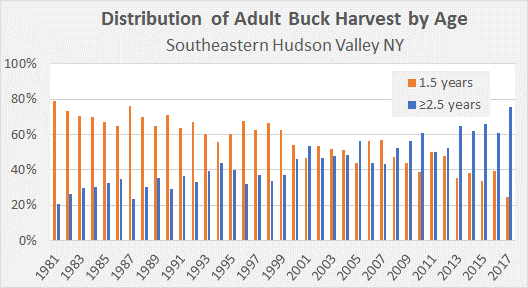
Luckily, I was able to have someone snap a quick photo of me as they were heading to their vehicle.

If you’re going smallmouth fishing near Joplin, I definitely recommend this spot. Come prepared with some dirty tennis shoes you don’t mind getting wet. There will be some places downstream you’ll want to fish to kill some time before the crowd clears. That’s when you can make your move back to the falls. I was throwing a Ned Rig with the small Z-Man finesse TRD worm in California Craw pattern. My jig head was a 1/6th oz. It was non-stop action the last 45 minutes and I could not have had more fun during an evening of work travel.


To see more stories like this one covering outdoor news from around Missouri, follow along at https://mahoneyoutdoors.com.

Orleans County, NY – Fishing Report from Capt. John Oravec of Tight Lines Charters, August 21, 2018.

Capt. Johnny Oravec is a 43 year veteran of Orleans County charter captain of the 33 foot Trojan the "Troutman 2".

Giant Brown Trout caught off the 50′ Ledge by Cleveland Angler “Big Pat”

Long days + heavy catches + loads of high quality silver fish = the “High Season” for anglers that are visiting and fishing the Trout and Salmon Grounds of Orleans County! Longtime known as “Home of the King”, the ongoing migration offers all year classes of Chinook plus a “mambo” brown trout ledge fishery.

Right now, mature Kings…15 to 22 pound average (yes, the Sharks!), are staging along 20 miles off the Orleans County coast. Search the 45 to 100 foot drop offs.  Take advantage of boat launch access at Bald Eagle, Golden Hill and of course the “Oak”, public as well at the East Lake Breeze ramp.

Tactically, try mixing a flasher, fly rig or flasher – cut bait set up on wire Dipsies, keeping spoons on the riggers for big Browns. Try bright glow, chartreuse, frog patterns that local merchants like Narby’s carry along with the fresh herring, aka “meat”.

The offshore at 250 -500 feet is again a consistent band for medium Kings, coho and steelhead.  Please try to release steelhead for breeding. Everything is hitting 40 to 70 down. A Long Island boat, Total Chaos, reported big coho over 600 ft. 

The LOC Derby is underway so make sure to support and enter. Follow minimum weigh-in sizes, release a few and have fun.

Now go get ’em!

Captain John Oravec
captjohnoravec.com  

Tight Lines Charters
1857 Countyline Rd * Lyndonville, NY 14098
boat/mobile 585-590-2045 

Capt Johnny Oravec is a 43 year veteran of Orleans County charter captain of the 33 foot Trojan the “Troutman 2”. Capt Johnny has been helping Great Lakes anglers learn and develop fishing techniques by writing for the In Fisherman Magazine TV and Radio.

Visit our Fishing Report on OrleansCountyTourism.com, including weather forecasts and our “At the Oak, Orleans County” Facebook feed.

Late-summer musings …

Ah, the mysteries of life. Food for thought in the throes of this heat wave.

By Brent Frazee
• Why is it that you catch fish on a new lure, get excited, and buy a bunch of them, only to find out that it was a one-trip wonder?
• Why is it that no one talks about lures such as electric-blue plastic worms or gadgets such as the Color-C-Lector, once the rage in fishing, anymore?
• Why is it that lure companies have such short-term memory? Those revolutionary baits they introduced last summer are quickly forgotten when the new models are unveiled.
• Why is it that those crappie or bass that were just a fraction short of being a keeper never seem to grow to the desired size the next year?
• Why is it that the fishing can change so quickly – from boom to bust – in only one day without any discernible change in conditions?
• Why is it that an artificial bait can often outfish the real thing, a nightcrawler or a minnow?
• Why is it that a fish at the end of your line always looks so much bigger in the water than in the boat?
• Why is it that photos seldom do justice to the big bluegills you catch?
• Why is it that two fishermen can fish side by side with nearly identical equipment and one will catch all the fish?
• Why is it that a catfish will bite strange baits such as hot dogs or soap?
• Why is it that bass fishermen who constantly boast of having great practice rounds seldom finish high in tournaments?
• Why is it that some pros can talk of a 5-pounder getting away at the boat and know exactly how much that fish weighed?
• Why is it that some experts say that luck plays no part in fishing? The record books are full of lucky fishermen.
• Why is it that a fisheries biologist doing an electrofishing survey will find a big bass in a spot you had just cast to with no luck minutes earlier?
• Why is it that you can toss a lure right into the middle of a school of surfacing white bass and not even get a hit?

Ah, the mysteries of life. Food for thought in the throes of this heat wave.


Stay up-to-date with all of Brent’s stories at www.brentfrazee.com.

Why We Fish…Eastern Basin Lake Erie

How sweet it is to fish Eastern Basin Lake Erie for WALLEYE! Mike Joyner Photo

  • Plentiful Walleye, Bass, Yellow Perch, Steelhead, Lake Trout, Musky
  • Fun, Adventure, Camaraderie, Unforgettable Memories
  • Tasty Eating, Extraordinary New Friends, Discovery
Ken Perrotte (L) and Mike Joyner head for the fish cleaning station at Dunkirk, a busy place after a 4-hour fish trip from Chadwick Bay Marina. Fishing secrets and happy moments afloat are shared within these walls. Forrest Fisher Photo

By Forrest Fisher

For all of us that fish Lake Erie for walleye from New York or Canada, this summer has been one to remember. The fish have been cooperative, close to home and more plentiful than ever before. The eastern basin has finally become much like the western basin, in that you can catch walleye by many means when 41 million fish reside nearby and you are fishing with something that represents a forage item that walleye savor.

Boat launch action at Buffalo Harbor State Park, Erie Basin Marina, Sturgeon Point Marina, Sunset Bay State Park, Hanover Launch, Dunkirk Harbor and Barcelona Harbor has been busy and steady. Boat trailer plates can be noted from many states in the parking lots, not something that is new to WNY, but the sheer repetitive volume each day and each weekend is new. Visitors fish for walleye, perch and bass too, and catch bonus 20pound lake trout and leaping steelhead that provides an additional test of angler durability. It’s pretty exciting to say, “Fish On!” You never know what species might be there, though walleye are the norm.

Like kids in search of candy, these repetitive fishermen need more. They need a fish-catching refill whenever time allows and, even if they must drive a few hours, they come. Even Ohio anglers are heading to WNY! Now that’s a switch!

If we ask the visitors or locals why they fish, the answers are far and wide. Some say, “It’s just fun, I like the way they taste.” Others say, “I eat, therefore I fish.” Many of us say the same about hunting. Still others add, “I want to fill my freezer for winter, I don’t ice fish and fish are expensive in the store.” Add, “I like just like it” or “I wanted to fish with my grandkids,” or “My wife wanted me to cut the grass so I came fishing,” or “I just love being here, I don’t care if I catch fish.” There’s more, you’ve heard them now and then.

Mike-Joyner (L), NYS Outdoor Writers Association – President, and Capt. Jim Steel (Dreamcatcher Sportfishing Charters) share a picture moment after a nice catch near Van Buren Point in Lake Erie.  Forrest Fisher Photo

I asked Captain Jim Steel, a Lake Erie charter captain (Dreamcatcher Sportfishing) who works the Sunset Bay-Dunkirk area, why he fishes. The soft-spoken master captain says, “Because I Iike to fish. I like to share our incredible resource with others. My first mate is Rich Fliss, both of us never stop thinking about fishing. Even when we’re deer hunting, we text each other from the tree stand and exchange ideas for gear and new rigs to try next, to fish better with. My wife (Diane) is also a coast guard certified first mate, we are first aid/CPR certified too. We are all drug-tested. We follow the rules and people know, they’re safe here.” Captain Jim Steel has a big heart and he shares his tactics, his gear choices, line sizes, snap-swivel choices, all that. Even his thinking about strategy for the fish day and why. He explains gear choices for the day, right down to lure picks (Renosky’s, Bay Rat’s, Challenger’s, Chatterstick’s, etc.), colors, actions and depth placements. Visit his website at www.dreamcatchersportfishing.com or call 716-983-7867 to visit aboard his 31-foot Tiara (w/rest room).

Lures that make a difference, like this one, include color, buoyancy, hook size, snap connector choice and leader length. Forrest Fisher Photo

While some people fish to simply fill their freezers, fishing for Lake Erie walleye is more than a grocery trip for most anglers. For Captain Jim Steel and so many others, it is a passion. It is a new experience to enjoy each and every time. Steel adds, “You know, each trip is such fun because so often we take people fishing that have never been here before. Watching them enjoy reeling in a big catch is an unlimited fun moment for them and for us.”

Steel says, “The fishing changes day to day and so while it may appear that all of our tackle rigs in the rod holders are a bit overwhelming, many are often quite different from each other. Some rod/reel rigs have light line, some have heavy line, some are rigged for lead-core line, others for downriggers, still others for other specific purpose. We use varying types of leader lines too. Whatever the fishery demands for us to do to catch fish that day, we are prepared. That’s one of the reasons why we are busy with repeat anglers using our services all summer. We use new Okuma rod-reel tackle each year, it all works and we avoid malfunctions to be sure folks enjoy the best day without problems.”

Like a hunter looking through his binoculors for game in the deer woods, Steel and others that have stepped up to the now affordable hi-tech sonar gear, can search with down scan and side scan electronics to find fish. The sonar adds excitement to the trip. “There’s one,” says a client watching the screen. “You can sense the excitement and anticipation in their voice.”

Modern sonar can identify schools of walleye and other fish species, making the fishing a bit more fun with anticipation. Forrest Fisher Photo

For many of us regular fishermen, we share our fishing spirit all summer long, all the while, in pursuit of our quarry, the wily walleye.  We share our enthusiasm. We share our reverence and respect for the fishery, big fish and little fish. We embrace the army of anglers that enjoy and share in these same things. Together we are a brotherhood of men and women and kids that love the outdoors with a passion that cannot be equaled. As a brotherhood, we define a time-worn trail to pass along to younger generations.  First encounters, indescribable moments in time – the one that got away, the one that didn’t, the one that won the prize.

Dan Tone, mentor of the Erie County Federation of Sportsmen and founder of the Western New York Environmental Federation, and an honored member of the NYS Outdoorsman’s Hall of Fame, shares his humble smile while fishing Lake Erie last month. Forrest Fisher Photo

We share in orange sunrise moments, peaceful sunsets and at night, even the Milky Way and twinkling stars in their constellation positions add to our unforgettable moments during our fishing time. Each of these, we share with the same appreciation of where we are and what we are doing when we are fishing. We embrace such moments and they help make us who we are. We are fishermen. We are special, especially in today’s world.

Each fishing day, the goal is to encounter that first fish. Sometimes it takes a while longer, so we change lures, colors, and tactics. That’s fun too.

Last month (August), my grandson and I were set up to troll a few miles from the south gap of Buffalo Harbor. Using 5-color lead core lines, short leads off the downriggers and diving planes too, we fished for about 45 minutes to catch 7 walleyes on stickbaits and weighted-willow blade spinner-worm rigs. About an hour of no strikes, my grandson asked, “Ya know Dziadz, I sort of miss how we used to fish for bass. Can we do that again sometime?” I answered, “Sure! How about now?” He quickly asked, “We don’t have any of our lightweight rods do we?” They were in the storage locker, so off we went to the rocky structure of Seneca Shoal.

Using Heddon Sonar’s, jigging Rapala’s, drop-shot rigs with ElaszTech plastic worms in peanut butter/jelly color rigged 20 inches off the sinker with size 2 VMC hooks, fished with 20# Gamma braided line and 8# Gamma fluorocarbon leaders, and casting Storm 360GT 5-inch jig tails, we landed 24 bass and 7 more walleye in the next 2 hours. Wow. The afternoon was unforgettable. For all time. Reasons why we fish are simple. Indelible. Fun. It keeps us ageless wonders from the 50s young for a day.

We live in an incredible time on an incredible fishery because the resource of Lake Erie is in our backyard. We are the lucky ones. Why we fish? It’s about expectations, adventure, friends, fun and working hard to make it all happen. Checking gear, camaraderie, sharing secrets and embracing the spirit of the catch, even when we don’t catch ‘em, that’s why we fish.  You might have many reasons. All good.

The future of fishing, our clean waters and our kids depend on you sharing why we fish with that youngest generation of today. Kids today need to hear it from their master mentors. Parents. Grandparents. Charter captains. Those expert Southtowns Walleye anglers that go to those long meetings on Southwestern Boulevard. That’s us. The future depends on us. That’s you and me.  So get busy, go tell those kids you know why we fish and invite them along. Be gentle, be thorough. Laugh hardy. Create special moments not to be forgotten. This year, our fishery will help.

Share some of the best time to be found on the planet in WNY fishing for Lake Erie walleye.

For more information on eastern basin Lake Erie, accommodations and access points, visit www.tourchautauqua.com.

For the latest fishing report, visit the Lake Erie fishing hotline: www.dec.ny.gov/outdoor/fishhotlines.html.

For maps, fish details, charter captains and fishing clubs, visit: http://www2.erie.gov/hotspot/index.php?q=fishing-maps.

Editor Note: Forrest Fisher is one of the 17 original founding members of the Southtowns Walleye Association, is a syndicated outdoor columnist over the last 36 years with feature stories in local newspapers, state, regional and national outdoor magazines.